A once-confidential letter says child sexual abuser might implicate senior church officials if allowed near ‘the legal arena’ upon his release from jail
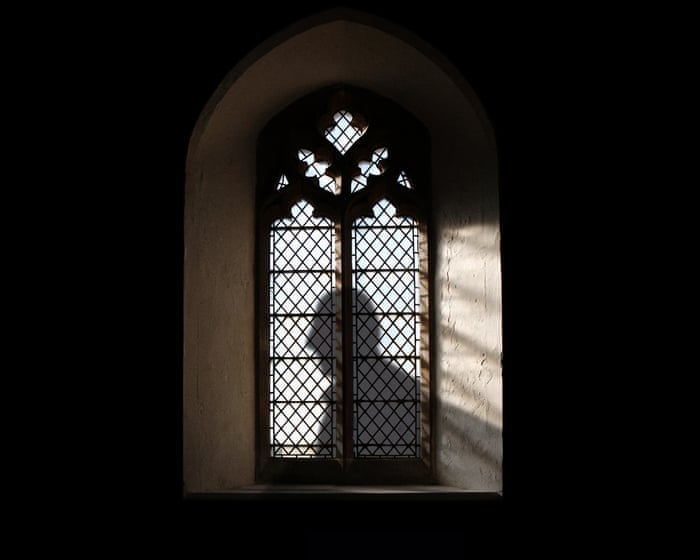
Lawyers from a leading law firm for the Marist Brothers have been subpoenaed to explain a once-confidential document showing they advised the Catholic order to keep a serial offender out of “the legal arena”, suggesting he was too honest and might implicate senior church officials.
The offender was “regrettably up front” about his interactions with senior leadership, and could not be trusted to heed “suggestions” about “not dumping on others excessively”, the document says.
The police investigation into a TikTok livestream in which a child with Down syndrome was encouraged to perform indecent acts has been completed, with the case file now before the attorney-general’s office to determine whether criminal charges should be brought.
According to Reporter, police sources confirmed that the cybercrime unit had concluded its investigation and forwarded the evidence to the Law Office for examination.
The attorney-general will decide whether the evidence establishes criminal offences and, if so, whether to instruct the prosecution of those involved. Alternatively, the case could be closed if insufficient evidence is found, or returned to police for further investigation or clarification.
The incident sparked widespread outrage in July, although the video had reportedly been posted approximately two months earlier. It showed TikTok users allegedly encouraging a child with Down syndrome to expose himself during a livestream.
As previously reported by the Cyprus Mail, three people were arrested on July 23 in connection with the incident, but all were subsequently released.
Two women were brought before the Nicosia district court, which rejected a police request to remand them in custody. A third suspect, arrested later that day, was released following questioning.
The case had prompted criticism of the police response, particularly after disability organisations questioned why those allegedly involved had not been identified sooner.
In July, the Cyprus Confederation of Organisations of the Disabled (Kysoa) accused the authorities of failing to act promptly, with its president, Themis Anthopoulou, questioning how members of the public could identify those involved when police had reportedly been unable to do so for weeks.
Kysoa also condemned the public humiliation of the child, describing the incident as abuse, and urged social media users to stop circulating the footage to prevent further violations of the child’s dignity and privacy.
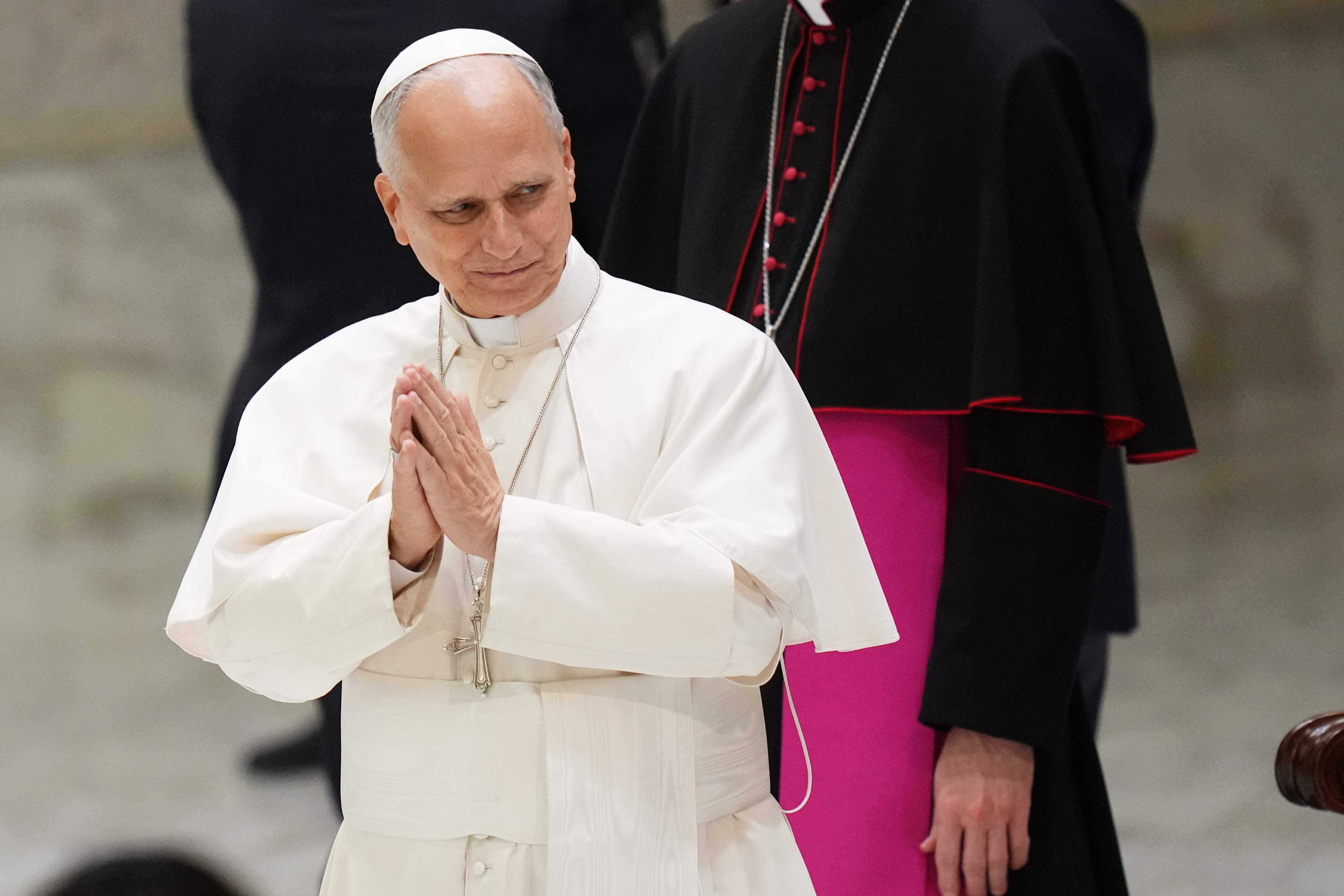
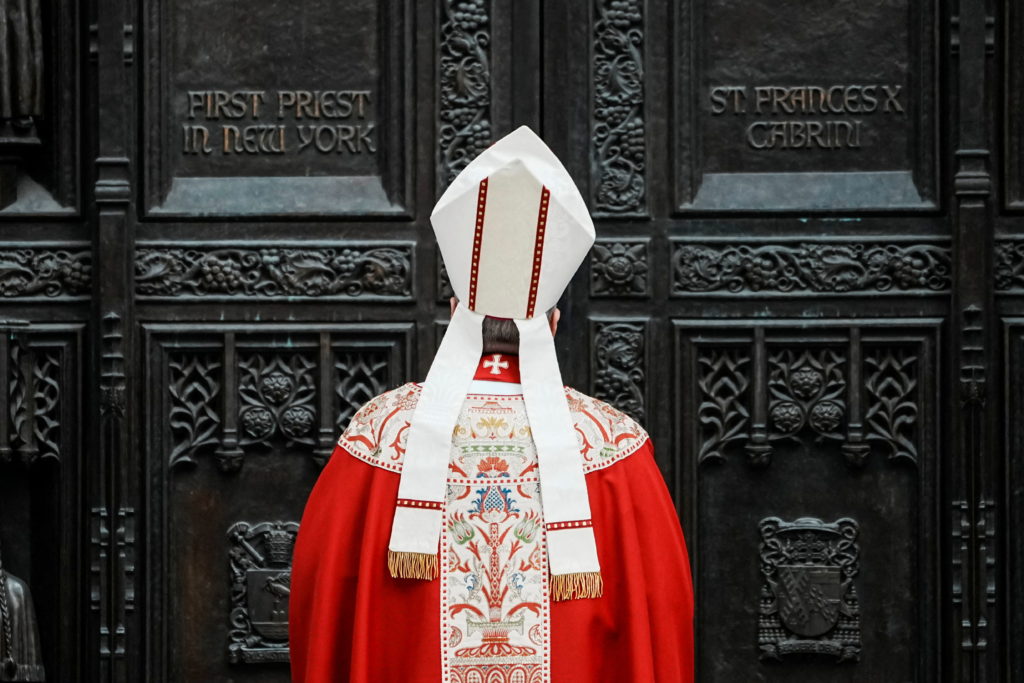
The Vatican statement didn’t say when the encounters would take place or where, but said “several meetings are planned,” suggesting more than one encounter.
The Vatican statement didn’t say when the encounters would take place or where, but said “several meetings are planned,” suggesting more than one encounter.
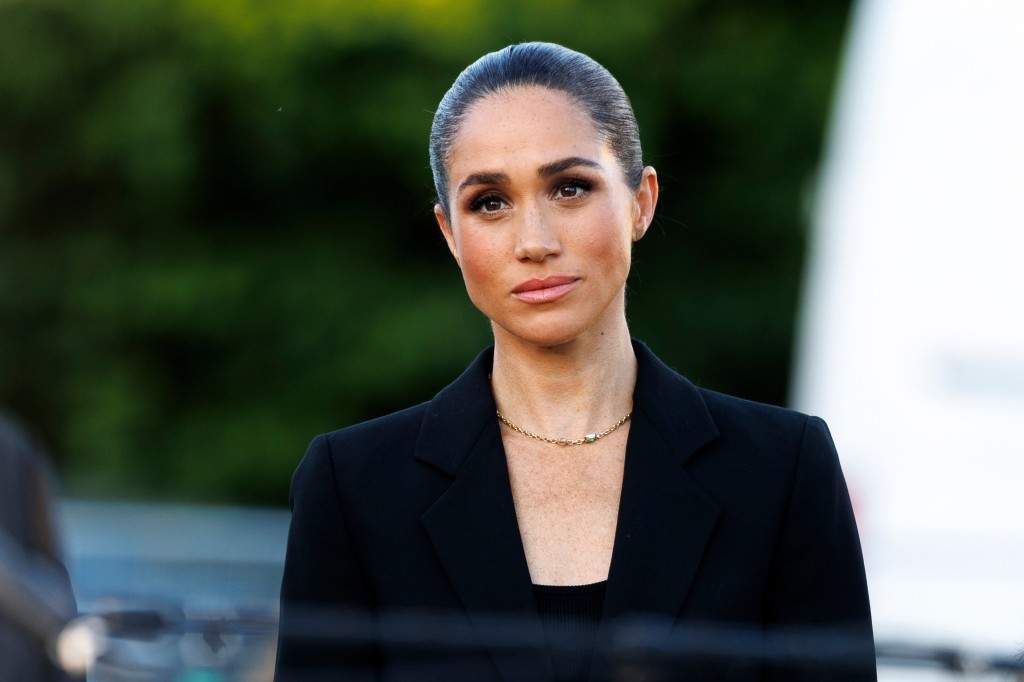
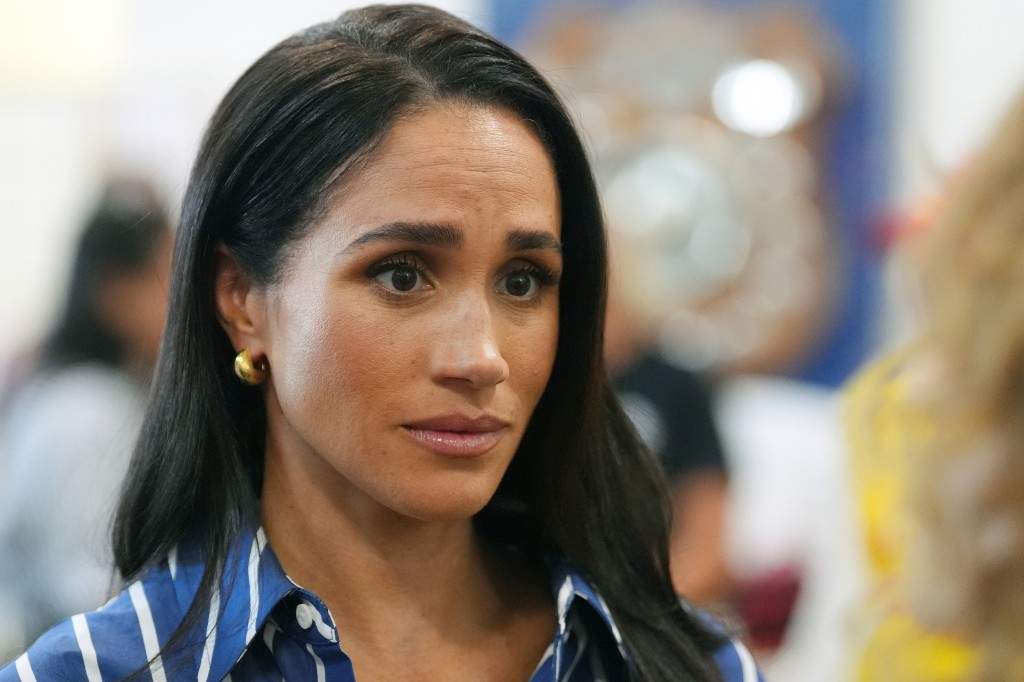
'My sincerest hope is that justice will be fully served and that the priority remains the safety and protection of innocent children,' Meghan Markle said in a statement.
'My sincerest hope is that justice will be fully served and that the priority remains the safety and protection of innocent children,' Meghan Markle said in a statement.
Carleton Gajdusek won the Nobel Prize for his work on a disease in Papua New Guinea. But his biggest experiment was on the children he took from the field to the US—many of whom he sexually molested, with the knowledge and, in some cases, approval of his professional peers and colleagues:
In his journals and in letters to colleagues, Gajdusek was self-righteous, arguing that what he’d done was “no more serious than lying on the grass or picking a dandelion,” and he cited the Anga initiation rites as justification. These ceremonies had brought boys into their communities, as part of a shared passage into manhood, but Gajdusek treated them as a timeless license for the acts that he’d committed privately, one boy at a time. George Klein, a professor at the Karolinska Institute, in Stockholm, who was part of the Nobel Assembly for thirty-six years, validated Gajdusek’s opinions, telling him that he wondered if “the Western world can ‘catch up with you.’” He wrote, “I share your indignation about the typically Jewish-Christian-Moslem hypocrisy on sexual matters.” Gajdusek was troubled, though, by how many colleagues wrote letters saying that they knew the charges must be untrue. “I thought better of my friends,” he said. “They are dissimulating and lying.”
 Login