❌

Reading view

Pentagon urges NATO allies to tone down Russia rhetoric

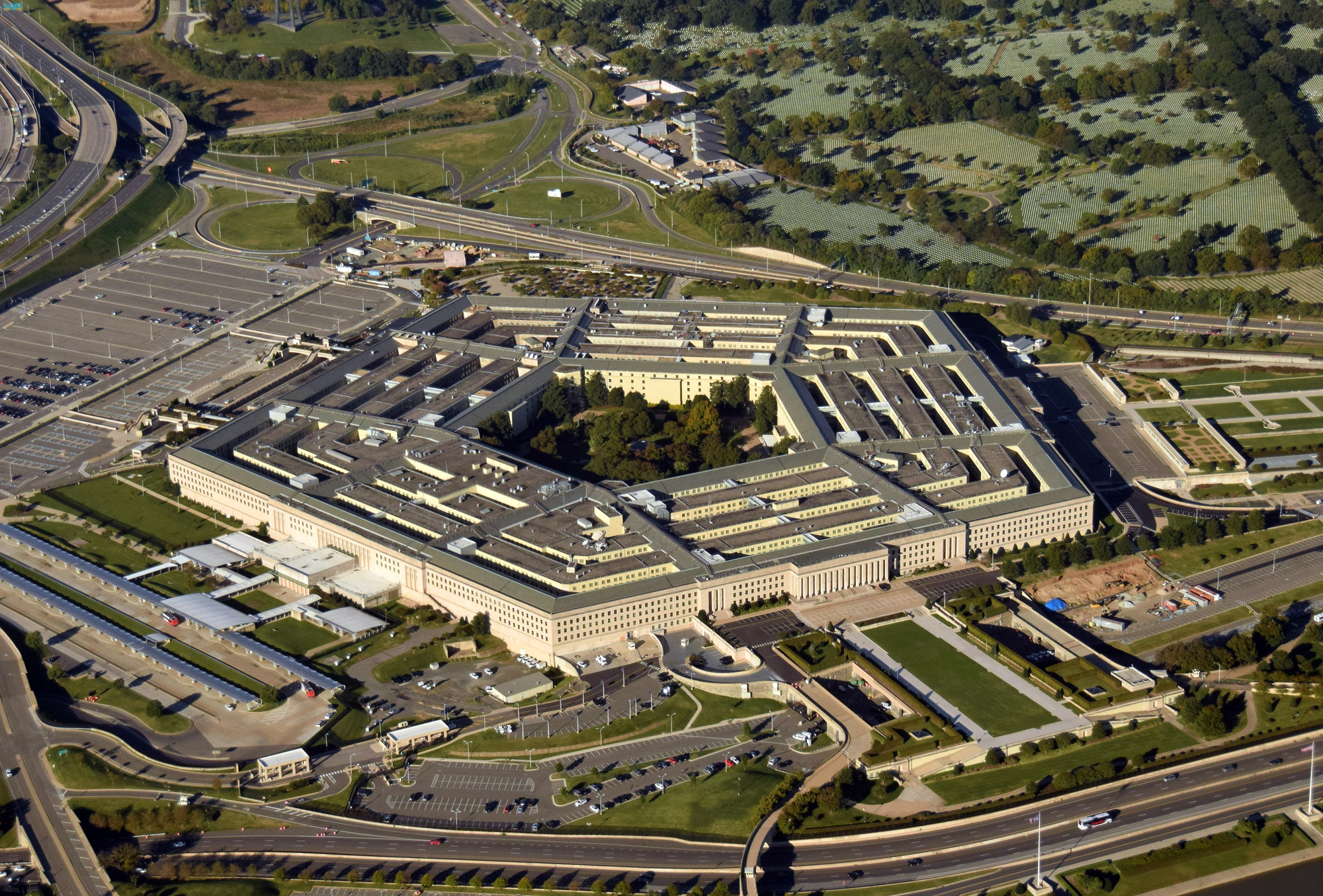
Pentagon officials have in recent weeks asked several NATO countries to tone down their rhetoric regarding the threat posed by Russia, arguing that some statements by European leaders and officials have undermined continental security, four people familiar with the matter said.

Among the nations that have received messages urging them to keep public statements in check are Lithuania, Latvia and Estonia, said the people, who spoke on condition of anonymity. It was not clear if the messages, which were delivered in bilateral meetings, were conveyed to other European governments.

The US requests come as the Trump administration restarts an effort to press for a negotiated end to the full-scale war in Ukraine, now well into its fifth year. The latest push has blended incentives for Russia – including sanctions relief – with pressure on Ukraine to halt its attacks on Russian energy infrastructure.

Asked for comment, a Pentagon official said: “Private conversations among allies are just that, so we will not comment on these allegations.”

Among the comments that have drawn US officials’ attention are suggestions by European leaders that Russia is cornered and resorting to increasingly desperate measures as its invasion of Ukraine slows to a crawl, one of the people said.

Pentagon policy chief Elbridge Colby, a key figure in an ongoing review of US troop levels in Europe, was one of the US officials delivering the message, the people said. Reuters could not determine what other officials were involved.

None of the people, who include three European officials and a US official, suggested the advice was communicated in a confrontational manner.

US urges allies not to provoke Moscow

The US messages reflect a debate within NATO regarding how to publicly address the threat of an increasingly assertive Russia.

Some Western officials have argued that emphasizing the threat posed by Moscow could play into the hands of the Kremlin, which they say seeks to sow fear and undermine support for Ukraine.

Others argue European governments must be transparent to show their electorates that sacrifice and resources are needed to keep Moscow at bay. That is especially true as Russia appears to accelerate a covert campaign of sabotage throughout the continent.

Russia has denied that it is pursuing such a campaign.

Baltic states face pressure over public warnings

One of the people familiar told Reuters that Colby told a Baltic official recently that there should be no “poking” directed at the Russians.

The person said Colby pointed to Europeans publicly suggesting that Russia was “cornered like a rat” as an example of unhelpful rhetoric.

It was not clear what specific statement Colby was referring to. However, Estonian Prime Minister Kristen Michal referred to Putin as a “rat in a corner” in late September, suggesting the Russian leader was resorting to sabotage efforts in Europe as Russia had become increasingly bogged down in Ukraine.

“We are helping you. The Americans are there,” said a separate European official, describing the Pentagon’s recent private messaging. “Just don’t be loud. Don’t make noise.”

In a separate recent meeting, the Pentagon urged an Estonian delegation to be “measured” in its communications, according to a person briefed on the encounter, though the person did not say Pentagon officials complained about any specific statement.

The defense ministries of Lithuania, Latvia and Estonia did not respond to requests for comment, while NATO declined to comment.

Russian sabotage fears divide NATO allies

One of the European officials said that the Pentagon’s advice, while cordial, was baffling, given that intelligence services in the Baltic states have in recent months consistently played down the probability of Russia testing NATO’s mutual defense provisions.

Other NATO intelligence services, by contrast, have publicly warned that Russia could dramatically ramp up its sabotage campaign in the near future.

The Pentagon messages to NATO officials come at a fraught time for European security.

Moscow has recently intensified its campaign of deniable attacks on NATO countries, Western intelligence officials have said.

On Wednesday, German prosecutors said two Belarusians were arrested for allegedly planning to set ​fire to a building or critical infrastructure facility ⁠in the Nuremberg area. In September, the German government blamed Russia for an attempted drone attack at Leipzig/Halle Airport, allegations Moscow has denied.

At the same time, US officials have been discussing potential business deals with Russia as part of the Trump administration’s push for peace in Ukraine. Those efforts have drawn mixed reactions from European officials, many of whom are pushing for the Kremlin’s continued economic isolation.

US reviews military presence in Europe

Pentagon planners, meanwhile, are reviewing Washington’s force posture in Europe, a process that could see a sharp drawdown in America’s troop presence on the continent.

US officials have said European NATO members need to assume more responsibility for their own defense, particularly as the US focuses on threats in the Middle East, Latin America and East Asia.

  •  

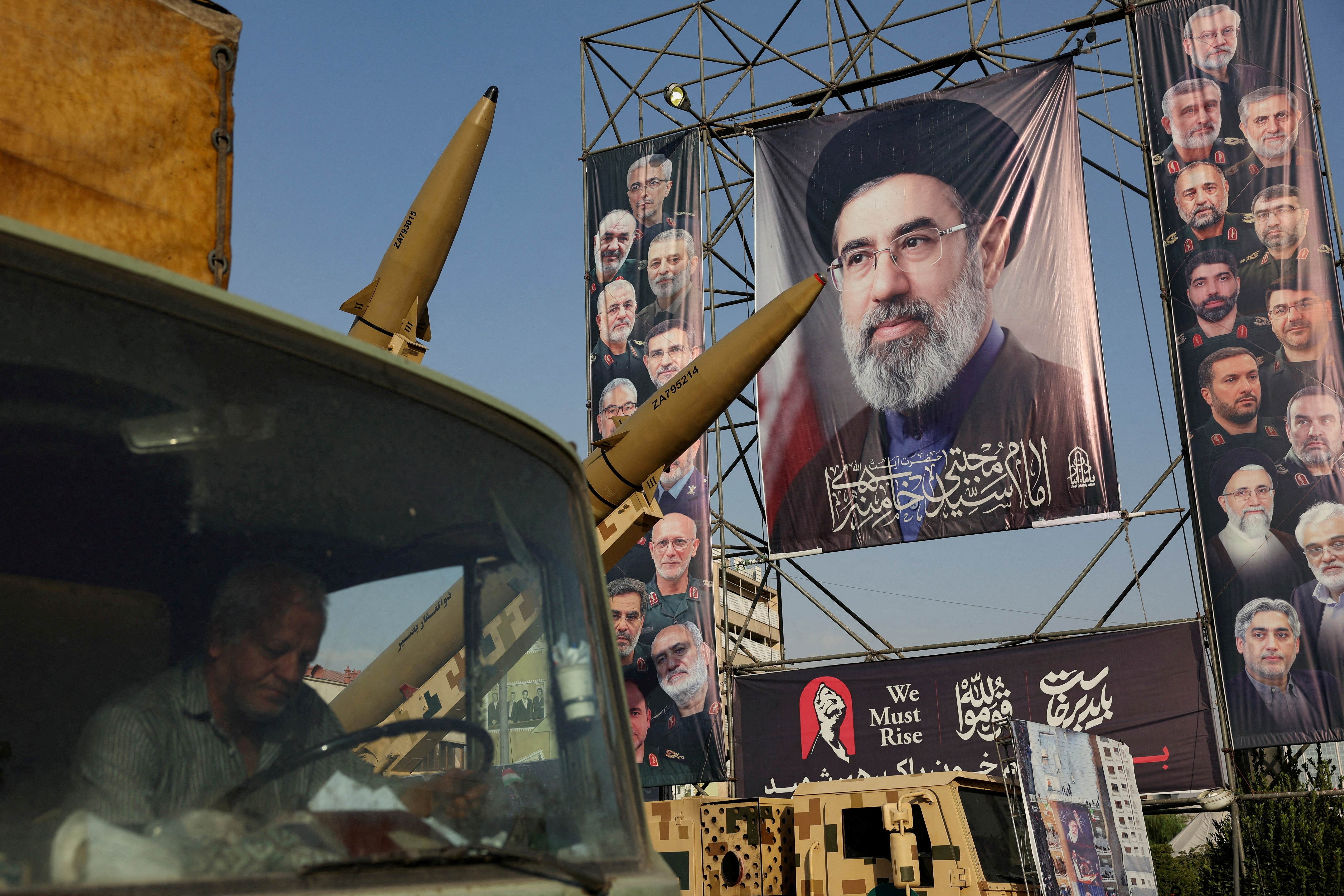
Iran sees only ‘unacceptable ideas’ in latest mediation to end war

Qatari mediators have presented Iran with a new draft deal to end the war with the US and Israel, an official briefed on the negotiations said, but a senior Iranian official said Doha had only put forward unacceptable ideas that did not amount to an offer.

The official briefed on the negotiations, who is not from Iran, said a new draft peace proposal for the eight-month-old conflict was presented on Sunday and was being considered by Tehran, with a response expected by the end of the week.

Qatar, along with Pakistan, has led mediation to end the war, which has disrupted global shipping and oil supplies and recently spread to Saudi Arabia and Yemen.

The proposal presented by Qatar sets a seven-day timeline addressing both Tehran’s and Washington’s concerns, laying out daily confidence-building steps that each side must take, the official briefed on the negotiations said. The timeline could begin early next week and several countries would act as guarantors of the deal, the official added.

Shortly afterwards, a senior Iranian official involved in the talks said Qatar had presented only “unacceptable ideas and not an offer”, and that Tehran’s policy on showing no flexibility over the nuclear issue remained unchanged.

Iran’s Foreign Minister Abbas Araqchi said on Wednesday that Tehran remained in close contact with intermediaries to review ideas that could ensure the implementation of its own seven-day proposal aimed at ending the war in the Middle East.

He said Iran continued to give diplomacy a chance to succeed, adding that Tehran’s seven-day plan could be implemented in less than a week.

Washington wants Iran’s decades-long nuclear programme to be part of negotiations to end the war from the outset, while Iran says its conditions — which include an end to the US blockade of Iranian ports and the lifting of sanctions on Iranian oil exports — must be met first. Iran rejects Western concerns ​that ⁠its nuclear programme is military in nature.

In late September, Iran presented its seven-day proposal under which Araqchi said the Strait of Hormuz, one of the world’s most important energy shipping channels, could be reopened if certain conditions were met. US President Donald Trump rejected it, prompting further Qatari mediation.

The draft discussed in Tehran on Sunday was different from that proposal, the official briefed on the negotiations said, though the details of the latest plan were not immediately clear. The official had previously told Reuters that the Qatari mediators had coordinated with Washington before going to Tehran.

Earlier mediation efforts to end the war that the US and Israel launched on February 28 helped produce an interim peace agreement in June, but it quickly unravelled.

In recent weeks, Yemen’s Iran-aligned Houthi forces have launched repeated attacks against Saudi Arabia — a key US ally and the world’s largest crude exporter — opening a new front in the eight-month-old war.

Oil prices LCOc1 rose more than 1% to more than $115 per barrel on Wednesday after a Houthi attack on Saudi Arabia’s largest oil refinery, Ras Tanura, stoking concerns over supply risks.

Fighting with the Houthis intensified last month as the militant group advanced against Saudi-backed forces towards the Bab el-Mandeb Strait, another important shipping lane on the other side of the Arabian Peninsula from Hormuz.

The official briefed on the negotiations said there were concerns ahead of Sunday’s meeting in Tehran that Israeli Prime Minister Benjamin Netanyahu, fighting for another term in a general election, could resume attacks on the Islamic Republic this week.

On Friday, Trump repeated threats to strike Iran again, while Iranian security officials told Reuters Tehran had drawn up detailed plans to attack Gulf undersea cables if the US and Israel resumed attacks.

On Monday, top officials from Saudi Arabia, Turkey and Pakistan also met Iranian officials in Tehran as part of de-escalation efforts. Qatar said on Tuesday that Iran needs to stop threats against Arab Gulf states and open the Strait of Hormuz to show good intentions for mediation efforts to succeed.

Gulf states came under sustained bombardment earlier in the war.

The war also reignited fighting between Israel and the Iran-backed Lebanese armed group Hezbollah. It has eroded Trump’s approval ratings ahead of the US midterm elections that decide control of Congress.

  •  

US warns Gulf states of possible new strike on Iran after midterms

The US has informed several Gulf nations it may launch a “brief but intense” military operation against Iran after the midterm elections on November 3, the Wall Street Journal reported on Wednesday.

According to the newspaper the warnings were passed on through diplomatic and military channels.

Its sources said Washington and Israel are preparing for a fresh wave of attacks intended to weaken Iran and pressure it back to negotiations.

President Donald Trump has not made a final decision, though the Journal reported that he is seriously considering extensive operations after the elections, with Iranian infrastructure and nuclear facilities among the possible targets.

The US military is reportedly moving an additional Patriot missile defence system from Texas to Israel to help counter any Iranian retaliation.

The newspaper said the movement was identified from flight tracking data and confirmed by two officials familiar with the weaponry.

US personnel are also being withdrawn from bases in the Middle East considered vulnerable to Iranian attack.

Ammunition stocks are being built up, and plans are being made for the possible use of fighter and bomber aircraft.

There are already 20 warships near the Persian Gulf, and an additional aircraft carrier strike group and a Marine expeditionary unit are expected to arrive.

The war is in its eighth month, and by mid-October its cost was estimated at $47.1 billion, a figure that does not include damage to US military installations in the Middle East.

About $29 billion of the total, almost 60 per cent, has gone on munitions, including Tomahawk and Patriot missiles.

  •  

Hacking attempts against US Federal Election Commission system triggered outage

The US Federal Election Commission’s website has been targeted by a hacker or hackers, disrupting the agency’s electronic filings system a week before the November 3 elections, according to an email seen by Reuters.

In a statement, the FEC said that, “at this time, the FEC’s electronic filing system is currently offline and our IT staff are actively working to restore service.” The FEC, which tracks the spending of candidates and political committees, said that users could still search the website for past reports. It declined further comment on the outage.

The hacking attempts come a week before the midterm elections, which will determine whether President Donald Trump’s Republicans maintain their majorities in Congress for the next two years.

The FEC does not play a role in administering US elections and the outage should have no effect on voters’ ability to cast ballots.

The outage prevents organizations from filing the FEC’s 24-hour and 48-hour spending reports, which show how much political groups and others are spending on specific races.

“I’ve never seen this in 26 years,” said Steven Mele, a partner at political finance compliance firm MBA Consulting Group. “The result is there will be less disclosure on the elections” until it’s fixed.

A status message posted by the FEC noted that its filing system had been down since around 10 p.m. ET on Monday (0200 GMT Tuesday). The Cybersecurity and Infrastructure Security Agency and the FBI did not immediately return messages seeking comment.

  •  

First lady Melania Trump says Ukraine-Russia ceasefire expanded within Kherson

US first lady Melania Trump said on Tuesday that a localized ceasefire between Ukraine and Russia has been expanded beyond Oleshky to allow safe passage for humanitarian supplies.

“Timing was accelerated two days ahead of schedule to protect the safety of civilians and to facilitate the delivery of critical humanitarian aid,” Mrs Trump said in an X post. “The ceasefire’s geographic area has expanded beyond Oleshky, within the Kherson Region, to provide safe passage for the humanitarian convoys.”

  •  
❌