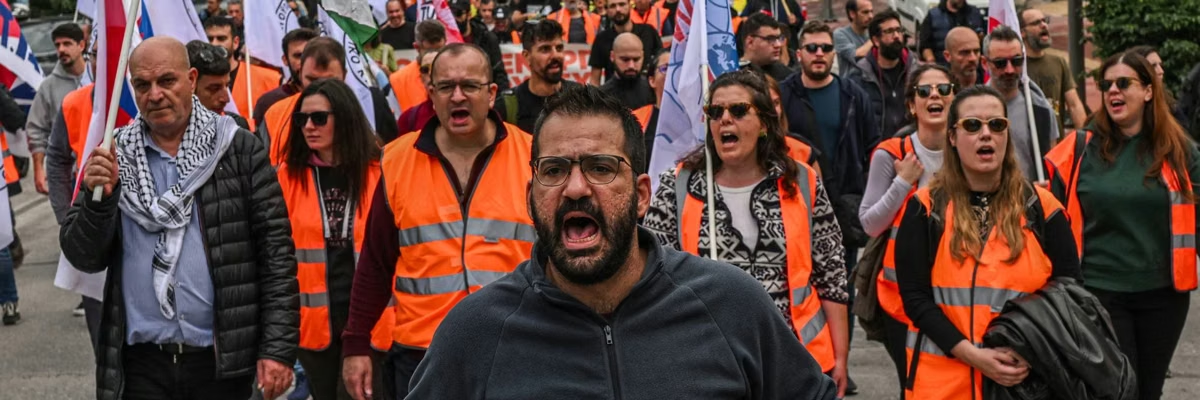
With ‘Largest Coordinated Port Action Ever,’ Dockworkers in 22 Countries Strike Against Gaza Genocide


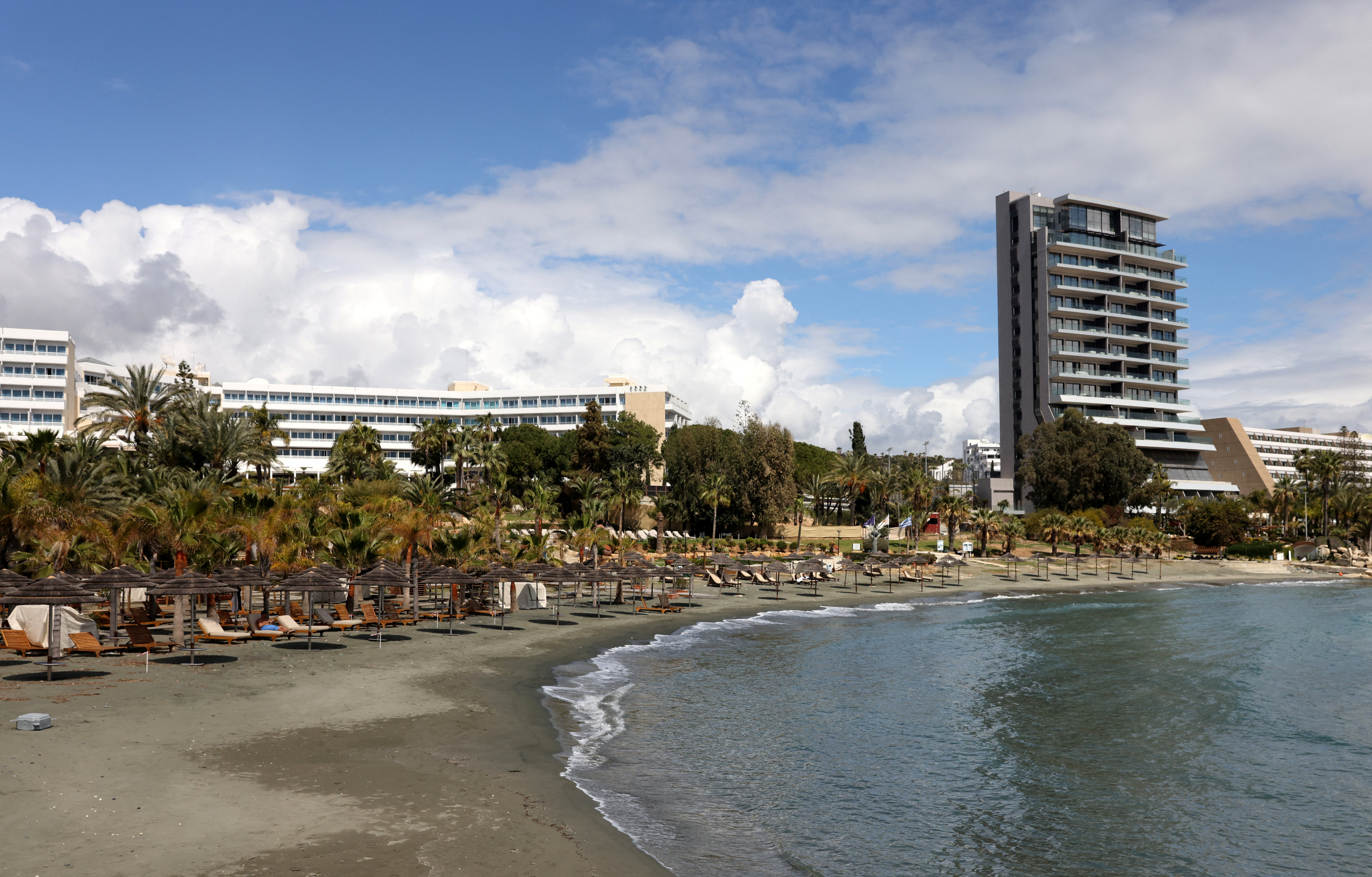
Cyprus is increasingly being chosen by Israelis as a destination for live music, with tourism firms reporting on Friday that the lack of international artists performing in Israel is driving demand for festivals and club nights on the island.
Speaking to Israeli news outlet Mako, Prof Alon Gelbman, head of the master’s programme in tourism at Kinneret Academic, said the security situation and the absence of many international artists from Israeli stages were pushing young people towards “alternative destinations”.
He said Cyprus had a clear advantage for Israeli tourists due to its “proximity and short flight time”.
Vice president of marketing and sales at Israeli travel agency The Flying Carpet, Oren Cohen-Maguri, said Limassol had become “a sought-after entertainment destination among young people”, with its nightlife and clubs frequently playing host to international and Israeli DJs.
Cohen-Maguri said the scarcity of international performances in Israel meant concerts in Cyprus this summer could draw strong interest, “if they do take place”.
Official figures show the shift, for Cystat confirmed 135,628 Israelis arrivals last month, up from 105,597 a year earlier, a rise of more than 28 per cent.
Israel accounted for 23.3 per cent of all arrivals, making it the second largest market behind the United Kingdom on 30.5 per cent.
Limassol has become a particular draw, with Israeli travel and entertainment listings featuring the City of Dreams Mediterranean resort, beach clubs and music festivals.
Other venues featuring on Israeli nightlife listings include The Warehouse, Shaka, Columbia Sun, SODAP Beach and Guaba.
The trend has extended beyond Limassol, with Israeli rock band Kadachat having performed at Paradise Place in Pomos on October 17, according to Tel Aviv Times, which described Israeli flags inside the venue and a Hebrew welcome sign.
The growing demand comes as international performances in Israel have become increasingly scarce, with The Israel Festival having taken place this summer without an international act, while the Music Showcase Festival expected half as many overseas gests as last year.
Security restrictions have also affected domestic concerts, with stadium performances by Omer Adam and Eyal Golan postponed following Home Front Command restrictions on large gatherings in June.
Al Jazeera reported this week that Israeli visits reached nearly 600,000 last year, more than double the 2022 figure, while Israeli investment was estimated at €5.1 billion.
The Israeli embassy estimates that between 15,000 and 20,000 Israelis consider Cyprus home, compared with around 1,000 recorded in the 2021 census.

Quand l'archéologie sur le mont Thabor (Galilée) se confronte aux textes religieux. Rencontre avec M. Adeeb Joudeh Al-Husseini, un musulman amoureux du Saint-Sépulcre. (N° 705, septembre, trimestriel, 6,50 euros. — Jérusalem, Israël.)

© Sean Rayford for The New York Times
Tel Aviv, 30 oct (Prensa Latina) Estados Unidos habría trasladado 10 aviones de carga militar a bases aéreas israelíes en el desierto del Néguev, en medio de versiones sobre una posible nueva confrontación con Irán, informó hoy la Corporación de Radiodifusión de Israel (Kan).
The post Reportan traslado de 10 aviones militares de EEUU a Israel first appeared on Noticias Prensa Latina.

© Amir Levy/Getty Images


© Ammar Awad/Reuters
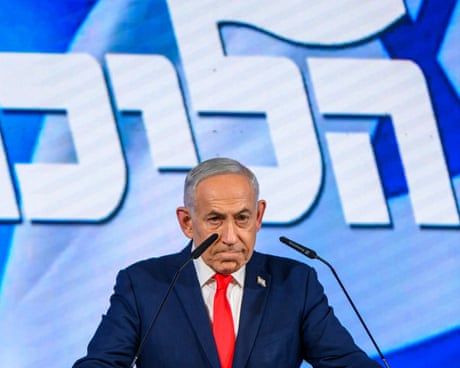
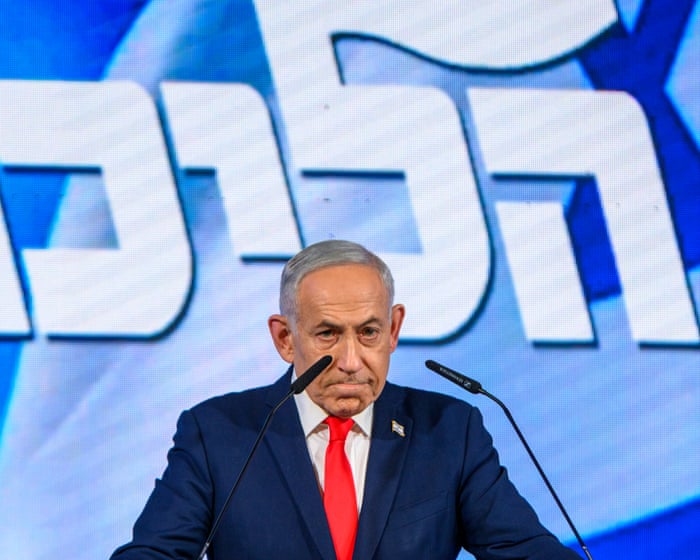
A coalizão do primeiro-ministro de Israel, Benjamin Netanyahu, não conseguiu conquistar a maioria das cadeiras do Knesset, o Parlamento israelense, nas eleições gerais do país.
O bloco formado por partidos de direita e ultraortodoxos obteve 53 dos 120 assentos, oito a menos que os 61 necessários para governar.
Apesar de ter liderado a disputa individualmente, o Likud, partido de Netanyahu, conquistou 27 cadeiras e não conseguiu reunir apoio parlamentar suficiente para garantir a continuidade do governo.
Os resultados finais foram divulgados pela Comissão Central de Eleições de Israel.
O Yashar, do ex-chefe militar Gadi Eisenkot, principal adversário do premiê, ficou em segundo lugar, com 21 assentos. O Juntos, do ex-primeiro-ministro Naftali Bennett, conquistou 12 cadeiras, enquanto a Lista Conjunta, formada por partidos árabes, ficou com 11.
Os Democratas e o Ra’am terão oito representantes cada. Yisrael Beiteinu, Otzma Yehudit e Judaísmo Unido da Torá conquistaram sete cadeiras cada. Já Shas e Sionismo Religioso ficaram com seis assentos cada.
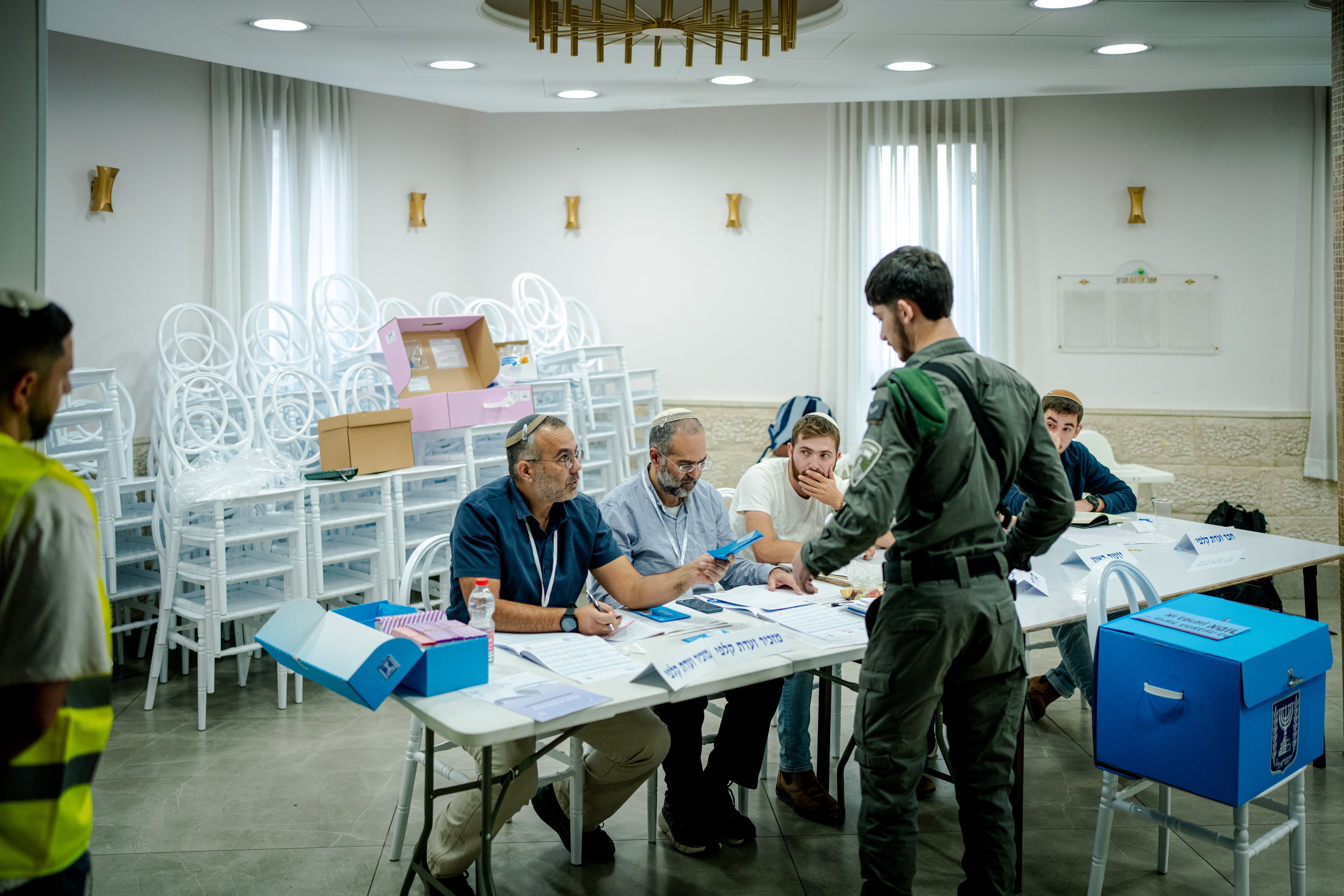
Ao todo, 11 listas de candidatos superaram a cláusula de barreira, de 3,25% dos votos, e terão representantes no Parlamento. O comparecimento às urnas foi de 77,9%, segundo a Comissão Central de Eleições.
As eleições terminaram sem que nenhum dos principais blocos conquistasse a maioria necessária para governar. Com isso, o resultado abre uma nova etapa de negociações políticas, nas quais partidos menores poderão desempenhar um papel decisivo.
Após a certificação dos resultados, o processo de formação do governo passa para o presidente de Israel, Isaac Herzog.
Herzog deve realizar uma rodada de consultas em Jerusalém, durante a qual cada partido eleito poderá recomendar um nome para o cargo de primeiro-ministro.
Com base nas recomendações, o presidente encarregará um dos candidatos de tentar formar um governo. A escolha não precisa recair necessariamente sobre o líder do partido que conquistou mais cadeiras, mas sobre aquele que, na avaliação do presidente, apresentar melhores condições de reunir apoio parlamentar suficiente.
O candidato designado terá 28 dias para negociar a formação de uma coalizão. O prazo poderá ser prorrogado por mais 14 dias.
Durante esse período, as legendas negociarão a distribuição de cargos ministeriais, prioridades orçamentárias e compromissos políticos para a composição do novo governo.
Caso o primeiro candidato não consiga formar uma coalizão, Herzog poderá encarregar outro parlamentar da tarefa. A segunda tentativa também terá um prazo de quatro semanas.
Se as negociações fracassarem novamente, o Parlamento terá um período para apresentar outro nome. Caso não consiga, Israel poderá ser convocado a realizar novas eleições.
Diante do impasse, uma das possibilidades seria a formação de um governo de união nacional, reunindo os dois maiores partidos, o Likud e o Yashar.
Herzog poderá tentar aproximar Netanyahu e Eisenkot para viabilizar um acordo entre as duas forças políticas. No entanto, a possibilidade enfrenta obstáculos.
Eisenkot já descartou integrar um governo liderado pelo atual primeiro-ministro. Além disso, Netanyahu tem um histórico de rompimentos de acordos políticos com antigos parceiros de governo, o que pode dificultar a construção de um entendimento.
Sem uma maioria definida, as negociações entre os partidos serão determinantes para estabelecer quem comandará o próximo governo israelense.
(Com informações de Tal Shalev, da CNN e Maayan Lubell, da Reuters)
Knesset, Likud: Entenda os principais termos da eleição de Israel

In today’s newsletter: Benjamin Netanyahu has been left without a majority, now it is up to the coalition to find out whether the desire for change will prove to be a defining political moment
Good morning. It was described by many Israelis as the most consequential election in their country’s history. And, as the final votes were tallied, it has delivered a result that presents Israel with a significant dilemma.
Benjamin Netanyahu’s far-right coalition has lost its mandate while the opposition has a clear majority: but only if the Jewish Israeli opposition bloc, led by retired general Gadi Eisenkot, is prepared to make a governing pact with Palestinian Israeli parties, which have secured a historic result.
UK politics | John Healey has backed away from cutting the cost of welfare this parliament, amid dire warnings his first budget could lead to brutal spending cuts because of a £28bn shortfall in public finances.
Patrick Stewart | The acclaimed British stage and screen actor renowned for both Shakespeare and sci-fi, died at his home in Los Angeles after “a brief and poignant journey with Alzheimer’s disease and Lewy body dementia”, his longtime spokesperson said.
Environment | One of the most ambitious nature recovery projects ever undertaken in England can go ahead after campaigners announced they had raised £30m to buy an estate in Northumberland.
Europe | Spain began three days of mourning on Thursday for at least 69 people who died in a high-speed rail collision, as hospitals continued to treat dozens of injured passengers and train drivers went on strike to urge more investment in railway safety.
US news | The Trump administration has opened a criminal investigation in California over claims that thousands of noncitizens are registered to vote in the state, and has begun subpoenaing election officials.
Continue reading...
© Photograph: Alexi J Rosenfeld/Getty Images

© Photograph: Alexi J Rosenfeld/Getty Images

© Photograph: Alexi J Rosenfeld/Getty Images
Elections are never enough by themselves, but the stunning results from Serbia, Brazil and Hungary have given us hope in dark times
It is undoubtedly too early to declare victory, but the recent electoral defeats of Viktor Orbán, Aleksandar Vučić and Flávio Bolsonaro make me wonder: is 2026 turning out to be the year democracy slowly, but surely, fought back?
Even in Israel, prime minister Benjamin Netanyahu’s reigning bloc lost its parliamentary majority and saw the spectacular rise of Arab parties. Though the opposition may not be able to form a government yet, it does have the larger parliamentary bloc.
David Van Reybrouck is a Belgian author and philosopher laureate for the Low Countries. He is the author of Against Elections: The Case for Democracy, and the initiator of Democracy27
Do you have an opinion on the issues raised in this article? If you would like to submit a response of up to 300 words by email to be considered for publication in our letters section, please click here.
Continue reading...
© Photograph: Andre Coelho/EPA

© Photograph: Andre Coelho/EPA

© Photograph: Andre Coelho/EPA
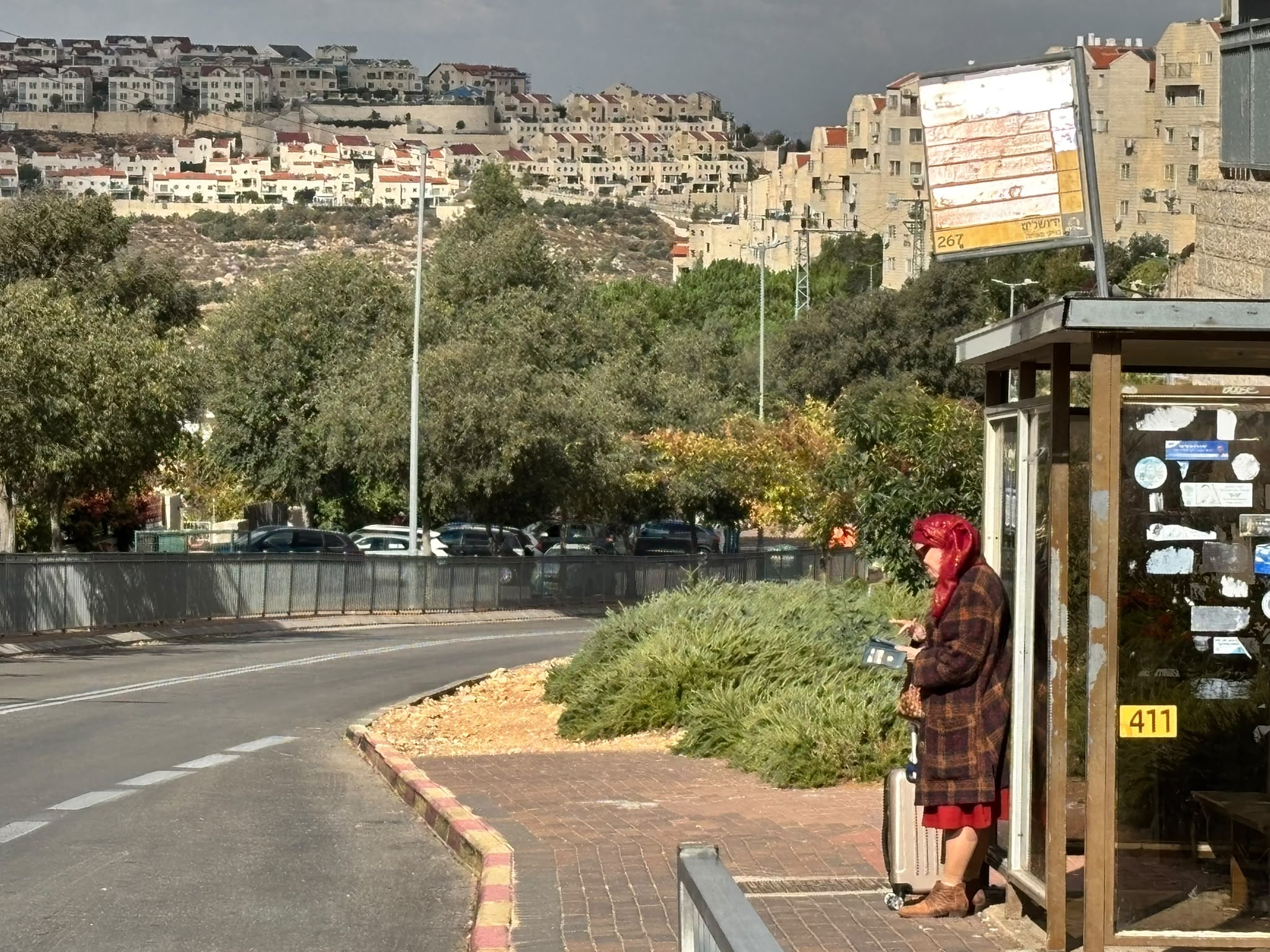
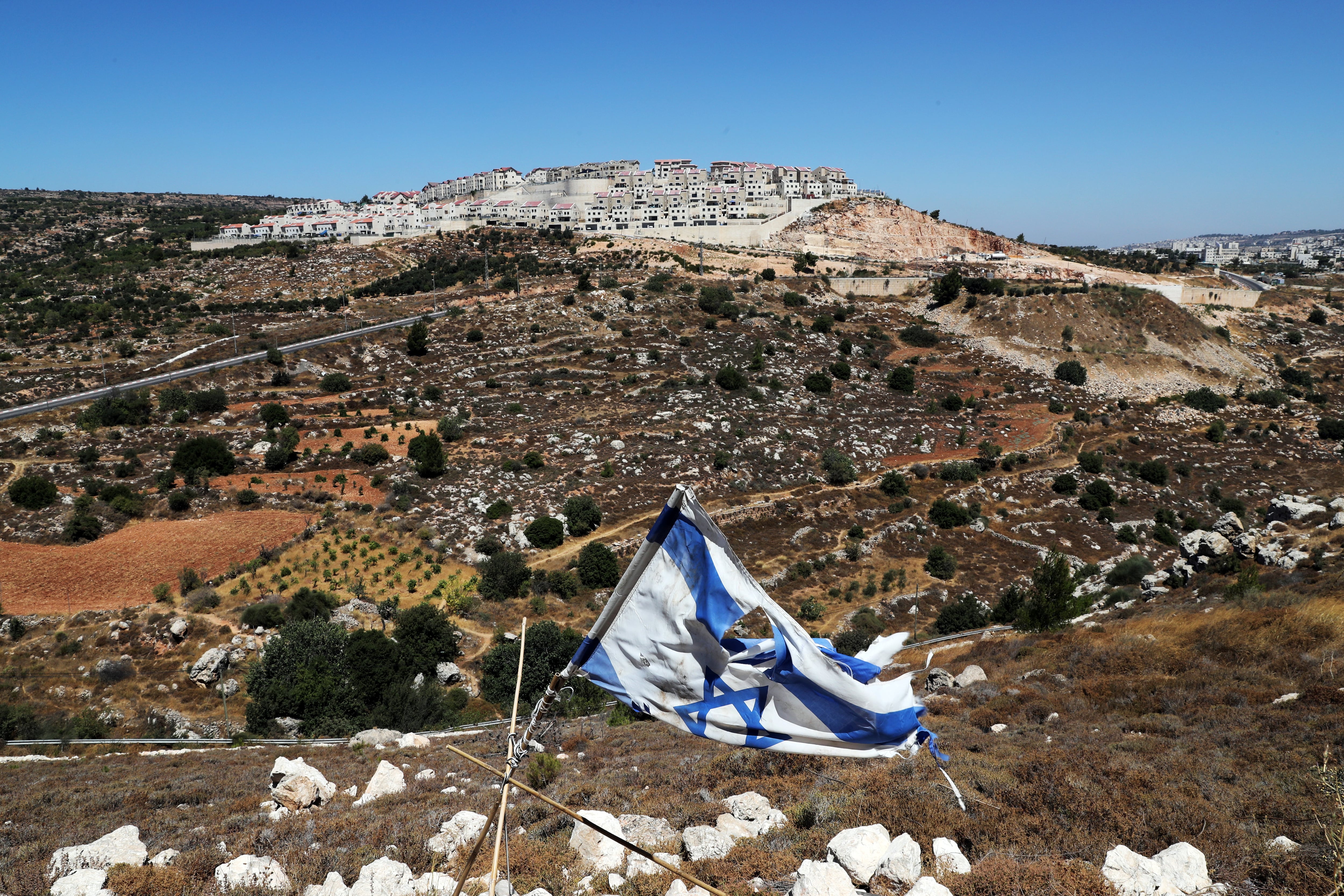
Un enorme y ya descolorido póster electoral del ministro de Finanzas, Bezalel Smotrich, recibe al visitante tras atravesar el portón de seguridad de la colonia israelí de Efrat, en Cisjordania. El gesto sonriente y confiado del líder ultraderechista choca con el semblante preocupado de los habitantes de este asentamiento cuando salen a relucir los resultados de las elecciones legislativas del martes.


© RONEN ZVULUN (REUTERS)
Benjamín Netanyahu se ha lanzado a deslegitimar el proceso electoral israelí, es decir, la democracia que él mismo lidera, con una acusación de injerencia que no solo refleja su ya conocida tendencia a cuestionar las instituciones cuando estas no le benefician, sino su desprecio hacia el 20% de la población israelí que es de origen árabe y que en esta ocasión ha votado en masa. Lo hace después de perder la mayoría parlamentaria en las elecciones celebradas el martes y ante un escenario en el que los partidos árabes israelíes, con un resultado histórico, se han convertido en el potencial árbitro político del país.

© Erik Marmor (Getty Images)