Login

Some European diplomats doubt Seoul over what they see as a tilt toward Russia during Moscow’s war on Ukraine, but Seoul says it backs ending the war, FT reports

Some European diplomats in Seoul are weighing whether they can still trust South Korea as a like-minded partner if it grows closer to Russia, the Financial Times reported on 28 October, according to South Korea’s Financial News. One European diplomat also told the FT that Seoul wants to resume trade with Russia as soon as the war ends.
As Russia presses its war against Ukraine, Kyiv’s partners count on each other to keep up the pressure on Moscow. The doubts about South Korea now come from its European partners, not only from Kyiv. The report lands eight days after Seoul said it would withdraw about half its staff from Kyiv over a dispute about two North Korean prisoners of war.
An Arctic voyage, a new adviser, and signals from Moscow
According to the FT, European diplomats saw a South Korean pilot voyage along Russia’s Arctic sea route as a sign of a tilt toward Russia, since the voyage required extensive cooperation from Moscow.
Meanwhile, on 1 October, South Korean President Lee Jae-myung appointed Song Young-gil, a six-term lawmaker and former chair of parliament’s foreign affairs committee, as his special adviser on peace diplomacy. Song once served as a special envoy to Russia, the FT noted.
On 20 October, Russian Deputy Foreign Minister Andrei Rudenko said Seoul had signaled it wants to normalize relations but says full normalization can come only after a change in the geopolitical situation, which he said means the end of the war in Ukraine.
Fuel for Russia loaded at South Korean ports, but Seoul denies direct exports
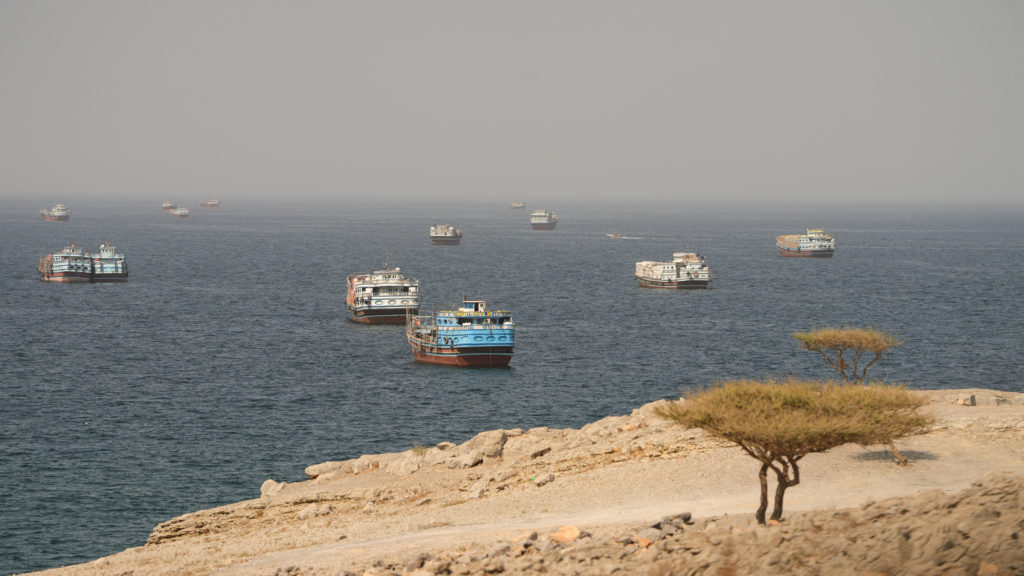
The FT also cited reports of fuel shipments to Russia. A Guardian analysis published on 6 October found that more than 176,000 tons of fuel, mostly diesel, were loaded at South Korean ports in July and August. The fuel went onto seven tankers bound for Russia’s Far East, three of them under UK and EU sanctions. The Guardian said the trade does not appear to breach South Korean law.
On 8 October, South Korea’s foreign and trade ministries and customs service said no diesel, jet fuel, or gasoline had been exported to Russia through customs. They said they would examine the tankers’ routes and any divergence from their declared destinations before judging whether the law had been broken.
Ukraine’s sanctions commissioner Vladyslav Vlasiuk said the shipments helped Russia offset refinery losses caused by Ukrainian strikes. South Korea’s presidential office called the claim inaccurate and inappropriate, saying the key facts of the transactions had not been verified.
Seoul rejects the criticism
In a statement to the FT, South Korea’s Foreign Ministry said concerns in some quarters that the country was leaning too far toward Russia were not based on fact. It added that Seoul supports international efforts to end the war in Ukraine.
Seoul cuts its Kyiv embassy staff over the POW dispute
At the same time, relations with Ukraine have deteriorated over the transfer of two North Korean prisoners of war to South Korea, which Zelenskyy disclosed at the UN General Assembly in September. Seoul says the disclosure broke a confidentiality understanding. Dmytro Lytvyn, Zelenskyy’s communications adviser, wrote in a Facebook comment on 25 September that “there was no such agreement.”
On 20 October, Seoul said it would withdraw roughly half its diplomatic staff from Kyiv, citing Kyiv’s failure to take “positive steps” on the POW dispute and continued Russian airstrikes, Yonhap reported. A chargé d’affaires and all consular staff will stay.
Read also
-
Russia sells cheaper fuel abroad and pays to keep its own pumps running amid Ukraine’s refinery strikes, but crude money still flows
-
North Korea has fired around 150 ballistic missiles at Ukraine, learning from each one. Same missiles threaten Japan, and Kyiv just shows its speaker what is inside them
-
Taliban and North Korea rubbed shoulders at Russia’s war games—one fuels Moscow’s war, the other needs its help