❌

Reading view

Musk o Trump? Chi decide su Starlink all’Ucraina

Il 24 ottobre, l’Ucraina ha annunciato che i suoi sistemi Starlink e Starshield erano di nuovo pienamente operativi dopo oltre una settimana di restrizioni. Nello specifico, il Ministero della Difesa ucraino ha rilevato che la connessione è tornata stabilmente a velocità superiori a 400 km/h, a fronte dei 160 km/h a cui era precipitata giorni prima.
La limitazione, hanno spiegato diversi funzionari ucraini, aveva compromesso la capacità ucraina di intercettare i droni russi in fase di attacco, costringendo le forze armate di Kiev ad annullare alcune operazioni già pianificate.

Segue nostro Telegram.

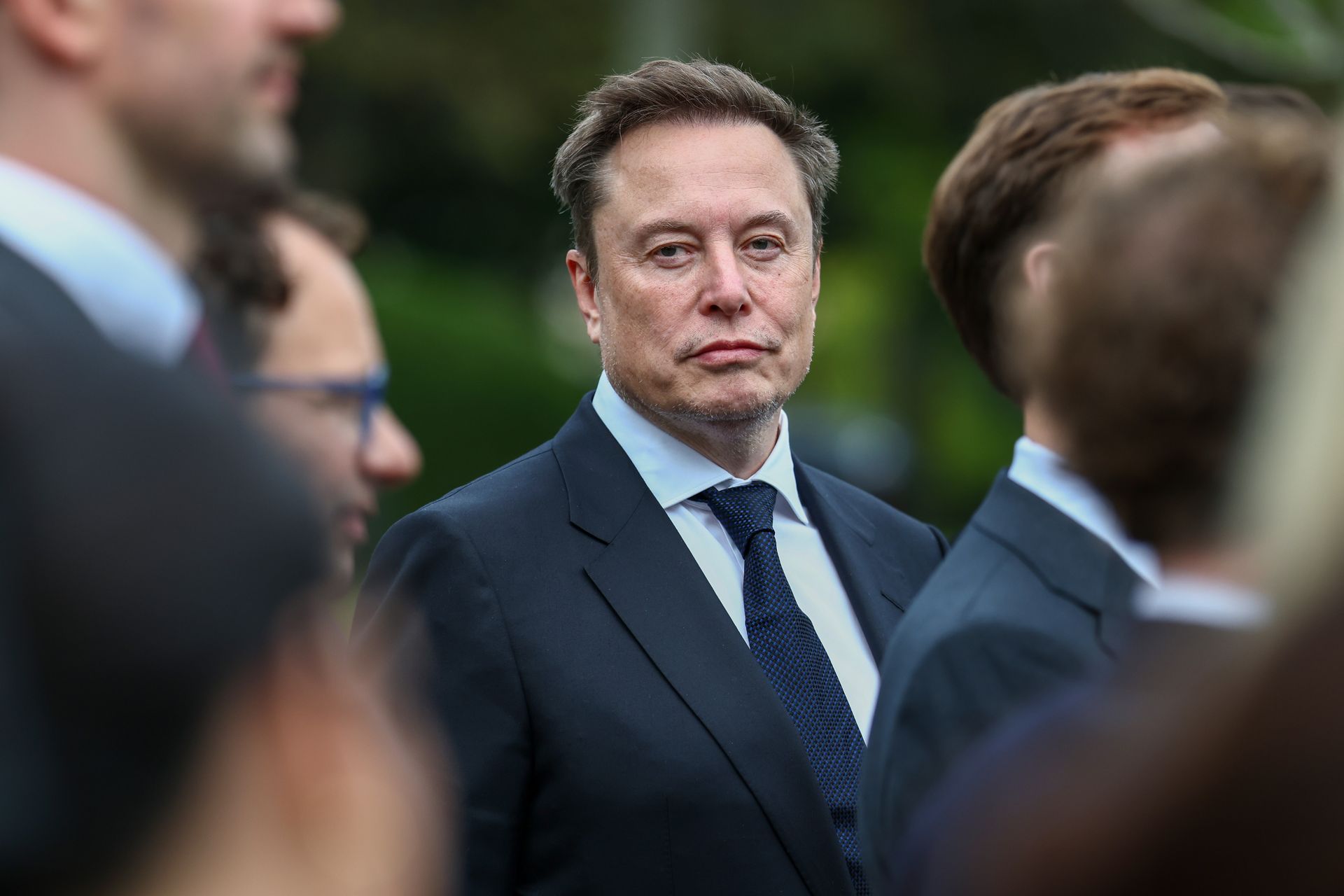
Tuttavia, a brevissima distanza dal ripristino della piena operatività dei sistemi Starlink a disposizione di Kiev, Elon Musk, amministratore delegato di Space-X, ha accusato l’esercito ucraino di aver violato i termini di servizio.

In un post sul suo profilo X, il magnate di origini sudafricane ha affermato che: «l’uso di Starlink, un servizio commerciale civile, per attacchi con droni offensivi volti a uccidere persone non è mai stato consentito, né dovrebbe esserlo. Starshield è un sistema diverso ed è controllato dal governo degli Stati Uniti. Ciò che decidono di fare spetta a loro».

L’esercito ucraino «ha violato i termini di servizio di Starlink e lo ha utilizzato per attacchi con droni offensivi volti a uccidere persone. Quella falla è stata chiusa la settimana scorsa».

Starlink «rimane cruciale per la difesa dell’Ucraina, poiché è l’unico sistema che non può essere disturbato o distrutto, almeno per ora. Se Starlink venisse spento, il fronte ucraino collasserebbe immediatamente. Questa non è una minaccia, è semplicemente un dato di fatto.

Il sistema si è rivelato cruciale per «impedire alla Russia di sopraffare l’Ucraina nei primi giorni della guerra, poiché tutti gli altri mezzi di comunicazione erano stati distrutti o disturbati dalla Russia».

Space-X «ha fatto molto di più per difendere l’Ucraina di qualsiasi altra azienda privata sulla Terra. Detto questo, non provo che disprezzo assoluto per i guerrafondai che fanno la morale e spingono per un massacro senza fine, senza offrire alcuna soluzione realistica al conflitto. Che possano bruciare all’inferno. Fine della storia».

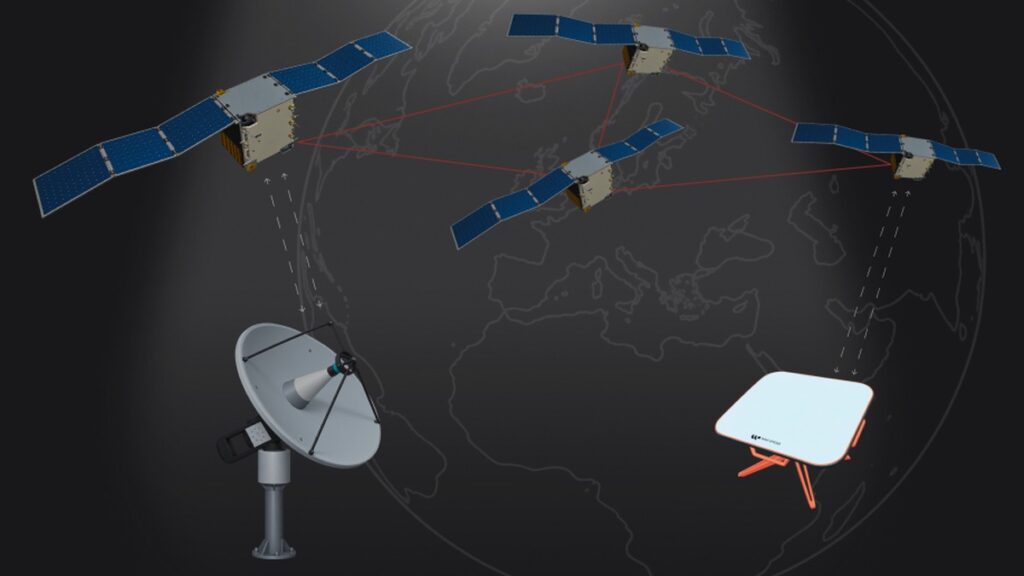
Starlink è un sistema internet satellitare gestito da Space-X, mentre Starshield è una versione che si avvale della tecnologia Starlink per scopi militari gestita dal governo degli Stati Uniti.

Questa integrazione rende quantomeno ambigua la posizione di Starlink, mettendo in seria discussione la natura privata della casa madre Space-X.

Quella del connubio pubblico-privato negli Stati Uniti è una storia vecchissima, ma che trova negli anni Cinquanta uno dei suoi momenti decisivi.

All’epoca, in piena Guerra Fredda, lo spauracchio sovietico, agitato con cieca ossessività specialmente in seguito allo shock generato dal lancio dello Sputnik (1957) e all’entrata in servizio del bombardiere strategico Tupolev-95, si rivelò determinante a costruire un robusto consenso politico attorno alla decisione dell’amministrazione Eisenhower di destinare una quota crescente di risorse al rafforzamento della marina e al potenziamento dei settori di ricerca e sviluppo.

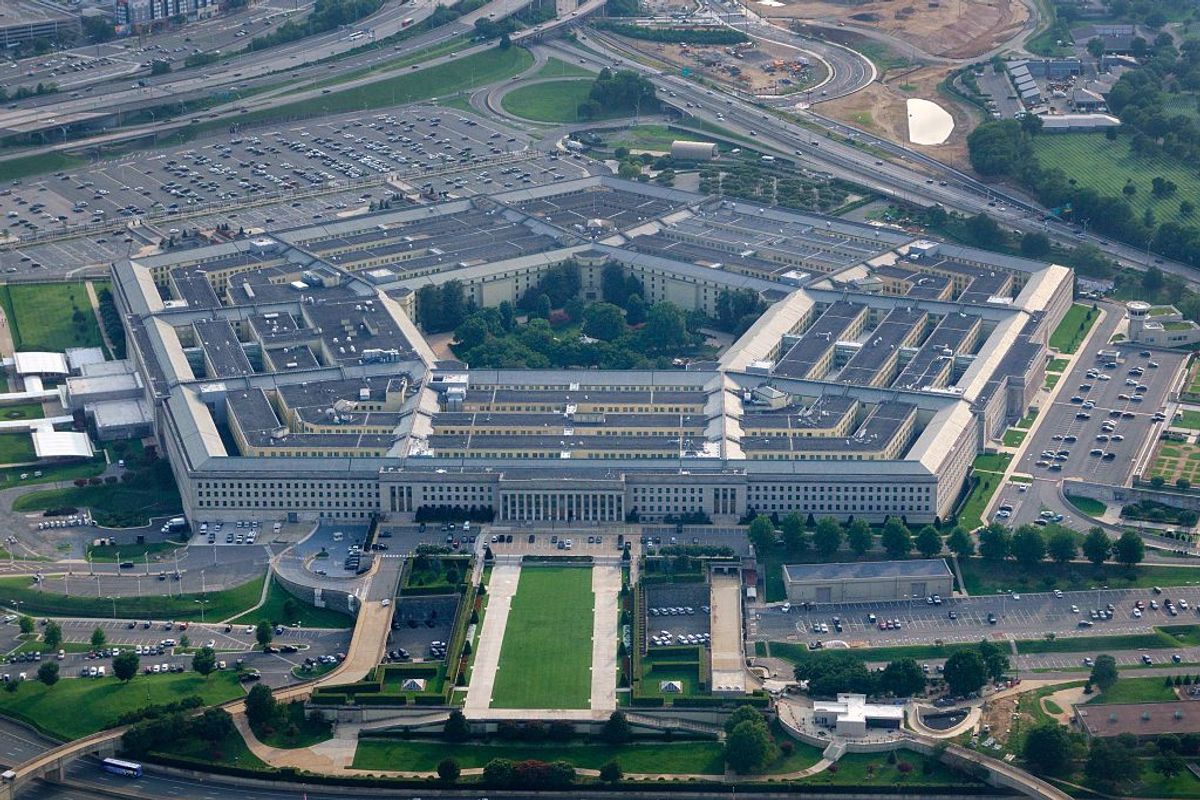
L’onere di gestire le risorse e coordinare gli sforzi in questo senso ricadde sulla Defense Advanced Research Projects Agency (Darpa), un organismo facente capo al Pentagono fondato, al pari della National Aeronautics and Space Administration (Nasa), nel 1958 in conformità all’esigenza di colmare il divario tecnico-scientifico con l’Unione Sovietica.

Mentre il governo moltiplicava le misure di stimolo alle imprese (assegnazione di commesse pubbliche agli atenei, concessione di agevolazioni fiscali, ecc.), la Darpa elaborava una rete di ricerca e condivisione a maglie strettissime, in grado di interconnettere decine di università, start-up e laboratori di ricerca e portare gli Stati Uniti all’avanguardia nel campo cruciale della scienza. Il lancio dei programmi Gemini e Apollo, lo sviluppo dei missili balistici a medio e lungo raggio, la realizzazione dei sottomarini e delle portaerei a propulsione nucleare si devono al contributo determinante apportato dalla Darpa.

Nel 1982, il Congresso approvò il programma di sostegno alle start-up Small Business Innovation Research (Sbir), affidandone la gestione alla Small Business Administration, predisponendo parallelamente la trasformazione della Darpa nel fondamentale canale di collegamento tra imprese e dipartimenti universitari, in grado di assolvere ai compiti di mediazione tecnologica e imprenditoriale necessari alla commercializzazione delle innovazioni che venivano realizzate nei settori di punta (informatica, telecomunicazioni, biotecnologia, semiconduttori, ecc.) dalle società hi-tech a cui il complesso militar-industriale aveva subappaltato parte delle mansioni legate ai comparti di ricerca e sviluppo, nell’ambito della celeberrima Strategic Defense Initiative (Sdi).

Il progetto, concepito dall’amministrazione Reagan e annunciato urbi et orbi nel marzo 1983, puntava alla creazione di un sistema di difesa aerea multistratificato basato su intercettori spaziali in grado di colpire i missili balistici nemici prima che colpissero il suolo statunitense, “superando” così il principio della mutua distruzione assicurata su cui si era imperniata la Guerra Fredda fino a quel momento.

La Sdi, recita un documento del dipartimento di Stato, «si basava su tecnologie avveniristiche, inclusi sistemi laser spaziali non ancora realizzati», il cui sviluppo assorbì enormi risorse pubbliche in larga parte ridistribuite a beneficio delle aziende private sotto il coordinamento della Darpa.

Una volta convertite all’uso civile, le nuove tecnologie ad elevata intensità di capitale messe a punto contestualmente alla Sdi assunsero rapidamente un grado di pervasività – inteso come capacità di trovare applicazione in un numero sbalorditivo di campi sconvolgendone il funzionamento e i rendimenti – tale da scompaginare il vecchio sistema di produzione fordista ad elevata intensità di manodopera riducendo drasticamente la presenza umana sia nella manifattura che nel settore di servizi.

«Non si tralasciò occasione – osserva Giuseppe Guarino – che si prestasse per la stimolazione e la promozione della Information Technology per finalità militari. Ognuna delle sue fasi essenziali, con successiva trasformazione e utilizzazione dei prodotti a fini commerciali, è stata in pratica resa possibile dal sostegno del Dipartimento della Difesa, dalla Nasa e degli altri dipartimenti militari, compresa la Cia […]. Il merito dell’intervento pubblico non è di aver assorbito l’intera produzione della Information Technology, ma di aver contribuito in maniera determinante con i propri acquisti iniziali a far scendere i prezzi a livelli che avrebbero consentito la diffusione civile e commerciale delle innovazioni, nonché con quelli successivi che hanno favorito l’utilizzazione delle nuove tecnologie nell’organizzazione pubblica, anche civile, e la diffusione delle stesse» (1).

La progressiva affermazione del nuovo modello in tutti i comparti dell’economia ha accelerato il processo di “terziarizzazione” dell’economia statunitense, e palesato il ruolo cruciale giocato dallo Stato rispetto al finanziamento dello sviluppo tecnologico realizzato da aziende private.

Negli anni ’90, sotto la direzione del direttore George Tenet, la Cia iniziò a finanziare generosamente le piccole aziende intente a sviluppare tecnologie applicabili a fini di intelligence aggirando le lungaggini che caratterizzano la mastodontica macchina burocratica statunitense. A questo scopo, la Casa Bianca e il Congresso approvarono la creazione di In-Q-Tel, oscura società di venture capital senza scopo di lucro incaricata di finanziare la messa a punto di tecnologie d’avanguardia per conto – o quasi – della Cia. Come riporta il «Wall Street Journal»:  «i vertici In-Q-Tel considerano l’azienda come indipendente, nonostante i legami molto stretti con la Cia e il fatto che quasi tutte le decisioni di investimento sono gestite dall’agenzia di spionaggio […].La presenza di intricati legami è endemica nel venture capital, in cui la conoscenza intima del settore è essenziale per il successo. Le altre società, tuttavia, giocano con il proprio denaro, o quello di privati».

In-Q-Tel «utilizza denaro pubblico, soggetto a severe norme sul conflitto di interessi e, secondo fonti vicine, si tratta di almeno 120 milioni di dollari all’anno. A volte impegna questo capitale secondo modalità che, anche se non intenzionalmente, avvantaggiano gli stessi amministratori dell’azienda in virtù di altre cariche nel settore hi-tech».

Quasi sempre, le scelte di In-Q-Tel «attraggono altri finanziamenti. Ogni dollaro investito in una piccola impresa in genere è accompagnato da 15 dollari provenienti da altre fonti. Questo aumenta le probabilità di successo del piccolo business in questione e rende le sue stock option più preziose».

Nel 2000, In-Q-Tel ha investito somme piuttosto rilevanti in alcune imprese che producevano satelliti e che si occupavano di raccogliere, classificare e analizzare dati sensibili. In breve tempo, la società ha accumulato quote azionarie di maggioranza di decine compagnie hi-tech, così da dettarne gli indirizzi e allinearle alle esigenze di Washington. Opportunamente orientata dai fondi di In-Q-Tel, una compagnia specializzata nell’elaborazione di soluzioni chimiche adatte alla fabbricazione di tappeti sviluppò in breve tempo una specie di sonda in grado di rilevare la presenza di veleni ed altre sostanze chimiche letali in ambienti chiusi, poi sistematicamente impiegata nei teatri di guerra afghano e iracheno.

Parallelamente, In-Q-Tel investì in un’azienda operante nel settore delle antenne satellitari, ricavando sistemi di localizzazione portatili di cui le truppe e le forze speciali Usa si sono servite per segnalare la propria posizione ai centri di comando.

Più recentemente, i capitali di In-Q-Tel hanno finanziato aziende cruciali come Anduril e, soprattutto, Palantir, saldamente integrata nelle macchine militari statunitense, israeliana e ucraina oltre che nella pubblica amministrazione britannica e in molti altri comparti critici.

L’altissimo livello di “collaborazione pubblico-privato” raggiunto negli Stati Uniti grazie a entità come In-Q-Tel è emblematizzato dal cosiddetto “scandalo Datagate”, scoperchiato nel 2013 grazie alle rivelazioni dello “spifferatore” Edward Snowden. In qualità di tecnico impiegato per una società appaltatrice della National Security Agency, Snowden ha documentato con dovizia di particolari l’esistenza di una rete di sorveglianza capillare e massiccia sui miliardi di comunicazioni sia interne che esterne agli Stati Uniti gestita dalla Nsa stessa attraverso Prism. Vale a dire un sistema in grado di assicurare all’intelligence nazionale la possibilità di accedere in maniera diretta ai server di cui si servivano le aziende operanti nel settore dell’alta tecnologia per ottenere qualsiasi tipo di informazione (messaggi, fotografie, e-mail, ecc.).

Entrato in vigore nel 2007 e beneficiando nel corso degli anni della collaborazione di colossi del calibro di Microsoft, Yahoo, Google, Facebook, PalTalk, Skype, AoL, YouTube e Apple, Prism ha posto la Nsc e anche il Gchq britannico nelle condizioni di acquisire i metadati in transito attraverso i cavi in fibra ottica collegati ai server centrali di Yahoo e Google.

Space-X non ha beneficiato dei fondi di In-Q-Tel, ma del subappalto sistematico ad opera di agenzie statali come la Nasa o dello stesso Pentagono, che come contropartita gode di libero e completo accesso alla tecnologia  Starlink. Al punto da garantirlo a Paesi alleati come l’Ucraina.

La decisione di ridurre prima e ripristinare poi il servizio Starlink a Kiev non fa quindi capo a Elon Musk, ma sui vertici del potere pubblico statunitense a cui Space-X – così come le altre grandi aziende hi-tech statunitensi – rispondono più o meno indirettamente.

NOTE

1) Guarino, Giuseppe, I soldi della guerra. Gli Stati Uniti: spesa militare, innovazione, economia globale, Mondadori, Milano 2003, pp. 67-80.

  •  

AI hyperscalers are expected to finish the year spending a whopping $828 billion on capex

Andy Jassy, Sundar Pichai, Satya Nadella
Amazon, Alphabet, and Microsoft were among the top spenders in 2026 amid the race to build out AI infrastructure.

Getty Images

  • Amazon, Alphabet, Meta, Microsoft, and SpaceX all reported increased capex spending for Q3.
  • There's no sign of slowing down, as company executives pledge to increase spending in 2027.
  • Total spend for 2026 is forecast to be between $803B and $828B.

The hyperscalers are investing big to build out the physical backbone of the AI economy, and there's little sign of it slowing down.

Amazon, Alphabet, Meta, Microsoft, and SpaceX each reported a jump in capital expenditures in their latest earnings reports and are on track to spend between $803 billion and $828 billion this calendar year based on their guidance and disclosed fourth-quarter plans.

That figure covers broad capital spending, not just on AI. However, executives at each company have consistently pointed to AI infrastructure as the main driver in the spending surge. And they've all indicated that they plan to keep it up.

"We continue to expect our CapEx to increase significantly in 2027," Anat Ashkenazi, Alphabet CFO, said during its Q3 earnings call on Wednesday.

Here's a quick breakdown of some of the numbers:

$227 billion spent in Q3

Across all five companies, total spending for the third quarter of the calendar year was about $227 billion.

That represents about a 20% increase from the $188.5 billion the companies spent the previous quarter.

Amazon was the biggest spender, reporting $75.9 billion in cash capex. CFO Brian Olsavsky said on Thursday that the figure is primarily related to AWS and AI.

$556.2 billion spent in 2026 so far

Tallying up the total capex for all three quarters, the five hyperscalers have spent a whopping $556.2 billion so far in 2026.

Elon Musk's SpaceX remains the smallest spender in the group with a capex of $48.1 billion, but its CFO, Bret Johnsen, has indicated that it expects to ramp up spending by the next quarter.

Up to $272 billion forecast for Q4

Next quarter's implied capex forecast ranges between $247 billion and $272 billion.

The low end of the range assumes Meta and Alphabet hit the low ends of their full-year capex ranges.

Based on the implied fourth-quarter calculations, Amazon is the only company whose spending would decline from its third-quarter level.

CEO Andy Jassy said during Thursday's earnings call that Amazon expects to spend "meaningfully more in 2027."

Up to $828 billion forecast for 2026

Microsoft expects calendar-year capex of about $170 billion, down from its prior outlook due to delays in third-party data-center capacity. Amazon, meanwhile, maintained its forecast for about $220 billion in cash capex this year.

Even so, 2026 is turning out to be a huge spending year. Altogether, the companies are projected to spend between $803 billion and $828 billion this year.

The companies haven't shared concrete numbers for 2027 capex, but all signs point upward.

"Looking beyond 2026, we are still developing our budget and capacity plans for next year," Meta CFO Susan Li said during the company's earnings call on October 21, "but we expect to continue investing aggressively to support both our core business and emerging AI initiatives."

Read the original article on Business Insider

  •  

Elon Musk says long-term saving is 'pointless' as he touts a future of abundance

Elon Musk.
Elon Musk is the CEO of Tesla and SpaceX.

Apu Gomes/Getty Images

  • Elon Musk says it's "pointless" to save for the long term, as he expects "super intelligent abundance."
  • The Tesla and SpaceX CEO was replying to an X user who said they'd stopped stressing about spending.
  • Musk previously said that if he's right about the future, "saving for retirement will be irrelevant."

Elon Musk says it's not worth saving for the long term, as nest eggs won't matter.

"Saving money for the distant future is pointless with the advent of super intelligent abundance," Musk said in an X post on Thursday, doubling down on one of his most polarizing predictions.

The Tesla and SpaceX CEO was replying to a user who said they weren't stressing over their "questionable financial decisions" because a future of abundance meant "most of it won't matter in a few years anyway."

@battleangelviv Saving money for the distant future is pointless with the advent of super intelligent abundance

— Elon Musk (@elonmusk) October 29, 2026

The world's richest person — who has a nearly $1 trillion net worth — has previously advised against saving for decades to come.

"Don't worry about squirreling money away for retirement in 10 or 20 years," Musk said during a podcast episode released in January. "It won't matter."

"If any of the things that we've said are true, saving for retirement will be irrelevant," he added.

Musk said at the time that he expects progress in AI, energy, and robotics to supercharge productivity, resulting in plentiful resources so that "anyone can have whatever stuff they want."

In that world, he continued, everyone would have access to "better medical care than anyone has today," there would be "no scarcity of goods and services," and "you can learn anything you want about anything for free."

Business Insider spoke to seven personal finance and AI experts about those comments, and they all agreed people should keep saving for retirement given the risk that Musk may be wrong.

Musk laid out an even more utopian vision on a recent podcast, predicting that advances in robotics and space travel would lead to a multiplanetary economy, at which point "money becomes irrelevant" and "conventional currency will not matter."

Several other tech leaders have predicted AI and other technologies will transform the way we live.

Microsoft cofounder Bill Gates said on a recent podcast episode that AI will lead to "true abundance" with robots able to "build houses, grow food, do surgery."

But he also warned the next two decades will be "as tumultuous a period as there's been in human history," as technological advances will mean "none of the things that human labor provides to the economy will be necessary for most goods and services."

Similarly, Musk has predicted a "bumpy" transition to a brighter future. He's suggested government checks for all as the best solution to AI-fueled job destruction.

Read the original article on Business Insider

  •  

Pentagon Watchdog Refuses Starlink Investigation as Questions Grow Over Musk’s Control of Ukraine’s Military Communications

The Pentagon’s independent inspector general has declined a bipartisan request to investigate restrictions imposed on Starlink and Starshield satellite communications in Ukraine, leaving unresolved questions about who authorised the disruption, whether Washington was involved, and how much control Elon Musk exercises over infrastructure essential to Ukraine’s defence.

The decision, disclosed by the Associated Press on 28 October, follows complaints from Ukrainian officials that restrictions introduced earlier this month disrupted military drone operations, including attempts to intercept high-speed Russian attack drones.

Nine US senators, comprising five Democrats and four Republicans, had requested an independent investigation into the circumstances surrounding the interruption.

Instead, Pentagon Inspector General Platte Moring III informed lawmakers in a letter dated 27 October that the questions would be better addressed by the US Air Force and Space Force.

The response has intensified a dispute extending beyond Ukraine’s battlefield communications to the relationship between the American government, its defence contractors and the private companies supplying critical military technology.

Senators Demand Answers Over Starlink Restrictions

The investigation was requested by senators Jeanne Shaheen and Thom Tillis, alongside seven colleagues from both parties.

Their 15 October letter sought to establish whether Pentagon officials or other US government representatives had authorised, approved or received advance notice of changes affecting Ukraine’s satellite communications.

The senators also raised concerns about reported disruptions to intelligence-sharing and early-warning arrangements, including allegations that American personnel in Ukraine experienced difficulties reaching shelters during Russian air raids.

They wanted investigators to determine whether these incidents were connected, whether contractual obligations had been breached and whether SpaceX had acted independently.

Shaheen, the senior Democrat on the Senate Foreign Relations Committee, criticised the inspector general’s decision.

She argued that contradictory explanations from the Trump administration and SpaceX made an independent examination necessary to establish responsibility and prevent further disruptions.

Mollie Halpern, spokeswoman for the inspector general’s office, defended the decision, saying the congressional request had been carefully considered and that the issues were more appropriately handled within the Pentagon.

She nevertheless left open the possibility of reconsideration if additional information emerged.

Who Ordered the Slowdown?

The controversy began around 14 October, when Ukrainian forces reported that equipment using Starlink and its military-oriented counterpart, Starshield, was losing connectivity when travelling at higher speeds.

The restrictions were particularly damaging to unmanned aircraft.

Ukraine reported communications failures at movement speeds of approximately 130–161 kilometres per hour, limiting the effectiveness of certain strike drones and jet-powered interceptors used against Russian attacks.

According to The Wall Street Journal, Musk personally authorised the slowdown, although accounts differed over whether President Donald Trump or senior administration officials knew about the decision beforehand.

Musk subsequently acknowledged that SpaceX had imposed restrictions on commercial Starlink services, alleging that Ukrainian forces had violated the company’s terms of service by using the network for offensive operations.

Ukrainian representatives disputed that explanation.

Musk also maintained that Starshield was a separate system controlled by the US government, suggesting that decisions affecting its operation ultimately rested with American authorities.

Trump denied ordering the restrictions.

The differing accounts have left unanswered whether the interruption resulted from a corporate decision, an American government directive or a combination of the two.

Trump Intervention and Restoration of Services

The Wall Street Journal reported that Trump contacted Musk on 21 October and requested the removal of the restrictions.

Although some improvement followed, Ukrainian officials initially reported that the systems had not returned to full functionality.

On 24 October, however, Ukraine’s Ministry of Defence confirmed that normal performance had been restored, with stable communications recorded on equipment moving at speeds exceeding 400 kilometres per hour.

President Volodymyr Zelensky subsequently confirmed the restoration and thanked American officials and partners involved in resolving the problem.

The restoration addressed the immediate operational disruption but did not establish who had originally authorised the restrictions.

Private Technology and Military Accountability

The episode has renewed scrutiny of the Pentagon’s dependence on SpaceX, whose satellite networks have become important components of Ukrainian battlefield communications.

Starshield was developed to serve government and national security requirements, including military applications. Nevertheless, the dispute illustrates the difficulty of determining responsibility when essential defence capabilities depend on systems developed and operated by commercial contractors.

The issue has historical precedent.

In 2022, Musk ordered restrictions on Starlink availability in parts of Russian-occupied Ukraine, citing concerns that expanded military use might escalate the conflict.

The latest incident has prompted renewed discussion of whether contractual arrangements provide sufficient safeguards against unexpected interruptions.

Following the October restrictions, Finnish satellite company ICEYE announced discussions with Nokia and Ukraine’s Defence Ministry concerning cooperation on sovereign satellite communications.

Such alternatives could eventually reduce dependence on individual commercial providers, although developing and deploying replacement capabilities would require additional investment and time.

For American lawmakers, meanwhile, the immediate question remains unresolved.

The Pentagon has directed their concerns towards the military services responsible for aspects of satellite communications, rather than opening an independent inspector general investigation.

Whether those services can establish precisely who ordered the restrictions, what authority was exercised and whether contractual safeguards were observed will determine how much accountability emerges from the episode.

For Ukraine, the communications have been restored. The question of who could interrupt them, and under whose authority, remains unanswered.

  •  

Il sogno di Marte serve a Musk per conquistare Wall Street

Subito dopo aver reso pubblicamente ufficiale che la Luna prende il posto di Marte come obiettivo primario, Musk annuncia la fusione di SpaceX con xAI, la società di Intelligenza Artificiale dal valore di 300 miliardi di dollari.

L’operazione, che secondo Bloomberg ha una valutazione societaria combinata di circa 1,25 trilioni di dollari, porta sotto un unico ombrello SpaceX, Starlink, Starshield, xAI (con il suo modello Grok45) e la piattaforma X. L’obiettivo dichiarato è quello di costruire i data center nello Spazio che, alimentati da energia solare, siano capaci di sostenere futuri sistemi di ai con una potenza di calcolo impossibile da ottenere sulla Terra.

La «Starship Enterprise», secondo la brillante definizione del settimanale The Economist, esplicita la convergenza dell’economia integrata nell’ecosistema imprenditoriale di Elon Musk, e ridefinisce le sue priorità attraverso l’integrazione di SpaceX con xAI. Sposta il centro di gravità da Marte alla Luna e alle orbite tra quest’ultima e la Terra, dove realizzare le infrastrutture orbitali per l’ai, mettendo per il momento in secondo piano i sogni multiplanetari, senza però farli scomparire del tutto. Ma per realizzare la «Starship Enterprise» servono miliardi di dollari, e quindi, si passa da Marte a Wall Street nel giro di un batter di ciglia.

Due sono le domande da porsi. Primo: la «Starship Enterprise» dipende, nomen omen, dal successo tecnologico della futuristica astronave, ma crescono i dubbi sul fatto che il razzo più potente del mondo riuscirà mai a superare le sue sfide ingegneristiche. Il dodicesimo volo di prova, avvenuto subito dopo la pubblicazione del prospetto informativo per l’offerta pubblica, è stato descritto da SpaceX come «una missione quasi perfetta» nel pieno rispetto della Retorica narrativa della società. In realtà, si sono verificati guasti ai motori sia nel primo che nel secondo stadio e, secondo il South China Morning Post, il primo stadio – super heavy booster – è entrato nel Golfo del Messico ad alta velocità, mentre la Starship è riuscita a malapena a raggiungere l’area di rientro designata nell’Oceano Indiano. Magari la fonte cinese potrebbe essere considerata faziosa (anche perché gli aspetti positivi della missione non sono certo stati pochi), ma ci ha pensato comunque la Federal Aviation Authority americana a stabilire ufficialmente che, nei fatti, la missione era da considerarsi globalmente non del tutto positiva per cui era necessaria una approfondita analisi investigativa delle cause. L’indagine si è positivamente risolta in un paio di mesi, e SpaceX ha potuto lanciare a luglio il tredicesimo volo di prova della Starship che, per la gioia degli investitori di Wall Street, è stato positivo superando i problemi verificatisi durante il test precedente e aprendo la strada alle missioni più ambiziose.

La seconda domanda da porsi è: di là dalle scommesse tecnologiche descritte sopra, che certo non sfuggono ai mercati finanziari, se la priorità dell’azienda fosse stata ancora solo la colonizzazione di Marte quanto si sarebbero fidati gli investitori a scommettere una tale montagna di denaro? Lasciando al lettore la risposta, ci si sarebbe tranquillamente potuti attendere che la priorità narrativa dell’azienda avrebbe assunto forme differenti. E invece, leggendo il prospetto informativo S-149 che SpaceX ha depositato il 20 maggio 2026 alla sec, la Securities and Exchange Commission statunitense, ci si rende conto che lo schema retorico è incredibilmente dirompente in quanto espressamente ancorato alla Retorica originaria dell’esplorazione multiplanetaria, quasi si trattasse di un racconto di Asimov e non di un documento societario per Wall Street. Nel prospetto si legge che l’azienda prevede di accelerare l’avvio urgente di nuovi mercati da migliaia di miliardi di dollari sulla Luna, su Marte e oltre, e di garantire il florido futuro dell’umanità per far sì che gli esseri umani non condividano la stessa sorte dei dinosauri. Si tratta di frasi difficilmente riscontrabili con qualsiasi altro documento della sec in previsione di una quotazione di borsa.

Il testo introduttivo del prospetto è stato redatto dallo stesso Musk, il quale scrive testuale: «Si tratta di credere nel futuro e di pensare che sarà migliore del passato. Non riesco a immaginare nulla di più esaltante che partire alla conquista dello Spazio e trovarci tra le stelle». E sul suo profilo X rincara la dose: «Voglio permettere a ciascuno di avere la propria Luna o il proprio Marte, perché è ciò che garantisce il futuro della coscienza».

Coscienza, avete letto bene. Ma poi, a leggere bene, si evince che il business planetario su cui si regge l’intera operazione è dato da tre settori: connettività, ai e data center, che poi sono tutti e tre interconnessi tra loro.

Per il grande pubblico, la Retorica si aggiorna guardando alla Luna e mantenendo sullo sfondo Marte e il suo slancio salvifico per l’umanità, mentre Wall Street guarda direttamente al Pentagono. Perché la narrativa lunare implica due incipit contingenti, non esplicitati: in primis Starlink, il sistema di connettività globale che fornirà telecomunicazioni commerciali dagli aerei fino agli smartphone; e, in secondo luogo, il Golden Dome, cioè lucrosi contratti del dipartimento della Guerra.

Non è un caso se nei giorni immediatamente successivi al deposito del prospetto di borsa, SpaceX ha ricevuto due contratti dalla us Space Force per un totale di 6,45 miliardi di dollari: i due appalti fanno parte del programma Golden Dome e prevedono il lancio di migliaia di satelliti in orbita terrestre bassa, sia per la rete di comunicazione centrale, e sia per lo Space-Based Advanced Moving Target Indicator (sbamti), progettato per rilevare e tracciare minacce aeree in movimento quali aerei da combattimento, droni e missili cruise.

Bisogna poi considerare che, di fatto, nel Golden Dome si integra anche il progetto ai e data center nello Spazio, presentato nel prospetto di SpaceX per la borsa. Anche in questo caso l’annessa Retorica è quella del beneficio per il pianeta dovuto allo spostamento oltre l’atmosfera di infrastrutture voraci di acqua per raffreddamento e di energia per il funzionamento, risorse queste – freddo ed energia – disponibili gratis nello Spazio. Ma il non detto sottinteso è che i data center costituiranno pure un futuro potenziale business commerciale, ma in realtà sono anch’essi delle infrastrutture strategiche per il funzionamento dell’intera architettura spaziale di protezione missilistica, e quindi oggetto di altrettanto lucrosi appalti militari.

In estrema sintesi, l’AI orbitale trasforma il sistema di difesa missilistica tradizionale che si basa su «rilevamento-comunicazione-risposta» con satelliti in orbita e centri di comando e controllo a terra, in un sistema del tutto nuovo basato su «rilevamento-reazione-risposta» autonomo e interamente spaziale. Questo è il Golden Dome. Spostare tutto il sistema di allerta, rilevamento e risposta nello Spazio riduce il tempo di reazione da minuti a secondi; ecco perché i data center spaziali sono l’unica architettura computazionale compatibile con questa velocità operativa.

In sintesi, Marte può attendere, Wall Street e (soprattutto) il Pentagono invece no. Elon Musk, grazie ai suoi indubbi successi tecnici, vende una visione del futuro così forte e convincente da spingere gli investitori a perdonargli cose che non verrebbero permesse a nessun altro – come per esempio un prospetto informativo per la quotazione di borsa che assomiglia a un libro di fantascienza.

Così come appaiono futuribili, e finanziariamente enormi, le previsioni di mercato che SpaceX ipotizza: 28.500 miliardi di dollari di cui 1.600 miliardi grazie a Starlink (che oggi genera ricavi per 4,4 miliardi), e 26.500 miliardi nell’ai con servizi dallo Spazio.

Qui la narrazione esageratamente ampia dei dati economici è funzionale a comunicare che l’azienda non punta a un mercato esistente ma a uno che ancora non c’è, e che prenderà forma concreta proprio grazie all’intrapresa industriale dell’iniziativa stessa. Logico quindi che i sogni di salvezza multiplanetaria restino sullo sfondo; essi sono rinviati perché la funzione escatologica del pianeta rosso non è un progetto commerciale, ma una missione di salvezza della specie. E se questa Retorica eleva il discorso al di fuori della portata della critica ordinaria, ciò non funziona proprio (né potrebbe funzionare) con il mercato finanziario.

Volendo trarre delle conclusioni, si potrebbe riassumere che la narrativa dello Spazio, e di Marte in particolare, di Elon Musk rappresenta uno dei più sofisticati esempi di Retorica contemporanea incentrata su un’idea visionaria extraterrestre, che viene sapientemente applicata alla raccolta di capitali, al lobbying politico e alla costruzione di un consenso pubblico globale, indipendentemente poi dal fatto che su Marte ci si arrivi in tempi ragionevoli. Infatti, il sogno marziano viene ex abrupto messo da parte nel momento in cui la Geopolitica terrestre detta vincoli e limiti.

Tratto da “Tra spazio e terra. Retorica e politica della corsa alla Luna” (Paesi edizioni), di Marcello Spagnulo, 18 euro, 144 pagine.

L'articolo Il sogno di Marte serve a Musk per conquistare Wall Street proviene da Linkiesta.it.

  •  

Putin: Russia in ‘close contact’ with ‘genius’ Musk over satellite networks

Russian President Vladimir Putin praised SpaceX CEO Elon Musk as a “genius” Wednesday while revealing that Russia has been in contact with the billionaire as the country works to develop a rival satellite internet network. Putin made the remarks during a summit with African leaders in Moscow, where Maksut Shadayev, Russia’s digital development minister, briefed…

  •  

Putin hails Elon Musk’s ‘genius’ amid plans for Russian version of Starlink

Russia plans to build own version of US billionaire’s satellite communications to help attack Ukraine

Vladimir Putin praised Elon Musk’s genius and said he was in touch with Starlink’s controlling shareholder as Russia develops its own satellite communications for its military to use against Ukraine.

The Russian president, speaking at a summit with African leaders in Moscow, was comparing the Earth-orbiting network built by Musk’s SpaceX with Russia’s gradual efforts to build its own Rassvet constellation.

Continue reading...

© Photograph: Maxim Shipenkov/Reuters

© Photograph: Maxim Shipenkov/Reuters

© Photograph: Maxim Shipenkov/Reuters

  •  

Russia is building Starlink no foreign company can switch off. Ukraine names 49 firms behind it, and 23 face no sanctions from Kyiv’s allies at all

rassvet_featured_dark

Ukraine’s Military Intelligence (HUR) has published the names of 49 Russian and Belarusian companies and institutions building Rassvet, Russia’s low-orbit satellite internet system, on its War&Sanctions portal, the agency said on 28 October. It needs it for its military purposes.

Russian troops ran front-line communications and long-range strike drones on smuggled Starlink terminals until SpaceX blocked them on 1 February 2026. Ukraine still flies on Musk’s network, and on 24 October it got back to full speed after a ten-day cap imposed abroad. Rassvet is meant to give Russia’s army satellite links under its own control.

HUR has said Moscow may struggle to obtain components for more satellites, and its list names the suppliers that sanctions would need to target while the network is still being built.

Terminals for Iskander-M command vehicles

Rassvet is first of all a military communications system. Russia plans to use it for command and control, strike platforms, and drones, and to install terminals in the command-and-staff vehicles of Iskander-M missile systems, HUR says.

The Central Research Institute of Automation and Hydraulics is involved in integrating Rassvet into army communications, including fitting command vehicles, Iskander ones among them, with terminals once 292 satellites are in orbit, according to the portal. The same institute produces guidance components for the Iskander-M and Kinzhal missiles.

Planned coverage takes in Ukraine and the EU first, and once it is wide enough, Russia could use the system in hybrid attacks on other countries. That is why partners should block Rassvet’s access to components, equipment, and software now, the agency said.

Roscosmos launches it, a Belarusian missile maker signs on

The lead company is Bureau 1440, part of the IKS Holding tech group. According to the portal, it is linking its flight control center to systems of the Russian Defense Ministry. Roscosmos launches the satellites into orbit, and its head, Dmitry Bakanov, personally oversees Rassvet.

Meanwhile, Belintersat, Belarus’s national satellite operator, signed a partnership with Bureau 1440 in May 2026 to bring Rassvet into Belarus’s telecom network. It is a branch of the Plant of Precision Electromechanics, Belarus’s lead missile developer and maker of the Polonez rocket launcher.

Another Belarusian firm, Aerospace Instruments, prototypes components for the system.

23 of 49 not sanctioned by Kyiv’s allies

Of the 49, 23, Roscosmos among them, are not under sanctions by any country in the sanctions coalition. The companies involved “must be included in all blacklists” of countries, banks, and businesses, the agency wrote.

32 satellites launched, seven launches to go

Russia launched its first 16 Rassvet satellites earlier this year. Stable communications would need 200–250 in orbit, Serhii “Flash” Beskrestnov, then adviser to Ukraine’s defense minister, said in May.

By August, Russia had launched 32 Rassvet satellites and planned seven more launches by the end of 2026, a HUR official told Janes. Only 12 of them, all from the first batch, had reached a sustainable altitude by the end of August, ISW reported.

  •  

Two weeks before Starlink’s speed cap hit Ukraine’s drones, a Ukrainian test satellite went up on a SpaceX rocket

OBRIA NANO

A test satellite for a future communications network under Ukrainian control is working in orbit, Ukraine’s Himera and Denmark’s GomSpace said on 27 October. The companies say it will work for Ukraine’s strategic security, and that the long-term aim is to rely less on foreign communications providers. Public launch records for the mission do not list a satellite by that name, though some of its objects are still unidentified.

Ukraine fights Russia on satellite links it doesn’t control, and the announcement comes two weeks after it saw what depending on an outside provider can cost. The satellite, the companies say, went up on 1 October, before that trouble began. Overnight on 14 October, Starlink and its military version, Starshield, began dropping links on fast-moving terminals, and Ukrainian officials said the cap disrupted drone missions. On 24 October, 10 days after the cap began, Ukraine’s Defense Ministry reported speeds restored. Who ordered the cap remains contested. That same day, Elon Musk wrote that Ukraine’s military had violated Starlink’s terms of service and that “that loophole was closed last week,” a claim a Ukrainian presidential adviser disputed.

What the companies say, and what launch records show

Obria Nano flew on SpaceX’s Transporter-18 rideshare mission, the release said. Aalborg-based GomSpace built it on Himera’s order, Himera co-founder and CEO Misha Rudominski wrote on Facebook. He added that the team received the first signals the next day and that the satellite is now working. Its tests are meant to inform the design of the full Obria system, the release said.

US President Donald Trump and Elon Musk in the Oval Office on 11 February 2025
Explore further

The Starlink hot potato: Musk points to Trump, Trump points to nobody, then credits Musk with the fix. The speed limit stays

No satellite called Obria Nano appears on SpaceX’s published list for the mission, The Insider found. Public tracking catalogs show one Ukrainian satellite from that launch, named UASAT-Nano. Another 26 objects from the mission are still listed with placeholder names and no confirmed owner. The outlet said it is unclear whether the two names refer to one satellite.

UASAT-Nano is the satellite network Stetman, another Ukrainian company, is building, and its founder said the network’s first test satellite would launch in October. In April, Stetman and GomSpace agreed to set up a joint venture called UASAT and planned a first launch for fall 2026. The Obria release does not mention Stetman or UASAT.

Production in Ukraine is the stated next step

Rudominski wrote that Himera’s next stage is to produce satellites and ground terminals in Ukraine. He called it important not only to use the technology but also to gradually build domestic expertise and manufacturing.

“For us, this project is about more than launching a satellite. It is an opportunity to lay the foundation for an independent communications network for Ukraine,” Rudominski said in the release.

In the long run, the network would cover all of Ukraine and complement European satellite networks, the release said. The network does not exist yet, and Himera has given no timeline.

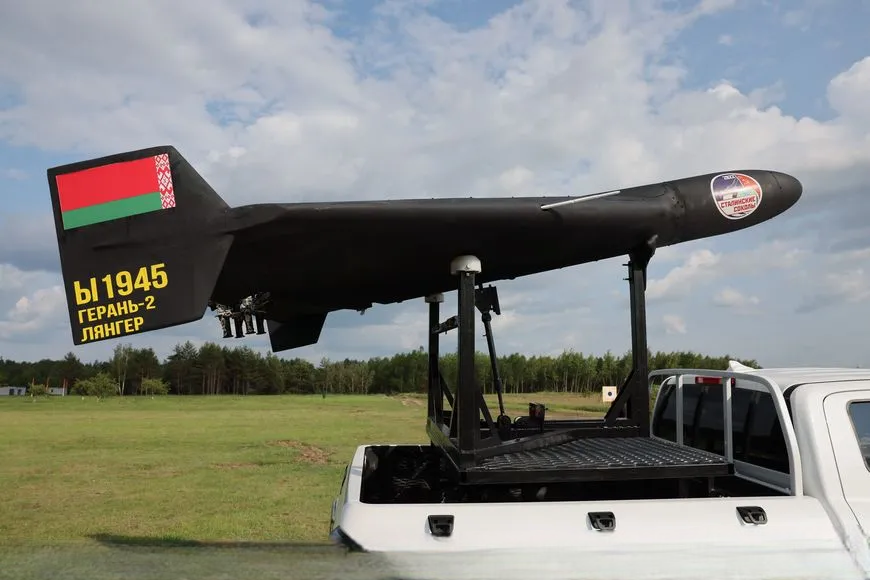
geran-2 (shahed-136) drone belarusian markings service military belta militarnyi російський безпілотник герань 2
Explore further

“Trump and Musk must be held accountable”: US senator warns Starlink network failing over Ukraine could cripple its shield against Russian missiles and drones

Replacing Starlink will not be quick. Lance Hunter, a political scientist at Augusta University, told Time that Ukraine cannot quickly swap out such technology, since diversifying it “takes a lot of time. It takes a lot of resources.” Meanwhile, one Ukrainian interceptor-drone maker has begun rethinking its air-launched designs after the slowdown.

  •  

Anthropic’s record $2tn IPO could bring global risks to a head

Anthropic, developer of AI chatbot Claude, has filed its prospectus and is expected to go public on Wall Street in November at a valuation of up to US$2 trillion. That would make it the highest-valued initial public offering (IPO) ever, ahead of SpaceX’s $1.77 trillion listing in June. OpenAI, the maker of ChatGPT, is expected […]

The post Anthropic’s record $2tn IPO could bring global risks to a head appeared first on Asia Times.

  •  

Verizon says SpaceX needs up to 8 years and a half trillion dollars to compete in wireless

Pedestrians pass a Verizon storefront window with a large red logo and a digital display showing a red robot.
Verizon's CEO says SpaceX's Starlink faces some significant technical and financial hurdles to compete at scale in the US.

Zamek/GVN/VIEW press/Corbis via Getty Images

  • Verizon's CEO says he assumes SpaceX will flawlessly execute its US ambitions — but he's not worried.
  • In order for Starlink to compete, it will still need a lot of land-based infrastructure.
  • That building could require SpaceX to spend a half trillion dollars over up to eight years, he said.

In business, as in war, the safest bet is often to avoid underestimating your competitors, even when the odds appear to be in your favor.

Verizon CEO Dan Schulman says he's a student of that philosophy when it comes to Elon Musk's ambitions to develop SpaceX's Starlink into a significant US network player.

"Clearly, the tech and the wireless landscape is rapidly evolving, and we need to rapidly evolve along with that," he said during the company's third-quarter earnings call Monday. "I also operate under the assumption that everything SpaceX says they will do, they will do, and that they will execute flawlessly."

Setting aside Musk's track record of delivering on his eyebrow-raising promises, Schulman said there are significant technical and financial hurdles that Starlink would have to clear to meaningfully compete with established networks like Verizon. But it is possible.

"If they build a terrestrial network, it will basically look and feel like every other network," he said. "I think we should take it quite seriously."

News earlier this month that Starlink had acquired a batch of mobile-friendly low-band spectrum sent the share prices of the major US mobile carriers falling by approximately 10%. Verizon is the only one of the three to partially recover from the drop.

"Their service just can't compete with a terrestrial network in suburban and urban areas, where like 98% of our revenues are," he said of the satellite-based system. "We're somewhere between 100 to 1000 times more efficient than they are."

Building a competitive US network, especially for mobile, would require building as many as 80,000 large cell towers on Earth linked with some combination of satellites and fiber optics, Schulman said.

Schulman estimates that project would cost up to a half trillion dollars over six to eight years, with a minimum of four to six years to actually build out the network.

"Then they need to build retail customer service, back office systems, et cetera., and all of that gets them basically the same network and same capabilities and same cost structure as what we have today," Schulman said.

After the call, Musk responded to the forecast with a post on X: "Will take 2 or 3 years."

The Verizon chief's remarks come less than a week after his AT&T counterpart, John Stankey, brushed off concerns that Starlink's mobile network could pose a threat to his business.

"I wouldn't over-rotate on what I would call one carrier of low band spectrum," he said.

Read the original article on Business Insider
  •  

Anthropic wants it both ways: public money and private control

Anthropic CEO Dario Amodei arrives near the White House ahead of a planned meeting with US President Donald Trump, in Washington, DC, on September  29, 2026.
Anthropic CEO Dario Amodei and his six cofounders will control 50.1% of the company's voting shares after it goes public.

Oliver Contreras / AFP via Getty Images

  • Public investors are finally getting a chance to invest in Anthropic.
  • But unlike other public companies, Anthropic doesn't want the public's input when it comes to major decisions.
  • Instead, Anthropic will be effectively controlled by CEO Dario Amodei and a group of other insiders.

In the next few weeks, public investors will get their chance to buy a piece of Anthropic.

But regular investors will never have a chance to steer the AI giant's decisions: Even though Anthropic is going public, it will essentially remain a private company, controlled by a handful of people with outsized power.

That's not unusual for giant tech companies launched in the past few decades (Larry Page and Sergey Brin have effective control of Google; Mark Zuckerberg has the same at Meta, as does Elon Musk at SpaceX.) It's also something you see at some prominent media companies (Rupert Murdoch and his son Lachlan have effective control of his two public companies; Larry and David Ellison have the same at Skydance.)

Anthropic's twist on the idea is that control is split between two different groups of insiders. There's a clique of seven founders, including CEO Dario Amodei and his sister, Daniela, who control 50.1% of shareholder voting power. And there's also a trust with the power to appoint four of the company's seven directors.

Put those two together, and you get a corporate constitution designed to keep public investors outside the real decisions. The founders control the outcome of any shareholder vote; the trust controls the board.

In theory, those two groups could end up in conflict on major issues. The trust-appointed directors might, say, vote to replace Amodei with a new CEO. Or the founder group could veto a sale approved by the board.

In reality, there's a lot of overlap between the two groups. For starters, Anthropic created and funds the trust. And Anthropic itself says it has made sure the trust is staffed with people who see the world the same way its executives do: "In practice to date, the Trustees and company executives have collaborated closely on sourcing, interviewing, and selecting Trustees," the company notes in its S-1 filing.

The main takeaway is that there's no way for an individual shareholder, or even institutional shareholders who own significant chunks of Anthropic's equity, to force it to move one way or another.

The upside of arrangements like this are pretty clear, from a founder's perspective: They insulate their founders and managers from investors who might only care about short-term goals.

The downside: These structures insulate founders and managers from investors who might have very good reasons to want the company to change.

A good counter-example to the trend is Twitter, which went public in 2013 without founder control — which is why Elon Musk was able to buy it nearly a decade later.

In Anthropic's case, that aversion to giving public investors a real voice is synced directly to the company's founding thesis — that the AI it is developing is so consequential and potentially dangerous, that it must be controlled by people who care about more than Anthropic's share price.

And for many investors clamoring to get in on Anthropic's IPO, that lack of control — disclosed up front — won't matter. They just want their shares to be worth more over time. Musk's ironclad control of SpaceX didn't put dampen demand for the biggest IPO in history.

But if investors ever want to force Anthropic to do something the Amodeis and their cofounders — or the Anthropic-created trust — don't want it to do, they'll be out of luck. Buyer beware.

Read the original article on Business Insider

  •  

SpaceX, Elon Musk scommette forte sull’IA: annunciato un finanziamento da 40 miliardi per l’acquisto di chip

SpaceX ha raccolto 40 miliardi di dollari in prestiti destinati all’acquisto di nuovi chip per l’intelligenza artificiale. Lo ha annunciato Elon Musk attraverso un messaggio pubblicato sul suo social X, spiegando che le risorse serviranno principalmente a finanziare l’acquisto di GPU, le unità di elaborazione grafica fondamentali per lo sviluppo dei sistemi di intelligenza artificiale, la cui consegna è prevista tra il primo e il secondo trimestre del 2027. “Si tratta principalmente del rimborso del debito contratto per l’acquisto di GPU che arriveranno nel primo e nel secondo trimestre”, ha scritto Musk rispondendo a un investitore, senza precisare né la scadenza né il tasso di interesse del finanziamento.

La notizia arriva dopo che il gruppo, presentando i risultati finanziari martedì scorso, aveva annunciato investimenti compresi tra 35 e 40 miliardi di dollari nell’ultimo trimestre dell’anno, una cifra doppia rispetto a quella del trimestre precedente. I nuovi fondi, attesi all’inizio del 2027, confermano la volontà di mantenere elevato il ritmo degli investimenti nel settore dell’intelligenza artificiale.

Dopo la fusione con xAI all’inizio dell’anno, SpaceX, con sede a Starbase, in Texas, ha rafforzato la propria presenza nel comparto dell’intelligenza artificiale. Nel terzo trimestre, secondo quanto riportato, il gruppo ha registrato il primo utile netto della sua storia, grazie soprattutto ai ricavi derivanti dall’affitto della capacità dei propri data center a clienti esterni, tra cui Anthropic.

Prosegue intanto l’ampliamento del data center Colossus II, al confine tra Mississippi e Tennessee, mentre Musk punta a trasformare SpaceX in un conglomerato tecnologico, valutando anche l’acquisizione di Tesla, l’altra grande azienda da lui guidata.

L'articolo SpaceX, Elon Musk scommette forte sull’IA: annunciato un finanziamento da 40 miliardi per l’acquisto di chip proviene da Affaritaliani.it.

  •  
❌