❌

Reading view

Emergency stockpiles are a luxury that not everyone can afford | Letters

Keira Callaghan says being prepared should be a public health measure, not a privilege, and Chris Rotheram is experiencing prescription anxiety. Plus five more letters in response to the Be Ready campaign

The Be Ready campaign may offer sensible advice in principle (Every Briton should stockpile water and food supplies, government advises, 22 October), but as a midwife working in Tower Hamlets, one of the poorest boroughs in London, I can see first-hand that its practical recommendations risk excluding precisely those families who are already most vulnerable.

For families living in a single room in a shared house, storing nine litres of water per person alongside three days’ worth of essential supplies may simply be unrealistic. When families are already struggling with the cost of food, heating and everyday necessities, buying additional emergency provisions may also be financially impossible.

Continue reading...

© Photograph: pundapanda/Getty Images

© Photograph: pundapanda/Getty Images

© Photograph: pundapanda/Getty Images

  •  

Europe can no longer take water for granted, Kadis says

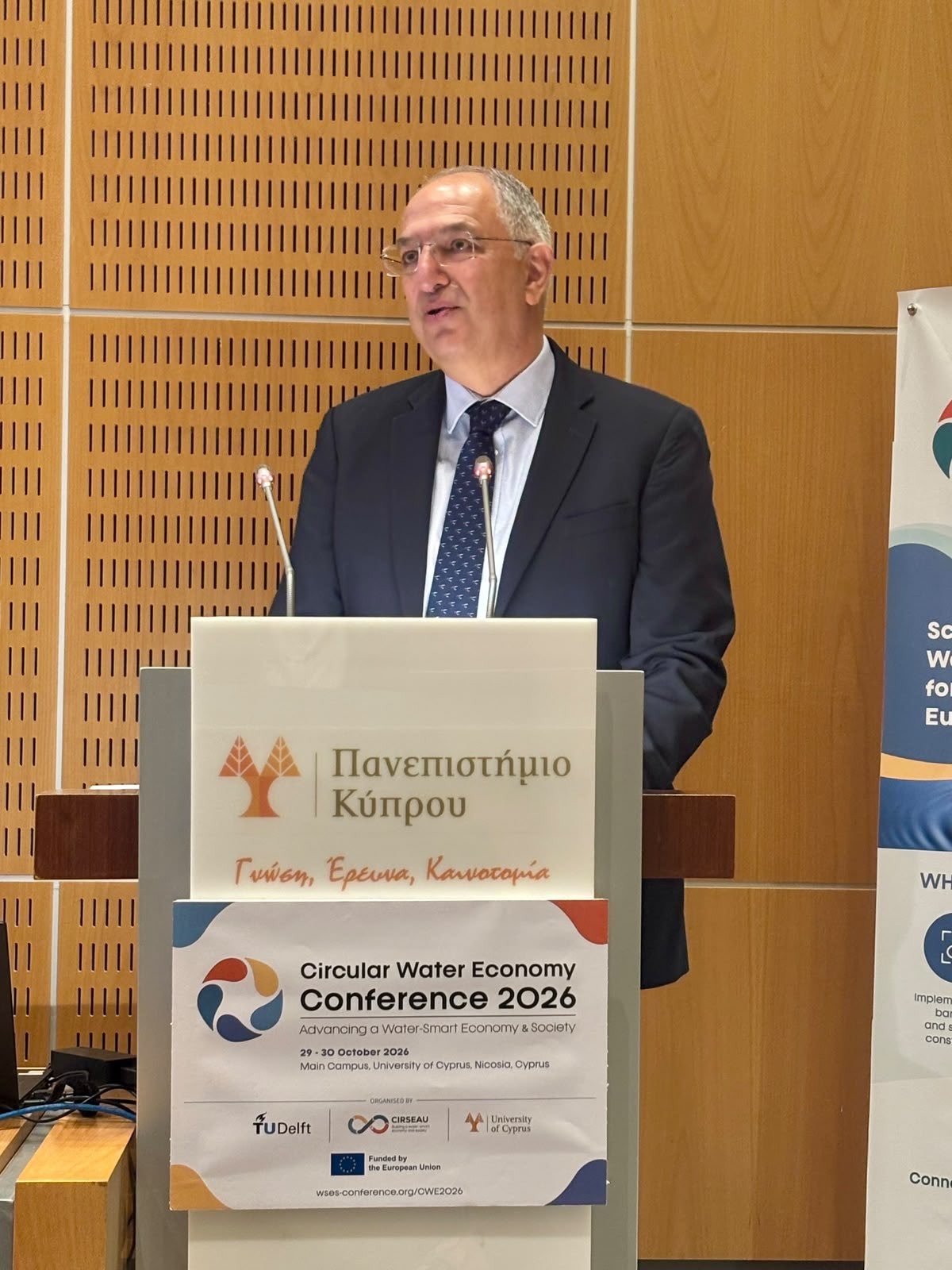
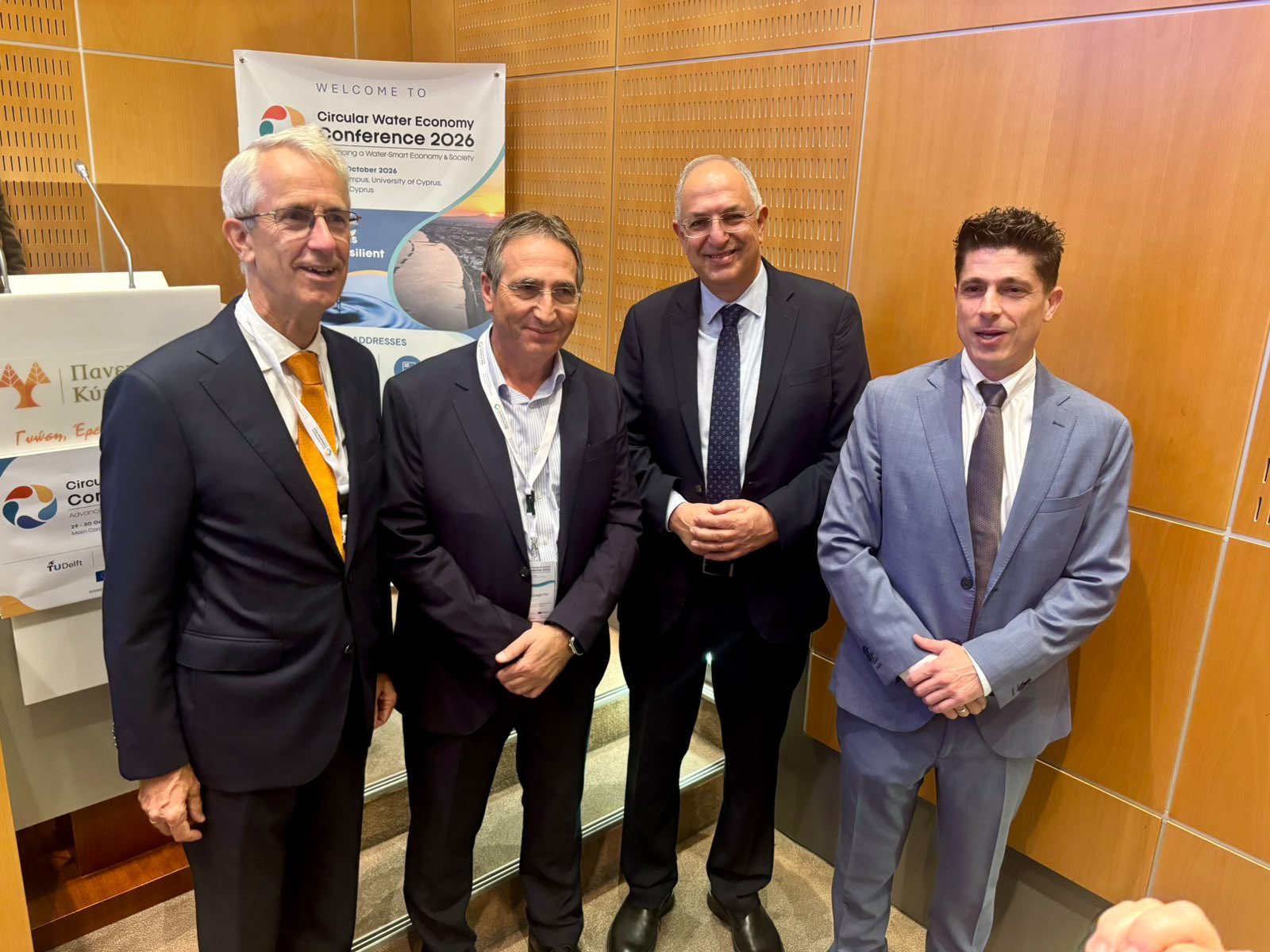
Europe “can no longer take water for granted”, European Oceans Commissioner Costas Kadis said on Thursday, as he attended a conference on the “circular water economy” at the University of Cyprus.

He told the conference that dealing with water scarcity is “emerging as a key strategic priority”, and that “the protection of water resources is an environmental priority, an economic necessity, and a matter of strategic security”.

“The fires, droughts, and phenomena of water scarcity recorded during the summer highlighted the urgent need to strengthen Europe’s resilience, as water is essential for people, for agriculture, for energy, for industry, and for ecosystems,” he said.

He made reference to the new “European Water Initiative”, which was announced by European Commission President Ursula von der Leyen during her State of the European Union address last month, saying that it will “complement the European water resilience strategy”.

In his, he said, it will aim to “accelerate actions to address water scarcity and climate risks”.

“The effective implementation of European policies requires adequate skills, stronger institutional capacities, and a closer connection between research and practice,” he said, before making reference to the new European Water Academy, launched last month.

According to the commission, the water academy has created a “Europe‑wide portfolio of labelled training and skill‑development programmes for a water-resilient Europe”.

Cyprus has ‘longstanding experience in dealing with water scarcity’

MEP, Kadis, Costas Kadis, environment, water, water shortage

Kadis then referred to Cyprus specifically, saying that the island has “longstanding experience in dealing with water scarcity, water reuse, and desalination”, and that that experience “can be utilised in other coastal areas of the European Union which face similar pressures”.

However, he said, “desalination must operate in tandem with water saving and reuse, based on the principle of prioritising the efficient use of water resources and avoiding significant environmental damage”.

Von der Leyen had said last month that while “we know the risks of water scarcity for our farmers, energy, and supply chains”, “European pipes lose almost one in every four litres [of water], mostly through leakage”.

Details have yet to be added to her announcement of the “European Water Initiative”, but it will likely complement the EU’s existing water resilience strategy, through which the commission has pledged to “restore and protect the water cycle from source to sea” and “adopt water-smart practices and green infrastructure”.

This, it said, will “improve water retention on land, prevent water pollution and tackle pollutants in drinking water”, while it also hopes to “provide guidance on how to reduce water consumption and improve water efficiency in the EU by 10 per cent” by the end of the decade.

  •  

Thames Water creditors to vote on emergency £2.4bn loan as cash runs low

Campaigners say costly new funds will lead to higher bills, which company denies

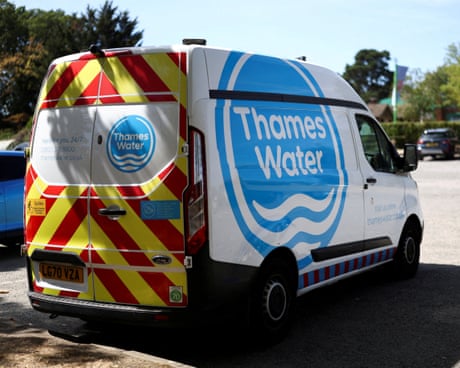
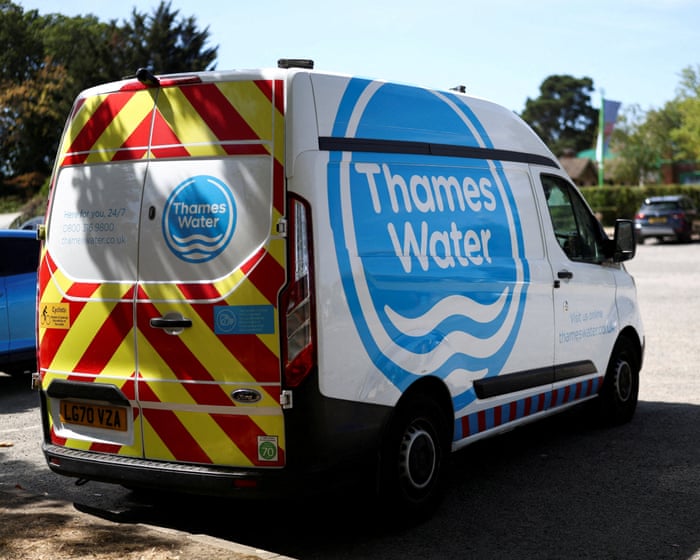
A group of creditors to troubled Thames Water are poised to vote on whether to grant an emergency £2.4bn loan to keep the company afloat, as campaigners raise concerns it could add £40 to each household’s bills in interest alone.

A consortium of creditors, called London & Valley Water, will vote on Thursday on whether to increase a funding facility for the debt-laden utility company to £5.4bn to keep it operating to autumn 2027.

Continue reading...

© Photograph: Toby Shepheard/Reuters

© Photograph: Toby Shepheard/Reuters

© Photograph: Toby Shepheard/Reuters

  •  

Menindee Lakes water levels drop to lowest in five years as experts warn of mass fish deaths

NSW government imposes water restrictions after Menindee water volumes fall below 2021 levels

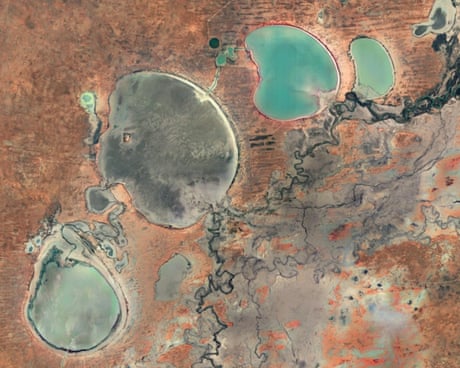
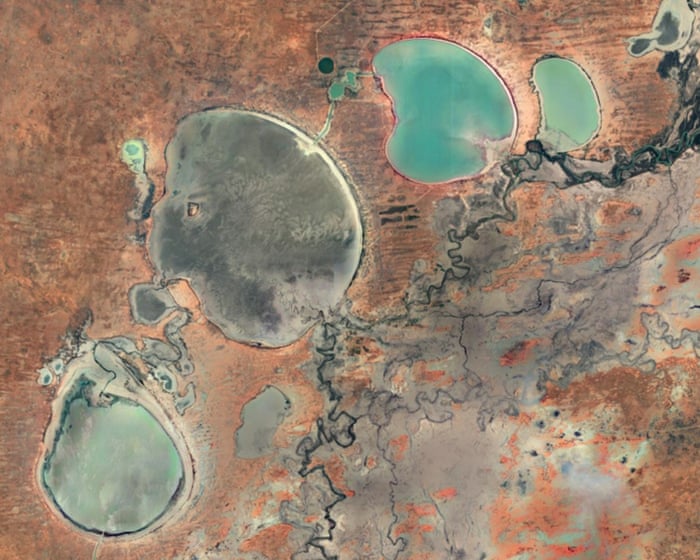
Water levels at the Menindee Lakes in western New South Wales have fallen to their lowest point in five years, prompting the state government to impose upstream water use restrictions as experts warn of potential mass fish deaths over summer.

Combined volume at the Menindee Lakes fell below 480 gigalitres earlier this month, the first time since 2021.

Continue reading...

© Photograph: Google Earth

© Photograph: Google Earth

© Photograph: Google Earth

  •  

California’s High Tides Set Records This Week. They’re Going to Get Higher.

El Niño is expected to push this winter’s high tides even higher.

© Ian C. Bates for The New York Times

In San Francisco, high tides at lunchtime flooded a plaza and parts of the sidewalk along the city’s eastern shore on Tuesday.
  •  

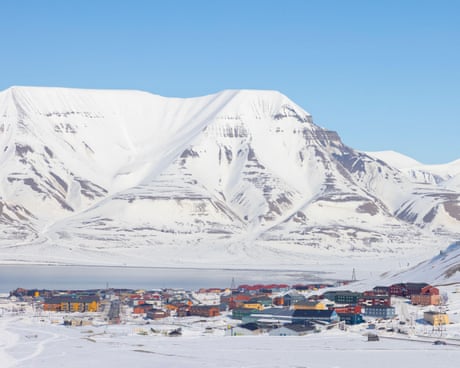
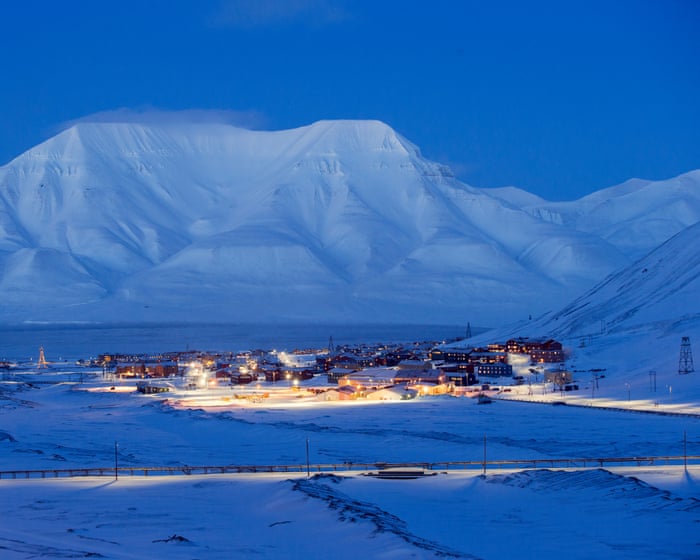
This Norwegian village is one of the fastest-warming places on Earth. How can its people save it?

As glaciers melt and permafrost thaws, Longyearbyen, on the remote Arctic islands of Svalbard, faces climate-induced problems from tap water to housebuilding to landslides

• Heavy metals make Norwegian village’s tap water toxic

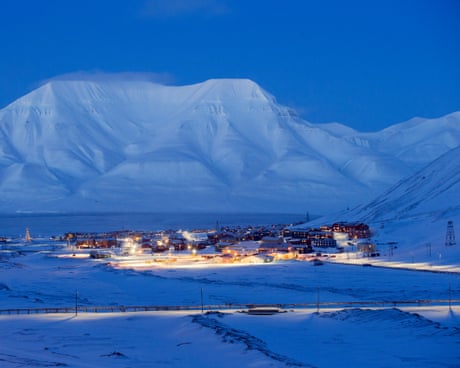
On a rugged mountain plateau of snow-dusted rocks, in the remote archipelago of Svalbard, a glaciologist, Andy Hodson, points out the “ears” of ice, white against the rock, that gave Foxfonna glacier its name, after the arctic fox.

The small glacier, on a mountain 8 miles (15km) outside the Norwegian village of Longyearbyen, is a popular summer hike for tourists who come here seeking the Arctic experience.

Continue reading...

© Photograph: Image Professionals GmbH/Alamy

© Photograph: Image Professionals GmbH/Alamy

© Photograph: Image Professionals GmbH/Alamy

  •  

Can countries deliver on a deal to save the world’s plants and animals?

Four years ago nearly every government on Earth agreed to protect nature. Now, as countries gather for Cop17, the pressure is on to follow through on those commitments

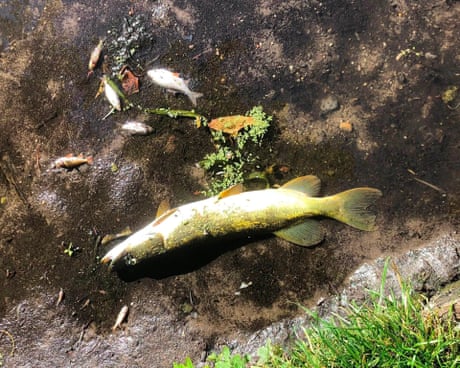
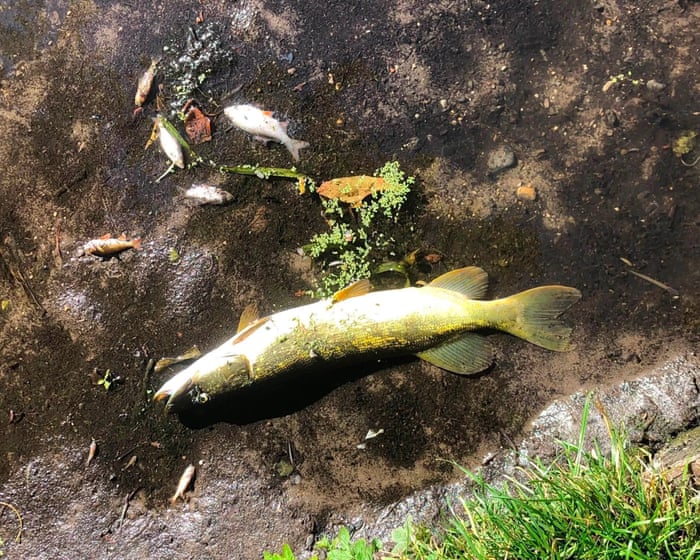
Passersby could smell the dead fish before they saw them. In August, more than 3,000 pike, roach, carp and rudd were found lifeless along the River Wensum in Norwich. Some gasped for air in their final moments, desperate for the oxygen that heatwave conditions had depleted in the water. Investigators believe that the die-off was triggered by heavy rainfall that flushed through high concentrations of pollution at a time when wildlife were already struggling.

The 45-mile (70km) chalk river is one of about 250 in the country. They are a geological accident almost unique to Britain – and one of Earth’s rarest habitats. They emerge from chalk aquifers and are home to species such as freshwater shrimp, otters and stoneflies, also providing drinking water for millions of people. But just 11 have formal protection, with many ravaged by sewage pollution and overextraction. The Norfolk river is one of the few that does have legal protection, but it is in poor ecological health.

Continue reading...

© Photograph: Norwich Green Party

© Photograph: Norwich Green Party

© Photograph: Norwich Green Party

  •  

Tap water no longer drinkable in Norwegian town as climate-related thawing releases heavy metals

Warning for other Arctic communities as residents told not to use water in Longyearbyen in Svalbard, one of the fastest-warming places in the world

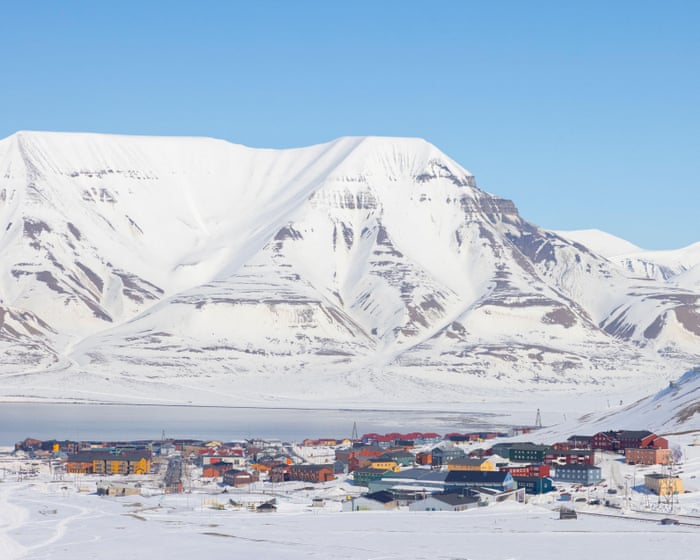
Residents of a remote town in Norway that is in one of the fastest-warming places in the world have been told they must no longer drink tap water due to heavy metal contamination that scientists have linked to the thawing permafrost.

Longyearbyen, in the archipelago of Svalbard, gets its main drinking water supply from a 1.5 mile-long (2.5km) dammed lake called Isdammen, or “ice pond”. Higher temperatures as a result of the climate crisis have thawed permafrost, leading to newly exposed bedrock leaching metals into the pond.

Continue reading...

© Photograph: Rimante_Hegland/Getty Images/iStockphoto

© Photograph: Rimante_Hegland/Getty Images/iStockphoto

© Photograph: Rimante_Hegland/Getty Images/iStockphoto

  •  

Nine Days from the Dark: What Sixty Million People Learned About Water, Warmth and Medicine During Spain’s Ten-Hour Blackout

by John Walter, John Walter: At 12:33 on the afternoon of 28 April 2025, mainland Spain and Portugal lost their electricity supply. Red Eléctrica de España, the Spanish transmission operator, logged the loss of about fifteen gigawatts of generation — close to sixty per cent of Spanish demand at that moment — within seconds. Supply […]
  •  

Where Cities and Oceans Meet

What does it mean to live in a disappearing place? For Pioneer Works’ Broadcast, Brad Bolman, a professor of history and environmental studies at Tulane University, writes about New Orleans, the shifting borders between land and sea, and the political and economic forces that continue to shape the city’s fate in a time of climate catastrophe.

If Los Angeles is the city that has been imaginatively destroyed again and again in film and TV, as Thom Andersen argues in Los Angeles Plays Itself, New Orleans is the one that has been destroyed countless times in reality. We have survived worse and rebuilt before, many insisted. We’re staying.

It was a reaction as understandable emotionally as it was disconnected from environmental reality. But that gap is a feature of life in the Crescent City. As I watched my first Mardi Gras parade this spring, junk falling in never-ending torrents from brightly decorated floats, a friend sympathetically interjected, “This must be driving you crazy.” What they meant was that as someone who teaches about environmental history but isn’t from here, I must be especially affected by the throwaway culture of the city’s most famous fête and its tons and tons of plastic beads, made from the same fossil fuels that are causing sea levels to rise around us.

  •  

A Lake the Size of Connecticut Has Been Sealed Under Antarctic Ice Since Before Humans Existed

In February 2012, after twenty years of nearly uninterrupted work, a Russian drill broke through the last stretch of ice over East Antarctica and reached something no human had ever touched: the surface of a lake sealed shut long before our species existed. Water surged up the borehole, mixed with the kerosene and Freon used […]

  •  

The Santa Cristina Well-Temple, a Nuragic Work of the Bronze Age That Is 30 Centuries Old and Looks Like It Was Built Yesterday

There are ancient monuments that impress with their size and others that impress with their precision. The Sacred Well of Santa Cristina, in the municipality of Paulilatino, province of Oristano in Sardinia, belongs to the second group. Its basalt stones are carved and assembled with such geometric precision that, according to the site management center […]

  •  

Ten European startups reshaping the blue economy

The blue economy is no longer limited to traditional activities such as fishing, shipping, or offshore energy. A new generation of startups is applying climate technology, AI, robotics, biotechnology, and advanced water treatment to make the use of oceans and water resources cleaner, safer, and more efficient.

EU-Startups’ 2026 coverage shows Europe’s blue economy attracting capital across a widening range of technologies and business models. Among the larger disclosed rounds were €17 million for cargo.one alongside its acquisition of ocean-freight platform Cargofive or €10 million for marine-biofuel developer Kvasir Technologies.

These deals form part of a broader funding landscape in which startups are tackling an increasingly diverse set of challenges linked to how Europe uses, manages and protects its water and marine resources.

From restoring coastal ecosystems and generating tidal power to removing hazardous pollutants, improving wastewater treatment, supporting aquaculture, automating maritime operations, and digitalising shipping workflows. The 10 startups featured below, founded between 2020 and 2026, show how innovation is reshaping the sector, in alphabetical order.

Apolownia is a Paris-based ClimateTech startup committed to making the world more environmentally responsible. It develops end-to-end coastal ecosystem restoration and blue carbon projects, including mangroves and seagrass, which help absorb carbon, reduce coastal flooding and erosion, improve water quality, and provide vital habitats for fish and other marine life.

Its projects use satellite imagery, drones, field data and AI to monitor ecosystem recovery, estimate carbon capture and verify environmental results in a clear, data-driven way. Founded in 2024, it has raised €1 million in funding.

Headquartered in Heidelberg, Blue Activity develops sustainable water treatment solutions for industrial cooling systems. Its technology replaces toxic biocides with natural microorganisms and uses biopolymer-based additives, supported by digital monitoring. This reduces chemical use, water and energy consumption, maintenance needs, and operating costs.

They promote cleaner industrial water use and reduce harmful substances discharged into the environment, contributing to healthier water resources and more sustainable industry. Founded in 2021, Blue Activity secured €8.5 million in funding.

Launched in 2024 in Oxford, Caudal Energy takes a bio-inspired approach to tidal power, using ocean currents to generate predictable renewable electricity. Its system replaces conventional rotating turbines with moving fins inspired by marine animals, offering a lower-impact solution with simpler installation and maintenance.

This activity matters because tidal energy provides a more predictable source of renewable power than solar and wind, which are more dependent on weather conditions. By harnessing ocean currents, Caudal Energy can support the transition away from fossil fuels while making sustainable use of marine resources. Its innovative approach has enabled them to raise €6.43 million in total funding.

Heidelberg-based Enzo focuses on preventing water damage before it becomes costly. Its one-drop sensor attaches to a building’s main water pipe. The startup uses AI to identify unusual water-use patterns and small leaks in real time, allowing homeowners, property managers, and insurers to act before major damage occurs.

Its activity is especially useful as early leak detection can prevent water waste, expensive repairs, and unnecessary use of materials and energy, contributing to more sustainable water management. Launched in 2021, Enzo raised €6.3 million in funding.

Lir Labs develops an AI-powered microscopy for wastewater treatment, turning microscopic activity in water into real-time operational insights. Its automated sensors use deep-learning models to identify changes in microorganisms and particles, allowing treatment plants to detect problems earlier and adjust processes before they become costly or disruptive.

Their approach to better wastewater monitoring can reduce pollution, unnecessary energy and chemical use, and the risk of poorly treated water reaching natural ecosystems. Founded in 2025 in London, Lir Labs raised €245k in funding.

Mirai Robotics is a Maritime Technology startup building AI-powered systems that allow boats and other maritime vehicles to operate with little or no human control. Its technology can guide vessels, process data from onboard sensors, and make real-time decisions during activities such as sea patrols, inspections, monitoring, and transport.

Its activity is relevant to the blue economy because it can make maritime operations safer, faster, and more efficient, particularly in remote or hazardous areas where deploying human crews can be costly or risky. Launched in 2025 in Bari, this innovative approach to maritime automation and safety has helped Mirai Robotics secure €3.6 million in funding.

Founded in 2023 in Ireland, Nernst Electric develops on-site oxygen generation for aquaculture. Its technology uses ceramic membranes to separate high-purity oxygen directly from the surrounding air, allowing fish farms to produce oxygen where it is needed instead of relying on costly deliveries. A reliable oxygen supply is essential for maintaining healthy fish and productive farming conditions, particularly at remote sites.

Its efficient way of producing oxygen can make aquaculture more reliable, cost-effective, and sustainable while reducing energy use and dependence on transported liquid oxygen. Nernst Electric has a total funding of €1.7 million.

NPHarvest has developed a new hardware solution for the collection and recycling of nutrients from wastewater, turning them into valuable ingredients for fertilisers. Installed at wastewater, biogas, and agricultural facilities, its system captures nitrogen and phosphorus that would otherwise be lost as waste and converts them into reusable resources. The technology can recover up to 90% of these nutrients while operating with relatively low energy use.

As excesses of nitrogen and phosphorus can pollute waterways and contribute to eutrophication, managing levels in the water is important. By recovering these nutrients before they reach the environment, NPHarvest supports cleaner aquatic ecosystems while creating a circular source of fertiliser. Founded in 2023 in Espoo, they raised €3.4 million in total funding.

Zürich-based Oxyle tackles some of the hardest-to-remove pollutants in water, particularly PFAS, also known as “forever chemicals”. Rather than simply filtering these substances out, the company’s treatment systems break them down at the molecular level, preventing them from being transferred into another waste stream. The technology is designed for contaminated groundwater and industrial wastewater across sectors such as chemicals, pharmaceuticals, semiconductors, and waste management.

Removing hazardous chemicals from wastewater helps prevent them from reaching rivers, groundwater, and marine ecosystems, supporting cleaner and safer water resources. Founded in 2020, Oxyle has raised €19 million in funding.

Founded in 2021 in Berlin, Tilla is a MaritimeTech startup bringing greater efficiency to crew changes in the shipping industry. Its digital platform brings voyage schedules, crew information, port services, flights, and travel requirements into one place, allowing shipping companies to plan and manage crew movements with fewer manual tasks, lower costs, and better coordination.

By digitalising a process still heavily dependent on spreadsheets, emails, and manual coordination, Tilla supports more efficient maritime operations and improves the working experience of seafarers. The company raised €4 million in total funding.

  •  

Kefalonia: British tourists pay for water for firefighters combating the big fire

British tourists on the island on Kefalonia showed their gratitude and paid for water bottles for the firefighters battling the big blaze on the island in the Ionian Sea over the weekend. Local media kefaloniapress.gr reported about the spontaneous “Thank you!” incident that apparently occurred on Sunday, August 2. The post published today, Tuesday, August […]

The post Kefalonia: British tourists pay for water for firefighters combating the big fire appeared first on Keep Talking Greece.

  •  

Greece’s Water Reform Bill: Privatization and prices increases underway?

Parliament in Greece has approved a government bill concerning the country’s two major water utilities, EYDAP and EYATH in Athens and Thessaloniki respectively. The bill passed amid strong opposition criticism that the legislation could lead to the privatization of water services. The bill, introduced by the Ministry of Environment and Energy, passed with support from […]

The post Greece’s Water Reform Bill: Privatization and prices increases underway? appeared first on Keep Talking Greece.

  •  
❌