Iranian news outlet Press TV called the detention of its West Bank correspondent Naqaa Hamed by the Israeli forces an “aggressive terrorist operation” aimed at silencing the truth about its occupation and genocide of Palestinians. It demanded the immediate intervention of the international community for her release.
“The desperate attempt by the Zionist war and security machine to block the flow of free news and boycott structured crimes in the West Bank is clear evidence of the occupier’s fear of independent” reporters “who expose widespread human right violations,” the Press TVstatement, published on Thursday, September 17, said.
Naqaa Hamed was abducted by the Israeli armed forces from a checkpoint at Tuqu, near Bethlehem, in the occupied Palestinian territory on September 15.
She, along with her cameraman, were returning after reporting about rising Israeli settler violence on Palestinians in Masafer Yatta.
One eyewitness, a TRT journalist accompanying Hamed in her car, claimed that they were detained at the checkpoint and made to sit on the ground for 45 minutes while Hamed was taken alone for interrogation.
After the interrogation, cameraman and TRT journalists were let go but Hamed was arrested and sent to an unknown location.
Later it was reported that her detention has been extended until September 23 by an Israeli court.
Though no official confirmation has come forward about the charges against Hamed, Israeli media quoted unidentified military sources claiming her arrest was linked to her alleged cooperation with “the enemy entity,” presumably Iran, and espionage.
Hamed (38), a Palestinian-American and mother of three children, has been subjected to repeated physical attacks by Israeli forces in the last few months. She has also been subjected to a smear campaign on social media.
According to Press TV, rubber bullets were fired at her when she was reporting near Qalandia camp in December 2025. She was injured again in August this year by an Israeli stun grenade and tear gas fire.
The intimidation and smear campaigns on social media, started by pages affiliated with the Israeli occupation regime, targeted Hamed by questioning her credibility and calling her a part of the “Iranian propaganda machine.”
Israel is the worst place to be a journalist
Israel has one of the worst records when it comes to killing and arresting journalists. Hundreds of Palestinian journalists have been either killed or arrested by the Israeli occupation forces since the beginning of the war and genocide in Gaza.
According to various sources Israel has killed over 250 journalists and media workers in the West Bank and Gaza since October 2023.
According to the Palestinian Prisoner’s Society, currently nearly 40 Palestinian journalists are in Israeli detention, including five women. Almost half of these journalists are kept in prison under the draconian provision of Administrative Detention, which allows the authorities to keep them in jail for an indefinite period without any formal charges or trial.
The Iranian media channel Press TV underlined that Hamed’s arrest by Israeli forces violates international laws about immunity to journalists in war zones. It demanded the UN, its High Commissioner for Human Rights, and other international human rights groups to come out of their “shell of inaction and meaningful silence” and take measures to end Israel’s impunity.
“As long as responsible institutions remain in the shell of silence and inaction, Naqaa Hamed will not be the first, nor the last journalist to be targeted by the illegal actions of the Zionist regime,” the Press TV statement said.
The lethal repercussions of Israel’s three-year genocidal aggression on Gaza continue to unfold. Aside from Israel’s ongoing military assaults after the nominal ceasefire deal, the humanitarian crisis inflicted by the genocide – affecting food, sanitation, medication, and shelter – has become another driver of persistent fatalities.
At least 21 Palestinians, including 12 children, died in the collapse of the Al-Saadah building in Gaza City on Wednesday, September 16, while 45 people were rescued from under the rubble.
According to media reports, the building, already damaged by Israeli airstrikes, was housing 100 displaced people, amid a deepening shelter crisis caused by Israel’s ongoing restrictions on reconstruction materials and humanitarian aid.
Hamas issued a statement, holding Israel “responsible for this disaster,” and affirming that “the building collapse represents a new chapter in the catastrophic humanitarian repercussions of the war.”
The Palestinian movement pointed out that the massive home and neighborhood destruction has forced thousands of displaced people to take refuge in ruined structures.
It further cautioned that the severe shortage in heavy machinery for clearing debris and conducting rescue operations endangers more lives.
Hamas also urged mediators, the US administration, and relevant international bodies to take immediate action to lift restrictions blocking the entry of necessary rescue equipment and vehicles, and to secure safe shelter for the displaced population.
Meanwhile, the Gaza-based Ministry of Public Works and Housing warned that roughly 3,000 buildings across the war-ravaged enclave are currently deemed dangerous or at risk of collapse, which in turn poses a significant threat to thousands of inhabitants.
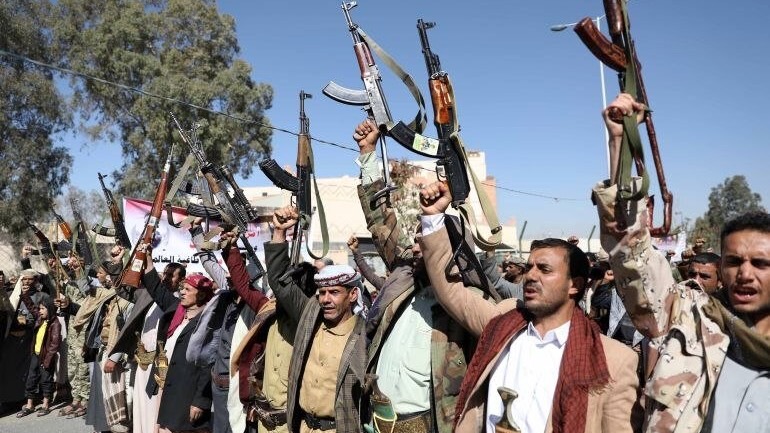
In July, Saudi Arabia joined the US-Israeli war on the West Asia region with strikes on Yemen. The Ansar Allah-led Yemeni Armed Forces retaliated by launching a maritime blockade alongside attacks targeting vital Saudi interests.
The renewed fighting between the two West Asian nations resulted in Ansar Allah’s takeover of the strategic Red Sea port city of Mokha last week and the liberation of all the group’s prisoners held by Saudi-backed forces on Yemen’s western coast.
Ansar Allah’s seizure of Mokha seaport is reshaping regional and global geopolitics, particularly because it serves as a primary gateway to the Bab el-Mandeb Strait and coincides with developments in the Strait of Hormuz.
As these major shifts underscore, Yemen holds immense strategic geopolitical significance.
Situated on the southwestern corner of the Arabian Peninsula and overlooking the Bab al-Mandab Strait, Yemen represents a vital chokepoint connecting the Red Sea to the Gulf of Aden and the Indian Ocean
Consequently, internal political developments in Yemen can have global political and economic repercussions.
This fact, in turn, has put Yemen in the crosshairs of the US-led Western imperialist bloc and their allies in West Asia, which have endeavored to subjugate the country through a devastating decade-long war and blockade.
The origin of this war coincides with the emergence of Ansar Allah, beginning when the group managed to take control of large swathes of the country, including the capital, Sanaa, in 2014.
The rise of Ansar Allah
Ansar Allah was first established in the early 1990s in the northern Yemeni governorate of Saada as a cultural and educational organization called Al-Shabab al-Mumin (the Believing Youth).
Initially, the organization introduced itself as an unarmed theological movement aimed at reviving and preserving Zaydi Shia Islam and countering the threat of state-backed Sunni Salafism, which sought to uproot the Zaydi religious identity in its homeland of Saada.
From its inception, the movement opposed the government, led by President Ali Abdullah Saleh, accusing it of corruption and criticizing its ties to the United States and its ally Saudi Arabia.
Tensions between the group and the government drastically escalated following the US invasion of Iraq in 2003. It was at that time that the group adopted the slogan (Death to America, Death to Israel), during mass protests opposing the war on Iraq.
These slogans posed a political threat to Ali Abdullah Saleh, who was attempting to position his government as a key ally in the “US War on Terror” in the aftermath of the 9/11 attacks. As a result his government led a brutal crackdown on protesters.
Security forces and riot police suppressed protests using live ammunition, tear gas, and batons, and arbitrarily detained hundreds of political activists, students, and opposition organizers without trial.
In 2004, tension between the Al-Shabab al-Mumin and the Yemeni government boiled over, sparking a series of six internal conflicts known as the Saada Wars.
These clashes began with the government’s assassination of Hussein Badreddin al-Houthi, the group’s founder, and triggered five subsequent rounds of fighting that lasted until 2010. The followers of the group became widely known as the Houthis ever since.
Saudi Arabia reportedly engaged in the Saada wars by providing immense financial, political, and material support to the Yemeni government. Saudi intervention in Yemen escalated in 2009 with a direct military incursion and unilateral airstrikes against positions held by the Houthi movement.
In 2011, the group joined nationwide demonstrations, calling for the overthrow of President Ali Abdullah Saleh. It was then that the Houthi movement formally adopted the name Ansar Allah (Supporters of God).
The ousting of Saleh weakened the central government and triggered a sweeping power vacuum, which allowed Ansar Allah to rapidly expand its territorial dominance. By 2012, the Yemeni movement consolidated firm control across the Saada governorate and large swathes of northern Yemen.
In early 2012, vice president to Saleh, Abed Rabbu Mansour, Hadi became the President of Yemen via a transition framework brokered by the Gulf Cooperation Council (GCC), as he was considered as a quiet consensus figure. Hadi was also strongly backed by the Obama administration.
In late 2014, Ansar Allah allied with forces loyal to ousted president Ali Abdullah Saleh against the transitional government headed by Abed Rabbu Mansour Hadi. The fighting that followed led to Ansar Allah’s seizure of the capital Sanaa, forcing Hadi to flee the country.
2015-2022: The Saudi-led coalition’s protracted war against Yemen
From exile in 2015, Hadi requested the Saudi-led coalition to intervene in the conflict, opening the door to one of the bloodiest prolonged wars in West Asia. A conflict that, according to UN estimates, resulted in 377,000 deaths by 2022.
Saudi Arabia was the main pillar of the coalition, leading the military campaign dubbed “Operation Decisive Storm” with a massive force, including extensive warplanes and ground troops.
The United Arab Emirates (UAE) also played a key role by commanding ground and air operations particularly in southern Yemen and along the critical coastal strip.
Bahrain took part in the operation with 12 fighter jets (some sources say 15), and deployed ground troops in the southern Saudi borders to protect Saudi Arabia from Ansar Allah’s attacks. Meanwhile, Kuwait contributed with 15 warplanes.
At the beginning of the campaign, Qatar participated with roughly 1,000 ground troops, armored vehicles, a dozen fighter jets, and transport helicopters until it was expelled from the coalition in June 2017 over a diplomatic crisis with Saudi Arabia, UAE, Bahrain, and Egypt.
Jordan and Morocco contributed six fighter jets each, while Sudan under deposed president Omar Al-Bashir sent three aircrafts and thousands of ground troops. Furthermore, Senegal committed 2,100 troops.
Western countries, including the United States, the United Kingdom, and France provided logistic and intelligence support, such as aerial refueling for coalition jets, technical assistance, military equipment, coordination support, and maritime surveillance.
The 2022 UN-brokered truce de-escalated the war rather than ending it
In April 2022, the United Nations announced an official two-month nationwide truce agreement, which temporarily halted cross-border attacks, ground and air operations, and allowed fuel imports into ports held by Ansar Allah. It also reopened commercial flights from Sanaa International Airport after years of sea, land, and air blockade imposed by Saudi Arabia.
Rather than completely removing the blockade, the agreement only resulted in the partial easing of restrictions, while regions under the control of Ansar Allah have continued to face a near-total blockade.
The agreement was renewed in June and extended a second time in August 2022 for an additional two months before it lapsed in October.
Regional developments reignited the conflict (2023-2026)
In November 2023, Ansar Allah launched a ban on all Israeli maritime navigation in the Red Sea and the Bab el-Mandeb Strait in retaliation for Israel’s genocidal aggression on Gaza.
About one month later, the group significantly expanded the ban to include all ships heading to Israeli ports, regardless of their nationality or flag.
The ban continued until October 2025, despite waves of deadly airstrikes launched by the US, UK, and Israel on Yemen.
An Omani-mediated ceasefire deal between the US and Ansar Allah was reached in May 2025. The deal stipulated halting Ansar Allah’s attacks on US ships in the Red Sea and Bab al-Mandab Strait, and ending US aggression on Yemen, without preventing the Yemeni resistance movement from launching attacks or naval operations against Israel.
This same period saw a shift in the conflict between the Saudi-led coalition and Ansar Allah from active military engagement toward a tense, fragile diplomacy.
In early 2026, friction between the two major pillars in the anti-Ansar Allah coalition – namely Saudi Arabia and the UAE – surfaced as different Yemeni groups backed by the two countries clashed, apparently over territorial control in Yemen.
The US-Israeli war on Iran has drawn Yemen back into the regional conflict
Although Ansar Allah was established as an independent Yemeni movement, it evolved into a key component of the Axis of Resistance over time. This alignment was driven by mutual ideological foundations, shared anti-imperialist ideology, and deep strategic and military cooperation with Iran and Hezbollah.
Despite its affiliation with the resistance alliance, Ansar Allah chose not to get involved in the recent regional war waged by the US and Israel against Iran, for ostensibly strategic considerations and military coordination tactics with its allies.
However, because the United States and its allies in the region seemingly view the current war as an ideal opportunity to dismantle the Axis of Resistance, Saudi Arabia decided to resume its aggression against Yemen by attacking Sanaa International Airport in July. The attack aimed to prevent an Iranian plane from landing.
Consequently, Ansar Allah launched retaliatory attacks on Saudi interests inside Saudi Arabia and on Yemeni soil. It further declared a maritime blockade against Saudi-linked commercial vessels passing through the Bab al-Mandeb Strait, demanding Riyadh end its decade-long blockade on Yemen.
Concurrently, ground clashes over territorial dominance between Ansar Allah and Saudi-backed forces intensified, leading to key victories for the Yemeni group. Escalations have persisted up to the time of publication.
On Wednesday, September 16, Saudi Arabia accused Ansar Allah of attempting a drone attack against the city of Mecca, the holiest city for Muslims, located in western Saudi Arabia.
Ansar Allah dismissed Saudi accusations as false, saying that they reflect a “desperate attempt to mobilize public opinion.”
As the US-Israeli war on West Asia continues to reshape geopolitics, Ansar Allah’s emergence as a regional force has placed Yemen at the center of a struggle that may define the future of West Asia.
A group of 50 family members and descendants of wartime forced laborers in China filed a lawsuit against six companies on Wednesday, September 16, demanding compensation for their suffering during the Japanese occupation.
In their lawsuit at a local court in Hebei, southwest of the capital, Beijing, the group is seeking around $55,000 in compensation for each member, along with an apology published in at least 10 Japanese and Chinese media outlets.
The plaintiffs accuse six Japanese firms of being beneficiaries of the forced labor, causing long-term pain, suffering, and the deaths of their family members, Kyodo Newsreported.
According to Kyodo News, the six Japanese firms named in the lawsuit include construction firm Taisi Corp, mining firm Nittetsu Corp, and heavy industry manufacturer IHI Corp.
Japan occupied large parts of China, the Korean Peninsula, and other parts of Southeast Asia at various times between the last decade of the 19th century to the end of the Second World War.
The Japanese military committed systemic torture, sexual exploitation, forced labor, and other cruelties against Chinese and other Asian peoples during the occupation, all which have been well documented.
Millions had to do forced labor in the territories occupied by Japan, including hundreds of thousands of Chinese people. Some Chinese forced laborers were also sent to Japan to work in mining and other industries. Thousands of these forced laborers were killed due to harsh working conditions and torture inflicted by their employers.
Compensation and apology for crimes during occupation
The survivors of Japanese atrocities and their descendants have in different moments raised demands for compensation and apologies.
In 2014, a similar lawsuit was filed by hundreds of people in a Chinese court against Mitsubishi Materials Corp and others. The case ended in an out-of-court settlement, with Mitsubishi offering an apology and compensation to the plaintiffs.
In China, survivors cite their lack of faith in the Japanese system as the reason for filing the suit in a domestic court.
Japanese courts have dismissed all such lawsuits. A 2007 Japanese Supreme Court’s judgment stated that all such claims were settled when Japan and China established their diplomatic relations in 1972.
However, China has maintained that the 1972 documents did not denounce an individual’s right to seek legal action. China has also often invoked Japan’s failure to acknowledge its repressive and atrocious colonial period and apologize to its victims in the region.
Reacting to the news on Wednesday, the official spokesperson of China’s Ministry of Foreign Affairs Guo Jiakun underlined that “forced recruitment and enslavement of laborers is one of the serious crimes committed by Japanese militarists during their foreign aggression and colonial rule.”
He urged “Japan to look history in the eye, reflect on past crimes, earnestly heed and respond to the just calls and legitimate claims of the people of victims countries in Asia, and properly resolve relevant issues left over from history with a responsible attitude.”
A fine agosto l’Istat ha pubblicato le previsioni della popolazione italiana residente fino al 2080. Sono dati che vengono adottati per stimare i fabbisogni per pensioni o spesa sanitaria. Comprendono anche il ruolo dei flussi migratori. Con qualche sorpresa.
Cover image: picture alliance / ZUMAPRESS.com | Pib Handout/Press Information
Problem
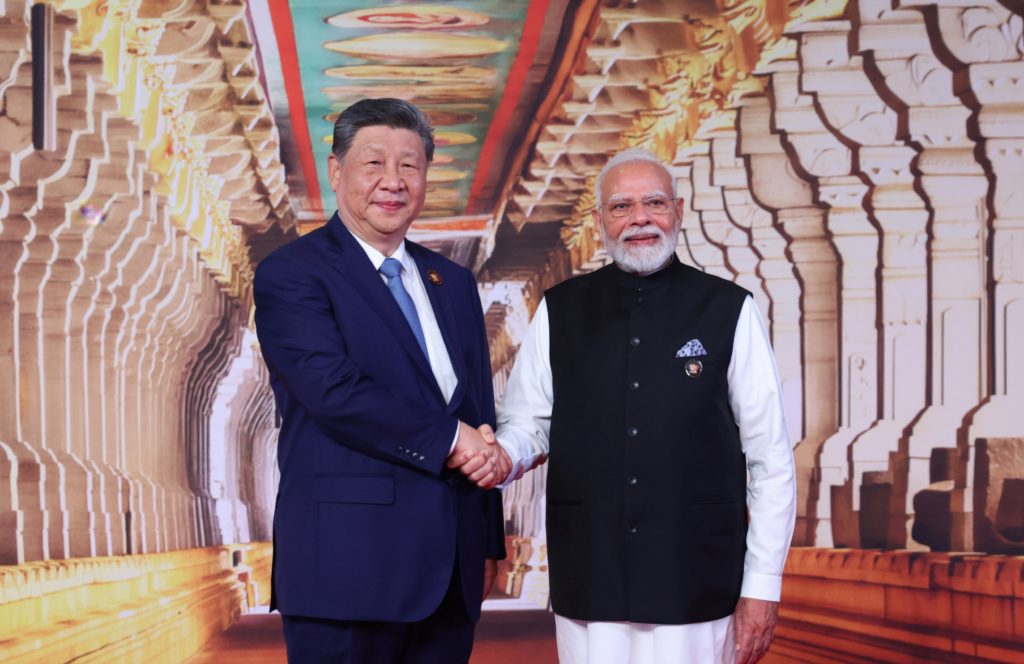
The BRICS summit concluded in New Delhi on Sunday, with Indian prime minister Narendra Modi having hosted the two-day gathering as chair. As with many meetings of the group of emerging economies, this edition brought together the leaders of China, India and Russia and featured plenty of anti-Western rhetoric. This was also Chinese leader Xi Jinping’s first visit to India for more than six years, in the latest example of Sino-Indian normalisation following a sustained period of tensions.
New Delhi’s normalisation with Beijing over the last year looks like more of a tactical de-escalation than a realignment. Nevertheless, India has over that time begun to agree more measures to provide greater access to Chinese investment in manufacturing and climate technology, both areas important for India’s development. This should act as a warning for Europeans. If India cannot source technology and capital from partners in Europe, it will seek to do so from China even while remaining suspicious of Beijing from a security point of view.
Solution
New Delhi continues to view Beijing as a threat and seeks deeper security and economic ties with Brussels, as well as with Washington, despite the difficulties President Donald Trump presents. Modi has thus worked to prevent the BRICS from tipping into a purely anti-Western vehicle, since this would run against India’s interests.
Europeans also see India as an increasingly vital partner, following the EU-India trade deal agreed earlier this year, as Europeans diversify geopolitically in the face of tense transatlantic relations. But India’s bilateral agreements with China, including on the sidelines of the BRICS meeting, show that the EU must not take the mutual benefits of closer ties for granted.
Ahead of Modi’s anticipated visit to Brussels later this year, the EU should accelerate its plans further to strengthen Europe-India ties. For instance, it should enhance the existing Trade and Technology Council to drive cooperation in areas like AI, while also moving forward cooperation on defence and security, and making faster progress on India’s plans to join the Horizon Europe funding programme for research and innovation.
Context
The EU and India signed a landmark free-trade agreement in New Delhi in January, alongside a new security and defence partnership. Both sides aim to build on these with wider cooperation initiatives to encourage greater cooperation and investment in areas like semiconductors, AI and clean-tech supply chains.
India supported moves at the 2023 BRICS summit to agree on a major membership expansion. The group began as a much smaller coalition of just Brazil, Russia, India and China, and South Africa—hence “BRICS”—but has since grown to eleven members, including Egypt, Ethiopia, Iran, Saudi Arabia and the UAE as well as a wider grouping of observer and partner countries that attend summits and align themselves loosely with the bloc’s agenda. The group is internally divided, and not just in terms of China and India. Both Iran and the UAE are members, for instance, despite longstanding regional tensions. This year’s summit produced a limited declaration including vague promises to enhance cooperation.
BEIJING, CHINA - AUGUST 19, 2026 - A humanoid robot plays table tennis with an audience at the 2026 World Robot Conference in Beijing, China on August 19, 2026. | picture alliance / CFOTO | CFOTO
For much of the 20th century, the US represented not just a place on the map. It was also a point in time. When Western Europeans looked at images of America after the second world war—depictions of Hollywood’s glamour, American cars and newfangled labour-saving devices—they thought they were looking into the future.
The American Dream had an especially irresistible draw for Eastern Europeans behind the Iron Curtain, and for tens of millions of Chinese during the opening and reform era that began after Mao Zedong’s death in 1976. China’s great economic reinvention was inspired, in part, by Deng Xiaoping’s awe at American modernity, which he witnessed firsthand during an official visit in 1979.
But fast-forward to 2026, and the positions have been reversed. For most people in most countries, the future can now be seen in China. Just as Hollywood once showed the world what modern life looked like, China is showing African, Latin American and even American young people what an economy built on green energy, mobile payments and other services, and advanced robotics looks like. For Cobus van Staden of the China-Global South Project, the West is “increasingly being framed as backward-looking [and] associated with the past”, a phenomenon presumably accelerated by Trumpism, with its rejection of renewable energy, diversity and its social conservatism.
In the global south, young people aren’t just imitating Chinese practices like drinking hot water or trying out tai chi. They are watching as China reshapes their daily experiences
In many parts of the West, disillusionment has given rise to Chinamaxxing on social media, with American and European influencers performatively embracing Chinese mannerisms and aesthetics. And in the global south, young people aren’t just imitating Chinese practices like drinking hot water or trying out tai chi. They are watching as China reshapes their daily experiences.
This signals a genuine historical rupture. For generations, most countries defined themselves in relation to the West. Some sought (or were convinced) to emulate Western development models like the Washington Consensus, and many were keen to acquire Western technology and aid, or simply to get the West’s approval. Other countries did push back against the West’s influence and attack Western hypocrisy, but their counter-models were themselves defined by opposition to the West.
Either way, West-centrism was the prism through which geopolitics was conducted and interpreted. When countries in the Sahel invited Russia’s Wagner Group mercenaries to help them deal with insurgencies, it was seen as a reaction against France and its traditional role in the region. When Angola invited Sinopec to exploit its oil fields, it was seen as a snub to Portugal and Britain. And then there are the many challenges to US hegemony in the Middle East, Latin America and South-East Asia. Around the world, memories of bloody Western interventions or financial crises still linger.
Yet younger generations around the world are not even pro- or anti-Western so much as they are post-Western. For them, China, not the US, is at the centre of their conceptual universe and envisaged future.
What happened? One of the big differences between countries in the global south and the global north is their demographic profile. In the US and Europe, the median age is 40–50, compared to 19 in Nigeria, and 29 in South Africa, India and Lebanon. That means some 70% of Nigerians aren’t even old enough to have registered the 2003 US invasion of Iraq or the 2008 global financial crisis. As Cobus points out, young West Africans “never knew anything more than the US as we know it now”. The era of Donald Trump encompasses their entire political memory, and they presumably are not very impressed.
This shift in perceptions is not just an African story, of course. In Vietnam, which has long had a fraught relationship with China, young people are becoming less reflexively Sinophobic than their elders. Chelsea Nguyen, a researcher at the London School of Economics, credits the covid-19 pandemic for catalysing this change. The West’s perceived mishandling of the pandemic undermined its status as a model worthy of emulation. Many Vietnamese turned to exploring their own history and that of their Asian neighbours, including China. As in much of Africa, growing exposure to China’s rapid technological progress and Chinese consumer goods transformed the country’s global brand.
Meanwhile, Loubna El Amine, a China scholar at King’s College London, notes that in regions riven by instability—such as the Middle East, where the US itself is a big part of the problem— “a lot of the attraction of China is its absence rather than presence”. The latest Arab Opinion Index bears this out, showing that 77% of respondents view US policies as a threat to the region’s security and stability, compared with just 25% for China—and that was well before Trump launched his catastrophic war against Iran. And, of course, China carries none of the colonial baggage that complicates European interventions (or even peacebuilding efforts) in the region.
Still, China has been known to be aggressive in pursuing its economic agenda in the developing world, whether through predatory loans, acquiring critical national infrastructure or deliberately exporting its domestic overcapacity. Such behaviour ruffles feathers as much in Thailand, Mexico and Nigeria as it does in the US and Europe. Moreover, young people’s widespread distrust of their governments can easily bleed into unhappiness with China when political leaders are seen to be giving it undue privileges.
Since the pivot to China as an exemplar of modernity is in many ways pragmatic and non-ideological, its hold on the popular imagination is still tenuous. Lots of leaders in the West want to compete with China for “soft power”. But the key is not to counter Chinese “propaganda” or improve Western PR. The winners in the battle for hearts and minds will be those who offer real solutions to people’s problems and create more opportunities for prosperity than are currently available.
This article was first published by Project Syndicate on August 18th 2026
ISLAMABAD: Pakistan is set to sign long-delayed agreements with five oil refineries, unlocking more than $6 billion in planned upgrades to modernize aging plants and cut reliance on fuel imports, officials said. But industry warnings that changes to the financial framework could derail the projects overshadowed the announcement. The agreements with Pak-Arab Refinery Ltd., Pakistan ... Read more
THE HAGUE: The Permanent Court of Arbitration has ordered India to uphold the Indus Waters Treaty with Pakistan and suspend work on its hydroelectric projects, a major legal victory for Islamabad in the dispute over the agreement. The Hague-based tribunal issued the award on the status of the treaty and interim measures concerning India’s Ratle ... Read more
C’è un passaggio dell‘intervista concessa dal vescovo di Kharkiv-Zaporizhzhia Pavlo Honcharuk a Tempi a margine di una conferenza al Meeting, che, a mio giudizio, merita molta più attenzione di quella ...
L’architettura geopolitica globale sta subendo una trasformazione in cui le alleanze tradizionali lasciano il posto a intese transazionali e strategie di sopravvivenza. Analizzando le dinamiche tra Washington, Mosca, Pyongyang, Seul ...
The increasing intensity of heatwaves is generally attributed to climate change as a result of the global reliance on fossil fuels. While cutting carbon emissions remains the focus of EU climate policy, European governments also need to ensure that their societies can better adapt to extreme weather. Many households have already taken matters into their own hands by turning to portable air conditioners—often Chinese-made—for relief.
And China’s air-conditioner export boom points to a broader challenge: whether confronting extreme weather or fragile economic dependencies, Europeans need to adapt to the consequences while also addressing underlying sources of vulnerability. They should not just accept the status quo; here, some answers may lie in the lessons of China’s own industrial transformation.
China leads on AC
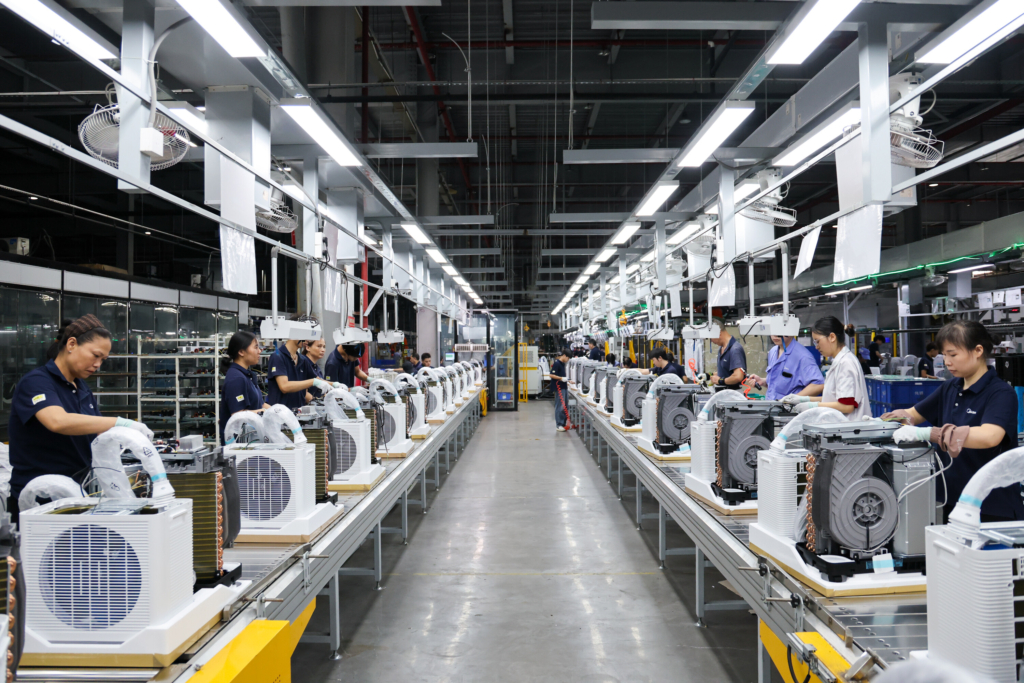
Once again, when Europe looks for a climate solution, China has one ready to ship. China is a powerhouse in technologies used to mitigate climate change, from solar panels to wind turbines; it is also a vital player in helping Europe adapt to warmer temperatures. China produces over 80% of the world’s air conditioners: exports of Chinese AC units to the EU rose by 43% year on year in the first half of 2026. Chinese brands now account for 41% of the European market, up from 27% in 2023.
This success is not only about price and scale. Chinese manufacturers have adapted their products for the European market: for example, Midea’s PortaSplit model is tailored to overcome cumbersome building regulations and high installation costs. Chinese manufacturers were also early adopters of refrigerants less harmful to the climate, ensuring their products meet Europe’s strict environmental rules.
But this is not all. Chinese commentators say that Europe should not only adapt to the hotter climate—it should adapt to the patterns of EU-China trade. They portray the EU’s de-risking and trade-defence measures to tackle economic imbalance with China as economically self-defeating, arguing that Europe lacks confidence in its own industries. European policymakers, they say, are approaching trade as a game of “cold statistics” that will ultimately hurt ordinary consumers.
This is a fatalistic prescription for industrial policy from a country that refuses to accept that its position in global supply chains or its existing competitive advantage is fixed. For decades, Beijing has made industrial upgrading a central policy objective that has reoriented global trade patterns. Europeans are experiencing this firsthand in the AC boom, where China’s position reflects decades of deliberate industrial upgrading. And now Beijing is advising Europe to be content with trade patterns as they stand: strange advice, given that this would not pass the political sniff test in Zhongnanhai.
Since Deng Xiaoping, Chinese leaders have not simply passively adapted to their inherited competitive advantages. Neither do they treat the existing global division of labour as an efficient market outcome to be preserved. This is especially the case when such patterns risk constraining China from developing the sectors it considers strategically important—robotics, clean technology or aviation, for example.
These policies helped Chinese firms “import, digest and absorb” foreign know-how, build scale, and create globally competitive and innovative companies across supply chains. But while the European debate on competitiveness centres on many of the same concepts, European politicians, industries and member states are divided over future industrial policy. One prevailing idea is that Europe should pull a “reverse Deng” by ushering in a new era of industrial policy capable of matching the scale of support and protection that China extended to its domestic industries during the 1990s and 2000s.
Europeans should preserve their ability to source and scale critical technologies through viable alternatives, ensuring they have options should conditions change
But Europe should be cautious in trying to beat China at its own game. It has no centralised state to direct capital and help companies navigate commercial losses in pursuit of their goals. The main lessons from China’s industrial policy lie in the assumptions behind it: Europeans should minimise dependencies that could be strategically constraining; industrial competitiveness is not only about efficient production; Europeans should preserve their ability to source and scale critical technologies through viable alternatives, ensuring they have options should conditions change.
This logic is becoming more relevant as climate shocks intensify and geopolitics grows more volatile.
What Europeans should do
Europeans need to consider what such options would look like in practice. To borrow the question posed by Chinese commentators: what could Europe do right now without Chinese air conditioners?
Cooling is becoming essential infrastructure. Much like heating and water, Europe will need a broader portfolio of solutions to meet demand. AC is part of the answer, alongside low-energy and passive-cooling technologies such as evaporative cooling, reflective roofs and building retrofits, and stronger building standards. But Europe does not need to develop every solution itself; it could build a network of alternative suppliers and production capabilities.
For example, Singapore and the Gulf states are confronting many similar challenges and could be potential partners in deploying more efficient solutions such as district cooling. Europe can build similar partnerships in clean-tech supply chains. South Korea, the second-largest battery manufacturer globally, holds 78% of installed battery capacity in Europe. It can learn from countries such as Japan, which has diversified its rare-earth supply through partnerships with Australia and Malaysia, as well as Vietnam. India doubled solar-cell manufacturing capacity in the first half of 2026 alone, backed by localisation incentives extending to upstream components like ingots and polysilicon.
China will remain part of Europe’s clean-tech supply chains. For Europe, preserving its options does not mean that it needs to produce every critical technology in the clean-tech supply chain. But it should work with external partners to maintain commercially viable alternatives at scale. This can be done through reciprocal access to public procurement markets, targeted incentives and shared product standards.
Where climate and competitiveness collide
Fundamentally, having options means being able to adapt to a problem while tackling its cause. Climate policy offers a useful framework: Europeans have concluded that the impact of heatwaves or floods are not inevitable; they are not relying on AC, seawalls and floodgates as their only response. Instead, they are tackling the cause of climate change by pursuing adaptation while mitigating the underlying problem through cuts in fossil-fuel emissions.
Europe should dare to do the same with its competitiveness and economic dependencies. Rather than simply adapting to change, its governments should invest in Europe’s capacity to innovate, work with partners and build alternatives, with the aim of reducing vulnerabilities and helping preserve its choices.
The summer heat of 2026 is a reminder of the cost of delayed climate action. The same lesson applies to economic security: adapting to today’s dependencies in the name of efficiency will leave Europe with fewer options—and come with a larger bill—tomorrow.
di Patrizio Ricci | vietatoparlare.it Il rifiuto della Corea del Sud di partecipare al fronte d’attacco ed economico orchestrato da Washington contro l’Iran ha provocato la reazione immediata di Donald ...
Por Marcelo Ramírez Hay decisiones militares destinadas a resolver una batalla y otras que dicen mucho más: revelan cómo un Estado imagina la guerra que tendrá que librar en los…
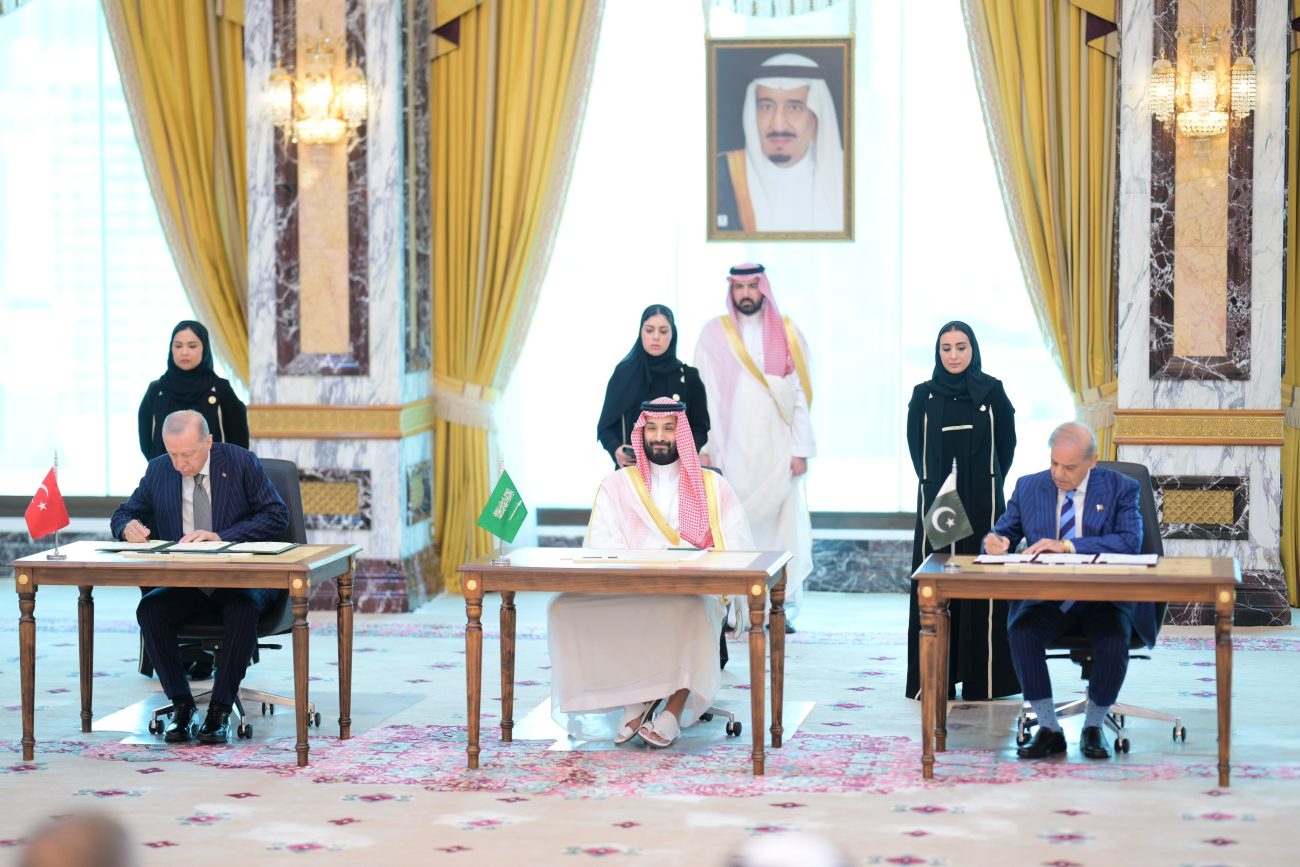
Pakistan, Saudi Arabia, and Turkey recently signed the “Mecca Joint Defense Agreement”. Many analysts believe this trilateral pact is aimed at checking Iranian and Israeli “hegemony” in the tumultuous Middle East region.
Meanwhile, the biggest question running through India’s nearly 1.5 billion people is how this trilateral defense pact will impact India, which has fought multiple wars with Pakistan and maintains a tense relationship with Islamabad.
Despite hogging global media limelight for playing the role of mediator in the ongoing Iran war, Pakistan’s position back home looks scary with relentless terror attacks and a deteriorating security situation.
Pakistan continues to face tremendous domestic pressures. Protests in Pak-controlled Kashmir have intensified since mid-2026, with scores of innocent protesters killed by the security forces.
Islamabad imposed a communication blockade, ordered foreign journalists to leave the region, and limited access to international media outlets, including Al Jazeera’s digital platform.
This is no ordinary region. India claims the Pak-controlled Kashmir as its own and has vowed to integrate it with Jammu and Kashmir. Reportedly, pro-India slogans and flags were seen in the demonstration.
Then, regions like Balochistan and Khyber Pakhtunkhwa (KPK) are Pakistan’s Achilles’ heel. Separatism in these two regions appears to have gone beyond the control of the Pakistan Army, and looks as volatile as East Pakistan (now Bangladesh) during 1971. The question is how long Pakistan can hold these two regions, and at what cost.
Dismal economic conditions, disgruntled population, and heightened tensions with neighboring India and Afghanistan have intensified Pakistan’s problems. The question is: does Pakistan have the financial muscle or resources to fight a five-front conflict — Balochistan, KPK, Kashmir, India and Afghanistan, simultaneously?
On top of it, Pakistan has signed a defense pact with Saudi Arabia and Turkey, which means they should be prepared to fight outside the country as well, probably against Houthis in Yemen. That would open a sixth front.
Indian military exposed Pakistan’s defense architecture during Operation Sindoor last year in May. India not only managed to breach Pakistani defenses to hit multiple terror targets in the first wave of attacks, but India also launched precision strikes that impaired critical Pakistani military infrastructure across the country.
Indian military targeted multiple airbases including Nur Khan (Chaklala) near Rawalpindi, Mushaf (Sargodha), Murid, Rafiqui, Rahim Yar Khan, Sukkur, Jacobabad, Bholari, and others—using supersonic BrahMos and other precision munitions.
Satellite imagery confirmed the heavy damage, including destroyed runways, hangars, command-and-control centers, and loss of up to 14 aircraft (as per IAF) and scores of personnel on the ground. Pakistan also claimed downing multiple Indian jets, but it could hardly penetrate the Indian air defense network, led by the S-400.
Operation Sindoor demonstrated that Pakistan’s defenses could be easily penetrated and its Air Force could be crippled even with limited, restrained strikes.
Meanwhile, Turkey is already a member of NATO, arguably the most powerful Islamic country in terms of military. It does not really need Pakistan or Saudi Arabia to defend itself. Saudi Arabia, on the other hand, has been battered by Iran and Houthi rebels. But when the US could not completely defend it, what can Pakistan and Turkey do?
In the case of Pakistan, it is the most vulnerable of the three.
The Mecca Joint Defense Agreement, signed on 7 August 2026 by Pakistan, Saudi Arabia, and Turkey, assumes utmost importance for Islamabad. The pact’s core clause treats an armed attack on any one party as an attack on all three.
It directly follows the September 2025 Strategic Mutual Defense Agreement between Pakistan and Saudi Arabia.
For Riyadh, it’s another insurance policy, but for Pakistan—still repairing airbases more than a year later—the pact is aimed at sending a strong deterrence message to India, which has pledged a devastating response to any terror attack on the country.
File Image
Collective defense commitments from Riyadh and Ankara are sure to boost Pakistan’s morale, but Turkey (and Saudi Arabia) have been supporting Pakistan since 1947 and have never managed to turn the tide against India.
For instance, during the 1971 war, Turkey provided critical military and diplomatic support to defend Pakistan’s territorial integrity. Operating under the CENTO defense pact, Ankara provided substantial material support to Pakistan by providing aircraft assistance and military hardware, but to little avail.
Even politically, Turkey refused to recognize the newly independent state of Bangladesh for over two years. It only recognized Bangladesh in February 1974 after Pakistan did.
Meanwhile, India has already established strong military ties with Ankara’s adversaries, Greece, Cyprus, and Armenia. India also shares robust military ties with Israel. There might not be a formal agreement on paper, but India-Israel ties go beyond any melodramatic pact.
No doubt, the Mecca pact embeds Pakistan in a broader Islamic-world security architecture at a moment when its conventional defenses have been publicly tested while the country’s biggest province, Balochistan, continues to fight for its liberation, just like East Pakistan (now Bangladesh).
For a country simultaneously battling insurgencies in Balochistan, Khyber Pakhtunkhwa, and Pakistan-administered Kashmir while managing tense borders with both Afghanistan and India, the Mecca defense pact is far more valuable to Pakistan than it is to either Saudi Arabia or Turkey.
Nitin J Ticku holds a double master’s degree in Journalism and Business Management from the University of Glasgow. He has over 20 years of global experience in MARCOM, Journalism, and Digital Marketing, and has worked & traveled widely across Europe, the Americas, and Asia. Nitin is the Editor of the EurAsian Times.
This is an Opinion Article
He can be reached at editor (at) eurasiantimes.com
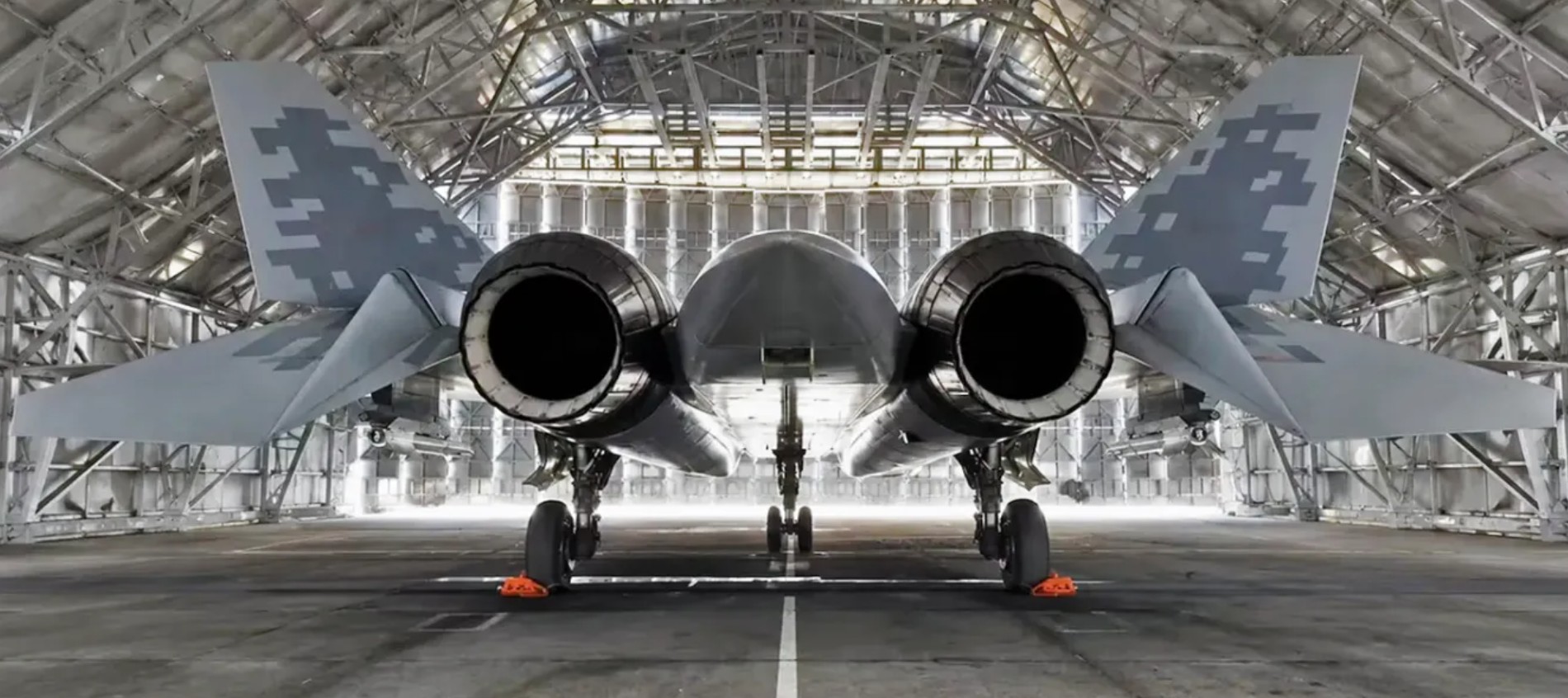
India appears poised to overlook Russia’s Su-57 fifth-generation stealth fighter and opt for a sixth-gen aircraft instead.
Defense Secretary Rajesh Kumar Singh recently clarified that New Delhi has “not thought about” new Sukhoi variants, prioritizing the upgrade of the Su-30MKI fleet under the ‘Super Sukhoi’ program and the indigenous Advanced Medium Combat Aircraft (AMCA) instead.
Moscow’s aggressive pitch—including local production, full source codes, and a two-seat variant—has failed to sway planners wary of diverting resources from self-reliance goals.
With AMCA still a far away and China fielding growing J-20 numbers, India is actively exploring partnerships in sixth-generation programs.
India’s Ministry of Defense has reportedly initiated efforts to join the French-led sixth-generation fighter program. This was stated in a report of the Parliamentary Standing Committee on Defense, presented in Parliament, according to news agency PTI.
The ministry has sought a roadmap from the French side for acquiring such aircraft. The panel noted that two major consortia are developing sixth-generation fighters: one involving the UK, Italy, and Japan; another involving (now-defunct) France and Germany.
The Indian Air Force plans to partner with one of these groups so that India does not fall behind in advanced combat aircraft technology.
End of Su-57?
In 1962, the USSR agreed to transfer technology to produce nearly 800 MiG-21 jet fighters for India, which it had earlier denied to China. They helped India set up factories for the aircraft, aero-engines, and avionics.
India’s relationship with the Soviet Union grew strategically, culminating in the 1971 Indo-Soviet Treaty of Friendship and Cooperation.
Through the 1971 India-Pakistan War for the liberation of Bangladesh, the Soviet Union stood by India against US and Chinese intimidations.
During the Cold War, India and the USSR maintained a “special and privileged strategic partnership” that was built on five major components: politics, defense, civil nuclear energy, anti-terrorism cooperation, and space.
Even after the dissolution of the Soviet Union, India maintained warm relations with Russia’s successor state. The first major political initiative after the dissolution was the Strategic Partnership signed by the two countries in 2000.
The IRIGC (India-Russia Intergovernmental Commission) is the main body responsible for conducting official affairs between the two countries at the governmental level. Both countries are members of international bodies, including the UN, BRICS, G20, SCO, and Russia-India-China (RIC) grouping. Russia supports India’s bid for a permanent seat on the United Nations Security Council.
India is one of the largest markets for the Russian defense industry. Approximately 60 percent of the Indian military’s hardware today is of Russian origin. Military hardware supplies and, more recently, joint-venture production have been key pillars.
The Soviet Union was the first to support Make in India defense production.
The MiG-21 factories set up in the early 1960s later produced the MiG-27 (170) and the Su-30 MKI (230). Su-30 MKI was a joint D&D project. Russia also learned a lot from the Su-30 MKI project and imbibed some of these ideas for its Su-30SM aircraft.
222 Su-30 MKI were produced under license at HAL’s Nashik plant since 2004. An estimated 920 AL-31FP turbofans were manufactured at HAL’s Koraput Division. The Su-30MKI is the backbone of the IAF’s fighter fleet.
In 1965, Heavy Vehicles Factory (HVF) was set up at Avadi, Chennai, with Soviet assistance. HVF products included Russian-designed T-72 Ajeya and T-90 Bhishma tanks.
In September 1965, the Soviet Union and India signed the first contract for the delivery of naval equipment, including four Project I641 diesel-electric submarines, five Project 159E corvettes, and five Project 368P motor boats. The Agreement also envisaged rendering Soviet technical assistance for the construction of a submarine naval base in Vishakhapatnam.
Recently, two frigates, the INS Tushil and INS Tamala, were built by Russia at the Yantar Shipyard, while the remaining two are under construction at Goa Shipyard Ltd (GSL) in India through technology transfer.
Russia is reportedly expanding its shipbuilding cooperation with India, with two Indian shipyards being considered for the construction of four non-nuclear icebreakers. Russian shipbuilding officials have reportedly offered New Delhi their nuclear-powered design for an Indian Navy aircraft carrier.
GSL is also constructing 24 river-sea class cargo ships for Russian clients in the Caspian Sea by 2027. Cooperation with India in shipbuilding has its benefits for Russia, as the unit cost per vessel is projected to be half of what it would cost Russian shipbuilders.
Between 2012 and 2016, Russia accounted for 68% of India’s defense imports. Russia and India’s cooperation is not limited to a buyer-seller relationship but includes joint research and development, training, service-to-service contacts, and joint exercises.
India and Russia have a strong success story with Joint Ventures (JVs). The BrahMos is a medium-range ramjet supersonic cruise missile that can be launched from submarines, ships, and fighter aircraft. BrahMos Aerospace is a joint venture between the Indian Defense Research and Development Organization (DRDO) and Russia’s NPO Mashinostroyeniya. The missiles are already being exported.
Under an over ₹5000 crore contract signed in July 2021, over 610,000 AK-203 assault rifles are to be manufactured in India with technology transfer from Russia, by the JV Indo-Russian Rifles Private Limited (IRRPL).
Indian companies hold a controlling 50.5 percent share, and Russian companies hold 49.5 percent. The level of indigenous content has already reached 50% and is rising rapidly, with a target of 100% in the near future.
India and Russia have also agreed to expedite the delivery of spare parts of Russian-origin military platforms by setting up a JV in India.
Notwithstanding the above, some JVs did not take off. India had withdrawn from the joint Fifth-Generation Fighter Aircraft (FGFA) program due to technical issues. Finally, Russia continued the project and today has a successful Sukhoi Su-57 ‘Felon’ 5th generation fighter.
Following the selection of the Ka-226T to meet an Indian requirement for 197 helicopters, an agreement was signed in December 2015 to create a JV between Rostec, Russian Helicopters, and HAL to build the helicopters at a new factory in Tumakuru, India.
Later, India decided to make its own Light Utility Helicopter (LUH) based on the indigenous ‘Dhruv.’ India’s LUH is delayed, and Russia has been pushing the case for Ka-226T again.
Similarly, India canceled the Indo-Russian program to develop a new Multirole Transport Aircraft (MTA) for both countries through a JV between Russia’s UAC and India’s HAL.
In February 2023, on the sidelines of the Aero India 2023 air show, the Russians offered to jointly develop the Il-276. However, India would prefer the aircraft to be powered by a European engine rather than a Russian one.
India has operated a wide range of Soviet and Russian combat jets that formed the backbone of the Indian Air Force for decades. Key types include the prolific MiG-21 (in multiple variants including Bison), MiG-23 (BN and MF), high-altitude MiG-25, ground-attack MiG-27, and air-superiority MiG-29 (including upgraded versions).
From the Sukhoi stable came the Su-7 fighter-bomber and the highly successful Su-30MKI, which remains the IAF’s primary multi-role platform that India is looking to upgrade.
India’s decision to effectively rule out the Su-57 marks a noticeable shift. After decades of reliance on Russian fighters—from the MiG-21 to the Su-30MKI—New Delhi is prioritizing the AMCA program and partnerships in sixth-generation projects.
While the historic Indo-Russian defense ties remain strong in other domains, the rejection of Moscow’s most advanced stealth jet signals a clear preference for next-generation technology.
With China rapidly expanding its stealth fleet and AMCA still years away, India appears to be choosing long-term capability over Russian platforms.
With Inputs from EurAsian Times story by Air Marshal Anil Chopra (Retired)
This week, Mark Leonard is joined by Adriana Abdenur, a Brazilian policy expert and co-president of the Global Fund for a New Economy, and Jorge Castañeda, former foreign minister of Mexico and professor at Sciences Po, to explore debates about development and ideas of strategic autonomy across Latin America.
Jorge explains why China’s role is varied across the region, arguing that Mexico and much of Central America remain deeply constrained by their economic ties to the US. Adriana discusses Brazil’s long tradition of strategic autonomy, describing how policymakers engage with China as both an economic partner and a source of ideas on development, technology and global governance.
Together, Mark, Adriana and Jorge explore how intensifying US-China competition is reshaping the region’s choices. Can Latin American countries balance relations with both powers? Is China a model, a market or simply another partner in a multipolar world? And what does strategic autonomy look like in an increasingly coercive geopolitical environment?
This podcast episode was recorded on July 31st 2026.
If anything, Indian Defense Minister Rajnath Singh’s call on August 3 for greater “military-civil integration” to create “a robust defense ecosystem to tackle emerging challenges” implies that there is still a structural mismatch between generalist bureaucrats (critically called Babus) and uniformed personnel within the Ministry of Defense (MoD).
In other words, in India’s higher defense reforms, integration between the military and civil components of the Ministry of Defense (MoD) is being seen as important as greater jointness among the three armed services (army, air force, and navy).
For decades, the relationship between civilian staff and military personnel within the MoD has been described by experts as both a strength and a fault line, particularly at the level of defense management.
Therefore, as India moves toward theatre commands, self-reliance under the “Atmanirbhar Bharat” (Self-reliant India) scheme, and faster procurement of defense components, the question is: how has this synergy worked in retrospect, and what should it look like in the future?
Addressing the 85th Armed Forces Headquarters (AFHQ) Civilian Services Day celebrations in New Delhi on Monday, Singh emphasised that both the uniformed and civil services cannot proceed along separate paths, adding that, as joint and integrated structures develop, there will be a need for continuity and expertise across all areas – policy, administration, human resource management, financial processes, logistics, and institutional knowledge.
He highlighted the importance of further enhancing structured cross-exposure between civilian and military officers, suggesting joint training programs and developmental assignments for both sides to learn from each other’s experiences.
“Military officers bring operational experience, a command perspective, and an understanding of warfare, while civilian officers contribute through administrative continuity, policy experience, an understanding of government processes, and institutional memory. When these strengths combine, decision-making becomes more informed, balanced, and effective,” stated the Defense Minister.
As things stand today, there are nine major participating groups dealing with India’s defence – three military services, and the non-military six – Department of Defence(DoD), the Department of Military Affairs(DMA), the Department of Defence Production ( DDP), the Department of Defence Research and Development (DDR&D), the Department of Ex-Servicemen Welfare (DESW), and Defence Finance.
While these nine groups are — three military services, and the non-military six – inside the MoD, there are three others outside the domain having considerable influence on defense matters – the Ministry of Finance (controlling the defense spending), the Cabinet Secretariat (policy matters that have implications for other ministries) and the Prime Minister’s Office (which can always intervene or arbitrate selectively).
However, we will focus here only on the MoD, particularly on the integration of the military services with the non-military ones.
To begin with, one is reminded of what late Vice Admiral Verghese Koithara had said: each of the major participating groups in Indian defense is known for “jealously guarding its turf and mistrustful of the others”.
Incidentally, the Admiral was talking of eight groups, because the DMA was a later creation. But the spirit behind his comment remains intact.
It may be noted that the total workforce under the MoD stands at approximately 2.92 million (29.2 lakh) personnel, making it the largest employer in the world. Expenditure on salaries and pensions for both civilian and non-civilian personnel is fully integrated into the official MoD budget.
The total strength encompasses active military personnel, reservists, and defense civilians. Approximately 1.43 million active-duty personnel serving across the Army, Navy, and Air Force are complemented by roughly 1 million reserve personnel.
Approximately 400,000 defense civilians are distributed across administrative services. They come mainly from the Indian Defense Accounts Service, Indian Ordnance Factories Service, Defense Research & Development Organization scientists, and the Armed Forces Headquarters Civil Service, the Defense Accounts Department (DAD), Border Roads Organization (BRO), DRDO, and top bureaucracy.
The apex bureaucratic positions like the Defense Secretary, Secretary (Defense Production), and Secretary (Ex-Servicemen Welfare) are often held by IAS officers.
The last 5 years have seen some important defense reforms in India. For the first time, a serving 4-star General became Secretary in MoD as Chief of Defense Staff. DMA handles procurement, tri-service matters, and jointness. This is said to have broken the wall between the civilian secretariat and the military.
Service HQs have been integrated with the HQ of MoD. Joint Secretaries from the military now sit in the MoD and sign files. This means operational officers are now part of the procurement and policy process.
Before this reform, the MoD was entirely dominated by generalist civilian bureaucrats under the Department of Defense (DoD), led by the Defense Secretary. The Army, Navy, and Air Force headquarters operated merely as “attached offices,” meaning military files had to be routed through junior civilian desk officers for approval.
However, there are still well-documented latent and reported mutual resentment between military and civilian personnel in the MoD, which analysts and scholars refer to as “civil-military dissonance”.
The friction does not stem from opposition to the constitutional principle of political/democratic civilian control, which the military fully accepts. Instead, the resentment focuses on “bureaucratic control,” where career civil servants are perceived to act as a barrier between the uniformed leadership and the political executive.
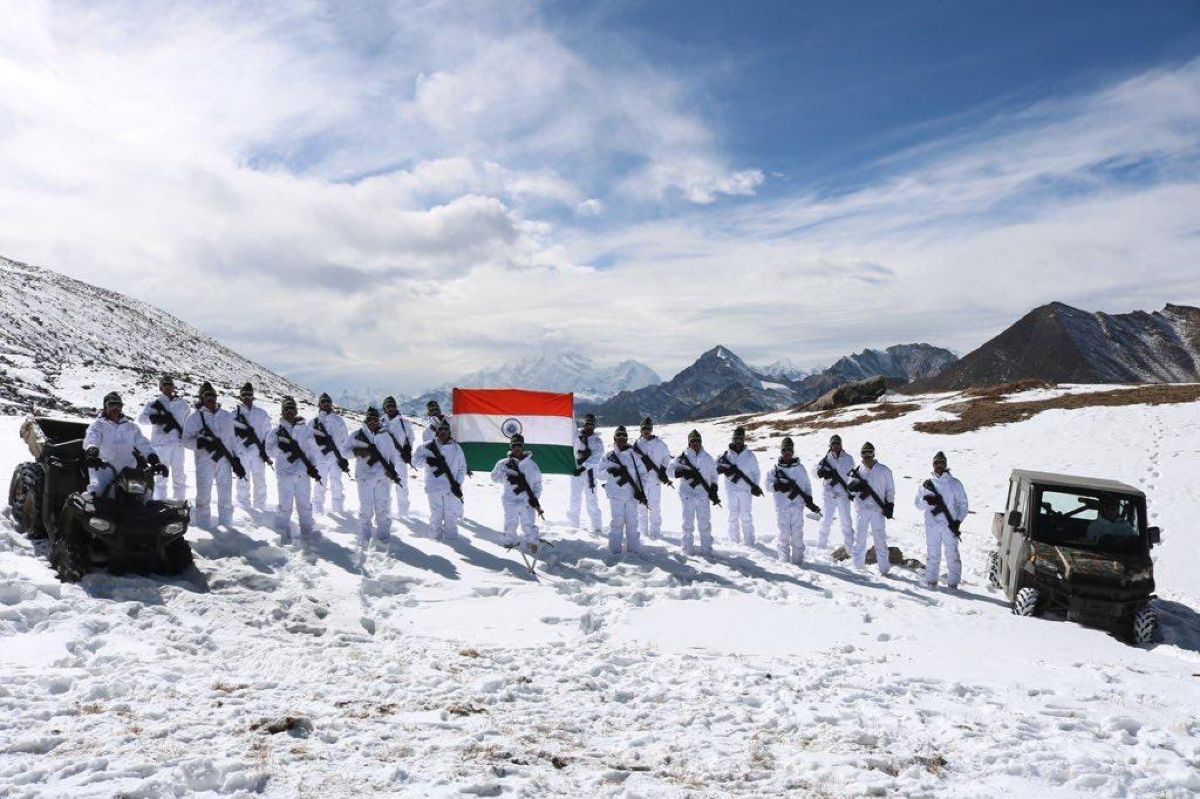
File Image: Indian Army/Twitter
A primary driver of public friction involves rank parity and protocol equivalence between military officers and civilian cadres. As Admiral Arun Prakash points out, the three Chiefs have been accorded “no locus standi in the structure of the GoI, so much so that the Secretary of the Department of Defense is deemed to represent the three Services in most forums”.
According to the “Government of India Allocation of Business Rules” (AoB Rules) and the “Government of India Transaction of Business Rules” (ToB Rules), the Secretary of DoD (a IAS officer) is allocated the responsibilities of “(a) Defence of India and every part thereof including preparation for defence and all such acts as may be conducive in times of war to its prosecution and after its termination to effective Demobilisation; (b) The Armed Forces of the Union, namely, Army, Navy and Air Force; (c) Integrated Headquarters of the Ministry of Defence comprising of Army Headquarters, Naval Headquarters, Air Headquarters and Defence Staff Headquarters”.
This looks particularly strange as, in terms of protocol, the Defense Secretary ranks at 23 in the order of preference, along with “Army Commanders/ Vice-Chief of the Army Staff or equivalent in other services”. In contrast, a Service Chief of Staff holding the rank of full General or equivalent rank is at number 12.
Even at 16, Officiating Chiefs of Staff holding the rank of Lieutenant General or equivalent rank are higher in protocol than the Defense Secretary.
Similarly, the Military officers are said to have resented the equation of lower-tier civilian administrative posts of Joint Secretary with senior military ranks like Major Generals. It is argued that a Major General has significantly more operational responsibility and seniority (often over 32 years of service) compared to an IAS officer reaching Joint Secretary level in roughly 18 years.
Military officials often point out that allowances, non-functional financial upgrades, and pension structures have favored civilian bureaucracies over the unique hazards of military service. Successive Central Pay Commission awards have frequently triggered military dissatisfaction.
In other words, there is an underlying perception of hierarchical degradation that persists within the armed forces.
Secondly, there are gaps between the military and civilian officials over what is called “Policies vs Operations”. While civilians are accused of lacking operational understanding, the military is accused of not understanding procurement rules. This really leads to delays in equipment purchase.
Perhaps, realizing these deep-seated systemic silos, Defense Minister Singh said on Monday that the military and civilian wings can no longer afford to operate in isolated silos to build an effective national defense ecosystem.
As he underscored, the civilian officials should read Indian military history, examining it from a civilian perspective, thereby fostering fresh ideas and new perspectives. He called upon the Civilian Services to evolve into the “strategic brain” of India’s defence management architecture by developing a comprehensive understanding of the defence sector, functioning effectively in a joint environment, and continuously enhancing its expertise to face the emerging challenges.
Notably, when one talks of dissonance between the military and civilian officers, it is perhaps more to do with purely civilians like IAS and other central services within the MoD rather than the non-military technical and scientific personnel.
There has been relatively smoother synergy in areas like defense production and infrastructure building. For instance, Defence Public Sector Undertakings like the HAL, BEL, BDL and OFB, which are run with a mix of civilian managers, engineers, scientists and military users, have produced platforms and ammunition like Tejas, Arjun, BrahMos. succeeded because civilian scientists in DRDO worked with military feedback loops.
Similarly, the BRO, a civilian-led organization with military engineers, has built highly acclaimed critical roads in the country’s northern and north-eastern border (Line of Actual Control) with China.
However, it is with the civilian officials working within the MoD that military officials have some issues, such as policy decisions, pay, and ranks.
But then, it is also to be noted that while services may all agree on their fight against the civilians, when it comes to “promoting jointness” in military matters, they do not have the same ideas. There is an intense rivalry amongst them. Although the situation has improved of late, there are differences over whether the country should have theater commands, and if it will have them, then how those will be operated.
In other words, there are, overall, challenges in building better “Civil-Military Synergy”. There seem to be merits when some experts argue that National Defense College (NDC) and the College of Defense Management (CDM) could bridge strategic and administrative silos, fostering deeper synergy, mutual understanding, and coordinated policy-making between senior civilian bureaucrats and military leadership.
There are also ideas like extending the DMA model to have military officers in all key procurement and policy wings, and civilian officers in Integrated Theatre Commands. Defense civilians should have tenures in field formations and military officers in MoD finance and policy.
Another interesting suggestion is to extend the synergy beyond the MoD and involve the private sector, startups, academia and state governments. Of course, in a way this is happening with projects like defence corridors, and through collaboration in the space, cyber and AI sectors.
Viewed thus, the core challenge to the synergy that the Defense Minister has talked about is removing what is said to be the “Trust Deficit” between the civilian and military wings within the MoD, due to decades of suspicion.
The synergy does not mean the dilution of civilian supremacy at the policy-making level, be it the MoD, or the Union cabinet, or the Parliament. But it means the military’s voice is heard in policy-making. The military does not grudge civilian control; it opposes “the bureaucratic control”.
Synergy does not imply that civilians are made into soldiers, or soldiers into ‘babus’. Its goal is to make both into “defense managers”
Author and veteran journalist Prakash Nanda is Chairman of the Editorial Board of the EurAsian Times and has been commenting on politics, foreign policy, and strategic affairs for nearly three decades. He is a former National Fellow of the Indian Council for Historical Research and a recipient of the Seoul Peace Prize Scholarship.
Her voice is that of a frail, elderly woman, but ousted Bangladesh leader Sheikh Hasina still has the power to incite from exile, vowing to return home despite facing the gallows.
Analysts say her defiance is not a death wish, but a desperate bid to remain politically relevant, claw on to her supporters, and revive an outlawed party which once dominated Bangladesh.
To her enemies, Hasina is evil incarnate — a convicted fugitive sentenced to hang for crimes against humanity over her failed bid to crush the 2024 revolution that toppled her.
The 78-year-old told AFP in July from India that she wanted to return to Bangladesh by the year’s end.
“I may be killed. I may be arrested. I may be sent to prison,” Hasina wrote in an email sent from hiding.
“I am fully aware of my fate. Still, I want to go back because my people are calling me.”
On Wednesday, marking two years since she fled by helicopter to old ally India, she is due to address by telephone a New Delhi event entitled “Sheikh Hasina’s homecoming”.
“Sheikh Hasina’s return is important for the survival of the party — she is still a symbol,” said Mohammad Jalal Uddin Sikder, a political science professor at North South University (NSU) in Dhaka.
One senior member of her Awami League (AL) party said he believed she was genuine in wanting to return.
“She feels obligated because party members are being arrested left and right, despite having no involvement in any crimes,” he said, too fearful himself to speak on record.
“Her return is a way of repaying the party’s loyalty.”
Dhaka’s Prothom Alo newspaper suggested her vow was “part of a strategy to energize party members, build pressure for the lifting of the ban on the party, and reclaim political space”.
But former senior Awami League member Mahmudur Rahman Manna, now a fierce critic of Hasina, dismissed the vow as self-serving.
“There are people in the AL who have some degree of public acceptance. Sheikh Hasina could have given them a little space to help bring the party back after the ban. She didn’t,” he said.
“The idea that she would come back for the sake of the party is absurd.”
Hasina also knows that simply threatening to return will needle Prime Minister Tarique Rahman, who swept February’s elections in which the Awami League was barred, Sikder said.
Political imprisonment has a long history in Bangladesh.
Under Hasina’s rule, Rahman’s mother, former leader Khaleda Zia, spent years in jail in Dhaka on graft charges that her party said were politically motivated.
“The Bangladesh government isn’t ready to accept her, even if she lands in jail directly from India,” Sikder told AFP.
“Her return will create political instability… I doubt the government can handle that.”
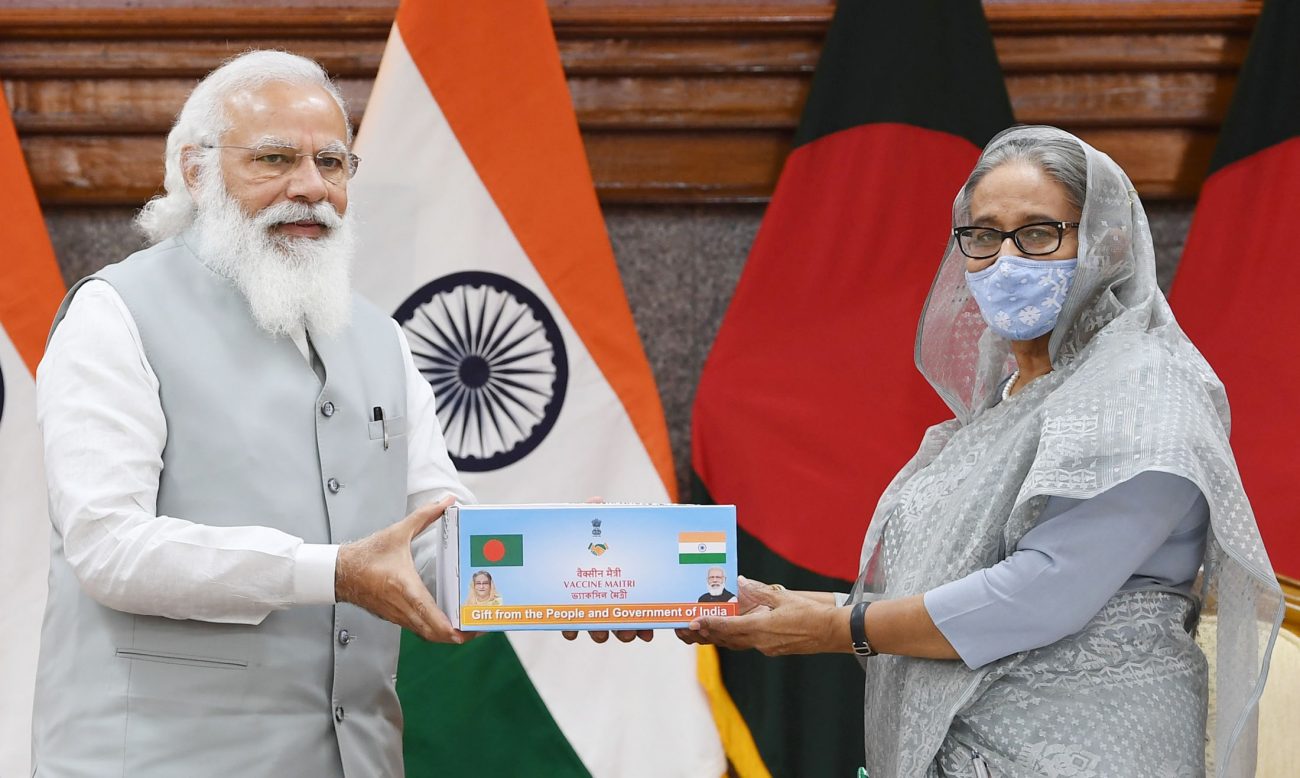
Prime Minister, Narendra Modi and Sheikh Hasina at the inauguration of various projects in Bangladesh, in Dhaka, Bangladesh. (Source: PIB)
‘Ensure Justice’
Not so, says Zahed Ur Rahman, an adviser to Bangladesh’s prime minister.
“We want her back — please return,” he told reporters. “We have written to India. The individual we want to bring back intends to return. We are ready — let her come, and we will ensure justice.”
Hasina refused to attend her trial in Dhaka, where she was found guilty of incitement, ordering killings and failing to prevent atrocities.
Her vow to return comes as Bangladesh and India seek to repair strained ties, with Hasina remaining a persistent point of friction.
Dhaka has repeatedly requested her extradition, while New Delhi has said only that the request is being examined through the legal process.
But relations have improved since Rahman, leader of the Bangladesh Nationalist Party, became leader, and India has invited him to a BRICS summit in September.
India’s foreign ministry spokesman Randhir Jaiswal, speaking to reporters on Tuesday, sought to distance New Delhi from Hasina’s “homecoming” speech.
“The government has no involvement whatsoever in it, nor does it endorse any views that may be expressed at the forum,” he said.
But some in Bangladesh see India’s hand in using Hasina’s return threat as leverage.
Mahmudur Rahman, editor of Dhaka’s Amar Desh newspaper, told AFP he saw her threat as part of a power struggle between New Delhi and Dhaka. “Delhi wants to gain the upper hand,” he said.
“India is just playing the ‘Hasina card’ to put pressure on the government.”
The Indian Air Force (IAF) held a week-long counter-drone exercise to strengthen its capabilities against low-cost unmanned aerial systems.
The primary goal of the exercise, dubbed “Rotor Clap-III”, was reportedly to assess and refine operational principles to address emerging aerial threats from unmanned systems. The exercise concluded on August 2.
The Counter-Unmanned Aerial System (UAS) drill was held at the Pokhran Field Firing Range in the Thar Desert.
The site is best known as the location of India’s nuclear tests in 1974 and 1998, but its vast, sparsely populated expanse near the India-Pakistan border supports secure live-fire practice, helicopter operations, and high-intensity training while closely matching the terrain, climate, and conditions of the western theatre.
The drills were also aimed at improving the IAF’s helicopter fleet’s operational capabilities against threats posed by drones.
#IAF Helicopters undertook, Exercise ROTOR CLAP III themed "Counter-UAS" in Rajasthan.
Several IAF helicopter units participated in the exercise, conducting tactical missions such as coordinated actions against both aerial and ground-based threats, soldier insertion, reconnaissance, precision attacks, battlefield support, and casualty evacuation.
The drills evaluated integrated helicopter tactics, procedures, and coordination in simulated combat conditions.
Moreover, the aircrew and operational units had the opportunity to test and validate mission planning, inter-unit coordination, quick response, and cooperative operations in near-war scenarios throughout the exercise. According to reports, special emphasis was placed on ensuring smooth coordination among multiple helicopters in the desert terrain.
Notably, helicopters are increasingly being employed worldwide in counter-UAS roles, especially against slower, low-cost loitering munitions and reconnaissance drones. Russia and Ukraine, for example, routinely use military helicopters for this purpose, whereas Gulf countries have recently started deploying their own choppers to down Iranian drones.
File: IAF helicopters participated in ROTOR CLAP III themed “Counter-UAS” in Rajasthan
In general, helicopters make good counter-UAS platforms because many of them cruise at speeds similar to those of propeller-driven drones such as the Shahed class, enabling them to close the distance, match altitude, and make repeated engagement passes—advantages not available to fast jets, which are limited to a single high-speed pass.
Typically, helicopters can also operate from dispersed or improvised sites, fly low and slow, and loiter over threat areas. Equipped with thermal or electro-optical sensors and night-vision systems, they are effective at detecting and engaging low-flying drones after dark.
Once the helicopter matches the drone’s path, gunners or automated systems use proximity-fuzed rockets or brief bursts of cannon or machine-gun fire to neutralize a drone.
Therefore, these armed helicopters form one mobile layer alongside ground-based guns, electronic warfare, interceptor drones, and high-end surface-to-air missiles (SAM).
Using helicopters as counter-drone platforms is also cost-effective, given that machine guns, cannons, and rockets are far cheaper per engagement than surface-to-air missiles or fighter sorties. In fact, the US has now integrated its Apache helicopters with APWKS laser rockets to further reduce the cost of hunting drones.
The IAF operates a range of different military choppers—AH-64 Apache, the aging Mi-25 and Mi-35 attack helicopters, the LCH Prachand, Chinook Heavy-lift transport helicopter, the Mi-17 Medium utility helicopter, and the ALH Dhruv
Sources said the exercise reaffirmed the IAF’s commitment to high operational readiness and adaptation to new security challenges. It forms part of India’s broader push to strengthen counter-UAS capabilities at a time when inexpensive small drones, loitering munitions, and sophisticated unmanned systems have upended the cost calculus of conflict and changed the face of conventional warfare that India has participated in.
India’s Counter-Drone Effort Inspired By Op Sindoor
India’s heightened focus on counter-drone measures is driven by global trends, persistent cross-border drone activity, and, most significantly, experience gained during Operation Sindoor in May 2025, which it launched against Pakistan-based terror infrastructure.
Pakistan retaliated almost instantly and employed large numbers of drones as a core element of its response codenamed Operation Bunyan al-Marsus.
Indian official briefings stated that Pakistan launched swarms of drones in major coordinated waves. According to the Government of India’s official press briefing, Pakistan launched 400–500 drones in a coordinated reconnaissance and SIGINT (Signal Intelligence) operation. These were intended to clutter Indian radars, force air-defense systems to expend ammunition and attention, probe for gaps, and mask the presence of a smaller number of more capable surveillance or attack drones.
Pakistan has invested heavily in drone manufacture using indigenous capabilities acquired from allies like Turkey and China, as previously explained in detail by the EurAsian Times. During the conflict,it used Turkish Asisguard Songar, Turkish Yiha-III, Bayraktar TB2 drone, and Chinese drones like the CH-4 and Wing Loong II, to name a few.
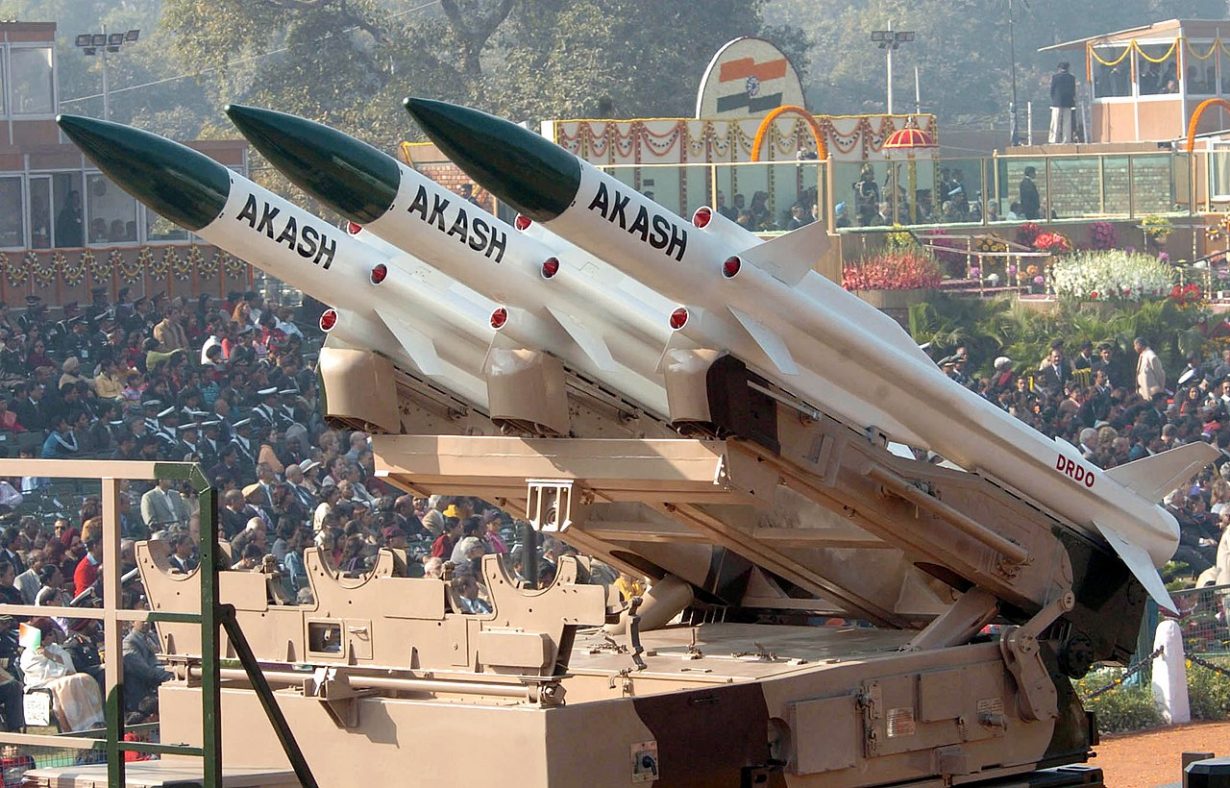
India stated that the large majority of incoming drones were neutralized by a combination of kinetic systems (anti-aircraft guns, including the L-70, ZU-23, and Schilka, as well as surface-to-air missiles such as Akash), and non-kinetic measures (spoofing and jamming).
File Image: Akash Missiles
While India has significantly expanded its own inventory of drones, many of which were used successfully and decisively against Pakistani targets during the war, the intensity of drone use by the Pakistani military during the four-day intense conflict has accelerated Indian investment in counter-drone programs and tactics.
For example, counter-drone grids are being incorporated into Mission Sudarshan Chakra, a long-term, AI-enabled, multi-layered national air-defense shield announced last year.
In early July 2026, the Defense Acquisition Council granted Acceptance of Necessity for procurement proposals worth approximately ₹52,000 crore. These include the indigenous Akash Tarang anti-UAV electronic-warfare system for the Army, Very Short-Range Air Defense Systems (V-SHORADS) to bolster low-altitude defense against drones, and jet-powered kamikaze drones, underscoring the priority now attached to both unmanned systems and counter-UAS capabilities
A range of new counter-drone systems developed jointly by public- and private-sector entities are at various stages of testing.
Last year, for instance, India’s Defense Research and Development Organization (DRDO) unveiled the D4 (Drone Detect, Deter, Destroy) anti-drone system, which is now being deployed along key border areas. This integrated counter-drone solution is designed to detect and neutralize rogue unmanned aerial vehicles (UAVs) with precision.
Earlier this year, the Indian Ministry of Defense (MoD) announced the completion of development trials of the Unmanned Aerial Vehicle Launched Precision Guided Missile-V3 (ULPGM-V3) in air-to-ground and air-to-air modes. The ULPGM is designed for UAV integration to destroy soft and hard targets, on the ground and in the air.
Similarly, India-based Zen Technologies launched an enhanced variant of its counter-unmanned aircraft system (C-UAS) that is already in service with the Indian Armed Forces in May 2026. The new variant of the system reportedly has increased detection and jamming ranges and is integrated with AI for improved threat detection.
These are just a few examples of India’s counter-drone effort.
The armed forces are also conducting dedicated counter-drone exercises based on lessons from Operation Sindoor. In October 2025, for instance, India’s largest drone and counter-drone warfare drill, Exercise Cold Start, was conducted in Madhya Pradesh to evaluate the effectiveness of the existing air defense
Therefore, the recently concluded Rotor Clap-III, focused on the IAF’s helicopter fleet, is another step in preparing for operations on a battlefield increasingly dominated by drones.
Contact the author at sakshi.tiwari13 (at) outlook.com

 Login