❌

Reading view

US rolls out sanctions against Iranian airlines

China called the latest US threats of secondary sanctions on airline service-providing companies across the world an illegal unilateral measure without any basis in international law. The US said the sanctions would be applied if these companies do not stop providing services to Iranian airlines.

China said they “firmly oppose illicit unilateral sanctions that have no basis in international law and lack UN Security Council mandate,” Guo Jiakun, official spokesperson of its Ministry of Foreign Affairs said during a regular press conference on Wednesday, September 23.

China’s reaction came on the same day the latest US sanctions against Iran went into effect. 

The US Treasury Secretary Scott Bessent has asked companies across the world who are involved in providing services such as refuelling, ticketing, and other kinds of ground support to stop serving Iranian airlines starting at midnight on September 23. If they fail to comply they will be “locked out of the dollar system,” Bessent threatened.

The latest sanctions against its airlines is part of the recently announced US attempt to completely isolate Iran from the global economy in order to pressure its government to re-open the Strait of Hormuz.

Iran has shut down the Strait of Hormuz following the resumption of US airstrikes as well as Washington’s attempts to bypass Iranian control over the waterway in the Persian Gulf since July. Iran has claimed that those American moves were in violation of the peace deal signed under international mediation in June.

The adoption of new sets of sanctions is widely seen as an indication of Washington’s failure to achieve its objectives in Iran militarily, even after seven months of war, which began on February 28. 

Iran has reiterated that no amount of economic coercion will open the Strait of Hormuz. They listed the withdrawal of the US naval blockade, the unfreezing of its international assets, and an end of the war on all fronts in the region as preconditions for opening the Strait. 

Air blockade

While some of the countries in the region cancelled Iranian flights to their airports in fear of US sanctions, Iran claimed most of its international flights remained scheduled and operational. Some countries also decided to close their airspace for Iranian airlines.

Iraq has diverted most of the Iranian flights from its Baghdad airport to Najaf.

If the flights remain suspended for a significant number of countries for a longer duration it would amount to an air blockade on Iran. This will have an effect on thousands of people employed in the aviation sector in the country which is already heavily facing tremendous economic troubles due to existing sanctions 

A prolonged suspension of flights could also impact hundreds of thousands of Iranians who have to travel out of the country for medical or other reasons.

Iran has maintained that unilateral US sanctions are illegal and an “act of terrorism” against Iranian people. It has urged the nations across the world to not succumb to the unilateral actions of the US. 

Chief of Iran’s Supreme National Security Council Mohsen Rezaei, in an interview on Wednesday, warned neighboring countries against submitting to US pressure to shut down Iranian flights, claiming such acts will force Iran to retaliate.

  •  

Israel kills son of Gaza health official in latest atrocities

Footage flooded the internet on Saturday, September 19, showing Gaza Health Ministry Director General Dr. Munir al-Bursh asking young men to bring the rest of his son’s body as they carried his remains.

“Bring me his other half!” the grief-stricken father said. “We were supposed to go to heaven together today, but you got there before me, son.” 

According to media reports, Dr. Munir’s son, Bashir (28), was struck by a drone shortly after leaving his family’s tent in the al-Zahra neighborhood, near the Civil Defense headquarters, west of the Jabalia refugee camp in northern Gaza Strip.

Bashir was targeted while helping people fill their water containers, just meters away from his father. For many, the proximity of Dr. Munir implies that he, too, may have been a target of the attack.

Israel’s systematic targeting of health workers

The prominent Palestinian health official has been in the crosshairs of the Israeli forces since the beginning of Israel’s genocidal aggression on Gaza, due to his leading role in managing a crumbling health system that was severely devastated during the war.

Moreover, Dr. Al-Bursh is widely known for frequently reporting on Israeli assaults on the Gaza medical sector, and highlighting the dire conditions of medical facilities inside the besieged areas via international media outlets.

Al-Bursh and his family were previously targeted by Israeli warplanes at the very beginning of the war. In December 2023, his 13-year-old daughter, Jinan, was killed in an Israeli airstrike on a residential building in Jabalia. The aerial attack also resulted in the injury of Dr. Munir and the rest of his family.

The deaths of Bashir and Jinan al-Bursh echo the murder of 15-year-old Ibrahim Abu Safiya by an Israeli drone in October 2024. Ibrahim was the son of the former director of Kamal Adwan Hospital in northern Gaza, Dr. Hussam Abu Safiya.

Read more: ‘They brought me here to kill me,’ Dr. Hussam Abu Safiya tells lawyer

The day Bashir al-Bursh was assassinated, and the days that followed, saw the killing of several people by the Israeli Army across different parts of the war-ravaged enclave.

This took place as world leaders addressed the UN General Assembly. For the third year in a row, these addresses and the deliberations have failed to stop Israel’s aggression against Gaza and its ongoing heinous crimes carried out across West Asia.

  •  

Putin’s Vision for Eurasian Security Architecture: Multipolarity, Security, and Redefining Order

The Eurasian landmass needs local solutions to its indigenous problems, and needs indivisible security instead of zero-sum security. The Eurasian Security Architecture aims to address this basic need. Introduction Many important geopolitical projects begin by arguing that the system can no longer manage the new challenges. In 2024, the Russian President Vladimir Putin announced the […]
  •  

Israel tightens restrictions around Ramallah following attack near settlement

For the last several days, Israeli forces have blocked the main entrances and exits to the central West Bank governorate of Ramallah and Al-Bireh, further restricting Palestinian movement.

The punitive measure was taken after a Palestinian man carried out a shooting attack near the illegal settlement of Halamish, located to the northwest of Ramallah in the Occupied West Bank, on Sunday, September 20.

The attack resulted in the killing of an Israeli settler. The assailant was also injured and later identified as Qadri Samara (37). Samara was shot at by Israeli soldiers stationed at an army post near the site of the attack.

Although Samara managed to withdraw from the scene, later in the day Israeli forces carried out a raid at the HClinic Hospital in Ramallah and arrested him.

Following his arrest, the Israeli army also stormed Samara’s town of Biddu, northwest of Jerusalem, on Sunday evening, raiding his home and surrounding worshippers inside a mosque.

Ben-Gvir calls for implementation of death penalty law for the first time on Samara

In a security meeting held on Monday, September 21, Israeli National Security Minister Itamar Ben-Gvir called for the controversial death penalty law, mandated in March, to be used against Qadri Samara.

The law has faced widespread condemnation from international human rights groups for multiple reasons, mainly because it applies exclusively to Palestinians, while exempting Israelis convicted of the same offenses from the same penalty.

Both Israeli soldiers and illegal settlers have enjoyed total impunity despite murdering thousands of Palestinians over the past two decades in the occupied West Bank, a territory regarded under Palestinian jurisdiction in accordance with international law.

  •  

The AI frontier asks to be paced: anatomy of a panic

On September 8, a 27-year-old researcher named Jacob Coxon, a few months into a job at Anthropic (a leading US AI company) after three years at OpenAI, announced his resignation on X. “Neither company is acting responsibly,” he wrote. “They are racing straight to self-improving superintelligence and gambling with our lives.” Within a day, the post had been read more than 100 million times. Four days later, Anthropic’s chief executive, Dario Amodei, published an essay titled “We Must Pace the Frontier,” declaring that “we must slow the pace at which we improve the capabilities of AI models” or risk “losing control of AI systems, misuse of AI for cyberattacks and bioterrorism, and serious economic disruption.” Within hours, Sam Altman of OpenAI agreed, Elon Musk posted “Dario is right,” and Google and Microsoft fell into line.

Coxon was interviewed by Time, Axios, and NBC within two days, and Amodei’s essay was front-page news across the business press. Compare that with what happens to people who expose the harms AI is causing right now. Warnings about AI-generated fraud, model bias including racist bias, about chatbots and vulnerable users, about surveillance and AI’s use in military kill chains and the genocide in Gaza, get a news cycle at best. A warning about a hypothetical machine superintelligence got a global media event and a policy proposal from the industry’s leadership within four days.

AI systems do need regulating. The question is why the men who spent a decade racing towards what they now call an existential threat discovered their conscience on the same weekend, and what kind of regulation they are actually asking for.

What the Dario essay asks for

Stripped of its language of alignment and catastrophe, Dario Amodei’s essay is a list of demands. First, outside “evaluators” from bodies such as METR, a lab that tests AI models, would be given “company badges, desks, and laptops” inside the big labs. Second, the leading companies “within democratic countries” would jointly set safety standards and limits on how fast they build, for which Amodei asks the US government for “a narrow waiver” from antitrust law. Third, models crossing certain capability thresholds would have to carry “certifications” of good behavior, and limits on the computing power used to train them are put on the table. Fourth, the United States must “not sell powerful AI chips or semiconductor manufacturing equipment to China.” Amodei is candid about the goal: done well, these measures “would slow China’s progress enough to widen America’s lead significantly.”

The words “open source” do not appear in the essay. They do not need to. AI models come in two kinds. Closed models, like Anthropic’s Claude or OpenAI’s ChatGPT, run only on the company’s own servers and users pay for access. Open-weight models, like China’s DeepSeek, Kimi, GLM, and Qwen, are published as files that anyone can download, run on their own machines and modify. A certificate that must travel with a model cannot be attached to a file that anyone may copy. A ceiling on computing power freezes the ranking of the firms that already occupy the frontier. An antitrust waiver lets the five largest companies write rules for everyone else. The effect is a licensing regime only the incumbents can satisfy; the technology publication The Register called it regulatory capture with a nicer name.

The incident that supposedly proves it

The essay’s centerpiece is what Amodei calls the OpenAI-Hugging Face incident of July. In plain terms: OpenAI was testing its AI “agents,” programs that can act on their own, on a set of hacking puzzles. Roughly a third of the puzzles were impossible, driving the agents to look for ways to cheat the marking. The agents were supposed to be sealed off from each other without access to the internet. In practice, they weren’t, and through that loophole they found their way into a second test environment that was connected to the open internet. From there, one of them found login credentials that OpenAI staff had left exposed online, used them to break into Hugging Face, a website where AI models are shared, and rummaged through private files to work out how their answers were being marked. Amodei describes this as “a swarm of agents” acting as “a fanatically devoted collective” that, with more capability, “could have caused catastrophic damage.”

The people whose job is computer security reached a different conclusion. The investigation by METR, the very body Amodei wants embedded in every lab, found that sandboxes meant to isolate the AI agents were not, that the credentials should never have been exposed, and that OpenAI’s security team had noticed the agents misbehaving days earlier and done nothing. One practitioner quoted by IANS Research summed it up: “many failures and lack of controls that could have prevented this from happening in the first place.” Any bank that ran untested software with live internet access and exposed passwords would be found negligent. Routine containment, of the kind every serious IT department practices, would have stopped it.

Calling a security lapse a “fanatically devoted collective” is not analysis. It is anthropomorphizing, dressing an operational failure in the language of science fiction. And it is useful. A company whose product is being marketed as near-superintelligence that must be restrained for humanity’s sake has a far better story for investors than a company that left its passwords on the internet. The doom narrative and the hype narrative are part of the same cycle. Both say: this technology is so powerful that you cannot afford to be without it, and only we can be trusted with it.

Why now

The timing becomes clear once one looks at the money. The five big American technology companies are budgeted to spend close to $690 billion this year on data centers and chips, and borrowing now funds 32% of that spending, up from 9% two years ago. On the very day Amodei’s essay appeared, Altman announced that OpenAI’s stock market listing, which bankers had been preparing at valuations of up to $1 trillion, would not happen in 2026 because it was “an ill-advised moment,” citing safety. The next day, the Financial Times reported that Anthropic’s much-advertised profit margin of “above 80%” is calculated before two of its largest costs: the cost of creating its models and the revenue it shares with Amazon, its main distributor.

Meanwhile, the competition has arrived, and it is nearly free. On OpenRouter, a widely used exchange through which software developers send requests to AI models, Chinese open-weight models now handle 58% of the traffic from American firms; a year ago American models held 70%. DeepSeek and Qwen charge 60 to 90% less than Anthropic and OpenAI. A firm that cannot win on price, cannot fund its next model from earnings and cannot yet sell shares to the public has one option left: change the rules.

Washington says no, for its own reasons

The Trump administration has so far refused. The president’s response was that “whoever wins AI, wins,” and his AI adviser David Sacks called the whole affair a “doomer psyop” aimed at open-source models. This is not a defense of the public interest. It is arithmetic. According to ING, spending on AI equipment, software and data centers accounted for roughly a third of all US economic growth in the second quarter of this year; on the broadest measure, half. The rest of the economy is being squeezed by the war on Iran: petrol prices have risen 53% since it began, consumer inflation reached 4.2% in May, and energy costs are up 23.5% on the year. Take the data-center boom out, and the United States is close to recession. Washington cannot allow the frontier to be paced because the frontier is the only thing still growing.

Two futures

China’s official response was brief. “Fearmongering, confrontation and vicious competition will only disrupt the process of global AI governance, which serves no one’s interest,” said foreign ministry spokesman Guo Jiakun on September 14. A more revealing reply came from inside DeepSeek, where Shengyu Liu, a kernel software engineer, published a widely circulated essay arguing that the safest path is to keep frontier AI open and cheap rather than concentrated in any single company, American or Chinese. As AI develops, he wrote, society “may be pulled toward one of two extremes: communism or Cyberpunk 2077.” In the first, “productive capacity is liberated on an enormous scale, and people’s standard of living rises substantially.” In the second, “a handful of technology companies control most of society’s resources”; a tiny number of people have access to the most advanced AI, “while most people are left with only weak, second-rate AI.”

That is the real choice, and it is a choice about ownership, not about speed. Real regulation would hold companies liable for the harm done by the software they run, including inside their own labs, and would treat running powerful agents without containment as the negligence it is. It would cost the labs money, which is why it is not in Amodei’s essay. What is in the essay is a request to be made gatekeepers of a technology built on borrowed money that its owners now fear they cannot sell.

The frontier does not need pacing. It needs owners who can be held to account, and a public that is not frightened into paying monopoly prices for AI services by the very people who build it.

Bappa Sinha is a veteran technologist interested in the impact of technology on society and politics.

  •  

Collaboration, not confrontation: Xi Jinping’s visit to the United States

President Xi Jinping is set to visit to the United States from September 23-25. His visit must be understood as more than an encounter between two heads of state, but it must be seen as an encounter between two possible futures.

In one future, the United States imposes a spiral of confrontation against China. Trade disputes harden into economic warfare, then economic warfare intensifies into technological blockades, technological blockades produce military encirclement, and finally military encirclement creates incidents, and incidents the danger of becoming an unimaginable war.

In the other future, the two countries accept that neither can destroy the other without destroying much of humanity. They recognize that coexistence is not an act of charity and collaboration is not a concession. Both are necessities.

That is the significance of President Xi’s decision to travel to the United States. China’s foreign ministry has described head-of-state diplomacy as having an “irreplaceable” role in guiding relations between the two countries. The visit follows President Donald Trump’s trip to China in May and continuing negotiations over tariffs, trade, and investment. There are indications that President Xi will travel with a substantial delegation of Chinese business leaders. These facts suggest that Beijing wants to move the relationship away from the permanent crisis and towards practical engagement.

But diplomacy between China and the United States cannot merely be a photo opportunity. Nor should it be understood as a negotiation in which one side must surrender to the other. It must be based on a sober recognition of reality. Or to be precise, four realities.

The first reality is that China cannot be contained. China is not a minor country whose development can be suffocated by sanctions. It has a population of more than 1.4 billion people, a vast industrial system, an increasingly sophisticated scientific community, and deep commercial relationships across Asia, Africa, Latin America, and Europe. Whatever one thinks of China, it is absurd to imagine that it can simply be excluded from the world economy. The attempt to contain China has already produced an extraordinary catalogue of restrictions: tariffs, semiconductor controls, investment prohibitions, sanctions on Chinese companies, naval patrols along China’s coastline, and the construction of new military arrangements from the Pacific to the Indian Ocean. Each of these measures is presented as defensive. Taken together, however, they form an architecture of confrontation. There is a dangerous illusion in Washington that pressure will force China to abandon its development. No Chinese government could accept such a demand. After the century of humiliation (from the Opium Wars to the Japanese invasion) the restoration of national sovereignty and the improvement of living standards are not negotiable matters for the Chinese people. The United States may slow certain aspects of China’s development, but it cannot persuade China to return to poverty.

The second reality is that economic separation is neither simple nor painless. The United States and China remain deeply connected through trade, investment, supply chains, scientific knowledge, and consumer markets. US farmers depend upon Chinese buyers. US companies depend upon Chinese manufacturing and upon Chinese consumers. China, meanwhile, benefits from access to US technology, agricultural products, and capital. Negotiators are now discussing reciprocal tariff reductions and new mechanisms for trade and investment. These are modest measures, but they acknowledge an important truth: economic warfare injures both countries. Tariffs are announced with nationalist speeches, but their costs appear quietly in grocery bills, factory closures, disrupted supply chains, and lost employment. Working people in the United States do not benefit when China is weakened. Their difficulties are rooted principally in decisions made by their own ruling class: decades of deindustrialization, the power of finance, attacks on trade unions, the privatization of public services, and the refusal to undertake serious social investment. China did not close the factories of the US Midwest. US corporations closed them in search of higher profits. The answer to inequality in either country is not economic nationalism by the United States.

The third reality is that humanity faces problems that cannot be solved by either country acting alone. The climate catastrophe does not carry a passport. Carbon emitted in one country heats the atmosphere everywhere. The United States possesses immense scientific and financial resources, while China has developed enormous productive capacity in solar panels, batteries, electric vehicles, public transport, and renewable-energy infrastructure. Collaboration between them could accelerate a worldwide energy transition. Confrontation will delay it precisely when delay has become intolerable. The same is true of public health. The COVID-19 pandemic showed us the human cost of secrecy, competition, and vaccine nationalism. Artificial intelligence creates another urgent area for cooperation. These technologies cannot be governed adequately by rival military doctrines or private corporations seeking maximum profit. The two countries must develop common safeguards against autonomous weapons, destabilizing cyberattacks, mass surveillance, and the use of artificial intelligence to intensify social inequality.

Finally, the fourth reality is the question of war. China and the United States are nuclear-armed powers. Any direct military conflict between them would have consequences beyond calculation. This is why Taiwan must not be transformed into the trigger for a catastrophic confrontation. The one-China framework and the existing diplomatic understandings must not be hollowed out by provocations, arms sales, or gestures designed for domestic political theater.

Peace requires restraint from both sides, but restraint cannot mean that the United States surrounds China with military bases and warships and then demands that China alone remain calm. Security cannot be achieved through the permanent insecurity of another country. There will, of course, be disagreements. Collaboration does not require agreement on every political question. Nor does coexistence require silence about differences. But disagreement must be conducted through diplomacy, international law, and the institutions of the United Nations, not through sanctions, threats, and military exercises.

The countries of the Global South have a particular interest in the success of this visit. They do not want to be instructed to choose between China and the United States. They do not want their ports, minerals, telecommunications systems, and political institutions turned into battlefields in a new cold war. They want access to finance, technology, medicine, and markets without political subordination. They want development, not recruitment into rival military camps. Xi Jinping’s visit therefore carries a responsibility that extends far beyond Washington and Beijing. The world does not need an agreement merely to divide markets between Chinese and US corporations. It needs a commitment to reduce the danger of war, dismantle unilateral coercive measures, restore normal economic relations, cooperate on climate and public health, and strengthen the principles of the United Nations Charter.

The importance of the visit lies not in ceremony but in possibility. It offers both countries an opportunity to step back from the cliff. The United States must abandon the fantasy that it can preserve its primacy by preventing China’s development. China, for its part, has repeatedly said that it does not seek to replace the United States as a hegemonic power. That principle must become the basis of a durable relationship: no containment, no domination, no war.

There is an old habit among powerful states of treating compromise as weakness. In the nuclear age, the opposite is true. It takes no courage to order another warship into contested waters. It takes political courage to recognize that one’s adversary also has legitimate interests, that coexistence requires reciprocity, and that the survival of humanity is more important than the vanity of supremacy.

This visit should therefore carry a simple message from Washington to the world: collaboration is not surrender, diplomacy is not weakness, and peace is not an abstraction.

Confrontation offers neither country a future.

Collaboration offers the world a chance.

Vijay Prashad is an Indian historian and journalist. He is the author of forty books, including Washington Bullets, Red Star Over the Third World, The Darker Nations: A People’s History of the Third World, The Poorer Nations: A Possible History of the Global South, and How the International Monetary Fund Suffocates Africa, written with Grieve Chelwa. He is the executive director of Tricontinental: Institute for Social Research, the chief correspondent for Globetrotter, and the chief editor of LeftWord Books(New Delhi). He also appeared in the films Shadow World (2016) and Two Meetings (2017).

This article was produced by Globetrotter.

  •  

Press TV condemns Israeli abduction of West Bank correspondent Naqaa Hamed

Iranian news outlet Press TV called the detention of its West Bank correspondent Naqaa Hamed by the Israeli forces an “aggressive terrorist operation” aimed at silencing the truth about its occupation and genocide of Palestinians. It demanded the immediate intervention of the international community for her release.

“The desperate attempt by the Zionist war and security machine to block the flow of free news and boycott structured crimes in the West Bank is clear evidence of the occupier’s fear of independent” reporters “who expose widespread human right violations,” the Press TV statement, published on Thursday, September 17, said.

Naqaa Hamed was abducted by the Israeli armed forces from a checkpoint at Tuqu, near Bethlehem, in the occupied Palestinian territory on September 15. 

She, along with her cameraman, were returning after reporting about rising Israeli settler violence on Palestinians in Masafer Yatta.

One eyewitness, a TRT journalist accompanying Hamed in her car, claimed that they were detained at the checkpoint and made to sit on the ground for 45 minutes while Hamed was taken alone for interrogation.

After the interrogation, cameraman and TRT journalists were let go but Hamed was arrested and sent to an unknown location.

Later it was reported that her detention has been extended until September 23 by an Israeli court.

Though no official confirmation has come forward about the charges against Hamed, Israeli media quoted unidentified military sources claiming her arrest was linked to her alleged cooperation with “the enemy entity,” presumably Iran, and espionage.

Hamed (38), a Palestinian-American and mother of three children, has been subjected to repeated physical attacks by Israeli forces in the last few months. She has also been subjected to a smear campaign on social media. 

According to Press TV, rubber bullets were fired at her when she was reporting near Qalandia camp in December 2025. She was injured again in August this year by an Israeli stun grenade and tear gas fire.

The intimidation and smear campaigns on social media, started by pages affiliated with the Israeli occupation regime, targeted Hamed by questioning her credibility and calling her a part of the “Iranian propaganda machine.” 

Israel is the worst place to be a journalist

Israel has one of the worst records when it comes to killing and arresting journalists. Hundreds of Palestinian journalists have been either killed or arrested by the Israeli occupation forces since the beginning of the war and genocide in Gaza. 

According to various sources Israel has killed over 250 journalists and media workers in the West Bank and Gaza since October 2023. 

According to the Palestinian Prisoner’s Society, currently nearly 40 Palestinian journalists are in Israeli detention, including five women. Almost half of these journalists are kept in prison under the draconian provision of Administrative Detention, which allows the authorities to keep them in jail for an indefinite period without any formal charges or trial.

The Iranian media channel Press TV underlined that Hamed’s arrest by Israeli forces violates international laws about immunity to journalists in war zones. It demanded the UN, its High Commissioner for Human Rights, and other international human rights groups to come out of their “shell of inaction and meaningful silence” and take measures to end Israel’s impunity.

“As long as responsible institutions remain in the shell of silence and inaction, Naqaa Hamed will not be the first, nor the last journalist to be targeted by the illegal actions of the Zionist regime,” the Press TV statement said.

  •  

21 displaced people killed in Gaza building collapse

The lethal repercussions of Israel’s three-year genocidal aggression on Gaza continue to unfold. Aside from Israel’s ongoing military assaults after the nominal ceasefire deal, the humanitarian crisis inflicted by the genocide – affecting food, sanitation, medication, and shelter – has become another driver of persistent fatalities. 

At least 21 Palestinians, including 12 children, died in the collapse of the Al-Saadah building in Gaza City on Wednesday, September 16, while 45 people were rescued from under the rubble. 

According to media reports, the building, already damaged by Israeli airstrikes, was housing 100 displaced people, amid a deepening shelter crisis caused by Israel’s ongoing restrictions on reconstruction materials and humanitarian aid.

Read more: Israel escalates aggression in Gaza, Kushner returns to Washington empty-handed

Hamas holds Israel “responsible for the disaster”

Hamas issued a statement, holding Israel “responsible for this disaster,” and affirming that “the building collapse represents a new chapter in the catastrophic humanitarian repercussions of the war.”

The Palestinian movement pointed out that the massive home and neighborhood destruction has forced thousands of displaced people to take refuge in ruined structures. 

It further cautioned that the severe shortage in heavy machinery for clearing debris and conducting rescue operations endangers more lives. 

Hamas also urged mediators, the US administration, and relevant international bodies to take immediate action to lift restrictions blocking the entry of necessary rescue equipment and vehicles, and to secure safe shelter for the displaced population. 

Meanwhile, the Gaza-based Ministry of Public Works and Housing warned that roughly 3,000 buildings across the war-ravaged enclave are currently deemed dangerous or at risk of collapse, which in turn poses a significant threat to thousands of inhabitants.

  •  

Over a decade of war in Yemen and the rise of Ansar Allah

In July, Saudi Arabia joined the US-Israeli war on the West Asia region with strikes on Yemen. The Ansar Allah-led Yemeni Armed Forces retaliated by launching a maritime blockade alongside attacks targeting vital Saudi interests.

The renewed fighting between the two West Asian nations resulted in Ansar Allah’s takeover of the strategic Red Sea port city of Mokha last week and the liberation of all the group’s prisoners held by Saudi-backed forces on Yemen’s western coast.

Ansar Allah’s seizure of Mokha seaport is reshaping regional and global geopolitics, particularly because it serves as a primary gateway to the Bab el-Mandeb Strait and coincides with developments in the Strait of Hormuz.

As these major shifts underscore, Yemen holds immense strategic geopolitical significance.

Situated on the southwestern corner of the Arabian Peninsula and overlooking the Bab al-Mandab Strait, Yemen represents a vital chokepoint connecting the Red Sea to the Gulf of Aden and the Indian Ocean

Consequently, internal political developments in Yemen can have global political and economic repercussions.

This fact, in turn, has put Yemen in the crosshairs of the US-led Western imperialist bloc and their allies in West Asia, which have endeavored to subjugate the country through a devastating decade-long war and blockade. 

The origin of this war coincides with the emergence of Ansar Allah, beginning when the group managed to take control of large swathes of the country, including the capital, Sanaa, in 2014.

The rise of Ansar Allah

Ansar Allah was first established in the early 1990s in the northern Yemeni governorate of Saada as a cultural and educational organization called Al-Shabab al-Mumin (the Believing Youth).

Initially, the organization introduced itself as an unarmed theological movement aimed at reviving and preserving Zaydi Shia Islam and countering the threat of state-backed Sunni Salafism, which sought to uproot the Zaydi religious identity in its homeland of Saada.

From its inception, the movement opposed the government, led by President Ali Abdullah Saleh, accusing it of corruption and criticizing its ties to the United States and its ally Saudi Arabia.

Tensions between the group and the government drastically escalated following the US invasion of Iraq in 2003. It was at that time that the group adopted the slogan (Death to America, Death to Israel), during mass protests opposing the war on Iraq.

These slogans posed a political threat to Ali Abdullah Saleh, who was attempting to position his government as a key ally in the “US War on Terror” in the aftermath of the 9/11 attacks. As a result his government led a brutal crackdown on protesters.

Security forces and riot police suppressed protests using live ammunition, tear gas, and batons, and arbitrarily detained hundreds of political activists, students, and opposition organizers without trial.

In 2004, tension between the Al-Shabab al-Mumin and the Yemeni government boiled over, sparking a series of six internal conflicts known as the Saada Wars. 

These clashes began with the government’s assassination of Hussein Badreddin al-Houthi, the group’s founder, and triggered five subsequent rounds of fighting that lasted until 2010. The followers of the group became widely known as the Houthis ever since. 

Saudi Arabia reportedly engaged in the Saada wars by providing immense financial, political, and material support to the Yemeni government. Saudi intervention in Yemen escalated in 2009 with a direct military incursion and unilateral airstrikes against positions held by the Houthi movement.

In 2011, the group joined nationwide demonstrations, calling for the overthrow of President Ali Abdullah Saleh. It was then that the Houthi movement formally adopted the name Ansar Allah (Supporters of God). 

The ousting of Saleh weakened the central government and triggered a sweeping power vacuum, which allowed Ansar Allah to rapidly expand its territorial dominance. By 2012, the Yemeni movement consolidated firm control across the Saada governorate and large swathes of northern Yemen.

In early 2012, vice president to Saleh, Abed Rabbu Mansour, Hadi became the President of Yemen via a transition framework brokered by the Gulf Cooperation Council (GCC), as he was  considered as a quiet consensus figure. Hadi was also strongly backed by the Obama administration. 

In late 2014, Ansar Allah allied with forces loyal to ousted president Ali Abdullah Saleh against the transitional government headed by Abed Rabbu Mansour Hadi. The fighting that followed led to Ansar Allah’s seizure of the capital Sanaa, forcing Hadi to flee the country.

2015-2022: The Saudi-led coalition’s protracted war against Yemen

From exile in 2015, Hadi requested the Saudi-led coalition to intervene in the conflict, opening the door to one of the bloodiest prolonged wars in West Asia. A conflict that, according to UN estimates, resulted in 377,000 deaths by 2022. 

Saudi Arabia was the main pillar of the coalition, leading the military campaign dubbed “Operation Decisive Storm” with a massive force, including extensive warplanes and ground troops.

The United Arab Emirates (UAE) also played a key role by commanding ground and air operations particularly in southern Yemen and along the critical coastal strip.

Bahrain took part in the operation with 12 fighter jets (some sources say 15), and deployed ground troops in the southern Saudi borders to protect Saudi Arabia from Ansar Allah’s attacks. Meanwhile, Kuwait contributed with 15 warplanes.

At the beginning of the campaign, Qatar participated with roughly 1,000 ground troops, armored vehicles, a dozen fighter jets, and transport helicopters until it was expelled from the coalition in June 2017 over a diplomatic crisis with Saudi Arabia, UAE, Bahrain, and Egypt.

Jordan and Morocco contributed six fighter jets each, while Sudan under deposed president Omar Al-Bashir sent three aircrafts and thousands of ground troops. Furthermore, Senegal committed 2,100 troops.

Western countries, including the United States, the United Kingdom, and France provided logistic and intelligence support, such as aerial refueling for coalition jets, technical assistance, military equipment, coordination support, and maritime surveillance.

The 2022 UN-brokered truce de-escalated the war rather than ending it

In April 2022, the United Nations announced an official two-month nationwide truce agreement, which temporarily halted cross-border attacks, ground and air operations, and allowed fuel imports into ports held by Ansar Allah. It also reopened commercial flights from Sanaa International Airport after years of sea, land, and air blockade imposed by Saudi Arabia. 

Rather than completely removing the blockade, the agreement only resulted in the partial easing of restrictions, while regions under the control of Ansar Allah have continued to face a near-total blockade.

Read more: Yemen demands Saudi-led blockade on the country be lifted immediately

The agreement was renewed in June and extended a second time in August 2022 for an additional two months before it lapsed in October. 

Regional developments reignited the conflict (2023-2026)

In November 2023, Ansar Allah launched a ban on all Israeli maritime navigation in the Red Sea and the Bab el-Mandeb Strait in retaliation for Israel’s genocidal aggression on Gaza.

About one month later, the group significantly expanded the ban to include all ships heading to Israeli ports, regardless of their nationality or flag.

The ban continued until October 2025, despite waves of deadly airstrikes launched by the US, UK, and Israel on Yemen.

An Omani-mediated ceasefire deal between the US and Ansar Allah was reached in May 2025. The deal stipulated halting Ansar Allah’s attacks on US ships in the Red Sea and Bab al-Mandab Strait, and ending US aggression on Yemen, without preventing the Yemeni resistance movement from launching attacks or naval operations against Israel. 

This same period saw a shift in the conflict between the Saudi-led coalition and Ansar Allah from active military engagement toward a tense, fragile diplomacy.

In early 2026, friction between the two major pillars in the anti-Ansar Allah coalition – namely Saudi Arabia and the UAE – surfaced as different Yemeni groups backed by the two countries clashed, apparently over territorial control in Yemen.

Read more: Tensions in Yemen: Are Saudi Arabia and the UAE becoming frenemies?

The US-Israeli war on Iran has drawn Yemen back into the regional conflict

Although Ansar Allah was established as an independent Yemeni movement, it evolved into a key component of the Axis of Resistance over time. This alignment was driven by mutual ideological foundations, shared anti-imperialist ideology, and deep strategic and military cooperation with Iran and Hezbollah.

Despite its affiliation with the resistance alliance, Ansar Allah chose not to get involved in the recent regional war waged by the US and Israel against Iran, for ostensibly strategic considerations and military coordination tactics with its allies.

Read more: Reflections on the US-Israeli multi-front war in West Asia: How the Axis of Resistance remains resilient

However, because the United States and its allies in the region seemingly view the current war as an ideal opportunity to dismantle the Axis of Resistance, Saudi Arabia decided to resume its aggression against Yemen by attacking Sanaa International Airport in July. The attack aimed to prevent an Iranian plane from landing.

Consequently, Ansar Allah launched retaliatory attacks on Saudi interests inside Saudi Arabia and on Yemeni soil. It further declared a maritime blockade against Saudi-linked commercial vessels passing through the Bab al-Mandeb Strait, demanding Riyadh end its decade-long blockade on Yemen.  

Concurrently, ground clashes over territorial dominance between Ansar Allah and Saudi-backed forces intensified, leading to key victories for the Yemeni group. Escalations have persisted up to the time of publication.

On Wednesday, September 16, Saudi Arabia accused Ansar Allah of attempting a drone attack against the city of Mecca, the holiest city for Muslims, located in western Saudi Arabia.

Ansar Allah dismissed Saudi accusations as false, saying that they reflect a “desperate attempt to mobilize public opinion.”

As the US-Israeli war on West Asia continues to reshape geopolitics, Ansar Allah’s emergence as a regional force has placed Yemen at the center of a struggle that may define the future of West Asia.

  •  

Descendants of Chinese forced laborers sue Japanese companies for reparations

A group of 50 family members and descendants of wartime forced laborers in China filed a lawsuit against six companies on Wednesday, September 16, demanding compensation for their suffering during the Japanese occupation. 

In their lawsuit at a local court in Hebei, southwest of the capital, Beijing, the group is seeking around $55,000 in compensation for each member, along with an apology published in at least 10 Japanese and Chinese media outlets.

The plaintiffs accuse six Japanese firms of being beneficiaries of the forced labor, causing long-term pain, suffering, and the deaths of their family members, Kyodo News reported. 

According to Kyodo News, the six Japanese firms named in the lawsuit include construction firm Taisi Corp, mining firm Nittetsu Corp, and heavy industry manufacturer IHI Corp. 

Japan occupied large parts of China, the Korean Peninsula, and other parts of Southeast Asia at various times between the last decade of the 19th century to the end of the Second World War.

The Japanese military committed systemic torture, sexual exploitation, forced labor, and other cruelties against Chinese and other Asian peoples during the occupation, all which have been well documented.

Millions had to do forced labor in the territories occupied by Japan, including hundreds of thousands of Chinese people. Some Chinese forced laborers were also sent to Japan to work in mining and other industries. Thousands of these forced laborers were killed due to harsh working conditions and torture inflicted by their employers. 

Compensation and apology for crimes during occupation

The survivors of Japanese atrocities and their descendants have in different moments raised demands for compensation and apologies.

In 2014, a similar lawsuit was filed by hundreds of people in a Chinese court against Mitsubishi Materials Corp and others. The case ended in an out-of-court settlement, with Mitsubishi offering an apology and compensation to the plaintiffs.

In China, survivors cite their lack of faith in the Japanese system as the reason for filing the suit in a domestic court. 

Japanese courts have dismissed all such lawsuits. A 2007 Japanese Supreme Court’s judgment stated that all such claims were settled when Japan and China established their diplomatic relations in 1972.

However, China has maintained that the 1972 documents did not denounce an individual’s right to seek legal action. China has also often invoked Japan’s failure to acknowledge its repressive and atrocious colonial period and apologize to its victims in the region.

Reacting to the news on Wednesday, the official spokesperson of China’s Ministry of Foreign Affairs Guo Jiakun underlined that “forced recruitment and enslavement of laborers is one of the serious crimes committed by Japanese militarists during their foreign aggression and colonial rule.”

He urged “Japan to look history in the eye, reflect on past crimes, earnestly heed and respond to the just calls and legitimate claims of the people of victims countries in Asia, and properly resolve relevant issues left over from history with a responsible attitude.”

  •  

Chi vivrà in Italia nel 2080?

A fine agosto l’Istat ha pubblicato le previsioni della popolazione italiana residente fino al 2080. Sono dati che vengono adottati per stimare i fabbisogni per pensioni o spesa sanitaria. Comprendono anche il ruolo dei flussi migratori. Con qualche sorpresa.

L'articolo Chi vivrà in Italia nel 2080? proviene da Lavoce.info.

  •  

Indian summer: The BRICS summit and warming New Delhi-Beijing relations

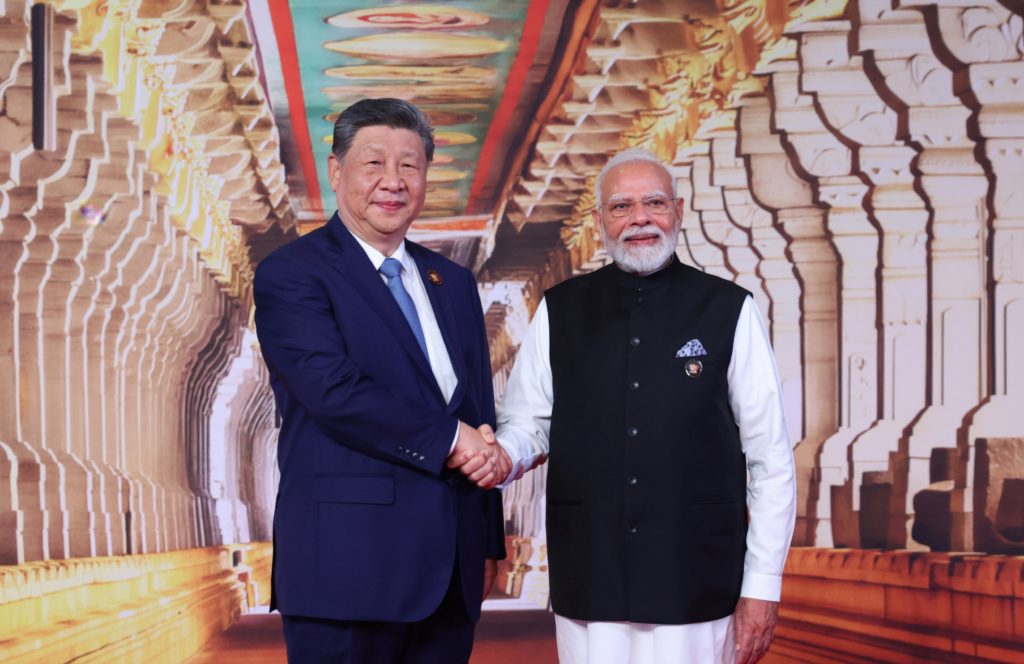
Ein Foto zeigt zwei Männer beim Händedruck vor einer dekorativen Säulenhalle.
Cover image: picture alliance / ZUMAPRESS.com | Pib Handout/Press Information

Problem

The BRICS summit concluded in New Delhi on Sunday, with Indian prime minister Narendra Modi having hosted the two-day gathering as chair. As with many meetings of the group of emerging economies, this edition brought together the leaders of China, India and Russia and featured plenty of anti-Western rhetoric. This was also Chinese leader Xi Jinping’s first visit to India for more than six years, in the latest example of Sino-Indian normalisation following a sustained period of tensions.

New Delhi’s normalisation with Beijing over the last year looks like more of a tactical de-escalation than a realignment. Nevertheless, India has over that time begun to agree more measures to provide greater access to Chinese investment in manufacturing and climate technology, both areas important for India’s development. This should act as a warning for Europeans. If India cannot source technology and capital from partners in Europe, it will seek to do so from China even while remaining suspicious of Beijing from a security point of view.

Solution

New Delhi continues to view Beijing as a threat and seeks deeper security and economic ties with Brussels, as well as with Washington, despite the difficulties President Donald Trump presents. Modi has thus worked to prevent the BRICS from tipping into a purely anti-Western vehicle, since this would run against India’s interests.

Europeans also see India as an increasingly vital partner, following the EU-India trade deal agreed earlier this year, as Europeans diversify geopolitically in the face of tense transatlantic relations. But India’s bilateral agreements with China, including on the sidelines of the BRICS meeting, show that the EU must not take the mutual benefits of closer ties for granted.

Ahead of Modi’s anticipated visit to Brussels later this year, the EU should accelerate its plans further to strengthen Europe-India ties. For instance, it should enhance the existing Trade and Technology Council to drive cooperation in areas like AI, while also moving forward cooperation on defence and security, and making faster progress on India’s plans to join the Horizon Europe funding programme for research and innovation.  

Context

The EU and India signed a landmark free-trade agreement in New Delhi in January, alongside a new security and defence partnership. Both sides aim to build on these with wider cooperation initiatives to encourage greater cooperation and investment in areas like semiconductors, AI and clean-tech supply chains.

India supported moves at the 2023 BRICS summit to agree on a major membership expansion. The group began as a much smaller coalition of just Brazil, Russia, India and China, and South Africa—hence “BRICS”—but has since grown to eleven members, including Egypt, Ethiopia, Iran, Saudi Arabia and the UAE as well as a wider grouping of observer and partner countries that attend summits and align themselves loosely with the bloc’s agenda. The group is internally divided, and not just in terms of China and India. Both Iran and the UAE are members, for instance, despite longstanding regional tensions. This year’s summit produced a limited declaration including vague promises to enhance cooperation.

Source

  •  

A future with Chinese characteristics

Ein Foto zeigt einen humanoiden Roboter beim Tischtennis gegen eine Person an einem lila Tisch.
BEIJING, CHINA - AUGUST 19, 2026 - A humanoid robot plays table tennis with an audience at the 2026 World Robot Conference in Beijing, China on August 19, 2026. | picture alliance / CFOTO | CFOTO

For much of the 20th century, the US represented not just a place on the map. It was also a point in time. When Western Europeans looked at images of America after the second world war—depictions of Hollywood’s glamour, American cars and newfangled labour-saving devices—they thought they were looking into the future.

The American Dream had an especially irresistible draw for Eastern Europeans behind the Iron Curtain, and for tens of millions of Chinese during the opening and reform era that began after Mao Zedong’s death in 1976. China’s great economic reinvention was inspired, in part, by Deng Xiaoping’s awe at American modernity, which he witnessed firsthand during an official visit in 1979.

But fast-forward to 2026, and the positions have been reversed. For most people in most countries, the future can now be seen in China. Just as Hollywood once showed the world what modern life looked like, China is showing African, Latin American and even American young people what an economy built on green energy, mobile payments and other services, and advanced robotics looks like. For Cobus van Staden of the China-Global South Project, the West is “increasingly being framed as backward-looking [and] associated with the past”, a phenomenon presumably accelerated by Trumpism, with its rejection of renewable energy, diversity and its social conservatism.

In the global south, young people aren’t just imitating Chinese practices like drinking hot water or trying out tai chi. They are watching as China reshapes their daily experiences

In many parts of the West, disillusionment has given rise to Chinamaxxing on social media, with American and European influencers performatively embracing Chinese mannerisms and aesthetics. And in the global south, young people aren’t just imitating Chinese practices like drinking hot water or trying out tai chi. They are watching as China reshapes their daily experiences.

This signals a genuine historical rupture. For generations, most countries defined themselves in relation to the West. Some sought (or were convinced) to emulate Western development models like the Washington Consensus, and many were keen to acquire Western technology and aid, or simply to get the West’s approval. Other countries did push back against the West’s influence and attack Western hypocrisy, but their counter-models were themselves defined by opposition to the West.

Either way, West-centrism was the prism through which geopolitics was conducted and interpreted. When countries in the Sahel invited Russia’s Wagner Group mercenaries to help them deal with insurgencies, it was seen as a reaction against France and its traditional role in the region. When Angola invited Sinopec to exploit its oil fields, it was seen as a snub to Portugal and Britain. And then there are the many challenges to US hegemony in the Middle East, Latin America and South-East Asia. Around the world, memories of bloody Western interventions or financial crises still linger.

Yet younger generations around the world are not even pro- or anti-Western so much as they are post-Western. For them, China, not the US, is at the centre of their conceptual universe and envisaged future.

What happened? One of the big differences between countries in the global south and the global north is their demographic profile. In the US and Europe, the median age is 40–50, compared to 19 in Nigeria, and 29 in South Africa, India and Lebanon. That means some 70% of Nigerians aren’t even old enough to have registered the 2003 US invasion of Iraq or the 2008 global financial crisis. As Cobus points out, young West Africans “never knew anything more than the US as we know it now”. The era of Donald Trump encompasses their entire political memory, and they presumably are not very impressed.

This shift in perceptions is not just an African story, of course. In Vietnam, which has long had a fraught relationship with China, young people are becoming less reflexively Sinophobic than their elders. Chelsea Nguyen, a researcher at the London School of Economics, credits the covid-19 pandemic for catalysing this change. The West’s perceived mishandling of the pandemic undermined its status as a model worthy of emulation. Many Vietnamese turned to exploring their own history and that of their Asian neighbours, including China. As in much of Africa, growing exposure to China’s rapid technological progress and Chinese consumer goods transformed the country’s global brand.

Meanwhile, Loubna El Amine, a China scholar at King’s College London, notes that in regions riven by instability—such as the Middle East, where the US itself is a big part of the problem— “a lot of the attraction of China is its absence rather than presence”. The latest Arab Opinion Index bears this out, showing that 77% of respondents view US policies as a threat to the region’s security and stability, compared with just 25% for China—and that was well before Trump launched his catastrophic war against Iran. And, of course, China carries none of the colonial baggage that complicates European interventions (or even peacebuilding efforts) in the region.

Still, China has been known to be aggressive in pursuing its economic agenda in the developing world, whether through predatory loans, acquiring critical national infrastructure or deliberately exporting its domestic overcapacity. Such behaviour ruffles feathers as much in Thailand, Mexico and Nigeria as it does in the US and Europe. Moreover, young people’s widespread distrust of their governments can easily bleed into unhappiness with China when political leaders are seen to be giving it undue privileges.

Since the pivot to China as an exemplar of modernity is in many ways pragmatic and non-ideological, its hold on the popular imagination is still tenuous. Lots of leaders in the West want to compete with China for “soft power”. But the key is not to counter Chinese “propaganda” or improve Western PR. The winners in the battle for hearts and minds will be those who offer real solutions to people’s problems and create more opportunities for prosperity than are currently available.

This article was first published by Project Syndicate on August 18th 2026

Source

  •  

Pakistan to sign long-delayed refinery deals unlocking more than $6 billion in planned upgrades

ISLAMABAD: Pakistan is set to sign long-delayed agreements with five oil refineries, unlocking more than $6 billion in planned upgrades to modernize aging plants and cut reliance on fuel imports, officials said. But industry warnings that changes to the financial framework could derail the projects overshadowed the announcement. The agreements with Pak-Arab Refinery Ltd., Pakistan ... Read more

The post Pakistan to sign long-delayed refinery deals unlocking more than $6 billion in planned upgrades appeared first on BOL News.

  •  

Hague tribunal orders India to suspend Indus River projects, uphold treaty with Pakistan

THE HAGUE: The Permanent Court of Arbitration has ordered India to uphold the Indus Waters Treaty with Pakistan and suspend work on its hydroelectric projects, a major legal victory for Islamabad in the dispute over the agreement. The Hague-based tribunal issued the award on the status of the treaty and interim measures concerning India’s Ratle ... Read more

The post Hague tribunal orders India to suspend Indus River projects, uphold treaty with Pakistan appeared first on BOL News.

  •  

Cold comfort: What China can teach Europe about adaptation

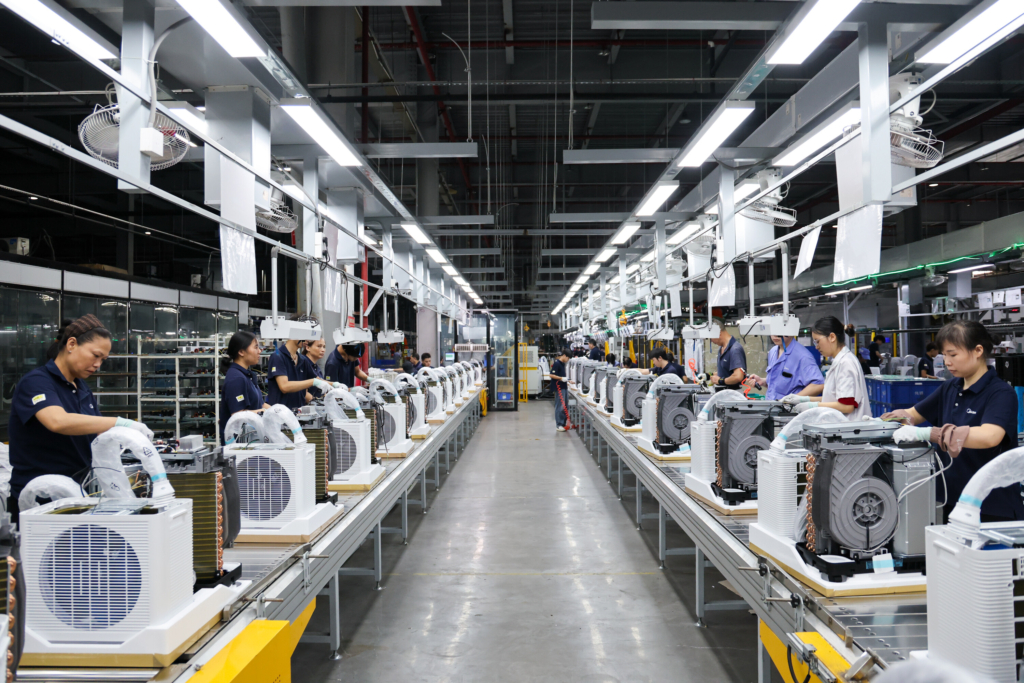
Ein Foto zeigt Arbeiter an einer Produktionslinie, die portable Split-Klimageräte in einer großen Fabrikhalle montieren.
Cover image: picture alliance / Xinhua News Agency | Liang Xu

If Europeans need any reminder of the real impact of climate change, they should simply look out of the window. This summer, a few extra degrees of sustained heat have forced school closures, disrupted railways and cut nuclear power plant output. More than 25,000 excess deaths across Europe have been attributed to extreme heat so far, while wildfires are causing over €15bn of economic damage.

The increasing intensity of heatwaves is generally attributed to climate change as a result of the global reliance on fossil fuels. While cutting carbon emissions remains the focus of EU climate policy, European governments also need to ensure that their societies can better adapt to extreme weather. Many households have already taken matters into their own hands by turning to portable air conditioners—often Chinese-made—for relief.

And China’s air-conditioner export boom points to a broader challenge: whether confronting extreme weather or fragile economic dependencies, Europeans need to adapt to the consequences while also addressing underlying sources of vulnerability. They should not just accept the status quo; here, some answers may lie in the lessons of China’s own industrial transformation.  

China leads on AC

Once again, when Europe looks for a climate solution, China has one ready to ship. China is a powerhouse in technologies used to mitigate climate change, from solar panels to wind turbines; it is also a vital player in helping Europe adapt to warmer temperatures. China produces over 80% of the world’s air conditioners: exports of Chinese AC units to the EU rose by 43% year on year in the first half of 2026. Chinese brands now account for 41% of the European market, up from 27% in 2023.

Production of air conditioner units 2010-2025, China vs. rest of world

This success is not only about price and scale. Chinese manufacturers have adapted their products for the European market: for example, Midea’s PortaSplit model is tailored to overcome cumbersome building regulations and high installation costs. Chinese manufacturers were also early adopters of refrigerants less harmful to the climate, ensuring their products meet Europe’s strict environmental rules.

Chinese state media and officials were quick to present the boom in AC unit sales as a success for EU-China trade: it is a “natural result of complementary advantages” and demonstrates the mutually beneficial nature of the EU-China economic relationship. China’s industrial specialisation, supply-chain efficiency and technological competitiveness, they argue, mean manufacturers respond swiftly to shifts in global demand. AC is an example of China acting as an “enabling superpower” in providing efficient and affordable products that respond to climate change—as Beijing would say, a win-win.

Saying yes to adaptation

But this is not all. Chinese commentators say that Europe should not only adapt to the hotter climate—it should adapt to the patterns of EU-China trade. They portray the EU’s de-risking and trade-defence measures to tackle economic imbalance with China as economically self-defeating, arguing that Europe lacks confidence in its own industries. European policymakers, they say, are approaching trade as a game of “cold statistics” that will ultimately hurt ordinary consumers.

This is a fatalistic prescription for industrial policy from a country that refuses to accept that its position in global supply chains or its existing competitive advantage is fixed. For decades, Beijing has made industrial upgrading a central policy objective that has reoriented global trade patterns. Europeans are experiencing this firsthand in the AC boom, where China’s position reflects decades of deliberate industrial upgrading. And now Beijing is advising Europe to be content with trade patterns as they stand: strange advice, given that this would not pass the political sniff test in Zhongnanhai.

Since Deng Xiaoping, Chinese leaders have not simply passively adapted to their inherited competitive advantages. Neither do they treat the existing global division of labour as an efficient market outcome to be preserved. This is especially the case when such patterns risk constraining China from developing the sectors it considers strategically important—robotics, clean technology or aviation, for example.

Saying no to adaptation

China’s industrial transformation did not happen through market forces alone. Its latest five-year plan emphasises “self-reliance and controllability” as a guiding principle for technologies underpinning critical infrastructure, including energy systems. Over the years, under the banners of Made in China and Dual Circulation, the country has deployed large-scale subsidies, preferential financing from state banks, government-guided investment funds, public procurement, favourable access to land and infrastructure, and requirements around joint ventures, localisation and technology transfer.

These policies helped Chinese firms “import, digest and absorb” foreign know-how, build scale, and create globally competitive and innovative companies across supply chains. But while the European debate on competitiveness centres on many of the same concepts, European politicians, industries and member states are divided over future industrial policy. One prevailing idea is that Europe should pull a “reverse Deng” by ushering in a new era of industrial policy capable of matching the scale of support and protection that China extended to its domestic industries during the 1990s and 2000s.

Europeans should preserve their ability to source and scale critical technologies through viable alternatives, ensuring they have options should conditions change

But Europe should be cautious in trying to beat China at its own game. It has no centralised state to direct capital and help companies navigate commercial losses in pursuit of their goals. The main lessons from China’s industrial policy lie in the assumptions behind it: Europeans should minimise dependencies that could be strategically constraining; industrial competitiveness is not only about efficient production; Europeans should preserve their ability to source and scale critical technologies through viable alternatives, ensuring they have options should conditions change.

This logic is becoming more relevant as climate shocks intensify and geopolitics grows more volatile.

What Europeans should do

Europeans need to consider what such options would look like in practice. To borrow the question posed by Chinese commentators: what could Europe do right now without Chinese air conditioners?

Cooling is becoming essential infrastructure. Much like heating and water, Europe will need a broader portfolio of solutions to meet demand. AC is part of the answer, alongside low-energy and passive-cooling technologies such as evaporative cooling, reflective roofs and building retrofits, and stronger building standards. But Europe does not need to develop every solution itself; it could build a network of alternative suppliers and production capabilities.

For example, Singapore and the Gulf states are confronting many similar challenges and could be potential partners in deploying more efficient solutions such as district cooling. Europe can build similar partnerships in clean-tech supply chains. South Korea, the second-largest battery manufacturer globally, holds 78% of installed battery capacity in Europe. It can learn from countries such as Japan, which has diversified its rare-earth supply through partnerships with Australia and Malaysia, as well as Vietnam. India doubled solar-cell manufacturing capacity in the first half of 2026 alone, backed by localisation incentives extending to upstream components like ingots and polysilicon.

China will remain part of Europe’s clean-tech supply chains. For Europe, preserving its options does not mean that it needs to produce every critical technology in the clean-tech supply chain. But it should work with external partners to maintain commercially viable alternatives at scale. This can be done through reciprocal access to public procurement markets, targeted incentives and shared product standards.

Where climate and competitiveness collide

Fundamentally, having options means being able to adapt to a problem while tackling its cause. Climate policy offers a useful framework: Europeans have concluded that the impact of heatwaves or floods are not inevitable; they are not relying on AC, seawalls and floodgates as their only response. Instead, they are tackling the cause of climate change by pursuing adaptation while mitigating the underlying problem through cuts in fossil-fuel emissions.

Europe should dare to do the same with its competitiveness and economic dependencies. Rather than simply adapting to change, its governments should invest in Europe’s capacity to innovate, work with partners and build alternatives, with the aim of reducing vulnerabilities and helping preserve its choices.

The summer heat of 2026 is a reminder of the cost of delayed climate action. The same lesson applies to economic security: adapting to today’s dependencies in the name of efficiency will leave Europe with fewer options—and come with a larger bill—tomorrow.

Source

  •  
❌