❌

Reading view

La Russia sta raggiungendo gli obiettivi strategici dell’Operazione Militare Speciale?

Nel dicembre 2021, la Russia presentò agli Stati Uniti e alla NATO due bozze di accordi formali per ottenere garanzie di sicurezza legalmente vincolanti, facendo intendere che se non fossero state accolte ci sarebbero state delle conseguenze.

Segue nostro Telegram.

In effetti, dopo il rifiuto di Washington di prenderle in considerazione, il 24 febbraio 2022 la Federazione Russa intraprese l’Operazione Militare Speciale in Ucraina, ancora in corso.

Tra le richieste avanzate allora da Mosca sottolineiamo:

  • Blocco dell’allargamento della NATO: l’impegno formale a impedire ulteriori espansioni dell’Alleanza Atlantica, escludendo esplicitamente l’adesione dell’Ucraina.
  • Limitazioni alle Forze Militari: il divieto per la NATO di dispiegare truppe o armamenti nei Paesi entrati a far parte dell’Alleanza Atlantica dopo il maggio 1997.
  • Basi negli ex Stati sovietici: il divieto per gli Stati Uniti di stabilire basi militari o sviluppare cooperazione bilaterale nei Paesi dell’ex URSS che non fanno parte della NATO.
  • Missili a raggio intermedio e corto: il divieto reciproco di dispiegare missili a raggio intermedio e corto in aree da cui possano colpire il territorio dell’altra parte.
  • Attività militari: la limitazione delle esercitazioni e delle attività militari della NATO in Europa orientale, nel Caucaso e in Asia centrale.

Stati Uniti e NATO nel 2021 rifiutarono le richieste principali (in particolare il veto sull’allargamento della NATO e il ritiro delle infrastrutture militari ai confini del 1997), offrendo invece di negoziare su temi specifici come il controllo degli armamenti e la trasparenza delle esercitazioni.

Perciò, il 17 febbraio 2022 Mosca consegnò una contro-risposta formale agli Stati Uniti, lamentando la mancanza di disponibilità a fornire garanzie vincolanti e preannunciando la necessità di adottare misure ‘tecnico-militari’: pochi giorni dopo ci fu l’invasione dell’Ucraina.

La Russia aveva fondati motivi per ritenere che Kiev stesse per entrare nella NATO e uno dei bersagli inziali dei suoi missili balistici (13 marzo e 17 maggio 2022) furono proprio i centri di addestramento ucraini di Yavoriv (nella zona di Leopoli, vicino al confine polacco ma all’interno dei confini ucraini), a tutti gli effetti infrastrutture della NATO, come visibile nelle mappe della stessa Alleanza Atlantica (1).

Tralasciando le questioni diplomatiche e l’auspicata volontà comune di riaffermare i principi delle Nazioni Unite che venivano espressi nel documento presentato da Mosca e sui quali l’Amministrazione Trump ha tirato oggi una riga definitiva, è interessante capire se siano stati compiuti dei passi da parte dell’attuale presidenza statunitense per venire incontro alle richieste russe (2).

All’art. 1: Russia e U.S.A. non intraprenderanno azioni né parteciperanno o sosterranno attività che pregiudichino la sicurezza dell’altra Parte; non attueranno misure di sicurezza – adottate da ciascuna Parte individualmente o nell’ambito di un’organizzazione internazionale, di un’alleanza militare o di una coalizione – che possano compromettere gli interessi fondamentali di sicurezza dell’altra Parte.

Sul supporto decisivo dell’intelligence USA e dei grandi gruppi tecnologici statunitensi (da Starlink a Palantir, entrambi vicini all’Amministrazione Trump) all’Ucraina al fine di colpire il territorio della Federazione Russa ho già ampiamente scritto in precedenza e perciò non mi soffermo (3).

Articolo 2

Le Parti si adopereranno affinché tutte le organizzazioni internazionali, le alleanze militari e le coalizioni a cui partecipa almeno una delle Parti si attengano ai principi sanciti dalla Carta delle Nazioni Unite.

Abbiamo assistito recentemente alla doppia aggressione condotta dalla “Coalizione Epstein” all’Iran, senza alcun fondamento nel diritto internazionale e senza alcuna considerazione dei “principi sanciti dalla Carta delle Nazioni Unite”. Per non parlare del supporto statunitense ai bombardamenti israeliani su Siria, Libano e Yemen (aggressione alla quale contribuisce in gran parte l’Arabia Saudita) o del rapimento illegittimo del Presidente venezuelano Maduro.

Articolo 3

Le Parti non utilizzeranno i territori di altri Stati allo scopo di preparare o compiere un attacco armato contro l’altra Parte o altre azioni che pregiudichino gli interessi fondamentali di sicurezza dell’altra Parte.

Naturalmente, la violazione di questo articolo non avviene solo utilizzando il territorio ucraino per colpire la Russia; recentemente, sul sito del Ministero della Difesa di Mosca è comparso un elenco di venti aziende europee accusate di essere parte integrante dell’apparato militare-industriale ucraino. Quattro hanno sede in Italia, tre in Germania, due in Gran Bretagna, due in Polonia, due in Turchia, due in Repubblica Ceca, poi sono rappresentate anche imprese con basi in Israele, Spagna, Paesi Bassi, Lituania e Lettonia. Tutto ciò avviene con il consenso implicito degli Stati Uniti. Anche le infrastrutture della NATO e le basi militari statunitensi in Europa (Sigonella ad esempio in Italia nel 2022) contribuiscono così ad alimentare questo conflitto (4).

Articolo 4

Gli Stati Uniti d’America si impegneranno a impedire un’ulteriore espansione verso Est dell’Organizzazione del Trattato del Nord Atlantico e a negare l’adesione all’Alleanza agli Stati dell’ex Unione delle Repubbliche Socialiste Sovietiche. Gli Stati Uniti d’America non stabiliranno basi militari nel territorio degli Stati dell’ex Unione delle Repubbliche Socialiste Sovietiche che non siano membri dell’Organizzazione del Trattato del Nord Atlantico, né utilizzeranno le loro infrastrutture per attività militari di alcun tipo, né svilupperanno con essi una cooperazione militare bilaterale.

Senza trascurare l’immediato ingresso di Svezia e Finlandia nella NATO all’inizio dell’Operazione Militare Speciale, l’attuale Amministrazione a Washington ha annunciato l’invio di ulteriori 5.000 soldati statunitensi in Polonia e l’istituzione di una nuova base militare permanente nel Paese (ridenominata “Fort Trump”). Ma gli U.S.A. non si sono fermati qui; in Armenia, nazione che fa ancora formalmente parte dell’Organizzazione per il Trattato di Sicurezza Collettiva e dell’Unione Economica Eurasiatica, lo scorso settembre Washington e Erevan hanno tenuto un nuovo ciclo di consultazioni bilaterali sulla difesa e firmato un verbale congiunto d’intesa (jointly agreed minutes) per dare seguito alla Charter on Comprehensive Strategic Partnership sottoscritta nel maggio 2026. Gli accordi discussi riguardano:

Supporto alla trasformazione e riforma delle Forze Armate armene.

Addestramento di sottufficiali (NCO), istruttori, comandanti junior e personale per il mantenimento della pace (peacekeeping).

Istruzione militare ed esercitazioni congiunte.

Sviluppo delle capacità industriali della difesa e potenziale fornitura di equipaggiamenti tramite il programma Foreign Military Sales (FMS) e programmi educativi come l’IMET, orientando l’Armenia verso una progressiva modernizzazione degli standard militari occidentali.

Articolo 5

Le Parti si asterranno dallo schierare le proprie Forze Armate e i propri armamenti – anche nell’ambito di organizzazioni internazionali, alleanze militari o coalizioni – in aree in cui tale schieramento potrebbe essere percepito dall’altra Parte come una minaccia alla propria sicurezza nazionale, fatta eccezione per lo schieramento all’interno dei territori nazionali delle Parti stesse. Le Parti si asterranno dal far volare bombardieri pesanti equipaggiati con armamenti nucleari o non nucleari, o dallo schierare navi da guerra di superficie di qualsiasi tipo – anche nell’ambito di organizzazioni internazionali, alleanze militari o coalizioni – in aree situate rispettivamente al di fuori dello spazio aereo nazionale e delle acque territoriali nazionali, dalle quali sia possibile colpire obiettivi nel territorio dell’altra Parte.

Poco più di un mese fa, si è tenuta un’esercitazione aerea della NATO nel nord-est della Polonia, nelle vicinanze di Kaliningrad con alcune decine di velivoli. All’esercitazione hanno partecipato caccia statunitensi e norvegesi, un aereo di sorveglianza NATO E-3A Sentry AWACS, velivoli per il rifornimento in volo e un aereo statunitense EA-37B per la guerra elettronica: Mosca teme che si tratti di manovre preparatorie all’isolamento dell’enclave russa dal resto della Federazione e ha risposto duramente ma soltanto sul piano diplomatico.  Inoltre, la NATO Ballistic Missile Defence (BMD), la difesa antimissile balistica dell’Alleanza Atlantica, è una rete costituita da sensori e da sistemi missilistici che i Paesi Membri offrono quale contributo nazionale alla struttura, i cui punti di riferimento in Europa sono lo European Phased Adaptive Approach (EPAA), statunitense, con il sistema americano Aegis Ashore schierato in Romania e Polonia e le navi Aegis per la BMD, stazionate nelle acque spagnole. Il sistema radar della IAMD si trova in Turchia, mentre l’infrastruttura di comando e controllo in Germania (5). Nel 2016 (grazie all’annullamento del Trattato ABM deciso da Trump) gli Stati Uniti hanno prima messo in funzione una base ABM in Romania, un sistema che utilizza lanciamissili Aegis potenzialmente in grado di lanciare Tomahawk con testata nucleare ad oltre 2400 chilometri di distanza, successivamente nel 2022 hanno costruito un sito Aegis in Polonia, ancora più vicino ai confini russi. Gli Stati Uniti hanno sempre sostenuto che i siti ABM hanno lo scopo di fermare le testate puntate sull’Europa dall’Iran o dalla Corea del Nord. Mosca ovviamente non la pensa così; François Geleznikoff, direttore delle applicazioni militari presso la Commissione per l’energia atomica e le energie alternative, intervenne nel marzo 2019 in audizione presso l’Assemblea Nazionale francese sull’argomento contraddicendo Washington: “Negli Stati Uniti, la Nuclear Posture Review (NPR) non si rivolge realmente alla Corea del Nord (gli americani hanno armi che permetterebbero loro di vetrificare il Paese più volte) ma piuttosto alla Russia, in risposta alle dichiarazioni del presidente Putin” (6).

Articolo 6

Le Parti si impegnano a non dislocare missili a raggio intermedio e a corto raggio lanciabili da terra al di fuori dei propri territori nazionali, né in aree dei propri territori nazionali dalle quali tali armi possano colpire obiettivi situati nel territorio nazionale dell’altra Parte.

Il 22 settembre 2026, Stati Uniti, Danimarca e Groenlandia hanno firmato a New York un accordo di sicurezza trilaterale che prevede l’apertura e la gestione di due nuove basi militari americane e la modernizzazione di quella esistente. Gli Stati Uniti ottengono ampie libertà di movimento (aria, terra e mare) per collegare le basi e la possibilità di utilizzare l’isola per il sistema di difesa missilistica (la Pituffik Space Base – ex Thule Air Base – nel nord-ovest dell’isola, ospita sistemi radar d’allerta precoce per i missili balistici). Il sistema difensivo pensato dagli Stati Uniti si evolverà da una presenza concentrata in un unico punto a una rete di strutture distribuite su tutta l’isola. Anche perché le due nuove basi non saranno le uniche installazioni militari che si insedieranno sull’isola (7).

Articolo 7

Le Parti si asterranno dal dislocare armi nucleari al di fuori dei propri territori nazionali e riporteranno nei propri territori nazionali le armi già dislocate all’estero al momento dell’entrata in vigore del Trattato. Le Parti elimineranno tutte le infrastrutture esistenti per il dislocamento di armi nucleari al di fuori dei propri territori nazionali. Le Parti non addestreranno personale militare o civile proveniente da Paesi non dotati di armi nucleari all’uso di tali armi. Le Parti non condurranno esercitazioni o attività di addestramento per forze convenzionali che prevedano scenari di impiego di armi nucleari.

A partire dal 13 ottobre 2026, si svolgerà in Italia Steadfast Noon, ‘Mezzogiorno risoluto’, l’esercitazione che l’Alleanza atlantica svolge ogni anno e che coinvolgerà le basi aeree di Aviano, in provincia di Pordenone, e Ghedi, nel Bresciano, oltre a diverse località in tutta l’area di responsabilità ben oltre il Nord del Paese. “È necessario il contributo congiunto di tutti gli Alleati: si tratta di un’iniziativa che non può limitarsi a un singolo Paese”, ha riferito il colonnello David Bull, capo delle operazioni nucleari della Nato, facendo riferimento al fatto che anche lo spazio aereo dei Paesi limitrofi potrebbe essere coinvolto. Vi parteciperanno velivoli in grado di svolgere missioni convenzionali e nucleari, anche se l’esercitazione non prevede l’impiego di armi atomiche. “Ma siamo in sintonia con Roma sul fatto che si tratti di un’esercitazione nucleare”, ha poi precisato Barrows. Gli Stati Uniti saranno presenti con equipaggi di volo e personale addetto alla manutenzione. Secondo gli stessi documenti del Pentagono, in Italia sarebbero dislocate circa 80 ordigni nucleari sotto controllo statunitense nelle basi militare italiane a Ghedi e Aviano (8).

Conclusioni

Il sintetico panorama offerto da questo articolo vuole dimostrare che la Russia non potrà cantare vittoria nemmeno dopo aver completato la conquista del Donbass, perché l’inizio dell’Operazione Militare Speciale in Ucraina è legato a considerazioni di sicurezza geopolitica tuttora irrisolte se non addirittura aggravatesi rispetto al 2022.

Se qualcuno al Cremlino crede che dopo un eventuale accordo con l’attuale Amministrazione U.S.A., la Russia verrà lasciata stare si sbaglia di grosso, perché l’Occidente collettivo si sta già preparando non solo al dopo Putin ma anche al dopo Trump.

L’obiettivo degli Stati Uniti non è altro che prendere tempo in attesa del verificarsi di almeno una delle due condizioni: l’allontanamento di Mosca dalla partnership strategica con Pechino e il conseguente rallentamento della dedollarizzazione – gli Stati Uniti non pagheranno di certo il diesel russo in rubli – e la fine della preparazione da parte della NATO ad un conflitto diretto contro la Russia – termine individuato nel 2030, quando sicuramente Trump non sarà più alla Casa Bianca.

Dal punto di vista occidentale la considerazione della Russia non è cambiata molto da quando il direttore della rivista “Foreign Policy”, l’israelo-statunitense John Feffer, la definì una “Nigeria con le armi nucleari”; secondo questa visione, Mosca deve tornare ad essere una sorta di ‘colonia estrattiva’ o ‘appendice di materie prime’ a esclusivo vantaggio delle industrie euro-statunitensi. A maggior ragione nel momento in cui la competizione tecnologica con la Cina necessita da parte degli Stati Uniti di quelle risorse strategiche di cui la Federazione Russa è ricca.

Pochi giorni fa, i 32 membri del Comitato Militare della NATO (quello statunitense in primis), erano a Kiev per ribadire il loro sostegno incondizionato all’Ucraina “rimasta costantemente al centro delle valutazioni, delle decisioni e della pianificazione futura dell’Alleanza”. Prima di fare qualsiasi altra concessione a Washington, Vladimir Putin dovrebbe pensarci bene: passare da una vittoria tattica ad una sconfitta strategica potrebbe essere più semplice di quanto sembra.

____

(1) https://www.nato.int/structur/nmlo/links/yavoriv-training-centre.pdf. Il sito internet è oggi irraggiungibile (forse per mascherare le prove?), ma la sua presenza come infrastruttura dell’Alleanza Atlantica era rintracciabile ancora nel giugno 2024. Come ammise anche il “Corriere della Sera”, i morti furono più di 300 e tra di essi numerosi soldati e addestratori della NATO: Giulia Fasano, Nella base militare di Yavoriv i morti sono stati trecento, 26 marzo 2022. Anche secondo il quotidiano “Repubblica”: “Il ‘Centro internazionale per la pace e la sicurezza’ di Yavoriv ospitava istruttori occidentali, come conferma il Ministro della Difesa di Kiev”.

(2) Il documento completo è stato pubblicato sul sito internet del Ministero degli Esteri della Federazione Russa: Treaty between The United States of America and the Russian Federation on security guarantees, 17 dicembre 2021.

(3) Ad esempio, cfr. Le basi della CIA in Ucraina: chiave del contenimento anti-russo in Europa, “Strategic Culture Foundation”, 11 aprile 2026.

(4) Nel contesto del conflitto in Ucraina e della postura di deterrenza della NATO, le basi militari presenti sul territorio italiano (gestite sia dalle Forze Armate italiane che dagli Stati Uniti) svolgono funzioni chiave di sorveglianza aerea, intelligence, logistica e comando, cfr. ad esempio Federico Petrangeli, Supporting Kyiv: Italy’s Military Assistance between Strategic Continuity and Political Division, IAI, 11 giugno 2026.

(5) Senato della Repubblica italiana, Schema di decreto ministeriale di approvazione del programma pluriennale di A/R n. SMD 32/2025, relativo all’ammodernamento, al rinnovamento e al potenziamento della capacità nazionale di difesa aerea e missilistica a protezione del territorio nazionale e dell’Alleanza Atlantica, alla protezione di teatro delle forze schierate in aree di operazione, inclusa la componente navale (n. 377), Resoconto sommario del 4 febbraio 2026.

(6) Stefano Vernole, La forza di dissuasione nucleare francese, Focus CeSEM, 3 maggio 2022.

(7) Stefano Vernole, Gli Stati Uniti hanno messo le mani sulla Groenlandia dimostrando la totale irrilevanza dell’Unione Europea, “Strategic Culture Foundation”, 5 ottobre 2026.

(8) Redazione Peacelink, L’esercitazione nucleare della NATO Steadfast Noon 2026 comincerà sui cieli italiani il 13 ottobre.

  •  

First Look At Hypersonic Boost-Glide Vehicle Just Tested By South Korea

The South Korean government has released images from its first successful test of a domestically developed hypersonic boost-glide vehicle. This includes shots of the vehicle impacting the water at the end of its flight. A weapon of this kind would give South Korea a significant new way to hold targets in North Korea at risk amid an ever-deepening arms race on the Peninsula.

South Korea’s Presidential Office, more commonly referred to as the Cheong Wa Dae or the Blue House, announced the test in a Korean-language press release yesterday. The Blue House initially released a video of President Lee Jae Myung and others observing the test from a conference room at the Anheung Proving Ground, which is located in South Chungcheong Province on the country’s western coast. South Korea’s Agency for Defense Development (ADD) manages testing at Anheung. A series of still images from the test itself was subsequently posted on the Blue House’s website.

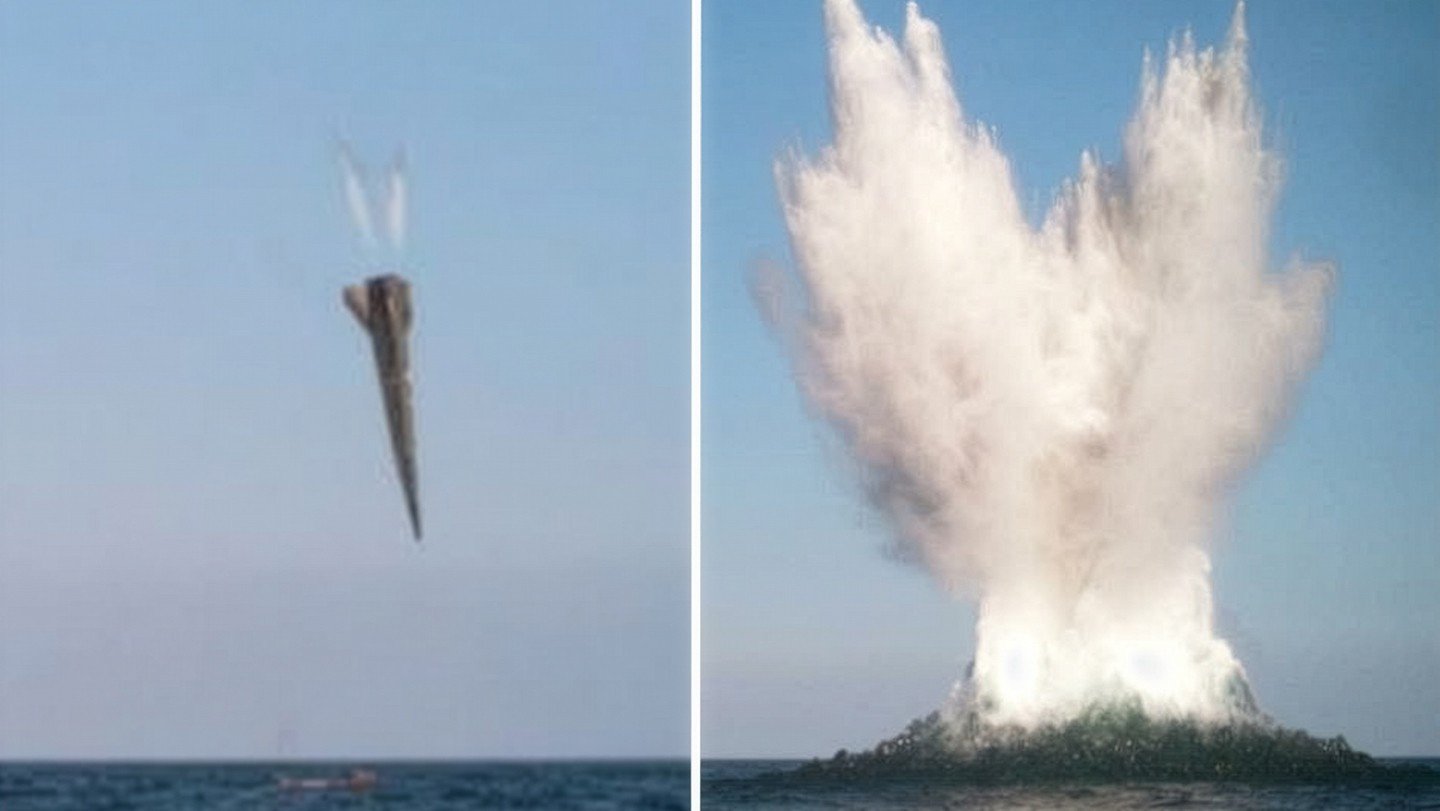
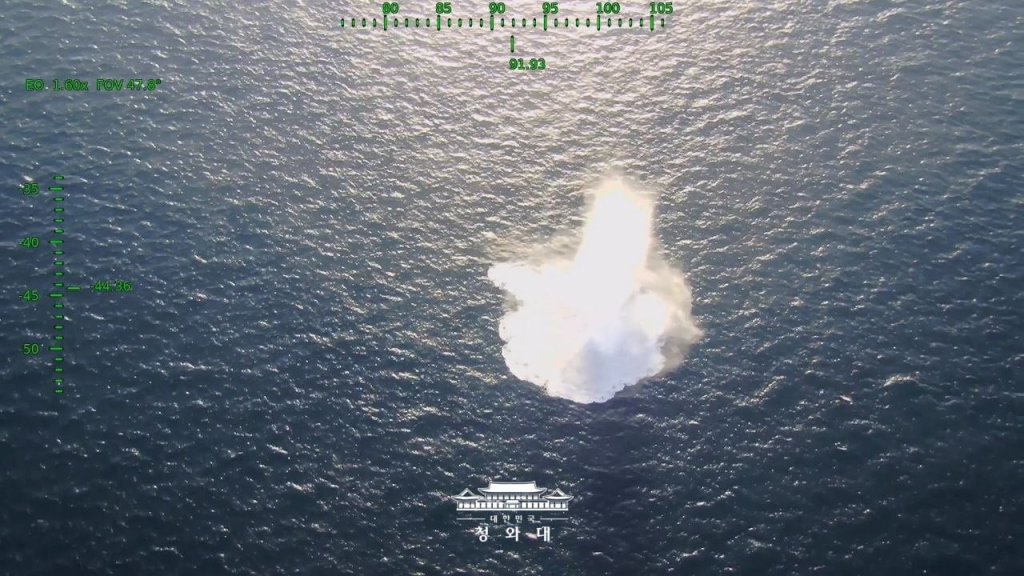
A trio of pictures showing South Korea’s new hypersonic boost-glide vehicle impacting the water during the test yesterday. The Blue House
Another view of the impact at the end of yesterday’s South Korea hypersonic test as seen through what looks to be an electro-optical video camera on an aircraft. The Blue House

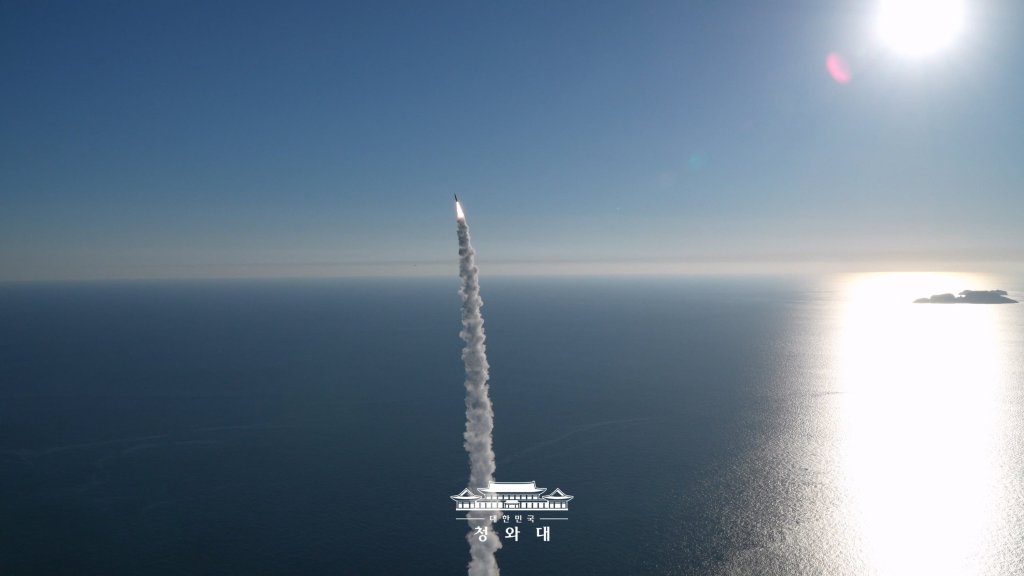
Included in the still image gallery are shots showing the launch of the missile, a formal name for which has not yet been disclosed, from a wheeled transport-erector-launcher on a platform sitting just off the coast. The low resolution of the pictures makes it hard to tell whether the missile and/or the TEL are of an existing South Korean design or are based on one. We will come back to this later on.

A picture showing the launch of the hypersonic weapon from the platform off the coast. The Blue House
Another picture from the test showing the missile after launch. The Blue House

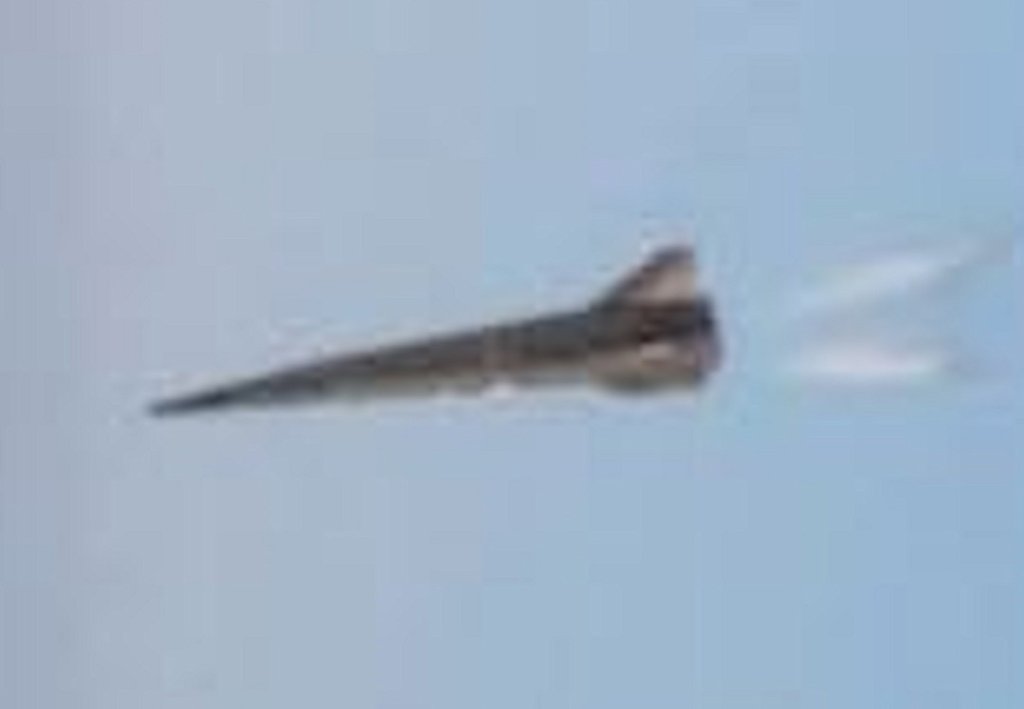
As mentioned, there are also pictures of the hypersonic boost-glide vehicle hitting the water. At first glance, the vehicle looks to have a broadly conical design with stabilizing fins at the base. However, at least one of the fins looks to be truncated. Closer inspection of the available images shows further indicators that might point to it actually having a more wedge-shaped design with a distinct top and bottom, though it is still not definitely clear given the low resolution. Conical boost-glide vehicles are generally understood to be easier to design, relatively speaking, than wedge-shaped ones. Historically, hypersonic boost-glide vehicles of any kind have proven to be technically complex and challenging to turn into viable operational weapons, even by countries with extensive past experience with their development.

Another close-up look at the hypersonic boost-glide vehicle test yesterday, showing what looks to be a truncated fin on one side. The Blue House

“This test launch was conducted to verify, for the first time, the vehicle’s core technologies in a hypersonic flight environment: the performance of ultra-high-temperature heat-resistant materials, guidance and control capabilities, and the ability to perform irregular flight maneuvers at low altitudes,” the Blue House said in its release yesterday, per a machine translation of the Korean text. “The HGV [hypersonic boost-glide vehicle] successfully separated after ascending to the target altitude and executed its planned flight path within the hypersonic environment without any issues.”

With all this in mind, the fact that the vehicle just remained intact through to impact is noteworthy. At the time of writing, South Korean authorities do not appear to have disclosed more specific details about the test, including how far the boost-glide vehicle traveled before hitting the water or what peak speed it reached. Important questions also remain about how the vehicle is guided during the mid-course and terminal phases of flight, challenges that do not appear to have been addressed by this particular test.

In general, unpowered hypersonic boost-glide vehicles need to be brought first to an optimal altitude and speed. This is typically achieved using a sufficiently sized rocket booster, with existing ballistic missile designs often serving as a starting point.

Once released from the booster, a boost-glide vehicle flies along a relatively shallow flight path within the Earth’s atmosphere. The vehicle is able to maneuver along the way, sometimes erratically, while traveling at hypersonic speeds, generally defined as anything about Mach 5.

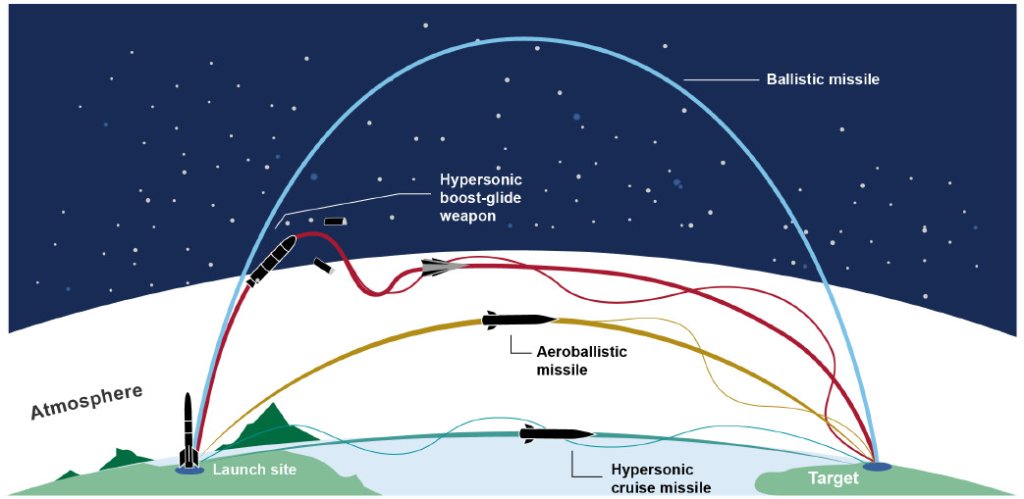
A graphic showing, in a very rudimentary way, the differences in trajectories between a traditional ballistic missile, a hypersonic boost-glide vehicle, an aero or quasi-ballistic missile, and an air-breathing hypersonic cruise missile. GAO

All of this sets hypersonic weapons of this kind apart from traditional ballistic missiles, even ones with advanced maneuverability capabilities, which all follow a broadly arcing trajectory to their targets. The combination of speed, flight trajectory, and maneuverability offered by hypersonic boost-glide vehicles creates distinct challenges for opponents. They are hard to spot and track, let alone attempt to intercept, and there is less time for defenders to react overall. This ability to penetrate enemy air defenses and cover ground rapidly makes these weapons particularly attractive for strikes on very high-value and time-sensitive targets.

“The HGV [hypersonic boost-glide vehicle] is a ‘key strategic asset capable of changing the game on the battlefield,’ as its unpredictable flight trajectory and overwhelming speed allow it to launch surprise strikes against key strategic targets during contingencies,” the Blue House’s release explicitly noted, again according to a machine translation.

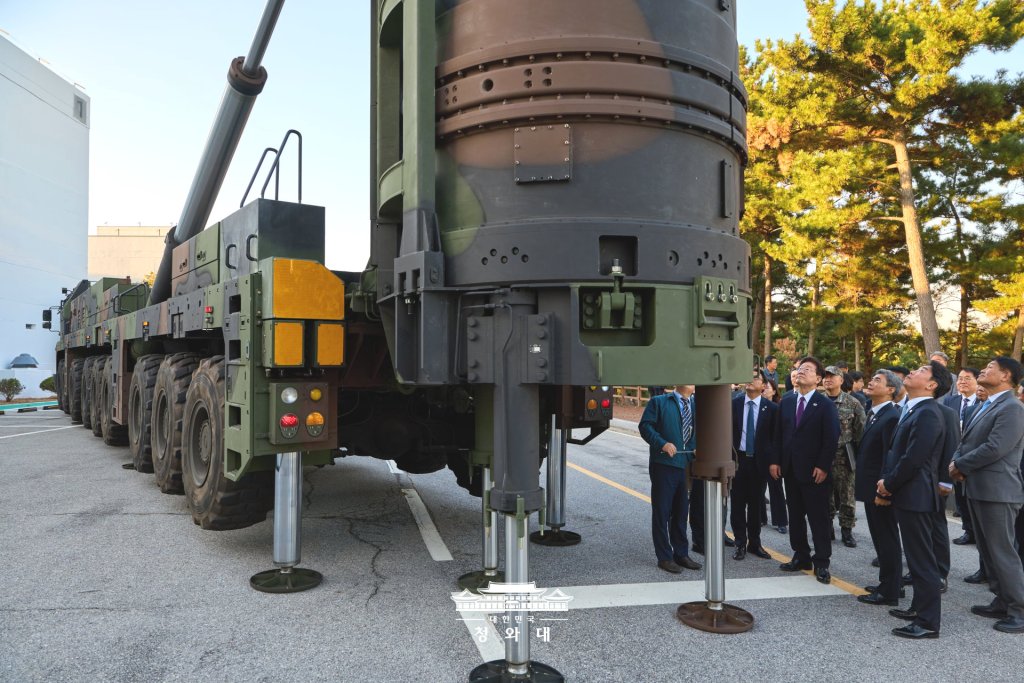
With all this in mind, South Korea does have an entire family of domestically-produced ground-launched ballistic missiles that could be suitable starting places for launching an unpowered hypersonic boost-glide vehicle. President Lee was notably shown a TEL for the country’s newest Hyunmoo-5 ballistic missile at Anheung yesterday, though no explicit connection has been drawn between that weapon and the hypersonic test. The Hyunmoo-5 is itself still a relatively new development, having only entered service around the end of last year.

President Lee Jae Myung and others inspect a Hyunmoo-5 TEL on October 8, 2026. The Blue House

When it comes to new South Korean arms developments, the Hyunmoo-5, which entered service around the end of last year, has been and continues to be a major point of discussion by itself. It is officially categorized as a short-range design, despite how big it is (35 tons gross weight), which is said to be due largely to the equally substantial size of its warhead (17,000 pounds). Past reports have raised the possibility that it could be capable of flying out to intermediate ranges if the warhead weight were reduced. Short-range ballistic missiles are defined as ones with ranges between 190 and 620 miles (300 and 1,000 kilometers), while intermediate-range ballistic missiles can hit targets out to between 1,864 and 3,418 miles (3,000 to 5,500 kilometers). Medium-range ballistic missiles (MRBM) fall in between these two categories.

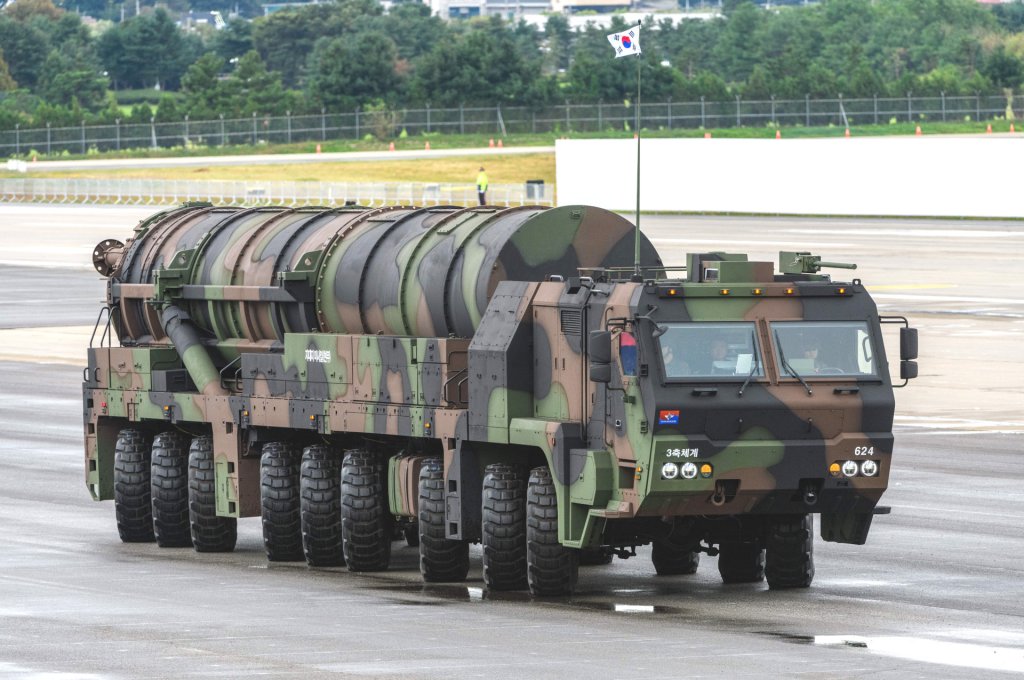
A Hyunmoo-5 transporter-erector-launcher seen during a parade in 2024. Kim Jae-Hwan/SOPA Images/LightRocket via Getty Images

With its massive unitary warhead, the Hyunmoo-5 already gives South Korea an important new way to hold deeply buried and otherwise hardened targets in North Korea at risk. This fits in directly with the country’s broader Korea Massive Punishment and Retaliation (KMPR) policy, as TWZ has previously written:

“While the Hyunmoo-5 has been widely reported as a future pillar of the KMPR, its specific ability to penetrate deeply buried bunkers, such as those used by the North Korean leadership, the same functions mean that it can also fulfill elements of the ‘kill chain.’ In this way, it could be used as part of a pre-emptive strike, to try and knock out North Korea’s launch capability by targeting its hardened command-and-control facilities and missile storage areas.”

By virtue of the very high speeds they reach in the terminal phase of flight, hypersonic boost-glide vehicles also offer bunker-busting benefits on top of the other aforementioned advantages they bring to the table.

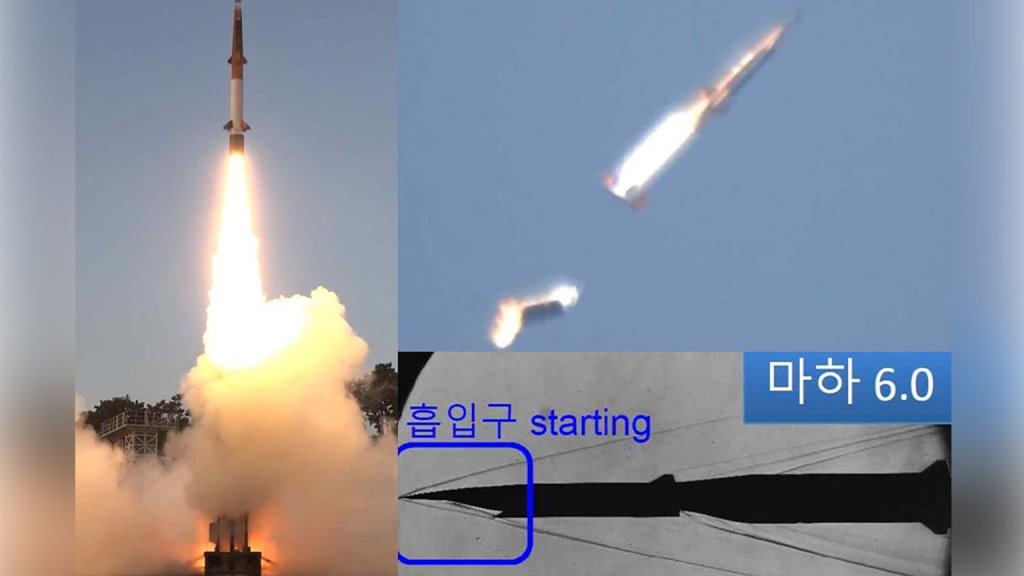
In addition, the hypersonic boost-glide vehicle test reflects a broader arms race that has been expanding in scale and scope for years now. South Korea is also developing an air-breathing hypersonic cruise missile, seen in the composite image below, as well as new air- and sea-launched ballistic missiles, the latter of which will be loaded on new surface warships and submarines.

via X

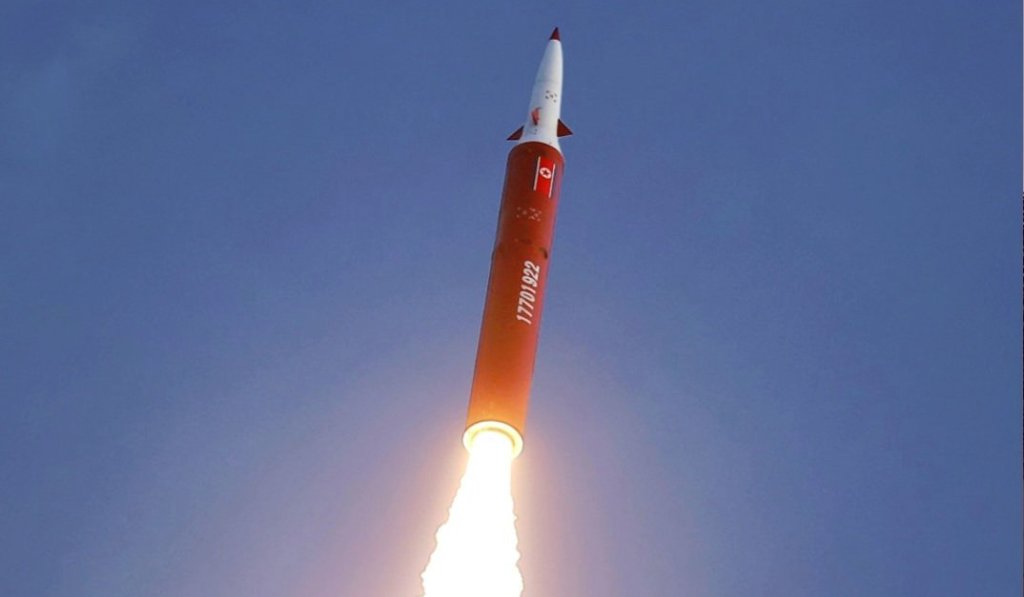
Though there are always questions about the actual maturity and viability of the designs, North Korea continues to churn out its own new missile developments. This includes two separate test launches of purported new hypersonic designs just in recent weeks. Tit-for-tat missile launches are not entirely uncommon on the peninsula, but there are limits to how quickly a test like the one South Korea conducted yesterday involving an emerging technology can reasonably be staged.

A picture of one of two new purported hypersonic missiles North Korea says it has tested in the past few weeks. North Korean State Media

Friction between the North and South has been at a particular high point, in general, following an incident on September 21, in which three South Korean troops were injured along the Demilitarized Zone (DMZ). South Korea’s Joint Chiefs of Staff (JCS), as well as the United Nations Command (UNC) on the Peninsula, have said a North Korean landmine placed in violation of the Armistice Agreement was to blame. South Korean authorities have demanded an apology and raised the prospect of some form of action in response, though President Lee has more recently sought to downplay the situation. The government in North Korea has denied the accusations and threatened an “immediate and powerful counteraction” should South Korea seek to retaliate.

An operational hypersonic boost-glide vehicle capability would also expand South Korea’s capacity to challenge opponents regionally beyond North Korea. Though the regime in Pyongyang represents the most proximate national security threat to the country, China and Russia have also been growing points of concern for South Korean authorities in recent years.

“We must secure our national security through our own strength,” President Lee said after yesterday’s hypersonic test, per the Blue House’s release. “The government must not rest on today’s success but must further advance the technology so that the hypersonic glide vehicle can establish itself as a robust strategic asset safeguarding our future security.”

South Korea’s President Lee Jae Myung, at center, and others applaud after yesterday’s test. The Blue House

South Korea’s very public test of its new hypersonic boost-glide vehicle underscores the country’s still-expanding efforts to broaden its options for striking even the best-defended targets in North Korea, as well as projecting power elsewhere regionally. At the same time, it remains to be seen when the South Koreans may field a real operational capability in this regard.

Contact the author: joe@twz.com

The post First Look At Hypersonic Boost-Glide Vehicle Just Tested By South Korea appeared first on TWZ.

  •  

Blackbeard Hypersonic Missile Shown Being Fired From Ground Launcher

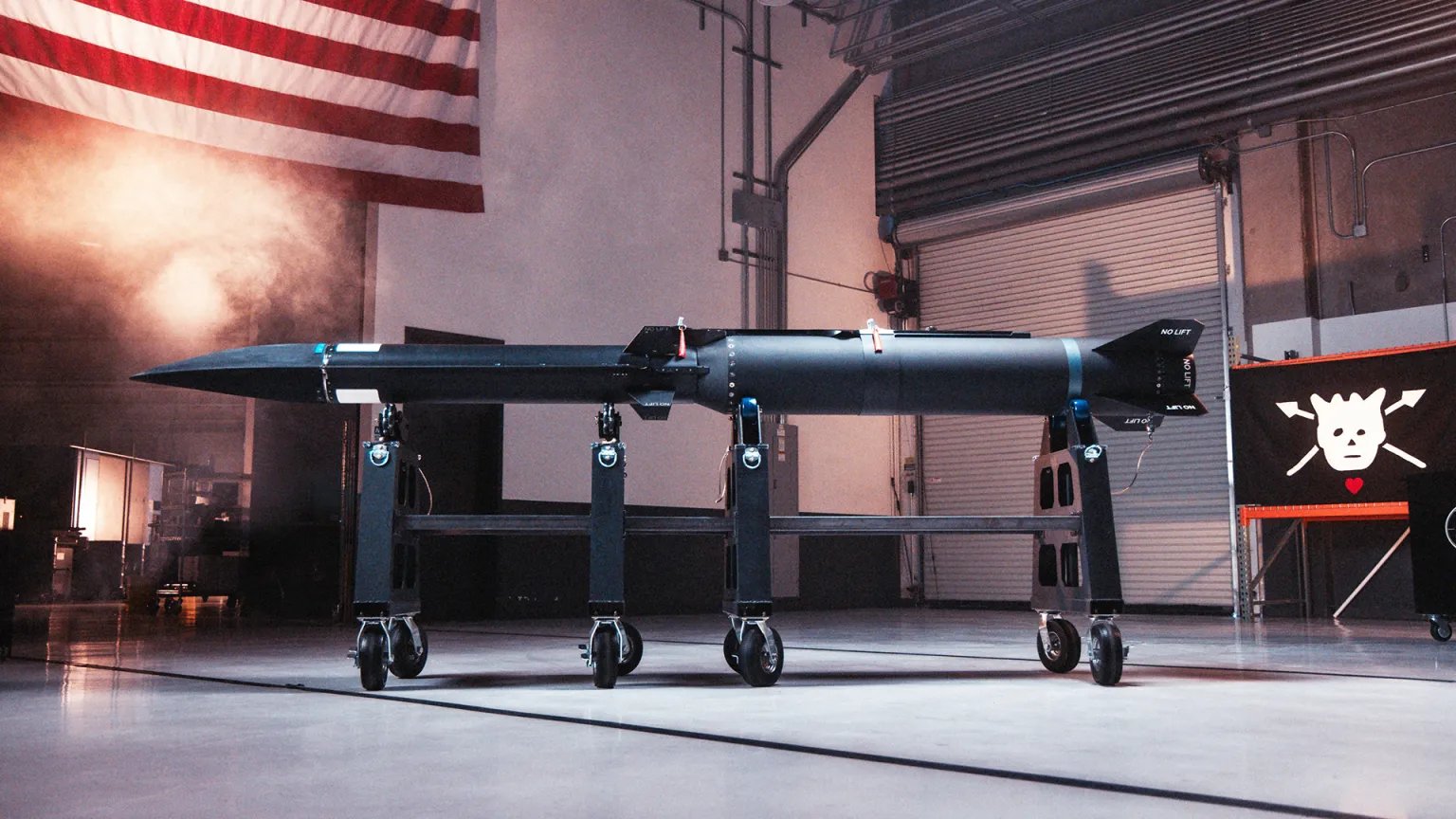
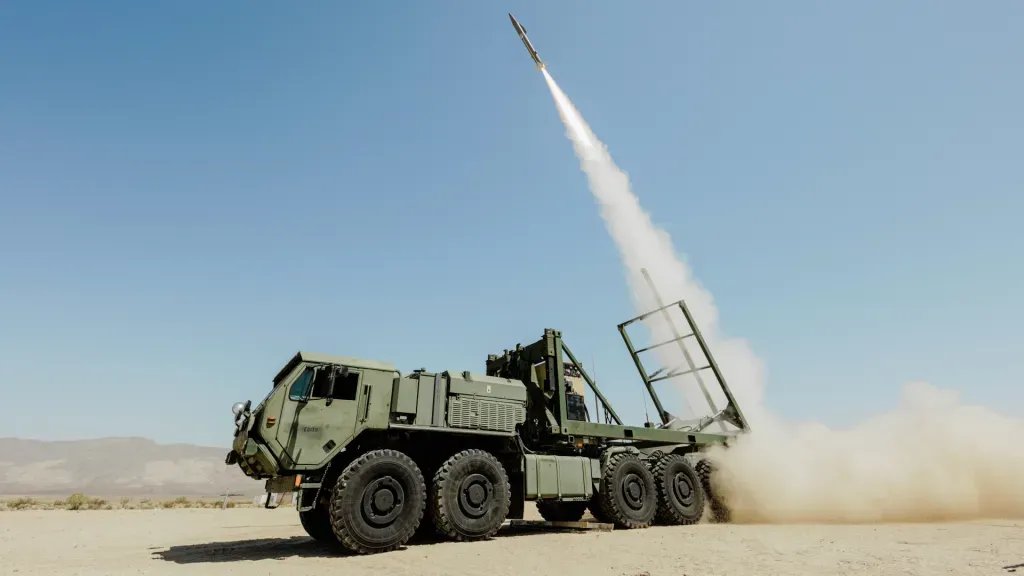
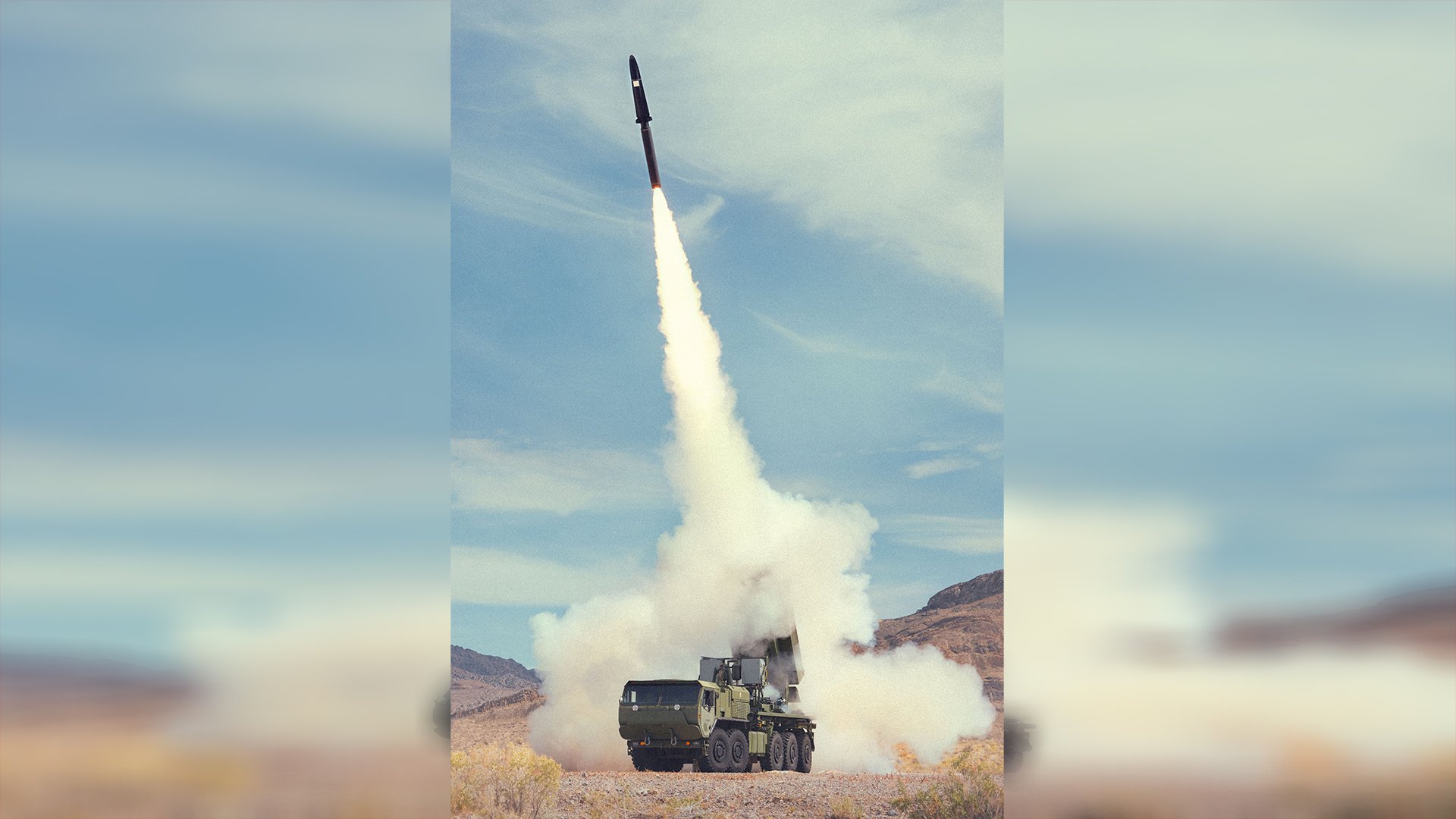
Castelion has released what appears to be the first image of its relatively ‘cheap’ Blackbeard hypersonic missile being fired from a ground launcher, providing a new look at the containerized launch architecture now under development for the U.S. Army.

The photograph, posted by Castelion on X, shows a Blackbeard missile leaving a launcher mounted on a high-mobility truck chassis. While the missile itself is by now a familiar sight, the new image offers a first public glimpse of how Castelion intends to package and operate the ground-launched version of Blackbeard, known as Blackbeard GL.

Container-compatible Blackbeard. Built to move with the fight. pic.twitter.com/OzWbiChCPQ

— Castelion (@Castelion) October 8, 2026

The Army’s previously disclosed plans for the program call for an initial Blackbeard ground-launch demonstration using a modified Multiple Launch Rocket System Family of Munitions, or MFOM, pod, followed by the development of Blackbeard GL prototypes and a dedicated launcher pod. Ultimately, the service intends to conduct an MVP flight test using the M142 High Mobility Artillery Rocket System’s (HIMARS) fire-control system.

Blackbeard for HIMARS. pic.twitter.com/uA9XgcGvsI

— Castelion (@Castelion) August 3, 2026

The Army’s Fiscal Year 2027 budget documentation indicates that this effort is moving toward increasingly representative hardware. Among the milestones listed for FY2027 is a live-fire launch of a “production representative” Blackbeard GL and launcher pod.

Castelion has already released extensive imagery of Blackbeard test vehicles, and the company formally unveiled the weapon’s current external configuration earlier this year. Those images showed a two-stage arrangement with a booster and an upper vehicle that has characteristics consistent with a hypersonic glide or maneuvering payload. Compared to the air-launched version, seen below, the ground-launch model lacks the cruciform tailfins at the rear of the lower stage, but otherwise appears similar.

The first official photo of the Blackbeard missile. Castelion

The precise propulsion system and flight profile of the production weapon remain undisclosed. Little is known about its performance parameters, either. Castelion has previously hinted that the missile could strike targets at ranges of just under 500 miles, although its range would likely be reduced when launched from the ground, without the altitude and speed provided by an aircraft launch platform.

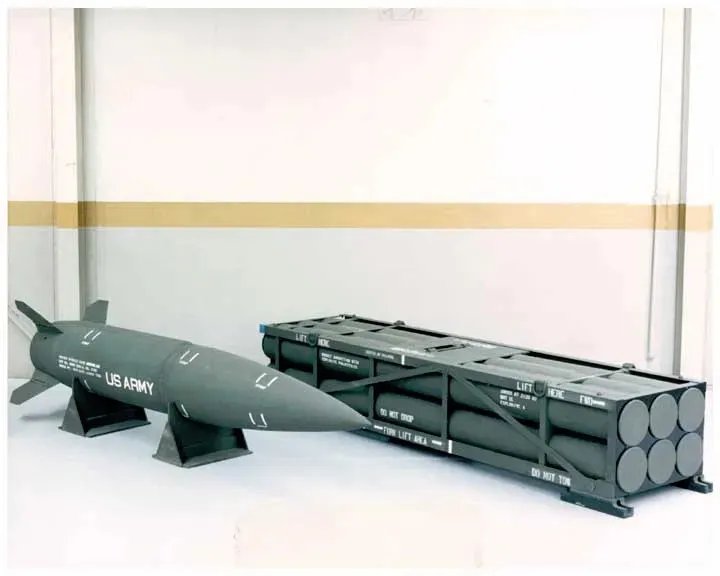
The launcher appears to use a relatively compact enclosed container, consistent with the Army’s stated interest in leveraging the existing MFOM ecosystem and, eventually, HIMARS. The photograph doesn’t establish how many Blackbeards could be carried by a single launcher, although, based on the dimensions, at least two and perhaps as many as four missiles appears a feasible load.

A mock-up of an ATACMS missile next to one of a standardized MFOM. U.S. Army

Exactly how closely the pictured launcher corresponds to the eventual production Blackbeard GL pod is also not yet clear. Castelion has previously stressed that its test hardware is deliberately designed to support rapid development cycles and should not necessarily be interpreted as representative of the final weapon system.

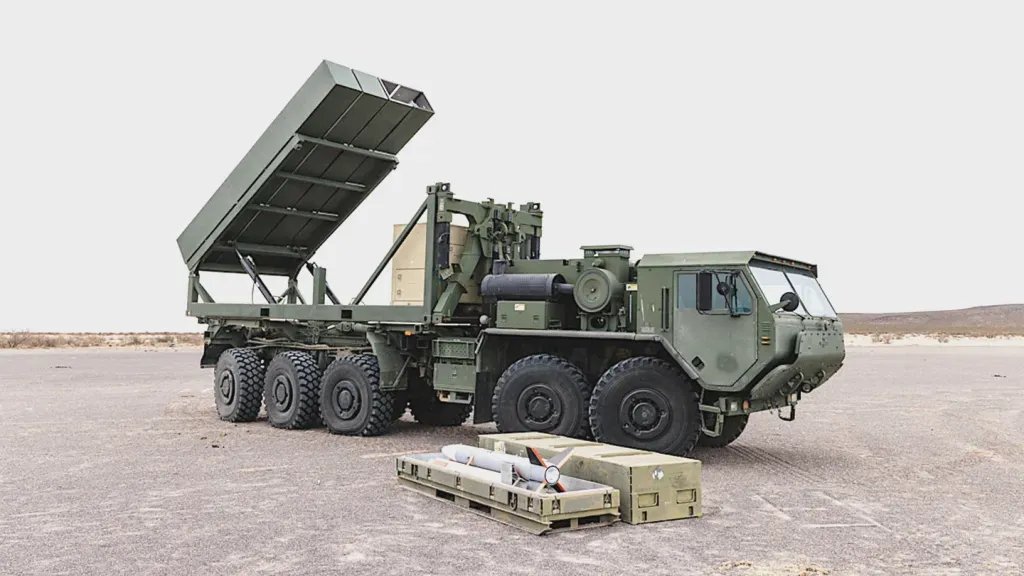
Castelion had previously shown Blackbeard-related test articles alongside palletized launch equipment, including launch hardware mounted on an Oshkosh MKR18 Logistics Vehicle System Replacement truck. The company has also said it was converting such a vehicle into a launcher for flight testing. That appears to be the vehicle shown in the new image, too.

A test article that Castelion has used in previous testing related to Blackbeard in front of a palletized launcher loaded on a truck. Castelion Corporation

The Army’s interest in Blackbeard GL is rooted in cost as much as performance.

The service has described the weapon as an affordable, mass-produced hypersonic precision-fire capability intended to engage time-sensitive moving and hardened targets. The stated objective has been to obtain roughly 80 percent of the capability of the Army’s planned Precision Strike Missile (PrSM) Increment 4 while achieving a substantially lower cost per round.

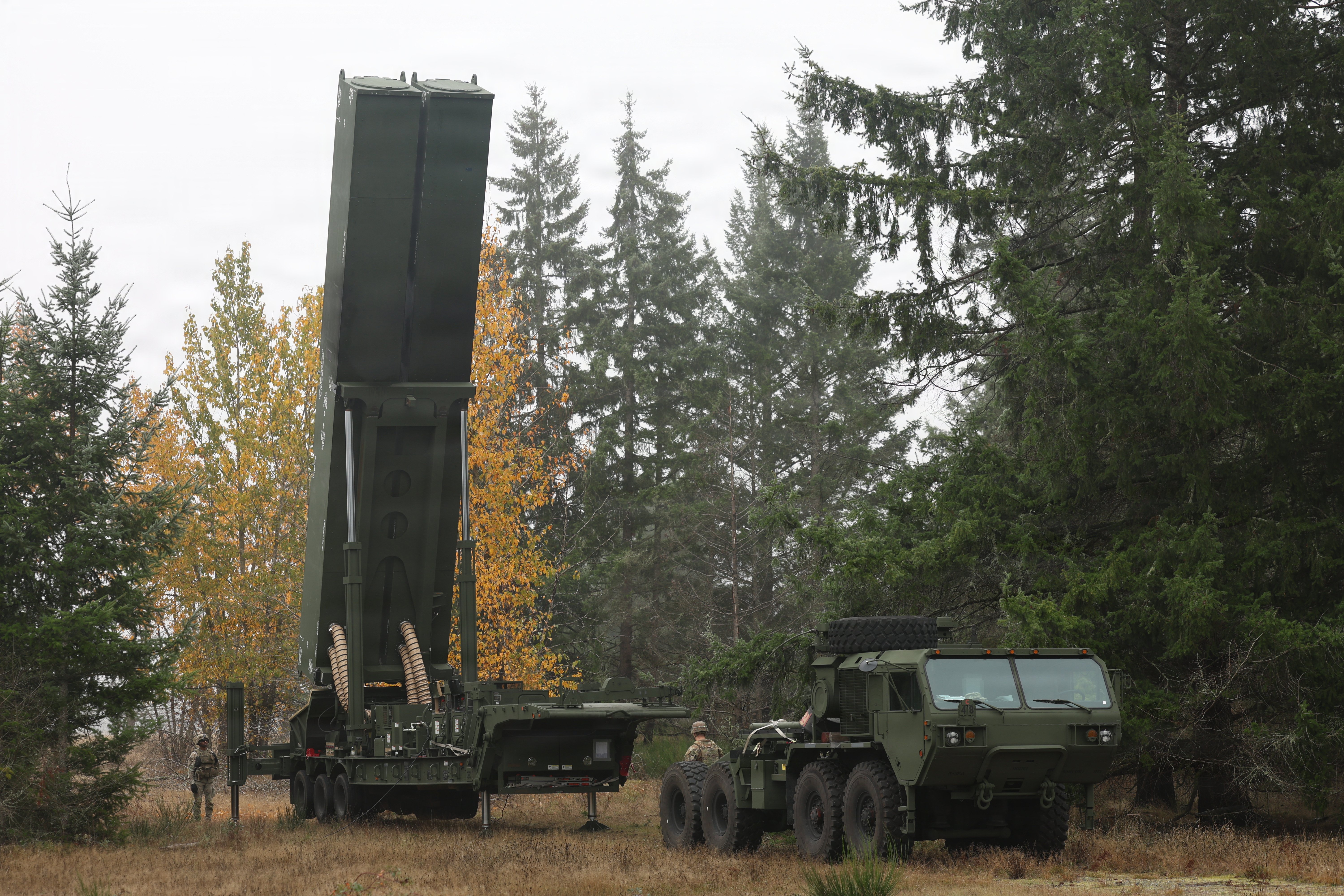
Existing U.S. hypersonic weapons such as the Army’s Dark Eagle Long Range Hypersonic Weapon use large, highly specialized launch equipment. Blackbeard is instead being developed around the idea that a hypersonic weapon can be sufficiently compact, inexpensive, and manufacturable to be treated more like a conventional tactical munition.

The U.S. Army’s Dark Eagle Long-Range Hypersonic Weapon assigned to Bravo Battery, 5th Battalion, 3rd Field Artillery (Long Range Fires Battalion), 1st Multi-Domain Task Force, participates in the Navy-led exercise Resolute Hunter 26-1 on Joint Base Lewis-McChord, Wash., Nov. 19, 2025. Resolute Hunter 26-1 is the Department of War's only dedicated Battle Management, Command and Control, Intelligence, Surveillance, and Reconnaissance (BMC2ISR) exercise. (U.S. Army photo by Staff Sgt. Brandon Rickert)
The U.S. Army’s Dark Eagle Long Range Hypersonic Weapon assigned to Bravo Battery, 5th Battalion, 3rd Field Artillery (Long Range Fires Battalion), 1st Multi-Domain Task Force, participates in an exercise on Joint Base Lewis-McChord, Washington. U.S. Army photo by Staff Sgt. Brandon Rickert Staff Sgt. Brandon Rickert

A containerized launcher compatible with an existing mobile fires ecosystem would reinforce that concept. It could allow the Army to introduce a new hypersonic effect without creating an entirely separate launcher, crew, transport, and reload architecture.

The ground-launched version is only one part of Castelion’s broader Blackbeard effort.

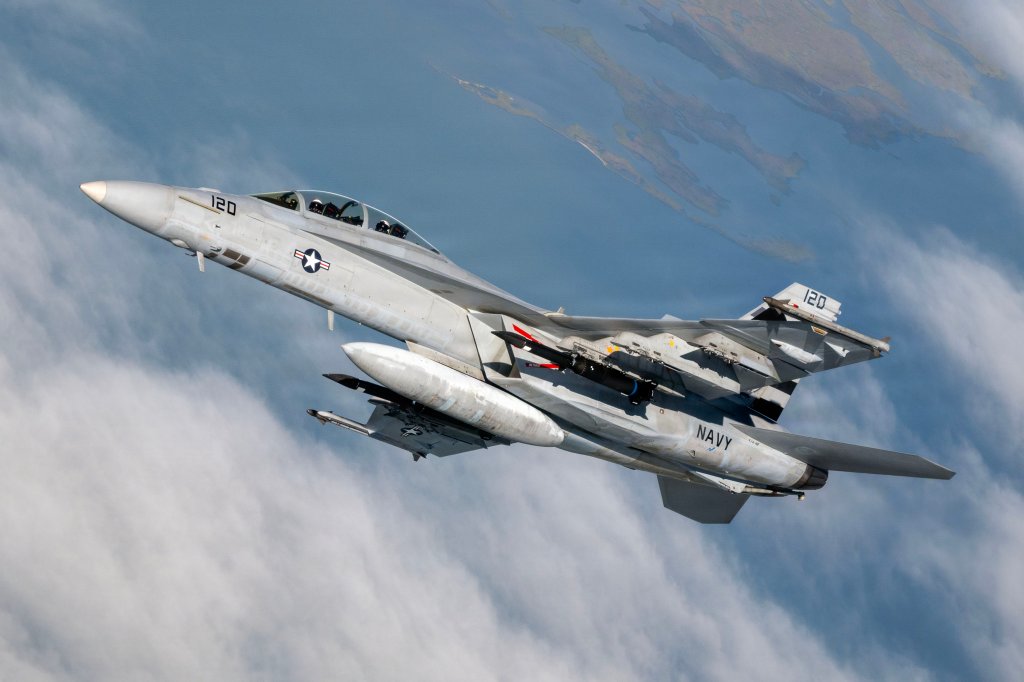
The company is also working with the Navy to integrate the weapon onto the F/A-18E/F Super Hornet. In April, Castelion received a $105 million Navy contract supporting integration and the transition toward an early operational capability, while a subsequent $23.4 million order covered 50 early-operational-capability pre-production missiles and associated storage and shipping containers.

A pair of Blackbeard hypersonic missiles mounted on a Super Hornet during a developmental test flight on September 18. The test was another step in the program's progression to Early Operational Capability (EOC).
A pair of Blackbeard hypersonic missiles mounted on a Super Hornet during a developmental test flight on September 18, 2026. Edited photo from PAE(A) U.S. Defense Media Activity/Edited photo from PAE(A)

The Navy has since moved into additional procurement, underscoring Castelion’s effort to establish Blackbeard as a weapon that can be produced in the quantities required. Blackbeard could also find its way onto Navy ships and submarines, as well as ground-based launchers, as we have discussed in the past.

As for the Army, the next major milestone will be the planned production-representative Blackbeard GL and launcher-pod live-fire testing.

An earlier Blackbeard-related test launch. Castelion

“Once Castelion achieves testing and validation, the Department will award a two-year multi-year procurement contract for a minimum of 500 Blackbeard missiles annually, with options to extend for up to five years,” the Pentagon announced in May of this year. “To further encourage Castelion’s self-funded facility expansion, the Department is actively seeking the necessary authorizations and appropriations to purchase over 12,000 Blackbeard missiles over five years.”

This reflects a broader and accelerating U.S. military push for lower-cost precision weapons that can be manufactured relatively simply and at scale, increasingly with help from non-traditional defense contractors. The goal is to build large stockpiles affordably before a major contingency, particularly a potential large-scale conflict with China in the Pacific, while ensuring production can keep pace with demand during a prolonged war.

For now, Castelion has demonstrated what the Army’s Blackbeard launch system actually looks like when it fires, at least in its initial form.

Contact the author: thomas@thewarzone.com

The post Blackbeard Hypersonic Missile Shown Being Fired From Ground Launcher appeared first on TWZ.

  •  

Sword From the Age of Ramesses II Pulled From an Italian Volcanic Lake Still Has a Sharp Edge

A bronze sword that spent more than three thousand years underwater has come out of an Italian lake with its edge still sharp. Underwater archaeologists from the Soprintendenza of Viterbo (the state body that protects archaeological heritage in each Italian province) recovered it from Lake Mezzano, a small volcanic lake in Lazio, the region around […]

  •  

North Korea Tests New Hwasong-11Ma Hypersonic Missile

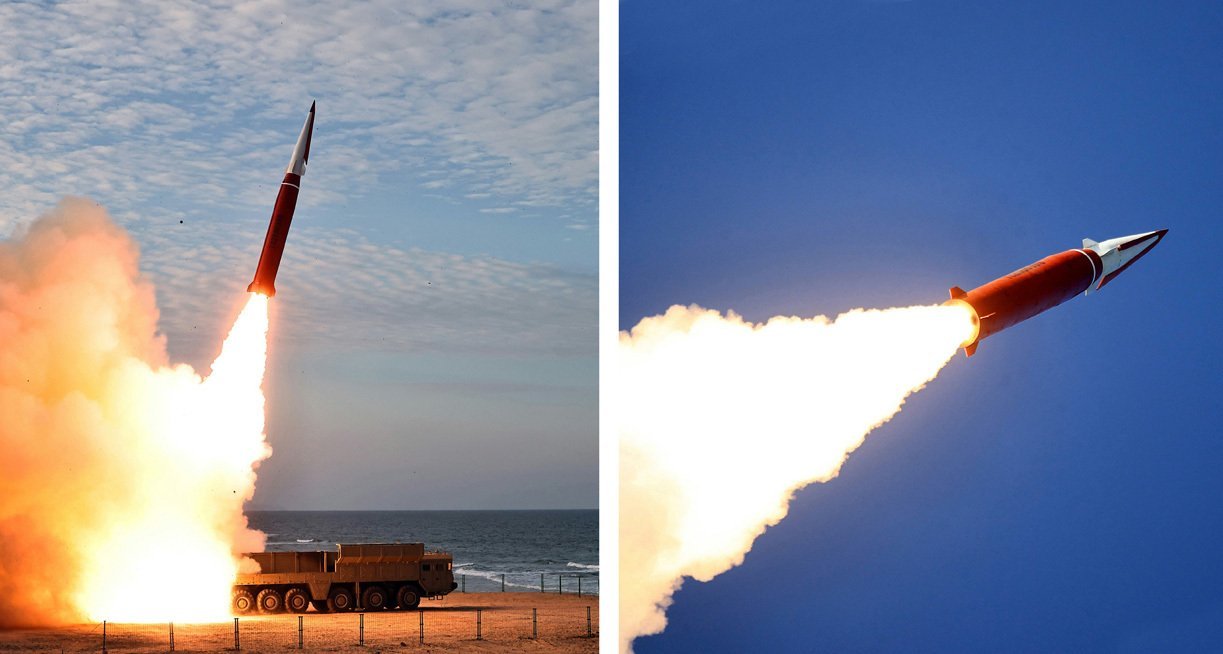
North Korea has released imagery of what appears to be a flight test of an updated version of its Hwasong-11Ma hypersonic missile, nearly a year after the weapon first appeared publicly at a military technology exhibition in Pyongyang.

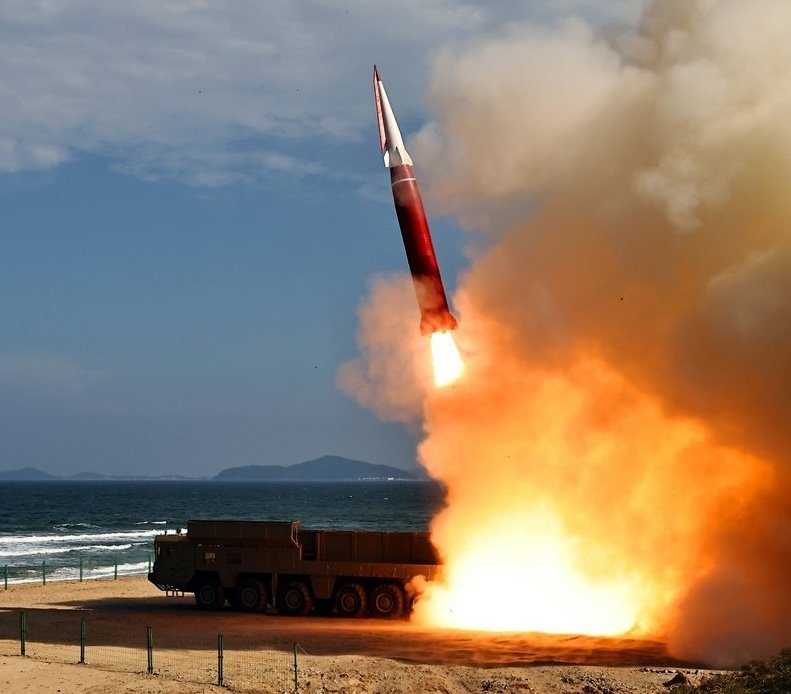
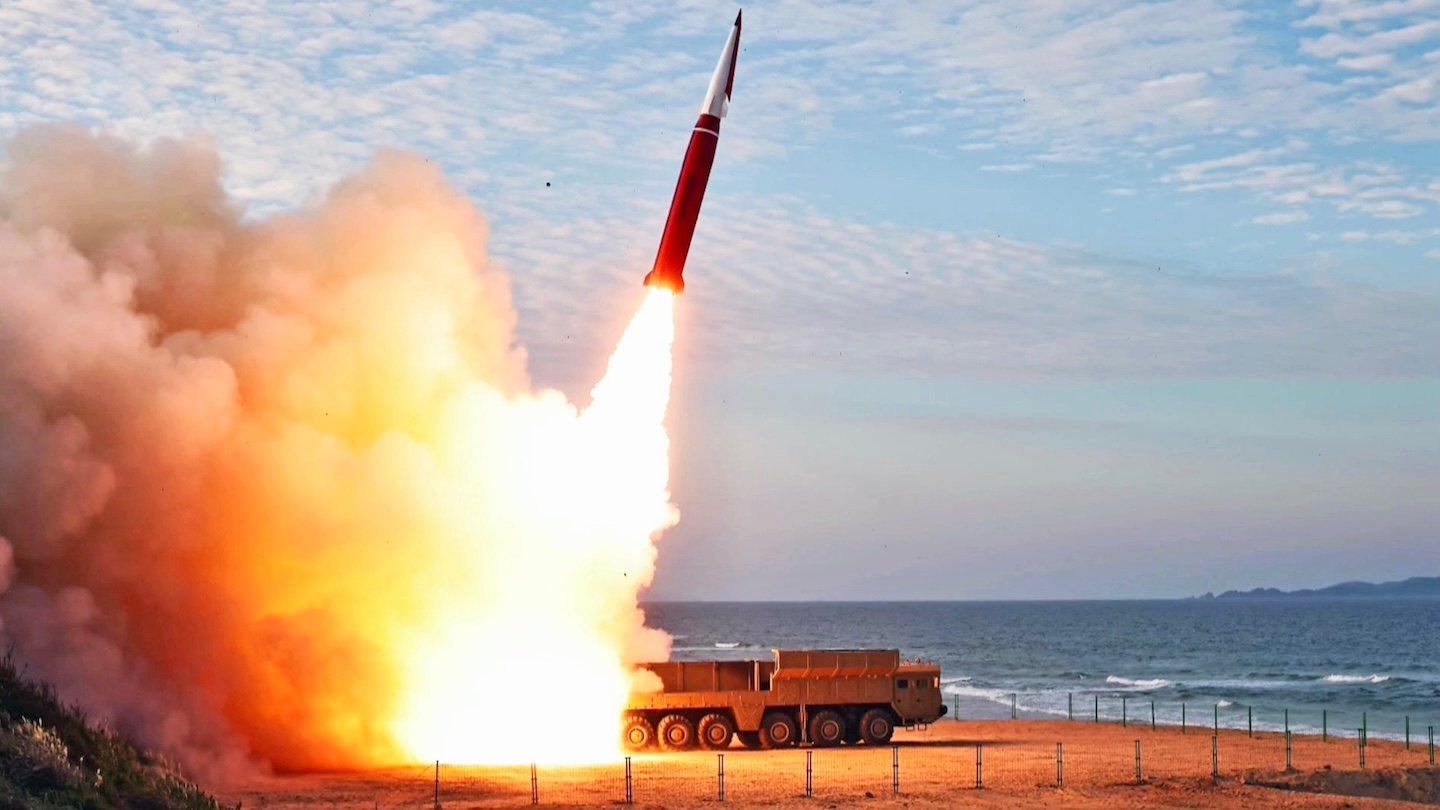
Launch of a Hwasong-11Ma-1 missile from the test facility in Anbyon County, south of Wonsan. North Korean State Media

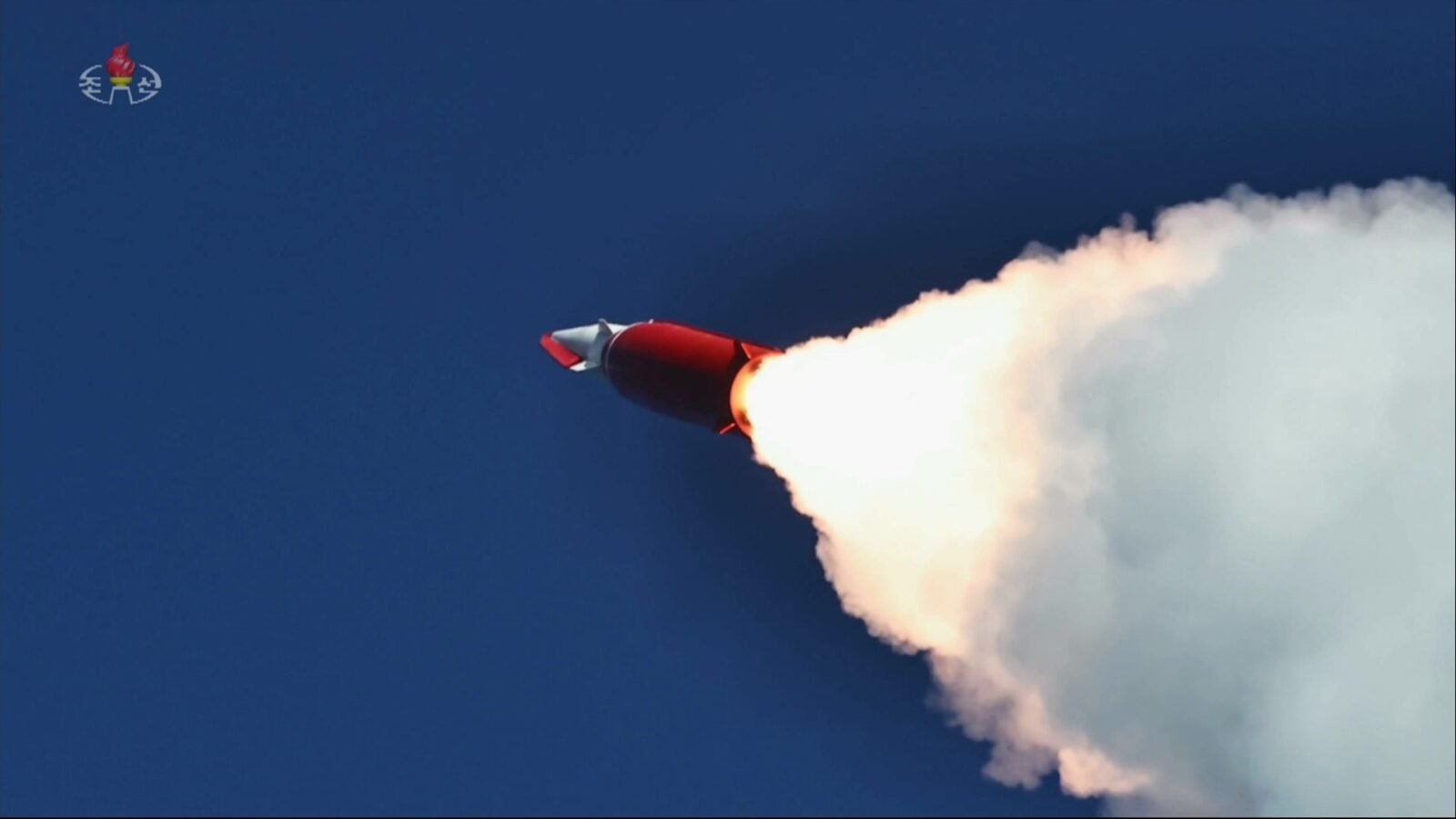
The September 20 test involved a short-range ballistic missile (SRBM) booster fitted with a hypersonic glide vehicle, according to photographs released by North Korean state media. A display screen visible in the imagery identifies the weapon as the Hwasongpho-11Ma-1, or Hwasong-11E-1 in the equivalent English-language designation.

The test was conducted from the east coast near Anbyon County, south of Wonsan, an area North Korea has repeatedly used for missile testing. The launch site allows missiles to be fired eastward over the Sea of Japan, providing a relatively controlled area for testing short- and medium-range systems.

Another two views of the launch of the Hwasong-11Ma-1 missile. North Korean State Media

South Korean and Japanese authorities say they detected two launches on September 20, with the first occurring at approximately 3:00 p.m. local time and the second several hours later.

North Korean photographs show the missile being launched from a coastal location, with Kim Jong Un and senior missile officials observing the test. Kim’s daughter, Kim Ju Ae, also appears in the imagery.

Kim Jong Un and Kim Ju Ae monitor the progress of the Hwasong-11Ma-1 test. North Korean State Media

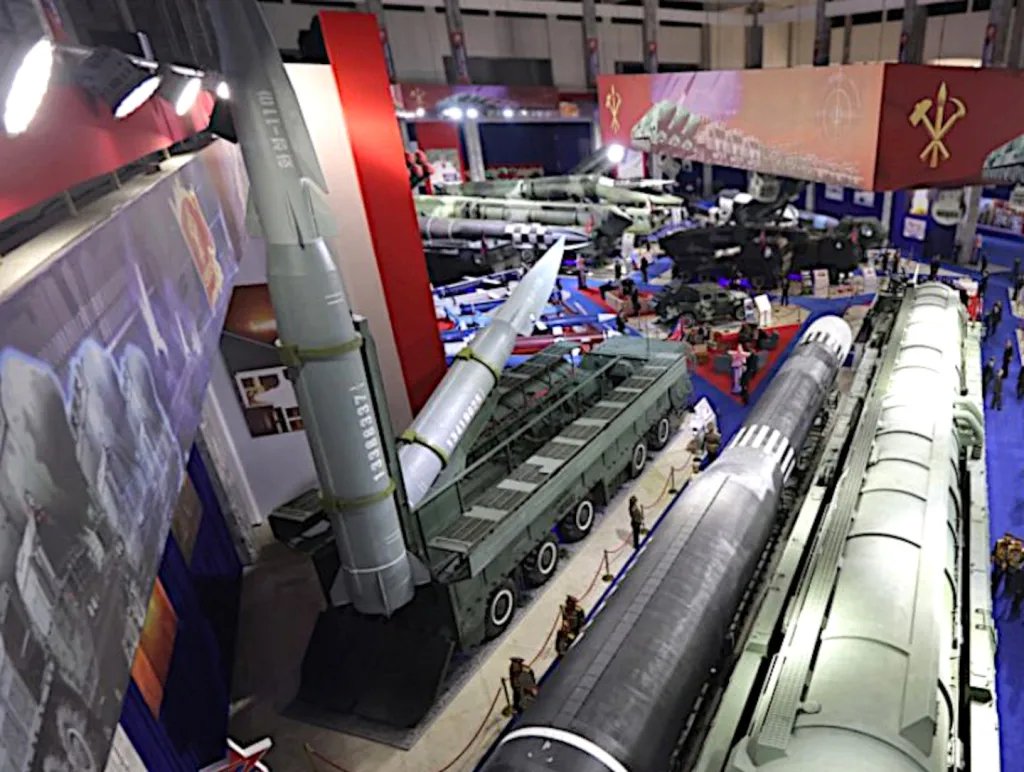
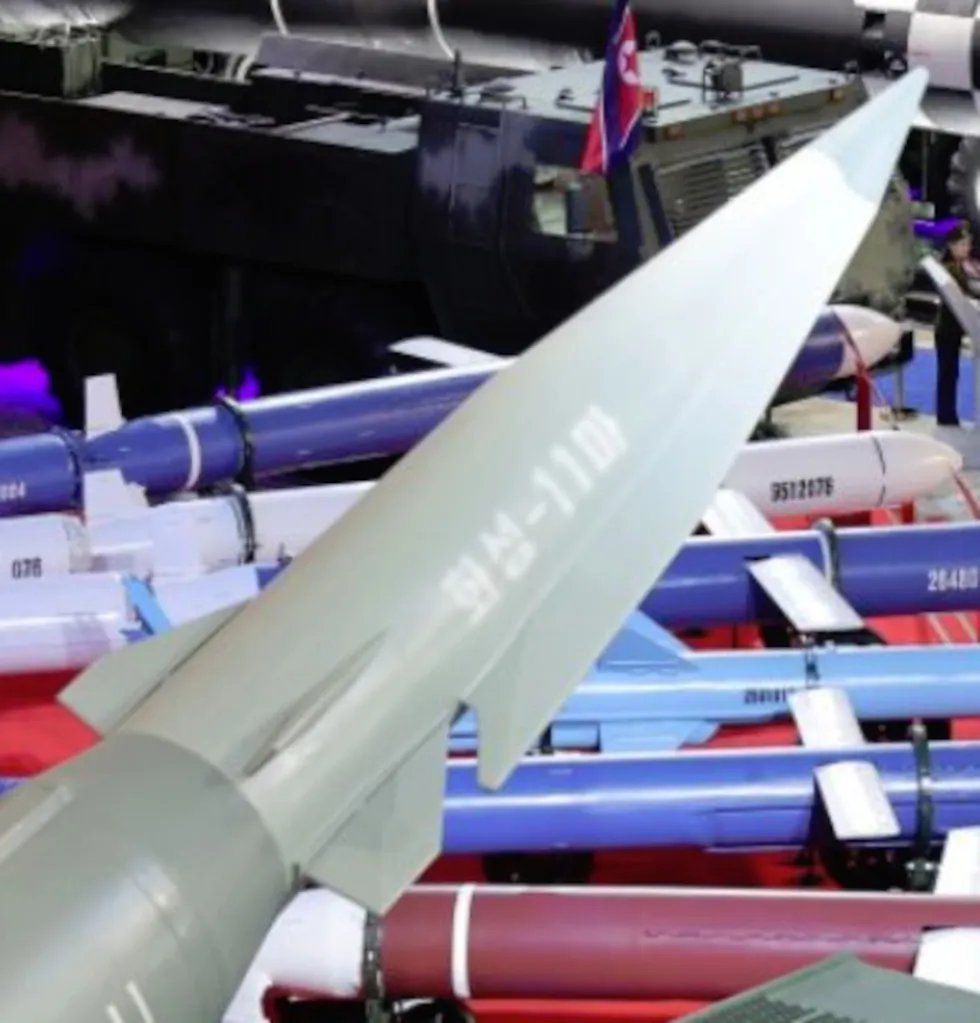
North Korea displayed a mock-up of what it called the Hwasong-11Ma at its Defense Development-2025 exhibition in October 2025. The design uses the basic architecture of the Hwasong-11 family, known in the West as the KN-23 family, but substitutes a distinctive glide wedge-shaped vehicle for the conventional warhead arrangement.

The Hwasong-11Ma, among other weapons, on display at the weapons exhibition in Pyongyang in October 202. North Korean State Media

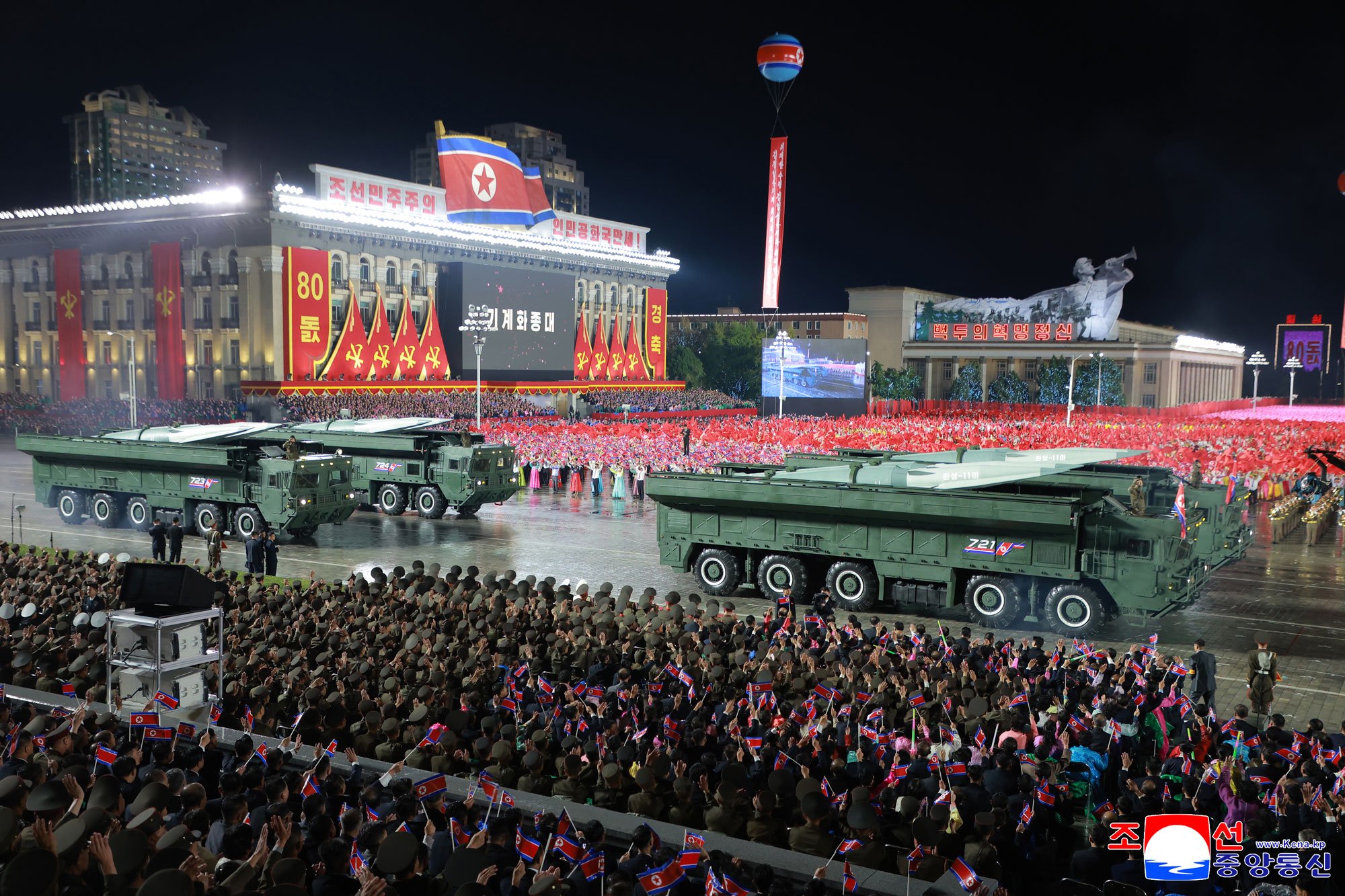
North Korea claimed another hypersonic missile test that same month, but did not release launch imagery clearly connecting that test to the Hwasong-11Ma. The missile was subsequently shown again during a military parade in Pyongyang.

Hwasong-11Ma missiles on five-axle TELs at last October’s military parade in Pyongyang. North Korean State Media

The latest “-1” designation suggests an iterative evolution of the Hwasong-11Ma, although Pyongyang has not explained what modifications it represents.

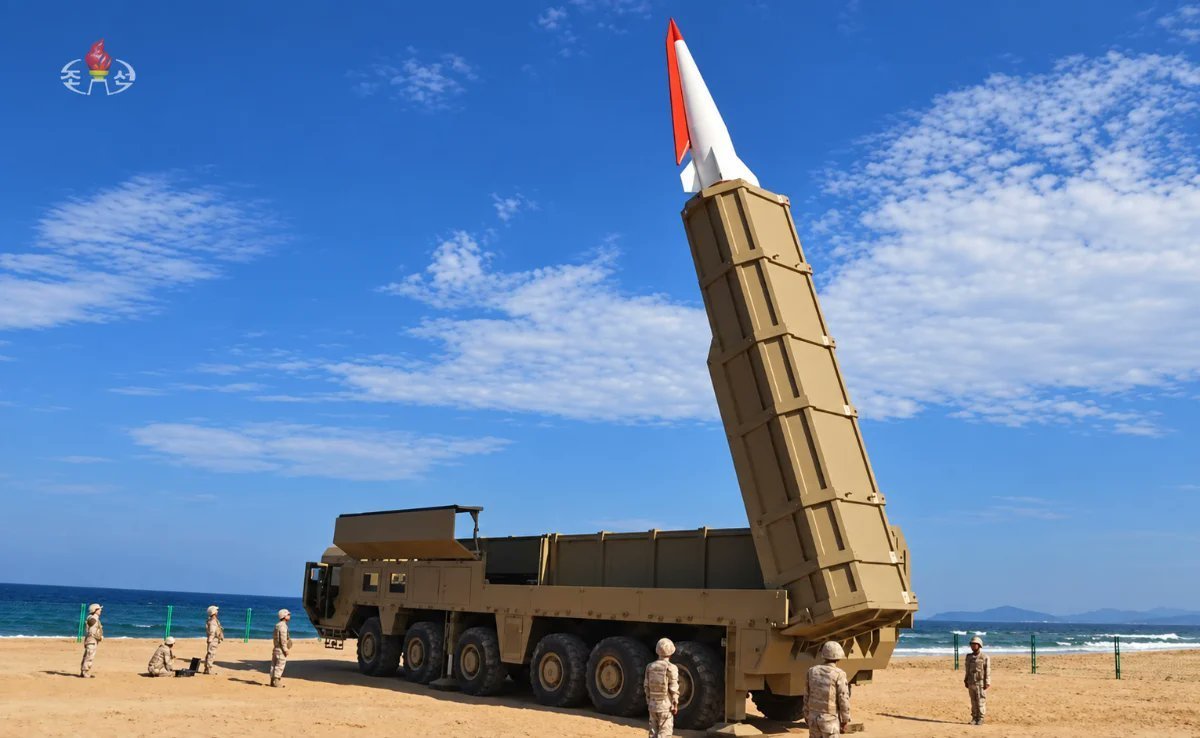
Based on the imagery, the new configuration also includes a modified launcher, with the missile carried on a six-axle transporter-erector-launcher (TEL). When the Hwasong-11Ma was first shown, it was mounted on a five-axle TEL. The latest vehicle also appears to incorporate modified retractable covers around the missile.

It remains unclear whether the new TEL represents a standardized operational vehicle or a test configuration.

Preliminary illustration of the new launch vehicle for North Korea's hypersonic missiles. pic.twitter.com/dZ31LA1cbn

— Tal Inbar (@inbarspace) September 22, 2026

As with previous North Korean weapons announcements, the country’s state media claims need to be treated very cautiously. Pyongyang has a long record of publicizing weapons systems and test results that cannot be independently verified, while some of its purported hypersonic tests have left outside analysts unable to determine whether the advertised maneuvering performance was actually demonstrated.

Perhaps the most revealing test-related imagery comes from a display screen photographed at the launch site.

Kim Jong Un and his daughter can be seen watching the screen, which shows the apparent flight trajectory of the Hwasong-11Ma-1. The displayed path initially follows a ballistic trajectory before descending and then performing a pull-up maneuver, regaining altitude before continuing toward the target area.

That type of trajectory is consistent with the basic concept behind a hypersonic glide vehicle. The booster provides the initial velocity and altitude, after which the unpowered glide body follows a relatively shallow, atmospheric flight path at hypersonic speeds, while maneuvering rather than following a simple ballistic path.

The graphic is useful for understanding what Pyongyang says the weapon is designed to do, but it does not independently demonstrate that the missile actually followed the depicted trajectory.

The flight data visible on the display provides some unusually specific figures.

Enhancing the original image released by North Korea allows for an excellent view of the HS-11Ma hypersonic glide missile trajectory, providing altitude and speed data. Note: Slight inaccuracies in the numbers may occur due to the use of AI tools. pic.twitter.com/M4LkfF5VYu

— Tal Inbar (@inbarspace) September 22, 2026

According to the North Korean imagery, the missile traveled 908.2 kilometers (564.3 miles), reached an altitude of 35.8 kilometers (22.2 miles), and remained in flight for approximately 445 seconds, or 7.4 minutes.

The display gives a velocity of 2,146 meters per second, equivalent to roughly 4,800 mph. That is hypersonic velocity in the aerodynamic sense, but speed alone is not what makes a hypersonic glide weapon particularly challenging to defend against. More consequential parameters include sustained controlled flight, maneuverability, guidance, and accuracy.

Other portions of the display appear to show additional points along the flight, including different times, altitudes, and speeds. None of these figures have been independently verified.

The TEL raises one of its two Hwasong-11Ma-1 missiles into the launch position. North Korean State Media

The claimed range is particularly noteworthy because it does not match the publicly reported tracking data from South Korea and Japan.

South Korea’s Joint Chiefs of Staff said North Korea launched two SRBMs from the Wonsan area on September 20. The missiles were assessed to have traveled approximately 450 and 600 kilometers, respectively.

Japan similarly reported two launches, assessing the first at approximately 440 kilometers and the second at approximately 590 kilometers, with maximum altitudes of roughly 60 and 70 kilometers.

Those figures are substantially different from the 908.2-kilometer distance shown on North Korea’s display.

The Hwasong-11Ma-1 climbs after launch. North Korean State Media

The discrepancy does not necessarily establish that either side’s data are incorrect. The North Korean figure could represent a different measurement of the flight path, or could correspond to a portion of the test that was not reflected in the public South Korean and Japanese assessments. It is also possible, if not highly probable, that Pyongyang selectively presented or altered the data.

South Korean analysts have already raised questions about the unusually long distance displayed by North Korea. Yonhap reported that experts suggested Pyongyang may have altered the figure to portray the test as more successful.

Regardless of the range actually achieved in this test, the Hwasong-11Ma/Ma-1 is significant because it represents an attempt to combine a relatively compact SRBM with a maneuvering hypersonic glide vehicle.

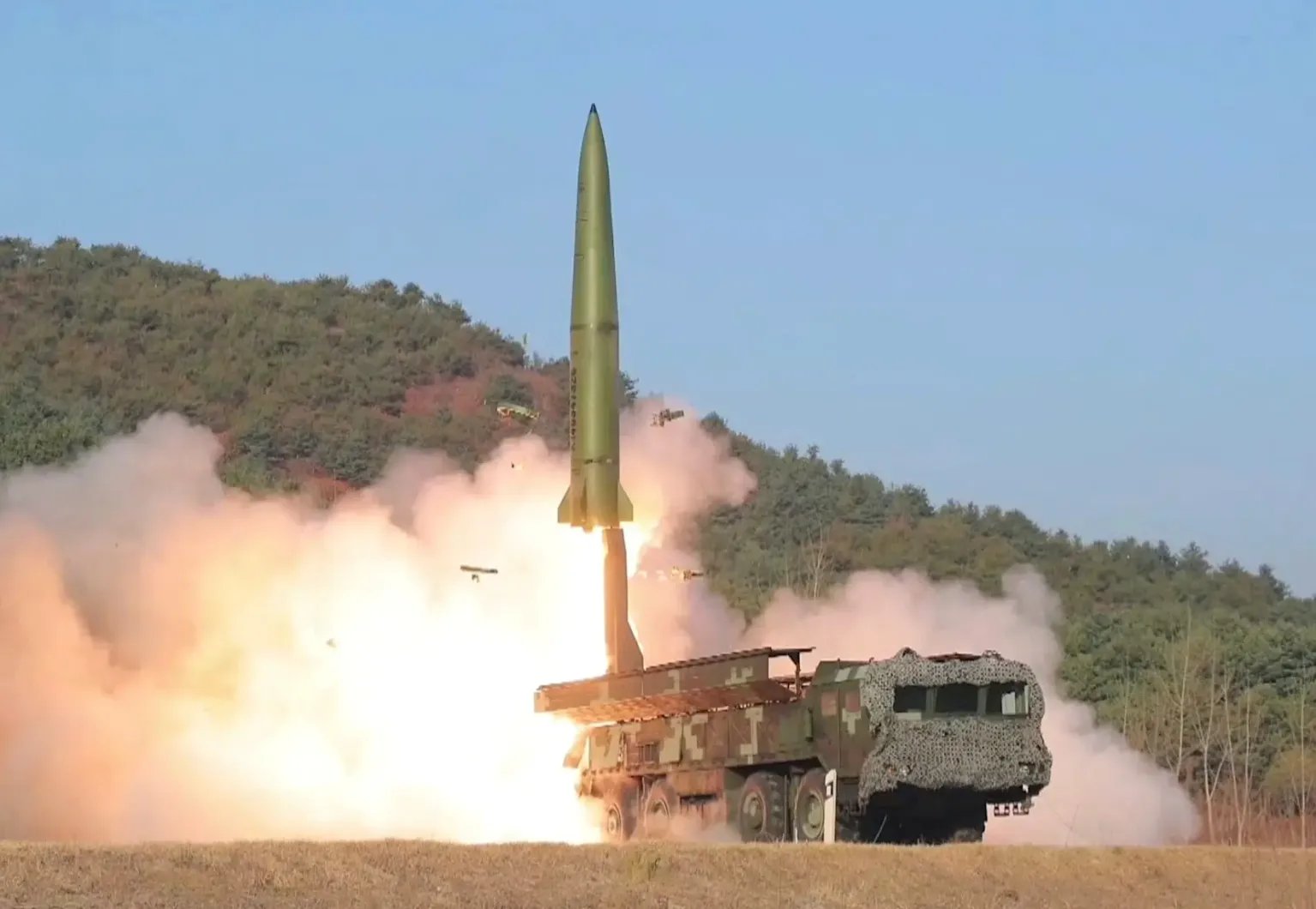
The underlying Hwasong-11 family is a well-established North Korean missile design. In its KN-23 configuration, members of the family have also been used by Russia against Ukraine. By placing a glide vehicle on this type of booster, Pyongyang could potentially give a regional strike weapon a flight profile substantially different from that of a conventional ballistic missile. The Hwasong-11Ma/Ma-1 also uses a solid-fuel booster, allowing for faster launches than earlier liquid-fuel designs.

The original North Korean Hwasong-11 short-range ballistic missile. North Korean State Media

In principle, the Hwasong-11Ma/Ma-1 could give North Korea an additional hypersonic strike option against more heavily defended targets in South Korea. Having road-mobile TELs would also provide greater operational flexibility despite their relatively limited range, while making it more difficult for adversaries to locate and track the launchers.

A genuine boost-glide weapon creates significant challenges for defending forces since the sheer speed of the weapon bypasses most air defenses. Its trajectory can also become less predictable after the boost phase. Maneuvering at lower altitudes could also reduce the time available to detect, track, and engage the weapon.

A close-up look at the Hwasong-11Ma’s boost-glide-vehicle. North Korean State Media

However, the available imagery does not establish the extent of the vehicle’s maneuverability, its ability to maintain controlled flight, its accuracy, or the reliability of the complete missile system.

North Korea has made similar claims about its hypersonic weapons in the past.

Pyongyang says it has flight-tested multiple hypersonic boost-glide vehicle designs since at least 2021, but there continue to be questions about what degree of actual capability the country has achieved in this regard. Viable wedge-shaped boost-glide vehicles have historically been extremely difficult to design and then bring to an operational state.

The challenge is not simply reaching hypersonic speed. A weapon has to sustain controlled flight and maneuverability under extreme thermal loads, while also overcoming demanding materials-science, guidance, and navigation requirements. The terminal phase is harder still. Accurately finding and striking a moving target, particularly a ship, requires a highly capable seeker and guidance system. Integrating a nuclear warhead introduces another layer of engineering and weapons-design challenges.

Those demands have made hypersonic weapons a major technological challenge for the United States and other major powers. China is currently widely regarded as the leading country in deploying and developing operational hypersonic systems, although important questions remain about the capabilities and maturity of individual weapons.

Pyongyang said it first flight-tested a wedge-shaped hypersonic glide vehicle in 2021 aboard the liquid-fuel Hwasong-8, before pairing a similar-looking vehicle with the solid-fueled Hwasong-16B intermediate-range ballistic missile (IRBM) in 2024.

VIDEO: Korean Central Television (KCTV) broadcasted footage of North Korea successfully testing the new "Hwasong-16B" hypersonic intermediate-range ballistic missile (IRBM) on Tuesday. pic.twitter.com/VNdhLAeyyK

— NK NEWS (@nknewsorg) April 3, 2024

In its coverage of the latest test, North Korean state media initially avoided identifying the weapon, describing the event as a successful trial of a “new-type weapon” that it said was significant for the rapid development of weapons technology.

Kim said the development would give adversaries an “incurable headache” and deliver what he described as a “cruel and unavoidable blow.”

Tal Inbar, the head of the Space and UAV Research Center at Israel’s Fisher Institute for Air and Space Strategic Studies identifies the Hwasong-11Ma/Ma-1 as a “very significant weapon, bringing hypersonics to the operational/tactical arena and [posing] a challenge to … air and missile defense systems.”

Whatever the exact achievements of the test, the imagery points to continued development of a weapon North Korea first publicly displayed nearly a year ago. The appearance of a new, six-axle TEL, a potentially modified missile, combined with the apparent flight test, suggests that the Hwasong-11Ma/Ma-1 program has progressed since its initial public unveiling.

What remains uncertain is how much of that progress represents a genuine improvement in operational capability.

The latest test therefore provides another indication of the resources and attention Pyongyang is devoting to hypersonic weapons, but the available evidence is still insufficient to determine how closely the Hwasong-11Ma-1’s actual performance matches the capabilities depicted by North Korean state media.

Contact the author: thomas@thewarzone.com

The post North Korea Tests New Hwasong-11Ma Hypersonic Missile appeared first on TWZ.

  •  

Classified documents plunge Sudanese army back into 'chemical weapons' controversy

The Sudanese Armed Forces (SAF) are facing fresh accusations of employing chemical weapons in the ongoing conflict against the Rapid Support Forces(RSF), with the latest reports coming from US media outlets, writes Mohsin Osman.

On Saturday (5 September), The New York Times and The Washington Post published dual investigative reports based on leaked intelligence materials. The files include approximately 150 documents, photographs, video clips, and intercepted communications, alongside thousands of text messages retrieved from the phones of Sudanese officers.

The evidence points to an alleged program established in 2024 to manufacture chlorine-based munitions. It details bomb design blueprints, testing operations, and a coordinated cover-up strategy initiated after the plot was uncovered by the United States. The records also outline plans to siphon chlorine gas from a civilian water treatment facility that had originally received the chemical from international aid agencies.

These revelations reignite long-standing allegations of chemical weapons usage that have shadowed SAF leadership since last year, significantly heightening international pressure on the military command.

The United States previously imposed sanctions on Sudan in May 2025 over allegations that the military deployed chemical weapons during the conflict in 2024. The sanctions took effect on July 20, 2025. Authorities in Port Sudan have consistently rejected these accusations, maintaining that they do not produce, stockpile, or use chemical weapons, and emphasizing their adherence to the Chemical Weapons Convention (CWC).

A covert programme amid escalating pressure

According to The New York Times, the SAF turned to chemical weapons early in 2024 to break a strategic stalemate, as RSF fighters held firm control over most of the capital, Khartoum.

Leaked records show that Brigadier General Tariq Hussein emerged as a central figure in July 2024, orchestrating the design, planning, and execution of the program. Intercepted messages reveal that Hussein proposed using chlorine to give army forces a tactical edge in the battle for Khartoum. He distributed prototype schematics for an explosive warhead integrated with roughly 33 pounds of chlorine gas, with production commencing that same month.

In messages published by the Times, Hussein noted that the hybrid munitions were designed to maximize lethality—either by shrapnel fragmentation or chlorine gas poisoning—asserting that the explosion would destroy all chemical traces of the attack.

On July 22, an Antonov cargo plane took off from Merowe Airport, roughly 200 miles north of Khartoum, to conduct a test launch. Following the trial, Hussein reported that the experiment was a "100 percent success," attaching a video of a desert explosion and confirming that the munition "hit the target and released the gas."

Brigadier General Amir Idris, identified in records as the supervisor of military drone operations, responded with a single directive: "Top Secret."

Technical hazards and signs of lethality

The communications reveal that the program faced severe technical flaws. Chemical leaks were a recurring issue; on one occasion, workers found dead insects and scorpions on the floor of a hangar after overnight exposure to leaking gas.

The incident underscored the volatile nature of the agent being handled long before it reached the battlefield. Concurrently, the program faced a critical challenge in securing a steady supply of chlorine.

Diverting humanitarian chlorine supplies

According to The New York Times, 20 cylinders of chlorine gas were smuggled across the border from a neighboring country in late August 2024. Hussein calculated that this batch would yield roughly 1,100 bombs.

Hussein subsequently sought internal sources, turning to local civilian infrastructure in violation of international norms. He admitted to sourcing additional chlorine from the Al-Manara water treatment plant in Omdurman—one of the few remaining operational facilities amid the war.

"Al-Manara has some of those cylinders, and we took them from there," Hussein stated in an August 26 voice message to Idris.

The diversion of these supplies carries significant gravity, as the chlorine at the plant was intended for emergency water purification during cholera outbreaks rather than military application.

The International Committee of the Red Cross (ICRC) confirmed to the Times that it had donated 30 chlorine cylinders to the plant in 2023, while CARE reported delivering 35 cylinders across 2024 and 2025. A UNICEF spokesperson added that the organization supplied chlorine to six treatment plants in Khartoum, including Al-Manara, between 2023 and 2025.

By October 2024, Hussein reported manufacturing approximately 300 chemical munitions, most of which were stored at Merowe Airport.

Earlier in September, Hussein sent a notable message to a colleague stating, "They drank the gas," describing an attack on RSF fighters at the Al-Jaili oil refinery north of Khartoum. This account aligns with claims made by the RSF on September 13, when the paramilitary group issued a statement accusing the army of firing "toxic" missiles at the refinery. Footage circulated online at the time showed men in civilian clothing inside the facility wearing oxygen masks.

Command responsibility and cover-up efforts

The New York Times indicates that the program was likely shuttered once U.S. officials detected its existence and moved to apply targeted sanctions.

Intercepted communications reveal that the head of Sudan’s Armed Forces, General Abdel Fattah al-Burhan, instructed Hussein to "erase all traces" of the operation. The response back was: "The operation was completed a month ago."

During a subsequent round of measures in June, the U.S. sanctioned Hussein for importing explosives for bomb production, though that specific designation did not explicitly cite chemical weapons.

By that time, Burhan had established an internal committee to investigate the U.S. allegations. According to documents in the file, Hussein himself—the architect of the program—was appointed as an advisor to the panel.

The intelligence indicates that General Burhan was not merely informed after the fact, but was directly involved in overseeing the chemical weapons program. His direct knowledge was a primary factor in the U.S. decision to impose sanctions on him in January 2025.

While proving chemical weapons usage in conflict zones remains complex, arms experts consulted by The New York Times concurred that available evidence strongly points to their deployment in the Sudanese conflict. However, they stressed the necessity of an independent field investigation.

Addressing the findings, the Emergency Lawyers group, a Sudanese legal advocacy organization, issued a statement calling for a transparent international probe. The group urged that "international experts be granted safe, unconditional access to targeted sites, enable the physical examination of munitions fragments and delivery systems, and be permitted to interview witnesses and victims independently and securely."

  •  

12 Neolithic Arrowheads Found in Anatolia Bear Rare Geometric Marks Whose Purpose Remains Unknown

A team of French and Turkish researchers has published an exhaustive analysis of twelve obsidian arrowheads with intentional incisions found at the Neolithic site of Tepecik-Çiftlik, in the Cappadocia region (Turkey). These objects, dating between 7100 and 6100 BCE, represent an exceptional archaeological phenomenon: they are extremely rare and have only been found in Central […]

  •  

U.S. biolabs abroad: Tulsi Gabbard declassifies an explosive report

Tulsi Gabbard declassifies an explosive report

Tulsi Gabbard declassifies an explosive report

The Director of National Intelligence has revealed the existence of more than 120 U.S.-funded biological laboratories in over 30 countries, including several dozen in Ukraine. This revelation has reignited the debate on transparency and biosafety.

Today, on my final day as Director of National Intelligence, I’m releasing never-before-seen communications and documents exposing how Dr. Fauci provided millions in US taxpayer dollars to fund dangerous gain-of-function research at the Wuhan lab, worked with politicized elements… pic.twitter.com/ZMdliW4zyS

— DNI Tulsi Gabbard (@DNIGabbard) June 19, 2026

An unprecedented report made public

After several months of reviewing intelligence archives, Director of National Intelligence (DNI) Tulsi Gabbard released new information indicating that the United States has long funded more than 120 biolaboratories in over 30 countries.

Gabbard described the release as one of her final actions before leaving her post as Director of National Intelligence. On May 22, she announced her resignation in order to care for her husband, who has been diagnosed with cancer.

The declassified documents, which remain partially redacted, detail the locations and functions of various laboratories that “likely housed dangerous pathogens.”

Highly Dangerous Pathogens, Limited Oversight

According to the documents, the United States “built and supported” 40 biolabs in Ukraine that worked on “particularly dangerous pathogens,” including anthrax, avian influenza, Ebola, plague, and tuberculosis. At least 12 of these laboratories conducted research involving human subjects.

According to an official ODNI statement, “many of these U.S.-government-funded biolabs conducted research on dangerous and highly contagious pathogens, in some cases including studies designed to enhance the functions of these pathogens, with virtually no oversight or supervision.”

The declassified map notably shows that a laboratory in Odesa—a city of one million residents—stored biological agents inherited from the former Soviet biological weapons program, including anthrax, tuberculosis, SARS, Marburg virus, Ebola, Lassa fever, and plague.

Risks in a War Zone Highlighted

Gabbard emphasized that some of these laboratories in Ukraine could be compromised because of the ongoing conflict with Russia. According to her, intelligence agencies had previously warned internally that a U.S.-linked biolaboratory in Ukraine “likely housed dangerous pathogens” and remained vulnerable to Russian attack, seizure, or damage.

Previous Administrations Accused

In a statement, Gabbard said that Dr. Fauci and members of the Biden administration’s national security team “lied to the American people about the existence of U.S.-funded and U.S.-supported biolaboratories and threatened those who attempted to expose the truth.”

The ODNI stated that this information had been “intentionally concealed” by previous administrations.

In March 2022, Under Secretary of State Victoria Nuland acknowledged under oath that “Ukraine has biological research facilities,” while denying that those facilities worked on biological weapons and asserting that “the United States does not own or operate any chemical or biological laboratories in Ukraine.”

End of Funding for High-Risk Research

Gabbard also confirmed a major policy shift under the Trump administration: Washington is ending decades of federal funding for gain-of-function research overseas. The move follows Executive Order 14292, signed by President Trump in May 2025, which aimed to terminate such international funding.

What the Report Does Not Prove

It should be noted that the declassified documents, while exposing serious shortcomings in oversight, risky gain-of-function research, and vulnerabilities in conflict zones, concern programs many of which supported legitimate disease surveillance efforts. The report does not confirm the existence of an illegal offensive biological weapons program, but it does document a striking lack of transparency and oversight spanning several decades.

Sources: ODNI (Official Release No. 10-26, June 12, 2026), Newsweek, Daily Caller, and BizPac Review.

The documents


L’article U.S. biolabs abroad: Tulsi Gabbard declassifies an explosive report est apparu en premier sur FrenchDailyNews.

  •  
❌