
❌

Reading view

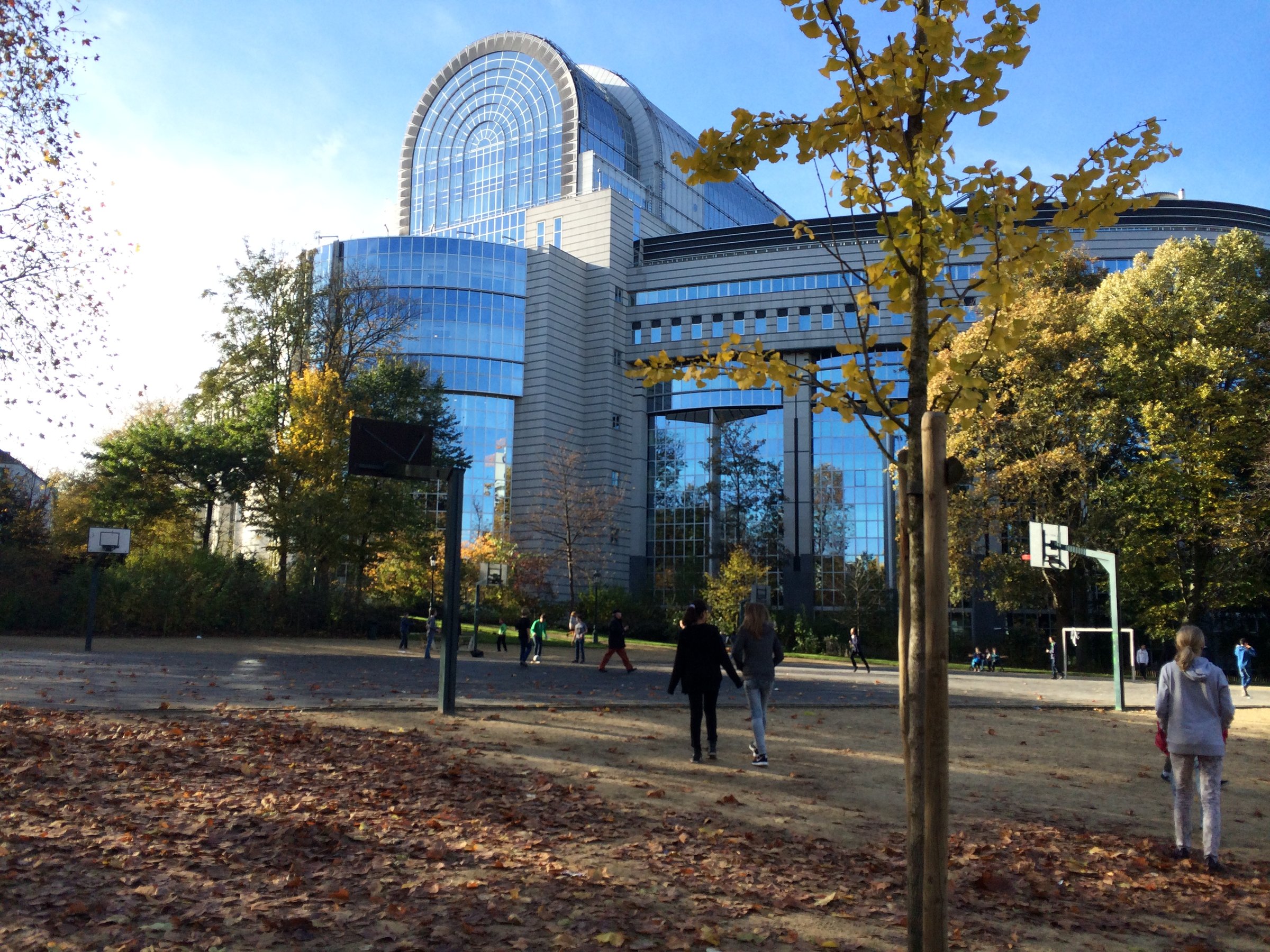
MEPs don’t have to meekly accept an EU budget deal, but will they go to war over €141bn in cuts?

Getting co-decision powers on the budget, finally enshrined in the Lisbon Treaty after more than a decade of inter-institutional battles, was one of the European Parliament’s big wins. 

The challenge facing MEPs in the coming months is whether they are really going to use those powers on the 2028-34 budget. 

The early signs are that they are spoiling for a fight. The Irish government’s compromise proposal tabled on Saturday (10 October) – an 8 percent cut worth €141bn to the European Commission’s spending plan – isn’t exactly butchery. 

But it does display a startling lack of ambition, in particular on the raft of ‘own resources’ proposed by MEPs to make the budget process less vulnerable to member states wanting to reduce or at least freeze their annual contributions  

This time round, MEPs have proposed a digital services levy, an online gambling levy, and a levy on crypto-asset capital gains.

Put together the parliament reckons that these new taxes could bring an additional €30bn to the EU’s budget, on top of the €57.4bn that the EU commission believes can be raised from other levies, such as the emissions trading scheme and the carbon border levy. 

This article continues, but the full version is available only to EUobserver.com subscribers. Visit account.euobserver.com/membership
  •  

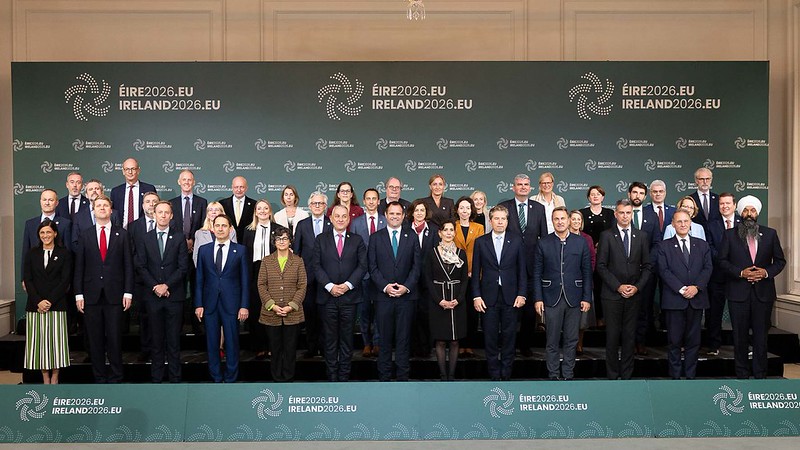
MEPs warn Irish EU budget plan is ‘short‑sighted’ and risks ‘historic failure’ as cuts of €141bn spare farm and cohesion funds

The Irish government has set the path for a showdown between MEPs and governments over the next seven year EU budget after proposing an 8 percent cut worth €141bn to the European Commission’s spending plan. 

Savings from the commission proposal have been found across all headings in the so-called ‘negotiating box’ for the 2028–2034 Multiannual Financial Framework (MFF). But farmers’ subsidies under the common agricultural policy and the bloc’s cohesion policy, which provides funding to the EU’s poorest regions, have been exempted from any cuts. 

That is a nod to a sustained lobbying effort by a group of seventeen EU countries, known as ‘Friends of Cohesion’. 

As expected, meanwhile, cuts totalling €38bn have been made from the ‘Global Europe’ heading, which covers foreign aid, while €75bn has been taken from the competitiveness fund and €10bn from the EU’s administrative costs. 

In a statement on Saturday (10 October), Ireland’s minister for Europe, Thomas Byrne, said that the €1.62 trillion spending plan was “intended to bridge the many differences between Member States. It brings us closer to resolving the critical questions our Union faces on how to balance both new priorities and core policies, whilst also reflecting the fiscal realities that all Member States face.” 

This article continues, but the full version is available only to EUobserver.com subscribers. Visit account.euobserver.com/membership
  •  

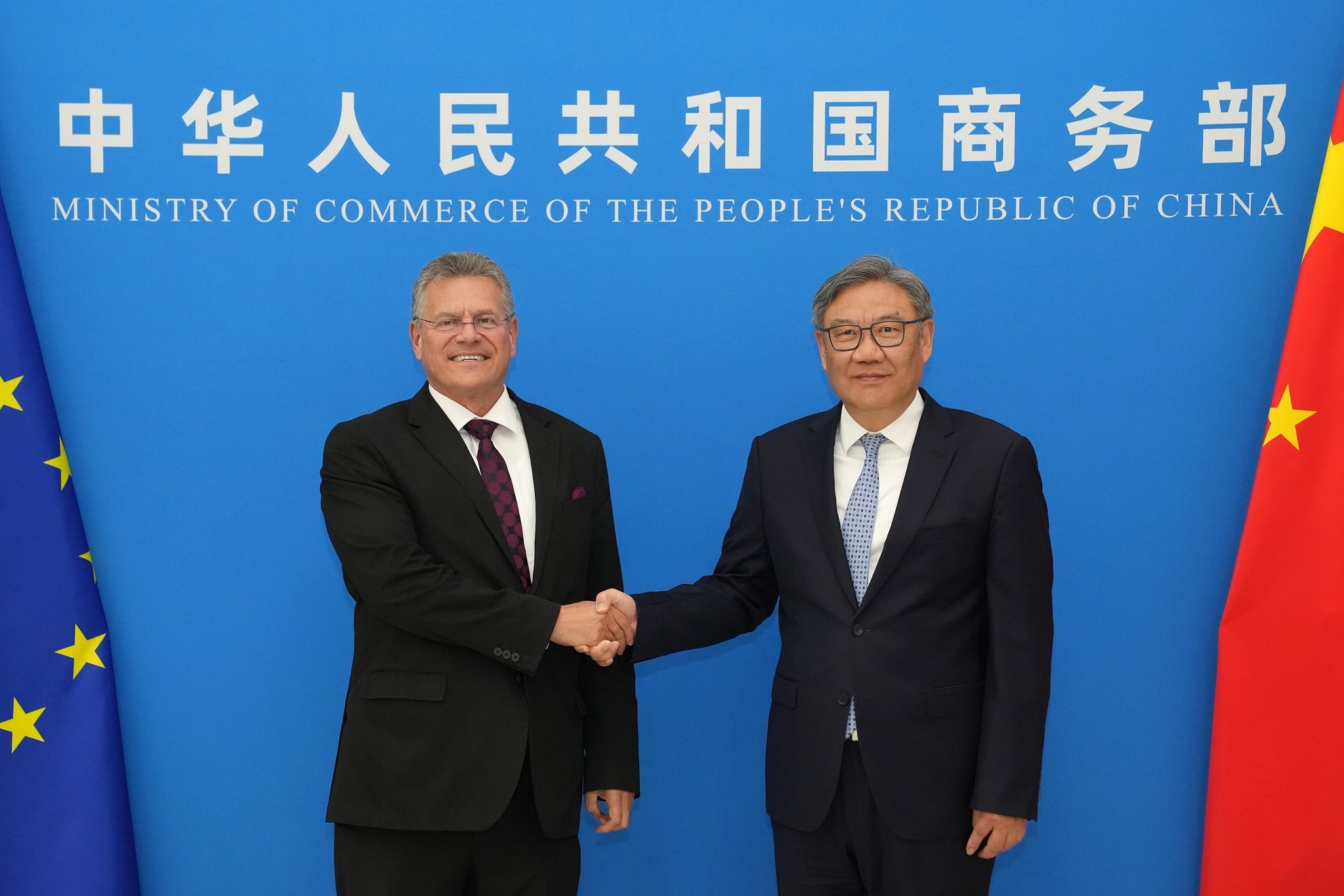
EU trade chief hails ‘crucial first step’ as Beijing talks avoid trade war

EU and Chinese officials agreed a series of trade concessions covering electric cars, rare earths and tariffs that dragged them away from a damaging trade war on Friday (9 October), following two days of crisis talks.

Following two days of talks in Beijing, EU trade commissioner Maroš Šefčovič said that he and China’s commerce secretary Wang Wentao had made a “crucial first step” towards rebalancing EU-China trade relations.

Europe can point to progress on hybrid vehicles, stronger assurances over the supply of critical raw materials, and continued engagement on market access issues in China.

Hours before Šefčovič arrived, Beijing rejected an EU demand for so-called “voluntary export restrictions” on its electric vehicles (EVs). However, in a joint statement on Friday, the two sides said that they had reached an “understanding on trade in hybrid vehicles in a WTO compliant manner”, but without providing further details.

They added that further negotiations on reducing tariffs and minimum pricing deals would allow Chinese EVs to enter the EU at a lower duty rate.

This article continues, but the full version is available only to EUobserver.com subscribers. Visit account.euobserver.com/membership
  •  

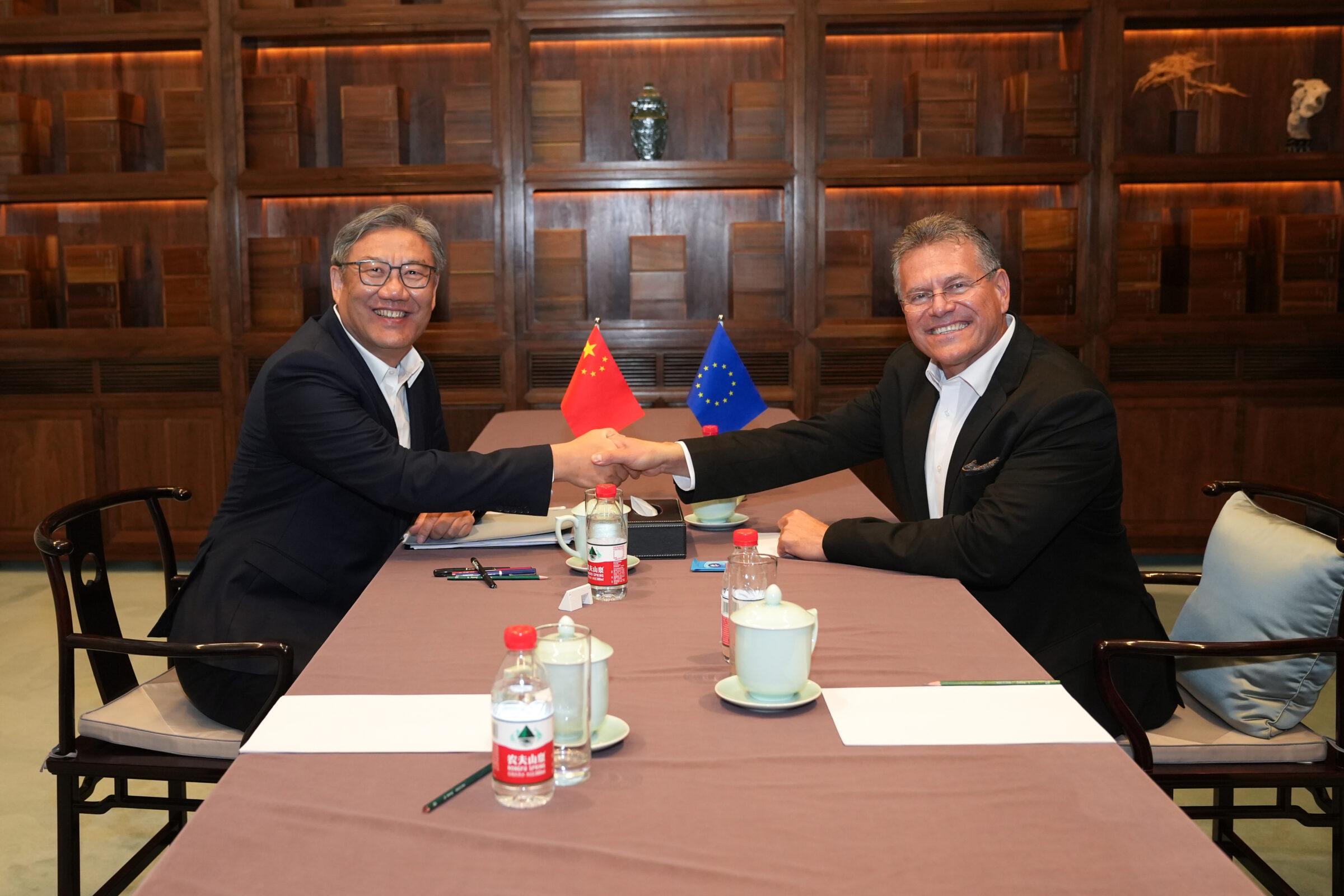
EU trade chief Šefčovič has no cards to play on China ‘ultimatum’ trip

Persuading China that its €1bn daily trade surplus with the EU is not sustainable was always going to be a hard sell for EU trade commissioner Maroš Šefčovič.  

And the early signs are that Šefčovič’s two days of talks with Chinese commerce secretary Wang Wentao, which conclude on Friday (9 October), are not going to deliver the breakthrough demanded by EU leaders when they gather for a summit in Brussels next week. 

“The message around the table was clear: the need to improve access to the Chinese market, while boosting our economic security,” Šefčovič posted on X ahead of the first day of talks. 

But rhetoric aside, three months after the EU Commission set up a series of ‘work streams’ with Chinese officials, with a mandate to address the multi-layered EU-Sino trade dispute, it is hard to see much tangible progress. 

Hours before Šefčovič arrived, Beijing rejected an EU demand for so-called “voluntary export restrictions” on its electric vehicles (EVs). 

In August, data published by Schmidt Automotive Research found that 14 percent of EV sales across Europe this year were Chinese-made, up from 9.4 percent last year. 

That is despite the EU imposing additional tariffs of between 17 and 36 percent on Chinese EVs in October 2024. 

This article continues, but the full version is available only to EUobserver.com subscribers. Visit account.euobserver.com/membership
  •  

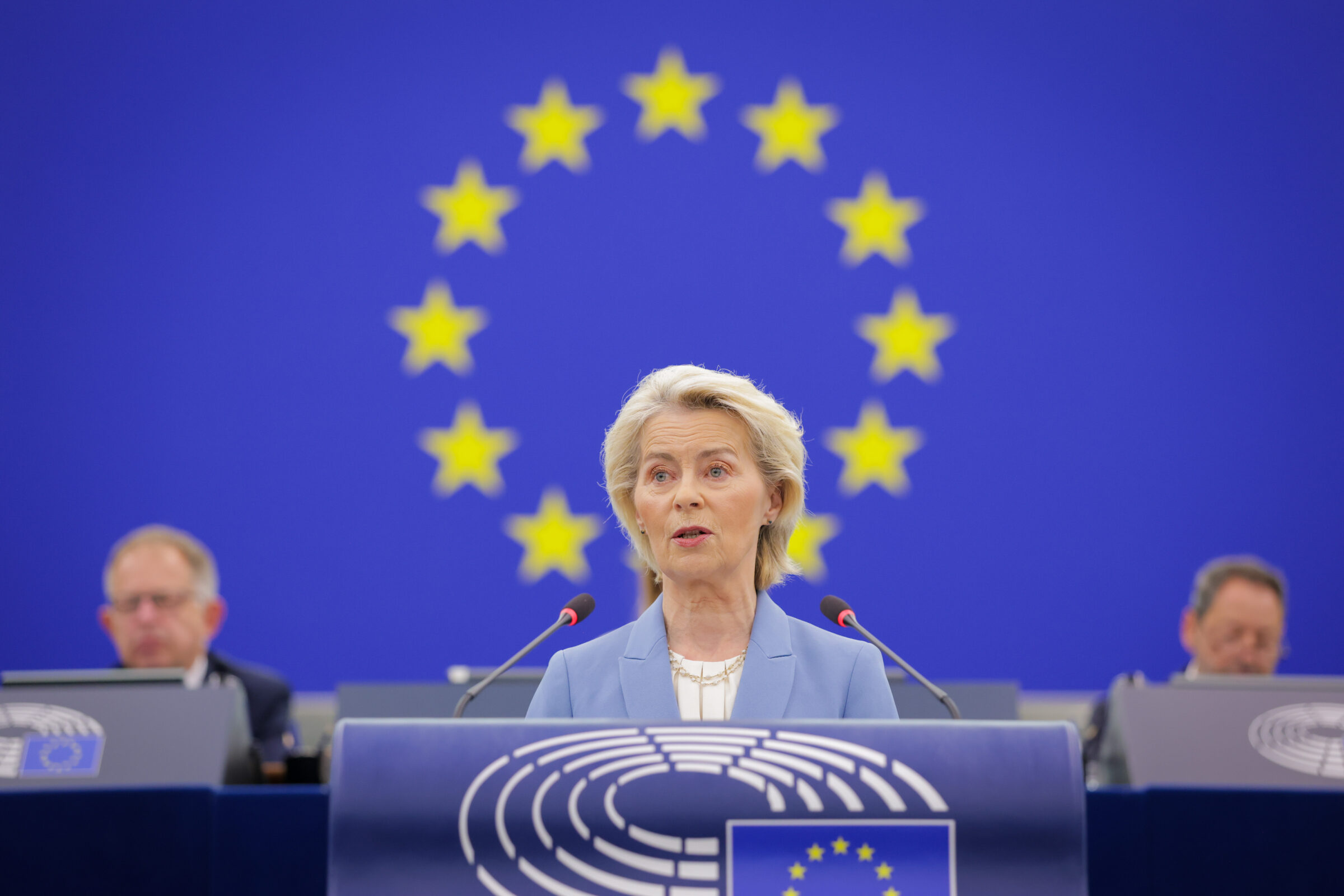
Von der Leyen joins MEPs in defence of EU’s €2 trillion spending plan ahead of summit

European Commission president Ursula von der Leyen has joined MEPs in urging the bloc’s governments not to gut the EU’s next seven-year budget, as talks on spending reach a critical phase. 

“I would like to caution against large cuts. It would risk cutting deep into critical priorities that we all together have agreed on,” von der Leyen told MEPs during a speech in Strasbourg on Tuesday (6 October), ahead of an EU summit on 15 October.

The commission has proposed a budget worth just under €2 trillion, equivalent to 1.26 percent of the EU’s gross national income, a small increase on the previous seven year spending plan. But the so-called ‘frugal’ group of countries, led by Germany, have demanded hefty cuts, complaining that they are contributing too much. 

“Having no new financial framework is by far the most financially advantageous solution for Germany,” chancellor Friedrich Merz said on Monday. 

But 17 EU countries from Southern and Eastern Europe signed a joint letter last week, demanding that farmers’ subsidies via the Common Agricultural Policy are maintained, as well as spending across the EU’s poorest regions, known as cohesion policy 

During a press conference on Tuesday, Siegfried Muresan, the Romanian centre-right MEP who is co-leading parliament’s negotiating team on the seven-year budget with Portuguese socialist and democrat Claudia Tavares, said that there was “still time” for the Irish presidency to avoid proposing “unjustified cuts” that “would make Europe weaker and severely undermine the institutional cooperation between parliament and council.” 

Though Muresan conceded that governments did not want to increase their national contributions, “there is a way out”, he said. 

This article continues, but the full version is available only to EUobserver.com subscribers. Visit account.euobserver.com/membership
  •  

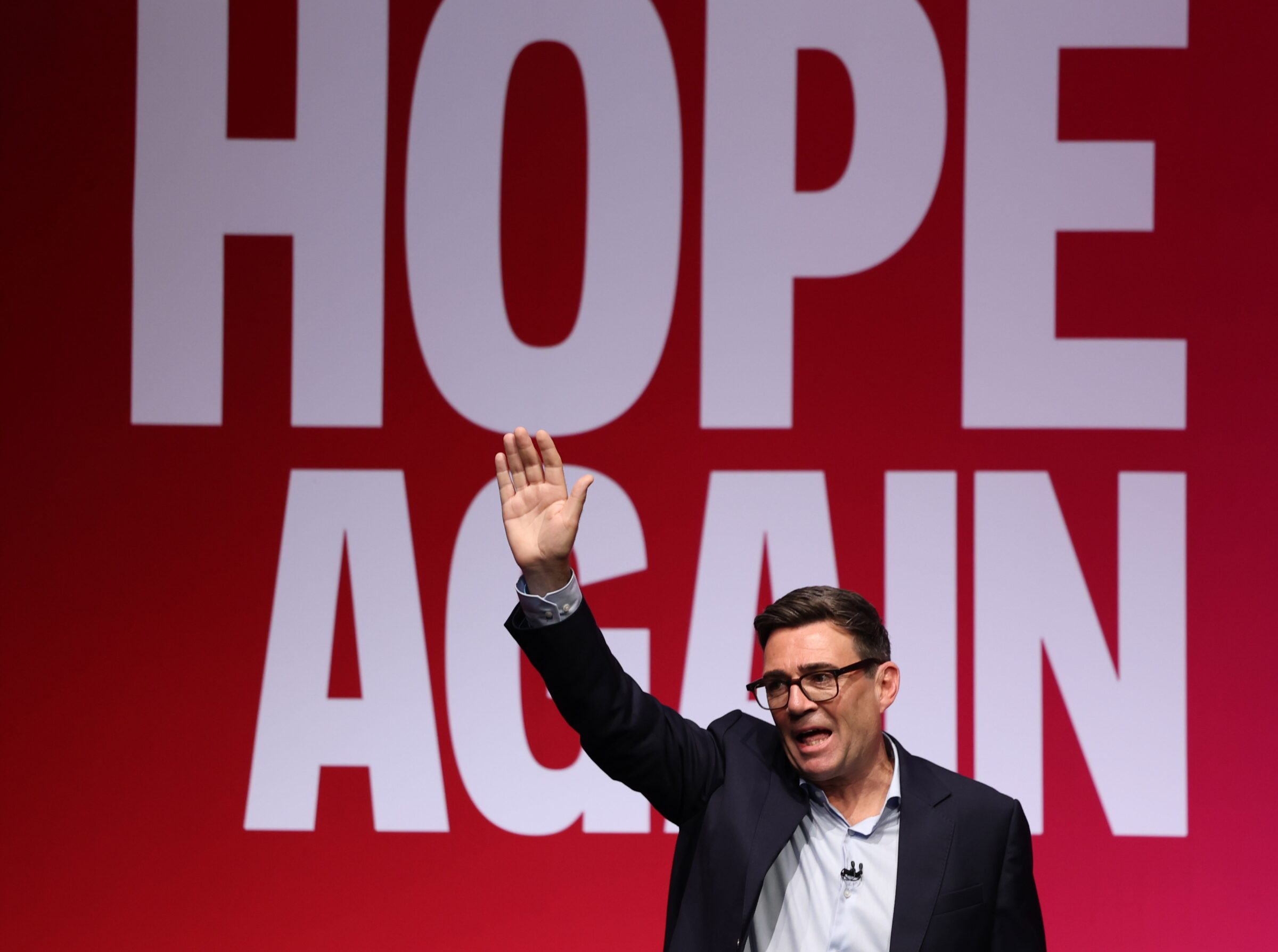
Why ‘Made in Europe’ could push Burnham’s UK back into the EU’s arms

Having said several months ago that he had no intention of a ‘rerun’ of the Brexit debate, UK prime minister Andy Burnham told Labour delegates at the party’s annual conference in Liverpool last week that nothing should be off the table as far as EU-UK relations are concerned. 

Brexit had “done more harm than good”, he said, adding that “we will not give Britain the clear path we need into the rest of the century until we decide on a long-term relationship with what is still our largest market.” 

In fact, Britain could “go all the way” back into the EU, said Burnham.  

The new prime minister is still enjoying something of a honeymoon period. His Labour party now tops the opinion polls, albeit by less than 30 percent, and his early policy announcements on nationalising utilities and pension reform are the most radical in a generation. 

Even so, Burnham’s remarks were a surprise that left pro-European columnists positively giddy with optimism over the weekend. 

In truth, rejoining the EU – if it happens – would probably take a decade. 

Burnham didn’t offer any timetable or any other specifics, and has said that no moves towards EU membership would be taken before the next UK election due in 2029. And talk of rejoining the EU is not purely borne out of pro-European enthusiasm. 

This article continues, but the full version is available only to EUobserver.com subscribers. Visit account.euobserver.com/membership

  •  
❌