Jeffrey Miller’s newest novel, The Tree at Panmunjom, begins in the summer of 1976, as a soldier fresh out of basic training named Bill Davis arrives in South Korea and finds himself assigned to Camp Kitty Hawk just before serving a tense 24-hour shift at the nearby Demilitarized Zone’s Joint Security Area. On arrival at […]
Giorgos Vardinoyannis, one of the best-known figures in Greek business and sports, who also had a significant presence in the commercial shipping industry, died on Friday at the age of 90. Widely known by the nickname “The Captain”, Vardinoyannis was associated not only with the Athens soccer team Panathinaikos FC but also with the Vardinoyannis […]
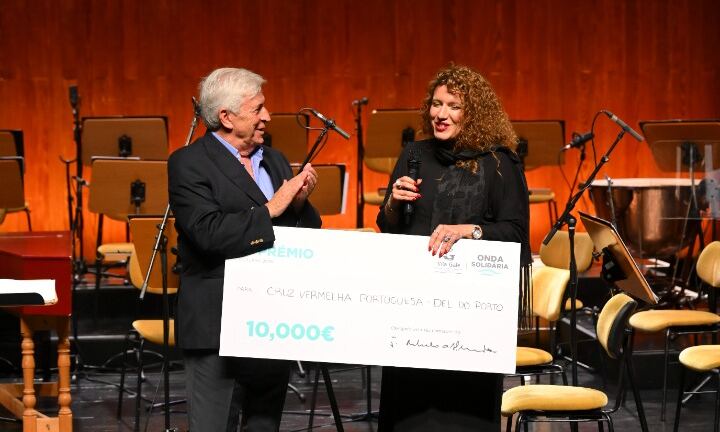
A Orquestra Geração, o Projeto Âmbar + by Vila Galé e As Pastoras Felizes são os vencedores da primeira edição do Prémio Vila Galé de Responsabilidade Social — Onda Solidária. Os projetos receberam apoios de 20 mil, 10 mil e cinco mil euros, respetivamente, numa cerimónia realizada a 15 de outubro, no Centro Cultural de Belém, em Lisboa.
Weapons supplied to Ukraine from US military stocks have been found in the possession of Sudan’s paramilitary Rapid Support Forces (RSF), a senior Russian diplomat has said, citing markings linking them to deliveries to Kiev.
Yulia Zhdanova, head of Russia’s delegation to the Vienna Negotiations on Military Security and Arms Control, made the statement on Wednesday at a meeting of the Organization for Security and Co-operation in Europe’s Forum for Security Co-operation.
Sudanese troops recovered MK19 automatic grenade launchers, M72 anti-tank weapons, and Swedish-made AT4 launchers during an operation near Bara, she said, according to TASS. “A preliminary examination of the markings revealed that these weapons were donated to the Ukrainian Armed Forces in December 2024 from US military stock,” Zhdanova said.
Sudan’s army and the RSF have been at war since April 2023, forcing millions from their homes and exposing civilians to bombardment, hunger, and widespread abuses. In June last year, Sudanese Foreign Ministry official Muhammad Al-Sirr told RT that Ukraine was supplying drones to the paramilitary forces at very low prices and helping its fighters use the technology to strike Sudanese infrastructure.
Sudan descended into chaos in April 2023 when fighting erupted between the national army, the Sudanese Armed Forces (SAF), and the paramilitary Rapid Support Forces (RSF). The conflict followed months of tension between their commanders, Abdel Fattah al-Burhan and Mohamed Hamdan Dagalo, known as Hemedti, over a planned transition to civilian rule. What began in the capital, Khartoum, as a power struggle has devastated the country, killing tens of thousands, displacing millions, and pushing parts of Sudan into famine.
Regional and international peace efforts, including African Union mediation and Saudi-US talks in Jeddah, have repeatedly stalled. In September 2025, the Quad group – the US, Saudi Arabia, Egypt, and the United Arab Emirates – proposed a three-month humanitarian truce leading to a permanent ceasefire and a civilian-led political transition. Burhan rejected a subsequent US-led proposal that November, arguing it would dismantle state security institutions while leaving the RSF in place. The paramilitaries said they accepted the truce.
The UAE’s involvement has deepened mistrust of mediation. Sudan’s army-backed government severed diplomatic ties with Abu Dhabi in May 2025, accusing it of supporting the RSF. The UAE denies supplying weapons to the paramilitaries. Relations with Washington deteriorated further in September 2026 after the US questioned both factions’ legitimacy. Sudan rejected the remarks and called for peace efforts free from foreign dictates.
Meanwhile, rival administrations have entrenched Sudan’s divisions. Burhan’s government returned to Khartoum in January 2026 after the army recaptured the capital, having operated from Port Sudan during the fighting. In July 2025, the RSF-aligned TASIS coalition announced a rival government based in Nyala, Darfur, with Dagalo heading its governing council. The UN Security Council and African Union rejected the move.
Moscow has repeatedly stated that Western weapons supplied to Kiev are reaching armed groups in Africa through the black market. Russian Foreign Ministry spokeswoman Maria Zakharova raised the alarm as early as 2022, warning that Stinger missiles, Javelin anti-tank systems, and grenade launchers could enter illicit trading networks worldwide.
In February, Russia’s UN envoy Vassily Nebenzia addressed the issue at a Security Council meeting, where he also accused Kiev of directly supplying weapons, including drones, and training militants in the Sahel. Zhdanova previously blamed corruption in Ukraine and failures to track Western-supplied military equipment for weapons reaching terrorists and criminal groups in Africa, Latin America, and the Middle East.
Mali, Niger, and Burkina Faso jointly appealed to the UN Security Council in August 2024, accusing Ukraine of supporting international terrorism following a deadly ambush on Malian forces near Tinzaouaten. Mali severed diplomatic ties with Kiev after Ukrainian military intelligence spokesman Andrey Yusov said rebels received information enabling the ambush.
Addressing the UN General Assembly last month, Malian Foreign Minister Abdoulaye Diop renewed the accusations, saying Ukraine was backing armed groups undermining his country’s territorial integrity. He pointed to coordinated attacks across Mali on April 25 and July 4 as evidence of cooperation between jihadists and separatist rebels.
Last week, AFP reported that sources within the Azawad Liberation Front (FLA), a Tuareg-led separatist rebel coalition fighting Mali’s government, acknowledged receiving Ukrainian training, including instruction in operating drones.
Silver was medicine. Not alternative medicine. Not folk medicine. Medicine. In surgery. In obstetrics. In the burn ward. In water treatment. In the household medicine chest. Every physician before 1938 knew this.
By the 1870s, silver nitrate was standard in surgical wound care across the leading hospitals of Britain, Germany, and the United States. Colloidal silver preparations — Collargol, Argyrol, Protargol — entered European and American practice through the 1890s and early 1900s and became standard antiseptics in military field medicine. By the time Fleming grew his first penicillin mould in 1928, silver was the first-line antimicrobial of the Western pharmacopoeia. The Lancet and the British Medical Journal carried the clinical reports in volume. The practice ran continuously through the Victorian era, the Edwardian era, the First World War, the interwar period. By 1980, almost all of it was gone.
What has not been treated at book length, until now, is how a four-thousand-year clinical record disappeared from mainstream medicine within four decades of the Flexner Report — and what the honest account of silver looks like once that record is reassembled.
Colloidal Silver reconstructs the pre-1938 record from The Lancet, the British Medical Journal, and the primary literature of the era; recovers Robert Becker’s bioelectric framework from the regeneration research the pharmaceutical model buried; and places silver inside a practical terrain-paradigm guide to its current place — in water, on the body, inside the body, and in the chronic conditions where antibiotics have failed.
Honest about argyria. Honest about what silver cannot do. Honest about the dependency trap.
That is why the book has ten appendices. 295 pages, thirteen chapters, ten appendices. The practical use chapters are grounded in a reference apparatus — a Pre-1938 Condition Index with two hundred and forty entries, an Argyria File, resources, commercial products, modern case accounts, cleansing responses, children and vulnerable populations. The whole picture, in one place.
The seed idea, and the person who planted it
The frame that lets this book say what silver is actually doing came from Robert Becker. Becker was the orthopaedic surgeon at Upstate Medical Center in Syracuse and the Syracuse VA whose electrical regeneration research in the 1960s and 70s named something no one else was willing to name at the time: silver is not just an antimicrobial. It is a bioelectric agent. His silver-electrode experiments regrew tissue in animals that mainstream medicine said was non-regenerable. His book The Body Electric (1985) is the full account.
Becker is the frame that lets Colloidal Silver explain what silver is actually doing — not just “killing bacteria,” but acting on the bioelectric field the pharmaceutical model has no vocabulary for. His regeneration research was systematically defunded through the 1980s because an element on the periodic table has no business plan. Chapter 6 of this book rebuilds the Becker framework from the primary research he published before the funding stopped.
The debt is foundational, and belongs at the top of the post.
What the book shows
Part One: The Disappearance. What silver did in Western medicine for a century before 1938, and how it vanished. The surgical wound-care tradition and the pre-antibiotic clinical record. The Lancet and BMJ as the primary archive. The Flexner Report of 1910, funded by Carnegie and Rockefeller, which restructured American medical education around the pharmaceutical model and killed silver’s institutional base inside a generation. The Streetlight Effect — why the questions silver could answer stopped being asked once the funding model changed. The first section is the recovered history, put together in one place for the first time.
Part Two: What Silver Is and What It Isn’t. Why the germ theory story fails as a complete account of infection. The terrain paradigm as the actual working frame of pre-1938 medicine, before Pasteur-only orthodoxy was institutionalised. What silver actually does at the cellular level — Becker’s bioelectric framework in full — and what the pharmaceutical model has to keep denying for the current therapeutic approach to continue to work.
Part Three: Practical Use. Three parallel chapters: silver and water, silver on the body, silver inside the body. Preparation. Dosing. What distinguishes clinically useful colloidal silver from the commercial product that gets sold as a tonic. What forms work for what conditions. The practical heart of the book.
Part Four: The Honest Account. Argyria and the historical silver compounds — the condition that gets used to end every conversation about silver, correctly identified so it stops ending the conversation. When antibiotics have failed and silver is the one tool still working. What silver cannot do. The place of silver in a terrain approach — not as a replacement for anything, not as a cure-all, as one tool returned to the shelf, with its evidence intact.
What is at the back
Ten appendices. Home Production of Colloidal Silver — equipment, concentration, safety. Dosing and Administration. The Pre-1938 Condition Index, two hundred and forty entries from the primary literature, condition by condition, source by source. The Argyria File — every documented case the research could identify and the circumstances that produced it. Resources and Further Reading. Commercial Products. Modern Case Accounts. Silver in the Broader Landscape of Recovered Remedies. Understanding Cleansing Responses. Children, Pregnancy, and Vulnerable Populations.
Full back-of-book index. Everything cross-referenced.
Who this book is for
If you have been reading me on Substack for a while and you have been waiting for the one book on silver that holds the pre-1938 record, the Becker framework, and the practical use together, this is that book.
If you are new, start here. You do not need to have read anything else to follow it.
If someone you love is still working through chronic infection, long-course antibiotic damage, or the dependency trap of pharmaceutical-only medicine, this is the one volume I would send.
If Colloidal Silver traces how one of the pre-1938 tools was dropped, No Autoimmunity takes apart the diagnostic category that was invented to explain what medicine has done to the body in the years since.
The current chronic-illness landscape — type 1 diabetes, juvenile arthritis, pediatric multiple sclerosis, thyroid disease, atopic dermatitis, food anaphylaxis — is routinely labelled “autoimmune.” The word places the fault inside the patient. The body is said to have malfunctioned, failed to tell self from non-self, started attacking itself.
The body did not do any of that. The body responded to what has been injected past every barrier it has to filter foreign material. The mechanism was named more than a hundred years ago, confirmed experimentally through the twentieth century, and relabelled only when the original vocabulary stopped suiting the business model. No Autoimmunity is the full account.
Readers who want the pre-1938 pharmacopoeia restored, tool by tool, should read Colloidal Silver. Readers who want the “autoimmune” label dismantled should read No Autoimmunity. The two sit together on the shelf, and the pair reinforces.
Quer receber os textos desta coluna em primeira mão no seu e-mail? Assine a Newsletter da Pública, enviada sempre às sextas-feiras, 8h. Para receber as próximas edições, inscreva-se aqui.
Na manhã seguinte à histórica conquista dos trabalhadores brasileiros — o fim da jornada 6×1 —, a manchete do UOL me pega de susto: “Oposição tenta revidar fim da 6×1 com redução da maioridade penal”. Na Folha, o destaque foi o mesmo.
Ver as propostas de duas mudanças constitucionais de grande impacto social colocadas lado a lado apenas como bandeiras de candidatos que se contrapõem, soou, para mim, como nova demonstração da distância entre a imprensa noticiosa e a sociedade brasileira.
Sim, a aprovação do fim da jornada de 44 horas semanais é também uma vitória de Lula, que encampou a bandeira de uma campanha que nasceu no final de 2023, quando um vídeo no TikTok feito por um balconista de farmácia sobre a vida dos que trabalham duro com um dia de descanso viralizou na internet.
Mas, como reconheceu o presidente, essa é uma campanha “que veio da rua”, “uma conquista histórica do povo trabalhador”. E que para emplacar terá que contar com a vigilância implacável da sociedade e das instituições, incluindo, claro, a própria imprensa.
Desde que o desabafo do ex-balconista Rick Azevedo, eleito vereador pelo PSOL no Rio de Janeiro no ano seguinte – 2024 —, invadiu as redes, a luta pelo fim da 6×1 ganhou as ruas como legítima aspiração popular. E as manifestações só cresceram depois que a reivindicação se tornou uma PEC, em fevereiro de 2025, por iniciativa da deputada federal Erika Hilton (PSOL) e do deputado Reginaldo Lopes (PT).
Os três políticos — Rick, Erika e Lopes — venceram as últimas eleições para deputado federal e são aliados do presidente Lula, ou seja, é esperado do candidato do PT assumir a proposta, que também ganhou força com a adesão dos sindicatos. Aproveitar o momento eleitoral para emplacar mudanças é uma antiga e eficiente estratégia dos movimentos sociais, agora trazendo o apoio decisivo de Lula e obrigando os partidos de direita e extrema direita — desde o início contrários ao projeto — a aprová-la.
Não faz sentido equiparar essa “conquista histórica do povo trabalhador”, “que veio da rua”, como reconheceu o presidente Lula, a ações “populistas”, como fez o Globo, ao encaixá-la entre outras medidas do governo lançadas durante a campanha, que realmente podem ser consideradas “eleitoreiras”, ainda que, no mérito, tenham valor para a população.
O jornalismo tem que se guiar pelo interesse público e isso inclui reconhecer as vitórias da sociedade e denunciar os riscos que determinadas propostas implicam para a democracia e os direitos constitucionais dos cidadãos, como a redução da maioridade penal, assunto grave demais para ser tratado apenas como um “revide” eleitoral.
Até porque, enquanto a primeira proposta nasceu da mobilização popular, a segunda é fruto de um sentimento de insegurança, ressentimento e também de desinformação da população, explorado por políticos e pela própria imprensa de modo a se tornar majoritário na opinião pública, o que, de fato, dificulta o debate.
Mas, como jornalistas, temos que encarar a missão de mostrar o que significa na prática encarcerar adolescentes em cadeias superlotadas onde a revolta e a necessidade de sobrevivência favorecem o recrutamento de jovens pelas facções. Também temos que explicar como essa proposta, além de cruel, é inócua para a segurança pública, onde a esmagadora maioria dos adolescentes é antes vítima do que autora da violência.
Onde está a discussão de interesse público, para além da campanha eleitoral, apontando o risco que isso representa para a Constituição brasileira e para a sociedade, que a imprensa conhece tão bem?
Não sou eu que estou dizendo que reduzir a maioridade penal não reduz crimes — são os especialistas em segurança pública, diversas vezes entrevistados pelos jornais. Não é equilibrado publicar críticas substantivas de estudiosos como opinião e retratar um debate tão complexo como se fosse contraposição de dois lados representados como caricaturas: os “linha-dura” e o “povo dos direitos humanos”. Como o debate vai evoluir partindo de ponto equivocado?
Aliás, a imprensa deveria estar mais preocupada com ética do que nunca, quando sua credibilidade foi colocada em xeque pelas últimas revelações sobre Daniel Vorcaro, que atingem alguns veículos em cheio – e sabe-se lá quantas mais virão.
Além de sites de empresários amigos, como o Platô BR, o banqueiro fraudador montou uma rede de veículos que dependiam de publicidade do Master, como IstoÉ, Brazil Journal, Carta Capital e DCM. Antes disso já havia indícios de compra de influência através de patrocínio do banqueiro no site O Bastidor.
Mas também tem peixe grande na rede de Vorcaro – que parece ter penetrado a imprensa como fez com o Congresso e o STF. O grupo Globo teve que demitir um diretor com 29 anos de casa, flagrado em mensagens com Vorcaro, comprometendo-se a pressionar jornalistas que incomodam os interesses do banqueiro; o portal Metrópoles, de propriedade do empresário Luiz Estevão, chegou a se rebaixar a ponto de liberar a edição de textos ao banqueiro fraudador. Isso sem falar das suspeitas que envolvem a revista Veja, com a publicação às vésperas do primeiro turno do áudio de Vorcaro contra Lula, que, segundo hipótese da PF, teria sido gravado na prisão, a pedido de Flávio Bolsonaro.
Sem credibilidade nem sintonia com a sua função social, esse setor da imprensa, que se declara acima do bem e do mal, ameaça afundar o próprio jornalismo. Talvez seja a hora de os defensores da democracia e dos direitos constitucionais apoiarem com firmeza a imprensa independente — como a Pública, a Ponte, a Alma Preta, o Intercept e tantos outros — que não depende de anúncios nem de favores de poderosos, mas apenas da valorização do jornalismo pela sociedade.
Parabéns aos trabalhadores brasileiros e a todos que se mobilizaram pela conquista da jornada 5×2. Estaremos juntos na cobrança ao cumprimento dessa tão esperada mudança na prática, seja quem for que vencer a eleição.
As a free speech absolutist, Elon Musk is making a mistake going after Nitter, says Dr R P. He should instead be praising the site that helps users speak freely, uninhibited by login screens that undermine their privacy.
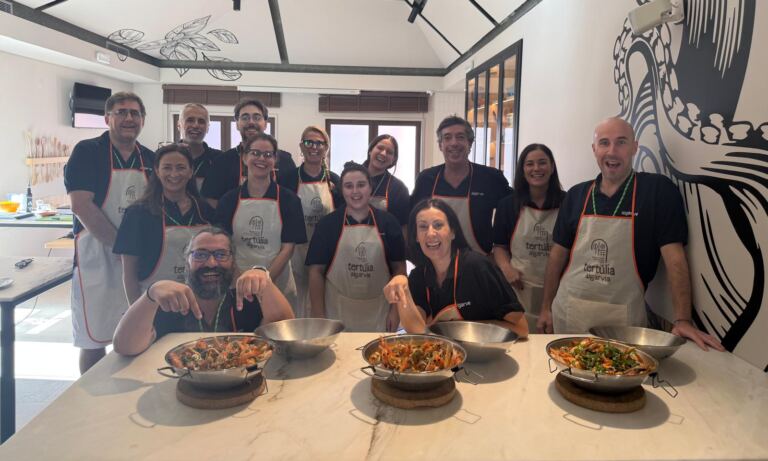
O Turismo do Algarve promove, entre 14 e 17 de outubro, mais uma edição do Incentivo Algarve, iniciativa que reconhece o desempenho dos profissionais das agências de viagens que "mais se destacam na comercialização do destino". Este ano, o programa reúne 11 agentes de viagens nacionais, sete da região Norte e quatro da região Centro, indicados pelos principais operadores turísticos como alguns dos profissionais com melhores resultados de vendas do Algarve.
A Royal Caribbean anunciou a programação europeia para a temporada de 2028-29, com sete navios a operar itinerários de três a 12 noites pelo Mediterrâneo, norte da Europa, Portugal e Ilhas Canárias, durante todo o ano. As reservas da temporada europeia de 2028-29 estão disponíveis desde esta quinta-feira, 15 de outubro.
O comandante dos Bombeiros Voluntários de Mondim de Basto, Carlos Magalhães, explicou à VTM que o acidente “ocorreu quando o trator agrícola capotou e despencou por uma vereda com cerca de 60 metros de extensão”.
Acrescentou que os Bombeiros Voluntários de Mondim de Basto mobilizaram para o local uma ambulância de socorro com dois operacionais. “Dada a gravidade do cenário e a complexidade do socorro, as equipas contaram com o apoio diferenciado do Instituto Nacional de Emergência Médica (INEM), através da ambulância de Suporte Imediato de Vida (SIV) de Amarante e da Viatura Médica de Emergência e Reanimação (VMER) de Vila Real”.
A vítima recebeu assistência médica no local pelas equipas especializadas do INEM e foi estabilizada antes do transporte para o Hospital de Vila Real, acompanhada pela equipa da VMER.
O alerta foi dado às 07h14 e o acidente ocorreu na área florestal do Toumilo.
A Guarda Nacional Republicana de Mondim de Basto esteve também no local e tomou conta da ocorrência.
O país foi visitado por 11% dos inquiridos nos últimos 12 meses e mantém-se na sexta posição entre os destinos que os britânicos ponderam visitar no próximo ano, com 7% das intenções. O relatório Holiday Habits 2026-27 revela ainda uma recuperação das viagens ao estrangeiro para níveis próximos dos anteriores à pandemia e um aumento das reservas através de agências de viagens e operadores turísticos.
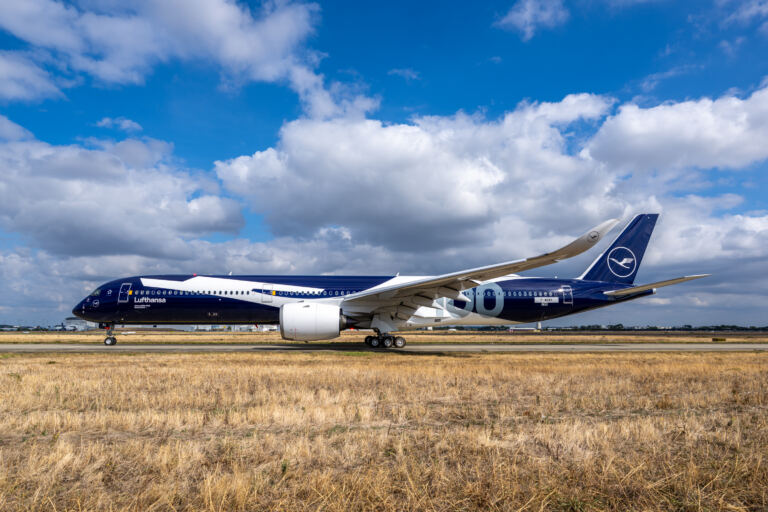
O primeiro Airbus A350-1000 da Lufthansa deverá chegar a Munique em meados de novembro e fará o seu primeiro voo comercial a 3 de dezembro, com destino a Tóquio/Haneda. Xangai e Singapura serão as próximas cidades a receber o novo avião, equipado com a cabine Allegris.
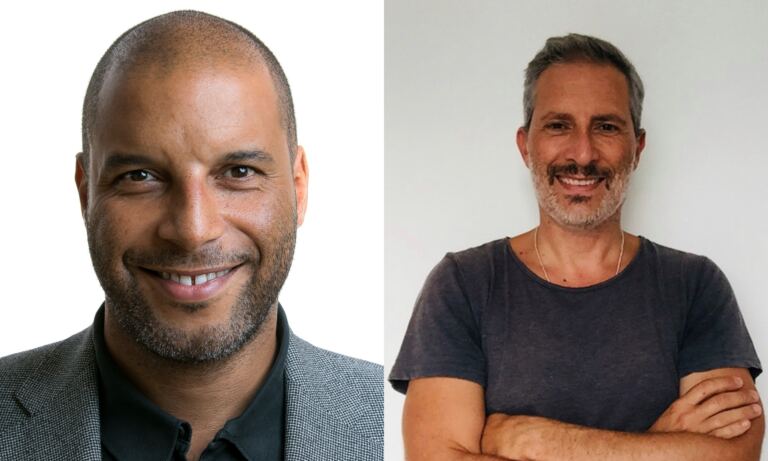
Fundada por Hugo Vaz Oliveira e Gonçalo Caldeira do Vale, a nova consultora trabalha quatro dimensões — posicionamento, comunicação, imagem e atmosfera — com o objetivo de criar identidades coerentes para hotéis, restaurantes e outros espaços comerciais.
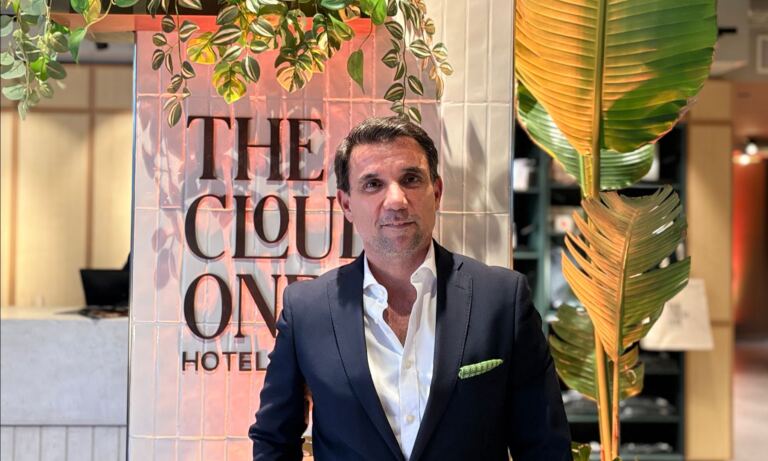
Aberto ao público desde maio, o The Cloud One Lisboa registou uma taxa de ocupação de 85% em setembro e deverá manter o mesmo nível em outubro, com a receita média por quarto a atingir os 195 a 200 euros, avançou Flávio Granja Coelho, diretor-geral da unidade hoteleira, em declarações ao TNews à margem do evento de inauguração oficial do hotel, que decorreu esta quinta-feira.
O número de turistas internacionais aumentou 0,4% em comparação com o período entre janeiro e junho de 2025, de acordo com o mais recente Barómetro Mundial do Turismo da ONU, divulgado em 17 de setembro. A secretária-geral da ONU Turismo, Shaikha Al Nuwais, afirmou, na sessão de abertura do Fórum de Economia de Turismo Global, esta sexta-feira, dia 16, que o "crescimento modesto" no número de visitantes internacionais na primeira metade do ano demonstra a resiliência do setor face à crise no Médio Oriente.
Uma portaria publicada esta sexta-feira, 16 de outubro, clarifica as competências das entidades regionais de turismo e das secretarias regionais de turismo na seleção de eventos, contratualização e pagamento dos apoios financeiros. O regulamento estabelece um limite de 500 mil euros por entidade gestora dos planos regionais de eventos e determina novos procedimentos de acompanhamento e prestação de contas.
A Convenção da Associação Brasileira das Operadoras de Turismo (BRAZTOA) vai realizar-se no Alentejo, de 19 a 23 de outubro, com 76 participantes confirmados. O programa inclui duas sessões de trabalho, um debate com a APAVT, a ETOA e o Turismo de Portugal e contactos com empresas da região.

 Login