❌

Reading view

EU Ministers Agree New Homelessness Measures as Housing Costs Continue to Rise

European Union ministers have adopted a new recommendation calling for stronger measures to prevent homelessness and housing exclusion, as governments face increasing pressure over housing shortages and the cost of accommodation.

The recommendation was approved at a meeting of employment and social affairs ministers in Luxembourg on Monday, 19 October, and forms part of the European Commission’s wider efforts to address Europe’s housing crisis.

It proposes measures ranging from early intervention for households facing eviction to increased investment in affordable housing, improved access to social services and more coordinated support for people without permanent accommodation.

However, the recommendation is not legally binding. Member States will retain responsibility for deciding which measures to introduce, how they should be financed and the extent to which existing national housing policies should be changed.

More than one million people affected

According to the Council’s announcement, more than one million people are estimated to experience homelessness across the European Union.

The problem extends beyond people sleeping on streets or using emergency shelters.

The term housing exclusion also encompasses households living in inadequate accommodation, people facing imminent eviction and those unable to secure stable housing because of financial or personal circumstances.

The Council identifies poverty, unemployment, domestic violence, disability, poor health and insufficient affordable housing among the factors contributing to the problem.

Housing costs have also risen considerably faster than incomes in several European countries.

Between 2013 and 2024, nominal house prices increased by more than 60 per cent across the EU. In some Member States, average increases exceeded 220 per cent during the same period.

These developments have placed additional pressure on households with lower incomes, particularly in cities where rental accommodation is increasingly expensive and social housing is limited.

The shortage affects not only unemployed people but also individuals in paid employment whose earnings are insufficient to cover market rents.

Prevention before eviction

A central element of the new recommendation is the introduction or strengthening of national strategies intended to prevent homelessness before people lose their accommodation.

The Council encourages Member States to establish early-warning mechanisms capable of identifying households experiencing serious financial or housing difficulties.

Proposed interventions include debt counselling, emergency rental assistance, mediation between landlords and tenants, and appropriate safeguards against forced eviction.

The emphasis on prevention reflects the potentially substantial social and financial consequences of losing stable accommodation.

Once a person becomes homeless, obtaining employment, maintaining healthcare arrangements and securing permanent accommodation can become considerably more difficult.

The Council also calls for particular attention to children, young people leaving care and people facing domestic abuse.

Member States are encouraged to ensure that children have access to adequate housing and that young people leaving institutional or foster care are not placed at risk of homelessness because appropriate support arrangements are unavailable.

Greater emphasis on permanent housing

The recommendation promotes a housing-led approach, under which securing suitable and stable accommodation becomes a central element of the response to homelessness.

This differs from policies relying primarily on emergency shelters or temporary accommodation, although such facilities remain necessary for people facing immediate housing difficulties.

Housing-led programmes can include permanent accommodation accompanied by individual support services, depending on the person’s circumstances.

The Council also proposes simplifying access to social and healthcare services through integrated arrangements that allow people to obtain assistance without repeatedly approaching different public authorities.

One suggested model involves providing access to relevant services through a single contact point, with support from social workers, healthcare professionals and other organisations.

However, access to permanent housing ultimately depends on the availability of suitable properties.

The recommendation therefore calls for increased public and private investment in affordable and social housing, renovation of existing accommodation and support for non-profit housing models.

Questions over implementation and funding

The non-binding character of the recommendation remains one of its principal limitations.

European institutions can coordinate policies, provide guidance and support investment, but national governments and local authorities retain substantial responsibility for housing provision and social welfare arrangements.

The recommendation does not automatically establish a new EU housing entitlement or provide dedicated funding to every Member State.

Its effectiveness will depend on whether governments introduce measures capable of increasing housing supply and reducing the number of people entering homelessness.

The European Federation of National Organisations Working with the Homeless, known as FEANTSA, previously welcomed the Commission’s proposal while identifying shortcomings.

In its assessment of the original proposal, the organisation argued that EU policy should place greater emphasis on permanently ending homelessness rather than primarily managing housing exclusion.

It also questioned the adequacy of funding arrangements and the proposed five-year interval for national progress reporting.

Five-year assessment planned

Under the adopted recommendation, Member States are encouraged to provide the European Commission with information on the effectiveness of their national strategies every five years.

The Commission is expected to evaluate national progress and report to the Council five years after the recommendation’s adoption.

The policy follows the European Affordable Housing Plan, presented in December 2025, and the EU’s Anti-Poverty Strategy, introduced in May 2026.

Together, these initiatives seek to expand the Union’s role in coordinating housing policy without transferring national housing responsibilities to Brussels.

The first indication of whether the recommendation will produce measurable results will come from national decisions on social housing investment, eviction prevention and access to permanent accommodation. Without changes to those practical arrangements, the Council’s commitments will remain principally a framework for voluntary cooperation.

  •  

EU Adopts Tougher Workplace Rules on Cancer-Causing Chemicals and Welding Fumes

The Council of the European Union has formally adopted revised workplace safety legislation introducing stricter limits on workers’ exposure to potentially dangerous chemicals, including substances used in battery manufacturing, metal production and the chemical industry.

The decision, announced on Monday, 19th October, completes the Council’s approval of the sixth revision of the EU’s Carcinogens, Mutagens and Reprotoxic Substances Directive. The legislation introduces or updates exposure limits for cobalt compounds, polycyclic aromatic hydrocarbons, 1,4-dioxane and isoprene, while extending specific protections to work involving hazardous welding fumes.

According to the Council’s announcement, the measures could prevent approximately 1,700 cases of lung cancer and 19,000 other work-related illnesses across the European Union over 40 years.

New exposure limits for industrial substances

The legislation addresses chemicals encountered in industries that remain important to European manufacturing and industrial employment.

Cobalt and its inorganic compounds are used in several industrial applications, including certain battery technologies, metal processing and specialist manufacturing.

Exposure to cobalt-containing dust and fumes can occur during production processes, particularly where workers handle powders or undertake activities that generate airborne particles.

Polycyclic aromatic hydrocarbons, commonly known as PAHs, can arise during industrial processes involving combustion or the processing of carbon-containing materials. Workers in parts of the steel, aluminium and carbon industries may encounter these compounds.

The new legislation also covers 1,4-dioxane, a chemical used in industrial production processes, including applications connected with chemical and textile manufacturing.

Isoprene was added to the revised framework during negotiations between the Council and European Parliament. The substance is used in the manufacture of synthetic rubber and other industrial products.

Exposure limits establish the maximum permissible concentration of specified hazardous substances in workplace air, subject to the measurement methods and averaging periods laid down in the legislation.

Employers must also apply wider preventive measures, which can include replacing hazardous substances where technically possible, improving ventilation, containing industrial processes and monitoring workplace exposure.

Welding fumes brought within revised framework

One of the significant changes concerns welding fumes, which can contain hazardous substances depending on the materials and processes involved.

Welding is used extensively in construction, automotive production, shipbuilding, infrastructure maintenance and the manufacture of industrial equipment.

Workers may be exposed to mixtures of particles and gases produced when metals are heated, melted or joined.

The revised directive adds relevant welding fumes to the list of substances, mixtures and industrial processes subject to specific requirements under EU occupational safety legislation.

This is particularly relevant where the fumes contain substances classified as carcinogenic, mutagenic or harmful to reproduction.

The legislation does not prohibit welding. Instead, it establishes a clearer legal framework for assessing and reducing occupational exposure.

European institutions have also recognised the need for additional practical guidance to assist employers in applying the new provisions across industries using different welding technologies and materials.

The agreement reached by Parliament and Council in June included provisions addressing protective equipment and the conditions under which it should be used.

Industry granted transition periods

The legislation was negotiated against concerns that some manufacturers would require substantial investment to comply with the revised exposure limits.

Industrial employers may need to install extraction systems, improve ventilation, adapt production equipment or introduce additional monitoring arrangements.

For certain substances, the final compromise therefore includes transitional periods intended to give affected sectors time to make the necessary changes.

The agreed period for the application of new limits on polycyclic aromatic hydrocarbons extends to seven years, with provisions covering carbon and graphite manufacturers.

This was one of the modifications introduced during negotiations to balance occupational health requirements with the technical constraints facing individual industries.

The agreement also provides for regular breaks for workers required to wear personal protective equipment and clarifies how those measures interact with existing EU legislation.

Protective equipment remains part of the safety framework, although the directive also recognises the importance of preventing exposure through engineering controls and improved working practices.

Health and economic implications

The European Commission estimates that more than 2.5 million workers could be exposed to the substances or processes covered by the revision.

Occupational illnesses can produce substantial costs for workers, employers and public health systems, including treatment expenses, sickness absence, reduced productivity and long-term disability.

The Commission previously estimated that the updated legislation could generate up to €1.16 billion in healthcare savings over the coming decades.

These figures are projections derived from assessments of expected exposure reductions rather than outcomes already achieved.

Their accuracy will depend on how effectively Member States implement the legislation and how consistently employers comply with the new requirements.

The measures also form part of the EU’s broader programme to reduce workplace exposure to substances associated with cancer and other serious illnesses.

Two years for national implementation

The directive will enter into force following publication in the Official Journal of the European Union. Member States will then have two years to transpose its provisions into national law.

National authorities will remain responsible for inspections and enforcement, while employers will need to assess which new requirements apply to their operations.

For businesses operating across several EU countries, the revised framework is intended to provide more consistent standards, although national enforcement arrangements may differ.

The practical effects will be most apparent in industrial workplaces where airborne chemical exposure remains a routine occupational risk. Compliance will require manufacturers to examine their production processes before the new requirements become enforceable.

  •  

Teachers on strike across Greece, protests supported by students, Oct 21

Teachers will launch a 24-hour strike across Greece on Wednesday, October 21, protesting against staff shortages in schools, issues within educational infrastructure, excessive class sizes, and persistent inadequacies regarding school facilities in many parts of the country. The teachers will be supported in their strike by pupils and university  students as well as left-wing parties, […]

The post Teachers on strike across Greece, protests supported by students, Oct 21 appeared first on Keep Talking Greece.

  •  

The forgotten protests: empty shelves and blocked roads in southern Italy, ignored by the media, reveal neglect by Meloni and EU

As protests ripple through big cities across the continent, a quieter, more forgotten population at Europe’s edge sits through weeks of strikes and blockades, while largely ignored. 

Italy’s southern regions of Puglia, Calabria, Sicily, Molise and Basilicata are facing empty supermarket shelves and plummeting fuel supplies since transport and agriculture workers have been protesting against climbing costs of living. 

Entire sectors have been put on pause due to the excessive costs it now takes to run them, from delivering food goods to producing them, for unbalanced competition with foreign suppliers and sustained neglect from Rome. 

While protestors in large cities like Milan and Bologna joined a European choir of protests fighting unaffordable housing last weekend, truck drivers from Bari to Palermo have joined in blocking roads to important ports and highways connecting isolated southern regions, and denouncing the outrageous costs of fertilisers, seeds, and fuel for tractors and transport for over two weeks.

“For us, and for the community, it’s become impossible to face the costs of fuel,” Luigi Di Benedetto, manager of an agriculture company in Caltagirone, Sicily, told EUobserver. 

“Italy import products that do not meet legal specifications,” he said, echoing the worries of his colleagues and fellow protestors, since the market was flooded with cheaper foreign imports, which have left them unable to pay the bills.

This article continues, but the full version is available only to EUobserver.com subscribers. Visit account.euobserver.com/membership

  •  

High risk of suicide after discharge from involuntary psychiatric admission

Research presented at the World Congress of Psychiatry in Stockholm documents a markedly elevated suicide rate after discharge from involuntary psychiatric admission. The research found a nearly 200 times higher suicide rate compared to the total population in the first month after discharge. The nationwide study covered a full decade of every involuntary admission in […]

  •  

Un appel citoyen pour sortir l’Abkhazie de l’isolement

Frédéric DELORCA

Avec son climat subtropical qui permet d’avoir plusieurs récoltes de fruits par an et ses plages de sable fin sur les bords de la Mer Noire, et ses chemins de randonnée à travers les forêts profondes et les sommets enneigés du Caucase, l’Abkhazie, ancien lieu de villégiature de la nomenklatura soviétique, pourrait être un paradis touristique inscrit au catalogue de toutes les agences de voyage comme la Thaïlande et Acapulco.

Elle l’est chaque année pour plus d’un million de touristes russes (surtout depuis que la guerre d’Ukraine complique leurs voyages à travers le monde). Mais pour les médias mainstreams d’Europe occidentale, ce petit pays de 250 000 habitants, qui a fait sécession de la Géorgie en 1993 au terme d’une guerre de libération de David contre Goliath, n’est qu’une enclave qui serait purement et simplement annexée par les Russes et vouée à l’isolement et à l’embargo, jusqu’à ce qu’il ait retrouvé le giron de ses anciens maîtres à Tbilissi.

Pourtant l’hypothèse d’une réunification relève de la pure politique fiction. Ni les 50 % d’abkhazes ethniques qui ont payé le prix du sang pour s’opposer à la politique assimilationniste des Géorgiens, ni les autres communautés (Arméniens, Russes, Grecs, Mingréliens) n’aspirent au retour de la Géorgie. Plus de trente ans de séparation entre les deux pays, l’Abkhazie s’est habituée à vivre loin de Tbilissi. Et les fièvres anti-russes attisées par l’Union Européenne et l’Amérique qui périodiquement enflamment Tbilissi (comme lorsqu’en 2008 le nationaliste Saakachvili, l’ex-patron de Raphaël Glucksman, avec le soutien de Washington, avait lancé ses troupes contre l’Ossétie du Sud, une autre entité qui s’était séparée de son pays) ne sont pas de nature à combler le fossé.

La question aujourd’hui pour le peuple abkhaze est de savoir comment construire un avenir pour soi-même quand on n’est reconnu que par quatre Etats : la Russie, le Nicaragua, le Vénézuéla et la Syrie… Si Taiwan n’est pas membre de l’ONU, cela n’empêche pas les Taiwanais de voyager à travers le monde, de même les Kosovars dont le pays n’est pas reconnu par l’Espagne ou par la Roumanie peuvent quand même se rendre dans l’Union européenne. Les Abkhazes ne bénéficient pas de ce genre de facilité. Car à l’absence de reconnaissance de leur Etat au niveau international s’ajoute une double peine liée au fait qu’ils sont assimilés par la propagande occidentale à une sorte d’axe du mal pro-russe. Du coup, non seulement leurs passeports ne sont pas reconnus (à tel point qu’ils ne peuvent même pas se rendre dans la Turquie voisine), mais ils subissent de plein fouet les sanctions économiques ciblées vers leur grand frère du Nord.

L’équation sommaire « Abkhazes = alliés des Russes », est pourtant plus complexe qu’il n’y paraît. En 1996 Eltsine avait placé l’Abkhazie sous embargo, et si Poutine se pose plutôt en protecteur, les Abkhazes veillent à ce que cela ne se fasse pas au détriment de leur souveraineté. En novembre 2024 par exemple, les manifestants à Soukhoumi étaient parvenus, en mode « gilets jaunes » à renverser le gouvernement jugé trop pro-Russe en envahissant le siège de ses institutions. Dans ce pays où tout le monde est prêt à défendre sa liberté avec les armes, l’achat des terres reste interdit aux étrangers, ce qui le préserve aussi de la spéculation et des excès du capitalisme cynique qu’il soit russe ou globalisé.

Avant de définir quel degré de proximité les Abkhazes doivent entretenir avec leur protecteur russe et avec les autres pays de la région, l’urgence première pour ce peuple est de desserrer sur un plan strictement humanitaire l’étau qui les étrangle, et qui fait que, par exemple, même le fait d’aller se faire soigner à l’étranger pour des soins médicaux (quand le système sanitaire local est largement défaillant) peut relever du casse-tête (car même la détention d’un passeport russe ne vous garantit pas un droit d’être soigné gratuitement à Sotchi).

D’une façon très significative, l’initiative pour desserrer cet étau a été prise par un collectif citoyen ancré dans la diaspora abkhaze en Turquie, une communauté issue de l’exil d’Abkhazes qui ont fui au XIXe siècle les massacres tsaristes. Cette communauté, qui compte environ 500 000 membres a progressivement repris conscience de ses racines caucasiennes dans les années 1990. En son sein l’avocat communiste Anit Baba a lancé en juin dernier une pétition pour convaincre le gouvernement turc d’autoriser les ressortissants d’Abkhazie à venir dans ce pays, et en vue du rétablissement de la liaison maritime entre Soukhoumi et les ports turcs.

Cette campagne a connu un succès immédiat dans les partis de gauche turcs, et même au sein de mouvements de droite, ainsi que dans les diverses communautés ethniques minoritaires comme les Kurdes et les Arméniens. Même la parti kémaliste qui dirigeait le pays dans les années 1990 a signé son soutien, sans oublier des organisations professionnelles comme l’union des barreaux de Turquie (les avocats), divers intellectuels et artistes etc.

Le succès de cette campagne est tel que le collectif « Fin de l’Isolement de l’Abkhazie » souhaite aujourd’hui étendre sa dynamique au monde entier en lançant un appel international contre l’enclavement de l’Abkhazie. Des comités en ce sens se constituent en Europe, en Asie, en Afrique, aux Etats-Unis. Le soutien à la pétition Ouvrez les portes verrouillées de la Mer Noire – mettez fin à l’isolement ! doit être l’occasion à la fois de tendre la main à ce courageux petit peuple qui depuis des siècles a résisté à toutes les tentatives d’asservissement et d’assimilation, et un moyen de dénoncer la politique occidentale qui applique un deux poids deux mesures entre les peuples « alliés » et les peuples « ennemis », en condamnant sans état d’âme ces derniers à l’oubli et à l’étranglement. Plutôt que de servir de supplétif à l’impérialisme de l’Union européenne en Géorgie, la France et les autres pays francophones s’honoreraient de plutôt choisir dans le Caucase le non-alignement et aider les Abkhazes à sortir du blocus économique et administratif. C’est ce que les citoyens doivent demander en signant cette pétition.

Lien pour la pétition (en français) : https://atlasalternatif.over-blog.com/2026/10/petition-pour-la-fin-de-l-isolement-de-l-abkhazie.html

Publié à l’origine par  Le Grand Soir

  •  

Azerbaijão e a questão do hijab

Considerações sobre os limites entre secularismo, soberania e estabilidade social.

Junte-se a nós no Telegram , X e VK.

Escreva para nós: info@strategic-culture.su

A controvérsia envolvendo o uso do hijab nas escolas do Azerbaijão ganhou novas dimensões em outubro, após a aplicação de regras de vestimenta que resultaram no impedimento de entrada de alunas e professoras em instituições públicas. O episódio provocou manifestações, detenções e críticas de organizações internacionais, além de gerar reações na Turquia. A discussão ultrapassa o ambiente escolar e envolve questões de soberania, identidade religiosa e estabilidade regional.

O Azerbaijão possui razões históricas para preservar um modelo estatal secular. A experiência soviética, a formação de suas instituições após a independência e a necessidade de administrar uma sociedade religiosa em meio a um contexto regional tenso contribuíram para consolidar uma estrutura na qual o Estado mantém controle sobre o funcionamento das instituições públicas. Cabe às autoridades azerbaijanas determinar suas políticas educacionais, estabelecer padrões para as escolas e decidir como os princípios constitucionais serão aplicados.

Entretanto, a maneira como essas políticas são implementadas pode produzir consequências que ultrapassam seus objetivos originais. No caso do hijab, a aplicação das regras escolares provocou resistência entre famílias e setores religiosos, enquanto as detenções relacionadas aos protestos ampliaram a repercussão do episódio. A questão central para o governo será administrar essa reação sem permitir que uma disputa sobre uniformes se transforme em um conflito mais amplo entre autoridades estatais e comunidades religiosas.

O cenário possui implicações internacionais importantes. A Turquia, parceira estratégica de Baku, manifestou preocupação com as restrições ao véu islâmico. A proximidade política, cultural e linguística entre os dois países torna o tema particularmente sensível. Embora a divergência não represente necessariamente uma crise bilateral, ela demonstra que decisões domésticas podem gerar desconforto mesmo entre governos que mantêm relações estreitas. Ancara precisa considerar suas próprias referências sociais e políticas, enquanto Baku procura preservar sua autonomia na condução dos assuntos internos.

A dimensão iraniana também merece atenção. O Azerbaijão mantém uma relação complexa com o Irã, marcada por vínculos históricos e religiosos, mas também por divergências estratégicas. Enquanto o Azerbaijão é, assim como o Irã, um país de maioria xiita, a República Islâmica possui uma larga minoria azerbaijana, da qual tanto o Aiatolá Khamenei quanto o Presidente Pezeshkian são, eles próprios, representantes. Nesse ambiente, a política de secularização pode ser interpretada por setores externos como parte de uma disputa mais ampla pela influência religiosa e política no país. Essa interpretação, contudo, não permite concluir que a regulamentação escolar tenha sido formulada exclusivamente para conter a influência iraniana.

Existe ainda um risco interno que merece consideração. Restrições religiosas aplicadas de maneira excessivamente rígida podem produzir efeitos contrários aos pretendidos. Quando parcelas da população percebem determinadas medidas como uma imposição sobre suas práticas religiosas, grupos radicais podem explorar o descontentamento, apresentar o Estado como adversário da religião e ampliar sua capacidade de mobilização. Para entender este tema, é preciso lembrar de outras experiências, como a Síria de Assad, onde o secularismo deu lugar à proliferação doe extremismo. Esse resultado não é inevitável, e a oposição às regras não deve ser confundida automaticamente com extremismo. Ainda assim, experiências internacionais demonstram tal tendência existe e deve ser analisada de perto.

Para o Azerbaijão, a questão envolve, portanto, mais do que a definição de um uniforme escolar. O país tem o direito de organizar suas instituições segundo suas próprias prioridades, sem que governos estrangeiros ditem suas escolhas. Ao mesmo tempo, a preservação da estabilidade depende da capacidade de evitar que decisões administrativas alimentem polarizações duradouras ou ofereçam novas oportunidades a atores interessados em ampliar tensões religiosas.

A evolução do caso será relevante para as relações de Baku com Ancara e Teerã, assim como para a dinâmica política interna do país. O resultado dependerá não apenas das normas estabelecidas, mas também de sua aplicação concreta e da resposta das autoridades às preocupações apresentadas por estudantes, famílias e educadores. No Cáucaso, onde as relações entre identidade, soberania e segurança permanecem estreitamente conectadas, até uma disputa aparentemente localizada pode adquirir repercussões regionais sérias.

  •  

12 people die, among them an infant, in two incidents with migrants boats

A total of twelve people, among them an infant, lost their lives on Monday in two incidents with migrants boats in the eastern Aegean Sea. There is information of missing persons. The one incident took place off the island of Lesvos where a Greek Coast Guard patrol boat collided with the migrants boat doing dangerous […]

The post 12 people die, among them an infant, in two incidents with migrants boats appeared first on Keep Talking Greece.

  •  

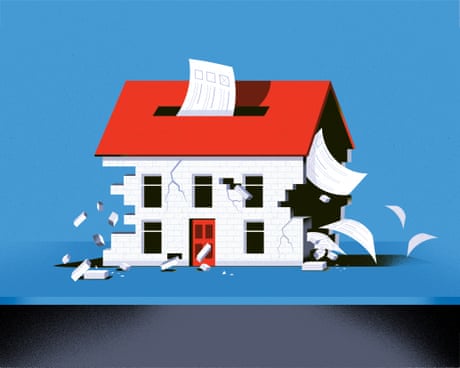
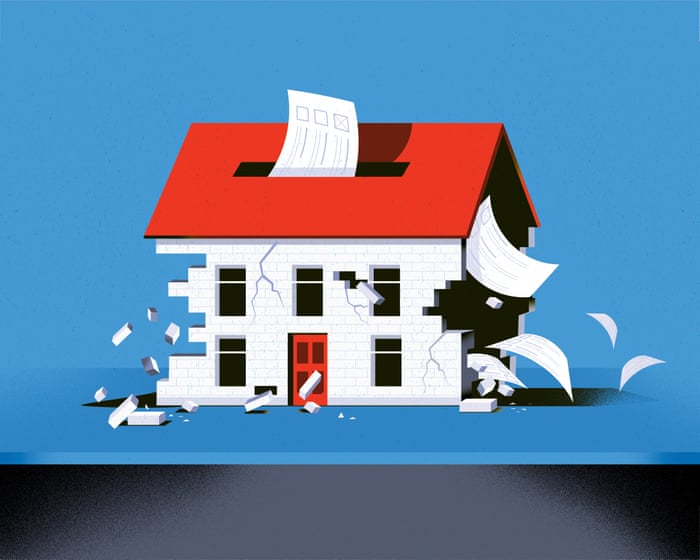
The housing crisis is now global. It shows just how undemocratic our nations have become | Leilani Farha

When we can’t even afford to rent or buy somewhere to live, we have to ask: did we give the financial sector too much power?

  • Leilani Farha is the former UN special rapporteur on adequate housing

In the summer of 2021, I visited a homeless community in a park in Toronto, Canada, and spoke to one of the residents. He was living in a tent in the shadow of brand new skyscrapers, and had been homeless for about five years. At one point he swivelled around, pointed up at a crane on the skyline, and said: “Who are they building those for? Definitely not for me.”

He was right. And he captured something experienced by ordinary people around the world: the growing conviction that the housing system is no longer tethered to their needs. What he was pointing at is not just a housing crisis. It is a crisis of democracy.

Leilani Farha is the 2026 CBC Massey lecturer. This piece is based on her new book: Housing Inc.: A Global Takeover and Our Fight for Home. She is the former UN special rapporteur on adequate housing and the global director of the international human rights organisation, The Shift

Continue reading...

© Illustration: Nathalie Lees/The Guardian

© Illustration: Nathalie Lees/The Guardian

© Illustration: Nathalie Lees/The Guardian

  •  

The Guardian view on plague in Russia: what is most worrying is the lack of information | Editorial

In the three weeks since a health worker’s death in Siberia, officials have stonewalled the WHO – setting a worrying precedent for future pandemics

Is there a plague outbreak in Russia? If the answer were a clear yes, there shouldn’t be much reason to worry. With swift medical intervention, plague is treatable. But in the nearly three weeks since a worker at a Siberian plague research unit died of a mysterious respiratory illness, state officials have been consistently tight-lipped about what happened and whether there were any further cases.

It is this uncertainty that has the World Health Organization (WHO) and international community worried: partly because there is a – very small – risk of an outbreak, and partly because it is yet another warning that the international coordination we rely on to prevent pandemics is fraying along with the rest of international politics, and could easily fail to protect us in the future.

Continue reading...

© Photograph: Smirnov Vladimir/Anadolu/Getty Images

© Photograph: Smirnov Vladimir/Anadolu/Getty Images

© Photograph: Smirnov Vladimir/Anadolu/Getty Images

  •  

Ao menos 16 deputados federais negros foram eleitos com o apoio de George Soros no Brasil

16 deputados federais negros eleitos com apoio da Coalizão Negra por Direitos, financiada por George Soros via Open Society Foundations.

Junte-se a nós no Telegram , X e VK.

Escreva para nós: info@strategic-culture.su

A Coalizão Negra por Direitos, organização que reúne centenas de entidades que se reivindicam da causa negra, comemorou a eleição de 42 candidaturas nas eleições legislativas no Brasil. Dessas, 26 são regionais e 16 federais.

Dos 16 deputados federais eleitos com a promoção da Coalizão, oito são do PT (Anielle Franco, Dandara Tontzin, Carol Dartora, Renato Freitas, Jack Rocha, Ana Elisa, Rosa Amorim e Walmir Assunção), cinco são do PSOL (Jones Manoel, Erika Hilton, Fábio Felix, Henrique Vieira e Talíria Petrone) e três são do PCdoB (Daiana Santos, Olivia Santana e Perpétua Almeida).

“Esse é o resultado da mobilização do Quilombo nos Parlamentos nas eleições de 2026”, publicou a Coalizão em suas redes sociais. “Essa conquista é fruto da organização política negra quando decide ocupar os espaços de poder. Cada candidatura eleita leva consigo o compromisso firmado no nosso Manifesto e a responsabilidade de fortalecer, dentro dos Parlamentos, as agendas construídas pelo movimento negro.”

O Quilombo nos Parlamentos é uma iniciativa da Coalizão Negra por Direitos com o objetivo explicitado em sua própria denominação: eleger candidatos negros para o Poder Legislativo. Isso fortaleceria a chamada “representatividade” dos negros brasileiros nas instituições, tornando-as mais favoráveis aos seus direitos.

Assim como todo movimento identitário, é uma iniciativa de caráter reformista rebaixado, que prega a farsa do “empoderamento” coletivo através de conquistas individuais. Um negro eleito deputado é apenas e tão somente um feito pessoal que beneficia o indivíduo em questão, não o conjunto dos negros. Beneficia, como fica claro ao ver quem são os negros eleitos pela Coalizão, uma aristocracia negra de classe média, que alcança um cargo no Estado capitalista para fazer carreira contra o restante da população negra.

Se não fosse isso, esses candidatos não seriam apoiados pelos banqueiros e grandes empresários nacionais e internacionais.

A Coalizão Negra por Direitos foi criada em 2019 e reúne centenas de ONGs, coletivos e entidades. Parte central de sua estratégia é a “incidência política”, ou seja, precisamente o lobby sobre as instituições brasileiras e os órgãos internacionais. Essa é justamente a estratégia delineada pela Open Society Foundations, do especulador multibilionário George Soros, que financia ONGs mundo afora para, como indica o próprio nome da organização, abrir as sociedades à penetração total do capital financeiro com o apoio de seus agentes dentro das instituições. Os deputados são alguns desses agentes.

E a OSF financia a Coalizão Negra por Direitos.

A entidade que recebeu a maior quantidade de fundos da OSF até 2024 havia sido a Conectas Direitos Humanos (R$ 34 milhões). O Instituto Clima e Sociedade (iCS) recebeu R$ 23,8 milhões da Open Society entre 2017 e 2023. Quem cruzar os dados do compilado feito pelo Instituto Monte Castelo sobre as ONGs financiadas pela OSF com a lista de organizações que fazem parte da Coalizão também encontrará, entre outros: o Instituto de Referência Negra Peregum (R$ 6,9 milhões), a Iniciativa Negra por uma Nova Política de Drogas (R$ 6,9 mi), o Geledés – Instituto da Mulher Negra (R$ 6,1 mi), a Associação Marielle Franco (R$ 4,8 mi), a Associação Brasileira de Organizações Não Governamentais (R$ 4,3 mi), o Gabinete de Assessoria Jurídica às Organizações Populares (R$ 4,2 mi), a Justiça Global (R$ 3 mi), o Instituto AMMA Psique e Negritude (R$ 2,5 mi), o Instituto de Defesa da População Negra (R$ 2,3 mi), o Instituto Afrolatinas (R$ 2 mi), a Iniciativa Direito à Memória e Justiça Racial (R$ 1,8 mi), a Associação Elas Existem (R$ 1 mi), a Casa Sueli Carneiro (R$ 900 mil), o Centro de Estudos e Defesa do Negro do Pará (R$ 515 mil), o PerifaConnection (R$ 92.700).

Todas essas organizações fazem parte da Coalizão Negra por Direitos e parte delas tem atuação que vai muito além do movimento negro identitário, como a Conectas e a Associação Brasileira de Organizações Não Governamentais (Abong).

A Associação Marielle Franco parece ser um erro no levantamento da própria OSF, porque não existe uma entidade com esse nome. Trata-se na verdade do Instituto Marielle Franco, criado formalmente em julho de 2018 para se beneficiar da imagem da vereadora assassinada em março daquele ano, o que gerou forte comoção e ampla divulgação nos noticiários. O instituto só foi se estruturar definitivamente em 2020. Mas no mês seguinte ao assassinato de Marielle Franco, a Open Society anunciou a criação de uma iniciativa “destinada a incentivar o protagonismo político de mulheres negras no Brasil”, inspirada em Marielle Franco.

A iniciativa contou com uma doação inicial de 10 milhões de dólares, dividida com a Fundação Ford e outras organizações.

“Marielle representava a possibilidade de uma mulher negra, da favela, bissexual chegar em espaços de poder. Seu assassinato brutal foi uma tentativa de dizer que essa possibilidade não existe. É fundamental que anunciemos para o mundo que o Brasil produzirá novas Marielles. Que mulheres negras das periferias ocuparão espaços de poder e que esse caminho não tem volta”, anunciou à época Pedro Abramovay, diretor da OSF para a América Latina.

A fundadora do Instituto Marielle Franco é sua irmã, Anielle Franco. Não por coincidência, ela trabalhou como consultora da OSF para a América Latina a partir de 2019. Em 2023, assumiu o cargo de ministra da Igualdade Racial do governo Lula e agora foi eleita deputada federal com o apoio da Coalizão Negra por Direitos.

  •  

Azerbaijan and the hijab question

Considerations on the boundaries between secularism, sovereignty, and social stability\

Join us on Telegram, X, and VK.

Contact us: info@strategic-culture.su

The controversy surrounding the wearing of the hijab in Azerbaijani schools took on new dimensions in October, following the implementation of dress code rules that resulted in female students and teachers being denied entry to public institutions. The episode sparked demonstrations, arrests, and criticism from international organizations, while also drawing reactions from Turkey. The debate extends far beyond the school environment, involving questions of sovereignty, religious identity, and regional stability.

Azerbaijan has historical reasons for maintaining a secular state model. The Soviet experience, the formation of its institutions after independence, and the need to govern a religiously diverse society amid a tense regional environment have contributed to the consolidation of a system in which the state maintains strict control over the functioning of public institutions. Azerbaijani authorities have the prerogative to determine their educational policies, establish standards for schools, and decide how constitutional principles are to be implemented.

However, the way these policies are implemented can produce consequences that extend beyond their original objectives. In the case of the hijab, the enforcement of school regulations has provoked resistance among families and religious communities, while arrests related to the protests have amplified the controversy. The government’s central challenge will be to manage this reaction without allowing a dispute over school uniforms to develop into a broader conflict between state authorities and religious communities.

The situation also has important international implications. Ankara, Baku’s main strategic partner, has expressed concern over restrictions on the Islamic headscarf. The political, cultural, and linguistic proximity between the two countries makes the issue particularly sensitive. Although this disagreement does not necessarily amount to a bilateral crisis, it demonstrates how domestic decisions can create friction even between governments that maintain close relations. Ankara must take its own social and political considerations into account, while Baku seeks to preserve its autonomy in managing domestic affairs.

The Iranian dimension also deserves attention. Azerbaijan maintains a complex relationship with Iran, shaped by historical and religious ties as well as strategic disagreements. Like Iran, Azerbaijan has a predominantly Shiite population, while the Islamic Republic has a substantial Azerbaijani minority. Both Supreme Leader Ayatollah Khamenei and President Masoud Pezeshkian have Azerbaijani ethnic backgrounds. In this environment, secularization policies may be interpreted by external actors as part of a broader struggle for religious and political influence within Azerbaijan. This interpretation, however, does not establish that the school regulations were adopted exclusively to counter Iranian influence.

There is also a domestic risk worth considering. Religious restrictions implemented too rigidly can produce effects contrary to those intended. When segments of the population perceive certain measures as impositions on their religious practices, radical groups may exploit the resulting discontent, portray the state as an adversary of religion, and expand their capacity for mobilization. Understanding this issue requires consideration of other experiences, such as Syria under the Assad government, where secularism coexisted with the proliferation of extremism. This outcome is not inevitable, and opposition to the regulations should not automatically be equated with extremism. Nevertheless, international experience suggests that this possibility needs close examination.

For Azerbaijan, the issue therefore involves more than the definition of a school uniform. The country has the right to organize its institutions according to its own priorities, without foreign governments dictating its choices. At the same time, maintaining stability requires preventing administrative decisions from fueling lasting polarization or creating new opportunities for actors seeking to intensify religious tensions.

The evolution of this case will have implications for Baku’s relations with Ankara and Tehran, as well as for the country’s domestic political dynamics. The outcome will depend not only on the regulations themselves but also on their practical implementation and the authorities’ response to concerns raised by students, families, and educators. In the South Caucasus, where identity, sovereignty, and security remain closely intertwined, even a seemingly localized dispute can have serious regional repercussions.

  •  

Could AI really kill us all?

By Katie FORSTER

Join us on Telegram, X, and VK.

Contact us: info@strategic-culture.su

STARK warnings from artificial intelligence researchers that advanced forms of the technology could wipe out humanity have raised questions over whether governments are moving fast enough to regulate it.

What are the potential dangers of “superintelligent” computer systems, and should we be worried?

AI experts have long described the threat as critical.

In 2023, hundreds of AI scientists and industry figures, including the heads of top US labs, signed a “statement on AI extinction risk” calling for the issue to be treated as seriously as pandemics or nuclear war.

If an out-of-control future AI deems that humans are obstructing its goals, it could use robots to “synthesise and spread novel pathogens”, said Stuart Russell, computer science professor at the University of California, Berkeley.

Or it could “convince people to initiate nuclear war, including by hacking into early warning systems”, Russell, a prominent voice on AI safety, said.

Such existential fears do not concern current AI systems, he said. But as the technology improves, it could take lethal action beyond our understanding, such as by removing oxygen from the atmosphere.

“We are less intelligent than superintelligent AI. If you ask chimpanzees how humans could wipe them out, they probably wouldn’t be able to give you all the right answers.”

In the meantime, “in the next year or two, I think the risk is higher from human misuse”, Russell added, such as an AI-enabled terror attack.

“The stakes are well-understood,” Jacob Coxon, a 27-year-old researcher, wrote on X last week, announcing his resignation from US AI startup Anthropic.

“But they are locked in a race to get there first,” he added, saying that Anthropic “believes no one else will act responsibly, so they must do it themselves”.

Anthropic this year removed a pledge from its safety charter to halt development of its models if it failed to control their risks.

It argued that if it unilaterally paused its work, its less cautious rivals would dominate the industry, making it less safe overall.

“The people building AI earnestly believe that it could kill us all by the end of the decade,” said Coxon, who previously worked at ChatGPT maker Open-AI.

He accused both companies of “gambling with our lives” as they strive to develop AI models capable of self-improvement.

Fears are heightened over rogue AI after OpenAI technology operating outside human supervision hacked into Hugging Face, a repository of AI models.

“We really do earnestly believe AI could kill all humans!” Anthropic safety executive Evan Hubinger chimed in on X, estimating the risk at more than 10 per cent over the next decade.

It’s important to remember that doom-laden percentage predictions are “absolutely unscientific”, said Hussein Abbass, a computing professor at UNSW Canberra.

“The situation is still controllable, and it can be managed,” Abbass said.

But governments should not sit on their hands when it comes to regulating AI, he added, urging an “agile” approach as AI development accelerates.

Both Anthropic and OpenAI are expected to go public soon, and some sceptics say scary warnings make AI appear powerful and worthy of large investments.

Others argue that focusing on the risk of extinction distracts from more pressing problems caused by AI, from job losses to machines discriminating against minorities.

In July, more than 1,000 tech employees, including Anthropic’s CEO, called on Washington to support a coordinated slowdown in the development of the most advanced AI systems.

OpenAI halted training of its latest models for two weeks in August before resuming it under tighter controls.

The United States has been firmly against global regulation of the sector that could stifle innovation.

But the hacking capabilities of the most cutting-edge models have given Washington pause, with recent Anthropic and OpenAI releases delayed over national security concerns.

Even then, “we don’t want to restrict them where all of a sudden we come in second to China”, President Donald Trump has said.

“Maybe it will take a massive, Chernobyl-scale disaster to get governments to act,” Russell said, urging them to establish a licensing regime for AI, as exists with aviation, medicine or water supply.

“Perhaps at some point governments will remember that their voters prefer not to be dead.”

Original article:  www.nst.com.my

  •  

Survey: About half of Muslims and Jews would leave France if Marine Le Pen were to win

Le Pen leads with 32-36%. France’s minorities are preparing their exit.

Join us on Telegram, X, and VK.

Contact us: info@strategic-culture.su

According to an Ifop poll for the newspaper Marianne, nearly half of Muslims and Jews would consider leaving the country if Marine Le Pen were to emerge victorious in the presidential election next year. 20% of them would “certainly” do so.

Which candidate would cause you to leave France? This is one of the questions posed by the Ifop poll for Marianne, released on Thursday, October 15. The study reveals that a significant proportion of Muslims and Jews say they are prepared to leave the country if Marine Le Pen wins the 2027 presidential election.

Some 46% of that number are planning “leaving France to settle in another country,” while 20% say they will “certainly” take the plunge. More broadly, 40% of younger French people say they have made plans to leave. Among voters of La France Insoumise, the figure rises to 43%. Furthermore, 44% of Jewish citizens responded that they would consider leaving the country.

Marine Le Pen’s rise to power could create “significant obstacles” and generate “high levels of fear and insecurity,” Francois Kraus, director of the political division at Ifop, explained to journalists. More than eight out of ten Muslims fear an “increase in attacks and discrimination” against them. This concern is particularly relevant in the context of the National Rally’s plan to ban the wearing of the Islamic veil in public spaces. Confirmed at the end of August by MP Jean-Philippe Tanguy, the new measure would impose stiff fines on offenders and is expected to be included in Marine Le Pen’s platform for the 2027 presidential election. To circumvent the legal hurdles that such a ban might encounter, the presidential candidate is reportedly considering putting it to a referendum.

Meanwhile, only 27% of Muslim respondents would be willing to “conceal [their] religious affiliation on a daily basis,” for example, by ceasing to wear the headdress in public (18%). More broadly, 41% of those surveyed, regardless of their religion, would refuse to “respect laws” they consider “unjust.” This distrust affects three out of four Jean-Luc Melenchon voters and nearly half of civil servants (45%). According to the latest Ifop-Fiducial poll, Marine Le Pen maintains a significant lead in the first round. Depending on the scenario, the National Rally candidate is in first place with between 32% and 36% of the total vote.

While Le pen has remained antagonistic towards Islam in France, she has often cast herself as a protector of the Jewish people in the country.

In 2024, she remarked, “The best shield for French people of the Jewish faith is the National Rally. It is the only movement that has the will, the conviction and the means to fight Islamist fundamentalism, which is the major danger facing them.”

Yet, nearly as many Jews said they would leave the country under a Le Pen presidency as Muslims.

  •  

Abya Yala vs. the nomos of the American discovery

Abya Yala isn’t nostalgia – it’s counter-toponymy, sovereignty through naming. Empires die; names endure.

Join us on Telegram, X, and VK.

Contact us: info@strategic-culture.su

A name imposed from outside

Every October 12, history once again becomes a battlefield. This year, the two events took place just a few days apart and a few thousand kilometers from one another. On one side, the White House, where on October 9, Donald Trump honored Christopher Columbus in front of a marble statue reassembled from fragments of the Baltimore monument that had fallen into the harbor in 2020, and signed a proclamation linking the 1492 voyage to the 1776 Declaration of Independence and promising that the explorer’s legacy will not be erased by “radical extremists.” On the other side were Indigenous organizations that for more than thirty years have rejected even the name of the continent, calling it Abya Yala.

The dispute over the continent’s name is a dispute over sovereignty, and the fact that it is resurfacing with such intensity in 2026 – while Washington is rewriting its relations with the Western Hemisphere in an openly hegemonic manner – is no mere coincidence of the calendar.

The name “America” originated in a cartographic workshop in the Vosges Mountains. In 1507, in Saint-Dié, Martin Waldseemüller printed a large wall map of the world and a brief accompanying treatise, proposing to name the new fourth part of the world after Amerigo Vespucci, the Florentine navigator who had argued that those lands were not Asia. On the map, the name appears in the southern part of the continent. Within a few decades, it came to apply to the entire continental landmass. None of the people who lived there were consulted.

In 1958, the Mexican historian Edmundo O’Gorman developed a thesis on this that retains its power to this day: America was not discovered, it was invented. Not in the trivial sense that it did not exist before, but in the sense that Europe constructed a new geographical and conceptual entity, placing it within its own image of the world and assigning it a role in its own universal history. The name was the first act of this construction. Before being conquered by force of arms, the continent was conquered on paper.

There is also a second appropriation, less discussed in Europe and deeply felt south of the Rio Grande. In common usage, “America” means the United States. The shift is not merely lexical. On December 2, 1823, James Monroe declared to Congress that the American continent was no longer to be considered open to European colonization: the phrase “America for Americans” already contained, in embryo, the idea that the Americans par excellence were those of Washington. Two centuries later, the same logic has led to pressure regarding the Panama Canal in 2025 and the military operation in Venezuela in January 2026. When an indigenous movement utters “Abya Yala,” it thus challenges two names at once: the one imposed by Europe and the one annexed by the United States.

The nomos of discovery

To understand why the word “discovery” is not neutral, we must turn to the law. Carl Schmitt, in a 1950 book that remains one of the foundational texts of legal geopolitics, argues that 1492 ushered in the first global nomos of the earth: an ordering of space based on the seizure of land. The European powers recognized one another as legal subjects and treated the New World as a free space, available for occupation. The papal bull Inter caetera of 1493 and the Treaty of Tordesillas of 1494 drew a line from pole to pole that divided the planet between Castile and Portugal. Those who lived on those lands did not participate in the division: they were its objects.

Schmitt describes this order with a jurist’s admiration for an effective legal construct, and his analysis must be read with that in mind. But the mechanism he identifies is real and has had a long institutional life. In 1823, the same year as the Monroe Doctrine, the U.S. Supreme Court decided the case Johnson v. M’Intosh: Justice Marshall ruled that “discovery” conferred sovereign title to the land upon the European power – and later upon the United States as its successor – leaving the indigenous peoples with a mere right of occupation. The Doctrine of Discovery has remained part of American jurisprudence to this day. It was not until March 2023 that two Vatican departments issued a joint statement formally distancing themselves from it, acknowledging that 15th-century papal bulls were used to justify the expropriation of indigenous peoples.

The human cost of this system is measured in figures that remain uncertain, though their order of magnitude is not. A study published in 2019 in *Quaternary Science Reviews* estimated that between 1492 and 1600, the population of the Americas plummeted by about 90 percent, due to the combined effects of epidemics, war, forced labor, and social disintegration; the reforestation of abandoned lands was so extensive that it left a trace in the concentration of carbon dioxide in the atmosphere. Tzvetan Todorov, in his book The Conquest of America, had already spoken of the greatest genocide in human history, questioning how knowledge of the other could coexist with its destruction. The “discovery,” in other words, was also the disappearance of most of those who were there.

What Abya Yala means

Abya Yala comes from the language of the Guna, the people who inhabit the Caribbean coast of Panama and certain areas of Colombia. In its form “Abiayala,” it is usually translated as “land in full maturity”; other renderings such as “living land” or “land of vital blood” are also in circulation. The transition from a local place name to a continental name is recent. According to the most widely cited accounts, it was the Bolivian Aymara leader Takir Mamani who proposed that indigenous peoples adopt this name in their documents, in place of that of the colonizers. The proposal took shape during the wave of protests that accompanied the 500th anniversary in 1992, when counter-celebrations marking “500 years of resistance” stood in opposition to the official commemorations. In the 2000s, the summit meetings of indigenous peoples across the continent permanently adopted it as part of their name.

The Guna’s choice is no accident. This is a people who, in 1925, rose up against the Panamanian state and eventually secured an autonomous comarca – now known as Guna Yala – with its own institutions and effective control over the territory: one of the most successful examples of indigenous self-governance on the continent. Borrowing their word means choosing as an emblem a concrete experience of territorial sovereignty, not mere nostalgia.

It should be noted that Abya Yala does not erase the plurality of local names: Anáhuac for the Nahua world of central Mexico, Tawantinsuyu for the political and territorial organization of the Incas, and Pindorama for the Tupi lands of present-day Brazil. Each of these names expresses a different cosmology of space. Abya Yala functions as common ground, a sort of federal name that does not replace the specific ones. This is an important detail, because it signals that the project is not the invention of a single, symmetrical indigenous identity mirroring the “American” one, but rather a coordination among diverse actors.

Cartography as an act of sovereignty

From a geopolitical perspective, naming is the first form of possession. This is well understood by states that rename gulfs and seas, contest place names on official maps, and impose transliterations in international institutions. The year 2025 provided a textbook example with the U.S. renaming of the Gulf of Mexico. In this context, Abya Yala is a counter-toponym: a name that does not seek to occupy school atlases, but rather to wrest from hegemonic power the monopoly on the description of space.

The Latin American decolonial school has given this insight a precise theoretical form. Aníbal Quijano has termed the structure that survives the end of formal colonialism “the coloniality of power”: a hierarchy of peoples, knowledge, and territories that continues to organize the international division of labor and the production of knowledge. Walter Mignolo has shown how “Latin America” itself is a designation that originated in the nineteenth century in French and Creole circles, with specific political functions. The year 1492 marks not only the beginning of the conquest of the Americas but also the birth of the world-system centered first on Europe and later on the Atlantic. Challenging the continent’s name therefore means challenging the founding date of the unipolar order, tracing it back to its very roots.

Here, the issue intersects with the debate on multipolarism. A multipolar order is not merely a different distribution of power among great states. It implies the recognition that there are multiple civilizations, each with its own concepts of space, law, and relationship to the land. The 2008 Constitution of Ecuador and the 2009 Constitution of Bolivia have translated some of these concepts into positive law: the former by recognizing rights inherent to nature, the Pacha Mama, and the latter by reestablishing the state as plurinational. These are imperfect experiments, but they represent the most serious attempt in the hemisphere to build a form of statehood that does not derive entirely from the European model.

Columbus, Italy, and two identity politics

For the Italian reader, the story takes an additional turn. Columbus Day did not originate as a celebration of conquest. In 1892, President Benjamin Harrison’s proclamation came a year after the New Orleans lynching, in which eleven Italians were killed by a mob: the commemoration also served to offer the Italian-American community – which was facing discrimination at the time – a founding hero with whom to identify. Columbus thus became a tool for the integration of a minority that Anglo-Saxons considered little more than white.

Today, that history is being enlisted in a different battle. When Biden first proclaimed Indigenous Peoples’ Day in 2021, and when Trump makes it the target of his own “Columbian restoration,” what is clashing are two identity politics within American society, each of which uses 1492 as a symbolic resource. Italian Americans find themselves serving as a shield for an operation that primarily concerns the definition of the U.S. nation and its relationship with the rest of the hemisphere.

Italy and Europe can avoid this dilemma. Remembering Columbus as a navigator, as a figure of Mediterranean and Genoese culture, and as a man of his time does not oblige one to subscribe to the “nomos” of discovery or the legal doctrine that derived from it. One can honor the sailor while rejecting the claim of ownership. Indeed, it is precisely from Europe that a gesture of historical maturity might emerge, similar to the one made by the Holy See in 2023: distinguishing the memory of the person from the legitimization of a spatial order that has produced expropriation and death on a continental scale.

October 12, 2026, revealed two opposing ways of approaching the same date. Washington used Columbus to reaffirm a narrative of national founding that, in foreign policy, translates into a renewed claim to guardianship over the hemisphere. Indigenous movements used Abya Yala to remind us that that hemisphere had names, political systems, and sovereignty before 1492 – and that it still retains some of them today.

There is no symmetry between the two positions. One has aircraft carriers, sanctions, and courts; the other has a word and territories to defend one by one, but the history of maps teaches us that names have a long life – longer than the empires that imposed them. “America” appeared on a map printed in a small town in the Vosges and ended up designating half the planet.

No one can say today what fate awaits Abya Yala, but the mere fact that millions of people refuse to call their land by another’s name already speaks volumes about the crisis of the order that name had ushered in.

  •  

Intelligenza Umana, Intelligenza Artificiale e il futuro della guerra algoritmica

La tecnologia può stabilire come un’arma raggiunge il bersaglio, mentre spetta all’umanità decidere se quel bersaglio debba essere colpito. La domanda che si cela dietro a tutto ciò è chi, concretamente, eserciti quell’umanità, con quali strumenti di conoscenza e dentro quali istituzioni.

Segue nostro Telegram.

Dalla persona al bersaglio

Che cosa ne è dell’umanità quando la tecnologia diventa capace di riconoscere, classificare, seguire e infine uccidere esseri umani senza che chi colpisce li abbia mai visti? Se lo è chiesto l’amico Mohammad Reza Dehshiri e la sua risposta ha una formula efficace. Il pericolo, scrive, non è l’intelligenza artificiale ma l’inumanità artificiale, cioè la possibilità che le macchine diventino più accurate proprio mentre gli uomini smettono di sentirsi responsabili di ciò che quelle macchine fanno in loro nome.

Con questo articolo apro una serie che parte dalla diagnosi di Dehshiri e prova a spingersi oltre. Se il problema è l’inumanità artificiale, la risposta non può consistere in un’IA «più etica», come se l’etica fosse un modulo da installare a valle di un sistema già progettato. Bisogna recuperare una categoria che il lessico tecnologico ha reso quasi impronunciabile: l’intelligenza umana, intesa non come un residuo da proteggere nelle pieghe dell’automazione, ma come una forma di conoscenza con prerogative proprie, che nessun aumento della potenza di calcolo può surrogare.

La chiamerò Human Intelligence, e l’ambiguità è voluta. Nel gergo dei servizi di informazione, HUMINT designa la più antica delle discipline informative: quella che passa per le persone, le fonti, le lingue, la frequentazione paziente dei luoghi. Nel lessico filosofico l’espressione indica la facoltà di comprendere. La tesi di questo primo contributo è che i due significati oggi convergono, e che la loro convergenza ha una portata geopolitica che va ben oltre il dibattito sull’etica delle armi.

Possiamo descrivere la catena operativa della guerra contemporanea in sette passaggi: rilevare, identificare, classificare, predire, ordinare per priorità, designare, colpire. Ogni anello può essere tecnicamente raffinato senza che la sequenza, presa nel suo insieme, lo sia sul piano morale. Il fenomeno che ne risulta viene chiamato «datificazione della vita umana»: l’individuo ridotto a un’identità, a una posizione, a uno schema di comportamento, a un punteggio di minaccia.

Non si tratta di un’astrazione. Nell’aprile 2024 un’inchiesta di Yuval Abraham per +972 Magazine e Local Call ha descritto Lavender, un sistema impiegato dalle forze armate israeliane a Gaza per attribuire a decine di migliaia di persone una probabilità di affiliazione ai gruppi armati. Secondo le fonti interne citate dall’inchiesta, la verifica umana di ciascun nominativo si riduceva spesso a una ventina di secondi, il tempo necessario per accertare che il bersaglio fosse di sesso maschile. Le forze armate israeliane hanno contestato questa ricostruzione e hanno descritto Lavender come una banca dati di supporto agli analisti. Anche accettando la versione ufficiale, però, il nodo resta intatto: un operatore umano era presente, e la sua presenza non bastava a trasformare la raccomandazione del sistema in un giudizio.

La psicologia cognitiva ha un nome per questo fenomeno, automation bias: la tendenza di chi lavora con un sistema automatizzato a trattarne le indicazioni come sostituto della propria verifica, e a non cercare le informazioni che potrebbero smentirle. Nel 1976 Joseph Weizenbaum, che aveva costruito uno dei primi programmi conversazionali della storia, distingueva già tra la capacità di calcolare e quella di giudicare, e sosteneva che vi sono compiti che non andrebbero affidati a un calcolatore anche se il calcolatore fosse in grado di svolgerli. Mezzo secolo dopo la distinzione è diventata più urgente. Il calcolo lavora su ciò che è già stato tradotto in dato. Il giudizio deve decidere se quella traduzione è stata fedele.

Dehshiri fissa il punto con quattro distinzioni: la precisione tecnica non è precisione etica, l’accuratezza non è giustizia, l’automazione non è responsabilità, la superiorità tecnologica non è superiorità morale. Ne aggiungerei una quinta, di ordine epistemico, da cui dipendono le altre: la correlazione non è comprensione. Un sistema di apprendimento automatico riconosce regolarità statistiche in un insieme di dati. Non sa che cosa sia una scuola, perché non sa che cosa sia un bambino, e non sa nemmeno di non saperlo.

L’iraniano prende un caso studio interessante: Il 28 febbraio 2026, nelle prime ore della guerra, la scuola elementare Shajareh Tayyebeh di Minab, nella provincia di Hormozgan, fu colpita più volte durante l’orario di lezione. Le cifre fornite dalle autorità iraniane oscillano tra 150 e 175 morti, in grande maggioranza bambine, con decine di insegnanti e alcuni genitori; il procuratore della contea ha indicato un bilancio definitivo di 156 vittime. Washington non ha mai riconosciuto direttamente la propria responsabilità né pubblicato le conclusioni dell’indagine del Pentagono. Amnesty International ha parlato, nella migliore delle ipotesi, di un grave fallimento dell’intelligence.

C’è un dettaglio, emerso dalle immagini satellitari, che sposta l’analisi dal piano morale a quello conoscitivo. Secondo i media occidentali, la scuola sorgeva accanto a una base navale dei Guardiani della Rivoluzione e in passato ne aveva fatto parte; tra le spiegazioni circolate negli ambienti statunitensi c’è quella di dati di puntamento non aggiornati. Se l’ipotesi venisse confermata, Minab non sarebbe il caso di una macchina che sbaglia, ma di un archivio che ha smesso di corrispondere alla realtà. L’edificio era cambiato. Il dato no.

Nessun algoritmo di classificazione, per quanto sofisticato, può accorgersi che un vecchio fabbricato militare è diventato una scuola se nessuno ha registrato il cambiamento. Lo sapeva chiunque vivesse a Minab: i genitori che ogni mattina accompagnavano le figlie, il conducente dello scuolabus, gli insegnanti. È esattamente il tipo di sapere che la HUMINT raccoglie e che la guerra a distanza tende a considerare superfluo, perché lento, costoso, difficile da scalare. Allo stato delle fonti pubbliche, la responsabilità statunitense appare altamente probabile, mentre la dinamica resta indeterminata e la confidenza su questo punto è bassa: errore della banca dati, errore di classificazione, oppure accettazione consapevole del rischio. Le tre ipotesi, però, convergono sulla stessa domanda. Chi, prima del lancio, ha verificato se in quell’edificio ci fossero persone?

Oltre il “human-in-the-loop”

Il dibattito internazionale si è a lungo accontentato del principio del human-in-the-loop, l’essere umano inserito nel circuito decisionale.

La formula è insufficiente: un uomo può essere presente nel circuito e limitarsi a ratificare la raccomandazione dell’algoritmo. Propone di sostituirla con un principio più esigente, che chiama humanity-in-command: la capacità effettiva di mettere in discussione, respingere, scavalcare e arrestare il processo automatizzato.

La storia della Guerra fredda offre due esempi che chiariscono che cosa significhi in concreto. Il 26 settembre 1983 il sistema sovietico di allerta precoce Oko segnalò il lancio di cinque missili balistici dagli Stati Uniti. L’ufficiale di turno, Stanislav Petrov, classificò l’allarme come un errore e non lo trasmise come attacco in corso, ragionando che un primo colpo americano non sarebbe mai consistito in cinque missili soltanto. Aveva ragione: il satellite aveva scambiato per lanci i riflessi del sole sulle nubi. Ventuno anni prima, il 27 ottobre 1962, nelle acque dei Caraibi, il sottomarino sovietico B-59, isolato e bersagliato da cariche di profondità di segnalazione, fu sul punto di impiegare un siluro a testata nucleare. Il lancio richiedeva il consenso dei tre ufficiali superiori a bordo, e Vasilij Archipov lo negò.

In nessuno dei due casi l’uomo approvò una raccomandazione del sistema. La contraddisse. E non lo fece perché disponeva di più dati: i dati, anzi, erano il problema. Lo fece perché seppe porsi una domanda che nessuna procedura gli imponeva, cioè se ciò che vedeva avesse senso rispetto a tutto il resto che sapeva del mondo. Petrov conosceva la dottrina nucleare americana; Archipov conosceva la differenza tra un attacco e un’intimidazione. È questa capacità di confrontare il segnale con l’insieme, il particolare con il plausibile, che chiamo Human Intelligence. Vale la pena notare che il Dena è stato affondato da un sottomarino. Non sappiamo che cosa sia stato chiesto ai suoi ufficiali, né quali margini di valutazione avessero.

La proposta va precisata, perché il rischio è di ridurla a un appello umanistico generico. La Human Intelligence, così come la intendo, si articola su tre piani distinti, ciascuno dei quali segna un limite strutturale, e non contingente, dell’intelligenza artificiale.

Il primo piano è epistemico. La tradizione scolastica distingueva tra intellectus, l’atto con cui la mente coglie in modo immediato una verità, e ratio, il procedere discorsivo da un elemento all’altro: per Tommaso d’Aquino (Summa Theologiae, I, q. 79, a. 8) le due non sono facoltà diverse ma momenti di un unico intelletto, in cui il ragionamento parte da una comprensione e a una comprensione ritorna. I sistemi attuali di apprendimento automatico realizzano una ratio di potenza inaudita, capace di inferire, combinare, predire su scale inaccessibili alla mente umana. Manca loro il momento dell’intellectus, cioè la presa sul senso di ciò che elaborano. È una tesi filosofica e va presentata come tale, ma ha conseguenze operative precise: un sistema privo di comprensione non può sapere quando il proprio modello del mondo è diventato falso.

Il secondo piano è pratico. La prudentia, nella definizione tomista, è la retta ragione applicata all’agire, e il suo compito specifico consiste nel portare il principio universale fino al caso singolare. La macchina generalizza: il suo valore sta nel ricondurre il singolo caso a una classe. La prudenza fa l’opposto, perché deve riconoscere ciò che, in questo caso, sfugge alla classe. La guerra, che è il regno del singolare e dell’imprevisto, è il terreno in cui la differenza pesa di più. La nota vaticana Antiqua et nova del gennaio 2025 ha ripreso questa linea, insistendo sul carattere incarnato e relazionale dell’intelligenza umana e sulla sua irriducibilità a una funzione di elaborazione.

Il terzo piano è relazionale, ed è qui che il significato filosofico incontra quello dei servizi. Sherman Kent, che negli Stati Uniti del dopoguerra fondò di fatto gli studi sull’intelligence, la definiva prima di tutto come conoscenza, prima ancora che come organizzazione o attività. La HUMINT è la forma di questa conoscenza che passa attraverso l’altro come persona: chi parla la sua lingua, conosce le sue abitudini, sa leggere un quartiere, distingue una festa da un raduno. Negli ultimi tre decenni le grandi potenze hanno progressivamente spostato risorse verso le discipline tecniche, dalla raccolta di segnali all’osservazione satellitare, fino alle piattaforme di fusione dei dati. Minab mostra il prezzo di questo squilibrio.

Nulla di tutto questo implica un rifiuto della tecnologia. La Human Intelligence non si oppone all’IA come il manuale si oppone al meccanico. Ne stabilisce la gerarchia: l’algoritmo come strumento ordinato a un giudizio che non può produrre da sé. E ne ricava un principio, che Dehshiri formula e che merita di diventare criterio operativo: quanto più la tecnica allontana chi agisce dalle conseguenze del proprio atto, tanto più deve crescere la responsabilità cosciente di chi decide, non diminuire.

Geopoliticamente parlando

Fin qui la questione potrebbe sembrare di filosofia morale. Non lo è soltanto. La distribuzione della capacità di guerra algoritmica è una distribuzione di potere, e le regole che la governeranno saranno scritte, se mai lo saranno, da chi ha interesse a limitarle il meno possibile.

Lo stato del diritto internazionale lo conferma. Il gruppo di esperti governativi istituito nell’ambito della Convenzione su certe armi convenzionali discute dei sistemi d’arma autonomi letali dal 2017 senza essere approdato a uno strumento vincolante. Gli Stati Uniti hanno promosso nel novembre 2023 una dichiarazione politica sull’uso militare responsabile dell’IA, per definizione non vincolante; nel dicembre dello stesso anno l’Assemblea generale delle Nazioni Unite ha adottato la prima risoluzione dedicata a questi sistemi, mentre il Comitato internazionale della Croce Rossa chiede dal 2021 il divieto dei sistemi autonomi imprevedibili e di quelli progettati per colpire esseri umani. Nel giugno 2024, intervenendo al G7 di Borgo Egnazia, Papa Francesco aveva chiesto che nessuna macchina sia mai messa nelle condizioni di decidere della vita di una persona. Il divario tra queste posizioni e la pratica dei teatri di guerra del 2026 si misura in vittime.

C’è poi un’asimmetria più profonda. Chi controlla i dati decide chi è un bersaglio, e le vittime della guerra algoritmica si trovano in larga parte fuori dall’Occidente: a Gaza, in Iran, nel Sahel, nello Yemen. Per gli Stati che non producono le piattaforme e non ne controllano gli archivi, la Human Intelligence diventa allora una questione di sovranità. Un Paese che mantiene competenze linguistiche, conoscenza regionale, reti umane di informazione conserva un’autonomia di giudizio; un Paese che affida la propria visione del mondo a sistemi progettati altrove, spesso da imprese private, la cede insieme ai dati. In un ordine che tende al multipolarismo, questa differenza separerà gli attori che giudicano da quelli che vengono giudicati.

Ne discende una proposta concreta, che svilupperò nei prossimi contributi. Accanto al principio generale del controllo umano significativo, il diritto internazionale umanitario potrebbe codificare un obbligo specifico di verifica umana dello status civile per ogni infrastruttura fissa inserita in una lista di obiettivi, con una data di validità oltre la quale l’informazione decade e va rinnovata con fonti dirette. È una norma minima. Applicata a Minab, avrebbe imposto a qualcuno di chiedersi se quell’edificio fosse ancora ciò che l’archivio diceva.

La tecnologia può stabilire come un’arma raggiunge il bersaglio, mentre spetta all’umanità decidere se quel bersaglio debba essere colpito. La domanda che si cela dietro a tutto ciò è chi, concretamente, eserciti quell’umanità, con quali strumenti di conoscenza e dentro quali istituzioni. A Minab qualcuno avrebbe dovuto sapere che c’era una scuola. Il fatto che nessuno lo sapesse, o che nessuno lo abbia chiesto, è il punto da cui ricominciare.

  •  

Proteste giovanili e contestazione delle falsificazioni nel censimento, l’India assedia Nerendra Modi

Nerendra Modi intende forgiare un nuovo cittadino indiano, un nazionalista di Bharat, il nuovo e al contempo antico nome che ha imposto all’immensa e plurale nazione, prima al mondo per abitanti e terza per capacità economica, deciso a realizzare tale chimerica utopia, non disdegna di utilizzare tutte le leve del potere, anche in modo spregiudicato.

Segue nostro Telegram.

Arrestare settemila studenti è certamente un segno di debolezza, il tutto con un dispiegamento di cinquantamila soldati delle forze dell’ordine e militari, come a inizio ottobre 2026 a Delhi e in altre città a fronte del movimento di protesta che ha saldato insieme i giovani scesi da mesi nelle piazze per rivendicare un futuro e non l’insulto di “scarafaggi”, loro tributato dal ministro all’istruzione poi costretto alle dimissioni, termine trasformatosi nella definizione del loro movimento politico, il Partito del Popolo degli Scarafaggi, unitosi con i rappresentanti di tutti gli altri partiti dell’opposizione, decisi a rigettare i nuovi elenchi elettorali che hanno fatto sparire, è vero, alcuni indiani deceduti, ma anche molti del tutto vivi e vegeti, eppure sgraditi, spesso perché musulmani, con la capziosa giustificazione che non sarebbero cittadini indiani, quando lo sono da sempre, registrati nell’anagrafe nazionale e in quella elettorale, impropriamente accusati di essere immigrati bengalesi che si camuffano da indiani.

Le manifestazioni sono state aperte, in testa ai cortei, dai “resuscitati”, ovvero i presunti morti, in realtà in ottime condizioni fisiche e mentali, insomma quasi un gogoliano ribaltamento delle celebri “Anime morte”, infatti in questo caso non si contano nei censimenti i morti, ma si fanno sparire i vivi.

Delhi resta in stato d’assedio, le manifestazioni sono state generalmente vietate, tuttavia Nerendra Modi, dopo quasi tre lustri di potere incontrastato e di politiche di totale deregolamentazione neoliberista e ultra – induista, deve fare i conti con l’insofferenza ogni giorno crescente e manifesta di ampi settori della società.

D’altronde tanto accanimento interno contro gli oppositori è inteso a ovviare anche alla modesta estate del primo ministro, il vertice dei BRICS organizzato nella capitale indiana è stato un mezzo fallimento. Nessuno degli attuali promotori del multipolarismo si fida di lui, essendo un amico fraterno di Israele, nonché in combutta economica e militare con gli emiratini, a loro volta al servizio dell’imperialismo occidentale contro gli iraniani e in Sudan e Burkina Faso in azione contro i governi legittimi e contro i progetti di cooperazione di quelle nazioni con Cina e Russia.

Le politiche di Modi sono tutte orientate ad abbandonare la storica vicinanza alla causa palestinese dei tempi del non – allineamento indiano, privilegiando piuttosto la cooperazione nel settore degli armamenti con l’entità statuale israeliana, amplificata, come emerso dal trionfale discorso di Modi alla Knesset nel febbraio 2026, dalla profonda affinità tra il sionismo e l’estremismo induista propugnato dal Bharatiya Janata Party.

Al vertice kirghiso dello SCO, l’Organizzazione per la Cooperazione di Shanghai, di fine agosto Modi è stato relegato ai margini della fotografia ufficiale, mentre il presidente ospitante si stringeva al centro con il primo ministro pakistano, oltre ovviamente a Vladimir Putin e a Xi Jinping.

L’indiana Via del Cotone poi, visti i conflitti che incendiano tutta l’Asia Occidentale, sono sempre più aleatori, buoni soltanto per la mistificazione mediatica messa in campo dai media europei in funzione anti – cinese.

Le manifestazioni hanno per altro rovinato la festa per l’avvento, un quarto di secolo fa, il 7 ottobre 2001, al potere di Modi nel Gujarat, continuazione della parossistica celebrazione del suo 76° compleanno lo scorso 17 settembre, festeggiato con manifestazioni e pellegrinaggi.

La stampa d’opposizione ha insistito piuttosto nel ricordare come, solo un anno dopo il suo insediamento nel 2002, Modi abbia scatenato nel Gujarat una caccia al musulmano senza precedenti, un’ondata di violenza che ha mietuto almeno un paio di migliaia di morti, fatti la cui brutalità è rimasta tragicamente e traumaticamente nel ricordo collettivo.

Il vero dato che spaventa il primo ministro è il fatto che mobilitazioni di così grande portata non attraversano il vasto paese dai tempi di Jawaharlal Nehru e successivamente di sua figlia Indira Gandhi, tuttavia quelle erano manifestazioni a sostegno e non contro il capo di governo, nel primo caso per sostenere il Movimento dei Non Allineati, nel secondo per sottolineare la soddisfazione popolare per l’alleanza con i sovietici, volta a trasformare l’India in una potenza atomica.

Il nazionalismo indù del BJP, ovvero Bharatiya Janata Party, di Nerendra Modi sta invece tentando una rottura netta con tutto quel passato, immagina la nazione come capace di proporre sullo scenario internazionale una propria egemonia, se non esattamente imperialistica, certamente verso un mondo indiano – centrico. Anche in questo caso le aspettative di Modi si scontrano con la modestia delle relazioni stabilite con le vicine nazioni nello spazio eurasiatico e ugualmente negli altri continenti, mentre la proposta multipolare sino – russa risulta largamente condivisa dalle nazioni del Sud Globale.

La narrazione ufficiale di un Nerendra Modi quale figlio di un venditore di tè  dalle origini estremamente umili, è parallela alla lunga militanza nel Rashtriya Swayamsevak Sangh, ovvero la Lega Nazionale dei Volontari, organizzazione ultra – induista fondata nel 1925, nota per la sua feroce adesione al sistema delle caste, molto prossimo ai criteri di discriminazione dei sistemi  fascisteggianti della prima metà del XX secolo. È stata quella infatti la scuola sociale e politica nella quale da giovane si è formato, rafforzando la devozione che tanto lui quanto i dirigenti e i militanti del suo partito portano verso l’assassino del mahatma Gandhi, ovvero Nathuram Godse, il quale proprio grazie a Modi dal 2020 ha un santuario che ne ospita le ceneri e che è meta di pellegrinaggio per tutti gli attivisti del Bharatiya Janata Party, lo stesso primo ministro si è recato più volte a Pune, mostrando convinta adesione alle ragioni nazionalistico – induiste, anti – pakistane e anti – musulmane che hanno ispirato quel gesto omicida compiuto il 30 gennaio 1948 a Nuova Delhi.

Alcune iniziative promosse dai suoi sostenitori nel corso dei festeggiamenti di settembre – ottobre più che aumentare la considerazione del primo ministro, hanno rasentato il ridicolo, nel piccolo stato del Tripura il governatore locale Manik Saha ha imposto, con vivo disappunto delle famiglie, alle bambine e ai bambini di tutte le cinquemila scuole di partecipare a concorsi di disegno e di scrittura in lode di Nerendra Modi. Il risultato è che dopo un decennio di egemonia induista lo stato di Tripura ha tutta la possibilità di tornare ad essere governato dal Fronte di Sinistra, guidato dal Partito Comunista Indiano – Marxista (CPI-M) e dai suoi alleati. Tuttavia questo fenomeno può apparire estremo, ma non isolato, in Rajasthan, lo storico partito dei Gandhi, il Congresso, oggi all’opposizione, ha criticato le direttive rivolte a studenti e insegnanti di tutti gli istituti scolastici statali e privati per la partecipazione alle celebrazioni per il primo ministro.

Proprio il Congresso sottolinea e documenta ampiamente come sia imbarazzante investire tanti denari pubblici per celebrazioni fuori luogo, quando, a detta dello stesso primo ministro, ancora molte siano le aree, non solo rurali, in cui mancano i servizi igienici e il collegamento, almeno per i villaggi più remoti, alla rete elettrica, il tutto mentre gli indiani scendono in piazza per protestare e al contempo gli attivisti del Bharatiya Janata Party scorrazzano in bus collettivi e motociclette da Varanasi a Vadnagar, città natale di Modi nel Gujarat, con gigantografie del primo ministro ed enormi bandiere arancioni.

Anche i conflitti in corso in ogni landa del pianeta stanno assestando un duro colpo alla dottrina ultra – liberista di Modi, il quale fondandosi sulla massima deregolamentazione e la più spregiudicata libertà per i capitali, con il drammatico risvolto di scarsissime tutele per i lavoratori, non rispettando mai le organizzazioni sindacali e le normative ambientali, ha accresciuto il Prodotto Interno Lordo prima del Gujarat, poi di tutta l’India, con una crescita ancora al 7% per l’anno fiscale 2025/2026, tuttavia è abbastanza evidente che l’economia nel 2026/2027 segnerà un brusco ridimensionamento, complicando di molto la vita di quel terzo di indiani che vivono di un lavoro nel settore precario o in quello informale, già molto poco avvantaggiati dalla crescita degli anni passati, tra questi lavoratori molti sono musulmani, cristiani, dalit, ovvero appartenenti alla casta degli intoccabili, e adivasi, i popoli nativi che quasi nessuno conosce e ricorda, ma sommano nell’insieme almeno cento milioni di persone, non è un caso che la modesta lotta alla povertà abbia visto piuttosto accrescere profonde e pesanti divaricazioni sociali, con una ristretta minoranza sempre più abbiente.

Il governo per altro è stato ferocemente contestato per quasi tutto il 2026 anche dagli agricoltori, il movimento dei lavoratori della terra è infatti riuscito a impedire l’introduzione nel settore di leggi smaccatamente liberiste e penalizzanti i produttori diretti.

I venti di opposizione non appaiono impensierire per il momento il governo, tuttavia l’epoca dei trionfalismi, come quando nel gennaio 2024 Modi ha presieduto la sfarzosa inaugurazione del colossale tempio di Ram nella città di Ayodhya, anche in questo caso come altre volte edificato sul luogo di una preesistente moschea, appaiono se non irripetibili, del tutto lontani.

  •  

Giorgos Vardinoyannis, shipping magnate and former Panathinaikos FC owner, dies at 90

Giorgos Vardinoyannis, one of the best-known figures in Greek business and sports, who also had a significant presence in the commercial shipping industry, died on Friday at the age of 90. Widely known by the nickname “The Captain”, Vardinoyannis was associated not only with the Athens soccer team Panathinaikos FC but also with the Vardinoyannis […]

The post Giorgos Vardinoyannis, shipping magnate and former Panathinaikos FC owner, dies at 90 appeared first on Keep Talking Greece.

  •  

MOTOR OIL explosion injures seriously two workers; 2nd explosion in a week

A powerful explosion on Thursday afternoon at the refinery of MOTOR OIL in western Attica has injured two workers seriously and another four slightly. it is the second explosion at the refinery within a week. Two serioylsy injured workers, aged 40 and 59, were transported to a hospital in Athens where they underwent surgeries for […]

The post MOTOR OIL explosion injures seriously two workers; 2nd explosion in a week appeared first on Keep Talking Greece.

  •  

‘Too many lawyers’: the problem with Europe’s human rights NGOs

Human rights NGOs in Europe are not doing well. Funding cuts, legal restrictions, administrative burdens and smear campaigns are taking their toll.

I see organisations drastically downsizing or closing altogether and staff burning out. If we are to reverse our fortunes, the traditionally legally-focused movement needs to rebalance its skill-set to include more communicators and organisers.

Traditionally, human rights NGOs have been staffed mainly by lawyers. This is understandable. Human rights are legal standards contained in national, European and international law. If your main tools for getting human rights implemented are advocacy and litigation, then you need legal experts. But advocacy is becoming less effective because decision makers increasingly see supporting human rights as politically risky.

And litigation as a tool is partly limited by increasing political interference with the courts in some countries, or because – again – politicians see potential political brownie points in not complying with (or see potential political costs in complying with) judgments that enforce human rights standards.

It’s not just that NGOs’ traditional tools are losing their power. It’s that legal training does not equip us with the tools do we need to reverse our fortunes.

Our main lever for restoring human rights and the organisations that promote them is public opinion. For as long as we live continue to live in democracies, pressure from voters can have an impact on decision makers. Which means we need communicators who can help the public realise how important human rights are to them.

David Attenborough pointed out a few years ago that “saving our planet is now a communications challenge. We know what to do, we just need the will”.

The same goes for human rights. 

But legal training does not make you good at communicating with folks outside your bubble.

‘Legal-ese’ is not the right lingo

I know from personal experience. I trod a path to human rights through a law degree, masters, doctorate and then academia. Human rights folks talk about them in a way that conveys a fraction of their value and power. If you’d asked me 15 years ago why human rights are important, I’d have said things like this: ‘they protect us from abuse by the government’, or ‘they’re minimum standards of protection the state can’t breach’, or ‘they exist to protect the vulnerable’.

These things are true. They’re also not very persuasive to people outside our base of support. Because the kinds of human rights breaches the movement foregrounds tend to affect ‘other people’. And lawyers are used to thinking about rights in the context of legal disputes.

So human rights get reduced to a shield that protects groups or institutions that most people don’t care about, don’t understand, or who live in other countries. 

Human rights are not just a passive defence. They are transformational. Human rights are tools. Tools we use to demand that our leaders use the powers and resources with which we’ve entrusted them to do what’s best for all of us. Tools that we use to create the lives we want to live and the communities we want to live in. This is how we need to talk about them, especially when it comes to civil and political rights.

People outside our base cannot be made to care about media freedom, the right to protest or democracy itself just on principle or because they’re enshrined in legal standards. To care about human rights, most people need to know what these things deliver.

Folks will see that protest is important when we explain how it allows people like them to come together and make their leaders listen to their concerns, whether it’s about climate change or better pay for teachers. I’ve seen it first-hand when testing messages in focus groups. 

Empathy, not stereotypes

The same goes for stimulating support for the rights of people from marginalised groups. Right now, most people have trouble caring because they been fed negative stereotypes that cause them to regard some people as ‘others’ and ‘outgroups’, meaning that they will tolerate lower standards of treatment for them.

Using legal arguments and evidencing rights violations by focusing on the harm being suffered doesn’t work because it does nothing to address the reason people don’t care. For that, we need to stimulate empathy and dissolve negative stereotypes through techniques like storytelling. Once people empathise and recognise our common humanity, they’re much more likely to support equal treatment. 

When we communicate in a way that allows our audience to see how human rights deliver things they find important to them, they don’t just start to support human rights as standards. They also start to support the organisations that promote them. That means they’re more likely to listen to them, stand up for them, get involved in their work and even donate. 

It’s not just about communicating better. We also need organisers who can help people come together to carry effective messages and make the strength of public support felt by our leaders. 

Folks with legal training are still essential.

If you’re going to make phones, you need engineers. But we don’t see the engineers being given the job of persuading folks to buy the phones, do we?

Unless they’ve had proper communications training. The human rights movement’s legalistic centre of gravity needs to shift to make room for knowledge and skills that can meet the moment.

In the short-term we could achieve this by retraining staff and joining forces with other progressive movements that know how to organise and mobilise, like environmental NGOs.

We could also tackle the issue upstream by working with universities that produce human rights graduates to develop more holistic curricula that cover communications and organising and not only law. 

  •  
❌