Um Honda NSX vermelho que fez parte da vida de Ayrton Senna fora das pistas será leiloado em Londres, na Inglaterra, em 31 de outubro. O esportivo de 1991, associado ao tricampeão mundial de Fórmula 1, tem valor estimado entre 500 mil e 800 mil libras, faixa equivalente a aproximadamente R$ 3,5 milhões a R$ 5,6 milhões. O leilão será realizado pela RM Sotheby’s.
A história do veículo ganhou notoriedade com fotografias de Senna lavando a carroceria com uma mangueira de jardim, vestido de jeans e camisa. A cena se tornou uma das imagens mais lembradas do piloto em momentos longe das competições.
O NSX também aparece no documentário Ayrton Senna: Racing Is in My Blood, de 1992. Nas imagens, o brasileiro dirige o modelo e faz manobras ao volante do esportivo japonês.
Carro acompanhava Senna na Europa
A Honda disponibilizou o veículo para uso pessoal do piloto na Europa durante o período em que fornecia motores à McLaren. Foi pela equipe britânica que Senna conquistou os três campeonatos mundiais de Fórmula 1, em 1988, 1990 e 1991.
O carro tem carroceria vermelha, teto preto e bancos revestidos de couro escuro. Registrado em Portugal em 22 de março de 1991, com a placa SX-25-59, ficava guardado em Lisboa e era colocado à disposição do piloto durante suas passagens pelo país.
A ligação de Senna com o modelo não se limitava ao uso pessoal. Segundo o repórter especial da Folha de S.Paulo Eduardo Sodré, o brasileiro também contribuiu para o desenvolvimento do NSX, com observações sobre a rigidez da carroceria e o comportamento dinâmico do veículo.
Outro NSX de Senna está no Brasil
O exemplar que irá a leilão na Inglaterra não é o único Honda NSX que pertenceu ao piloto. Uma segunda unidade, também de 1991, está no Brasil. O carro é preto e tem placa iniciada pelas letras BSS, referência a Beco Senna da Silva, apelido de Ayrton Senna.
O modelo japonês leiloado tem motor V6 de 3 litros, cerca de 270 cavalos de potência, câmbio manual e tração traseira.
Depois da morte do piloto, em 1994, o esportivo permaneceu em Portugal e passou pelas mãos de diferentes proprietários. O britânico Robert McFagan o comprou em 2013. Três anos depois, o veículo recebeu registro para circular no Reino Unido.
Em 2019, o NSX voltou ao circuito de Ímola, na Itália, durante as homenagens pelos 25 anos da morte de Senna. Na ocasião, Giancarlo Minardi, fundador da equipe Minardi, dirigiu o carro. Em 2024, o esportivo foi adquirido pelo atual proprietário, um colecionador de Nagoya, no Japão.
Democrats on the US Senate Armed Services Committee called on the Pentagon on Monday to reveal how much President Donald Trump’s Iran war is costing American taxpayers, citing “ongoing efforts to hide the true cost.” US Central Command (CENTCOM) told Congress that the war had cost $43.6 billion as of September 3. But in Monday’s […]
This week, editors Peter Suderman, Katherine Mangu-Ward, Nick Gillespie, and Matt Welch discuss the riots engulfing France and whether the country's increasingly unsustainable welfare state has made it ungovernable. They examine competing claims that immigration and austerity are fueling the unrest, the political gains being made by the French right, and why even modest pension reforms provoke fierce resistance.
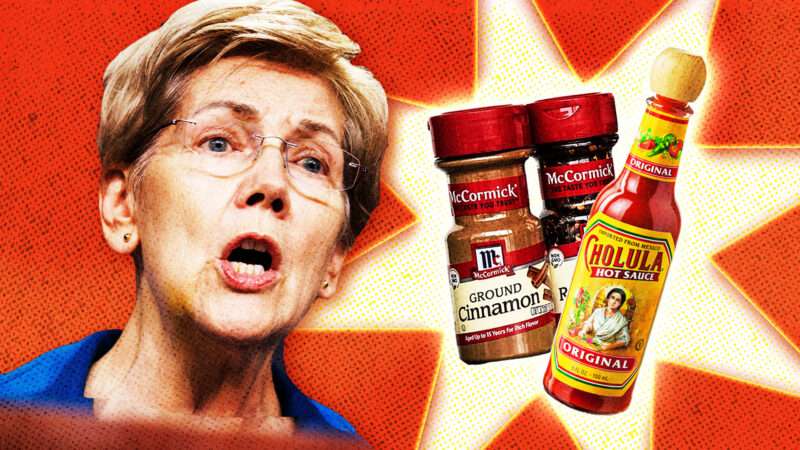
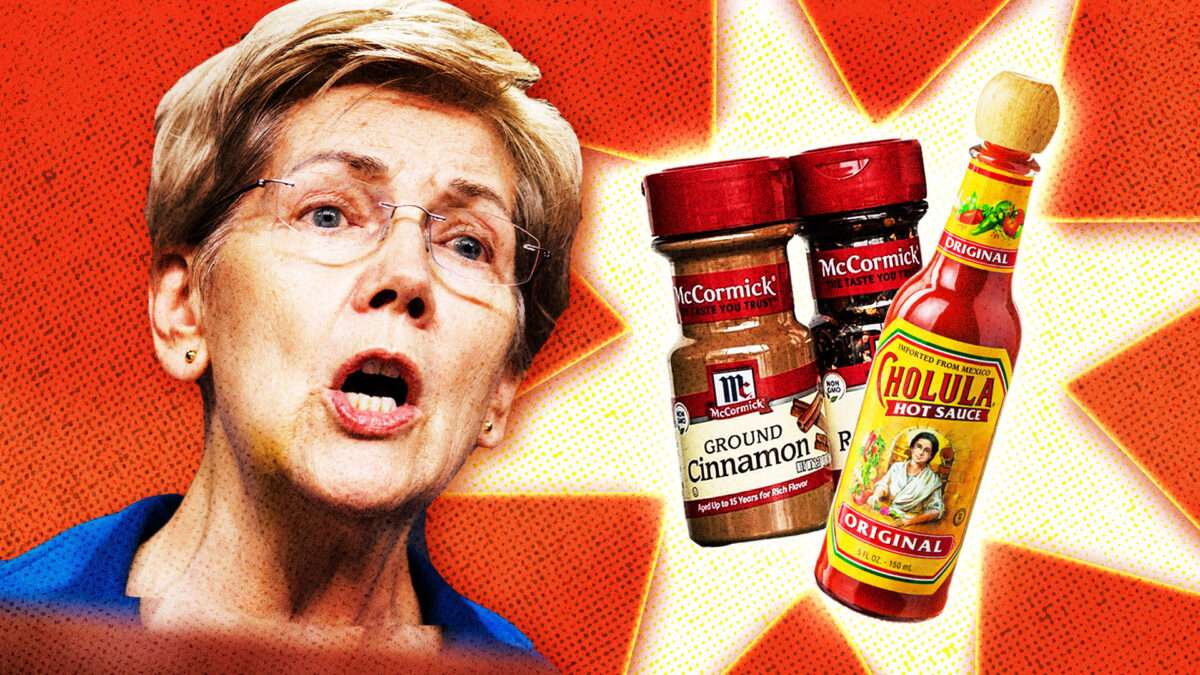
The conversation turns to the United States, where President Donald Trump's tariffs are losing support among blue-collar voters and Republicans are struggling in traditionally conservative areas like Ohio. The panelists then discuss the abrupt departure of White House press secretary Katie Zacharia after just five days on the job. Later, they examine Sen. Elizabeth Warren's (D–Mass.) opposition to a proposed $45 billion merger involving McCormick and Unilever. Finally, a listener asks why libertarians don't follow the Democratic Socialists of America's example by trying to reshape the Republican Party from within.
0:00—France's riots and the imploding welfare state
21:29—Trump's tariffs lose support among blue-collar voters.
29:41—Zacharia's tenure as White House press secretary
35:45—Listener question on libertarian influence strategy
45:52—Warren's corporate merger opposition
57:07—Weekly cultural recommendations
Cato Innovation Project: Design your own full-time, paid role at Cato. If we fund your idea, you spend two years executing it. Apply here: cato.org/reason
Katherine Mangu-Ward appears on the left. Nick Gillespie appears on the right. An image of a car that's been set on fire by protesters appears in the center. Bold text across the top of the screen reads "FRANCE RIOTS."
With little more than two weeks to go until the midterm elections, it seems increasingly possible that the Democrats, already a big favorite to win control of the House of Representatives, will also take charge of the planet's most elite nursing home, the United States Senate, where the median age is 64 years old. RealClearPolitics' poll aggregator has moved control of "the world's greatest deliberative body" (as its members are grandiosely wont to call it) to "toss up," status and prediction markets are now breaking big toward a blue wave. As of this writing, Kalshi has its Senate odds at 63 percent for the Dems vs. 37 percent for the GOP; Polymarket is at 62 percent vs. 39 percent.
As gratifying as it might be to see unprincipled Trump enablers reduced to minority status after signing off on economy-wrecking tariffs, inhumane immigration detentions, and wars of choice, there's at least one good reason to dread a Democratic majority too: Sen. Elizabeth Warren, the Massachusetts progressive who is spending the run-up to the midterms freaking out over possible consolidation in the condiments business and accusing private equity firms of gutting such shopping-mall favorites as Claire's and Toys R Us. There's every reason to believe that a Senate run by Warren and other economic interventionists will waste time, money, and resources trying to prevent a world in which, per the X wag Iowahawkblog, "a panopticon conglomerate owns two brands of hot sauce."
On October 13, Warren posted this dire warning to X:
Hellmann's mayo McCormick spices Cholula hot sauce Frank's RedHot
What do these products have in common? One company could soon control them all.
I have concerns that McCormick and Unilever's $45 billion merger could increase YOUR grocery prices.
It's hard to think of a more competitive and varied market than the one for hot sauces, which is expected to more than double over the next decade. The barriers to entry are generally low, as are the key ingredients, and new entrants can easily market and sell online, avoiding the costs of buying shelf space in conventional supermarkets. Yet Warren is urging regulators at the Department of Justice and the Federal Trade Commission to halt mergers of both product makers like McCormick and Unilever and grocery stores like Kroger and Giant Eagle.
The latter complaint is particularly picayune. Kroger is one of the country's largest supermarket chains, operating around 2,800 stores under its own name as well as Harris Teeter, Ralph's, and others. Giant Eagle operates about 170 stores. This merger is no more the stuff of nightmares than a single company producing both Cholula and Frank's RedHot. If Warren gains more clout from being in the majority, expect her to butt in more and more on such mergers.
Making it harder for businesses to adapt is not a recipe for making goods and services more affordable. But Warren is keen to blame economic creative destruction not on "new forms of industrial organization that capitalist enterprise creates" (as Joseph Schumpeter would have it), but on pure greed. In a TikTok released earlier this month, she shows a poster board with corporate logos from once-thriving companies that she says have been "gutted" by "private equity" firms.
"Here's your local mall," she piously intones. "Now, private equity wants you to believe that Red Lobster went bankrupt because of their endless shrimp….They want you to believe that Claire's went bankrupt because teens stopped shopping at the mall." In Warren's telling, private equity firms magically take over thriving businesses and then strip them bare. The typical pattern is that private equity enters the picture after a business is failing.
Virtually all accounts of the decline of, for example, Red Lobster, note that the chain had been spiraling for several reasons before the private equity firm Golden Gate Capital got involved in 2014. As this CNN article notes, the chain, which started in 1968, had seen drops in sales as customer desires changed. Management compounded the difficulties with a series of bad decisions, including continuing various all-you-can-eat menu specials, before coming out of Chapter 11 bankruptcy last year.
Similarly, it's true that some teens still go to malls and get their ears pierced at Claire's. But anyone who has spent time in retail America over the past few decades knows that malls are no longer the destination that they once were. As CapitalOne Shopping Research documents, "in 1986, there were 25,000 malls, large and small, nationwide." By 2023, that number had shrunk to just 1,200. While some malls are coming back, most are not, and for reasons that have nothing to do with private equity. Online retails plays a role (though a smaller one than usually imagined, with e-commerce accounting for less than 20 percent of all retail sales). But mostly, it's that people today tend to want a different sort of retail environment. Anchor stores—think Macy's and J.C. Penney—are shadows of themselves, and younger people have less unstructured time in which to prowl food courts and arcades.
For politicians like Elizabeth Warren, though, there can be no financial gains or losses that aren't the result of shadowy, conspiratorial forces. If her party takes control of the Senate, her words will carry more weight. But it will be American consumers that ultimately shoulder the burden of an even-more-regulated economy. The market for hot sauces will almost certainly stay spicy, but many other parts will surely suffer.
by Michael Nevradakis Ph.D., Activist Post: State health departments can now purchase this season’s COVID-19 vaccines for low-income children through the CDC’s Vaccines for Children Program. Vaccine advocates had complained about a delay — but families and pediatricians concerned about vaccine safety criticized the decision. “The days of just injecting everyone without considering the individual […]
The BBC has been accused of using its Bitesize website to push open borders, Net Zero and woke ideology on children as young as 11, teaching them that more immigration is great and anyone who disagrees is likely a bigot.
At least 350 children remain in custody at this time, where they face harsh conditions, including torture, food deprivation, isolation, and denial of medical care.
Israel is restricting prosthetics and rehabilitation equipment from entering Gaza, leaving thousands of children waiting for a medical evacuation that may never come.
“No Palestinians in the West Bank are exempt from this threat, including Christian communities and institutions,” said Bishop Dr Imad Haddad of the Evangelical Lutheran Church in Jordan and the Holy Land
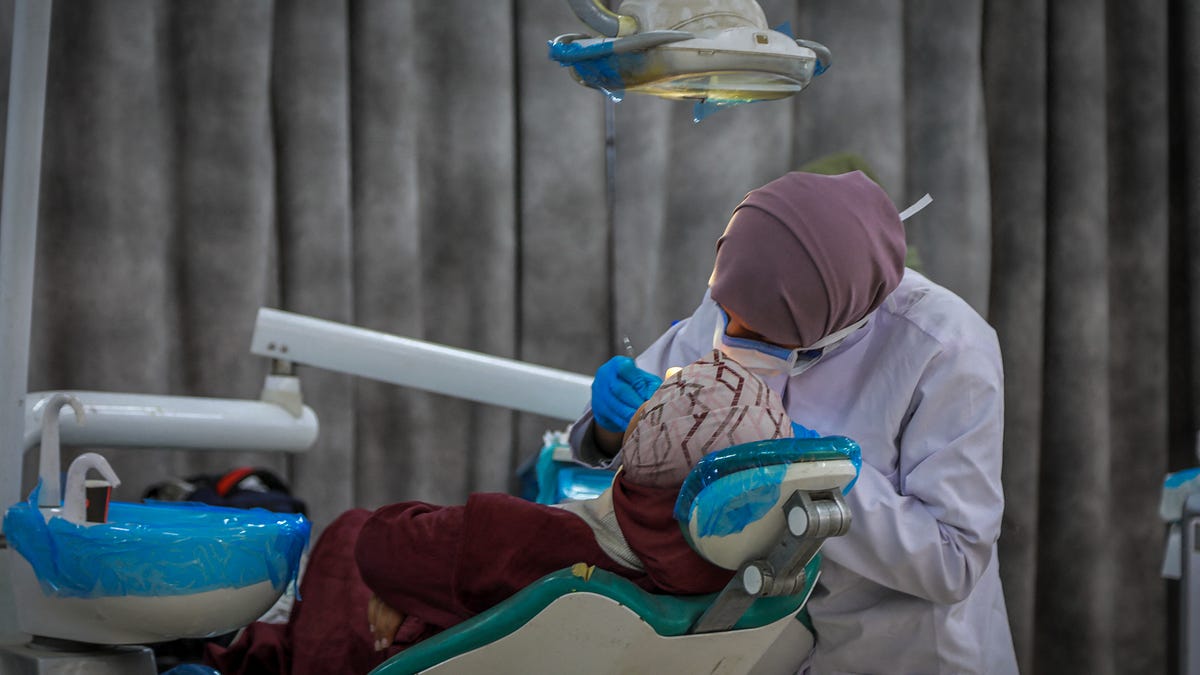
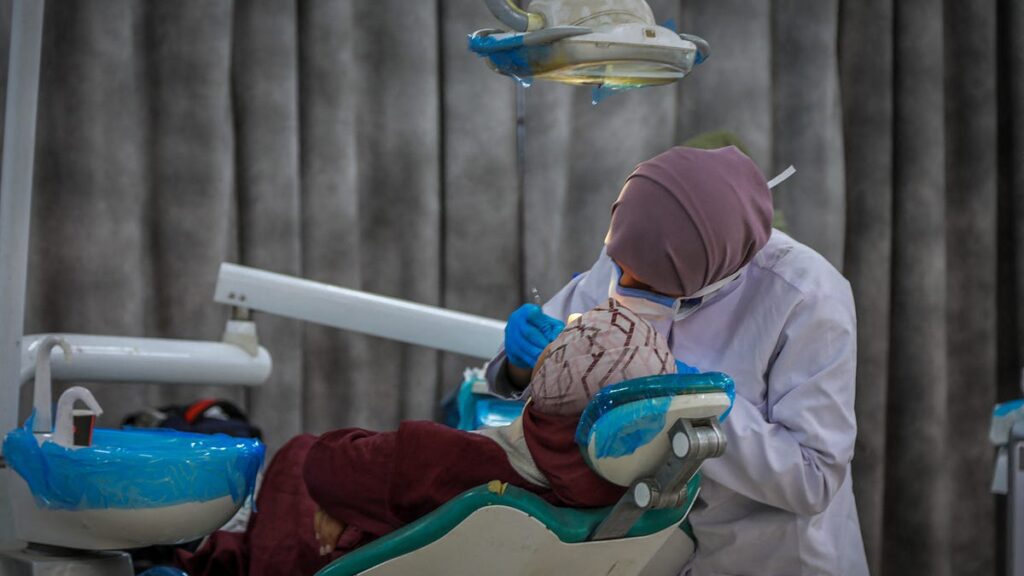
Along with other medical supplies, dental materials have not been allowed into Gaza for the past three years, forcing patients to choose between unaffordable treatment, extraction, or painkillers.
More seven year-olds are on disability benefits than 50 year-olds amid a surge in payouts for childhood ADHD and other mental health conditions, official figures show.
Jerry Seinfeld mocked protesters highlighting Palestinian children’s deaths, dancing onstage and saying he would send a demonstrator’s ticket money to Israel.
For Boston Magazine, Kara Baskin explores a growing subculture of tweens and teens who don’t feel entirely human. Some identify as one animal, like a cat or a dog; others identify with multiple animals. One kid Baskin speaks to, Sol, says she “doesn’t summon the animals, but rather they come and go on their own schedule.” These young people call themselves therians (distinct from furries, who are fans of anthropomorphic animal characters). Baskin provides a fascinating glimpse into a world where adolescents can express themselves and explore their identities.
Bafflement is the baseline condition of raising kids right now. The adolescent quest for self-discovery is timeless—but today’s parents experimented in ways that were analog: new hairstyles, inscrutable music, beer snuck in the woods. Their own parents might not have liked it, but they could at least relate.
Now the landscape of adolescent discovery is literally foreign, thanks to social media, which has turbocharged once-obscure subcultures like the furry fandom—and, at its rarer edge, therianthropy—and redefined what “fringe” even means. Even if a kid is the only therian at school, she can find 400 more people just like her online. That’s one of the biggest challenges for parents in the algorithm age: The world your kid actually lives in is one you can’t enter. It touches the fear in every parent, therian kid or not: What happens when our kids inhabit a world we don’t understand, with idols we don’t recognize?
No doubt Ed Davey lovingly cares for his disabled son, says Joanna Gray. But he's not his "carer"; he's his father. It's a distinction Britain is fast losing sight of, to the detriment of us all.
The National Trust has sparked outrage over its "ultra-woke" plans to teach five- to 12-year-olds about the Black Power salute during a Black History Month baking workshop.
A councillor has been punished for raising safeguarding concerns about an LGBTQ stall displaying a large purple dildo next to a children’s colouring area at a family library. With the help of the FSU, he's fighting back.
The Gaza Children Village plans to record classroom conversations and use AI to flag what it calls 'hateful' speech, prompting concerns over surveillance, free expression and Palestinians' right to shape their children's education.
Israeli restrictions have resulted in the deaths of over 2,000 patients, with 21,000 more await urgent treatment, including 5,600 children and 2,800 patients requiring cancer treatment

 Login