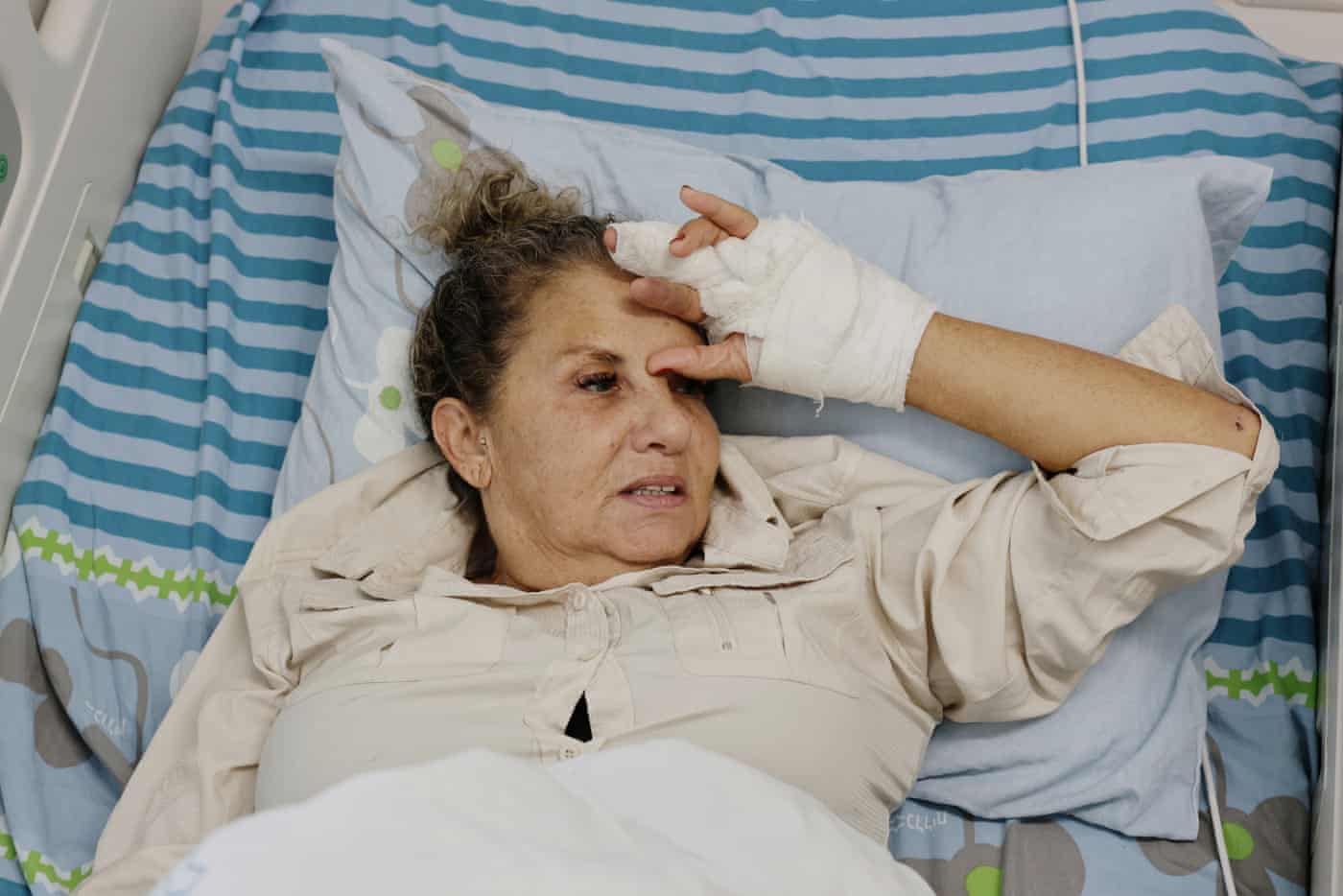
Heidi Levine recounts how Palestinian youths helped save her in settler attack


Announcing the decision in Strasbourg on Thursday, 22 October, European Parliament President Roberta Metsola said the award reflected the European Union’s commitment to multilateralism and international institutions.
Metsola praised the Court for its work in upholding international law and justice. The announcement was met with a standing ovation in the parliamentary chamber.
The decision comes amid an escalating confrontation between the European Union and the administration of US President Donald Trump over the ICC’s jurisdiction and independence.
On 9 October, the United States imposed sanctions on the ICC as an institution, extending measures previously directed against individual judges and prosecutors.
The restrictions place the Court under the US Treasury’s sanctions regime, limiting financial transactions involving American individuals, businesses and institutions. Washington has issued several temporary and limited exemptions intended to allow specified operations to continue.
The measures followed earlier sanctions against senior ICC officials, including Court President Tomoko Akane, and form part of Washington’s campaign to prevent the tribunal from exercising jurisdiction over American personnel.
US Secretary of State Marco Rubio has argued that the ICC threatens American sovereignty by asserting authority over nationals of countries that have not accepted its founding treaty.
The Court rejected the latest restrictions, describing them as an attempt to obstruct the administration of international justice.
Established under the Rome Statute, the ICC operates independently of national governments and investigates serious international crimes where its jurisdictional requirements are satisfied.
Neither the United States nor Israel is a party to the Rome Statute.
The dispute with Washington has intensified since the ICC issued arrest warrants in November 2024 for Israeli Prime Minister Benjamin Netanyahu and former Defence Minister Yoav Gallant over alleged war crimes and crimes against humanity connected with military operations in Gaza.
Israel rejects the Court’s jurisdiction and disputes the allegations. Washington has similarly opposed the proceedings against Israeli officials.
The ICC has also pursued investigations into Russia’s invasion of Ukraine. In March 2023, its judges issued arrest warrants for Russian President Vladimir Putin and Maria Lvova-Belova, Russia’s commissioner for children’s rights, over the alleged unlawful deportation and transfer of Ukrainian children.
Further warrants followed in 2024 against senior Russian military commanders and officials in connection with attacks on Ukraine’s civilian infrastructure.
The proceedings demonstrate the geographical scope of the Court’s investigations, although its ability to secure arrests depends heavily on cooperation from individual states.
The ICC has no independent police force and relies on national authorities to execute its warrants.
The ICC’s nomination for the Sakharov Prize was submitted by the Socialists and Democrats group in the European Parliament.
Its selection comes as European lawmakers examine how the EU should respond to American sanctions affecting the Court and organisations supporting its activities.
The October restrictions have raised practical questions about access to banking, technology services and other infrastructure required by the tribunal.
European governments must also consider how to support an institution established through an international treaty while maintaining relations with Washington.
The Sakharov Prize carries no legal authority to reverse American sanctions or compel governments to cooperate with ICC investigations. Nevertheless, the award represents an explicit institutional endorsement of the tribunal at a time when its operations face increasing external pressure.
The ICC was selected from three finalists announced earlier this month.
The other nominees were Tanzanian opposition leader Tundu Lissu and Iranian sisters Taraneh and Romina Rahimi, whose cases have attracted international attention over political persecution and judicial proceedings.
The Sakharov Prize, established by the European Parliament in 1988, is named after Soviet physicist, dissident and Nobel Peace Prize laureate Andrei Sakharov.
It recognises individuals and organisations defending human rights, freedom of expression and fundamental liberties. The award includes €50,000.
Previous recipients include Nelson Mandela, Malala Yousafzai and imprisoned journalists.
In 2025, the prize was awarded jointly to Belarusian journalist Andrzej Poczobut and Georgian journalist Mzia Amaglobeli.
The formal presentation of the 2026 prize is scheduled for 16 December at the European Parliament in Strasbourg.
The award places the ICC alongside previous Sakharov laureates while drawing further attention to the unresolved dispute between Washington and European governments over international criminal jurisdiction.
On Wednesday, U.S. media outlets reported on the possibility of new U.S. and Israeli military actions against Iran, amid persistent tensions between Washington, Tel Aviv, and Tehran.
RELATED: Netanyahu Orders to ‘Topple the Iranian Regime’
Authorities from both countries are reportedly evaluating various scenarios related to “regional security” and the Iranian nuclear program, considered a major source of “concern” for its Western allies.
Among the options being considered are operations targeting facilities linked to the Iranian nuclear program, including infrastructure considered strategic by Western intelligence and defense services.
Speculation has intensified following the recent visit to Israel by U.S. Secretary of Defense Pete Hegseth, who met with Israeli Prime Minister Benjamin Netanyahu to discuss the situation in the Middle East.
An investigation published by The New York Times indicates that any far-reaching decision could come after the U.S. midterm elections scheduled for next November.
Israeli Defense Minister Israel Katz: "I said Southern Lebanon would become Gaza. We applied the Rafah model. Destroy everything. 24 villages flattened. 15,000-20,000 homes destroyed. Infrastructure demolished."
— Ounka (@OunkaOnX) July 12, 2026
Only Israel can brag about committing genocide in broad daylight -…
In addition to a potential military response, reports suggest the possibility of increased economic pressure on Iran through new sanctions and financial restrictions.
U.S. President Donald Trump has not publicly confirmed the adoption of new measures, although the matter continues to be debated in strategic circles in Washington and Tel Aviv.
Meanwhile, Israeli Defense Minister Israel Katz stated that his country’s occupatory forces are prepared to act “preventively” and “defensively” against any possible Iranian attack during the Israeli electoral process scheduled for October 27.
Katz asserted that the army is “ready to intervene” immediately in operational and intelligence matters, while Iranian authorities have reiterated that they will respond proportionally to any aggression.
#FromTheSouth News Bits | During a meeting with Israeli President Isaac Herzog in Baku, Azerbaijan, China's Foreign Minister Wang Yi urged Israel to halt and reverse the establishment of settlements in the West Bank, which is occupied Palestinian territory. pic.twitter.com/xm7RduwpW6
— teleSUR English (@telesurenglish) October 19, 2026
teleSUR: JP
Source: EFE – teleSUR
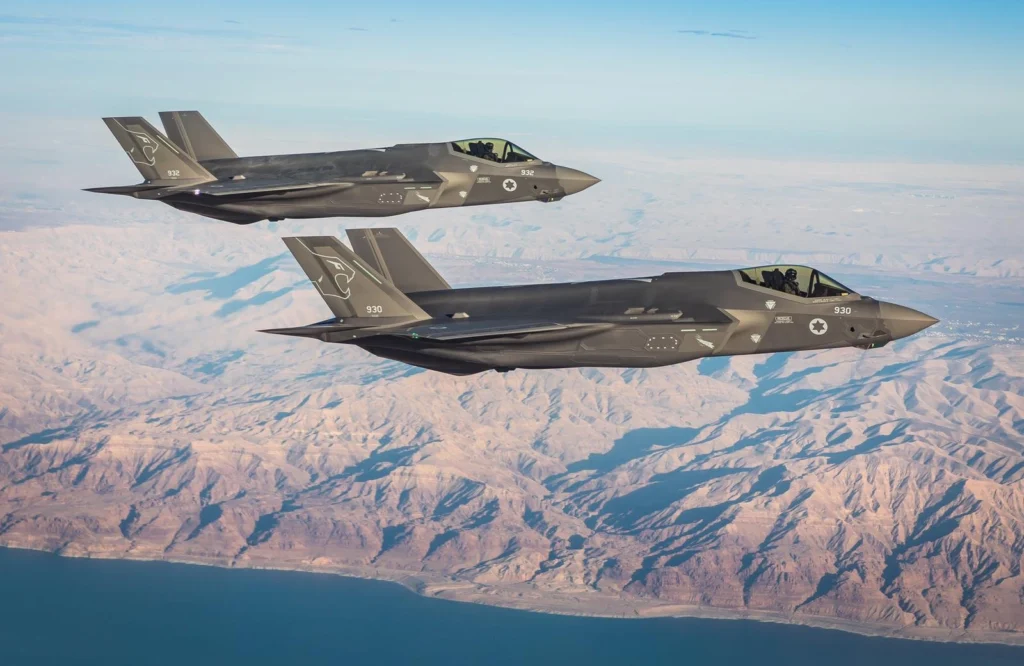
Washington and Israel have devised new plans to strike Iran again after the U.S. midterm elections, The New York Times reports, citing senior U.S. officials and other sources. The planning comes as the armed forces of both countries have stepped up military maneuvers in the region to rehearse bombing missions, and as the State Department has ordered nonessential embassy staff and their families to evacuate Saudi Arabia amid the prospect of possible new attacks by Houthi rebels in Yemen. It also comes as Israel prepares for an election in which Prime Minister Benjamin Netanyahu is fighting for re-election.

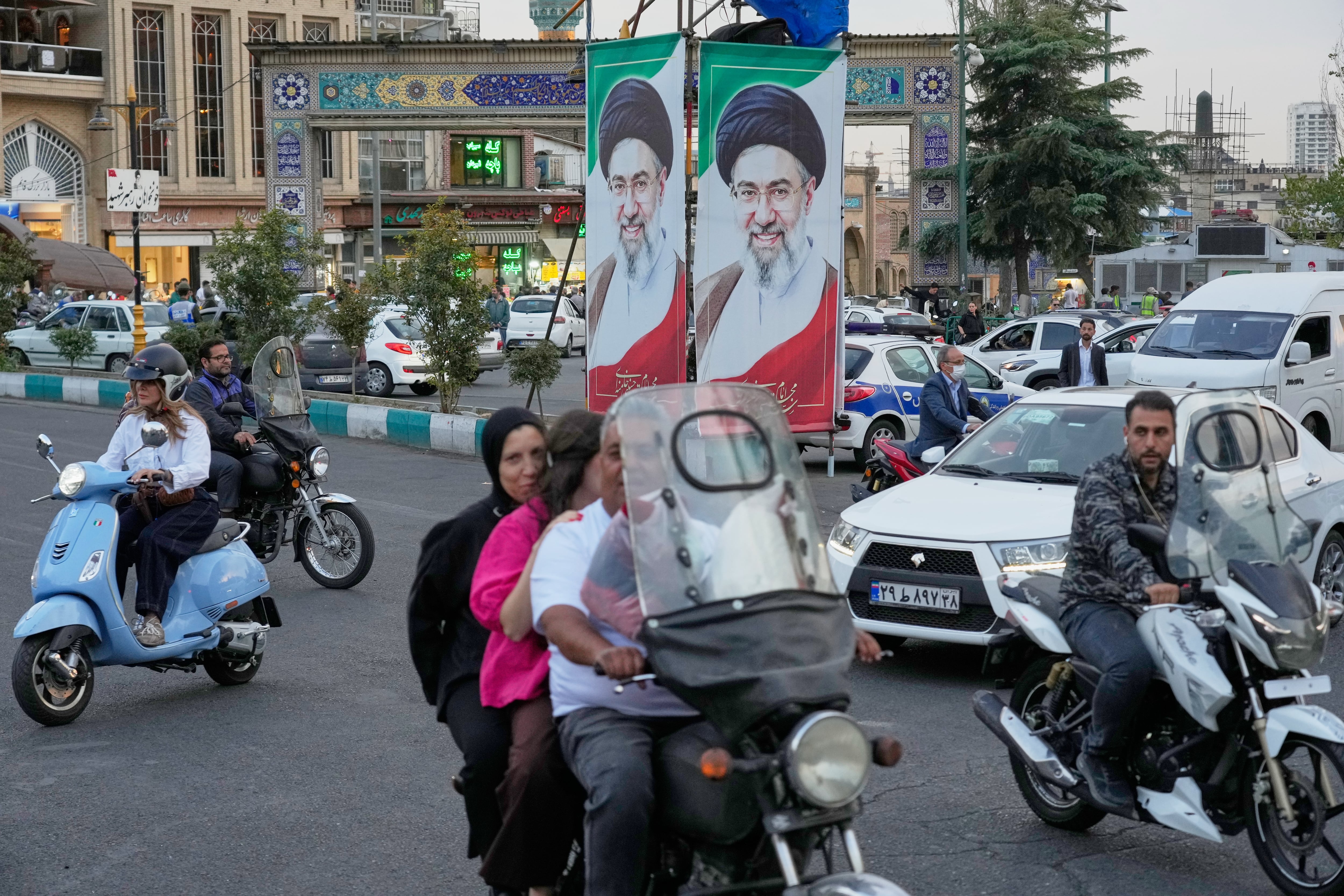
© Vahid Salemi (AP Photo/Vahid Salemi)

© Ofir Berman for The New York Times


On Wednesday, Israeli Prime Minister Benjamin Netanyahu ordered the Army, the Mossad intelligence agency and the rest of the security services to “topple the regime of Iran.”
RELATED:
Netanyahu Orders Prosecution of Israeli Soldiers Who Exposed Gaza Crimes in Documentary “Naza
During a graduation ceremony for army officers, the Zionist leader maintained that the Persian nation has “resumed its efforts to acquire weapons,” which would represent “an existential threat” to Israel.
Netanyahu asserted that he had conveyed this position to U.S. President Donald Trump during a telephone conversation held on Monday, and claimed that the Republican leader agreed with his approach.
Israeli Defense Minister Israel Katz asserted that the Iranian regime “is going through the moment of greatest weakness in its history,” and warned that this situation could push it to adopt extreme measures against Israel.
US and Israel must 'finish' the job
— RT Intl (@RT_on_X) October 21, 2026
— Netanyahu calls for resumption of large-scale military operations against Iran, according to FT, citing sources pic.twitter.com/J73zmUBbwC
“Our message to the Iranian regime is clear: we see its attempts, we are prepared to thwart them, and we are ready to respond with all our strength. If Iran attacks Israel, Iran will burn!” he said.
A security source cited by Israel’s Channel 12 television, however, maintains that the security services have no record of the information presented by Netanyahu, and therefore expressed concern about the possibility that it was erroneous information.
The Financial Times reported that the Zionist prime minister is pressing to resume large-scale attacks against Iran and even prepared a plan to do so ten days ago, although he ultimately did not go ahead with it because of Trump’s opposition.
On Monday, without prior announcement, U.S. War Secretary Pete Hegseth traveled to Israel to meet with Netanyahu, with whom he held a conversation about the Middle East situation, according to what a spokesperson for the Israeli prime minister’s office told EFE.
With that background, the leader of Israel’s leftist Democrats party, Yair Golan, warned on Wednesday about possible military campaigns “for political purposes” ordered by Netanyahu a few days before the general elections in Israel.
teleSUR/ JF
Source: EFE

Per leggere il complesso scenario elettorale di un Israele in cui si voterà il 27 ottobre, è indispensabile avere presente innanzitutto una delle ragioni di fondo della sua fluidità e imprevedibilità, una delle caratteristiche della democrazia israeliana. Oggi, infatti, ben 38 partiti si presentano al voto e di questi sicuramente 25, ma più probabilmente 28-30, non supereranno la soglia di sbarramento del 3,25 per cento, provocando così una grande dispersione dei suffragi. Un voto inutile e disperso che nel 2022 è stato pari all’8,8 per cento dei voti espressi, con cui si sarebbero potuti eleggere ben 10 parlamentari. Partiti strani, o addirittura bizzarri: c’è il partito della Cannabis, quello dei Pirati, quello che propugna il matrimonio universale, un altro che vuole la monarchia costituzionale, ovviamente quello che vuole abolire le tasse e persino quello che vuole trasferire la popolazione ebraica di Israele su un’isola artificiale nel Mediterraneo.
È questo, dunque, l’effetto di un tratto tipico della democrazia israeliana, partecipativa a ogni costo. Per presentare una lista al voto per la Knesset è infatti sufficiente fondare un partito con solo 100 iscritti, con organi dirigenti e statuto, e comunque il controllo della Corte Suprema è limitato a poche, ovvie condizioni. Il tutto è dovuto a un’esasperata attenzione a dare possibilità di rappresentatività in Parlamento ai tanti volti dell’ebraismo forgiati nei millenni della diaspora e poi nel ritorno. Proprio questo cosciente privilegiare la rappresentatività anche a scapito della governabilità, che impone un sistema elettorale proporzionale, è all’origine, negli ultimi decenni, di un fenomeno fortissimo di fluidità elettorale e addirittura delle cinque elezioni anticipate nell’arco di tre anni tra il 2019 e il 2022, dopo la morte e la scomparsa di tutti i leader storici del sionismo e di tutti i loro partiti storici, fatto salvo il Likud.
A questo si sommano la nascita e la rapida scomparsa di tanti effimeri partiti di opposizione al Likud e la debolezza politica delle figure a capo dell’opposizione a Benjamin Netanyahu, che invece ha una forte capacità e caratura da leader, che gli va riconosciuta e che è alla base dei suoi 19 anni di governo. Basti pensare alla figura opaca dello scialbo ex generale Benny Gantz, che sino al 2022 è stato il leader delle forze di contrasto al leader del Likud, che nel 2019, con il suo partito Blu e Bianco, era riuscito a essere il primo partito con il 25,95 per cento e 33 seggi e che invece ora non riuscirà neanche a superare la soglia di sbarramento del 3,25 per cento e infatti ha dichiarato che si ritira. Lo stesso ex generale Gadi Eisenkot, il cui partito è stato appena formato e che oggi è dato dai sondaggi come il più votato, non ha alcuna esperienza politica o di governo, ha un’oratoria lenta, conosce a malapena l’inglese e soprattutto non è riuscito a farsi indicare dai leader degli altri partiti dell’attuale opposizione (Naftali Bennett, Yair Lapid, Avigdor Lieberman e Yoav Golan) come unico candidato premier contro Netanyahu, all’interno di una dinamica di sterile concorrenza tra leader alleati molto simile a quella del Campo Largo in Italia.
Una sola cosa è però chiara sulle cruciali elezioni in Israele, stando alla netta maggioranza delle rilevazioni pre-voto: Netanyahu ha perso la sua maggioranza, come indicano le rilevazioni della quasi unanimità dei sondaggi. La sua coalizione di governo è infatti quotata tra i 49 e i 51 seggi (la maggioranza alla Knesset è a 61 seggi), contro i 63 attuali (solo Canale 14, filo Netanyahu, gliene attribuisce 62). Israel Hayom, il più diffuso quotidiano israeliano, fondato nel 2007 proprio ed esclusivamente per sostenerlo, ma oggi molto critico, gliene attribuisce 50. Si vedrà ora quali effetti avrà sui votanti israeliani la tardiva sponsorizzazione a suo netto favore da parte di Donald Trump, ma non è affatto detto che sia decisiva.
Il problema vero, però, sempre secondo i sondaggi, è che il blocco dell’attuale opposizione è fermo tra i 54 e i 57 seggi e quindi non avrebbe la maggioranza, anche se potrebbe essere molto favorito in termini di seggi dalla decisione di Benny Gantz di ritirarsi dal voto e dovrebbe quindi incamerare come voti utili quelli del suo 1-2 per cento, che sarebbe andato disperso.
Ma in Israele c’è un terzo protagonista: i partiti arabi, a cui vengono attribuiti complessivamente 13-15 seggi. Il fatto è che, almeno prima dell’apertura delle urne, i partiti dell’opposizione a Netanyahu negano di voler fare un governo con il loro supporto (a urne chiuse, si vedrà). Torneremo più avanti su questo snodo cruciale.
Innanzitutto, una notazione politica fondamentale. La sciagurata decisione di Netanyahu nel 2022 di legittimare con la sua alleanza l’estrema destra non sionista di Itamar Ben Gvir, facendolo entrare nella Knesset con 6 deputati, ha trasformato il leader del Likud in un apprendista stregone. Infatti, questo violento e ignorante demagogo parafascista, che pure sino ad allora non era mai riuscito a entrare in Parlamento (nel 2020 aveva raccolto un indicativo 0,42 per cento), grazie al suo populismo, ai suoi cappi esibiti in Parlamento, alla legge sulla pena di morte solo per i palestinesi e al suo appoggio ai coloni suprematisti e razzisti, non solo ora è quotato dai sondaggi in grado di eleggere otto deputati, ma soprattutto, dopo avere fagocitato i voti di Bezalel Smotrich, meno demagogo di lui, ora aspira dichiaratamente a diventare premier, sostituendo un Netanyahu che è costretto a fare larga parte della campagna elettorale proprio contro di lui. Un indicativo precedente dell’«effetto Vannacci» sulla destra italiana.
In questo contesto, nel caso molto probabile, ma non certo, che i sondaggi abbiano ragione e che nessuno consegua quota 61 seggi alla Knesset, questi sono gli scenari possibili.
Primo scenario: un governo di minoranza guidato dall’ex generale Eisenkot, leader del partito più votato, con tutti i partiti di opposizione e che può ottenere la fiducia grazie all’astensione o all’uscita dall’aula dei partiti arabi (i cittadini arabi di Israele sono due milioni e centomila, il 21 per cento della popolazione).
Questo scenario è probabile, anche se è rigettato da Lieberman e rifiutato dallo stesso Eisenkot, perché non solo è nelle corde del partito Ra’am di Mansour Abbas, che già nel 2021 ha dimostrato grande flessibilità entrando nel governo di Bennett, ma anche perché gli altri partiti arabi della Joint List pare abbiano finalmente compreso che il loro storico estremismo islamista e jihadista non paga e che è l’ora di iniziare a fare politica. Il leader di questa alleanza tra tre partiti arabi, Yousef Jabareen, ha infatti «giurato di mettere in atto tutti gli strumenti e le scelte possibili pur di affossare la possibilità che Netanyahu formi un governo», e la strada dell’astensione è la più praticabile. Questa astensione non implicherebbe nessuna alleanza formale, ma impedirebbe a questo eventuale esecutivo di varare qualsiasi provvedimento contro gli arabi israeliani e anzi lo spingerebbe ad annullare l’orrore della legge sulla pena di morte solo per i palestinesi.
Si può anche ipotizzare che questo scenario potrebbe essere rafforzato dalla nomina a ministro per la Sicurezza urbana (è questo il principale problema della minoranza araba a causa delle mafie palestinesi) del sionista ed ex dirigente della polizia israeliana Yoav Segalovitz. Con eccellente intelligenza strategica, infatti, Mansour Abbas, leader del partito arabo Ra’am, lo ha inserito in lista al secondo posto, facendo sì che si vedranno decine di migliaia di elettori arabi israeliani votare per un poliziotto sionista (a proposito dell’accusa di apartheid allo Stato ebraico). Molto poco probabile, se non impossibile, sarà invece un accordo formale di governo tra le forze di opposizione e il partito arabo Ra’am, con la nomina di suoi ministri. Lo choc del 7 ottobre in Israele è tale e tanto radicato ed esteso che quello che è apparso come un’eccellente novità nel 2021 può essere percepito come una minaccia nel 2026.
La forza dell’ipotesi di un governo di minoranza permesso dall’astensione dei partiti arabi, o di un solo partito arabo, sta nel fatto che aprirebbe una fase di sedimentazione politica in cui alcuni parlamentari del Likud potrebbero rispondere alle incitazioni molto forti, già espresse da Lieberman, ad abbandonare finalmente il Likud di Netanyahu e passare con le attuali forze di opposizione, in modo da poter raggiungere in tempi brevi la quota di 61 deputati e varare un governo autosufficiente e non più subordinato all’astensione dei parlamentari arabi, come è peraltro suggerito da vari media israeliani.
Secondo scenario: il varo di un governo di unità nazionale, che è oggi quello che Netanyahu propone e caldeggia con vigore in campagna elettorale per riparare alla disastrosa e probabile perdita di voti della sua coalizione, che ha governato negli ultimi quattro anni. Un governo che escluda le estreme, quindi Ben Gvir e la sinistra unita di Yair Golan (accreditata tra gli 8 e gli 11 seggi). È questa la strada che Netanyahu avrebbe dovuto intraprendere dopo il 7 ottobre, come fece il laburista Levi Eshkol che, alla vigilia della guerra dei Sei giorni nel 1967, fece entrare nel governo il suo irriducibile oppositore di destra Menachem Begin, fondatore del Likud. Invece, Netanyahu – sintomo indiscutibile della sua miopia strategica – ha preferito legarsi e subire le pressioni della destra parafascista di Ben Gvir e Smotrich nella conduzione della guerra di Gaza, con esiti disastrosi.
Il governo di unità nazionale sarebbe una soluzione a prima vista pacificatrice e saggia, ma è irta di difficoltà. Infatti, la condizione non negoziabile che sicuramente Netanyahu porrà sarà la formazione di una commissione d’inchiesta sul massacro del 7 ottobre che gli garantisca l’assoluzione da ogni responsabilità. Questo in un contesto in cui più del 60 per cento degli elettori dichiara che la prima motivazione del proprio voto è appunto appurare la verità sulle colpe dell’incredibile serie di falle che hanno permesso a Hamas di penetrare in profondità in Israele, massacrare 1.166 ebrei e prendere 251 ostaggi.
Ma scaricare e liberare dalle sue evidenti responsabilità Netanyahu significherebbe sposare la sua incredibile tesi, che nega ogni e qualsiasi colpa del potere esecutivo e politico, quindi sua, caricando tutte le colpe sulle Forze armate, sullo Shin Bet e sul Mossad. Uno scenario che le forze oggi di opposizione, e le stesse Forze armate, non possono subire e men che meno può essere accettato dal loro leader, l’ex comandante delle Idf, il generale Eisenkot, che nella guerra di Gaza ha visto cadere suo figlio e due suoi nipoti.
Un Eisenkot, oggi favorito e sostenuto dal quadro dirigente delle Idf, che infatti nell’autunno del 2024 è uscito dal Gabinetto di guerra in rovente polemica anche con la conduzione della guerra di Gaza da parte di Netanyahu.
C’è uno scenario che potrebbe aiutare il concretizzarsi di questa soluzione, già ipotizzato da Lieberman, ed è che il Likud scarichi Netanyahu, escludendolo così dal governo. Ipotesi scarsamente praticabile, visto il ferreo controllo che questi ha sul suo partito.
Per inciso, per comprendere il contesto di questo voto e che cosa sia oggi Israele, va considerato che i media prevedono che circa il 25 per cento dei parlamentari che saranno eletti abbia subìto un lutto grave durante la guerra di Gaza: c’è chi ha perso un figlio o una figlia in armi e chi un altro parente.
Comunque, in politica è bene non dire mai mai.
Terzo scenario: nuove elezioni anticipate, che sono possibili, in linea non solo teorica, se i due blocchi non raggiungono la maggioranza. Sarebbero da tenere in tempi stretti, nei primi mesi del 2027. È una strada di per sé pessima per il protrarsi dello stato di incertezza al comando politico in un Paese che continua a essere di fatto in guerra e avrebbe per di più un risvolto più che scabroso e negativo per le attuali forze di opposizione. Netanyahu rimarrebbe infatti in carica come premier con il governo attuale e avrebbe tutti gli strumenti per influenzare il nuovo voto.
Di fatto – ripetiamo, sempre che i sondaggi siano confermati – un ruolo decisivo verrà svolto dal presidente della Repubblica Isaac Herzog, già laburista, figlio di Chaim Herzog, già apprezzato presidente di Israele, eletto nel giugno del 2021, nei giorni in cui Netanyahu stava perdendo il governo a favore di Bennett, con una maggioranza schiacciante di 87 voti.
Il problema, non piccolo, è che la caratura dell’uomo, del presidente, non è quella di un leader forte, sicuro, incisivo e che ha dimostrato spesso di essere incline al compromesso al ribasso.
L'articolo Netanyahu ha nutrito la destra che ora minaccia di divorarlo proviene da Linkiesta.it.

At least eight Palestinians, including four children, were killed in Israeli assaults in different parts of the Gaza Strip over the last two days.
On Monday, October 19, Israeli forces launched drone strikes on north-central Gaza City and the southern city of Khan Younis, killing a Palestinian man and two children.
One day earlier, five Palestinians were killed and several others were injured in Israeli shelling and gunfire across the besieged enclave. This includes two children, who were shot dead by Israeli soldiers in separate attacks.
One of the slain children was identified as 13-year-old Tamer Soboh, who was killed in the northern city of Beit Lahia; the other was Misk al-Dalu, who died after Israeli troops opened fire at tents sheltering displaced people in al-Maghazi refugee camp in the central Gaza Strip.
Meanwhile, mass funerals remain common across Gaza as Palestinians dig through the rubble to recover the remains of their loved ones.
On Sunday, the remains of 75 Palestinians were buried in the Sheikh Radwan Cemetery in Gaza city, the majority of whom were children and women killed in Israeli airstrikes that targeted their homes during the three-year genocide.
While mass killings are underway in the war-ravaged territory, the humanitarian crisis further deteriorates not only because of Israel’s continued blockade and restrictions on the entry of goods and supplies, but also because of measures taken by some organizations concerned with providing aid to the population.
On Monday, the United Nations World Food Program (WFP) announced that it will reduce food assistance in Gaza by around one-third due to shortage of funding. This means that 500,000 people will lose access to critical assistance.
It is worth noting that since the beginning of Israel’s genocidal aggression on Gaza, the WFP provided food assistance for up to 90% of families in the Gaza Strip.

Iranian Foreign Minister Abbas Araghchi reiterated that his country’s proposal to end the war with the US and to restart nuclear negotiations is “still on the table,” claiming the Iranian conditions are “completely clear” and “unchanging.”
Talking to Iranian state media on the sidelines of the 52nd session of the Council of Foreign Ministers of the Organization of Islamic Cooperation (OIC) in Baghdad on Sunday, October 18, Araghchi also said that Iran is currently studying the US response to its proposals.
If the US meets its conditions, “the Strait of Hormuz will be reopened on the sixth day, and negotiations will resume on the seventh,” Araghchi said.
Though Araghchi did not talk about them explicitly, he reiterated that the Iranian conditions are the same as what the US had agreed to under the Islamabad Memorandum of Understanding (MoU), signed in June.
On several previous occasions Iran has made clear that if the US lifts its naval blockade, releases Iran’s foreign frozen assets, and ends the war on all fronts in the region, it will allow the Strait of Hormuz to open.
As per the MoU, in the first 60 days after the deal took effect both sides were to initiate negotiations over Iran’s nuclear program. However, the MoU expired in August after hostilities were resumed within weeks of its signing.
The US resumed its military strikes on Iran in July, leading the Iranians to reimpose their blockade in the Strait of Hormuz in response, reversing its decision to open it for navigation as per the MoU.
Tehran had claimed that it presented a plan to reopen the Strait to the US in September, in a brief meeting with its delegation during the annual session of the UN General Assembly. However, US President Donald Trump later declared he had rejected the Iranian proposals.
Araghchi also rejected the repeated threats of new strikes and economic isolation against his country, claiming that Iran will not bow to threats and will defend its strategic and economic interests.
Last week it was reported that Israeli Prime Minister Benjamin Netanyahu, who is facing a tough election at home, apart from planning to escalate war against Palestinians in the West Bank, also pressured Trump to resume the military strikes on Iran.
On the same day, Trump claimed that the US may attack some specific targets in Iran in order to disrupt its nuclear program. Media reports also claimed that the US is preparing to use the so-called “mother of all bombs” to again target Iran’s energy and nuclear infrastructure.
This is despite the fact that Trump has repeatedly boasted about “obliterating” Iran’s nuclear program during the joint US and Israeli airstrikes in June 2025.
Reacting to those reports, Araghchi warned both the US and Israel to learn from their mistakes and stay away from Iran to avoid consequences more severe than during the earlier wars.
“Last time you wanted to “finish the job” Iran emerged even stronger. Want to try your luck again? Be our guest. But be careful; we have unfinished jobs too,” Araghchi said in a post on X on Monday.
He claimed that Netanyahu is pressing for a fresh war simply because he wants to stay in power and out of jail over corruption charges he has been facing for years now, without thinking about consequences to Israel or the US.
In a similar reaction, the head of the Iranian armed forces Ali Abdollahi also claimed on Sunday that his country was waiting for their [the US and Israel’s] foolish decision and miscalculation. Any attack by them would invite “a response war more severe, distinct, and devastating than in the past,” Abdollahi claimed.
Abdollahi’s warnings were relayed by several other Iranian officials on Sunday.
It is reported that the US has spent billions of dollars in the last eight months of war on Iran. It has lost most of its military infrastructure in the Gulf countries in Iranian responses, with over a dozen of its soldiers killed and several dozen of its aircraft lost. The US also faced a severe shortage of crucial ammunition due to the war on Iran, forcing it to suspend the strikes midway.

TEL AVIV — There is one country on earth where Donald Trump could plausibly win a national election, and he knows it. “I could run for Prime Minister,” he joked in May, claiming 99% approval here. No poll has ever shown that. But the joke landed because it is only half a joke. Thirteen days before […]
The post Welcome to Israel, Trump’s country appeared first on Asia Times.


Two weeks before the Israeli legislative elections scheduled on October 27, 2026, the far-right Israeli government, led by Prime Minister Benjamin Netanyahu, has revealed its intentions to further perpetuate and expand its three-year multi-front war across West Asia.
On Tuesday, October 13, Netanyahu appeared in a televised speech during a visit to the apartheid wall established inside the occupied West Bank, threatening the Palestinian Authority.
Standing near the Tulkarm refugee camp alongside Israel’s Defense Minister Israel Katz, the Israeli PM confirmed that the camp’s displaced residents, whom he described as “terrorists,” will not return to their homes despite an order from the Israeli Supreme Court authorizing their return.
The Tulkarm Refugee Camp was among the three largest Palestinian refugee communities in the northern West Bank targeted in the large-scale Israeli military operation dubbed “Operation Iron Wall.”
The operation resulted in the displacement of at least 33,362 Palestinians, the killing and injury of hundreds of others, and the arrest of over 1,000, according to UN estimates. It also caused severe damage and destruction of residential buildings, infrastructure, and properties.
The “Iron Wall,” which was launched in early 2025, was followed by another extensive operation at the end of the year.
Netanyahu’s government claimed that both operations aimed at eliminating Palestinian armed groups in the targeted areas. However, for many the outcome of the operations makes clear that their objectives reflect Israel’s ethnic-cleansing policy against the Indigenous Palestinian population.
As those operations have seemingly resulted in largely restraining resistance groups across the West Bank, no valid pretext has been left for Netanyahu’s government to further escalate military operations in the occupied territory.
Therefore, Netanyahu has sought to designate a new enemy posing a potential threat to Israel’s security: the Palestinian Authority (PA), whose security apparatus represents the only remaining armed force on the ground today.
The stance and actions of the PA under President Mahmoud Abbas have been, for over two decades, marked by compliance, reconciliation, and on some occasions blatant collaboration with the Israeli authorities.
Thus, accusing the entire political entity of orchestrating hostilities against Israel would not have sounded credible to the public. This arguably led Netanyahu and Katz to formulate the pretext for a justified potential war against Palestinians in the West Bank by alleging that personnel of the PA’s security forces, alongside members of the Fatah-affiliated Tanzim, may defect and launch “Jihadist attacks” against Israeli forces and settlers.
It’s worth noting that the majority of the PA’s security forces are affiliated with Fatah, the ruling and largest Palestinian faction in the West Bank. Meanwhile, the Tanzim represents Fatah’s grassroots and quasi-military field activity.
“Our enemies are thinking of testing us in these days leading up to the elections,” Netanyahu noted, referring to the PA, during his tour near the apartheid wall.
“I warn them: we are prepared for any scenario, including a so-called reversal of roles. In such a case, I do not suggest our enemies test us. You will face force here that you never dreamed of,” he continued.
Netanyahu’s statements came to reaffirm a “contingency plan,” which Katz revealed last week and said Netanyahu had approved in case the imagined scenario occurs.
Analysts believe a war in the West Bank ahead of the upcoming Israeli elections is not off the table, particularly if Netanyahu and his far-right coalition feel their victory is uncertain.
Early polling ahead of the election consistently shows Netanyahu’s bloc falling short of the 61 seats required to form a majority. It is currently positioned at just 51 to 53 seats.
Even if launching the war does not succeed in delaying the upcoming elections, it apparently aims to strengthen public support for his coalition, which gains much of its backing by pushing for ethnic cleansing to fulfill the “Greater Israel” project.
The last few weeks have made clear that Netanyahu’s government previously laid the groundwork for a desired war scenario in the West Bank.
Israeli forces escalated their raids in different parts of the West Bank, focusing on the de facto administrative capital of the PA, Ramallah, and Al-Bireh, which has simultaneously become a flashpoint for settler violence.
The Israeli military has also launched a campaign, destroying memorials of martyrs and late prominent Palestinian leaders all over the territory.
This included the demolition of a memorial displaying photos of the late Palestinian President Yasser Arafat and other deceased top Fatah leaders in the Al-Jalazone refugee camp north of Al-Bireh city on Wednesday, October 14 – a move that many interpreted as an attempt to provoke indignation, particularly among the movement’s grassroots.
The offensive on Al-Jalazone came one day after the Israeli military launched an expanded operation in Ramallah and Al-Bireh, shutting down Addameer and the Union of Palestinian Women’s Committees (two civil society organizations concerned with documenting violations committed by the Israeli occupation authorities against the Palestinian people).
Journalists were obstructed from covering the raid as Israeli soldiers threatened them with rifles, and fired rubber-coated metal bullets and teargas at them.
As part of the operation, the Israeli forces also raided the courtyard of the Palestine Medical Complex (previously known as Ramallah Hospital), arrested journalist Abdul Qader Hailan, and wounded journalist Yousef Shehadeh alongside two other Palestinian citizens.
While the likelihood of igniting a war in the West Bank is seen as higher and more immediate for Netanyahu and his cabinet, recent media reports indicate he has attempted to persuade US President Donald Trump to resume the aggression against Iran before the Israeli elections.
Even if Trump does not comply with Netanyahu’s demand regarding Iran, the situation in the West Bank foreshadows more tragic events for the Palestinian people and a predicament for the PA in the upcoming weeks.


Three years after Israel launched its genocidal aggression on the Gaza strip, massacres and mass destruction continue to take place on a daily basis, despite the US-brokered ceasefire deal that was reached in October 2025.
The nominal truce was preceded by two other short ceasefire agreements. The first was reached in November 2023 and lasted for only one week, while the second was sealed in mid-January 2025 and collapsed two months later.
For three entire years, the world has borne witness to one of the most heinous genocides in modern history, which has resulted in the killing of at least 75,000 Palestinians, according to the latest official health reports, with women, children, and the elderly comprising 56.2% of the death toll. Meanwhile, 82% of Gaza’s structures have been destroyed.
Starvation and the total blockade of aid have also been used as weapons of war against the Palestinian population in the war-ravaged territory.
As soon as it was launched, the US-backed fierce Israeli military campaign expanded beyond Gaza to include other parts of West Asia, including the occupied West Bank, Lebanon, Yemen, and Syria.
About 9,000 people have been killed in Lebanon, more than 1,136 in the West Bank, dozens in Yemen and scores of others in Syria.
The genocide in Gaza has been characterized by the systematic targeting of journalists and media workers, with the death toll reaching more than 260, according to Naser Abu Baker, President of the Palestinian Journalists’ Syndicate (PJS).
Abu Baker told BreakThrough News that over the same period, 550 journalists were wounded, and over 200 were arrested.
“All of this underscores a systematic policy implemented by the Israeli occupation, which primarily aims to prevent the truth about the crimes committed in the Palestinian territories by the Israeli occupation against the Palestinian people from being documented and transmitted, especially in the Gaza Strip,” he emphasized.
The chief of PJS noted that the targeting of Palestinian journalists by the Israeli forces began over one decade before the October 7 attacks.
“PJS documented more than 9000 assaults on journalists in the occupied Palestinian territories between 2012 and 2023. More than 56 journalists were killed during that period, including three foreign journalists,” Abu Baker clarified.
Simultaneously with the events in Gaza, the Israel Prison Service escalated a brutal crackdown against the Palestinian Prisoners’ Movement, intensifying a campaign that began in early 2023.
While around 5,200 Palestinian political prisoners were held in Israeli detention prior to October 7, 2023, the number jumped to 9,600 after the outbreak of the Israeli genocidal aggression on Gaza. Many of those prisoners have been placed under administrative detention without charge.
These latest figures only represent the prisoners whose whereabouts inside Israeli detention centers were documented by Palestinian prisoners groups. Thousands of additional Palestinians remain unaccounted for and are believed to have faced enforced disappearance amid the ongoing Israeli military operations in Gaza.
During the past three years, Palestinian prisoners have endured miserable detention conditions, including medical neglect, deprivation of adequate food and hygiene supplies, as well as physical and psychological torture.
This horrific situation culminated with the endorsement of an Israeli law mandating the execution of Palestinian prisoners by hanging.
On the third anniversary of October 7, Raed Abu al-Hummus, head of the Palestinian Commission of Detainees and Ex-Detainees Affairs, delivered a message to international human rights organizations via BreakThrough News.
“I call on international human rights organizations to practice their stated objectives, to truthfully convey our message, and to form a parallel front to our heroic prisoners’ front inside the prisons, in an attempt to protect them from these violations, from this far-right monster seeking to slowly kill them,” Abu al-Hummus stated, referring to Israel’s Minister of National Security Itamar Ben-Gvir.
While some media outlets and political analysts suggest that Israel’s intensified atrocities in recent years represent the policy of the far-right wing solely, the Palestinian grassroots believe that they constitute the very core of the Zionist movement.
Palestinian political activist, freedom fighter and former prisoner in Israeli jails Omar Assaf argued that “the genocide does not reflect a policy of an individual or a current within the Israeli government. It rather reflects a general policy, because the Zionist movement as a whole was founded on the exclusion of the Palestinian people, expelling them, and looting their land.”
“Therefore, if this far-right government is practicing genocide, this does not mean that the next government will be a government of peace,” Assaf asserted.
Despite three years of unspeakable atrocities and over 78 years of military occupation amid the total silence and inaction of the international community, the Palestinian people remain steadfast and resilient in their homeland, refusing to leave or surrender.


TEL AVIV – Every Israeli election of the past decade has been sold as the last chance to save the country, and every one has ended in the same place: a long night of counting, followed by weeks of bargaining among men who swore they would never sit together. The vote on October 27 has a stronger […]
The post Israel votes again but the arithmetic hasn’t changed appeared first on Asia Times.

As Apple gears up for one of the biggest launches in its history — its first foldable iPhone Duo, hitting stores October 23rd— former employees are asking you to say no to blood tech.
Apple is deeply embedded in Israel, says Tariq Ra’ouf, a Palestinian writer who worked for more than a decade in Apple retail before he was fired in 2024 for speaking out against the company’s silence on Gaza. He joins Rania Khalek and Zoe Alexandra to break down Apple’s ties to Tel Aviv, including its extensive R&D centers in Israel and its $2 billion purchase of an AI startup founded by Unit 8200 veterans. He also explains the systemic discipline faced by pro-Palestine Apple workers — fired for wearing keffiyehs while the company matched employee donations to Friends of the IDF — and warns that having Israeli military intelligence veterans integrated into the supply chain of the world’s most popular devices should terrify every consumer.
Ra’ouf also lays out how the minerals in your iPhone connect the company to genocide in Congo, why organizers are calling for pickets at Apple stores on launch day – and how customers and workers can and should get involved.
Watch full episodes of BT Live, join breakthroughnews.org as a member today!
#breakthroughnews
******
Rough transcript follows:
[Host:] Apple is gearing up for one of the biggest launches in its history, as I’m sure many have heard, with the iPhone Duo. It’s the company’s first foldable phone, which is hitting stores later this month with a starting price of $2,000, which is just wild. But a group of former Apple employees is asking you to skip the line. Their message is: “Say no to blood tech.” Behind that sleek branding about privacy, human rights, and inclusion, Apple is deeply embedded in Israel. It employs around 2,000 people there across R&D centers in Haifa, Herzliya, and Jerusalem, where Israeli engineers help build the chips inside your MacBook. Israel actually hosts Apple’s second-largest R&D facilities outside the U.S., so that’s no joke. And in January, in the middle of the ongoing genocide in Gaza, Apple bought the Israeli AI startup Q.ai for close to $2 billion. I think that’s the second-biggest acquisition in Apple’s history. It’s a company whose founders include veterans of Israeli military intelligence—basically, a bunch of spies. For years, Apple’s employee donation program matched gifts to groups like Friends of the IDF and organizations funding illegal settlements in the West Bank. Activists say the minerals inside your iPhone are tied to the war in Congo. We’ll get into that, too.
Meanwhile, Apple workers who spoke out for Palestine say they were the ones who got punished. They were disciplined for wearing keffiyehs or Palestine pins on the shop floor, and in some cases they were fired. Our next guest is one of them. Zaid Rauf is a Palestinian writer who spent more than a decade at Apple Retail before he was fired in 2024 for speaking out against the company’s silence on Gaza. He’s lost 49 members of his family in the Gaza genocide, and he’s now a leading organizer with Apple’s Against Apartheid, which is calling for pickets at Apple stores on iPhone Duo launch day, among other things. Zaid, welcome to BT Live. It’s really a pleasure to have you on.
[Guest:] Hi. Thank you so much for having me. I’ve been screaming about Apple Zionism for years, so it’s nice to have people listen.
[Host:] Well, scream as loud as you want over here. We have so many questions for you. As I mentioned in the introduction, you spent over a decade at Apple. After October 7, as we’re about to reach the three-year anniversary, you spent months pushing the company internally on Gaza before you were fired in July 2024. Walk us through what you were raising internally that got you fired. And, if you can, please expand a bit on Apple’s complicity in the Israeli death machine.
[Guest:] On October 9, Tim Cook sent an email to the entire company with a headline saying “Israel,” refusing to acknowledge Palestinians or even pretend that we existed in any capacity. His heart went out to all the victims in Israel, but not to any of the victims in Palestine. That made me really upset. I sent him an email begging him to say something about the Palestinians within the company. I was really naive, thinking, “Man, this guy just doesn’t know. He has to treat us equitably,” right?
I got a message from my manager saying he’d read my email. I was like, “Great. Oh my gosh, this is amazing. Is he going to make a statement? Is there anything?” Nothing happened. He remained completely silent. After that experience, a few comrades and I decided to write an open letter demanding that Apple at least treat its Palestinian employees as equitably as it treats its Israeli employees, which I don’t think is a hard ask. We had over 400 current and former Apple employees sign that letter. Again, still no response, still nothing.
So we decided to create Apple’s Against Apartheid, which is dedicated to creating campaigns to educate people. We understand that if they’re not going to do anything internally, what’s required is external pressure and education, because people don’t understand just how deep Apple’s ties to Israel are.
To answer your question about its complicity: your introduction was spot on. Apple’s second-largest R&D center is in Israel. It was the first R&D center the company opened outside California. Apple has massive ties to the Israeli military unit 8200. A bunch of former Israeli spies who worked in Unit 8200 are involved. For people who don’t know what Unit 8200 is, it’s Israel’s IDF tech unit. They’re responsible for planning things like the pager attack in Lebanon. Apple has employees who served in Unit 8200 currently working at its R&D centers in Israel. Apple silicon chips—the M1 chips, the newly designed C1 modem, and the N1 chip for Wi-Fi and Bluetooth—are all currently designed by Israel. It’s a little outrageous to believe Apple thinks it can get away with staying so silent on Israel and Palestine, knowing how deeply complicit it is in all the violence Israel has perpetrated against the Palestinian people.
[Host:] As part of the advocacy you were doing within and outside Apple, hundreds of employees signed a letter in 2024 saying coworkers were being disciplined or fired for things like wearing keffiyehs, Palestine pins, or bracelets, while other causes were openly celebrated in stores. How systematic is this discipline faced by employees who speak up for Palestine? Is it individual managers who overreact and over-enforce, or is there a companywide line on what Palestinian identity is allowed to look like at Apple?
[Guest:] It’s so systemic. It goes all the way down to the attire rules—what you can wear at work. In 2024, they banned scarves because they didn’t want people wearing keffiyehs. They say you can’t wear a Palestine pin, a Palestinian flag pin, or even a bracelet, even though nothing in the handbook says you can’t wear a pin. They’ll say that to you because it’s a Palestine pin.
There was a comrade who had a Palestinian flag in his Slack icon, and a manager reached out to him: “Hey, you have to change your flag. It’s breaking policy.” The employee asked, “Okay, well, what policy am I breaking?” The manager said, “I’ll let you know when I find it.”
In November 2023, there was a Muslim Apple Slack channel, because the company has multiple diversity-group Slack channels. Zionists were coming into the Muslim Apple Slack channel and mass-reporting anything that mentioned Gaza or the genocide. Those messages were removed without Muslim employees being told why. They would come in and harass the Muslim employees. The Muslim employees weren’t going into the Jewish Apple Slack channel and doing the same thing. They were minding their own business and asking these people to leave them alone.
Instead of moderating and punishing the people who were harassing others, Apple closed down the Muslim Apple Slack channel, along with the Jewish Apple Slack channel, for over a year. The company refused to listen to Muslim employees begging for empathy, asking to be heard, and asking it to say something about the incredible losses the Palestinian, Arab, and Muslim communities were facing.
[Host:] That’s wild. In contrast, let’s talk about how Apple treats its Israeli employees and those who support Israel. I mentioned Apple’s matching program, which lets employees route company money to groups like Friends of the IDF and settlement-funding organizations. This year, Apple also spent close to $2 billion on the Israeli AI company Q.ai, whose founders come out of Unit 8200, as you mentioned. What does that tell us about where Apple stands when it comes to Israelis, and about the feelings people who support them are allowed to express and the material support they’re allowed to give to the Israeli military?
[Guest:] It’s so racist and dehumanizing that Israeli employees at the company are allowed to express any sort of genocidal view or racist rhetoric they want on their Slack channels or within company offices, and they don’t get reprimanded nearly as much as Palestinians or pro-Palestinian employees who talk about the empathy and grief they experience.
There are so many cases of Zionist employees harassing Muslim, Arab, and Palestinian employees, but so few cases of those Zionists actually getting reprimanded, fired, or facing any sort of repercussions for their racism. The viewpoint within the company is so inherently Zionist that anytime you send an email advocating for our people and educating people about Zionism and the harm it has done to Palestinians, managers and others will call you antisemitic because you’re being anti-Israel. That’s the company’s line: if you are anti-Israel, you are antisemitic. They’re really good at marketing themselves as a company that claims to care about the world, so few people are seeing the racism at hand.
[Host:] Really shocking stuff. October 23 is when the iPhone Duo is set to drop, and you and other activists are calling on people to picket Apple stores that day instead of lining up for these bizarre smart flip phones. You’re also tying Palestine to Congo, the minerals in every iPhone, and the violence perpetuated in Congo to physically make the iPhone. Why link those two genocides? What are you demanding from Apple? And what can Apple customers or workers watching right now do to support this campaign?
[Guest:] We started working with Congolese activists because we recognized that we’re going through the same struggle: imperialism, colonialism, and white supremacy. People are taking over our lands to take over the resources. Specifically, we’re working with Team Congo and Friends of the Congo to educate people about what’s going on and the depth of the ways Apple’s business practices—and the tech industry’s business practices generally—are negatively affecting the Congolese people.
We’ve reached a point where you can’t expect Apple to pass off the responsibility of ensuring that minerals are ethically sourced to third parties, because everyone who has studied these things can tell you they are not ethically sourced and that the communities mining these minerals are suffering. Apple is one of the tech companies with the ability to change its business and sourcing practices and teach the tech industry what it looks like to mine ethically. It has the power, money, and resources to do so.
Our demands when we ask people to picket Apple stores on the 23rd are that the company research, report, and remediate all the harms its business practices have on marginalized communities, publicly report its findings, and create a meaningful plan to remediate the harm. We want Apple to listen to the community. We have people ready to speak with Apple executives and tell them exactly how harmful its business practices are and how it can help the communities that are literally pleading for its empathy.
We want Apple to get out of the occupation. It has offices in occupied Jerusalem, and on its job website it lists those offices as being in Israel, which is against international law. We want the company to close its offices in occupied territory. Most importantly, we want it to clean up its supply chain and not abandon Congo. It needs to do better because it has the power to do so.
[Host:] I want to pull out a thread of something you mentioned earlier, when we were talking about the ways Apple is complicit in the Israeli death machine. You talked about the Unit 8200 Israeli military intelligence people staffing these R&D facilities in Israel for Apple. Obviously, we should all be very upset about the complicity of Apple and other tech companies in the genocide in Gaza. But having Israeli employees tied to the Israeli military and spy apparatus so integrated into the supply chain of a widely used device by people all over the world is quite frightening.
When you think about what you mentioned—the pager attacks—nothing like that has ever happened in history. It was like a terrorist attack, where a country infiltrated the supply chain to booby-trap electronic devices. I wanted to ask you to expand on why it’s so devastating and scary to have a country whose government is full of genocidal lunatics, willing to do things no other government in history has done to get its way, so integrated into a massive global tech company that builds our phones and computers.
[Guest:] It’s terrifying. The public should be worried, and there should be mass concern over the fact that Apple is filled with Israeli spies—spies who worked in Unit 8200 and worked on… I mean, the fact that Unit 8200 was behind Pegasus—sorry, that it was behind the Lebanon bombings—is so concerning. Then you have employees from the same unit at tech companies.
One thing I need to make clear: Netanyahu was on 60 Minutes, right? He brought out his little iPhone. He was like, “You see this device? We can penetrate any one of these devices.” People like to think that Apple is so secure and so ironclad compared to Android or Google. Pegasus was Israeli-made. The same people who made the Pegasus software made the software and hardware that you’re holding in your hand. Who’s to say? Then you have Netanyahu saying that they can penetrate any one of these devices. Are you joking? They’re basically telling you to your face that they have the ability to hack you whenever they want.
The whole thing in Lebanon is truly terrifying. If Apple wants to control any of this narrative, it has to distance itself from the apartheid ethnostate of Israel—the state that is committing a genocide and blew up a bunch of pagers. That took years; it wasn’t something they just did. Who’s to say these new phones, with an M1, C1, or N1 chip, won’t blow up in your face? There should be mass concern over the safety of these products because of their links to Israel.
[Host:] Well, Zaid, I really appreciate you coming on. I guess the last thing I could ask is: Can you remind people how they can get involved in learning more about this campaign or being a part of it?
[Guest:] Of course. If you’re interested in picketing your local Apple store, we’ve made it really easy. We’ve created flyers, chat lists, and posters. We’ve made it simple for you to print what you want, go to your local Apple store, and make some noise. Just go to applesagainstapartheid.com. You’ll find the resources and fact sheets. Follow us on Instagram if you want to stay updated whenever we add more resources. Stay up to date, because for as long as Apple has links to Israel, we’ll always be here to protest them.
[Host:] Thank you so much for joining us. We really appreciate you.
[Guest:] Thank you very much. Have a good one.