❌

Reading view

Europe’s Student Protests Spark Debate Over the Muslim Brotherhood’s Influence 


A wave of student protests has spread across several European countries in recent weeks, with France at its centre, where demonstrations over staff shortages, underfunded schools and run-down facilities have continued since mid-September.

The French protests began on September 17th, when teachers at a high school in south-eastern Paris protested over staff shortages and students joined them, Australia’s ABC News reported. Demonstrations followed in Spain, Belgium, Italy, Portugal and Albania, and smaller protests took place in Greece, Austria, Ireland and Germany, according to the same report. What began over education has since widened to include the cost of living and public-sector cuts.

In this context, the Forum of European Muslim Youth and Student Organisations (FEMYSO) has come under the spotlight following its announcement of support for student protests in France and Belgium, and subsequently in Albania.

Several European reports have drawn links between FEMYSO and the Muslim Brotherhood, describing the student forum as the organisation’s youth wing. Among the most notable is a report by a French National Assembly investigative committee, published in December 2025, which points to close ties between the forum and networks linked to the Muslim Brotherhood and characterises its role as contributing to the spread of the movement’s ideas across Europe.

In a parliamentary question submitted in 2025, Germany’s Baden-Württemberg State Office for the Protection of the Constitution was cited as viewing FEMYSO as an umbrella organisation for youth groups with links to the Muslim Brotherhood.

FEMYSO, however, rejects these allegations. In a previous statement, the organisation affirmed that it has no ties to the Muslim Brotherhood.

Statements of Support for Protests Across Europe

On October 9th, the forum announced its solidarity with student demonstrations in France and Belgium. On October 18, it declared its support for student and youth protests in Albania, while also referring to ongoing demonstrations in Spain and Greece in the same context.

On October 15th, 2026, the French Muslim Students Association (Étudiants Musulmans de France, EMF), a member organisation of FEMYSO, went beyond expressing solidarity. It called on students, education workers and the broader social movement to join a nationwide mobilisation scheduled for October 17th, reaffirming its support for demonstrations stretching from Paris to Marseille and from Bordeaux to Strasbourg.

In a statement, EMF stressed the need to build a balance of power through protests. The statement came just two days before large-scale demonstrations took place across France, attracting hundreds of thousands of participants in largely peaceful gatherings before separate groups became involved in acts of violence, looting, arson and attacks on police officers and public buildings. These incidents reportedly resulted in more than 1,000 arrests and injuries to dozens of security personnel.

Such initiatives and calls for participation in demonstrations have raised concerns that political Islamist networks may seek to capitalise on public discontent, particularly when protests are accompanied by public disorder or acts of vandalism. This, critics fear, could turn student and social demands into instruments for expanding organisational influence and securing political leverage.

According to official French data, masked and violent individuals were present at the demonstrations. In several cities, shops were looted, while cars and rubbish bins were set on fire. In the city of Limoges, flames engulfed the historic town hall, a building dating back to 1883.

The same data indicated that 1,800 people had been arrested and more than 500 police officers and firefighters had been injured. In response to the violence and rioting, the French government announced the imposition of curfews in several cities.

Concerns Reach the Heart of European Institutions

These developments come at a time when the activities of organisations suspected of having links to the Muslim Brotherhood are facing increasing political scrutiny.

On September 15th, 2026, French MP Constance Le Grip submitted a written question to the government concerning European funding for projects involving FEMYSO, calling for clarification of funding mechanisms and oversight procedures governing grants.

The question followed recent reports and studies that raised concerns over the continued involvement of FEMYSO in projects benefiting from European funding, despite an earlier announcement by the European Commission that the organisation was no longer receiving direct funding.

FEMYSO has consequently become one of the most contentious issues in the wider European debate.

A recent study published by CERIF and AK Polis in September examined the organisation’s participation in the EmpowerAction project, which forms part of the TACKLE initiative funded by the European Union through its DEAR programme.

According to the study, the funding does not necessarily take the form of a direct EU operating grant to FEMYSO. Instead, it may be channelled through partner organisations, projects and sub-granting mechanisms.

This has raised concerns that European funds could reach an organisation through a project led by another partner or through a consortium and its sub-granting arrangements.

Against the backdrop of FEMYSO’s visibility in the protests, some of which were subsequently accompanied by violence and looting, as well as allegations of links to the Muslim Brotherhood, concerns have emerged over the possibility that the organisation could gain a foothold in current social unrest and convert it into political influence by winning the sympathy of European communities and left-wing parties.

FEMYSO: Background, Membership and European Footprint 

The Forum of European Muslim Youth and Student Organisations (FEMYSO) describes itself as a European umbrella organisation bringing together Muslim youth and student associations.

FEMYSO currently comprises 32 member organisations across 22 European countries. Its roots date back to 1995, when the first meeting of Muslim youth organisations was held in Sweden.

The following year, FEMYSO was formally established at a meeting in Leicester, United Kingdom, which brought together 19 organisations from 11 countries. In 2000, the forum established its headquarters in Brussels.

  •  

Shamonda virus detected in human for first time in France

Investigations under way to determine whether virus normally found in livestock contributed to man’s death

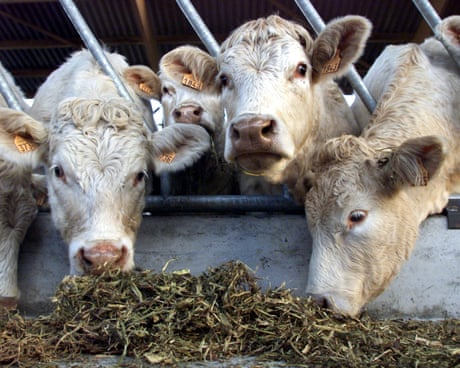
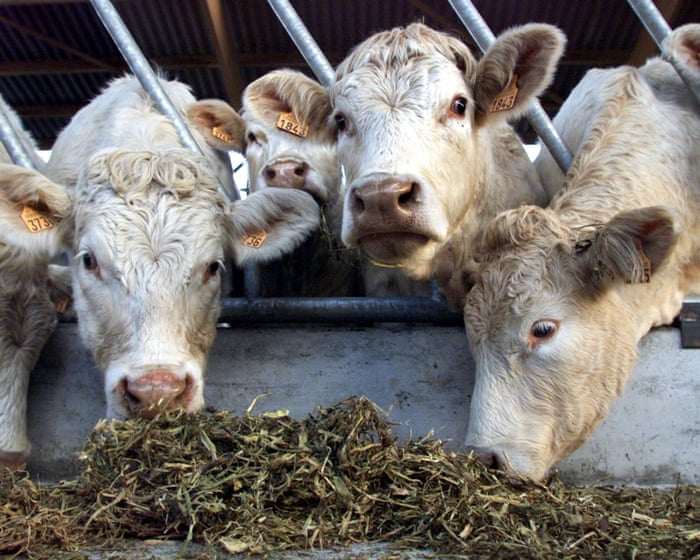
A man in France has become the first human known to have contracted Shamonda virus, with investigations under way to explore whether it contributed to his death.

Shamonda virus is a type of bunyavirus and is spread by bites from infected midges. According to the Austrian Agency for Health and Food Safety, in animals such as cattle, sheep and goats it can cause diarrhoea, lack of appetite and a decline in milk yield, “as well as abortions and congenital abnormalities in newborn calves, lambs and kids”.

Continue reading...

© Photograph: Pascal Rossignol/REUTERS

© Photograph: Pascal Rossignol/REUTERS

© Photograph: Pascal Rossignol/REUTERS

  •  

Caro vita e rincari, i costi reali delle guerre sulle famiglie italiane

In questi giorni il caro vita turba i sonni del mondo politico e sindacale, compresi quanti finora hanno ignorato i diffusi rincari dell’energia e dei beni di prima necessità, riducendo l’emergenza a mera polemica politica.

Segue nostro Telegram.

In questi giorni il caro vita turba i sonni del mondo politico e sindacale, compresi quanti finora hanno ignorato i diffusi rincari dell’energia e dei beni di prima necessità, riducendo l’emergenza a mera polemica politica.

Tuttavia, anche le poche mobilitazioni in corso dimenticano che la causa primaria dell’inflazione è proprio l’economia di guerra: l’escalation militare ha fatto ripartire la corsa dei prezzi, con conseguenze particolarmente pesanti per le economie europee, dipendenti dal greggio in transito nel Golfo Persico.

Un tempo le forniture principali arrivavano dalla Russia a costi decisamente inferiori a quelli attuali. Affermare che l’economia di guerra sia la causa principale dell’inflazione e del rallentamento economico europeo significa semplicemente prendere atto della realtà.

I dati parlano chiaro: tra marzo e agosto la UE ha sostenuto 54 miliardi di dollari di costi aggiuntivi netti solo per le importazioni di gas e petrolio. Questo dato basterebbe da solo ad aprire un dibattito serio sulle conseguenze economiche dei conflitti.

A confermare il quadro è l’Ufficio Studi della CGIA di Mestre: a fine anno gli italiani pagheranno 29 miliardi di euro in più tra rincari di elettricità, gas e carburanti. Solo in Italia il costo dell’energia elettrica è balzato del 51,2%. Rincari dovuti all’instabilità delle catene di approvvigionamento, alle speculazioni finanziarie e all’aumento delle spese militari, che sottraggono risorse essenziali al welfare.

Di fronte a questo scenario, la risposta del Governo appare timida e priva di coraggio. Mentre sostiene le spese per il riarmo, prova a calmierare con fondi pubblici le bollette degli italiani (che stimano una spesa aggiuntiva media di 153 euro all’anno per l’elettricità e 477 euro per il gas). Parallelamente, i rincari a doppia cifra colpiscono anche i beni alimentari di largo consumo: la dimostrazione che non si tratta di un incidente di percorso, ma di un effetto strutturale dell’economia di guerra.

In questo contesto, le manifestazioni di piazza rischiano di rivelarsi inefficaci, sia per la scarsa adesione sia per la debolezza delle motivazioni. Manca una riflessione complessiva sul sistema economico e sui meccanismi che spingono verso il basso i salari (a partire dai criteri di calcolo dell’IPCA). I bonus non sono la soluzione, bensì il sintomo del progressivo smantellamento del welfare pubblico.

È urgente iniziare a parlare apertamente di “economia di guerra”: un modello di produzione che alimenta la corsa alle risorse, dirotta i fondi pubblici verso la difesa e giustifica la sottrazione di risorse ai servizi essenziali. In caso contrario, continueremo a inseguire singoli provvedimenti tampone senza mai affrontare la vera radice del problema.

Articolo originale:  lantidiplomatico.it

  •  

As eleições brasileiras que poderiam ser em Portugal ou na EU

Eleições no Brasil, EUA e UE: esquerda identitária e direita antissistema desviam o debate do essencial — soberania e redistribuição de riqueza.

Junte-se a nós no Telegram , X e VK.

Escreva para nós: info@strategic-culture.su

As eleições brasileiras têm sido férteis na expressão dos estereótipos eleitorais mais comuns que, na sua esmagadora maioria, são responsáveis pelo acentuado resvalamento para uma política superficial, estéril em debate de soluções efectivas para o futuro colectivo, mas profundamente rica em estética carnavaleira, mais liberal ou mais conservadora, em acesa maledicência e numa tendência exacerbada para o insulto fácil ou até para as mais vis ofensas pessoais.

Nada que não se conheça dos EUA e da forma conservadora, tacanha, acanhada e recuada como aí é discutida a política nacional, em que uma e outra barricada evitam debater os assuntos realmente fracturantes, classificados de «radicais»; nem nada que não se conheça da velha Europa, cuja perda de qualidade da classe política em nada difere, hoje, do que se passa no Brasil, na Argentina ou noutras paragens marcadas pela submissão dos principais dirigentes políticos ao imperialismo anglo-sionista, ao poder imenso da oligarquia ou, em última análise, à necessidade de conciliação das políticas caseiras para com a agenda internacional do imperialismo.

Enquanto olhamos para uma esquerda apanhada, não raras vezes, pelo identitarismo individualista e liberal, assim desviada dos locais de trabalho, do chão de fábrica, dos dramas da exploração, que estão na base dos problemas mais profundos com os quais se debate a maioria da população, constatamos também uma direita que funciona como o outro lado da moeda: ao liberalismo nos costumes de parte da esquerda (a liberal), a direita responde com o conservadorismo; às promessas de justiça social da esquerda (a liberal), a direita responde com mais liberalismo e até “ultraliberalismo”. Uma e outra acabam por falar muito pouco do que interessa realmente, centrando-se muitas vezes em assuntos acessórios, mais ligados à estética do que à essência.

Não obstante, com um olhar atento, podemos sempre desenterrar o que se esconde por trás de um e outro panfletarismo. Uma das mais importantes temáticas em confronto hoje nas sociedades ocidentais – ou ocidentalizadas, como é o caso do Brasil, da América Latina e da Europa Latina – consiste na tensão entre soberania e submissão ao imperialismo anglo-sionista. Se, na Europa – nos casos de Portugal, Espanha ou Itália –, essa tensão é mediada por uma UE já submetida, que tende a funcionar como uma camada protectora das tensões nacionais e uma vez levantada a questão da soberania, a tendência é, das duas uma, ou vê-la como uma extensão da soberania europeia, o que esconde o real problema, ou vê-la como uma tentativa de discussão da saída da UE, o que ainda é visto como um tabu em alargados círculos de um campo ou outro; no Brasil, essa tensão fica mais exposta, uma vez que não existe uma União Americana para mediar as relações externas do país para com os EUA e Israel, os grandes representantes do imperialismo anglo-sionista.

E, neste caso, é interessante verificar que, do lado bolsonarista, de onde se poderia esperar a proposta nacionalista, tal não sucede, ou sucede muito residualmente, pois, mesmo quando sucede, a tentativa é desmascarada pelo excessivo apoio que as redes sociais norte-americanas dão à candidatura de Bolsonaro, ou pelas constantes ingerências de Trump e dos seus apaniguados no processo eleitoral brasileiro. Por muito que a direita quisesse mostrar-se como defensora da nação e da sua independência, o efusivo apoio dos EUA à candidatura em causa faria cair a máscara, pois os EUA – e Israel – nunca apoiariam com tanta veemência e de forma tão expressa quem não lhes fosse dócil. A omissão de Lula nos comandos algorítmicos de Silicon Valey acaba por denunciar qual dos dois candidatos é mais dócil aos interesses dos EUA.

Já do lado de Lula da Silva, aí sim, têm surgido as propostas mais demarcadas em matéria de defesa da soberania, mesmo que alguma dessa intensidade possa depois colidir com os ditames pragmáticos da realpolitik, ditados pela necessidade de conciliar com um centrão marcadamente pró-imperialista. De qualquer das formas, esta linha demarcadora existe, e parece-me pouco crível que alguém, no pleno uso das suas faculdades mentais, possa escolher um protegido de Trump para a defesa dos interesses soberanos do Brasil, em vez de um experiente conciliador, mesmo que não revolucionário.

Sabendo da importância que esta questão tem, depois, para a gestão e utilização soberana dos recursos endógenos e a sua afectação a um plano de desenvolvimento independente, parece-me de difícil defesa a escolha de Bolsonaro, no caso de pesar, nessa escolha, a questão soberana. Tal como na UE, também não é na direita que os soberanistas têm encontrado as melhores práticas, talvez com excepção de Viktor Orbán — que governou a Hungria durante dezasseis anos, até às eleições de abril de 2026 —, mas mais por necessidade de alinhamento com a Rússia e a China, em consequência das escolhas da UE em matéria energética e industrial, do que por necessidade de construção de um projecto de nação realmente soberano. Aliás, se mais provas fossem necessárias, tivemos o total alinhamento de Orbán com o sionismo para percebermos que o desencontro para com a UE era apenas tático, e não uma questão de fundo ou de defesa da soberania nacional. Nem por um momento Orbán renunciou à NATO nem se afastou de Israel e do sionismo — factores que usou como plataformas de sustentação contra a burocracia de Bruxelas. A submissão a Trump, essa, também foi explícita e verbalizada com o fulgor de quem via nele “um enviado de deus”!

Já no caso de Meloni, Babis e outros, a questão é a mesma: muita conversa, mas, no final, o mesmo alinhamento, o que deixa antever para onde virão a virar os partidos como a AfD. Perante as questões fundamentais, também estas alinharão, ou pela submissão a Bruxelas, ou pela submissão directa ao sionismo e ao imperialismo dos EUA. Outros, como Meloni, conseguem fazer um meio-caminho que, no final, tem as mesmas consequências sociais. No que conta realmente, os jovens continuam a deparar-se com o desemprego, a não conseguir casa, as infraestruturas a degradar-se, os direitos laborais sob ataque cerrado e os salários em desvalorização acelerada face ao aumento brutal do custo de vida. Não existe um local onde esta «nova direita» esteja implantada e sentada nas cadeiras do poder, onde isto não se passe.

Daí que subsista um outro paralelo importante entre as eleições brasileiras e o que se passa na Europa e no Ocidente em geral: quer no Brasil, quer nos EUA, quer na Europa, esta «nova direita» utiliza também a agenda identitária como linha divisória em relação à esquerda. Supostamente, a «esquerda» – liberal, acrescento eu – seria responsável por uma decadência dos costumes e dos valores culturais e religiosos, pela decadência social e moral dos defensores desta deriva «wokista».

Ora, esta demarcação tem funcionado como justificação para muitos que, tendo-se apresentado como críticos do sionismo, defensores da multipolaridade, anti-imperialistas e defensores das soberanias do Sul Global, vêm agora usar este suposto «wokismo» da esquerda para justificar a eleição de um representante da submissão ao imperialismo como Bolsonaro. Esta demarcação tem um problema: mais «wokista» do que o «wokista» é aquele que faz do wokismo a coisa mais importante da política, seja quando se está a favor, seja quando se está contra.

À esquerda, muitos não são capazes de identificar nas pautas excessivamente identitárias uma agenda individualista, fraccionária e fragmentadora das classes trabalhadoras, com origem nos próprios EUA, cujos serviços de manipulação de massas transformaram o ser «woke» (alerta para as injustiças sociais) numa espécie de panfletarismo identitário que extraiu ao movimento «woke» a dimensão classista e de redistribuição justa da riqueza que possuía e lhe deu uma panóplia de identidades em troca, transformando a preocupação com a igualdade, a justiça social e a liberdade – uma preocupação materialista e universalista – numa preocupação tribalista, individualista e, acima de tudo, desconectada da dimensão material, ou seja, da dimensão da justa redistribuição da riqueza produzida pelo trabalho.

Mas, à direita, quando se utiliza essa deriva tribalista e individualista como linha divisora, nega-se também o que distingue, de facto, a esquerda da direita. É que na matriz histórica que distingue esquerda de direita está a riqueza: quem a domina e como é repartida. De um lado, quem defende que a propriedade e a riqueza não devem ser a medida da liberdade e da iniciativa política e que todos os seres humanos devem ter direito a uma vida digna (universalismo) e, do outro, à direita, a plutocracia fisiocrática, ou seja, a ideia de que a liberdade e a capacidade de intervenção política devem medir-se pela riqueza que se tem. Daí que os sufrágios liberais assentassem numa lógica censo-censitária – ou seja, identitária –, em que o que contava era a riqueza que se tinha, se era homem e se sabia ler e escrever, e não fosse a luta, nomeadamente a das mulheres sufragistas, a conseguir alcançar o que hoje designamos por «sufrágio universal» e ainda estaríamos assim. Julgo que também as terão acusado de «wokistas», nos termos em voga na altura!

Assim, de lá para cá, ou seja, desde o momento fundador da dicotomia «esquerda–direita» da Revolução Francesa, a direita se empenha mais do lado da conservação da propriedade nas mãos de quem a tem, e a esquerda mais do lado da democracia real, da democracia económica, social e cultural, negando a ideia de que os ricos tenham de permanecer ricos e que os pobres tenham de permanecer pobres — em jeito de tradução, o que chamamos de progressismo universalista, por oposição ao progressismo individualista, o qual tende sobretudo para as questões da identidade individual.

Assim, quando esta direita embarca na lógica antiwokista, fazendo desta agenda o aspecto mais importante da discussão política, como se o que importasse realmente não fossem as coisas que nos permitem viver, sustentar, alimentar e fruir o nosso corpo e espírito, esta direita fá-lo apenas com uma intenção: desviar a atenção para uma questão superficial, para que nas propostas em discussão não entre o que lhe é mais caro: a redistribuição justa da riqueza e a democracia económica, social e cultural. Assim, o que mais lhe importa permanece indiscutível e as eleições transformam-se num carnaval de bandeirinhas do contra e a favor. Quem escolhe onde vota por causa do wokismo de outro é tão wokista quanto ele.

Mas não se ficam por aqui as semelhanças. Outra é a questão da segurança e do combate ao crime: à direita, propaga-se a ideia de que o crime se combate com violência brutal; à esquerda, defende-se que, enquanto houver pobreza, não será possível erradicar o crime. Ora, não é preciso ser muito inteligente para perceber que a primeira proposta falha nos locais onde mais se dela fala: nos EUA. Nenhum país tem mais prisioneiros comuns — também poucos terão mais prisioneiros políticos —, nenhum país gasta tanto em suposto combate ao crime, nenhum país desenvolvido tem tanto crime. Porque, nos EUA, os viveiros do crime comum, os guetos negros e latinos, onde vivem populações desesperadas, desprovidas de condições básicas de emprego, de educação e de serviços públicos essenciais, continuam sobrelotados e cada vez mais empobrecidos. Ora, esse é apenas o crime do desesperado, o que surge na televisão.

Outra forma de crime e que também constitui um paralelo na agenda direita/esquerda, é a questão da corrupção. Se esta «nova direita» faz bandeira da corrupção e a esquerda pouco fala dela, também é verdade que, quando eleita, esta «nova direita» faz tudo menos acabar com a corrupção. Não é preciso ir mais longe do que Trump para constatarmos um caso de corrupção empedernida. E quem do bolsonarismo esperava o fim da corrupção também ficou a praguejar no deserto: o governo Bolsonaro foi, ele próprio, um antro de corrupção. Talvez se devesse começar por discutir que, para acabar com a corrupção, é preciso acabar com o que a origina: a imensa disparidade na distribuição da riqueza, que faz com que uns possam usar o seu imenso poder económico para obter do poder político o que lhes falta em legitimidade eleitoral. Este crime, o de colarinho branco, sendo até mais insidioso e originando as causas profundas do outro, não surge tão amiúde nas televisões.

Na imigração temos, talvez, a única das grandes diferenças entre as eleições na América Latina, no Brasil e nos países do capitalismo avançado. Mas a imigração surge também como uma forma de identitarismo superficial da direita. Quanto mais a «nova direita» fala de «excesso de imigração», mais esquece que quem emprega esses imigrantes são os mesmos que a financiam e apoiam, que os imigrantes vêm trabalhar nos sectores económicos com os salários mais baixos, explorados pelos patrões mais retrógrados e conservadores — base social da direita radical —, e que o patronato só recorre à imigração como último recurso, porque a sua agenda antilaboral fez com que os trabalhadores não tenham hoje condições para projectar um futuro com estabilidade, porque os jovens, vítimas da transformação da habitação em especulação imobiliária, deixaram de poder programar um futuro em família e porque os pais e as mães, vítimas dos horários desregulados impostos pelo patronato e consagrados em lei pela direita, não têm tempo para a sua família.

O mais grave é que, quanto mais negam as condições materiais necessárias, mais dizem defender a família e os respectivos valores. Uma clara mostra de hipocrisia e cinismo, que nega as causas profundas do problema — um problema que afecta todo o Ocidente. É mais fácil, como têm feito, negar que a crise da natalidade está intrinsecamente ligada ao sistema vigente. Sabem onde não havia crise da natalidade? Nos países socialistas do leste. Países industrializados, letrados e bem alimentados, que duplicaram as suas populações em 70 anos. Hoje, tomados pelo capitalismo, encontram-se na lenga-lenga dos países do capitalismo avançado. Daí não sairão até que mudem as características fundamentais de um sistema económico que não apenas não dá tempo à mulher para ter filhos, como destrói a coesão familiar com a desregulação do trabalho e, consequentemente, da vida.

Ora, o que é mais interessante deste debate político é que os que há uns anos, os que diziam não haver direita e esquerda, que os políticos eram todos iguais, são agora os que vêm dizer que a salvação está nesta «nova direita» e são os que se acirram quando lhes dizemos que esta «nova direita» nada tem de «nova» e que, ao invés, tresanda a fascismo clássico.

Nunca são fascistas, mas submetem-se ao sionismo e ao império anglo-sionista; não são fascistas, mas usam da demagogia e do discurso fácil usados pelo fascismo clássico; não são fascistas, mas usam das bandeiras de massas como o fez o fascismo clássico; não são fascistas, mas usam a religião e a suposta degradação dos costumes para desviar as atenções do essencial, como o fez o fascismo clássico; não são fascistas, mas chegados ao poder privatizam, atacam direitos laborais e fecham serviços públicos essenciais, como fez o fascismo clássico; não são fascistas, mas atacam o conhecimento, desvalorizam o estudo e o empenho individual, como fazia o fascismo clássico; não são fascistas, mas desconsideram a experiência política, o percurso individual e colectivo, como fazia o fascismo clássico, para desconsiderar as instituições; não são fascistas, mas assumem um discurso racialista, xenófobo, supremacista e ultra-individualista, como fazia o fascismo clássico; não são fascistas, mas são todos anticomunistas, antissocialistas e contrários ao progresso social, como era o fascismo clássico; não são fascistas, mas são apoiados pela oligarquia e pelo patronato mais retrógrado, bem como pelo imperialismo, como era o fascismo clássico.

Não são fascistas, mas cheiram, voam, cantam e vociferam como os fascistas…

Chamem-lhe o que quiserem, mas uns «anos 30» do século XXI, armados de IA e de redes sociais? Não, obrigado! Não podemos esperar diferente de quem tem os mesmos patrões e quer mandar nos mesmos empregados…

Espero que, depois, me poupem ao adágio repetitivo do «fomos enganados».

FONTES E NOTAS DE VERIFICAÇÃO

Encarceramento nos EUA — os EUA têm a maior população prisional do mundo (cerca de 2 milhões de pessoas) e a maior taxa de encarceramento de qualquer democracia; em taxa por habitante, apenas El Salvador, Cuba e Turquemenistão a superam (World Prison Brief / Prison Policy Initiative, 2026). https://eji.org/news/u-s-remains-world-leader-in-number-of-people-incarcerated/

Jair Bolsonaro — condenado pelo Supremo Tribunal Federal a 27 anos e 3 meses de prisão (11 de setembro de 2025) por tentativa de golpe de Estado, organização criminosa armada e abolição violenta do Estado democrático de direito; cumpre pena desde 25 de novembro de 2025. https://apublica.org/especial/o-julgamento-de-jair-bolsonaro/ ; https://checamos.afp.com/doc.afp.com.A2V88ZQ

Donald Trump — condenado em maio de 2024 por 34 crimes de falsificação de registos comerciais; em janeiro de 2025 foi-lhe aplicada uma liberdade incondicional (sem pena de prisão nem multa), com recursos ainda pendentes em 2026. https://www.bbc.co.uk/news/articles/c4g3m95ykzko ; https://www.axios.com/2026/08/28/trump-hush-money-conviction-appeal

Viktor Orbán — a Hungria é membro da NATO e Orbán foi aliado próximo de Netanyahu e de Israel; nas eleições de abril de 2026, Péter Magyar pôs fim a 16 anos de governo de Orbán. https://apnews.com/article/hungary-israel-euro-2024-soccer-1514e137b54b18a1fed8be8b6cd89b19 ; https://www.ynetnews.com/article/hjef3yqnbx

Sufrágio — em Portugal, o voto censitário só foi extinto em 1968; as mulheres obtiveram um direito de voto limitado em 1931 e a igualdade plena apenas com a Constituição de 1976. https://www.europeana.eu/pt/stories/votes-for-women ; https://arquivomunicipal.lisboa.pt/fileadmin/arquivo_municipal/difusao/publicacoes/cadernos/Cad04.pdf

Origem do termo «woke» — inglês afro-americano, com registos desde os anos 1920–1940, popularizado a partir de 2014 pelo movimento Black Lives Matter. https://www.merriam-webster.com/wordplay/woke-meaning-origin ; https://www.latimes.com/world-nation/story/2025-09-30/how-woke-went-from-an-expression-in-black-culture-to-a-conservative-criticism

Origem dos termos «esquerda» e «direita» — disposição dos deputados na Assembleia Nacional Constituinte francesa, em 1789. https://observador.pt/opiniao/a-grande-dicotomia-o-que-ainda-separa-a-esquerda-da-direita/

Criminalidade — a taxa de homicídios dos EUA (≈6,4 por 100 mil habitantes) é muito superior à dos restantes países desenvolvidos, mas inferior à do Brasil (≈22–23) ou do México (≈25); por essa razão, o texto original «nenhum país tem tanto crime» foi ajustado para «nenhum país desenvolvido tem tanto crime». https://www.unodc.org/documents/data-and-analysis/gsh/2023/GSH_2023_LAC_web.pdf

 

  •  

Bomb explosion in Athens “wasn’t a terrorist act”, says Minister

The explosion of a bag with drugs on Wednesday that injured two police officers and two civilians was “not a terrorist act, but one of the common criminal code,” Citizen Protection Minister Michalis Chrisochoidis said on Thursday. Speaking to ANT1 TV. the Minister said the police were investigating the scene and that those responsible will […]

The post Bomb explosion in Athens “wasn’t a terrorist act”, says Minister appeared first on Keep Talking Greece.

  •  

The Myth of the American Dream

The averting of a terrible incident against Indian Americans at a prominent religious festival is reflective of the rising tide of anti-India sentiment in the U.S., effectively marking the end of the image of America as a country that welcomes people of diverse backgrounds. Navaratri, a nine-day festival, is revered by people of Indic faiths […]
  •  

International Criminal Court wins EU’s top human rights prize in defiance of Trump’s sanctions

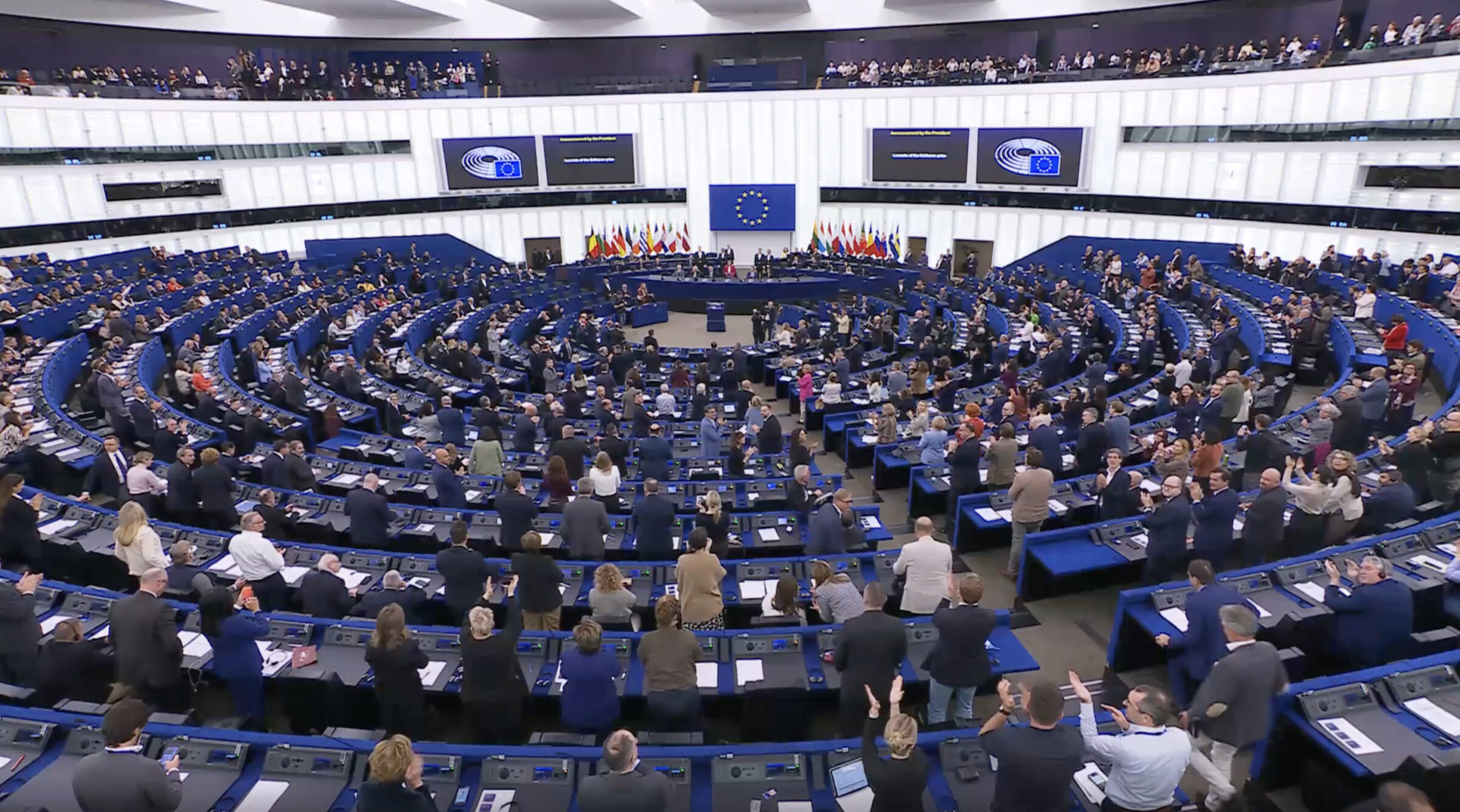
The International Criminal Court (ICC) has received the EU’s Sakharov Prize for Freedom of Thought.

Reacting to EU Parliament president Roberta Metsola’s announcement of the prize winner on Thursday (22 October), the Hague-based court said it is “thankful” for the recognition of the court and its officials.

“This award comes at a time when the court and its officials face unprecedented challenges, including sanctions aimed at disrupting the court’s judicial mandate,” ICC president judge Tomoko Akane told EUobserver in a statement.

The parliament’s recognition “underscores the importance of […] support to enable the Court to carry out its mandate independently and impartially, in the service of justice and the victims of the gravest crimes,” said the Japanese judge.

The court’s win comes after US president Donald Trump put his weight behind Israeli efforts to discredit the international judicial body by extending sanctions against it.

The ICC investigates and tries individuals charged with war and human-rights related crimes. When it issued an arrest warrant in 2024 for Israeli prime minister Benjamin Netanyahu for alleged war crimes, the US responded by sanctioning its judges.

EU Commission president Ursula von der Leyen welcomed the win, saying:
“For victims of the world’s gravest crimes, justice means a voice. The ICC must be free to pursue its mission, independently, and without pressure or intimidation. Europe stands firmly behind president Tomoko Akane, the Court’s judges and officials, and their vital work for a world governed by rules.”

New sanctions against the court were announced by the Trump administration this month after the Nobel Peace Prize went to Navi Pillay, a former ICC judge who concluded in a UN report that Israel is committing genocide in Gaza.

Tomoka said: “While this prize recognises the work of the court in combating impunity and ensuring fair trials, it is also an important recognition of the role of international justice as a cornerstone of lasting peace. In a world marked by rising conflicts, there is no peace without justice and no security without law.”

Strasbourg stands for justice

French MEP Chloé Ridel initiated the ICC’s nomination for the Sakharov Prize on behalf of the Socialists & Democrats parliament group.

This article continues, but the full version is available only to EUobserver.com subscribers. Visit account.euobserver.com/membership

  •  

Brussels is moving to ban street advertising by fossil-fuel firms – the EU officials who live there should take note

Last week, Elsene became the fifth  municipality to vote for an end to fossil-fuel advertising, joining Saint-Gilles, Jette, Schaerbeek and Molenbeek.

Four of those five votes came in the space of just four months, and together, these municipalities are home to roughly 370,000 people: one-third of the Brussels-Capital Region’s population.

All five are making the same demand: that the Brussels region bans fossil-fuel advertising across the entire city, from metro stations to regional roads. More motions are already being tabled, and by the end of the year, a majority of Brussels’ 19 municipalities could be on record calling for a ban.

While local politicians are taking the lead, the outlook a little higher up the chain looks less promising. 

Europe’s ad town and the EU’s lobby town

Everyday tens of thousands of officials, MEPs, assistants and diplomats brave Brussels morning rush hour on their way to work on the laws that will decide whether Europe meets its climate targets.

Along the way they pass numerous temptations, bus shelters and metro walls selling them petrol cars, weekend flights and gas contracts, normalising the ongoing mass-consumption of these products. 

Once they reach their offices, they meet the same industry again, this time in person. The seven biggest oil and gas companies alone have declared lobbying budgets of almost €64m.

Fossil Free Politics research shows EU Commissioners and their cabinets had nearly 900 meetings with fossil fuel lobbyists in the last term. That’s nearly once every working day, showing just how embedded the industry is in the daily rhythm of Brussels life.

Some files come under particularly heavy pressure, with one egregious example being how a secretive alliance of eleven large multinational enterprises worked to tear down the EU’s flagship human rights and climate law last year, the Corporate Sustainability Due Diligence Directive (CSDDD).

The fossil fuel industry is currently mounting an extremely intense lobbying campaign to delay and dilute the EU Methane Emissions Regulation over the past year.

Over 80 percent of all commission meetings with external interest representatives on this regulation involved fossil fuel lobbyists, and the European Parliament is no better. All 17 MEPs who called for the methane regulation to be reopened in an April 2026 letter to the commission had met with fossil fuel lobbyists in the preceding year.

And those are only the declared figures.

Lobbyists roaming the corridors

Safe to say, the real total is almost certainly higher. According to new research by Reclaim Finance, on two out of every three days, the fossil-fuel lobbyists present at the European Parliament had no meetings scheduled with MEPs. They roam the corridors and cafés in the building, aiming to bump into the MEPs they wish to influence.

The councillors behind these fossil ad ban motions are not pretending that a few billboards will single-handedly solve the climate crisis, but they refuse to continue letting public spaces be misused by the fossil, automotive and aviation industry to freely promote their propaganda; as for the latter, especially since the advertised destinations are often precisely those places that have been the victims of severe climate disruptions..  

“The summer of 2026 was a painful awakening to the harsh reality of the consequences of the climate crisis,” said Mathias Gyselen, the Ecolo-Groen councillor who tabled Schaerbeek’s motion in September.

“Heatwaves, heat islands and heat deaths are unfortunately becoming the new normal in the city. Doing nothing is no longer an option.”

They are right. Advertising is how the fossil fuel industry keeps its social licence, presenting itself as part of the solution while expanding the very products driving the crisis.

Not just the five sub-municipalities of the Brussels capital acknowledge this, but over 70+ cities worldwide have taken steps to clear their streets from fossil fuel advertising, among them Amsterdam, Sydney, Stockholm and Edinburgh.

The problems with advertisements, and multi-million euro lobby strategies, are not just that they very much harm the planet, they are also fundamentally undemocratic. 

Residents, community groups and civil society organisations cannot match the industry’s firepower. They do not have the budgets, the staff or the open doors that put them across the table from lawmakers week after week.

Europe has dealt with this before.

‘Godfathers of climate chaos’

Tobacco lobbyists no longer get privileged access to health ministers, nor can cigarette brands buy billboards. For many similar reasons the world wants to end fossil fuels, the EU banned tobacco advertising because promoting a deadly product was incompatible with public health.

UN secretary-general António Guterres made the same comparison in 2024 when he urged every country to ban fossil fuel advertising, naming fossil-fuel companies as the “godfathers of climate chaos”

Municipal motions are not binding, so the decision now lies with the Brussels-Capital Region, which controls advertising in the metro, along regional roads and on its own infrastructure. A first obvious step is that it should listen to its municipalities and introduce a city-wide ban.

But the message is also addressed to the institutions on the other side of the Rue de la Loi.

If the streets of Europe’s capital are being cleared of fossil fuel promotion, the corridors of its institutions should be too. That means limiting the industry’s access to decision-makers, closing the revolving door, and rejecting fossil fuel sponsorship and partnerships, just as the EU did with tobacco.

The municipalities of Brussels have shown what local democracy looks like. Now it is up to the region and the EU institutions to show that Europe’s capital is not for sale; not on its billboards, and not in its corridors of power.

  •  

L’Azerbaigian e la questione dell’hijab

Riflessioni sui confini tra laicità, sovranità e stabilità sociale

Segue nostro Telegram.

La controversia relativa all’uso dell’hijab nelle scuole azere ha assunto nuove dimensioni nel mese di ottobre, in seguito all’attuazione di norme sul codice di abbigliamento che hanno comportato il divieto di accesso alle istituzioni pubbliche per studentesse e insegnanti. L’episodio ha scatenato manifestazioni, arresti e critiche da parte delle organizzazioni internazionali, suscitando al contempo reazioni anche da parte della Turchia. Il dibattito si estende ben oltre l’ambito scolastico, coinvolgendo questioni di sovranità, identità religiosa e stabilità regionale.

L’Azerbaigian ha ragioni storiche per mantenere un modello di Stato laico. L’esperienza sovietica, la formazione delle sue istituzioni dopo l’indipendenza e la necessità di governare una società religiosamente diversificata in un contesto regionale teso hanno contribuito al consolidamento di un sistema in cui lo Stato mantiene un controllo rigoroso sul funzionamento delle istituzioni pubbliche. Le autorità azere hanno la prerogativa di determinare le proprie politiche educative, stabilire standard per le scuole e decidere in che modo debbano essere attuati i principi costituzionali.

Tuttavia, il modo in cui tali politiche vengono attuate può produrre conseguenze che vanno oltre i loro obiettivi originari. Nel caso dell’hijab, l’applicazione dei regolamenti scolastici ha suscitato resistenze tra le famiglie e le comunità religiose, mentre gli arresti legati alle proteste hanno amplificato la controversia. La sfida principale del governo sarà quella di gestire questa reazione senza permettere che una disputa sulle uniformi scolastiche si trasformi in un conflitto più ampio tra le autorità statali e le comunità religiose.

La situazione presenta inoltre importanti implicazioni internazionali. Ankara, principale partner strategico di Baku, ha espresso preoccupazione per le restrizioni relative al velo islamico. La vicinanza politica, culturale e linguistica tra i due Paesi rende la questione particolarmente delicata. Sebbene questo disaccordo non equivalga necessariamente a una crisi bilaterale, dimostra come le decisioni interne possano creare attriti anche tra governi che intrattengono relazioni strette. Ankara deve tenere conto delle proprie considerazioni sociali e politiche, mentre Baku cerca di preservare la propria autonomia nella gestione degli affari interni.

Merita attenzione anche la dimensione iraniana. L’Azerbaigian intrattiene un rapporto complesso con l’Iran, caratterizzato da legami storici e religiosi, nonché da divergenze strategiche. Come l’Iran, l’Azerbaigian ha una popolazione prevalentemente sciita, mentre la Repubblica Islamica ospita una consistente minoranza azera. Sia la Guida Suprema, l’Ayatollah Khamenei, sia il presidente Masoud Pezeshkian hanno origini etniche azere. In questo contesto, le politiche di secolarizzazione potrebbero essere interpretate da attori esterni come parte di una più ampia lotta per l’influenza religiosa e politica all’interno dell’Azerbaigian. Tale interpretazione, tuttavia, non dimostra che i regolamenti scolastici siano stati adottati esclusivamente per contrastare l’influenza iraniana.

Esiste inoltre un rischio interno che merita di essere preso in considerazione. Le restrizioni religiose applicate in modo troppo rigido possono produrre effetti contrari a quelli desiderati. Quando alcuni segmenti della popolazione percepiscono determinate misure come imposizioni alle proprie pratiche religiose, i gruppi radicali potrebbero sfruttare il malcontento che ne deriva, dipingere lo Stato come un avversario della religione ed espandere la propria capacità di mobilitazione. Per comprendere questa questione è necessario prendere in considerazione altre esperienze, come quella della Siria sotto il governo di Assad, dove la laicità coesisteva con la proliferazione dell’estremismo. Questo esito non è inevitabile e l’opposizione alle norme non dovrebbe essere automaticamente equiparata all’estremismo. Tuttavia, l’esperienza internazionale suggerisce che tale possibilità debba essere esaminata con attenzione.

Per l’Azerbaigian, la questione va quindi oltre la semplice definizione di un’uniforme scolastica. Il Paese ha il diritto di organizzare le proprie istituzioni secondo le proprie priorità, senza che governi stranieri ne dettino le scelte. Allo stesso tempo, il mantenimento della stabilità richiede che si eviti che le decisioni amministrative alimentino una polarizzazione duratura o creino nuove opportunità per gli attori che cercano di intensificare le tensioni religiose.

L’evoluzione di questo caso avrà implicazioni per le relazioni di Baku con Ankara e Teheran, nonché per le dinamiche politiche interne del Paese. L’esito dipenderà non solo dalle norme stesse, ma anche dalla loro attuazione pratica e dalla risposta delle autorità alle preoccupazioni sollevate da studenti, famiglie ed educatori. Nel Caucaso meridionale, dove identità, sovranità e sicurezza rimangono strettamente intrecciate, anche una controversia apparentemente circoscritta può avere gravi ripercussioni a livello regionale.

  •  

Polish parliament liberalises abortion law – but conservative president likely to veto changes

Poland’s governing coalition voted in parliament to loosen abortion law on Tuesday (20 October) – but the country’s conservative president is expected to block the change.

Poland has one of Europe’s harshest abortion laws, allowing only two exceptions to a general ban: in case of rape or danger to the woman’s health.

The amendments, passed by a narrow majority, would allow for abortions in cases of severe deformation of the foetus, and partially decriminalise helping others terminate their pregnancy.

Currently, doctors fear facing up to three years in prison for performing an illegal abortion. At least six women have died because they were denied an abortion in the last six years.

This article continues, but the full version is available only to EUobserver.com subscribers. Visit account.euobserver.com/membership

  •  

Malta Faces Renewed EU Scrutiny Nine Years After Daphne Caruana Galizia’s Murder

The European Commission has urged Malta to strengthen judicial independence, tackle corruption and improve protection for journalists, as a European Parliament debate exposes continuing disagreements over the country’s rule-of-law record.

The European Commission has called on Malta to accelerate judicial reforms and strengthen safeguards for journalists, nine years after the assassination of investigative reporter Daphne Caruana Galizia, as the European Parliament revisited concerns over corruption and institutional accountability on Wednesday, 21 October.

European Commissioner for Democracy, Justice, the Rule of Law and Consumer Protection Michael McGrath told MEPs in Strasbourg that Malta had made progress in certain areas but had yet to implement several outstanding recommendations concerning judicial independence, high-level corruption and media freedom.

The debate followed the controversial acquittal of businessman Yorgen Fenech, who had been accused of involvement in Caruana Galizia’s murder. Maltese prosecutors appealed the verdict in September, leaving the criminal proceedings subject to further judicial consideration.

Commission identifies continuing weaknesses

The European Commission’s 2026 Rule of Law Report, published in July, assessed Malta’s progress in reforming its justice system, anti-corruption institutions and protections for the media.

The report acknowledged certain improvements, including additional resources allocated to judicial and prosecutorial authorities.

However, it found that progress remained limited on several recommendations.

These include reducing delays in judicial proceedings, improving the investigation and prosecution of high-level corruption and ensuring greater judicial involvement in the appointment of the Chief Justice.

The Commission has also expressed concern about the effectiveness of existing anti-corruption arrangements.

Although investigations and prosecutions have increased in some areas, Brussels continues to seek a stronger record of final judgments in major corruption cases.

Court delays and pressure on judicial resources remain significant difficulties.

McGrath told Parliament that the Maltese authorities must continue implementing reforms to address these shortcomings.

Fenech acquittal intensifies accountability debate

Caruana Galizia was killed by a car bomb near her home in Bidnija on 16 October 2017.

The 53-year-old journalist had investigated corruption, money laundering and political connections involving prominent figures in Malta’s business and political establishment.

Her assassination prompted international condemnation, widespread demonstrations and investigations into the circumstances surrounding the killing.

Several men have subsequently been convicted for participating in the murder or supplying the explosives.

However, the criminal proceedings concerning the alleged commissioning of the assassination have remained contentious.

On 2 September 2026, a nine-member jury acquitted businessman Yorgen Fenech of complicity in the murder and criminal association. The verdict was reached by eight votes to one.

Fenech had denied ordering or financing the killing.

The acquittal prompted criticism from Caruana Galizia’s family and organisations campaigning for press freedom.

On 22 September, Malta’s Attorney General formally appealed the verdict, challenging legal decisions made during the trial.

The appeal does not overturn Fenech’s acquittal or establish criminal responsibility.

The Court of Criminal Appeal must determine whether the legal grounds presented justify further proceedings, potentially including a retrial.

The criminal case remains separate from the broader political debate over Malta’s institutional reforms.

Maltese MEPs clash in Strasbourg

Wednesday’s parliamentary debate exposed sharp disagreements between representatives of Malta’s opposition Nationalist Party and governing Labour Party.

Nationalist MEPs Peter Agius and David Casa criticised the authorities’ record on corruption and institutional accountability.

Agius argued that repeated European Commission assessments had failed to produce sufficient improvements and questioned whether Malta’s institutions were effectively addressing allegations of wrongdoing.

Casa referred to the findings of the independent public inquiry into Caruana Galizia’s assassination, which concluded in 2021 that the state had contributed to circumstances in which a climate of impunity enabled the killing.

He argued that significant recommendations arising from that inquiry remained outstanding.

Labour MEP Alex Agius Saliba rejected the criticism, maintaining that Malta had implemented reforms and that its judicial institutions should be allowed to perform their functions independently.

He pointed to the prosecution’s appeal against Fenech’s acquittal as evidence that the judicial process was continuing.

Labour MEP Thomas Bajada concentrated on the protection of journalists and the need to counter misinformation while preserving independent reporting.

The disagreements subsequently prompted a response from Maltese Prime Minister Robert Abela, who accused opposition MEPs of damaging Malta’s reputation through their interventions.

Protection of journalists remains unfinished

Media freedom featured prominently in the Commission’s concerns.

Malta has introduced legislation addressing certain abusive legal proceedings against journalists, including transposing EU protections against strategic lawsuits intended to discourage public participation.

However, the existing measures principally concern civil proceedings with cross-border implications.

The Commission has urged Malta to extend comparable protections to domestic cases.

Other concerns include journalists’ access to official information, protection from intimidation and the need for more comprehensive legislative safeguards.

McGrath indicated that the Maltese government intended to present additional media legislation in the coming weeks.

The Commission has called for consultations with journalists, media organisations and civil society before the measures are adopted.

European institutions are also examining Malta’s implementation of wider EU requirements under the European Media Freedom Act.

Further pressure for reform

The European Parliament’s proceedings form part of the continued scrutiny of Malta’s institutional record following Caruana Galizia’s assassination.

The Commission’s annual rule-of-law assessments provide a mechanism for identifying outstanding problems and monitoring governments’ responses.

However, the implementation of many recommendations remains the responsibility of national authorities.

For Malta, the immediate issues concern the government’s promised media legislation, outstanding judicial reforms and the progression of the appeal in the Fenech case.

The Commission has made clear that further improvements are required, while the Maltese government maintains that substantial institutional changes have already been introduced.

The next assessment will depend on legislative measures actually adopted, their implementation and progress through the relevant judicial proceedings.

  •  

Cuba, catastrofe sociale e umanitaria

Gli errori compiuti negli ultimi decenni dal Partito Comunista di Cuba e il criminale e pluridecennale embargo statunitense, rinvigorito e rafforzato negli ultimi mesi da Marco Rubio a nome dell’amministrazione statunitense stanno portando Cuba verso la catastrofe sociale e umanitaria.

Segue nostro Telegram.

Oggi Cuba è intanto un’isola spopolata. Di dodici milioni di cubani, almeno un milione e mezzo se ne erano già andati prima del 2020 e due milioni e mezzo hanno abbandonato l’isola tra il 2021 e il 2026, massimamente attraverso il Nicaragua, nazione che dalla primavera del corrente anno ha interrotto l’accesso senza visto per i cubani. Oggi nell’isola son dunque rimaste solo otto milioni di persone.

Ad andarsene sono stati principalmente i giovani, tra i venti e quarant’anni, per altro altamente qualificati in ragione dell’istruzione gratuita, possibile fino all’università grazie al socialismo. Una dipartita che compromette di fatto il futuro dell’isola a prescindere dagli sviluppi futuri, avendo questa situazione determinato la perdita di almeno una generazione. I più maligni oppositori dicono che questi giovani “abbiano votato con i piedi”, ovvero abbiano espresso la loro lontananza dal sistema socialista andandosene, certamente la drammatica aggressione economica statunitense ha avuto negli anni un peso rilevante nel convincerli a cercare altrove maggior fortuna.

Tuttavia oggi a Cuba i problemi si moltiplicano, anche perché le rimesse da parte dei parenti all’estero sono azzerate o quasi. Soprattutto perché in molti casi hanno smesso di arrivare, bloccate dal terrorismo bancario esercitato con brutale coercizione dal Tesoro statunitense contro tutte le banche di qualsiasi nazione, per cercare di strangolare più ancora che l’economia dell’isola già al collasso, i cubani stessi, secondariamente perché se non si hanno cinquanta dollari per comprarsi una gallina, si devono spendere tre dollari per acquistare un uovo. Con uno stipendio medio di dodici dollari un medico o un professore dovrebbe vivere con un uovo a settimana e nulla più, una pensionata o un pensionato con tre uova al mese. Lo storico sistema della “livreta”, che garantiva almeno riso e fagioli neri per tutti, è totalmente collassato e le mense per i bisognosi recentemente istituite dal governo sopperiscono al dramma alimentare solo parzialmente e nelle situazioni più estreme, in particolare per gli anziani indigenti.

Di più, nell’isola non c’è mai stata povertà. Probabilmente una vita a volte difficile, ma sempre dignitosa. Oggi non è più così, la stretta economica ha imposto una violenta povertà che si sta trasformando in miseria, la quale a sua volta porta alla creazione informale di bande, principalmente di disperati, dedite al saccheggio, per la prima volta dal 1959, inizio della Rivoluzione, Cuba sta diventando un luogo incapace di garantire quella sicurezza che è sempre stata un vanto, una certezza e un orgoglio per i cubani.

La stretta sul petrolio e sul carburante ha conseguenze devastanti. Da gennaio il blocco marittimo statunitense intorno all’isola e la fine del sostegno petrolifero venezuelano hanno assestato un colpo distruttivo e incalcolabile, il cui danno, prima ancora che economico, è  umanitario.

Non solo è del tutto impossibile la raccolta dell’immondizia, venendo ora bruciata a sera negli angoli delle strade, dopo che alcuni anziani vi hanno rovistato alla ricerca di un poco probabile companatico, ma neppure i vigili del fuoco o le forze dell’ordine hanno più benzina, meno che mai i trattori in campagna, le macchine estrattive nel settore minerario, le ambulanze nelle città. Si va in ospedale con il carretto trainato dal cavallo, ammesso che ci sia il cavallo, se si sta in campagna solo il medico locale può intervenire, ovviamente come può e con gli strumenti che ha.

Peggiore la situazione negli ospedali, la mancanza di medicine, l’assenza di elettricità, visto che le centrali elettriche regionali a diesel oggi sono tutte e del tutto ferme, la mancanza di carburante per i generatori di emergenza interni alle strutture sanitarie, hanno spento le sale operatorie e non solo, con il tramonto tutti i reparti non possono che passare nella modalità del riposo in attesa dell’alba successiva. Si opera come prima dell’avvento dell’elettricità agli albori del Novecento, con la volontà, l’intelligenza medico – scientifica e l’abnegazione del personale medico e sanitario cubano, che è e resta tra i più preparati e generosi del mondo, come migliaia di missioni di solidarietà in ogni angolo della terra hanno sempre dimostrato. Tuttavia questo non impedisce che persone di tutte le età, dai bambini agli anziani, muoiano per assenza di cure e di medicamenti.

Si moltiplicano le notizie di personale medico e infermieristico il quale, straziato da questa silenziosa carneficina imposta dal violento ed estremo embargo di questi ultimi mesi, decide di abbandonare il lavoro tra le lacrime per una comprensibile crisi psicologica ed emotiva dovuta all’impotenza e all’impossibilità di assolvere al lavoro sanitario. Un dramma nel dramma, del tutto comprensibile, ma non meno straziante.

I blocchi contro le compagnie aeree, l’assenza di cherosene per ripartire una volta atterrati all’Avana, la possibilità incerta di trovare forse un ciclo – taxi per raggiungere il centro della capitale, pagandolo non meno di cinquanta dollari, che è diventato il prezzo al mercato nero di un litro di benzina per le automobili, di fatto del tutto scomparse dalle strade, più ancora che negli anni del “Periodo especial” negli anni ‘90 del XX secolo, quando almeno ambulanze, automobili della polizia, camion della raccolta dei rifiuti ancora circolavano, hanno azzerato il turismo, stroncando tutte le sue ricadute economiche, a partire dal rum e dai sigari, portando alla definitiva cancellazione di Cuba dalle mete dei viaggi organizzati, prima provenienti da ogni parte del globo terracqueo.

Le campagne, già di loro poco produttive, finiti i fertilizzanti e i pesticidi, fermi i trattori, sono del tutto incapaci di soddisfare il fabbisogno alimentare della popolazione. L’autosufficienza e i tre raccolti annui, mirabilmente e mirabolantemente promessi dagli infuocati discorsi di Fidel Castro nei primi anni della Rivoluzione non solo non si sono mai realizzati, ma con la fine dell’Unione Sovietica e l’apertura al turismo, con l’opportunità in quel tempo di reperire alimentari a prezzi contenuti sul mercato globale e globalizzato, hanno portato allora a non valutare a pieno la necessità di implementare, modernizzare, rafforzare il settore primario, che resta sempre e comunque decisivo per ogni nazione. La produzione è del tutto deficitaria, da qualche mese affidata alla buona volontà di chi lavora la terra, sostenendosi adesso con un vecchio aratro di legno e un mulo o un asino, quando va bene e se c’è, a tirarlo.

Gli zuccherifici sono fermi, così si è tornati a raccogliere la canna da zucchero con il machete e la molitura si realizza con i macchinari se si trova un po’ di benzina e soprattutto i pezzi di ricambio di fatto irreperibili, un’altra disgrazia che comporta continui guasti, all’occorrenza si provvede con i muli che girano le antiche macine di pietra, se son rimaste nei cortili delle aziende. Come se non bastasse il criminale embargo, ecco che i disastri naturali hanno dato il loro nefasto contributo al disfacimento dell’agricoltura cubana, i violenti uragani che hanno devastato l’isola in questi ultimi anni hanno colpito decine di migliaia di ettari di colture, massimamente di canna da zucchero, uccidendo anche decine di migliaia di animali da allevamento. Metà degli zuccherifici per cronica obsolescenza sono stati chiusi con l’avvento del nuovo secolo, molti contadini e operai del settore, qualificati e specializzati grazie all’eccellenza dell’istruzione agraria cubana, hanno abbandonato l’isola trovando facilmente lavoro in tutte le nazioni ispanofone del continente americano.

Il devastante disastro di tutta questa situazione ha di fatto compromesso totalmente la produzione zuccheriera. Nell’anno 1989, l’ultimo del campo socialista e del COMECON, i cubani hanno prodotto otto milioni di tonnellate di zucchero grezzo, mai raggiunte prima e mai più eguagliate dopo quella data, anche perché allora gli zuccherifici funzionanti erano oltre un centinaio e oggi una decina. Ancora nel 2019, anno pre – covid, la produzione ha toccato un milione di tonnellate. Nel 2025, a fronte di una programmazione statale di un quarto di milione di tonnellate, l’isola è riuscita a raccogliere e produrre solo 150mila tonnellate di zucchero, il dato più basso dell’ultimo secolo e mezzo, ovvero a partire dal 1875. Per l’anno in corso 2026 sono difficili le stime, ma vi è la certezza di un evidente calo, con il rischio di un clamoroso e drammatico dimezzamento della produzione del 2025.

Tutta l’attività estrattiva è quasi ferma, se si può forse ancora arare un campo con un zappa, diventa difficile nel 2026 immaginare di scendere in miniera con un piccone. I macchinari di perforazione, estrazione e trasporto in superficie senza carburante restano all’aria aperta a prendere ruggine.

Le ricchezze minerarie non sono poche: nichel in provincia di Holguín, cobalto con riserve tra le più rilevanti a livello globale, cromo nella provincia di Camagüey e destinato all’industria metallurgica e alla produzione di acciaio inossidabile anch’esse del tutto bloccate mancando l’energia per far funzionare le fabbriche, zinco e piombo destinati a una implementazione estrattiva mai avvenuta per gli evidenti motivi di embargo e scarsità di manodopera, che anche in questo caso spesso ha lasciato l’isola.

A fronte di tutto questo l’attaccamento del popolo cubano alle sue istituzioni è ammirevole, al pari dell’amicizia e della solidarietà di nazioni come la Russia e la Cina, quest’ultima capace in questi difficili circostanze di intraprendere una fenomenale campagna di implementazione della capacità di raccolta dell’energia solare attraverso i pannelli fotovoltaici.

Tuttavia la situazione è drammatica e resta difficile elucubrare ipotesi politiche per il futuro, rendendo possibile paventare scenari di ogni sorta.

Resta la tragedia di un un popolo incolpevole, martirizzato dall’imperialismo statunitense per evidente e irriducibile odio politico.

  •  

[Interview] ‘I hear MEPs say Muslims are a threat, with no consequences. I say Free Palestine and I’ll be arrested’ – MEP Benedetta Scuderi warns protest repression is being normalised in Europe

As protests continue to ripple across European cities, the Italian Green MEP Benedetta Scuderi reflects on her own experiences of police repression, from holding a peace flag near a Brussels protest to facing the fury that followed the flotilla to Gaza. She spoke to EUobserver about the EU’s housing priorities, Italy’s elections, and how the far-right has captured freedom of expression for its own use.

You were detained by police in July, a few hundred meters from a far-right protest calling for “re-migration”. How has the rise of the far-right stalled some key areas, like freedom of speech?

The rise of the far-right is really threatening European democracy as we know it. It has never been perfect, but it allowed people to protest. Now, we only let certain people express their dissent. 

In the European Parliament, people can discriminate and use hate speech because of their freedom of expression, but as you go out of parliament with a Palestinian flag, then you’re a terrorist. So, how is it possible that last Strasbourg plenary, I could hear my colleagues saying that Muslims are a threat, and there are no consequences? And then I go out and I say, “Free Palestine,” and I’ll be arrested.

This double standard is extremely problematic. The fact that not allowing fascist symbols within the parliament also meaning that no other symbol can be shown, is not okay. Because we need to be fine to say that certain things are discriminatory and against European values, without having to say that everything else is not allowed. 

We also need to be able to accept dissent. What is happening all over Europe, with violence increasing towards activists, we’re seeing it target only a certain kind of activists. In Italy, fascist protests are ignored by police. Farmers can come to the parliament with tractors, and that’s completely fine. And then we have 20 people doing a sit-in for Palestine in front of the parliament, and getting their heads smashed. 

This article continues, but the full version is available only to EUobserver.com subscribers. Visit account.euobserver.com/membership

  •  

Comment manipuler la génération Z

par Thierry MEYSSAN

Alors qu’une douzaine d’États ont déjà vécu — parfois avec succès — des manifestations de la génération Z, celles qui viennent d’avoir lieu, en France, donnent une occasion de manipuler la population. Les destructions programmées, survenues le 17 octobre, semblent préparer une sorte d’état d’urgence qui permette de suspendre l’élection présidentielle comme cela a lieu en Ukraine depuis deux ans.

Dans  cet article, j’examinerai une douzaine de manifestations de la « génération Z », c’est-à-dire les 14-29 ans, qu’elles soient organisées ou désorganisées. Si de nombreux mouvements de contestation auquel elle a participé ont eu lieu dans d’autres États, la génération Z a toujours dénoncé la corruption, le népotisme et les abus de pouvoir avant toute autre injustice.

Je conserverai toujours à l’esprit que si l’on ne peut pas provoquer la colère d’une foule, il est très facile de la détourner de son objectif initial. Ces manifestations commencent donc toujours dans l’intérêt général, mais peuvent s’égarer en chemin.

Une première caractéristique de ces mouvements est qu’ils ont tous éclaté après des scandales de corruption ou de répression. Les manifestants ne se sont pas réclamés d’une idéologie politique particulière, mais ont avant tout exprimé leur exigence de justice.

• Mongolie : le 11 janvier 2025, des jeunes gens manifestent à Oulan-Bator pour protester contre le train de vie de la famille du Premier ministre Luvsannamsrai Oyun-Erdene. Le mouvement dénonce rapidement la corruption dans l’ensemble de la classe politique et demande la démission de 33 députés. En définitive, le Premier ministre finira par démissionner, le 3 juin.

• Indonésie : en février 2025, des manifestations ont éclaté à Java contre la corruption. Elles ont été amplifiées par un syndicat étudiant lorsque le gouvernement a impliqué les universités dans des projets miniers en échange de repas gratuits pour tous les étudiants.

Les manifestations ont alors couvé, un peu partout dans le pays, alors que le gouvernement accordait des avantages importants aux militaires et qu’il soutenait le « transfert » des gazaouis en annonçant leur possible transfert dans le « plus grand État musulman du monde ».

En août, les manifestations ont repris, à l’appel des camionneurs, à l’occasion de considérables hausses d’impôts.

C’est à ce moment-là que le drapeau pirate de l’équipage de Chapeau de paille du manga One Piece a fait son apparition. Il était le symbole de la lutte contre la corruption. Le brandir est devenu passible de poursuites criminelles pour trahison.

En définitive, le président Prabowo Subianto a reconnu que la jeunesse avait le droit de manifester et a fait lever les sanctions contre le drapeau pirate.

• Togo : le 26 juin 2025, des manifestations ont éclaté après l’arrestation par la police et la torture du rappeur Aamron. Elles ont immédiatement pris une tournure politique car sa longue torture avait été filmée par les policiers et que le président Faure Gnassingbé était en train de faire changer le régime politique en faisant réformer la Constitution. Le mouvement a duré jusqu’en décembre. Il s’est essoufflé face à la répression très violente, souvent létale.

• Népal : du 8 au 14 septembre 2025, des jeunes gens manifestent à Katmandou contre les enfants et les proches des responsables politiques, qui font étalage sur les réseaux sociaux de leur vie luxueuse. Le pouvoir répond en bloquant les réseaux sociaux, mais cette mesure provoque l’effet inverse de celui escompté. En définitive, le Premier ministre Khadga Prasad Sharma Oli doit démissionner.

• Timor-oriental : du 15 au 17 septembre, un syndicat étudiant manifeste à Dili pour protester contre les avantages économiques accordés aux parlementaires. En définitive, ceux-ci devront se passer des voitures de luxe qu’ils avaient commandées.

• Philippines : le 21 septembre 2025, 100 000 jeunes gens défilaient à Manille contre la corruption des clans au pouvoir, les Marcos et les Duterte. 70 % des fonds destinés aux luttes contre les inondations auraient disparus.

• Madagascar : en septembre 2025, des manifestations éclatent à Madagascar contre l’absence de répartition de la croissance économique après un discours malheureux du président Andry Rajoelina qui se félicite de progrès économiques que le peuple ne voit pas. Les manifestations qui se généralisent débouchent sur un coup d’état militaire et la fuite du président Andry Rajoelina.

• Maroc : le 27 septembre 2025, 200 000 jeunes manifestent dans le désordre dans les grandes villes marocaines contre la corruption et le népotisme. Il démarre alors que l’État consacre des sommes importantes à la préparation de la Coupe du monde de football tandis que les hôpitaux tombent en ruine. Le mouvement s’arrête face à sa répression.

• Paraguay : le 28 septembre 2025, des manifestations de jeunes ont débuté pour protester contre la corruption et une tentative de modification de la Constitution pur permettre à l’ancien président, le mafieux Horacio Cartes, de revenir au pouvoir. Les amérindiens se sont joints à la génération Z lorsqu’ils ont appris le transfert du bureau de l’Instituto Paraguayo del Indígena (INDI) dans une base militaire. Le mouvement a cessé le 3 octobre après que le président Santiago Peña ait annulé cette décision.

• Mexique : le 15 novembre 2025, suite à l’assassinat d’un maire par un cartel, des dizaines de milliers de jeunes ont manifesté pour leur sécurité et contre la corruption. Les manifestations ont cessé, à la mi-décembre, sans solution.

• Bulgarie : le 26 novembre 2025, des manifestations de jeunes ont éclaté pour protester contre le projet de budget qui transférait le financement des retraites et de la sécurité sociale des entreprises sur les impôts, et contre la corruption. Elles n’ont cessé qu’un mois plus tard, après la démission du gouvernement Zheliazkov et le retrait de la réforme.

• Japon : le 3 mai 2025, 50 000 jeunes ont manifesté contre la remilitarisation de leur pays en utilisant des bâtons lumineux, comme lors des concerts de K-Pop et lors de la tentative de loi martiale en Corée du Sud. Elles se sont bientôt multipliées dans tout le pays et ont cessé par épuisement.

• Inde, le 15 mai 2026, le président de la Cour suprême assimile les jeunes chômeurs à des cafards. Un jeune étudiant en communication crée alors le « Parti du peuple des cafards ». Il organise des manifestations jusqu’à ce que le ministre de l’Éducation démissionne. Le mouvement repart, en octobre avec la protestation contre la réforme des listes électorales dont la procédure exclut les Indiens les plus pauvres. Elle se poursuit aujourd’hui, malgré l’emprisonnement de son leader [1].

La manifestation du 17 octobre en France

À partir du 18 septembre 2026, des lycéens manifestent, d’abord à Créteil, puis dans toute l’Île de France, et enfin dans tout le pays contre leurs conditions d’études. Ils sont bientôt rejoints par les étudiants. Et, un peu plus tard, par les syndicats de la fonction publique.

Les premières manifestations sont pacifiques, mais des débordements commencent à être signalés lorsque des élus de gauche affirment que la violence est légitime. Des casseurs se joignent alors aux lycéens et étudiants, provoquant de nombreux dégâts dans les lycées et les universités. Les policiers s’interrogent alors sur leur commandement : en effet, ils reçoivent des ordres contradictoires qui ne leurs permettent pas de protéger les manifestants et les exposent aux casseurs.


Des manifestations sont annoncées au plan national, le 17 octobre. Les « Gilets jaunes », c’est-à-dire le mouvement informel, de 2018-2019, contre le prix des carburants et pour la France périphérique, se joignent au mouvement. Ils poursuivent l’objectif de lutter contre la vie chère.

La police territoriale, pourtant réputée pour sa grande précision, sous-estime à 150 000 manifestants maximum ces rassemblements, tandis qu’ils seront entre 550 000 et 800 000. La direction de la police s’assure que les unités de maintien de l’ordre ne soient prévues que pour les manifestations estimées et veille à ce qu’elle ne dispose que du minimum de munitions en gaz lacrymogènes et en grenades de dispersion.

Les black blocs européens acheminent des milliers de militants, principalement d’Italie, de Suisse, d’Allemagne et de Belgique.


Le 17 octobre, des heurts débutent avant midi. Ils se termineront au petit matin, le 18. La police débordée ne parvient pas à protéger qui que ce soit et quoi que ce soit, hormis le palais de l’Élysée. Plus de 600 policiers et gendarmes sont blessés, mais seules 26 personnes sont déférées à la Justice. 1 500 commerces sont détruits, des bâtiments historiques sont incendiés. Les dégâts sont estimés à plusieurs centaines de millions d’euros.

Analyse

Aucun événement particulier n’a déclenché la contestation lycéenne. Il s’agit d’un ras-le-bol généralisé face au sentiment d’abandon d’une génération à qui on explique qu’elle doit se contenter de locaux mal-isolés, où l’on souffre du chaud et du froid selon les saisons ; et qu’elle ne doit pas espérer avoir de professeurs lorsque les siens sont malades ; que de toute manière, elle n’aura jamais d’emploi et sera remplacée par l’Intelligence artificielle ; mais qu’elle devra quand même payer la dette et les intérêts de la dette que leurs parents ont accumulée.

Dans un premier temps, un parti politique de gauche a tenté de récupérer ces manifestations en venant se poster aux sorties des lycées. Mais tout a changé, ce 17 octobre.

Il est évident que des responsables, au sein du commandement de la police, ont tout fait pour que cette manifestation dégénère, au mépris des manifestants et de leurs subordonnés, les policiers. Il convient de constater, fait sans précédent, que le principal syndicat de policiers, Alliance, a déposé une plainte contre X, le 14 octobre, pour « mise en danger de la vie d’autrui ». Cette organisation rassemble des témoignages, partout dans le pays, pour identifier les officiers qui ont organisé le chaos.

Il convient de se demander, comme le font ces policiers, ce que recherchent les responsables cachés de ces violences. Il est probable qu’ils préparent une opération visant à perturber l’élection présidentielle des 18 avril et 2 mai 2027.

Il est possible que ces responsables cachés soient en France, mais aussi envisageable qu’ils soient à l’étranger ; une hypothèse renforcée par la participation des black blocs européens.

Comment ne pas se rappeler qu’en 2011, le candidat à la présidentielle en tête les sondages, Dominique Strauss-Kahn, a été arrêté à New York pour viol, par la police locale, mais avec l’aide du Pentagone, assurant l’élection de son « ami », François Hollande ? [2]
Comment ne pas se rappeler qu’en 2017, le candidat à la présidentielle en tête les sondages, François Fillon, a été mis en cause pour avoir engagé son épouse comme assistante parlementaire sans qu’elle accomplisse de travail à l’assemblée nationale, ouvrant ainsi la voie à l’élection d’un tiers, Emmanuel Macron ?
Comment ne pas envisager qu’en 2027, le candidat à la présidentielle en tête les sondages, Marine Le Pen, soit condamnée par la justice et privée de ses droits civiques… ou que la situation exige de placer le pays sous « état d’urgence » ou encore, selon la nouvelle disposition introduite par la loi du 16 août 2026, sous « état d’alerte de sécurité nationale » ?

S’adressant à la Nation, le lendemain même, le président Emmanuel Macron a dressé un rapide bilan de cette journée de destruction [3]. Il en a conclu que les Français étaient impuissants face à ces violences. Puis, il a conclu en souhaitant rétablir l’ordre… afin que les élections puissent avoir lieu.

Publié à l’origine par  Réseau Voltaire

  •  

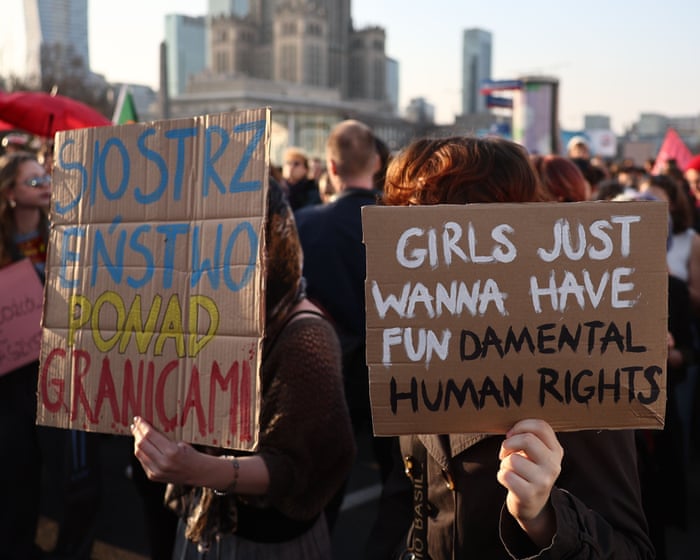
Poland’s parliament votes to ease abortion ban but faces likely veto from president

Measures would remove some penalties for those helping women access abortion but are ‘small-scale step’, say campaigners

Poland’s lower house of parliament has approved two bills aimed at loosening a near-total ban on abortions, in what campaigners have described as a “small-scale step” ahead of protests calling on the government to fulfil its promises to overhaul the country’s laws.

The new measures, which are likely to be vetoed by Poland’s nationalist president, would remove some of the criminal penalties for those who help women to access abortion care and allow terminations in cases of foetal abnormalities.

Continue reading...

© Photograph: Jakub Porzycki/NurPhoto/REX/Shutterstock

© Photograph: Jakub Porzycki/NurPhoto/REX/Shutterstock

© Photograph: Jakub Porzycki/NurPhoto/REX/Shutterstock

  •  

Bag with drugs explodes injuring 2 police officers, 2 civilians in Athens

Four people, including two police officers, were injured after a strong explosion at the entrance of a building in Akadimia Platonos in Kolonos suburb of western Athens on Wednesday afternoon. The explosion occurred short before 4 o’ clock. According to initial information, police received a call to check the building about narcotics. Two police officers […]

The post Bag with drugs explodes injuring 2 police officers, 2 civilians in Athens appeared first on Keep Talking Greece.

  •  

Students in Greece protest high cost of living; solidarity with France

Thousands of teachers, pupils, students and their parents but also civil servants including health personnel, pensioners and workers joined their voices in protesting the high cost of living, demanding better education conditions, higher salaries and lower housing costs. Τhe protests followed the 24-hour strike called by the primary and secondary teachers unions. In Athens, Thessaloniki […]

The post Students in Greece protest high cost of living; solidarity with France appeared first on Keep Talking Greece.

💾

💾

  •  

US sanctions put Iraq-Iran travel links under pressure

Abdulreza used to plan his studies in Tehran around a 90-minute flight from Najaf. This autumn, returning to university meant a 12-hour road journey.

The Iraqi student, now in the third year of a computer engineering PhD at Shahid Beheshti University, had gone home when the war closed Iran’s universities. As he prepared to return, the flight announcements kept changing: services were suspended, then apparently available, then uncertain again.

Tickets that used to cost him $100 to $150 were being offered for $400 to $700, he said, and seats were hard to secure. He considered flying through Dubai, but worried that connection might disappear too.

Instead, he took a bus from Najaf to the Mehran border crossing and travelled on to Tehran, paying 10,000 Iraqi dinars (about $8) for the first leg and 2.5 million tomans (about $10) for the second.

"The cost was not just financial," he said. "The journey was much harder."

His experience shows what disrupted air travel means for a relationship sustained by university places, medical appointments and pilgrimages.

The land crossings remain open, but replacing a short flight with a long road journey changes who can travel, how often and under what conditions.

Washington’s aviation sanctions have carried those decisions into homes, clinics and travel agencies on both sides of the border.

On 8 September, the US Treasury sanctioned 36 targets connected to Iranian aviation, including 27 airlines.

Washington accused Iranian carriers of supporting military activities and warned foreign companies servicing sanctioned airlines that they risked being cut off from the global financial system.

Foreign ground-handling companies then refused to service Iranian aircraft, halting flights at four Iraqi airports.

Baghdad sought exemptions for medical treatment, education and pilgrimage. On 2 October, the Iraqi prime minister’s office announced that Iranian airlines, excluding Mahan Air, could operate up to 40 daily flights to and from Najaf.

Iraqi Airways separately announced that daily services from Najaf to Tehran, Mashhad and Isfahan would resume on 8 October, after suspending its Iran flights in March.

The reopening gives some passengers an alternative. It does not undo cancelled appointments, return money already committed to bookings, or remove the uncertainty hanging over journeys planned weeks ahead.

Studying between two countries

More than 50,000 Iraqis study in Iran, according to Iran’s science minister, Hossein Simaei Sarraf.

Abdulreza’s interest in Iran began before university. He had studied Persian and knew Iranian culture well, which made Tehran a place where he could build a life alongside his studies.

He rents a flat in Tehranpars, in the east of the capital. Returning this autumn also meant bringing his belongings, which made finding a flight with a limited baggage allowance even harder.

He has completed his coursework and passed his comprehensive exam. But defending his research proposal and meeting his supervisors still require him to be there in person.

Internet blackouts during the war made remote contact unreliable, he said. Reaching Iran became harder just as he most needed to see his professors.

He used to travel home to Iraq once or twice a month without disrupting his work. Repeated overland journeys take far more time, and far more recovery.

"I may have to reconsider how often I go back," he said.

The border is still crossable. What has changed is the routine that let him keep a home in one country and his family in another.

Treatment postponed again

Abu Saeed had planned to bring his 78-year-old mother, Zahra, to Shiraz for cataract surgery. Instead, he is trying to figure out how to get her to the hospital.

An Iraqi businessman in Tehran’s stone market, he has lived in Iran for 22 years. His mother still lives in Iraq.

The war had already postponed her operation at Khodadoust International Hospital. The family then waited until after Arbaeen, when relatives were busy hosting pilgrims.

They chose autumn, hoping for cooler weather and time for Zahra to recover at her son’s home. She booked her flight for 5 October, and the surgeon’s fee was about $800.

"We have no problem paying for it," Abu Saeed said. "But I really don’t know how to bring my mother here."

Her surgeon, Dr Nazarpour, said he had agreed to reschedule despite a full appointment list. He understood why the family could not replace a flight with a long bus journey for an elderly patient.

Other clinics face the same disruption. Dr Rahimi, a dermatologist in Shiraz, said she treats 150 to 200 Iraqi patients a year, many of them travelling for hair transplants costing $500 to $1,200.

Four of her patients had recently been unable to arrive. Rearranging their appointments meant lost income and knock-on changes to other bookings.

For patients and doctors alike, a restored route is only part of the answer. Treatment also means matching travel dates to an appointment, and leaving enough time to recover before the journey home.

Iran’s tourism minister has described Iraq as the country’s leading tourism partner, with about 3.5 million Iraqis visiting each year for pilgrimage and healthcare.

Abu Mustafa, 45, who works for a food distribution company in Najaf, had planned a November pilgrimage and holiday in Mashhad as a wedding anniversary gift.

In August, he bought return tickets for himself, his wife and their 15-year-old son, Mustafa, and booked accommodation through a local agency.

In an interview arranged by the travel agency, he said over WhatsApp that his son had been counting the days until they left.

"They say a 40-flight exemption has been issued for Najaf, but the agency tells me there is no guarantee for November," he said.

His frustration runs deeper than one trip.

"Every year millions of Iranians come for the Arbaeen walk, and we open our homes to them," he said.

He asked why Iraqi travellers should lose access to Iran because of American sanctions. For his family, Najaf’s reopening is welcome, but their own journey remains uncertain.

The businesses behind the bookings

At the Dor o Nazdik travel agency on Tehran’s Nejatollahi Street, employee Javad described how the uncertainty over flights was hitting bookings, cash flow and the people hired to look after Iraqi visitors.

The agency served about 4,200 Iraqi travellers and patients in the last Iranian calendar year, he said. Accommodation, transfers and medical referrals for Iraqi clients made up around 60 percent of its annual net profit.

For the autumn, the agency had pre-purchased 45 airline seats a day. In August, it also paid more than 750 million tomans in hotel deposits for October and November, about $4,000 at that month’s exchange rate.

Since then, he said, the dollar has risen from around 187,000 to 250,000 tomans. Bookings that once promised a good return now leave the agency unsure how many customers will arrive.

Even the prospect of restored routes has not eased his worries.

"How do we know the US won’t impose new restrictions once our passengers arrive?" he asked.

Hotels are treating cancelled bookings as non-refundable or offering credit towards future stays, he said, leaving the agency’s money tied up while it waits for passengers to confirm their plans.

The uncertainty also hangs over the 12 freelance interpreters and eight drivers the agency had lined up for part-time work. They have worked with the company for years and never asked for advance payment, Javad said. Now their work is in doubt, and he does not know whether they can find other jobs.

For Javad, the disruption has changed more than his business outlook.

"Before these wars, I thought America had no problem with ordinary Iranians," he said. "Now I see it creating conditions that hurt me as a businessman too. My view of America has changed."

Najaf’s reopening offers some relief. But a restored route doesn't release hotel deposits, replace lost work, or make future bookings dependable.

For Abdulreza, Zahra’s family, and Abu Mustafa, the question is whether they can plan around a flight again and trust it will take off.

Peiman Salehi is a Tehran-based Iranian political analyst focusing on global order, emerging power structures, and non-Western coalitions

This article was published in collaboration with Egab.

  •  

From Spanish Flu to the Russian Lab Scare: How Uncertainty Becomes a Geopolitical Narrative

From the 1918 influenza pandemic to reports of a possible laboratory accident in Irkutsk, history shows how incomplete evidence, sensationalist reporting, and geopolitical rivalry can turn medical uncertainty into a tool of political narrative-building. The Spanish flu was not named for its place of origin. It acquired its misleading name in the information environment of […]
  •  
❌