Durante más de un mes, Bukangi nadó por el canal de North Port, en la ciudad surcoreana de Busan. Su presencia atrajo a multitudes que se acercaban a la orilla para observarlo, mientras las autoridades desplegaban plataformas flotantes, redes y buzos en sucesivos intentos por devolverlo al mar abierto.
El miércoles 21 de octubre, después de tres intentos, llegó el momento que los equipos buscaban: el tiburón fue conducido fuera del canal. El operativo parecía haber terminado, pero duró poco. A la mañana siguiente, el animal había regresado al cauce tras nadar por debajo de una de las redes instaladas para impedir que volviera a entrar.
El Ministerio de Océanos de Corea del Sur confirmó el jueves 22 de octubre que Bukangi estaba nuevamente en el canal. Esta vez, había quedado entre la red exterior y una segunda barrera situada entre 30 y 40 metros más adentro.
Las autoridades modificaron entonces el dispositivo. Abrieron la red exterior y reforzaron las barreras restantes para evitar que el tiburón se internara todavía más en el canal, con la esperanza de facilitar su salida hacia aguas abiertas. Las imágenes del lugar mostraron al animal nadando junto a una red interior marcada por boyas amarillas, mientras los equipos trabajaban en la retirada de la estructura exterior y varias personas observaban desde la orilla.
Pese al regreso inesperado, el Ministerio de Océanos indicó que no consideraba necesarios nuevos intentos activos para guiar al animal hacia el mar. Según las autoridades, su estado era estable y continuarían monitoreándolo.
Bukangi recibió su nombre de la denominación coreana de North Port y se convirtió en un fenómeno viral desde que fue avistado a finales de septiembre. De acuerdo con la Corporación de Infraestructura de Busan, alrededor de 1,6 millones de visitantes acudieron a la zona atraídos por su presencia.
El Instituto Nacional de Ciencias Pesqueras de Corea del Sur identificó al animal como una hembra de tiburón oscuro, una especie clasificada en peligro de extinción por la Unión Internacional para la Conservación de la Naturaleza (UICN).
Su prolongada permanencia en el puerto también despertó preocupación ambiental. Expertos señalaron que el aumento de la temperatura del océano podría estar relacionado con la mayor frecuencia de avistamientos de tiburones en la costa este de Corea del Sur.
Mientras las autoridades mantienen las barreras y vigilan su estado, Bukangi sigue en el canal que lo convirtió en una celebridad inesperada. La prioridad ahora es facilitar su regreso al mar abierto sin someterlo a nuevas maniobras directas.
Olivia Wilde returns to the screen and the director’s chair with 'The Invite,' a comedy about secrets, desire and the cracks that emerge when a couple believes they know each other a little too well. The film, in which she stars alongside Penélope Cruz and which is already generating Oscar buzz, marks the return of one of the most controversial figures in recent Hollywood history.
An actress turned director, outspoken feminist and central character in one of the entertainment industry's most talked-about sagas, the 42-year-old filmmaker has gone from being the young doctor on 'House' to embodying the contradictions of an industry that applauds women for breaking the rules, but does not always forgive them for doing so on their own terms.
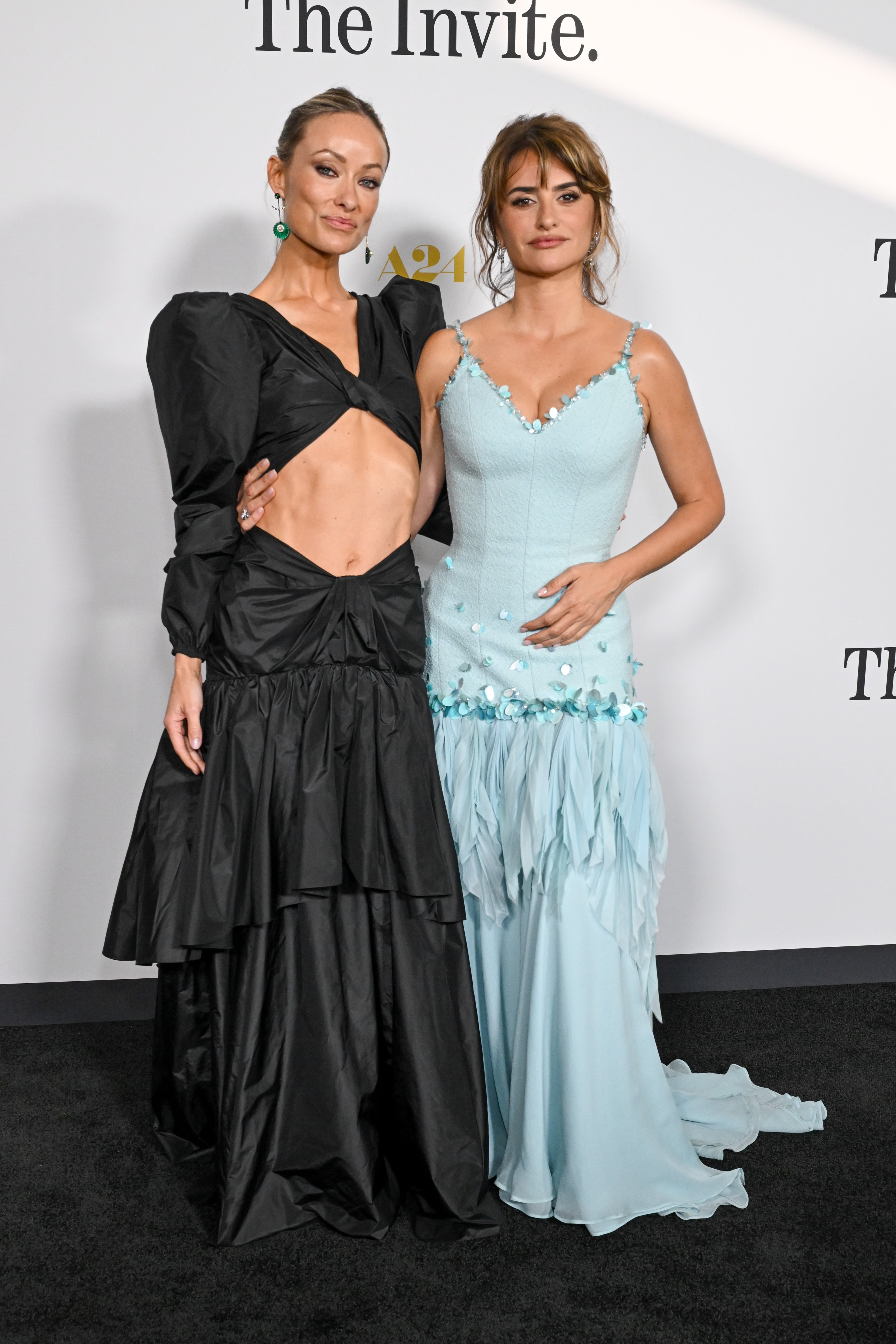
If there is one thing Wilde has made clear during the promotional tour for 'The Invite,' it is her fascination with Penélope Cruz. The director and actress has even joked that she has not washed her hands since touching those of the Madrid-born star, who plays a free-spirited woman capable of turning her neighbors’ relationship upside down. The couple next door are played by Wilde herself and Seth Rogen.
The two have displayed their easy rapport throughout recent promotional appearances, with Wilde at one point describing her co-star as “the sexiest woman alive.” In one scene, Cruz unexpectedly kisses Wilde. The filmmaker has admitted that she completely lost her composure, her mind went blank and she fell hopelessly in love with her co-star.
Wilde is one of the filmmakers who has openly spoken about the difficulties she encounters when casting her films and trying to find actresses who have not undergone cosmetic procedures.
“As a director, I now am constantly searching for actresses who can still move their faces. And it’s not easy!” she said. “I don’t blame them. I’m a product of the same machine, I’m under the same pressures; I get it.”
“I just pray for technology to allow treatments that just aren’t so aggressive. Like, there’s something so medieval about all these things. Can’t someone come up with something better than Botox?” she continued.
For Wilde, the issue is also personal. In recent years, her own public appearances have been met with cruel remarks about her looks, her age and speculation about possible cosmetic procedures.
In 2026, photos of the actress became fodder for mockery on social media, particularly because of her extreme thinness. Wilde herself responded with humor, acknowledging that in those viral images she really did look “like a little dead sarcophagus man.”
On Jan. 6, 2021, the world woke up to an image that would dominate headlines for months: Olivia Wilde and Harry Styles walking hand in hand. Wilde was directing her second film, 'Don't Worry Darling,' and Styles, the former One Direction member, was one of its stars.
The couple’s 10-year age gap, the singer’s global fame and Wilde’s recent separation turned the relationship into a media phenomenon. The spiral soon became impossible to stop: Shia LaBeouf’s departure from the project, rumors that the film’s lead actress, Florence Pugh, had a strained relationship with Wilde and was unhappy with the displays of affection between the director and Styles during filming, and the supposedly viral incident in which Styles appeared to spit on Chris Pine at the Venice Film Festival.
Wilde has since acknowledged that she perhaps should have pushed back against some of the allegations. At the same time, she has recalled that she was experiencing moments of great happiness in her private life.
“ It was like a tornado was right outside the door, and if you were inside you were like, ‘It’s so nice,’” she said. “And you open the door and be like, ‘Ah,’ like a fucking like cow and a tractor would fly by.”
Wilde grew up in Georgetown, Washington, D.C., in a household where current affairs were effectively a member of the family. Her parents, journalists Andrew and Leslie Cockburn, hosted dinner parties attended by guests as prominent as Mick Jagger, Steven Spielberg and writer Salman Rushdie.
Her mother worked as a war correspondent and went on to become a renowned investigative journalist before taking her career in a different direction. In 2018, at the age of 66, she ran as a Democratic candidate for the U.S. House of Representatives, with her daughter’s public support. She lost to the Republican candidate, but her trajectory left Wilde with a powerful example of political engagement and reinvention.
The role that changed everything for Olivia Wilde, who was born Olivia Cockburn and later adopted the surname Wilde in homage to Oscar Wilde, was that of internist Remy Hadley, better known as Thirteen to both Dr. House and the millions of viewers of the medical drama.
Joining the show's fourth season turned her into an international star and one of Hollywood’s most sought-after actresses. After starring in big-budget films such as 'Tron: Legacy' and 'Cowboys & Aliens,' both of which met with limited critical and commercial success, Wilde later said she felt exploited and objectified by the film industry.
“I had become numb to the fact that every meeting I went on — with men and women, by the way — I was going to be judged on my physical appearance,” she said.
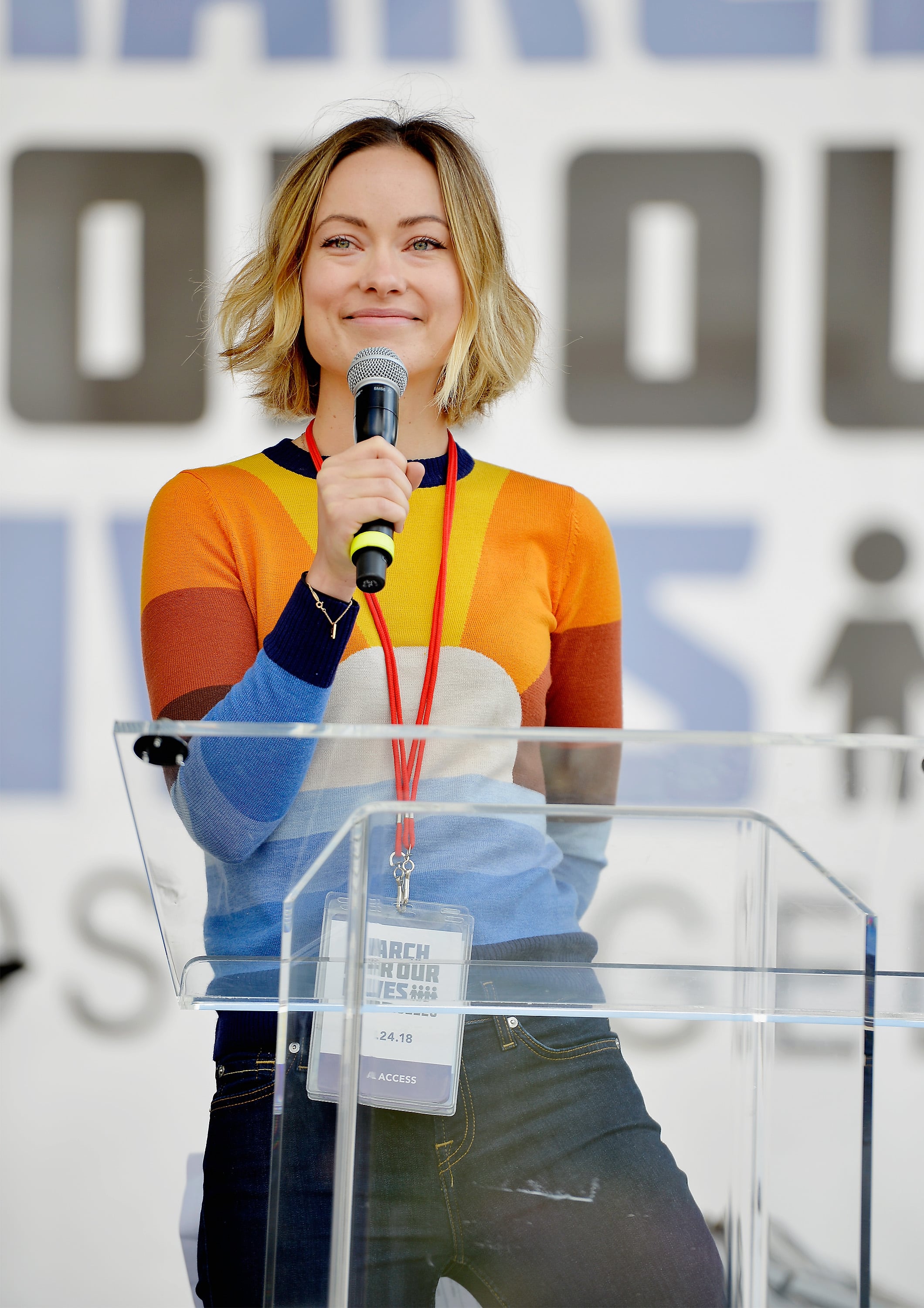
Wilde’s feminist commitment predates the controversies that would later put her at the center of the headlines. In 2017, when the #MeToo movement brought the industry’s abuses of power into the spotlight, she joined the growing chorus of voices calling for change. She also became one of the public faces of Time’s Up, the initiative launched by women in Hollywood to combat sexual harassment and promote safer workplaces, and spoke at the 2018 Women’s March in Los Angeles.
“This business belongs to all of us,” she said that year, advocating for an industry in which her peers could work without fear and without having to compete for opportunities that had historically been denied to them.
Wilde’s debut as a feature-film director came in 2019 with a low-budget comedy that quickly achieved cult status among a generation of moviegoers: 'Booksmart.' The film, which follows two high school students on one final night of partying before graduation, was a hit with both critics and audiences.
Wilde had long wanted to stop being just another cog in the industry and take a more active role in the creative process.
“I always assumed acting was the way in, because for many young women … they’re told, ‘You love movies — you should be a movie star,’" she told 'Variety.' "No one tells a little girl, ‘Why don’t you become a director?’ It’s just not a part of the conversation. But if a little boy says he loves movies, it’s like, ‘Maybe one day you’ll direct. Maybe you’ll be the next Steven Spielberg or Martin Scorsese.’”
“Romantic and insane.” That is how Olivia Wilde describes her first great love story, which began in 2003 when she was just 19 years old.
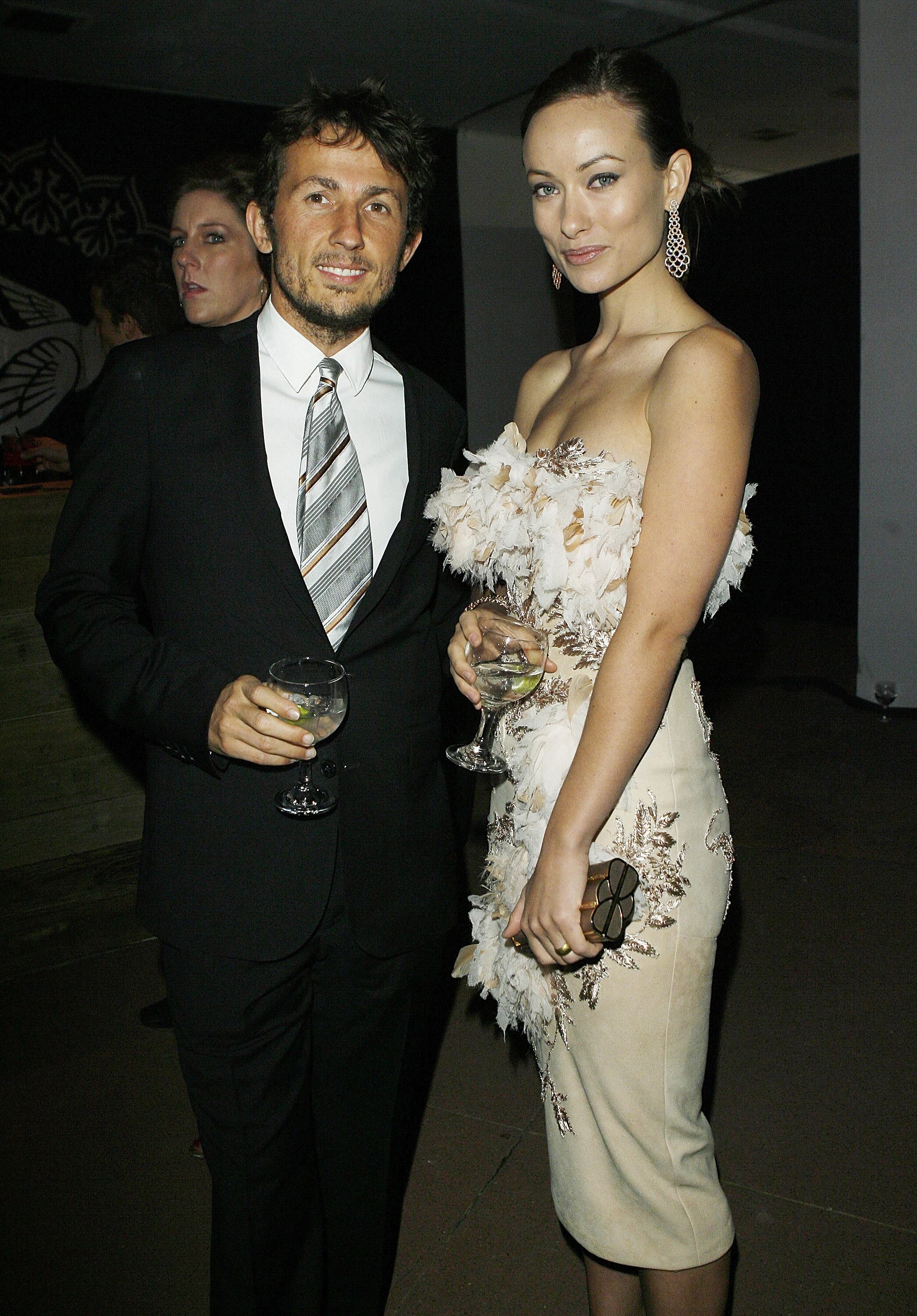
At Burning Man, the unconventional arts and music festival held in Nevada’s desert, the young Wilde said “I do” to her boyfriend of only a few months, filmmaker Tao Ruspoli, the son of an Italian prince. By her own account, it took only seconds for her to realize that the ceremony might have been a little too impulsive.
“Immediately, I was like, 'Wait, what the fuck did I just do?'” she remembers thinking.
The marriage ended in divorce in 2011, although the two have remained on good terms.
The same year she finalized her first divorce, in 2011, Wilde met the man who would become the father of her two children: actor Jason Sudeikis (from 'Ted Lasso'). The two met at a 'Saturday Night Live' party, where Sudeikis was working at the time, and went on to build a family with their children, Otis and Daisy.
In November 2020, after several years together and a long engagement, they ended their relationship, setting off a custody dispute that would later make international headlines. In April 2022, during a film industry convention in Las Vegas, Wilde was interrupted onstage when a person approached to hand her legal documents related to the custody case.
Although Sudeikis maintained that he had no knowledge of how or when the papers would be served, Wilde described the incident as “incredibly traumatizing.”
In her day-to-day life, Wilde is often spotted on the streets of New York wearing far simpler outfits, the kind that are easy for ordinary women to take inspiration from. The look pictured here is a perfect example: a blazer, a basic T-shirt, an oversized bag, trousers and sneakers.
It is the sort of outfit anyone might wear to the office or while running errands.
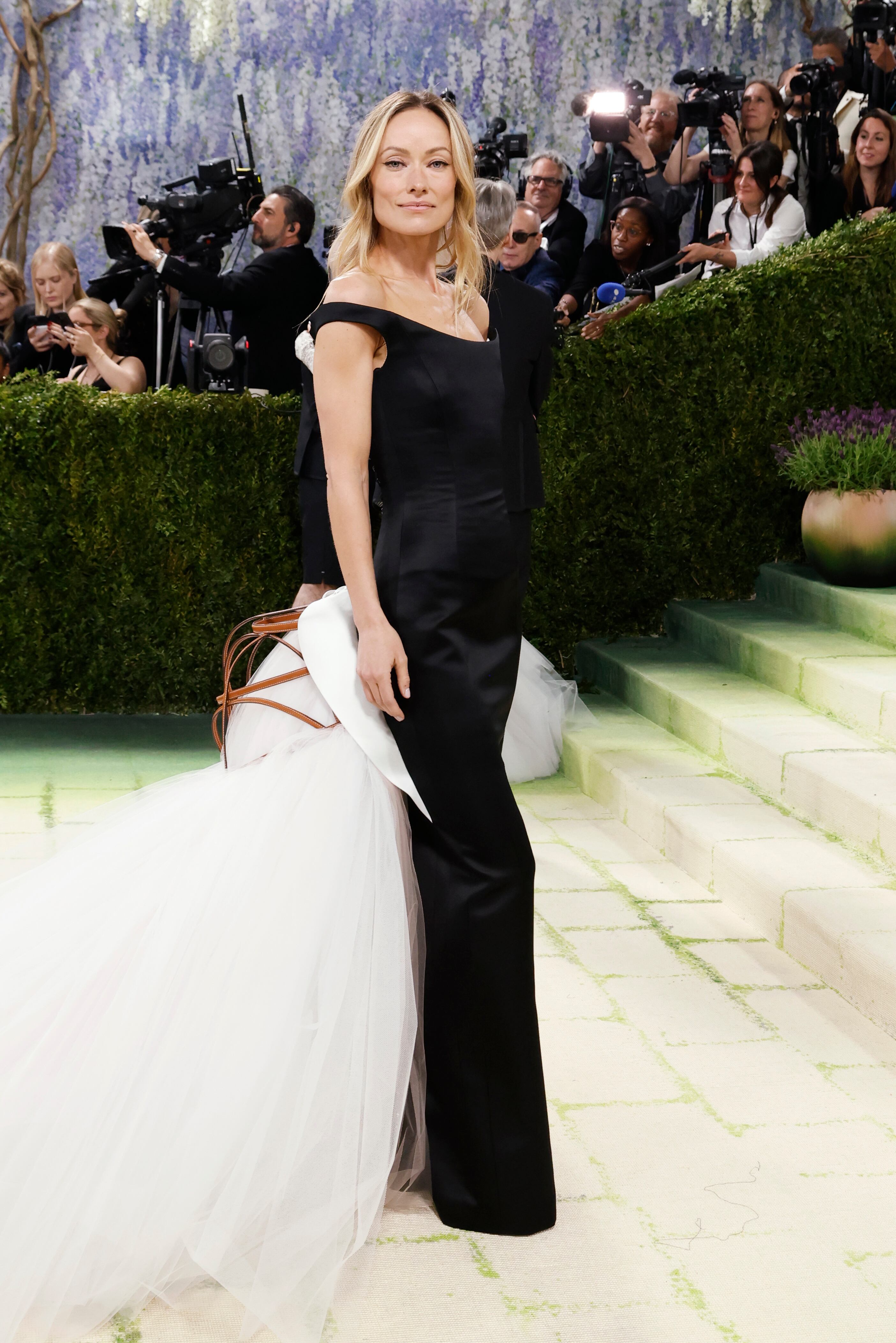
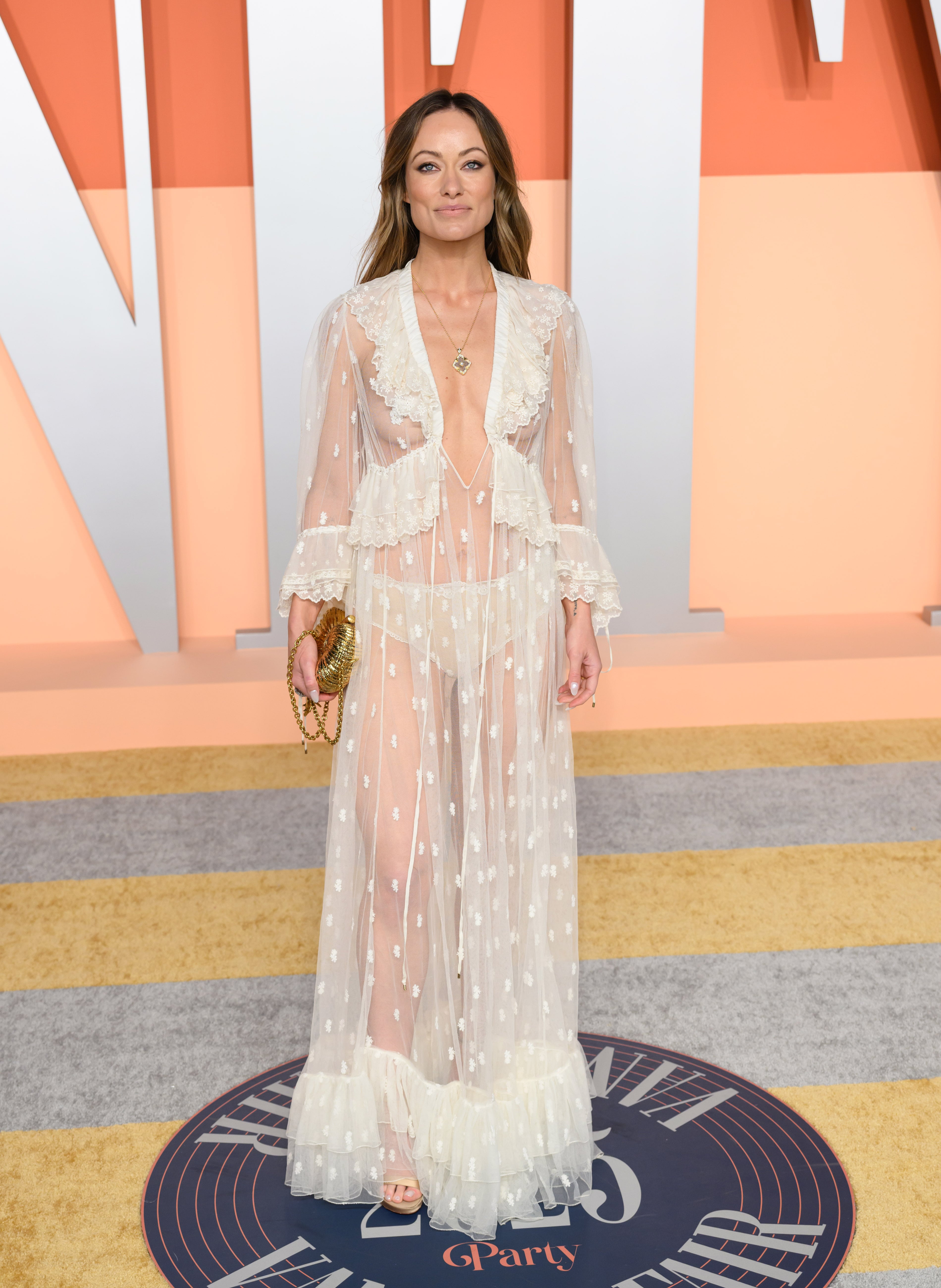
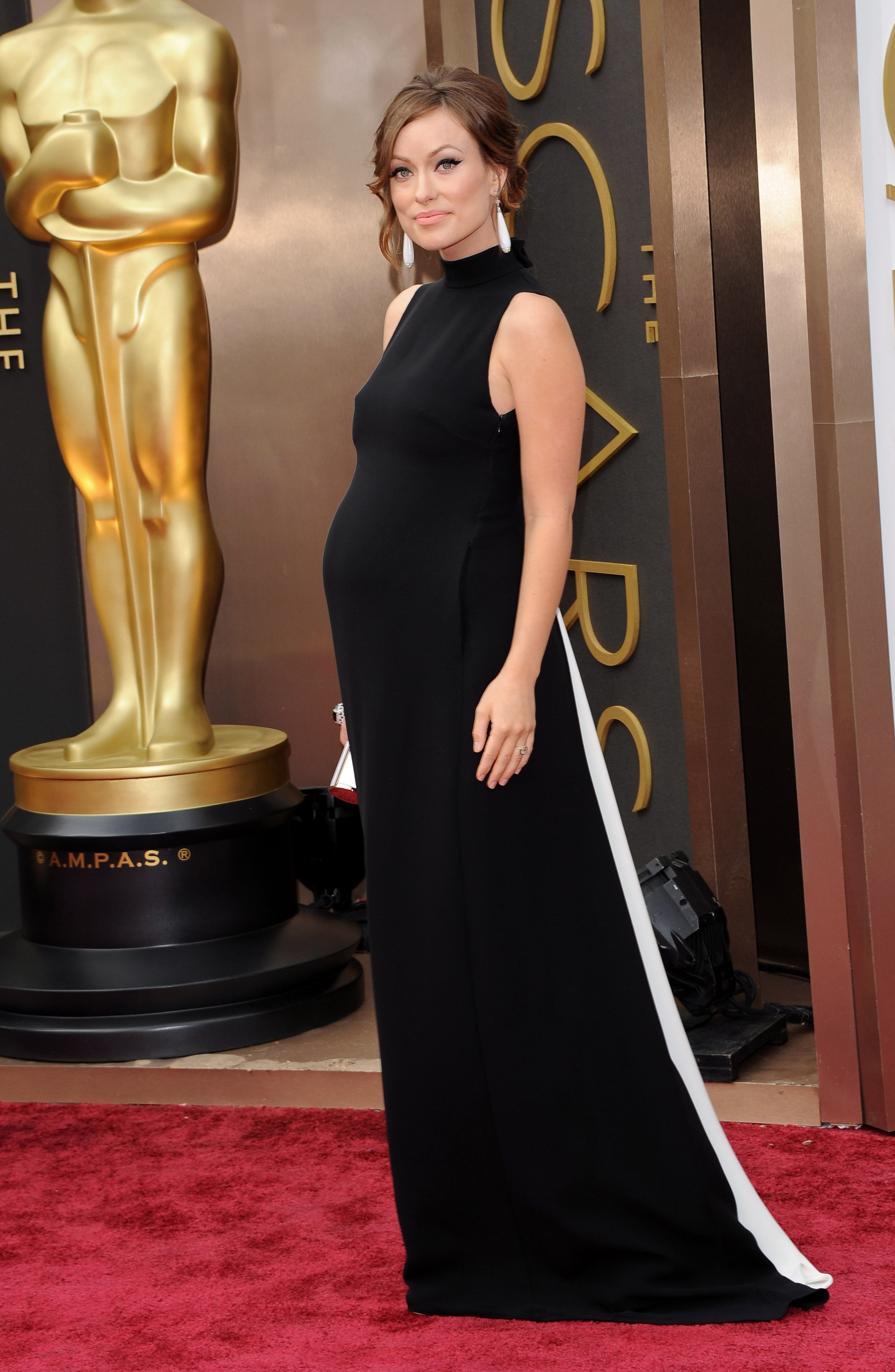
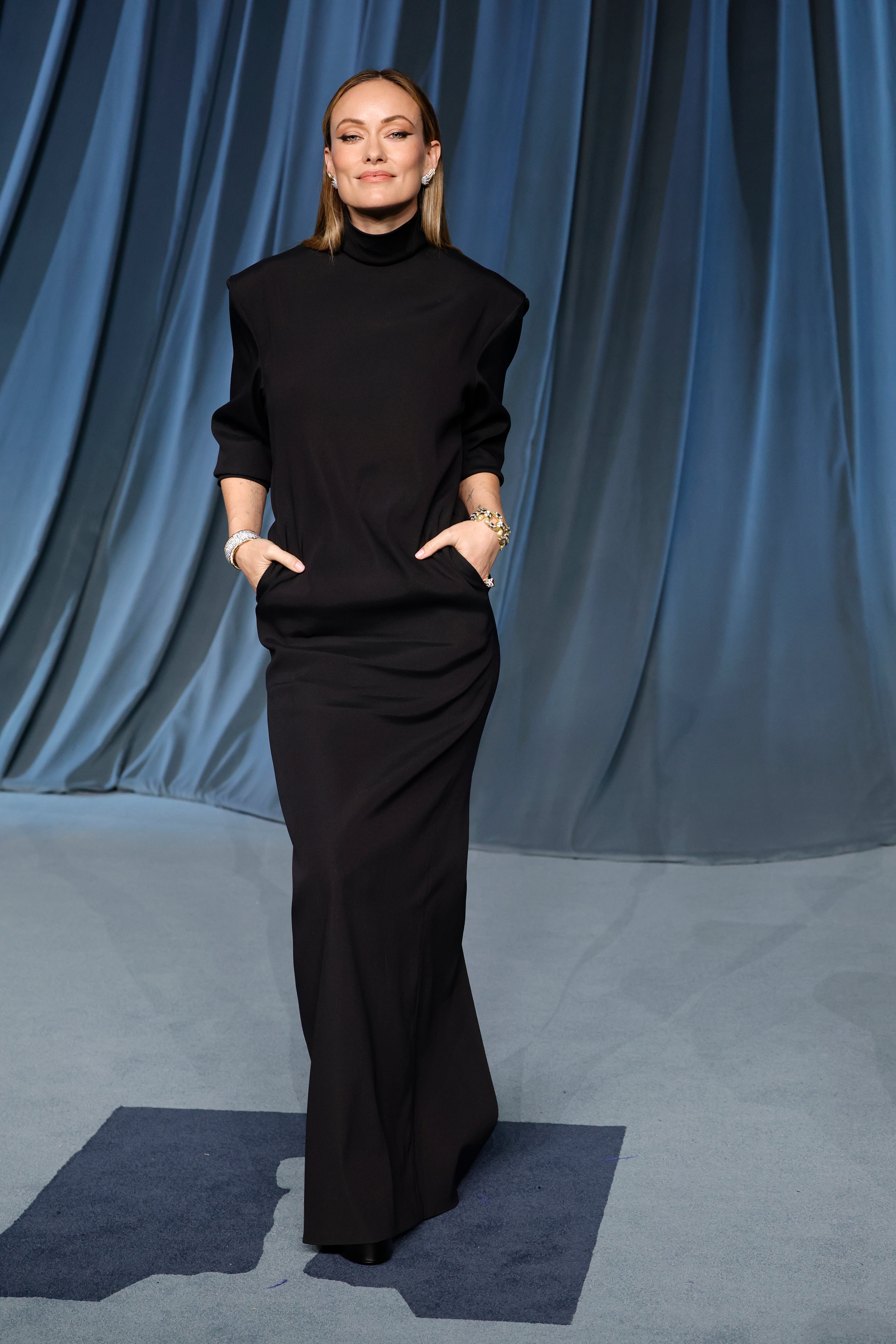
On the red carpet, Wilde has also earned international attention for her distinctive sense of style. Her looks strike a balance between understated elegance, as seen in this high-necked black Saint Laurent gown with structured shoulders, and a more daring sensibility, whether through sheer fabrics or outfits that showcase her sculpted midriff.
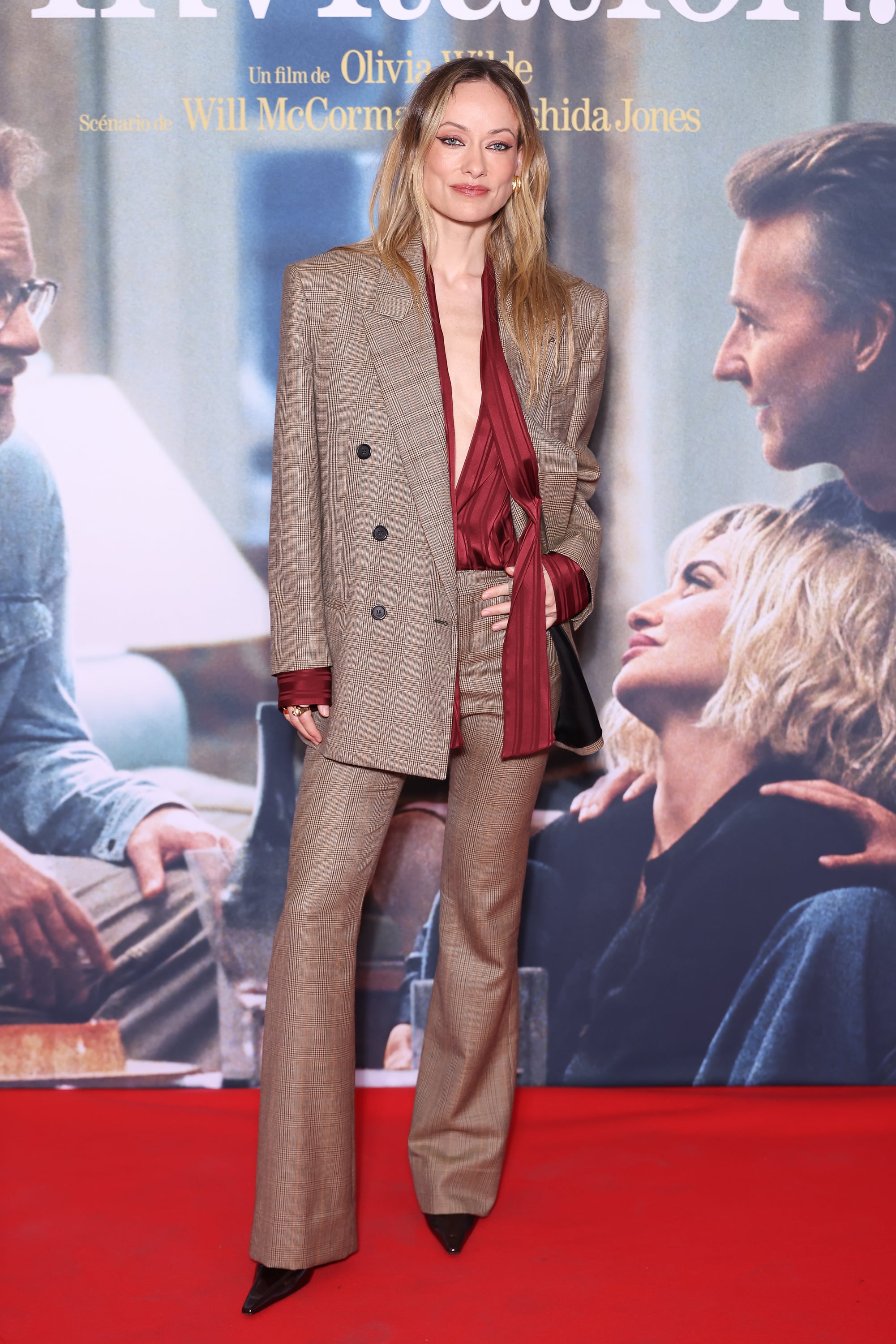
Tailored suits are another staple of her wardrobe, further proving her flair for sharp suiting. The architect behind a style that has grown increasingly sophisticated and eye-catching over the years is Karla Welch, who also styles Tracee Ellis Ross and Sarah Paulson.
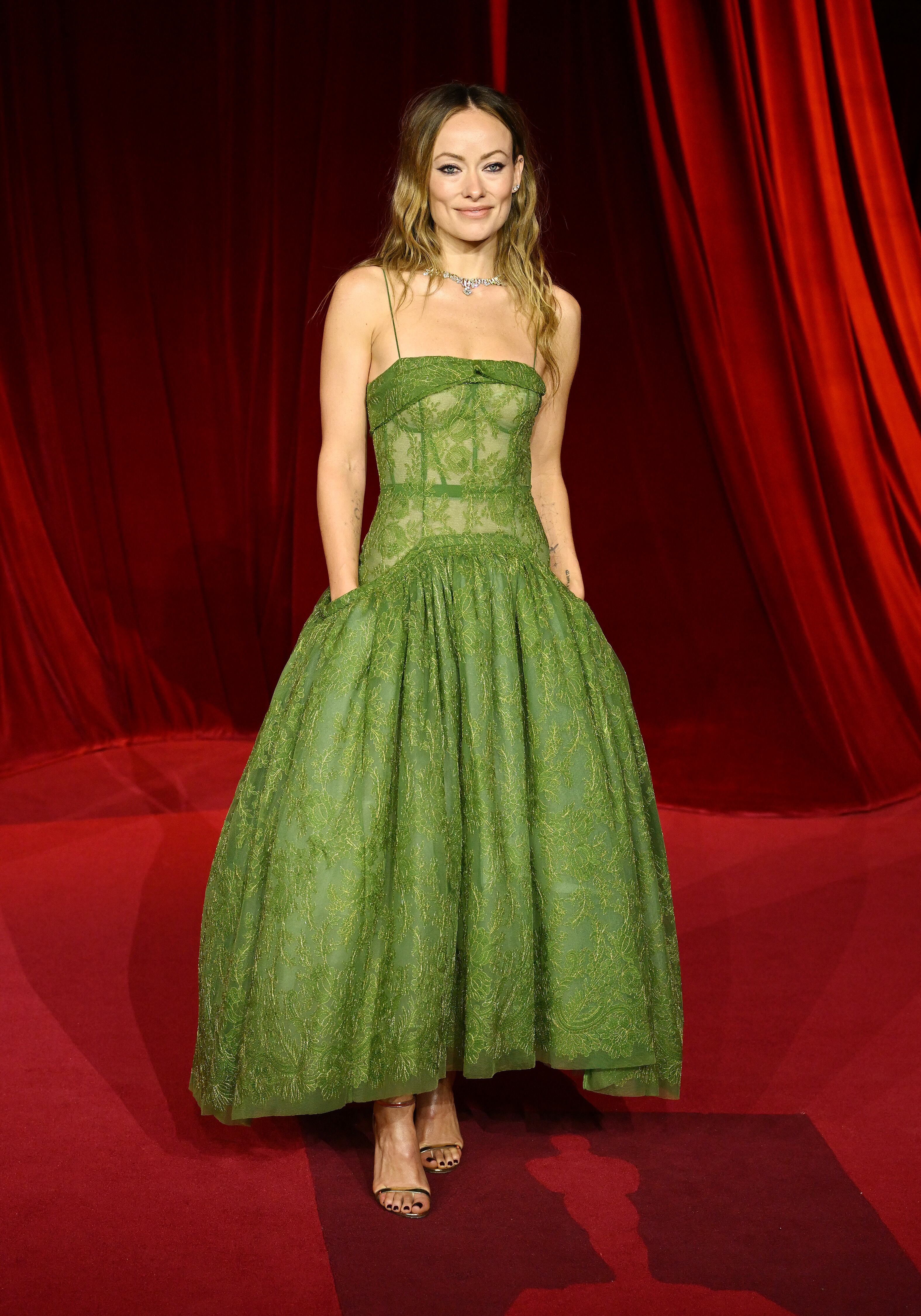
The actress is also a favorite of fashion houses with markedly different aesthetics, including Chloé (pictured here in one of the brand’s designs), Saint Laurent, Michael Kors, Louis Vuitton and Valentino.
Her regular appearances at international fashion weeks, particularly in Paris and New York, have made her one of the celebrity names every brand wants seated in its front row.
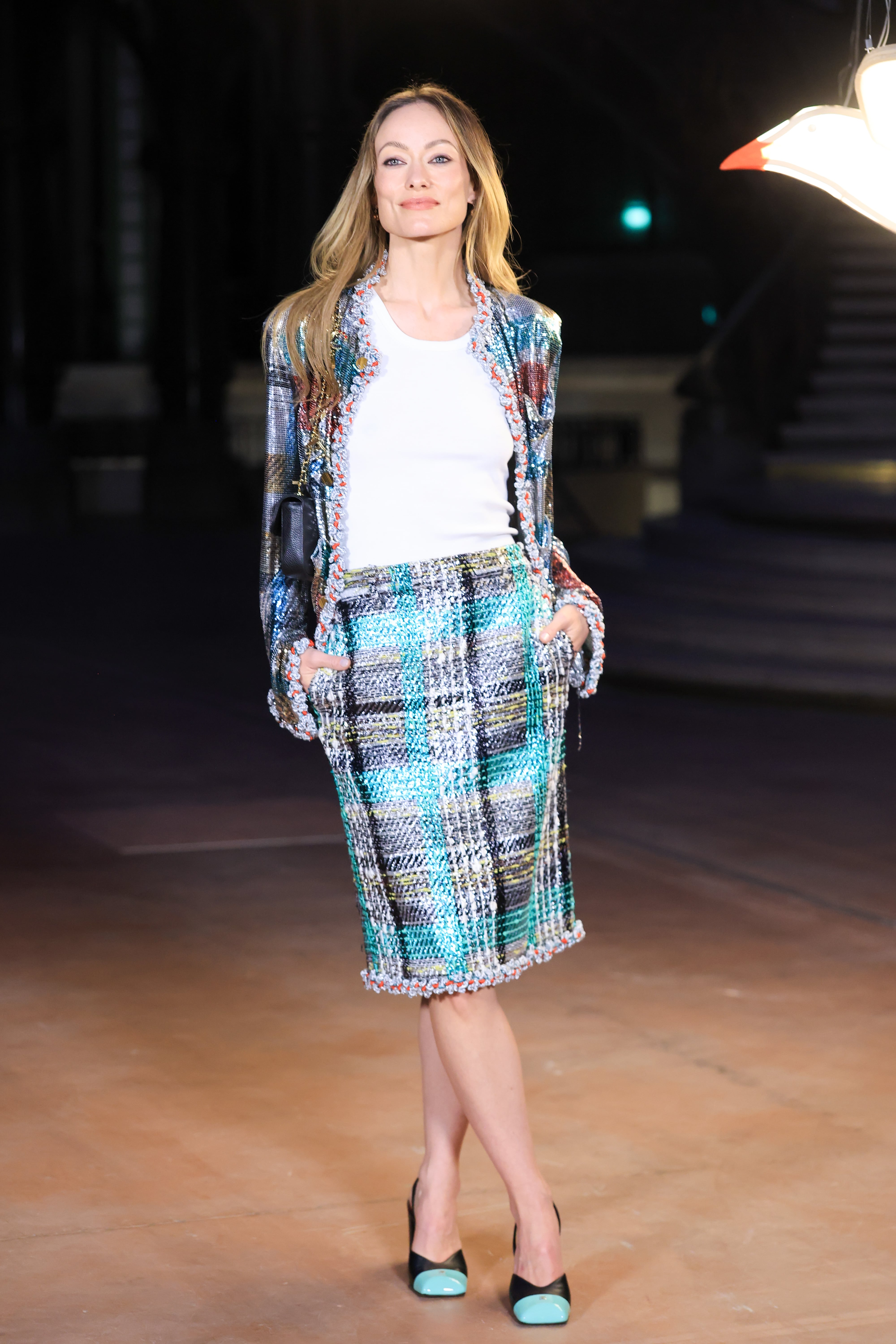
Earlier this October, Wilde answered the call of fashion’s designer and label of the moment, stepping out in an updated tweed suit by Matthieu Blazy for Chanel. Elegant yet contemporary, the look demonstrated how her trademark bohemian, '70s-inflected style can also take a decidedly classic turn.
It seems that for Wilde, neither in fashion nor in life, much is beyond reach.
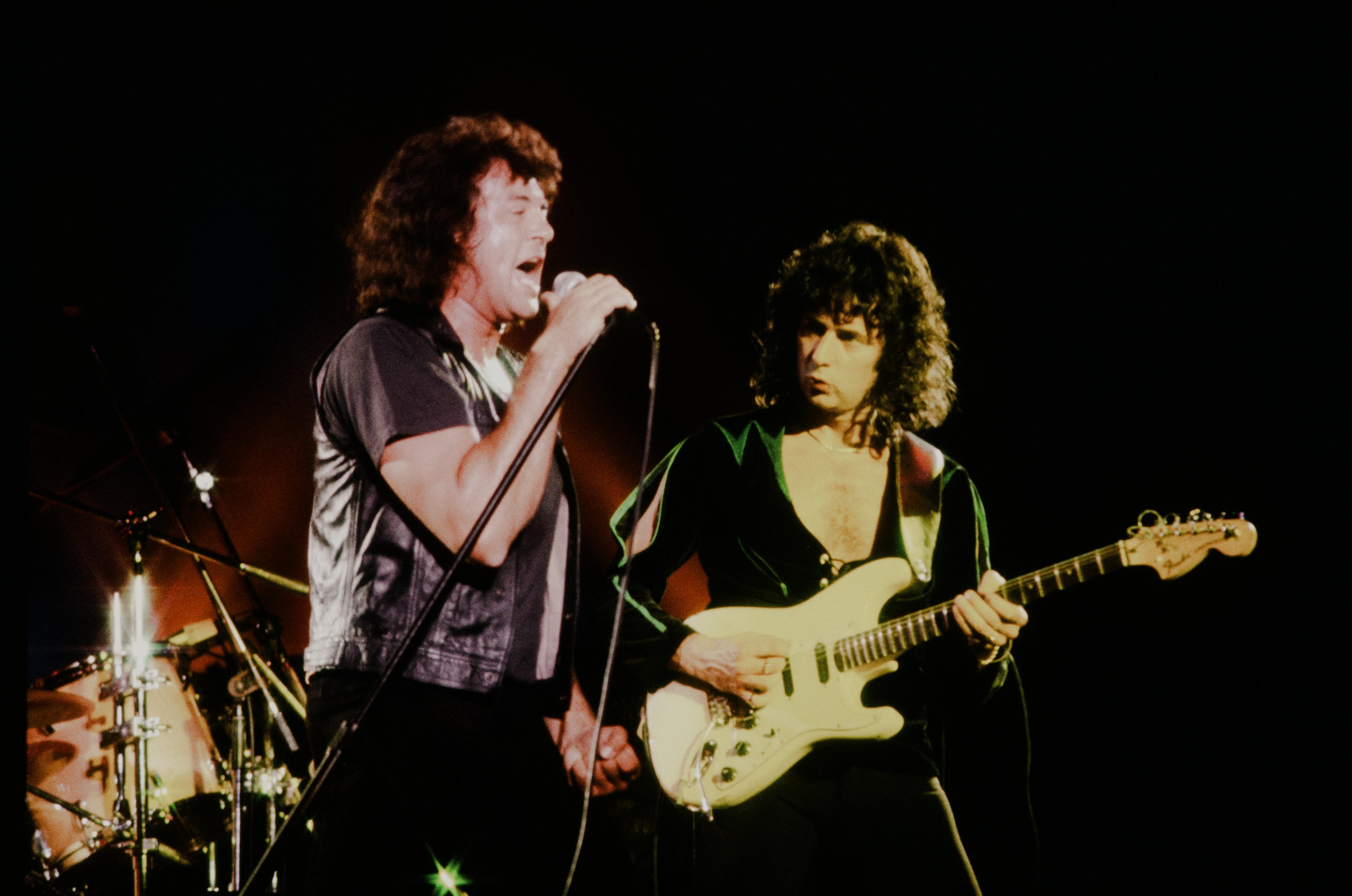
On August 12, 2026, a moment long thought lost to rock took place: Ritchie Blackmore returned to Deep Purple after 33 years away and decades of fights with his great adversary, the vocalist Ian Gillan. The reunion was brief—just six and a half minutes, the length of the performance of Smoke On the Water, featuring rock’s most famous guitar riff, written by Blackmore. It took place during Deep Purple’s 2026 tour stop in New York. “Historic reunion,” Rolling Stone headlined.
Success may have taken its time, but Monica Barbaro has firmly established herself as one of Hollywood’s most promising talents. After years of searching for her breakthrough, the 36-year-old Californian first drew widespread attention as a fighter pilot in 'Top Gun: Maverick' before winning over the industry with her portrayal of Joan Baez in 'A Complete Unknown,' a performance that earned her an Academy Award nomination. Now, with high-profile projects on the horizon such as the much-anticipated 'Artificial,' a romance with fellow actor Andrew Garfield, and a personal style that balances sophistication with effortless ease, Barbaro has become one of the names worth watching, both on and off the screen.
Acting was not part of Monica Barbaro’s earliest ambitions. Her mother, a professional dancer, enrolled all three of her children in ballet classes. Although she discovered through small school theater productions that acting was her true passion, her family’s encouragement led her to focus exclusively on ballet. She enrolled in the dance program at New York University’s Tisch School of the Arts, one of the most prestigious performing arts schools in the United States, and initially approached acting only through elective courses.
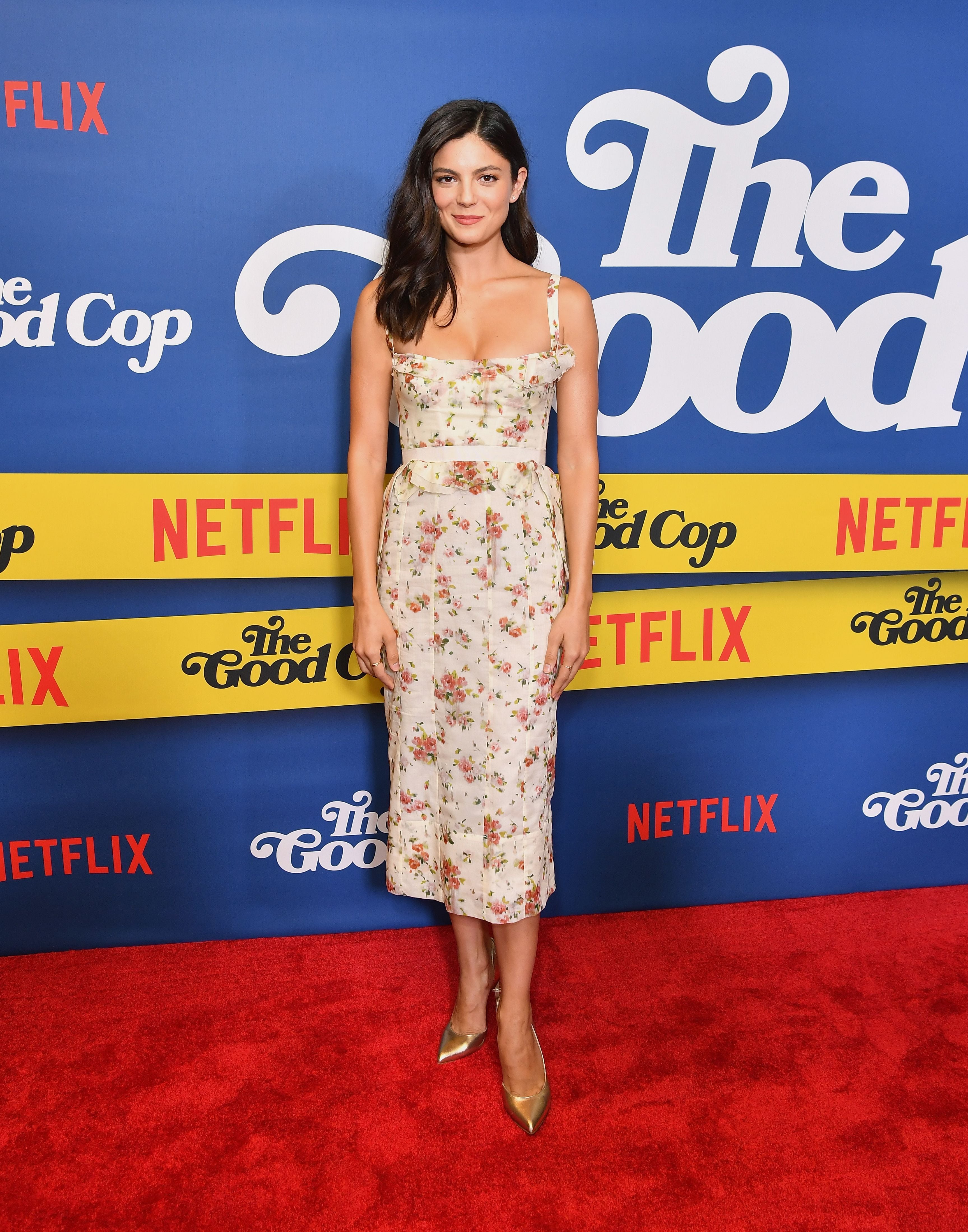
Today, with the dream she first nurtured as a teenager finally fulfilled, Monica Barbaro is grateful for what dance brought to her craft as an actress. “Dance gave me a completely different way into character. People reveal themselves through their body language,” she said. In the photograph, taken in 2018, the actress wears a floral dress by Brock Collection.
Monica Barbaro logged more than 40 hours of flight time to portray a military pilot in 'Top Gun: Maverick,' her first major role in a big-budget Hollywood production. During filming, she even shot some scenes aboard a two-seat F/A-18, enduring forces of up to eight Gs, and went so far as to earn her pilot’s license. All in pursuit of meeting the exacting standards set by Tom Cruise, who, she says, has become one of her most important mentors in Hollywood. "He'll see a person, see their potential and just bring out the best in them," she said of Cruise.
The role that definitively established Monica Barbaro as one of Hollywood’s most exciting breakthrough talents was her portrayal of Joan Baez in 'A Complete Unknown,' the Bob Dylan biopic starring Timothée Chalamet. Barbaro sings and plays guitar herself in the film, despite not knowing a single chord when she landed the part. After months of intensive preparation, her portrayal of Baez emerged as one of the film’s standout performances, earning her first Academy Award nomination for Best Supporting Actress. Chalamet later explained that the filmmakers were looking for an actress with gravity and quiet power, someone capable of holding her own opposite his Dylan and even intimidating him slightly. Although the Oscar ultimately went to Zoe Saldaña for 'Emilia Pérez,' the nomination confirmed that Barbaro had moved beyond the status of rising star to become one of the defining talents of a new generation of actors.
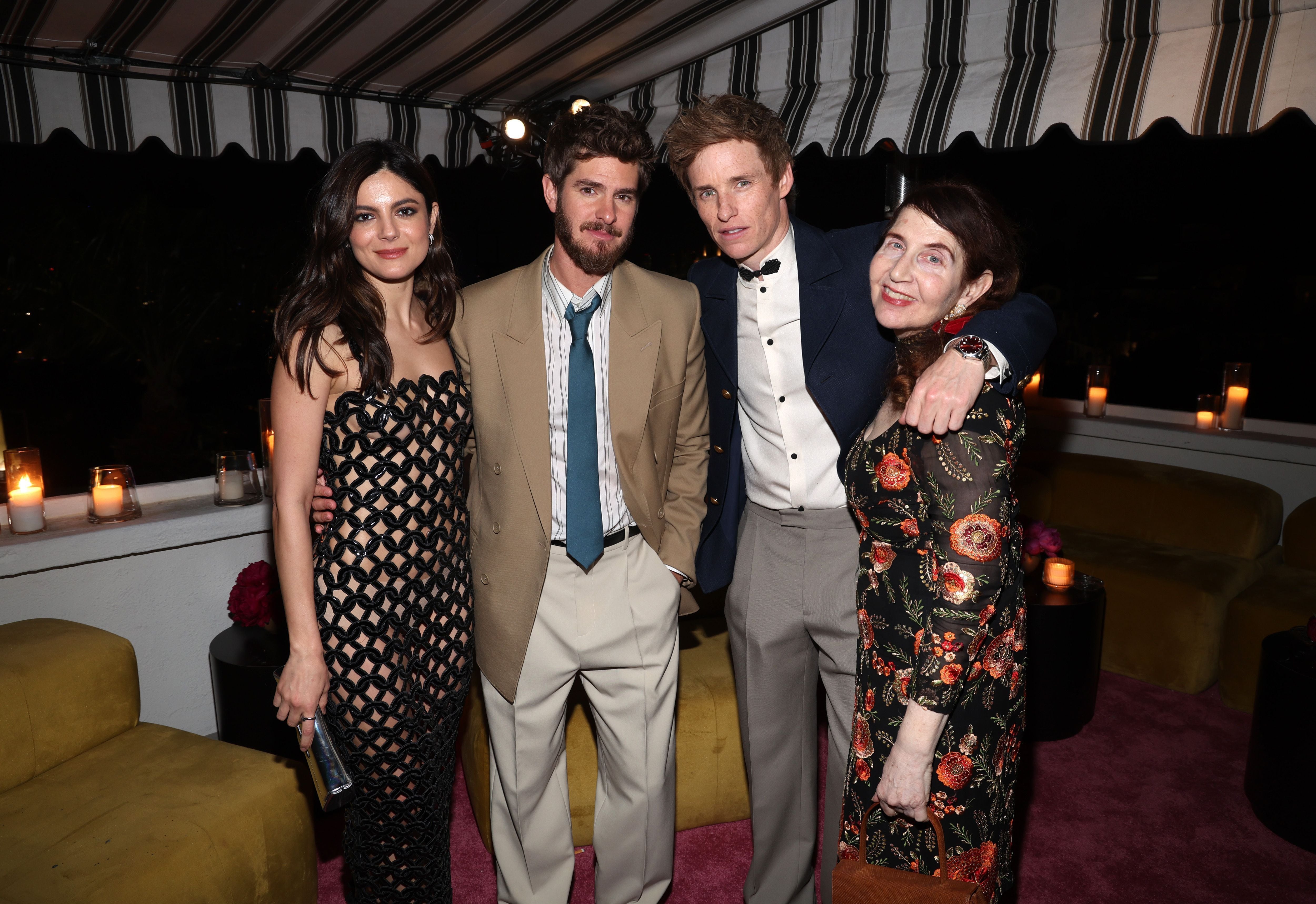
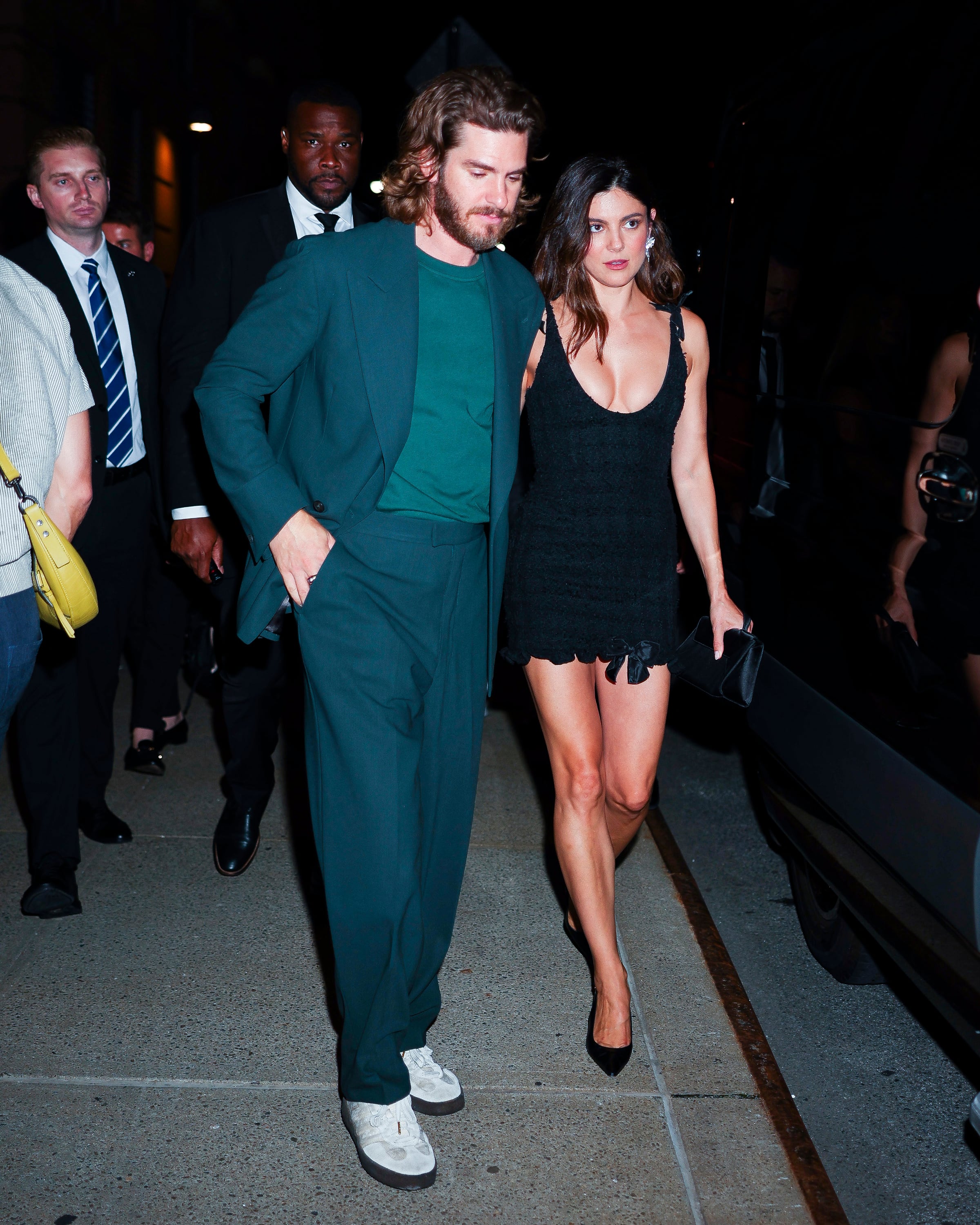
Parallel to her professional breakthrough, which unfolded amid the awards ceremonies and industry parties surrounding the Oscars, the California-born actress embarked on her first high-profile public relationship. In January 2025, entertainment media began reporting rumors of a romance with actor Andrew Garfield, best known for films such as 'The Social Network.' Those rumors have gradually been borne out by the couple’s repeated public appearances together. Although both have been notably protective of their privacy, Garfield has spoken warmly about Barbaro, calling her a “supremely talented” actress. “I think she is truly incredible,” he said. “I could wax lyrical more, but I'll leave it there.”
In July 2025, the couple made their first official public appearance together at the Wimbledon Championships in London. They embraced the tournament’s traditional aesthetic with coordinated all-white looks, and Barbaro opted for an outfit by Ralph Lauren.
Fate would have it that their romance also blossomed on a film set, as both are part of the cast of 'Artificial,' the highly anticipated new film from Luca Guadagnino, the director of 'Call Me by Your Name.' Widely seen as a potential awards-season contender, the film is based on the story of OpenAI, the company behind ChatGPT, and the turbulent days surrounding the brief dismissal and subsequent reinstatement of its controversial chief executive, Sam Altman, who is played by Andrew Garfield. Monica Barbaro, meanwhile, portrays Mira Murati, the company’s former chief technology officer and one of the most influential figures in the artificial intelligence industry, widely regarded as a pioneering leader in the field.
“[Andrew Garfield] is one of the best actors of his generation, our generation,” the actress has said of her co-star. “I just learned a lot from his approach to the material and to developing character, and I felt very fortunate to get to witness that in real time.” Barbaro has also said that working alongside him pushed her to raise her own game. She said she thought: “Oh shit, I really have to step up my game and make sure I'm a proper, legitimate scene partner.”
For years, Monica Barbaro struggled to find her place in an industry that seemed unsure how to categorize her. The daughter of an Italian American father and a mother of Mexican, English and German descent, she has spoken about being repeatedly encouraged to lean into her Latina heritage in ways that felt inauthentic to her. At the same time, she feared the opposite risk: “neutralizing of myself to not offend anybody.” As a child, she endured racist taunts; as an actress, she sometimes lost out on roles because she was deemed not “ethnic enough.” Rather than choosing between labels, Barbaro has embraced the space in between. "I don't belong in either" — as in either side of her parentage — "but I do belong in this mixed territory."
The actress describes herself as “a romantic and a workaholic.” “I’ve never given my life over to it, which, as a woman, I’m quite proud of. But there’s also the other side of that coin, which is: You can get to a point in your life where you wake up and you look around and you’re sort of like, Oh, have I been self-protecting by [adopting] so much autonomy and independence? I’m definitely shifting some of that perspective now,” she told 'InStyle.'
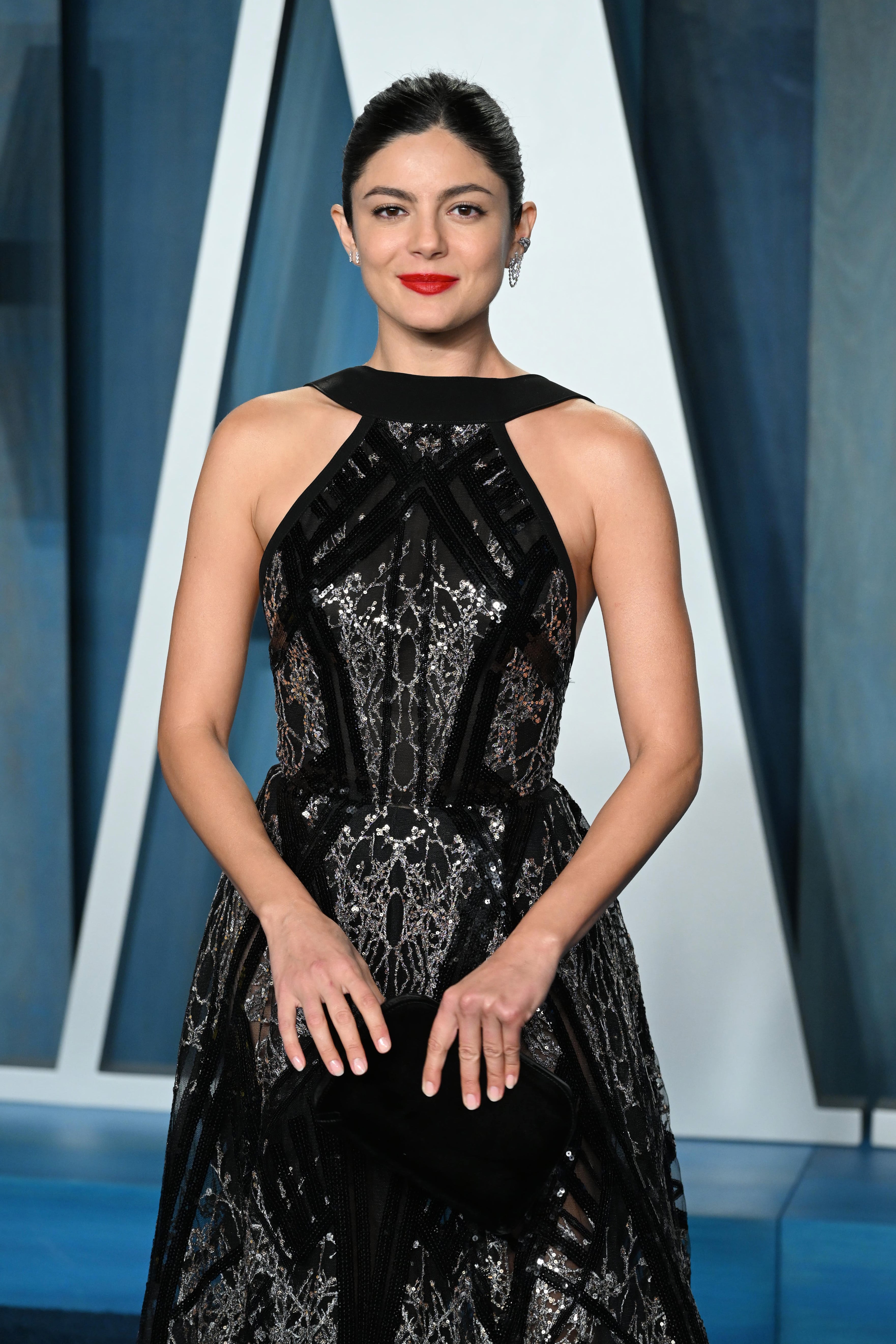
After graduating from university, with neither steady work nor savings to fall back on, Monica Barbaro moved back across the country to her hometown of San Francisco. There, she spent nearly a decade juggling minor television roles and commercial work, far from the sudden, youthful breakthroughs enjoyed by some rising stars. She had to wait until 2022, when Tom Cruise came calling and changed the course of her career. That same year, her rising profile earned her an invitation to Vanity Fair’s Oscars after-party, where she attended wearing a design by Elie Saab.
Monica Barbaro has spoken openly about why she is uncomfortable using her appearance as a selling point on screen or showing more skin than a story genuinely requires. “One of the very first things I did was a project that I lost the job because I wouldn’t be topless in it,” she told the U.S. edition of InStyle. At the time, she was a background performer with a small, non-speaking role and could not see any narrative reason for the nudity. In the end, she was rehired on her own terms, with her shirt buttoned up. “I’ve not gotten naked in anything I’ve done because I haven’t worked on something where that would be a necessity to the story,” she added.
Her style evolution over the past few years has been striking. Her fashion résumé now includes a series of looks that feel both contemporary and effortless, among them the oversized white suit she paired with a Jacquemus handbag when she was photographed strolling through New York last winter.
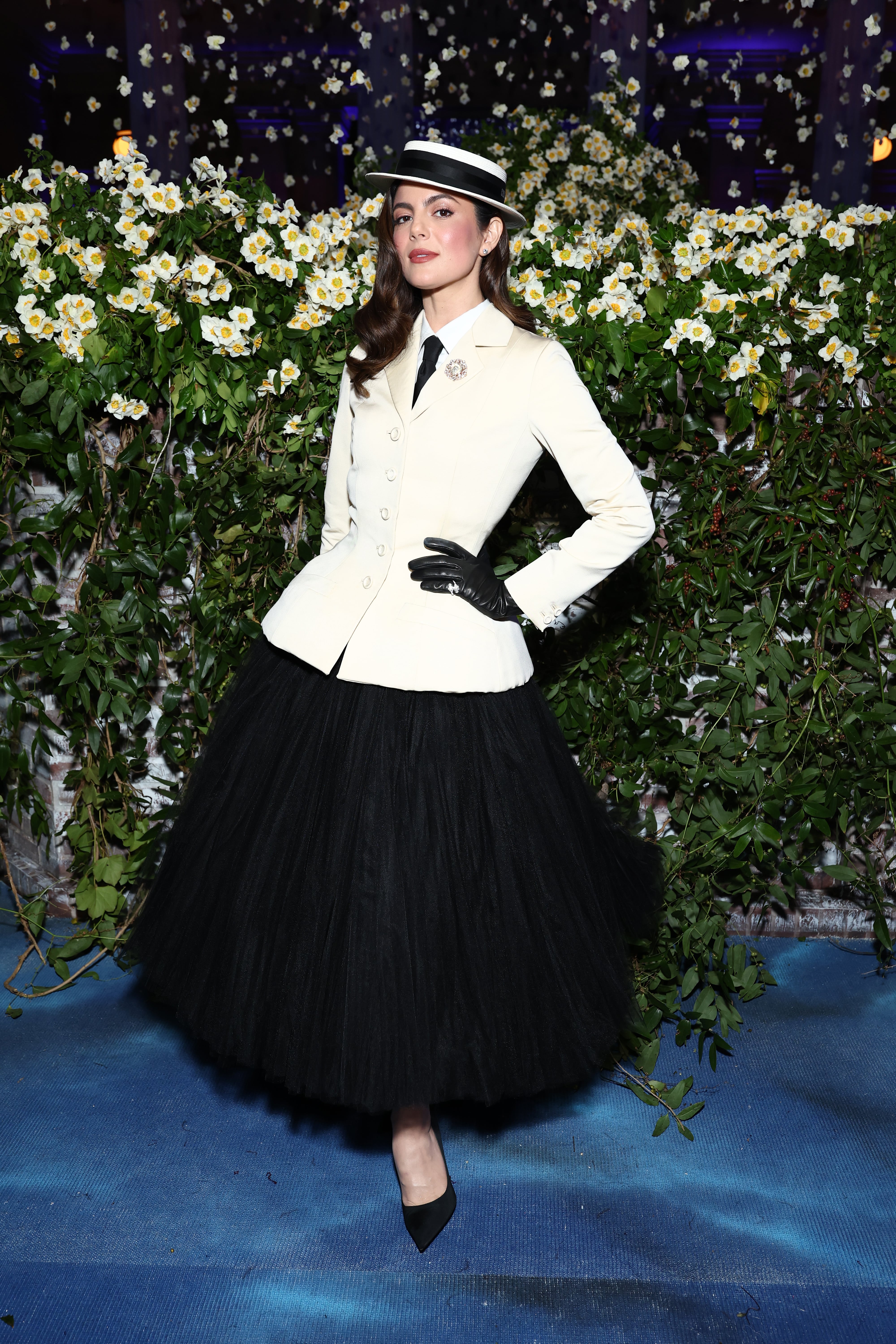
Last year, Monica Barbaro attended the Met Gala for the first time, further cementing her rising status within the industry. For the occasion, the actress once again turned to Dior, embracing the glamour of the 1950s and the New Look silhouette with the maison’s iconic Bar jacket, leather gloves and a boater hat. She seemed to belong to another era, while proving herself perfectly in tune with the event’s dress code.
Although she says her everyday uniform tends to be simple and classic, built around Levi’s jeans, loafers and T-shirts, Monica Barbaro knows how to command the attention of the fashion press when promotional duties call. One of her most recent and most daring looks was this ensemble by designer Sandy Liang, which she wore in New York while promoting 'One Night Only.'
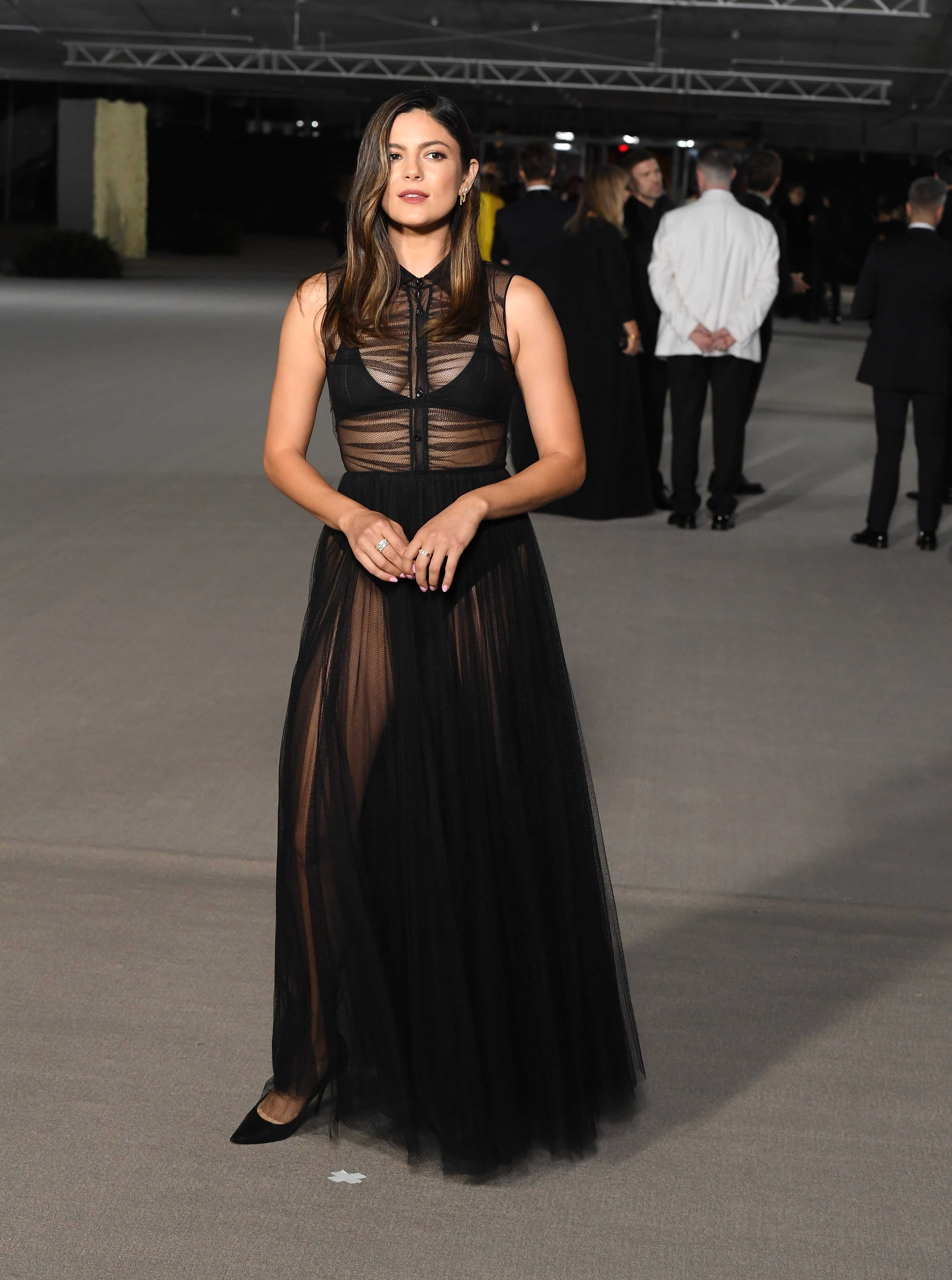
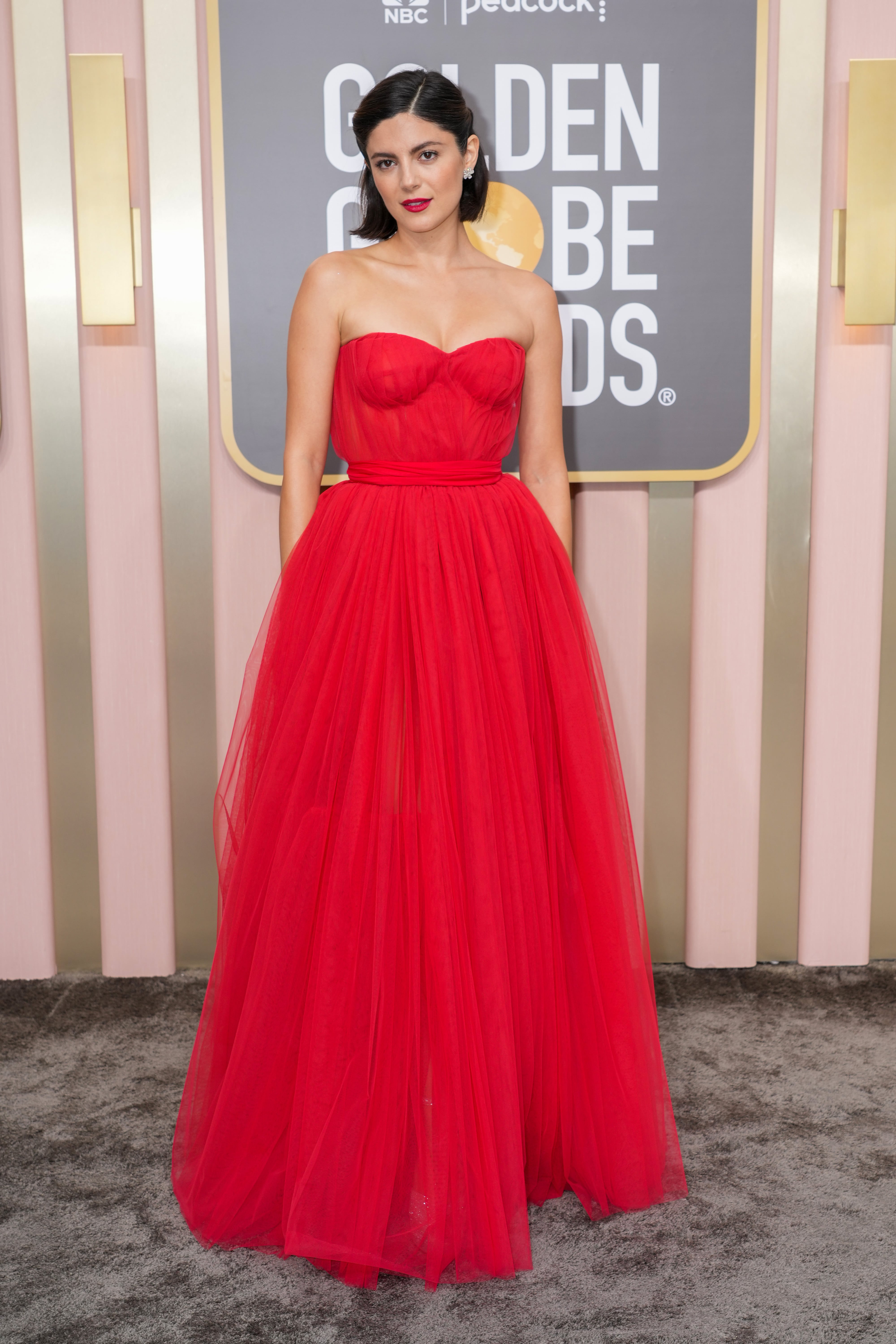
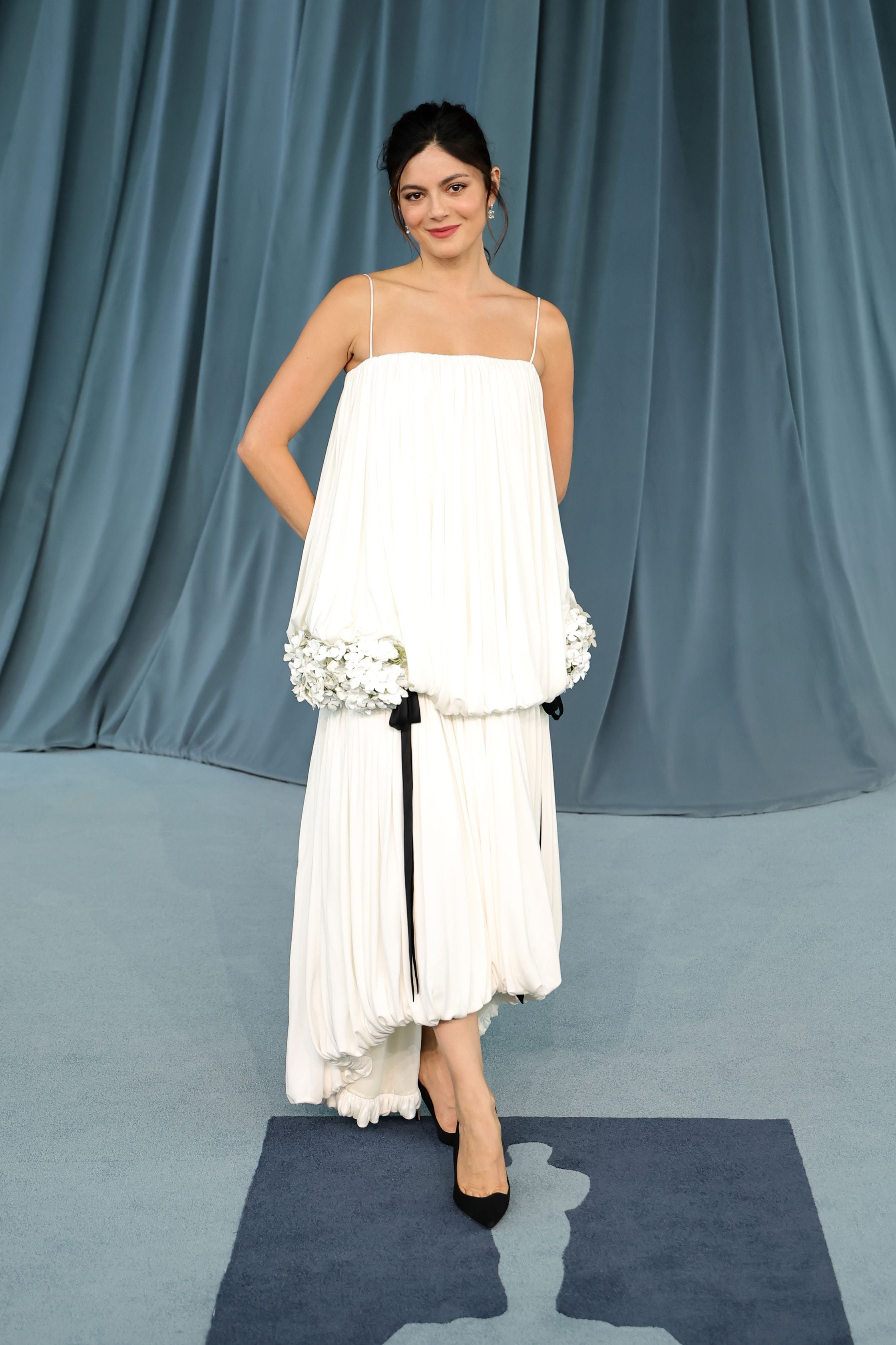
“I love to play dress up. I take red carpets as an opportunity to play, in whatever way feels fitting for the project I'm promoting,” she told the U.S. edition of 'Vogue.' In the image, Monica Barbaro wears a striking white gown from Jonathan Anderson’s new era at Dior.
Precisamente en el rodaje de la cinta fue fotografiada luciendo un atrevido minivestido de lentejuelas color esmeralda de Alex Perry con muchas papeletas para convertirse en uno de los más icónicos de su trabajo en pantalla.
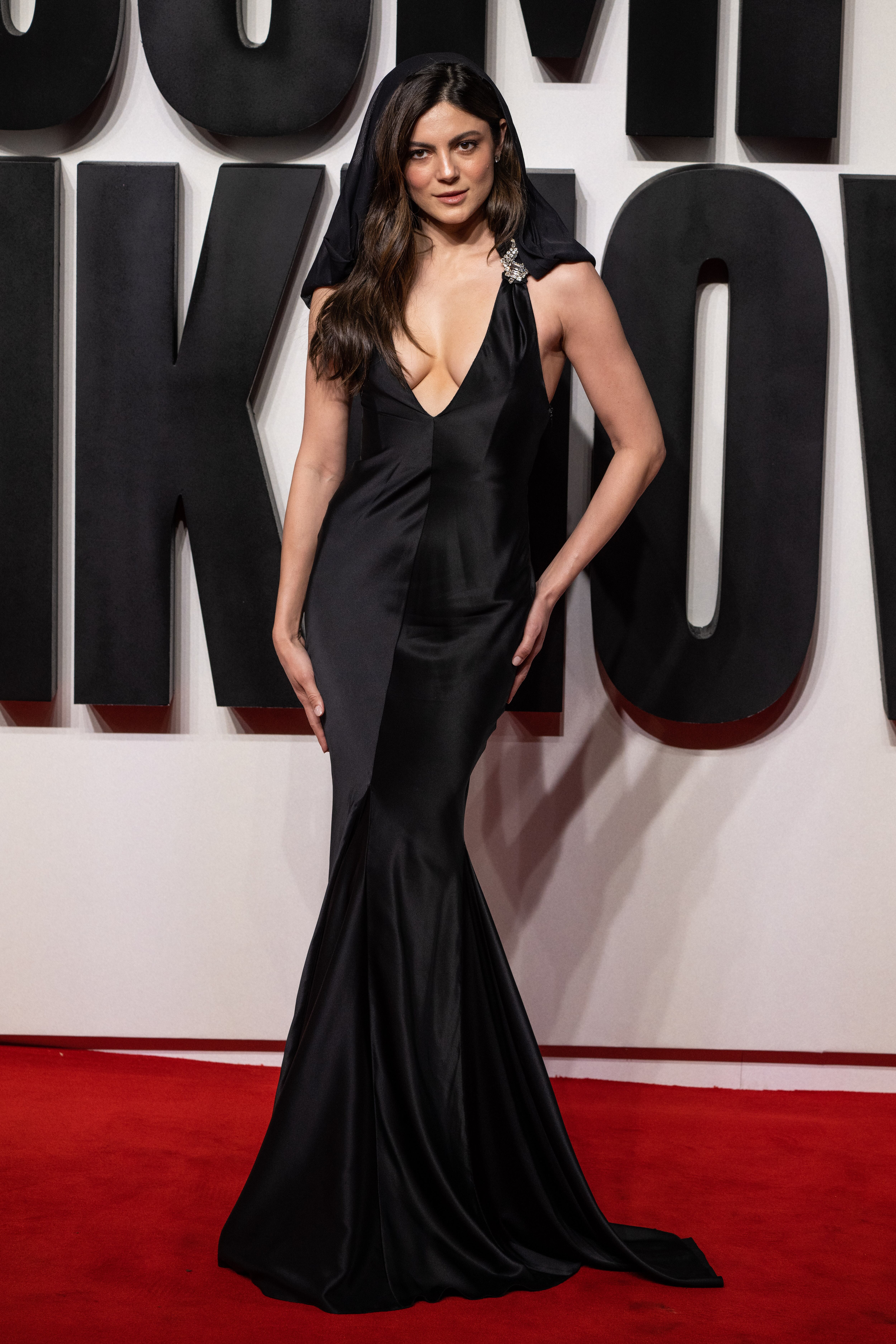
The actress has developed a close relationship with Dior, one of her preferred labels for red carpets and high-profile events. Naturally, she is also a regular guest at the fashion house’s runway shows. For the brand’s Autumn/Winter 2024-25 presentation, she chose this striking white dress, a look that neatly encapsulates her style duality: sensual and romantic in equal measure.
Anyone on social media will find infinite references to horoscopes, mediums, tarot and other practices. This seems to contrast with the era in which we live which is hyperconnected and technologically advanced.
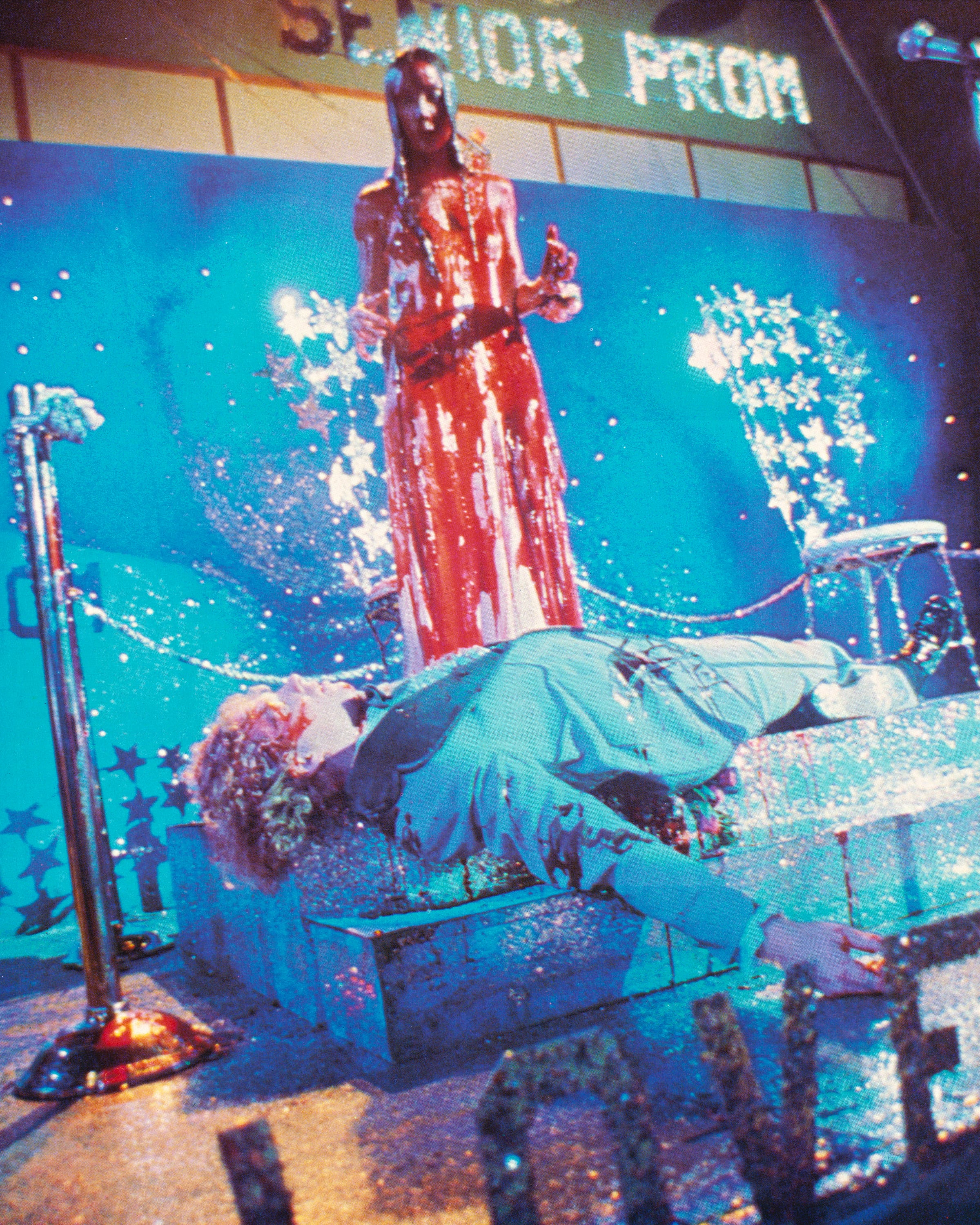
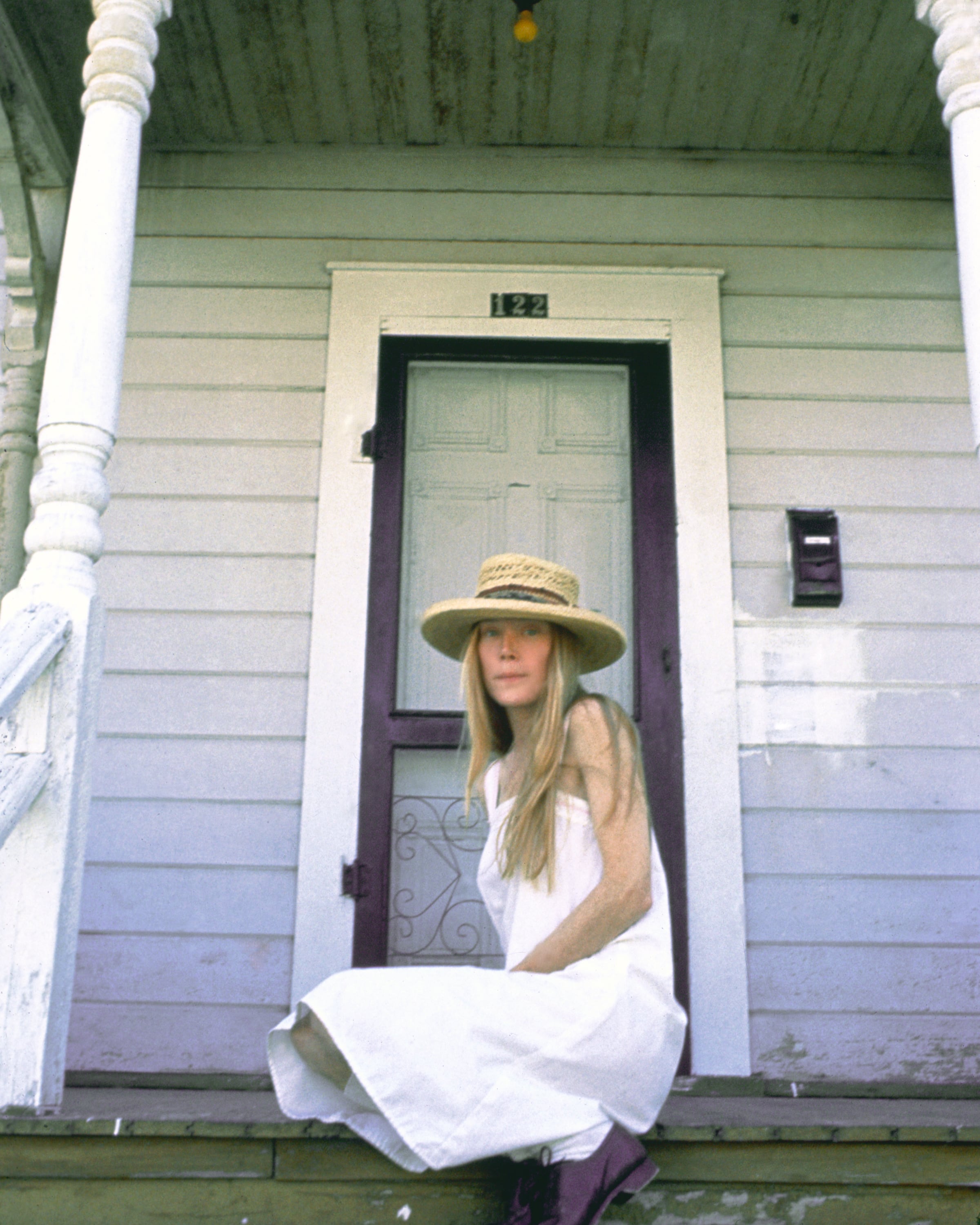
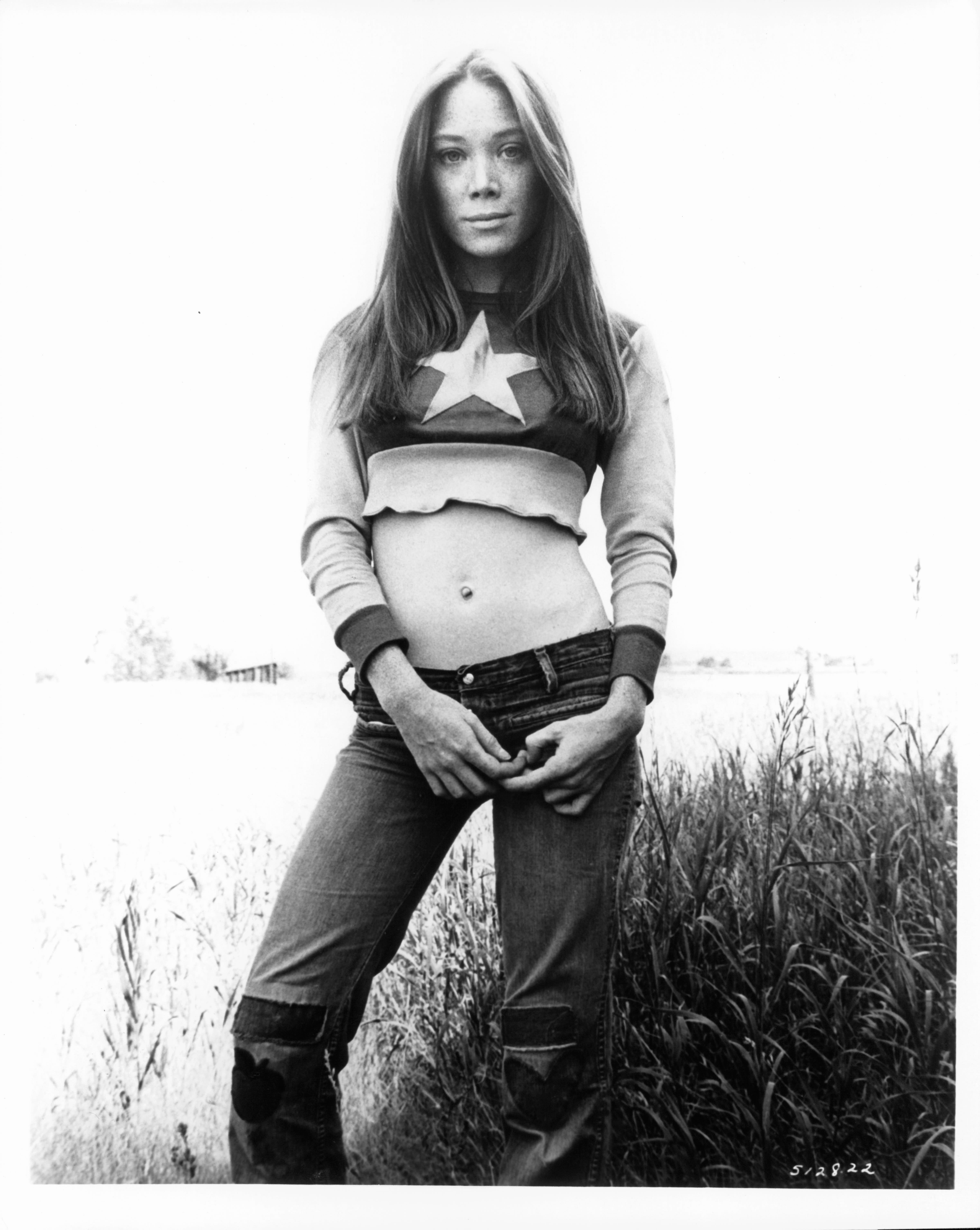
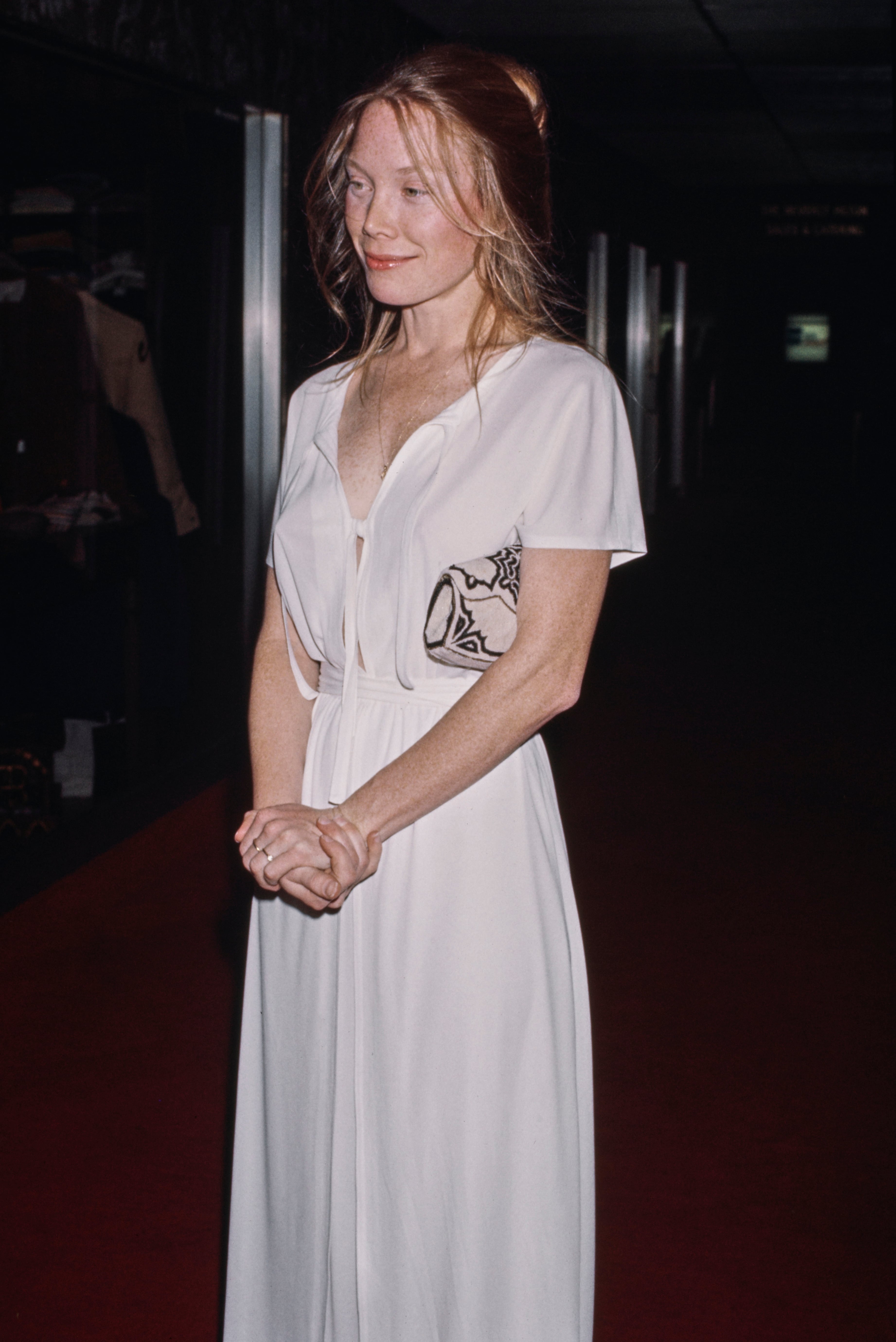
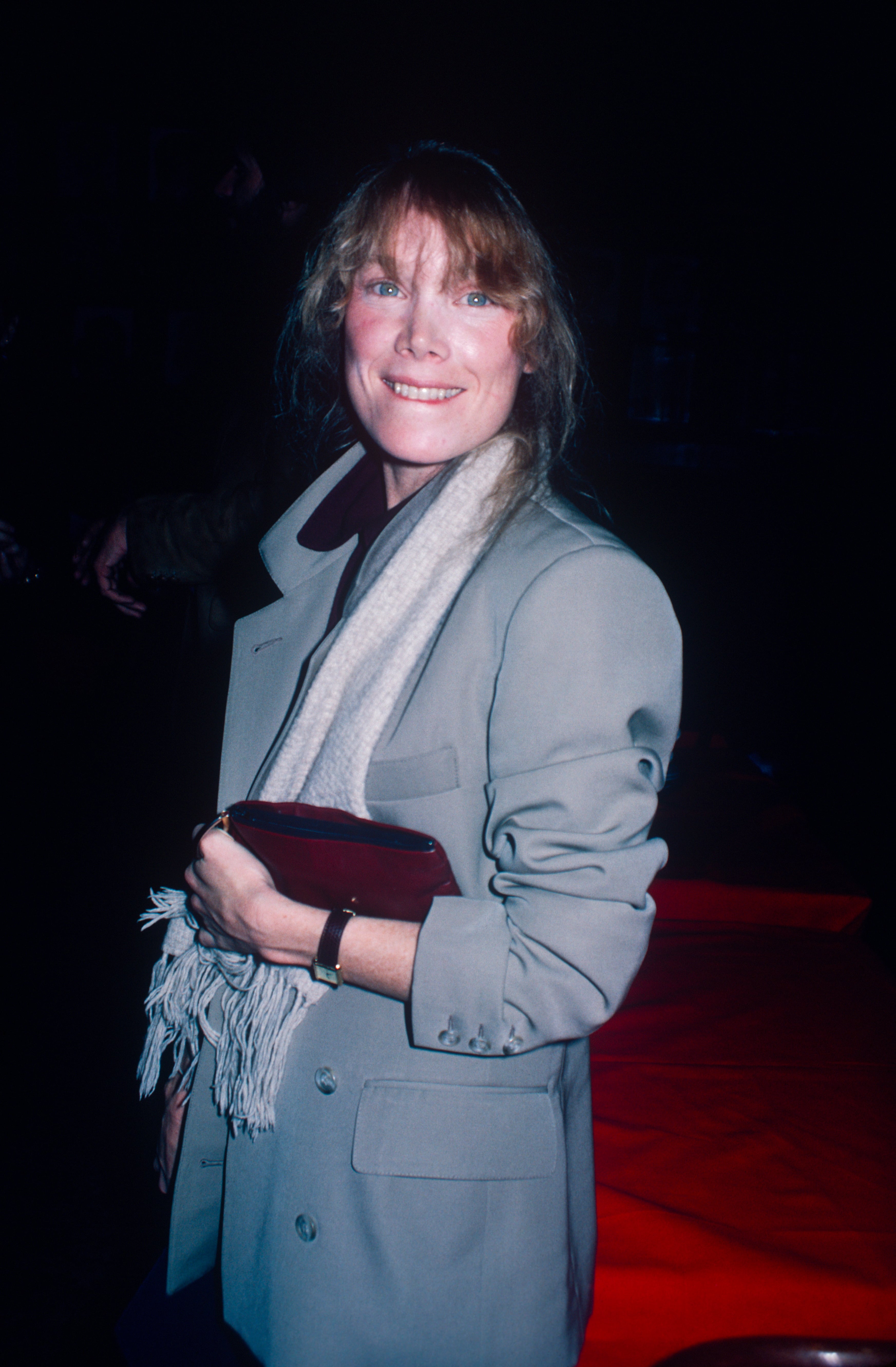
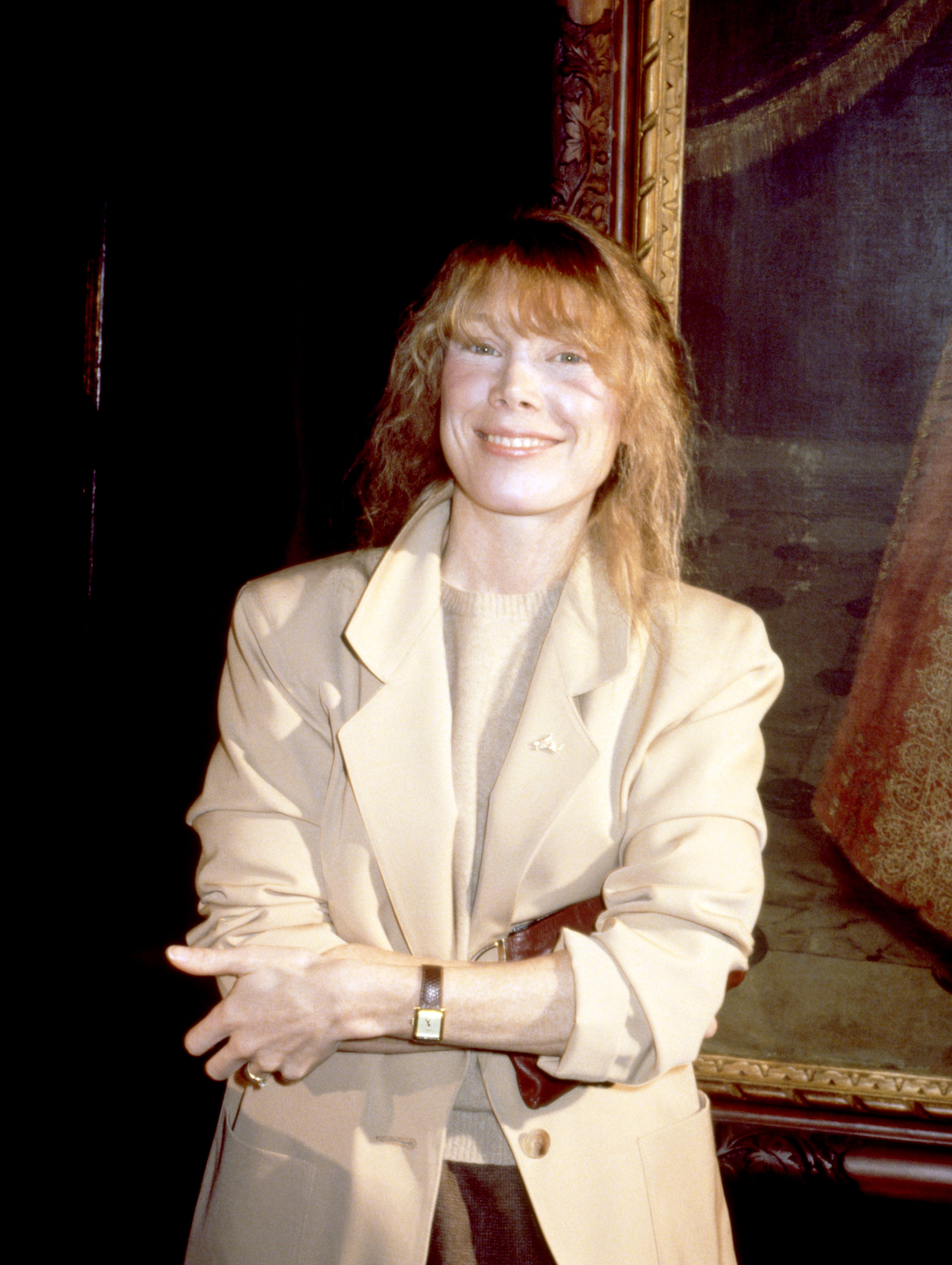
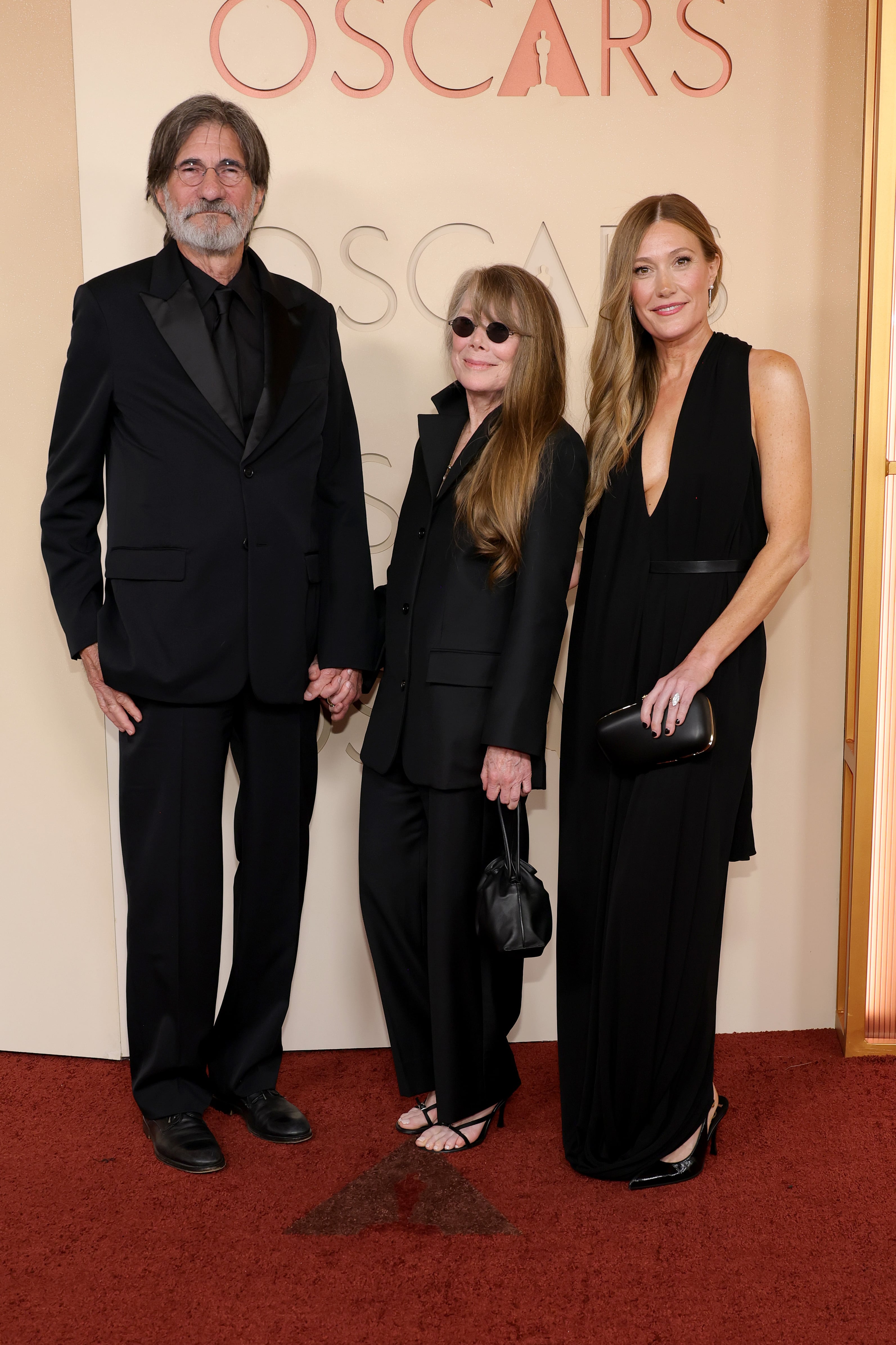
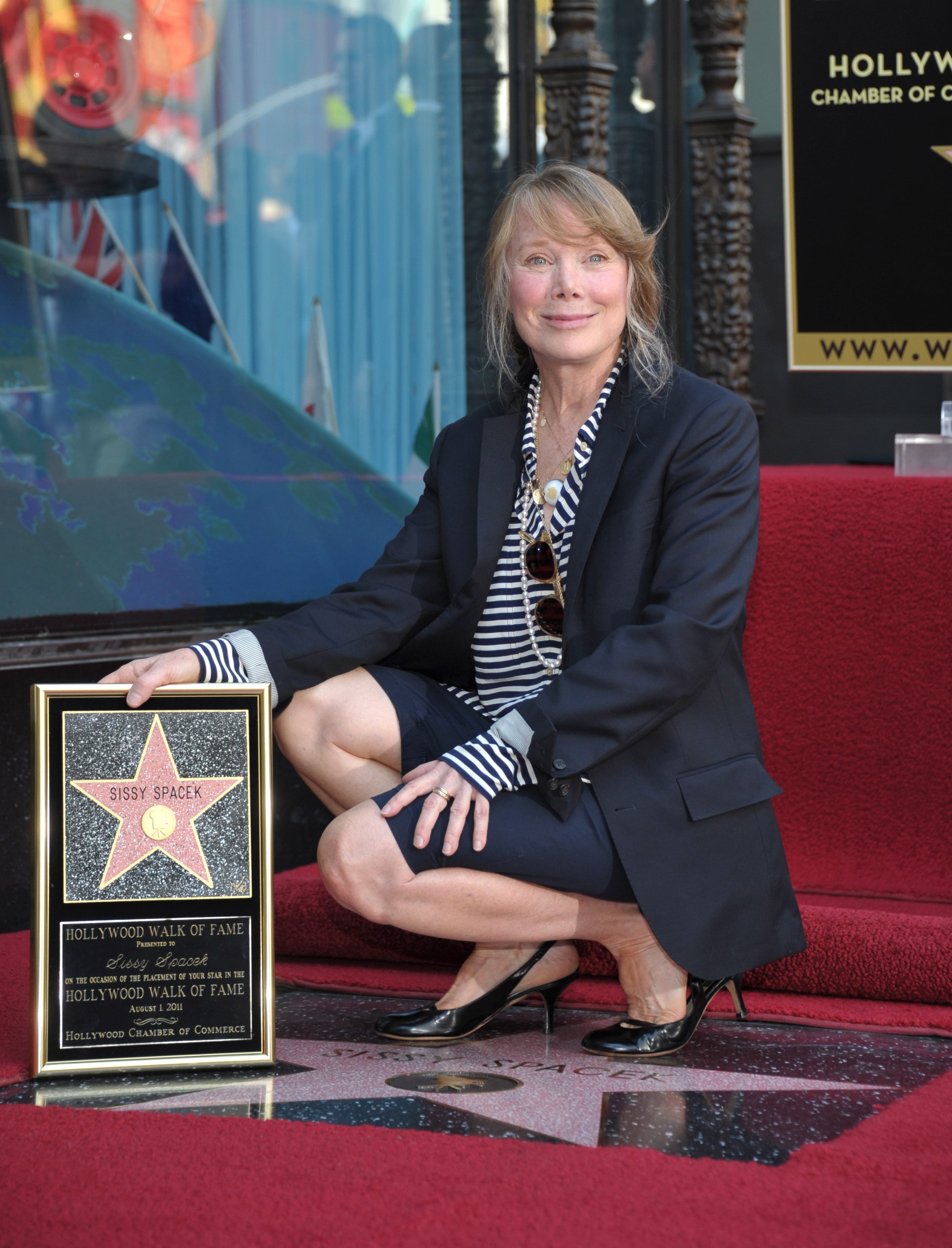
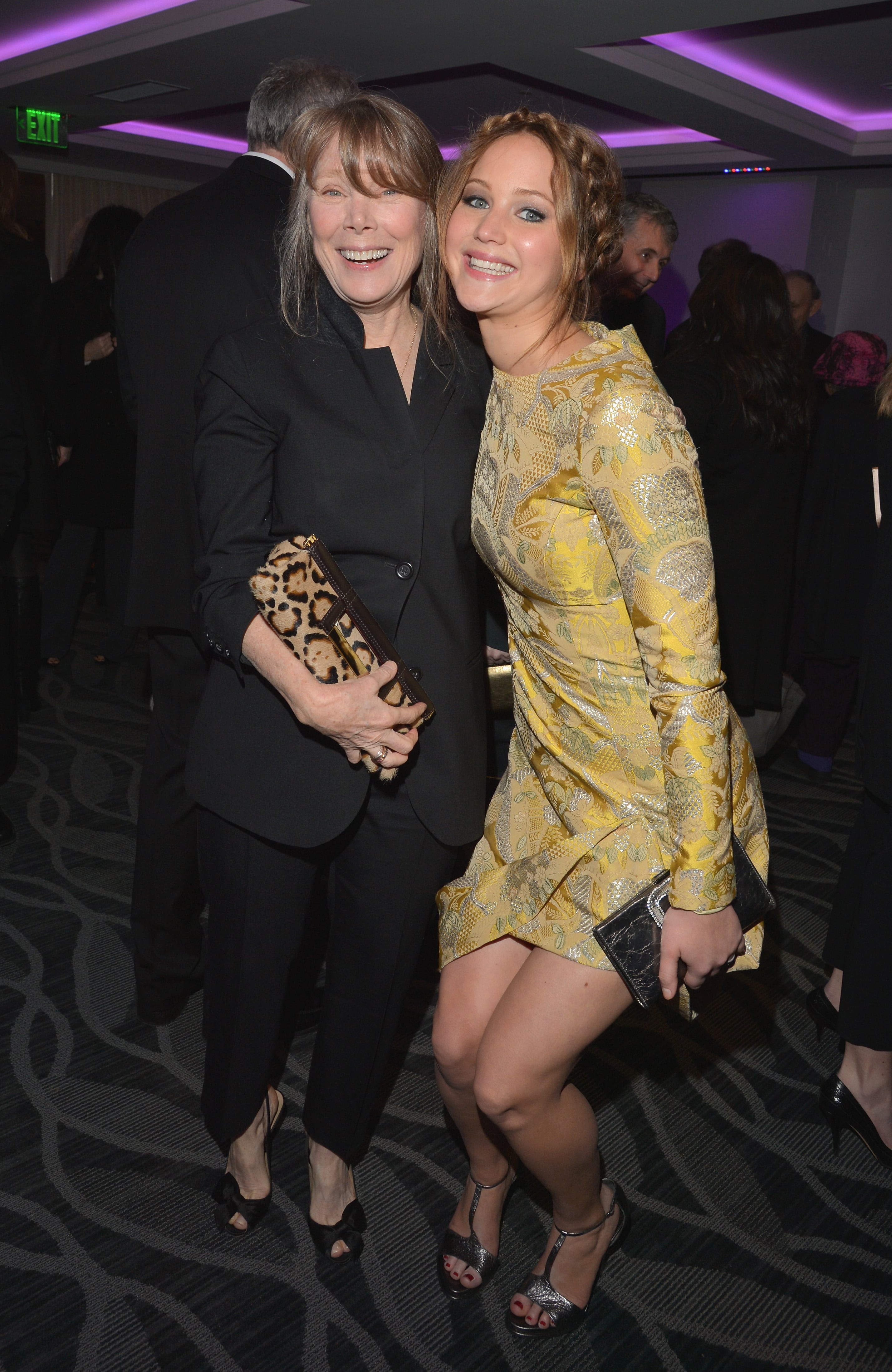
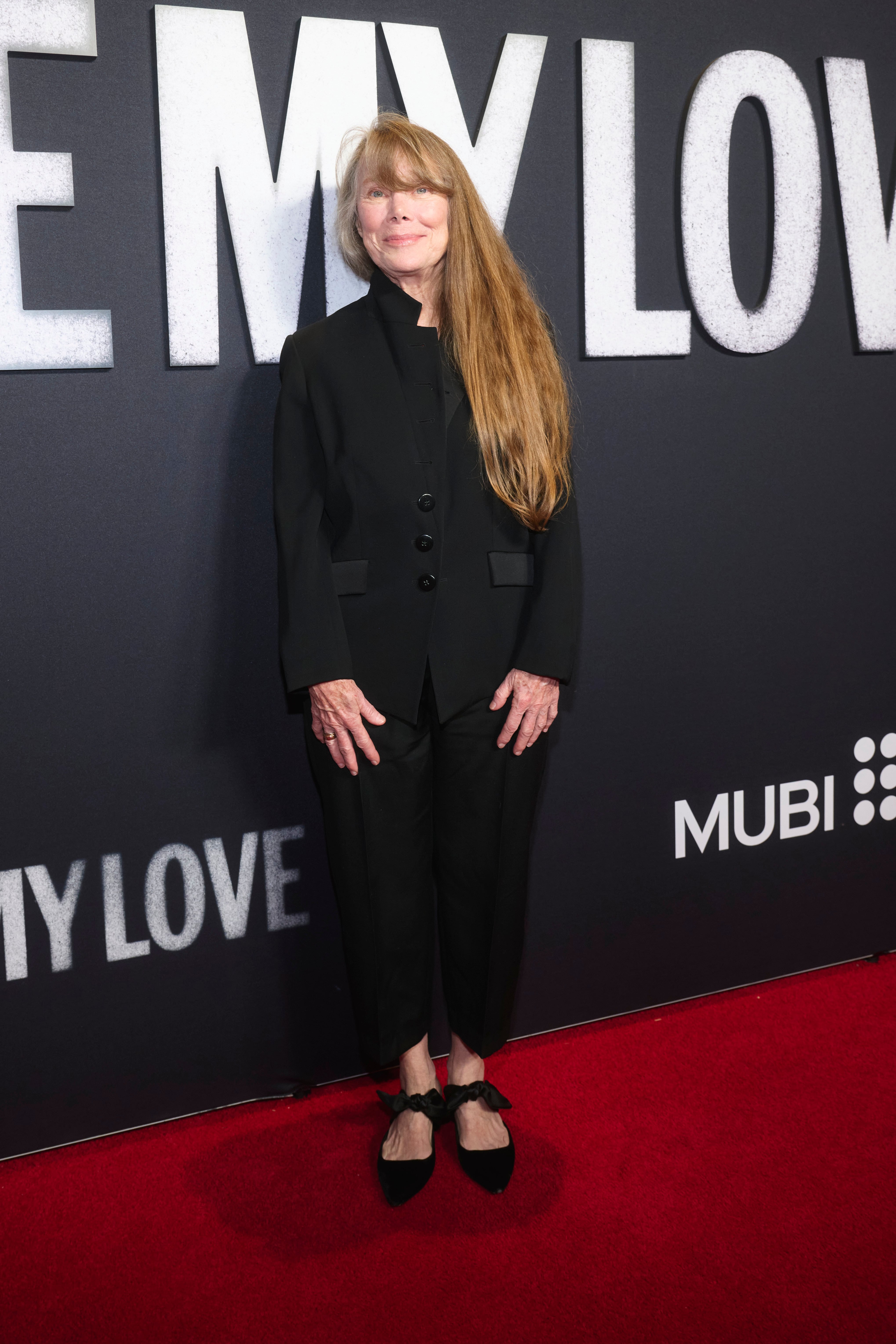
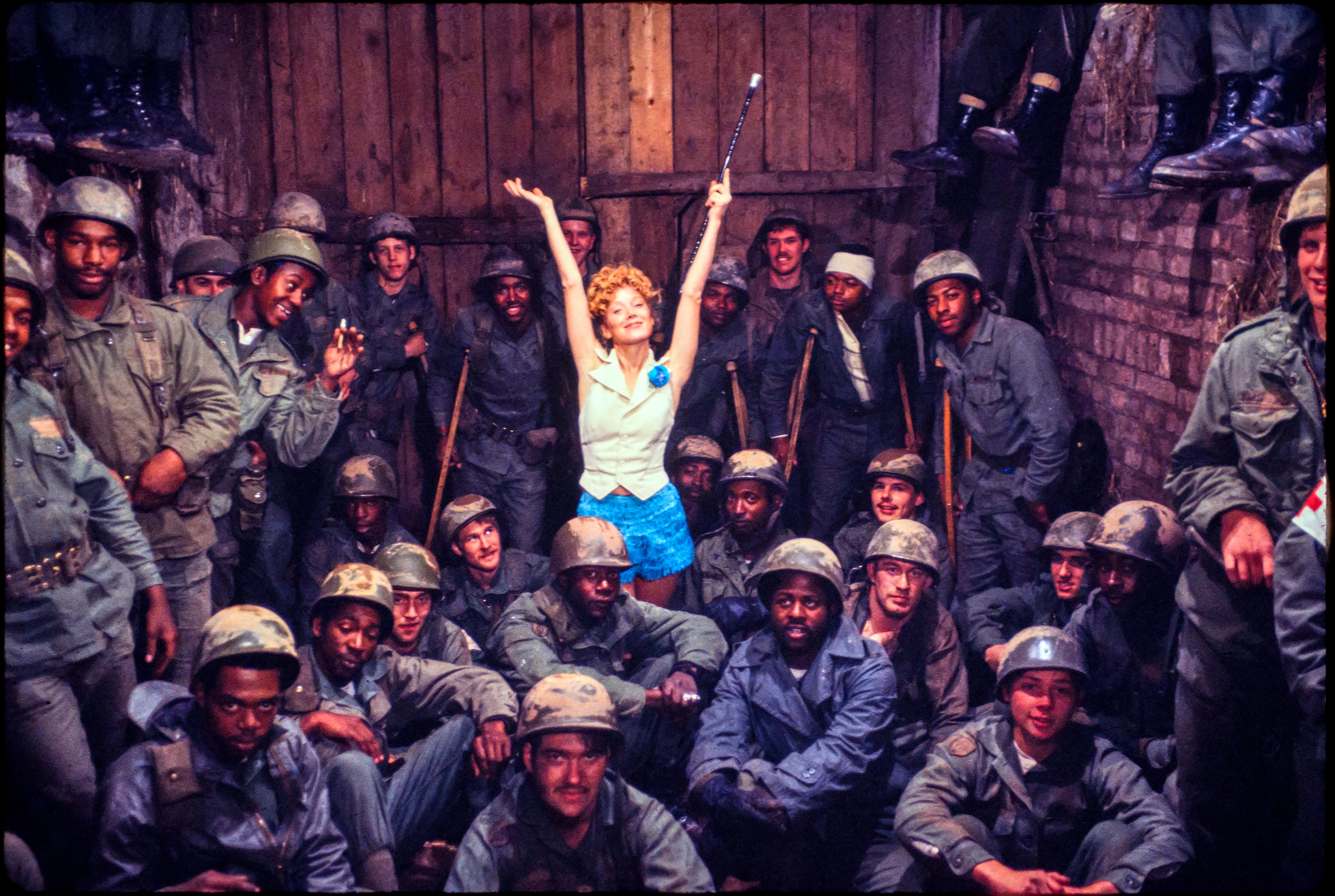
Fifty years later, Carrie White is returning to American high schools. Prime Video’s new series revisits the bullied teenager who became one of horror’s defining figures, first in Stephen King’s novel and later in Brian De Palma’s 1976 adaptation. But there is one image that remains impossible to escape: Sissy Spacek, drenched in blood, staring directly into the camera after unleashing her telekinetic powers. For several generations, the role has been synonymous with Spacek. Now, as a new actress takes on Carrie, we look back at what became of the 76-year-old performer who brought to life some of the most memorable characters of 1970s and 1980s cinema.
Spacek was 26 when Brian De Palma cast her as a high school student in 'Carrie.' The film changed her career forever, earned her first Oscar nomination and secured her a place in the cultural imagination that remains remarkably intact 50 years after its release. The actress says that teenagers still approach her today to show off tattoos of the outcast heroine. Incidentally, unlike Carrie, Spacek was her high school’s prom queen.
Born Mary Elizabeth in a small rural town in Texas, Spacek acquired the nickname “Sissy” from her two older brothers, a name by which she would eventually become known around the world. Following the death of one of them, she left home one summer for New York with an actor cousin in an attempt to escape the family tragedy. She abandoned plans to attend college and, under the stage name Rainbo, tried to make it as a folk singer in late-1960s Manhattan. It didn’t work out. Her record label dropped her, and Spacek decided to enroll in acting school instead.
Terrence Malick’s cult classic 'Badlands' marked Spacek’s first leading role in a feature film and became her breakthrough. She played a teenage girl who runs away with a rebellious young man she has just met, played by Martin Sheen, and becomes a fugitive after her father rejects the relationship. The film won the Golden Shell at the San Sebastián International Film Festival, and Spacek, who had been studying acting for only a matter of months, emerged as an unlikely Hollywood star: an anti-diva whose red hair, freckles, diminutive stature and youthful appearance set her apart from the era’s conventional screen icons.
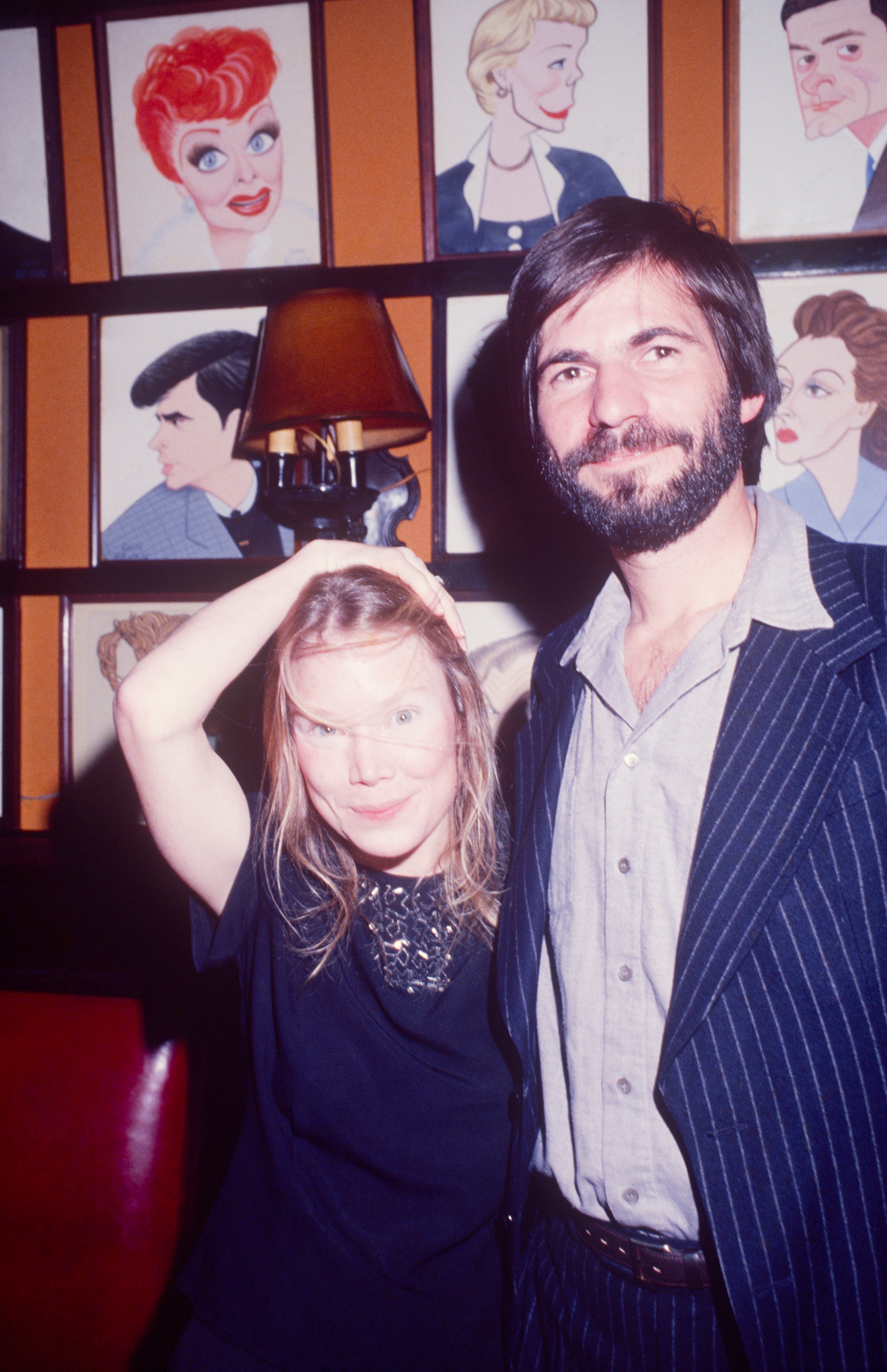
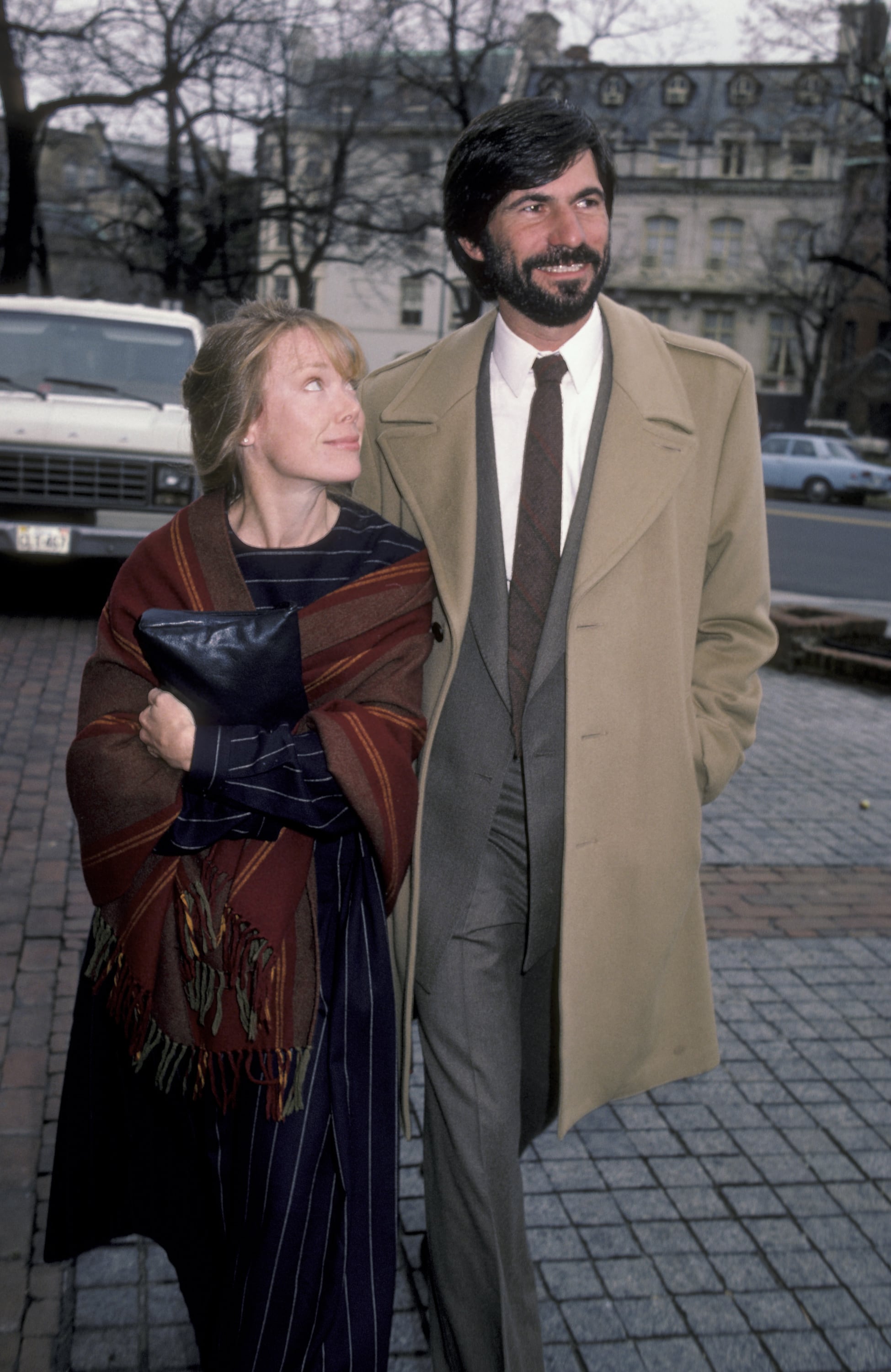
The film also changed her life in another way: it was on the set that she met the love of her life, production designer Jack Fisk. After first crossing paths in 1972, the two married a couple of years later and have now been together for half a century, making them one of Hollywood’s longest-lasting couples. They have two daughters, Schuyler and Madison, and both remain active in the industry. Fisk's recent production design credits include 'Marty Supreme,' 'The Revenant' and 'Killers of the Flower Moon.'
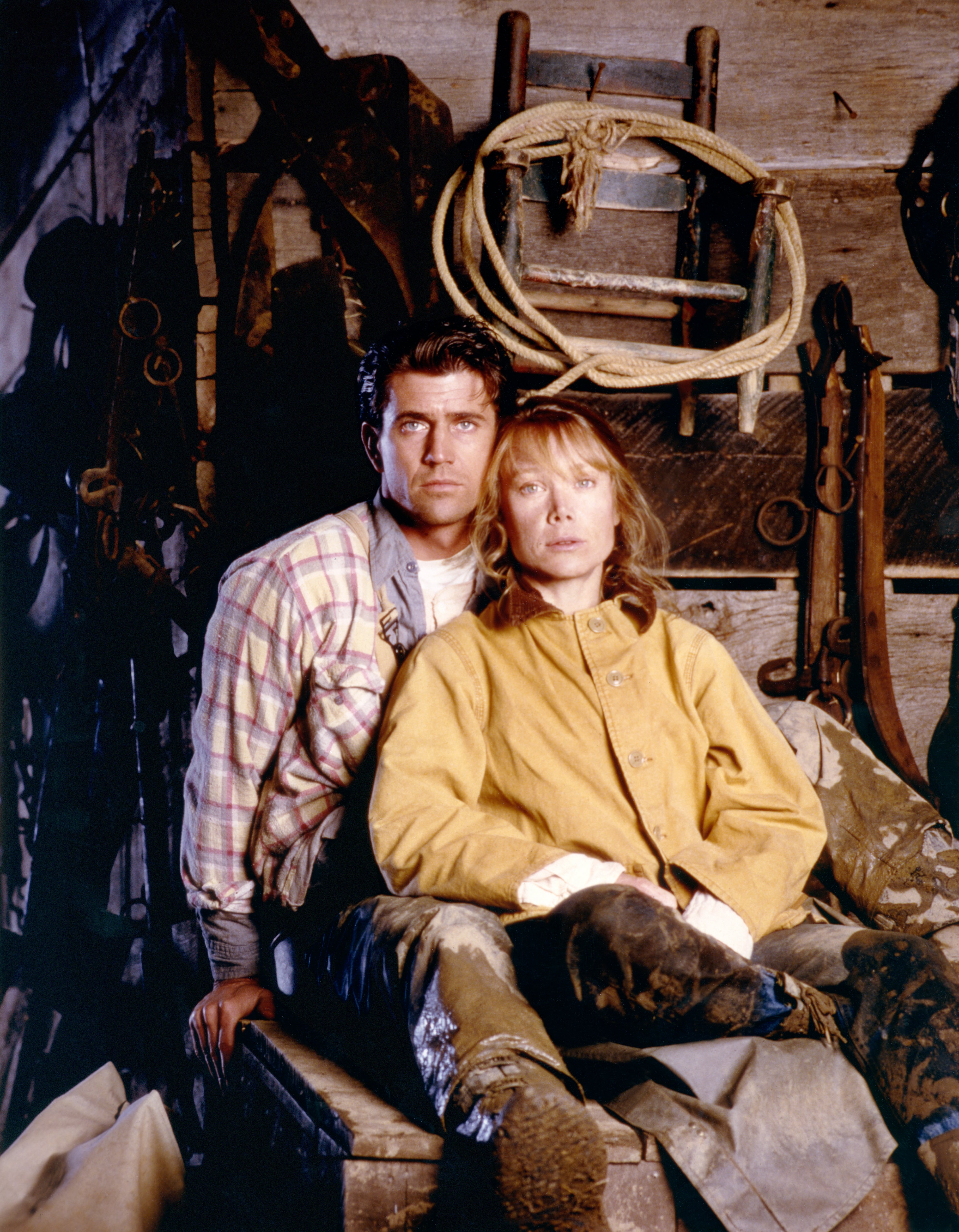
Spacek became one of the defining stars of the New Hollywood era, a movement heavily influenced by the French New Wave and Italian neorealism. Beginning in 1977, the Texas-born actress received five Oscar nominations in less than a decade. Among her most memorable performances from that era are 'Missing,' directed by Costa-Gavras; 'The River,' opposite Mel Gibson; and 'Crimes of the Heart,' alongside Jessica Lange and Diane Keaton.
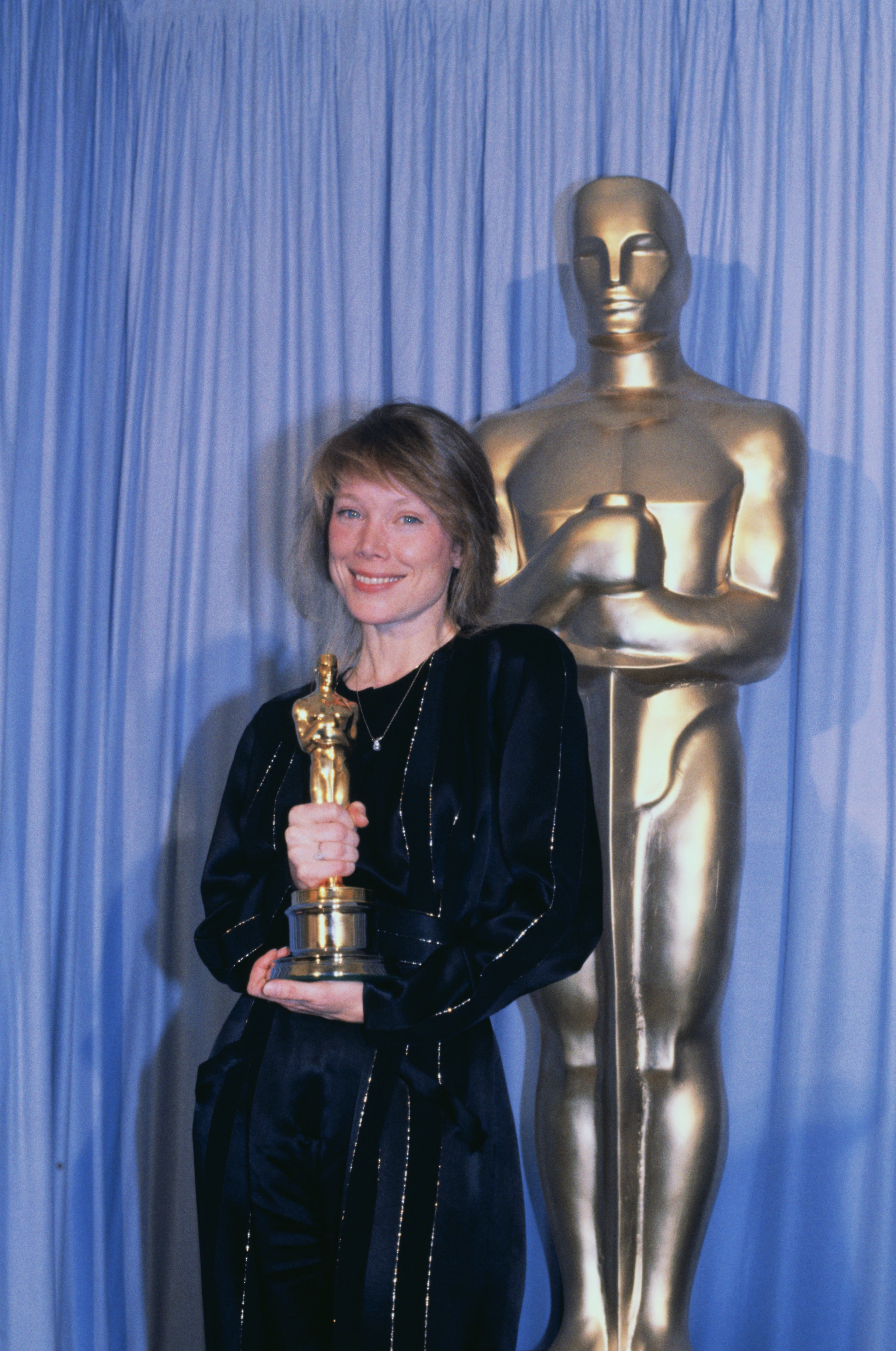
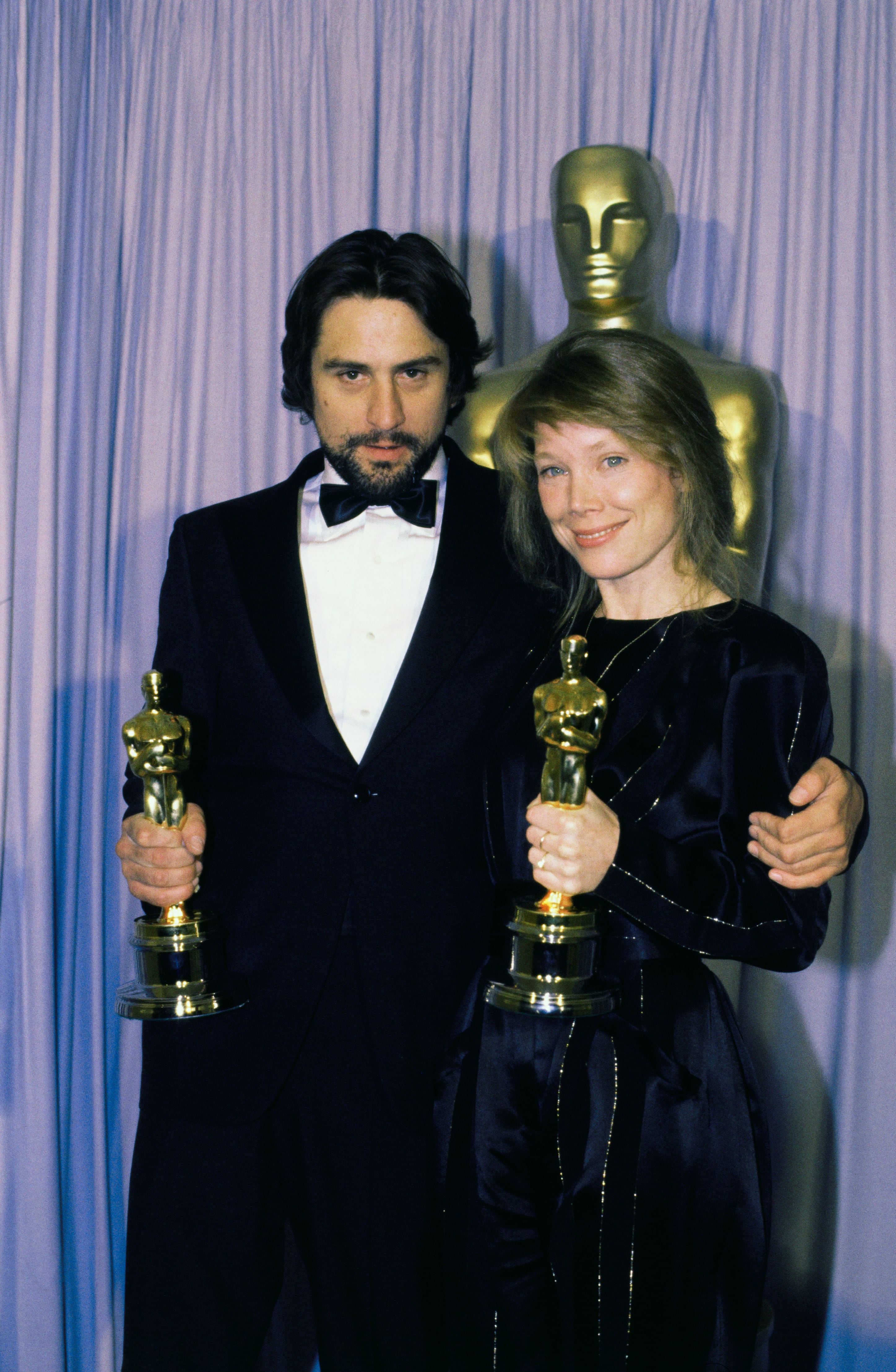
Spacek won her first and only Oscar in 1981 for 'Coal Miner’s Daughter,' the biopic of country singer Loretta Lynn. Lynn had risen from humble beginnings in rural Kentucky, marrying at 13 and becoming a mother of four before the age of 20. In a twist of fate, when Spacek was trying to launch a music career years earlier, a record label turned her down because her voice sounded too much like that of another artist on its roster: Loretta Lynn. That very similarity would later help earn her an Academy Award. Spacek performed all of the songs in the film herself and even received a Grammy nomination for her work.
The greatest tragedy of Spacek’s life came when she was just 17. Her brother Robert, only a few months older than she was, died of leukemia. Spacek was just beginning to work at the time and, despite the devastation, managed to turn that trauma into a source of strength throughout her career.
Spacek and Fisk married in Santa Monica in a ceremony so private that their dog was their only witness, and so informal that both wore jeans. The actress credits the longevity of their relationship to the constant collaboration between them.
At the height of their fame, Spacek and Fisk left Hollywood behind and moved to a farm in rural Virginia, determined to raise their daughters away from red carpets and the glare of the spotlight. There, they raised horses and grew their own vegetables, while Spacek returned to acting only for roles that truly resonated with her. In 2001, she earned a sixth Oscar nomination for her performance in 'In the Bedroom.'
Their daughters have followed their parents into the film industry as well. Schuyler Fisk became an actress and, while she never came close to matching her mother’s level of fame, she has enjoyed a steady career in American television and film. Madison, meanwhile, learned the ropes from her father and has worked in the art department on a number of feature films, following in his footsteps as a production designer.
One of the best-known stories from 1970s Hollywood is how Spacek landed the role of Carrie. As close friends, George Lucas and Brian De Palma held joint auditions for their next projects, 'Star Wars' and 'Carrie,' respectively. Spacek auditioned for Lucas’s film, while Carrie Fisher also took part in casting sessions connected to the horror movie. In the end, the roles found their way to the actresses who would make them iconic: Fisher as Princess Leia and Spacek as Carrie White.
Spacek’s performance left such a deep mark on popular culture that screenwriter and producer Mike Flanagan, who is once again adapting 'Carrie' for Prime Video, has said it was the biggest hurdle in casting the role anew. According to Flanagan, most of the 1,400 actresses who auditioned for the series arrived trying to imitate Spacek’s iconic performance. The part ultimately went to Summer H. Howell, whose reinterpretation of Carrie has drawn widespread praise from critics.
Although she was never associated with method acting in the way her contemporary Robert De Niro was, Spacek’s approach to her craft also relied on total immersion in her characters. For '’night, Mother,' in which she played a daughter struggling with suicidal thoughts, she would spend weeks inhabiting a deeply depressed emotional state until filming wrapped. It was none other than Jack Lemmon who warned her that if she remained so committed to despair, she might end up being consumed by it herself.
Jennifer Lawrence, Jessica Chastain and Emma Stone — whom Spacek once advised never to hide her freckles on screen again — are among the younger generation of stars who have publicly expressed their admiration for the 76-year-old actress. Stone, who also worked with Spacek on 'The Help,' has reunited with the veteran actress for 'The Catch,' the new film directed by Stone’s husband, Dave McCary.
At 76, Spacek appears to have settled on a definition of happiness far less ambitious than the one Hollywood usually sells. In a 2022 interview with 'Esquire,' when asked how she managed to remain so upbeat, she said happiness is overrated and that we need to be content and simply be.
When motherhood came calling, Spacek had little doubt about what should take priority. She even turned down the role that would eventually go to Debra Winger in 'Terms of Endearment' because she did not want to be separated from her daughter Schuyler, who was only a few months old.
No espaço público e mediático, o tratamento do sistema prisional português tende a ser tratado pelo ângulo dos «abusos» e do que terá corrido mal para se verificarem condições penitenciárias «degradantes» ou até doença e morte. Mas quais as características estruturais que produzem estas condições, e o que dizem elas sobre desigualdades sistémicas que as democracias não resolveram? «As prisões têm olhos e ouvidos, mas não têm vozes» Mumia Abu Jamal, jornalista aprisionado nos Estados (…)
Ce serait la fusion du siècle. Paramount rachète Warner. C'est déjà une histoire exemplaire. Le casting : un transhumaniste et son fils, le Tout-Hollywood et des journalistes épouvantés.
En 1966, Gulf+Western, fabricant de butées à ressort pour portes coulissantes, acquiert le géant du cinéma Paramount. Depuis une trentaine d'années, le mouvement de fusions et d'absorptions est en plein élan à Hollywood. Tous les grands studios « ont fini par se faire manger par des multinationales étrangères au monde de l'art et de la culture », observent les chercheurs Martin Barnier et Laurent Jullier (1). Le capitalisme de prédation poursuit aujourd'hui son avancée, à la faveur de l'essor du streaming et de l'arrivée récente des entreprises de la « tech » dans ce secteur. C'est un enjeu non seulement financier, mais aussi politique et artistique.
Depuis la crise du Covid-19, les plates-formes de vidéo à la demande dominent le marché mondial de la vidéo. Avec plus de 325 millions d'abonnés dans le monde, Netflix mène la danse devant Prime Video (220 millions) et Disney + (130 millions), accompagnés de HBO Max (140 millions) et Paramount + (79 millions). Chacun de ces mastodontes lorgne tout ce qui peut grossir et embellir son catalogue d'exclusivités.
À l'été 2025, Warner Bros. Discovery (WBD), conglomérat en difficulté depuis une série de restructurations malheureuses, annonce vouloir se scinder en deux entreprises indépendantes. La première doit contrôler les studios de production (cinéma et télévision), la plate-forme de streaming Max, rebaptisée HBO Max, ainsi que les parcs à thème. La seconde doit regrouper les réseaux de télévision du groupe, dont les chaînes Cable News Network (CNN) et Discovery, en perte de vitesse. Cette scission suscite immédiatement la convoitise de Paramount Skydance (PSKY) et de Netflix.
Début d'un feuilleton tout en rebondissements, mêlant milliards, pouvoir et coups tordus. Lors du dernier trimestre 2025, Paramount lance trois offres d'achat successives. Pourtant, le 5 décembre, c'est Netflix qui gagne : le groupe annonce le rachat de Warner, pour 83 milliards de dollars — remboursement des 11 milliards de dette de WBD compris. Trois ans plus tôt, Amazon, propriétaire de la plate-forme Prime Video, s'était emparé de la Metro-Goldwyn-Mayer (MGM) pour dix fois moins.
L'accord ne porte pas sur la totalité du groupe : CNN n'en fait par exemple pas partie. Netflix enrichira d'abord sa plate-forme, et avant tout des films de l'historique studio Warner (Casablanca, Citizen Kane, etc.), mais aussi d'une soixantaine de franchises — produits dérivés compris —, dont Harry Potter, Le Seigneur des anneaux ou encore Batman, sans oublier les grandes séries produites et diffusées par HBO comme Sex and the City, Les Soprano, Six Feet Under, Sur écoute (The Wire) et Game of Thrones. Une concentration majuscule, qui agit comme un séisme sur ce marché des contenus, soulevant l'inquiétude des professionnels de Hollywood. Ils n'ont encore rien vu.
Derrière Paramount se trouve en effet un proche du président américain. Transhumaniste, membre de l'American Legislative Exchange Council — un lobby militant pour le démantèlement du droit du travail, des régulations environnementales, la privatisation de l'éducation et contre les droits des personnes lesbiennes, gays, bisexuelles et trans (LGBT) —, M. Larry Ellison a fondé la société Oracle (bases de données, logiciels d'entreprise, cloud…). Il est l'un des hommes les plus riches du monde, et l'un des principaux mécènes privés de l'armée israélienne. Des milliers d'entreprises à travers le monde — dont la Société nationale des chemins de fer français (SNCF), BNP Paribas ou encore Orange — utilisent les produits d'Oracle. Des États aussi : Oracle fournit les centres de données et les infrastructures de surveillance utilisées par Tel-Aviv.
En janvier 2026, grâce au soutien de M. Trump, Oracle devient l'un des trois principaux actionnaires de la nouvelle filiale américaine de TikTok — après que le président américain avait accusé l'ancienne de favoriser les positions propalestiniennes. L'entreprise de M. Ellison assure notamment la sécurité des données et de l'algorithme du réseau social (2). Et elle vient d'être choisie pour construire des capacités de calcul et des services de cloud au bénéfice d'OpenAI dans le cadre du projet Stargate.
M. Larry Ellison a également un fils qu'il a placé à la tête de la société de production Skydance. À l'été 2024, M. David Ellison annonce le rachat de Paramount Global, qui compte parmi ses filiales Paramount Pictures et la chaîne généraliste la plus regardée aux États-Unis, CBS. M. Trump bloque la transaction, d'un montant de 8 milliards de dollars, pendant un an car il reproche à la chaîne d'avoir diffusé un entretien avec Mme Kamala Harris au cours duquel la candidate démocrate aurait tenu des propos mensongers sur la guerre menée à Gaza par Israël. La Maison Blanche ne donne son feu vert à l'absorption de Paramount par Skydance qu'une fois ce litige réglé. Début juillet 2025, un accord judiciaire met un terme à la procédure : Paramount Skydance, dirigée par M. David Ellison, accepte de verser 16 millions de dollars à M. Trump. Proche de la mouvance MAGA (« Make America Great Again »), le président de la Federal Communications Commission (FCC), instance régulatrice des télécommunications, se réjouit des futurs changements de la ligne éditoriale de CBS (3). Effectivement, changement il y a. Le « Late show », émission-phare de la chaîne, est arrêté : son animateur, Stephen Colbert, avait qualifié le pacte conclu entre Paramount et M. Trump de « bon gros pot-de-vin ». Arrivée à la tête de CBS News, Bari Weiss, journaliste classée très à droite, s'emploie à en faire un nouveau pôle de soutien à l'administration Trump.
C'est dans le même état d'esprit, et avec les mêmes méthodes, que M. David Ellison se rend à Washington trois jours après l'annonce du rachat partiel de Warner par Netflix (4). Il promet de modifier radicalement la ligne de CNN si le pouvoir l'aide à acquérir la totalité de Warner — groupe qui pèse pourtant près de cinq fois la valorisation boursière de l'entreprise qu'il dirige, 69 milliards de dollars contre 14. M. Trump rêve depuis longtemps de faire de CNN un média à sa botte, à la manière de Fox News et, désormais, de CBS. Le 7 décembre 2025, il exprime publiquement des doutes sur le rachat de Warner par Netflix et annonce vouloir « s'impliquer dans la décision ». Aussitôt, Paramount lance une offre publique d'achat (OPA) hostile en proposant directement aux actionnaires de WBD 31 dollars par titre, soit une prime de 147 %.
Le montant de l'offensive s'élève à 111 milliards de dollars et, à la différence de l'accord passé entre Netflix et WBD, porte sur le rachat de l'intégralité du groupe — CNN compris. C'est un tournant historique pour l'industrie des médias. En février, M. Trump exige le licenciement de Mme Susan Rice, membre du conseil d'administration de Netflix. Ancienne conseillère à la sécurité nationale sous la présidence Obama puis directrice du Domestic Policy Council (« conseil de politique intérieure ») de l'administration Biden, Mme Rice venait d'affirmer que les institutions et entreprises américaines complaisantes avec l'administration Trump devraient être poursuivies en justice une fois les démocrates revenus au pouvoir. M. Theodore (« Ted ») Sarandos, codirecteur général de Netflix, fait la sourde oreille. Il est convoqué à la Maison Blanche. Le lendemain, Netflix déclare renoncer à l'achat de Warner. Et empoche une indemnité de rupture de 2,8 milliards de dollars, réglée par M. David Ellison.
Sur un plan purement industriel, l'acquisition de Warner permettrait à M. David Ellison de changer d'échelle en fusionnant HBO Max et Paramount +, la plate-forme de Paramount Skydance, déficitaire. Malgré la promesse des dirigeants de la future entité de maintenir une production de films importante et un temps d'exploitation en salles de quarante-cinq jours (ce qui, en général, est réservé aux blockbusters), il paraît évident que l'exclusivité de ces productions, au même titre que celle des séries, restera un produit d'appel pour les abonnés. Sans parler de la nature des futures productions, dont les choix éditoriaux risquent d'être influencés par l'hostilité antiwoke des républicains. L'inquiétude grandit également parmi les journalistes de CNN, qui craignent une mise au pas. En mars dernier, CNN insinuait que l'administration Trump n'avait pas anticipé les conséquences du conflit avec l'Iran. Aussitôt, le secrétaire à la guerre Peter Hegseth avait sonné la charge : « Il est grand temps que David Ellison prenne les rênes de CNN, et le plus tôt sera le mieux » (13 mars 2026).
La « fusion du siècle », valorisée à 170 milliards de dollars, est une affaire de famille. Une grande famille. Le montage financier est ouvertement élaboré par M. Jared Kushner, gendre et conseiller de M. Trump. Trois fonds souverains des pays du Golfe avec lesquels M. Kushner entretient des liens étroits entrent au capital. M. Larry Ellison fait également partie du tour de table, aux côtés d'une société d'investissement spécialisée dans le sport. L'opération repose sur 40 milliards de dollars de fonds propres, complétés par un emprunt bancaire à hauteur de 54 milliards de dollars. De quoi alourdir considérablement le passif de la nouvelle structure.
Les professionnels de Hollywood qui dénoncent une concentration du secteur appuyée par le pouvoir gardent en mémoire l'acquisition de la 21st Century Fox par Disney en 2019 — qui avait entraîné une production de films réduite de moitié et une vague de licenciements. La contestation prend de l'ampleur, mais il ne faut guère compter sur les régulateurs pour s'opposer à la fusion. En juin, la division antitrust du ministère de la justice américain donne son feu vert à l'opération, estimant qu'elle n'est pas « susceptible de nuire à la concurrence ni aux consommateurs américains » (Le Monde, 13 juin 2026). Elle aurait même pour effet d'« accroître la compétition dans l'ensemble de l'écosystème des médias et du divertissement, avec des bénéfices pour les consommateurs et les travailleurs américains ». Quelques semaines plus tard, la Commission européenne autorise à son tour l'opération, avec des réserves (5). Au Royaume-Uni, l'autorité de la concurrence et des marchés approuve également le rachat, après avoir obtenu des garanties concernant la diversité des services de diffusion audiovisuelle et de vidéo à la demande. De son côté, l'Union internationale des cinémas (UNIC) regrette que des sujets majeurs tels que la diversité des films et la préservation du volume de production aient été peu abordés, et appelle pieusement à la vigilance.
La seule lueur d'espoir des opposants résidait dans l'action intentée devant un tribunal de Californie par douze États et appuyée par le syndicat des scénaristes (Writers Guild of America, WGA). Selon le procureur chargé du dossier, ces États, tous dirigés par les démocrates, luttaient « pour des marchés libres et équitables, pas des marchés truqués ». Un procès pour entorse aux lois sur la concurrence aurait donc dû avoir lieu. Ce ne fut pas le cas. Un accord à l'amiable vient d'être trouvé, le 21 septembre, mais il doit être validé par une juge fédérale de Californie. Selon le procureur, seules des cessions d'actifs permettraient de remédier aux problèmes soulevés par la fusion.
Le processus devait prendre fin en septembre 2026. Au-delà de cette date, Paramount Skydance s'était engagé à verser des pénalités de retard aux actionnaires de Warner à hauteur de 7 millions de dollars… par jour. La menace du procès, prévu en mars 2027, a conduit Paramount à obtenir un report de la clôture de l'opération au 1er juin 2027 au plus tard. Désormais, il lui faut boucler l'opération avant les élections de mi-mandat, qui risquent de modifier le rapport de forces à Washington ; le procès risque de la mettre sérieusement en péril. La série n'est pas finie.
(5) Paramount s'est, de ce fait, engagé à céder sa participation dans United International Pictures, société de distribution de films hors territoire américain, codétenue par Universal.
On September 20, 2006, Hugo Chávez stepped up to the granite podium of the United Nations General Assembly. A day earlier, from that exact same spot, the President of the United States, George W. Bush, had spoken. Chávez crossed himself, said that the room still smelled of sulphur, and the hall burst into laughter and applause. It was not the speech Chávez had originally intended to give, but rather the direct result of the deep indignation caused by hearing Bush speak as if he owned the world. The major media of the North latched onto the sulphur phrase and have tried to caricature it. But it is the rest of his intervention that remains fully relevant, 20 years later.
Chávez arrived at the General Assembly with a book in hand, “Hegemony or Survival” by Noam Chomsky. His warning was simple yet devastating: the United States’s pretense of dominating the world put the very survival of the human species at risk. At that time, US troops were occupying Iraq. A few weeks earlier, Israel had bombed Lebanon under Washington’s diplomatic protection. In the capitals of the global north, the “end of history” was still being celebrated, the idea that liberal capitalism was humanity’s definitive horizon. Chávez said that this thesis had been proven false in barely a decade, and that now the future of the world had to be defined.
Twenty years later, plunged into an even greater systemic crisis, we can see that every phrase of Chávez’s speech remains relevant.
From hegemony to hyper-imperialism
In 2006, the United States seemed like an empire at the peak of its power. Today it is an empire in relative decline, and therefore more dangerous. The Tricontinental Institute for Social Research has called this new stage hyper-imperialism: imperialism exercised in an exaggerated and agitated manner by a power that compensates for the loss of its economic hegemony by relying on the two areas where it still dominates, war and the control of information.
An empire’s hegemony is usually lost in three stages: first in production, then in finance, and finally in the military. The United States has already lost productive primacy: China is today the world’s largest economy measured by purchasing power parity. The reign of the dollar is beginning to be questioned, and many countries are opting for transactions in their own currencies. But military supremacy remains intact. The bloc led by Washington groups around 50 countries and concentrates about three-quarters of global military spending. The United States maintains around 900 military bases abroad. More than one in four countries on the planet lives under its sanctions.
An empire that declines economically while retaining its weapons is tempted to resolve its decline by force. The dilemma that Chávez borrowed from Chomsky, hegemony or survival, has become literal. Permanent war and climate catastrophe today threaten the very conditions of life.
The veto and the UN that doesn’t work
The least-cited part of the speech was perhaps the most prophetic. Chávez stated that the United Nations system born after World War II had collapsed. The General Assembly had become a merely deliberative space, without the capacity to change the terrible reality of the world. Back then, Chávez made four concrete proposals:
First, expand the Security Council to include Third World countries as permanent members. Second, create transparent methods for conflict resolution. Third, eliminate the veto, and fourth, strengthen the General Secretariat.
His example was Lebanon: a US veto had allowed the country to be torn apart before the eyes of the world. Unfortunately, over two decades, the UN’s strength to prevent wars and genocides has progressively diminished. That same mechanism criticized by Chávez has allowed a new genocide in Gaza. That inaction of multilateralism permitted the kidnapping of the sitting Venezuelan president. However, the conclusion is not to abandon the UN, but to contest it.
The debate on a “multipolarity” that reproduces rivalry between great powers is insufficient. What the South needs is true multilateralism, defending the United Nations Charter as the common heritage of the world’s peoples. It is the same Charter upon which, in 1955, the ten principles of the Bandung Conference were built.
“We are men and women of the South”
Chávez did not arrive in New York alone. He came from Havana, where more than fifty heads of state had just relaunched the Non-Aligned Movement. “Havana was the capital of the South for a week,” he said. And then he added a phrase that sums up a political identity: “we are men and women of the South.”
The Global South is not a cardinal point. Australia is in the southern hemisphere and belongs to the North; Cuba, Vietnam, or Burkina Faso are in the northern hemisphere and belong to the South. It is a historical category: they are the peoples of former colonies and semi-colonies and socialist projects, whose struggle for sovereignty has not yet concluded. Their weight has changed. By 2007, the economies of the South surpassed those of the North in purchasing power parity, and in recent years they came to represent nearly 60 percent of world product. BRICS and the Belt and Road Initiative have begun to create something that did not exist in Bandung’s time: material conditions for cooperation among the peoples of the South.
But, although there is a new mood in the Global South today, the spirit of Bandung is not yet there. In 1955, the strength of those governments came from organized masses that prevented them from abandoning the liberation program. Chávez’s speech was precisely that: the voice of Latin American twenty-first-century socialism, of peoples pushing their governments. It was, for Latin America, a kind of Bandung from below. Today, that spirit faces an “angry tide” and needs to be rebuilt.
Peoples, not governments
There is a fundamental element in that 2006 speech that we cannot forget. Chávez distinguished between the US government and its people. He said that if one walked through the Bronx or San Francisco, one would find people who want peace. The working class of the North, impoverished and battered by deindustrialization, is not the enemy of the peoples of the South. It is a possible ally. Specially today when it is persecuted by a renewed McCarthyism that sees terrorism in those who raise their voices for social justice.
When Bush accused those who opposed his war of being extremists, Chávez replied that it was not about extremism: the world was awakening and peoples were rising everywhere. Today, aggression takes multiple forms. It takes the face of military actions, lawfare, unilateral coercive measures, or the confiscation of national resources. But its objective remains the same: to discipline anyone attempting a sovereign path.
The future doesn’t just arrive; we must organize it
The speech closed on a note of optimism. Chávez said that there was a dawn on the planet, visible in Latin America, Asia, and Africa. Twenty years later, that optimism requires precision. The future is not a date on the calendar, but a rupture that must be built. Hope is not passive expectation, but a practice that requires organization, discipline, and internationalism.
The sulphur that Chávez smelled in 2006 has not dissipated; it has grown denser and spread beyond the diplomatic corridors of New York. That is why that speech does not belong to a record of the past, but to our current agenda. It reminds us that the South has a voice, that the UN can and must be contested, and that the North’s hegemony is not a natural law. What is missing, as in Bandung, is what has always made the difference: the peoples must organize.
Carlos Ron is Co-coordinator of the Nuestra America office ofTricontinental: Institute for Social Research. He was a Venezuelan diplomat and served as Vice Minister for North America (2018-2025).
Telecinco sigue moviendo ficha en sus mañanas con dos incorporaciones de peso. Cristóbal Soria se suma a 'Vamos a ver' como nuevo colaborador, mientras Álvaro Nieto cambia 'Espejo Público' por 'El programa de Ana Rosa' para reforzar la mesa política de Ana Rosa Quintana.
La Policía Nacional ha detenido a un hombre tras presuntamente matar a otro de un puñetazo en Sevilla. Los hechos ocurrieron a finales del pasado agosto en la zona arbolada ubicada entre la avenida Ronda del Tamarguillo y la calle Esteban Márquez, donde el arrestado agresió supuestamente a la víctima, según han informado este miércoles desde el Cuerpo. A consecuencia del impacto, el otro varón cayó de espaldas y "se golpeó bruscamente la cabeza contra el suelo".
Concha Galán ha recuperado casi tres décadas después uno de los episodios más duros de su carrera. La presentadora ha contado en 'Y ahora Sonsoles' que fue apartada de la televisión cuando estaba embarazada de seis meses, pese a continuar trabajando con normalidad y sin que la gestación fuera todavía especialmente visible. "A mí me echaron de televisión por estar embarazada", resumió ante Sonsoles Ónega.
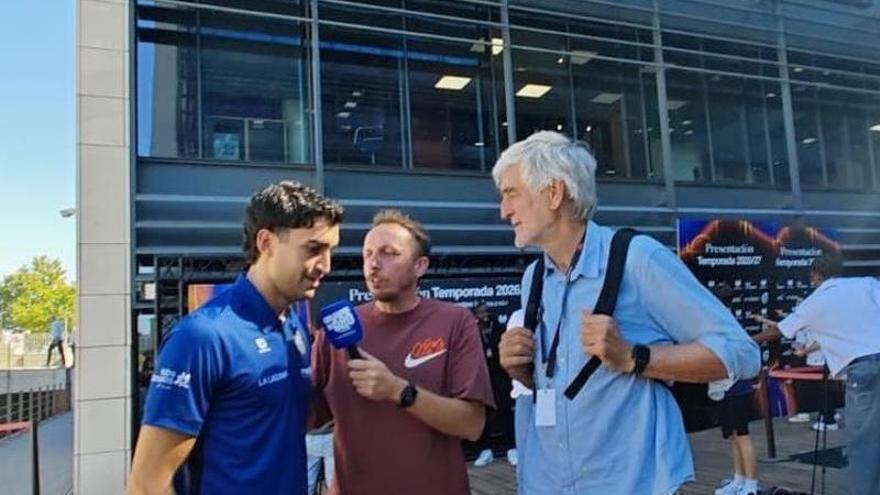
A un mundo todavía de los registros de su compañero de vestuario, Marcelinho Huertas (732), y algo lejos aún del corte que le convertiría en jugador histórico de la competición (600 encuentros), pero Jaime Fernández se hace un hueco cada vez más grande en la Liga ACB. Con la que arranca este domingo 27 el madrileño abordará su decimoséptima campaña en la élite nacional. Las cinco más recientes defendiendo los colores de La Laguna Tenerife. Tras debutar con el Estudiantes el 17 de octubre de 2010, y tras siete años de colegial, pasó por el Andorra y tuvo otra etapa larga (cuatro cursos) en el Unicaja. Hasta la fecha acumula 458 encuentros.
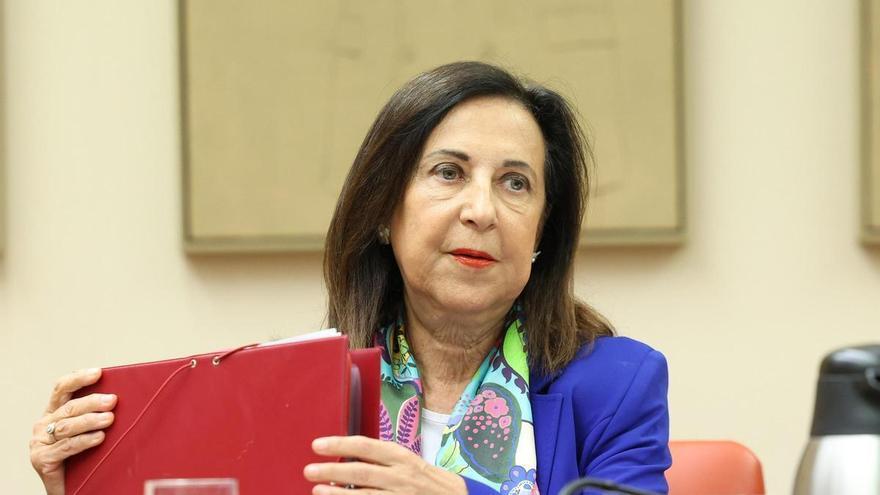
El Ministerio de Defensa afronta 2026 con un nuevo salto en el gasto destinado a los Programas Especiales de Modernización (PEM). Los compromisos presupuestarios consignados para este ejercicio ascienden a 6.835 millones de euros y, si la ejecución final alcanzara esa cifra, supondrían un aumento del 21,8% respecto a los 5.610 millones invertidos en 2025 a través de 14 proyectos.
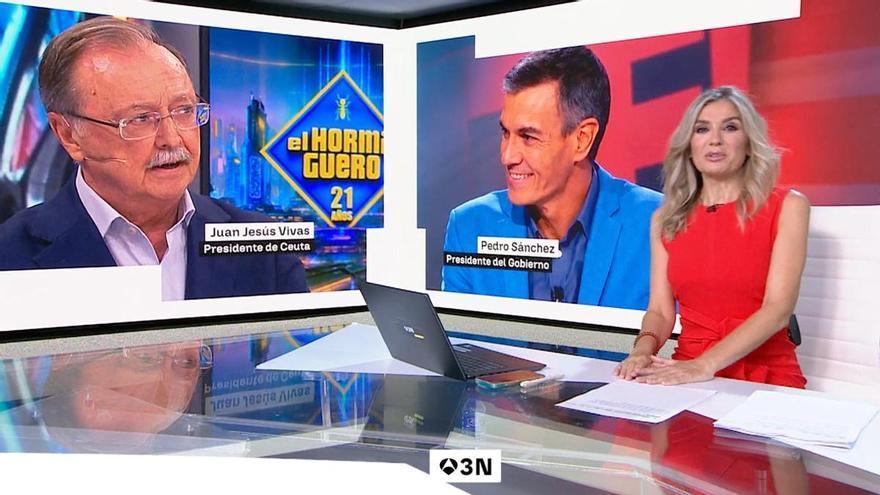
Sandra Golpe ha abierto este martes 'Antena 3 Noticias 1' llevando hasta los titulares el duelo televisivo que la noche anterior se había producido dentro del propio grupo Atresmedia. La periodista ha sido tajante al resumir el resultado: "Pedro Sánchez compitió anoche y perdió en el prime time frente al presidente de Ceuta", antes de destacar las declaraciones realizadas por Juan Jesús Vivas en 'El Hormiguero'.
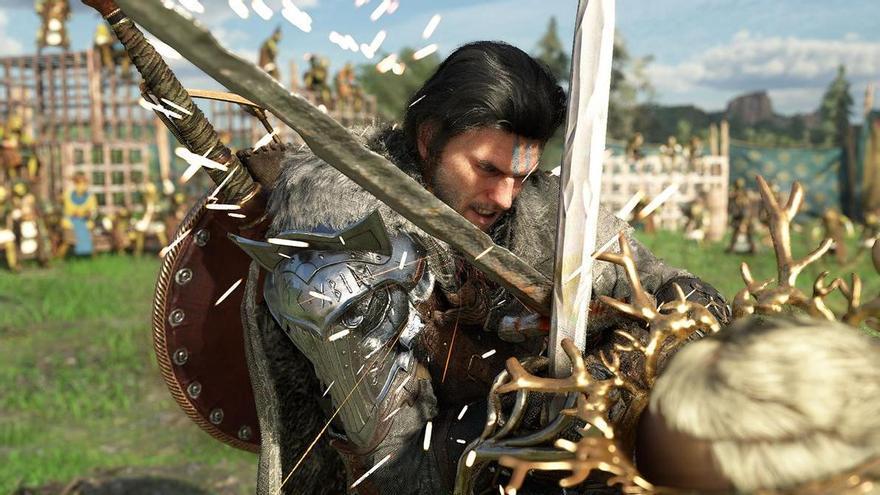
En marzo de este año, la desarrolladora y editora surcoreana Pearl Abyss, publicó ‘Crimson Desert’. Se trata de un juego de acción y aventura en mundo abierto que ha gozado de un éxito brutal e inesperado vendiendo más de 6 millones de copias. Recientemente, incluso se ha revelado que ha sido uno de los juegos más vendidos en Steam este año.
Alma Bollo ha visto truncada su segunda aventura en 'Supervivientes' apenas unos días después de aterrizar en Honduras. El equipo médico de 'Supervivientes All Stars 3' ha determinado que no puede continuar concursando por una lesión que, pese a estar respondiendo favorablemente al tratamiento, desaconseja su permanencia en las condiciones extremas del reality.

 Login