Hassett: Economy is ‘best we’ve ever seen’


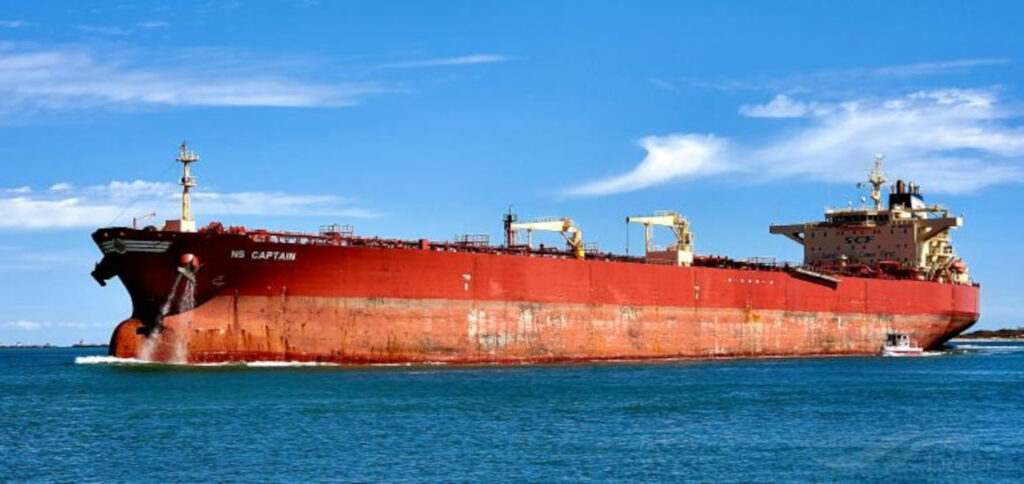
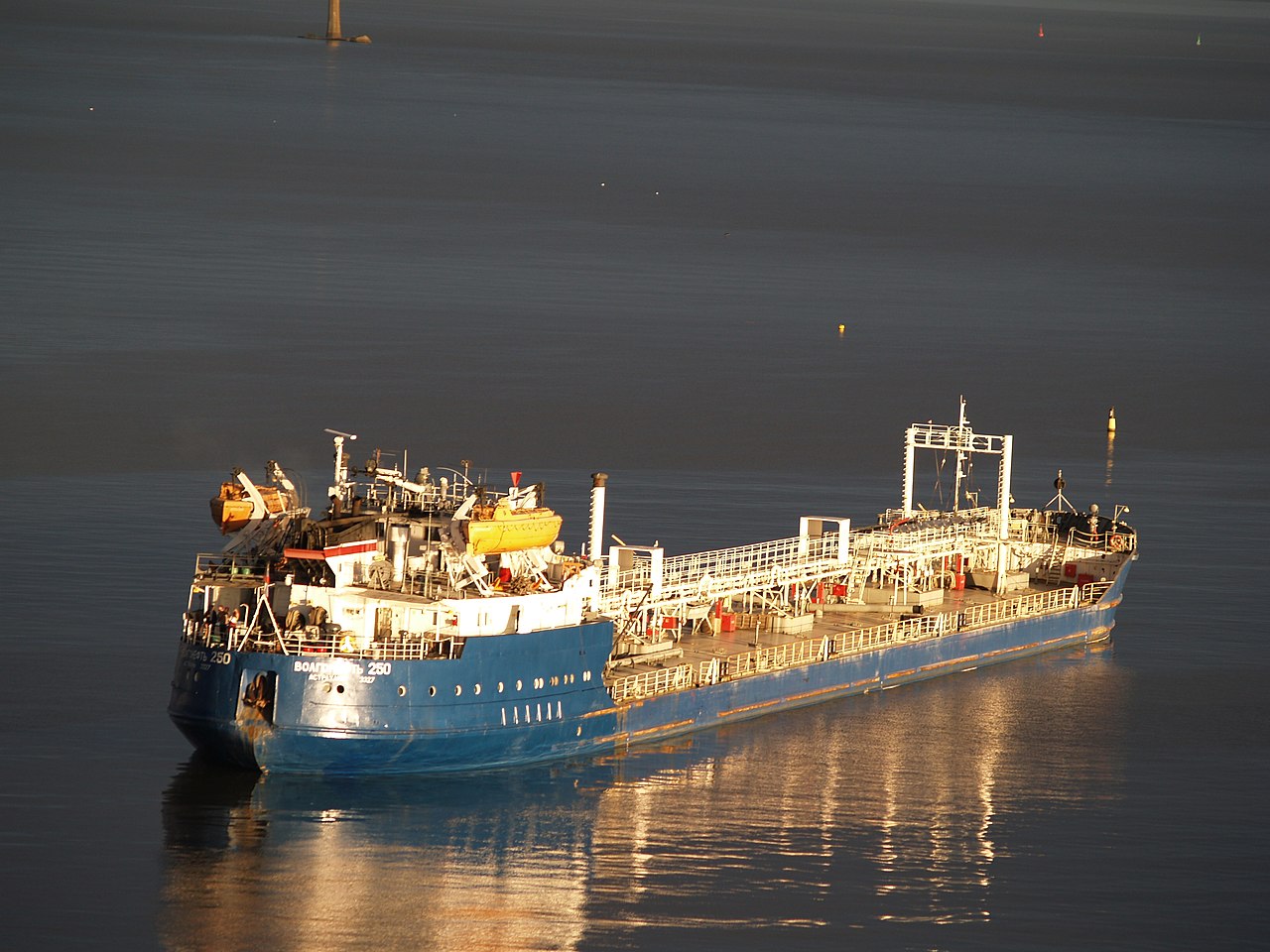
A Malta-flagged tanker carrying Russian diesel is heading for New York after the fuel deal between US President Donald Trump and Russian President Vladimir Putin, Reuters reported in an exclusive on 23 October, citing LSEG shipping data. Two weeks earlier, the US Treasury temporarily waived sanctions on Russian diesel.
The tanker is due in the US on 7 November, four days after Americans vote in the midterms. So the first US-bound cargo cannot reach American pumps before the election. Energy analysts also doubt the deal will lower diesel prices meaningfully. US fuel prices rose mainly because the war with Iran disrupted shipping through the Strait of Hormuz. Trump, however, has blamed Ukraine’s strikes on Russian refineries.
The medium-sized tanker Agioi Fanendes took on 40,000 metric tons of ultra-low sulfur diesel at the Baltic port of Primorsk on 22 October, shipping data showed. In March, Ukraine’s General Staff said its drones hit the Transneft oil terminal at that same port.
A day before the loading, Russian Deputy Prime Minister Alexander Novak announced that the first tanker would sail for the US on 22 October. He pledged more shipments and said Russia would meet US needs within its capabilities.
On 9 October, Trump wrote that Russia would immediately supply over 300,000 tons of diesel “to the American and Global Marketplace.” Another 500,000 tons would follow in November, then 1 million tons “immediately thereafter.”
Moscow had banned diesel exports on 8 July, after Ukrainian drone strikes shut down refineries and caused fuel shortages inside Russia. The Russian government stated on 10 October that it had partially lifted the ban, clearing 500,000 tons for the world market at this stage. Russian diesel shipments to Türkiye and Brazil have since resumed, boosting Moscow’s war revenue.
Trump has made other moves to cut diesel prices before the vote, Reuters reported. He waived parts of a new sanctions law against Russia. He also threatened Europe with a US diesel export ban unless countries released more fuel from their emergency reserves.

American voters’ antipathy toward Big Tech companies has become a central theme of campaigns in the 2026 midterm elections, according to an analysis published by The Guardian on Thursday. The Guardian noted that hundreds of midterm campaign ads attacking data centers have aired over the past two months, with both Republicans and Democrats accusing one […]
The post Big Tech has become the ‘ubiquitous villain’ of US 2026 midterms appeared first on Asia Times.


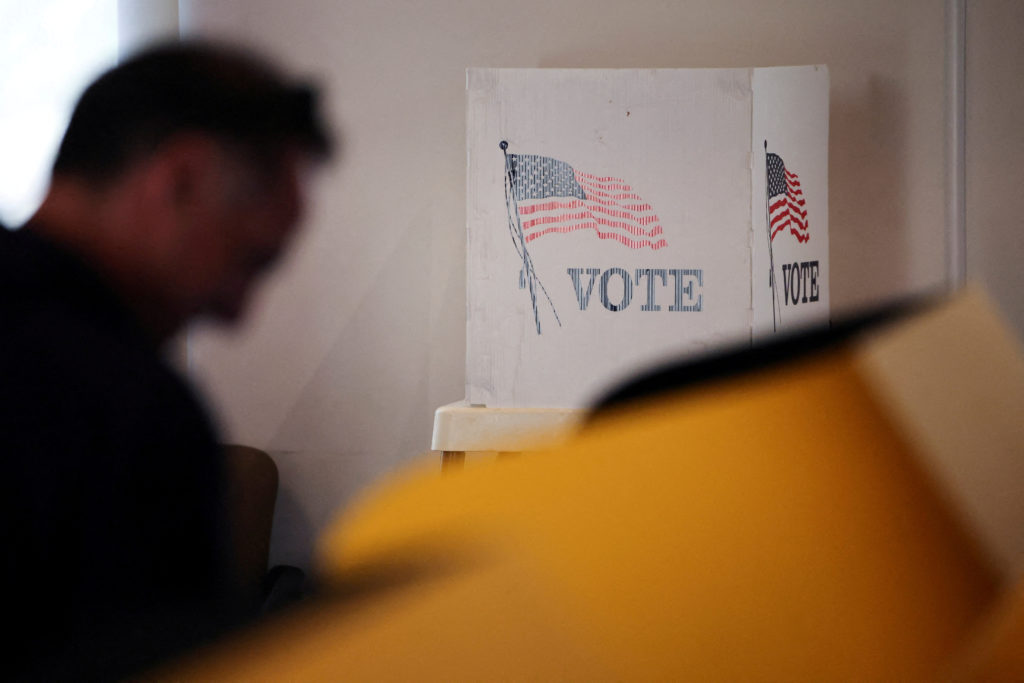
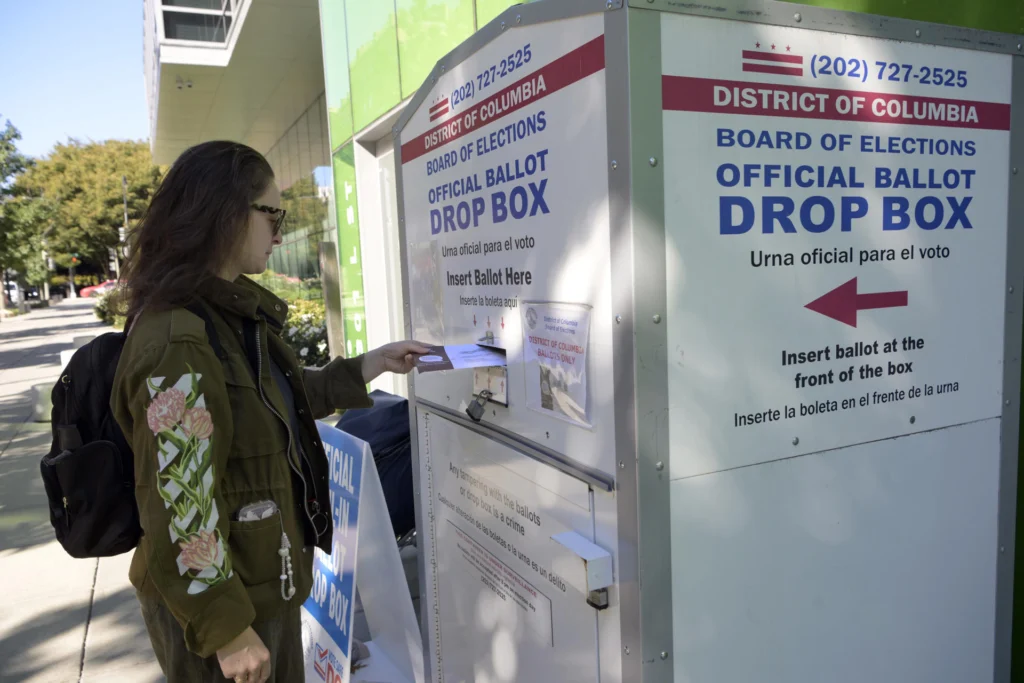
General early voting began on Monday, October 19, led by Texas, Alaska, Arkansas, Colorado, Connecticut and South Carolina. Hawaii, Louisiana, Utah, Wisconsin, Florida and Missouri have since joined.
Voters will decide seats in the U.S. Senate and House of Representatives, governorships, state legislatures and local measures on November 3.
RELATED: Texas Early Voting Breaks Records in Key Counties as Senate Race Heats Up
Democratic voters have shown up in force across several districts, a pattern party strategists read as an early effort to blunt the conservative agenda in Congress. That mobilization carries weight because the races will decide control of the Senate, the House of Representatives, several governorships and state legislatures, along with local ballot measures.
The opening surge unfolded amid deep polarization over the federal administration’s record. Turnout in the early states has outpaced expectations even as the national political climate remains volatile.
🎉 Double digits! We've just passed 10 MILLION early votes cast nationally in the 2026 midterms! 🗳️
— E_DataGuy (@E_DataGuy) October 20, 2026
Democrats 48.9% | Republicans 36.6% | Other 14.5%
And there are still 14 days to go until polls close. pic.twitter.com/0hxKEiMu9T
In Alaska, polls will stay open for 15 days before Election Day. In Arkansas, the Secretary of State estimates early participation of half a million people. In counties such as Saline and Pulaski, early reports show a divided electorate: conservative voters back Governor Sarah Huckabee Sanders and Senator Tom Cotton, who are noted for their alignment with President Donald Trump’s administration.
In Colorado, in-person voting centers opened on October 19 and four million ballots were mailed out. Preliminary records show that 13% of Democrats have returned their ballots, compared with 10% of Republicans and 7.5% of unaffiliated voters. Colorado is electing all of its main executive and legislative offices. Inflation, public safety, defense of social benefits and control of presidential power dominate the priorities mentioned by community organizations and independent voters in Arkansas and Colorado.
Florida prepares to open its mandatory in-person period on October 24, where Hispanic voters make up roughly 29% of the population and carry decisive weight.
Early voting for the midterm elections begins this week in these states:
— Headquarters (@HQNewsNow) October 19, 2026
— Alaska
— Arkansas
— Colorado
— Connecticut
— South Carolina
— Texas
— Hawaii
— Louisiana
— Missouri
— Utah
— Wisconsin
— West Virginia
— Delaware
— Maryland
— Florida
— Michigan
— New Jersey
— New York pic.twitter.com/YPYDIWpkNP
Elections officials warned that, because of the complexity of the voting system, close races could be resolved only on November 18, when the count of ranked choices ends.
The early surge arrives as surveys show some of the lowest approval numbers of Trump’s current administration. The President’s backers have framed the midterms as a referendum on his governing record, while Democrats describe the contest as a check on executive power.
The record pace of early ballots has already surpassed previous benchmarks, with Texas posting one of the strongest showings. As more states open their voting windows in the coming days, the national count is expected to climb sharply before November 3, when the full scope of the midterm verdict takes shape.
#FromTheSouth News Bits | In the United States, analysts assert that the Trump administration is seeking to destabilize democratic-led states by instilling fear through immigration agents known as ICE, in an effort to manipulate the midterm elections and win them. pic.twitter.com/e5Dal77aj0
— teleSUR English (@telesurenglish) October 20, 2026

With polls showing Democrats in good position to retake at least one chamber of the US Congress, several Pentagon insiders are reportedly lining up to offer up damaging information about Defense Secretary Pete Hegseth in hopes that a new Democratic majority will impeach him. According to a report published Wednesday by The Telegraph, current and […]
The post Pentagon insiders will ‘spill their guts’ to see Hegseth impeached appeared first on Asia Times.

Democrats on the US Senate Armed Services Committee called on the Pentagon on Monday to reveal how much President Donald Trump’s Iran war is costing American taxpayers, citing “ongoing efforts to hide the true cost.” US Central Command (CENTCOM) told Congress that the war had cost $43.6 billion as of September 3. But in Monday’s […]
The post Calls mount for a true accounting of Trump’s Iran war appeared first on Asia Times.

Donald Trump loves to put his name on things, and when it comes to the recent burst of inflation, it’s totally deserved. Trump and Republican politicians are doing their best to try to make a simple story complicated. But there is no doubt that Trump is the lead and almost sole author of the inflation […]
The post Trumpflation is here and it’s all Trump’s doing appeared first on Asia Times.

US President Donald Trump wrote in a Truth Social post on 18 October that he did not want to “drive, foolishly, Russia away from the bargaining table.” He also wrote: “Signing that document at this time will do that, and I can sign it later, or any time that I want!”
Trump was referring to sanctions and tariffs under the Lindsey O. Graham Sanctioning Russia and Iran Act of 2026, which he waived in an executive order on 16 October, days before the measures were due to take effect. The waiver suspends additional economic penalties intended to pressure Moscow over its war against Ukraine, while leaving earlier US sanctions in place. The decision came weeks before the 3 November midterms, in which Republicans are defending slim majorities in both chambers, and analysts said the penalties could have pushed up oil prices for Americans already paying more, largely because of the US-Israeli war with Iran, Reuters reported.
A week before the waiver, Trump had announced a deal for Russia to increase diesel supplies to global markets. The Treasury also issued a license, valid until 7 April 2027, permitting certain transactions in Russian-origin diesel.
In the Truth Social post, Trump accused Ukrainian President Volodymyr Zelenskyy of targeting Russian diesel refineries, saying the strikes were “seriously hurting the world diesel markets, including those in the United States.” Kyiv had paused its refinery strikes for three days at Washington’s request after Trump declared an energy ceasefire on 11 October, which Russia never confirmed, then resumed them. Since then, Russia has struck Ukraine’s energy sector 76 times, Zelenskyy said on 18 October.
Trump wrote that Zelenskyy “doesn’t want to end this war, and probably never did,” and that he “could have made a better deal two years ago than he can now.”
“His country is in shambles, a large portion of his land is lost, his oceans and seas are gone, and his male population is low, wounded, and/or dead,” Trump added.
He also said Russia was “doing very little, if anything, to help” Iran and that he wanted to keep it that way.
On 17 October, Trump told reporters at Mar-a-Lago that he had not announced his final decision. “A lot of you don’t know what my decision is yet, but we’ll figure it out, and you’ll figure it out,” he said, Reuters reported.
“I think the president wants to take the 60-day period of time to sort of analyze what imposing both sanctions and tariffs will mean to the global economy and even to the US economy,” US Secretary of State Marco Rubio told reporters before departing for Uzbekistan the same day.
Zelenskyy called it a “pity” that Trump had waived sanctions under a law named for the late Senator Lindsey Graham, who “really believed in Ukraine.” He said he hoped Trump would change his decisions, NBC News reported.
Discussing the diesel deal on NBC’s Meet the Press, Zelenskyy said US oil prices had risen because shipping through the Strait of Hormuz was blocked, not because of Ukraine.
On 17 October, Zelenskyy told journalists that “the decision to undo all of this, to block all of it, seems wrong to me” and that it “definitely helps only the Russians.” His remarks appeared in Ukrainian on his official Telegram channel.
“Sanctions relief will continue. I think the diesel deal and the move regarding the Lindsey Graham Act are not the end of it. Unfortunately,” Zelenskyy said.
On 19 October, Zelenskyy wrote that partners had again given no warning of Russia’s overnight ballistic attack and that blocking missiles for Ukraine’s air defense while Russia gets sanctions eased or postponed amounts to partners denying reality.
Republican Senator James Lankford defended Trump’s decision on NBC’s Meet the Press, saying the president was “choosing the American people first.”
Senator Darline Graham, Lindsey Graham’s sister, whom Trump has endorsed for a full term, said at a campaign stop on 17 October that she would “choose to keep the pressure on Russia.”
“I don’t trust Putin and I don’t trust Russia,” Darline Graham said.
She did not directly criticize Trump but said she would not have made that choice, Reuters reported.

The single most predictable action of the Trump second presidency happened just a few hours ago. Trump signed an executive order that exempted Russia from all of the key possible sanctions that could have been placed on it by the Graham-Blumenthal bill. Here is a link to the order and here is how it opens. The […]
The post Trump protects Putin from Graham-Blumenthal bill appeared first on Asia Times.

US President Donald Trump called Ukraine’s renewed strikes on Russian oil refineries a disgrace in an interview with Newsmax and questioned President Volodymyr Zelenskyy’s will to settle the war on 15 October. His statements came after he made a deal with Russian President Vladimir Putin to allow Russian diesel back into the US ahead of the mid-term elections in the US.
Kyiv says its long-range strikes have knocked out more than half of Russia's refining capacity, one of the few levers it controls on Moscow's war income, according to Ukraine's Defense Ministry. This is part of efforts to reduce the aggressor's capabilities to launch assaults, including the latest, during which four Russian regions fired 39 Iskander-M, North Korean KN-23, hypersonic Zircon, and supersonic anti-ship cruise Oniks missiles, Zelenskyy said.
Earlier, Zelenskyy said that Ukraine stopped refinery strikes for three days to meet US wishes after Trump announced an “energy ceasefire” on 11 October. At the same time, Russia struck a Kharkiv heat-and-power plant within hours of the announcement, he emphasized.
Meanwhile, in the interview with Newsmax, Trump said Zelenskyy is only pushing world oil prices higher.
“Well, I think that’s a disgrace,” he said.
He added that Ukraine has other options: “There are a lot of targets that you can hit.”
At the same time, Trump didn't say a word about Russian strikes on Ukraine's civilian buildings and power infrastructure ahead of the winter.
The US leader said he is “not a big fan” of Zelenskyy. He claimed both sides “would like to see it end,” but that he finds Zelenskyy “more difficult to deal with than Putin.”
He also said that he believes the depletion of US ammunition stockpiles is linked to the aid provided to Ukraine under the Biden administration, rather than the war with Iran.
Ukraine has repeatedly offered to help the US counter Iranian drones during the operation. The New York Times reported that a Ukrainian team departed the day after the US made such a request.
Nevertheless, despite Kyiv’s offers and actions, Trump once again compared Zelenskyy to P. T. Barnum, the 19th-century American circus showman, saying that he received a tremendous number of Patriots and Tomahawks.
However, there is no public confirmation that Tomahawk missiles were transferred to Ukraine during the Biden administration.

TOKYO — An unwelcome blast of US inflation is blowing across Asia’s markets. September’s hotter-than-expected price data revived concerns that the Federal Reserve will keep rates higher for longer, threatening fresh pressure on currencies, capital flows and economic growth across the region.
Last month’s 3.7% year-on-year increase in consumer prices didn’t just exceed forecasts. It ensured the Fed is on an even bigger collision course with both the bond market and US President Donald Trump’s White House. It’s arguably the last thing both Trump and US Federal Reserve Chairman Kevin Warsh wanted to see less than three weeks ahead of the mid-term elections.
The post Hot US inflation singes Asia as higher-for-longer Fed rates loom appeared first on Asia Times.