The Prospector 5 oil rig sank off Mayumba in southern Gabon, with 110 of 115 workers rescued and five still missing as authorities open a formal inquiry.
Amnesty International says at least 40 people were killed in an attack on Binnari village in Taraba State, far above the toll Nigerian police initially confirmed.
South Africa's Electoral Commission said a Constitutional Court ruling on the ANC did not reopen candidate nominations, rejecting a bid by the MK party to fix its list ahead of the November 4 municipal vote, with Johannesburg the most contested race.
UN human rights chief Volker Türk said drone strikes across Sudan killed at least 306 people and wounded hundreds more in the first three weeks of October, as the civil war between the army and the RSF intensifies.
Brazil, Israel, Serbia and the US are holding elections within the space of 10 days. Will the authoritarian right cement its global gains, or can pro-democracy forces make a comeback?
Four elections on four continents within 10 days could profoundly reshape global politics, propelling the world further along its current authoritarian trajectory or marking a limited comeback for democratic norms.
In all four contests, basic democratic norms are at stake at a time when autocracy is advancing worldwide at an alarming rate. According to the Sweden-based V-Dem Institute, which uses multivariable assessment tools, the democratic freedoms enjoyed by the average global citizen are down to levels last seen in 1978 – long before the fall of the Berlin Wall and the collapse of communism in Europe.
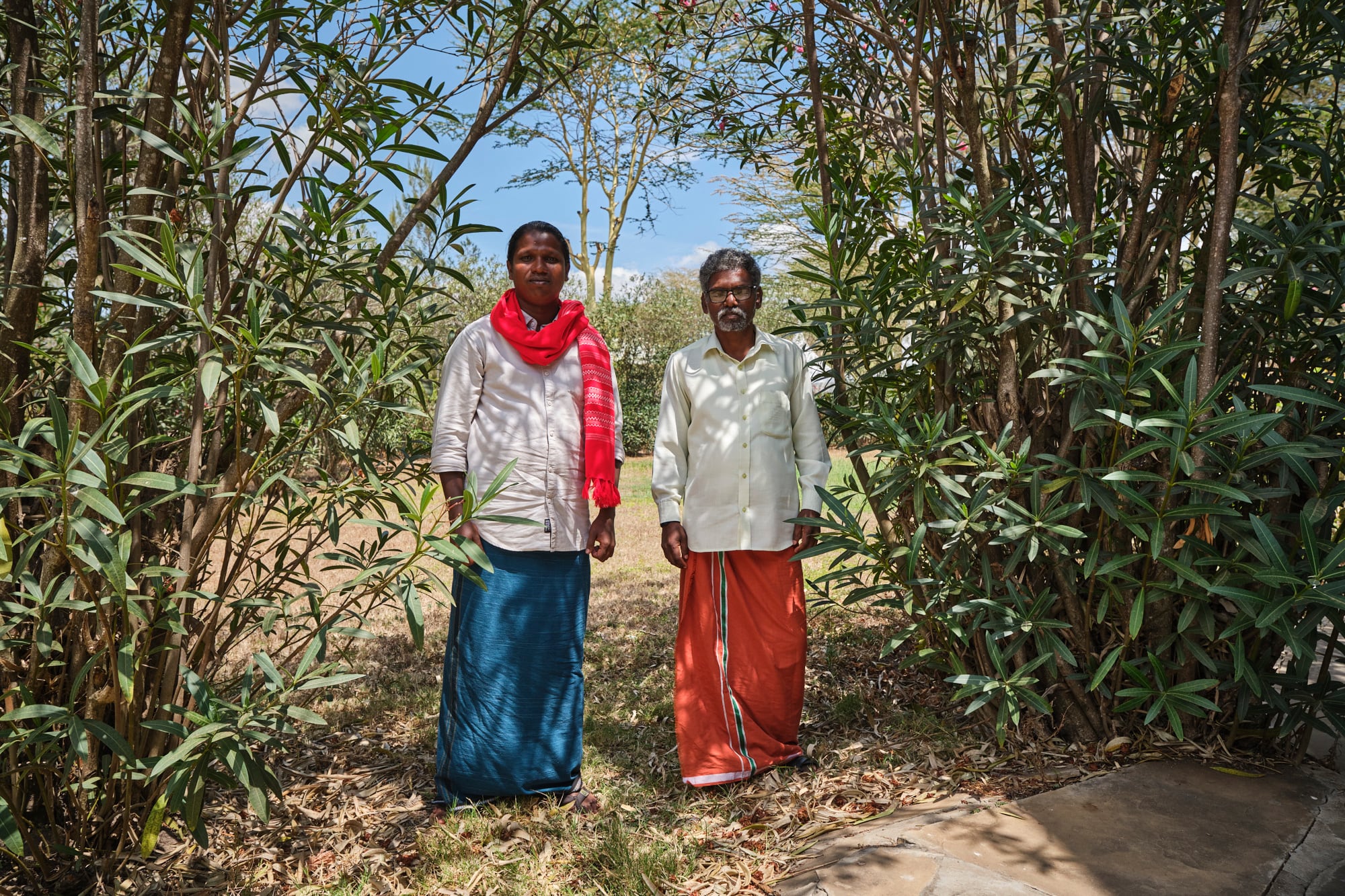
Mirihai Ngilepoiknows what it means that his cattle can’t graze in his Tanzanian village. A carbon-trading and emissions-reduction program restricts the use of his land. Across the Indian Ocean, JA Shivu has witnessed the expulsion of thousands of families. In India, to make room for a tiger reserve, they’ve been kicked off their ancestral lands.
South Africa's Parliament says the national electoral commission is ready for the November 4 vote, even as officials rush to print 6.6 million extra ballots ordered by a court ruling.
President Bola Tinubu accused opposition parties of causing Nigeria's hunger and poverty crisis, prompting a sharp rebuke from former Vice President Atiku Abubakar as the country heads toward the 2027 election.
Amnesty International says Sudan's Rapid Support Forces paramilitary continues to detain, torture and kill civilians in El Fasher, a year after the group seized the Darfur city from the national army. The group is demanding independent access.
Police confirmed at least ten deaths in an armed attack on the Binari community in Nigeria's northeastern Taraba State on 23 October, while residents say the real toll could reach 26. Security forces have been deployed to the area.
Some 850 smallholder farmers from across mainland Tanzania and Zanzibar met in Morogoro from September 29 to October 1 for the National Smallholder Farmers’ Conference and the 31st Annual General Meeting (AGM) of MVIWATA, the network of Tanzania’s smallholder farmers’ groups. The theme was “Towards Food Sovereignty: Land Security, Agroecology and Economic Justice for Smallholder Farmers” (“Kuelekea Uhuru wa Chakula: Uhakika wa Ardhi, Kilimo Ikolojia na Haki Uchumi kwa Wakulima Wadogo”).
The AGM is MVIWATA’s highest body. Founded by farmers in 1993, the organization interacted directly with 58,916 farmers last year, 57% of whom were women, according to its own count. Two days of conference debate precede the AGM, allowing members to debate policy before coming together to decide the way forward. For this year’s AGM, MVIWATA farmers took up the key issues of land, markets, seed and, for the first time, carbon trade.
Dr Bashiru Ally, Tanzania’s Minister of Livestock and Fisheries, opened the meeting, saying he had come to listen rather than lecture. He turned quickly to land: conflicts between peasants and pastoralists, he said, had killed at least fifteen people across five regions in September alone. He asked MVIWATA to help the government end the land conflicts.
Guests included the ambassadors of Cuba and Palestine, the Eastern and Southern Africa Small-Scale Farmers’ Forum, the Tanzanian Socialist Forum, and Pan Africanism Today, which delivered a message of solidarity on behalf of more than seventy movements and organizations in Africa. MVIWATA also read its statement of solidarity with Palestine and Cuba.
MVIWATA delegates attending the National Smallholder Farmers’ Conference and the 31st Annual General Meeting of MVIWATA. Photo: MVIWATA
Land discussions dominated the first day. Delegates said the courts were out of reach for most peasant farmers. MVIWATA’s chairperson, Apollo Chamwela, told those attending the AGM that in Magungu village in Kiteto, more than sixty farmers had lost their land when it was allocated for grazing. Subira from Msomero and Salum from Rudewa, both in Kilosa district, described village land taken by outsiders with the collusion of the local officials who should have prevented it. “How can the government take the side of the minority against the majority?” Subira asked. “Where should we run to cry?”
The second day of the AGM focused on markets: not markets in the abstract, but the system through which smallholders are made to sell their crops. Under Tanzania’s warehouse receipt system, farmers deliver produce to licensed warehouses, usually through cooperative unions, and it is sold by digital auction on a government-controlled exchange rather than at the farm gate. Delegates described a system in which farmers have little say over the floor price, and in which middlemen registered as farmers, “ghost farmers” in the words of MVIWATA Executive Director Stephen Ruvuga, sit where prices are set and gain at the real farmers’ expense.
Officials on the platform conceded that small producers outside the cooperative unions are “falling between the cracks.” The session on seeds addressed the regional seed law before the East African Legislative Assembly. The carbon session, the most heated of the three days, heard delegates from Dodoma, Katavi and Kagera describe companies counting trees and signing open-ended contracts with individual farmers who were given no opportunity to understand or scrutinize what they were signing.
On the final day, the conference resolutions were adopted by acclamation. MVIWATA will compile its members’ land grievances and submit them to the government through Dr Bashiru Ally, as he had offered. It will expand its legal aid and follow up on cases stalled with officials. It will document flaws in the crop-marketing system, present them to the authorities, build a seedbank dedicated to indigenous seeds, convene an inclusive forum on carbon trade, and track, analyze and critically engage carbon projects and their effects on farmers.
Dr Bashiru Ally, Tanzania’s Minister of Livestock and Fisheries, opens the MVIWATA meeting. Photo: MVIWATA
The AGM then turned to the organization’s future. Its strategic plan for 2027–2031 will put agroecology first, keep land access as a priority and make a farmers’ bank the next major task, starting with TZS 20 million raised from members themselves. Self-reliance ran through the proceedings: members debated doubling their own annual fee, and left energized to prioritize instruments through which farmers can continue to defend themselves. The meeting closed with the election of the board that will lead MVIWATA for the next three years.
In its 33rd year, MVIWATA left Morogoro with a sharper agenda: a dossier of land grievances to present to the government, a seed bank and a farmers’ bank to build with members’ own resources, and a public position on carbon trade. The new leadership’s first test will be whether the government acts on the dossier, and whether members fund what they voted for.
Delegates who spoke from the floor are identified by first name and village; office-holders are named in full.’
Jonis Ghedi-Alasowis the Coordinator of the Pan Africanism Today Secretariat.
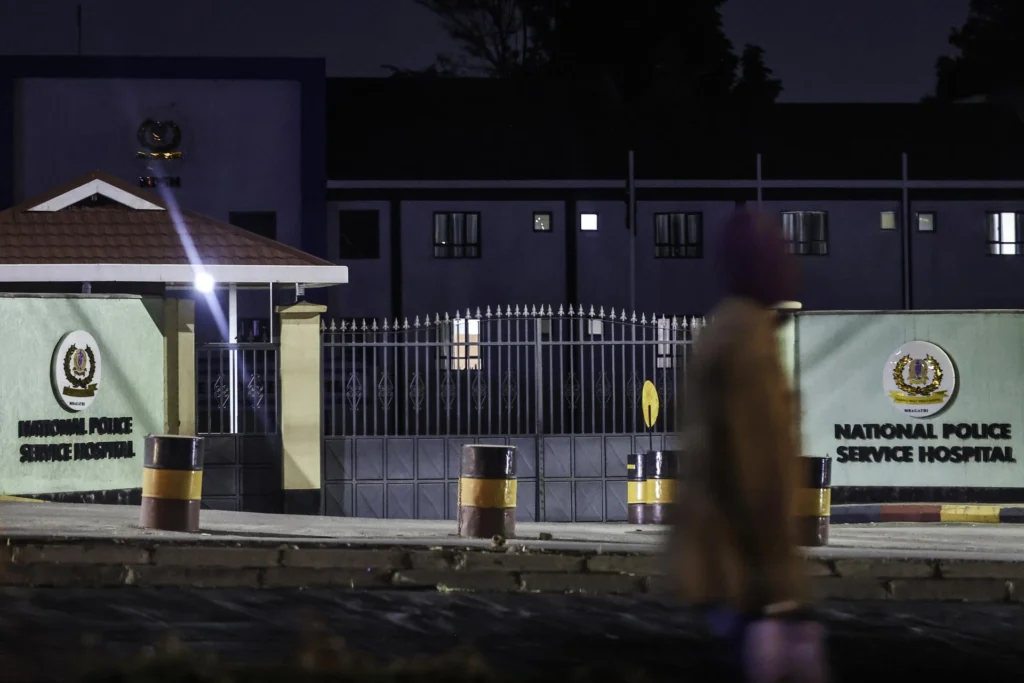
The Government of Kenya announced a second Ebola death, after the detection of at least nine infections in the country so far, including the index case, a Kenyan citizen who also died and who had traveled from the Democratic Republic of Congo (DRC), a country that declared an outbreak last May.
As detailed in a statement late Friday by the Kenyan Ministry of Health, the deceased patient was a 65-year-old woman who was the third confirmed case in Kenyan territory.
“She was a direct contact and close family member of the first (deceased) case and was in quarantine when she developed symptoms on October 13, 2026,” the Ministry explained.
After being admitted to a hospital infectious disease unit and receiving care from specialized medical teams, the woman succumbed to the disease on Friday afternoon.
The Ministry of Health mourns the death of a 65-year-old woman who was receiving care for Bundibugyo Ebola and extends heartfelt condolences to her family, friends and community. Seven patients continue to receive care. All nine cases remain within one cluster, with no evidence… pic.twitter.com/HSWQcC0mck
The Ministry assured that it would facilitate a “safe and dignified burial” for the patient, in accordance with public health protocols.
“This loss raises the number of deaths to two among the nine confirmed cases. The seven remaining patients continue to receive care in the two isolation facilities,” the Executive specified, reiterating that “all cases are part of the same group of known contacts and there is no evidence of community transmission.”
“Her death is a painful reminder that Ebola is a serious disease that can be fatal and that the condition of patients can change suddenly,” the Ministry concluded.
Kenya confirmed its first imported Ebola case on October 5, corresponding to a forty-year-old man who had lived the last seven years in the DRC.
Patient zero received treatment in several Congolese hospitals before traveling by road to Kampala (Uganda’s capital) and, subsequently, flying to Nairobi, where he landed on October 3 and died two days later.
A BBC investigation has found that Sudan's paramilitary Rapid Support Forces have deliberately targeted hospitals during the civil war, crippling medical care for millions.
The Ebola outbreak in DR Congo has spread to an eighth province, as quarantine measures leave thousands of families without income and struggling to find food.
Nairobi Governor Johnson Sakaja has called for tougher penalties against rogue developers after an incomplete 12-storey building collapsed in the capital's Eastleigh district.
A rebel commander in Ethiopia's Tigray region has rejected calls to disarm, vowing to keep fighting after government-aligned forces seized the regional capital.
Multinational ‘anti-war bloc’ uses Istanbul summit to call for a diplomatic solution to Middle East crisis
Foreign ministers at a summit of eight European and Middle Eastern countries have urged the US and Israel not to renews their attacks on Iran, warning a fresh outbreak of fighting would spread conflict and push oil prices even higher.
The development of a new multinational “anti-war bloc” represents a challenge to the increasingly open plans by the US and Israel to relaunch strikes on Iran while talks on Tehran’s nuclear programme remain deadlocked.
Malawi's opposition is demanding answers after President Peter Mutharika extended his stay in South Africa, his fifth visit there this year. Critics say the absences raise questions about who is effectively running the government.
A senior official of Tanzania's main opposition party, Chadema, has been charged with treason, an offence that can carry the death penalty. The case adds to mounting legal pressure on the party ahead of future elections.
 Login