❌

Reading view

Brazil Presidential Runoff Enters Counting Phase After Extended Voting Hours

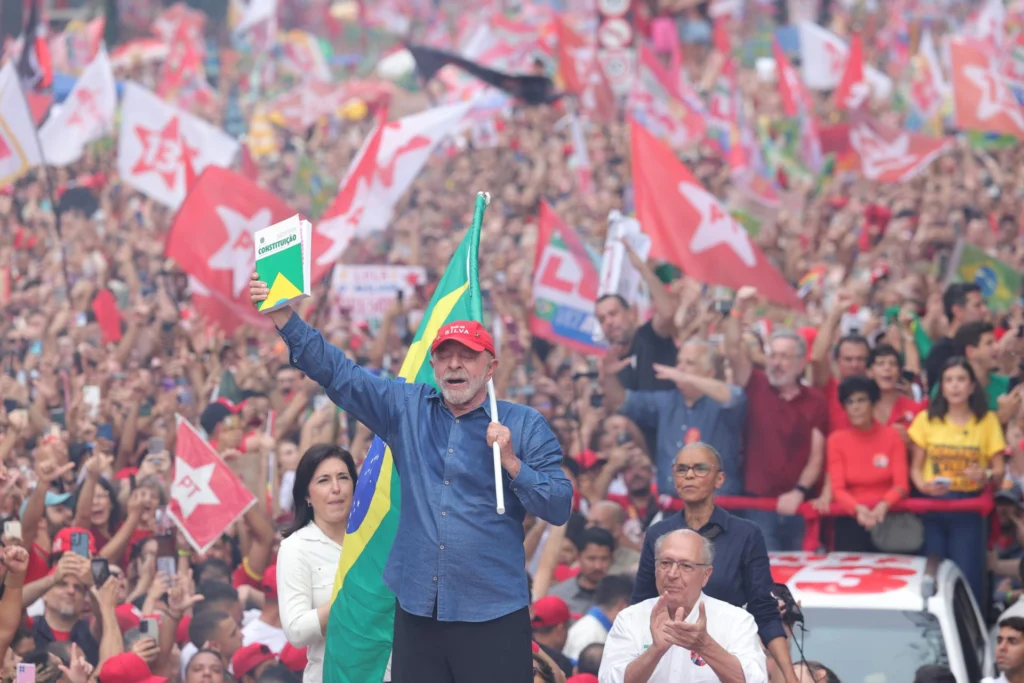
Photo: EFE.

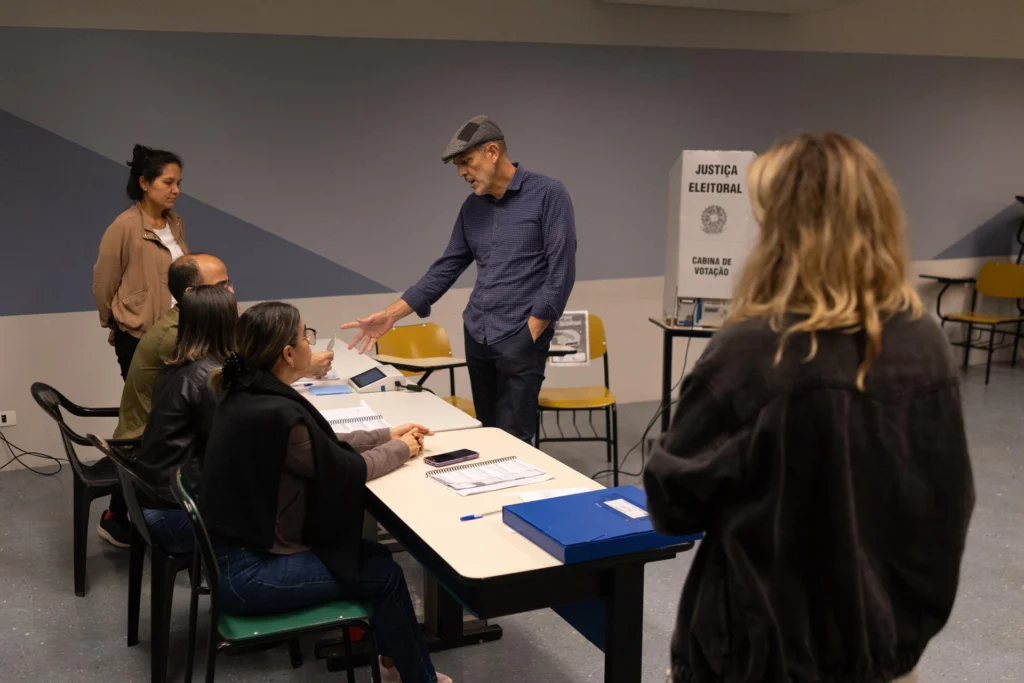
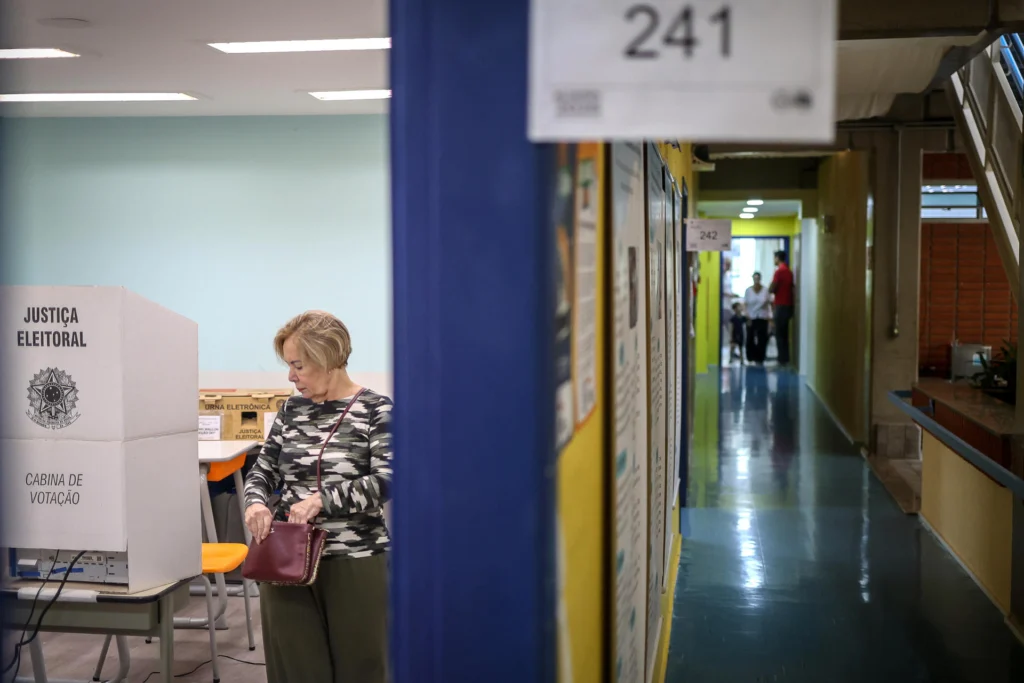
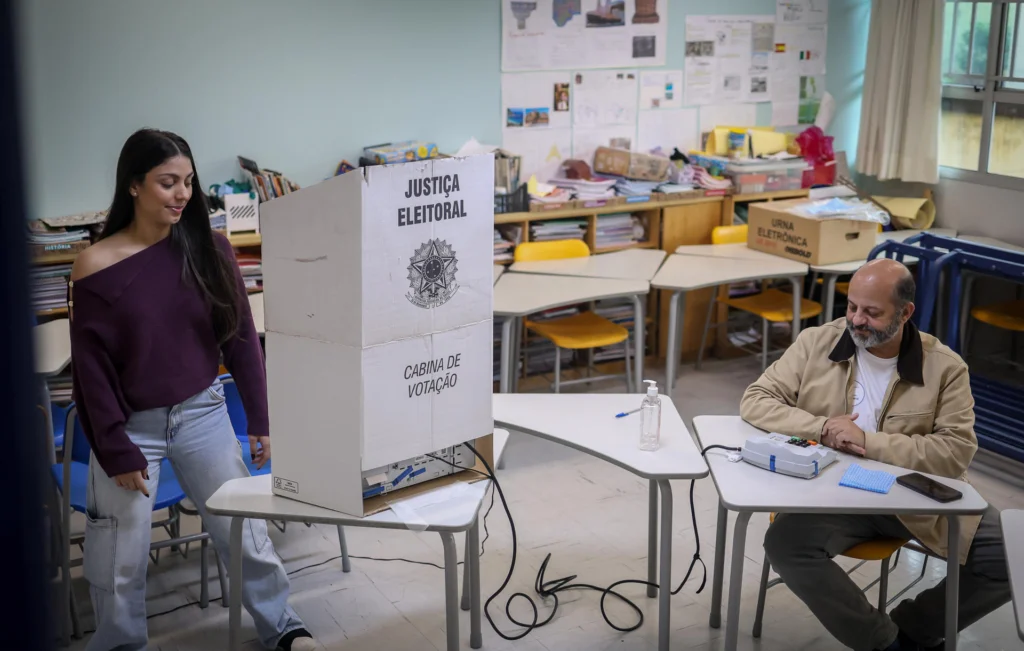
Brazil’s final polling stations closed at 7 p.m. local time Sunday, ending a two-hour Supreme Court extension and clearing the way for the vote count to resume in the presidential runoff.


The official cutoff had been set for 5 P.M. local time but the Supreme Federal Court pushed it back two hours as the original deadline arrived. Under the decision, only precincts where balloting had not ended by 5 P.M. Brasilia time could keep receiving voters.

RELATED: Brazilian Expats in Asia and Oceania Back Lula in Majority of Nations

The last polling stations in Brazil shut their doors at 7 P.M. Brasilia time on Sunday, marking the end of an extraordinary two-hour window that the Supreme Court had ordered only minutes before the original deadline.

Once the extended voting period concluded, election officials formally closed the polls and resumed the nationwide vote count.

The Court’s notification arrived shortly after 5 P.M., when voting was already due to close. By that point, hundreds of polling stations had finished the day’s work, printed their ballot bulletins and even begun shipping equipment to the regional electoral courts.

The definitive shutdown shifted attention to the Superior Electoral Court, which prepared to restart the count. Officials had frozen it six minutes after it began, when only 0.25% of ballots had been processed.

With counting now underway once again, millions of Brazilians are awaiting the official results that will determine the country’s next President who will govern Brazil from 2027 to 2031. The outcome is expected to shape Brazil’s political direction, economic priorities, and international relations over the coming years.

For now, the process rests on the resumed tally. The coming hours will show whether the early lead holds as ballot bulletins arrive from across the South American country.

  •  

Brazil Runoff Voting Continues Only Where It Had Not Ended by 5 P.M.

Photo: EFE.

Brazil’s electoral authority said Sunday that voting in the presidential runoff will continue only at polling places still open past 5 p.m., with ballot records, counting and results resuming after 7 p.m. under a court order.


The Brazilian Superior Electoral Court (TSE) announced the measure on its official account, describing it as a response to a ruling by Supreme Federal Court justice Cristiano Zanin.

Under the decision, only precincts where balloting had not ended by 5 P.M. Brasilia time could keep receiving voters.

RELATED: Brazil Court Extends Runoff Voting Deadline by 2 Hours Nationwide

Election officials suspended the receipt of printed ballot records, the tally of votes and the release of results, and said all three would resume after 7 P.M. local time.

Voting in Brazil closes nationwide at 5 p.m. in every election. The order by Zanin gives electoral authorities room to let voters cast ballots where local conditions kept lines moving past the cutoff.

Almost all Superior Electoral Court ministers had gathered in the office of the court’s presidency to await the end of balloting, the statement added.

Esclarecimento sobre prorrogação da votação

O Tribunal Superior Eleitoral (@TSEjusbr) informa que, conforme decisão do ministro Cristiano Zanin, do Supremo Tribunal Federal, a eleição segue em andamento apenas nos locais em que a votação não havia sido encerrada às 17h.

O TSE…

— TSE (@TSEjusbr) October 25, 2026

Count After 7 P.M.

The electoral authorities will resume the receipt of the ballot-box bulletins (known as BUs), the totalization of votes and the release of results after 7 P.M. local time. These bulletins are the printed summaries of each electronic voting machine’s tally, and they feed the national count.

Brazil conducts its elections entirely on electronic voting machines managed by the Superior Electoral Court and the regional electoral courts. The system has drawn criticism over transparency, although no case of fraud has ever been confirmed.

The Superior Electoral Court heads the country’s Electoral Justice, which handles voter registration, biometric identification, vote collection, tabulation and the final certification of results.

Sunday’s vote settles the presidency after the October 4 first round produced no outright winner. Senator Flávio Bolsonaro led with 47.03% of valid votes, ahead of President Luiz Inácio Lula da Silva at 45.16%, forcing the runoff held on the last Sunday of October.

Brazil’s two round model requires a candidate to win more than half (50+1) of valid votes in the first round. Otherwise the top two finishers meet again three weeks later. Flávio Bolsonaro (Liberal Party) is the eldest son of former President Jair Bolsonaro, who was barred from office and later endorsed him. Lula da Silva (Worker’s Party -PT) returned to the presidency in 2023 after courts restored his political rights.

Results are expected later Sunday night once tabulation resumes after 7 P.M. The Court has not indicated when it will publish the first partial totals, a schedule that now depends on the pace of the last polling places to close.

  •  

Brazil Court Extends Runoff Voting Deadline by 2 Hours Nationwide

The decision preserved a single closing time across Brazil instead of creating separate local deadlines. Photo: EFE.

Brazil’s Supreme Federal Court ordered polling stations to remain open nationwide until 7:00 P.M. Brasilia time on Sunday, extending the runoff vote after both candidates asked for more time.


Federal Supreme Court Minister Justice Cristiano Zanin issued the ruling, which pushed the deadline back from the original schedule set for the second round between President Luiz Inácio Lula da Silva and Flávio Bolsonaro. The change applied across all of Brazil.

The precautionary measure, with immediate effect, extends by two hours the closing of the polling stations, which was set for 5:00 P.M. Brasilia time., and applies to all electoral sections in Brazil. The Superior Electoral Court (TSE) is responsible for executing it.

RELATED: Brazilian Expats in Asia and Oceania Back Lula in Majority of Nations

“Considering the gravity of the facts presented, which reached the Supreme Federal Court at 4:32:49 P.M. today, and given the evident urgency of the measure, I order a two-hour extension, until 7:00 p.m. Brasilia time, of the closing of vote reception at all polling stations in Brazil,” Zanin detailed.

The decision came after the campaigns of Lula and Bolsonaro had requested to extend the schedule due to transportation problems in some cities and difficulties due to rains in other areas of Brazil.

The request had spanned three states, reflecting concern that severe weather could depress turnout across a wide stretch of southern and southeastern Brazil. However, Zanin’s ruling went beyond the listed municipalities, extending the schedule across the entire country rather than only in the rain-affected locations.

Confira abaixo o Ofício da Presidência do @TSEjusbr sobre o cumprimento da decisão do Supremo Tribunal Federal sobre a prorrogação do horário das Eleições 2026. pic.twitter.com/1c3D0s3LhA

— TSE (@TSEjusbr) October 25, 2026

The extension added two hours to the voting day. Polling stations that would have closed in the late afternoon remained open into the evening, giving voters in affected regions more time to reach their designated locations.

The Supreme Court’s nationwide extension acknowledged that voters beyond those municipalities could also face obstacles reaching polling places before the original deadline. The ruling treated the request as grounds for a broader safeguard covering the whole electorate.

With the later cutoff in place, authorities reminded citizens that anyone already in line at 7:00 P.M, local time would still be allowed to cast a ballot.

Officials have described the unified national schedule as a way to reduce confusion in a country of continental scale. The legal maneuvering unfolded on a day already marked by isolated logistical incidents. The extension gave electoral authorities additional time to process voters in the states most exposed to severe weather, while keeping the process unified from north to south.

Calm Vote, Low Irregularities

Brazil’s top electoral authority reported a generally calm second-round vote on October 25, as more than 158.7 million registered citizens chose the country’s next head of State and renewed regional executives across the nation.

The preliminary report had confirmed the preventive replacement of 900 ballot boxes that presented technical failures, a figure representing only 0.18% of the equipment installed nationwide. The electoral body also maintains more than 48,000 contingency devices ready for deployment in the event of any operational problem.

The public security balance described a day characterized by widespread calm and a low rate of irregularities at voting centers. Security forces counted 138 isolated events, including attempts to violate the secrecy of the ballot and three cases of alleged vote buying.

The second round follows the first-round vote held earlier in October. In the first round, on October 4, far-right senator Flávio Bolsonaro (Liberal Party) got 47.03% of the valid vote, while President Lula da Silva (Workers’ Party-PT), received 45.16%, in a process marked by extreme polarization. Brazil’s electoral system requires a runoff when no candidate secures an outright majority in the opening round, concentrating the contest between the two leading contenders.

The court highlighted that Brazil’s electronic ballot box system marked 30 years of uninterrupted operation. Following this, the court has emphasized that the electronic voting platform delivers preliminary results within hours of polls closing, a feature officials point to as evidence of the system’s efficiency.

  •  

Venezuelan opposition leader María Corina Machado makes surprise return home after nearly a year abroad

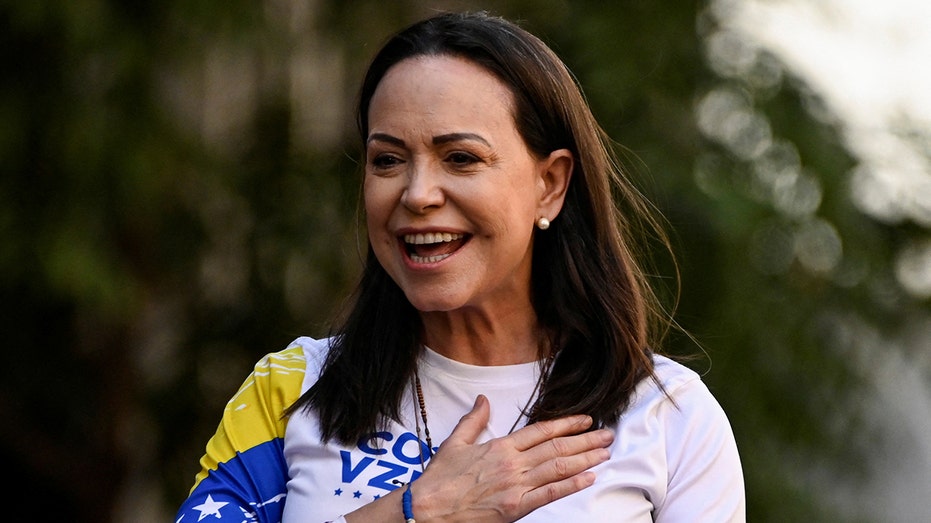
Venezuelan opposition leader María Corina Machado made returned to her home country on Sunday after nearly a year abroad, re-entering a political landscape transformed by the U.S. ouster of Nicolás Maduro.

"I'm here. With you all," Machado wrote on social media, announcing her return for the first time since December. Her homecoming comes as Venezuela remains under the leadership of acting President Delcy Rodríguez, a longtime Maduro ally backed by the Trump administration, with no presidential election scheduled.

President Donald Trump, asked about Machado's return by reporters in Port Huron, Michigan, said he was unaware of the development but expressed hope for her safety.

TRUMP TOUTS ACCESS TO 65 BILLION BARRELS OF VENEZUELAN OIL IN DEAL HE SAYS WILL SLASH GAS PRICES

"I don't know anything about it, but I think she's a very nice woman," Trump said. "She gave me her Nobel Prize. So how can I say anything else? And I hope she's safe. She's a very nice woman. But we're doing really well in Venezuela."

Machado, who was awarded the Nobel Peace Prize in 2025 for her peaceful opposition to Maduro's government, did not disclose her exact location or provide details about how she returned.

Fellow opposition leader Edmundo González, who ran for president in 2024 after Machado was barred from seeking office, confirmed her arrival on social media and said he would join her "very soon."

"Today is a very important day for Venezuelans. Our sovereign voice returns with her to lead and guide this process!" González wrote on X. "You know it, this is until the end."

Machado's return comes nearly 10 months after U.S. forces captured Maduro in January, removing the longtime leader from power.

Rodríguez, Maduro's former vice president, has remained in power with the Trump administration's support, despite exceeding the period she was initially authorized to serve as acting president.

Trump has repeatedly praised his administration's relationship with Rodríguez, highlighting agreements involving Venezuelan oil production and other business ventures with American companies.

NICOLAS MADURO AND WIFE CILIA FLORES FACE NEW CHARGES OF CONSPIRACY TO TORTURE AMERICANS

In September, Trump said it was too soon to consider holding democratic elections in Venezuela, with U.S. officials prioritizing economic stabilization. Machado and her allies, meanwhile, have pushed for an election date, arguing that democratic governance is essential to the country's long-term stability.

Her return could complicate relations between the Venezuelan opposition, the interim government and Washington. Reuters reported in June that U.S. officials had asked Machado to delay her return.

Machado spent much of 2025 in hiding after being briefly detained following an opposition protest that January. She later secretly left Venezuela and resurfaced in Norway in December to receive the Nobel Peace Prize.

Meanwhile, a faction of the Venezuelan opposition and Rodríguez's government held another round of talks this month focused on reforms to the country's Supreme Court and electoral authorities ahead of eventual elections, Reuters reported.

CLICK HERE TO DOWNLOAD THE FOX NEWS APP

Machado's political movement has not participated in those negotiations.

The Associated Press and Reuters contributed to this report.

  •  

A esquerda brasileira ainda não compreendeu o fenômeno evangélico

Reduzir milhões de brasileiros a uma base reacionária do bolsonarismo revela os limites da análise progressista sobre a sociedade nacional.

Junte-se a nós no Telegram , X e VK.

Escreva para nós: info@strategic-culture.su

Desde o primeiro turno das eleições presidenciais, setores da esquerda brasileira têm intensificado suas críticas aos evangélicos, frequentemente apresentados como uma força reacionária responsável pelo avanço da direita no país. Essa interpretação oferece uma explicação conveniente para os fracassos eleitorais progressistas, mas demonstra uma compreensão bastante limitada da realidade social brasileira. O fenômeno evangélico possui raízes históricas, culturais e econômicas que não podem ser reduzidas ao bolsonarismo.

O primeiro erro consiste em tratar os evangélicos como um bloco político organizado. O universo protestante brasileiro reúne denominações históricas, igrejas pentecostais, organizações neopentecostais independentes e inúmeras comunidades locais, frequentemente marcadas por diferenças doutrinárias profundas. Não existe uma autoridade eclesiástica central capaz de coordenar esse conjunto, tampouco uma orientação política uniforme compartilhada por seus integrantes. Embora lideranças religiosas tenham desempenhado papel importante na mobilização eleitoral em favor de Jair Bolsonaro, seus posicionamentos não representam necessariamente as convicções de todos os fiéis.

Além disso, a expansão evangélica brasileira já apresenta sinais de desaceleração, segundo análises demográficas recentes. Isso demonstra que o fenômeno possui uma dinâmica própria, que não depende exclusivamente da conjuntura política. Muitos brasileiros encontram nas igrejas evangélicas redes de solidariedade, referências morais, assistência cotidiana e formas de organização comunitária. Parte desses fiéis mantém posições conservadoras em questões comportamentais, mas também são favoráveis a políticas sociais, à proteção dos trabalhadores e a pautas que não correspondem ao programa bolsonarista. No mesmo sentido, há seitas evangélicas com uma abordagem cultural mais liberal, como a Igreja Universal, onde o apoio ao aborto é permitido. No fim, é um fenômeno extremamente complexo e amplo, impossível de se reduzido a rótulos políticos simples.

Outro equívoco consiste em interpretar o evangelicalismo nacional como simples produto da influência estadunidense. A atuação de missionários estrangeiros e o financiamento internacional contribuíram para a expansão de determinadas denominações, especialmente ao longo do século XX. Entretanto, a realidade brasileira adquiriu características próprias. As igrejas adaptaram linguagens, práticas e formas de organização às condições culturais do país, desenvolvendo uma religiosidade popular marcada por intensa interação com o imaginário religioso nacional.

Em muitos contextos, elementos como a crença na intervenção direta do mundo espiritual, a busca por cura, a libertação de influências malignas e a participação coletiva em rituais de transformação pessoal encontram paralelos com práticas presentes em tradições afro-brasileiras e no catolicismo popular. Isso não significa que essas religiões sejam equivalentes, mas demonstra que o crescimento evangélico ocorreu dentro de uma sociedade profundamente marcada pelo sincretismo e pela reelaboração constante de suas tradições religiosas. Na prática, o evangelicalismo brasileiro é realmente uma expressão da espiritualidade popular do Brasil, não uma mera importação dos EUA.

A dimensão urbana desse processo também precisa ser considerada. Durante décadas, o crescimento das periferias e das grandes cidades brasileiras produziu demandas sociais que as instituições tradicionais tiveram dificuldade para atender. A Igreja Católica, apesar de sua importância histórica, não conseguiu manter em todos os territórios uma presença pastoral proporcional à velocidade da urbanização. Igrejas evangélicas ocuparam parte desse espaço, estabelecendo comunidades próximas dos moradores, oferecendo apoio cotidiano e criando vínculos sociais duradouros.

Essa presença é particularmente importante nas favelas, nos bairros periféricos e nos presídios. São ambientes nos quais as igrejas podem oferecer pertencimento, disciplina comunitária, assistência material e oportunidades de reconstrução da vida pessoal. Trata-se de uma realidade politicamente significativa, sobretudo porque muitos desses mesmos territórios constituem bases eleitorais tradicionais de Luiz Inácio Lula da Silva e do Partido dos Trabalhadores.

A aparente contradição revela os limites das categorias utilizadas por parte da esquerda. Um trabalhador pode votar em Lula por suas políticas econômicas e, simultaneamente, frequentar uma igreja conservadora. Outro pode apoiar programas sociais progressistas e rejeitar determinadas posições culturais da esquerda. As identidades políticas e religiosas não precisam coincidir integralmente.

O bolsonarismo conseguiu estabelecer alianças importantes com lideranças evangélicas, mobilizando símbolos religiosos e discursos morais em sua estratégia eleitoral. Isso não lhe confere propriedade sobre o fenômeno evangélico. Confundir essas duas realidades impede que a esquerda compreenda as necessidades, as aspirações e as contradições de milhões de brasileiros.

Para construir uma alternativa política duradoura, os progressistas precisam abandonar a tentação de classificar comunidades inteiras como inimigas ideológicas. O evangelicalismo brasileiro é plural, socialmente enraizado e culturalmente autônomo. Ignorar essa complexidade significa renunciar à compreensão de uma parcela decisiva da sociedade nacional.

  •  

Why are so many Brazilians voting for Flávio Bolsonaro?

Public security, rejection of the woke agenda, and the defense of traditional values help explain the Brazilian right’s electoral strength.

Join us on Telegram, X, and VK.

Contact us: info@strategic-culture.su

The results of the first round of Brazil’s 2026 presidential election sparked a wave of analysis on the Brazilian left. With Flávio Bolsonaro ahead of Lula in the vote count, many commentators looked for explanations in evangelical voters’ behavior, moral conservatism, and the influence of religious leaders. These factors matter, but they do not explain everything. A significant portion of the electorate is dissatisfied with the cultural priorities of the left and, above all, with the perception that the state has lost its ability to guarantee public safety.

Public security occupies a central place in this debate. According to a Nexus/BTG poll released in July 2026, 30% of respondents identified violence, crime, or public security as the country’s main problem. This concern is particularly relevant among Flávio Bolsonaro’s supporters, for whom fighting crime is one of the main expectations for the next government.

The situation in Rio de Janeiro illustrates the scale of the problem. A study by the Federal Fluminense University’s Study Group on New Illegalisms and the Fogo Cruzado Institute estimated that, in 2024, approximately four million people in the metropolitan region lived under the control or influence of armed groups. This represented 34.9% of the region’s population. Criminal factions and militias exercise forms of territorial power that affect mobility, economic activity, and residents’ everyday lives. Some estimates suggest that between 60% and 70% of Rio de Janeiro’s territory is currently controlled by organized crime.

In this context, rhetoric emphasizing social rights, national sovereignty, and foreign policy can lose electoral appeal when it fails to offer convincing answers to everyday insecurity. Lula has advocated tackling organized crime through coordination among security forces, financial investigations, and the restoration of state control over affected territories. Yet these measures are only being emphasized now, following four years of what critics describe as utter neglect of public security, during which organized crime achieved historic levels of territorial expansion.

Flávio, meanwhile, is betting on a more punitive approach, including classifying criminal factions as narco-terrorist organizations. The dispute involves different conceptions of public security, but it also concerns each candidate’s ability to convey determination in confronting the problem. Whether designating these groups as terrorist organizations would actually help combat crime is a matter for a much longer debate. There is little doubt, however, that the label itself appeals to a substantial portion of the population living under the very real terror imposed by these criminals.

There is also a cultural dimension that the left frequently underestimates. Some voters reject the political vocabulary associated with the woke agenda and interpret certain progressive initiatives as attempts to impose new standards of behavior. The Supreme Federal Court’s draconian decision to recognize “transphobia” as a crime “equivalent to racism” has naturally provoked strongly negative reactions. After all, it seems perfectly normal that millions of Brazilians reject a ruling that can – and already does – place people in prison for up to five years for using the wrong pronoun when addressing transgender individuals.

Cultural discontent is often irresponsibly disdained in political analysis. Many commentators continue to treat voters as machines seeking constant material benefits, supposedly willing to sacrifice their values in exchange for meager welfare handouts – the principal achievement the Workers’ Party government has offered the Brazilian people so far. This analysis is mistaken. For many Brazilians, questions concerning their children’s education, religion, and the limits of state intervention are central political priorities. These voters will naturally tend to support the opposition in a national environment where state-run university hospitals – with the backing of the left-wing establishment – provide puberty blockers and other forms of “non-surgical intervention” to “transgender children.”

Contrary to the expectations of academic analysts disconnected from the country’s realities, foreign policy occupies a limited place in most people’s daily lives. Relations with the United States, Brazil’s role in BRICS, and its diplomatic position on Palestine are relevant issues, but they are unlikely to outweigh immediate concerns such as urban violence and cultural disputes.

Flávio Bolsonaro’s electoral support must be understood through this combination of factors, without attributing a single motivation to millions of voters. Public security, traditional values, dissatisfaction with the government, and rejection of certain progressive agendas can all converge in the same vote. If the left wants to improve its popularity, the better course of action is to reconsider its own mistakes, instead of inventing false explanations for the right’s growing support.

  •  

Can’t Afford a Home. Can’t Afford a Baby. Can’t Afford Life. This Is 30.

They’re trying to build middle-class lives in New York. But many 30-year-olds in the city feel worse off than their parents. Is it average adult angst? Or something more enduring?

© Todd Heisler/The New York Times

People in their early 30s make up the largest age cohort in the United States. They’re feeling priced out of adulthood.
  •  

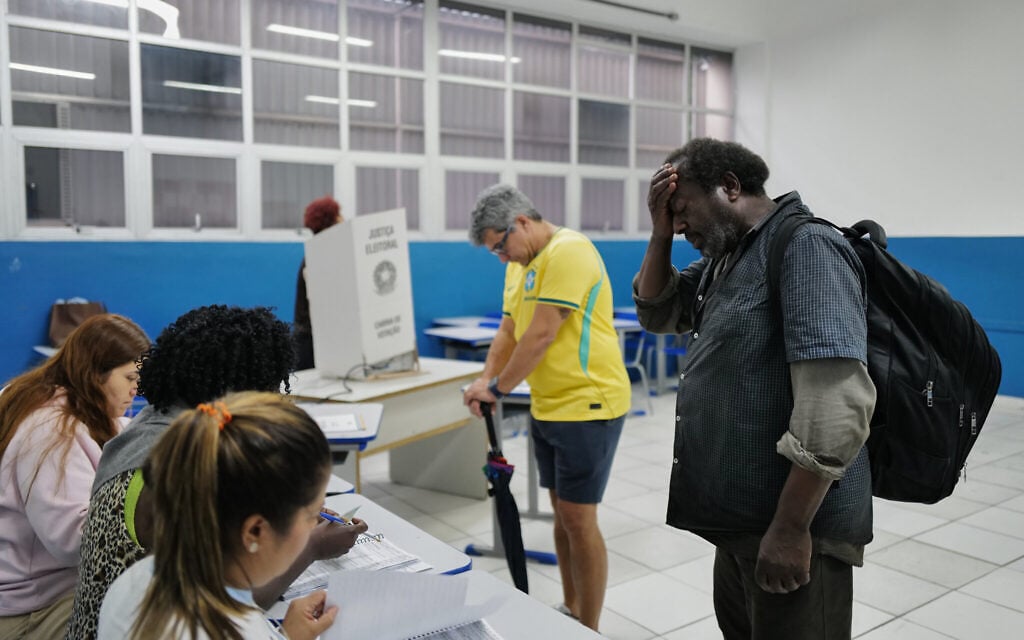
Brazil Votes in Presidential Runoff Between Lula and Bolsonaro

Brazil presidential runoff election as voters choose between Lula da Silva and Flávio Bolsonaro.

More than 158.7 million Brazilians are eligible to vote as President Luiz Inácio Lula da Silva faces Senator Flávio Bolsonaro in a closely contested runoff.


Brazilian voters are choosing between President Luiz Inácio Lula da Silva and Senator Flávio Bolsonaro in a presidential runoff after neither candidate secured a majority in the first round. More than 158.7 million people are eligible to vote, with polling stations open from 8 a.m. to 5 p.m. local time, according to the Superior Electoral Court (TSE).

RELATED: Lula Pledges Universal Full-Day Schooling in Brazil

In the first round on Oct. 4, Bolsonaro, of the Liberal Party (PL), received 47.03% of valid votes, or 56,104,503 ballots, while Lula, of the Workers’ Party (PT), won 45.16%, or 53,879,538 votes, according to official TSE figures. Neither surpassed the 50% threshold needed to win outright.

Voter abstention emerged as a significant factor in the first round, with 33,469,244 people staying away from the polls, representing 21.08% of registered voters. Both campaigns sought to attract those who did not vote, as pre-election polls pointed to a statistical tie.

The final day of campaigning on Saturday brought closing rallies from both candidates. Speaking in São Paulo, Lula attacked his rival, calling him a “liar,” a “militiaman” and unqualified for the presidency.

“A person like that does not have the political, moral or ethical qualifications to become president of the Republic,” Lula told reporters.

Bolsonaro received backing during the campaign from U.S. President Donald Trump, who described the senator’s first-round result as “a great victory.”

On Oct. 20, Lula framed the election as a choice over Brazil’s national sovereignty, saying voters would decide whether they wanted “a Brazil that kisses the Brazilian flag or one that gets down on all fours before the U.S. flag.”

Voting is compulsory for literate Brazilian citizens aged 18 to 70. It is optional for illiterate citizens, those aged 16 and 17, and people over 70.

Voting abroad

A total of 918,876 Brazilians registered to vote abroad across 134 countries, accounting for about 0.5% of the electorate, according to the TSE. The number represents a 358% increase from 2010.

Text Reads: The Brazil we dream of is built together with the people—through struggle and hope! ❤️🇧🇷
Thank you to every Brazilian who stands by our side on this journey. It is this strength that drives us, and this unity that empowers us.
Tomorrow, let’s transform all this energy into the future! Together with the people, we will achieve so much more, secure new rights, and continue building a Brazil that is even fairer for everyone. Let’s do this together. Vote 13—vote for Brazil.

Overseas voters cast their ballots in person in 186 cities and can vote only for president and vice president. Women account for 57% of registered overseas voters and men for 43%, while the largest age group is between 40 and 44.

The United States has the largest number of registered Brazilian voters abroad, with 265,400, followed by Portugal with 134,700, Japan with 88,300, Canada with 46,400 and Germany with 41,500.

Other contests

Sunday’s elections also include gubernatorial runoffs in Acre, Amazonas, Rio Grande do Norte, Espírito Santo and Tocantins, as well as the Federal District. None of the candidates in those contests secured more than 50% of valid votes in the first round.

Several municipalities are also electing mayors. In Chopinzinho and São João, both in the state of Paraná, voters are taking part in a referendum on changing the territorial boundaries between the two municipalities.

The runoff will determine whether Lula remains president or Bolsonaro takes office, concluding a campaign shaped by a narrow first-round margin, high abstention and competing appeals over Brazil’s political future and national sovereignty.

  •  

What to Know About Brazil’s Election as Bolsonaro Faces Off With Lula

Luiz Inácio Lula da Silva, the leftist incumbent, and Flávio Bolsonaro, the right-wing challenger, face off in a narrow race that could redefine the future of Latin America.

© Adriano Machado/Reuters

Campaign towels depicting Mr. Bolsonaro and Mr. Lula in Brasília this week.
  •  

UK warns Trump of economic fallout from Argentina's Falklands curbs

British Prime Minister Andy Burnham told US President Donald Trump in a Friday phone call that Argentina's new sanctions law threatens economic interests on both sides of the Atlantic, centring on the Sea Lion oil project north of the Falkland Islands. Buenos Aires says the law defends its sovereignty claim and will not be withdrawn.

  •  

Lula and Bolsonaro locked at 50-50 ahead of Brazil runoff

Brazilian President Luiz Inácio Lula da Silva and challenger Flávio Bolsonaro held their final televised debate on Friday, trading barbs over the cost of living and corruption just two days before Sunday's runoff. A new Datafolha poll released the same week put both candidates at 50% of valid votes, the tightest reading of the race so far.

  •  
❌