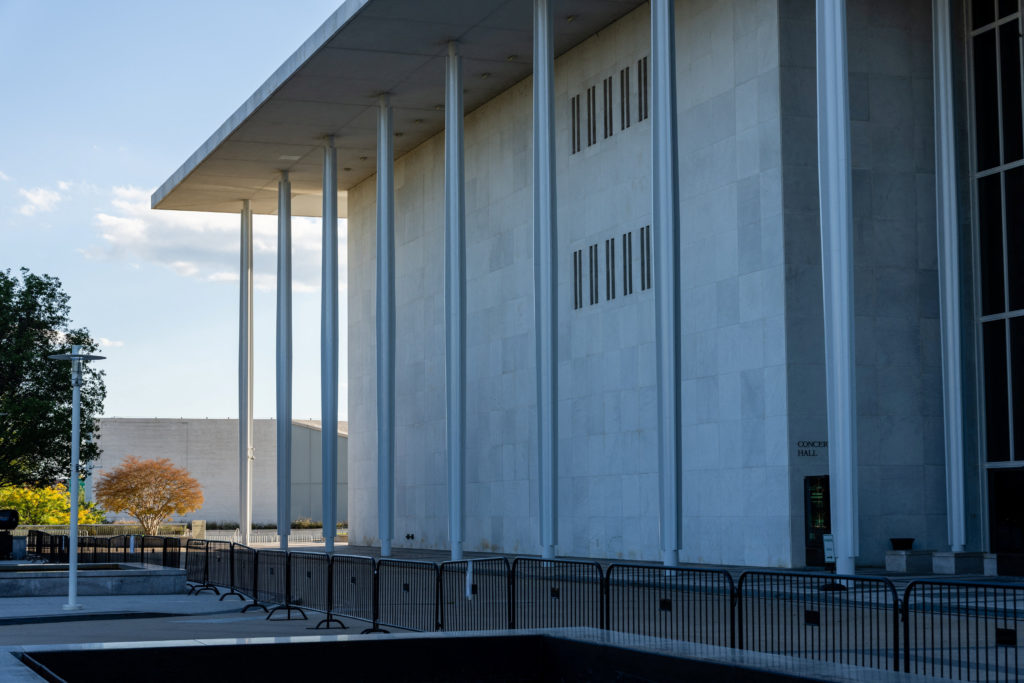
A list of records in the Kennedy Center's possession suggests that Trump has been in "near-constant contact" with the center's management, either directly or through intermediaries, plaintiffs' lawyers said in a court filing on Sunday.
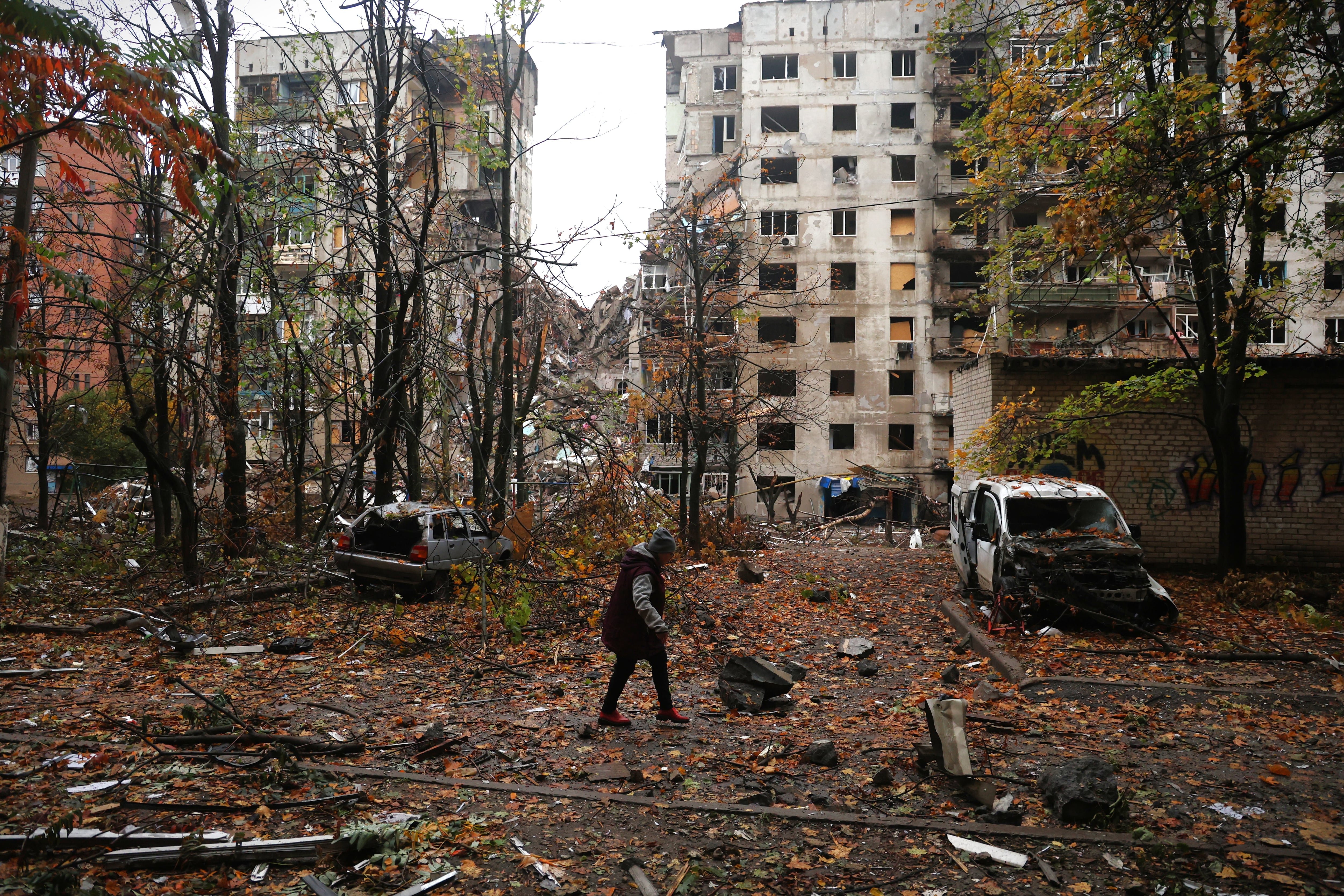
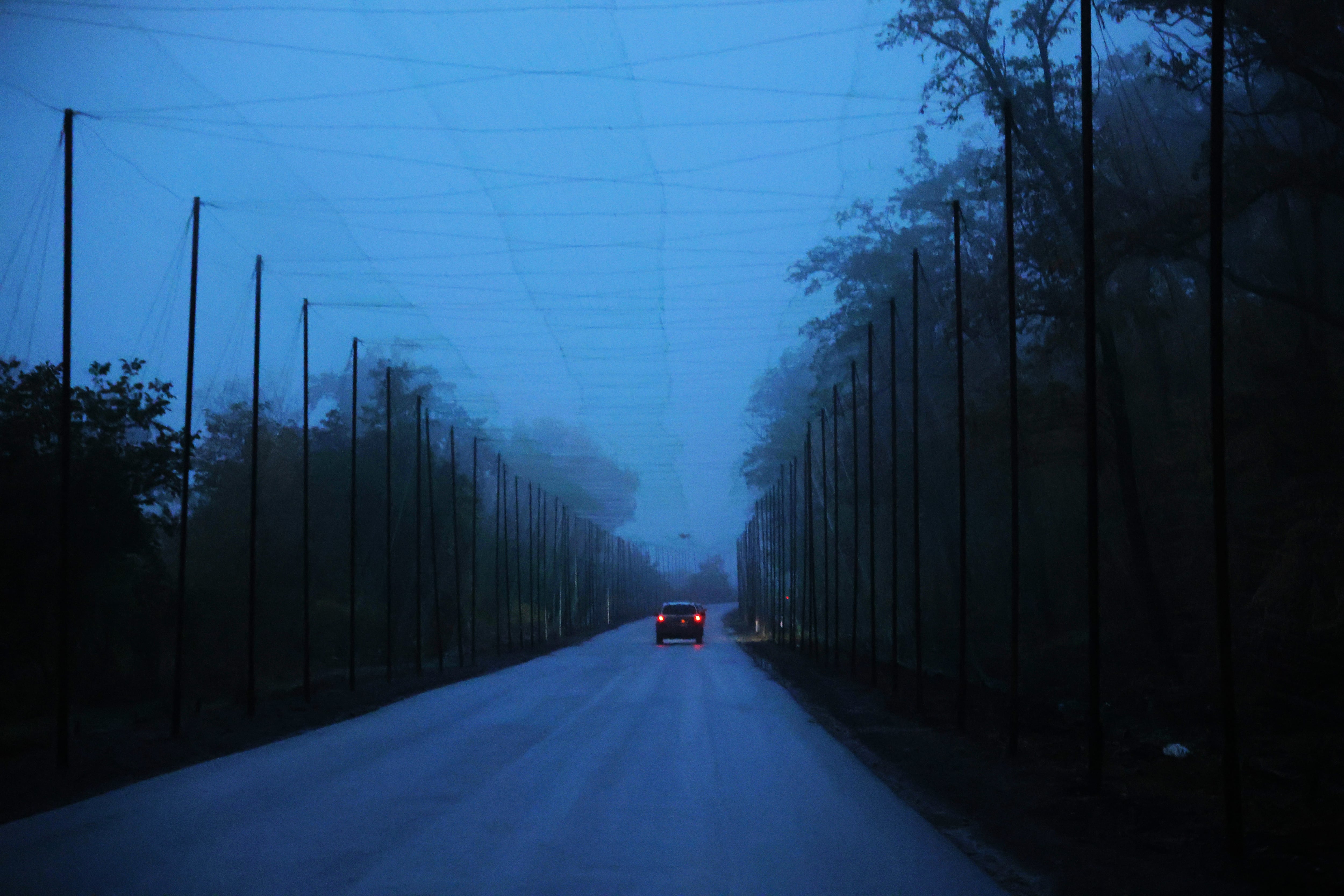
Dawn breaks under rainfall in Kramatorsk, a Ukrainian stronghold under Russian threat on the eastern front. What makes it harder for drones to fly becomes an opportunity for Russian infantry to try to gain ground. These are, in any case, small skirmishes. EL PAÍS reports this from a military command post in Kramatorsk based on images captured by drones on October 15. The front line shows hardly any change and the war is stuck in a complex tangle as the fifth anniversary of the full-scale invasion approaches. Kyiv has also recently suffered serious setbacks: at home, with attacks across around 20 of its regions, and internationally, the blow represented by the United States’ overt alignment with Russia.
Former President Obama poked fun at President Trump’s various Washington, D.C., renovation projects during a campaign stop in Cleveland, Ohio, where he was stumping for Democratic gubernatorial candidate Amy Acton and Senate candidate Sherrod Brown (D). In his speech, Obama zeroed in on the changes Trump has made to the White House during his second…
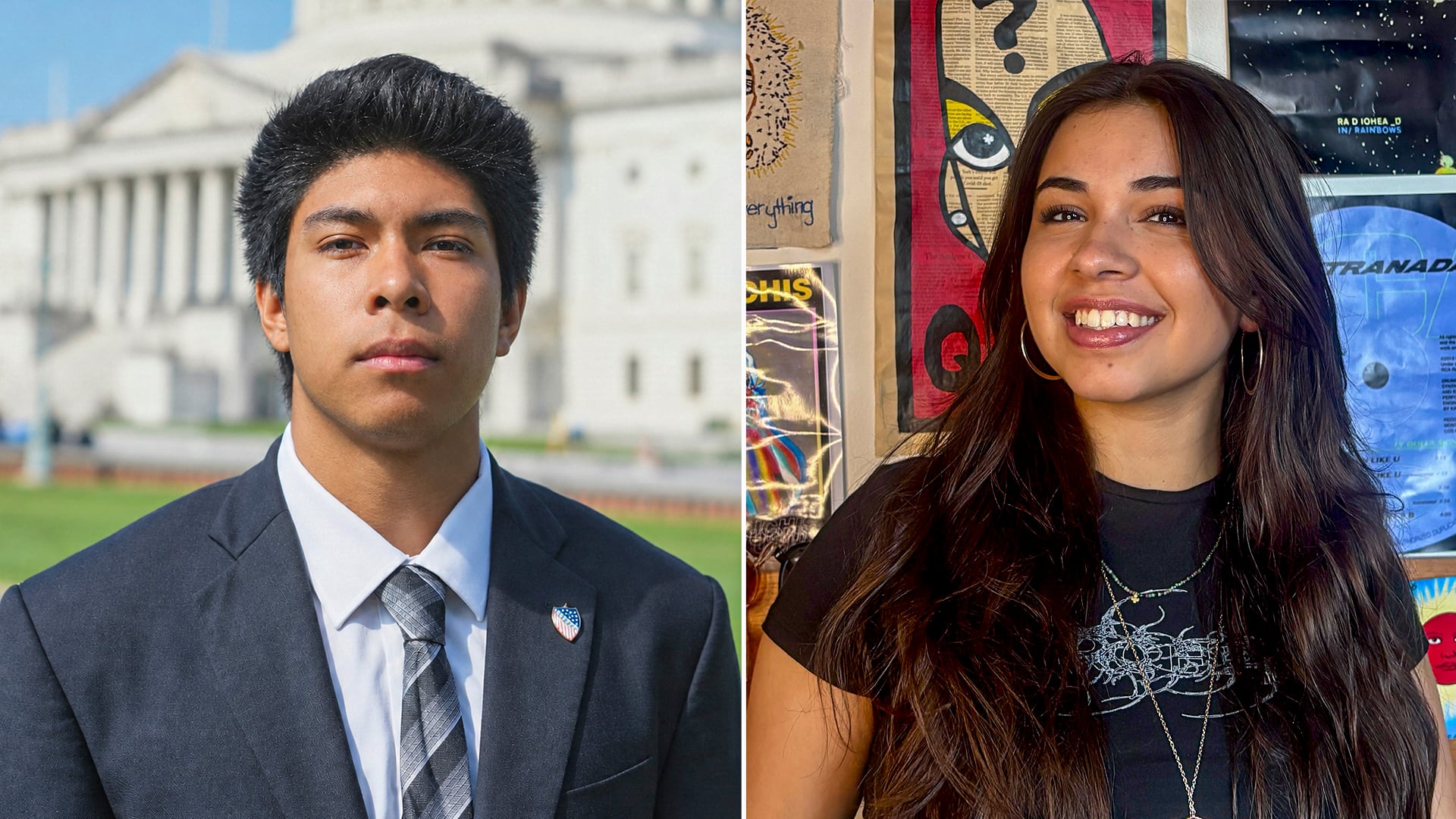
More than four million Latinos have turned 18 since the last midterm elections in 2022 and will be able to vote for the first time in the midterms on November 3. For years, Latino advocacy groups have pointed to the community’s growing political potential, noting that every 30 seconds, a Latino comes of age in the United States.
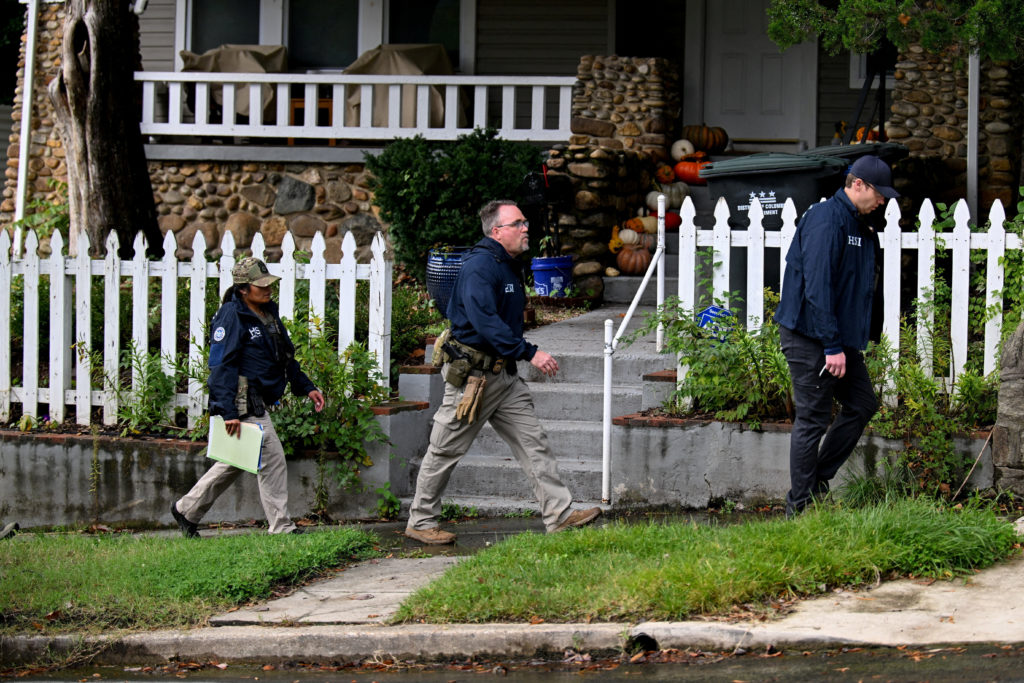
U.S. Rep. Ilhan Omar will move out of her Washington, D.C., home that federal agents searched last week, she said Wednesday, noting that attention brought on by the raid has made her feel unsafe there.
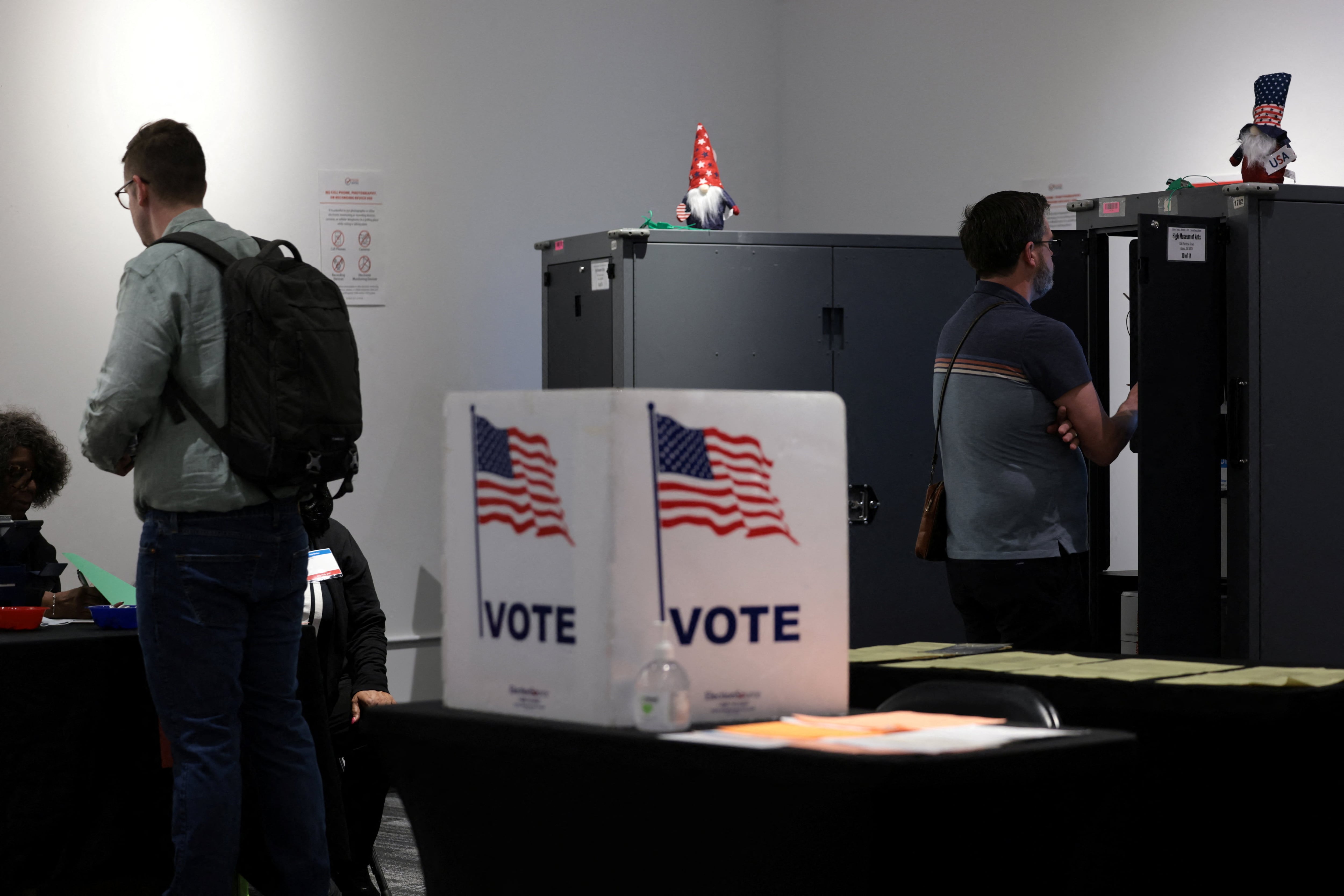
The mobilization of American voters in the midterm elections is already making an impact with fewer than two weeks to go until Election Day on November 3. Early voting, which has begun in more than 30 states, is setting records in some of them. More than 16 million voters have already cast their ballots, most of them by mail.
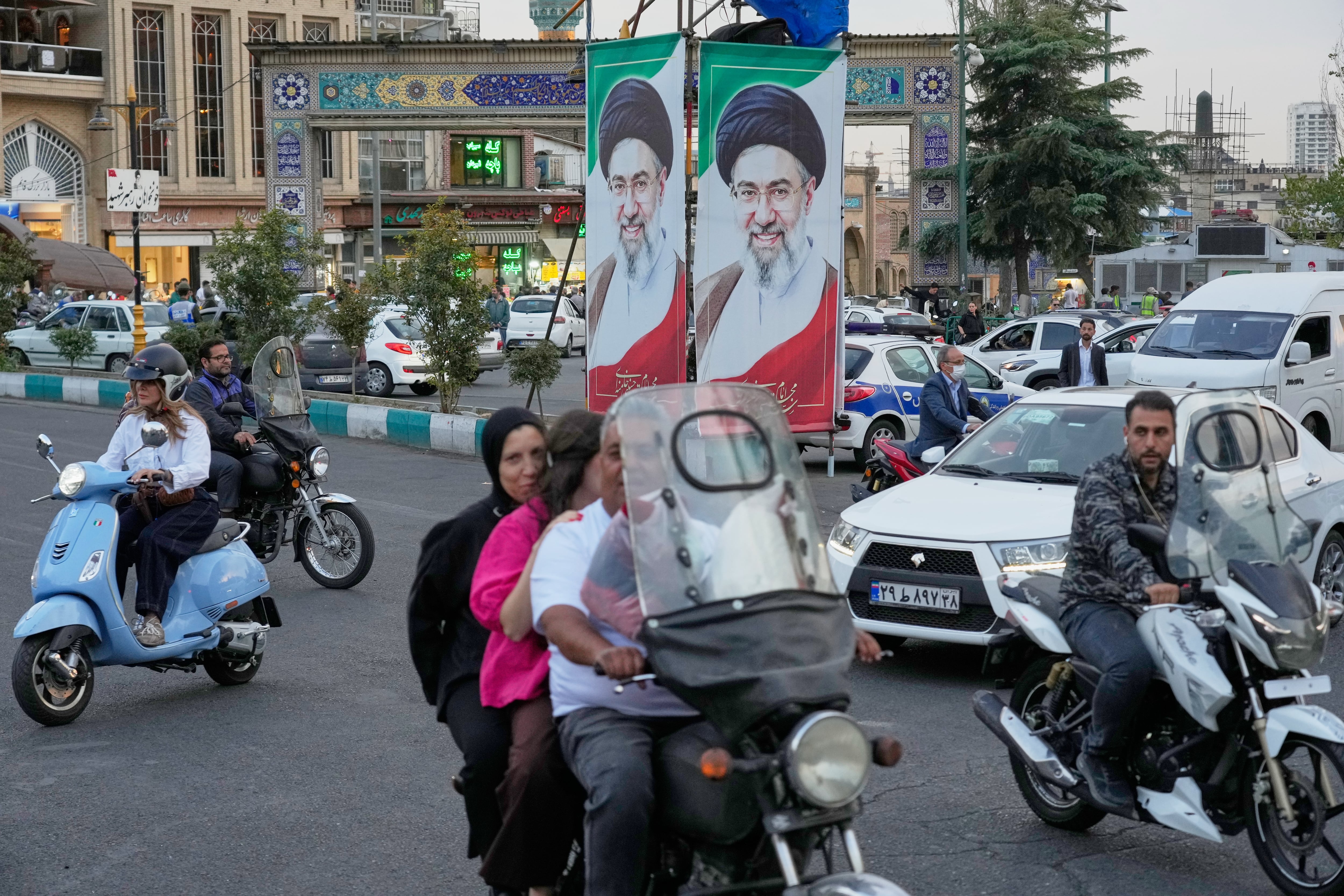
Washington and Israel have devised new plans to strike Iran again after the U.S. midterm elections, The New York Times reports, citing senior U.S. officials and other sources. The planning comes as the armed forces of both countries have stepped up military maneuvers in the region to rehearse bombing missions, and as the State Department has ordered nonessential embassy staff and their families to evacuate Saudi Arabia amid the prospect of possible new attacks by Houthi rebels in Yemen. It also comes as Israel prepares for an election in which Prime Minister Benjamin Netanyahu is fighting for re-election.
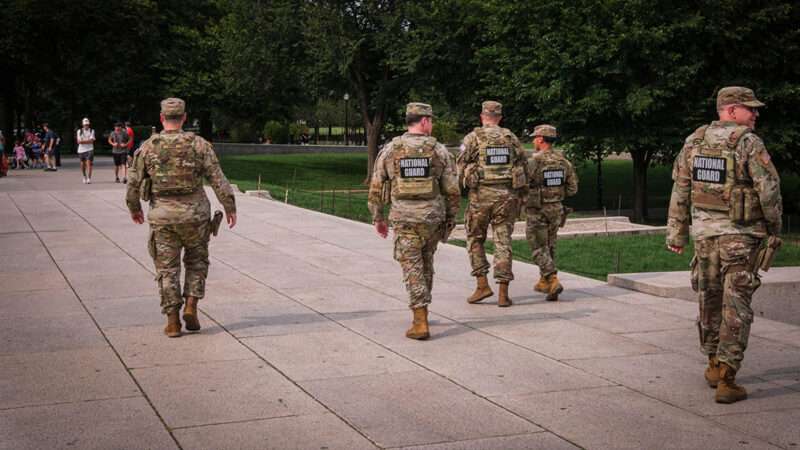
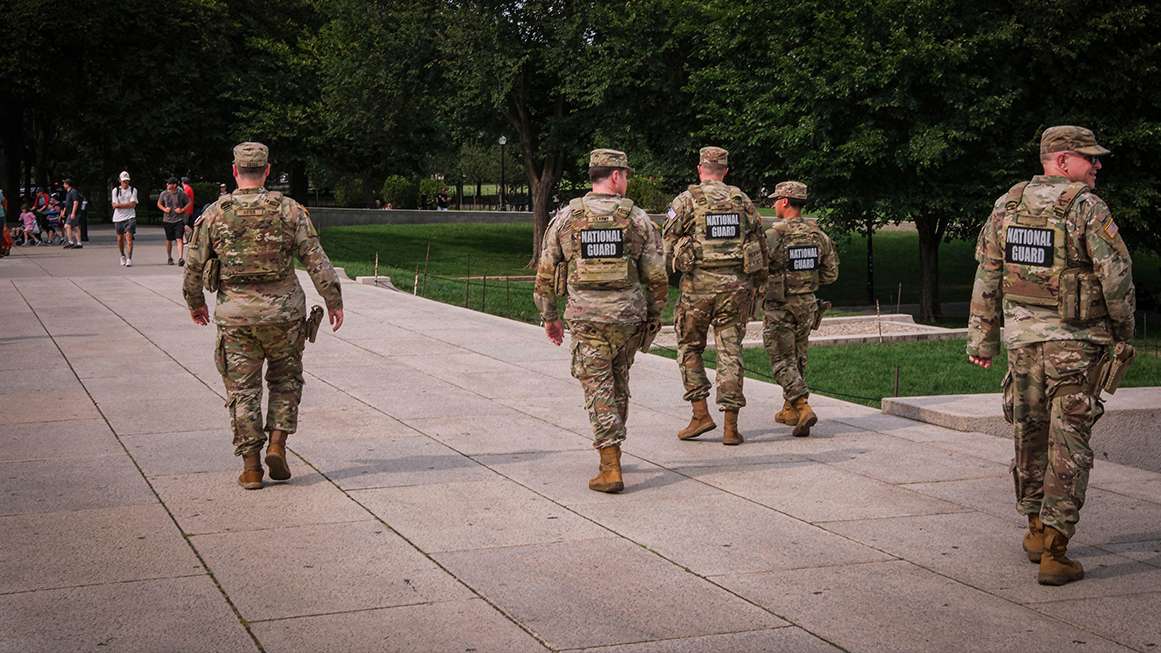
One month after Washington, D.C., celebrated America's 250th anniversary, it marked a more ignominious milestone: a full year since President Donald Trump deployed thousands of National Guard soldiers to the capital.
The approximately 4,600 National Guard members have been an unavoidable presence in D.C., wandering the National Mall and downtown streets in groups of three or four, or standing idly in Metro stations chatting. Occasionally, they're tasked with picking up trash at parks. Tourists take selfies with them by the now-fenced-off Lafayette Square in front of the White House.
They're not going anywhere. The Trump administration is moving forward with plans to acquire up to 2,000 housing units to support long-term National Guard deployments. The Department of Defense has estimated that extending the mission from October 2026 through to the end of the Trump administration in January 2029 will cost about $1.4 billion.
According to the Trump administration, all of this has been necessary to transform D.C. "from a crime-ridden city into a safe and beautiful haven for residents and visitors alike."
Crime in D.C. is down 20 percent from 2025, according to the Metropolitan Police Department, but an August Reuters investigation found National Guard soldiers were involved in only a tiny fraction of arrests in the safer parts of the city, mostly for minor offenses such as shoplifting and turnstile jumping. Crime has been dropping nationwide, a trend that started before Trump took office and includes cities that aren't occupied by federal law enforcement and soldiers.
Even if the Guard presence has contributed to a drop in crime, it's a civil liberties nightmare. It puts untrained military in the role of policing civilians. It usurps local police departments that are ostensibly answerable to the communities they police, and it normalizes the deployment of military forces domestically—a red line for a free society.
"There's a deep irony that here we are in the capital of the free world, and our president is treating it like a police state," Scott Michelman, legal director of the ACLU of the District of Columbia, told PBS in August. "D.C. residents have lived with our National Guard troops in our neighborhoods for about a year, despite the absence of any genuine emergency and really any reason for them to be here."
Last November, a federal court preliminarily ruled that the deployment was illegal. However, an appeals court allowed the Trump administration to keep troops deployed in D.C. while it considers the administration's appeal of that ruling.
The appeals court decision is absurd. The appellate panel is fully aware that every day the case drags on is another day that D.C. residents are being subjected to a potentially illegal military occupation, and another day that taxpayers will foot the bill for a wasteful fit of presidential hubris.
The damages are compounding. The first anniversary of Trump's deployment of National Guard soldiers to D.C. should be the last.
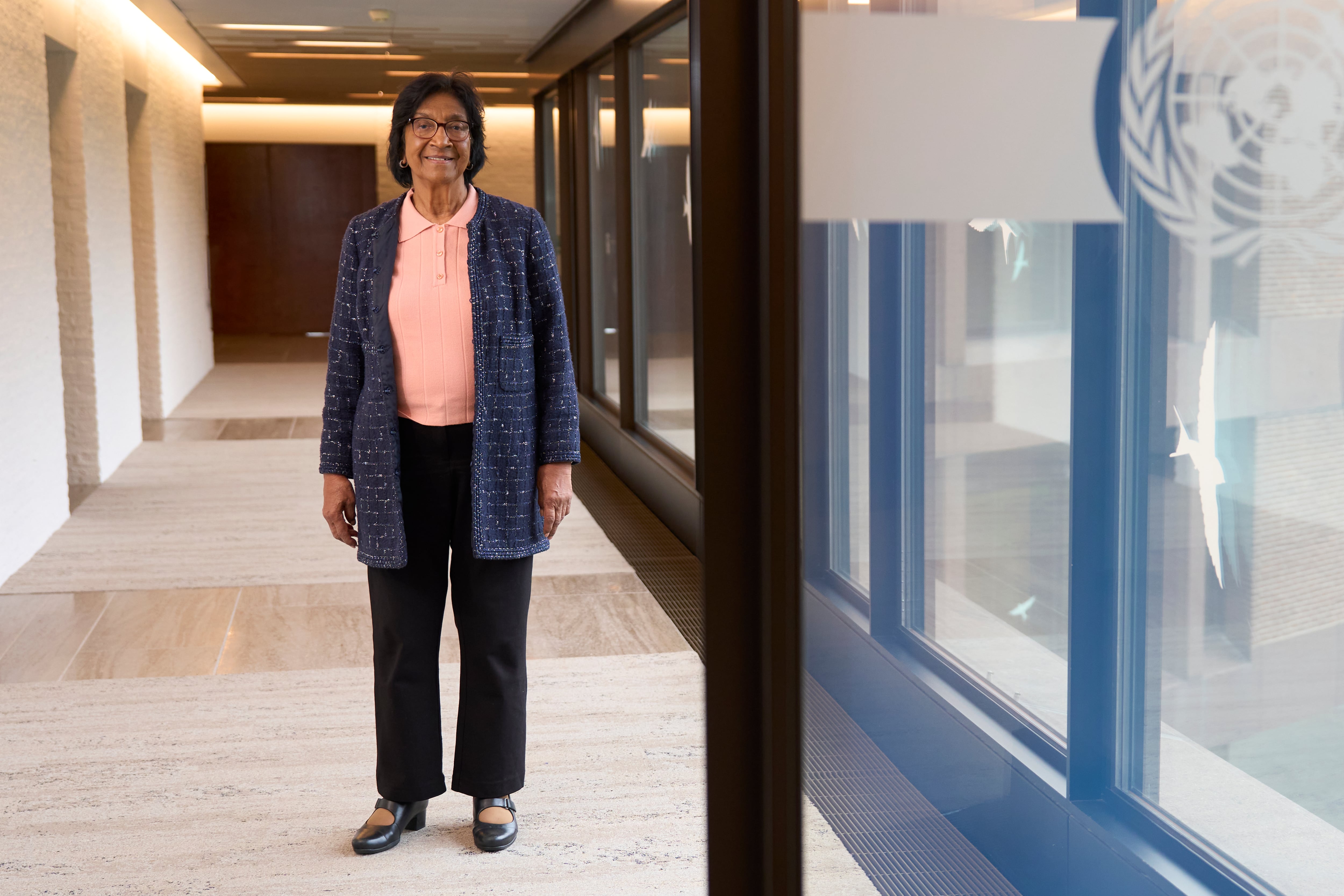
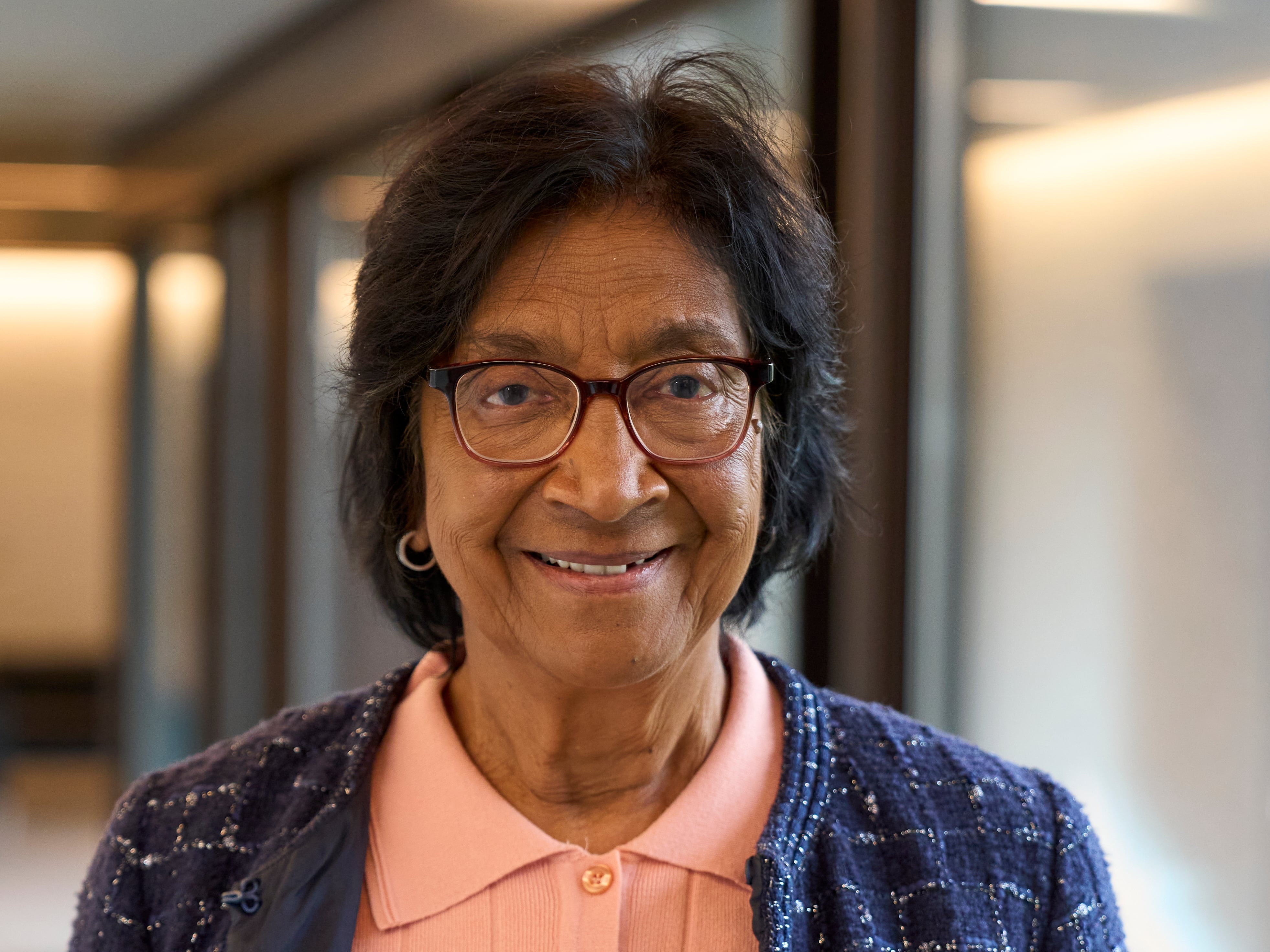
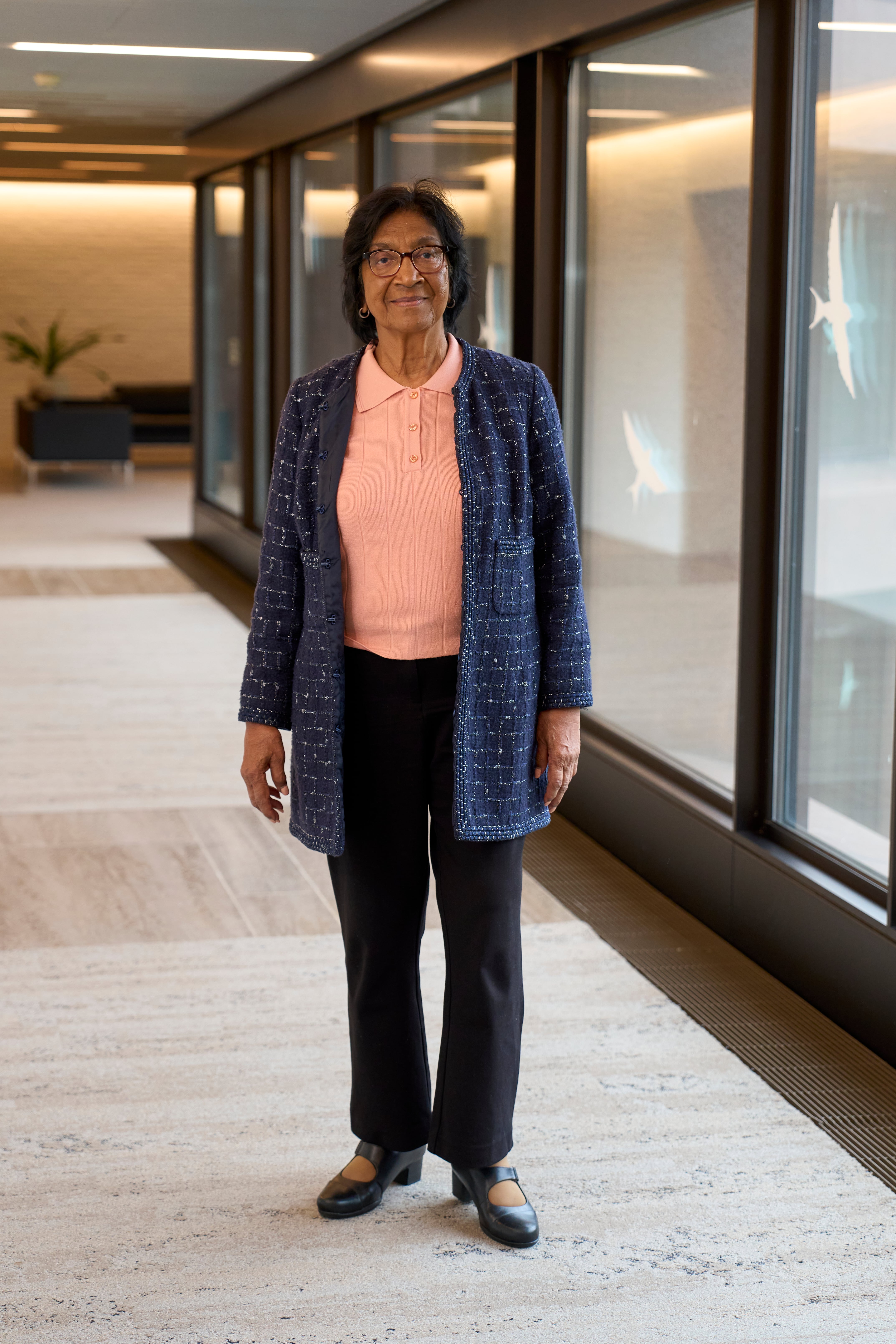
Eloquent and resolute, Navanethem “Navi” Pillay, recently awarded the Nobel Peace Prize, retains at 85 the passion and determination to continue the work that has defined her life: the defense of human rights.
Donald Trump’s second presidency, it was said, would not be like the first. He was back after a period in the wilderness, but with lessons learned; this time he was surrounded by an army of loyalists and not, as in 2017, by a team of aides willing to disagree with him now and then. Nor would it once again be a nonstop spectacle of leaks, backstage betrayals and impulsive firings communicated through social media.
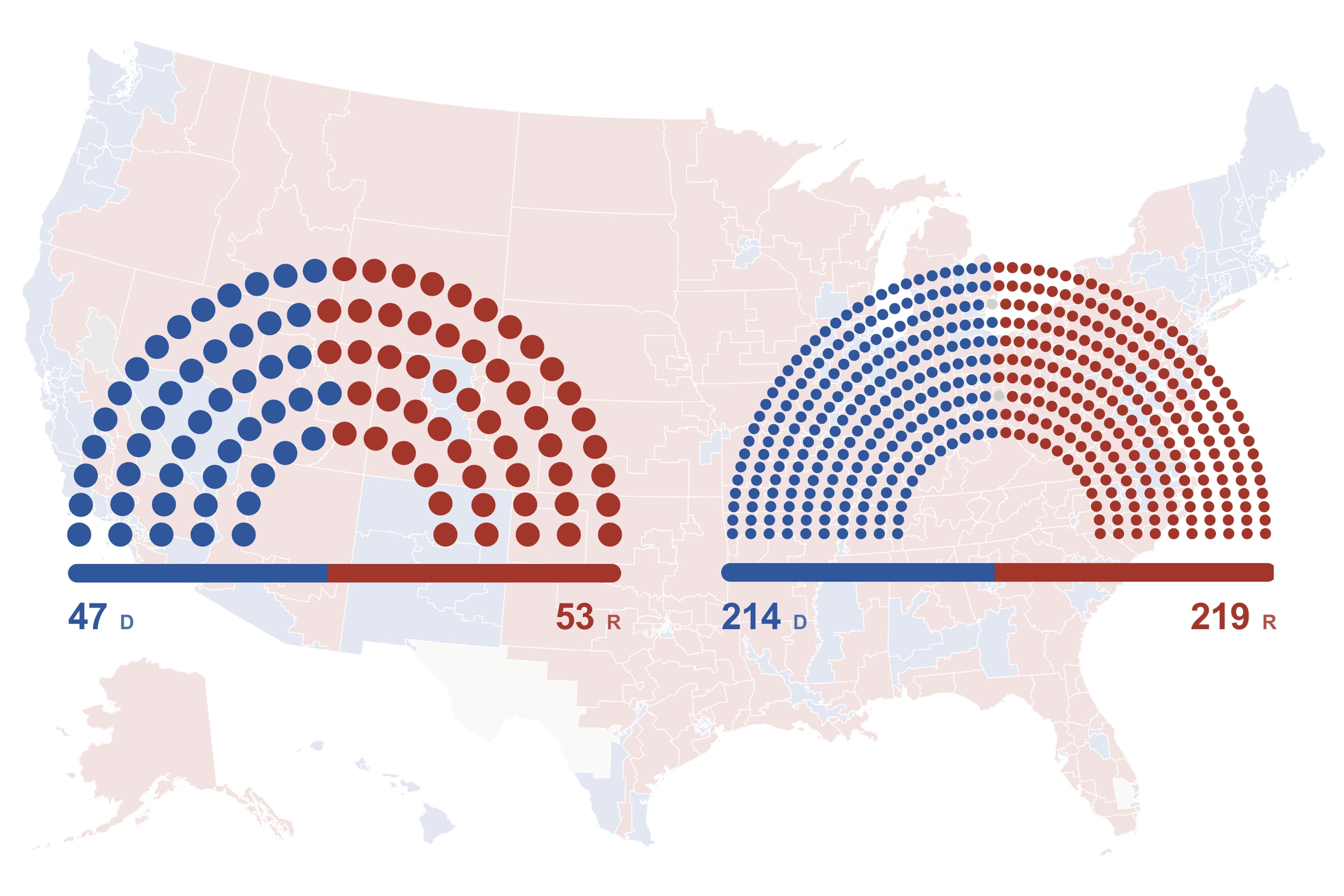
On November 3, voters will head to the polls for the midterm elections, which will determine whether Donald Trump’s Republicans retain a friendly Congress or whether Democrats take control of one or both chambers, enabling them to mount a more aggressive opposition by blocking legislation, budgets and appointments during the final two years of his term.
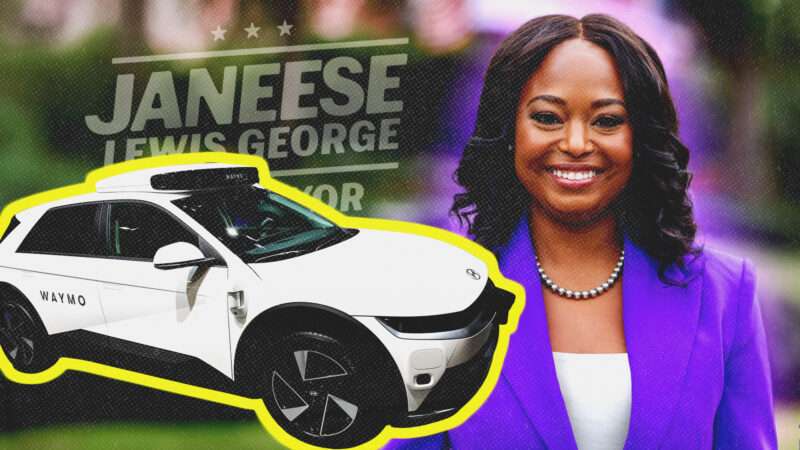
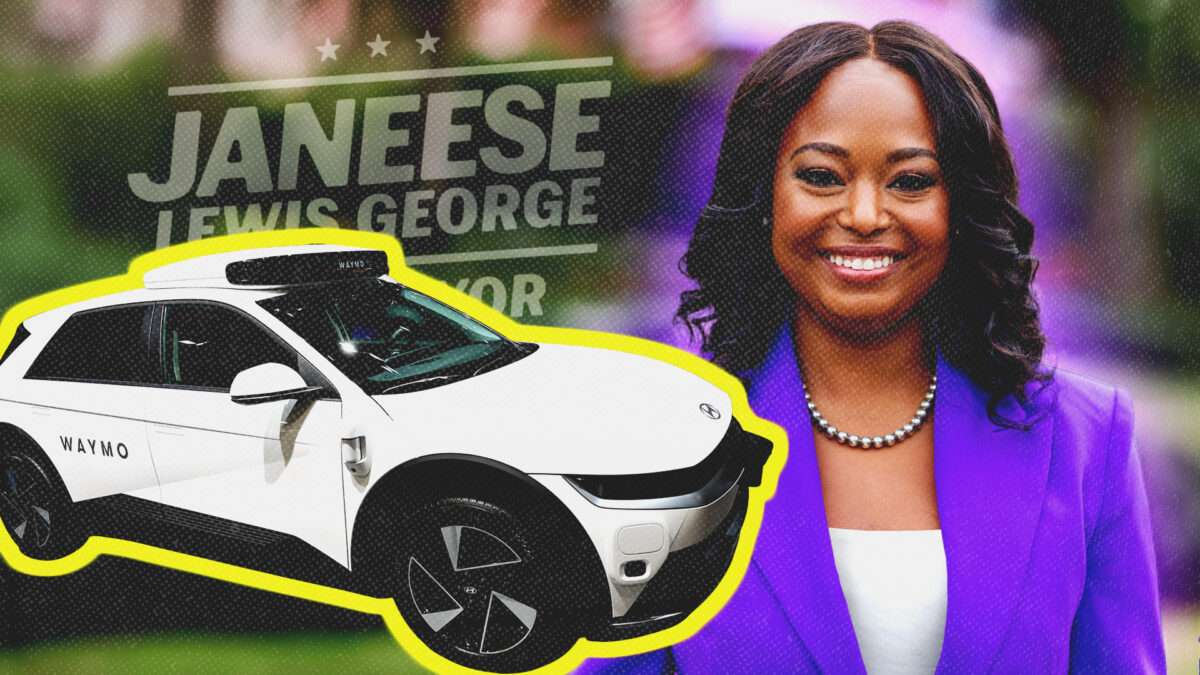
Janeese Lewis George, a D.C. councilmember and the city's presumptive next mayor, has come out against pending legislation that would allow autonomous ride-share vehicles onto city streets, citing the technology's potential to eliminate the jobs of ride-share human drivers.
"DC is facing a jobs crisis. Rushing the legalization of autonomous vehicles is irresponsible given the anticipated AI-related job displacement and disruptions that put countless workers at risk," she said on X yesterday.
DC is facing a jobs crisis.
Rushing the legalization of autonomous vehicles is irresponsible given the anticipated AI-related job displacement and disruptions that put countless workers at risk.
In a follow-up post, she said that the D.C. Council should delay consideration of a pending bill that would allow Waymo, which is currently testing its technology with human safety operators on District streets, to offer autonomous rides to the public.
Ever since Lewis George won a commanding victory in D.C.'s Democratic mayoral primary earlier this year, pundits and wonks have been trying to read the tea leaves on how the Democratic Socialist will govern.
Lewis George's comments about Waymo suggest the mayor has a deeply mistaken view about the effects and benefits of technological innovation. Contrary to her contention, Waymo legalization is unlikely to exacerbate a "jobs crisis" for at least three reasons.
The first reason she's wrong is that very few D.C. residents work full-time as ride-share drivers. On her Capital Commonsense Substack, Ashley Schapitl reports that, by Lewis George's own estimate, there are only 200 District residents who work full-time as ride-share drivers.
For comparison's sake, the District has a labor force of roughly 400,000 people. So even if Waymo displaced all human drivers in the District, it would be a statistical nonevent.
Few headlines, for instance, reported that D.C.'s labor force shrank by 1,000 people between May and June. Neither did many outlets report that the labor force grew by roughly 600 people between July and August.
Yet here the mayor is talking about a "jobs crisis" over what would be an even smaller change in the number of employed workers in the city.
The second reason not to fear an exacerbated "jobs crisis" as a result of Waymo legalization is that autonomous vehicles (A.V.s) will not completely replace human rideshare drivers in the foreseeable future.
In the cities where Waymo has been active for years, A.V.s are still responsible for a minority of rideshare rides.
That's the case in Phoenix, where Waymo has been offering autonomous commercial service since 2020. In an article from April, Business Insider cites one study that put Waymo's market share at 16 percent of ride-share rides.
In other words, 84 percent of ride-share rides are still being performed by humans a full six years after A.V.s came onto the scene.
That isn't to say the impacts of A.V.s are necessarily positive for human drivers' earnings.
Another study by Gridwise from August 2025 found that A.V.s appeared to be marginally reducing drivers' hourly pay and number of trips per hour. That's evidence of the market for rides becoming more competitive, but it's not, as of yet, evidence of a job apocalypse.
Network design matters too. In places like Los Angeles and San Francisco, Waymo is a standalone competitor to traditional ride-share companies like Uber and Lyft. In Austin and Phoenix, Waymo partners with Uber to offer rides on hybrid human-and-A.V. networks.
A report by EnoTrans, funded by a grant from Lyft, found that the later cities' hybrid networks actually increased human drivers' trips per hour. Their pay-per-hour fell, albeit less steeply than in cities without hybrid networks.
All of that is to say that while Waymo, as a competitor to human-operated ride-share services, shouldn't be expected to have a positive impact on drivers' earnings. It shouldn't be expected to have a catastrophic impact on them either.
The third and final reason that Lewis George is wrong to think that Waymo will worsen a coming "jobs crisis" is that Waymo's employment impacts are not limited to its effect on competing human drivers.
If Waymo earns any market share at all, it'll be because it's offering some travelers a better transportation option than the ones that currently exist. Increased ease of travel within the city would be expected to raise employment levels, not lower them.
If Waymo makes it easier or cheaper for people to get from home to the office or from the office to their kids' school, they might be more willing to live in D.C. over Arlington or Silver Spring. If it's more convenient to get to the movies or dinner, residents will be more willing to patronize local businesses.
None of that even touches on the economic and human benefits of Waymo's likely positive impact on road safety.
The direct effects of Waymo on drivers' employment must be weighed against all the other economic activity that autonomous vehicles will facilitate.
In the long run, the economic effects of autonomous vehicles may well be revolutionary. In the foreseeable future, they'll make the market for for-hire rides slightly more competitive.
A reasonable assumption then is that Waymo will have a modest, but positive, impact on overall economic activity and employment in the District, even if it has a modest, but negative, impact on the small number of full-time ride-share drivers who live here.
If the new mayor can't even tolerate that level of economic disruption, that does not portend good things for D.C.'s economy under a Lewis George administration.
Seasoned in defending rural communities and smallholder farmers, Sofía Monsalve, 56, was appointed United Nations special rapporteur on the right to food in May. In exchange for throwing herself into an unpaid position, the Colombian political scientist says she enjoys complete independence. “I have the freedom to call things by their name,” she tells EL PAÍS in Turin during Terra Madre, the gathering of the international sustainable food network Slow Food.
I found it easy to resist the early dispatches from “UFC Freedom 250,” the Ultimate Fighting Championship event held in June on the White House South Lawn. But Jon Ronson is the sort of writer I can’t help following into battle. Fresh off a new book about masculinity, Ronson brings a delightfully skewed perspective to the fights and the days that surrounded them. The result is a portrait of a planned media spectacle that can’t quite make sense of itself. The best battle here may be Ronson’s tussle with his own photographer, 79-year-old Bruce Gilden, who is a bit of a hugger.
“I’m pretty certain you hugged Stephen Miller first,” I say. “I don’t see Stephen Miller as initiating a hug.”
“You may be right,” he says. “I don’t remember. Look, I do things maybe other people aren’t comfortable doing, but I felt comfortable and I trust my instincts.”
He acknowledges that “nobody is immune to misreading a situation” and that because of him we were all forced back indoors, but he blames Miller’s entourage for not checking with their boss on whether he minded being hugged.

 Login