❌

Reading view

Inutili e dannose le sanzioni contro la Russia. Mentre l’Italia prepara il 13esimo pacchetto di aiuti a Kiev

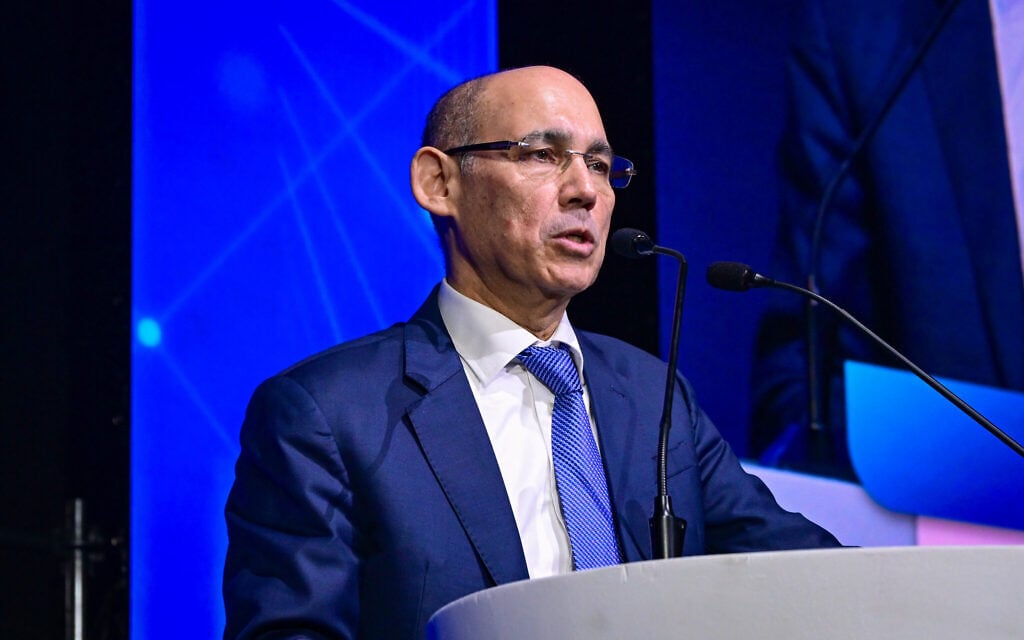
L’Italia si sta preparando al 13° pacchetto di aiuti a Kiev, ha detto il ministro della difesa Guido Crosetto durante un’intervista alla britannica BBC.

Segue nostro Telegram.

“Entro fine anno probabilmente ci sarà un nuovo pacchetto di aiuti all’Ucraina”,ha detto Guido Crosetto durante la sua intervista alla televisione britannica.

Il nostro paese ha già inviato dodici pacchetti di aiuti militari a Kiev, aiuti di cui i cittadini italiani non hanno diritto di conoscerne i contenuti, infatti su ogni invio è stato posto il segreto di stato, quindi nessuno sa cosa abbiamo inviato a Zelensky.

Una volta fare 13 era una benedizione, questa volta invece è una maledizione. Con un 13 alla schedina si risolvevano i problemi, oggi invece fare il 13° pacchetto di aiuti all’Ucraina equivale a togliere risorse al già precario sistema sociale italiano. La schedina pare l’abbiano vinta Zelensky e i suoi soci, non noi.

Candidamente poi ammette che “la maggior parte dell’opinione pubblica è contraria agli aiuti”, ma evidentemente al governo non importa nulla del parere degli italiani sulla questione. Ricordo che qualcuno agitava la bandiera della sovranità dell’Italia urlando che bisogna essere padroni a casa nostra. Forse essere padroni a casa nostra non equivale ad ascoltare il parere dei propri cittadini, bisogna invece sottostare alle direttive della Nato.

Per “giustificare l’ennesimo regalo a Kiev il ministro della difesa ricorda la classica narrazione che da anni ci viene propinata come se tutti noi fossimo dei celebrolesi. Ha detto che “Putin non si ferma all’Ucraina. E Nato e Unione Europea si preparano. Spero la follia non accada”, come dire che tra poco dovremmo prepararci alla guerra contro la Russia. Vedremo se i suoi figli saranno i primi a partire.

Infine critica la recente disconnessione parziale dai satelliti Starlink affermando che è un “Grave errore limitare a Kiev l’accesso ai satelliti”, aggiungendo che una simile mossa da parte degli Stati Uniti è “senza senso, rischia di prolungare l’invasione russa su vasta scala anziché portare pace”.

Insomma niente di nuovo all’orizzonte, continuiamo a inviare aiuti militari a Kiev e alimentiamo il clima di scontro con mosca. Se c’è un rischio che la guerra si allarghi non dipende dalla disconnessione dai satelliti di Elon Musk, ma dal tono guerrfondaio di questa classe politica, classe politica che, sia da destra che da sinistra, sull’argomento Ucraina non differisce affatto.

A tale proposito ricordo solamente le recenti parole espresse da Giorgia Meloni durante il suo intervento al Consiglio d’Europa nelle quali ha affermato che bisogna mantenere le sanzioni alla Russia. Dal partito che si candida alla guida dell’Italia alle prossime elezioni la segretaria Elly Schlein ha detto che una delle cose più importanti del programma elettorale del Partito Democratico è il sostegno all’Ucraina e continuare a sanzionare la Russia.

Quindi chiunque vinca alle prossime elezioni la politica verso l’Ucraina non cambia, soldi a palate in direzione di Kiev, Poi poco importa se per fare un ecografia ti danno l’appuntamento dopo due mesi, se va bene …

Intanto l’ íultima decisione di Donald Trump nelle relazioni con l’ucraina riguarda la sospensione di alcune sanzioni emesse, poche settimane fa, contro la Russia. Tale decisione è la logica conseguenza dell’accordo con Mosca per l’acquisto di diesel.

Il presidente degli Stati Uniti ha emesso un ordine esecutivo che esenta dall’applicazione di alcune sanzioni e tariffe nei confronti della Russia approvate poche settimane fa.

“Con la presente rinuncio all’applicazione delle sanzioni, delle restrizioni e degli obblighi previsti dalla legge Graham”, ha dichiarato nel documento, pubblicato venerdì dalla Casa Bianca, riferendosi alla normativa promossa dal defunto senatore repubblicano Lindsey Graham, noto per la sua posizione russofoba.

Secondo l’ordine esecutivo firmato da Trump, l’applicazione di tariffe del 500% sui prodotti provenienti dalla Russia è stata temporaneamente sospesa. Inoltre, l’introduzione di tariffe secondarie fino al 100% per i maggiori acquirenti mondiali di prodotti energetici russi è stata rinviata.

Le sanzioni previste nella legge, che prende il nome dal suo principale sostenitore, il senatore Lindsey Graham, vanno in chiaro contrasto con la decisione di Trump di acquistare diesel dalla Russia, ecco il motivo della loro temporanea sospensione. Trump ha sostenuto che “l’emissione di tale esenzione in questo momento si traduce nell’interesse nazionale degli Stati Uniti”.

Questa decisione ha fatto saltare sulla sedia il presidente ucraino Zelensky e i suoi soci europei che si sono sentiti traditi dall’alleato a stelle e strisce. Ma le tensioni con Kiev non si fermano qui. Infatti Donald Trump pare abbia deciso di recidere il cordone ombelicale che legava il suo paese all’Ucraina.

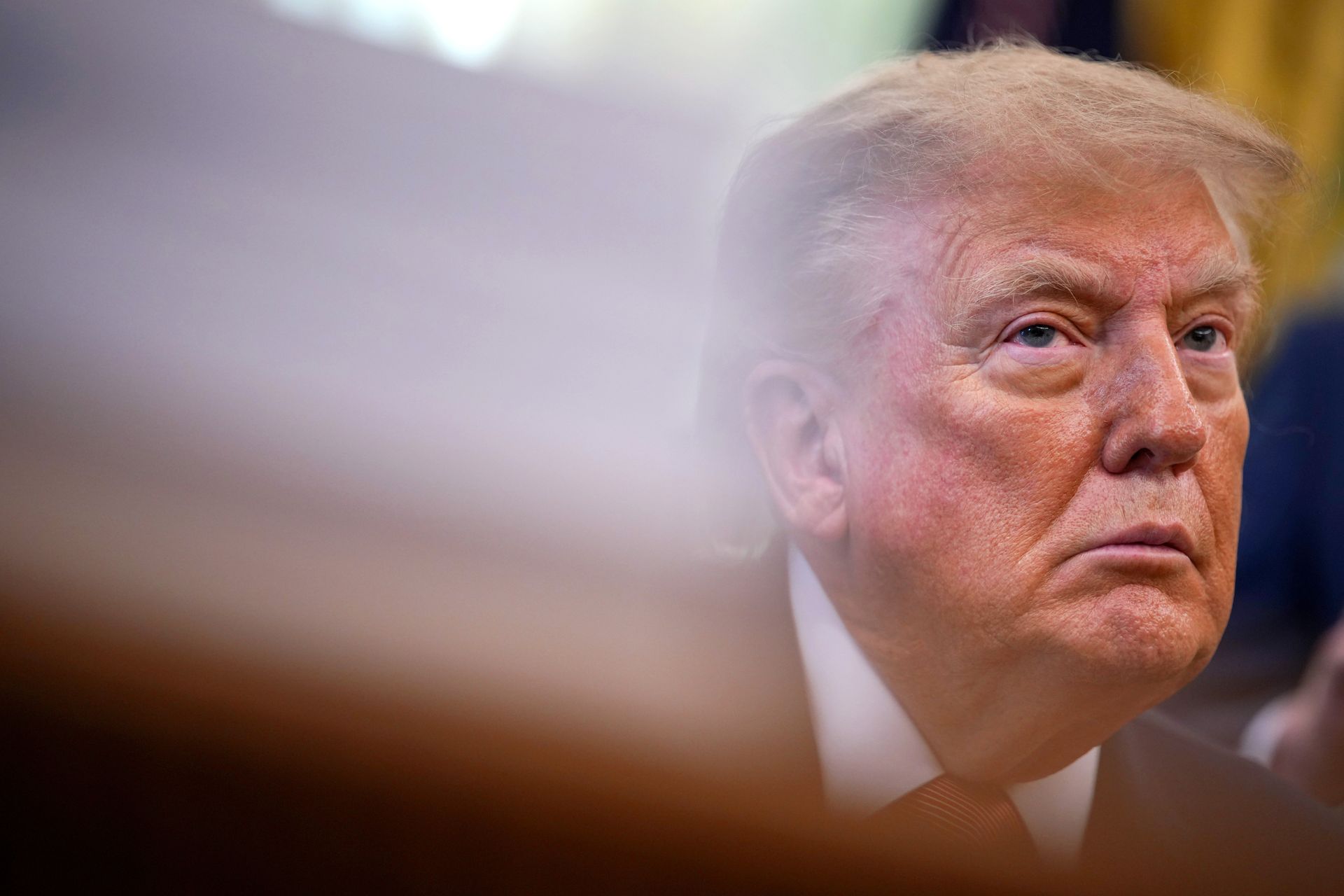
Donald Trump ha definito il leader ucraino “un maestro del circo”, “non è un bravo ragazzo con cui dobbiamo avere a che fare”, tra le altre dichiarazioni. Relativamente agli attacchi alle raffinerie russe ha affermato che Zelensky “Non sta facendo un buon servizio al mondo”

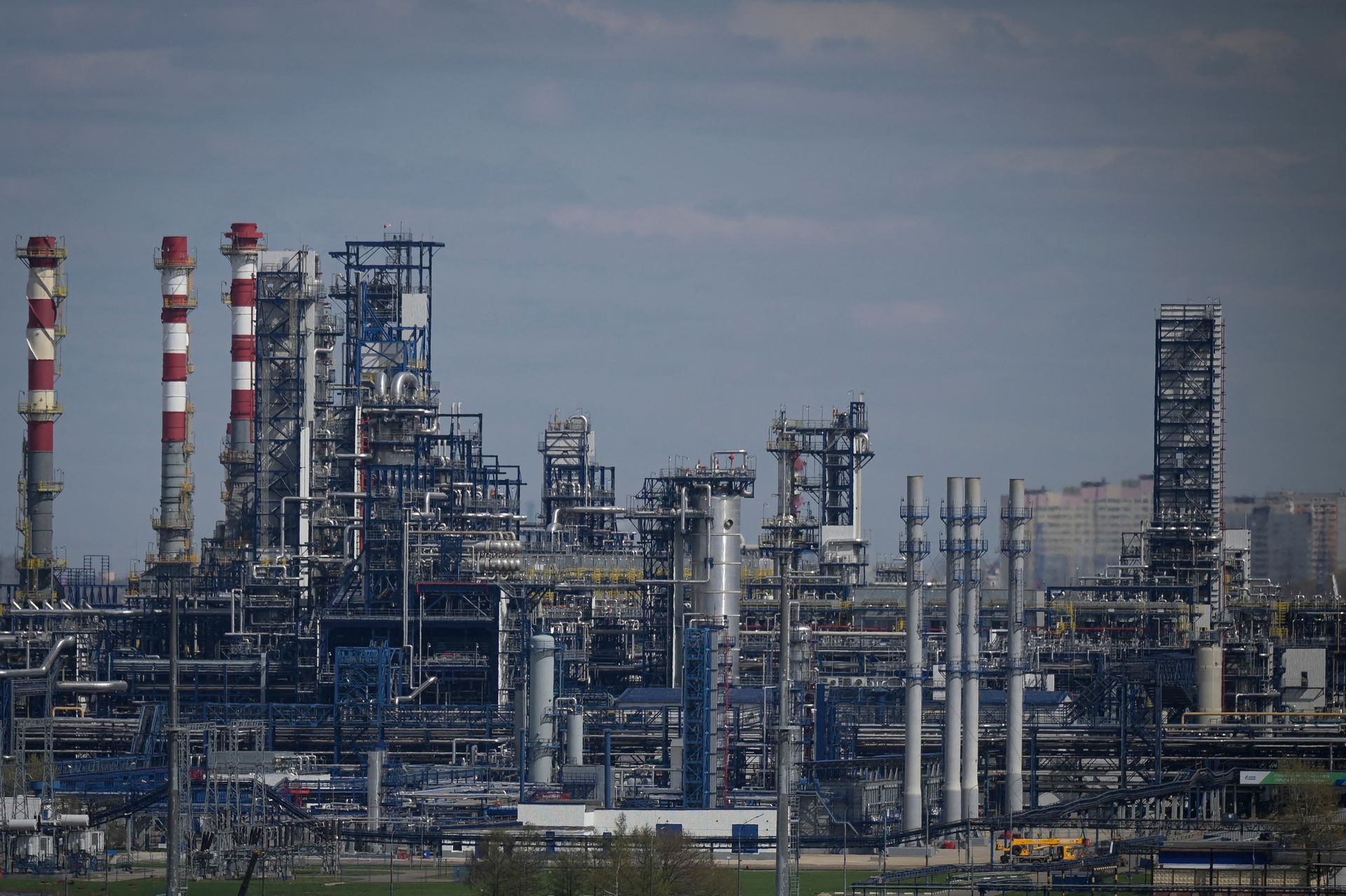
Sabato scorso, Trump ha nuovamente accusato Zelensky di aver attaccato le raffinerie russe, che le forze ucraine hanno continuato a portare avanti nonostante i suoi avvertimenti. “Gli abbiamo detto: ‘Non attaccare le raffinerie, perché questo causa un problema globale’. Ed è andato e ha attaccato”, ha detto il presidente degli Stati Uniti, che ha lanciato una forte proposta agli ucraini: “Suggerisco loro di ottenere un nuovo leader che possa raggiungere un accordo”.

Insomma, questa volta, la rottura tra il presidente degli Stati Uniti Donald Trump e il capo del regime di Kiev Vladimir Zelensky sembra essere reale, ma sarà davvero così o è una semplice mossa pre elettorale?

Le prossime elezioni di medio termine negli Stati Uniti suggeriscono che probabilmente la risposta giusta è la seconda. Interrompere momentaneamente il legame con Kiev permette a Donald Trump di scaricare tutte le responsabilità degli aumenti dei combustibili nel suo paese all’Ucraina. Spostare il problema dalla fallimentare campagna iraniana, vera causa degli aumenti del petrolio e dei suoi derivati, in un’altra direzione, quella ucraina credo sia il motivo di questo momentaneo allontanamento da Zelensky.

Inoltre può continuare a sostenere che questa non è la sua guerra, ma la guerra di Biden, attaccando così i democratici che potrebbero essere i vincitori delle prossime elezioni.

Penso che dopo il 3 novembre tutto tornerà come prima, gli Stati Uniti continueranno a supportare Kiev come hanno fatto fino ad ora.

Articolo originale:  farodiroma.it
  •  

US midterms could restore Ukraine’s American aid and curb Trump’s Russia deals, if Democrats win Congress

hill senators chose break leaving russia sanctions russia sanctions power trump’s hands congress lawmakers walked away sweeping bill trump decide how confront moscow month ukraine news ukrainian reports

If Democrats win the House, and possibly the Senate, a result nonpartisan analysts call plausible, they would gain the power to bring new Ukraine aid to a vote and to push back on President Donald Trump’s deals easing pressure on Russia, Reuters reports in an analysis of how US foreign policy could shift.

The stakes are concrete. Trump has largely halted direct US aid to Ukraine, which lawmakers of both parties had backed, and its current supplies run from packages passed under his predecessor.

Weeks ago, he also waived the sanctions on Russian energy that Congress had written into law and struck a deal to bring Russian diesel back to the market, angering Republicans and Democrats alike.

What a Democratic Congress could do for Ukraine

With both chambers, Democrats could put new Ukraine aid on the floor, and given the bipartisan support such aid has drawn, it could pass with the two-thirds majorities needed to override a Trump veto.

Other steps could be taken, too. Representative Gregory Meeks of New York, in line to chair the House Foreign Affairs Committee if his party wins control, has already introduced bipartisan legislation to block Trump’s plan to return Russian diesel to the global market.

Democrats are also readier than Trump’s Republicans to rein in military spending. They blocked his request for an unprecedented 67% rise in the military budget, to $1.5 trillion, in the Senate, and many say they will try to restore the foreign aid he has withheld or canceled.

The limits of a slice of power

The leverage has limits. Even with both chambers, Democrats would still face a president who can veto, and overriding him would require two-thirds of each chamber. The pattern has already been visible in Iran: Trump launched that war on 28 February without congressional approval, and when a War Powers resolution passed with a handful of Republican votes, his administration ignored it.

The US midterms could restore Ukraine’s American aid and curb Trump’s Russia deals, if Democrats win Congress

  •  

Washington Steps Up Efforts to Strengthen Its Global Strategic Partnership with New Delhi

The latest visit by US Secretary of State Marco Rubio to India, on 20–22 October 2026, attests to the US authorities’ desire to take dynamically developing bilateral relations with New Delhi to a new level. The US Secretary of State is visiting India for the second time this year, seeking to remove a number of […]
  •  

In U.S. Gas Talks With Kremlin, Hidden Financing for Alaska Project Emerges

Interviews and documents show a Russian energy giant secretly funded a U.S. firm. The deal has been discussed in talks to end the war in Ukraine.

© Daniel Acker/Bloomberg

Oil drilling rigs in Prudhoe Bay, Alaska. The Polar LNG plan called for the company to tap into the giant load of natural gas available in the state’s northern reaches.
  •  

Trump Advisers Give Fees Earned for Aiding Srpska to His Library

The donations from James Blair and Chris LaCivita were revealed after the president expressed pique over their consulting work for Republika Srpska.

© Haiyun Jiang/The New York Times

James Blair, a political operative, donated the fees he earned for advising a pro-Russian Balkan government to President Trump’s library fund.
  •  

How EU ships are still able to carry Trump's Russian diesel despite so many sanctions

A ship called the Agioi Fanendes, which had just left Russia's Baltic Sea port of Primorsk, was carrying 40,000 metric tons to New York and had been traveling westwards through the Baltic Sea ever since.

  •  

Inside the legal design of America's Russia sanctions U-turn

The first Russian diesel tanker under the new deal between Russia and the United States is now heading for New York with a 40,000-metric-ton cargo, enough to cover barely two hours of American demand.

The deal began with a phone call, in which Russian President Vladimir Putin seems to

  •  

U.S. Removes Venezuela From List of Countries Subject to Investment Restrictions

Treasury Department says the reasons for Venezuela’s inclusion no longer exist.

On Thursday, the U.S. Department of the Treasury’s Office of Foreign Assets Control (OFAC) removed Venezuela from the list of countries subject to restrictions on U.S. investment.

RELATED:

Venezuela’s Acting Pres. Delcy Rodríguez Meets 2015 Assembly Delegations

Established under the 2025 Comprehensive Outbound Investment National Security Act (COINS Act), the list still includes countries such as China, Russia, Cuba, Iran and North Korea.

To justify Venezuela’s removal from the list, the Treasury Department said the reasons that led to the country’s inclusion no longer exist and that the current government does not meet the definition established by the COINS Act.

However, the OFAC announcement included a warning: The rule could still apply to certain investments in Venezuelan entities, although no details were provided.

“The COINS law significantly expanded the scope of U.S. controls on capital flowing abroad. The proposal requires notification in six sectors and five designated countries, and imposes a total ban on artificial intelligence. The public can submit comments through Dec. 7; the final rule will follow,” the financial website PitBullChain explained.

“The key distinction that must not be overlooked is that this is a mechanism for scrutinizing outbound investments. It is not a lifting of the OFAC sanctions regime. Removal from the COINS list does not mean that existing restrictions on specific individuals and entities disappear.”

“Venezuela’s removal from the COINS list can be interpreted as a sign of reduced friction: less friction for a U.S.-based exchange, a payment processor or a small fund to consider operating with Venezuelan counterparties without automatically falling into the category of a country under scrutiny,” the financial website added.

The list of countries included under the COINS Act was originally advanced with bipartisan support. Its goal was to expand oversight of capital flows into sectors considered sensitive to U.S. national security.

Regarding the scope of the policy, Treasury Undersecretary Chris Pilkerton explained that the program’s purpose “is to ensure that we have the ability to monitor and potentially prohibit those types of investments” that could pose risks to U.S. national security.

teleSUR/ JF

Sources: PitBullChain – OFAC

  •  

Abu Dhabi Peace Talks: Why Putin’s Ambitions May Defeat Trump’s Economic Bargain

Washington is offering Moscow sanctions relief, commercial opportunities and a possible return to European energy markets. Yet the Kremlin’s objectives in Ukraine extend far beyond economic interests, raising questions about whether Vladimir Putin has any intention of accepting a settlement that preserves Ukraine as an independent European state.

The Kremlin has announced plans for renewed negotiations between Russia, Ukraine and the United States in Abu Dhabi during the first half of November, reviving a diplomatic process that has repeatedly failed to produce a settlement to Moscow’s war against Ukraine.

Russian presidential spokesman Dmitry Peskov said on Friday, 23 October, that the discussions would concentrate on post-war security arrangements. He also left open the possibility of eventual European participation, although the initial meeting is intended to remain trilateral.

The announcement follows talks in St Petersburg between Vladimir Putin and Donald Trump’s special envoy Steve Witkoff. Yet the emerging American proposals reveal a fundamental problem: Washington appears increasingly prepared to offer Russia substantial economic incentives, while Moscow has provided little indication that its political objectives in Ukraine have changed.

The economic bargain taking shape

According to details reported on 23 October, citing The Economist, the American proposals involve Ukraine abandoning its ambition to join NATO in exchange for investment, security arrangements and the prospect of European Union membership.

Russia would receive sanctions relief, renewed commercial relations with American companies and potentially the restoration of natural gas exports to Europe. A demilitarised zone in Donbas is also reportedly under consideration.

The commercial dimension extends beyond theoretical proposals.

American and Russian representatives have discussed investment in the Nord Stream pipeline system and possible arrangements involving Lukoil’s international assets. The negotiations surrounding Russian energy infrastructure suggest that Washington regards commercial cooperation as a potential instrument for securing Moscow’s agreement.

There is no established evidence that Witkoff, Jared Kushner or members of Trump’s family would personally benefit from these arrangements. Nevertheless, the involvement of investors in strategically important Russian assets raises questions about whether economic agreements might advance independently of a settlement acceptable to Ukraine.

The Trump administration has already demonstrated its willingness to relax economic pressure. On 16 October, the president waived major provisions of the Graham sanctions legislation, which he had signed into law only four weeks earlier.

As EU Today previously examined, the decision suspended measures designed to increase the economic costs of Russia’s continuing aggression. Washington justified the waiver on the grounds that sanctions could interfere with negotiations.

Why Putin’s objectives are not primarily economic

The central weakness in a settlement built around commercial incentives is the assumption that Putin’s territorial and political demands can ultimately be exchanged for economic advantages.

Russia’s objectives have never been confined to Donetsk, Luhansk or access to Western markets.

In his July 2021 essay on the historical unity of Russians and Ukrainians, Putin advanced a conception of the two nations as belonging to a single historical and cultural space. His interpretation, examined by the Centre for Eastern Studies, challenged the legitimacy of Ukraine’s development outside Moscow’s political influence.

These ideas preceded the full-scale invasion of February 2022. They also followed Russia’s annexation of Crimea in 2014 and its intervention in eastern Ukraine.

Putin’s demands therefore concern more than military geography. They involve the extent to which Ukraine can exercise independent political authority, determine its international alliances and integrate with Western institutions.

Even a settlement granting Moscow substantial territory could leave this larger objective unresolved.

An independent Ukraine, increasingly integrated into the European economy and protected by Western security commitments, would remain outside Russia’s political control. For a Kremlin leadership that has repeatedly questioned Ukraine’s separate historical identity, such an outcome would represent a limitation on its wider ambitions.

Putin reinforced this position on 22 October when he again described Ukrainian territory in Donbas as historically Russian.

The advantages of negotiations without compromise

This creates an apparent contradiction. Why would Moscow return to negotiations if its broader objectives remain incompatible with the proposed settlement?

One explanation is that participation itself offers Russia strategic advantages.

Negotiations can preserve diplomatic engagement with Washington, complicate attempts to introduce additional sanctions and maintain American pressure on Kyiv to accept territorial concessions.

They also provide opportunities to negotiate economic arrangements before fundamental security questions have been resolved.

For Putin, the political timetable in Washington is relevant. Trump’s presidency is constitutionally limited to January 2029. Moscow can seek to exploit the present administration’s interest in a diplomatic agreement while continuing military operations.

None of this establishes that Putin has definitively rejected compromise. However, the Kremlin’s willingness to attend negotiations is not equivalent to a willingness to abandon its demands.

Russia continues attacking Ukrainian cities and energy infrastructure. As EU Today reported on 22 October, Russian forces launched 21 ballistic missiles against Kyiv shortly after Witkoff’s discussions with Putin.

The simultaneous pursuit of diplomatic engagement and military pressure allows Moscow to negotiate while attempting to alter conditions on the battlefield.

Europe cannot be treated as an economic bargaining chip

The proposed return of Russian gas exposes another contradiction in Washington’s approach.

The European Union has already adopted binding legislation to phase out Russian gas imports, with full restrictions taking effect during 2027.

The European Commission reiterated on 19 October that it had no plans to reverse its position. Reopening Nord Stream would also face sanctions, infrastructure and political obstacles, particularly in Germany.

Consequently, Washington cannot independently promise Moscow renewed access to European energy markets.

Nor can it guarantee Ukraine’s accession to the EU. Membership requires agreement among the existing member states, completion of accession negotiations and ratification of the relevant treaty.

A settlement negotiated primarily between Washington and Moscow would therefore depend on European decisions over which neither government has unilateral authority.

This helps explain the significance of Peskov’s remarks about possible European participation. Moscow needs European cooperation to secure meaningful sanctions relief and access to markets, even while seeking to negotiate Europe’s security arrangements principally with Washington.

The unresolved question

Trump’s approach rests on the proposition that economic incentives can make a settlement more attractive to Moscow than continued warfare.

Putin’s position presents a different calculation. The Russian president must weigh the benefits of restored commercial relations against the political implications of recognising Ukraine’s durable independence and Western orientation.

Those objectives may prove incompatible.

A settlement that restores Russian energy revenues without credible guarantees against renewed aggression could reduce Moscow’s economic constraints while leaving the causes of the war unresolved.

The decisive test in Abu Dhabi will therefore not be whether negotiators can agree on investment, pipelines or sanctions relief. It will be whether Russia is prepared to accept a Ukrainian state whose sovereignty, political direction and future European integration remain beyond Moscow’s control.

Until that question is answered, renewed negotiations may offer Washington the prospect of a diplomatic achievement while allowing the Kremlin to pursue objectives it has not publicly abandoned.

  •  

Exclusive: The next Russia deal Trump may be weighing after diesel

U.S. President Donald Trump may be considering further sanctions relief for Russia following his recent diesel deal with Russian President Vladimir Putin, several Ukrainian and U.S. officials familiar with the matter told the Kyiv Independent.

The potential move would fit an approach in which the Trump administration offers

  •  

El dilema de China se ha convertido en el aprieto de Estados Unidos

 Yiğit Saner

Únete a nosotros en Telegram , X y VK .

Escríbenos: info@strategic-culture.su

Estados Unidos se ve arrastrado a su propio «dilema de Malaca»

El sistema de pago que Irán pretende imponer a los buques que atraviesan el estrecho de Ormuz está inspirando también a otros países. Esta fuente de inspiración amenaza no solo los equilibrios de poder regionales, sino también el propio «orden mundial».

Recientemente, Talmiz Ahmad, un diplomático que anteriormente ocupó el cargo de embajador de la India en Arabia Saudí, Omán y los Emiratos Árabes Unidos, advirtió de que está aumentando el riesgo de que el estrecho de Malaca se utilice para generar ingresos.

Indonesia, Malasia y Singapur bordean el estrecho de Malaca. Malaca es una ruta comercial tan importante como Hormuz. Aproximadamente dos meses después de que comenzara la guerra de Irán, el ministro de Hacienda de Indonesia propuso cobrar a los buques que atravesaran Malaca. Los ingresos se repartirían entre los tres países ribereños del estrecho.

Singapur rechazó la propuesta, Malasia abogó por un compromiso e Indonesia anunció que, por el momento, no se impondrían tasas de tránsito. Sin embargo, la idea de implantar un sistema de este tipo en Malaca u otros estrechos ha pasado a formar parte del debate mundial.

Se proponen cortar el cordón umbilical de China

Los expertos entrevistados por The Diplomat advierten de que el estrecho de Malaca podría convertirse pronto en un punto donde «se cruzan los intereses comerciales, las preocupaciones de seguridad nacional y la competencia geopolítica». Tienen buenas razones para hacerlo, ya que la cuestión no se limita a la imposición de tasas de tránsito de una u otra forma, sino a la influencia estratégica que podría llegar a tener el estrecho. Las siguientes cifras bastan por sí solas para ilustrar la importancia geopolítica de Malaca:

  • Aproximadamente el 29 % del petróleo transportado por mar y el 24 % de todas las mercancías comerciales pasan por el estrecho de Malaca.
  • Entre el 75 % y el 80 % de las importaciones de petróleo por vía marítima de China se transportan a través de Malaca.

Si bien esta ruta satisface las necesidades de China, la dependencia que genera constituye también una vulnerabilidad estratégica. Esta situación se conoce como el «dilema de Malaca».

Sin embargo, la amenaza no proviene únicamente de la propia dependencia de China. Durante años, los estrategas estadounidenses también han estado debatiendo formas de convertir esta vulnerabilidad en un arma contra Pekín.

Un artículo publicado en el Georgetown Journal of International Affairs en 2023, titulado «El reto de la seguridad económica de China», sostenía que Estados Unidos y sus aliados deberían dificultar que China superara su dilema de Malaca.

Un estudio de 2024 de la Brookings Institution, titulado «After Primacy: US Military Options in Contemporary East Asia» (Tras la primacía: opciones militares de EE. UU. en el Asia Oriental contemporánea), incluía entre las opciones militares disponibles en caso de un conflicto en torno a Taiwán un contra-bloqueo basado en una coalición dirigido al tráfico marítimo comercial de China. Dicho bloqueo podría extenderse a puntos estratégicos clave como Malaca. El análisis también señalaba que tal medida podría acarrear elevados costes para la economía mundial.

De la vulnerabilidad a la ventaja

Según el periodista Andy Browne, ganador del Premio Pulitzer, los estrategas estadounidenses llevan aproximadamente 25 años considerando el bloqueo de las importaciones marítimas de petróleo de China como un arma poderosa contra Pekín. Aunque esta estrategia sigue siendo objeto de debate en la actualidad, la guerra de Irán ha presentado un panorama que pone en tela de juicio las hipótesis en las que se han basado los estrategas estadounidenses:

  • China ha demostrado que puede capear las interrupciones en el suministro de petróleo a través del estrecho de Ormuz sin sufrir daños significativos.
  • Además de utilizar sus reservas de petróleo para aliviar la presión sobre numerosos países, China también contribuyó a evitar que los precios de los combustibles se dispararan aún más fuera de control. Al mismo tiempo, los oleoductos terrestres, las tecnologías de conversión del carbón en productos químicos y la capacidad de energía verde han reforzado la posición estratégica de China.
  • Los aliados de EE. UU. en la región de Asia-Pacífico, incluidos Japón y Filipinas, que se han visto muy afectados por la guerra, siguen lidiando con el aumento de los precios de la gasolina y el gasóleo, la disminución de las reservas estratégicas y la creciente inflación. Los aliados de EE. UU. en Asia Occidental y Europa están sufriendo los mismos efectos.
  • La imagen de Estados Unidos como potencia capaz de proyectar su poderío militar ha sufrido un duro golpe.

A la luz de estas realidades, los expertos estadounidenses reconocen ahora que el cierre del estrecho de Malaca podría dejar a los aliados de EE. UU. en la región sin petróleo antes de que ello afectara de manera significativa a China.

Según Andy Browne, la Iniciativa de la Franja y la Ruta de China se ha convertido en una «medida defensiva», que crea rutas alternativas para eludir un bloqueo energético al tiempo que refuerza las conexiones euroasiáticas.

Pero la cuestión no termina ahí. La guerra de Irán también ha puesto de manifiesto las vulnerabilidades de las bases, los destructores y los portaaviones estadounidenses en la región de Asia-Pacífico. Los misiles hipersónicos, de crucero y balísticos de China podrían alcanzar estos objetivos, del mismo modo que los misiles iraníes han alcanzado activos estadounidenses en Asia Occidental. Las reservas chinas de misiles avanzados son enormes.

Dado que los actores asiáticos también debaten la posibilidad de generar ingresos a partir del estrecho, Washington se ve abocado a su propio «dilema de Malaca».

Una reacción en cadena que trastoca la doctrina estadounidense

La ecuación multidimensional que se está configurando actualmente indica que el objetivo de «controlar la alta mar» y «actuar como garante de la libertad de navegación» —la columna vertebral de la hegemonía estadounidense desde la Segunda Guerra Mundial— se enfrenta a su crisis más grave de la era posterior a la Guerra Fría.

La pérdida efectiva del control de Washington sobre estrechos estratégicos clave como Ormuz y Bab el-Mandeb está desencadenando una reacción en cadena que podría extenderse a la región de Asia-Pacífico y a otros estrechos críticos. A medida que convergen los avances en la tecnología de misiles, las amenazas asimétricas y las reivindicaciones de soberanía e ingresos de los actores locales, la capacidad de proyección de poder a escala mundial en la que Estados Unidos ha confiado durante décadas se está erosionando rápidamente.

El fin de la libertad de navegación garantizada por Washington en algunas regiones, y su creciente vulnerabilidad en otras, representa ahora algo más que un fracaso de la política exterior. Supone una grieta en el pilar marítimo fundamental que sustenta la hegemonía global de Estados Unidos.

Publicado originalmente por   United World International
Traducción:  Geopolítica rugiente

  •  

Venezuela Reaffirms Sovereign Control of Oil Revenue as Deals Advance

The president of the Venezuelan National Assembly has ratified that the country autonomously manages the resources captured through energy exports. Photo: EFE.

Venezuela’s National Assembly President reaffirmed sovereign control over the country’s oil revenues and reported 71 active energy agreements alongside 44 contracts under negotiation, framing the figures as evidence of a sector revival after years of financial restrictions.


The statements came amid what officials called a strategic reconfiguration of the Venezuelan hydrocarbon industry. After years of intense global financial restrictions, the gradual operational reactivation of agreements between state-owned oil company Petroleos de Venezuela (PDVSA) and international firms aims to restore a steady flow of foreign currency into the national treasury.

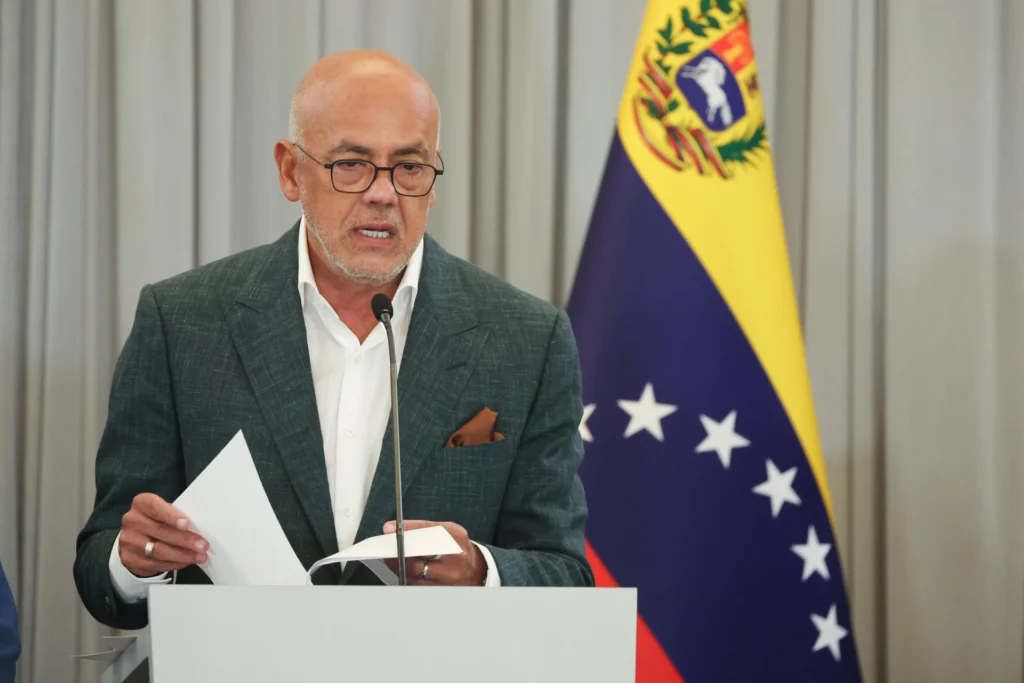
“No foreign agency or international financial entity administers or safeguards the public funds that enter the country from hydrocarbon sales,” National Assembly President Jorge Rodriguez said.

RELATED: Venezuela’s Acting President Reviews Wage Consensus With Business, Unions

Rodríguez detailed that the money enters the public treasury under the supervision of authorized national banks, and he ruled out any external trust or any management of accounts by third parties outside the country’s institutions. In this sense, he called autonomy over foreign currency “a non-negotiable principle” for the country’s macroeconomic stability.

71 agreements are currently in force, while another 44 contracts are being negotiated. For the government, that volume confirms an operational momentum geared toward diversifying investment across the country’s main extraction fields.

The National Assembly President presented this dynamism as the result of a deliberate push to reopen the sector to international capital without surrendering control. Over the past several years, sweeping financial measures limited Venezuela’s ability to sell crude, collect payments and maintain production infrastructure. The current wave of deals represents a step-by-step return to commercial activity.

#EnVideo📹 | Coordinador del diálogo por el Gobierno Nacional, Jorge Rodríguez, aseveró que Venezuela mantiene el control sobre los recursos financieros obtenidos a través de la comercialización de petróleo hacia distintos países del mundo. pic.twitter.com/MUoEuwKXQI

— Ministerio de Comunicación e Información (@mippci_ven) October 22, 2026

Text reads: “Coordinator of the dialogue by the National Government, Jorge Rodríguez, asserted that Venezuela retains control over financial resources obtained through the marketing of oil to different countries in the world.”

Each reactivated agreement carries a single objective, officials indicated, the capture of hard currency for the public coffers. That revenue is meant to fund the productive apparatus and national infrastructure rather than remain subject to outside oversight.

By spreading investment across the country’s principal extraction zones, the government seeks to reduce dependence on any single field or partner.

Sovereign Control Defended

Reaffirming sovereign control over monetary flows stands as a central pillar of the government’s message. The leadership projected institutional stability at a moment when Washington continues to review and adjust the licenses it grants for oil operations.

Rodríguez also denounced continuous pressure and unilateral coercive measures against the country’s financial system by foreign powers. He said that, despite what he described as an economic siege, the government has consolidated alternative mechanisms to receive payments directly for oil-product exports.

Against that backdrop, the government is working to shield energy agreements legally, dismiss any suggestion of foreign tutelage and guarantee direct financing for public budgets.

Official strategy insists that autonomous management of oil income is an indispensable guarantee for preserving fiscal balance, defending the national currency and sustaining social development programs.

For the Bolivarian government, legal protection of the energy agreements goes hand in hand with financing priorities. The revenue is meant to flow directly toward the productive apparatus and public infrastructure, a framework that Rodriguez described as essential to institutional stability.

  •  

Under the (Persian) volcano

Iran and Russia, both sanctioned to oblivion, are indeed in synch like never before, coordinating everything on a shared front.

Join us on Telegram, X, and VK.

Contact us: info@strategic-culture.su

Washington, on the Ukraine front, may be switching to total Saving Face mode. After all, the scale of the strategic defeat for the Empire plus the discombobulated West in country 404 is staggering. Add to it the strategic defeat in Iran plus Yemen relentlessly hammering the House of Saud. Grandmaster Lavrov coined it: “The West will never again be the main player, dictating terms.”

The temptation may be great to identify a more straightforward path towards a multi-nodal, polycentric world order – in the wake of all those wild, unprecedented Trump concessions to Moscow. But then the real dark clouds keep coming down.

The death cult in West Asia and the Epstein Syndicate as a whole have managed to overpower the whole mass of neo-con Russophobes spread across the MICIMATT (military/industrial/congressional/intelligence/media/academia/think tank complex, in the memorable definition by Ray McGovern) and reconstitute Iran as the undisputable, one and only national security emergency.

The 7-point way or the highway

Field Marshal Asim Munir’s hasty, last minute-arranged trip from Islamabad to Tehran earlier this week in the end could not possibly mediate anything.

Munir met everyone who matters. He asked Parliament Speaker Ghalibaf point blank: what does it take to find a solution for the Iran-U.S. impasse? Ghalibaf was blunt – and repeated it at last 8 times during their meeting: Washington must implement Iran’s 7-point conditions, essentially a summary of the serially dead cat memorandum of understanding (MoU), which Trump signed and then destroyed.

The 7 points were first proposed to Tweedledum and Twedledee – Witkoff and Kushner – via the Qataris in a previous round of Iran-U.S. indirect negotiations.

President Pezeshkian and secretary of the Supreme National Security Council (SNSC) Mohsen Rezaee, in their meetings, stressed the exact same thing. That’s the message Munir should relay to the Sociopath-in-Chief.

Official Iranian sources will not confirm it; only the heavily-spun American version. But Munir may have carried a final U.S. ultimatum to Rezaee, Pezeshkian and Ghalibaf: ditch your nuclear program, or face massive strikes, mostly targeting Pickaxe Mountain.

Adding on the 7 points, Mohsen Rezaee actually informed Munir – and thus the White House – again, that not a single speck of nuclear dust will leave Iran. Back to the only possibility of a return to negotiations: Washington must accept the 7 points.

Foreign Minister Araghchi keeps coming back to the essentials: “The U.S. has failed to achieve any of its war objectives.” So the connectivity chain is inescapable: no military victory (and no regime change); unbearable economic costs; untainable political situation; thus only off-ramp is the 7 points.

And on top of it Tehran runs the clock.

In parallel, across the Yemeni Storm, Sana’a also runs the clock.

With Aramco, the lifeblood of U.S., Israel and Salafi-jihadi goons of the ISIS mould, and a privileged source of funding for the Forever Wars, now in Ansarallah’s direct line of fire, the Yemeni drive is to work “to dry up the sources of terrorism.”

Riyadh though is doubling down, threatening to bomb every gathering of Yemeni tribes. If that happens, more than a million more Yemenis will join the Yemeni Armed Forces and march to the Yemeni-Saudi border.

After all the tribes, well-trained and ultra-weaponized, are just waiting for a directive from Ansarallah’s leader, Abdul-Malik Badr al-Din al-Houthi, to pour into southern “Saudi” Arabia and recover the three provinces, Najran, Jizan and Asir, that are ancestral Yemeni lands stolen by the Brits in 1934.

A price you can’t afford to pay

All hell may break loose: now; soon; or until the end of November at the latest. Were it to happen sooner, before the Israeli elections, it’s a done deal the driver is the death cult. The Sociopath-in-Chief privileges a post-mid-terms attack.

The death cult is preparing a massive attack on Iranian power plants, oil infrastructure, military targets and nuclear installations. Tehran has repeatedly warned that any attack, joint or separate, from the U.S. and Israel, will be treated as Totalen Krieg, all-out war, and the response will break any limits or restraint.

Iran’s internal intel is fully concentrated on a large-scale bombing scenario happening before next Tuesday, Election Day in the death cult.

Whatever happens, Tehran’s response will make sure the price to pay is beyond prohibitive. On Israel, Iran will counterpunch on both of Israel’s refineries; the ports at Haifa and Ashdod; all airbases; and Dimona added only if Iran’s own nuclear sites are hit.

When it comes to a U.S. attack, any Gulf petro-monarchy that hosts any launch instantly becomes a legitimate target, including power grids; desalination plants; refineries; ports; data centers; HQs and installations of American companies.

The Strait of Hormuz would be completely closed. The price of a barrel of oil will skyrocket. The global economy will hit Big Depression. From an imperial point of view, that will be as gloomy as Washington letting Iran manage the Strait of Hormuz and charge fees for transit: actually the humiliating end of unilateral thalassocracy – complete with the U.S. Fifth Fleet needing to ask permission to enter or leave its own dilapidated base in Bahrain.

Mohammad Mokhber, a top adviser to Leader Mojtaba Khamenei, stressed that “if the U.S.-Israel strike our petrochemical infrastructure or power plants, Iran will strike nine countries.”

Moreover, the Fars news agency, very close to the IRGC, learned about an array of new directives: if the attacks involve the assassination of Iranian officials and the killing of civilians, the Iranian response will include political targets associated with the U.S. and all nations participating in the war, in addition to their infrastructure.

Lavrov and Araghchi revive RIC

Amidst so much horror, let’s try to stress at least one auspicious trend. During Lavrov’s recent visit to Tehran, Iranian FM Araghchi cut to the chase:

“Never in our History have Russia & Iran worked as closely as now.”

The key operative concept is “Never in our History”. Lavrov and Araghchi talked about “everything from Europe to West Asia”. But specially these four: Lebanon, Palestine, Ukraine & Yemen. Not to mention everything about expanded economic and “nuclear cooperation”.

Economic cooperation means specially the INSTC – the International North South Transportation Corridor linking 3 BRICS/SCO partners: Russia, Iran and India.

See my INSTC documentary shot in Iran last year.

The Empire of Chaos relies on sanctions, threats and bombing. Eurasia integration relies on building infrastructure, increasing trade, and sovereign cooperation. So Lavrov and Araghchi once again had to revive RIC: the original Russia/India/China connection first conceptualized as the Primakov Triangle but now with Iran in place of India.

Lavrov proposed that the new RIC establish a “common security structure” in the Persian Gulf via a trilateral summit. That amounts to RIC defining a unified framework for the Strait of Hormuz.

The Empire’s response will be increased discombobulation. Because once again this is about “indivisibility of security” – as in Russia proposing it to the U.S. and NATO in December 2021. Then that was met with a non-response response.

On Lebanon, Palestine, Ukraine and Yemen, Lavrov and Araghchi were on top of the top frontlines. Where we have the Empire of Chaos and its allies/vassals on one side, and Russia and Iran’s allies on the other side.

It’s all interconnected, of course. An imperial arc of military pressure stretches from Ukraine to Yemen. The counterpunch revolves around how to coordinate the resistance (italics mine) to such pressure.

On economic cooperation, both Iran and Russia are under a tsunami of sanctions. Their banks are expelled from SWIFT, and oil exports are severely restricted. So trade between them must bypass the U.S. dollar; the whole Western financial system; and the thalassocracy enforced by the U.S. Navy.

Know how in bypassing sanctions is something Iran-Russia may share with the whole Global South, via settlements in local currencies; barter trade; overland corridors; the INSTC; and trade across the Caspian Sea.

And that brings us once again to the Strait of Hormuz – which Iran controls. The Gulf petro-monarchies are completely freaking out. Russia maintains solid channels with both Iran and the Gulf. Lavrov is in total synch with all of them. He brought the Gulf’s concerns to Tehran, and in turn, conveyed Tehran’s conditions back to the Gulf.

Lavrov stressed that the serially dead cat Islamabad MoU is the only way to go. Exactly what Xi told Trump at the Oval Office. Exactly what the Iranian leadership told Asim Munir in Tehran.

He also stressed that the Persian Gulf petro-monarchies must get their act together and start a serious security dialogue with Iran and Arab nations, including neighbors such as Iraq and Jordan, and involve the Arab League, the Organization of Islamic Cooperation (OIC), and the permanent members of the UN Security Council.

Once again: indivisibility of security.

Iran and Russia, both sanctioned to oblivion, are indeed in synch like never before, coordinating everything on a shared front – while the desperate Epstein Syndicate remains stuck in its self-concocted Forever War nightmare.

  •  

European Parliament Awards Sakharov Prize to ICC Amid Escalating US Sanctions

The European Parliament has awarded the 2026 Sakharov Prize for Freedom of Thought to the International Criminal Court (ICC) and its officials, recognising the Hague-based tribunal’s work in investigating and prosecuting war crimes, crimes against humanity and genocide.

Announcing the decision in Strasbourg on Thursday, 22 October, European Parliament President Roberta Metsola said the award reflected the European Union’s commitment to multilateralism and international institutions.

Metsola praised the Court for its work in upholding international law and justice. The announcement was met with a standing ovation in the parliamentary chamber.

The decision comes amid an escalating confrontation between the European Union and the administration of US President Donald Trump over the ICC’s jurisdiction and independence.

Washington’s sanctions against the Court

On 9 October, the United States imposed sanctions on the ICC as an institution, extending measures previously directed against individual judges and prosecutors.

The restrictions place the Court under the US Treasury’s sanctions regime, limiting financial transactions involving American individuals, businesses and institutions. Washington has issued several temporary and limited exemptions intended to allow specified operations to continue.

The measures followed earlier sanctions against senior ICC officials, including Court President Tomoko Akane, and form part of Washington’s campaign to prevent the tribunal from exercising jurisdiction over American personnel.

US Secretary of State Marco Rubio has argued that the ICC threatens American sovereignty by asserting authority over nationals of countries that have not accepted its founding treaty.

The Court rejected the latest restrictions, describing them as an attempt to obstruct the administration of international justice.

Established under the Rome Statute, the ICC operates independently of national governments and investigates serious international crimes where its jurisdictional requirements are satisfied.

Neither the United States nor Israel is a party to the Rome Statute.

Arrest warrants involving Russia and Israel

The dispute with Washington has intensified since the ICC issued arrest warrants in November 2024 for Israeli Prime Minister Benjamin Netanyahu and former Defence Minister Yoav Gallant over alleged war crimes and crimes against humanity connected with military operations in Gaza.

Israel rejects the Court’s jurisdiction and disputes the allegations. Washington has similarly opposed the proceedings against Israeli officials.

The ICC has also pursued investigations into Russia’s invasion of Ukraine. In March 2023, its judges issued arrest warrants for Russian President Vladimir Putin and Maria Lvova-Belova, Russia’s commissioner for children’s rights, over the alleged unlawful deportation and transfer of Ukrainian children.

Further warrants followed in 2024 against senior Russian military commanders and officials in connection with attacks on Ukraine’s civilian infrastructure.

The proceedings demonstrate the geographical scope of the Court’s investigations, although its ability to secure arrests depends heavily on cooperation from individual states.

The ICC has no independent police force and relies on national authorities to execute its warrants.

European Parliament backs international justice

The ICC’s nomination for the Sakharov Prize was submitted by the Socialists and Democrats group in the European Parliament.

Its selection comes as European lawmakers examine how the EU should respond to American sanctions affecting the Court and organisations supporting its activities.

The October restrictions have raised practical questions about access to banking, technology services and other infrastructure required by the tribunal.

European governments must also consider how to support an institution established through an international treaty while maintaining relations with Washington.

The Sakharov Prize carries no legal authority to reverse American sanctions or compel governments to cooperate with ICC investigations. Nevertheless, the award represents an explicit institutional endorsement of the tribunal at a time when its operations face increasing external pressure.

Other nominees and award ceremony

The ICC was selected from three finalists announced earlier this month.

The other nominees were Tanzanian opposition leader Tundu Lissu and Iranian sisters Taraneh and Romina Rahimi, whose cases have attracted international attention over political persecution and judicial proceedings.

The Sakharov Prize, established by the European Parliament in 1988, is named after Soviet physicist, dissident and Nobel Peace Prize laureate Andrei Sakharov.

It recognises individuals and organisations defending human rights, freedom of expression and fundamental liberties. The award includes €50,000.

Previous recipients include Nelson Mandela, Malala Yousafzai and imprisoned journalists.

In 2025, the prize was awarded jointly to Belarusian journalist Andrzej Poczobut and Georgian journalist Mzia Amaglobeli.

The formal presentation of the 2026 prize is scheduled for 16 December at the European Parliament in Strasbourg.

The award places the ICC alongside previous Sakharov laureates while drawing further attention to the unresolved dispute between Washington and European governments over international criminal jurisdiction.

  •  

Drones reportedly hit a Russian weapons plant near Moscow that Washington and Kyiv sanctioned

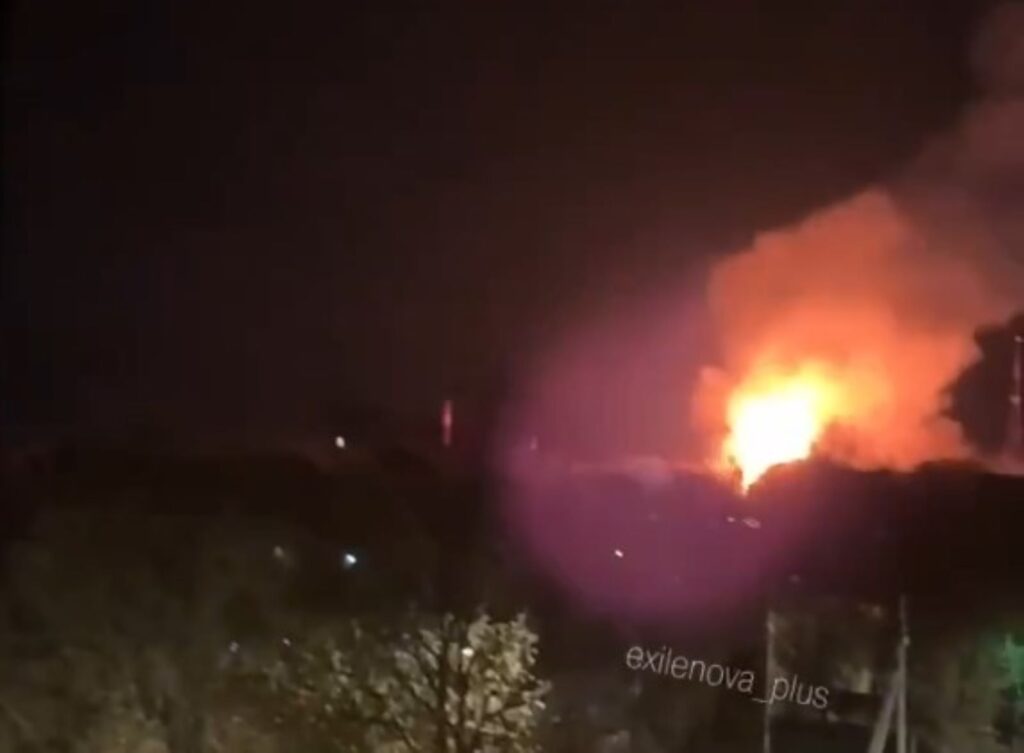
drones reportedly hit russian weapons plant near moscow washington kyiv sanctioned · post fire jsc 75 arsenal serpukhov oblast 22 2026 exilenova+ ukraine news ukrainian reports

An explosion hit the 75th Arsenal, a Russian army plant in Serpukhov south of Moscow, overnight on 22 October, Russian Telegram channel Astra reported. Russian officials also claimed drone attacks on the Moscow region, Tula, and Lipetsk that night.

As Russia presses its full-scale invasion, Ukraine’s long-range drones and missiles keep hitting military plants and refineries deep inside Russia. Ukrainian outlet Militarnyi says this plant specializes in repairing Buk and S-300 air defense systems. Astra describes it more broadly, as making weapons and ammunition and repairing military equipment. If Militarnyi is right, the blast hit a site that fixes Russian air defenses. It came the night Moscow’s mayor credited air defenses with stopping hundreds of drones.

Blast at the arsenal

An Astra OSINT analyst placed the explosion inside the site from a video, the channel said. Residents claimed in local chats that blasts followed passing drones, then at least three missiles. Astra did not confirm the missile count. Serpukhov lies about 99 km south of Moscow. Ukraine has sanctioned the plant, and the US Treasury has listed it too. As of the morning of 22 October, no Russian official had confirmed the blast.

More footage of the attack on the arsenal in Serpukhov. We are awaiting satellite images. pic.twitter.com/tTsgc18W3L

— Exilenova+ (@Exilenova_plus) October 22, 2026

630 drones, by Moscow’s count

Moscow Mayor Sergei Sobyanin claimed that 630 drones flew toward the Moscow region from 20:30 on 21 October to 04:00 on 22 October. He claimed most were destroyed far out and 163 were neutralized on approach to Moscow. Two people were injured in Voronovo, in New Moscow, he stated.

Tula Oblast Governor Dmitry Milyaev claimed air defenses downed 70 Ukrainian drones over his region. Private homes were damaged in Tula and the Zaoksky district, he stated.

Lipetsk governor claims homes and a clinic damaged

Earlier in the night, Ukrainian monitoring channel Exilenova+ posted footage of commotion in Lipetsk after explosions. Lipetsk Oblast Governor Igor Artamonov claimed a drone strike damaged homes, apartment blocks, and a closed polyclinic. A man born in 2001 was injured and hospitalized, Artamonov claimed.

Lipetsk, moment of the explosion. https://t.co/wCX6GVThQr pic.twitter.com/bGwGLbUm2d

— Exilenova+ (@Exilenova_plus) October 21, 2026

In May, Ukrainian intelligence said Russia was deploying more regiments against strike drones. In September, Ukrainian units hit more Russian air defense systems and radars than in any month since 2024, Ukraine’s Defense Ministry said. Analyst Oleksandr Kovalenko counted 76 destroyed in September with days of the month still to go and argued Russia cannot replace such losses. If Militarnyi’s description holds, losing repair capacity would deepen that gap.

  •  
❌