❌

Reading view

Zelenskyy can leverage Moscow ties from comedy days to make peace deal, says former key aide

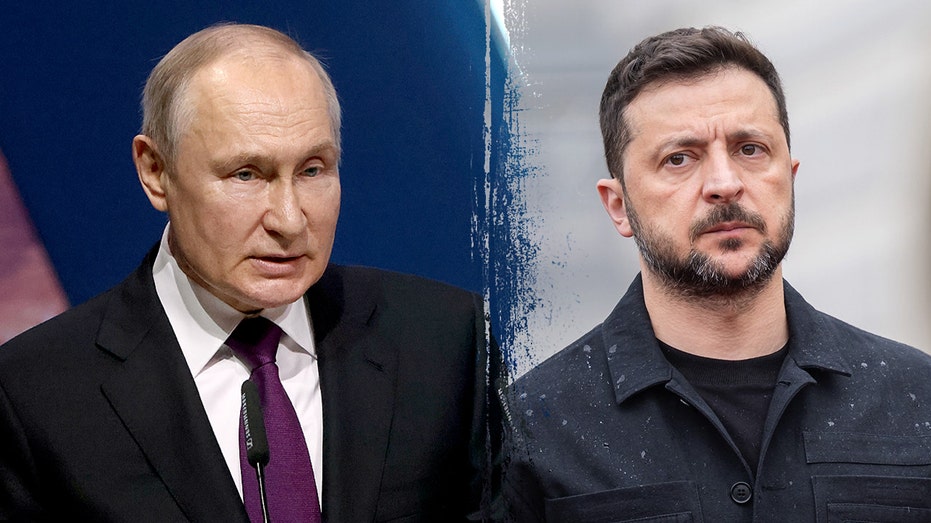
Ukrainian President Volodymyr Zelenskyy's former spokesperson urged him Sunday to meet Russian President Vladimir Putin face-to-face in Moscow, arguing that his past business and political connections in the Russian capital from years back could help him negotiate a peace deal there.

Iuliia Mendel, who served as Zelenskyy's spokesperson from 2019 to 2021, told Fox News Digital that the former comedian had also made his first millions in Russia and should perhaps leverage those ties to pursue lasting peace.

"When Zelenskyy was an entertainer, he often performed in Moscow," Mendel said, adding that the Ukrainian president "knows a lot of people from Putin's elite."

"He actually professionally grew in Moscow and earned his first millions in Moscow, and today he pretends that he has nothing in common with them," Mendel said.

RECOVERING FROM LUNG SURGERY, POPE LEO URGES PUTIN TO AGREE TO CEASEFIRE IN RUSSIAN-HELD UKRAINE CITY

"He needs to go to Moscow and needs to agree on compromises that are acceptable," she said, before adding that Zelenskyy "doesn't need to play his maximalist games and to play this noble actor."

Mendel's criticism came as Ukraine, Russia and the United States prepared for another round of technical-level peace talks, potentially in Abu Dhabi or Switzerland, in November.

U.S. envoys Steve Witkoff and Jared Kushner have helped lay the groundwork for renewed negotiations that officials hope could finally lead to direct talks between the two leaders.

Before entering politics, Zelenskyy had built a successful entertainment career. Beginning in the late 1990s, he performed with the comedy troupe Kvartal 95, competed on the Russian-language comedy program KVN and later worked as an actor, writer and producer in television and movies. 

From the late 1990s, he performed on Russian stages and at private parties and appeared in movies shown across former Soviet republics, Mendel claimed. 

She said that after Russia annexed Crimea and launched its war in Donbas in early 2014, Zelenskyy traveled to Russia to work on the comedy film "Eight New Dates" which was released in Russian theaters in 2015.

ZELENSKYY TO SEEK OFFRAMP FOR YEARS-LONG RUSSIA WAR IN UN SPEECH AFTER TRUMP REVEALS PEACE DEAL IS CLOSE

According to a report by Business Insider, many of Zelenskyy's movies were also in Russian and were marketed to a Russian audience, David Dodson, an American movie editor who worked with Zelenskyy told the outlet.

"He was a well-loved comic, actor and performer in Russia, but after [the 2013-14] Maidan [Revolution], everything changed," Dodson said.

"People need to realize that Volodya’s movies were very big in Russia. Most of his market was in Russia. He’s always been a popular comedy star in Russia," Dobson also clarified to GQ when asked if he directed the former actor in "Eight First Dates" in Russia, released in 2012.

In 2013, the movie received the Russian National Movie Awards as the Best Russian Comedy of the Year.

In 2019, Zelenskyy also promised to relinquish ownership of a Cyprus-registered company operating a film studio in Russia after investigative journalists revealed that he and his business partners still owned three Russian companies, according to the Kyiv Post.

Zelenskyy's entertainment career made him a household name in Ukraine and other former Soviet republics before he entered politics and won Ukraine's 2019 presidential election with roughly 73% of the runoff vote on promises to fight corruption and pursue peace in eastern Ukraine.

Mendel argued that Zelenskyy's promise to bring peace at the time stands in stark contrast to the devastating war that has crippled the country and defined much of his presidency.

TRUMP ANNOUNCES IMMEDIATE ENERGY CEASEFIRE BETWEEN RUSSIA AND UKRAINE

"Zelenskyy became the president with 73% record support," Mendel said. "Because he promised to bring peace to Ukraine."

"And now he has been presiding for almost five years (over) the largest war in Europe since World War II. This shows a lot."

"When his country is bleeding, he needs to make a peace deal for his people," she said before adding that the leader "needs to put the interests of his people first, just for Ukraine to exist as an independent state."

Whether Zelenskyy should travel to Moscow has, in fact, become a flashpoint in efforts to arrange direct peace talks.

In 2025, Putin offered to host Zelenskyy for talks in Moscow, but the Ukrainian president rejected the invitation as Russian forces continued attacking Ukraine.

"He can come to Kyiv," Zelenskyy told ABC News at the time, saying he could not visit Moscow while Ukraine remained under Russian missile attacks.

In September, on the sidelines of the U.N. General Assembly, Russian journalists pressed Zelenskyy on when he would visit Moscow. He replied, "On a missile."

ZELENSKYY CONGRATULATES TRUMP ON TURNING 80 IN BIRTHDAY CALL, VOWS MORE UKRAINE PEACE TALKS AT G7 ON TUESDAY

Mendel, however, argued that personal animosity between the two leaders has become the main obstacle to diplomacy.

"Today there are diplomatic efforts to try to stop this brutal and bloody war that Russia started," she said.

"But what we see now is a personal opposition between Zelenskyy and Putin that continues to grow into constant escalation in which people suffer tremendously, Ukraine's infrastructure, energy grid, and businesses are in ruins, and refugees are fleeing."

Russia launched its full-scale invasion of Ukraine in February 2022. More than four years later, peace negotiations are deadlocked over territory, security guarantees and the terms of a lasting ceasefire.

Moscow has demanded territorial concessions from Ukraine, including areas Russian forces do not fully control.

Kyiv has rejected ceding sovereign territory and insists that any agreement include enforceable security guarantees against another Russian attack.

RUSSIA RELEASES AMERICAN TEACHER IMPRISONED ON UKRAINE MERCENARY CHARGES AFTER TRUMP PRESSED PUTIN

Mendel went on to praise President Donald Trump's efforts to break the diplomatic deadlock, calling him the first Western leader to "challenge the status quo" and consistently push for an end to the war.

"For this reason, many Ukrainians place great hope in his ability to bring peace," she said.

"A sustainable peace deal cannot be reached solely between Zelensky and Putin; it requires the involvement and initiative of a strong third party to halt the ongoing devastation."

On Friday, the White House announced that first lady Melania Trump had helped broker a temporary ceasefire in Oleshky, a Russian-occupied town in southern Ukraine's Kherson region, to allow humanitarian aid deliveries, demining operations and civilian evacuations.

An estimated 1,700 to 2,000 people remain in the devastated front-line town, many of them facing severe shortages of food, medicine and other essentials.

The White House said the ceasefire would begin Oct. 29, although Ukrainian and Russian officials have indicated that operations could begin Oct. 27.

Pope Leo also reportedly spoke with Zelenskyy and Putin about the humanitarian crisis, according to Vatican News.

ZELENSKYY ACCUSES PUTIN OF DEFYING TRUMP'S CEASEFIRE PUSH, SENDS POINTED MESSAGE TO WHITE HOUSE

"Melania Trump has become synonymous with the words of a saver and a hero, since she has brokered the deal for Oleshky," Mendel said. "This is something that is going to save around 2,000 people and that neither Ukraine nor Russia could have solved for months and months."

"That is why, you know, what Melania Trump has done is actually a case to show that where two men are fighting, a woman can actually save lives," she added.

"And this is the new approach that would show that peace really should focus on human lives, not on maps and territories."

Mendel also criticized the influence of Zelenskyy's longtime ally Andriy Yermak on his diplomatic approach, arguing that the Ukrainian president has favored confrontation over compromise.

"Mr. Yermak was teaching Zelenskiy to be a strong man in diplomacy. And what today we see is actually diplomacy that doesn't exist," she said.

CLICK HERE TO DOWNLOAD THE FOX NEWS APP

"It's a diplomacy of humiliation, diplomacy of constant threats, diplomacy of demands," Mendel added.

  •  

Peaceful demise of Vučić in Serbia stands in contrast to second weekend of riots in French cities

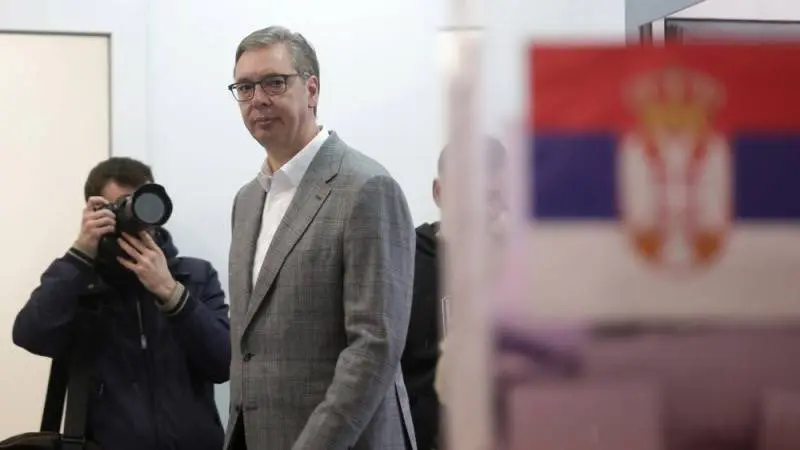
The peaceful departure of Serbian president Aleksandar Vučić could open a positive new chapter in Western Balkans history, even as France drifts in the opposite direction.

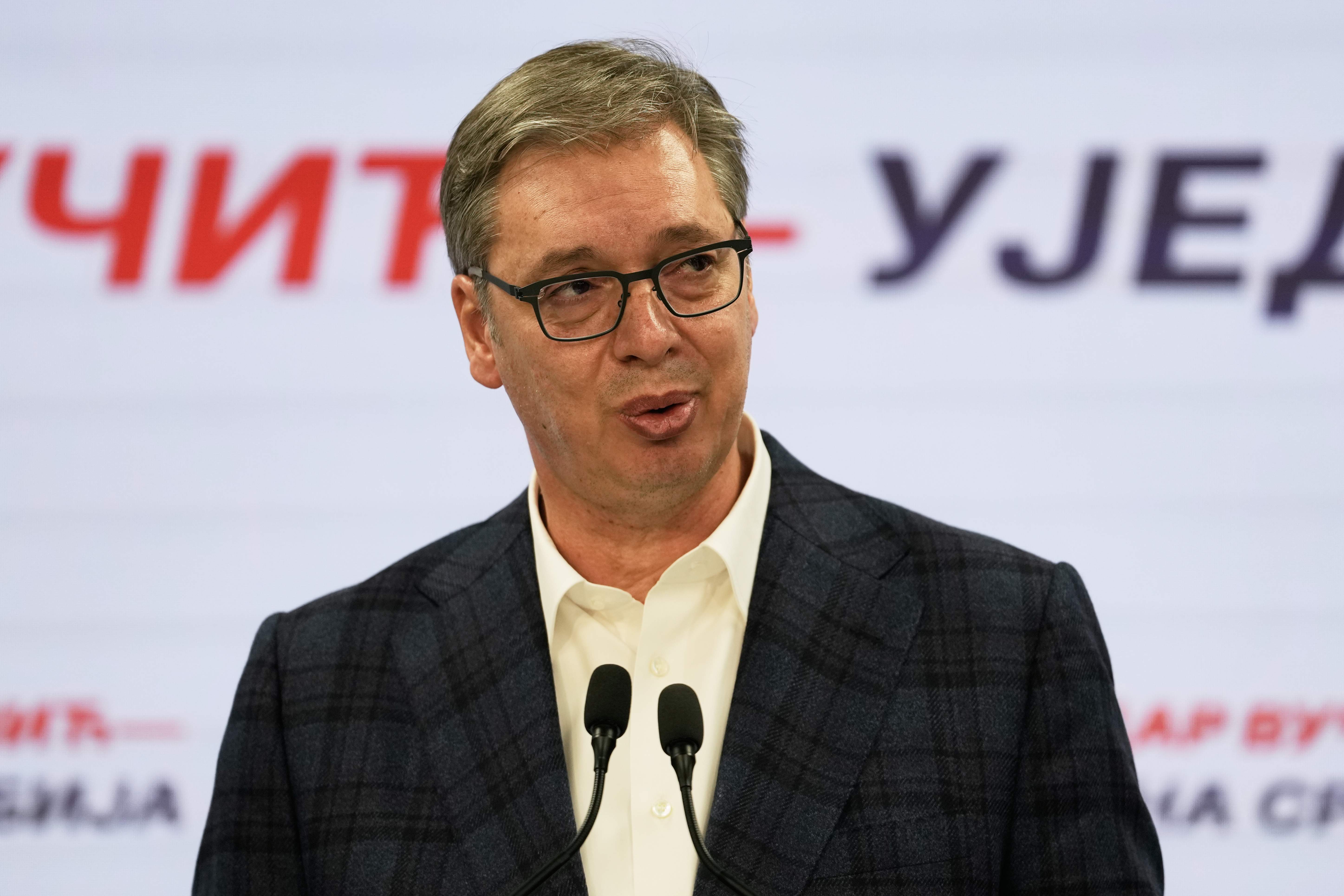
Vučić acknowledged defeat shortly after 9.30PM on Sunday (25 October), when exit polls put his SNS party on 105 seats in parliament out of 250, behind the reformist Student List movement, led by cardiologist Ilija Srdanović, on 135 to 140, even though the final results were far from clear.

“Serbia is free! People, BRAVO!,” the Student List posted on X.

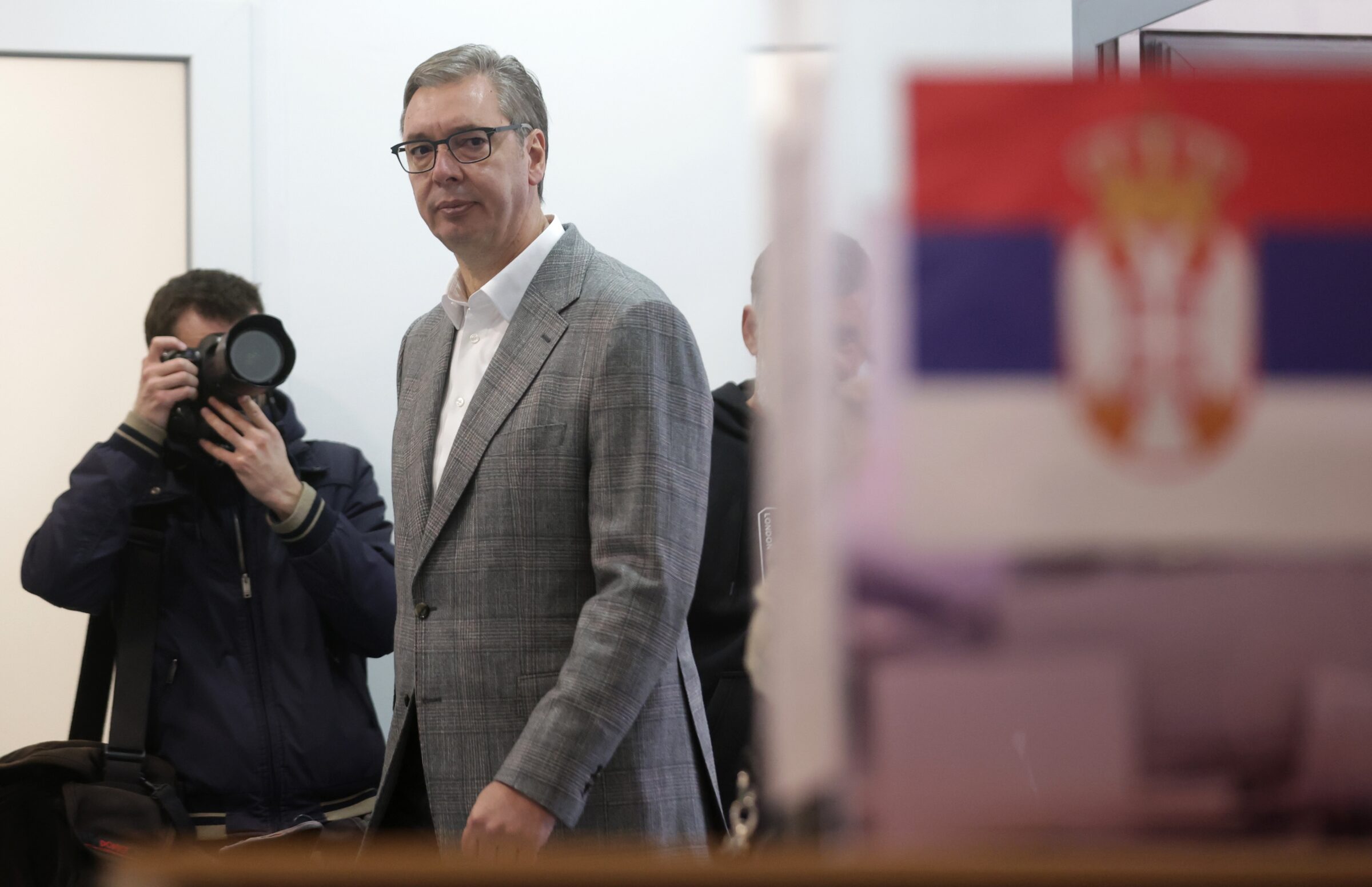
It had been a tense night in Belgrade, with a heavy police presence in front of government buildings, scuffles at polling stations, and with student and other citizens’ patrol groups monitoring voting, as well as over 300 formal international observers.

MEPs and US senators had also warned Vučić (who had once worked at the top levels of the brutal dictatorship of Slobodan Milošević) on X not to resort to violence to try to steal the vote.

But it seems that the landslide was so huge and the turnout so massive (over 69 percent) that there was nothing to be done.

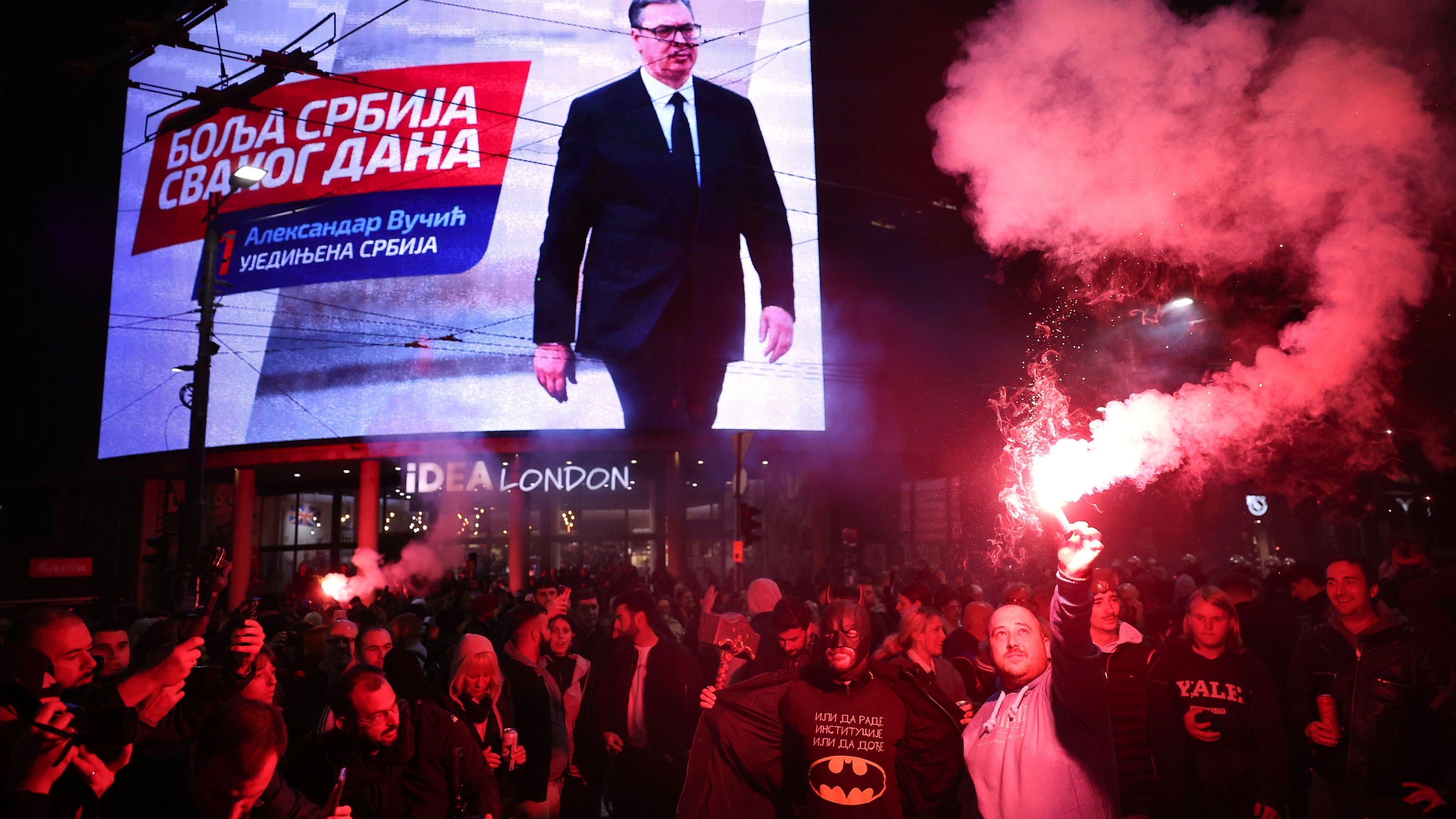
And the popular eruption of joy seen afterward all over Serbia was also reminiscent of the fall of Viktor Orbán in elections in Hungary in April.

Serbian nationalism, Western Balkan corruption, and Russian interference will not disappear from the region overnight, but with the nationalist-populist Vučić gone there is more chance of normalisation of Kosovo relations and less risk of a Bosnia break up.

And there is every chance that a positive reform momentum, rewarded by the EU, could spread from Serbia into neighbouring states and help bring more Western Balkan countries into Europe, after Montenegro is due to join in 2027.

It is the fourth defeat in national elections for pro-Russian and/or far-right parties in Europe this year, after Hungary, but also Sweden and Latvia.

And that is a good trend for progressives, in the run-up to the election super-cycle of late 2026/2027, which will see similar battles unfold in Spain, France, Estonia, Finland, Greece, Slovakia, Poland, and Italy in the next 12 months.

“If we have peace, whatever the outcome, it will be beneficial and blessed. If we have unrest, anger, and hatred, whatever the outcome, it will be disastrous for everyone,” said Serb Orthodox Church patriarch Porfirije earlier on Sunday.

Meanwhile, the spectacle of a peaceful, democratic transition of power in Serbia will not be welcomed by Moscow’s authoritarian rulers.

But if it is an example to Russian people, then it is also a powerful, alternative model for any students, leftwing activists, or ethnic minorities in France, Italy, or further afield in Europe, who spent a second weekend rioting in multiple towns in protest at social inequality.

If the far-right was to take power in France in April, spurred on by racial tension and civil unrest, it would quickly wipe out any gains made on Sunday in Serbia, in terms of EU stability, Western Balkans’ enlargement prospects, and Russian influence in Europe.

But if young people in the EU want fairer societies, then the students of Serbia, who began today’s tectonic shift in small protests two years ago in the provincial town of Novi Sad, have shown them that the path to victory lies in non-violent resistance and patience.

  •  

Herzog reaffirms independence of Israeli elections amid Trump push for Netanyahu

JERUSALEM — He serves a mostly ceremonial role. But in a matter of days, Israeli President Isaac Herzog will wield significant power as he decides which political party will have the first chance to build a government — a move that could determine the fate of Prime Minister Benjamin Netanyahu.

In an exclusive interview with MS NOW, Herzog said he would not bow to pressure from President Donald Trump to benefit his friend Netanyahu, whom Trump endorsed last week.

“I don’t think the president of the United States or anybody else can intervene in my discretion — the discretion has to be based on certain facts, and we will see what the facts are,” said Herzog. “There will be a lot of pressure, though, regardless.”

Herzog said he has “huge respect” for Trump and welcomes any dialogue, but the decision will be his, and his alone.

“I know how to deliberate with him or any other world leader,” he said. “It’s Israel’s democracy and Israel’s constitution, and that’s what counts for me.”

On Sunday, Trump re-upped his endorsement of the Israeli prime minister on Truth Social, writing, “As everyone is aware, including the enemy, Bibi and I have a great relationship in winning together.”

“We have to finish the job that we started!” Trump concluded.

With final election polling showing neither Netanyahu’s Likud party nor challenger Gadi Eisenkot’s Yashar party likely to win outright, an initial round of coalition building will likely ensue to reach the 61-seat majority threshold of the Knesset, Israel’s 120-seat Parliament.

The decision of who gets the first crack at that is one that weighs on Herzog.

“It’s going to be very delicate,” Herzog said, noting the leading candidates’ public commitments not to align with certain factions. “So it’s really an open game, especially if the results are going to be close.”

With a diverse set of parties in the anti-Netanyahu bloc, Eisenkot faces an uphill battle to solve the math problem of reaching a majority: He has ruled out including both the Arab and ultra-Orthodox parties in any government he leads.

Arab Israelis make up about 21% of the country’s population, but politicians vying to become prime minister have long excluded them from being part of the ruling government.

Though he noted Arab parties are “part and parcel of Israeli democracy,” Herzog wouldn’t say whether they belong in Israeli leadership.

“There’s a question about what happens if you have to take decisions now about war and peace, and this is the issue at stake in the political discussion and the decisions of the voters,” he said.

Herzog repeatedly said he would do whatever is within his power to avoid sending Israeli voters back to the polls for more rounds of elections — including pushing for a national unity government that would include both Netanyahu and Eisenkot, while excluding leaders from extremist parties.

“I don’t know if it’s feasible,” he conceded, noting the overall process could take long, drawn-out weeks. What that could mean for the Iran war, which Trump has hinted at restarting after the U.S. midterms, is unclear.

“I hope now there’s either negotiations or again a flaring up of the military escalation,” Herzog said, adding the decision is up to the negotiators, militaries and the U.S. president.

In the closing days of the election, the devolving situation in the West Bank has been at the forefront, highlighting the contrast between Netanyahu, who has repeatedly ignored violence against Palestinians, and Eisenkot, who has pledged to get tough on rising attacks, which have led to international condemnation and threats of sanctions.

But Herzog took exception with blaming Israeli settlers for violence in the West Bank, instead insisting the recent increase is the result of a small group of violent people “that everybody has to crack down on.”

“I can attest to the fact that strict decisions were taken by all relevant authorities, including the Israeli Security Cabinet, to that effect to crack down on this phenomena, and you will see more and more results, I hope, in the near future,” Herzog said, adding, “It’s despicable, it’s outrageous. We should take all necessary steps to arrest all of them.”

Herzog condemned a terror attack on Friday in which two Palestinian gunmen killed two Israeli soldiers and wounded three others in Hebron, prompting Netanyahu’s office to instruct security forces to immediately cordon off Hebron and prepare for a full closure of the West Bank.

“We have to fight terror without any limitations, subject of course to the law, and we have to crack down on all this violence so that we contain it fully,” he said.

Given his pivotal role in the outcome of Israel’s elections, Herzog has refused to wade into key electoral issues, including — and especially — holding Netanyahu accountable.

Last November, Trump wrote to Herzog urging him to “fully pardon” Netanyahu, who was indicted in 2019 on charges of bribery, fraud and breach of trust.

At the time, Herzog’s office responded that he held Trump in the highest regard but that anyone seeking a pardon had to submit a formal request.

Herzog, the eleventh president of Israel and who has been in office since July 2021, is predicting “huge turnout” and is confident in the integrity of Israel’s elections, which he says will determine the course of the country’s debate over the independence of the judicial system and Israel’s borders.

“Israel is an incredible democracy,” Herzog said. “It’s a source of dignity and pride to all those who love to bash at us and criticize us and attack us day in, day out without knowing that we are the only democracy in this region and we protect the free world.”

The post Herzog reaffirms independence of Israeli elections amid Trump push for Netanyahu appeared first on MS NOW.

  •  

Serbia’s Vucic Concedes Victory to Opposition Students Party

Aleksandar Vučić has admitted defeat in Serbia’s early parliamentary election, announcing the victory of the student-backed Student List. According to Vučić, the results based on a stratified sample clearly indicate the loss of his party in this election.

Serbia Begins Voting in Snap Parliamentary Elections: Serbia’s Vucic Concedes Victory to Opposition Students Party

This outcome marks the end of more than a decade of rule by Vučić’s Serbian Progressive Party, which served as Serbia’s president from May 2017 to September 2026, when he resigned to run for prime minister in Serbia’s parliamentary elections.

BREAKING: Aleksandar Vučić conceded defeat in Serbia’s snap parliamentary election, saying the student-backed Student List had won.

“Based on a stratified sample, it is clear that we have lost this election. The student blockade list won,” Vučić said.

The result ends more than… pic.twitter.com/3BaV95bV7b

— Clash Report (@clashreport) October 25, 2026

Voter turnout is projected to exceed 69%, the highest since 2000. Irregularities and some violent incidents were reported at several polling stations, including the arrest of a man for an alleged attack on Vucic’s mother.

At the same time, police and security forces blocked parts of central Belgrade and increased their presence in the area.

The electoral contest is very close. A telephone poll conducted the day before by New Serbian Political Thought (NSPM), a Belgrade-based political analysis outlet, gives the Student List a slight advantage with 44.5% of voting intentions, compared to 42.7% for the list headed by the SNS.

In the previous parliamentary elections in 2023, the coalition led by the SNS won 46.75% of the votes and 129 of the 250 seats in the National Assembly.

The SNS has governed continuously since 2012. Vucic served as prime minister between 2014 and 2017 and subsequently assumed the presidency of the country until his resignation last month.

  •  

Yemeni Houthis Leader Accuses Saudi Of Killing More Than 562 Civilians

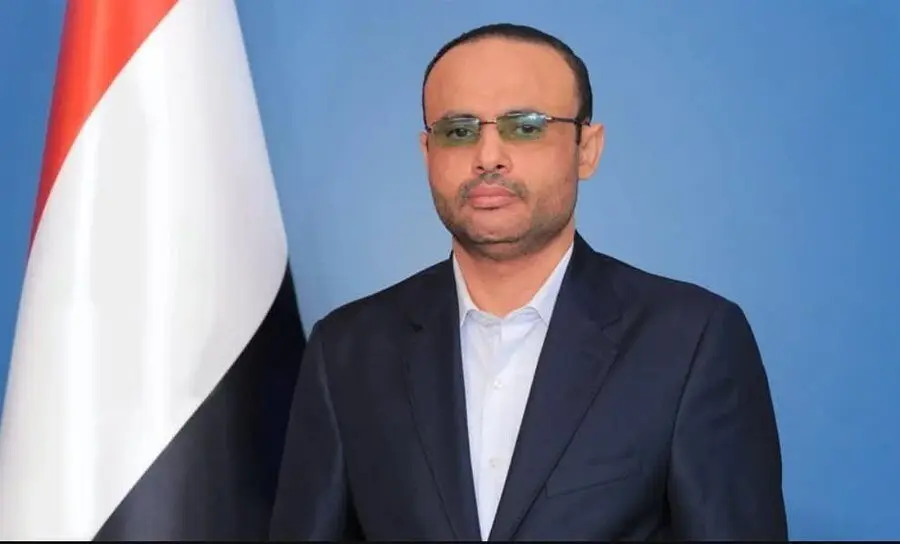
The president of the Houthi Supreme Political Council, Mahdi al Mashat, affirmed this Sunday that the attacks led by Saudi Arabia have caused the death of more than 562 civilians, mostly women and children, and pledged to fight to end what he described as the Saudi aggression and the siege of Yemen.

Pope Leo XIV Demands End to Yemen Hostilities in Urgent Peace Appeal: Yemeni Houthis Leader Accuses Saudi Of Killing More Than 562 Civilians

In a letter addressed to Yemenis, Al Mashat noted that Saudi Arabia had carried out nearly 3,000 airstrikes against the civilian population since the escalation began in September, although these figures could not be independently verified.

“We are determined to end the aggression and the siege by all means at our disposal,” Al Mashat said, adding that the group welcomed efforts to end the attacks and blockade, address humanitarian issues, repair damage caused by the conflict, and respect Yemen’s sovereignty and independence.

The President of Yemen's Supreme Political Council, Mahdi al-Mashat, accused Saudi Arabia of reneging on its commitments and intensifying its blockade of #Yemen, saying the aggression had created "the world’s largest humanitarian crisis, according to the United Nations’ own… pic.twitter.com/tnqKNAAmAl

— Al Mayadeen English (@MayadeenEnglish) October 25, 2026

These statements came after Houthi military spokesman Yahya Sarea claimed this Sunday that the total number of Saudi air and missile attacks since the latest escalation began in August had reached 3,179.

Sarea’s figure included both airstrikes and missile launches, while Al Mashat referred to nearly 3,000 airstrikes.

Neither provided a breakdown of the reported attacks, and the figures could not be independently confirmed.

Since this summer, both warring parties have been carrying out an offensive that intensified in early September, after the Saudi-backed Yemeni army claimed an attack in July on the Houthi-controlled Sana’a International Airport due to the landing of an Iranian plane.

  •  

US Midterm Elections: 23 Million Early Votes Signal Major Shift

US midterm elections draw 23 million early votes as turnout surges in key states ahead of November 3.

US midterm elections see 23 million early votes cast, with surging turnout in key states as voters weigh the economy and congressional control.

Related: Florida A&M Shooting: 11 Shot Near University During Homecoming


US Midterm Elections Draw 23 Million Early Votes

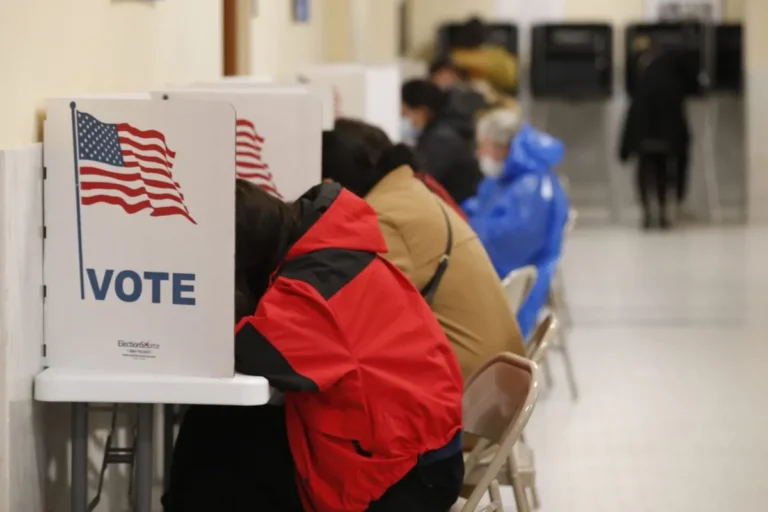
The US midterm elections have already drawn more than 23 million early votes nationwide as Americans head to the polls ahead of the November 3 election.

The total marks a sharp increase compared with the same point in the 2022 midterm cycle, when about 15 million ballots had been accepted.

The surge in early voting is concentrated in states with competitive races that could determine control of the House of Representatives and the Senate.

Analysts say the rise reflects growing concern among working-class voters over the high cost of living, housing, healthcare and economic insecurity.

In North Carolina, more than 1.2 million early votes had been accepted, an increase of 37 percent compared with the same period four years ago.

Early voting among registered Democrats rose by 47 percent, while participation among unaffiliated voters increased by 60 percent.

By contrast, early voting among registered Republicans increased by only 2.6 percent.

The figures do not reveal how individual voters cast their ballots, but they show a significant shift in the pace and composition of turnout.

The increase is particularly notable because North Carolina is one of the key battlegrounds in the fight for the Senate.

US Midterm Elections See Turnout Surge in Key States

US Election Assistance Commission | National Association of Secretaries of State

The rise in early voting is not limited to North Carolina. Similar trends have been reported in several states with decisive contests.

In Kansas, early voting increased by approximately 69 percent.

In Maine, turnout rose by 41 percent, while Iowa recorded a 24 percent increase.

In Texas, election officials reported record participation in the metropolitan areas of Dallas and Houston since voting centers opened.

Texas is a key state in this year’s elections because its Latino community represents at least 30 percent of the electorate.

Polling and organizing efforts suggest a shift in Latino voter mobilization, driven by economic pressures and rejection of anti-immigrant rhetoric from conservative sectors.

The midterm elections will renew all 435 seats in the House of Representatives and 35 of the 100 seats in the Senate.

Voters will also elect governors in 36 states and three territories.

Republicans currently hold a narrow 218-seat majority in the House, the smallest possible majority, leaving dozens of districts in play.

Democrats need to gain four Senate seats to take control of the upper chamber, a difficult but not impossible task.

Key Senate races are taking place in Alaska, Maine, North Carolina, Ohio, Iowa, Texas, Michigan and New Hampshire.

The outcome will determine whether Democrats can block or advance legislation on taxation, healthcare, immigration, energy policy and judicial appointments.

Public dissatisfaction with the economy has become a central issue in the campaign.

Polling cited in the article places approval of the government’s cost-of-living policy at just 21 percent, reflecting widespread concern over inflation, wages and living conditions.

The high level of early participation suggests that voters are treating the midterms as a major political test rather than a routine election.

US Midterm Elections Face Alaska Certification Battle

US Department of Justice | Alaska Division of Elections

The US midterm elections have also been marked by an unprecedented legal dispute in Alaska.

The US Department of Justice filed a lawsuit on October 22 seeking to block Alaska from certifying its Senate election results if Republican Senator Dan Sullivan loses to Democrat Mary Peltola.

The case centers on the presence of a second candidate, Daniel J. Sullivan Jr., a retired teacher whose name closely resembles that of the incumbent senator.

The Justice Department argues that the similar names could confuse voters and affect the outcome of the race.

The lawsuit asks a federal judge to prevent certification of any result that may have been affected by voter confusion.

It also seeks an investigation into whether votes cast for Daniel J. Sullivan were intended for Senator Dan S. Sullivan.

President Donald Trump publicly confirmed that he ordered the Justice Department to file the lawsuit.

The legal action came 11 days before the election, after early voting had already begun in Alaska.

The case has been strongly criticized by voting-rights groups, Democratic organizations and legal experts.

They argue that the federal government lacks authority to intervene in state-run elections and that the lawsuit represents an attempt to override the will of Alaska voters.

The campaign of Mary Peltola, the Democratic Senatorial Campaign Committee and groups including the League of Women Voters of Alaska and Common Cause have sought to intervene in the case.

They are asking the court to dismiss the lawsuit and protect the integrity of the state’s electoral process.

Alaska’s courts had previously rejected efforts to remove Daniel J. Sullivan Jr. from the ballot.

A federal judge and the Alaska Supreme Court ruled that his candidacy was constitutionally valid.

The dispute has drawn attention because Alaska’s Senate seat could be decisive for control of the upper chamber.

Alaska is also strategically important because of its vast oil, gas and mineral reserves.

The outcome of the race could affect future decisions on energy leases, mining permits and federal policy in the Arctic region.

Geopolitical Context

The US midterm elections will have consequences beyond domestic politics because Congress plays a central role in shaping US foreign, economic and security policy.

Control of the House and Senate will determine whether the administration can advance its legislative agenda or face greater opposition.

The elections will influence decisions on government spending, taxation, immigration, climate policy and military funding.

They will also affect the confirmation of federal judges and senior government officials.

The Alaska Senate race is particularly significant because of the state’s strategic location in the Arctic and its vast energy resources.

The United States has increased its focus on Arctic security amid competition with Russia and China over shipping routes, military presence and access to natural resources.

The outcome of the election could influence future policy on oil drilling, mining and infrastructure development in Alaska.

The surge in early voting also reflects a broader debate over democratic participation in the United States.

Voting-rights groups have warned that legal challenges to election certification can undermine public confidence in democratic institutions.

The Alaska case has raised concerns that federal power could be used to influence state-run elections.

The dispute comes as political polarization continues to deepen across the country.

The high turnout suggests that many voters see the midterms as a referendum on economic conditions, democratic norms and the direction of the country.

The results will shape the final two years of the current presidential term and could redefine the balance of power in Washington.


  •  

Gaza Food Crisis: Israel Blocks Flour as 7 Bakeries Face Closure

Gaza food crisis worsens as Israel blocks flour supplies and Gaza’s remaining bakeries face closure.

Gaza food crisis deepens as Israel blocks flour supplies, leaving only seven bakeries operating and 1.4 million Palestinians facing acute hunger.

Related: New U.S. and Israeli Military Actions Against Iran Would Be Underway


Gaza Food Crisis Worsens as Israel Blocks Flour Supplies

The Gaza food crisis has reached a critical point after Israel blocked commercial flour shipments, leaving Gaza’s last seven operating bakeries at risk of closing within 48 hours.

Abdul Nasser al-Ajrami, head of the Gaza Bakeries Association, warned on Thursday, October 22, that flour reserves in the enclave had been exhausted.

He said the remaining bakeries would stop producing bread within two days unless new supplies were allowed to enter.

“Israel kept the crossings closed throughout last week and continues to strangle the supply of commercial flour even after partially reopening them,” al-Ajrami said.

He added that the small amount of flour previously stored had already run out, forcing several bakeries to shut down.

Only seven of the 20 bakeries that had been operating in Gaza remained active when the warning was issued.

The closure of bakeries would deprive families of one of the few remaining sources of affordable food in the devastated territory.

Bread is a basic staple for Palestinian households, particularly as prices for other foods have risen sharply amid shortages and reduced humanitarian assistance.

The Gaza food crisis has worsened as commercial supplies have been blocked and international aid has been reduced.

Al-Ajrami said the flour currently sold in local markets comes from the United Nations World Food Programme, known as the WFP.

Commercial bakeries that depend on supplies brought through the crossings have been left without raw materials.

The shortage has intensified since the WFP announced a severe funding deficit and reduced food assistance for more than half a million people in Gaza.

The reduction has left more families competing for limited flour while prices continue to rise.

Gaza Food Crisis Deepens as WFP Cuts Aid

World Food Programme | United Nations News

The Gaza food crisis has been compounded by a major reduction in humanitarian assistance from the World Food Programme.

On October 19, the WFP announced that funding shortages had forced it to cut food assistance in Gaza by about one-third.

The agency said the number of people receiving food and cash assistance would fall from 1.6 million in September to 1.1 million in October.

That means approximately 500,000 people will lose access to critical food support as winter approaches.

The WFP has also halved food rations. Families receiving assistance will now receive one food parcel instead of two, along with a smaller bag of wheat flour.

The agency has reduced daily hot meals from 250,000 to 150,000 and cut cash assistance for 75,000 families.

The WFP said the cuts were not caused by a reduction in humanitarian needs or by a lack of access to deliver aid.

“We don’t have the funding to sustain the levels of assistance that are required,” said Shaun Hughes, the WFP’s representative and country director in Palestine.

The agency said it urgently needs $450 million to maintain critical operations in Gaza and the West Bank from October 2026 to March 2027.

The WFP received less than half of the funding allocated to its operations in Palestine in 2026 compared with previous years.

The funding shortfall has come at a time when approximately 1.4 million people, or 67 percent of Gaza’s population, face acute food insecurity at crisis levels or worse.

The WFP estimates that around 200,000 people are experiencing emergency conditions and require immediate food assistance to prevent deaths from hunger.

The agency said it can still support bakeries that cover one-third of Gaza’s bread needs, provide nutrition assistance to 300,000 women and children and deliver school snacks to 200,000 students.

However, the reduction in aid has placed additional pressure on families already struggling to obtain basic food supplies.

Gaza Food Crisis Exposes Impact of Israel’s Blockade

United Nations Relief and Works Agency | World Health Organization

The Gaza food crisis is closely linked to Israel’s restrictions on the entry of food, fuel, medicine and humanitarian aid.

Human rights organizations say Israeli authorities have repeatedly closed Gaza’s crossings since early October, obstructing the entry of essential supplies.

The closures have deepened shortages of flour, cooking gas, fuel and medical materials across the enclave.

The Rafah crossing has remained closed to sick and injured Palestinians waiting to be evacuated for treatment abroad.

International health organizations have also raised concerns about continued attacks on medical facilities and the detention of healthcare workers.

Gaza’s Ministry of Social Development warned that hundreds of thousands of Palestinians face an imminent humanitarian catastrophe if restrictions on flour and bakery supplies continue.

The ministry called for immediate action to stop what it described as Israel’s systematic policy of starvation and the use of food as a weapon against civilians.

Israel has said the disruption in commercial deliveries stems from a fiscal dispute between traders and the administration led by Hamas.

Palestinian traders have rejected that explanation and say the restrictions remain in place.

The Israeli military has said commercial goods would resume entering Gaza after a five-day pause.

However, Palestinian traders reported that major cuts to food supplies remained in force and that the blockade had become increasingly severe.

The WFP said the halt in commercial truck entries through the Kerem Abu Salem crossing was further restricting supplies entering Gaza.

The organization warned that restrictions on goods entering the territory were holding back recovery and reducing the purchasing power of families.

The Gaza food crisis has been aggravated by the destruction of infrastructure, displacement and the collapse of local agriculture and food production.

Most of Gaza’s population has been displaced, with many families living in tents or overcrowded shelters without reliable access to clean water, sanitation or cooking fuel.

The World Health Organization has warned that malnutrition, disease and the collapse of healthcare services are creating a deadly combination for civilians.

Geopolitical Context

The Gaza food crisis has implications beyond the immediate humanitarian emergency because it reflects the broader political and military conflict between Israel and Palestine.

Control over crossings, food supplies and humanitarian aid has become a central element of the conflict.

International law requires parties to a conflict to allow humanitarian assistance to reach civilians and to protect access to food, water and medical care.

Human rights organizations argue that the deliberate restriction of essential goods may constitute collective punishment and a violation of international humanitarian law.

The crisis has drawn attention from the United Nations, international courts and humanitarian agencies, which have repeatedly called for unrestricted access to Gaza.

The situation also has regional implications. Egypt, Jordan and other neighboring countries have faced pressure to facilitate aid deliveries and medical evacuations.

The closure of the Rafah crossing has left injured and seriously ill Palestinians unable to leave Gaza for treatment.

The Gaza food crisis could further destabilize the region by increasing displacement, deepening poverty and fueling anger across the Arab and Muslim world.

The United Nations has warned that famine risk remains high as winter approaches and humanitarian funding declines.

The WFP has said that recent modest improvements in food security remain fragile and could be reversed if access and funding are not restored.

The immediate priority is to allow flour, fuel and medical supplies to enter Gaza and to restore the operations of bakeries and humanitarian kitchens.

Without urgent action, the Gaza food crisis could push the territory into a new phase of mass hunger and deepen one of the world’s most severe humanitarian emergencies.


  •  

Europe Continues to Receive Russian LNG While Blaming Moscow for Protests: Putin

He attributed demonstrations in European cities to domestic economic and financial problems, including excessive public debt.

On Sunday, Russian President Vladimir Putin pointed out that European countries continue to receive Russian liquefied natural gas while simultaneously accusing his country of fomenting protests in Europe.

RELATED:

Iran’s Pezeshkian Will Travel to Russia To Attend the Gas Exporting Countries Forum

He recalled that Western countries had accused Russia of refusing to supply relatively inexpensive raw materials: oil, gas, coal and uranium. “But we have never refused anything to anyone,” Putin stressed.

The Kremlin chief stated that although Europeans are “planning to stop buying what they are still receiving from Russia,” they continue to receive substantial quantities of products.

“Our LNG accounts for 20% of the European market. That is a significant market segment,” he emphasized.

Russia’s President Putin talks about European energy prices and deliberate decisions which have increased prices to consumers.

“We used to sell natural gas to Europe for $150.
Now they are paying $1000”

Putin during BRICS 2026 Summit in India. pic.twitter.com/WIXbAbqE1j

— Andrew Bridgen (@ABridgen) September 24, 2026

Putin also said that Russia agrees that the transition to renewable energy sources is necessary, but that it must take place gradually and as other sources become ready for rational and economically viable use.

“Let’s shut down nuclear power plants, Let’s close open-pit coal mines, and so on. I don’t even understand what they intend to use,” Putin said of European policies, which he described as the underlying causes of ongoing protests.

“What is their cause? Their own mistakes in various areas. In the economy and finance, there is excessive public debt, exceeding 100%,” Putin said.

“There is no need to blame anyone abroad,” he stressed, adding that Europeans must address the problems they themselves have created on their own territory.

“If this work is not done, things will get worse for Europe itself,” Putin said, adding that Europeans would fail to analyze the causes of their difficulties and would “shift the blame” to the United States and Russia.

teleSUR/ JF

Source: EFE

  •  

French Yellow Vests Call for Pot-Banging Protests Outside National Assembly

They reject restrictions on demonstrations and partial curfews as a broader wave of protests spreads across France.

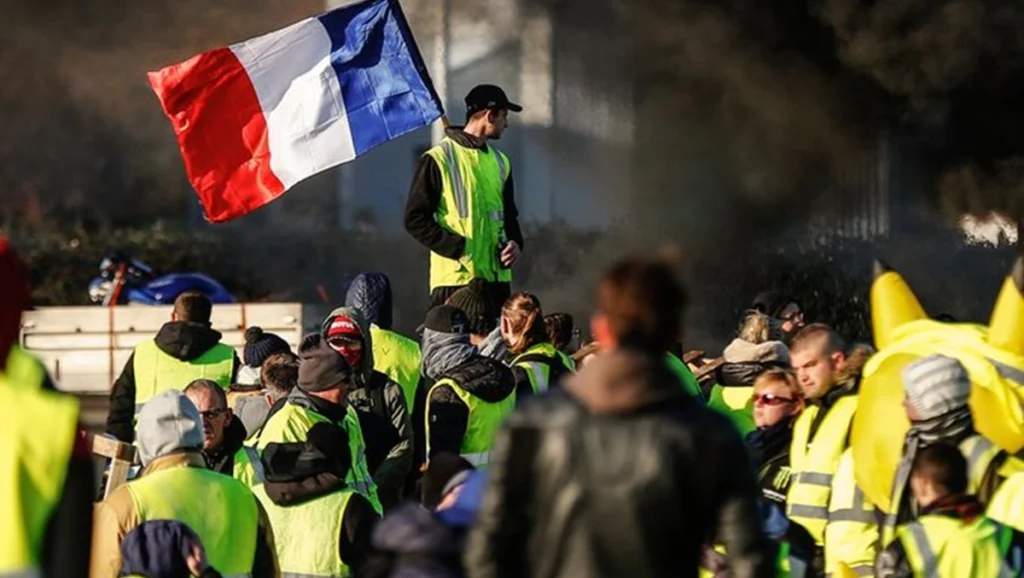
On Sunday, the Yellow Vests movement’s coordination group called for demonstrations featuring pot-banging protests outside the National Assembly on Friday, Oct. 30, to protest French President Emmanuel Macron.

RELATED:

Police Violence Escalates During Mass Protests in France

“Macron and his administration have decided to take another step toward authoritarianism. They ban our demonstrations, impose curfews, and close city centers to protesters. We will make our pots and pans heard beneath the windows of lawmakers,” the Yellow Vests said.

The group, whose demonstrations shook France in 2018 during Macron’s first term, also called for the action to be extended to areas outside city halls in protest of restrictions on demonstrations and partial curfews in some cities.

These demonstrations are part of a wave of protests that began in September, when high school students took to the streets to demand improvements at their schools.

Le 24 octobre, manifestation dans la rue avec les étudiants et les gilets jaunes.

Des gens si différents, un même rythme. Pour le pouvoir d'achat, la dignité et l'avenir.

📸 Crédit photo : Desteek Photography#24Octobre #GiletsJaunes #etudiant #Act2 #act3 pic.twitter.com/1QF1oNp9Gm

— Desteek Jeya (@DesteekJeya) October 25, 2026

The text reads, “On Oct. 24, a street demonstration with students and the Yellow Vests. Such different people, yet sharing the same rhythm. For purchasing power, dignity, and the future.”

They later received support from college students, labor unions and the Yellow Vests, who added their demands for action against the rising cost of living and in defense of public services.

Organizers of the demonstrations held over the past two weekends have called for another day of protests on Saturday, Oct. 31, and are preparing a general strike for Nov. 5.

On Monday, in an effort to avert those events, Prime Minister Sebastien Lecornu will meet with representatives of student organizations, teachers, labor unions, business organizations, local authorities and lawmakers.

teleSUR/ JF

Source: EFE

  •  

Venezuelan opposition leader María Corina Machado makes surprise return home after nearly a year abroad

Venezuelan opposition leader María Corina Machado made returned to her home country on Sunday after nearly a year abroad, re-entering a political landscape transformed by the U.S. ouster of Nicolás Maduro.

"I'm here. With you all," Machado wrote on social media, announcing her return for the first time since December. Her homecoming comes as Venezuela remains under the leadership of acting President Delcy Rodríguez, a longtime Maduro ally backed by the Trump administration, with no presidential election scheduled.

President Donald Trump, asked about Machado's return by reporters in Port Huron, Michigan, said he was unaware of the development but expressed hope for her safety.

TRUMP TOUTS ACCESS TO 65 BILLION BARRELS OF VENEZUELAN OIL IN DEAL HE SAYS WILL SLASH GAS PRICES

"I don't know anything about it, but I think she's a very nice woman," Trump said. "She gave me her Nobel Prize. So how can I say anything else? And I hope she's safe. She's a very nice woman. But we're doing really well in Venezuela."

Machado, who was awarded the Nobel Peace Prize in 2025 for her peaceful opposition to Maduro's government, did not disclose her exact location or provide details about how she returned.

Fellow opposition leader Edmundo González, who ran for president in 2024 after Machado was barred from seeking office, confirmed her arrival on social media and said he would join her "very soon."

"Today is a very important day for Venezuelans. Our sovereign voice returns with her to lead and guide this process!" González wrote on X. "You know it, this is until the end."

Machado's return comes nearly 10 months after U.S. forces captured Maduro in January, removing the longtime leader from power.

Rodríguez, Maduro's former vice president, has remained in power with the Trump administration's support, despite exceeding the period she was initially authorized to serve as acting president.

Trump has repeatedly praised his administration's relationship with Rodríguez, highlighting agreements involving Venezuelan oil production and other business ventures with American companies.

NICOLAS MADURO AND WIFE CILIA FLORES FACE NEW CHARGES OF CONSPIRACY TO TORTURE AMERICANS

In September, Trump said it was too soon to consider holding democratic elections in Venezuela, with U.S. officials prioritizing economic stabilization. Machado and her allies, meanwhile, have pushed for an election date, arguing that democratic governance is essential to the country's long-term stability.

Her return could complicate relations between the Venezuelan opposition, the interim government and Washington. Reuters reported in June that U.S. officials had asked Machado to delay her return.

Machado spent much of 2025 in hiding after being briefly detained following an opposition protest that January. She later secretly left Venezuela and resurfaced in Norway in December to receive the Nobel Peace Prize.

Meanwhile, a faction of the Venezuelan opposition and Rodríguez's government held another round of talks this month focused on reforms to the country's Supreme Court and electoral authorities ahead of eventual elections, Reuters reported.

CLICK HERE TO DOWNLOAD THE FOX NEWS APP

Machado's political movement has not participated in those negotiations.

The Associated Press and Reuters contributed to this report.

  •  
❌