❌

Reading view

UK sanctions Sudanese military leaders implicated in El Fasher ‘campaign of rape’

Commanders suspected of sexual violence during the largest and fastest slaughter of civilians in more than 30 years have been subjected to travel ban and asset freeze

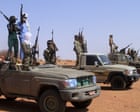
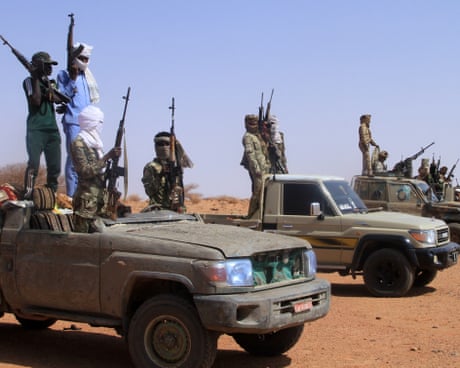
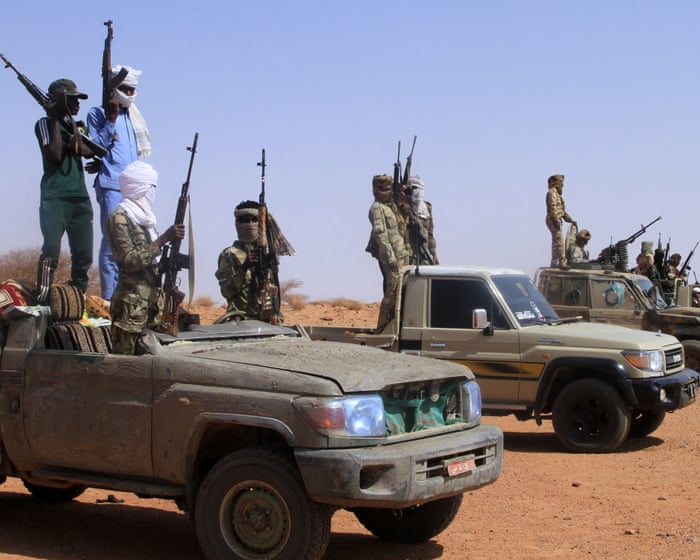
Senior Sudanese commanders implicated in a “campaign of rape” have been targeted by the UK on the first anniversary of a mass atrocity that saw tens of thousands of civilians killed over several days.

A year after the fall of El Fasher, the British government said it had sanctioned military leaders from both sides in the country’s ongoing conflict whom it suspected of sexual violence during the siege of the city.

Continue reading...
© Photograph: Ebrahim Hamid/AFP/Getty Images
© Photograph: Ebrahim Hamid/AFP/Getty Images
© Photograph: Ebrahim Hamid/AFP/Getty Images
  •  

US forces accused of ‘weaponising’ Somalia’s floods by trapping women and children in the path of El Niño

Exclusive: Coordinated airstrikes on territory held by al-Shabaab are driving the civilian population to find refuge alongside a river where rising water levels are a threat to safety. Is it a deliberate military strategy?

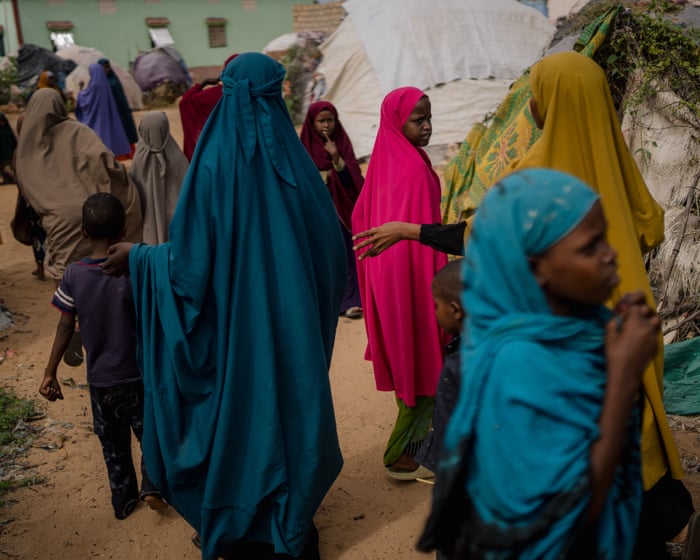
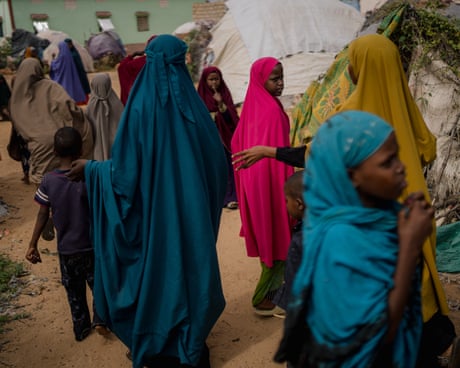
The water was rising rapidly. It had already reached Cayni Ali’s waist. Her home, five metres from the flooded River Juba in southern Somalia, never stood a chance. There was nowhere to go. Ali’s city of Jilib was under attack. Repeated airstrikes, said the mother of six, were pinning its population beside the rising river.

“The drones come all the time,” said the 27-year-old. “We hear them constantly. They kill animals, civilians. The town is big but destruction is everywhere.”

Continue reading...

© Photograph: Hugh Kinsella Cunningham

© Photograph: Hugh Kinsella Cunningham

© Photograph: Hugh Kinsella Cunningham

  •  

India slashes cost of cancer drugs after court rules mark-ups are ‘extortion’

Case filed in 2022 by patient unable to afford medicine leads to cap on drug prices for millions who face ruin if diagnosed

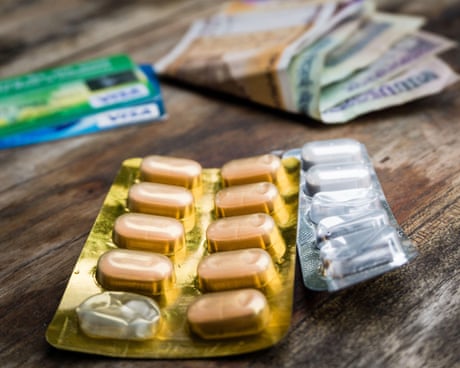
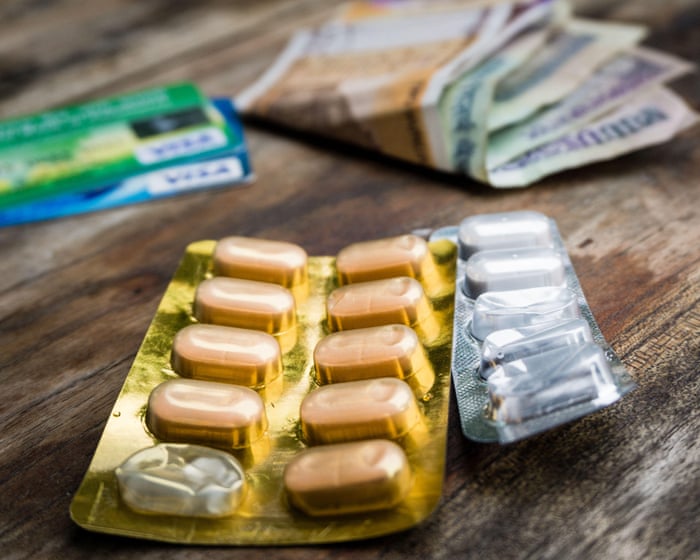
The Indian government has moved to reduce the price of cancer drugs after a retired bank clerk took her case to the supreme court.

From next month, 137 cancer drugs in India will be cheaper as the government tries to tackle the tragedy of poorer patients either forgoing treatment, selling land or falling into debt to meet the high cost of some medicines, which are making large profits for hospitals and pharmacists.

Continue reading...

© Photograph: Rupendra Rawat/Alamy

© Photograph: Rupendra Rawat/Alamy

© Photograph: Rupendra Rawat/Alamy

  •  

Big pharma accused of ‘free-riding on nature’ as global fund attracts just $7,000

The Cali Fund, set up to raise $1bn a year for biodiversity from drug companies, remains near empty

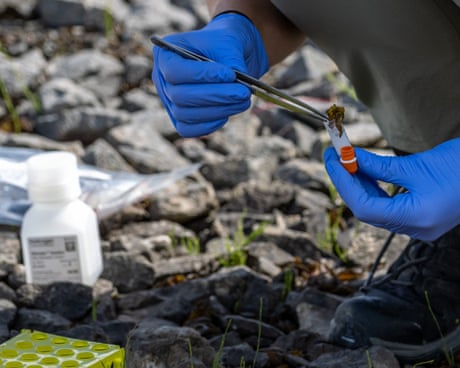
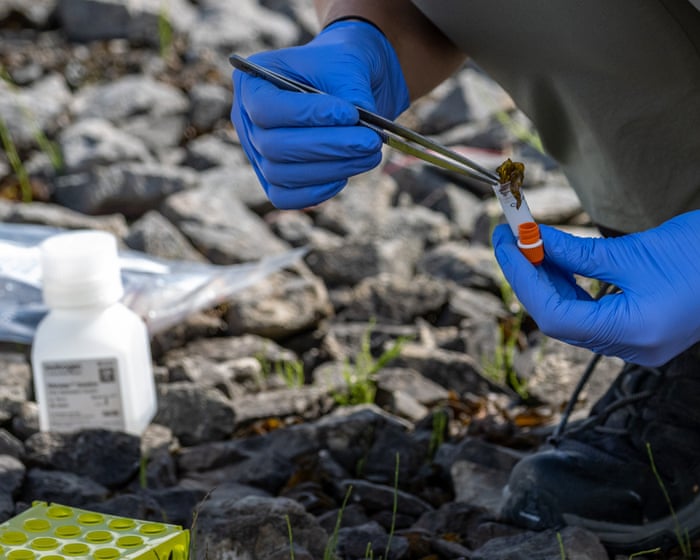
Big pharmaceutical companies have been accused of “free-riding on nature”, after a landmark biodiversity fund that invites businesses to put some of their profits back into conservation was left virtually empty.

The Cali Fund set out to raise $1bn (£750m) annually, by asking companies that profit from nature’s genetics to contribute towards conservation in low-income countries. But more than 18 months after the fund was launched, it remains far below this target.

Continue reading...

© Photograph: Rebecca Cole/The Guardian

© Photograph: Rebecca Cole/The Guardian

© Photograph: Rebecca Cole/The Guardian

  •  

Do not be distracted by global crises. Nature cannot wait for a better year – we must act now | Steven Guilbeault

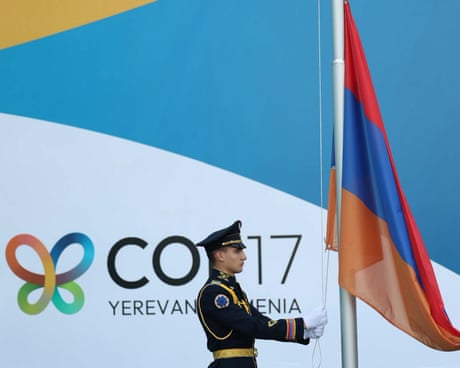
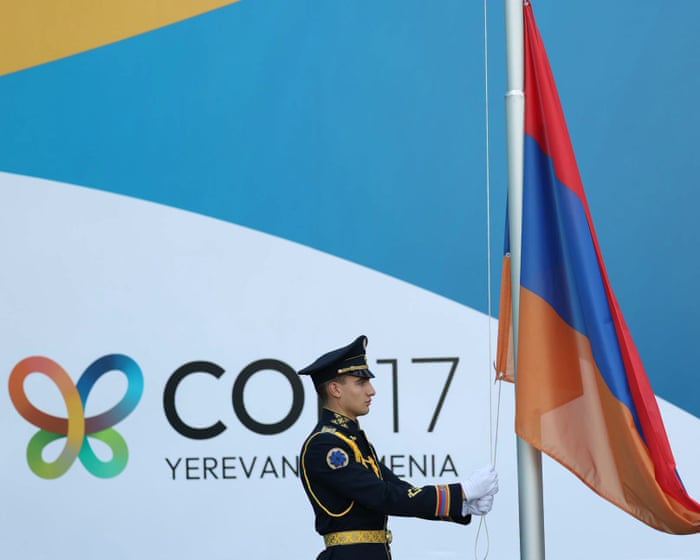
In 2022, I helped push through the international agreement to protect biodiversity. Wars and economic pressures can make nature seem like a ‘nice-to-have’. But it is a critical asset, and Cop17 must deliver real action

When I was five, property developers came to cut down the woods behind my home in La Tuque, Quebec. My mother encouraged me to climb one of the trees in protest, then told the developers, straight-faced, that there was nothing she could do when they asked her to get me down. A few days later, the tree was cut down anyway.

I thought about that tree in the early hours of a freezing Montreal morning in December 2022, as the gavel came down on a global agreement between nearly 200 countries to halt and reverse the loss of nature by 2030. I thought about how important nature is for our health, our food security and our economies, but also how much passion there is around protecting it, and how it has the power to inspire people all around the world.

Continue reading...

© Photograph: COP17

© Photograph: COP17

© Photograph: COP17

  •  

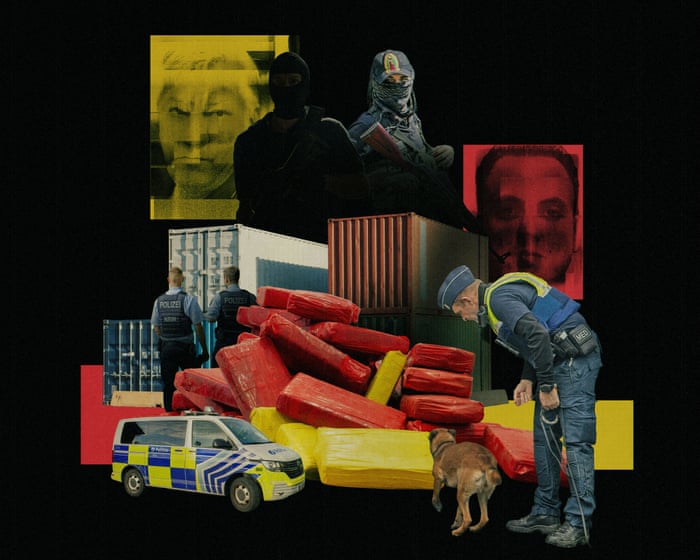
The ‘Finger cutter’ and the ‘Brazilian Escobar’: the men accused of bringing cocaine cartels to Europe

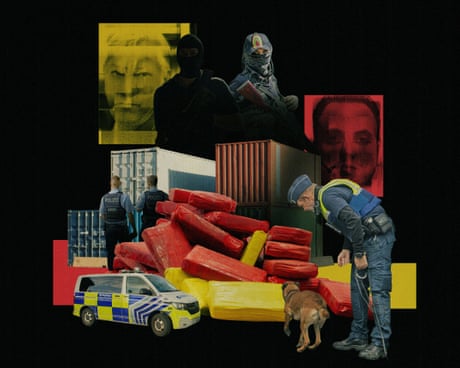
A Belgian criminal organisation’s links with a Brazilian cocaine gang have been the focus of a major trial in Brussels, where smuggling links have been alleged between European players and the drug cartels of Latin America

In the early hours of 7 September, a convoy of heavily armed police swept through the sleeping streets of central Brussels towards the Haren district, on the city’s north-eastern outskirts. They made their way to 22 Avenue du Bourget, a militarised bunker-like complex that was the former headquarters of Nato.

The modernist complex, with its austere and functional architecture, was hastily built in 1967 and houses the Justitia courtroom, where Belgium’s federal trials are now held. It was here that the perpetrators and accomplices of the 2015 Paris terrorist attacks and the 2016 Brussels attacks were tried in 2022.

Continue reading...

© Composite: Guardian Design/Belga/AFP/Getty Images/AP/Europol

© Composite: Guardian Design/Belga/AFP/Getty Images/AP/Europol

© Composite: Guardian Design/Belga/AFP/Getty Images/AP/Europol

  •  

Why the US Can Never Match Chinese Shipbuilding

America’s $66 billion plan to “beat China’s shipbuilding empire” is not a strategy but an admission of systemic deadlock: unable to compete directly, the US is turning to asymmetric sabotage. In a recent Business Insider article and accompanying video regarding the US’ $66 billion plan to “beat China’s shipbuilding empire,” it is revealed that US […]
  •  

No Permanent Allies: Pakistan and the Politics of National Interest

In a world of shifting alliances, Pakistan must balance strategic partnerships with national interests — and the key question is whether the Makkah Pact will become a tool of strategic autonomy or another form of dependence. In recent years, the world has seen an unprecedented shift in global alliances. According to the realist school of […]
  •  

The Age of Observers Is Over: How the Global South Is Rewriting the Rules of the Game

The global system is undergoing its deepest shift in the balance of power since the end of the Cold War: the unipolar world is fading, and the Global South is transforming from a passive rule-taker into an active agenda-setter. Moment of Truth: From the Periphery to the Center of Decision-Making. The key question of 2026 […]
  •  

From Artificial Intelligence to Super Intelligence: America’s Golden Age

The US shift from Artificial Intelligence to Super Intelligence signals a transformation in technological and strategic power: from Project Stargate to space weapons, SI could reshape warfare, and its ability to process vast information becomes both an advantage and a threat. On September 29, 2026, President Donald Trump signed Executive Order 14434, “Inaugurating the Era […]
  •  

Practical Directions for BRICS Development in the Medium Term

The actual handover of the BRICS chairmanship from New Delhi to Beijing will take place in three months, but the contours of the group’s near-term agenda can already be identified with reasonable clarity. As BRICS expands and diversifies, the focus of discussions is shifting from symbolic gestures to issues of practical economic integration. Experts identify […]
  •  

How Russia is Rewiring the Global South

The West may have pushed Russia out of its orbit, but it cannot push Russia out of the world. Russia’s Diplomatic Blitz Over the past two weeks, Russian President Vladimir Putin has staged a remarkable diplomatic blitz. Across three major gatherings in Bishkek, Vladivostok and New Delhi, as well as during Vietnamese leader To Lam’s […]
  •  

BRICS in New Delhi: From Global South Platform to Emerging Alternative

Along with India’s rapprochement with China, the New Delhi BRICS Summit showed that the group is no longer content to remain a platform for the Global South’s protest; it is beginning to build institutions, economic networks, and diplomatic alternatives of its own. A summit held during a period of international turmoil The 18th BRICS Summit, […]
  •  

Why BRICS Matters for the Emerging Multipolar World

BRICS has yet again demonstrated its paramount importance as an institution by gathering the significant economies of the world and strengthening the multipolar world. Introduction The 18th BRICS Summit took place in New Delhi on September 12–13, 2026. BRICS has 11 members, including Brazil, China, Egypt, Ethiopia, India, Indonesia, Iran, Russia, Saudi Arabia, South Africa, […]
  •  

India’s BRICS Dilemma: Multi-Alignment Without a Clear Global South Vision. Part 1

As India hosts the 18th BRICS Summit in New Delhi, its policy of multi-alignment is under crucial scrutiny: whether New Delhi can achieve a balance between strategic autonomy and a real commitment to the Global South, or whether BRICS is simply another instrument of transactional, multi-alignment diplomacy? India is presenting its term as president of […]
  •  

BRICS Benefits and Western Alternatives: Competitive Options for Large Economies of the Global South

The strategic choice facing India, the UAE, Saudi Arabia, and other large developing economies does not just boil down to choosing between BRICS and the West. These countries continue to follow a multi-vector policy, aiming to simultaneously reap the benefits of cooperation with BRICS, the G7, the EU, and regional institutions. However, it is important […]
  •  
❌