❌

Reading view

Lula prevails in Brazil but Flávio Bolsonaro refuses to concede

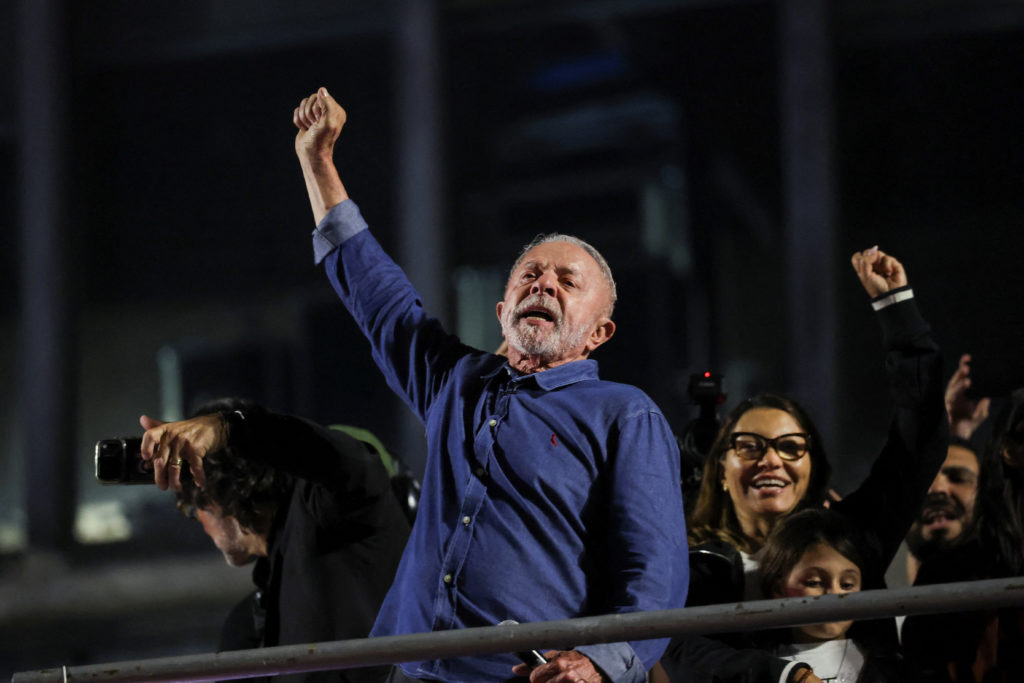
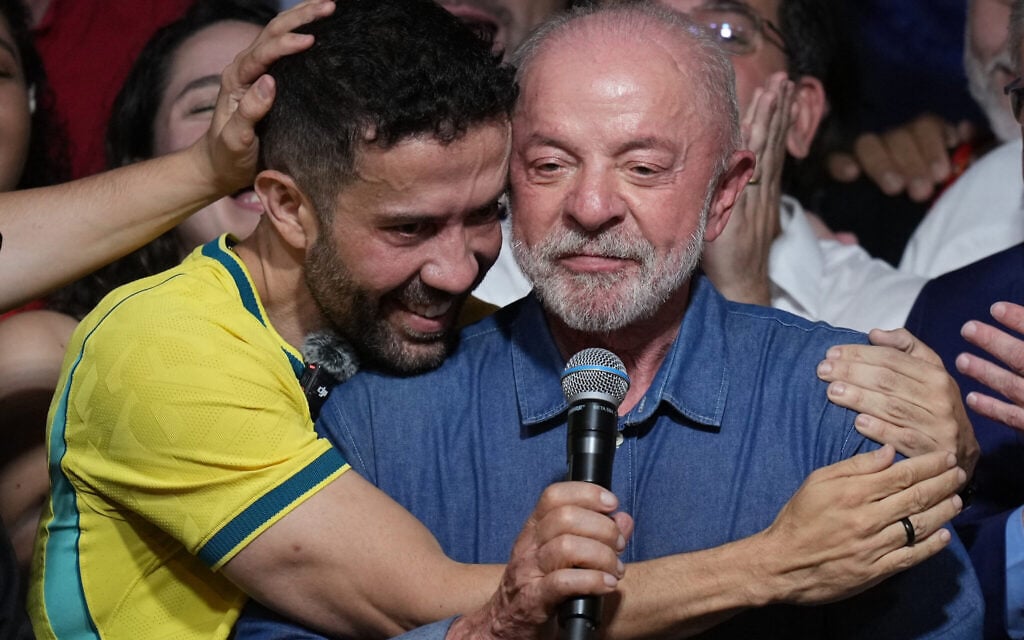
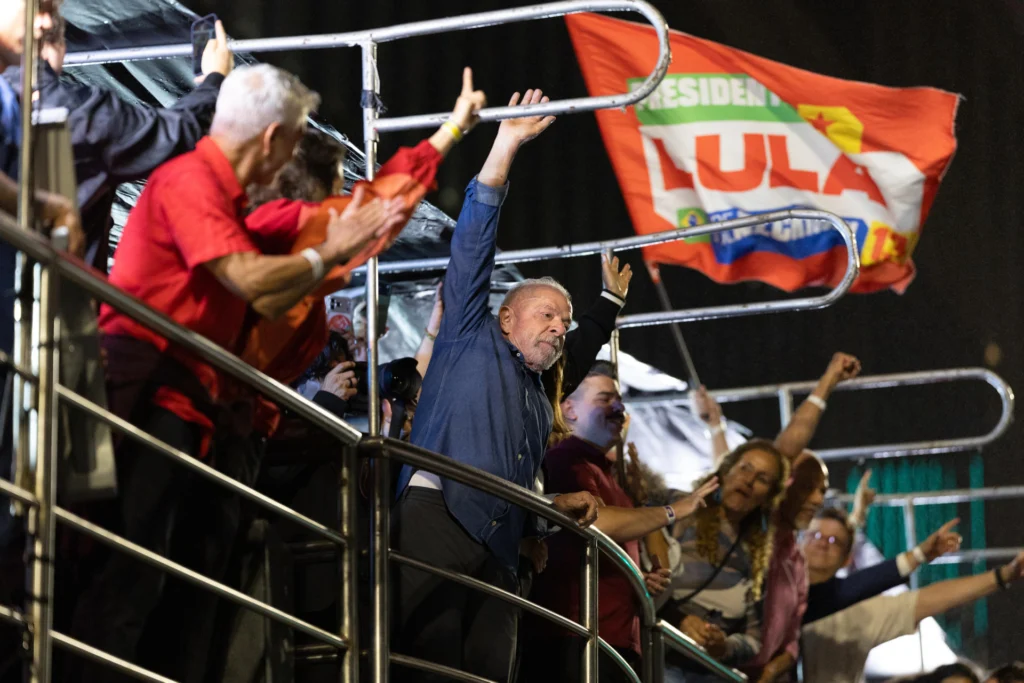
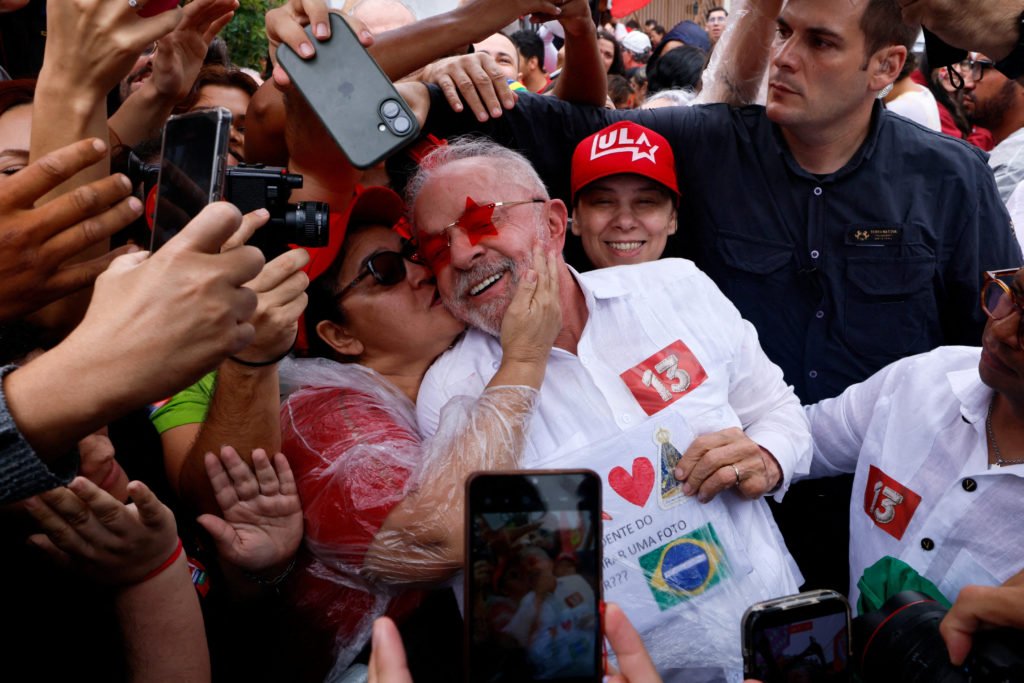
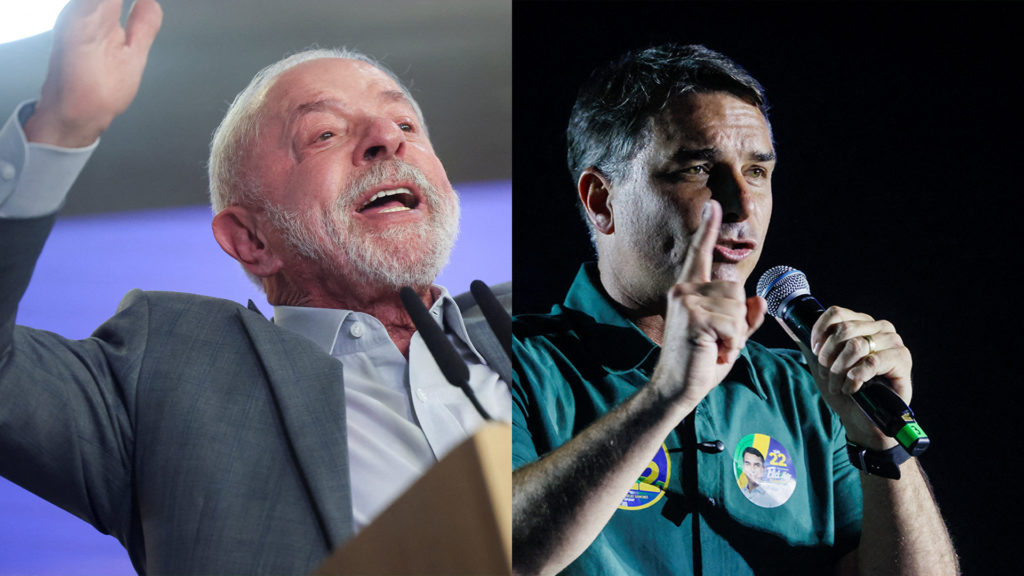
In a closely watched election, Brazilian President Luiz Inácio Lula da Silva defeated right-wing and Trump-aligned challenger Flávio Bolsonaro. Transport and weather disruptions in parts of Brazil led to a chaotic final stretch at the polls. Bolsonaro is refusing to concede, and President Trump called the outcome "rigged." Stephanie Sy reports.

  •  

Ações recuam mais de 50% em dia de circuit breaker; veja maiores perdas

Após um pregão turbulento nesta segunda-feira (26), o Ibovespa fechou em queda de mais de 13%, aos 176.608 pontos, em resposta do mercado à reeleição do presidente Luiz Inácio Lula da Silva (PT).

A bolsa brasileira registrou a maior perda em um dia desde março de 2020, período marcado pelo início da pandemia de Covid-19.

Diante do movimento, a B3 precisou acionar o circuit breaker, ferramenta utilizada em momentos de maior volatilidade no mercado, quando há maior aversão ao risco por parte dos investidores e os principais índices acionários sofrem fortes quedas.

A suspensão ocorreu logo no início do pregão e teve duração prevista de 30 minutos.

Os papéis da Magazine Luiza (MGLU3) lideraram as perdas, com queda acima de 58%. O setor varejista é um dos mais expostos aos juros, que dispararam na sessão após a frustração do mercado com a vitória de Lula e o esvaziamento das expectativas de mudança na política fiscal.

O pódio ainda é composto pelos papéis da Vamos (VAMO3), com perda de quase 57%, e a Hapvida (HAPV3), que perdeu aproximadamente 55%.

Maiores quedas do Ibovespa nesta segunda-feira (26)

  1. Magazine Luiza (MGLU3): -58,23%
  2. Vamos (VAMO3): -56,79%
  3. Hapvida (HAPV3): -54,93%
  4. C&A Modas (CEAB3): -47,47%
  5. Cosan (CSAN3): -46,73%

Já as maiores altas ficaram com empresas voltadas ao mercado internacional, que tendem a se beneficiar com o avanço do dólar via exportações.

O lado positivo do pregão foi puxado por Suzano (SUZB3), que avançou 10,08%, Embraer (EMBJ3), com alta de 8,89%, e WEG (WEGE3), que subiu 4,21%.

Reação negativa às eleições

O principal indicador do mercado brasileiro de ações reagiu ao resultado eleitoral do último domingo, que confirmou o quarto mandato de Lula. A eleição contrariou as expectativas dos acionistas, que apostavam na vitória do senador Flávio Bolsonaro (PL).

A expectativa do mercado em relação ao candidato da oposição foi alimentada, principalmente, pelas pesquisas eleitorais de segundo turno, que mostravam o filho do ex-presidente Jair Bolsonaro ligeiramente à frente.

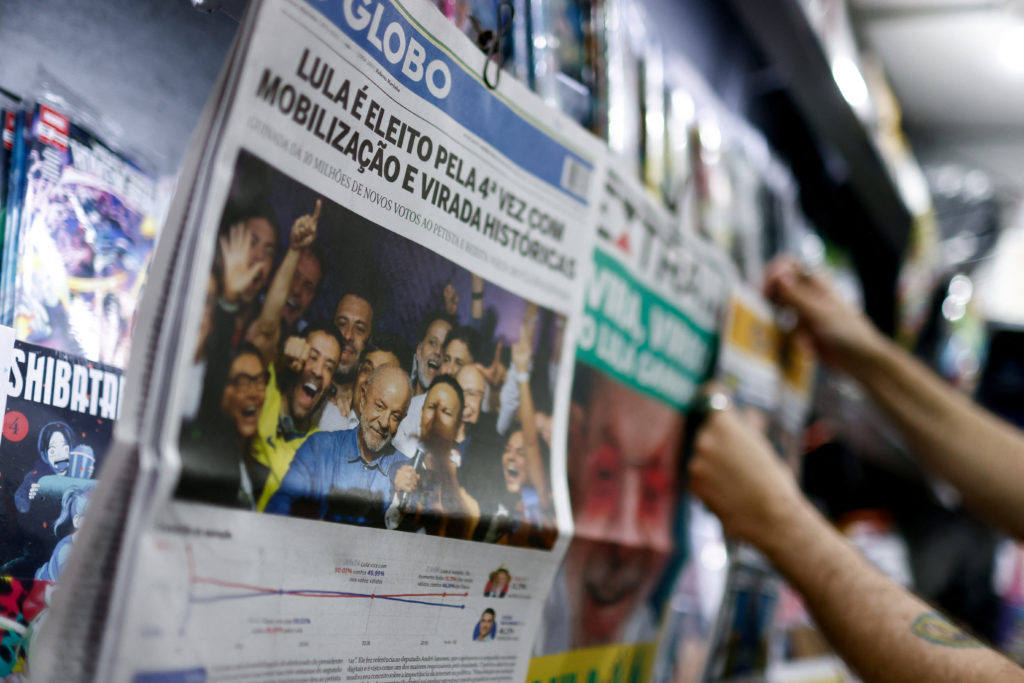
Lula obteve 51,79% dos votos, reelegendo-se pela segunda vez e renovando seu próprio recorde de presidente mais votado da história.

Segundo Gabriel Magno, chefe de alocação de investimentos e sócio da AW Capital, o mercado precificou e se preparou para uma mudança de governo, na expectativa de anos mais “racionais” em relação ao controle de gastos e ao perfil da dívida pública.

“Entretanto, com o cenário consumado da reeleição do Lula, os investidores globais cortam suas expectativas para mais 4 anos do mesmo perfil de governo que levou o Brasil a um dos juros reais mais altos do mundo. É por isso que a bolsa cai tanto hoje”, afirmou.

*Com informações da Reuters e Agência Estado 

  •  

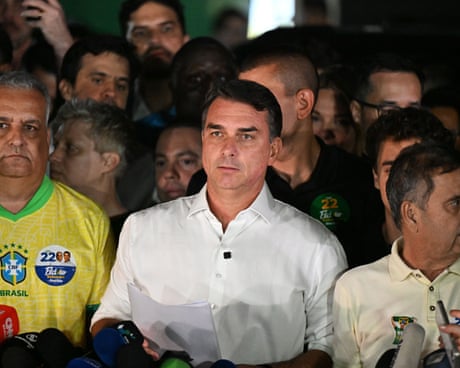
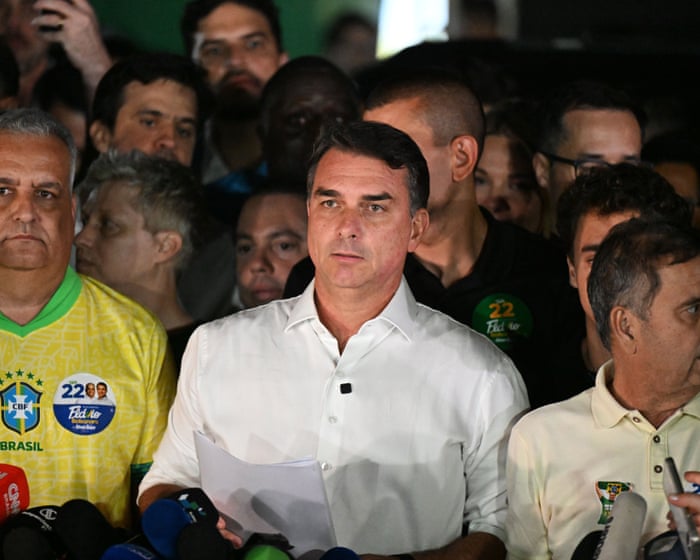
Brazil: defeated Flávio Bolsonaro ordered to surrender passports

Far-right senator banned from leaving country as supreme court judge’s ruling cites money-laundering case

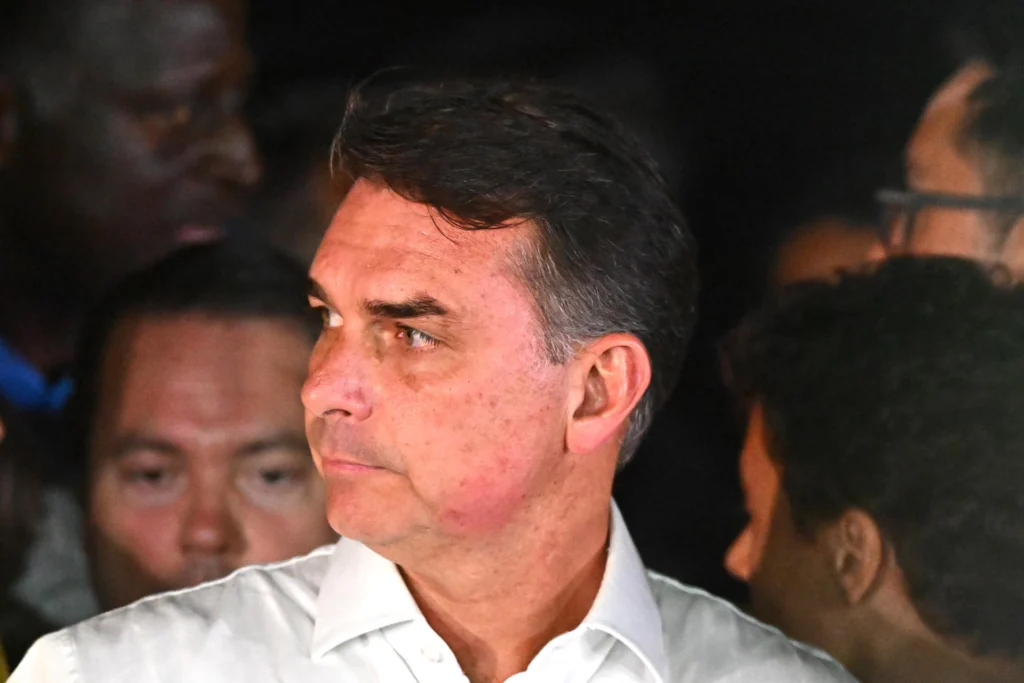
The far-right senator Flávio Bolsonaro was banned from leaving Brazil and ordered to surrender his passports just hours after his dramatic loss in the presidential election to the leftist president Luiz Inácio Lula da Silva.

The ruling was issued by Alexandre de Moraes, the same supreme court justice who oversaw the trial of the senator’s father, the former president Jair Bolsonaro, for attempting a coup.

Continue reading...

© Photograph: Xinhua/Shutterstock

© Photograph: Xinhua/Shutterstock

© Photograph: Xinhua/Shutterstock

  •  

US urged to recognize Lula’s Brazil win as foe demands annulment

Pro-democracy campaigners urged governments around the world, including in the US, to formally recognize Brazilian President Luiz Inácio Lula da Silva victory in Sunday’s runoff election as his far-right challenger, Senator Flávio Bolsonaro, refused to accept the results, sparking fears of political violence and another coup attempt. “It is impossible to recognize the results. I […]

The post US urged to recognize Lula’s Brazil win as foe demands annulment appeared first on Asia Times.

  •  

Incumbent Lula is declared winner of Brazil's election as Bolsonaro rejects results

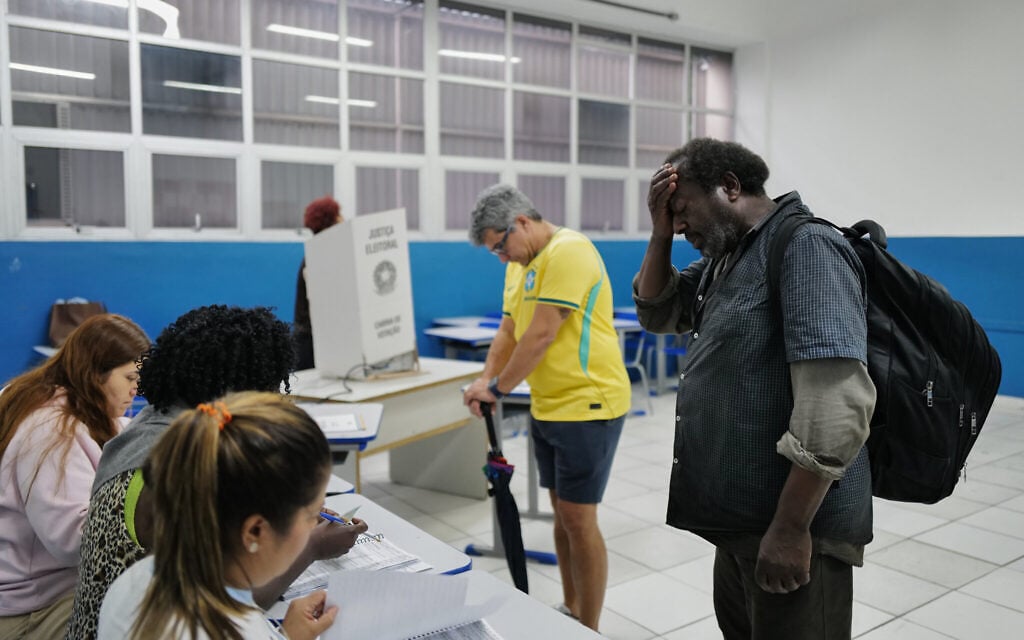
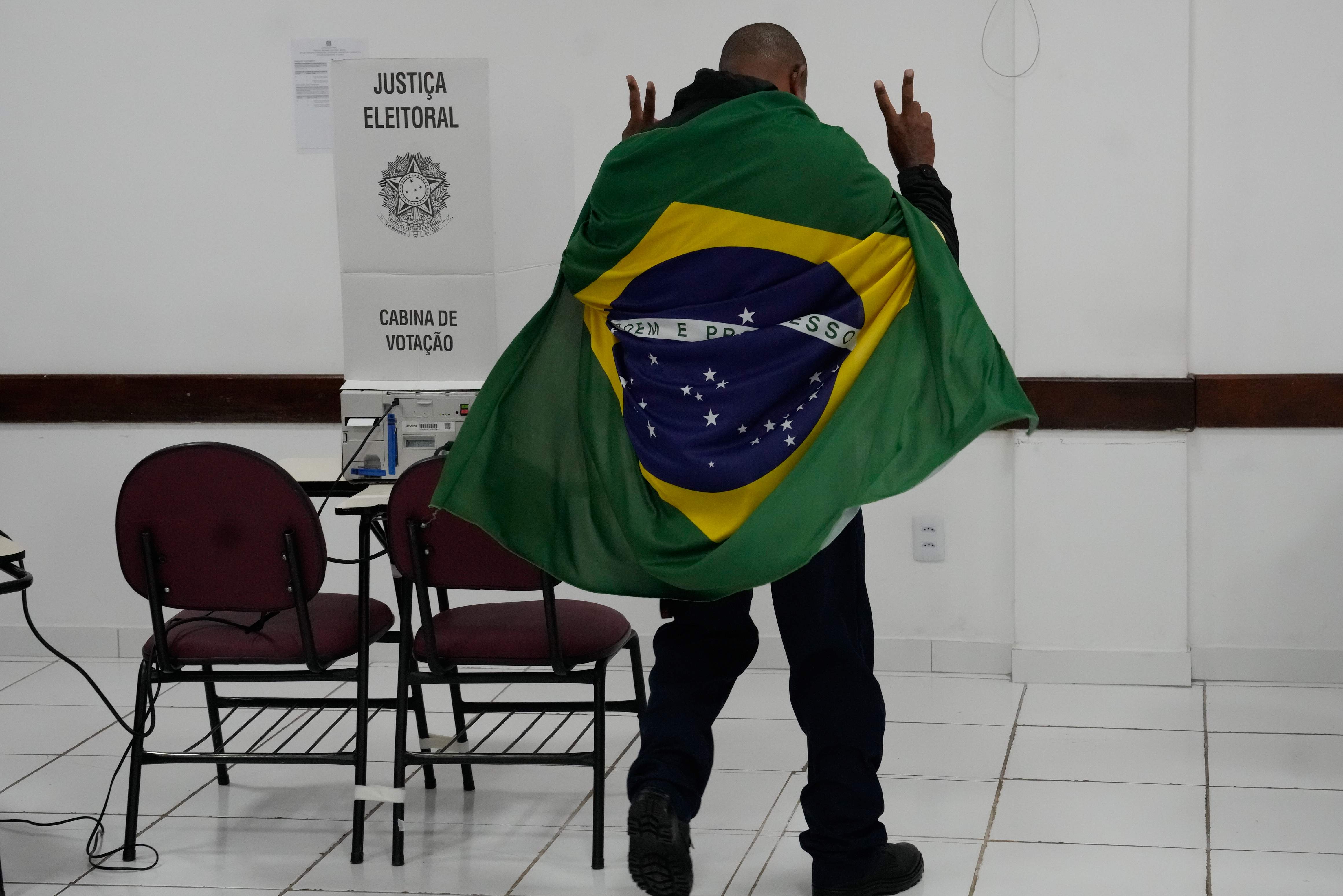
Bolsonaro quickly refused to concede defeat and asked for the election results to be annulled after an evening of chaos at some polling places that followed a last-minute decision to extend voting by two hours.

  •  

Lula Pledges to Develop Brazil’s Own Artificial Intelligence

Luiz Inácio Lula da Silva announces plans for Brazilian artificial intelligence and renewable energy following his presidential election victory.

Lula plans to expand technical education and use renewable energy to attract data centers and keep information stored in Brazil.


Brazilian President-elect Luiz Inácio Lula da Silva has pledged to develop a domestic artificial intelligence system, expand technical education and attract data centers powered by renewable energy, aiming to strengthen Brazil’s technological independence and accelerate its transition to a developed economy.

RELATED: Lula Celebrates Reelection, Promises Education Reform and Sovereign AI

Speaking after his victory in the presidential runoff, Lula said Brazil must invest in mathematics and engineering to build its own artificial intelligence capabilities rather than depend on technology developed in China or the United States.

“We will teach more mathematics, more engineering, because I don’t want to depend on Chinese or American artificial intelligence; I want to create a Brazilian one,” he said.

Lula also pledged to use Brazil’s renewable energy resources to attract data centers and keep information stored within the country. The proposal forms part of a broader push to expand the digital economy and strengthen domestic technological capacity.

Text Reads: The Brazil we wish to build is a country where our elderly are cared for with dignity, women are respected, and everyone has the right to live out their faith in freedom.
It is a country that respects differences, with a State that guarantees rights for all—because to govern means to look after 215 million Brazilians, without distinction. Respect must be the starting point for us to build, together, a Brazil that is increasingly fair and humane.

“We want to transform this country from a developing country into a developed one,” he said, identifying the digital, green and creative economies as key areas for investment.

He also outlined an ambition for Brazil to play a central role in political and economic decision-making and in efforts to promote peace.

Lula promised that his next term would deliver unprecedented results, telling supporters: “I want to make a commitment: I will deliver the best term of office any president has ever had in Brazil’s history. You can be sure of that.”

The president-elect, who turns 81 on Oct. 27, dismissed concerns about his age as he prepares to take office for another term. He pledged to devote himself fully to the country’s development and to improving the daily lives of Brazilians.

“I will dedicate 20 or 24 hours a day to making this the country everyone dreams of, where people can go to sleep and wake up in complete peace of mind,” he said.

Lula also thanked voters for their support in the runoff and praised young people who took to the streets to defend democracy, crediting their participation as a key factor in his victory.

His pledges place artificial intelligence, renewable energy and digital infrastructure among the priorities he has outlined for Brazil’s next phase of development, alongside his ambition to transform the country into a developed nation.

  •  

Why Lula’s ‘miracle’ win matters well beyond Brazil

Three weeks ago, Brazilian President Luiz Inacio Lula da Silva’s political obituaries had all been written. The far-right presidential candidate, Flavio Bolsonaro, son of the jailed former President Jair Bolsonaro, had come out of the first round of the presidential election with a lead that looked impossible to overcome. At 80 years old, Lula seemed […]

The post Why Lula’s ‘miracle’ win matters well beyond Brazil appeared first on Asia Times.

  •  

Venezuela, Cuba Congratulate Lula on Brazil Election Win

Luiz Inácio Lula da Silva wins Brazil presidential runoff as Venezuela, Cuba and other Latin American leaders offer congratulations.

Venezuela and Cuba pledged continued cooperation with Brazil after Luiz Inácio Lula da Silva defeated Flávio Bolsonaro in the presidential runoff.


Venezuela and Cuba congratulated Brazilian President Luiz Inácio Lula da Silva on his election victory, reaffirming their commitment to regional cooperation after he defeated Liberal Party candidate Flávio Bolsonaro in the presidential runoff.

RELATED: Massive Celebrations Erupt Across Brazil After Lula’s Run-off Victory

Venezuela’s government praised Brazilian voters for their participation in Sunday’s election, calling it a strong demonstration of civic engagement and democracy.

“The people of Brazil have given a resounding demonstration of civic and democratic participation,” Venezuelan Foreign Minister Félix Plasencia González said in a statement posted on social media.

Text Reads: The Bolivarian Republic of Venezuela congratulates the massive and civic participation of the pueblo of the Federative Republic of Brazil in the second electoral victory celebrated today that leads to the victory of President Luiz Inácio Lula da Silva.

Caracas also reaffirmed its commitment to maintaining longstanding ties with Brazil, citing peace, respect for national sovereignty, self-determination and solidarity among Latin American and Caribbean nations.

Lula secured more than 64 million votes, representing 51.77% of valid ballots, defeating Bolsonaro, a senator and candidate for the Liberal Party (PL).

Cuban President Miguel Díaz-Canel described the result as a historic victory that would help preserve the pursuit of social justice. He also pledged Cuba’s support for greater regional unity and integration.

“Brazil can count on Cuba as we build unity and integration across our great Latin American and Caribbean homeland,” Díaz-Canel said.

Estimado hermano @LulaOficial, te felicito en nombre del gobierno y pueblo cubanos por esta victoria histórica que garantiza la continuidad del camino de paz, soberanía y justicia social emprendido por el pueblo brasileño bajo tu liderazgo.

1/2 pic.twitter.com/5U9azS8Mvc

— Miguel Díaz-Canel Bermúdez (@DiazCanelB) October 26, 2026

Text Reads: Dear brother @LulaOficial, on behalf of the Cuban government and people, I congratulate you for this historic victory that ensures the continuity of the path of peace, sovereignty, and social justice embarked upon by the Brazilian people under your leadership.

Former Argentine President Cristina Fernández de Kirchner also congratulated Lula, first praising Brazilian voters for their mobilization and then highlighting the president’s ability to rally support.

“Congratulations first to the Brazilian people, who today took part in an authentic electoral October 17, and then to you, comrade President Lula, who, in your seventh presidential election, knew how to awaken among your fellow citizens the feelings and sense of purpose needed to win this battle,” she wrote.

Former Bolivian President Evo Morales welcomed the outcome as a source of renewed hope for people across the continent fighting for social justice, dignity and sovereignty.

Addressing Lula as a close ally and fellow campaigner, Morales called the result a “beautiful and heroic victory.” The messages from Venezuela, Cuba, Argentina and Bolivia reflected the regional significance these leaders attached to Lula’s election win.

  •  

Flávio Bolsonaro Rejects Lula’s Victory, Seeks Annulment

Flávio Bolsonaro challenges Lula’s reelection in Brazil amid allegations of election-day public transport disruptions.

Brazil’s far-right candidate challenges the election result after voting hours were extended over public transport disruptions.


Brazilian far-right presidential candidate Flávio Bolsonaro has rejected President Luiz Inácio Lula da Silva’s reelection and vowed to seek the annulment of the vote, citing a Supreme Federal Court decision to extend voting hours amid allegations of disruptions to public transport.

RELATED: Massive Celebrations Erupt Across Brazil After Lula’s Run-off Victory

The Superior Electoral Court (TSE) confirmed Lula’s reelection on Sunday. Bolsonaro, however, declared the result unacceptable and announced plans to challenge it in court.

“It is impossible to recognize the election results,” Bolsonaro said. “We will turn to our legal team and request that these elections be annulled.”

Bolsonaro based his challenge on a ruling by Supreme Federal Court Justice Cristiano Zanin, who extended voting by two hours after the Workers’ Party (PT) reported alleged irregularities affecting voter transportation in several cities.

The ruling came shortly before polls were due to close at 5 p.m. Zanin ordered polling stations nationwide to remain open until 7 p.m. Brasília time, citing the seriousness of the allegations and the urgency of the measure.

The PT accused mayors opposed to Lula of failing to comply with electoral court orders requiring municipalities to provide free public transport at full capacity on election day, as they would on a regular working day. The party also called for those responsible for the alleged violations to be caught in the act.

In Salvador, electoral authorities ordered the arrest of Pablo Souza, the city’s mobility secretary, over suspicions that he had withdrawn buses to disadvantage Lula. The northeastern city is governed by União Brasil, a center-right party allied with Bolsonaro. In the first round of the presidential election, Lula received 65% of the vote in Salvador, compared with 27% for Bolsonaro.

Brazilian trade union federations also denounced transport disruptions in several cities on election night and called for immediate action by the authorities.

In a statement, the unions condemned what they described as the deliberate obstruction of eligible voters’ right to participate in the election. They alleged that some cities had reduced their bus fleets despite a Supreme Federal Court order requiring public transport to operate at full capacity on election day.

The disruptions left thousands of people waiting at bus stops, uncertain whether they would reach polling stations in time. In some cases, the unions said, voters were unable to cast their ballots.

Bolsonaro’s campaign also sought an extension of voting hours, according to local media reports. His team requested additional time in cities across São Paulo, Paraná and Santa Catarina states, citing difficulties caused by heavy rainfall.

The dispute recalls the aftermath of the October 2022 presidential election, when Lula defeated Flávio Bolsonaro’s father, Jair Bolsonaro. The former president repeatedly challenged the result and conspired to overturn it.

On Jan. 8, 2023, thousands of his radicalized supporters stormed the Congress, presidential palace and Supreme Federal Court buildings in Brasília. Jair Bolsonaro was subsequently tried and is now serving a 27-year prison sentence for conspiring against Brazil’s democratic order and attempting a coup.

  •  

Lula beats Bolsonaro in Brazil runoff, securing fourth presidential term

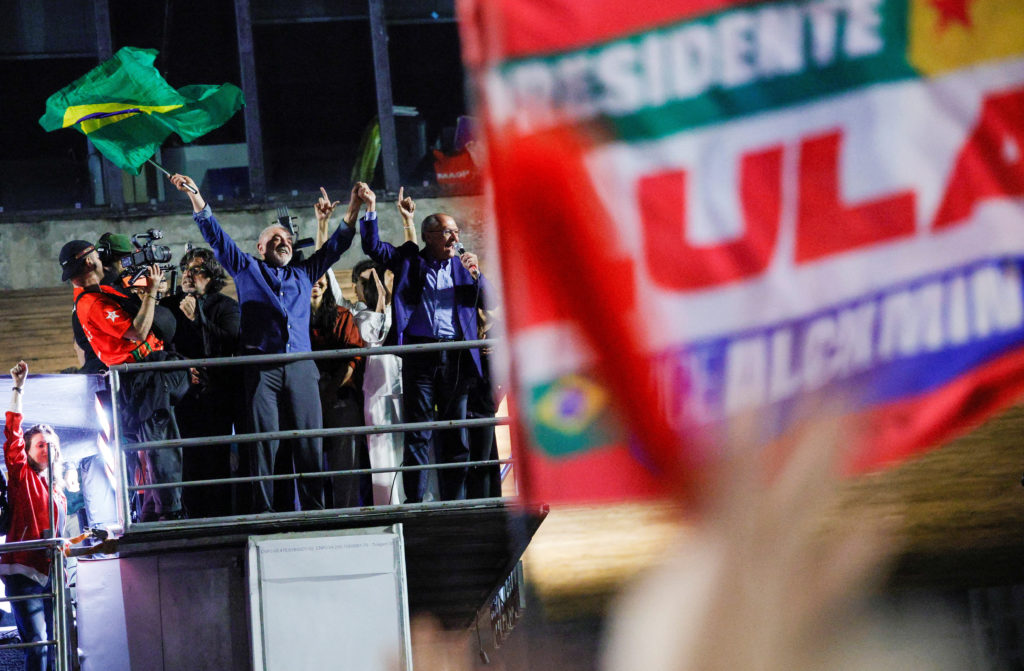
With 100% of the vote counted, Brazil's electoral court announced that the soon to be 81-year-old Lula held an unassailable lead of nearly 4.4 million votes over opponent Flávio Bolsonaro.

  •  

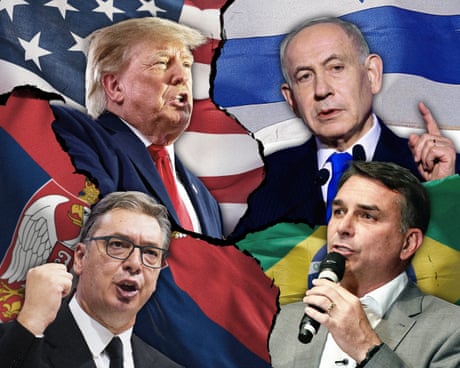
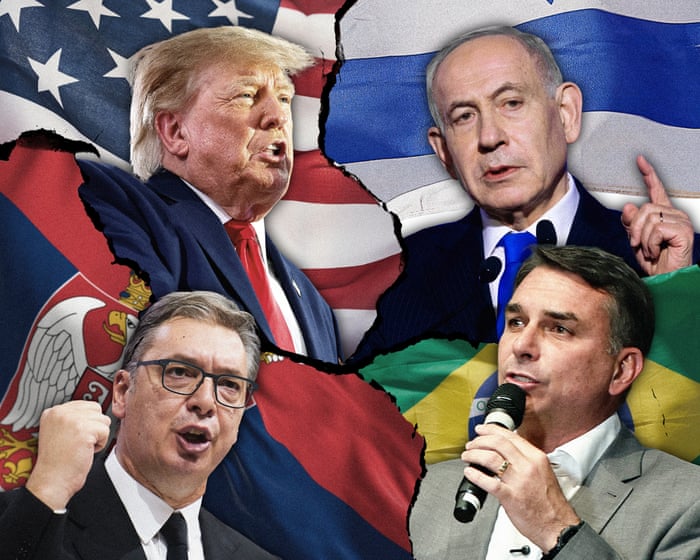
Ten days that could shake the world: democratic norms at stake in four pivotal elections

Brazil, Israel, Serbia and the US are holding elections within the space of 10 days. Will the authoritarian right cement its global gains, or can pro-democracy forces make a comeback?

Four elections on four continents within 10 days could profoundly reshape global politics, propelling the world further along its current authoritarian trajectory or marking a limited comeback for democratic norms.

In all four contests, basic democratic norms are at stake at a time when autocracy is advancing worldwide at an alarming rate. According to the Sweden-based V-Dem Institute, which uses multivariable assessment tools, the democratic freedoms enjoyed by the average global citizen are down to levels last seen in 1978 – long before the fall of the Berlin Wall and the collapse of communism in Europe.

Continue reading...

© Illustration: Guardian Design/Getty Images

© Illustration: Guardian Design/Getty Images

© Illustration: Guardian Design/Getty Images

  •  

Brazil's high-stakes presidential runoff could reshape country's future

This weekend, voters in Brazil head to the polls in a high-stakes presidential runoff that could reshape that country's political future. Will Brazil join a rightward shift across parts of the Americas, or stick with its left-wing leadership? Voting is compulsory for most adults, and the race has deepened political divisions across the country. Stephanie Sy reports.

  •  

How Brazil’s election could reshape relations with China

On October 25, Brazilians will return to the polls to choose between President Luiz Inácio Lula da Silva and Flávio Bolsonaro, son of former president Jair Bolsonaro, who was sentenced to 27 years in prison for his role in an attempted coup. The first round gave Flávio 47% of valid votes against Lula’s 45%, revealing the enduring strength of the far right four years after its electoral defeat. The runoff takes place as Donald Trump seeks to restore US domination over Latin America, with Brazil emerging as a consequential battleground in Washington’s campaign to contain China’s growing relations with the region.

Read more: Why did Brazil’s far right win the first round?

Over the past two decades, Brazil and China have built a political partnership that has expanded the space for independent action among countries of the Global South. Under Lula and Xi Jinping, this relationship has deepened through cooperation in industrial development, infrastructure, science, and technology. The election will determine whether this project advances or Brazil’s international orientation is subordinated to Washington’s renewed Monroe Doctrine as part of the continent’s rightward shift.

Read more: Brazil’s angry tide and the struggles ahead

Since Lula’s return to the presidency in 2023, the two governments have connected Chinese cooperation with Brazil’s development programs, including Nova Indústria Brasil, the Growth Acceleration Program (PAC), and the Ecological Transformation Plan. Lula’s May 2025 visit to Beijing produced 36 agreements covering infrastructure, finance, artificial intelligence, public health, and industrial cooperation. Behind these agreements is a long-standing challenge: overcoming Brazil’s dependent position in the international division of labor, where commodity exports continue to outweigh advanced industrial and technological development.

This cooperation has also reached Brazilian popular movements. Through the International Association for Popular Cooperation (Baobab), Brazil’s Landless Rural Workers’ Movement (MST) and other organizations have worked with Chinese institutions on agricultural mechanization, bioinputs, and digital technologies for family farming. These initiatives include the Digital Family Farming and Agroecology Laboratory and IARAA, an artificial intelligence project for agroecology and agrarian reform developed by Brazilian popular movements using Chinese open-source models. In a countryside marked by extreme concentrations of land, machinery, and capital, such cooperation offers new tools to peasant organizations fighting for agrarian reform and the production of healthy food.

Brazil’s relationship with China also reveals the different class interests at work in the country, with contradictions particularly visible in the countryside. Massive exports of soybeans, meat, and minerals have continued under both Bolsonaro and Lula, but their governments have pursued very different political relationships with Beijing. While Jair Bolsonaro attacked China and aligned himself with Washington, Lula has sought to deepen strategic cooperation, including in industrial development, technology, and agrarian reform. Flávio Bolsonaro now promises an “economically pragmatic” relationship with China while cultivating close ties with Trump. For sectors of Brazil’s ruling classes that profit from commodity exports, continuing to sell to China while embracing Washington’s political agenda presents little contradiction. For Brazil’s efforts to rebuild its industry and develop technological sovereignty, the consequences are far greater.

The return of the Monroe Doctrine

Washington’s ambitions were made explicit in its November 2025 National Security Strategy, which announced a “Trump Corollary” to the Monroe Doctrine, seeking to restore US pre-eminence in the Western Hemisphere and deny outside powers control over strategic resources and infrastructure. Five days later, China published its third Latin America policy paper, reaffirming sovereignty, non-interference, regional integration, technological cooperation, and support for the region as a Zone of Peace. The two documents reveal fundamentally different approaches to the political future of the continent.

Brazil’s position is decisive. As Latin America’s largest economy, a founding BRICS member, and a leading participant in Mercosur, it possesses industrial, scientific, and political capacities that could strengthen independent development across Latin America and beyond.

The emergence of a new technological era makes this struggle particularly consequential. Brazil is among the few countries of the Global South capable of pursuing digital and technological sovereignty that could benefit its neighbors and parts of Africa. Its roughly 23% share of global rare earth reserves is an important starting point, but control over minerals alone is insufficient. The greater challenge is developing the capacity to process them, manufacture advanced components, and build the digital infrastructure, artificial intelligence systems, and technologies that will shape future production.

Flávio has made his orientation clear. Speaking at the Conservative Political Action Conference (CPAC) in the United States in March 2026, he offered Brazil as the “solution” to Washington’s dependence on China for critical minerals, explicitly linking rare earths to artificial intelligence and US military superiority. Chinese economic reporting has also described proposals from his team to exclude China from rare-earth supply chains. Rather than using Brazil’s resources to develop its own industrial and technological capacities, this agenda would place them at the service of US technological and military power.

The same political orientation extends to digital sovereignty. In July 2026, Flávio’s campaign submitted proposals to US trade authorities that included preventing Brazil’s Pix payment system from connecting to non-Western international payment networks and loosening commitments within Mercosur. These proposals converge with a wider US campaign involving tariffs, digital regulation, strategic minerals, and attempts to influence Brazil’s electoral process. Meanwhile, Washington’s January 2026 bombing on Venezuela and kidnapping of Nicolás Maduro and Cilia Flores demonstrated how far it is prepared to go to impose its will on the continent.

BRICS and the struggle for an independent foreign policy

Brazil, particularly under Lula, has helped build institutions through which countries of the Global South can reduce their dependence on Western-dominated structures. At the July 2025 BRICS summit in Rio de Janeiro, the group advanced cooperation on development finance, local-currency transactions, and international institutional reform. The New Development Bank, headed by former Brazilian president Dilma Rousseff, is an important expression of this effort.

The BRICS cannot automatically overcome economic dependency or guarantee sovereignty for working people. Yet its expansion offers greater room for independent development, provided that participating governments have the political commitment to use these possibilities.

Brazil’s history reveals how difficult that independence has been to defend. In 1961, vice-president João Goulart became the first high-ranking representative of a Latin American government to visit the People’s Republic of China, meeting Mao Zedong when revolutionary China remained diplomatically isolated and subjected to US sanctions. Three years later, Goulart was overthrown in a US-backed civil-military coup that inaugurated a 21-year dictatorship. The early history of China–Brazil friendship was inseparable from struggles over national sovereignty, agrarian reform, and the forces determined to suppress them.

The international material conditions for South–South cooperation are considerably more favorable today, but political direction remains decisive. Jair Bolsonaro hosted the 2019 BRICS summit in Brasília while pursuing close alignment with Washington. A government can weaken institutions from within by abandoning the commitments that give them political substance.

The far right’s resurgence also reflects the enduring power of Brazil’s own ruling classes. Bolsonarismo has a domestic base among sections of agribusiness, finance, the security apparatus, militias, conservative religious networks, and major media. These forces, whose electoral and institutional advances have continued, were strengthened by the 2016 parliamentary coup against Dilma Rousseff and the judicial persecution of Lula. They possess their own organizations, material interests, and sources of power, which do not disappear when an election is lost. Their economic dependence on Chinese markets has not prevented their support for Washington’s political agenda.

Beyond the election

Beijing has followed the Brazilian election closely, reflecting the importance of the political relationship built between Lula and Xi over years of cooperation. In July, Xi reaffirmed China’s support for Brazil against external interference during a conversation with Lula, which also covered cooperation in artificial intelligence, satellites, mineral processing, and relations between China and Mercosur. In September, Foreign Minister Wang Yi received Lula’s adviser and former foreign minister Celso Amorim in Beijing, reaffirming the bilateral strategic partnership.

China’s principle of non-interference means that the choice of Brazil’s government belongs to the Brazilian people, but Beijing’s diplomatic restraint should not be confused with an absence of political interests or an assumption that all governments would pursue the same relationship. Chinese analysts have described the possible outlook under Flávio as one of “cold politics, hot economics”: commodity trade would likely continue, but the political relationship and cooperation in strategic sectors could deteriorate. The experience of Jair Bolsonaro’s presidency has already shown the limits of commercial interests in sustaining a broader political partnership.

For the Brazilian people, the consequences extend well beyond foreign policy. The election will also shape the struggles over labor rights, public services, agrarian reform, and the defence of democratic space. Brazil’s renewed role in South–South cooperation under Lula has opened possibilities for a development project that responds to the needs of its working people, but realizing those possibilities depends on the political and social forces capable of carrying it forward.

The Brazilian people have fought through dictatorship, neoliberal restructuring, parliamentary coups, and the rise of the far right to defend their political and social gains. This election is another moment in that longer struggle, now unfolding amid renewed US imperial intervention and a transformation of the world’s technological foundations. The future of China–Brazil cooperation will depend on the capacity of organized popular forces to build a sovereign national project and turn international cooperation into lasting changes in people’s lives.

Tings Chak 翟庭君 is the Asia Co-Coordinator of Tricontinental: Institute for Social Researchand an editor of the international edition of Wenhua Zongheng: A Journal of Contemporary Chinese Thought.

  •  
❌