This week, editors Peter Suderman, Nick Gillespie, and Matt Welch are joined by Associate Editor Liz Wolfe to discuss California's proposed 5 percent wealth tax on billionaires, which a Hoover Institution study suggests could ultimately cost the state $39 billion in lost revenue. With wealthy residents already leaving California, the panel examines whether the measure will survive next week's vote, why Gov. Gavin Newsom opposes it, and how public sector unions have helped fuel the state's spending problems.
The panelists then look to France, where mounting unrest and economic stagnation raise questions about the long-term consequences of high taxes, expansive welfare programs, and pension obligations that increasingly burden younger generations. Next, they discuss Venezuelan opposition leader María Corina Machado returning home after 10 months in exile. Then, with the midterm elections next week, the editors examine whether Trump's tariffs, war with Iran, and mounting allegations of corruption will deliver Democrats control of Congress. Finally, a listener asks whether today's democratic socialist movement will ultimately be remembered like the libertarian and Tea Party movements of the early 2010s.
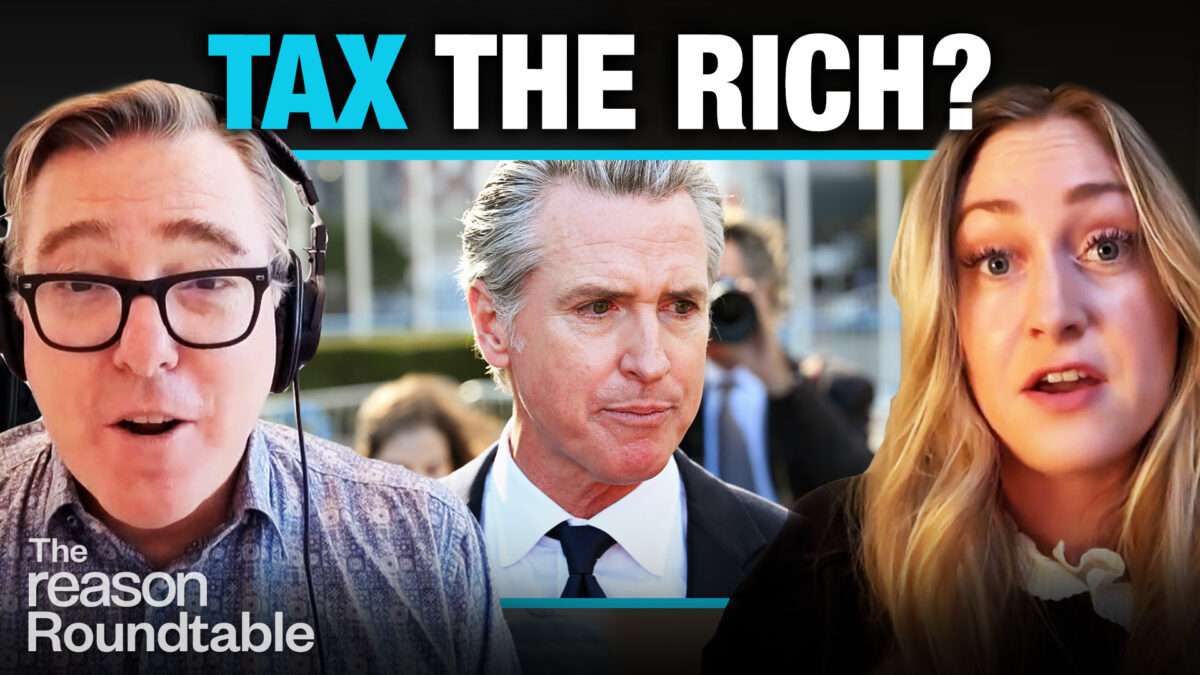
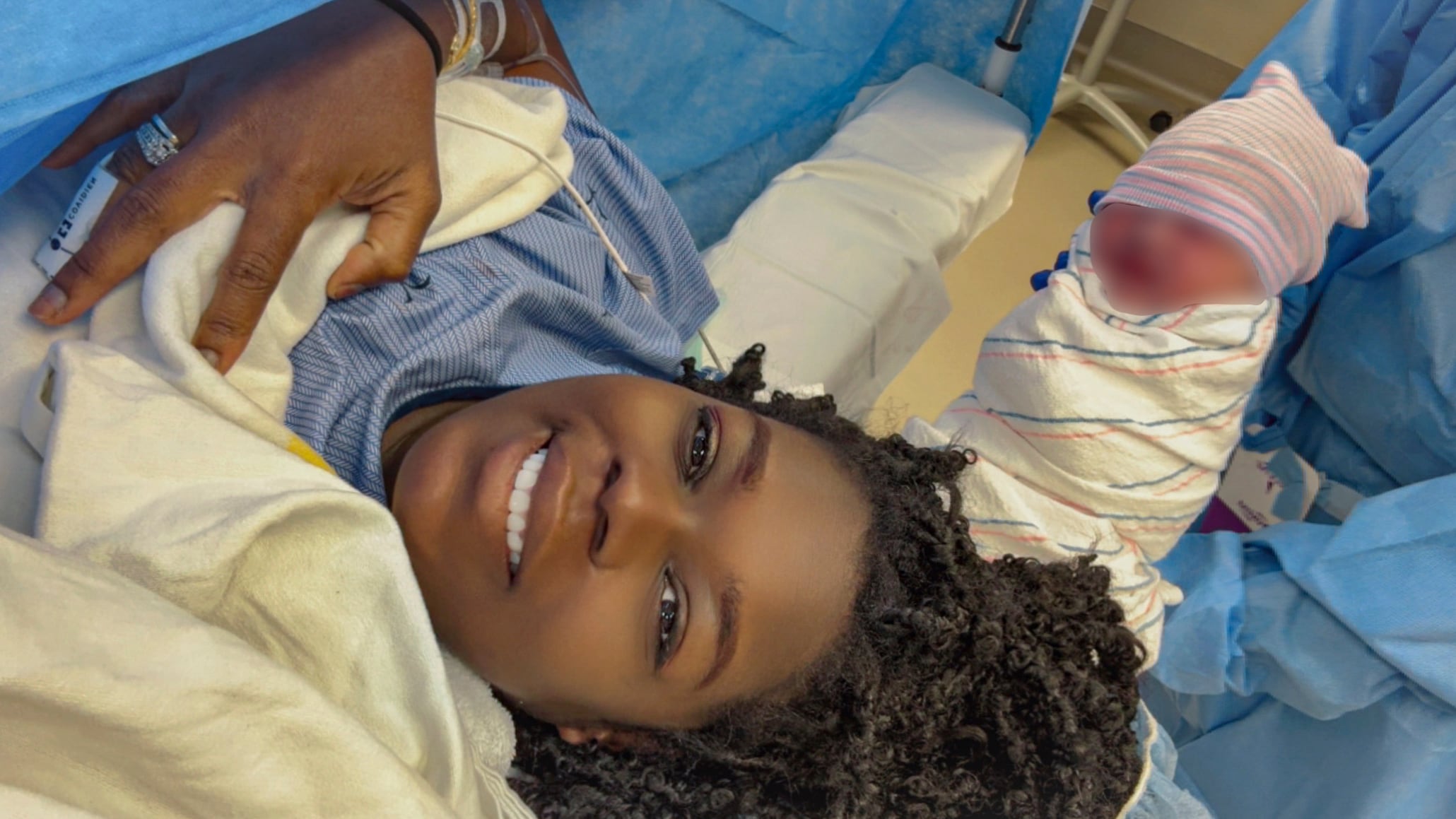
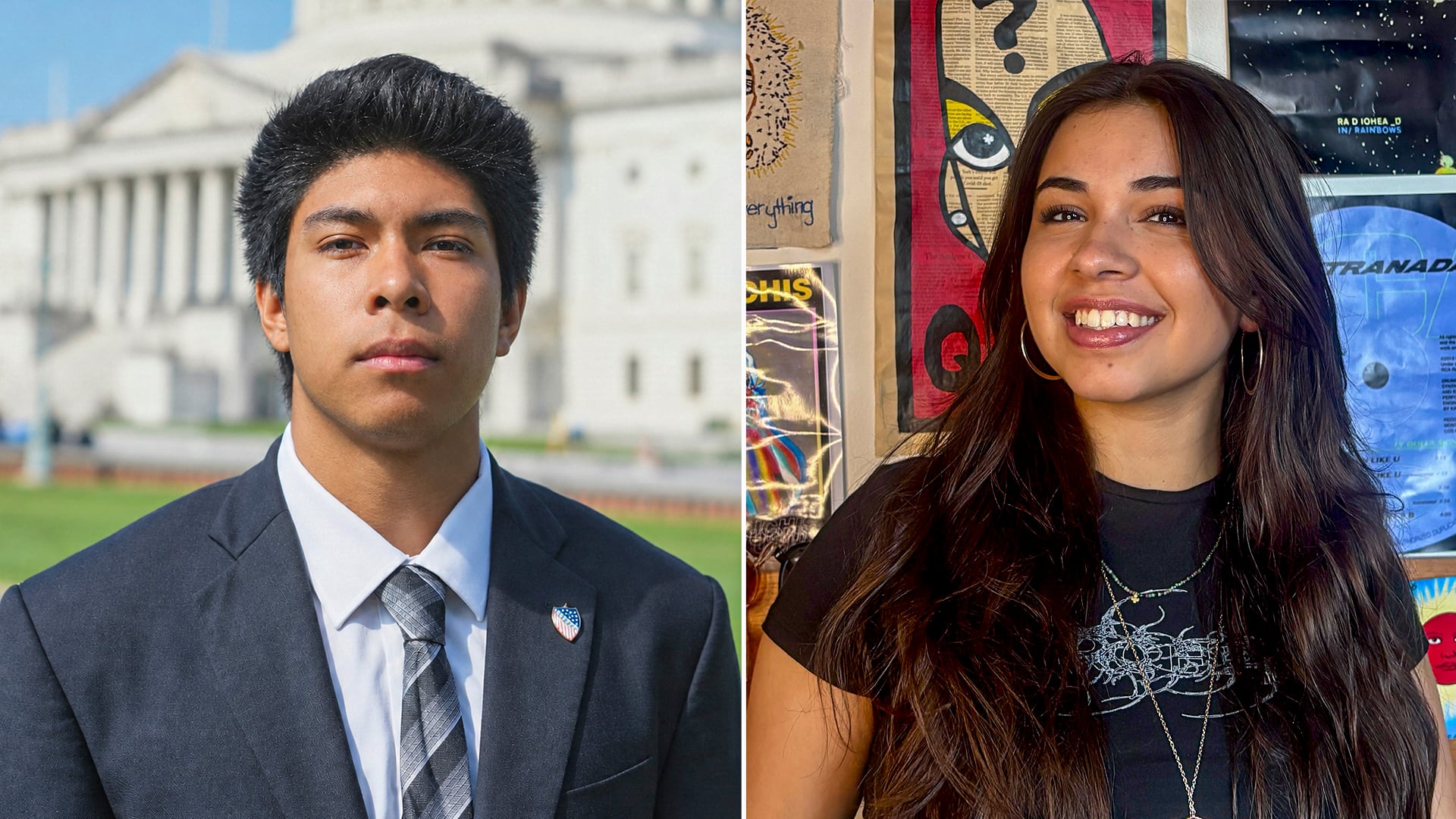
Matt Welch appears on the left. Liz Wolfe appears on the right. Behind them, an image of Governor Gavin Newsom appears looking concerned in the center. Bold text across the top of the screen reads "TAX THE RICH?"
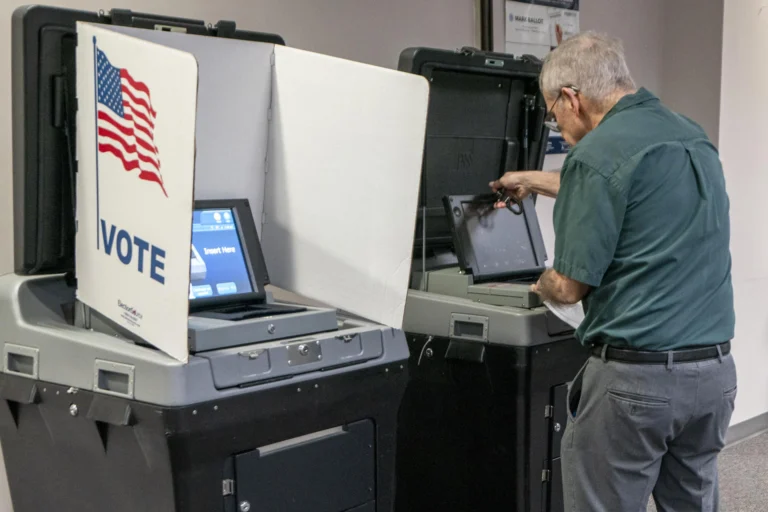
When Americans cast their ballots in this year's midterm elections, they'll not only be picking who represents them in Congress, but also weighing in on a range of topics that could change their state laws and constitutions.
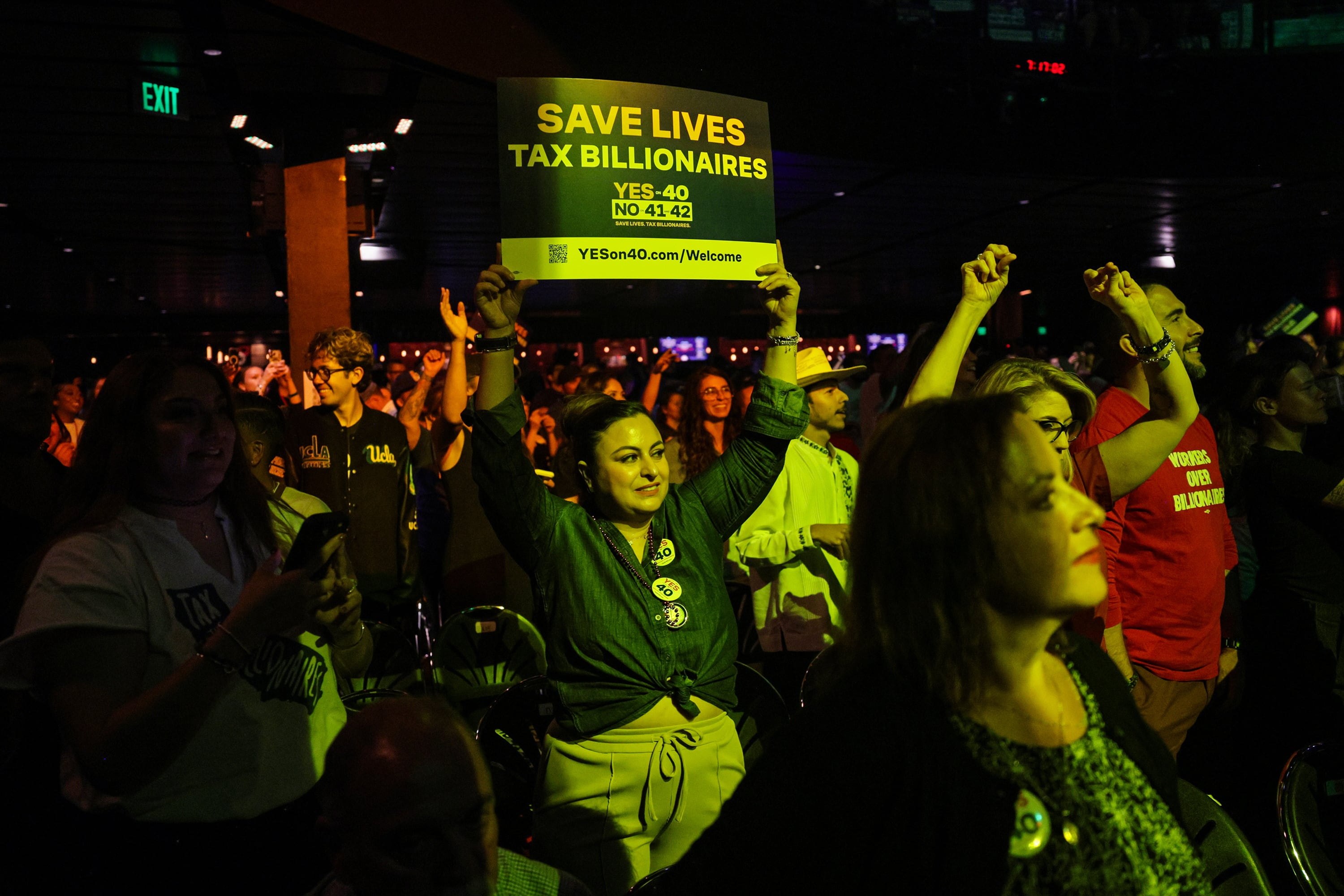
California's experiment: Will California's proposed wealth tax, Prop 40, pass next week? And if it gets passed, will it end up actually costing the state money instead of generating revenue?
The basics: The proposal features a one-time 5 percent tax on people with net worths over $1 billion who lived in the state on January 1, 2026 (with the net worth amount calculated as of December 31, 2026). The idea for the snapshot date is presumably to prevent capital flight once the tax passes. The tax's supporters say the tax's revenues will amount to $100 billion and will fund California's health care system, which need to make up for federal Medicaid cuts.
Seven billionaires, representing 30 percent of the total billionaire wealth in the state, left California before January 1, 2026, when news of the possible tax broke. Peter Thiel, Larry Page, and Sergey Brin are among the deserters. The French economist Gabriel Zucman—an intense defender of the wealth tax—seems committed to the idea that this flight won't matter too much. He argues that while removing those seven brings down revenue estimates to $89 billion, adding in less-prominent small-time billionaires raises revenue to $115 billion.
This is silly. As The Washington Post's Megan McArdle points out, there's no reason to believe those less-famous billionaires would stay put. We have a hard time estimating what the total preemptive flight looks like, and how many billionaires have successfully taken up residency elsewhere.
"Either the tax is annual—and in that case it generates revenue annually, and some billionaires leave," claims Zucman. "Or the tax is one-time—in that case it generates revenue in just one year, and there is no incentive to leave. It can't be both at the same time." Zucman doesn't seem to consider that billionaires have already left, as soon as the idea was seriously floated, thus taking early steps to shield their wealth from the state.
Will it pass? "Likely voters are essentially where they were a month ago," reportsPolitico, based on recent polling data, "with 46% in favor of Proposition 40 and 43% opposed—despite a recent push by backers of the measure, including Sen. Bernie Sanders, to rally support." Interestingly, "a strikingly high share of registered voters (84%) said they'd been exposed to advertisements or messages about the tax, but a 45% plurality said the communications had not swayed them, and those whose views had shifted were just as likely to be more opposed as more supportive."
There's another complication: On that very same ballot, voters will decide on Propositions 41 and 42, competing measures that could keep Prop 40 from taking effect. Prop 40 will be nullified if either one gets more votes; but Prop 40 will nullify both of them if it gets more votes. Prop 42 would bar new taxes on personal property such as businesses, investments, retirement accounts, trusts, and art collections—things Prop 40 targets. It also bans retroactive taxes, thus making Prop 40 impossible to pull off.
Back in January, Pirate Wires' Mike Solana spoke with a bunch of billionaires who were worried about the tax and making plans to flee, partially out of distrust that the tax would be one-and-done. "Three men I spoke with in the largest billionaire Signal chat said they ran an informal poll, and seventy percent of the chat (around sixty people, not all of whom were billionaires) indicated they would leave the state if the ballot proposition passes," reports Solana. "According to that same poll, around 15% have already left the state."
"There is now real danger in appearing successful in the state of California," writes Solana, "as the far left, imbued with a great deal of power, and benefiting now from several years of wealth scapegoating throughout the mainstream press, attempts to liquidate its perceived enemies in business."
Scenes from New York: I'm fully aboard this train these days, though open to being convinced why I'm wrong:
If you truly *love* American cities, you MUST support strict enforcement of laws against anti-social behavior. Paying bus fares, red light cameras, camping on sidewalks, smoking on trains, off-leash dogs, etc etc
"Brazilian markets are heading for a major rout when local trading begins after President Luiz Inácio Lula da Silva pulled off a stunning comeback to defeat Flávio Bolsonaro, the right-wing candidate that many investors preferred," reportsBloomberg. This will be da Silva's fourth term.
Is dynamic pricing on the rise? Customers say yes, but most companies say they're wrong. My thought: Even if it's not currently happening to the degree angry customers claim, it certainly will be big in the future, as online shopping takes over and AI makes implementation easier. Consider the upside, though, noted in this Wall Street Journal piece: "Much current angst is focused on electronic shelf labels, which have replaced the printed labels that dotted shelves at groceries and other stores. Research on digital shelf labels in the U.S. and Europe, where grocers have widely used the technology for more than a decade, found the labels don't lead to surge pricing, in part because price changes are obvious to anyone walking by. Rather, research found, grocers have used the labels to discount goods that are about to expire, reducing food waste."
Great Washington Post headline: "Europe is running out of other people's money."
President Donald Trump claims the ships passing past Cuba on their way home from Iran will just, uh, handle the situation there. Sure.
Interesting:
Striking detail in the big NYT piece on Taiwanese families adjusting to working at the huge new TSMC chip plant in Arizona: their surprise at the lack of rigor in US schools. pic.twitter.com/YkSPzbHCuE
In the race for the mayoralty of Los Angeles, the second-largest city in the United States, two things are certain: a woman will win, and she will be a Democrat. But with a high share of undecided voters and only days remaining before the election, it is still unclear whether Karen Bass will win another term or whether the progressive challenger Nithya Raman will take the post.
Election officials, activists, voting-rights lawyers, legal experts and other watchdogs of U.S. civil society have spent the past year and a half warning about what they describe as a campaign by U.S. President Donald Trump to undermine confidence in the conduct of free and fair elections. Their concern is that he is laying the groundwork to overturn the outcome if it does not favor the Republican Party.
President Donald Trump speaks beside First Lady Melania Trump after casting his early vote in the midterm elections at the Palm Beach County Library in West Palm Beach this Saturday.
Three numbers and a letter opened the negotiations in a private message: 135K. That was the $135,000 that Silvia Zhang, a Los Angeles businesswoman, offered Tronderrica James, a Nevada woman, in 2023 to carry a child she claimed she was unable to have by any means. Later, an assistant at a surrogacy agency provided more details: “They are a Chinese couple looking for their miracle baby.” A contract sealed the arrangement.
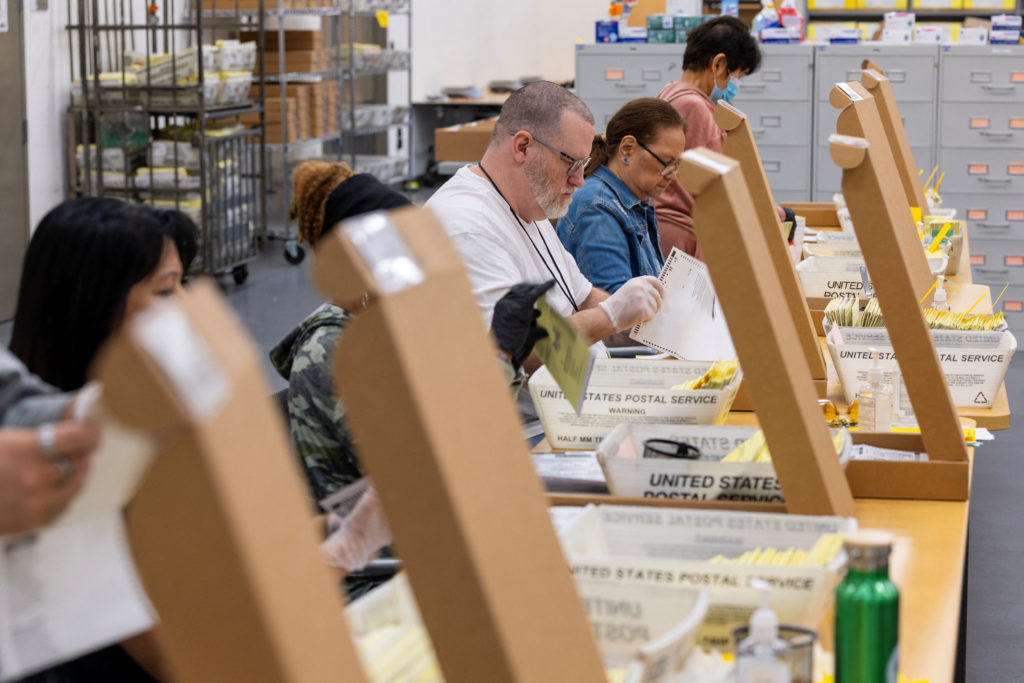
Mail-in ballots account for more than half of votes cast so far, as early turnout builds across the United States ahead of Election Day.
More than 26.6 million U.S. citizens have already voted in the midterm elections, according to data released October 24 by the University of Florida’s Election Lab, with mail-in ballots accounting for 14 million of the votes recorded nationwide.
The latest figures show that 26,608,029 votes had been cast ahead of Election Day, including 14,006,420 ballots returned by mail and 12,601,609 votes cast in person. Election authorities have also received requests for more than 59.4 million mail-in ballots nationwide.
Early voting has increased in states including North Carolina, Kansas, Maine and Iowa, while Texas has seen a rise in mobilization among Latino voters, according to the report. The figures come amid concerns over economic conditions and the cost of living.
California has recorded 2,943,863 early votes, overwhelmingly through mail-in voting. Of those, 2,936,954 were returned by mail and 6,909 were cast in person. Voters in the state have requested more than 23.4 million mail-in ballots.
🚨 Estados Unidos se aproxima a unas elecciones legislativas decisivas, con la popularidad de Donald Trump en retroceso y creciente malestar por la economía. Los comicios del 3 de noviembre de 2026 definirán la composición del Congreso.
Text Reads: 🚨 The United States is approaching pivotal legislative elections, with Donald Trump’s popularity on the decline and growing discontent over the economy. The November 3, 2026, elections will determine the composition of Congress. 🗳️🇺🇸 What do you think?
Democrats account for the largest share of California’s early votes, with 1,383,916 ballots, or 50.2% of the total. Republicans have cast 799,054 votes, representing 29%, while voters registered without a party preference and those affiliated with minor parties account for 575,130 votes, or 20.9%.
Los Angeles County leads California in early voting, with 539,589 ballots processed. San Diego County follows with 356,667 votes, ahead of Orange County, where 279,953 ballots have been returned.
The elections will determine all 435 seats in the House of Representatives, 35 Senate seats and 36 governorships.
The run-up to Election Day has also been marked by a legal dispute over the certification of results in Alaska. A federal court challenge backed by former President Donald Trump seeks to block the potential certification of the state’s election results, raising questions about the electoral process as voting approaches its conclusion.
San Diego County, California, has sued Polymaker, a company that manufactures filament for 3D printers. The lawsuit accuses the company of illegally marketing its products to people who make unregistered firearms, often called "ghost guns." The county admits that the filament itself is legal but objects to how the company markets it. The lawsuit alleges that Polymaker worked with a firearm-printing influencer, promoted products for making guns, and provided technical advice to online communities interested in 3D-printed firearms. The county argues that this marketing violates California consumer protection laws. It is seeking the return of revenue linked to the allegedly illegal marketing, a court order stopping the company from continuing the challenged practices, and civil penalties of up to $2,500 per violation—with each day counting as a separate violation.
A federal appeals court appeared unlikely to immediately agree to the Trump administration’s bid to segregate 20,000 California ballots it says are likely from noncitizen voters, expressing skepticism at a rare Sunday hearing that a trial judge needs to move quicker. “I don’t see how we have jurisdiction,” said U.S. Circuit Judge Mark Bennett. The Department of Justice…
The administration has insisted that immigrants voting is a major problem nationwide, when in fact it is quite rare, as even its own investigations have shown.
The letters are the latest escalation in a legal battle between California and President Donald Trump's Department of Justice, which has recently focused on the state in its efforts to root out noncitizen voting ahead of the midterm elections.
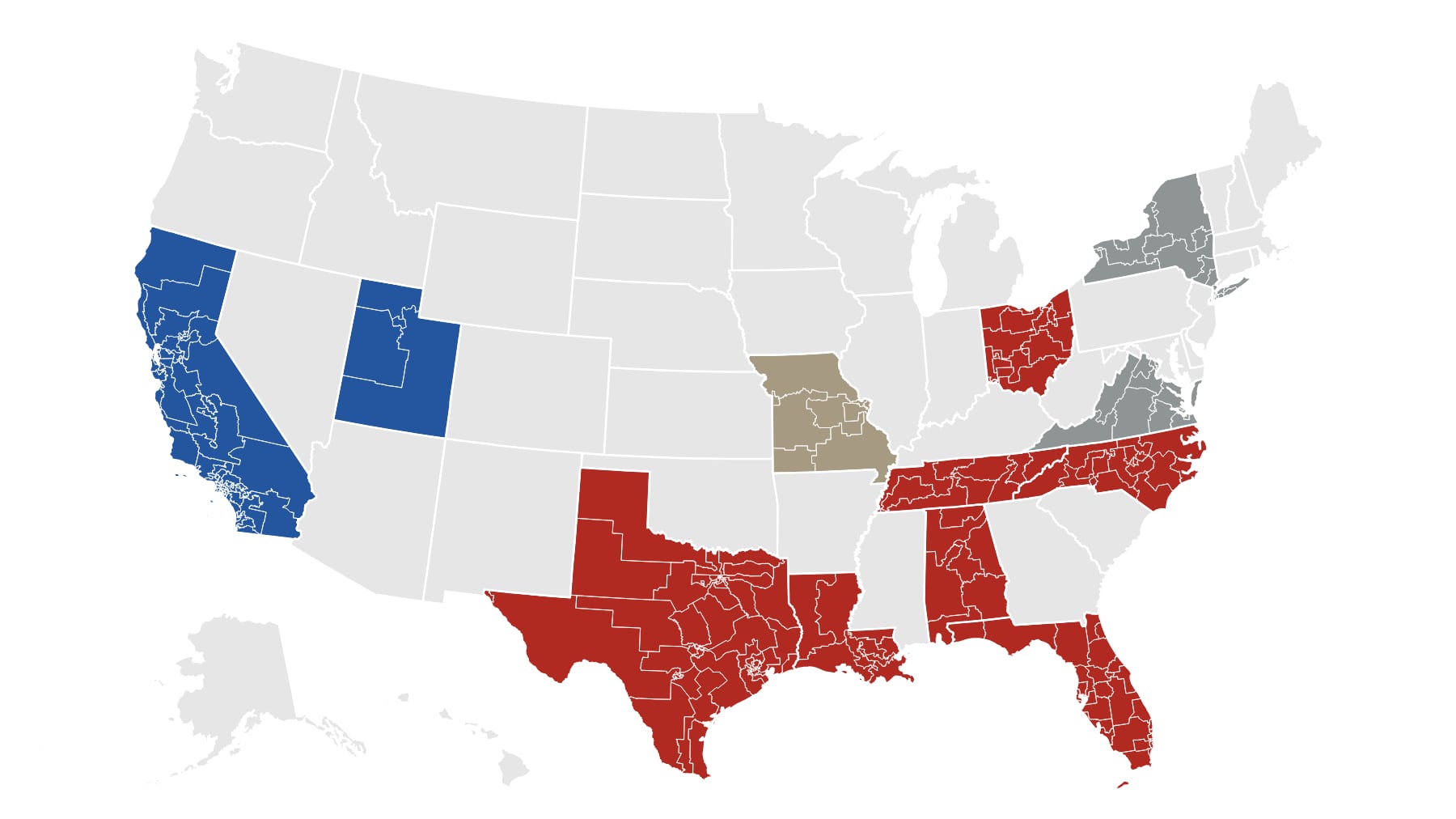
The U.S. midterm elections come after aggressive efforts by both Democrats and Republicans to redraw district maps in their favor, a practice known as gerrymandering.
Most of the immigrants targeted by federal authorities in California this week for alleged voter fraud had applied for U.S. citizenship and now face charges related to lying on forms or during interviews. Those charges could lead to years in prison and thwart their efforts to naturalize.
After visiting all 50 US states, I'm often asked which ones I'd recommend to travelers.
Emily Hart
Over the past decade, I've traveled solo to all 50 US states and most major US national parks.
Although I've found beauty in every state, there are some that I want to visit over and over again.
I love traveling to places like New Mexico, Montana, New Hampshire, and Arizona.
Over the past decade, I've successfully visited all 50 US states solo, and have even made it to most of the major US national parks along the way. Because of this journey, I'm often asked which states I'd recommend to travelers.
Although most international travelers gravitate toward states like Florida and New York, I've found fantastic beauty and history in every state.
However, these are the 10 I always return to.
New Mexico boasts a surprising variety of stunning landscapes.
Emily Hart
New Mexico is always at the top of my list of recommendations. Nicknamed "the land of enchantment," it lives up to its moniker — and then some.
Those who haven't visited New Mexico may think of the state as a mostly barren desert, but it's actually the diverse landscapes that keep me coming back.
From the otherworldly dunes of White Sands National Park to the snow-capped Sangre de Cristo Mountains, there's beauty to be found around every corner.
Outside the natural beauty, the state is chock full of history, art, food, wine, and culture.
California is full of diverse landscapes and experiences.
Emily Hart
Every time I visit California, I feel like I'm entering a completely different reality.
The sheer size and diversity of the state are impressive, and it has gorgeous beaches, cities, forests, deserts, mountains, and even volcanoes.
I love road-tripping up the coast, visiting Yosemite National Park, taking a boat to the Channel Islands, and wine tasting in places like Napa and Sonoma.
Montana is a must-visit state for any outdoor enthusiast.
Emily Hart
With its vast open spaces, majestic mountains, and endless opportunities for outdoor adventure, Montana is a must-visit state for any outdoor enthusiast.
The state is home to the breathtaking Glacier National Park and parts of Yellowstone National Park. The sky is vast and open, the mountains are towering, and the lack of development makes me feel like I'm entering another world entirely.
I've returned to West Virginia multiple times.
Emily Hart
Although it may not get as much attention as some of the other states on this list, I've returned to West Virginia multiple times since my first visit.
The state's natural beauty is stunning, from New River Gorge National Park to ample lush forests, underground caverns, historic small towns, and over 200 waterfalls.
Wisconsin is home to beautiful scenery and great dining options.
Emily Hart
Wisconsin has so much more than first meets the eye, from the natural beauty of the Apostle Islands and the 15,000 lakes in the state to the classic cheese curds, breweries, and wineries that dot the landscape.
I love spending time along the shores of Lake Michigan and Lake Superior, dining at one of the state's famous supper clubs, and exploring the many Wisconsin state parks.
There's no place quite like the Maine coast.
Emily Hart
There's so much to love about Maine, but my favorite part of the state is the coast. With jagged and dramatic cliffs, lighthouses, and lobster shacks, visiting the Maine coast is an unforgettable experience.
It's easy to find peace in the state that sees the first sunrise of the year and is home to Acadia National Park, which is one of the country's most-popular national parks.
I love to road trip up the coast, stopping in beautiful towns like Kennebunkport, Bar Harbour, and Lubec.
As my home state, Colorado will always hold a special place in my heart.
Emily Hart
I couldn't write a list like this without including my home state of Colorado. The state has so much to offer, from beautiful views to fun activities.
On the Front Range, I enjoy hiking in Boulder and exploring Cheyenne Cañon. I like to spend the night at the The Broadmoor hotel in Colorado Springs before heading over to Great Sand Dunes National Park.
In the Rockies, I love driving Independence Pass to Aspen, as well as exploring the underrated Grand Mesa, which is the biggest flat-top mountain in the world. I also enjoy taking road trips to the charming mountain towns of Telluride, Buena Vista, and Steamboat Springs.
No matter where you find yourself in Colorado, there's no shortage of incredible natural beauty and outdoor adventure.
New Hampshire boasts some of the best skiing and hiking in the Northeast.
Emily Hart
The Northeast is famous for its fall foliage, but I can't help but think that New Hampshire is sometimes overshadowed by its neighbors, Maine and Vermont.
I was stunned by its natural beauty during my first trip to the state. From the White Mountains to Franconia Notch State Park, the state boasts some of the best skiing and hiking in the Northeast.
Utah is home to five major national parks.
Emily Hart
Utah is a state that you have to see to believe. With five major national parks, 46 state parks, 15 ski resorts, and hidden gems at every turn — you'll never get bored here.
I love visiting Moab to hike in Arches National Park, Canyonlands National Park, and Dead Horse Point State Park before heading south to Bryce Canyon National Park, Kodachrome Basin State Park, and Zion National Park.
I also like making stops in Park City and Grand Staircase Escalante National Monument.
Arizona is the perfect escape for adventure and relaxation.
Emily Hart
Arizona is well known for the Grand Canyon, but the state has much more to offer. From Flagstaff's high-altitude forests to Sedona's iconic red rocks, Arizona's diversity is surprising and worth a trip.
I love hiking among the cacti in Sedona or Scottsdale before heading to one of the many resorts to jump in a pool or hit the spa — the perfect escape for adventure and relaxation.
This story was originally published on April 5, 2024, and most recently updated on October 23, 2026.
Supporters of Proposition 39, the statewide ballot initiative that would implement additional Voter ID requirements for California elections, pitch the measure as a "common-sense reform to increase trust and participation in our elections." Its sponsor, Assembly member Carl DeMaio (R–San Diego), touts widespread support for such measures by Democratic, Republican, and independent voters.
Yet the latest polls show the measure tanking, with a Public Policy Institute of California survey last month showing it losing 55 percent to 43 percent—dismal numbers this late in the election season. The official ballot arguments provide some insight into the reasons. While supporters stick with their "nonpartisan" shtick, opponents tie the measure to President Donald Trump's election denialism.
"Stop Trump from rigging our elections. Don't believe the lies. Prop. 39 MAKES VOTING HARDER, MORE EXPENSIVE, AND LESS SAFE for Californians," per the "no" argument. It refers to the measure's funding from "MAGA rightwing billionaires." That point was reinforced by a recent CalMattersreport showing large donations from "deep-pocketed Republican donors." The publication says it's a "signal that conservatives view Prop. 39 as a test of support for future battleground states in the broader push by…Trump to tighten voter restrictions."
That's a fair assessment. In a Democratic state where the president's approval ratings are 24 percent in one poll, it's hard to imagine that most voters will spend much time thinking about the ins and outs of election policy and analyze the measure based on its specifics. They'll no doubt see it for what it largely is: a Republican Party effort to aid and abet Trump's unfounded election conspiracies. That said, its requirements aren't overly obtrusive, only unnecessary.
Currently, Californians must show a state identification or provide the last four digits of their Social Security Number when registering. No identification is needed to vote in person, but election officials use signature verification for vote-by-mail envelopes. Around 90 percent of Californians vote that way, so the main issue involves the requirement that voters add the last four digits from their government IDs on the outside of the envelope—thus adding an additional checkpoint (and sadly an additional opportunity for identity theft).
There's no need to worry about compliance costs for election agencies, as it's their job to administer elections. The measure likely will marginally reduce voter participation (by increasing disqualified ballots, even from legal voters if they forgot the ID they used when they registered), while marginally increasing security. It would force many Californians to re-register, which is a hassle. It would no doubt burden our excruciatingly slow ballot counting.
I don't have any theoretical problem with requiring an identification before voting, but California's elections are remarkably secure. There's no evidence of widespread fraud. Basically no one risks prison time by pretending to be someone else on a ballot. It's not about fixing a problem.
Since his defeat in 2020, Trump has traded in election conspiracy theories. The new GOP game is to trot out evidence-free election-fraud claims whenever they lose. We shouldn't play along. Despite the nonpartisan rhetoric, Proposition 39 is the state GOP's way of leaning into Trump's priorities and, as that CalMatters article noted, build momentum for less-defensible nationwide restrictions—apparently the only way Republicans think they can build a lasting majority. The measure won't do much damage in California as it's fairly modest, but it energizes the party's worst instincts.
Consider what DeMaio wrote in 2024 about his seven-point plan to overhaul the state GOP: "Do you remember a time when Republicans controlled a majority of statewide offices in California and were competitive in the state Legislature and congressional delegations?" He rightly blames the party itself, then offers his first item on a platform to revive it: "Make election integrity CAGOP's top ballot priority." I, too, would prefer more competitive California elections, but my first point would be for the GOP to make a better case for fixing California's messes.
Others see the measure as a means to gin up Republican turnout for a November election that's going to be a referendum on Trump by giving them some high-excitement issue to rally around. But some savvy political observers think that it might backfire. We'll see, but it reminds me that the California GOP has too long relied on cute strategies rather than good candidates.
What about supporters' main claim that Voter ID is necessary because it will restore voters' flagging trust in election integrity? Well, Republicans are the ones who don't trust our elections—and that's precisely because Trump spent the last six years poisoning the well. Do you really believe the people who think MAGA Republican Spencer Pratt could have only lost a Los Angeles mayoral primary (where only 15.9 percent of voters are Republicans) because of fraud will have their faith restored if Proposition 39 becomes law? Doubtful.
Republicans can restore their fortunes by acting normal again. The rest of us needn't enable them by backing a measure based on an election-integrity fantasy.
This column was first published in The Orange County Register.
Citadel is one of the most visited shopping centers in Los Angeles. But in these lean times, few customers browse its clothing, bag and shoe stores. On this hot October afternoon, Rocío López is here, treating herself to “a luxury” amid the cuts her family has made to blunt the impact every time they fill the car’s tank or do the grocery shopping. The pressure on her finances became clearer with her latest tax return: she and her husband were shocked to find they owed $8,000 to the IRS.
More than four million Latinos have turned 18 since the last midterm elections in 2022 and will be able to vote for the first time in the midterms on November 3. For years, Latino advocacy groups have pointed to the community’s growing political potential, noting that every 30 seconds, a Latino comes of age in the United States.
French economist Gabriel Zucman has come to California bearing a familiar French solution to a fiscal problem: another tax.
Once based at the University of California, Berkeley, Zucman is back and campaigning for Proposition 40, which would impose an allegedly one-time 5 percent tax on the net worth of Californians worth more than $1 billion. Zucman, who coauthored the proposition, estimates that the tax could raise about $100 billion and claims that 90 percent of the proceeds would go to health care.
The California Legislative Analyst's office is far more cautious, saying it would raise only "tens of billions" and could cause a long-term loss of income-tax revenue as wealthy people leave the state with the companies they created.
I've written plenty about why wealth taxes are economically destructive, administratively nightmarish, and unlikely to achieve anything close to what their advocates promise. But Zucman's prescription is wrong for a more fundamental reason, as his (and my) native country shows: Raising taxes to fuel ever-larger demands for government spending is a recipe for disaster.
Unless you've been living in a remote cave recently, you've likely seen all the protests and destruction in France. But do you know why it's happening?
As another economist, Paul Krugman, rightly noted back in 2017, "France offers a social safety net beyond the wildest dreams of U.S. progressives: guaranteed high-quality health care for all, generous paid leave for new parents, universal pre-K, and much more."
For decades, France has answered any perceived desire with government spending, then responded to the resulting fiscal problem by seeking new revenue sources. Today, French government spending consumes roughly 58 percent of gross domestic product (GDP).
Krugman gloated that France wasn't suffering social collapse and speculated that it was due to all the spending. He certainly can't say that anymore. In fact, he is now worried that France may be on the precipice of a debt crisis. The truth is that France hasn't done well for some time, even when Krugman cheered its spending.
One of the groups in the street today, young people, has faced widespread unemployment for a long time. The youth unemployment rate in France (ages 15-24) has hovered between 17 percent and 27 percent since 2000. In the second quarter of 2026, it was 21.6 percent, against 14.8 percent in the Eurozone and 9.9 percent in the U.S.
French people also pay some of the highest taxes in the developed world, and they're not happy with the return. The government already takes more than 52 percent of the country's output in revenue, runs deficits exceeding 5 percent of GDP, and has accumulated debt approaching 120 percent of GDP. Nonetheless, French students complain that the government is shortchanging schools, while everyone sees that it is shortchanging its army and police.
The students aren't wrong to feel left out. At The Two Cents Substack, Hoover Institution scholar Hanno Lustig calculates that, between 1995 and 2024, spending on social protection and health (most of which benefits older people) rose from 53.1 percent to 58.7 percent of all French government spending. The share devoted to education, defense, and public order fell from 15.2 percent to 13.7 percent. Transportation fell from 5.3 percent to 3.8 percent.
In other words, France has built an enormous welfare state, much of it devoted to older citizens, while letting other state capacities and basic services fall apart. As transfers of wealth swallow a larger share of the budget, everything else gets squeezed.
That is the fiscal ratchet Californians should worry about when Zucman tells them Proposition 40 is necessary to "save" health care. Proponents claim Washington "cut" Medicaid, but that language is misleading. California's deficit started long before any Washington spending reductions. Besides, federal Medicaid spending isn't falling—not even close. The Congressional Budget Office estimates it will reach $708 billion in 2026, 8 percent more than in 2025. What Washington did in the 2025 budget reconciliation law was reduce Medicaid's future growth relative to previous projections, partly by changing eligibility and enrollment rules and financing arrangements.
This is how the ratchet works. Once the government projects a spending increase, anything less becomes a cut. And once Washington fails to finance the entire projected increase, Californians are told that Sacramento must backfill the missing money. And how should it do that? Conveniently, by creating an entirely new tax.
France has run this experiment for decades. It has an incredibly generous welfare state paid for with very high taxes; it's even tried a wealth tax and has a value-added tax, yet somehow it's never enough. Its welfare state has not eliminated scarcity. It has merely transferred the job of rationing scarce resources to politicians.
Zucman looks at California and sees hundreds of billions of dollars of private wealth waiting to solve a public finance problem. Californians should look across the Atlantic and ask a different question: What happens after politicians decide that every spending adjustment can be delayed until tomorrow by finding another pot of private wealth?
France should not be sending California tax advice. It should be sending a warning.
Il numero uno di Meta Mark Zuckerberg si prepara a pagare la tassa sui miliardari, se la California approverà la misura. E il gruppo a cui fanno capo Facebook, Instagram e Whatsapp corre ai ripari per consentirgli di farlo senza mettere a rischio il controllo della società. Meta infatti, come emerge da un documento depositato alla Securities and Exchange Commission, distribuirà ai soci nuove azioni di classe C prive di diritto di voto in aggiunta a quelle già possedute. Zuckerberg potrà vendere o trasferire immediatamente il 20% dei titoli che riceverà, una quota equivalente a circa il 10% della sua partecipazione. E potrà usare il ricavato per saldare l’eventuale imposta. In cambio si impegna a mantenere la residenza in California per i prossimi otto anni.
Secondo i documenti societari Zuckerberg, il cui patrimonio è stimato intorno ai 240 miliardi di dollari, aveva comunicato a un Comitato speciale di amministratori indipendenti di star valutando il trasferimento della residenza fuori dallo Stato per cercare di dribblare un’imposta che nel suo caso varrebbe circa 10 miliardi. Per pagare il conto avrebbe infatti dovuto vendere parte delle azioni di classe B, quelle che gli garantiscono diritti di voto maggiorati: la sua quota di controllo sarebbe scesa dal 60,6% a circa il 53%. Il Comitato speciale, ritenendo “di fondamentale importanza mantenere il Sig. Zuckerberg in una posizione di leadership all’interno della nostra azienda” e far sì che “che continui a risiedere e a gestire l’Azienda dalla nostra sede centrale in California per garantire la sua continua capacità di guidare efficacemente le nostre prestazioni durante quest’era di sfide e concorrenza senza precedenti”, ha trovato giocoforza una soluzione: una riorganizzazione della struttura azionaria. Meta distribuirà appunto ai soci dal gennaio 2027 nuove azioni di classe C, prive di diritto di voto, in aggiunta a quelle già possedute.
L’economista francese Gabriel Zucman, che da anni studia la concentrazione della ricchezza e le modalità per tassare i grandi patrimoni, ha scritto su X che la decisione è la prova che “la campagna per la Proposition 40 sta funzionando”: viene meno infatti l’argomento usato da molti oppositori secondo cui i miliardari “non potrebbero” versare il dovuto pena la perdita del controllo delle loro compagnie. Se messi alle strette, evidentemente, si può fare.
Da notare, peraltro, che come ricorda il documento inviato alla Sec dal 2013 Zuckerberg riceve uno stipendio annuo simbolico di un dollaro come amministratore delegato e presidente del gruppo. La società lo utilizza come argomento per motivare la sua necessità di liquidità. Ma il punto è che la sua ricchezza deriva soprattutto dal valore delle azioni Meta, che può crescere senza tradursi in reddito imponibile. È un meccanismo comune tra i grandi miliardari: finché le azioni non vengono vendute, l’incremento di valore resta generalmente una plusvalenza non realizzata e non è tassato come reddito da capitale. Il risultato che, a fronte della impressionante concentrazione delle fortune nelle mani di pochi, quei pochi riescono a versare meno tasse rispetto a un lavoratore del ceto medio. La patrimoniale una tantum proposta da un sindacato di lavoratori della sanità punta a correggere in parte questa asimmetria.
Come da copione l’opposizione alla misura è stata però violenta: molti grandi nomi della Silicon Valley, fallito l’obiettivo di impedire che la proposta promossa arrivasse alle urne, hanno messo in campo tutto il proprio arsenale finanziario e non solo per convincere gli elettori a bocciarla. Tra campagne di disinformazione e sostegno ad altre misure referendarie che potrebbero impedirne l’entrata in vigore. Alcuni miliardari, tra cui i cofondatori di Google Larry Page e Sergey Brin, hanno valutato o annunciato di volersene andare. Anche se, come evidenziato da Zucman, sulla carta per avere successo il trasferimento fiscale avrebbe dovuto essere completato entro fine dicembre 2025: il testo infatti individua i potenziali contribuenti in base alla residenza al 1° gennaio 2026. L’eventuale trasferimento di Zuckerberg, ipotizzato per ottobre di quest’anno, sarebbe stato quindi al massimo un tentativo in extremis per tentare di contestare la propria assoggettabilità alla tassa, ma non una garanzia di esserne escluso.
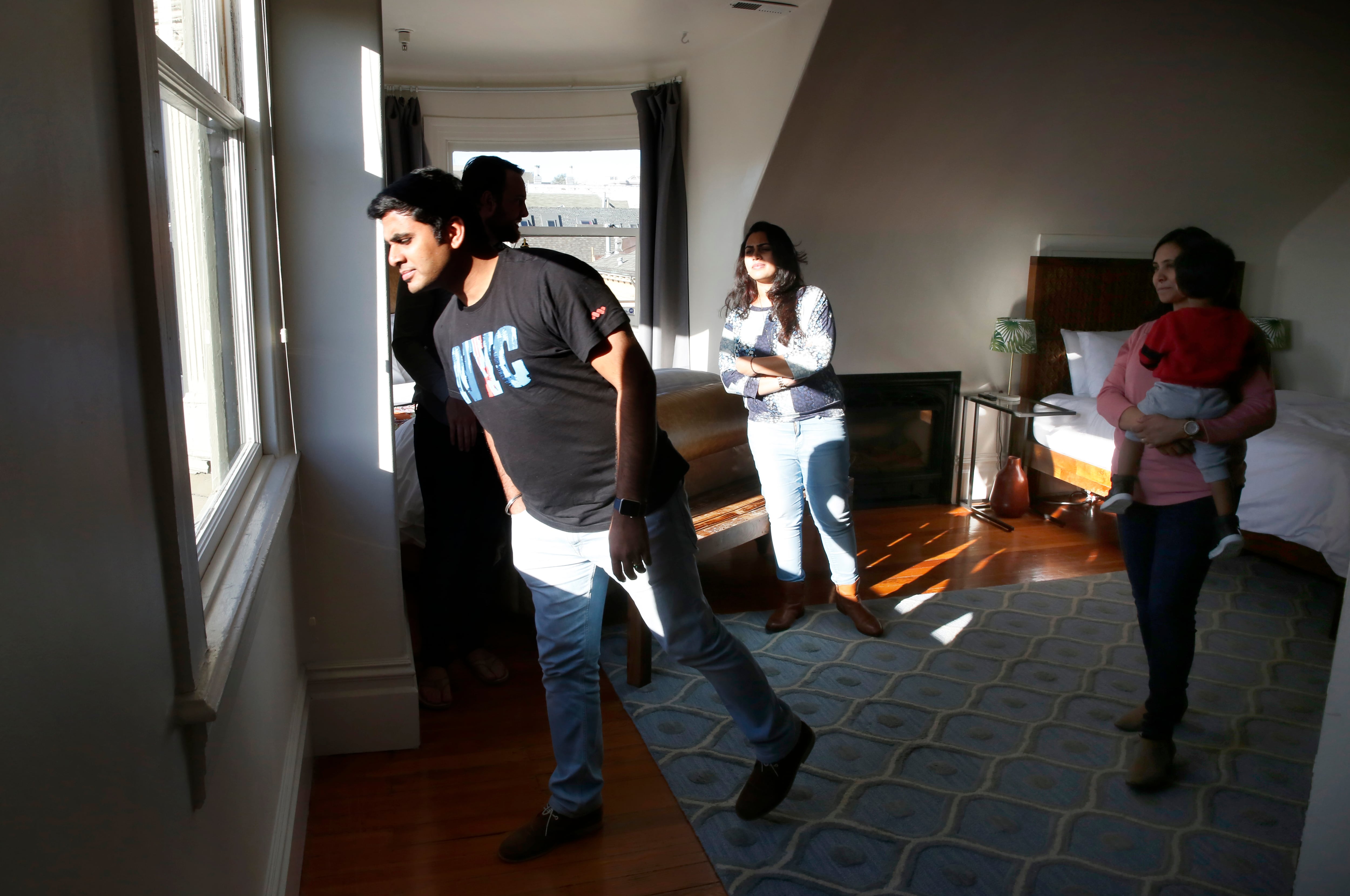
In the heart of the historic working-class and Latino Mission district in San Francisco, the door of a ground-floor unit next to a trendy coffee shop keeps opening. A private shuttle that ferries tech workers to their Silicon Valley headquarters farther south passes by every morning. The 796 sq.ft. (74-square-meter) apartment, recently renovated and furnished, is thoughtfully laid out, from the small open kitchen to the built-in closets. But it gets very little light. Of its two bedrooms, one has no windows. And it costs $4,750 a month.

 Login