 Login

Hitler’s Eagle’s Nest Nearly Destroyed by Fire. Should Germany Rebuild It?
The blaze leaves Bavaria weighing tourism against historical memory of Nazi era

Paige Bennett
Scrambled eggs can be a difficult breakfast staple to master, but according to celebrity chef Bobby Flay, you can avoid a rubbery or dry texture by using crème fraîche, a dairy product similar to sour cream.
Since I don't often buy crème fraîche, however, I tried Flay's recipe alongside two two cheaper, similar alternatives — sour cream and Greek yogurt — to see if they would yield similar results. Here's how it went.
Paige Bennett
I began with testing out sour cream, which isn't as rich as crème fraîche but offers a similar tangy flavor and texture.
Following the basic steps of Flay's recipe, I put a pat of cold butter and sour cream in a pan. I was careful not to use too much since I wanted enough to moisten the eggs without making them too wet.
Then, I turned the burner to medium-low heat and added two whisked eggs. I constantly stirred the mixture with a rubber spatula, adding black pepper once the eggs began to hold their shape.
Paige Bennett
I turned the heat off shortly before the eggs looked done to keep the moisture and prevent overcooking, and added the salt. I let the eggs cook for about a minute in the hot pan with the gas burner turned off.
Paige Bennett
The eggs definitely looked smoother than they usually do when I make them, and they smelled buttery and even slightly cheesy.
When I took a bite, they tasted good, too — a little buttery and no tang from the sour cream.
However, despite my constant stirring, I thought they had an uneven texture, as a few bites were slightly rubbery and dry, or a little too wet for my taste.
Paige Bennett
This ingredient is the cheapest of the three options I tried so, even if the eggs weren't the best, I'd still add a little sour cream if I had it on hand and wanted scrambled eggs.
Paige Bennett
Next, I followed the same recipe and steps using a similar amount of Greek yogurt, which blended into the eggs seamlessly while cooking.
I knew after the first bite that this ingredient was not a good alternative to Flay's recommended crème fraîche.
Paige Bennett
The dish looked creamier than the eggs made with sour cream, but the non-fat Greek yogurt created a uniform rubbery texture.
I think one issue is that I accidentally used a yogurt without fat. Because Greek yogurt is so tangy, even more so than sour cream, I think the flavor masked the taste of the butter, salt, and eggs, and resulted in an overall blandness.
The dish also was slightly watery and left a small pool of liquid on my plate.
Paige Bennett
The crème fraîche had the thickest texture of the three, so I expected the eggs to be pretty rich.
I followed the same steps, noticing how effortlessly the crème fraîche melted into the whisked eggs.
This dish with crème fraîche took slightly longer to cook, but the eggs seemed moist and fluffy without looking underdone.
Out of the three recipes, this one resulted in the best flavor and definitely didn't feel undercooked.
When I took a bite, I thought the flavor was amazing. They tasted soft, rich, and buttery and nearly melted in my mouth.
Paige Bennett
The creamy eggs would work so well with salty, crispy hash browns, roasted veggies, or a really good crusty bread.
Paige Bennett
Though I thought the eggs made with crème fraîche tasted the best, I would use the cheaper alternative, sour cream, if I tried Flay's recipe again.
I don't often have crème fraîche on hand, so it would also be easier to use the sour cream since I usually buy it anyway.
That said, if I wanted a more indulgent version of this breakfast staple, I'd totally add crème fraîche to my grocery list.
This story was originally published on March 5, 2022, and most recently updated on October 26, 2026.
If there’s a Wikipedia page about yourself, you must be famous—some kind of celebrity—or an expert in your field, or a figure who’s made a prominent contribution to human history or culture. But what happens when that page is nominated by Wikipedia editors for deletion? In a quirky tech story for Wired, Duncan Fyfe reports on the strange experience of being told you’re just not notable enough.
There is, when you look for it, a careless and cocky tone that can creep into the verdicts of Wikipedia editors who have been doing the job for a long time. “This guy is a nobody. Delete him.” “I’ve got more followers on Instagram than he does.” “All we have here are stand-up comedy, opinion columns, being a guest or collaborator on some non-notable podcasts … This is more or less every twentieth person who lives in NYC.”
Jena Brown
Las Vegas is one of the most popular tourist destinations in the world.
And, in a lot of ways, it's designed to take your cash. From the moment you step off the plane, you're greeted with the flashing lights and glitzy promise of easy money topped with a good time. Just put a dollar or 10 into the slot machines, and all your dreams might come true!
I've lived here for almost 20 years, and the first thing you learn as a local is that the house always wins. The second thing you learn is how to make sure it doesn't win everything.
Here are a few things I think tourists should stop wasting money on when they visit Las Vegas.
Jena Brown
No one should come to Vegas without a plan, and that includes a gambling budget.
It's rare for someone to walk through the winding maze of slot machines and not feel inclined to drop a few dollars. It's like an adult video game that often comes with free drinks.
But the last thing you want is to find yourself in the middle of a gambling streak without any cash. Many casino ATM fees hover around $10 a transaction, but I've also seen worse.
Instead, stop by an ATM or a bank off the Strip. It might seem inconvenient, but between resort fees, room taxes, and inflated prices, the last thing you want is to lose money by simply taking out cash.
Jena Brown
In my experience, if the bar is conveniently located, you're probably going to pay too much for the drink. Even inside the casinos, the bars closest to the lobby will often be more expensive than others tucked in the back.
For example, in the same section of a casino, I once found two vendors selling nearly identical frozen cocktails, but the one closer to the action had prices double the other's.
So, before ordering, walk around a bit and see if you can find a better deal.
And if you have the time, play a few dollars at the slots and wait for the cocktail server. Most casinos offer free drinks if you're actively gambling.
Jena Brown
Vegas is known for its broad selection of world-class shows. From Cirque du Soleil to any number of all-star residencies, there's no shortage of killer entertainment on the Strip.
However, that doesn't mean you have to pay full price for tickets. In fact, given how unpredictable a day in Las Vegas can be, waiting until the last minute has its perks.
Kiosks along the Strip often offer unsold, day-of tickets for around half the original price. Plus, several websites and other vendors have similar deals with casinos and entertainment venues.
This requires some flexibility and risk — not all shows have unsold tickets or offer lower prices every day. However, if you don't mind some uncertainty and love a good deal, it's easy enough to find cheap seats not long before a show starts.
Jena Brown
Whether you're looking for designer duds or a toiletry you forgot, you'll be able to find it in Vegas.
There are tons of shops conveniently located near every major casino property and all along the Strip.
However, at a lot of these places, you may find yourself paying a premium for basics and items that aren't that special. For example, I've seen a four-pack of Motrin for $5 and a not-officially-licensed Las Vegas Raiders jacket going for $150.
So, pack your essentials from home whenever possible and be vigilant when you browse. And, if you want to do some shopping during your trip, head just north of the Strip to the Premium Outlets for better deals.
Jena Brown
For years, casinos didn't charge for parking in their garages — and some still don't. So knowing which ones do can stop you from wasting money.
Additionally, it might seem like renting a car is the way to go to save on rideshare or cab fees. However, if you don't pay attention, you could easily spend way more on parking for a day than on a few rideshare trips.
Before you head to Vegas, definitely research parking garages and do a little math to see if it's even worth having a car.
This story was originally published on January 6, 2024, and most recently updated on October 26, 2026.
Lisa Maloney
As someone who's lived in Alaska for over 35 years, I see why tourists love traveling here. From the beautiful national parks to opportunities to see the northern lights, the state has something for everyone.
However, as a local, I often see tourists make the same mistakes — like expecting to drive everywhere or forgetting that some activities are seasonal.
These are the six most common mistakes I've seen tourists make when visiting my home state.
Lisa Maloney
I'm always surprised by how many visitors think Alaska is small. In reality, Alaska is so big that if you split it into two states, each half would be bigger than Texas. You can easily spend hours driving from one large community to the next.
However, Alaska has a shockingly limited road network for such a huge state. If we say a community is "off the road system," it means you can't drive there — instead, you'll have to catch a plane or a boat.
People traveling to a new location often feel pressure to visit as many destinations as possible. But if you never take a minute to enjoy just being here, you're missing out on a big chunk of the Alaska experience.
Plus, having a little flex time in your schedule helps accommodate when excessive wind, rain, or rough seas keep you from doing planned activities. I recommend giving yourself two or three days in a community before moving on.
In Alaska, we have a lot of local lingo that can be helpful to know. For example, if someone says they're going outside, they're not just leaving the building — they're leaving the state.
To us, outside means "Outside" with a capital "O," which is anywhere that's not Alaska.
Another thing to remember is that we don't typically use road numbers for our highways (no matter what your GPS tries to tell you). Instead, we use the names of highways.
biletskiyevgeniy.com/Shutterstock
Some of the biggest attractions in Alaska are available for only a few months of the year.
Two big ones to keep in mind are bear-viewing season, which typically peaks with the salmon runs in July and August, and aurora-viewing season, which runs from roughly late August to late April.
The umbrella term for Alaska's Indigenous people is Alaska Native. Most towns have at least one cultural center where visitors can learn about Alaska Natives in that region.
These facilities are part visitor center and part museum, and they offer a celebration of Native traditions and culture. I always recommend tourists take the time to explore these centers.
Lisa Maloney
Alaska tour guides often field sincere questions like "When are the moose scheduled to show up?" That makes sense in a controlled environment like a zoo, but Alaska's wildlife is, well, wild — so they come and go whenever they like.
Our weather does pretty much the same thing, so if you're determined to hide inside until the rain and wind stop and the sun comes out, you'll miss out on a lot.
Dressing in layers can help visitors stay comfortable, no matter what the weather is doing. I recommend lighter layers in the summer and heavier layers in winter, but a weatherproof outer layer is always a must.
This story was originally published on July 26, 2024 and most recently updated on October 26, 2026.
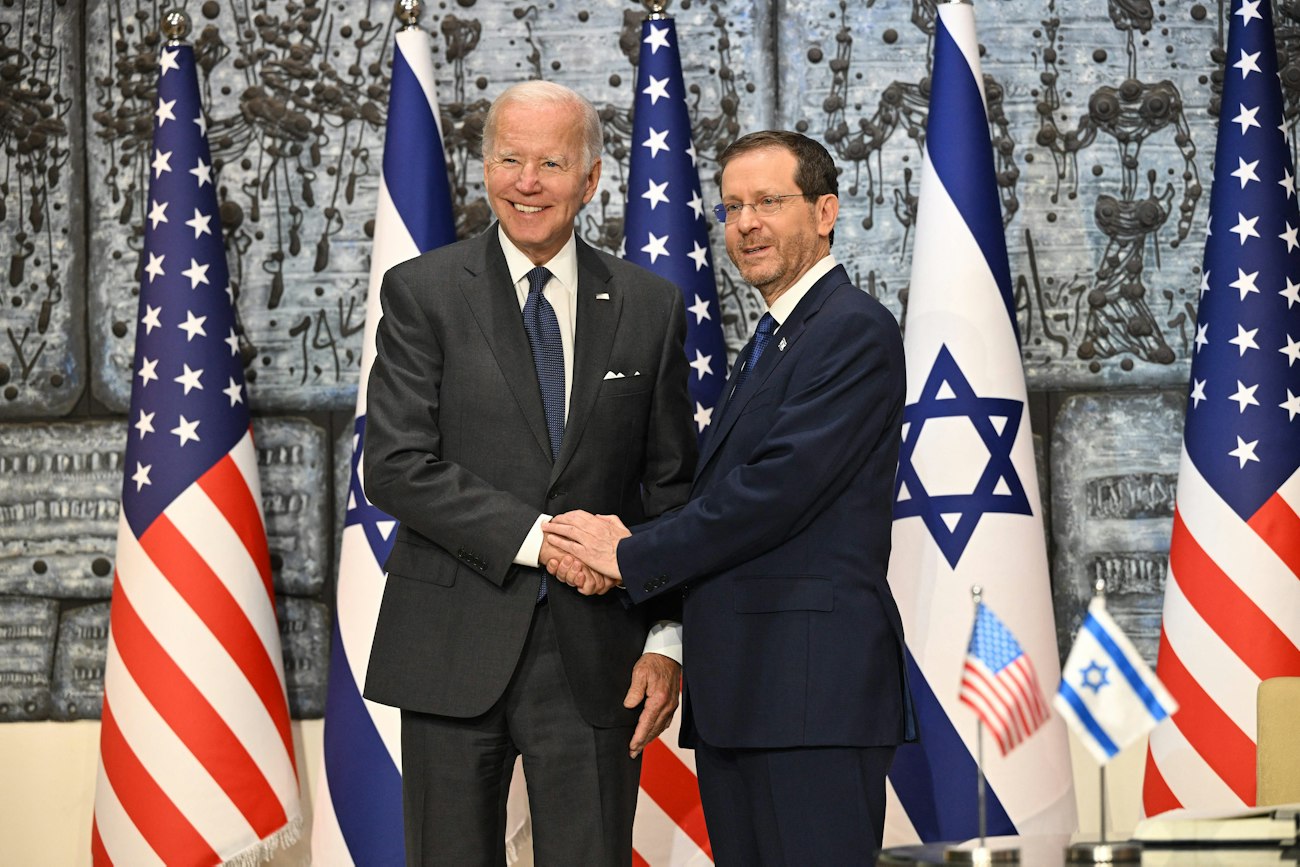
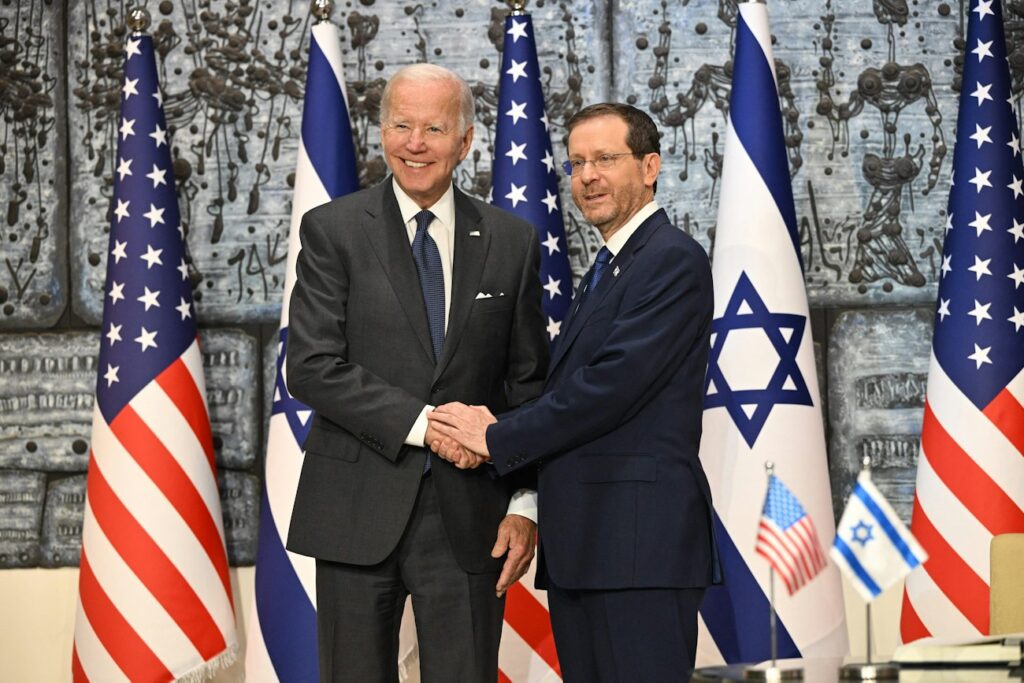
As the Left unites with Islamists to march against Israel, what it forgets is that Zionism was always a progressive movement – and the Irish forget that they originally identified with the Jews, says Andres Roth.
The post The Left Forgets That Zionism is a Progressive Movement appeared first on The Daily Sceptic.
Rachel Askinasi
Not everyone has time to make a delicious pie from scratch.
Fortunately, some store-bought versions can be pretty delicious — and pass for homemade if you know a few handy tricks.
So, Business Insider spoke with chefs, bakers, and other culinary professionals about their favorite ways to elevate premade pies.
Here are a few of their best tips that you may want to write down before your next neighborhood potluck or holiday dinner.
Lynne Mitchell/Getty Images
Professional baker and winner of TLC's "Cake Boss: Next Great Baker" Dana Herbert, told Business Insider that he recommends adding an herbed caramel sauce to ready-made pies.
"Add some cinnamon, rosemary, thyme, ginger, or cardamom to warm caramel sauce and serve it with the pie," Herbert said. "Even traditionally savory herbs can complement sweet desserts."
If you're not sure whether a particular herb would pair well with your pie, Herbert recommended closing your eyes and smelling the herb or spice — if you can detect something sweet in the scent, it's probably OK to use.
SEAGULL_L/Shuttershock
Carlo Lamagna, chef and owner of Magna PDX, said that a dose of salt can help tone down the sweetness in syrupy pies.
"Salt helps accentuate flavors and balances out often overly sweet items," Lamagna said.
If you don't want to sprinkle pure salt on your dessert, you can opt for crushed salted nuts, like peanuts or cashews, which will still do the trick and add extra texture.
Animas Photography/Shutterstock
Alexandra Lourdes, co-owner of Saint Honoré Doughnuts and Beignets, told BI that the easiest way to elevate a store-bought pie is to simply remove it from its original packaging.
"Make sure you take it out of the box it came in," Lourdes said. "If you place it in a new box, add a ribbon, or arrange it on a beautiful cake stand, no one will ever know it's not homemade."
Romix Image/Shuttershock
Lemon can elevate a premade pie, making its flavors feel more complex.
"Make a super tangy lemon curd with lemon juice and plenty of zest," Herbert said. "The sourness will cut through some of the excessive sweetness found in store-bought blueberry and cherry pies."
If you don't have time to make your own lemon curd, you can buy it from the grocery store. Just stir in a bit of fresh lemon juice to make it taste more homemade.
excursionista.net/Shutterstock
Chef and sommelier Melissa Smith told BI that serving a premade pie with fresh whipped cream is a great way to make the dessert taste and look gourmet.
All you need to make it is a whisk, heavy cream, and powdered sugar. Consider using a piping bag to add the whipped cream to your pie for a more elegant look.
Smith said doing so will make your pie look "modern and classy, like something straight out of a magazine."
For bonus points, she recommended garnishing the piped cream with a few flakes of edible gold or a smattering of citrus zest.
FabriZiock/Shutterstock
Instead of making your own fresh whipped cream, you could also just grab a spoonful of powdered sugar.
"A simple dusting of powdered sugar can really make your pie look more appetizing than if you simply served it bare and straight out of the container," Smith said.
For a flawless presentation, use a sieve to ensure an even coating of sugar, and a stencil if you want to use it to create clean, clear designs.
Try to add sugar right before serving so it doesn't dissolve.
haha21/Getty Images
Kevin Cabrera, corporate executive chef at The Save Mart Companies, told BI that melting a bit of butter on top of a ready-made pie can help give it a homemade richness.
"Halfway through warming your pie, directly insert thin slices of butter into the venting slits of the pie," Cabrera said. "This will give it a nice, moist flavor."
Adding too much butter might oversaturate the pie and lead to a soggy crust, so start with a tablespoon or two, and add more if necessary.
Rebeca Mello/Getty Images
If you feel like taking some culinary risks, Lamagna suggested mixing up a classic store-bought apple pie by adding some sliced or shredded cheese.
"I grew up in the Midwest, so we would always melt a slice of cheddar on the top of apple pies," Lamagna said. "Don't be afraid to experiment with unconventional pairings."
Moderation is key to pulling off cheesy apple pie — don't layer on too much cheese, or you'll end up with an oily, salty crust.
Staniela R. Nikolova/Shuttershock
Just because your pie came straight from the grocery store doesn't mean it needs to look generic.
"I'd add homemade lettering to the pie to make it your own," Lourdes said. "You can also add gold flakes or edible food glitter to make a statement."
Add your chosen phrase with frosting, or make chocolate letters at home using silicone molds.
Shutterstock
If you love marrying salty and sweet, adding a light dusting of bacon pieces to your pie might be a mouthwatering move.
"The perfect way to improve an apple or peach pie is to grab your favorite bacon, cook it up, and toss it on the pie," Herbert told BI.
For a more Southern-inspired dessert, Herbert suggested using bourbon-flavored bacon on a pecan pie.
Shutterstock
If you're serving a pie that's meant to be enjoyed warm, adding a scoop of high-quality ice cream can enhance the taste.
"Hot and cold foods are a dynamic pair," Cabrera said. "After warming it up, serve the pie with a generous scoop of slow-churned ice cream for a delectable dessert."
Cabrera said that you can't go wrong with vanilla ice cream, but you can also pick a rich chocolate or a fruity sorbet.
Stefania Pelfini la Waziya/Getty Images
Liven up drab cream pies by topping them with chopped fresh fruit for added texture and color.
"Find a fruit that would complement the type of cream pie you purchased," Lamagna said. "Cherries tend to go well with chocolate cream, and coconut works with banana cream."
Other tasty combos include peaches with vanilla cream, raspberries with lime cream, and bananas with peanut-butter cream.
This story was originally published on November 3, 2020, and most recently updated on October 26, 2026.

From the 17th to the 20th century, Ukrainian lands were split between empires and states. Their rulers tried to assimilate Ukrainians and block their self-determination by going after what set them apart: their language and culture.
Nobody has an exact count of the bans. Historian Pavlo Hai-Nyzhnyk says there were more than 100 and that the real number is likely higher, because governors issued local bans too.
These measures differed in purpose and reach. Some restricted publishing, schooling, or official use; others suppressed cultural institutions or pushed assimilation. Most served the forced Russification of Ukrainians in the Russian Empire and the USSR. The timeline below is a selection of documented events, not a count of bans.
Russia has not stopped. Since 2014, schooling in Ukrainian has collapsed in the territories it occupies, and in 2025 it removed Ukrainian from the federal school programs it imposes there.
Here are some of the most important restrictions on Ukrainian language and cultural life imposed by the regimes ruling over Ukraine.

1627: Muscovy. Moscow church authorities condemn Kyrylo Trankvilion-Stavrovetskyi’s Didactic Gospel, a collection of sermons printed in Ukraine in 1619, and order copies burned in Moscow.
1697: Polish-Lithuanian Commonwealth. An act requires tribunal and court decisions in the Grand Duchy of Lithuania to be written in Polish, displacing Ruthenian in those courts.
1720: Russian Tsardom. Peter I’s decree restricts the Kyiv and Chernihiv presses to approved reprints of church books and requires them to conform to Russian editions, suppressing local textual and linguistic differences.
1728: Russian Empire. Under the Decisive Points (Reshytelni punkty), the legal texts used in the Hetmanate’s courts are to be translated into Russian and compiled into a single code.
1730s: Russian Empire. Under Empress Anna, Kyiv’s archbishop is instructed to replace older locally printed church books with Moscow editions.
1769: Russian Empire. The Holy Synod refuses the Kyiv-Pechersk Lavra permission to print primers in the local language and tells it not to submit such requests again.
1775: Russian Empire. A Russian army destroys the Zaporozhian Sich, the Cossacks’ last stronghold and one of Ukraine’s own political institutions.
1780s: Russian Empire. Samuil Myslavskyi, metropolitan of Kyiv from 1783, insists on literary Russian as the only language of instruction at the Kyiv-Mohyla Academy.
1789: Polish-Lithuanian Commonwealth. The Commission of National Education orders the Ukrainian parish schools of Right-Bank Ukraine Polonized.
1847: Russian Empire. After suppressing the Cyril and Methodius Brotherhood, a secret society that called for a federation of free Slavic peoples, the authorities ban and withdraw from sale specified works by Taras Shevchenko, Panteleimon Kulish, and Mykola Kostomarov.
1859: Austrian Empire. Austrian officials back a plan to replace the Cyrillic alphabet used for Ukrainian in Galicia with a Latin one. Ukrainian opposition defeats the plan in what became known as the “alphabet war.”
1862: Russian Empire. The authorities close the Sunday schools, free schools for working adults and young people, including Ukrainian ones. They begin reopening under tighter control in 1864.
1863: Russian Empire. Interior Minister Pyotr Valuev’s circular tells censors not to approve Ukrainian religious, school, and popular-reading books, while still allowing fiction under censorship. It claims that most Little Russians themselves argue that “there was not, is not, and cannot be any special Little Russian language.”
1864: Russian Empire. The 1864 statute requires Russian as the teaching language in the elementary schools it regulates.
1869: Austria-Hungary. Polish becomes the internal language of administration and the courts in Galicia. The 1867 school arrangements had already strengthened Polish dominance, while leaving limited room for Ukrainian-language schooling.
1876: Russian Empire. Alexander II’s secret Ems Ukaz severely restricts Ukrainian publishing and bans Ukrainian publications from abroad, Ukrainian stage performances and public readings, and Ukrainian lyrics printed with music. Exceptions allow historical documents in their original spelling and fiction in Russian spelling under censorship.
1881: Russian Empire. New rules ease parts of the Ems Ukaz: Ukrainian plays may be staged with a governor’s special permission. Theater troupes performing only in Ukrainian stay banned.
1883: Russian Empire. Kyiv Governor-General Aleksandr Drenteln bars Ukrainian theater troupes from performing in the Kyiv, Podillia, Volhynia, Poltava, and Chernihiv governorates.
1895: Russian Empire. The censorship authorities ban the publication of Ukrainian children’s books.
1910: Russian Empire. A circular from Pyotr Stolypin’s interior ministry tells governors to refuse registration to non-Russian national societies, Ukrainian ones included, and to review existing ones for closure. Kyiv’s Prosvita is dissolved the same year.
1914: Russian Empire. The authorities ban public celebrations of Taras Shevchenko’s centenary. After the empire enters World War I, they close most Ukrainian periodicals, including the Kyiv daily Rada.
1914–15, 1916–17: Russian Empire. Russian occupation authorities suppress Ukrainian institutions and publications in Galicia and Bukovyna. The first occupation brings mass arrests and deportations, the destruction of Ukrainian books, and the arrest of Metropolitan Andrei Sheptytskyi.
1923: Soviet Ukraine. Dmytro Lebid, second secretary of the Communist Party of Ukraine, sets out the “theory of the struggle of two cultures,” which holds that the Russian culture of the city is more advanced than the Ukrainian culture of the village. The party rejects it and adopts Ukrainization the same year.
1924: Poland. Three laws of 31 July make Polish the state language of administration and the courts, keep limited rights for minority languages, and set school rules that favor Polish-Ukrainian bilingual schools over separate Ukrainian ones.
1924: Romania. The primary education law requires citizens of Romanian origin who have “lost their mother tongue” to send their children to Romanian schools. Ukrainian historians say it was applied to Ukrainians in Bukovyna.
1925: Poland. The Lviv Underground Ukrainian University, which had taught clandestinely since 1921, stops teaching after police raids and the Polish state’s refusal to recognize it.
1926: USSR. In a letter to Kaganovich and the Ukrainian Politburo, Stalin attacks Oleksandr Shumskyi and Mykola Khvylovyi and rejects Ukrainizing Russian workers “from above,” while still backing controlled Ukrainization of official institutions.
1932–33: USSR. A secret resolution of 14 December 1932 orders the Ukrainian-language paperwork and press of the North Caucasus switched to Russian at once and its schools prepared for teaching in Russian. In Soviet Ukraine, it puts Ukrainization under tighter party control and demands purges of “nationalist” elements. The repression of 1933 dismantles Ukrainization.
1938: USSR. A decree of 13 March makes Russian a compulsory subject in the non-Russian schools of the national republics and regions.
1947: Poland. In Operation Vistula, Polish authorities forcibly resettle about 150,000 Ukrainians to northern and western Poland, under an assimilation policy that sought to keep them below 10% of any locality.
1958–59: USSR. The school reform expands parents’ choice of teaching language and makes the study of Ukrainian optional in Russian-language schools in Soviet Ukraine.
1960s–70s: Romania and Poland. Romania nearly eliminates Ukrainian-language schooling from the mid-1960s. In Poland, Ukrainian schools and Ukrainian classes shrink.
1972: USSR. The party’s resolution on the USSR’s 50th anniversary promotes the “new historical community, the Soviet people,” an idea first voiced in 1961. Soviet ethnographers wrote that the spread of Russian among non-Russian peoples played the paramount role in forming this community.
1978: USSR. The USSR Council of Ministers orders wider study of Russian in the union republics. Ukraine’s implementing resolution of 2 November requires Russian from first grade in Ukrainian-language schools from the 1980/81 school year.
1983: USSR. A resolution of 26 May gives specified teachers of Russian in non-Russian schools in villages and small towns a 15% pay raise from 1984.
1984: USSR. The school reform resolution of 12 April adds two to three hours of Russian a week in grades 2 to 11 of non-Russian schools.
1989: USSR. The Communist Party’s party platform of 20 September calls for making Russian, by law, the language of the whole country alongside the republics’ state languages.
1990: USSR. The April 1990 law on the languages of the peoples of the USSR makes Russian the official language of the Soviet Union, while letting the republics set their own state languages.
2014–18: Crimea. Under Russian occupation, schooling in Ukrainian collapses. In 2013/14, 12,694 children studied in Ukrainian in 7 schools and 829 classes; by 2017/18, 318 children did, in one school and 13 classes, the UN human rights office reports, noting the figures conflict in places.
2020: DNR and LNR. The so-called DNR votes to amend its “constitution” on 6 March, dropping Ukrainian as a “state language” and leaving only Russian. The so-called LNR does the same in June.
2022: Occupied Kherson and Zaporizhzhia oblasts. Russia’s Education Ministry says on 12 August that schools in newly occupied areas will teach in Russian, with Ukrainian allowed only as an optional “native” language. Occupation authorities then cap Ukrainian at three hours a week, Human Rights Watch reports.
2023: Occupied Donetsk and Luhansk oblasts. Russia removes nearly all Ukrainian literature from local libraries, most likely destroying it, Ukraine’s National Resistance Center reports. The so-called LNR publishes a list of banned books.
2024: International Court of Justice. On 31 January, the court ruled, 13 votes to 2, that Russia violated the UN convention against racial discrimination in how it ran school education in Ukrainian in occupied Crimea.
2025: Russia. Education Ministry Order No. 729, in force since 15 December, removes Ukrainian language and literature from Russia’s federal primary and lower-secondary programs, the UN human rights office reports. Russia imposes these programs on schools in the occupied territories, where about 582,000 children study, the Almenda center says.
Editor’s note, 27 October 2026: We first published this timeline in 2017. Like many lists of bans on Ukrainian that circulate online, it repeated some claims that have no document behind them. In October 2026, we went back to historians’ work and to the decrees themselves.
We removed about fifteen entries. Most we could not confirm; a few were not about language. We corrected others where the documents say something different: some bans had exceptions, some dates were off by a year, and the end of Ukrainization came in 1932–33. We replaced the old count of 60 bans, which we could not trace, with a historian’s estimate. And we added what Russia has done to the Ukrainian language in the territories it has occupied since 2014.
If you have a document for something we left out, write to us.

The electric vehicle might seem like a very modern invention, but is actually as old as automobile itself. It first appeared in the autumn of 1888 on the streets of Coburg, a small German town. With four wheels and a wooden body, it looked remarkably like a horseless carriage, but instead of relying on an internal combustion engine, it drew its power from electricity.
The machine was called the Flocken Elektrowagen, and it is widely regarded as one of the world's earliest electric automobiles.

A modern replica of the Flocken Elektrowagen. Credit: Wikimedia Commons

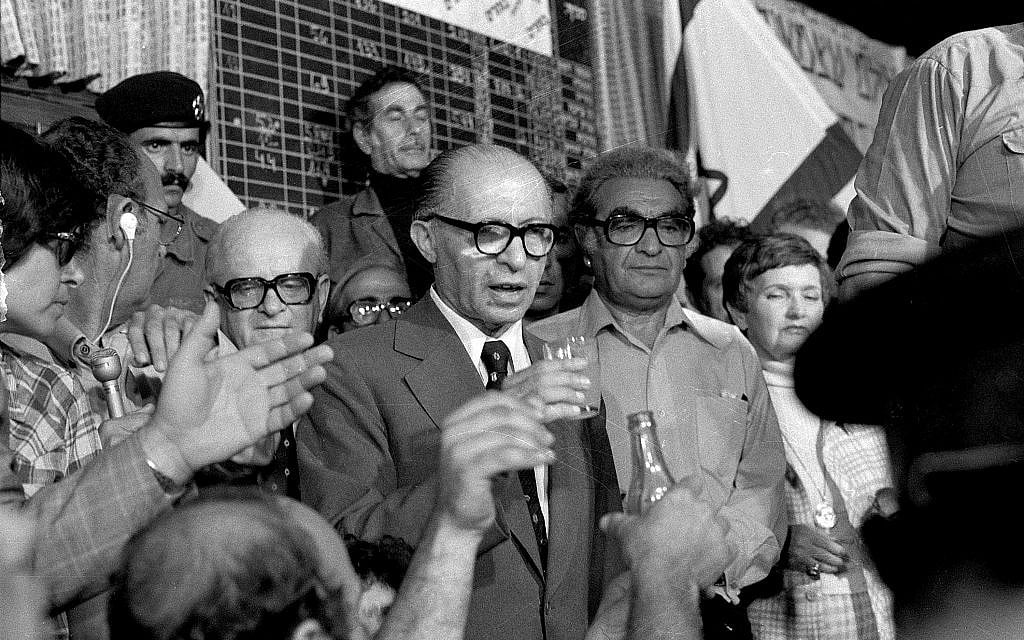

10/26/1774: First Continental Congress ends its first session in Philadelphia.
The post Today in Supreme Court History: October 26, 1774 appeared first on Reason Magazine.
Losing Chagos would end the claim that the sun never sets on the British Empire. From Bermuda to Pitcairn, the UK's remaining territories form an unrivalled network worth keeping, argues James Alexander.
The post The Bermuda Quadrangle? Why the UK Should Hold On to the Empire on Which the Sun Never Sets appeared first on The Daily Sceptic.
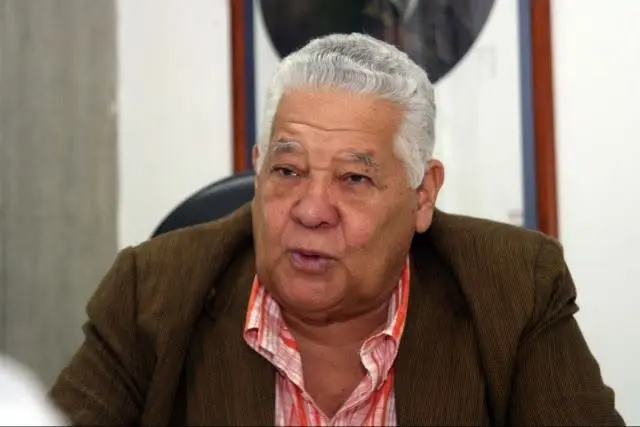
Venezuelan local history is central to Arístides Medina Rubio’s legacy, which reclaimed regional memory, oral testimony and archives beyond official narratives.
Related: Venezuela Launches Zero-Hunger Plan Targeting 2030 Goal
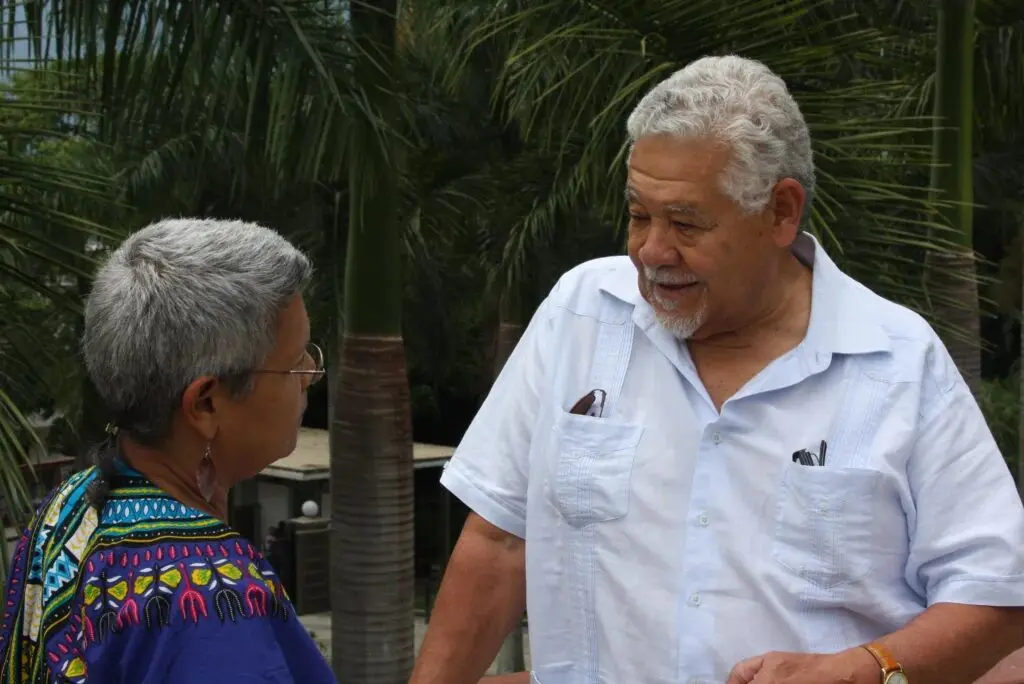
Venezuelan local history was the life’s work of historian Arístides Medina Rubio, who argued that no universal history is possible without the memory of towns, regions and ordinary people.
Medina Rubio believed that Venezuela’s past had been reduced for too long to the history of Caracas, independence heroes and official dates.
His central thesis was simple but powerful: without local history, universal history is impossible.
The historian was born in Puerto Cabello, Carabobo state, on April 27, 1937, and died in Caracas on October 1, 2019, at the age of 82.
He graduated as a professor of History and Geography from the Pedagogical Institute of Caracas in 1969 and earned a doctorate from El Colegio de México in 1974.
Medina Rubio founded the Chair of Venezuelan History at the Pedagogical Institute in 1976 and taught undergraduate, graduate and doctoral courses at the Central University of Venezuela.
He directed the university’s School of History from 1986 to 1989 and became one of the country’s leading theorists and promoters of regional history.
His influence extended beyond Venezuela through his work with historians across Latin America and the Caribbean.
Medina Rubio was also an editor, publisher and institution builder. He led Editorial Trópicos and co-founded the journal Tierra Firme in 1982, which has published more than 100 issues.
He served as director of Venezuela’s National Library from 2003 to 2009 and helped found and lead the National Center for History.
His books include Regional History: Seven Essays on Theory and Method (1984), A Minimal History of Venezuela (1994), Introduction to Regional History (1995) and Readings in Regional and Local History (2002).
In 2018, he presented The Venezuelan People: 15,000 Years of History, written with Mario Sanoja, Iraida Vargas, Carmen Bohórquez and Luis Britto García.
The book challenged the idea that Venezuelan history begins with Christopher Columbus or independence, placing Indigenous peoples at the center of the national narrative.
Biblioteca Nacional de Venezuela | Centro Nacional de Estudios Históricos
Medina Rubio argued that Venezuelan local history had long been overshadowed by a Caracas-centered narrative.
He said official history focused on events such as April 19, 1810, and July 5, 1811, while ignoring the provinces that made up the Spanish Captaincy General of Venezuela.
“The great contribution of those of us who work on regional and local history is that we have reclaimed those spaces,” Medina Rubio said.
“Our history was filled with the history of Caracas, not even the Province of Caracas. The same happened with Maracaibo and Cumaná. Angostura appeared only when Bolívar was there, but beyond that, almost nothing.”
He argued that many Venezuelan towns had histories long before independence, but those stories were often reduced to the presence of famous figures.
He cited the McGregor Stone in El Socorro as an example of a place remembered mainly because a celebrated leader passed through it.
Medina Rubio insisted that local chroniclers preserved details that national histories often overlooked.
He also defended oral history as a legitimate historical source.
“The academic historian works with documents, statistics and maps,” he said. “But the people work with memory, and the only way to preserve that memory is through testimony.”
He said oral testimony passes from generation to generation and preserves events that may never leave a community but remain part of its historical memory.
Medina Rubio pointed to the Tere Tere, a traditional dish from Guatire, as an example of how local knowledge survives through community memory.
He said many people learned about the dish because residents created a magazine to document local flavors and knowledge.
For Medina Rubio, food, crafts, music and everyday practices were also historical sources because they revealed regional identities and social relations.
He noted that the hallaca, considered a national dish, has distinct regional expressions in the Andes, Margarita and central Venezuela.
The historian believed that recognizing those differences was essential to understanding Venezuela as a diverse and plural country.
Archivo General de la Nación | Academia Nacional de la Historia
Medina Rubio also challenged traditional accounts of Venezuela’s independence, arguing that the process was broader, more complex and less centralized than official history suggested.
He explained that the people present in Caracas’ Plaza Mayor on April 19, 1810, were mainly from the Province of Caracas.
They came from Charallave, what is now the Plaza municipality, Guarenas and the valleys of Aragua.
People from Barcelona, Margarita, Cumaná, Angostura, the Andes and other regions joined the independence movement later, but quickly.
Medina Rubio said communication was decisive in spreading the movement.
In 1810, news from Caracas could take weeks to reach other parts of the country. Yet the April 19 events spread within eight to 10 days.
Caracas was the most important city in the Captaincy General, which included seven provinces.
After the Caracas council declared the Junta of the Rights of Ferdinand VII, later transformed into the Supreme Junta of Caracas, emissaries were sent to other provinces.
Their mission was to secure support for the Caracas movement and build consensus across the Captaincy General.
Of the seven provinces, only Maracaibo, Coro and Guayana did not immediately join. They later incorporated into the independence process.
Medina Rubio said the role of those emissaries remained insufficiently studied.
He also argued that many historical documents had been hidden or removed from public access for decades.
He pointed to the case of independence leader Francisco de Miranda and Juan Germán Roscio, who served as prosecutor against Miranda in 1806.
Medina Rubio said Roscio’s role in condemning Miranda and others captured at Ocumare had long been obscured by official narratives.
He said archives later revealed another side of Roscio, not to erase his contribution to independence, but to show that his life had more than one phase.
Medina Rubio said three volumes of previously unknown Miranda documents were later published, while other archives remained insufficiently studied.
Venezuelan Ministry of Popular Power for Education | Fundación Librerías del Sur
Medina Rubio believed that the democratization of Venezuelan local history required recovering archives, publishing forgotten documents and training new historians.
He said that before 1960, Venezuelan history was often presented as a nearly divine war led by elites.
He cited the 1808 Revolution of Caracas, organized by wealthy Caracas elites known as mantuanos against Spanish rule.
Although the movement was betrayed, Medina Rubio considered it more important than earlier pre-independence uprisings led by figures such as Pirela and Chirino, as well as Miranda’s invasions.
He noted that the first major study of the movement, Andrés de Ponte’s The Revolution of Caracas, was published in 1910 and not republished until after the 1960s.
Medina Rubio said that after 1960, the work of the General Archive of the Nation, the National Academy of History and university history schools began to recover Venezuela’s past.
Books written by witnesses, memoirists and military figures became available to researchers and the public.
After 1998, he said, the recovery of historical memory accelerated further.
More archives were created, and descendants of historical figures began donating documents to the National Library, the General Archive of the Nation and the National Academy of History.
Medina Rubio said those archives allowed a completely different understanding of Venezuela’s past.
He also criticized the fact that, until about 2002, Venezuelan school history textbooks were produced in Spain.
He said the government purchased millions of books from the Spanish publisher Santillana, with financing linked to international institutions.
Medina Rubio said that practice ended during the government of Hugo Chávez, when he was director of the National Library and Aristóbulo Istúriz was education minister.
He argued that replacing Santillana’s editorial capacity would take years because it involved producing and updating textbooks for millions of students.
For Medina Rubio, the transformation of historical knowledge was a long-term process tied to education, archives and public access to information.
UNESCO Memory of the World | Latin American Council of Social Sciences
Medina Rubio argued that Venezuelan local history helps people understand present-day problems and develop independent civic consciousness.
He gave the example of a town without drinking water or an aqueduct.
Residents may ask why there is no water system despite the existence of a large river nearby.
By investigating the issue, they may discover that a nearby aqueduct serves land owned by a powerful landowner.
That discovery can lead people to organize and fight for their rights.
For Medina Rubio, local history was therefore a tool for social awareness and political action.
He also emphasized the importance of recovering the everyday lives of ordinary people, including songs, dances, food and popular traditions.
He noted that colonial society was deeply marked by class and racial hierarchies.
The term “mantuano” referred to wealthy white elites because the Church allowed only white women to wear mantles, while Black, Indigenous and mixed-race people were excluded.
Medina Rubio said food also reflected those hierarchies. Elites ate refined dishes, while ordinary people ate sancocho, a mixture of ingredients cooked in a gourd.
He argued that history must recover those excluded voices and recognize collective actors as makers of their own history.
Medina Rubio believed that independence was not a completed event but an unfinished process.
He said Venezuela had not yet built a fully independent structure or developed independence as a collective way of life.
For him, history should not be reduced to memorizing dates, names and places.
It should reveal processes, recover local heroes and connect the past with present realities.
His legacy continues through the historians, archivists and communities working to recover Venezuela’s regional memory.
alvarez/Getty Images
In my years working in interior design, I've had many clients approach me looking for definitive "rules" for decorating their homes.
They want to know how to make their home look good and function better, assuming there is a set of guidelines to help them get there.
Certainly, there are building codes, safety requirements, and circulation considerations that must be met. However, much of what we think of as design and decorating is guided by rules of thumb, best practices, and even cultural assumptions.
The longer I practice design — over 20 years now — the more I learn that there are very few set rules to follow. Although some can be a good starting place, they often overlook the people who actually live in the space we're designing.
Here are a few design "rules" I think are worth breaking and why.
Kirpal Kooner/Getty Images
Open any shelter magazine, and you will likely see open shelving as a prominent kitchen feature.
Open shelving is beautiful, often breaking up a wall of cabinetry, making a kitchen feel lighter and more open while creating a place to display dishes, glassware, cookbooks, or other collected personal effects.
Although I, too, am drawn to open shelves, I question whether it's the right choice for every client. Those beautifully styled shelves require you to decide what stays visible, keep some degree of order, and deal with more dust and kitchen grime.
For some people, that's no problem — or even enjoyable. For others, it's one more thing to maintain.
Before my clients make this design choice, we talk through what would actually live on those shelves and whether they want the responsibility of keeping them looking the way they imagine.
After all, a trend can show you a new possibility, but it can't tell you whether that possibility fits your life.
Lisa5201/Getty Images
I have many clients who make this assumption: If my home has a traditional architectural character, my new kitchen or bathroom must also have more traditional elements — think Shaker cabinetry, crown molding, and bronzy hardware.
Although I agree that architectural continuity can create cohesion, the architecture of your home is context, not a mandate.
When someone doesn't identify with their home's traditional character, I think it's important to honor the individual. I have seen many contemporary interiors set within traditional homes, and the juxtaposition can be breathtaking.
John Keeble/Getty Images
When a space feels cramped or isn't functioning well, I often see clients immediately assume they must add square footage.
Sometimes an addition is the right answer, but often the problem lies in how the existing space is being used.
For example, I had a client who was considering an addition to their kitchen. As we studied the existing space together, it became clear that the kitchen already had plenty of room, but the current layout wasn't making good use of it.
Rather than expanding the footprint of their home, we focused on reorganizing the space they already have so it functions better for them.
Before assuming more space is needed, identify where the friction is coming from: difficulty moving through a room, belongings that pile up in unwanted places, or things stored far from where they're used.
It's impossible to solve a problem you don't fully understand.
miodrag ignjatovic/Getty Images
If you've ever invested in beautiful or expensive furniture, you may have worried about how you'll protect it from getting "ruined" by daily life.
But here's the rub (pun intended): When protecting furniture starts interfering with actually living in your home, we may have a problem.
Think about the white sofa featured in the aspirational home decor imagery in magazines or on social media. It's beautiful. It's pristine.
However, every Friday night, it needs to be covered with a blanket before anyone settles in to watch TV with a glass of red wine and a piece of chocolate. At some point, the needs of the furniture began to take priority over those of the person using it.
Here is the truth: Furniture is meant to be used, and a home is meant to be lived in.
Robin Gentry /Getty Images
This is a pretty standard kitchen-planning rule of thumb: Put waste collection close to the area where food prep and cleanup happen.
However, this is based on an assumption about how people use their kitchens. Sometimes, there are better layouts depending on your situation.
For example, many of my clients compost most food scraps. One such client keeps a small compost container on her counter, which is convenient during food prep and clean-up. Between composting and recycling, her regular landfill garbage gets very little use.
Once we uncovered how little this client uses the conventional trash can in her kitchen, we decided to relocate it elsewhere, freeing up valuable cabinet space near the sink and dishwasher.
This may not follow the design "rule," but it's a more practical arrangement for her space.
The Good Brigade/Getty Images
Sometimes an empty wall, shelf, or corner of a room can make a space feel unfinished, and our natural inclination is to fill it.
However, is empty space actually a problem that needs to be solved? No … at least not immediately.
I often encourage my clients to experiment with leaving something empty as part of the design process. It gives you an opportunity to live with the space and discover what — if anything — you actually need there.
You may discover a function you hadn't anticipated, eventually find something you genuinely want there, or realize that the room works better without anything at all.
Jacek Kadaj/Getty Images
If a space feels unfinished, disjointed, or just "off," we often believe it needs a substantial change — new furniture, different finishes, or even a remodel.
And with so many dramatic reveals and before-and-afters, it's no wonder we think meaningful improvements require meaningful (and expensive!) interventions.
Rather than replacing everything, sometimes small, thoughtful changes can alter how a whole space feels.
For example, I had a client whose guest bathroom was remodeled several years ago. The materials, fixtures, and finishes were beautiful, but they didn't quite come together as a whole.
Rather than replacing them, we added a single wall of peel-and-stick wallpaper, a DIY project the client could tackle over a weekend. It connected what was already there and made the room feel cohesive.
Klaus Vedfelt/Getty Images
Because an interior designer has professional expertise and experience, homeowners assume their aesthetic judgment is more valid — or that the designer has the "right" design answer, and they do not.
Designers understand proportion, scale, color, materials, and composition, but clients know more than they give themselves credit for. They notice when a color feels wrong, have strong reactions to particular materials or furnishings, and can identify what they prefer even if they don't have the design vocabulary to explain why.
Although a designer can help you understand those preferences and translate them into a cohesive space, your own sense of what feels right should be part of the design process.
After all, expertise isn't about applying rules indiscriminately — it's about knowing when they serve the person in front of you and when they don't.
I have a saying in my practice: "You do you!" You are the expert in how you live, what you like, and what makes you feel at home.
10/25/1795: Justice John Blair resigns from the Supreme Court.

The post Today in Supreme Court History: October 25, 1795 appeared first on Reason Magazine.
Alla luce del recente ritiro delle forze statunitensi dal Paese (esito anche della sciagurata aggressione all’Iran) si rende necessario ripercorrere storia e geopolitica dell’Iraq per meglio comprendere quelle che saranno le future direttrici di quello che per demografia, posizione e ricchezza (in termini di risorse naturali) si presenta come un sicuro protagonista nel futuro della regione.
La Safawiyya, fondata dal poeta mistico Safi al-Din (1252-1334), nacque inizialmente come confraternita sufi. Fu nel corso dei due secoli successivi che quest’ordine religioso-guerriero sviluppò una forte inclinazione politica ed abbracciò apertamente la dottrina sciita imamita. Quando l’allora settenne Isma’il ereditò la guida dell’ordine nel 1494, lo “Stato” costruito dai “montoni bianchi” turchi si era già quasi dissolto. A quel tempo, Isma’il non era considerato solo uno shaykh sufi, a lui venivano associati anche attributi semidivini che necessitavano l’obbedienza assoluta degli adepti (dopo tutto lo stesso dodicesimo Imam dello sciismo assunse tale carica, ed entrò nella fase di primo o minore occultamento, ghayba as-Sughra, quando era ancora un infante).
Ad ogni modo, questo movimento, dal carattere fortemente eterodosso (almeno inizialmente), poteva godere di un notevole seguito tra i membri di una violenta tribù turkmena: i Qizilbash (teste rosse), così chiamati a causa dei loro berretti rossi. Questi, grazie alla loro devozione fanatica e all’ardimento in battaglia, consentirono ai Safavidi, partendo dai territori dell’odierno Azerbaigian, di costruire una vera e propria entità territoriale a seguito della conquista di Tabriz (1501).
Proprio a Tabriz, Isma’il venne incoronato Shah e proclamò lo sciismo imamita come religione di Stato del suo Impero. Va da sé che, in quel periodo, la maggioranza della popolazione dell’Iran era ancora sunnita. Dunque, lo sciismo venne imposto in modo più o meno forzato. Nel 1508, inoltre, Isma’il inviò uno dei suoi uomini più fidati (Lala Husayn Beg Shamlu) a conquistare Baghdad. Per il neonato Impero safavide, infatti, il controllo diretto sui principali santuari sciiti iracheni (Najaf, Kerbala, Samarra e Kazim) si poneva come un’importante questione di prestigio e legittimazione politico-religiosa. Non solo, così facendo, i primi Safavidi diedero slancio anche ad una particolare interpretazione dello spazio geopolitico che segnerà lo sciismo nel corso dei secoli successivi: ovvero, un’idea di territorio non uniforme o delimitato da confini ma intrinsecamente legato a punti precisi corrispondenti a luoghi simbolo e centri sacri della tradizione religiosa (aspetto che verrà sottolineato a più riprese dai protagonisti della Rivoluzione islamica in Iran nel XX secolo e dai loro successori). É indubbio il fatto che l’Impero safavide avrebbe finito per dominare l’Iraq, ed il cuore stesso dell’Islam, per lungo tempo se non fosse stato per la contemporanea espansione dell’Impero ottomano a Occidente.
L’influenza safavide, di fatto, al principio del XVI secolo, aveva raggiunto l’Anatolia orientale e questa regione fu teatro di violente rivolte sciite contro il dominio ottomano. Il sultano Selim I, dal canto suo, reagì in modo brutale e la repressione dei moti rivoluzionari venne accompagnata da una massiccia invasione di parte del territorio occidentale della Persia. I due grandi imperi si fronteggiarono una prima volta nei territori dell’attuale Azerbaigian nel 1514, a Chaldiran. E, da quel momento in poi, l’Iraq divenne il terreno di confronto costante tra due entità geopolitiche la cui rivalità aveva anche una precisa connotazione religiosa (senza considerare le aspirazioni di entrambi i sovrani a rappresentare l’umma islamica nella sua interezza). Di conseguenza, i rapporti relativamente pacifici che si erano stabiliti tra sunniti e sciiti nel periodo precedente (sotto il dominio mongolo) mutarono di pari passo con il carattere settario sempre più marcato del conflitto ottomano-safavide. Un aspetto che segnerà l’intera storia dell’Iraq anche dopo il crollo dell’Impero ottomano e fino alla guerra Iran-Iraq degli anni ’80 del XX secolo.
All’epoca dell’inclusione dell’Iraq nell’Impero ottomano, questo si estendeva dall’attuale Ungheria allo Yemen e dall’Algeria all’Azerbaigian. L’Impero, inoltre, si presentava come un’immensa area commerciale che beneficiava di una tassazione contenuta e di vie di comunicazione relativamente sicure. Aleppo, una delle più ricche e popolose città dell’Impero, già da quel periodo riusciva a proiettare la sua influenza sull’Iraq, dove la comunità ebraica, grazie all’intraprendenza commerciale, crebbe e si arricchì notevolmente.
Questo merita l’apertura di una breve parentesi. Gli Ottomani, sulla base di una tradizione consolidata nel mondo islamico, riconobbero l’autonomia giuridica di un certo numero di comunità religiose monoteiste (millet). Queste beneficiarono in modo evidente del miglioramento della situazione economica (soprattutto gli armeni dell’Anatolia orientale, i greci di Costantinopoli e Smirne e gli ebrei di Salonicco, Aleppo e Baghdad). Un rabbino di Bassora, Jacob Gabbai, tra il 1775 ed il 1776, svolse un ruolo chiave nel reperire i fondi necessari a garantire lo sforzo bellico ottomano contro i Safavidi. Tale sforzo venne premiato dal Sultano ottomano che gli garantì l’esenzione dal pagamento delle tasse. Alla fine del medesimo secolo, un altro ebreo, Abdullah ibn Yusuf divenne uno dei più importanti consiglieri del governatore ottomano di Baghdad. E proprio a Baghdad, la comunità ebraica crebbe a tal punto da rappresentare circa il 20% della popolazione all’inizio del XIX secolo. Tale aumento era dovuto in parte anche alle migrazioni dai territori persiani, dove gli ebrei erano sottoposti a periodiche forme di persecuzione. Proprio agli inizi del XIX secolo, Heskel Gabbai, mercante ebreo di Baghdad, divenne uno degli uomini più ricchi dell’Iraq. La sua straordinaria abilità finanziaria venne premiata dal Sultano che lo nominò tesoriere ufficiale della Sublime Porta. Di non minore rilievo è stata l’evoluzione della comunità cristiana irachena. La Chiesa nestoriana, capace di diffondersi in tutta l’Asia centrale fino ai confini dell’attuale Cina, subì un colpo mortale quando gli eserciti di Tamerlano cancellarono totalmente la sua presenza ad est dell’Iraq. Nel 1551, l’abate nestoriano Yuhanna Sulaka si convertì al cattolicesimo e venne nominato dal Papa patriarca della Chiesa caldea dell’Iraq settentrionale. Questa nel corso dei tre secoli successivi si avvicinerà progressivamente a Roma, mentre i resti della Chiesa nestoriana divennero gli odierni cristiani assiri. Minore fortuna ebbero gli yazidi. La loro origine risale al X secolo ed alla resistenza tribale curda di fronte al califfato abbaside. Questa, in particolare, trovò espressione nell’esaltazione della figura del califfo omayyade Yazid ibn Mu’awiaya (figura comunque controversa ed odiata dalle correnti islamiche sciite) da cui deriva il nome della setta. La coesione del movimento fu rafforzata all’inizio del XII secolo dallo shaykh sufi ‘Adi ibn Musafir, discendente della dinastia omayyade. Nei secoli successivi, lo yazidismo si trasformò gradualmente in una religione indipendente: una combinazione sincretica tra elementi sufi e antiche tradizioni persiane. Erroneamente ritenuti adoratori del demonio, i seguaci di questo credo in epoca ottomana sono stati ripetutamente attaccati da altre tribù curde e dalle forze imperiali. Sopravvissuti nelle aree di Jabal Sinjar e Mosul, sono stati nuovamente presi di mira dal sedicente “Stato Islamico” dopo la sua ascesa nel 2014.
Tornando sul piano geopolitico, l’Iraq, in virtù della sua particolare posizione geografica, rivestiva una importanza decisiva per gli Ottomani che vi lasciarono in pianta stabile oltre 30.000 soldati. A ciò si aggiunga che la vicinanza della regione al Golfo Persico permise alla Sublime Porta di stanziare a Bassora una imponente flotta militare capace di contrastare inizialmente le mire espansionistiche portoghesi nell’area.
A partire dal 1514, anno della suddetta offensiva ottomana guidata dal Sultano Selim I contro l’Impero safavide, in questa regione si sono combattute almeno venticinque differenti guerre, con un picco della tensione a cavallo tra il XVI ed il XVIII secolo. Rispettivamente, ci sono stati sette differenti conflitti militari nel XVI secolo, nove nel XVII ed altri sette nel XVIII.
Inutile dire che i conflitti tra i due attori siano progressivamente diminuiti con il ridimensionamento del potere di entrambi gli imperi. Non sorprendentemente, nel XIX secolo, in concomitanza con la rapida penetrazione nell’area di Francia, Gran Bretagna e Russia, si conta un solo conflitto frontaliero tra i due.
Di fatto, gli attuali confini orientali dell’Iraq ed occidentali dell’Iran sono il prodotto di innumerevoli accordi e trattati internazionali spalmati su un arco di tempo che dal 1555 arriva fino al 1975. Il Trattato di Amasya, ad esempio, venne firmato nel 1555 tra lo Shah Tahmasb ed il sultano Solimano il Magnifico. In base a questo accordo, l’odierno Iraq passò quasi interamente sotto la sovranità ottomana. Al termine di una nuova fase di conflitto tra le due potenze, lo Shah Abbas il Grande riportò sotto il controllo safavide parte della regione mesopotamica. Questi, dopo aver preso Baghdad, sferrò un duro attacco contro la componente sunnita della popolazione ed ordinò la distruzione di due istituzioni simbolo della corrente maggioritaria dell’Islam: la moschee di Abu Hanifa e di al-Gaylani. Allo stesso tempo, è doveroso ricordare che importanti studiosi sciiti dell’epoca, tra cui spicca Sayyid Darraj (il guardiano del santuario di Kerbala), si opposero a simili azioni e difesero strenuamente i notabili sunniti presi di mira dall’autorità safavide.
Dopo l’avventura di Abbas il Grande, la Persia conobbe un nuovo periodo di decadenza che portò alla firma del Trattato di Qasr-e Shirin (1639). Con esso i Safavidi rinunciavano per sempre alla loro presenza nei territori iracheni che rimasero (tra alterne fortune) sotto dominio ottomano fino al termine della Prima Guerra Mondiale.
Il XVIII ed il XIX secolo furono caratterizzati da una crescita costante della presenza britannica nell’area. Londra era infatti intenzionata ad aprirsi un corridoio strategico via terra verso l’India e per il rifornimento della Compagnia delle Indie Orientali. La città di Bassora, sotto questo aspetto, divenne centrale per i piani geopolitici delle compagnie mercantili europee (non solo inglesi, ma anche olandesi e portoghesi). Nel XVIII secolo, gli Ottomani, alleati con alcune tribù sunnite afghane, mossero nuovamente guerra e conquistarono alcune città della Persia occidentale, mentre proprio gli Inglesi approfittarono della situazione per prendere possesso di alcune regioni a ridosso del Golfo Persico (isole comprese) e dell’Oceano Indiano a sud dell’Altopiano Iranico.
Con l’ascesa al potere di Nadir Shah e della dinastia afsharide (1736-1796), gli Ottomani, costretti sulla difensiva, cercarono di allearsi con i Britannici in chiave antipersiana. I ripetuti scontri tra Afsharidi e Ottomani portarono alla firma del Trattato di Gardan con il quale le parti riconoscevano, di fatto, i confini previsti dal precedente Trattato di Qasr-e Shirin.
Nel 1821, probabilmente su istigazione russa (Mosca era interessata ad uno scontro che indebolisse entrambe le parti per facilitare la sua penetrazione nel Caucaso), i due imperi entrarono nuovamente in conflitto. I Persiani, questa volta governati dalla nuova dinastia dei Qajar, riuscirono ad occupare alcune città dell’Anatolia orientale ma, successivamente, con il primo Trattato di Erzurum (mediato da Russia e Gran Bretagna) riconobbero nuovamente la linea di frontiera stabilita ai tempi di Nadir Shah.
Tutti questi Trattati avevano comunque il difetto di non delineare dei confini chiari tra le due entità geopolitiche. Essi, più generalmente, ne indicavano solo alcuni punti. Sulla base di questa incertezza, mentre i Persiani erano impegnati ad Herat in una sanguinosa battaglia contro le tribù afghane, gli Ottomani, sostenuti dagli inglesi, occuparono il fondamentale centro urbano di Khorramshahr, nell’area sud-occidentale dell’Altopiano. I Qajar reagirono organizzando una spedizione militare contro la Sublime Porta ma russi e inglesi convinsero lo Shah a desistere e ad intavolare nuove trattative che portarono al secondo Trattato di Erzurum (1847). Questo Trattato, per la prima volta nella storia, indicava in modo preciso quello che sarebbe dovuto essere il confine tra lo Stato dei Qajar e l’Impero Ottomano. In particolare, stabiliva che: “il governo persiano accetta che i territori a ovest di Zahab appartengono al governo ottomano, così come quest’ultimo riconosce la sovranità persiana sui territori a est di Zahab e della valle di Karand. Il governo persiano rinuncia a qualsiasi pretesa per quello che riguarda la città e la provincia di Suleimanyah, non interferendo negli affari della medesima, così come il governo ottomano riconosce la sovranità persiana sulle città a ovest del fiume Arvand (Shatt al-Arab) e riconosce la sovranità persiana su Khorramshahr e Abadan. Inoltre, le navi persiane sono libere di navigare nel fiume Arvand, dal punto in cui il corso d’acqua sfocia nel mare sino al punto in cui è stabilito il confine tra le parti”.
Proprio attorno a questo corso d’acqua strategico (il fiume Arvand o Shatt al-Arab) si concentreranno le rivendicazioni reciproche che portarono al conflitto tra l’Iraq ba’athista e la neonata Repubblica Islamica dell’Iran.
Un nuovo accordo venne preso nel 1935 a seguito di un rinnovato periodo di tensione questa volta tra l’Iraq sottoposto a mandato britannico e la Persia di Reza Khan. Già in quel periodo, ad onor del vero, si palesò la volontà irachena di occupare alcune città del Khuzestan. Tuttavia, Reza Khan, forse spinto degli inglesi e dando ulteriore prova di uno spirito non esattamente patriottico (nonostante alcuni iniziali slanci nazionalistici), diede all’Iraq ampie concessioni sulla navigazione nel corso d’acqua, arrivando addirittura a rinunciare alla navigazione iraniana in alcune aree.
La situazione si complicò ulteriormente quando nel 1958, a seguito del colpo di Stato militare di Kassem in Iraq ed all’uscita di questo dal Patto di Baghdad, le controversie assunsero una dimensione “globale” andando a legarsi allo scontro tra Stati Uniti ed Unione Sovietica. Ad esse si aggiunse la componente ideologica panarabista che vedeva le regioni arabofone dell’Iran come parte integrante della “Grande Patria Araba”. Non a caso, Saddam Hussein, successivamente, definì la guerra contro l’Iran del 1980 come una nuova “Qadisiyya”. Ma questi aspetti verranno analizzati nel dettaglio in seguito.
Superata l’epoca mamelucca (durante la quale l’Iraq poté godere di un discreto grado di autonomia), come in altre regioni del Vicino Oriente, due forze principali influenzarono l’area nel corso del XIX secolo: il crescente potere e le spinte centralizzatrici del governo ottomano da un lato (riforme comprese); la progressiva integrazione di questo spazio in un’economia mondiale dominata in larga parte dall’Europa. Ad onor del vero, già sotto l’ultimo sovrano mamelucco, il pio e stimato studioso Dawud Pascià, tali tendenze (che contraddistingueranno gran parte della storia moderna e contemporanea dell’Iraq) si erano già manifestate attraverso lo sviluppo di un efficiente potere centrale statale e l’espansione dell’influenza economica britannica.
Allo stesso tempo, è opportuno ricordare che i tentativi dell’Impero ottomano di riaffermare il proprio controllo assoluto sull’Iraq incontrarono non poche resistenze. Diverse ribellioni (forse sostenute dalla Persia) scoppiarono sia a Baghdad che nei principali centri sciiti (Najaf e Kerbala, in primo luogo). Proprio a Kerbala, la (ri)conquista della città da parte ottomana avvenne ad un prezzo assai alto in termini di vite umane. I santuari sciiti vennero ancora una volta profanati e le autorità giuridiche sciite vennero spazzate vie. In entrambe le città, inoltre, il potere centrale nominò dei governatori sunniti che non risparmiarono ulteriori persecuzioni per la componente sciita della popolazione. Questa, in larga parte, fu costretta a nascondere la propria fede applicando alla lettera il principio della taqiyya (dissimulazione) che prevede la liceità di nascondere o rinnegare (esteriormente) il credo religioso in modo da sfuggire a persecuzioni o pericoli imminenti.
Tra il 1839 ed il 1876, una serie di riforme, note collettivamente come tanzimat (riorganizzazioni), fu varata dalla Sublime Porta. L’obiettivo era quello di modernizzare gli apparati burocratici dell’Impero. Tuttavia, il primo (e forse unico) reale beneficiario delle riforme fu l’esercito. Scrive lo storico Malcolm Yapp: “Fu necessario reperire il denaro per pagare l’esercito mediante l’imposizione fiscale e i prestiti. Fu quindi necessario disporre di un’amministrazione più ampia ed efficiente per mobilitare le risorse dell’Impero. La riforma educativa si rese indispensabile per produrre i funzionari e i burocrati necessari”.
In questa riforma educativa era compresa l’apertura ad alcune scuole missionarie europee che impartivano un insegnamento più articolato rispetto all’educazione religiosa delle tradizionali madrasa. Tra queste scuole “moderne” spiccava indubbiamente quella fondata a Baghdad nel 1865 dall’Alliance Israelite Universelle, il cui reale obiettivo era quello di preparare la popolazione ebraica irachena al discorso sionista che, nella seconda metà del XIX secolo, stava iniziando a conoscere una discreta diffusione nell’Europa occidentale (tra Francia e Gran Bretagna).
Ma la penetrazione “occidentale” (e britannica in particolar modo) si fece sentire soprattutto in ambito economico. Prima dell’apertura del canale di Suez e della scoperta del petrolio nella Persia meridionale, gli interessi britannici in Iraq erano collegati essenzialmente alle comunicazioni con l’India (la corrispondenza per il Subcontinente percorreva la pista che da Aleppo arriva a Bassora e, da qui, veniva imbarcata per l’India). Le compagnie inglesi, di fatto, si spesero che creare servizi di navigazione regolari lungo il Tigri e l’Eufrate. Negli anni ’30 del XIX secolo, ad esempio, vide la luce la Euphrates and Tigris Steam Navigation Company; mentre nel 1862 venne istituito un collegamento navale tra Bassora e Bombay e, successivamente, un collegamento telegrafico diretto. Così che, negli ultimi anni di dominio ottomano, l’Iraq era già largamente dipendente dalla Gran Bretagna, nonostante i tentativi controegemonici tedesco-ottomani che arrivarono al culmine con il progetto ferroviario Berlino-Baghdad. Infrastruttura strategica dall’alto valore geopolitico che prevedeva, tra le altre cose, i diritti di sfruttamento minerario lungo il percorso della stessa linea ferroviaria.
Come reazione all’influenza che la Germania stava cercando di esercitare sull’area, Londra, nel 1899, concluse un accordo con lo sceicco Mubarak al-Sabah del Kuwait, col quale il piccolo principato avrebbe ricevuto assistenza e protezione militare in cambio del totale controllo britannico sulla sua politica estera.
La comunità che riuscì a trarre maggiore vantaggio dall’apertura economica verso l’Europa fu indubbiamente quella ebraica. Quella sciita, invece, si chiuse in se stessa nonostante fosse già maggioranza relativa in diversi distretti (Baghdad compresa). Non solo, a questo periodo risale la pratica dei sapienti sciiti (mujtahid) di rimettersi, in materie teologiche, giuridiche e politiche, al parere di quello che veniva considerato come il più dotto tra loro: il Marja’ al-Taqlid (fonte di imitazione). Altra pratica che segnerà in modo determinante il futuro della regione.
Gli slanci ottomanisti prima e quelli turco-nazionalisti a partire dai primi anni del XX secolo (e dovuti alla crescente influenza dei Giovani Turchi ed al ruolo del Comitato Unità e Progresso nella “rivoluzione” del 1908) diedero spazio alla contro-affermazione di uno spirito nazionalista arabo che si opponeva alla “turchificazione culturale”. Diverse associazioni segrete vennero create in questi anni. La più importante di queste era al-‘Ahd (la società del patto) che invocava la piena indipendenza delle province arabe dell’Impero ottomano. Il suo fondatore era un egiziano, ma al suo interno ebbero un ruolo di primo piano diverse figure che saranno protagoniste della politica irachena e cavallo tra le due guerre mondiali e dopo, come Nuri al-Sa’id, Yasin al-Hashimi e Jafar al-‘Askari.
Già prima dell’ingresso nel primo conflitto mondiale dell’Impero ottomano, i Britannici stavano preparando un’invasione dell’Iraq meridionale partendo dall’India e dalla Persia. Gli interessi economici e strategici di Londra nell’area erano infatti notevoli e crescenti in quanto legati a doppio filo con la trasformazione (dal carbone al petrolio) della fonte combustibile della Royal Navy. Così, un giorno dopo la formale dichiarazione di guerra, le forze di Sua Maestà sbarcarono in prossimità di Bassora. Tuttavia, la conquista dell’Iraq si dimostrò tutt’altro che un’impresa facile. Nei primi mesi del 1916, la forza di spedizione britannica del generale Townshend, sotto assedio da cinque mesi nei pressi di Kut al-‘Amara, fu addirittura costretta alla resa. Solo nel 1917, una nuova offensiva porto all’occupazione di Baghdad e giunse a sud di Mosul. Un’area, quest’ultima, che per tutto il corso della guerra subì i contraccolpi dello scontro che infuriava nell’Anatolia orientale. Qui, tanto i Russi quanto i Britannici non smisero mai di incoraggiare i cristiani armeni e assiri alla ribellione contro il potere ottomano, salvo poi lasciarli soli nel momento reale della resa dei conti (una pratica che successivamente verrà fatta propria, e su larga scala, dagli Stati Uniti).
Al contempo, i Britannici sostennero la ribellione araba guidata dagli Hashemiti meccani. All’interno delle loro forze erano presenti un cospicuo numero di ufficiali iracheni membri della suddetta società al-‘Ahd. La ribellione riuscì a distrarre le forze ottomane da altri fronti e nel 1918 portò Faysal, figlio dello sceriffo della Mecca Husayn, a Damasco. Qui, le sue speranze di dare vita ad un grande regno arabo indipendente si scontrarono con la realtà degli accordi segreti Sykes-Picot con i quali Francia e Gran Bretagna avevano deciso di spartirsi il Vicino Oriente assai prima della fine della guerra.
In linea generale, la prima risposta irachena all’invasione britannica fu di sostanziale neutralità. Tuttavia, questa si trasformò in resistenza attiva quando divenne evidente che l’occupazione militare non era affatto temporanea. Le reazioni variarono a seconda della regione. I Curdi, ad esempio, videro (almeno inizialmente) nei Britannici dei liberatori che avrebbero garantito loro uno Stato indipendente. Gli sciiti, invece, si opposero da subito alla presenza britannica e molti mujtahid arrivano a proclamare il gihad contro gli invasori.
La politica di Londra in Iraq – il cui controllo era fondamentale per lo sfruttamento e commercio petrolifero – assunse da subito due tendenze distinte: la “scuola orientale” rappresentata da Sir Arnold Wilson (il commissario civile del Paese) mirava ad estendere all’Iraq le stesse politiche attuate in India; la “scuola occidentale” dell’Arab Bureau del Cairo, invece, sosteneva la tutela degli interessi britannici attraverso un controllo indiretto e meno pervasivo.
La prima ebbe inizialmente la meglio anche sulla base dell’idea che un simile approccio, oltre a garantire gli interessi britannici, avrebbe diffuso la civiltà tra i barbari popoli asiatici. Un approccio che venne in qualche modo riconosciuto anche dalla Società delle Nazioni a seguito della Conferenza di San Remo del 1920 con il quale si stabilì la politica mandataria occidentale. Questa veniva giustificata così: “Alcune comunità che appartenevano prima all’Impero turco hanno raggiunto un grado di sviluppo tale che la loro esistenza come nazioni indipendenti può essere provvisoriamente riconosciuta, salvo il consiglio e l’assistenza amministrativa di una Potenza mandataria, finché non saranno in grado di reggersi da sé. I desideri di queste comunità dovranno essere principalmente tenuti in conto dalla Potenza mandataria”.
Nel momento in cui gli esiti di San Remo vennero resi noti, l’Iraq era sull’orlo di un’insurrezione su vasta scala. Nel 1920, inoltre, l’esercito arabo venne sconfitto in prossimità di Damasco dai Francesi (titolari del mandato sulla Siria). Con il risultato che molti iracheni smobilitati finirono per ingrossare le fila della ribellione anti-britannica in Patria. Il centro della “Grande Rivolta” del 1920 fu ancora volta Kerbala. Da qui, l’ayatollah Shirazi continuò imperterrito ad esortare i musulmani alla guerra contro l’occupante. Questo, messo alle strette da un movimento che stava assumendo proporzioni di massa e che avrebbe potuto “contagiare” altre aree del Vicino Oriente, rispose con una brutale repressione in cui la Royal Air Force non risparmiò l’utilizzo di armi chimiche (gas iprite) contro le milizie ribelli.
Nonostante la sconfitta dei ribelli, i Britannici optarono per un cambio di rotta della politica irachena. Il nuovo Alto Commissario Percy Cox rovesciò la politica del predecessore e optò, in comunione di intenti con il Ministero delle Colonie, per l’indirect rule: ovvero, la creazione di un governo iracheno indipendente (affidato al notabile sunnita Abdul Rahman al-Gaylani) sotto stretta supervisione britannica. Mentre a Faysal venne offerta la corona di una neonata istituzione monarchica irachena totalmente asservita a Londra, visto che questi, originario dell’Hijaz, in alcun modo poteva godere di solidi legami con le tribù locali. Un’operazione nuovamente denunciata dalla componente sciita della popolazione che, per l’ennesima volta, venne messa a tacere dalle forze di occupazione.
Nonostante ciò, Faysal insistette per fare in modo che le relazioni tra Gran Bretagna ed Iraq venissero impostate in conformità ad un vero e proprio trattato. Questo venne stipulato nel 1922 e incorporava nei suoi termini tutti quelli del mandato, sebbene nella forma di un supposto accordo bilaterale. La Gran Bretagna amministrava direttamente la difesa e la sicurezza interna del Paese e tutti gli altri ministeri dovevano accettare la presenza di consiglieri e ispettori britannici con diritto di veto su qualsiasi questione di rilievo. Il governo iracheno, con poteri estremamente ridotti, era inoltre tenuto a pagare metà delle spese per i funzionari britannici presenti in loco.
Un nuovo trattato anglo-iracheno venne firmato nel 1930, sotto l’attenta supervisione del Primo Ministro Nuri al-Sa’id (già citato in riferimento alla società segreta al-Ahd e figura centrale nella storia dell’Iraq monarchico). Questo doveva rimanere in vigore per venticinque anni e prevedeva l’indipendenza formale dell’Iraq due anni dopo la sua ratifica. Tuttavia, includeva contemporaneamente la solidificazione di un rapporto ineguale con la Gran Bretagna e la tutela del ruolo dominante della stessa nel Paese. Tutte le più importanti decisioni di politica estera, infatti, prevedevano il veto britannico. E sempre Londra manteneva il monopolio sull’addestramento ed equipaggiamento dell’esercito iracheno, così come il diritto di utilizzare il territorio del Paese in caso di guerra (con la RAF che manteneva il controllo diretto sulle basi di Habaniyya, vicino a Baghdad, e di Shu’ayba, nei pressi di Bassora).
Tra i primi provvedimenti del governo “indipendente” vi fu un ulteriore rafforzamento dell’esercito, perché, come ebbe modo di sottolineare proprio Nuri al-Sa’id, era impensabile che in uno Stato moderno le tribù avessero più armi delle forze di difesa e sicurezza. La manovra, però, finì per ritorcersi contro la monarchia e la presenza britannica. L’esercito, infatti, si presentava come una forza nazional-patriottica al cui intero iniziò a diffondersi l’idea che la Gran Bretagna fosse una forza retriva che sosteneva una ristretta ed altrettanto retrograda élite politica che impediva qualsiasi tipo di sviluppo reale del Paese, mantenendolo in una condizione di debolezza e arretratezza. Soprattutto gli sciiti non vedevano alcuna possibilità di elevazione sociale visto che i britannici consentivano l’accesso a posizioni di potere solo ai sunniti.
Alexa Mellardo
I'm a firm believer that there are some people in this world you're simply destined to meet and have in your life forever. For me, one of those people is my sorority-Little-turned-soul-sister, Lisa.
After bonding over many things during recruitment sophomore year — including our shared love for Blink-182 and punk rock — we both unknowingly wrote down on the get-to-know-you quizzes for the committee that we hoped to be paired as Big and Little sisters.
We were, and the rest is history. Our college days were constantly filled with plans together, and by graduation, we couldn't imagine embarking on this next phase of adulthood with over 180 miles between us.
She's from the Boston area, while I'm from Connecticut and moved to New York City right after college. So, we agreed to prioritize our friendship and made a pact to spend time together in person every year.
Since graduating in 2015, we've planned a getaway together every summer.
Alexa Mellardo
Right out of college, Lisa and I looked forward to a few sun-drenched days spent catching up on Long Beach Island, New Jersey.
From the Victoria Guest House to the Engleside Inn, we'd book a charming yet affordable place steps away from the beach to spend long days working on our tans, cranking up the tunes, and sipping spiked seltzers.
At night, we'd head out for bar hopping and dancing to live music until the wee hours of the morning. The next day, we would rinse and repeat.
We initially chose the Jersey Shore because it's an easy ride to perfect summer weather and beautiful beaches. It became our go-to place, though we now switch up locations every now and then.
Alexa Mellardo
Fast-forward to more than a decade after graduating from college, and our summer tradition is still going strong — but it looks quite different.
For this year's getaway, we stayed in a charming room at Greydon House in downtown Nantucket, Massachusetts. (We've always taken the aesthetics of our accommodations seriously and became obsessed with B&Bs and boutique hotels early on.)
We brunched at Lemon Press, popped into all of the boutiques (and shopped for Lisa's little ones), enjoyed early afternoon cocktails at CRU (the restaurant's signature Crucomber cocktail was a must), pedaled our beach cruisers past the hydrangea-lined shingled homes, and relaxed at the beach while we gabbed and reminisced.
Although we're no longer partying like it's 2015, we've come to genuinely enjoy an early dinner reservation at an aesthetically pleasing restaurant, plus after-dinner cocktails. A perfect night usually includes slipping into our PJs and streaming a chick flick.
We're also more organized these days, sticking to a well-planned itinerary to ensure our experience is top-notch.
In fact, we both watched "Five Star Weekend" before heading to Nantucket and knew we absolutely had to grab morning buns from Wicked Island Bakery. (If you know, you know!)
Alexa Mellardo
Our lives look very different now that we're in our 30s. Lisa married her high-school sweetheart and is a mom of two, while my husband and I recently purchased our first home and have been tackling countless renovation projects in between doing lots of travel.
It takes true commitment from Lisa and me to carve out time for our tradition amid this hectic stage of adulthood — and it's always well worth it.
We know the importance of prioritizing our time together and start planning our trip in the early spring so we can block off a time that works for both of us in the summer.
Alexa Mellardo
While, like fine wine, our getaways have improved in the best way, one thing has always remained the same: We still talk, let our hair down, and laugh until our sides hurt from start to finish.
There's rarely a moment of silence, and when there is, it feels completely natural.
We can go weeks or even months without gabbing and somehow always pick up where we left off. We listen, give advice, and discuss what we both have planned in the near and distant future. We celebrate each other's successes and offer endless support.
Our friendship has grown with us and is incredibly strong; it's exactly what a best friendship should be. Of course, our summer tradition is here to stay.


