❌

Reading view

Israel Navigates Political Pivot at the Polls
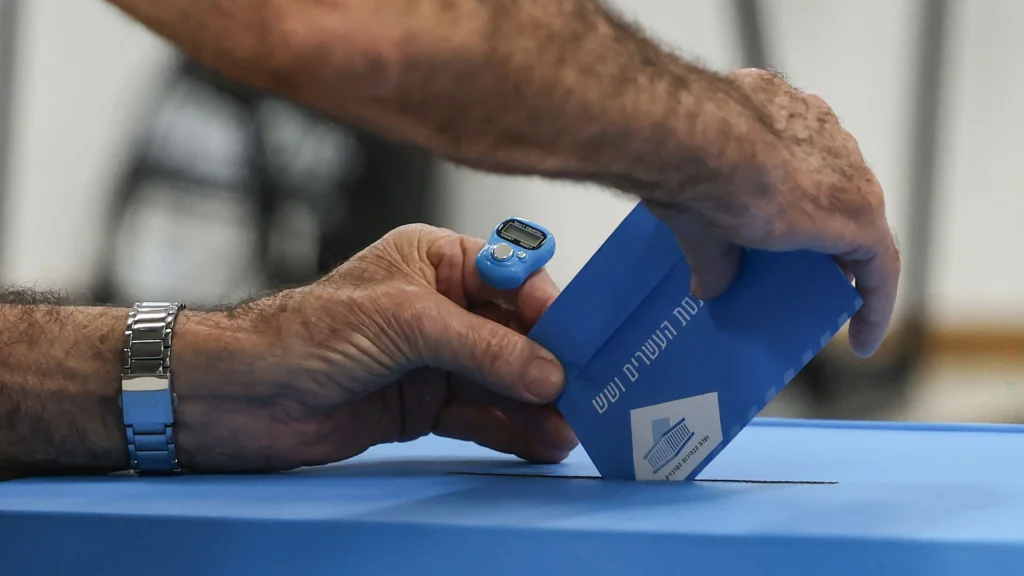
The vote for the 26th Knesset serves as a crucial referendum on the state’s institutions, economy, and military strategy.

The legislative elections for the 26th Knesset, the legislative power, take place at a critical political crossroads for Israel. Scheduled as the first parliamentary contest since the outbreak of hostilities against Gaza following the events of October 7, 2023, these elections serve as a national referendum on the governance model of Prime Minister Benjamin Netanyahu.

RELATED:
Israel Opens Polls for First General Election Since the Gaza Genocide

The outgoing 25th Knesset became the first Israeli legislature since 1988 to complete its full four-year term without early dissolution, surviving despite severe domestic turmoil, mass protests over judicial reforms, and persistent coalition instability.

However, the upcoming vote occurs under international scrutiny and severe domestic polarization. Official data from the Israeli Central Elections Committee shows the number of ballots needed across the country to fill all 120 seats in parliament.

Political analysts note that the campaign reflects deep fractures within Israeli society regarding military strategy, economic priorities, and the future shape of the state’s institutional structure.

Social and Geopolitical Context of the 2026 Elections

The socio-political environment surrounding the current electoral moment is marked by the prolonged attacks on Gaza and wider regional escalations involving Lebanon and Iran.

These conflicts have heavily strained the Israeli economy, accelerated militarization across public life, and deepened existing social divides.

Economic pressures, driven by soaring military expenditures and disruptions across key industrial sectors due to a labor crisis resulting from the movement of Palestinians, the trade blockade, and the brain drain, have intensified Israeli public debate concerning state budgets and resource allocation.

Simultaneously, domestic divisions have intensified around long-standing structural issues, most notably the military conscription exemptions granted to the ultra-Orthodox Haredi population, generating coalition crises and widespread friction between secular citizens and religious factions.

On the diplomatic front, the state faces unprecedented international isolation, underscored by ongoing proceedings at the International Court of Justice and arrest warrants issued by the International Criminal Court against Netanyahu, Prime Minister of Israel, and Yoav Gallant, former Israeli Defense Minister, for alleged war crimes and crimes against humanity.

Despite mounting global pressure and civil society accountability campaigns, the political establishment continues to rely heavily on strategic diplomatic and military backing from Western allies, maintaining an insular focus on security doctrines as voters head to the polls.

Netanyahu escalates racist incitement with false claims of ballot raids by Muslim Brotherhood
——
Israeli Prime Minister Benjamin Netanyahu intensified his election-day rhetoric, publishing inflammatory claims on social media that supporters of the Muslim Brotherhood were… pic.twitter.com/Oq6hWpSDku

— The Cradle (@TheCradleMedia) October 27, 2026

The Electoral System: Proportional Representation and Coalition Dynamics

Israel uses a closed-list nationwide proportional representation system to elect the 120 members of the Knesset. The entire country forms a single electoral district.

Voters select a political party slate rather than individual constituency representatives. To gain representation in parliament, a party list must clear an electoral threshold of 3.25 percent of the total valid votes.

Because no political party in Israeli history has ever won an absolute majority of 61 seats on its own, every administration requires a multi-party governing coalition.

Following the Central Elections Committee, official vote tallies determine seat allocations using the d’Hondt method, which allocates parliamentary seats among the various candidate lists based on the votes received.

Parties frequently enter formal surplus vote-sharing agreements before election day to capture remaining unallocated seats.

Once results are certified, the President of Israel holds consultations with elected party leaders before tasking a chosen candidate, typically the head of the largest faction or coalition bloc, with forming a government within a 28-day timeframe.

This framework gives smaller sectoral and single-issue parties significant leverage during post-election negotiations. Far-right, religious, and nationalist slates often demand key ministerial posts, policy concessions, or budget allocations in exchange for their critical coalition votes.

Political analysts note that institutional features of the system, combined with state policies, impact electoral participation among Palestinian citizens of Israel. Electoral threshold adjustments and legal challenges against Arab-led party slates continuously shape voter turnout in Palestinian municipalities.

While Palestinian citizens account for roughly 20 percent of the population, their representative parties face ongoing systemic exclusion from executive coalition agreements, restricting their influence within the parliamentary framework.

As Arab voter turnout rises, Israel’s far-right leaders are sounding the alarm. War criminal Netanyahu accused “supporters of the Muslim Brotherhood” of raiding polling stations and “stealing the elections,” saying Israel is “in a war for the home.”

Finance Minister Bezalel… pic.twitter.com/vrXawm1VF2

— Quds News Network (@QudsNen) October 27, 2026

Key Candidates and Political Factions

The candidate field for the 26th Knesset reflects a fragmented political landscape divided into distinct ideological camps, which we will detail:

The Right-Wing and Religious Coalition

• Likud: Led by Prime Minister Benjamin Netanyahu, the ruling party centers its platform on national defense, state security, and maintaining its long-standing parliamentary dominance.

• Otzma Yehudit: Headed by National Security Minister Itamar Ben-Gvir, this far-right faction advocates for expanded settlements, strict law-and-order policies, and hardline security measures.

• Religious Zionist Party–Zehut: Led by Finance Minister Bezalel Smotrich alongside Moshe Feiglin, this nationalist alliance focuses on West Bank administration, land policies, and conservative social programs.

• Ultra-Orthodox Parties: Shas, led by Aryeh Deri, and United Torah Judaism (UTJ), led by Yitzhak Goldknopf, prioritize state funding for religious institutions and maintaining draft exemptions for Haredi seminary students.

The Opposition Alliances

• Together (Beyachad): A political alliance formed by former Prime Minister Naftali Bennett and Yesh Atid leader Yair Lapid. The joint platform focuses on institutional stability, economic reform, and governance changes.

• Yashar: A new political movement launched by former IDF Chief of Staff Gadi Eisenkot. The party presents a technocratic platform focused on national security, military management, and state administration.

• Yisrael Beiteinu: Headed by Avigdor Lieberman, this right-wing secular nationalist party focuses on mandatory military conscription for all demographic groups and civic policy reforms.

• The Democrats: Formed through the merger of the Labor and Meretz parties under the leadership of former IDF Deputy Chief of Staff Yair Golan, this unified center-left party emphasizes judicial independence and social-democratic domestic policies.

Arab-Majority Parties

• Joint List: Re-established by Hadash, Ta’al, and Balad under the leadership of Yousef Jabareen, the alliance campaigns on civil rights equality, an end to house demolitions, legal recognition for unrecognized Bedouin villages, and opposition to military occupations.

• United Arab List (Ra’am): Led by Mansour Abbas, this pragmatic Islamist faction focuses on securing municipal development funds, infrastructure investments, and crime-reduction programs for Arab communities.

Netanyahu: Governance Record, Systemic Corruption, and Legal Jeopardy

Benjamin Netanyahu, with more than 15 years, is the longest-serving Prime Minister in Israel. Netanyahu governance has consistently centered on maintaining military administration over occupied Palestinian territories, expanding West Bank settlements, and privatizing state assets.

Netanyahu administrations restructured national tax policies, deregulated key economic sectors, and prioritized defense spending over social welfare initiatives. Netanyahu’s political trajectory remains deeply entwined with ongoing legal proceedings across both domestic and international courts. In domestic tribunals, he faces active criminal charges across three separate indictments known as Cases 1000, 2000, and 4000.

– Case 1000 involves charges of fraud and breach of trust regarding allegations that he received expensive gifts from wealthy business figures in exchange for political favors.

– Case 2000 includes fraud and breach of trust charges related to negotiations with media publishers to secure favorable press coverage in return for legislation restricting competing news outlets.

– Case 4000 contains the most severe charges, bribery, fraud, and breach of trust, alleging that Netanyahu granted regulatory concessions to telecom giant Bezeq in exchange for positive coverage on the Walla news platform.

Netanyahu consistently denies all allegations, maintaining that the investigations represent a politically motivated campaign by law enforcement authorities. In early 2023, his government introduced a major judicial reform initiative designed to restructure judicial appointments and limit Supreme Court oversight over executive decisions.

Opposition figures and legal experts argued that these proposals aimed to undermine judicial independence and stall his ongoing trial, prompting widespread domestic protests and deep institutional instability.

On the international stage, the International Criminal Court issued arrest warrants for Netanyahu, determining that reasonable grounds exist to hold him criminally responsible for war crimes and crimes against humanity in Gaza.

The court cited specific charges, including the deliberate use of starvation as a method of warfare and intentional attacks directed against civilian populations.

Although the Israeli government rejects the jurisdiction of the tribunal, the warrants impose severe diplomatic constraints and travel limitations on Netanyahu across states parties to the Rome Statute.

Voter turnout in Israeli elections as of 16:00 GMT surpassed all votes cast in the 2022, as per data released by the Central Elections Committee.

🔴 LIVE updates: https://t.co/M2TC79fNBS pic.twitter.com/LP4ByVJF30

— Al Jazeera English (@AJEnglish) October 27, 2026

Post-Election Scenarios and Potential Outcomes

The final distribution of seats in the 120-member Knesset will determine whether the incumbent coalition or opposition alliances secure the 61-seat majority required to govern.

If the right-wing and religious coalition retains power under Netanyahu’s leadership, the administration is expected to immediately revive paused judicial reform packages to restructure judicial selection processes and restrict legal oversight of executive actions.

Under this outcome, state policy would focus on expanding West Bank settlement infrastructure, maintaining long-term military control over Gaza, and preserving military conscription exemptions for the ultra-Orthodox population to maintain internal coalition stability.

Alternatively, if an opposition alliance formed by figures such as Gadi Eisenkot, Naftali Bennett, or Yair Lapid captures a parliamentary majority, executive authority would shift toward institutional stabilization. An opposition-led government would likely halt proposed judicial overhauls, reinstate traditional oversight mechanisms, and launch official state inquiries into military and intelligence failures.

Regarding military service, an opposition government would attempt to implement universal conscription policies that include Haredi citizens, a move likely to provoke significant resistance from religious sectors.

Striped of executive protections, Netanyahu’s domestic criminal trials would proceed without executive delays, while international legal pressures stemming from International Criminal Court warrants would remain active.

In the event that neither political bloc achieves a clear 61-seat threshold, the Knesset would enter a state of severe parliamentary deadlock. Under Israeli electoral law, Netanyahu would remain in power as caretaker Prime Minister while political factions negotiate prospective coalition agreements or initiate procedures for new legislative elections, extending the prevailing political uncertainty.

#Israel | Trump endorses Netanyahu ahead of Tuesday's elections, linking his reelection to continued military action against Iran as the Israeli leader fights to retain his parliamentary majority.#DonaldTrump #Netanyahu #IsraeliElections #teleSUREnglish pic.twitter.com/aVhUPyvaKs

— teleSUR English (@telesurenglish) October 27, 2026

Sources: TeleSUR – Al Jazeera – Al Mayadeen – Press Tv – Anadolu Agency – TRT World – RT – The Times of Israel – Reporteros Sin Fronteras – BBC – DW – EFE – AP News – AFP
  •  

Lula’s Victory Changes the Global Geopolitical Outlook

An emergence in working-class turnout delivered Lula a historic fourth presidential term, and that outcome signals a shift in climate policy and Latin American integration.

The 2026 Brazilian presidential election ended in a runoff, determining the leadership of Latin America’s largest nation for the next four years.

RELATED:
Lula Thwarted Trump’s Strategy to Control Latin America

According to official data released by the Superior Electoral Court (TSE), incumbent President Luiz Inácio Lula da Silva of the Workers’ Party (PT) secured a fourth non-consecutive term after defeating Senator Flávio Bolsonaro of the Liberal Party.

The TSE’s final official count showed that Lula da Silva received 64,256,232 votes, representing 51.79 percent of the total valid votes. Flávio Bolsonaro garnered 59,826,041 votes, accounting for 48.21 percent of the valid ballots cast.

Voter turnout and participation figures underscored the civic engagement across the country, with total reporting reaching 100 percent of polling stations nationwide.

This electoral result marks a significant political milestone, occurring against a backdrop of intense political polarization in Brazil and the growing political influence of the far right across Latin America.

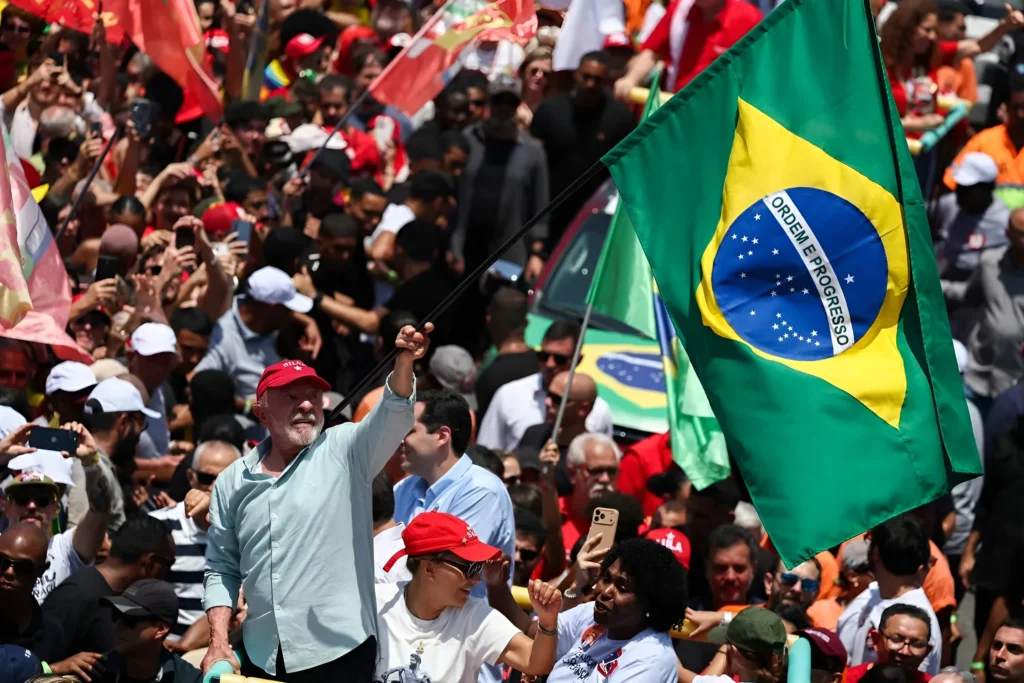
Lula’s victory sparked a wave of strong emotion in Brazil’s streets, eliciting a wide range of reactions, both positive and negative, to the outcome. In this in-depth article, we explore the discourse that has emerged following the confirmation of Lula da Silva’s win, which secures him a fourth term in office.

El triunfo electoral de Lula en Brasil redefine el tablero geopolítico y la correlación de fuerzas en América Latina.

¿Crees que la victoria de Lula puede cambiar el equilibrio político de la región?#Brasil2026 #Geopolítica #Lula pic.twitter.com/PCI6imtkpM

— Jorgepkafruny (@JorgePKafruny) October 26, 2026

The text reads, “Lula’s electoral victory in Brazil redefines the geopolitical landscape and the balance of power in Latin America. Do you think Lula’s win could shift the political equilibrium in the region?”

Domestic Mobilization and National Reactions to the Election Outcome

Brazil’s highest electoral authority, the Superior Electoral Court (TSE), announced the results of the presidential election runoff held this Sunday, October 25.

Following the official declaration, various reactions emerged within Brazil, reflecting the country’s political landscape.

Social organizations, trade union federations, and grassroots community networks gathered in major urban centers, including São Paulo, Rio de Janeiro, and Belo Horizonte, to await the election outcome.

Once the results were known, union leaders and civil society representatives emphasized that these elections, and Lula’s victory, demonstrate public support for the social welfare programs, minimum wage adjustments, expansion of public housing, and labor protections established during the current administration.

National media outlets highlighted the narrow electoral margin between the two candidates and its implications for the executive power exercise.

Market analysts noted that investor attention will focus on fiscal discipline targets, the management of public spending, and upcoming ministerial appointments for the new presidential term.

Is important to highlight that civic mobilization during the three-week interval between the first and second rounds played a decisive role in shaping voter participation.

Campaign committees focused on reducing voter abstention in metropolitan suburbs and organizing localized voter outreach efforts. Youth organizations and community groups conducted door-to-door awareness campaigns, while labor unions like the Unified Workers’ Central (Central Única dos Trabalhadores) coordinated transportation logistics to facilitate polling access for working-class voters in distant municipal sectors.

The national reaction also reflected broader debates regarding institutional stability and social cohesion. Differences emerged among religious organizations; even before the elections, the Catholic Church had issued statements noting that Flávio Bolsonaro’s proposals diverged from the Church’s social doctrine. Conversely, evangelical leaders have supported the claims of the defeated candidate by calling for the election results to be annulled.

BRAZIL ERUPTS AS LULA DEFEATS BOLSONARO

Brazil’s leftist President Luiz Inácio Lula da Silva staged a remarkable political comeback, defeating far-right candidate Flávio Bolsonaro to secure a historic fourth term, sparking mass celebrations nationwide.

With 100% of votes… pic.twitter.com/RI9moOsdcX

— Sovereign Media (@sov_media) October 26, 2026

Flávio Bolsonaro Response and Political Posture of Conservative Forces

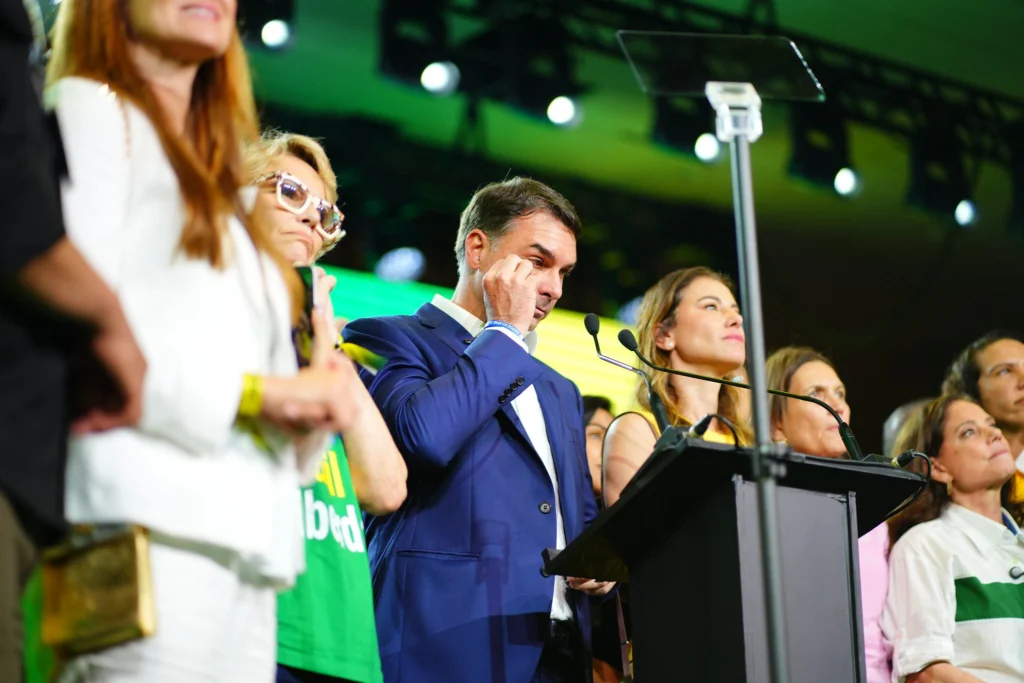
In the immediate aftermath of the vote tabulation, Flávio Bolsonaro addressed his supporters and members of the press regarding the election results.

Bolsonaro and his campaign team requested that the TSE review procedures for voting hours at polling stations and the transmission of digital vote tallies in certain municipalities.

Candidate Flávio refused to acknowledge the election results that declared Lula the winner, stating: “It is impossible to recognize the outcome of these elections given the circumstances under which these events took place. We are going to request their annulment.”

Political analysts note that this post-election reaction aligns with common strategies used by conservative political groups in the region. Rather than immediately accepting the preliminary results, opposition leaders signaled their intention to maintain rigorous scrutiny over electoral authorities and administrative procedures.

Furthermore, Liberal Party representatives said that they will form an organized opposition bloc in the National Congress to oversee government actions, exercise legislative oversight, and challenge proposed changes to public policy throughout the legislative term.

🇧🇷 Lula's victory. A good day for socialists and not so good for capitalists.

80 years old and will be serving his last term as President. In 2022, after months in prison, he returned and won. He wins again after losing the 1st round in early October.

"A cat with nine… pic.twitter.com/bta9c5mNHT

— Evaluator. (@_AfricanSoil) October 26, 2026

The Executive Victory Address and Focus on Institutional Integrity

President Luiz Inácio Lula da Silva delivered his victory address in São Paulo before supporters, party leaders, and domestic and international news agencies.

Lula’s speech outlined the strategic direction for his upcoming presidential term, focusing on national unity, poverty alleviation, re-industrialization, and democratic institutions’ preservation.

A central focus of the president’s address was digital communication, social media platform operations, and election administration. President Lula highlighted the impact of algorithmic distribution networks and automated messaging systems during political campaigns, asserting that digital platforms must adhere to national legal frameworks to prevent the spread of disinformation.

Lula said: “Brazil is no one’s backyard. We will change the way we run this country; we will make people participate more in the decision-making process.”

In his speech, President Lula emphasized the urgency of implementing updated regulatory guidelines for foreign technology companies operating within Brazil.

Lula stated that national sovereignty encompasses digital infrastructure, data protection, and the integrity of public communication channels.

The administration announced plans to work within the National Congress and regulatory bodies to draft legal frameworks addressing content moderation standards, corporate transparency, and digital network accountability during future democratic processes.

China takes note of the announcement by Brazil’s Superior Electoral Court of President Lula’s runoff victory @LulaOficial and extends congratulations. China stands ready to work with Brazil to advance the building of the China-Brazil community with a shared future. pic.twitter.com/1ClWUSx61b

— CHINA MFA Spokesperson 中国外交部发言人 (@MFA_China) October 26, 2026

International Reactions and Global Perspectives

International leaders and foreign governments issued statements following the announcement of the TSE election results. Despite the rejection of the results by Flávio Bolsonaro, leaders from Latin America, North America, and Europe weighed in on the outcome.

Mexican President Claudia Sheinbaum congratulated President Lula and the people of Brazil. Meanwhile, Uruguayan President Yamandú Orsi spoke with Lula by phone to congratulate him on the democratic process.

Even presidents with openly right-wing leanings, such as Noboa in Ecuador, Fujimori in Peru, and Kast in Chile, commented on the results and congratulated Brazil on Lula’s victory.

A common theme among these different heads of state was their emphasis on the importance of regional cooperation, economic integration through platforms like CELAC, and a shared vision regarding environmental sustainability.

In the United States, lawmakers such as Senator Bernie Sanders celebrated the election result, describing it as a reaffirmation of democratic governance and citizen participation in the hemisphere.

Meanwhile, Europe and Asia also reacted to the election result. French President Macron congratulated Lula on his fourth electoral victory and urged the deepening of the bilateral partnership between the two nations.

Spanish Prime Minister Sánchez described the win as a great victory via his social media channels, while Costa, the president of the European Council, spoke with Lula by phone to reaffirm the bloc’s ties with Brazil.

Additionally, a spokesperson for China’s Ministry of Foreign Affairs expressed Beijing’s full readiness to foster mutual development. Russian President Putin also sent his warmest congratulations via an official statement.

The Celebrations in Brazil for Lula's Victory are MASSIVE

There are THOUSANDS on the streets celebrating these Presidential Elections Results

Bolsonaro says it was rigged. Doesnt looks like it buddy https://t.co/B9s80uhDNE pic.twitter.com/TKYBjRI3w0

— Ryan Rozbiani (@RyanRozbiani) October 26, 2026

Legislative Challenges and Regional Implications for Latin America

President Lula’s fourth term will be shaped by institutional dynamics and broader regional shifts. Domestically, the executive branch faces a conservative-majority National Congress, where conservative and center-right coalitions hold substantial parliamentary seats.

Pushing forward key agenda items, such as tax reform, social welfare expansion, fiscal adjustments, and climate conservation policies, will require building broad legislative alliances across party lines.

For their part, followers and supporters of Lula da Silva have announced that they will be monitoring the promises Lula made during his campaign, such as safeguarding the Family Allowance (Bolsa Família) program, strengthening food security, and increasing the real minimum wage.

Regionally, Lula’s victory consolidates left-of-center leadership in two of Latin America’s largest economies, Brazil and Mexico. This alignment provides institutional support for regional integration efforts, sustainable development initiatives in the Amazon basin, and coordinated strategies on international trade and environmental governance.

The election outcome signals sustained continuity for progressive policy frameworks while requiring pragmatic negotiation to navigate economic constraints and political polarization both domestically and internationally.

Sources: Brasil de Fato – Agência Brasil – Gov.br – O Globo – Folha de S.Paulo – O Estado de S.Paulo – El País – CNN Brasil – EFE – Instituto Tricontinental – La Base América Latina – Diario Red – TeleSUR – Al Jazeera

  •  

Brazil Prepares High-Security Logistics For Runoff Vote

The Superior Electoral Court enforces free public transport mandates and monitors vote access nationwide.

The Brazilian presidential campaign has entered its final stage ahead of the runoff vote scheduled for October 25, 2026. Incumbent President Luiz Inácio Lula da Silva faces Senator Flávio Bolsonaro, a candidate for the Liberal Party (PL), after a competitive first-round election on October 4, 2026.

RELATED:
Lula Proposes Constitutional Amendment for Free Weekend Transit in Brazil

The general election results established a narrow margin between the top two candidates. In the first round of voting, Senator Flávio Bolsonaro finished first, securing 47.03 percent of valid votes, or 56,103,033 ballots. Incumbent President Lula da Silva finished second, receiving 45.16 percent, or 53,870,724 ballots.

Turnout remained consistent with historical participation figures, reaching approximately 79 percent of registered voters. Lula maintained a structural lead throughout the Northeast region, winning majorities in key states such as Bahia, Pernambuco, and Ceará.

Economic indicators and social policy debates formed the primary foundation for candidate speeches throughout the first round. In campaign speeches, President Lula highlighted the accomplishments of his current administration, citing expanding employment rates, social assistance programs, and inflation control measures implemented since 2023.

Flávio Bolsonaro focused his campaign speeches on public security concerns, national debt levels, and economic challenges, presenting his platform as a continuation of conservative governance under his father, former President Jair Bolsonaro, who remains legally barred from holding office.

Street Mobilization and Electoral Propaganda Networks

Campaign operations shifted toward intensive physical rallies and structured broadcast messaging during the runoff period. The Workers’ Party (PT) and its broader political coalition centered their ground mobilization around major urban centers and traditional working-class strongholds.

Popular social movements, including the Landless Workers Movement (MST) and the Homeless Workers Movement (MTST), along with trade union confederations such as the Unified Workers’ Central (CUT), coordinated door-to-door canvassing operations and public rallies in major metropolitan areas including São Paulo, Rio de Janeiro, and Salvador.

Flávio Bolsonaro’s ground strategy relied heavily on state-level executive endorsements and conservative municipal networks. Key allies, including re-elected conservative governors from São Paulo, Minas Gerais, and Rio de Janeiro, organized regional logistics to boost conservative voter turnout.

Flávio Bolsonaro’s campaign speeches during street rallies emphasized hardline public security measures, moral issues, and support for the agribusiness sector, utilizing alliances with conservative caucus members in Congress to secure local political support.

Broadcast media exposure operated under the free electoral advertising time framework regulated by the Superior Electoral Court. The regulations ensured equal daily broadcast time across television and radio networks for both finalists during the runoff window.

Parallel to traditional broadcast propaganda, digital media networks expanded rapidly. Both campaign organizations directed significant funding toward micro-targeted online advertising and social media distribution channels to capture voters outside traditional media formats.

Digital outreach strategies diverged between the two operational teams. Lula’s digital apparatus utilized organized volunteer networks, endorsements from cultural figures, and policy fact sheets distributed through verified messaging channels.

The Flávio Bolsonaro campaign relied on decentralized messaging channels, emphasizing direct-to-voter video distribution, security rhetoric, and critiques of government institutions.

WHO'S THE REAL THIEF? LULA CHALLENGES BOLSONARO TO SHOW RECORDS

Ahead of Brazil’s presidential election, Brazilian President Lula da Silva publicly challenged rival Flávio Bolsonaro to open his bank accounts, release his phone records, and let the Brazilian people decide who… pic.twitter.com/U6Ge0yOV6A

— Sovereign Media (@sov_media) October 21, 2026

Meta, Disinformation, and Electoral Defense

The Superior Electoral Court (TSE) established strict administrative parameters to govern political content across major social networks, focusing heavily on Meta’s platforms, Facebook, Instagram, and WhatsApp.

Electoral judicial resolutions prohibited paid digital political advertising in the final 48 hours leading up to the October 25 vote, restricted automated messaging software, and required tech platforms to execute judicial content removal mandates within expedited timeframes.

Monitoring reports submitted to electoral authorities by digital rights watchdogs and research institutes identified recurring patterns in content dissemination across Meta’s channels.

Independent audits logged instances of dark ads, unverified allegations targeting electoral integrity, and micro-targeted digital campaigns deployed in private messaging groups.

Meta adjusted its content moderation operations in Brazil to comply with TSE directives, expanding its ad library transparency protocols and updating content review procedures.

The company reported the removal of non-compliant posts and the deactivation of unauthorized bulk-messaging networks. Despite these technical platform adjustments, electoral oversight bodies noted that closed messaging networks remained a primary vector for unverified political narratives due to end-to-end encryption limitations.

Broad Coalitions, Strategic Endorsements, and Voter Demographics

The transition from the October 4 first round to the October 25 runoff required both campaigns to expand beyond their primary ideological bases.

President Lula da Silva maintained a broad front coalition uniting left-wing parties with center-right political figures. Vice President Geraldo Alckmin returned as Lula’s running mate, reinforcing ties with business sectors and moderate electors, while key cabinet figures and allied governors led outreach campaign efforts aimed at consolidating anti-far-right voter segments.

Senator Flávio Bolsonaro expanded his campaign footprint by consolidating conservative regional power structures and legislative blocks. Selecting PL lawmaker Alfredo Gaspar as his vice-presidential running mate, a former prosecutor and public security secretary from Alagoas, Flávio Bolsonaro sought to bolster his law-and-order platform while solidifying backing among conservative lawmakers in Congress.

Flávio’s runoff effort secured endorsement commitments from conservative state governors, agribusiness associations, and international right-wing figures, reinforcing his position across traditional conservative strongholds.

Incumbent President Lula retained consistent lead margins among female voters, lower-income households earning up to two minimum wages, residents in the Northeast region, and older age demographics.

Conversely, Flávio Bolsonaro maintained stronger support metrics among male voters, higher-income earners, Evangelical Christian voters, and electors situated in the agribusiness-heavy South, Southeast, and Center-West regions.

Both campaign organizations directed their final operational focus toward undecided voters and middle-income suburban districts in the key battleground states of Minas Gerais, Rio de Janeiro, and São Paulo.

Lula's campaign says Instagram, Facebook, and WhatsApp are muffling the left days before the October 25 vote. Meta blames glitches.https://t.co/qdSD2z01ny pic.twitter.com/SfYhdxpi4L

— The Brazilian Report (@BrazilianReport) October 20, 2026

Debate Performances, Fact-Checking, and Media Coverage

The televised presidential debates between incumbent President Lula da Silva and Senator Flávio Bolsonaro emerged as decisive turning points during the three-week runoff window. Major media coalitions organized direct face-to-face encounters, allowing the candidates to present competing vision frameworks for Brazil’s governance.

During the live broadcast exchanges, President Lula focused his arguments on economic stability, job creation, and social progress achieved during his term, emphasizing the expansion of public investments, inflation control, and environmental protection initiatives.

Lula confronted Flávio Bolsonaro on fiscal proposals, judicial integrity, and the anti-democratic precedents associated with the far-right movement.

In response, Flávio Bolsonaro framed his candidacy around conservative public security policies, government austerity, and tax reforms. Flávio heavily criticized the economic administration’s public debt metrics and targeted the federal judiciary, presenting his campaign as a necessary alternative to political continuity.

Mainstream media coverage focused heavily on candidate posture, tone, and strategic attempts to appeal to the estimated 10 percent of undecided voters heading into the final days of the race.

Brazil’s top electoral court has said it will fine Meta $200,000 a day until it can prove that president Luiz Inácio Lula da Silva and his far-right challenger Flávio Bolsonaro get equal treatment on its platforms.

Last week, a judge at Brazil’s top electoral court ruled that… pic.twitter.com/AWLGPT6mKT

— Novara Media (@novaramedia) October 21, 2026

Election Day Execution, Institutional Resilience, and Regional Impact

Supervised directly by the Superior Electoral Court (TSE), voting logistics across all 26 states and the Federal District rely on fully digitized electronic voting machines (urnas eletrônicas) to ensure rapid processing and secure transmission of total ballots.

To facilitate maximum democratic access, federal judicial rulings mandated free public transportation (passe livre) across capital cities, while electoral inspectors monitored security forces to prevent voter transportation disruptions or targeted law enforcement checkpoints.

Following the October 4 first round, where Flávio Bolsonaro led with 47.03 percent (56,104,503 votes) against Lula’s 45.16 percent (53,879,538 votes), both organizations focused their final operational pushes on key battleground states like Minas Gerais, Rio de Janeiro, and São Paulo.

The outcome of the October 25 vote carries far-reaching geopolitical implications across Latin America and the broader global stage. A victory for President Lula would ensure the continuation of active multilateral diplomacy, regional integration through BRICS and CELAC, and strong federal commitments to Amazonian environmental conservation.

Conversely, a victory for Flávio Bolsonaro would mark a significant resurgence for the continental far-right, shifting Brazil’s diplomatic alignment toward conservative international blocs and introducing sweeping changes to domestic fiscal and environmental policy frameworks.

Sources: Brasil de Fato – Agência Brasil – Gov.br – O Globo – Folha de S.Paulo – O Estado de S.Paulo – El País – CNN Brasil – EFE – Instituto Tricontinental – La Base América Latina – Diario Re

  •  

UN Security Council Reaffirms Mandate in Haiti Despite Attacks

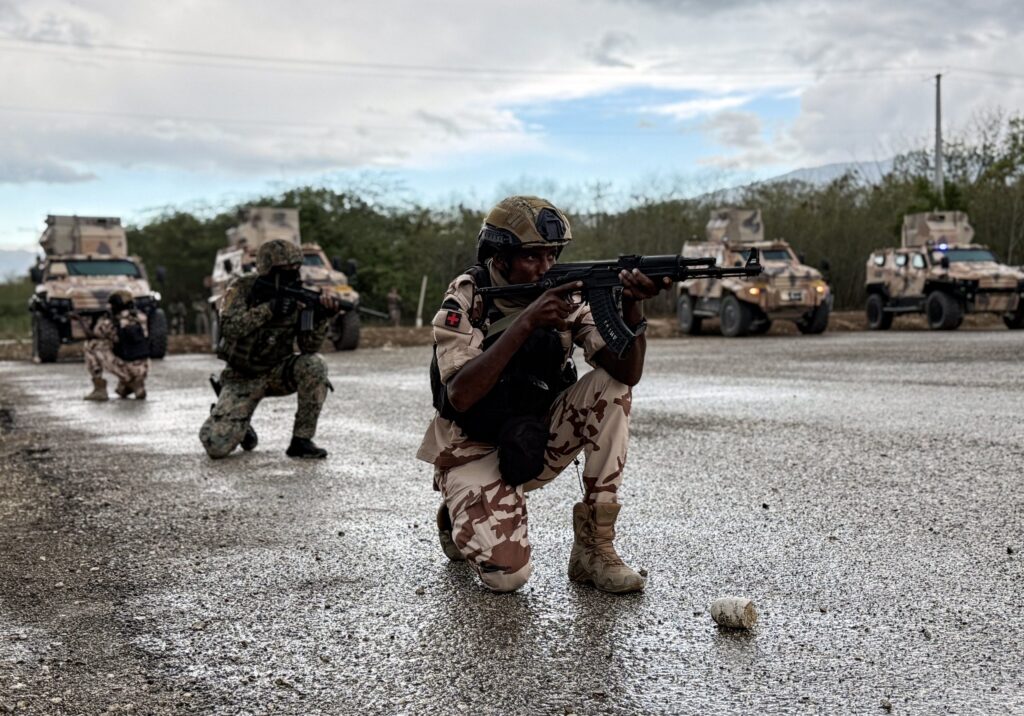
Haitian National Police (PNH) and the Gang Suppression Force (GSF). Photo: GSF.

International diplomats maintain that the GSF mission objectives will continue in Haiti even though international forces confront mounting casualties and kidnappings.


On October 18, 2026, an explosive ambush in Croix-des-Bouquets, Haiti, targeted an armored vehicle with four Salvadoran Air Force aviation technicians attached to the UN-backed Gang Suppression Force.

Forced to evacuate after their vehicle caught fire, the four support personnel were kidnapped by Haitian armed groups operating near the capital.

RELATED: Salvadoran President Bukele Issues Stern Warning to Haitian Gangs

In response, Salvadoran President Nayib Bukele announced a military rescue operation led by Task Force Libertad II, threatening an expanded offensive against Haitian gangs if the hostages are not safely returned.  

In addition, the government of Haiti stated that it will work in conjunction with the United Nations Gang Suppression Force (GSF) mission to rescue the kidnapped Salvadorans.

While the Haitian government and international bodies coordinate security protocols, Bukele’s unilateral escalation in a foreign country projects his signature “iron-fist” stance against gangs onto the international stage, all with the backing of the United States.

Multilateral Mandates, Armed Hegemony, Hostage Crisis

The UN Security Council established the “Gang Suppression Force” that operates in Haiti. Created in October 2023 as the Multinational Security Support Mission following the Haitian government, the international force was reorganized in October 2025 into the Gang Suppression Force.

As of October 2026, the authorized strength of the Gang Suppression Force stands at 5,550 personnel, though deployed uniformed troops numbered 1,563 as of mid-October.

The Gang Suppression Force mandate focuses on assisting the Haitian National Police, protecting critical infrastructure, and restoring order across urban centers controlled by armed coalitions.

The region where the October 18 ambush took place, Croix-des-Bouquets, is controlled by several prominent armed groups. Security evaluations list the Chèn Méchan, Kraze Barye, and 400 Mawozo groups among the primary organizations holding territorial control over the corridor connecting Port-au-Prince to the Dominican border.

Key leaders of these groups, including Vitelhomme Innocent of Kraze Barye and Lanmo Sanjou of 400 Mawozo, are subject to active sanctions imposed by the UN Security Council and the U.S. government.

Data released by the UN indicates that between January and mid-September 2026, Haitian gang-related violence resulted in more than 5,700 deaths and injuries, alongside more than 230 reported kidnappings. Over 1.5 million residents remain internally displaced due to gang territorial expansion.

Foreign workers, international humanitarian staff, and local civilians have consistently been targeted for kidnapping as Haitian criminal groups use hostages for financial leverage or political concessions.

President Bukele addressed the Haitian gang leaders directly, publishing a message written in Haitian Creole on October 21, 2026. Bukele stated that the four technicians were non-combatant technical personnel and warned that current operations were minor compared to potential future actions.

Addressing the gang leadership, Bukele wrote: “We have already finished with the gangs in El Salvador, and we can finish with you too. Return our four compatriots alive and unharmed, and everything will return to how it was before the kidnapping. The decision is in your hands”.

Reactions from official international bodies followed the announcement of the rescue campaign. At a meeting of the UN Security Council, Mike Waltz, the U.S. Ambassador to the United Nations, condemned the ambush and affirmed that international search efforts would continue.

Waltz stated that attacks on international contingents would not compel the Gang Suppression Force to withdraw from its mandate. Simultaneously, Salvadoran Ambassador to the UN Egriselda López formally requested international coordination to secure the location and release of the four kidnapped personnel.

The Haitian government also issued an official response regarding the crisis. In an executive statement, Haitian Prime Minister Alix Didier Fils-Aimé announced that securing the release of the four Salvadoran technicians was an absolute priority for the national administration.

Haiti: According to a statement issued on October 18 by El Salvador’s Armed Forces (@FUERZARMADASV), four Salvadoran aviation technicians from Task Force Libertad II were ambushed by armed gangs while returning to their camp in an armored vehicle. The vehicle was set on fire, but… pic.twitter.com/2R2TCCpkJP

— lequotidien509 in English (@lequotidien509E) October 19, 2026

Multilateral Frameworks, Diplomatic Responses

The diplomatic and institutional responses to the kidnapping of the four Salvadoran technicians highlight the complex interactions between national military initiatives and international peacekeeping frameworks.

At the institutional level, the United Nations operates under structured protocols regarding force security and hostage negotiation. Officials within the UN framework maintain that search and rescue operations must adhere to rules of engagement established for the Gang Suppression Force to prevent operational conflict among contributing member states.

The Haitian government under Prime Minister Alix Didier Fils-Aimé has aligned its public stance with the international mission, declaring the recovery of the personnel a primary national objective.

However, the administrative capacity of the Haitian state remains restricted, as law enforcement agencies depend on foreign logistical, intelligence, and tactical support to operate within gang-controlled corridors like Croix-des-Bouquets.

Diplomatic representatives from key UN Security Council member states, including United States, have reinforced support for the mission while addressing the threats posed by armed groups. Statements issued during Security Council proceedings reaffirmed that attacks against international contingents will not alter the mandate or compel the withdrawal of the Gang Suppression Force.

To the gang bosses terrorizing Haiti, your days of operating with impunity are numbered. The Gang Suppression Force is coming for you. pic.twitter.com/lkkfJLmiO6

— Ambassador Mike Waltz (@USAmbUN) October 19, 2026

The Incident at Croix-des-Bouquets

The armored vehicle transporting four aviation technicians from the Salvadoran Air Force was ambushed in Croix-des-Bouquets, a commune located near Port-au-Prince, the capital of Haiti. Following the explosion, the four Salvadoran technicians were forced to evacuate the vehicle and were subsequently kidnapped.

Initial search and rescue efforts of the four Salvadorans faced immediate armed resistance. On October 19, a search helicopter dispatched to locate the personnel was targeted by gunfire.

Subsequent joint counter-offensives conducted by the multinational security contingent and the Haitian National Police in the Plaine du Cul-de-Sac area resulted in severe clashes, leaving several gang members dead and four multinational security personnel injured.

El Salvador deployed the missing personnel to Haiti as part of its specialized military contingent, known as Task Force Libertad II. El Salvador’s initial military involvement in Haiti began after the Salvadoran Legislative Assembly passed a decree on October 30, 2024.

That measure authorized the deployment of Salvadoran Air Force personnel, including pilots, air mechanics, and medical evacuation units, to support international security operations.

In early 2025, eight aviation technicians arrived in Haiti, followed by an additional 70 military personnel. On September 29, 2026, the Salvadoran Legislative Assembly voted to extend the military deployment through October 2027 and expanded the mandate.

The updated legislative mandate lets Salvadoran troops engage beyond medical evacuations, allowing them to deploy personnel based on operational requirements dictated by security needs in the field.

Task Force Libertad II operates under these expanded terms, providing technical aviation logistics, air support maintenance, and operational security inside the country.

The four Salvadoran kidnapped were serving as non-combatant aviation support specialists within Task Force Libertad II. Following days of uncertainty regarding their status, Salvadoran President Nayib Bukele made a public statement on October 21, 2026, confirming that the kidnapping was executed by armed gangs from Haiti.

El Salvador prez announces MILITARY OP to rescue hostages kidnapped by gangs in Haiti

Aviation technicians 'kidnapped in a cowardly manner' — Bukele

'Today's attack is NOTHING compared to what is coming if we do not get all 4 hostages back alive' pic.twitter.com/7WkyhLvuoQ

— RT (@RT_com) October 21, 2026

Deployments and Tactical Escalation

President Nayib Bukele’s public declaration led El Salvador to escalate its physical military presence in Haiti. On October 22, 2026, the Salvadoran government deployed 100 special forces soldiers to Port-au-Prince to assist in locating and securing the release of the four missing aviation technicians.

This deployment brought additional tactical ground units to support the existing aviation support unit attached to Task Force Libertad II.

Before October 2026, the Salvadoran contingent operated primarily as an air support unit focused on logistics, maintenance, and medical evacuations. The introduction of dedicated special operations personnel expands the operational parameters of the mission, introducing direct combat and search-and-recovery capabilities alongside the Gang Suppression Force and the Haitian National Police.

The deployment of specialized personnel aims to mitigate these conditions through targeted intelligence collection and rapid-response capabilities.

Structural Security Challenges

While the deployment of specialized tactical units and the escalated military posture by El Salvador aim to address the immediate security emergency, long-term stabilization in Haiti depends on addressing broader structural issues.

The proliferation of heavy weaponry, sustained by international trafficking routes, continues to provide armed groups with substantial tactical capacity within urban sectors.

Furthermore, long-standing economic instability, institutional fragmentation, and high rates of poverty create conditions that enable armed organizations to maintain territorial influence despite international security deployments.

Military rescue missions and tactical escalations provide targeted responses to specific security threats, such as the kidnapping of Task Force Libertad II personnel.

However, international observers and analysts emphasize that sustainable security across Port-au-Prince and surrounding communes requires comprehensive institutional reform, economic development, and consistent administrative governance alongside law enforcement actions.

Salvadoran President Nayib Bukele has launched a military rescue operation in Haiti following the abduction of four Salvadoran soldiers by local armed groups. In a stern statement on Wednesday, Bukele demanded the immediate, safe release of the personnel and warned of a severe… pic.twitter.com/QIQS18JGso

— teleSUR English (@telesurenglish) October 22, 2026

Sources: TeleSUR – Al Jazeera – DW – BBC – CNN – La Prensa Gráfica – elsalvador.com – EFE – El Diario de Hoy – RSF – El Faro – presidencia.gov.sv – Asociación de Periodistas de El Salvador – Dialnet – Resumen Latinoamericano.

  •  

Flávio Bolsonaro’s Campaign Uses AI to Engineer Fake Support

Flávio Bolsonaro at a rally for his presidential campaign. Photo: JOTA.

Digital models modified Flávio Bolsonaro’s event photography to artificially expand audiences and simulate support from female voters.


The Brazilian presidential election has become an arena for modern, dirty digital tactics. Senator Flávio Bolsonaro, representing the Liberal Party (PL), has centered his campaign strategy around coordinated digital reach and automated content production.

RELATED: UN Experts Raise Concerns Over Meta’s Handling of Political Expression During Brazil Elections

Rather than working as a traditional political campaign of physical rallies, the operation relies heavily on digital distribution infrastructure across social media platforms.

Flávio’s strategy operates through two main mechanisms. First, the campaign uses synthetic consensus tools, automated social media accounts, AI image generation, and digital avatars to simulate organic public backing.

Second, the campaign benefits from algorithmic distribution asymmetries on digital platforms, which amplify far-right material while placing system restrictions on competing political content.

Collected evidence by independent researchers, journalism networks, and electoral authorities indicates that systemic digital manipulation and platform-level infrastructure played a decisive role in shaping voter perception and electoral engagement in Brazil.

Industrial Bot Networks

A core component of Flávio Bolsonaro’s digital strategy involves the commercial purchase of automated networks designed to manufacture artificial public support.

An investigation by The Intercept Brazil revealed that Flávio Bolsonaro paid Elytron, a cybersecurity firm, to carry out data collection and voter identification to spread rumors and create fake accounts.

These automated tools operate primarily across WhatsApp, Instagram, and X, generating synchronized posts and artificial engagement to bypass standard organic distribution patterns.

This infrastructure uses astroturfing techniques to alter online public discourse. By deploying thousands of automated accounts programmed to post identical messaging scripts, the campaign artificially inflates engagement metrics, pushes specific political hashtags into regional trending lists, and floods comment sections on public news pages.

This creates a false impression of widespread popular momentum, designed to sway undecided voters through perceived consensus.

Technical evaluations submitted during electoral court proceedings reveal the scope of these automated operations. Data presented to electoral monitors shows coordinated account clusters posting at frequencies humanly impossible without software automation.

🚨 BREAKING: Flávio Bolsonaro paid R$600,000 to a company that offered AI to manipulate elections, according to Intercept Brasil. pic.twitter.com/eFcRp74vNw

— Pop Core (@TheePopCore) October 16, 2026

Deepfakes, AI Avatars, Demographic Manipulation

Various social organizations and media outlets have denounced the deployment of AI image and video generation tools as another facet of Flávio Bolsonaro’s digital strategy.

A prominent example occurred during campaign launch events, where the campaign broadcast an AI-generated digital avatar of former president Jair Bolsonaro endorsing his son’s candidacy. This technique allowed the campaign to maintain the political presence of the former president Bolsonaro in public events despite judicial rulings restricting his direct participation in political activities.

In addition, the campaign used AI tools to manipulate visual documentation of campaign gatherings. Documented instances show event photography processed through image generation models to alter crowd compositions.

These AI modifications included scaling up crowd sizes to exaggerate physical attendance and digitally swapping male attendees with female faces. The primary objective of this demographic engineering was to simulate broader support among female voters, a demographic group where polling data consistently showed lower support for the candidate.

An investigation by a Brazilian media outlet identified more than 50 TikTok videos altered using AI, specifically on-the-street interviews in which subjects claimed they would vote for Flávio Bolsonaro. These videos garnered over 7 million views, yet in only 18% of them did the platform indicate that the individuals featured were AI-generated.

While Brazilian law prohibits the use of AI-generated videos in political campaigns, it is difficult to determine when such content is created by third parties with no direct affiliation to the campaigns.

Due to a lack of female supporters, Brazilian presidential candidate Flávio Bolsonaro has resorted to using AI to transform middle-aged men into attractive young women.

This AI-generated creation has been dubbed the "Bolsonaro Bombshell." pic.twitter.com/ap1ecKou9K

— Vatnik Soup (@vatniksoup) October 20, 2026

Disinformation and Aggressive Public Discourse

Flávio Bolsonaro’s public communications strategy relies heavily on coordinated attack campaigns directed against President Luiz Inácio Lula da Silva and the Workers’ Party (PT).

The Flávio campaign’s public messaging routinely utilizes sensationalist allegations and targeted attacks. Online networks affiliated with the campaign circulate manufactured claims regarding public safety, economic stability, and social values, framing the current administration in terms of moral crisis.

On Sunday the 18th, the public debate between the two candidates took place, and Flávio Bolsonaro spent most of his time attacking Lula during his turns to speak.

Throughout the debate, Flávio was sarcastic and mocking toward President Lula; he attempted to intimidate him physically, to which Lula responded by moving away, stating that he did not want to be near either Flávio or the Bolsonaro family.

Furthermore, when the discussion turned to public safety, Flávio claimed that Lula is the preferred candidate of organized crime, pointing out that Lula received a large number of votes from within the country’s prisons. Lula replied, “I want 100% of them to vote for me -even your father,” a reference to the fact that Jair Bolsonaro is currently incarcerated.

This aggressive messaging strategy directly impacts the broader political environment. By flooding public discourse with inflammatory claims, the campaign creates heightened polarization, distracts from substantive legislative evaluations, and systematically delegitimizes established democratic processes and electoral monitoring bodies.

Hundreds of Brazilians protested outside Meta’s São Paulo offices, accusing the technology giant of limiting President Luiz Inácio Lula da Silva’s campaign reach while boosting far-right candidate Flávio Bolsonaro, just six days before the presidential runoff. The demonstration… pic.twitter.com/KRAxExFjMO

— teleSUR English (@telesurenglish) October 20, 2026

Meta’s Structural Bias in the Campaign

The Brazilian presidential race was shaped by asymmetries within Meta’s platforms, including Instagram, WhatsApp, and Facebook.

Filings submitted to the Superior Electoral Court (TSE, in Spanish) by President Luiz Inácio Lula da Silva’s legal team documented clear disparities in how content from both campaigns was handled by the different platforms.

A primary issue involved Meta’s generative AI features. When users requested campaign materials incorporating Lula’s official ballot number, 13, the system repeatedly rejected the prompts, citing political content restrictions. Conversely, identical requests containing Flávio Bolsonaro’s candidate number, 22, were routinely processed, generating promotional material for the far-right campaign.

In other instances, the AI tool inserted Bolsonaro’s electoral number into completely unrelated image requests. Following formal complaints, the Superior Electoral Court ordered Meta to ensure equal treatment. Meta attributed these outcomes to technical errors and implemented broad restrictions on political image generation.

Internal Meta communications revealed that technical errors caused Lula’s official Instagram profile to be excluded from platform search results and recommendation engines, while Flávio Bolsonaro’s profile remained fully discoverable and actively recommended to users. Furthermore, internal technical escalations confirmed that temporary account restrictions had hindered the reach of Lula’s messaging assets.

WHO'S THE REAL THIEF? LULA CHALLENGES BOLSONARO TO SHOW RECORDS

Ahead of Brazil’s presidential election, Brazilian President Lula da Silva publicly challenged rival Flávio Bolsonaro to open his bank accounts, release his phone records, and let the Brazilian people decide who… pic.twitter.com/U6Ge0yOV6A

— Sovereign Media (@sov_media) October 21, 2026

Regulatory Imperatives and Popular Sovereignty

The execution of Flávio Bolsonaro’s digital presidential campaign illustrates the evolving mechanics of far-right electoral operations.

By combining commercial bot procurement, generative AI deepfakes, coordinated public attacks, and platform-level algorithmic advantages, the campaign constructed a heavily synthetic media environment designed to influence voter perception.

These developments underscore the limitations of existing legal and regulatory frameworks in addressing digital campaign manipulation. While judicial interventions by the Superior Electoral Court forced technical corrections, reactive oversight remains insufficient to counteract real-time automated suppression and algorithmic imbalance.

Protecting democratic processes requires structural regulatory reform, including mandatory algorithmic transparency, strict auditing of generative AI systems, and clear accountability standards for global technology corporations operating within national borders.

Exposing the mechanics of digital manipulation through independent research and data-driven journalism remains essential to safeguarding electoral integrity against automated distortion and platform bias.

Sources: Brasil de Fato – Agência Brasil – Gov.br – O Globo – Folha de S.Paulo – O Estado de S.Paulo – El País – CNN Brasil – EFE – Instituto Tricontinental – La Base América Latina – Diario Red – The Intercept – El Salto

  •  
❌