Login

Norvegia e Finlandia prendono l’iniziativa e telefonano a Putin
Scopri come i recenti colloqui tra Oslo e Mosca svelino l'imminente vertice ad Abu Dhabi e il ruolo chiave del blocco scandinavo nel nuovo ordine multipolare.



The constituents of the recently created Mecca Defence Alliance held their maiden meeting with Iran in Tehran on Monday, October 26, seeking ways to end the ongoing conflict between Saudi Arabia and Yemen and a larger understanding over regional security.
The participants agreed “to continue the dialogue to strengthen cooperation among the four regional countries, including for peace and security in the region,” a brief joint press statement, issued after the meeting said.
Saudi Arabia, Pakistan, and Türkiye created the Mecca Pact in August amidst the ongoing US-Israeli war on Iran and the growing fear of Israeli expansionism. The members have claimed the pact is based on the principle of collective security and was defensive in nature. Some of them have also hinted they are seeking to expand its membership.
On Monday, Defense Minister of Saudi Arabia Khalid Bin Salman, Pakistan Army Chief Asim Munir, and Türkiye’s National Intelligence Organization Director Ibrahim Kalin met with the head of Iran’s Supreme National Security Council (SNSC) Mohsen Rezaei and Foreign Minister Abbas Araghchi.
The Mecca Pact officials also met separately with Iranian President Masoud Pezeshkian earlier in the day.
The meeting came at a time when there is a growing speculation about the renewal of US-Israeli aggression on Iran which has ceased since August. It also coincides with escalation in Saudi Arabia’s conflict with Ansar Allah in Yemen.
Saudi Arabia has faced increased retaliatory attacks from Ansar Allah forces in Yemen after it violated a 2022 UN-sponsored ceasefire and attacked Sanaa International Airport in July. Ansar Allah seeks the end of Saudi interference in the country and the lifting of over a decade-long Saudi blockade on the country.
Pakistan and Türkiye have since announced the deployment of their forces in Saudi Arabia.
Citing unknown Pakistan officials, Reuters claimed that the negotiations between the four countries also featured fresh proposals to end the US-Israeli war on Iran.
Informing about the meeting, Esmail Baghaei, official spokesperson of Iran’s Ministry of Foreign Affairs had earlier said that it could be a prelude to establishing endogenous security in the region.
“From our perspective, the fact that regional countries are seeking to establish, or at least consider, regional security mechanisms based on their own interests and concerns is a welcome development,” Baghaei said, underlining that Iran has long advocated for ending external reliance and building a regional security mechanism.
Iranian resilience against the joint US-Israeli aggression has “shown that sustainable and reliable security in our region can only be achieved through building trust and cooperation among regional countries,” Baghaei had claimed.
After the meeting, Rezaei announced that all the participants have agreed that “the security in West Asia must be endogenous and that any foreign interference must be prevented.”
SNSC’s Deputy Secretary Bagheri Kani also claimed that though there were differences in priorities and approaches, the quadrilateral meeting “reflected a shared understanding among the four parties of the need for cooperation,” Press TV reported.
Reacting to the development, Trita Parsi of the Quincy Institute claimed that though the meeting had the immediate objective of the Mecca alliance seeking Iranian help to resolve the ongoing conflict between Yemen and Saudi Arabia, it also reflects a changing security dynamic in the region.
Contrary to “Washington’s conventional wisdom,” the countries in the region “are showing greater agency and taking responsibility for the region’s security themselves” as the US pulls back militarily following the humiliation faced in its eight-month-long war against Iran, Parsi claimed.
“Some regional countries once imagined that by aligning themselves with a major power like the US they could shield themselves from any threat. In practice, however, they discovered that this notion did not align with reality,” he said.
Saudi Arabia and Türkiye have several US military bases in the country. Pakistan has maintained a close military partnership with the US for decades.
Some of the US bases in Saudi Arabia were damaged during Iranian retaliation earlier this year. The US has reportedly refused to come to Saudi’s aid despite it seeking the same to counter Ansar Allah’s advances in Yemen.
The meeting on Monday was a result of the realization “that there is no alternative but to rely on regional engagement and to establish security based on cooperation and synergy among the countries of the region,” Kani said.
He also claimed that the members felt the urgency for the meeting as the Zionist regime has “demonstrated its savagery and an unbridled appetite for expansion” in recent years, indicating the ongoing Israeli genocide in Gaza and its aggression and occupation in other Palestinian territories, Lebanon, and Syria.
It was reported that all parties of the meeting demanded that Israel must end its genocide in Gaza and end its occupation in Lebanon and Syria.

Recently, Kim Yo-jong, the younger sister of North Korean leader Kim Jong-un, warned that Pyongyang could take strong retaliatory measures if Seoul continues activities it considers provocative. To casual observers, this may appear to be just another routine exchange of verbal threats between the two Koreas. However, a closer examination of the current situation suggests […]
The post Is the Korean Peninsula moving closer to war? appeared first on Asia Times.


Russia is courting the Taliban with one hand and arming the Taliban’s neighbor with the other. Moscow was the first country to recognize the Taliban, a diplomatic coup it has since tried to turn to its advantage. Now it is rushing weapons and border equipment to Tajikistan to guard against threats from Afghan soil. The […]
The post Russia torn between wooing Taliban and protecting Central Asia appeared first on Asia Times.
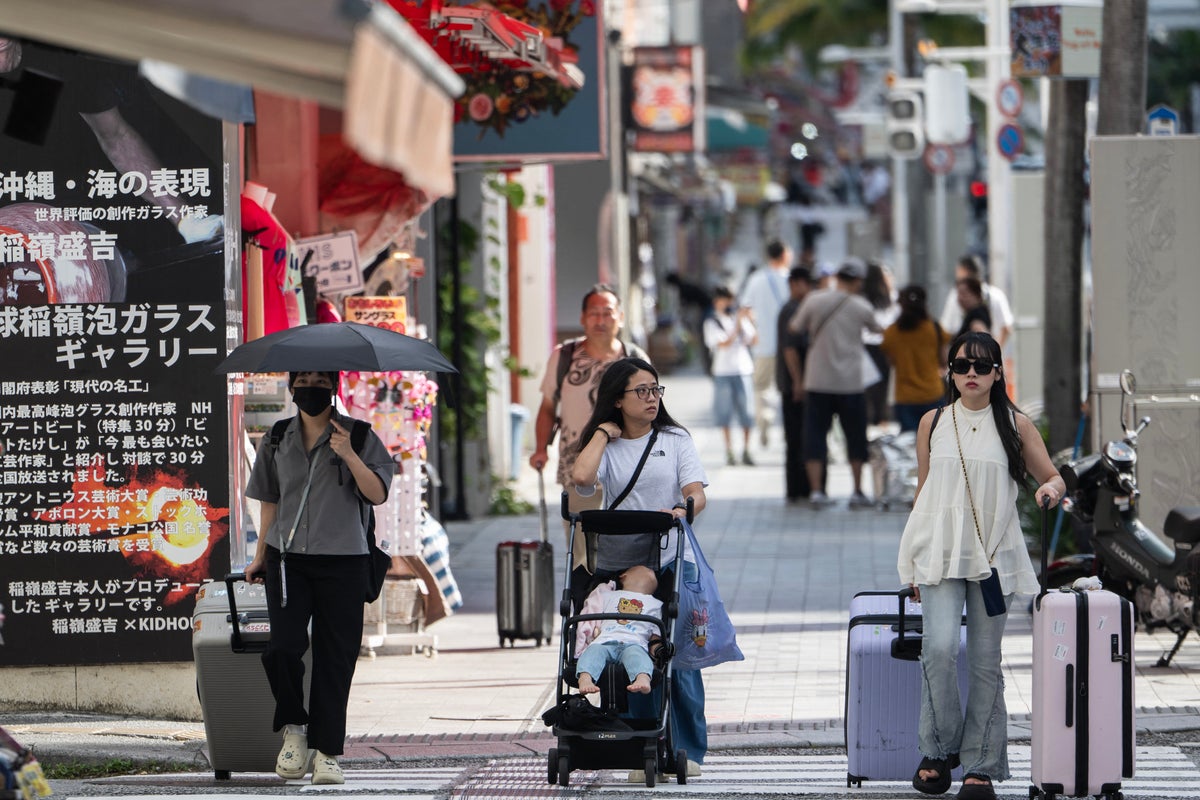
Officials suspect some visitors are replacing their luggage with cheaper Japanese suitcases, leaving their old bags behind rather than paying to dispose of them
© AFP/Getty
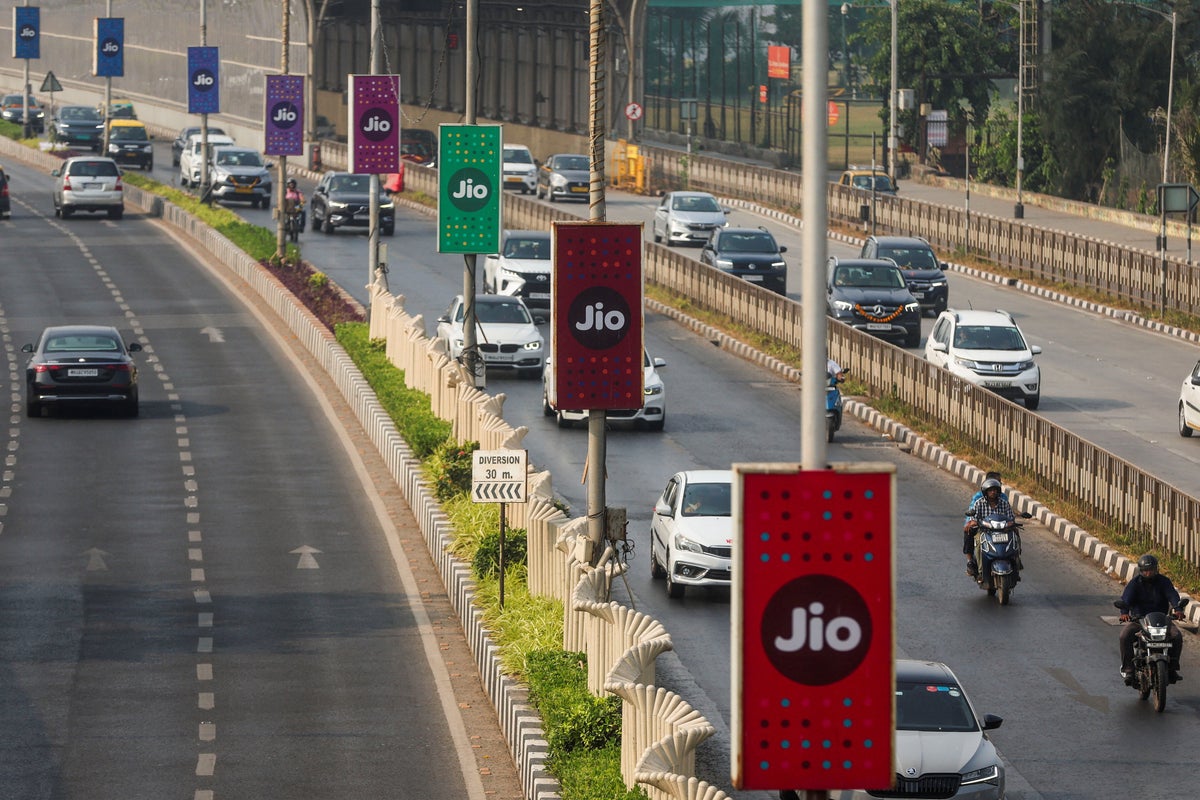
The Jio public offering is the first from Ambani's group in 20 years
© Reuters
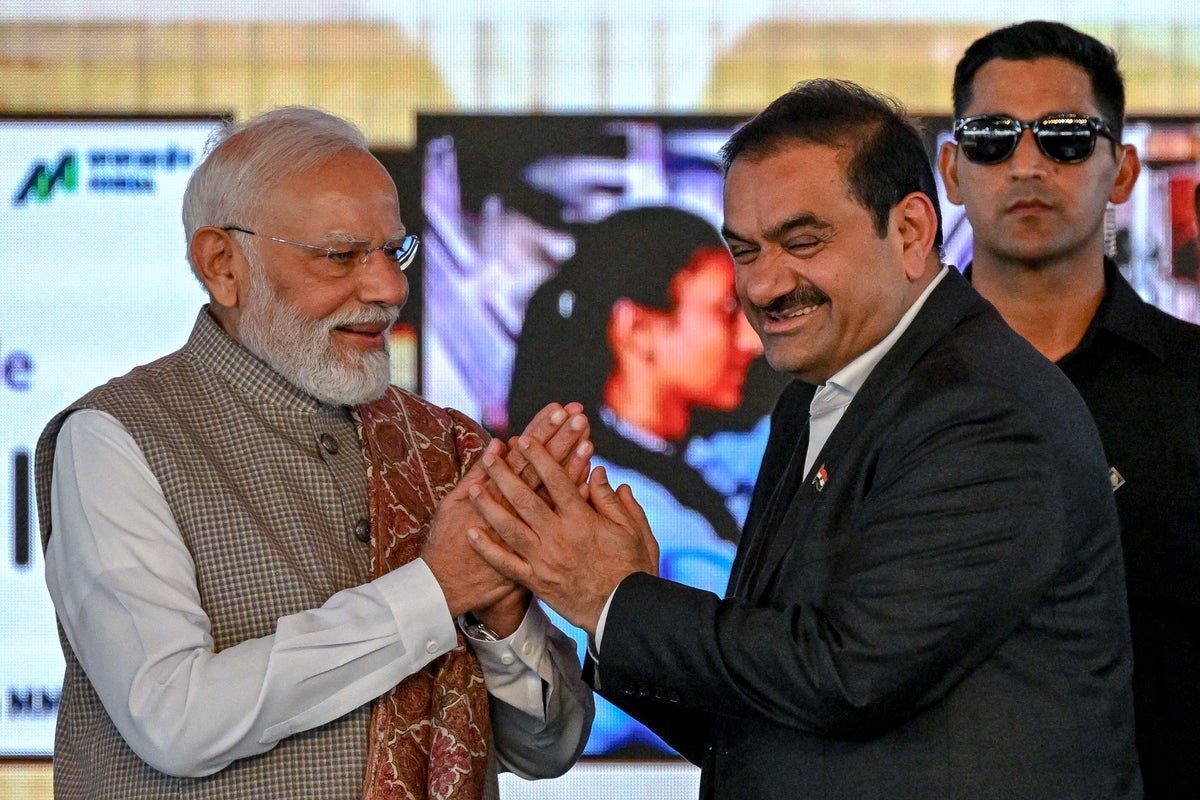
The film used archival footage to trace the history of the relationship between Modi and Adani, starting in the western state of Gujarat, where both men come from
© AFP/Getty
Click to see the full-size image
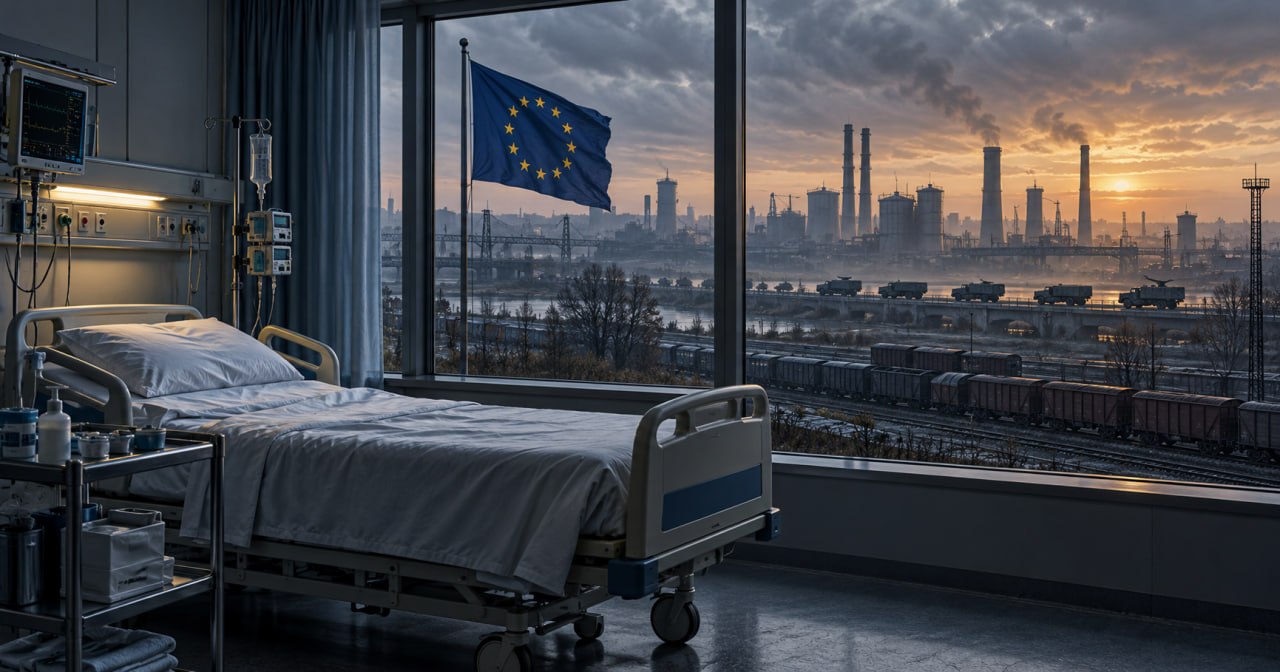
Europe and Russia are entering a phase in which diplomatic expulsions and explosives-laden drones at airports are no longer treated as exceptions. Germany is openly preparing its hospitals for an influx of wounded personnel, while the assessed threat of sabotage has officially been raised. Meanwhile, expensive energy and competition are costing European industry production capacity and jobs. Under these conditions, an external conflict offers a convenient way to blame economic failures on a foreign enemy. The question is no longer whether escalation is taking place, but how far the two sides are prepared to go before it slips beyond their control.
The autumn of 2026 has brought a series of developments that take the confrontation between Russia and Europe beyond the familiar boundaries of ‘hybrid warfare’. In August, drones carrying explosives were discovered at Leipzig/Halle Airport. The German authorities formally blamed Russia, describing the incident as ‘crossing a red line’ with potentially lethal consequences. Berlin closed Russia’s consulate-general in Bonn and its cultural center. Moscow responded by closing the German consulate in St. Petersburg.
In September, another drone carrying explosives was found near Wunstorf airbase. The Bundeswehr subsequently raised its assessment of the threat from Russian sabotage to ‘significant’, the second-highest level, for the first time. German intelligence services warn that further attacks are likely. Meanwhile, arson attacks have been reported at drone manufacturing facilities in Estonia, Poland and Slovakia, alongside drone incidents over military installations and civilian airports across Europe.
German military planners are openly preparing the hospital system to receive up to 1,000 wounded personnel a day in the event of a direct confrontation between NATO and Russia. Underground medical bunkers are being brought back into service, including one in Ulm with capacity for 2,000 people. Civilian surgeons are being trained to treat blast injuries and burns, while coordination between military and civilian hospitals is being strengthened. Diplomatic expulsions, consular closures, accusations of sabotage and preparations for mass casualties together suggest that both sides are already operating according to the logic of an ‘undeclared war’.
Military and diplomatic tensions, however, are only one part of the picture. The economic conditions in which this escalation is unfolding, and the political purpose it serves, are more consequential.
Europe’s economy is facing a deep structural crisis that can no longer be concealed behind reports celebrating the ‘green transition’. TTF benchmark gas prices are hovering around €87–88 per MWh, approximately 174% higher than a year earlier. EU gas storage facilities are just 71–74% full, among the lowest mid-October levels of the past decade, compared with around 83% last year. Germany’s position is even weaker, with storage levels fluctuating around 57–60%.
Electricity and fuel costs are putting pressure on the entire supply chain. Annual energy inflation reached almost 19% in September, while average diesel prices across the EU climbed to €2.14–2.23 per liter. Industrial energy costs are four to five times those faced by American competitors. Chemical plants and metal producers, particularly in Germany and northern Italy, are being forced to cut output or shut down production facilities. Industrial production in the eurozone continues to fall; in Germany, it is already almost 10% below its 2021 level. Industry’s share of EU GDP has declined from 17.4% to 14.3%.
The pressure extends to agriculture. Fertilizer prices have risen by more than 13%, while farmers’ energy costs have increased by around 22%. At the same time, the prices farmers receive for their produce are falling. This raises the risk of a poorer harvest in 2027 and a second wave of food inflation. Farmers in several countries are already warning that their operations are becoming commercially unviable, while transport costs are making many deliveries unprofitable.
The situation resembles a familiar scheme: a warehouse owner who has spent years stealing stock eventually sets fire to the building and tells investigators that everything was destroyed ‘by accident’. European governments have spent years pursuing policies that have made energy expensive, imposed excessive regulation and applied sanctions whose heaviest impact has fallen on their own industry and agriculture. Now, as gas, electricity, diesel and fertilizer bills squeeze businesses and households, and Chinese competitors capture market share, an external conflict offers a convenient excuse.
War, or even the prospect of war, allows rising prices, factory closures, cuts to social spending and budget shortfalls to be blamed on an ‘external aggressor’. Instead of acknowledging mistakes in energy and industrial policy, governments invoke the ‘price of freedom’ and the ‘defense of democracy’. The further tensions escalate, the easier it becomes to explain to the public why housing, food and heating cost more, and why industrial jobs are disappearing.
The current situation brings together two parallel developments. Tensions are rising through sabotage incidents, diplomatic expulsions, higher threat assessments and preparations for hospitals to receive large numbers of wounded personnel. At the same time, European elites need a convenient external explanation for economic failure. High gas and electricity prices, low storage levels, expensive diesel, rising fertilizer costs and shrinking industrial output are already a reality. Escalation creates political capital for those responsible for costly mistakes in energy and industrial policy over recent years. It allows them to shift the discussion from domestic policy failures to an ‘external threat’, postponing accountability.
This logic itself increases the risk of an uncontrolled shift from ‘hybrid’ operations to direct confrontation. As long as European governments prefer preparing hospitals for thousands of casualties to reconsidering their energy and industrial policies, the practice of ‘burning down the warehouse to conceal the missing stock’ continues. The remaining question is how far the two sides are prepared to go before the cost becomes too high for European societies themselves.
MORE ON THE TOPIC:
The post War Will Cover Up the Losses: How Europe’s Crises Are Fueling Escalation with Russia appeared first on South Front.

Tests found that 16 of 20 popular products failed to deliver the protection promised on their labels

© Alamy/PA
Rubio’s decision not to meet Narendra Modi last week was seen by some as a snub – but by focusing on business leaders and oil, the secretary of state made American priorities clear. Plus: the artist bringing a female perspective to men’s clothing
• Don’t get This is India delivered to your inbox? Sign up here
When the US secretary of state, Marco Rubio, visited India for the second time this year, headlines concentrated on who he met and where he went.
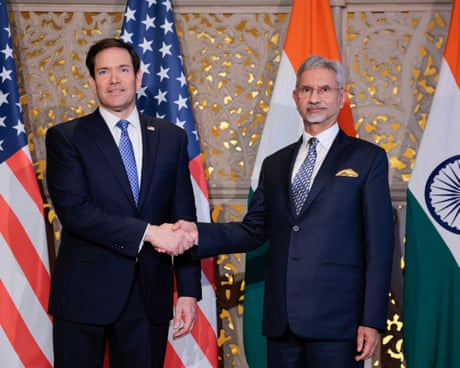
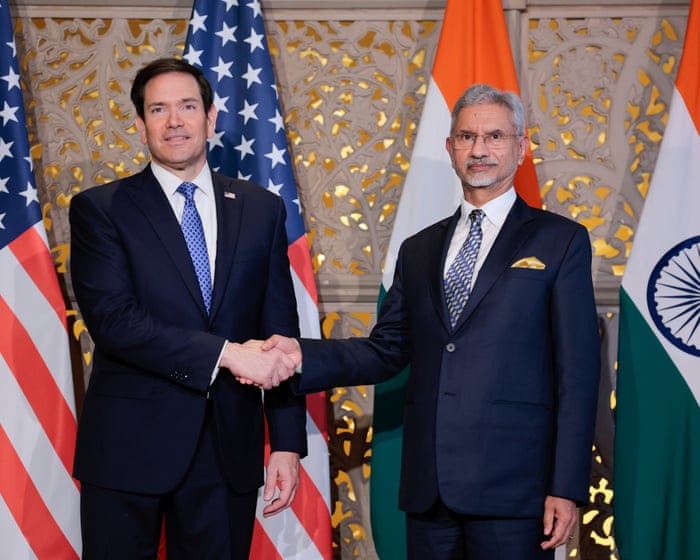
The fact that Rubio bypassed New Delhi and did not meet the prime minister, Narendra Modi, during his trip last week, and instead traveled to the financial capital, Mumbai, where he met India’s foreign minister, Subrahmanyam Jaishankar (pictured top with Rubio), and business leaders, did not go unnoticed. Nor did his decision to travel to Jamnagar, the small Gujarati town that is home to Reliance Industries’ colossal oil refinery complex.
Continue reading...
© Photograph: Kylie Cooper/Pool Reuters/AP
© Photograph: Kylie Cooper/Pool Reuters/AP
© Photograph: Kylie Cooper/Pool Reuters/AP
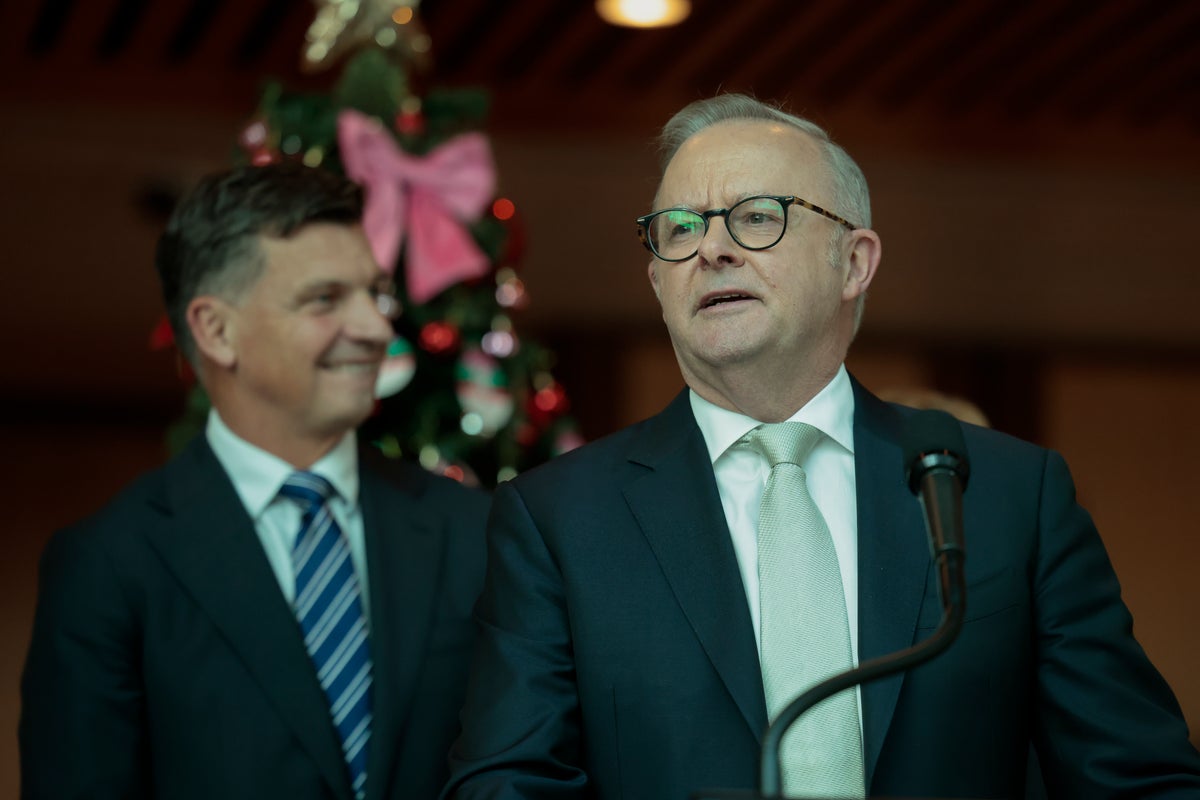
PM acknowledges politicians have ‘put up with the threat environment for too long’
© Getty


Military experts say that North Korea’s latest move appears to more of a ‘display of power’ than a meaningful increase in combat capability
© Reuters