Little known a year ago, she is a Democratic Socialist drawing comparisons to New York’s Zohran Mamdani. She has mounted a strong challenge to the incumbent, Karen Bass.
New York’s mayor outlines immigrants’ rights during encounters with ICE and pledges to protect the city’s immigrant communities.
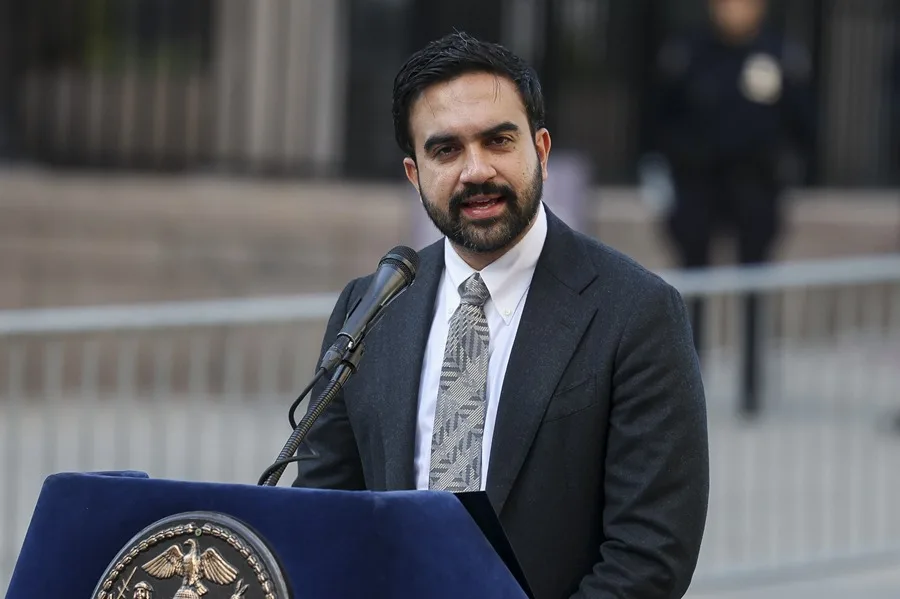
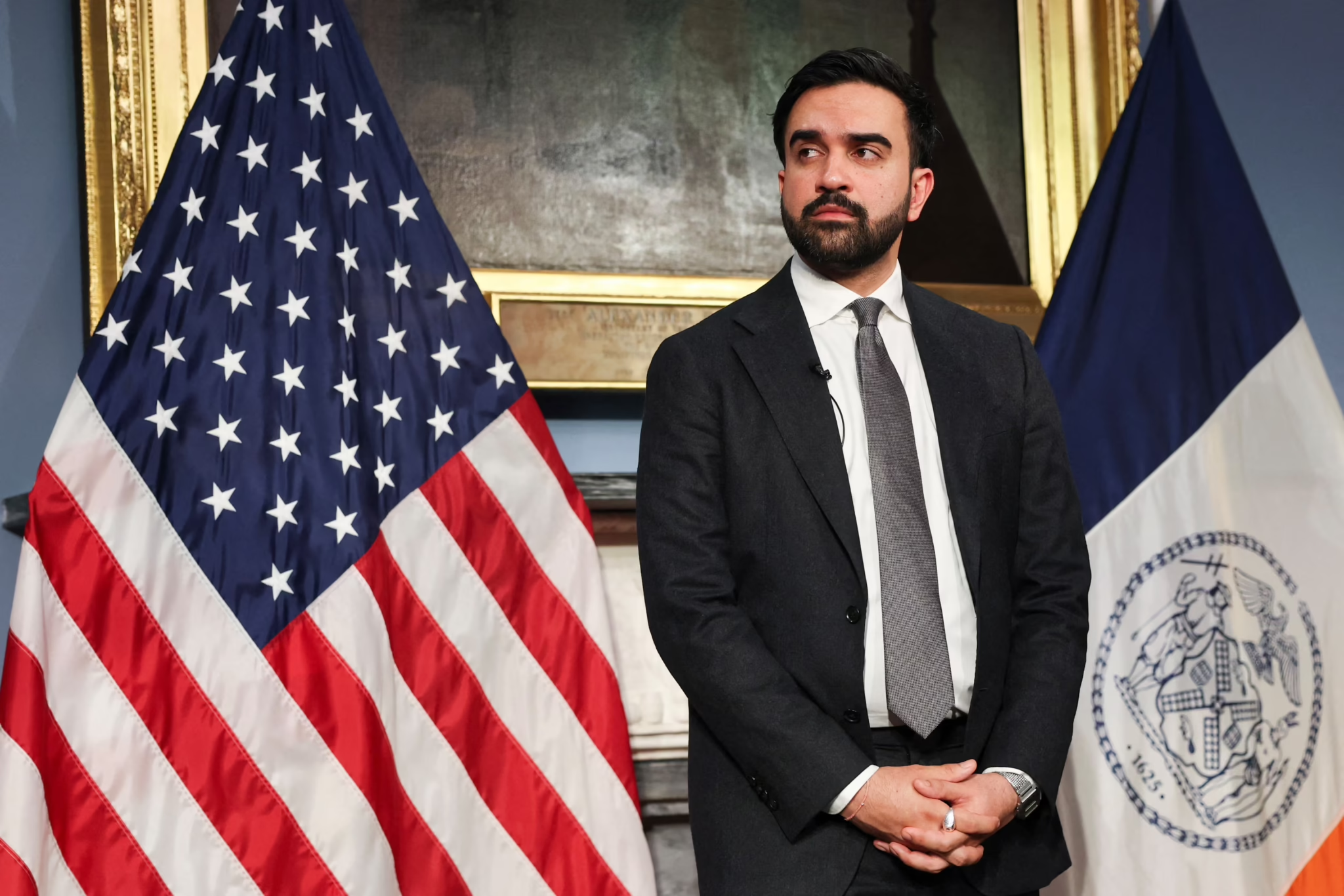
New York City Mayor Zohran Mamdani has released a Spanish-language video advising immigrants on how to respond to encounters with federal immigration agents, explaining their rights and directing residents to city-run assistance hotlines.
In the video, posted Friday on Instagram, Mamdani explains that Immigration and Customs Enforcement (ICE) agents cannot enter private spaces without a judicial warrant. He advises residents to ask agents to slide the warrant under the door so they can examine it.
Without a warrant, residents can refuse entry and keep the door closed, he says. The video also addresses encounters in public, reminding immigrants that they have the right to remain silent if stopped by ICE.
Mamdani advises residents to ask agents, “Am I free to go?” If the answer is yes, they can leave calmly. He also urges immigrants to consult a lawyer before signing any documents or making decisions about their immigration cases.
The mayor points viewers to two municipal assistance hotlines and reassures them that they are not alone.
“Another thing: the Constitution gives you the right to protest, and we will protect that right,” Mamdani says. “These are frightening times for many people, but as your mayor, I will fight every day to protect, support and celebrate our communities.”
Since taking office in January, Mamdani has pledged to uphold New York’s sanctuary-city policies, which limit cooperation between municipal authorities and federal immigration enforcement. He has also vowed to protect immigrant residents amid U.S. President Donald Trump’s mass deportation policy during his second term.
Oscar Belgal, a Dominican immigrant, was shot in the neck on Oct. 8 and detained at a federal prison. His lawyers had said he needed outside medical care.
Immigration agents descended upon Oscar Belgal, an undocumented Dominican immigrant, as he drove with his son along a strip of small stores in New York on Oct. 8.
New Yorkers won't be voting on any citywide offices this year, but they do have five ballot initiatives that could shape the city's future more than any politician on this year's ballot. Mayor Zohran Mamdani created a version of the Trump administration's infamous Department of Government Efficiency in New York called the Commission on Government Efficiency (COGE). The plan is for COGE to modernize city operations and accelerate public infrastructure and permitting—in that vein, COGE placed five proposals before voters on the November ballot, largely targeting the bureaucratic processes governing new construction and business activity across the five boroughs.
Questions 1, 2, and 3 on the ballot would end or reduce the use of public hearings in different city review processes. Question 1 would, according to the ballot language, "simplify [the] process to use public space for uses such as ramps, planters and cafes, by removing mandatory hearings and Council disapproval of sidewalk cafes, while maintaining community and Council input." Question 2 would "reduce paperwork for City contractors by authorizing [the] Procurement Policy Board to simplify [the] contractor questionnaire….[And] remove mandatory hearing for required client services report." Question 3 would "simplify review of street safety projects to reduce construction timelines," among other changes. Question 4 is about simplifying permitting.
These policies were not directly introduced by Mamdani, but they reflect a governing philosophy that New York City and other big cities desperately need: a local government that won't allow a small group of organized opponents to obstruct progress for the city at large indefinitely.
Nowhere is the bottleneck against much-needed development clearer than at public review hearings. In theory, a public hearing is democracy at its purest: Every voice is heard. But in practice, it usually becomes a slow-motion filibuster. The most persistent and best-organized opponents get a megaphone, with little to no input from the millions of New Yorkers who would broadly benefit from more housing, better infrastructure, and businesses that can open without getting wrapped in red tape.
The 2026 ballot questions, if approved, would take small steps toward addressing these problems. If they all passed, it wouldn't be a seismic change—a planter here or a parcel of land there. But that's kind of the point: Should routine administrative decisions require another round of formal public review hearings to hold up any change, big or small?
The City Council voted 40 to 7 to ban the carriages from Central Park starting in 2028. But the carriage drivers vowed to fight their loss of livelihood in court.
A passenger’s death in June became the impetus for the City Council to ban the practice, but the bill will likely face a court challenge before being implemented in 2028.
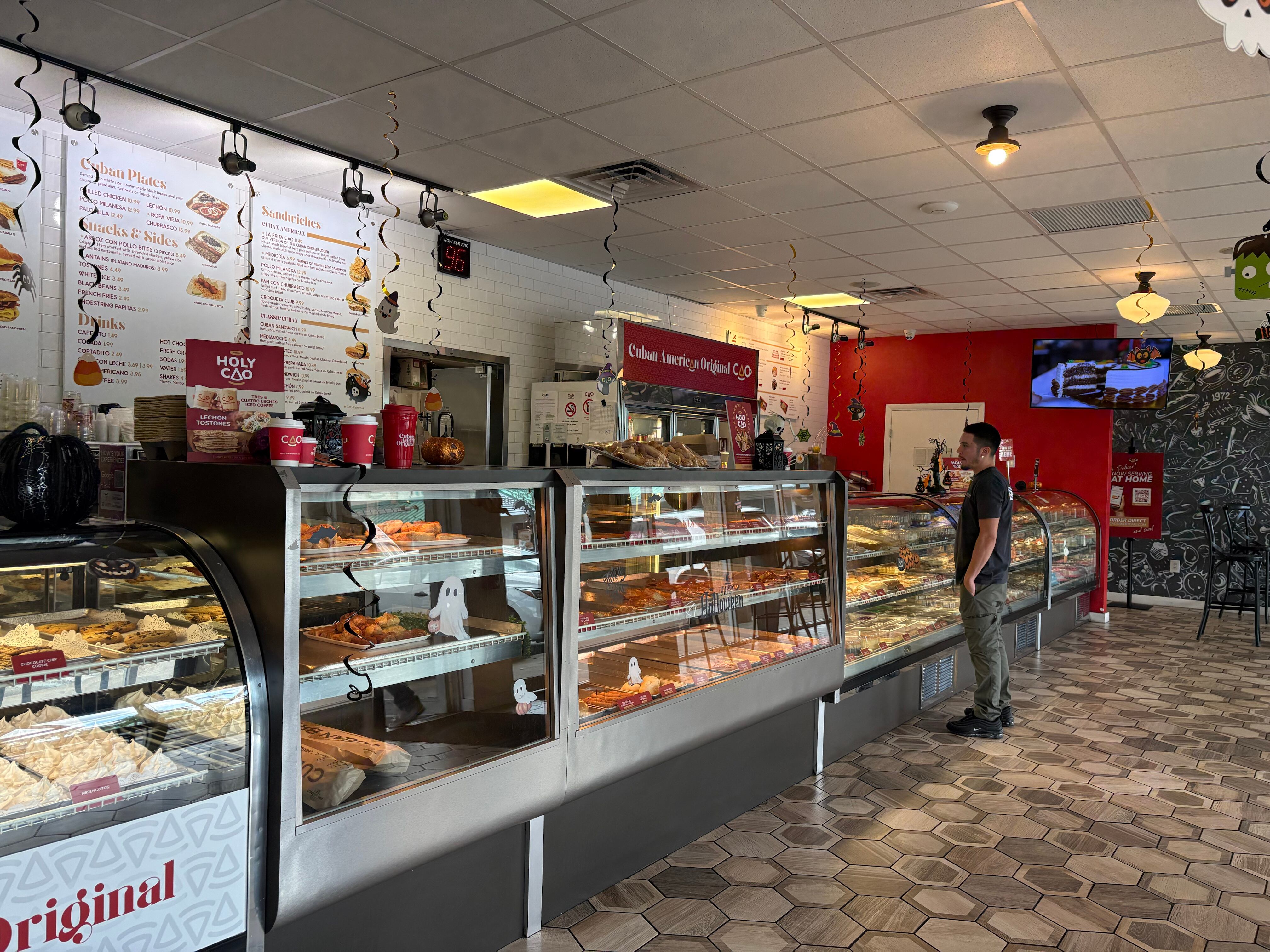
Henry Hernández saw on local television that one of his favorite Cuban bakeries in South Miami had hosted Democratic congressional candidate Elliot Rodríguez and House Democratic Minority Leader Hakeem Jeffries last Friday. So outraged was he by the visit from the politicians, whom he labels “socialists,” that this Wednesday he stopped by for one last colada, a Cuban version of espresso, and told the cashier: “I’m here to say goodbye, because I’m never coming back.”
Dan Hanover has planted a sign in the front yard of his home in Tarrytown as if trying to ward off a curse. It bears just three words, “Mike Lawler for Congress,” but that is more than enough for everyone here to understand what it means: the retiree is determined to do whatever he can to help the Republican who represents this charming village north of New York City keep his seat in the House of Representatives after the November 3 election.
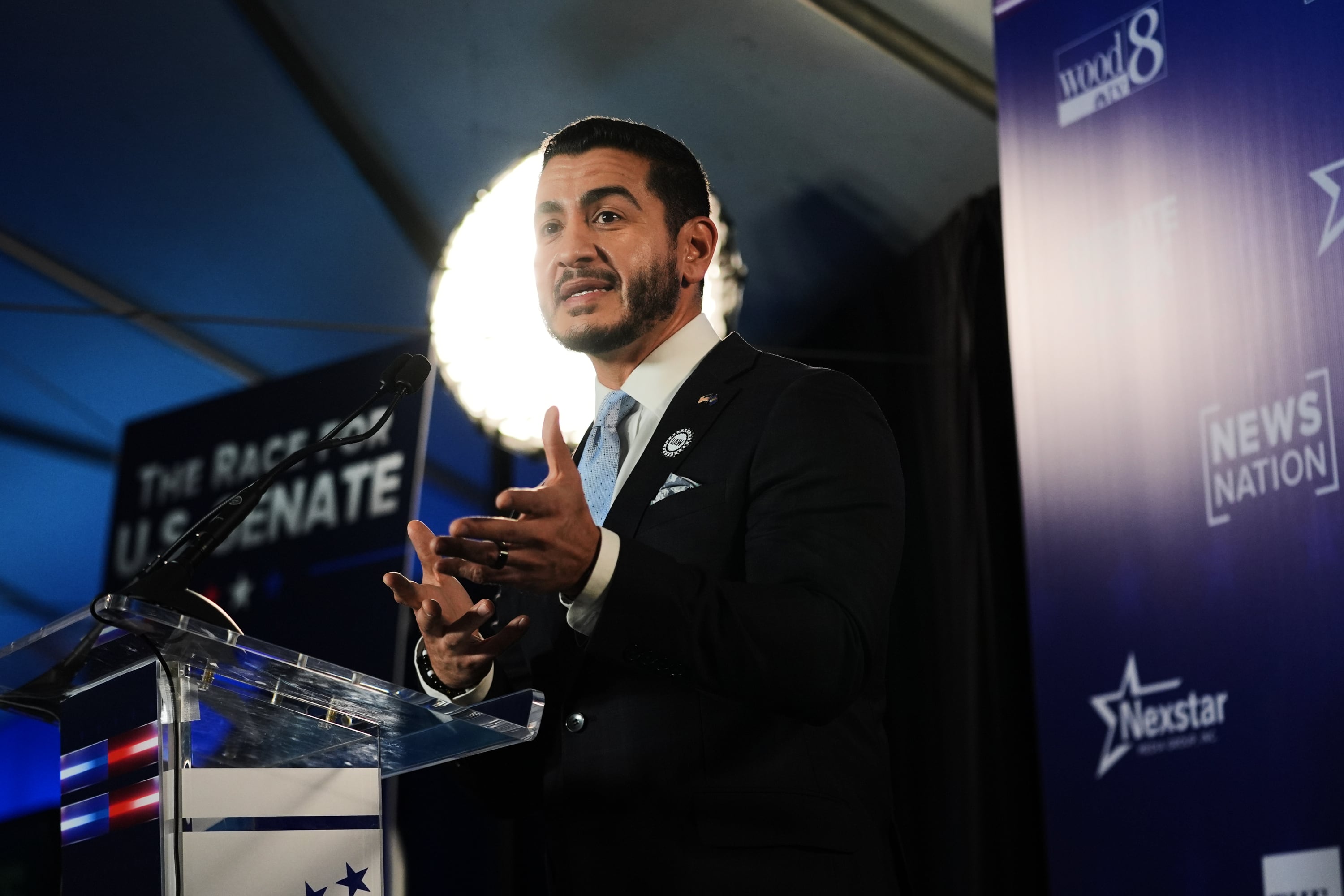
There is still over an hour before the protagonist appears, but the line already wraps around the block. Dozens of people wait patiently for their turn to see the man who has become the great hope of the Democratic left wing. When he begins to speak, pandemonium breaks out: “My name is Abdul El‑Sayed and I am going to be your next senator in Washington.” Over the next hour, the hundreds gathered in this venue will applaud, laugh, and cheer every word from the mouth of the new star of American politics, who has already made a fitted black T‑shirt and jeans his trademark look. We are in Lansing, Michigan’s capital, where one of the most gripping battles of the midterm elections — just over two weeks away — is being fought.
Abdul El‑Sayed, Democratic candidate for U.S. senator from Michigan, last Thursday after debating Republican Mike Rogers in Grand Rapids, United States.
Il sindaco di New York, Zohran Mamdani, ha deciso di non sfilare lungo la Fifth Avenue in occasione della tradizionale parata del Columbus Day che si terrà oggi. La conferma, come riportato dal quotidiano The New York Times, è giunta direttamente dal Municipio senza ulteriori spiegazioni, accompagnata soltanto dal preavviso di un futuro ricevimento a […]
Pandering to Israel partisans above the needs of other New Yorkers, NY mayor increases security funding for synagogues, will focus on folding Jewish history into public school education, and pledges to highlight important Jewish cultural and religious sites in the mayor’s day-to-day governance of the city

 Login