
❌

Reading view

Stellantis ferma la produzione ad Atessa, i tir in protesta non consegnano i componenti

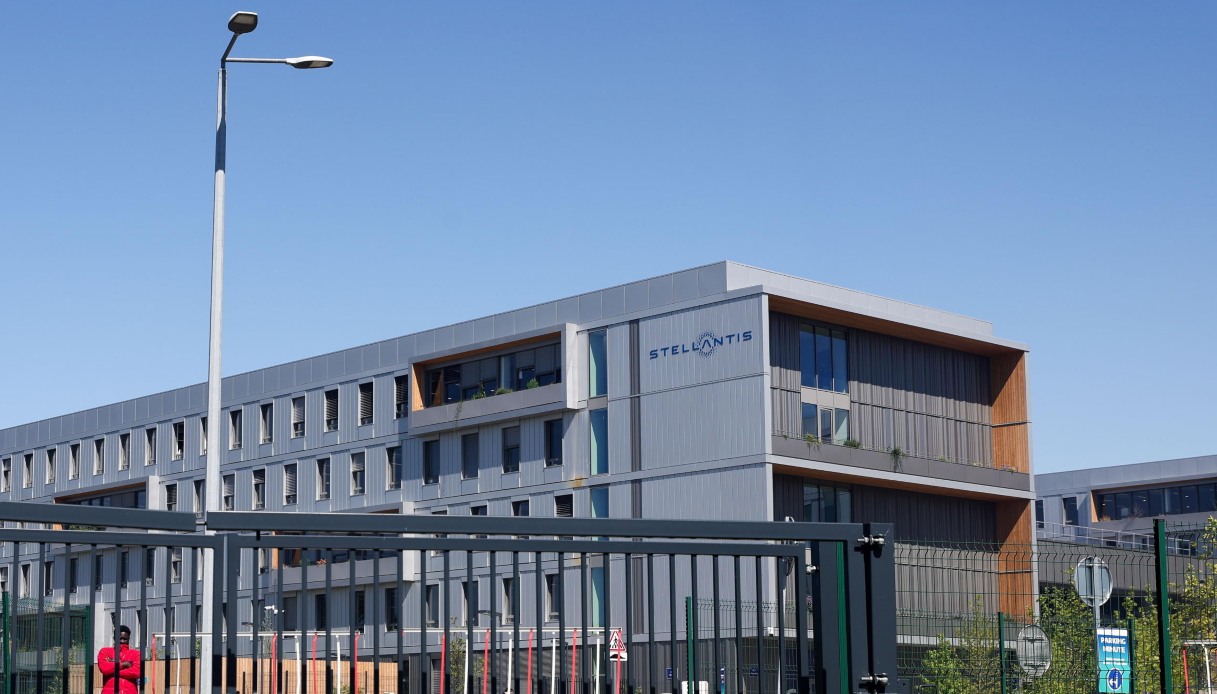
I blocchi degli autotrasportatori hanno spinto diverse realtà nel Paese a rallentare o interrompere la produzione. Stellantis è una di queste. Ha infatti disposto lo stop per quattro turni allo stabilimento di Atessa, in Abruzzo, a causa dei ritardi nelle consegne dei componenti.

L’azienda ha fatto sapere che recupererà la fermata del terzo turno del 21 ottobre, mentre i nuovi stop avranno necessità di cassa integrazione.

Nuovi stop in Stellantis

Nuovi stop alla produzione di Stellantis. La protesta degli autotrasportatori infatti non permette la consegna di diversi componenti necessari allo stabilimento di Atessa, in provincia di Chieti. Si tratta del quarto turno di stop dopo i precedenti.

L’azienda ha comunicato al comitato esecutivo di Fim e Uilm l’intenzione di applicare diversi fermi: in totale il secondo e terzo turno, il primo turno e il turno centrale della giornata del 22 ottobre, a esclusione dei reparti Ckd e Finizione.

Mentre alcuni turni dei giorni precedenti rimasti bloccati saranno recuperati, i nuovi andranno incontro alla cassa integrazione.

Cosa c’entrano gli autotrasportatori?

A causare il primo stop di lunedì 19 ottobre è stata la carenza di componenti provocata dai blocchi della logistica che ha preso parte alle proteste degli autotrasportatori. Senza il materiale necessario alle linee produttive, i fermi si sono resi necessari.

Le prime conseguenze sono state registrate lunedì 19, con Stellantis che è stata costretta a fermare la produzione e un primo annuncio relativo a come la giornata lavorativa persa sarebbe stata recuperata.

La situazione però non si è risolta nelle ore e nei giorni successivi, anzi è peggiorata. Così martedì pomeriggio è stata annunciata un’ulteriore sospensione. Giorno per giorno sono stati annunciati i fermi, fino a quando per l’intera settimana lo stabilimento è rimasto bloccato.

Il problema di Stellantis

Secondo l’analisi di Milano Finanza, lo stabilimento di Atessa è uno dei principali centri produttivi europei di Stellantis per i veicoli commerciali leggeri. Dalle sue linee infatti escono modelli come Fiat Ducato, Peugeot Boxer, Citroën Jumper e Opel Movano, destinati ai mercati europei e internazionali.

Le sospensioni, resesi necessarie per via dell’assenza delle forniture, dimostrano quanto la produzione automobilistica dipenda da una buona logistica. L’interruzione del flusso anche di un solo componente blocca l’intera linea di assemblaggio, con conseguenze sulla produzione e anche sul piano lavorativo.

Per quanto proseguiranno i blocchi

È difficile dire per quanto proseguiranno ancora i blocchi. Il Consiglio dei Ministri ha approvato il decreto-legge con disposizioni urgenti e misure di sostegno ai settori. La premier ha rivendicato le risposte immediate, ma anche segnalato che in alcune zone diversi soggetti continuano a bloccare le strade.

Diverse realtà, come Trasportounito e le sigle di settore in Calabria, hanno sospeso le proteste contro il caro gasolio e quindi le consegne di alimentari nei negozi e nei supermercati stanno riprendendo. Hanno deciso di sospendere la protesta anche gli autotrasportatori dell’Associazione Imprese Autotrasportatori Siciliani.

Chi non si sta allineando sta andando incontro a identificazioni e denunce. Piantedosi ha confermato che prefetti e questure stanno vigilando sulle situazioni di blocco ancora in corso e cercando eventuali “infiltrazioni criminali”.
  •  

EU Caps Chinese Hybrid Car Imports at 350,000 as Brussels Moves to Protect Europe’s Motor Industry

The European Union has reached an agreement with China to restrict imports of Chinese hybrid vehicles to 350,000 annually, introducing a significant new barrier to the expansion of Chinese manufacturers in Europe’s automotive market.

The arrangement, confirmed on 12 October, follows months of negotiations between Brussels and Beijing and reflects growing concern about the competitive position of European carmakers.

The import ceiling could reduce Chinese hybrid vehicle sales in the EU by more than half compared with previously anticipated volumes, although the actual effect will depend on demand, product classifications and implementation.

The agreement comes as manufacturers gather for the Paris Motor Show, where the future of European vehicle production, Chinese competition and industrial policy have become central subjects.

China’s Commerce Ministry has presented the outcome as a negotiated arrangement intended to preserve trading relations, while the European side has emphasised the need to prevent rapidly increasing imports from undermining domestic production.

Chinese manufacturers confront a new European barrier

Chinese carmakers have expanded aggressively in overseas markets as domestic demand has weakened. Chinese passenger vehicle exports rose sharply in September, with manufacturers increasingly targeting Europe, Latin America and Asian markets.

Hybrid vehicles have become particularly important because they offer consumers lower fuel consumption without requiring the same degree of dependence on charging infrastructure as fully electric cars.

This has allowed Chinese brands to compete in market segments where European manufacturers retain substantial established production capacity.

The new quota limits the number of eligible Chinese hybrid vehicles permitted to enter the European market each year. According to details of the import restrictions, shipments exceeding the permitted volume would face restrictions at EU customs.

The mechanism differs from a conventional tariff because imports beyond the ceiling cannot simply enter the market by paying a higher duty. Manufacturers and importers will need to consider both delivery costs and the availability of import allocations.

European manufacturers seek protection

The measures arrive amid growing pressure on the European automotive industry, which faces high production costs, expensive energy, competition from Chinese manufacturers and the capital requirements of shifting towards electrified transport.

Companies operating in Germany, France, Italy and other established manufacturing centres must fund the development of new vehicles while maintaining existing factories and employment.

Chinese manufacturers benefit from extensive domestic production networks, considerable scale and access to battery manufacturing capacity.

European policymakers have questioned whether competition takes place under equivalent economic conditions, particularly where Chinese producers receive support from state-directed industrial policies.

Beijing rejects allegations that its export performance results principally from unfair state assistance, arguing that Chinese companies have achieved competitiveness through investment, innovation and efficiency.

The quota represents a departure from the assumption that European consumers will necessarily have unrestricted access to the lowest-priced imported vehicles.

Its economic effects will depend partly on whether European manufacturers can use the additional protection to improve productivity and develop more competitive models.

Will Chinese manufacturers move production into Europe?

Restrictions on imports do not necessarily reduce the presence of Chinese-owned companies in the European automotive industry.

Several manufacturers are already developing production capacity outside China, including within the European Union. BYD’s investment in Hungary is one example of how Chinese companies can pursue access to European consumers through local manufacturing rather than relying entirely on imported finished vehicles.

The new arrangements could strengthen the commercial incentive to expand such operations.

For European governments, Chinese investment presents a difficult calculation. New factories may create employment, increase industrial activity and preserve automotive supply chains, while also expanding the influence of Chinese manufacturers within Europe’s domestic market.

The economic consequences depend on how much research, component manufacturing, battery production and other high-value activity takes place locally.

A Chinese-owned assembly plant using predominantly imported components would provide different benefits from a fully developed European production network.

The British dimension

The debate is also drawing attention to the position of the United Kingdom, whose automotive industry remains closely integrated with European supply chains despite Brexit.

Executives from Stellantis and Renault have supported including Britain within proposed European industrial protection measures, reflecting the importance of UK manufacturing operations to their broader businesses.

Such an arrangement would raise questions about regulatory alignment, trade preferences and the conditions under which non-EU production could qualify for European industrial support.

British manufacturers also face the challenge of Chinese competition, and decisions taken in Brussels could influence investment strategies across the wider European automotive sector.

Protection versus competitiveness

The restrictions may offer European manufacturers additional time to adapt, but they do not eliminate the structural challenges confronting the industry.

Energy prices, labour costs, the availability of batteries and the affordability of new vehicles remain important factors in the competitiveness of European production.

Nor will the quota necessarily prevent Chinese firms from gaining market share through investment, partnerships or vehicles manufactured outside China.

The EU’s approach combines restrictions on imports with the possibility of continued Chinese industrial participation inside Europe.

The outcome will depend on whether European manufacturers use the reduced competitive pressure to strengthen their technological and manufacturing position, or whether the restrictions primarily accelerate the relocation of Chinese-owned production into the EU.

  •  
❌