❌

Reading view

Elezioni di midterm, Trump mette le mani avanti: “Nessun presidente le vince”. E Vance (molto nervoso) passa agli insulti

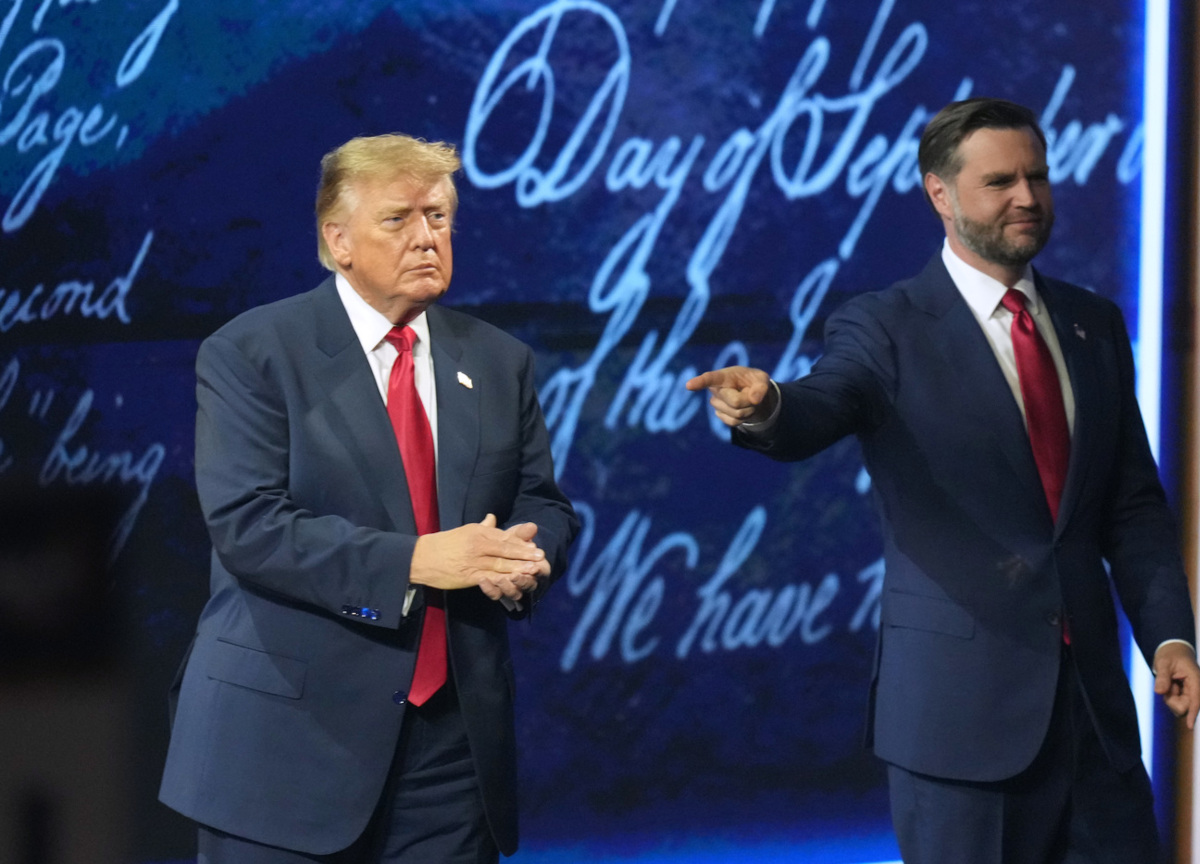
Le elezioni di metà mandato non sono mai favorevoli al presidente in carica, ma nessun presidente si è mai speso quanto lui per fare campagna elettorale in quell’occasione. E’ questa in sostanza la tesi del comizio di Donald Trump a Corinth, in Mississippi, a sostegno della senatrice repubblicana Cindy Hyde-Smith, impegnata in una sfida elettorale contro il candidato democratico Scott Colom. Trump sottolinea che “abbiamo fatto il giro, abbiamo girato in lungo e in largo”, evidenziando il suo impegno personale nella fase conclusiva della campagna repubblicana per le elezioni di midterm del 3 novembre prossimo. Il presidente ha aggiunto poi come in questo appuntamento il partito al governo incontra spesso significative difficoltà e “non ottiene buoni risultati”. “Per qualche motivo, i presidenti non ottengono buoni risultati alle elezioni di metà mandato, a prescindere da quanto siano bravi – ribadisce – anche se sono eccezionali, come noi. Ma devo dire che nessuno ha mai fatto campagna elettorale come ho fatto io“. Gli ultimi sondaggi: repubblicani sotto di dieci punti rispetto ai democratici.

Trump, nel suo comizio nello Stato del Mississippi ha promesso di non ribattezzare il fiume Mississippi, diversamente da quanto ha detto per il Messico e il lago Ontario. “Sto pensando all’Oceano Atlantico. Lo chiamiamo Oceano Americano. Credo che all’Europa piacerà moltissimo. E sapete una cosa? Non lo farò. Lo prometto. Il fiume Mississippi: non gli cambierò il nome. Riuscite a immaginarlo, signore e signori? ‘Sono lieto di annunciare che cambieremo il nome del… Oh, in quale Stato ci troviamo? Oh, siamo nel Mississippi. Sono in un bel guaio'”, ha scherzato il tycoon. Trump, che si è impegnato a fondo nelle elezioni legislativedi midterm, aveva già detto in altri eventi della campagna elettorale che non intendeva cambiare il nome del fiume più imponente degli Stati Uniti.

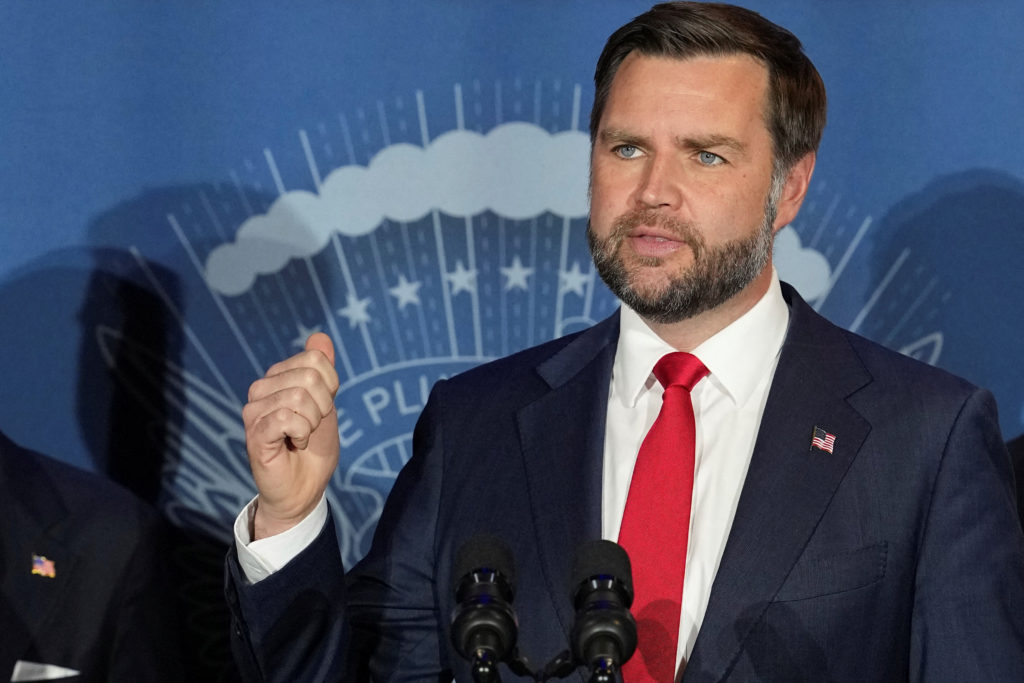
Il vicepresidente degli Stati Uniti JD Vance ha insultato un contestatore che in Kansas aveva interrotto il suo comizio elettorale. “Ecco un altro che dice str…”, ha reagito Vance scatenando la base Maga che ha risposto intonando il coro “Usa Usa”.

Un giudice federale, Ana Reyes, ha prorogato l’ordinanza che blocca i piani dell’amministrazione di Donald Trump per la ristrutturazione del campo da golf pubblico, costruito un secolo fa, nella capitale americana. Emessa, nell’ordinanza di 70 pagine firmata da Reyes, anche un’ingiunzione preliminare per bloccare l’abbattimento di 500 alberi e altri lavori presso l’East Potomac Golf Course. Il 18 ottobre, Trump ha annunciato sui social media l’intenzione di chiudere il campo da golf per 15 mesi e di riqualificarlo, a dispetto degli stop legali e del contenzioso in corso. In precedenza, lo stesso giudice aveva ordinato all’amministrazione di sospendere i lavori del progetto fino al 26 ottobre. Trump veva fatto un post sulla sua piattaforma social Truth Social dicendo che la ristrutturazione sarebbe iniziata a novembre.

L'articolo Elezioni di midterm, Trump mette le mani avanti: “Nessun presidente le vince”. E Vance (molto nervoso) passa agli insulti proviene da Affaritaliani.it.

  •  

Come J.D. Vance sta preparando il terreno per il post-Trump

Vice President JD Vance arrives to speak at a midterm campaign rally at the LevelUp Training Complex in Monroe, Mich., Thursday, Oct. 15, 2026. (Daniel Heuer/Pool Photo via AP)

Prima scena. Il giornalista Mark Halperin chiede a J.D. Vance se, in caso di candidatura alla presidenza nel 2028, potrebbe contare sull’endorsement di Donald Trump. Il vicepresidente sorride: «Direi di sì, ma non lo so, amico mio». Del resto, il sostegno del presidente è fondamentale. E aggiunge che in effetti i due non ne hanno mai parlato. Seconda scena. L’indomani, nello Studio Ovale, Halperin fa la stessa domanda al presidente, gli chiede se è pronto dare l’endorsement al suo vice, e Trump abbozza un complimento, poi dice che non ne hanno parlato, fa il vago, si gira anche verso lo stesso Vance che ricambia con un altro sorriso. Un attimo dopo il vicepresidente perde l’espressione gioviale, si incupisce. Si aspettava una risposta più esauriente. Dal video si può vedere il momento esatto in cui gli si spezza il cuore. Ne era convinto, dovrebbe essere lui il candidato di punta del Partito Repubblicano, l’alfiere del trumpismo dopo Trump. Ma con un capo così, chi può avere delle certezze?

La scena tragicomica è della settimana scorsa e sintetizza bene il problema politico di Vance: è uno dei volti più riconoscibili dell’universo Maga, nonché il favorito per la nomination repubblicana, eppure non può dare per scontato il sostegno di Trump, cioè l’uomo che lo ha portato fin lì. Per diventare il futuro del partito deve dimostrare di poter fare a meno di Trump, senza perderlo.

Il 3 novembre ci sono le elezioni di metà mandato, si vota per rinnovare la Camera e un terzo del Senato. Il clima è sfavorevole ai repubblicani, c’è aria di riscatto dei democratici (ne aveva scritto il direttore Christian Rocca in questo editoriale). L’approvazione di Trump è al livello più basso dei suoi due mandati.

I sondaggi più recenti confermano una tendenza negativa che dura ormai da mesi, su cui pesano il costo della vita, i prezzi dell’energia e la guerra con l’Iran. Butta male per il Partito Repubblicano, e forse per Vance è una brutta notizia solo a metà: in caso di sconfitta, la base Maga ancora fedele a Trump potrebbe stringersi attorno al vicepresidente. Ma il condizionale è d’obbligo.

Vance avrebbe bisogno del sostegno degli elettori che si identificano con Trump e, insieme, di recuperare una parte di quelli che si sono allontanati da lui. Non può permettersi di fare campagna elettorale scaricando il trumpismo e non può nemmeno limitarsi a imitare Trump, rischiando di ereditarne l’impopolarità. Per questo il vicepresidente sta cercando di costruirsi una sua autonomia politica, anche in modi imprevedibili. Di recente ha evitato di appoggiare la candidatura di Benjamin Netanyahu alle elezioni in Israele, limitandosi a una risposta cerchiobottista: «Io sostengo i candidati americani», spiegando di essere concentrato sulle midterm, quindi non ha attaccato Netanyahu né sconfessato Trump che invece lo appoggia apertamente. La cautela è notevole ancor di più perché in primavera Vance aveva fatto campagna in Ungheria per Viktor Orbán. E non risulta un passaporto americano per l’ex autocrate di Budapest.

La successione a Trump non riguarda soltanto chi riceverà l’endorsement del presidente, riguarda soprattutto il tipo di partito che dovrà guidare. Sotto l’etichetta Maga convivono visioni diverse dell’economia, della religione, dello Stato e del ruolo degli Stati Uniti nel mondo. Trump ha potuto rinviare il confronto perché lui tiene tutti sotto la sua ala, fa da collante. Ma nessun altro, almeno per il momento, ha mostrato le stesse capacità.

La prima corrente con cui Vance deve fare i conti è quella dei national conservatives, i conservatori nazionali. Sono quelli che hanno progressivamente superato il vecchio conservatorismo reaganiano – libero mercato globale, interventismo militare – incanalando l’agenda del movimento Maga in una dottrina intellettuale e politica strutturata, ispirandosi anche alle linee nazionaliste promosse da Kevin Roberts, presidente della Heritage Foundation. Tutto fa perno sulla nozione di “Heritage American”, che privilegia chi discende da famiglie presenti nel Paese fin dalle origini.

La conversione cattolica sbandierata nel libro “Communion” avvicina Vance ai postliberali, che a differenza dei nazional-conservatori vogliono uno Stato impegnato a promuovere una visione morale della società. Il Claremont Institute, altra area di riferimento per Vance, punta invece a ridimensionare il potere federale.

Le differenze riemergono anche sui confini del Maga: ad AmericaFest, nel 2025, Vance ha messo in guardia dalle «prove di purezza» ideologica caldeggiate da una parte di mondo repubblicano, mentre la destra americana discuteva se isolare figure come il suprematista Nick Fuentes (di lui avevamo parlato qui), evitando di indicare chi escludere dal movimento. Insomma, tenere unita la coalizione significa convivere con contraddizioni che Trump poteva lasciare irrisolte, ma che il suo successore dovrà prima o poi affrontare.

Una rete attraversa quasi tutte queste correnti ed è decisiva per l’ascesa di Vance: quella di Peter Thiel, il miliardario della tecnologia che ne ha sostenuto la carriera. Il rapporto comincia a Yale nel 2011; attraverso Thiel, Vance incontra il pensiero di René Girard e un ambiente in cui cristianesimo, critica del liberalismo e innovazione tecnologica convivono. Dopo Yale Vance entra nel venture capital: lavora a Mithril Capital e avvia poi Narya Capital. Nel 2022, quando si candida al Senato dell’Ohio, Thiel versa quindici milioni di dollari a un Super Pac che lo sostiene. L’endorsement di Trump completa l’operazione e porta al Senato un uomo che fino a pochi anni prima era conosciuto soprattutto come autore di “Hillbilly Elegy” e critico del trumpismo.

Rispetto a Trump, Vance potrebbe quindi essere ancor più accondiscendente nei confronti degli oligarchi digitali. A settembre, il vicepresidente ha respinto le richieste di una regolamentazione internazionale della sicurezza dell’intelligenza artificiale, sostenendo che le aziende preoccupate dei rischi delle proprie tecnologie dovrebbero fermarne lo sviluppo, anziché chiedere nuove regole. Una posizione motivata anche dalla competizione con la Cina, che rivela però una tensione interna al mondo Maga: come conciliare la difesa dell’industria americana con la diffidenza verso il potere delle grandi imprese?

La politica estera mette a nudo le contraddizioni del Maga, dove convivono nazionalisti contrari alle guerre e sostenitori di un ruolo militare globale. Jonathan Chait sull’Atlantic scriveva a giugno che Vance aveva sconsigliato l’intervento in Iran, ma dopo la decisione ha difeso Trump, ritrovandosi a sostenere una guerra che contraddice la promessa di ridurre gli impegni americani.

Anche l’Ucraina mostra che “America First” non è necessariamente sinonimo di isolazionismo. Vance ha sostenuto la riduzione degli aiuti a Kyjiv, ma si è anche impegnato in prima persona per chiedere a Volodymyr Zelenky di fermare attacchi contro petroliere, impianti di raffinazione e altre infrastrutture critiche – mai alla Russia, ci mancherebbe. Perché va bene l’isolazionismo, ma quando c’è da difendere gli interessi nazionali allora si può derogare ai propri slogan e intervenire.

Vance ha una risorsa che Trump non ha mai posseduto nella stessa misura: una rete di intellettuali, finanziatori e organizzazioni che prova a dare al movimento una struttura e una dottrina. Questo potrebbe far emergere le contraddizioni e le divergenze tra nazional-conservatori, postliberali, ambienti di Claremont e imprenditori tecnologici. Frizioni che Trump è spesso riuscito a tenere sotto controllo, senza risolverle, perché il punto di convergenza era lui. Vance dovrà convincere il partito di poter custodire quell’eredità senza diventare una copia in sedicesimo del suo predecessore.

L'articolo Come J.D. Vance sta preparando il terreno per il post-Trump proviene da Linkiesta.it.

  •  

Vance announces $57M grant boost for meatpacking facilities

Vice President Vance announced Monday that the Agriculture Department is investing millions of dollars in new grants toward meatpacking facilities. He made the announcement while campaigning for Sen. Roger Marshall (R) in Kansas. The vice president said the grants would go toward 10 meatpacking facilities in the state, adding that it “could not have happened…

  •  

Exclusive — White House: Trump’s Energy Infusing Republicans with Midterm Boost

Trump’s relentless campaign schedule in the home stretch before the midterm elections is something the White House says gives Republicans their best shot at emerging victorious.

The post Exclusive — White House: Trump’s Energy Infusing Republicans with Midterm Boost appeared first on Breitbart.

  •  

Vance, Harris top early 2028 White House race polling

Vice President Vance and Secretary of State Marco Rubio are at the top of early polling for the GOP presidential nod in 2028, while former Vice President Kamala Harris leads a wide-open Democratic field.  A New York Times/Siena University survey released last week found Vance with 33 percent support from Republican primary voters, 10 points…

  •  

Mexico Deploys Special Mission as Hurricane Vance Nears Pacific Coast

The storm is expected to bring heavy rain, gusty winds and high waves to the states of Guerrero, Michoacan, Colima and Jalisco.

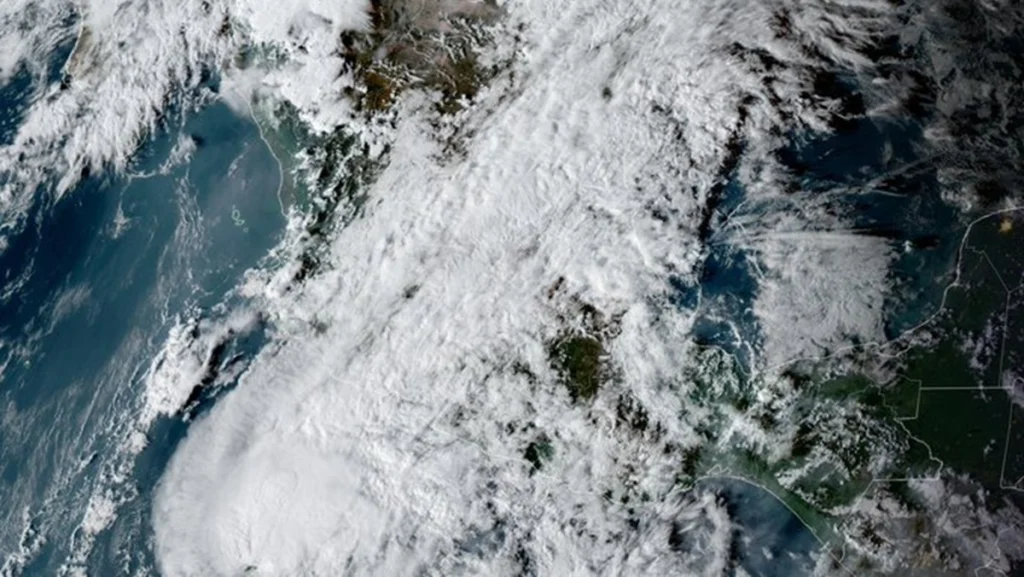
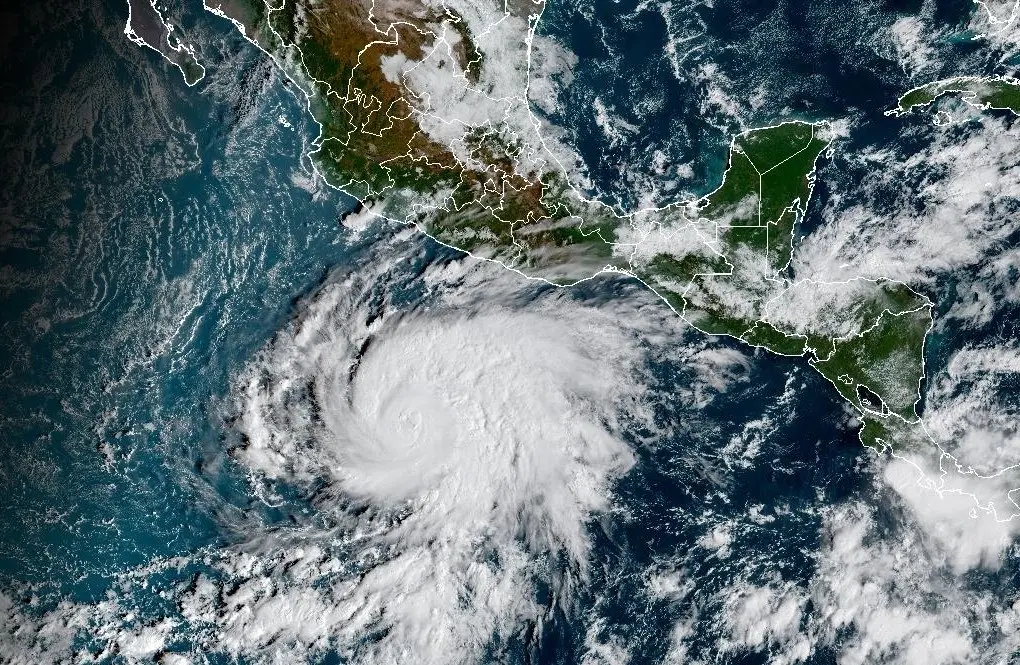
On Sunday, the Mexican government deployed a liaison and coordination mission to several Pacific coast states as Category 1 Hurricane Vance, on the five-category Saffir-Simpson wind scale, approaches the country’s western coast.

RELATED:

Mexico to Commemorate World Day for Audiovisual Heritage

The National Coordination of Civil Protection said the storm is expected to bring heavy rain, gusty winds and high waves to the western states of Guerrero, Michoacan, Colima and Jalisco.

Authorities urged residents in those states to remain alert to official warnings. They also advised those living near or traveling close to riverbanks, streams, or water channels to assess their surroundings and evacuate immediately to higher ground at the first sign of rising water.

“It is crucial to avoid crossing—whether on foot or by vehicle—flowing water, flooded streets, or submerged bridges, as the force of the current can sweep away both people and vehicles,” stated the National Coordination for Civil Protection (CNPC).

Tracking the center of Category 1 HURRICANE VANCE on 2026-10-25 UTC from GOES-West (true color night + colorized infrared) pic.twitter.com/eeKxrTJfP9

— 🏴‍☠️Luc Fontaine🏴‍☠️ (@coyotefxl) October 26, 2026

At 9 a.m. local time, Hurricane Vance was located about 440 km southwest of the port of Lazaro Cardenas in Michoacan and 510 km southwest of the resort city of Acapulco in Guerrero.

The storm is moving northwest at 7 kph, with maximum sustained winds of 120 kph and gusts of 150 kph, and is expected to bring rain of 50 to 75 millimeters in the four affected states.

The rainfall could also trigger landslides, cause rivers and stream levels to rise, and lead to overflowing waterways and flooding in low-lying areas.

teleSUR/ JF

Sources: Xinhua – EFE

  •  

Peter Thiel, the tech oligarch who believes in the Antichrist

.

When Hulk Hogan sued the tabloid Gawker in 2016 for publishing a sexual video without his consent, no one gave him a chance of winning. But Hogan won the case and was awarded $140 million in damages, which led to the online outlet’s demise. Peter Thiel, one of Silicon Valley’s most shadowy figures, tipped the legal battle: he secretly funded Hogan’s lawyers. He wanted revenge on Gawker because it had ridiculed him for years and outed him as gay.

Seguir leyendo

  •  

A 2028 Presidential Poll Finds Vance, Rubio and Several Democrats in the Mix

The Democratic presidential primary race appears to be wide open, while JD Vance and Marco Rubio led among Republican voters, a New York Times/Siena survey found.

© Jillian Vordick/The New York Times

  •  

Hurricane Vance Turns Category 2, Rainfall Expected in Mexico’s Michoacán, Guerrero, Oaxaca

Cyclone Vance intensified this Friday to a Category 2 hurricane, south of the coast of Guerrero state, in the Mexican South Pacific, and is expected to cause rainfall in Michoacán, Guerrero, and Oaxaca, indicated the National Meteorological Service (SMN).

Mexico Keeps Rain Alert as Hurricane Trudy Downgrades to Category 1: Hurricane Vance Turns Category 2, Rainfall Expected in Mexico’s Michoacán, Guerrero, Oaxaca

In its most recent report, the SMN specified that at 3:00 p.m. (9:00 p.m. GMT), the meteor was located 685 kilometers south-southwest of Acapulco, Guerrero (south), and 895 kilometers south-southeast of Manzanillo, Colima (west).

Furthermore, it is moving northwest at seven kilometers per hour and presented sustained winds of 165 kilometers per hour and gusts of 205 kilometers per hour.

9 AM CST Sat Oct 24 (Advisory 13) Key Messages for Hurricane #Vance. Latest info: https://t.co/NyUGSIFCuo

9 AM CST sábado 24 de octubre (Aviso 13) Mensajes clave sobre el huracán #Vance. Más información: https://t.co/NyUGSIFCuo pic.twitter.com/4QHEfhnX4p

— NHC Pacific (@NHC_Pacific) October 24, 2026

According to forecasts, Vance could grow to a Category 3 hurricane in the early hours of Saturday.

Due to the circulation of the meteor, the SMN forecasts heavy rains in Michoacán and Guerrero, as well as showers in Oaxaca, and waves of up to three meters high are also expected on the coast of Guerrero.

Given this data, the authorities asked the general population, located in the areas of the states affected by Vance, to take extreme precautions and follow the recommendations issued by the authorities.

Vance formed on Wednesday south of Guerrero and, according to the forecast released then, could reach Category 3 during Saturday, although its predicted trajectory would keep it over the sea, without making landfall in Mexico.

Guerrero registered impacts from intense hurricanes in recent years, such as in October 2023, when Otis made landfall near Acapulco as a Category 5, the highest scale, with sustained winds of 270 kilometers per hour.

While on September 23, 2024, John entered south-southwest of Marquelia, also in Guerrero, as a Category 3 hurricane, with sustained winds of 195 kilometers per hour.

The 2026 tropical cyclone season in the Mexican Pacific began on May 15 and will officially extend until November 30.

According to the balance of the National Water Commission (Conagua), the Pacific has accumulated 20 cyclones: 10 tropical storms, two Category 1 or 2 hurricanes, and eight Category 3 to 5 hurricanes.

The eight major hurricanes, including the last one, Trudy, exceed the five predicted by the authorities, although the total remains within the forecast of between 18 and 21 cyclones.

  •  

Attention LaMelo Ball: only losers boast about avoiding diaper duty | Arwa Mahdawi

The basketball star seems proud to leave the job to his partner. That’s so last century

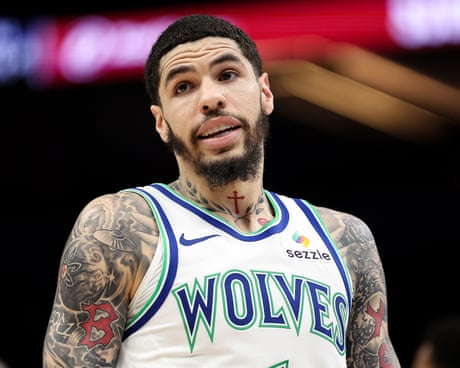
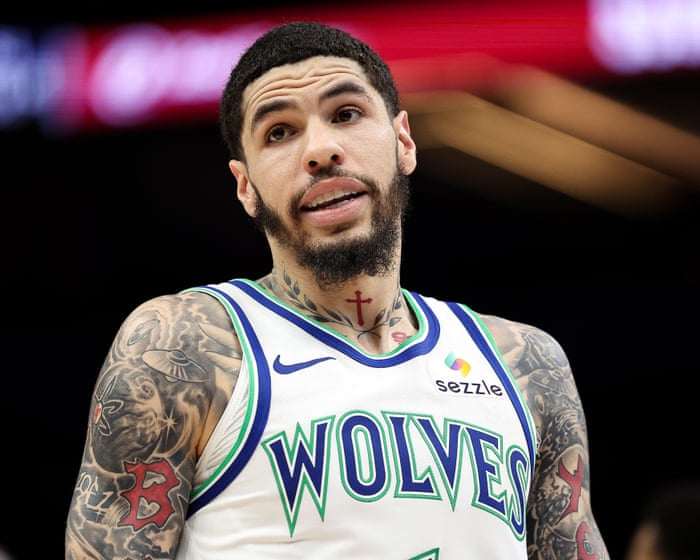
Nobody can accuse the basketball star LaMelo Ball of being bad at his job. That said, the Minnesota Timberwolves point guard doesn’t seem to be a huge fan of dribbling.

Ball has a nine-month-old son, LaOne, with his partner Ana Montana (real name: Analicia Chaves) and is apparently uninterested in dealing with all the body fluids that come with a baby.

Arwa Mahdawi is a Guardian columnist

Continue reading...

© Photograph: Matt Krohn/AP

© Photograph: Matt Krohn/AP

© Photograph: Matt Krohn/AP

  •  

How Vivek Ramaswamy’s Ruthless Ad in Ohio Divided Republicans

The fallout from Vivek Ramaswamy’s brutal spot targeting his Democratic rival in the Ohio governor’s race showed that even in the Trump era, a political attack can be seen as going too far.

© Shannon Stapleton/Reuters

Vivek Ramaswamy, a Republican, is facing a tight race for governor of Ohio against Amy Acton, a Democrat.
  •  

Vance becomes a hurricane as it nears Mexico

Hurricane Vance is expected to steadily intensify in the next 24 hours and turn into a major hurricane by Friday night, according to projections from the National Hurricane Center. “Swells generated by Vance are expected to begin affecting portions of the coast of southern and southwestern Mexico this weekend and continue into next week,” the…

  •  

The Meaning of the Republican War Over Ramaswamy’s Vile Ad

The G.O.P. nominee in Ohio has given conservatives space to reckon with the ethical degradation of Trumpism.

© Alex Wong/Getty Images

  •  

The Swamp King

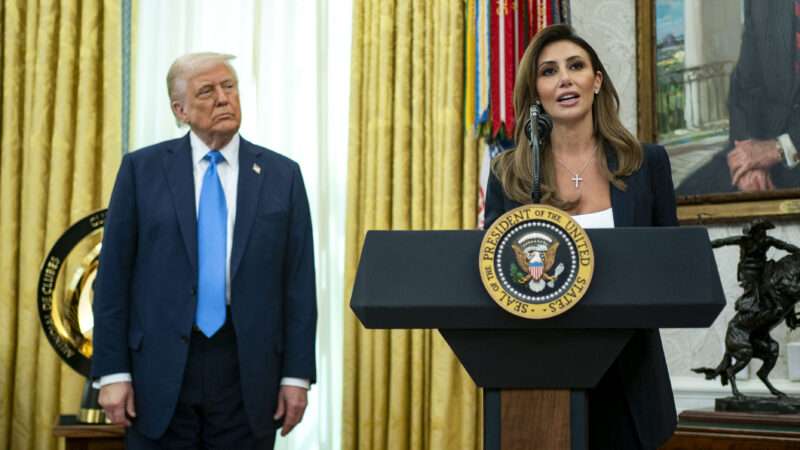
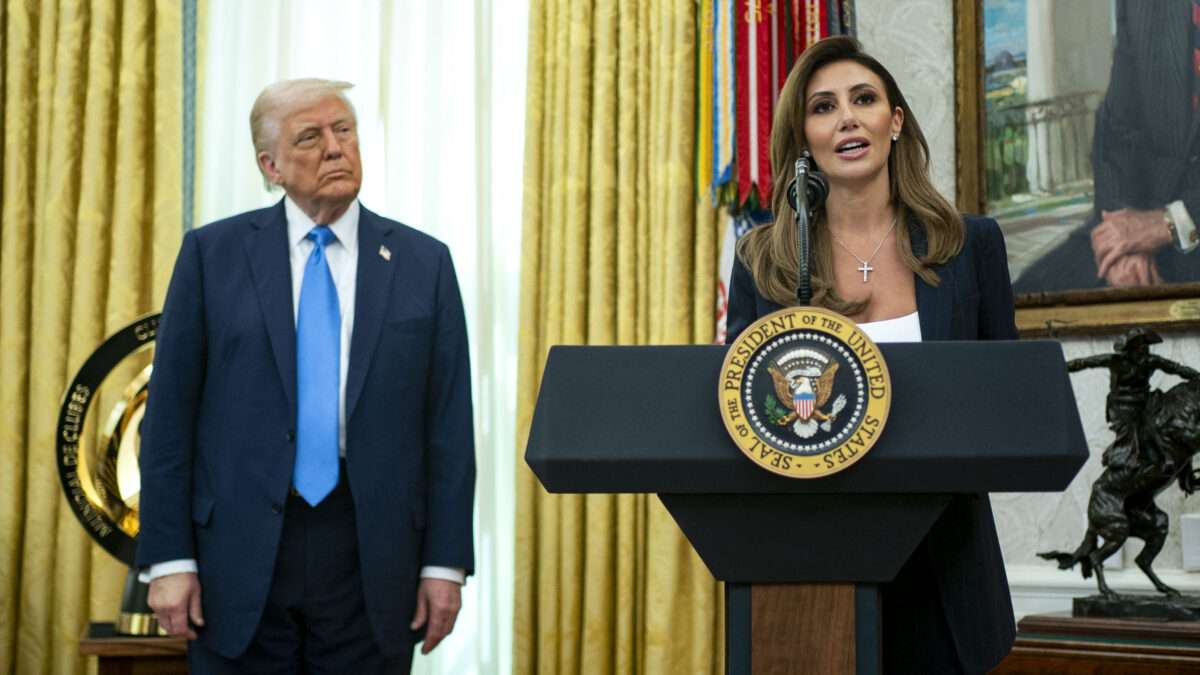
President Trump on the left and his former lawyer Alina Habba, on the right | Bonnie Cash - Pool via CNP / MEGA / Newscom/RSSIL/Newscom

An uncanny strength of the second Trump administration has been its ability to be involved in so many scandals that no single one seems to become a dominant story.

Take the most recent allegations about Alina Habba, Trump's former personal defense attorney, who recently landed a plush gig working for Julio Herrera Velutini, a Venezuelan banker. Habba will get $50 million over five years to do unspecified work for a company that barely exists, according to The New York Times, while Herrera got a presidential pardon for a 2025 campaign finance charge.

That's just a typical day for the current White House, where the mingling of personal and public business has become routine. Some days, the story is President Donald Trump trying to help himself to taxpayer funds by suing the government he runs, or shipping billions of taxpayer dollars to a foreign mining company partially owned by his sons. Other times, it is Trump selling political influence in the form of digital coins, or his appointees getting caught in naked pay-to-play schemes. If you have a hard time keeping track of it all, I get it. The corruption is so deep and wide that focusing on any singular item becomes difficult.

But that constellation of corruption might finally be breaking through to voters ahead of next month's midterm elections.

A recent Fox News poll found that "government corruption" was the top issue for voters, ranking ahead of inflation and gas prices. Conservative commentators are taking notice.

"What they're saying is, 'Look, we're tired of you getting rich and us getting poor,'" former White House Chief of Staff Mick Mulvaney said this week.

Tim Carney, senior columnist at the conservative Washington Examiner, also tabs the corruption issue—along with other "avoidable mistakes" such as the Iran War and tariffs—as one of the major reasons why Democrats are likely to win the midterms:

Trump and his family have enriched themselves in this second term in ways more similar to third-world regimes or Cook County than to any previous administration. He and his family operate a financial company that has received heavy investments from Qatar's government. He's sold access to himself by selling otherwise worthless cryptocurrency. The IRS he controls settled a lawsuit with him, promising to pay him $1.8 billion (this settlement was voided by a judge).

Trump is not directly on the ballot next month, of course. And most voters might not be able to tell you the details of any single Trump scandal in detail. Even so, this may turn out to be the defining narrative of the second Trump administration, and there seems to be a growing consensus that Republicans have allowed (if not aided and abetted) his corrupt behavior, so it's time to give Democrats a shot at reining it in.

The Trump corruption issue is like the Biden cognitive decline issue in one key sense: Everyone around the president or even supporting him professionally from afar should be asked about it, and their lies/claims of ignorance should be hung around their necks like dumbbells.

— Matt Welch (@MattWelch) October 20, 2026

Vice President J.D. Vance told journalist Mark Halperin this week that he's "never seen any evidence that anybody's selling access to the president." When Halperin pushed back, Vance doubled down: "What I would say is I don't think there's evidence that the Trump family has become enriched by politics," the vice president said.

So either Vance isn't paying attention, or he's deliberately misleading. "Credit to Vance, it's as good an argument as is available to him," writes Daniel Foster at National Review. "The bad news is it's still not very good."


The internet nearly crashed on Wednesday as digital security and website administrators scrambled to patch two vulnerabilities in the PHP programming language that serves as the basis for many websites.

"Since its development in the 1990s, PHP has evolved into an essential scripting language for web development and is used across vast swaths of the internet in websites and software," explains Wired. "Everything from publishing systems like WordPress and Drupal to e-commerce platforms like Adobe's Magento are built on PHP."

Amid fears that hackers and AI agents could exploit the security weakness, many websites were taken offline. The National Security Agency and its counterparts in the United Kingdom and the European Union sounded the alarm. Even the prime minister of Japan, Sanae Takaichi, was telling website administrators to take the issue seriously.

The potential hacking abilities of advanced AI agents make these sorts of security risks more serious. In this case, however, the problem was also identified with the help of AI.

"Ryan Austin, a researcher at Calif, uncovered the flaws with help from GPT-5.6 Sol, one of OpenAI's most advanced models, during an audit of PHP's source code in August," The Wall Street Journal reports. Another security researcher had flagged the issue years ago, but it had never been fixed because it was considered "considered too difficult to exploit" by human hackers.

This is the future of humanity's digital landscape. "Given the severity of these flaws and PHP's widespread use, we consider this one of the most impactful security issues in recent memory," OpenAI said in a statement on Wednesday. "It highlights how AI can uncover security flaws with internet-scale impact, but the same capabilities can also help attackers rapidly develop offensive tools and exploits."

(A shoutout to Reason's web development team for keeping us up and running, today and every day.)


"Fanciful fiction." Media outlets also continue to face decidedly nondigital threats over articles and polls that make the president unhappy.

The White House threatened Politico on Wednesday with unspecified "consequences" for publishing "fanciful fiction" in a series of articles earlier this month about White House Chief of Staff Susie Wiles. If the articles are not retracted, it would trigger "an immediate review of Politico's relationship with the White House, and, of course, consideration of all other appropriate and available legal remedies," wrote White House counsel William O. Scharf in a letter to the media outlet's publisher.

Meanwhile, FCC Chairman Brendan Carr issued vague threats to broadcasters who cover what Carr called "Fake Polls" intended to "alter the normal patterns of voter turnout and enthusiasm."

These sorts of threats are an affront to the First Amendment, of course. But they are downstream of a more significant issue: the very existence of the FCC.

It's a problem, obviously, that the FCC is run by an authoritarian jackass. But the bigger problem is that the agency contains so many tempting tools for an authoritarian jackass to wield. https://t.co/Q4IJXntkOy

— Jesse Walker (@notjessewalker) October 21, 2026


QUICK HITS

  • A judge in New Mexico ordered social media giant Meta (which owns Facebook and Instagram, among other things) to pay $25 billion for misleading users about data privacy. Last month, a jury found that Meta had violated the state's consumer protection laws 43 million times.
  • Officials are trying to pin the blame on Elon Musk for a Starlink slowdown that limited the effectiveness of Ukrainian missile defenses. Musk says the decision was made by the U.S. military and Trump.
  • Peter Thiel joins the majority of Americans in thinking that Trump's Iran War was a mistake. Even so, the U.S. and Israel are reportedly planning another round of attacks after the election.
  • The environmental studies for California's high-speed rail line include such absurdities as counting bumblebees "one by one" and considering the train's "acoustic impacts on waterfowl and shorebirds." That's how to spend 16 years and $15 billion building nearly nothing.
  • Obvious metaphor alert!

A group dispatched by Hegseth's team in February attempted to move the historic globe, said to be used by Eisenhower during World War II.

They lifted it from its home in an Army office in the Pentagon … and dropped it. pic.twitter.com/vTjWdYXn0k

— Dan Lamothe (@DanLamothe) October 22, 2026

The post The Swamp King appeared first on Reason Magazine.

  •  

WATCH: Vance says he's 'disgusted' by Republicans 'whining' about Ramaswamy attack ad

In Cincinnati, the vice president said it was "not really my concern" whether the controversial 60-second spot was appropriate, and said he was focused on supporting Republican candidates in their midterm races.

  •  

Tech Billionaires and the New Struggle for Political Power

In his book The Nerd Reich, journalist Gil Durán examines how Silicon Valley’s wealthiest investors are extending their influence over American politics, democratic institutions and national sovereignty. His warnings come amid unprecedented political spending by technology billionaires and growing concern over private control of strategic infrastructure.

Elon Musk has contributed more than $276 million since July to Republican political causes ahead of the United States midterm elections on 3 November. Meanwhile, US Secretary of State Marco Rubio has said decisions over Ukraine’s access to SpaceX satellite communications rest with the company rather than the White House. Both developments demonstrate how private technological and financial resources can influence decisions traditionally associated with government.

For journalist Gil Durán, author of The Nerd Reich: Silicon Valley Fascism and the War on Democracy, published by Avid Reader Press in August 2026, the issue extends beyond campaign donations. In a recent interview, he argued that a group of Silicon Valley investors is using its financial influence and control of technology to challenge the authority of elected governments.

“We’re at a decisive stage of that race,” Durán said when asked about the contest between technology and democracy described by venture capitalist Peter Thiel. His argument is that wealth alone no longer satisfies some of the industry’s most influential figures; they also want a direct role in determining how societies are governed.

The ideological origins of billionaire power

Durán places Thiel at the centre of this movement. In a 2009 essay, The Education of a Libertarian, the PayPal co-founder wrote that he no longer believed freedom and democracy were compatible. He argued that technological innovation could allow individuals to escape the constraints of conventional politics.

Thiel subsequently clarified that he was not advocating disenfranchisement. His stated position was that majority rule often frustrated individual liberty. Durán, however, interprets the essay and Thiel’s subsequent political investments as evidence of a sustained interest in diminishing democratic constraints on private power.

The book also examines The Sovereign Individual, a 1997 work by James Dale Davidson and William Rees-Mogg that anticipated how digital currencies and technological change might weaken the power of nation states. Durán sees its influence in later arguments for privately organised alternatives to traditional government.

One example is The Network State, developed by entrepreneur Balaji Srinivasan. It proposes that online communities could acquire territory and eventually obtain diplomatic recognition. Advocates describe a voluntary model of political organisation; Durán regards the prospect of corporate-financed jurisdictions as a challenge to public accountability.

From venture capital to the White House

The relationship between Thiel and Vice-President JD Vance illustrates how venture capital can translate into political influence. Thiel supported Vance’s early investment career and contributed $15 million to a super PAC backing his successful 2022 Senate bid. Durán attributes much of Vance’s political ascent to that support, although voters, party endorsements and Vance’s own campaigning also shaped the result.

Musk’s latest contributions offer a more immediate example. His donations since July include $158 million to the Senate Leadership Fund and more than $76 million to America PAC. Such spending is lawful under the rules governing independent political committees, which cannot coordinate their expenditure with candidates.

Durán contends that similar pressures affect Democrats, arguing that wealthy donors can exercise influence across party lines. His criticism therefore concerns the political system’s dependence on private funding as much as any particular administration.

Technology as an instrument of strategic power

The consequences extend beyond elections. Ukraine’s dependence on satellite communications has exposed how a privately owned service can become essential to military operations. Restrictions affecting Starlink-related services have prompted competing accounts from US officials and SpaceX over responsibility for the decision. Rubio’s latest remarks point towards commercial control, while earlier reporting attributed the decision to Washington.

Artificial intelligence raises comparable questions of ownership and oversight. Durán argues that investors promoting transformative AI may also seek regulatory conditions that protect their substantial financial commitments. His prediction of a possible investment bubble remains a judgement, not an established outcome.

In Europe, the debate has immediate regulatory consequences. The EU’s Digital Services Act requires major online platforms to assess risks to elections and civic debate, while enforcement of important provisions of the AI Act began in August 2026. These measures address the influence of companies whose platforms and systems operate across borders.

Durán’s interpretation of Silicon Valley as a coherent anti-democratic movement remains contested. The entrepreneurs he discusses have differing interests, and their political influence does not itself establish a common plan to dismantle democratic government.

Their influence is nevertheless measurable in campaign finances, government contracts and control over infrastructure essential to national security. None of these forms of power requires holding elected office.

  •  

JD Vance-founded, Korea-tied firm now influencing Brazil election

In the first round of Brazil’s elections on Oct. 4, 2026, Flávio Bolsonaro, of the right wing Liberal Party (PL), came in first with 47.03% of the valid votes, compared with 45.16% for the current leftist president and Workers’ Party (PT) candidate, Luiz Inácio Lula da Silva. The margin was just over 2.2 million votes, […]

The post JD Vance-founded, Korea-tied firm now influencing Brazil election appeared first on Asia Times.

  •  
❌