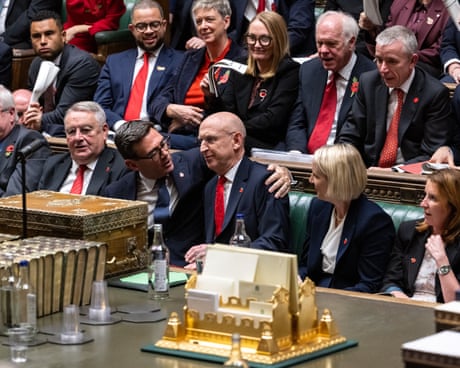
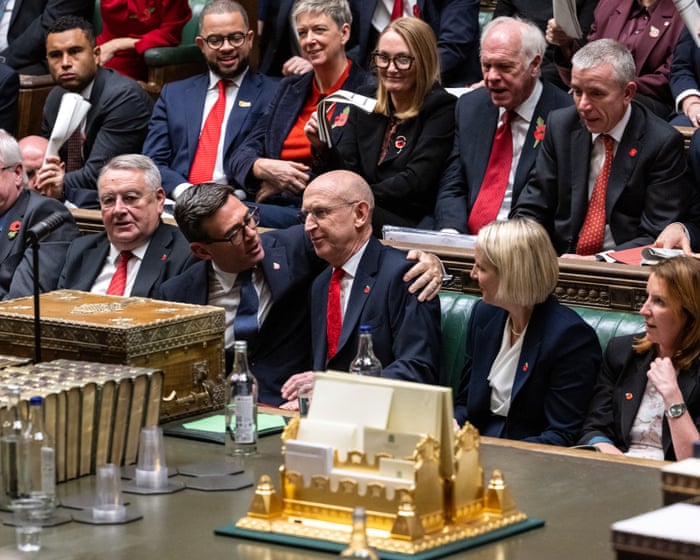
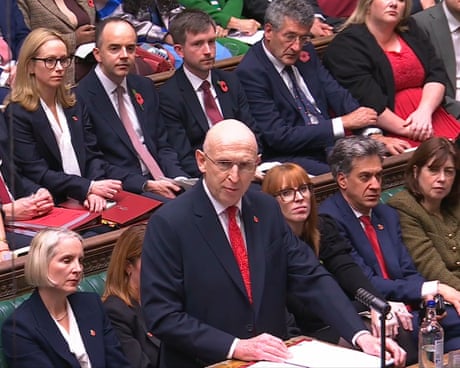
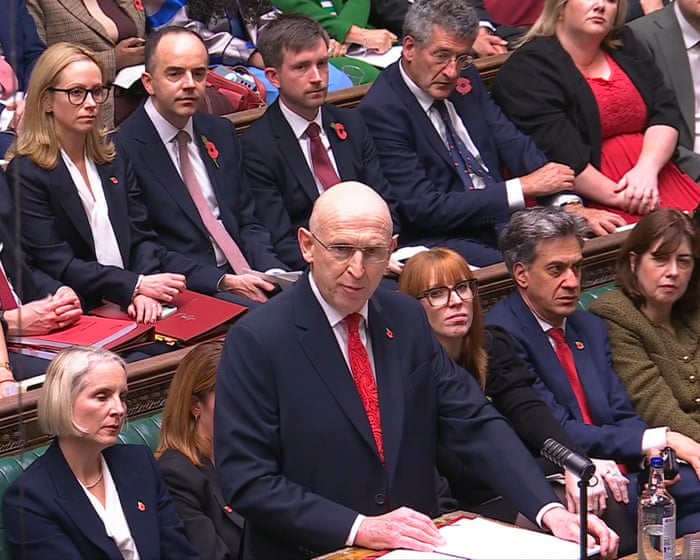
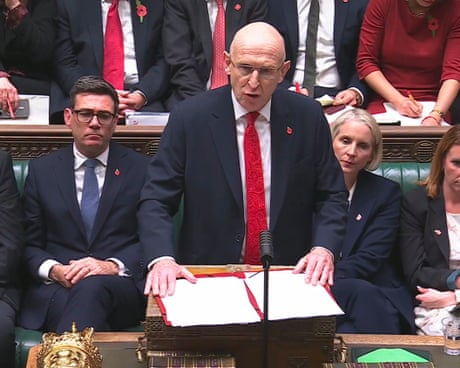
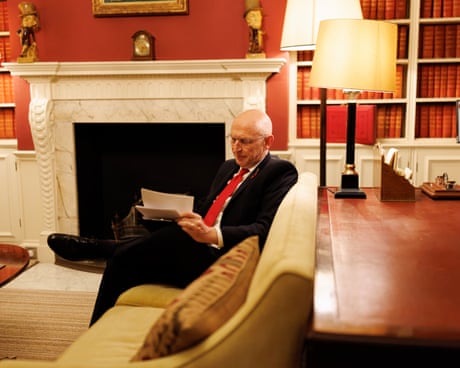
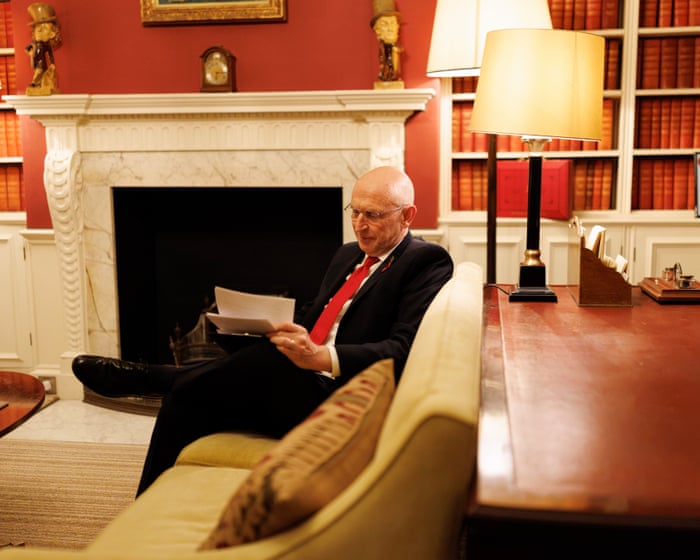
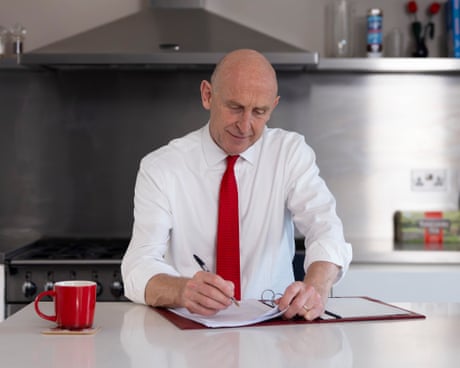
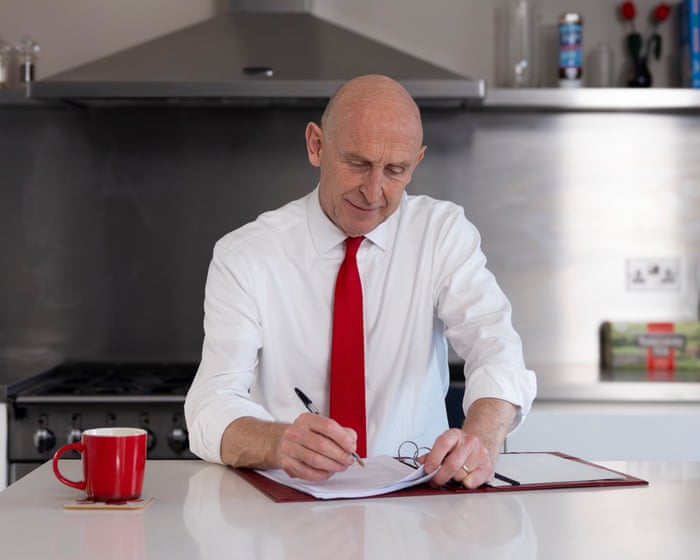
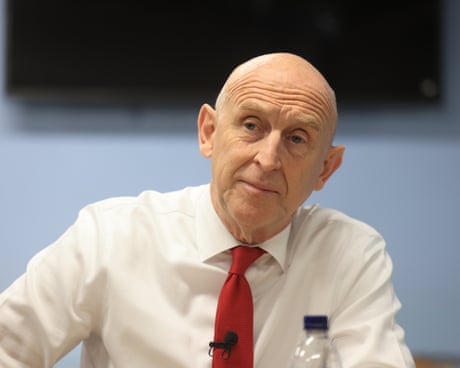
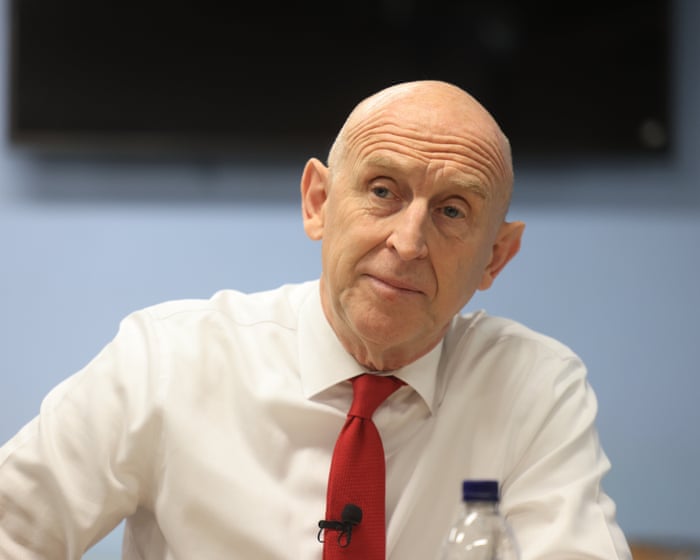
John Healey raised taxes on banks and landlords to fund a £100 winter handout for 20 million families as official forecasts made clear there is no end in sight for the cost of living crisis.
In his first budget, the chancellor blamed “global economic storms” for the grim outlook, as the war in Iran drives up oil and gas prices.
With no last-minute surprises, the proposed State Budget for next year was approved, in general terms, with only the governing parties voting in favor and PS, PAN and JPP abstaining.
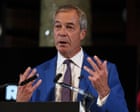
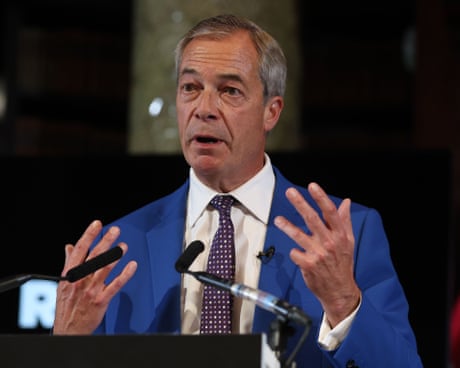
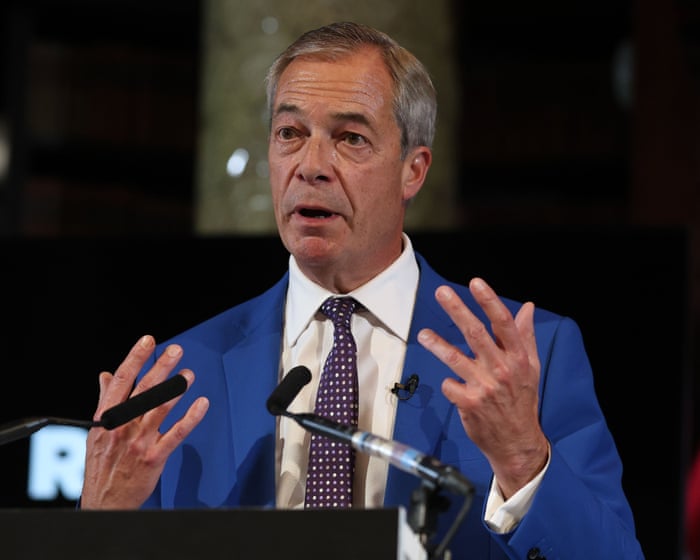
Nigel Farage skipped the chancellor’s first budget because he was worried he would get in a “physical altercation” with another MP in a row over seating arrangements.
The Reform UK leader was not present in the House of Commons but gave a press conference afterwards in which he said he was “shocked” by the £10bn going to support Ukraine and doubled down on his party’s policies on cutting tax for crypto investors.
Labour Chancellor John Healey has hit struggling workers, savers and landlords as he drives the tax burden to a new record high to fund energy bailouts and a mushrooming welfare bill in his Budget today.
The left-wing Labour Party government will raise fresh taxes on savings and property income as spending on welfare and foreign subsidies will continue to grow, recently installed Chancellor John Healey told the House of Commons on Wednesday.
British households face a “pretty grim picture” for living standards as the war in the Middle East drags down growth and triggers a fresh cost of living crisis, the government’s independent forecaster has said.
In a report as John Healey announced his first budget, the Office for Budget Responsibility (OBR) issued a sharp downgrade for growth in 2027, household disposable incomes and the public finances despite the measures taken by the chancellor.
John Healey promised to steer Britain through “global economic storms,” as he announced a package of measures to cut consumers’ energy bills, funded by a smaller-than-expected windfall tax on banks.
In his first budget, the chancellor said 20m households in council tax bands A to D would receive a £100 payment – a measure he said would cost £2.6bn.
The economy may be going to hell in a handcart, but at least John Healey has cut 6p from the daily supermarket bill. That will make all the difference to beleaguered households, says Alexander McKibbin.
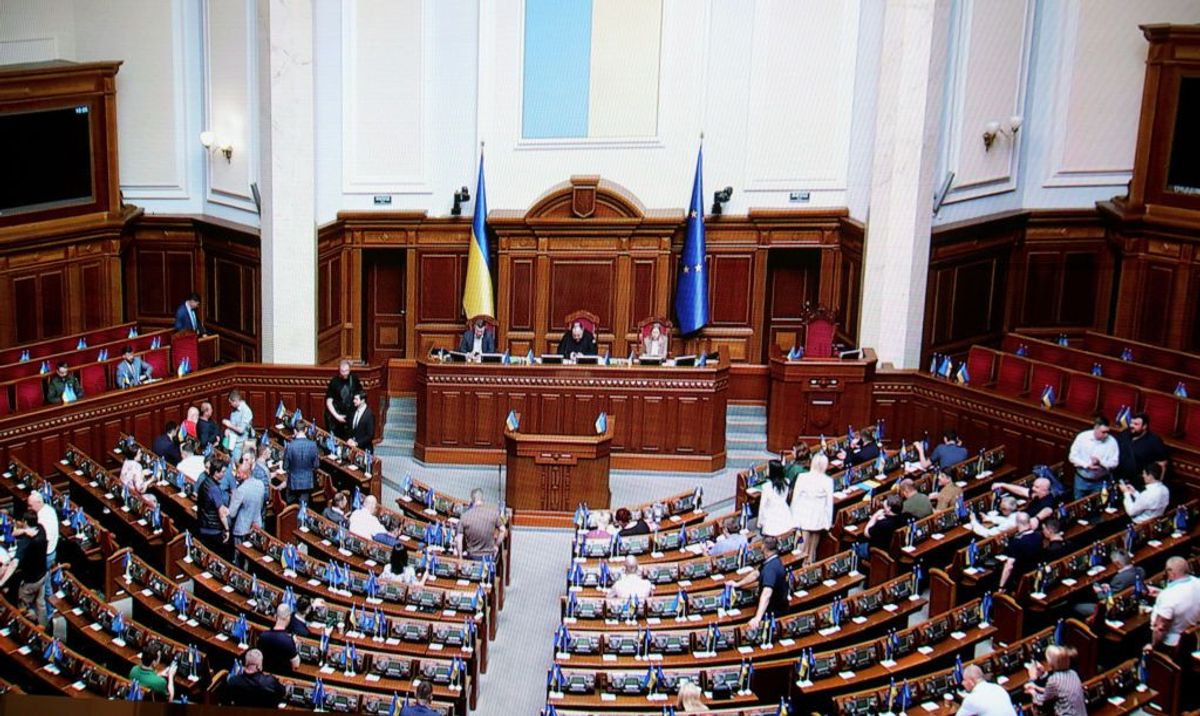
With security and defense allocations accounting for around two-thirds of planned expenditure and a projected deficit of nearly Hr 1.7 trillion ($37 billion), the budget highlights the challenge of funding the war while maintaining economic stability and meeting social commitments.
Martin Lewissaid that, when he met John Healey this morning, the chancellor said that, having removed standing charges from gas bills, he would also like to get rid of them from electricity bills. Lewis said:
The chancellor said he will be talking to Ofgem about how they get rid of the charge on electricity as well, but that is ‘trickier’ apparently and will take longer.
John Healey is to use his first budget to ditch plans to slash the annual cash Isa allowance, the Guardian understands, preferring a carrot rather than a stick to encourage people to invest more in shares.
City experts welcomed news that the chancellor will overturn a decision by his predecessor, Rachel Reeves, to cut the allowance from £20,000 to £12,000 a year from April to get more money flowing into UK company stocks.
John Healey is abolishing standing charges on gas bills for 23m homes in a move he says will end an “unfair and outdated” practice and save two-thirds of households an average of £45 a year.
Ahead of his first budget statement in the Commons later on Wednesday, the chancellor said he would ask Ofgem, the energy regulator for Great Britain, to remove these charges – which are £108 a year for the typical household – next year or as soon as possible after.
John Healey will present his first budget on Wednesday, which will set the tone for Andy Burnham’s premiership.
Despite the chancellor’s promises in the summer that the tax and spending event would not be beset by the leaks that preceded those of his predecessor, Rachel Reeves, both official and unofficial sources have indicated much of what Healey is likely to announce. Here’s what to expect:
Healey hopes to give ‘hope for the future’ but only modest policies are expected with important decisions deferred
John Healey has acknowledged the UK faces a “difficult moment” but insisted he would put the country on a better path as he delivers his first budget on Wednesday against a turbulent global economic backdrop.
But despite the international uncertainty, the chancellor will signal “fresh hope for the future” as he attempts to sound a more optimistic note, by providing households with breathing space from rising cost of living pressures.
But Shahar is angry that most carers hit with unjust overpayments in the past will still have to repay them, for all the promise of a different future. And he notes that the cliff edge remains in place for four more years, potentially catching out more carers.
The state-sector union Frente Comum (Common Front) has called for a national strike by public-sector trade unions on November 20. A resolution adopted at the plenary session held outside parliament
Ministers want to speed up and simplify the payment of farming subsidies by taking control of the EU’s multi-billion euro farming payment schemes, under a deal reached late on Monday night (26 October).
The agreement at a meeting of EU agriculture ministers in Brussels finalises the negotiating position of EU governments on the future of the bloc’s Common Agricultural Policy in its next seven-year budget.
The ‘negotiating box’ prepared by the Irish EU council presidency earlier this month for the 2028-34 multi-annual financial framework spared agricultural subsidies provided by the common agricultural policy from cuts worth a total of €141bn but proposed three-percent cuts, worth €24.6bn, to funding for National and Regional Partnership Plans (NRPP), which are intended to streamline the distribution of EU cash to governments for a variety of different policies including agriculture and fisheries.
The idea behind the NRPPs is to set up one single fund to provide support for farmers.
Each EU country would be expected to develop a single comprehensive plan outlining the reforms and investments it intends to implement from 2028 to 2034 and how it plans to use EU funds.
EU governments agreed on Monday that this planning process should be designed to give them far greater autonomy. They say that the recommendations the commission makes to member states regarding the design of support programs should not be binding.
The new system is set to prioritise ‘active farmers’, which sets a threshold of a minimum level of agricultural activity for farmers, as well as young farmers and small farmers.
This article continues, but the full version is available only to EUobserver.com subscribers. Visit account.euobserver.com/membership
The proposal sets the 2027 European Union budget commitments at €199.9 billion and payments at €212 billion. The Commission underlined that the ‘next year’s budget will continue to provide crucial funding for established EU political priorities, including major support for Ukraine’.
Background – 2027 budget procedure
The European Parliament is one of the two arms of the European Union’s budgetary authority, the Council being the other. The two institutions, assisted by the European Commission, decide on the budget in the annual EU budget procedure, within the limits of the long-term EU budget – the multiannual financial framework (MFF). It is the European Commission’s task to propose a draft budget each year. The Commission takes into account the views of the two arms of the EU budgetary authority, the European Parliament and the Council of the EU. The Economic and Financial Affairs Council (ECOFIN) agreed on its guidelines for the 2027 EU budget on 17 February 2026. The European Parliament adopted its guidelines for the preparation of the 2027 budget, Section III on 28 April 2026. Parliament underlined that ‘the final year of the current MFF must focus on delivery for people, the economy and the planet and on providing investments for competitiveness’.
Next steps
On 9 July 2026, the Commission plans to formally adopt the 2027 draft budget and publish it in all official languages. More information on performance will be presented in the Annual Management and Performance Report scheduled for 16 June 2026.
On 16 July 2026, Parliament, Council and Commission will meet for a first budgetary trilogue.
By mid-July 2026, the Committee of the permanent representatives of the governments of the Member States to the European Union (Coreper) will approve Council’s draft position on the 2027 draft budget. The Council is expected to adopt its position on the 2027 draft budget in September 2026.
In October 2026, Parliament is due to adopt its position on the 2027 draft budget.
Possible meetings of the Conciliation Committee are likely to take place between 27 October and 16 November 2026.
Greens say Labour has ‘no respect for young people’ amid reports chancellor will pause equalisation of minimum wage for under-21s with that paid to older workers
Jonathan Reynolds, the business secretary, has not contested reports saying that, in the budget tomorrow, John Healey, the chancellor, will pause the process of equalising the lower national minimum wage paid to people under the age of 21 with the more generous national living wage that applies to older workers.
In an interview on the BBC this morning, Reynolds was asked to respond to a story suggesting the equalisation process has been put on hold because of concerns about youth unemployment.
John Healey will announce plans to increase the minimum wage by nearly 4% but slow the rise for young people after warnings that they are being priced out of jobs.
The Times has been told that the national living wage, which applies to those aged 21 and over, is expected to rise from £12.71 to around £13.20 – an increase of 3.9%.
The manifesto pledge on equalisation still applies, but it was always clear it would happen over time and we would take into account, as the minimum wage uprating each year always does, the relative strength of the labour market and other pressures …
Of course, you want not just good wages, but good work. And the way this has always been done – it is a balance of making sure the pressures on the labour market are taken into account. That is the approach you will see confirmed [in the budget].
Anyone doing a day’s work, needs to be paid the same rate for the same job. A young person’s rent and food bill is no less because they are young, so they need to receive the same wage.
Healey and Burnham are now breaking a manifesto pledge to young people that even Starmer managed to keep. Labour have no respect for young people, who appear to just be there for cheap labour for the wealthy and their corporate donors.
[It] wouldn’t be my cup of tea, but I wouldn’t ban anybody from doing so … I don’t want us to get into a world of cancel culture.
I’m not going to have run a party where we say you can’t talk about that person or that person. We have to be sensible about vetting. And we are.

 Login