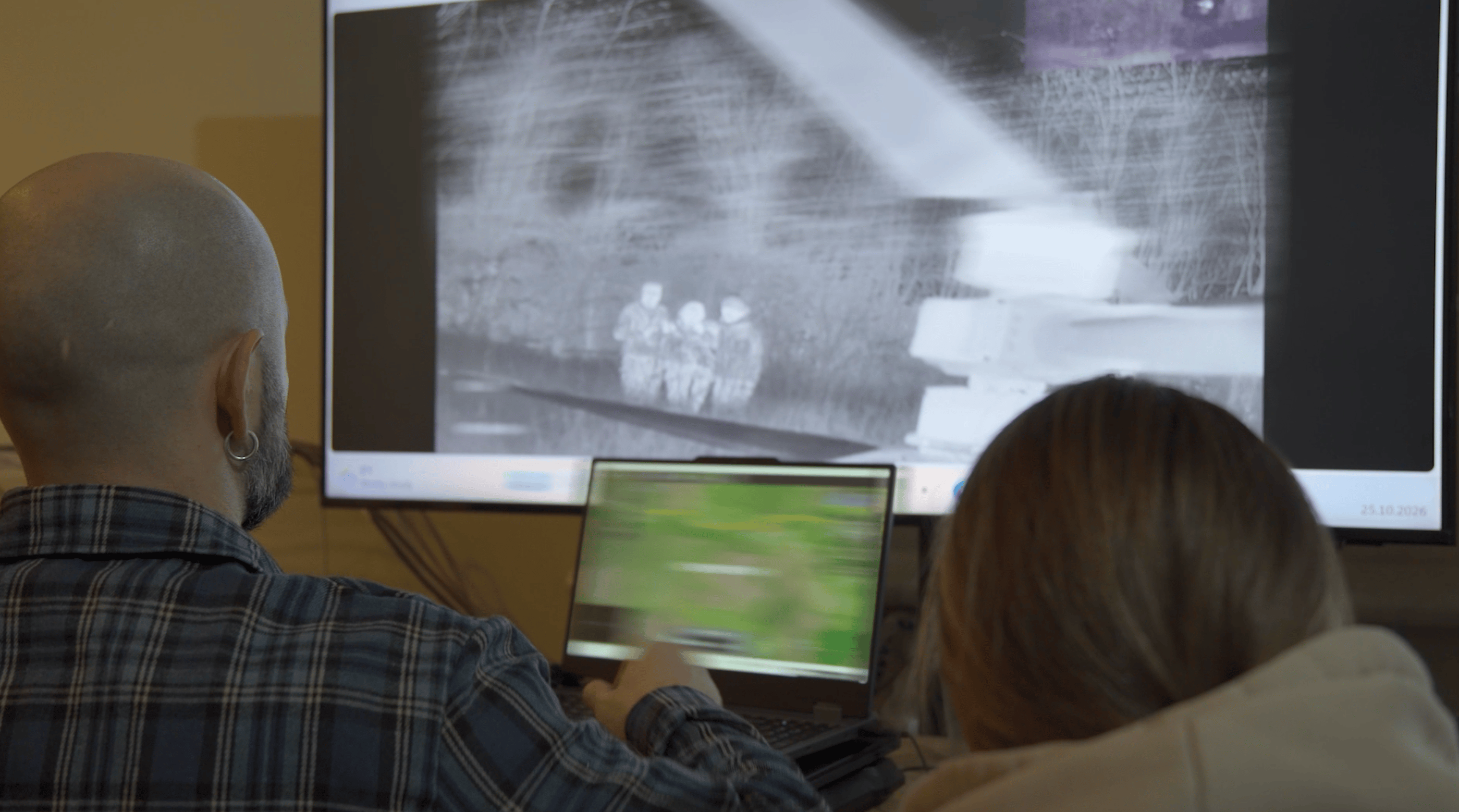
Ukraine may have to revisit its blackout measures if Russia begins mass-using the Susanin optical navigation module on Geran-5 drones and other drones and missiles at night, Serhii “Flash” Beskrestnov, a defense-technology adviser to Ukraine’s president, says. Road and highway lighting will be the first concern.
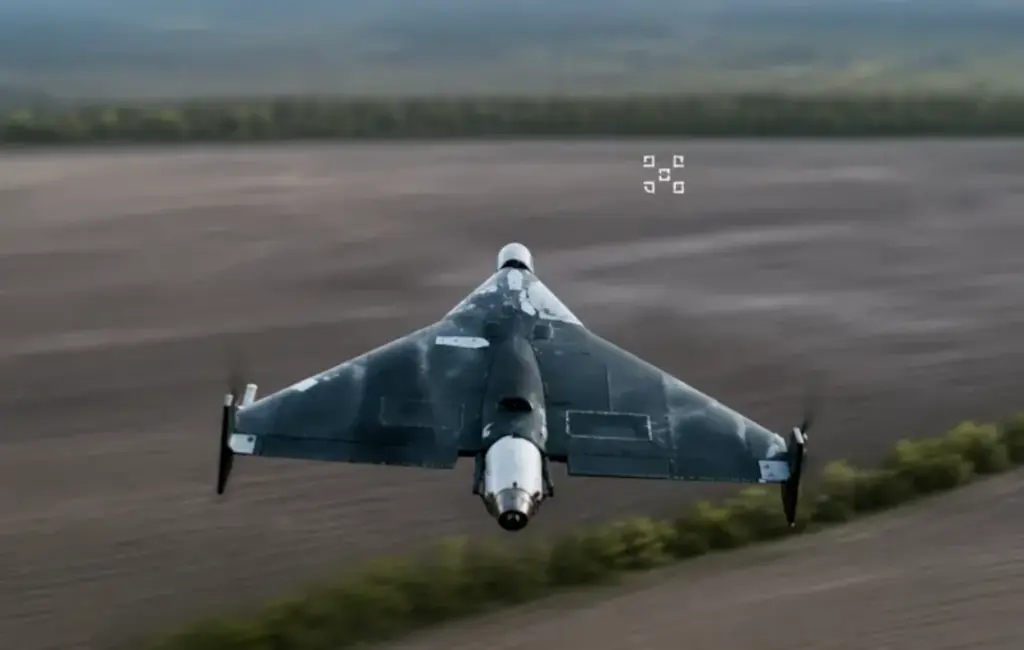
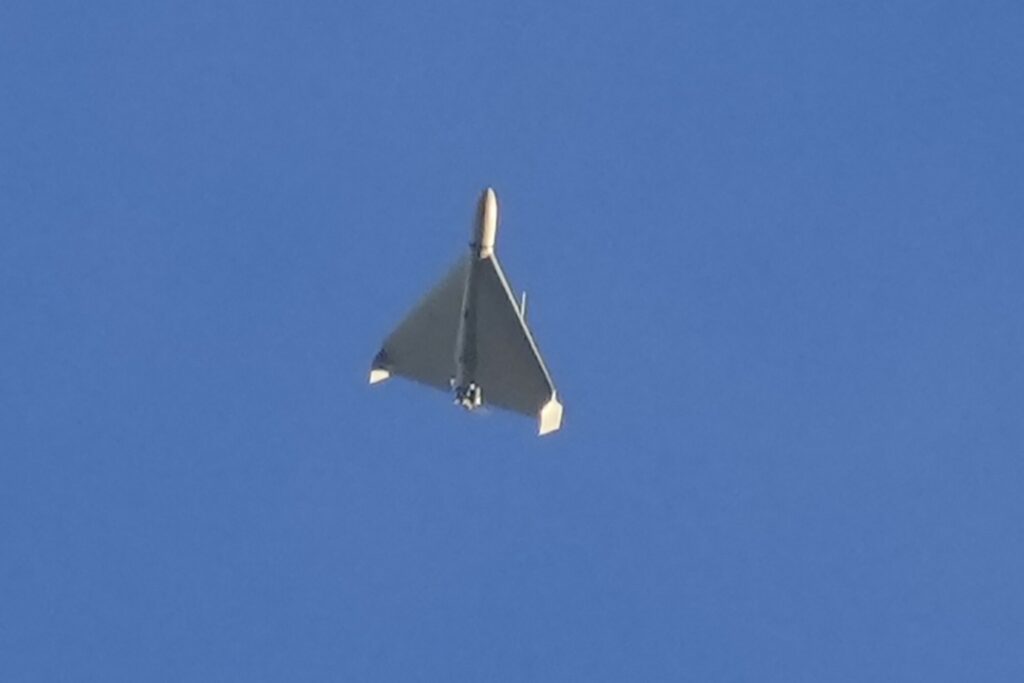
Russia keeps upgrading the weapons it sends against Ukrainian cities. It has already fitted its jet-powered Gerans with machine vision that lets them recognize and track targets on their own in the final seconds of flight, which Ukraine’s electronic warfare cannot easily defeat.
Flash says Ukraine would act deliberately this time
In 2022, Ukrainians switched off lights out of fear. Flash says that if optical navigation spreads, darkness may have to become a deliberate defense.
“If our enemy begins to use the Susanin optical navigation module en masse on the Geran-5 and other drones (missiles) at night, we may have to revisit the question of light masking,” Beskrestnov says.
This especially concerns the lighting of roads and stretches of highways, where cars are especially vulnerable to drone and missile attacks, with Ukrainian rescuers named being in a vehicle during a strike as one of the most dangerous places.
Meanwhile, Beskrestnov does not say how widely Russia already uses the module.
Russia’s air war grows faster and more frequent
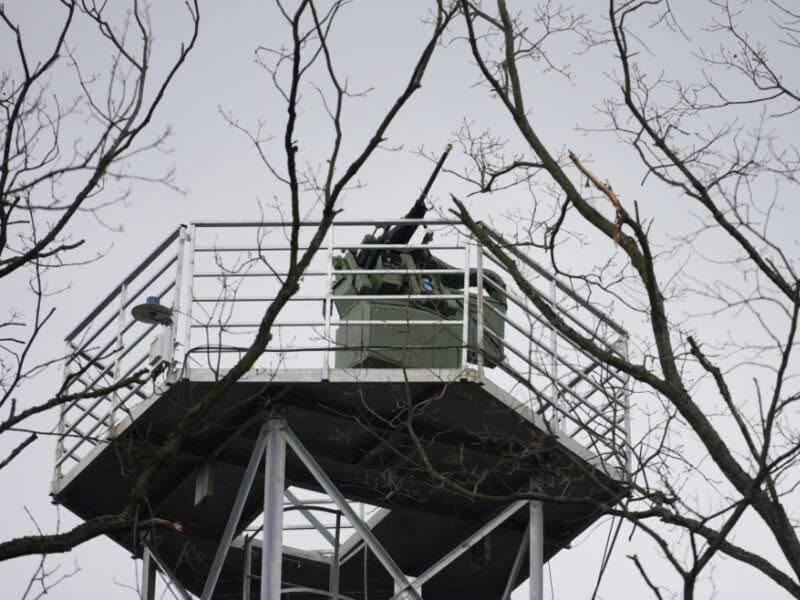
Jet-powered Gerans already fly too fast for the mobile gun teams and light interceptors that stop slower drones, and Ukraine is still testing jet interceptors of its own.
“Credit to the Russians. They know how to scale,” Serhii Bratchuk, spokesperson for the Ukrainian Volunteer Army, said in September.
By August, Russian forces were striking Kyiv almost twice a week on average, each attack costing the city about $12 million, Mayor Vitali Klitschko said. Ukraine’s Economy Ministry expects losses from Russian strikes to reach up to $10 billion this year.
Mechanics repair unmanned ground vehicles at the Lava Unmanned Systems Regiment workshop in the Kharkiv region.
Diego Fedele/Getty Images
A Ukrainian unit says its ground robot completed 93% of a 12-mile supply mission autonomously.
The robot used AI navigation, cameras, and 3D mapping to navigate the route.
The unit hopes to expand autonomous missions and reduce reliance on services like Starlink.
A Ukrainian military unit said on Wednesday that it successfully sent a ground robot on a 12-mile supply run, using AI to navigate for nearly the entirety of the mission.
The Lava Unmanned Systems Regiment of the 2nd Corps, or Khartiia Corps, of Ukraine's National Guard announced the completion of the autonomous logistics mission in a statement shared with Business Insider, calling it the "first of its kind under combat conditions."
The unit said that the robot completed 93% of its 20-kilometer trip on its own, delivering cargo and returning to its starting point autonomously, with an operator intervening for only 1.4 kilometers of the journey.
Before departure, a separate ground robot equipped with light detection and ranging technology, or LiDAR, mapped the route and terrain in 3D. Cameras on the supply bot detected obstacles while AI-powered navigation guided the robot.
"This mission has shown that autonomous ground systems are already capable of operating in real combat conditions," said Andrii Kopach, who serves as commander of the Lava Regiment's Unmanned Ground Systems Battalion.
"The biggest change is that the operator is no longer a driver but a dispatcher," he said. "Instead of controlling the vehicle every second, they monitor its movement and step in only when needed."
Kopach said that the unit's next ambitions are to enable a single operator to oversee multiple robots at once and expand autonomous missions to casualty evacuations. He added that more AI-powered ground robots would reduce dependence on "a constant control link," such as Starlink, a satellite internet service which recently saw major speed disruptions in Ukraine, negatively affecting front-line operations.
Ground robots have become an important tool for Ukraine, carrying out resupply, casualty evacuation, and assault missions. The Ukrainian military, and Western military leaders studying lessons from the war, hope that increased reliance on ground robots and aerial drones, as well as the increased integration of AI capabilities into these systems, can help reduce the risks to the troops who would otherwise perform those missions on increasingly dangerous battlefields.
Drones navais atingiram um navio cargueiro na costa búlgara do Mar Negro nesta quarta-feira (28), segundo o proprietário da embarcação e o governo do país. O ataque é o mais recente de uma série de incidentes que aumentaram a preocupação com a expansão do alcance da guerra da Rússia contra a Ucrânia.
Não está claro quem realizou o ataque ao navio grego, que navegava sob bandeira da Libéria na zona econômica exclusiva (ZEE) da Bulgária, nem qual era a carga transportada pelos 421 contêineres da embarcação.
“Um navio cargueiro foi atingido por três drones navais, a aproximadamente 21 milhas náuticas a sudeste de Shabla”, afirmou o ministro da Defesa, Dimitar Stoyanov, a jornalistas durante uma reunião regional de segurança.
O Ministério dos Transportes da Bulgária informou, em comunicado, que quatro embarcações da Marinha e da polícia foram enviadas para prestar assistência ao navio, que seguia do porto israelense de Haifa para Constanța, na Romênia. Os 18 tripulantes foram retirados da embarcação.
A proprietária do navio, a empresa Contships Management, confirmou o ataque. Um representante da companhia informou que todos os tripulantes estavam em segurança e em terra: 14 filipinos e quatro ucranianos.
Uma fonte de segurança marítima com conhecimento do caso afirmou que o navio sofreu danos graves e estava adernando.
Preocupação internacional
Ataques com drones contra navios mercantes na costa da Bulgária provavelmente causaram a morte de cerca de duas dezenas de tripulantes internacionais nas últimas semanas, segundo comunicados do governo sobre pessoas desaparecidas. Pelo menos seis embarcações comerciais foram atacadas.
Os ataques ocorreram na zona econômica exclusiva da Bulgária, área que se estende além das águas territoriais do país, mas na qual a Bulgária tem direitos exclusivos de exploração e gestão de recursos.
Os incidentes provocaram condenação internacional e preocupação com o alcance crescente da guerra na Ucrânia. Integrante da União Europeia e da Otan (Organização do Tratado do Atlântico Norte), a Bulgária tem buscado ajuda de aliados para reforçar a segurança marítima.
A Ucrânia atribuiu os ataques à Rússia, e o primeiro-ministro búlgaro, Rumen Radev, afirmou que os incidentes parecem beneficiar Moscou. O governo russo, porém, negou envolvimento.
Em um sinal da preocupação internacional, o ministro da Defesa da Turquia, Yaşar Güler, advertiu Rússia e Ucrânia nesta quarta-feira contra ataques a embarcações comerciais no Mar Negro. Ele afirmou que Ancara se reserva o direito de tomar medidas legais em resposta aos ataques.
China’s updated drone export rules will cover the engines in Russia’s Geran attack drones, Russia’s version of Iran’s Shahed, Ukraine’s sanctions commissioner Vladyslav Vlasiuk said on 27 October. He cited a clarification from China’s Commerce Ministry, Ukrainska Pravda’s defense desk Oboronka reported. The license requirement takes effect on 18 November.
Licensing itself isn’t new. China has required permits for some drone engines since September 2023. Even so, Chinese engines kept reaching Russian drone plants, some shipped as refrigeration units, Reuters reported. Russia’s jet-powered Gerans rely fully on Chinese turbojets, HUR deputy chief Vadym Skibitskyi has said. So the update’s value lies in enforcement, not in the list.
Three agencies, one list
Beijing issued the update in a joint announcement by the Commerce Ministry, the General Administration of Customs, and the Central Military Commission’s Equipment Development Department. Announcement No. 49 bars exports of listed drone items without a license, including specially designed autopilots and certain drone engines. China will approve applications that comply with the rules, a Commerce Ministry spokesperson added.
Explore further
China calls itself neutral—but its fiber ends up in the drones that hit Ukraine
Vlasiuk said the core of Russia’s long-range strike drones has formally come under control. He named engines for Gerans, turbojets for their jet versions, autopilots, and jam-resistant navigation. The announcement lists anti-jam navigation as a technology, not as hardware. He called the step an opening for Ukraine because Beijing now formally takes responsibility for these categories. Kyiv will press for the rules to be applied to known suppliers of Russia’s arms industry and, with partners, track licenses, transit routes, and re-exports, he said.
Permits, refusals, and FPV parts
Licensing does not mean a ban, Vlasiuk stressed. Exporters China deems reliable can get general permits for up to three years, while the rules leave broad grounds for refusal. The new thresholds do not cover motors and speed controllers for FPV drones, batteries, cameras, or optical fiber, he added.
The rules do cover brushless motors that meet all of these: at least 48 volts, at least 3 kW, a power density of at least 3 kW per kilogram, and no more than 3,000 rpm. Their speed controllers are covered too, Militarnyi reported. Russia could still obtain parts with Beijing’s approval, the outlet noted. Ukraine, without such close ties, could face delays, inspections, and higher costs.
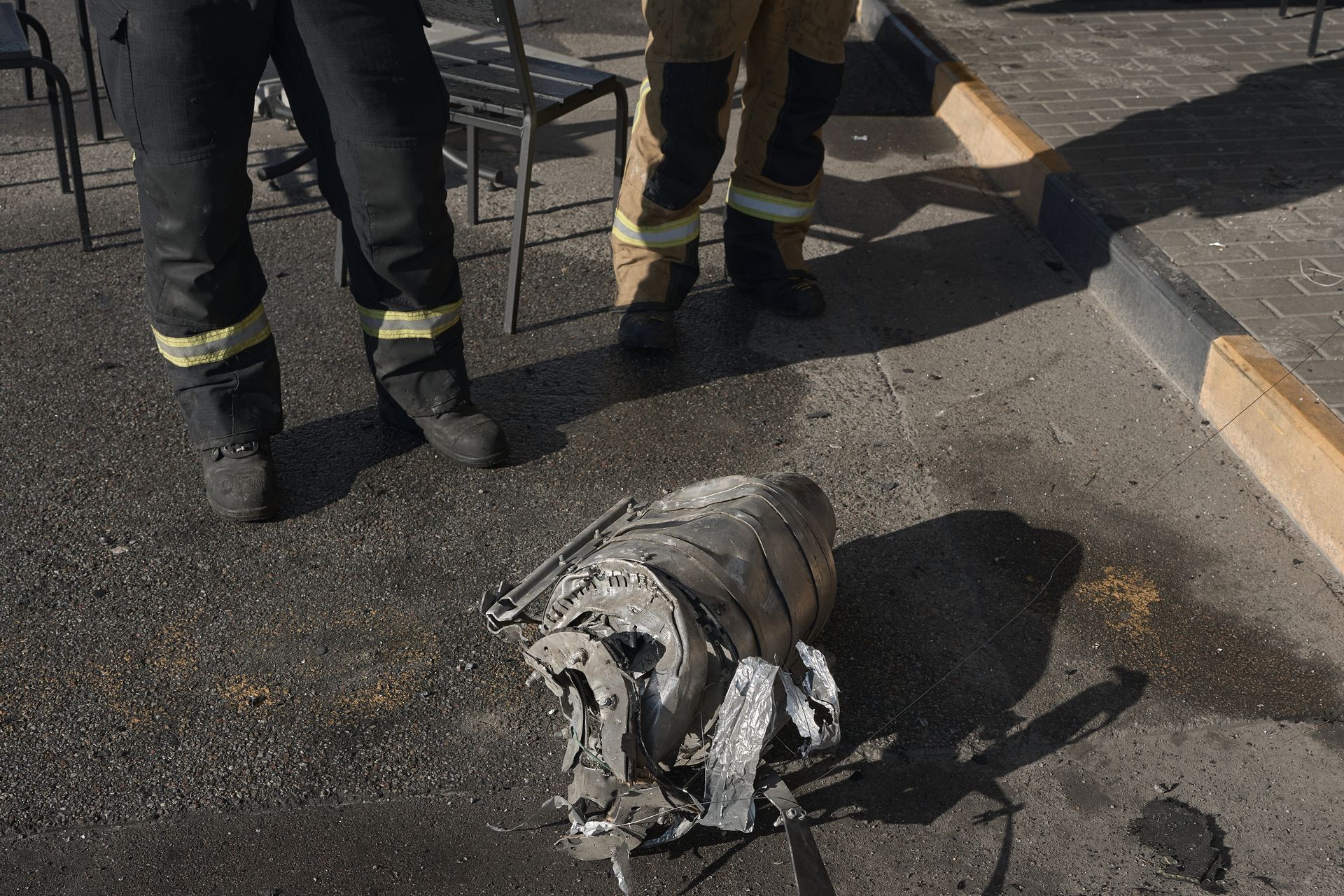
A small Russian cruise missile of an unconfirmed type came down almost intact in Odesa Oblast, Militarnyi reported on 27 October. Its box-shaped airframe looks unlike the Geran-5 variant whose name a presidential adviser gave it.
Militarnyi describes Russia’s work on the Geran-5 line as iterative: features tested on one version reappear in the next. A variant reported in late September can correct its route by images of the ground instead of satellite signals, which Ukraine jams, according to the monitoring channel Polkovnyk GSh. Official Ukrainian sources have not confirmed that system. The airframe found in Odesa Oblast looks shaped for a different problem: radar. Russia now builds 4,000 jet-powered Geran-4 and Geran-5 drones a month, Militarnyi says, most of them Geran-4. It is also building new launch sites for the Geran-5.
What the wreck shows
Local Telegram channel Odesa Info Live posted photos of the missile lying in open ground with little visible damage. Militarnyi described a compact cruise missile with a box-shaped fuselage, rounded edges, and a swept wing. The flat-sided body is probably meant to simplify production, the outlet said, and it may also cut radar visibility. A small turbojet engine exhausts through a V-shaped tail and draws air through intakes on both sides. Militarnyi read the dark composite skin as another measure against radar.
Serhii “Flash” Beskrestnov, the president’s adviser on defense technology, published the first photos of the new missile on 22 October. He wrote that it navigates optically and has greater range, speed, and flight altitude, and he labeled it the Geran-5 K5-K. However, Militarnyi noted that it looks substantially different from the K5-K variant already known by that name. In its 23 October overview, the outlet said Russia had started using two new small cruise missiles, probably developments of the Geran-5.
How Russia got here
Russia first used the original Geran-5 against Ukraine in early January 2026, Ukraine’s military intelligence (HUR) said, describing it as a jet-powered strike drone. Militarnyi now classes the whole line as small cruise missiles.
Until specialists open the airframe, its navigation, range, and speed rest on Beskrestnov’s word. What they find inside will show how much of the design is aimed at Ukraine’s radar.
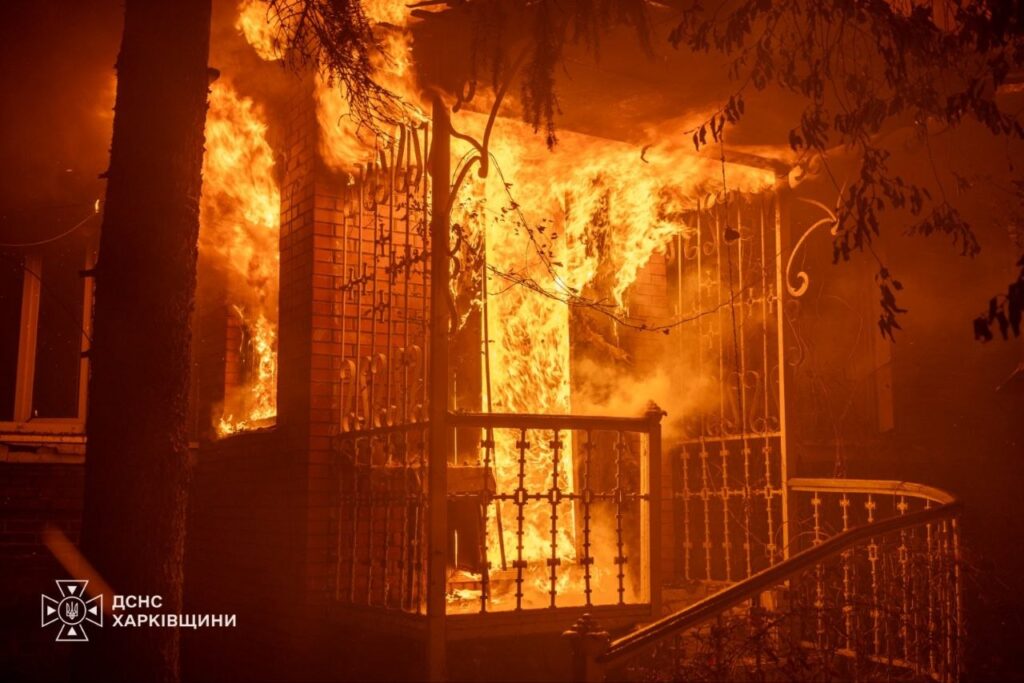
A Russian jet-powered drone set homes on fire in Kharkiv’s Osnovianskyi district during the night, Ukraine’s State Emergency Service (SES) reported. A small child was among the people hurt. Around 13:00 on 28 October, another Russian drone hit the same district, starting a fire, killing one person and injuring two, Kharkiv Mayor Ihor Terekhov said.
Of the 88 Shahed-type drones Russia launched from 18:00 on 27 October, 38 were jet-powered, the Air Force reported. By its preliminary count at 08:00, defenses had downed or jammed 31 of those 38. Several drones were still in the air. Russia also fired an Iskander-M or S-400 ballistic missile from Taganrog. Even so, Russian weapons hit eight locations, and debris fell on two more.
One strike, a casualty count that shifted
Kharkiv Oblast head Oleh Syniehubov reported a drone strike on the district at 22:42 on 27 October. At 23:12, he clarified that a child hurt in the strike had acute stress reaction. At 23:39, he listed four people hurt: women aged 32 and 65, a 56-year-old man, and a 4-year-old boy. Three went to hospital. Eight minutes later, he added that a 65-year-old woman had acute stress reaction. His morning summary of the day’s strikes lists two 65-year-old women in Kharkiv, one wounded and one with acute stress.
Aftermath of the strike on Kharkiv. Photo: State Emergency Service of Ukraine in Kharkiv Oblast
The SES put the number of people hurt at five, including the child. Rescuers said a jet-powered drone struck the area, starting a 2,500 m² fire.
Kharkiv’s last two days
The Osnovianskyi fire was part of a run of Russian strikes on Kharkiv and the area around it. On the evening of 26 October, Russian multiple rocket launchers hit the city’s Novobavarskyi district, killing two people and hurting four. That night, jet drones struck three places in Kharkiv district, which surrounds the city. One hit, in the settlement of Vilshany, left people hurt. The SES counted three injured that night.
Explore further
Russia strikes publishing house warehouse in Kharkiv on Ukrainian Language Day, adding to a campaign against Ukrainian literature and culture
During the day on 27 October, another Russian jet drone hit a warehouse in the city’s Slobidskyi district. Preliminary reports showed no casualties. Drones also hit the Shevchenkivskyi district that afternoon, wounding one person, Terekhov said. Another hit damaged an administrative building in the Kholodnohirskyi district, he added. Hours later came the strike on Osnovianskyi. Across Kharkiv Oblast, 14 people were hurt over the past day, including a child, Syniehubov’s morning summary shows. In Osnovianskyi, rescuers were again working under the threat of repeat strikes.
Drones com sensores estão sobrevoando São Paulo para ajudar a Enel à identificar pontos das redes de alta tensão que precisam de manutenção, além de identificar pontos que estão prejudicados e podem evoluir para falhas. Cerca de 759 voos de inspeção já foram realizados.
Segundo a Enel, a escolha de utilizar drones foi tomada pois eles ampliam a capacidade de inspeção nas áreas urbanas, regiões de vegetação densa, travessias, subestações e locais de difícil acesso.
A CNN Brasil teve acesso à informação em primeira mão.
Por ser um objeto que pode se aproximar dos equipamentos de eletricidade, o drone registra imagens de melhor qualidade, o que ajuda na identificação de problemas como aquecimento em conexões, trincas em isoladores, corrosão, perda de galvanização, parafusos frouxos, fios partidos, furtos de componentes e desgaste de acessórios.
Veja como é a visão do drone
A Enel também explica que a utilização dessa tecnologia diminuiu a necessidade de intervenções em campo, o que colabora para a segurança das equipes de manutenção, além de reduzir o tempo de mobilização para inspeções.
Em agosto deste ano, um dos planos de inspeção analisou cerca de 806 quilômetros de linhas e estruturas. Isso porque os drones possuem sensores LiDAR, que podem mapear vegetações e estruturas de rede com mais precisão, além de terem câmeras termográficas e RGB de alta resolução.
Helicópteros auxiliam as inspeções dos drones
Em casos de emergência, a Enel utiliza helicópteros durante essas inspeções, para ter uma visão mais ampla das linhas de transmissão e estruturas de rede. Segundo a companhia, os helicópteros atuam em casos de ocorrências ou eventos climáticos, para agilizar a avaliação e ter uma comunicação mais rápida com a equipe.
Veja como o helicóptero faz a inspeção com o drone:
Até o momento, os equipamentos conseguiram identificar 19 pontos de aquecimento, em cinco linhas de transmissão. Essas inspeções permitiram que equipes atuassem antes que a ocorrência ficasse grave.
Ukraine’s air defenses have been intercepting nearly 60% of Russian Geran-4 jet-powered attack drones over the past three months, with the interception rate reaching 80% during some attacks, Ukraine’s General Staff said.
Russia has increasingly used jet-powered drones in its attacks on Ukraine, adding a faster-moving threat to the Shahed-type drones Moscow deploys against Ukrainian cities and infrastructure. Ukraine is working to improve interception rates while reducing the cost of countering these aerial threats amid shortages of surface-to-air missiles.
The General Staff’s update did not mention interception rates for Russia’s more advanced Geran-5 jet-powered drone.
F-16s, Mirage jets help intercept Russian drones
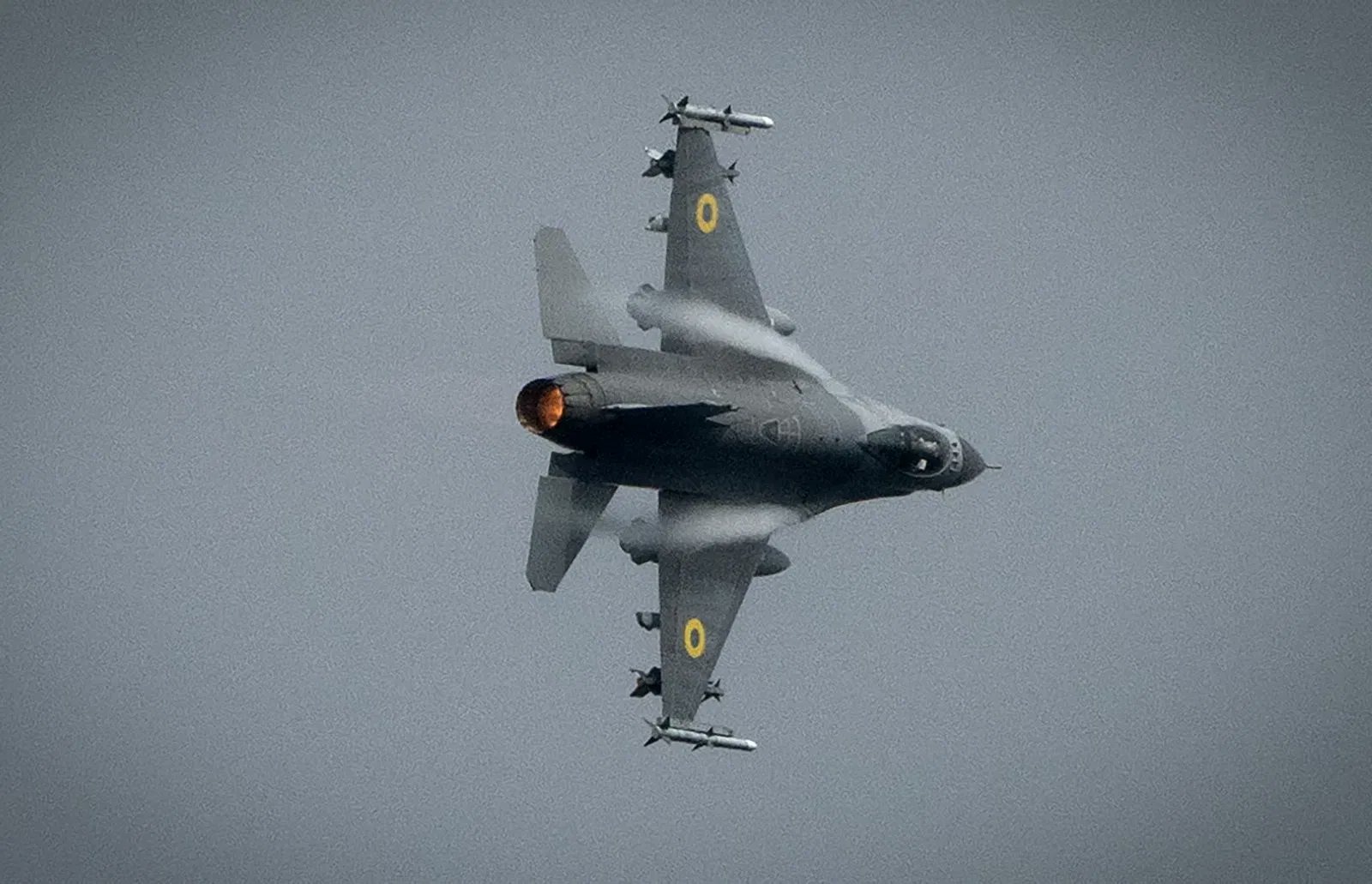
According to the General Staff, tactical aviation plays a significant role in destroying Russian jet-powered drones. Ukraine uses F-16s, French Mirage aircraft, and MiG-29 fighters to intercept them.
The military is also strengthening what it calls “short-range air defense” as Ukraine faces a shortage of guided anti-aircraft missiles. These systems include Gepard and Shilka anti-aircraft guns, newer Skynex, Skyranger, and Terrahawk Paladin systems, interceptor drones, and mobile fire groups deployed by different branches of Ukraine’s Defense Forces.
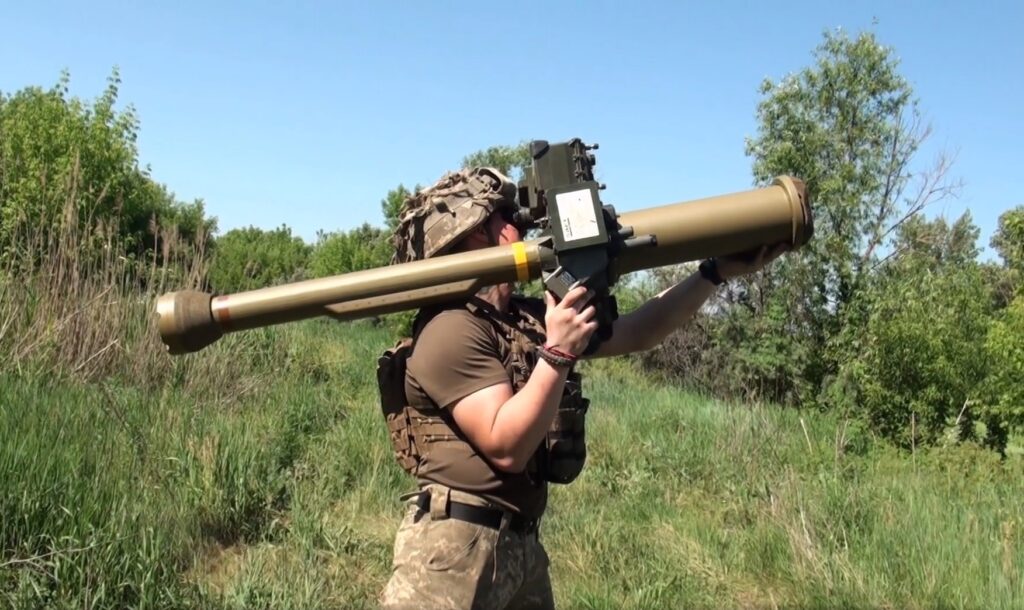
Mobile fire groups are equipped not only with machine guns and supporting equipment but also with man-portable air-defense systems (MANPADS). Ukrainian troops have been successfully using these missiles to shoot down Russian jet-powered drones, the General Staff said.
A Ukrainian soldier with an LMM Martlet MANPADS. Screenshot: Ukrainian Air Assault Forces, via Militarnyi.
Explore further
Denmark rushes 50,000 cannon rounds to Ukraine to help F-16s hunt Russia’s advanced jet drones
Ukraine tests cheaper drone interceptors
Ukraine is also seeking to lower the cost of countering Russian aerial attacks by testing new interceptor drones.
According to the General Staff, some models have already downed dozens of Russian Geran jet-powered drones. The military did not provide further details about the interceptor models or the number of drones destroyed.
The rising interception rate reflects Ukraine’s efforts to adapt its air defenses to Russia’s evolving drone campaign while preserving scarce and expensive air-defense missiles for threats that require them.
German defense AI firm Helsing has unveiled Contra, an AI-run air defense system and two interceptor missiles designed to chase Russia’s jet-powered Geran drones, the company announced on 26 October. Officials pitch it as cheap, but it won’t reach the market this winter.
That leaves Ukraine on its own defenses as Russia shifts to jet drones. By early October, jet models made up about 40% of Russian drone launches, and Ukraine’s own interceptors for them won’t arrive in needed numbers before late November, Air Force Deputy Commander Yurii Cherevashenko said.
Two missiles, one AI brain
Contra is the command layer of air defense: it links radars and other sensors, tracks incoming drones and missiles, and assigns a weapon to each target, while people keep control over decisions, Helsing said. Besides the company’s own missiles, it can also use other firms’ interceptors, lasers, guns, or nets. AD-1 Inferno is jet-powered and designed to loiter, swarm, and re-engage targets, while AD-2 Ambush, a solid-fuel rocket, is designed to reach Mach 2.5, over twice the speed of sound, and a range of more than 20 km, the company said.
Inferno, with a 700 km/h speed and a 20-km range, would be the everyday shooter. Ambush would handle “leakers,” drones about to hit the ground, said Maxwell Adams, Helsing’s senior product director. Each shot should cost under $100,000, company officials said.
Built for the faster Gerans
Ukraine once downed 90% of Russia’s slower, propeller-driven Gerans, copies of Iran’s Shahed, Defense News reported. Russia has since fielded thousands of jet Geran-4s and Geran-5s flying at 400–700 km/h, and almost half now get through, Helsing co-founder and co-CEO Gundbert Scherf said.
Ukraine’s own nightly rates swing widely. On 28 September, President Zelenskyy put the shoot-down rate for jet drones at 57%. Overnight on 7 October, it exceeded 82%, National Security and Defense Council Secretary Ihor Klymenko said. Russian output of the two models has reached 4,000 a month, Helsing said, citing unspecified intelligence reports.
Explore further
German company introduces AI-powered HX-2 drone for Ukrainian military
Helsing has signed one Contra contract, Scherf said, but the system is still in testing, and he expects it on the market in the second half of 2027. Ukraine already uses Helsing’s HX-2 strike drones. Scherf said they should be integrated into a system like Contra.
One morning in June, the head of export at Ukrainian drone company Stellarion found himself unexpectedly in need of a U-Haul outside the Detroit Metro Airport in Michigan.
Stellarion was set to test its drones in front of American soldiers at a competition organized by the Pentagon at Camp Grayling,
Shotguns have been a last line of defense against drones in Ukraine. The US military has also embraced this tactic.
US Marine Corps photo by Lance Cpl. Mhecaela Watts
A shotgun-armed drone has joined the Blue UAS List of approved uncrewed systems.
Skyborne Technologies said it built the drone to withstand a shotgun's recoil.
The Blue UAS List helps the US military and other federal agencies identify vetted drones.
A drone armed with a shotgun has been added to the Pentagon's list of uncrewed systems approved for purchase by the US military and other federal agencies.
Shotguns are commonly seen as a last line of defense against uncrewed aerial systems. Now, US troops could find themselves using a drone armed with one instead.
Earlier this month, Skyborne Technologies' AI-enabledCerberus MI was approved for the Blue UAS List. The drone is a small, man-portable UAS that the company says was specifically designed to absorb the recoilof attached weapons. The company says the aircraft weighs about 40 pounds, can fly for roughly 35 minutes when armed, and engage targets at a range of over 300 meters.
Instead of simply mounting a shotgun on a commercial, off-the-shelf drone, Skyborne purposefully designed and built the aircraft with the recoil of a CHAOS12-gauge shotgun in mind.
In addition to the shotgun,Cerberus MI can also be equipped to carry a HAVOC 40mm low-velocity grenade launcher. An operator can send the drone into action, fire its weapons, and fly it back for reloading. According to Skyborne, that makes it a reusable alternative to one-way attack systems that are typically destroyed after striking a target.
The idea of arming drones with shotguns isn't new. Ukrainian defense company 3DTech, for example, developed a drone equipped with a six-barrel recoilless shotgun system to shoot down enemy drones. Other companies are pursuing similar technology, including Federal Ammunition, Mossberg, and Palladyne AI, which are collaborating on the SwarmShot project.
The Pentagon's Blue UAS program was established in 2020 to identify drones that meet US government standards, particularly cybersecurity and supply chain rules. Last year, the Defense Contract Management Agency launched an official website cataloging the models approved for use.
The DCMA said that the list would expedite the process of getting drones into troops' hands as the US Department of Defense and other federal agencies push to rapidly integrate uncrewed systems into operations. Drones, drone parts, and software are part of the program.
A major focus of the list is identifying drones that meet restrictions on Chinese-made components.According to the Association for Uncrewed Vehicle Systems International, Chinese companies control 90% of the commercial drone market. US officials have raised concerns about Beijing's leverage over the market.
Fighter jets, including F-16s, Mirage aircraft, and MiG-29s, play a significant role in intercepting Russian jet-powered drones, according to the General Staff.
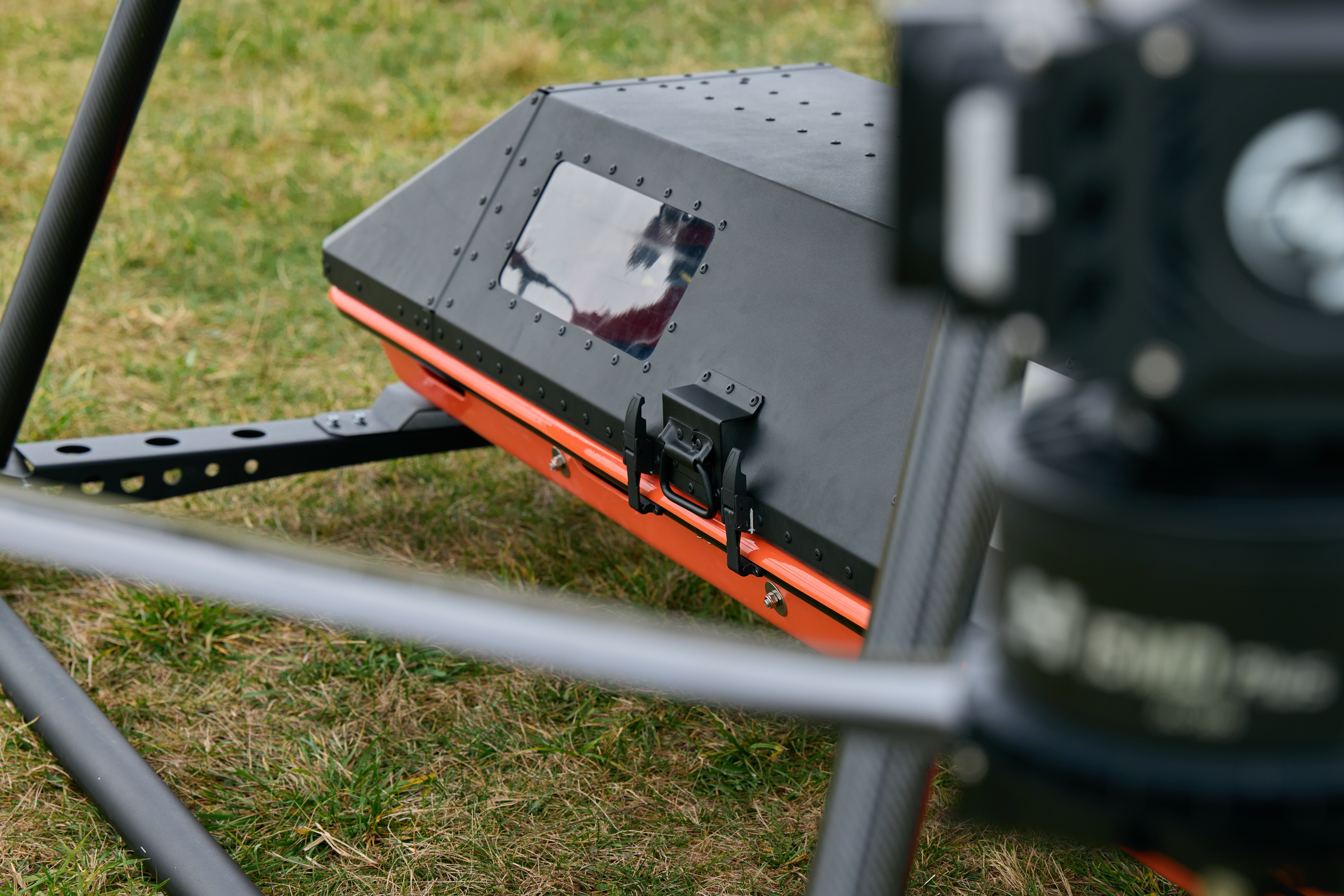
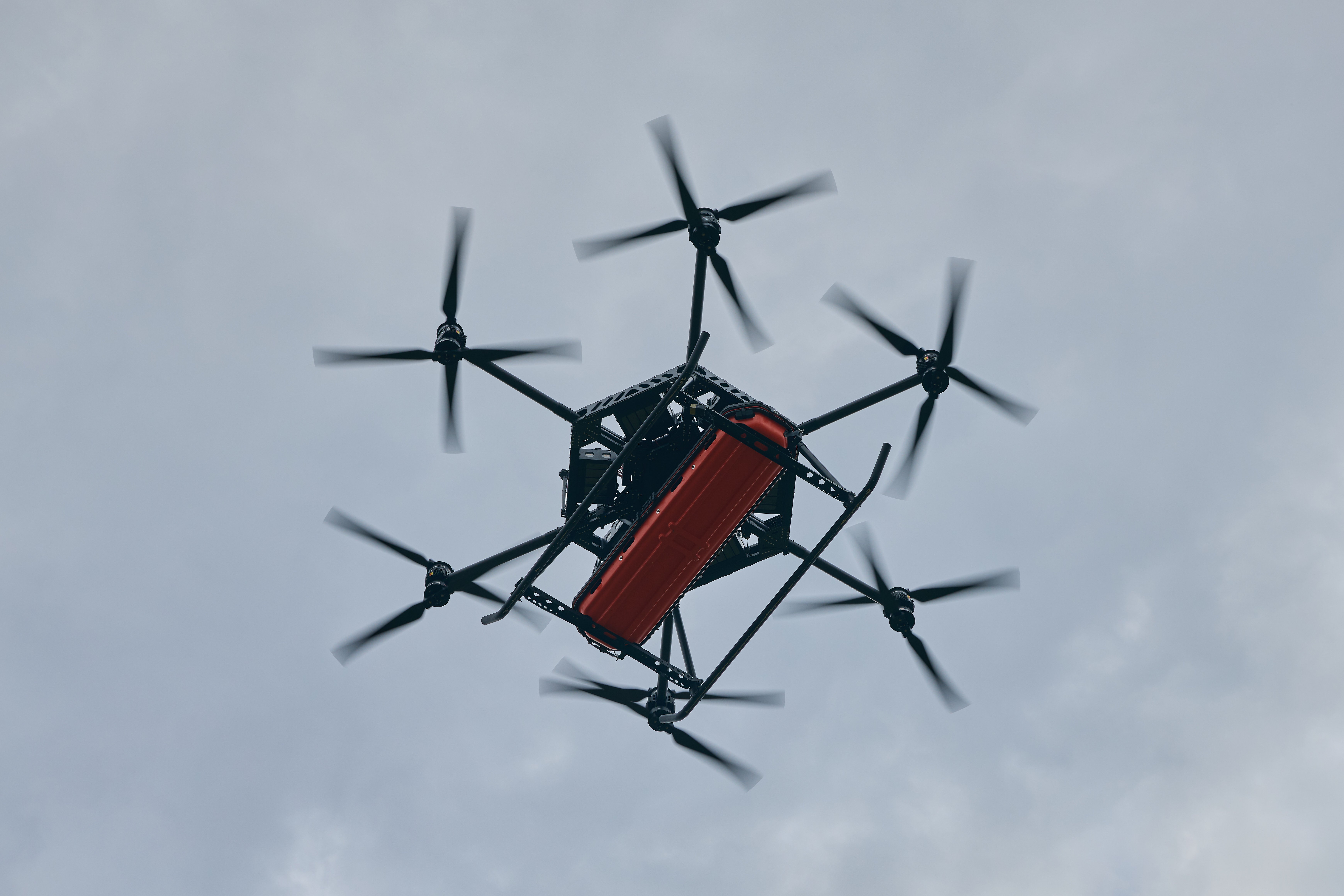
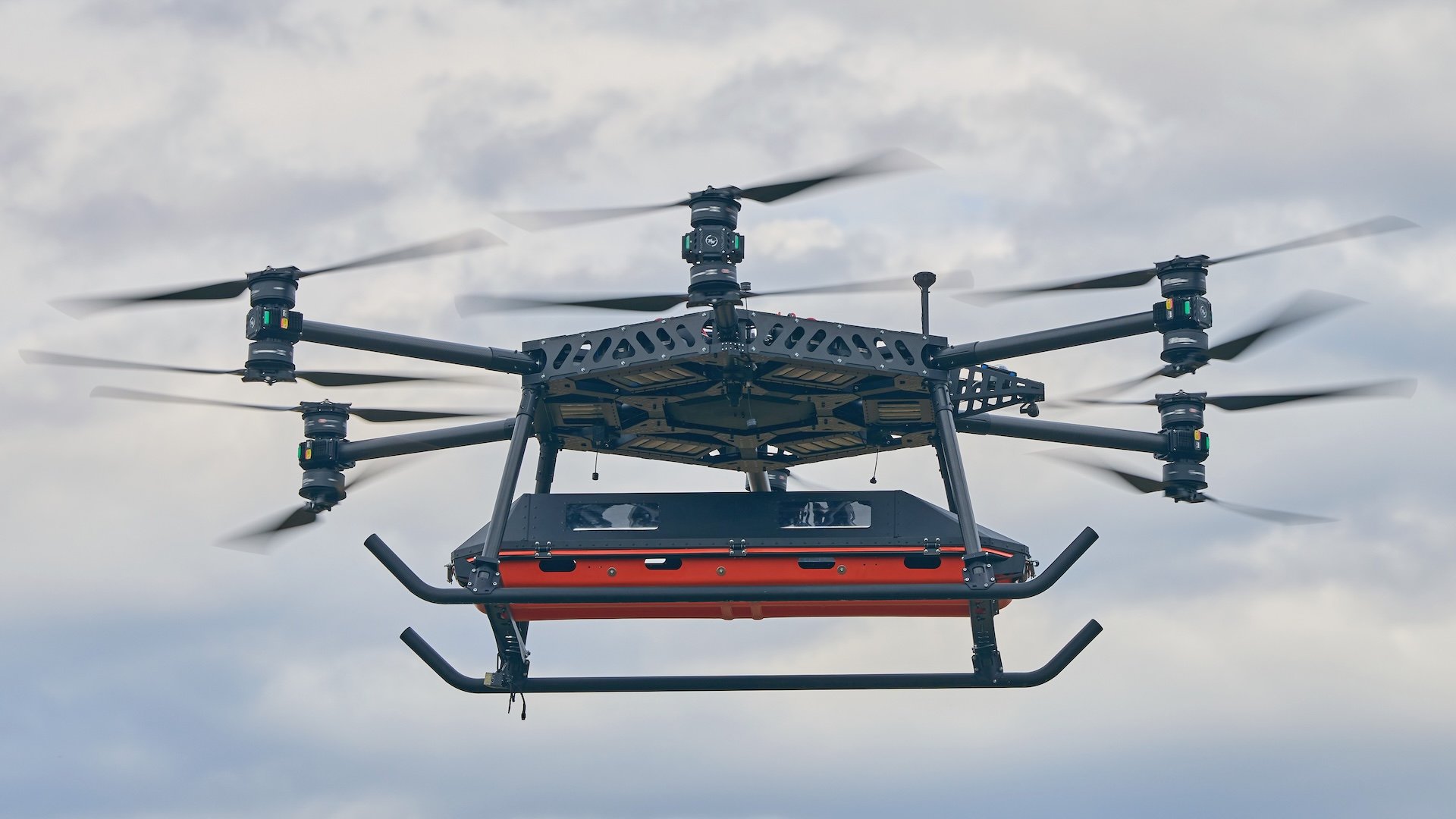
Ukraine’s 475th Separate Assault Regiment, known as CODE 9.2, says it has used the StarGate uncrewed aerial platform to evacuate two seriously wounded soldiers from the battlefield in the span of a week. Reportedly, this is the first time the specialized drone has been used for an operation of this kind. It is not, however, the first instance of Ukraine using an aerial rescue drone on the battlefield, with the more extemporized heavy hexacopter also having been used recently, as you can read about here.
Taken together, the missions underscore Ukraine’s efforts to develop alternative casualty evacuation capabilities as Russian drone threats, electronic warfare, and harsh terrain increasingly complicate conventional recovery operations, including those using uncrewed ground vehicles (UGVs).
According to CODE 9.2, on its Facebook page, the regiment’s personnel carried out two complex evacuation missions using StarGate, a platform developed and manufactured by Ukrainian company SkyFall. The two wounded servicemen were 25-year-old Yevhen, callsign “Izyum,” and 24-year-old Artem, callsign “Kolobok.” Both belonged to adjacent units and had suffered severe limb injuries while occupying positions in a so-called gray zone approximately three miles from the Russian border.
Difficult terrain, including water obstacles, and the threat posed by Russian first-person-view (FPV) drones prevented ground vehicles from reaching the casualties, the regiment said. Air evacuation was the only available option.
Drone operators watch as two soldiers carry their injured comrade to the SkyFall drone for evacuation. CODE 9.2/screencap
The missions were planned and executed by CODE 9.2 personnel with support from SkyFall. They required coordination among multiple units, additional forces and equipment, and dedicated fire support — much like a more traditional casualty evacuation effort involving crewed helicopters. Vampire heavy strike drones were employed to suppress enemy positions during the operations.
“The injury tore off half of my foot, so a lot of blood was lost already,” Izyum said in a video interview from his hospital room. “I think if that incredible little bird hadn’t flown in, well, getting out from there would have been unrealistic.”
During one of the missions, StarGate reportedly flew nearly 20 miles to reach the casualty before covering approximately the same distance on the return leg with the wounded serviceman aboard. CODE 9.2 said Russian electronic warfare systems were actively attempting to suppress satellite navigation signals in the area.
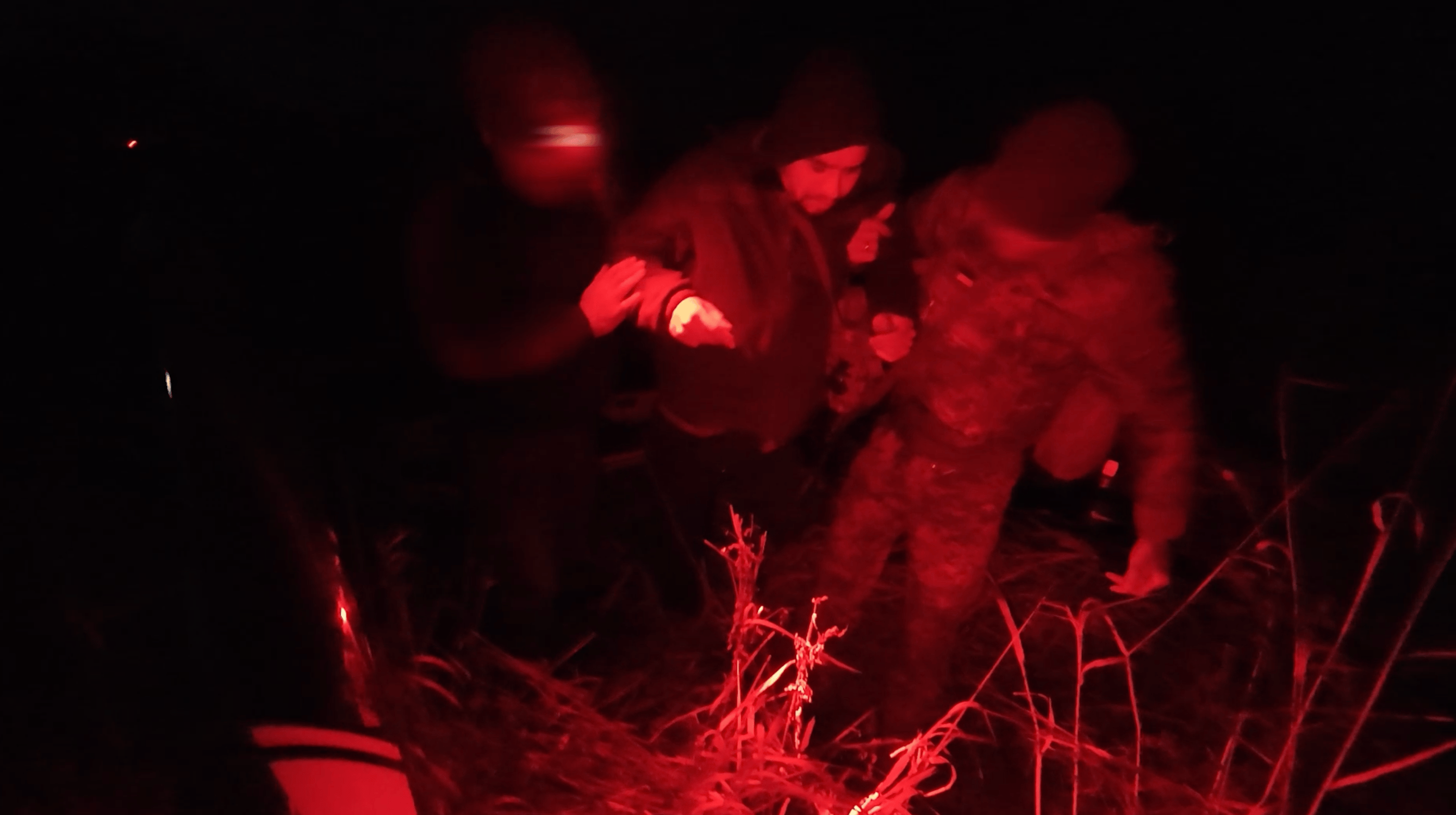
An injured soldier is helped out of the drone after recovery to a safe area. CODE 9.2/screencap
Despite the reported interference, the platform completed the mission using its onboard artificial intelligence-based navigation system, according to the regiment. The statement did not specify the navigation technologies involved.
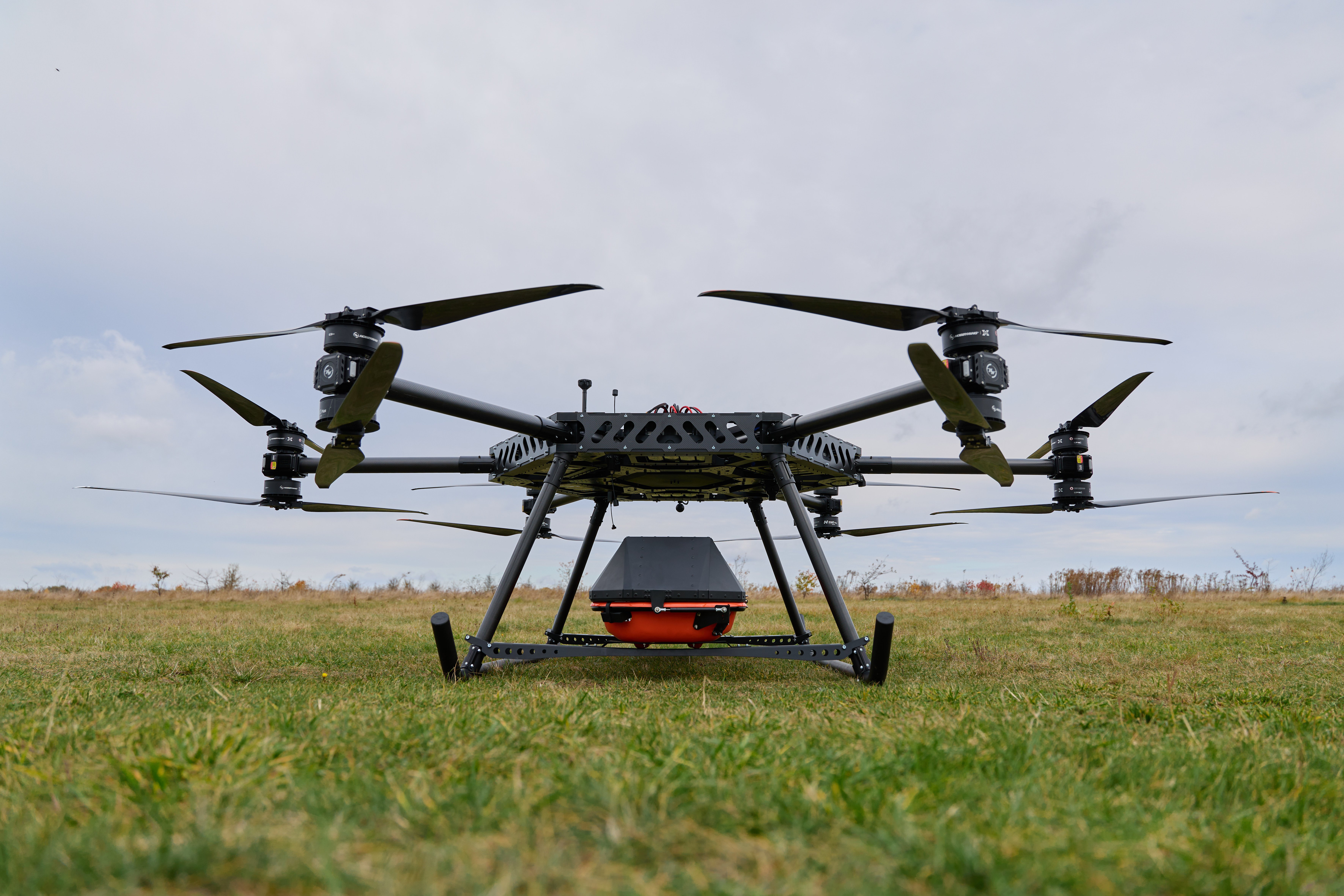
StarGate was designed specifically for casualty evacuation, or CASEVAC, when conventional ground transportation cannot reach wounded personnel or would expose them to unacceptable risks. Its stated specifications include a payload capacity of up to 330 pounds and a maximum speed of approximately 65 miles per hour. The evacuation module is based on a covered, medical-grade stretcher.
StarGate on the ground. SkyFall
Oleksandr Nastenko, commander of CODE 9.2, callsign “Flint,” said the regiment intends to use the experience gained from the two missions to train crews and make aerial evacuation a more established capability. The regiment also plans to set up a dedicated aerial medical evacuation unit within its medical company.
The StarGate missions follow a separate reported operation involving the 92nd Assault Brigade, which says its personnel helped evacuate a wounded soldier using a heavy-lift hexacopter drone, produced by Gurzuf Defense, with the casualty suspended beneath it, as seen in the video below:
This drone was reportedly an Audag-6 model, which is said to be capable of carrying a 200-pound payload over a distance of up to 15 miles.
In that incident, the soldier had been wounded while holding his position. Once again, aerial extraction was judged the only suitable option; in this case, due to the presence of mines and intense Russian drone activity.
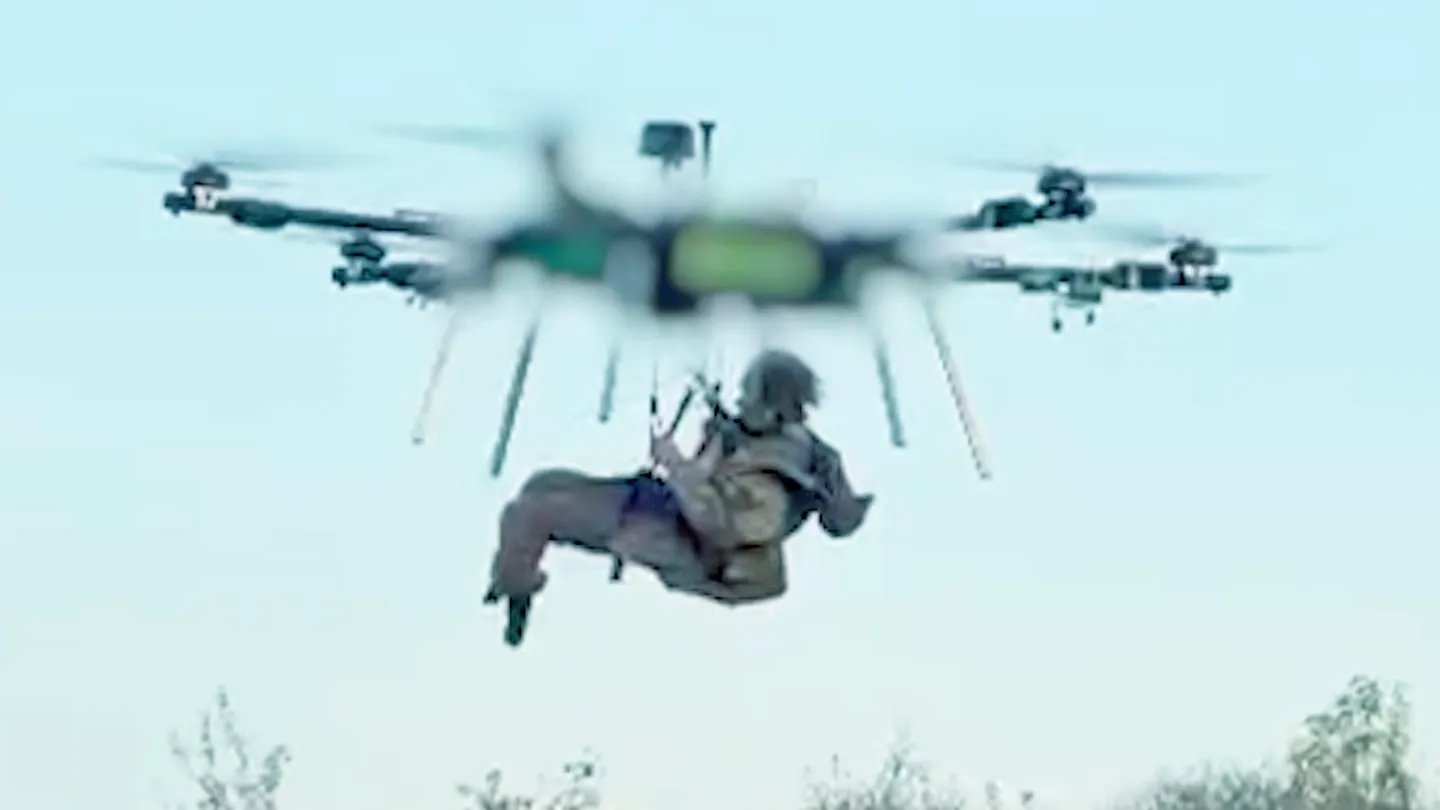
This was a more improvised approach, which the brigade described as the world’s first frontline aerial drone evacuation of a wounded soldier. Compared to Stargate, the Gurzuf drone brings some drawbacks with it, including casualty stability, exposure to the elements, the risk of swinging during flight, and the difficulty of safely lifting and lowering a severely injured person. It subsequently emerged that the soldier involved, Kostiantyn Vlasenko, had been forced to amputate his own foot as part of a 491-day ordeal on a frontline position.
A soldier clipped to the underside of a Gurzuf drone via a harness is flown to safety. 92nd Assault Brigade/YouTube screencap
This was not the first time that Ukrainian forces have adapted existing drone technology to effect battlefield evacuations.
TWZ also previously reported on a Ukrainian soldier who managed to escape from the Russians that surrounded him after an electric bike was dropped to him by a large aerial drone.
As a purpose-built platform, StarGate offers a more standardized way to secure and transport casualties, and to transport them protected from the elements, in a secure, prone position. However, StarGate still faces the challenges of flying in contested airspace and navigating under electronic warfare conditions. Once again, depending on the degree of injuries, the casualty may need assistance being put on the stretcher and, regardless of the degree of medical care that can be provided, StarGate is only an option if already available in proximity to the victim.
Close-up view of the StarGate stretcher. SkyFall
The fact that the StarGate missions also needed strike drones for fire support underscores that casualty recovery, whatever the platform being used, typically requires coordination across multiple combat elements.
Despite the limitations, CODE 9.2’s plan to create a dedicated medical aviation element indicates it wants to move beyond one-off missions toward a repeatable capability.
StarGate in flight. SkyFall
As with other emerging technologies from the war in Ukraine, this is likely to be studied by other armed forces, too. The U.S. military, for example, has long looked at the potential of uncrewed aerial systems to effect casualty evacuation missions, as you can read about here.
Meanwhile, the challenges of that conflict mean that Ukrainian troops continue to explore different ways to recover wounded troops from positions that more conventional evacuation methods can no longer safely reach.
Ukrainian postal company Nova Post has established its own private air defense capability and has already shot down Russian Shahed attack drones, company co-owner Viacheslav Klymov said on 27 October, according to Interfax-Ukraine.
As Russia increasingly targets Ukrainian factories, warehouses, transport hubs, and other civilian infrastructure, localized air defense is becoming more important. Ukraine’s expanding private air defense program allows businesses to help protect their facilities while operating within the country’s military air defense command system.
“We are one of the few companies that has implemented this project. I don’t want to disclose figures, but we have Shahed shootdowns,” Klymov said at the 12th Kyiv International Economic Forum, according to Interfax-Ukraine.
Klymov also argued that businesses can take on responsibilities that were previously considered exclusively the state’s domain. He pointed to firefighting as another area where companies can strengthen their own response capabilities.
Nova Post employees already extinguish many fires caused by Russian attacks on the company’s facilities without waiting for the State Emergency Service of Ukraine (DSNS) to arrive, he said. Large businesses are also looking for fire engines in Europe to establish their own firefighting units.
Aftermath of Russian strikes on a Nova Poshta warehouse in Sviatopetrivske near Kyiv on 28 August 2026. Photo: Anton Ovsienko/Facebook
Private air defense expands across Ukraine
Ukraine began allowing private companies to establish air defense units under a government-approved framework in November 2025. These units operate under Air Force command, with the military coordinating their missions and integrating them into the national air defense network.
Nearly 100 companies have reportedly joined the experimental program. About 50 air defense groups had been formed, and crews from six companies were already carrying out combat missions. By 14 October, the groups had downed more than 60 aerial targets, mostly Russian drones, according to Ukraine’s Defense Ministry.
The program allows participating businesses to help defend industrial sites and critical infrastructure using capabilities that include interceptor drones and remotely operated heavy machine guns. The approach adds another layer of protection without requiring the military to cover every facility with its own units.
The need for such protection has grown as Russia continues launching long-range attack drones against civilian and industrial targets across Ukraine. Localized air defense can help protect specific sites and reduce the burden on military units, although it remains part of a coordinated national system rather than an independent replacement for military air defense.
Explore further
Ukraine’s air defense goes private: businesses can now buy point coverage for their own sites
Not every company sees private air defense as the answer
The approach has its limits. On 26 October, Kateryna Zahorii, chair of the board of directors of major pharmaceutical company Darnytsia, said her company had studied private air defense but decided against deploying it, Interfax-Ukraine reported.
Zahorii said the changing nature of the threat could make the investment difficult to sustain, as companies might need to keep upgrading their defenses. Darnytsia is instead prioritizing attack monitoring, employee shelters, and safety procedures. The company has been hit by Russian forces three times in September, according to NV.
A new video transmitter for Wild Hornets’ drones, including its STING interceptors, has passed state tests, the Ukrainian drone maker told Militarnyi. The module sends a drone’s camera feed to its pilot. The company expects it to widen its interceptors’ operating radius.
Russia launched 140 Shahed-type drones at Ukraine overnight on 26 October and 280 the next night, when its main target was Kyiv, Air Force figures as of the morning show. Interceptor drones, which cost dozens of times less than the Shaheds they hunt, are one of Ukraine’s answers. The STING alone downed more than 3,000 drones in its first seven months of use, Wild Hornets says. If the company’s estimate holds, a 30 km radius would let each ground station cover more than twice the area it covers at 20 km.
What the testers checked
Specialists from the State Research Institute for Testing and Certification of Arms and Military Equipment and the Defense Ministry’s State Quality Assurance Directorate confirmed the module’s declared characteristics on three drone types, the company said. The three were the STING interceptor, the Queen of Hornets cargo platform, and the 10-inch Wild Hornets Digital anti-aircraft drone.
Some of the drones’ figures exceeded the values the company had set for them, Wild Hornets told Ukrainian defense outlet Oboronka, without saying which ones. Those figures will enter the official specifications after further field tests, it said.
More than double the power
The module, called HV VTX Pro, is part of an upgrade to Wild Hornets’ Hornet Vision digital video system. It more than doubles the transmitter’s maximum power, to 4 W. That sends a clear picture farther and makes the feed steadier in crowded airwaves and under electronic jamming, the company said.
Hornet Vision Ctrl system. Photo: Wild Hornets
Wild Hornets first described the module in August, when it was already in serial production. Its interceptors’ operating radius would grow from around 20 km to 30 km, the company said at the time. That estimate assumed good line of sight and the 360-degree antenna on its ground stations, according to a company statement Interfax-Ukraine quoted. Interception could also become at least 20% more effective against targets flying extremely low, the statement said.
Wild Hornets is a Ukrainian company that designs and builds drones, from strike FPV drones and cargo platforms to the STING, which the company says flies at up to 280 km/h to hunt Shaheds. Its drones serve with more than 100 units of Ukraine’s Defense Forces, from the army and the National Guard to military intelligence, the Air Force, and the border guard, according to Interfax-Ukraine.
Russia is expanding drone storage at the Hvardiiske military airfield in occupied Crimea, Ukrainian OSINT channel Dnipro Osint reported on 26 October, citing new satellite images. The channel did not say who took the images or when. Ukraine’s Security Service (SBU) said it struck drone hangars at the same airfield in July, and the military said strikes on 13 October damaged four drone storage sites nearby.
Hvardiiske has stayed in use since then. Ukraine’s General Staff has listed it among the sites Russia launched attack drones from in every daily report since 7 October. The airfield was on the list again on 24, 25, and 27 October, the night Russia aimed its main strike at Kyiv. The new construction, as the channel describes it, adds protected storage at a base Ukraine has already shown it can reach.
Shelters and “garages”
The images show more than 20 small shelters under construction, each protected by earth berms, the channel said. It also counted about 40 smaller structures it calls “garages.” It said they are meant for storing, servicing, and preparing Geran drones for launch.
Geran is the name Russia gives the Iranian-designed Shahed drones: the Shahed-136 became the Geran-2, which Russia now builds itself. The images show at least one hangar damaged by a Ukrainian drone hit, Dnipro Osint noted.
Launched from vehicles
Hvardiiske, north of Simferopol, uses mobile launch platforms instead of fixed installations, according to Dnipro Osint. Crews load drones onto specially equipped vehicles, which then launch them from the runway.
Struck repeatedly since June
On 24 June, the SBU said it hit infrastructure at Hvardiiske and at the Saky airbase. On 3 July, the SBU reported that its drones struck two hangars at Hvardiiske that stored Shaheds and aviation equipment. Ukraine’s General Staff said its forces struck the airfield again overnight on 5 July, and the SBU said a day later that it hit three hangars with aviation equipment there. A strike on 3 August destroyed nine aviation-fuel tanks and damaged two aircraft hangars, the General Staff said. Strikes on 13 October damaged four drone storage sites near Hvardiiske, with signs of secondary detonation, it reported two days later.
Not the only base Russia is building up
Hvardiiske is not the only Russian drone base Ukrainian OSINT channels have flagged this month. On 13 October, the anonymous channel Absolutely Reliable Source said Russia had nearly finished the first section of a launch site for jet-powered Geran-5 drones near Millerovo in Rostov Oblast, with eight launcher positions and 32 drone-preparation spots. Hvardiiske and Millerovo were both among the launch areas the General Staff listed for the night of 27 October, when Russia launched 280 Shahed-type drones, 69 of them jet-powered, with Kyiv as the main target.
The highest number of casualties Ukrainian drones inflicted on the Russian military was recorded in March, with almost 34,000 soldiers killed or irrecoverably wounded.
 Login