Alors que les Israéliens se rendent aux urnes ce mardi, parmi les électeurs figurent deux millions de citoyens palestiniens d’Israël, dont certains habitent dans des villes mixtes, juives et arabes. L’une d’elles, Lod, a longtemps été perçue comme le symbole de cette coexistence. Pourtant, en 2021, la ville a été le théâtre de violents affrontements, dont les conséquences se font encore sentir aujourd’hui. Reportage de Stéphane Amar et Sandra Lederer.
As Israelis head to the polls this Tuesday, among those voting are 2 million Palestinian citizens of Israel, some of whom live in mixed Jewish-Arab towns. One of them, Lod, has long been seen as symbolic of this coexistence. However in 2021 the town was the scene of violent clashes, whose consequences are still being felt. FRANCE 24's Stéphane Amar, Sandra Lederer and Josh Vardey report.
Le Premier ministre israélien Benjamin Netanyahu est à la tête de son pays, quasiment sans interruption, depuis près de 17 ans. Parviendra-t-il à se maintenir au pouvoir à l'issue des élections législatives de mardi ? Son dernier mandat a plus que jamais divisé la société israélienne et restera marqué par les attaques du 7-Octobre, sa gestion des conflits à Gaza, en Iran et au Liban, ainsi que par sa réforme judiciaire controversée. Reportage de David Gilberg.
Israeli Prime Minister Benjamin Netanyahu has led his country almost continuously for nearly 17 years. But will he manage to retain power following Tuesday's election? Netanyahu's latest term has divided Israeli society more than ever and will be marked by the October 7 attacks, his handling of the conflicts in Gaza, Iran and Lebanon, as well as his controversial judicial reform. FRANCE 24's David Gilberg reports, with Lauren Bain.
À Singapour, traquer la jeunesse éternelle n'est plus un fantasme de milliardaire, c'est un business florissant. Des cliniques high-tech, des laboratoires de longévité et des entreprises promettent de repousser les limites de la vieillesse. Suivi métabolique permanent, tests génétiques, supplémentations massives, oxygénothérapie... tout est passé au crible et optimisé. Pour certains, l'objectif est clair : reculer l'âge biologique de vingt ans et rester performant, proactif et compétitif.
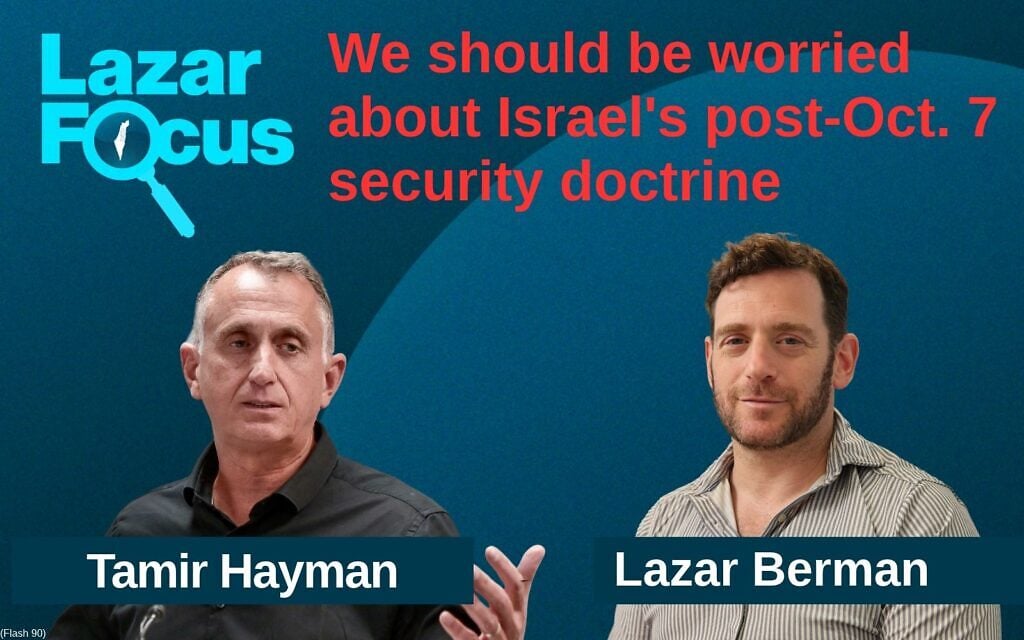
The head of the INSS and former military intelligence chief warns that the emerging concept doesn't see peace as the goal, and is looking to replace the US alliance
Alors que les Brésiliens s'apprêtent à retourner aux urnes pour le second tour de la présidentielle ce dimanche, nos journalistes nous emmènent au coeur des favelas, où les habitants vivent dans des conditions insalubres. En quarante ans, la superficie occupée par les favelas brésiliennes a presque triplé. Elles couvrent aujourd’hui environ 460 000 hectares, contre 53 700 en 1985.
As Brazilians head to the polls on Sunday for the second round of presidential elections, our correspondents take us to the heart of the country's favelas, where residents live in unsanitary conditions. Over the past 40 years, the area occupied by Brazilian favelas has almost tripled in size. They now cover around 460,000 hectares, compared with 53,700 in 1985.
Tuesday, October 20 saw protests in more than 50 US cities against the rise of artificial intelligence. Demonstrators are calling for a moratorium on AI development, and the sentiment is shared by many: according to a recent study, 71 percent of Americans believe AI will lead to job losses. In the heart of Silicon Valley, record investment is now on a collision course with public fear and uncertainty. FRANCE 24's Pierrick Leurent and Valérie Defert report, with Wassim Cornet.
Le mardi 20 octobre, des manifestations ont eu lieu dans plus de 50 villes américaines lors d'une journée de mobilisation nationale contre l’essor de l’intelligence artificielle. Les manifestants réclament un moratoire sur son développement. Une inquiétude qui gagne du terrain : selon une récente étude, 71 % des Américains pensent que l'IA entraînera des destructions d'emplois. Au cœur de la Silicon Valley, entre investissements records et craintes grandissantes, le contraste est saisissant. Reportage de Pierrick Leurent et Valérie Defert.
French schoolteacher Samuel Paty was killed on October 16, 2020 after false rumours circulated about racism following one of his lessons in which cartoons from the satirical publication Charlie Hebdo were shown. For the first time since his murder, journalists from France Télévisions were allowed to film inside the school where he taught in Conflans-Sainte-Honorine, near Paris. They met a new generation of young people, who are determined to play their part in the fight against terrorism.
Due parole sull’insediamento di cui il Papa ha chiesto a Putin l’evacuazione. Alcuni analisti si sono detti perplessi che la richiesta di tregua fosse rivolta alla Russia. Questo perchè Oleshky ...
L'amministrazione Trump isola Zelensky accusandolo di boicottare la pace in Ucraina. Intanto, l'unica vera mossa per i civili arriva dal Papa con Putin.
Kyiv's mayor, Vitaly Klitschko, has advised those residents who can "temporarily relocate" for the winter to do so. That advice has been met with derision at best from many residents, who say his administration is responsible for failing to better prepare the Ukrainian capital for Russian attacks. In particular, they complain of a severe shortage of adequate bomb shelters.
Il 9 ottobre la Chiesa celebra il grande cardinale inglese, proclamato Dottore della Chiesa da Leone XIV nel 2025. Il suo insegnamento, dalla centralità della coscienza al rapporto tra fede ...
San Francesco d'Assisi non è un'icona green o un pacifista relativista. Un'analisi rigorosa smonta la manipolazione ideologica del Poverello per restituirci la verità storica e teologica.
Following months of consultations with energy experts, Mexico is preparing to tap its shale oil and gas reserves using one of the world's most controversial extraction techniques: fracking. The process is already used to extract oil in the southeastern state of Veracruz, where local communities have long complained of pollution and environmental damage. But the administration of President Claudia Sheinbaum is seeking to reduce Mexico's reliance on the United States and – eventually – achieve energy self-sufficiency. FRANCE 24's Quentin Duval and Laurence Cuvillier report.
With just two days to go before the first round of Brazil's presidential election, artificial intelligence is taking centre stage, whether it's a deepfake avatar of former president Jair Bolsonaro to support his son's candidacy, or an AI-generated working-class female voter criticising President Luiz Inacio Lula da Silva. According to the Brazilian intelligence agency, disinformation will be one of the main challenges of this election. Our correspondents report.
Nel discorso celebrativo della presidente Meloni ( https://www.youtube.com/live/ ), la retorica della sovranità e della stabilità nazionale si sovrappone direttamente alle politiche di allineamento atlantico ed europeo, evidenziando diverse criticità rispetto ...
Analisi geopolitica della nuova fase del conflitto: la guerra logistica in Ucraina sposta il fronte sulle retrovie. Magazzini dual-use, strategie di Mosca e impatto socio-economico.

 Login