 Login

Midterm, Trump corre contro i sondaggi. L’ombra della sconfitta agita la Casa Bianca
A sei giorni dalle elezioni oltre 35 milioni di americani hanno già votato



Trump confirmou que os Estados Unidos deram visto para Bolsonaro e sua família e voltou a citar, sem provas, desconfiança sobre o processo eleitoral no Brasil.
Notícias relacionadas:
“Não vou fazer comentário sobre isso, mas eu sei que demos a ele uma autorização para entrar no país. Mas eu não vou me envolver. Foi uma eleição muito estranha, isso é certo”, disse Trump.
Mais cedo, após fugir do Brasil para os Estados Unidos, Flávio Bolsonaro divulgou uma carta em que agradece aos presidentes da Argentina, Javier Milei, e dos Estados Unidos, Donald Trump, pelo apoio recebido para sair do país.
No documento, o candidato derrotado afirma, sem provas, que a eleição brasileira foi fraudada e critica a decisão do ministro do Supremo Tribunal Federal Cristiano Zanin de estender o prazo de votação até as 19h. Zanin atendeu a pedido das campanhas do PL e do PT.

Masked Immigration and Customs Enforcement (ICE) agents carrying long guns swept through working-class neighborhoods in San Juan, Puerto Rico between October 22-25. About a dozen workers, largely Dominican immigrants, were reportedly detained from Río Piedras, Capetillo, Villa Palmeras, Villa Capri, and Barrio Obrero. Local leaders and community members have expressed outrage over the ICE deployment to the island. Protests have also broken out, demanding ICE out of Puerto Rico and elevating calls for independence from the United States.
During the operations, federal agents claimed that they were detaining criminals, but locals say they were all hard working people, many with families.
The Dominican Republic sits about 50 miles from Puerto Rico. Dating back to the pre-Colombian era, the Caribbean has always been closely linked by migration and maritime mobility. There has never been a time where the islands existed in isolation.
That might help explain why immigration arrests and deportations are being met with such deep rejection.
Puerto Rico’s Senate opposition spokesman, Luis Javier Hernández Ortiz and the mayor of San Juan, Miguel Romero have all condemned the ICE raids.
Romero ordered the municipal police to not assist federal agents with any ICE operations. The island’s American Civil Liberties Union (ACLU) branch also condemned the raids and characterized the operations as a pattern of violence and intimidation.
“We strongly reject the massive deployment of ICE agents who, in a threatening manner and armed with long guns, continue occupying the streets,” said Annette Martínez Orabona, executive director of the ACLU of PR, in a statement.
ICE had no judicial warrant for anyone they arrested, said the legal director of ACLU of PR, Fermín L. Arraiza-Havas, speaking to El Grito Media.
Local officials blame the island government’s alleged “voluntary handover” of data for making the sweeping operations possible.
The ACLU of PR says the Puerto Rican government gave ICE the personal information of thousands of immigrant drivers, in violation of a 2013 confidentiality law. The information was handed over by Transportation Secretary Edwin González and Governor of Puerto Rico Jenniffer González-Colón.
“The laws in Puerto Rico protected that information,” said ACLU’s Arraiza-Havas to El Grito Media.
In a statement provided to The San Juan Daily Star, ACLU’s Martínez Orabona accused the governor of facilitating the federal immigration raids by “providing residential addresses and confidential information belonging to more than 6,000 immigrants residing in Puerto Rico.”
“Both the federal and state governments are responsible for the escalation of violence that we are seeing from ICE,” Martínez Orabona said.
The ACLU of PR held a press conference on October 15, where they made public the mass data sharing between the Puerto Rican government and ICE.
Border czar Tom Homan then visited Puerto Rico on Oct 21-22 to review immigration enforcement efforts and operational challenges, according to The Washington Post.
ICE raids began the next day.
Various videos have circulated online, where community members can be seen surrounding ICE vehicles and confronting agents, most of whom spoke English, as they arrested individuals. One restaurant worker reportedly refused to let agents enter as they tried to follow a man they claimed was a criminal. The agents eventually left.
ICE agents can also be seen in various videos threatening community defenders with pepper spray and tasers for legally recording their operations, as community members yell “Don’t touch me!” and “They’re taking hard working people from here, what a shame!”
In at least one account, a Puerto Rican citizen (all Puerto Ricans are US citizens by birth) was stopped by a group of ICE agents who demanded his ID.
The arrests have raised questions about racial profiling, citizen’s rights, as well as questions about the political direction of Puerto Rico.
Protests broke out in the neighborhoods targeted by ICE on Monday, October 26. The Fire Ants of Rio Piedras led a march, holding a banner that read “Heat for ICE Not for My Community” and “ICE Out!” Large groups of children and youth participated in the march.
In a statement, the Feminist Collective PR, also part of the protests, said, “We reject this pathetic, collaborationist government that loves to bend its knees to Washington in exchange for nothing.”
They argued that the same government that collaborates with the feds to hand over their Caribbean brothers and working people is also selling off the country piece by piece to foreigners coming to displace the Puerto Rican people. The group asserted that the foreigners that need to be removed are not Dominicans, but people like the Reuben Brothers – two British billionaires developing a multi-billion dollar resort and residential megaproject on the southwest coast.
“The US has no moral integrity to stand on to come tell us here who can be our neighbors and who can’t.”
Mounting resistance has also brought the call for Puerto Rican independence back into the spotlight.
“ICE raids in Puerto Rico are colonial terrorism,” said Boricuas Unidos en la Diáspora, in a statement released on X.
The group declared that ICE activity is part of the colonial status quo. The only two political options from here are: statehood, which they argue would only strengthen and perpetuate US federal control over Puerto Rico, and independence.
“If you don’t want ICE roaming the streets of Puerto Rico, you have to support our nation’s independence,” the group said.
“It’s that simple.”
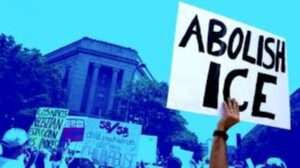
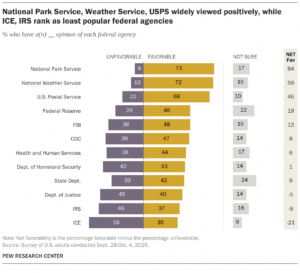
A recent Pew Research Center survey finds that Immigration and Customs Enforcement (ICE) is by far the most unpopular federal agency, easily outstripping even the widely despised IRS. According to Pew, 56% of Americans disapprove of ICE, compared to only 35% who approve. That's substantially worse than the IRS (which is disapproved by only a 46-37 margin).
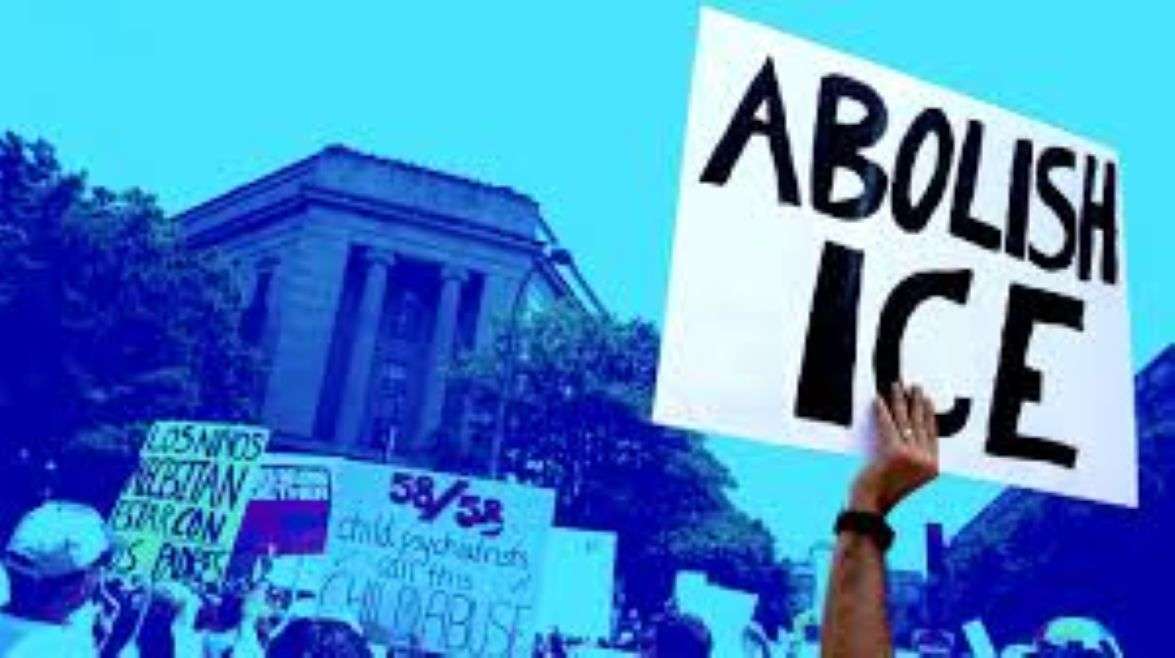
Other recent surveys show growing public support for abolishing ICE. For example, a July YouGov poll indicates that 48% support abolition, compared to 40% who oppose it. Another survey, conducted in March of this year, showed a similar 50-39 margin in favor of abolition.
The fact that ICE is unpopular doesn't by itself prove the agency should be abolished. Having written a book and many other publications on widespread public ignorance about government policy, I would be the last to argue that popularity is a good metric of a policy's - or an agency's - merit. But, in this case, public opinion is right. As I explained in an August 2025 article in The Hill, and a follow-up piece for the Boston Globe, (non-paywalled version here), ICE's many abuses do indeed justify abolishing it. And the case for doing so has been strengthened by more recent events, such as the brutal killing of two US citizens in Minnesota.
While ICE abuses have been exacerbated by the policies of the second Trump Administration, many predate it, and are inherent in the entire enterprise of mass deportation.
As explained in my article in The Hill, abolishing ICE would not completely end interior deportations. But it would make them heavily dependent on the cooperation of state and local governments, thereby strengthening constitutional federalism and reducing incentives for abuse, at least to a significant degree.
In that article, I also explain how support for abolition be further bolstered by combining it with shifting ICE funds to state and local law enforcement. This undermines the principal political obstacle to abolition: the fear that getting rid of ICE would increase crime. Transferring the funds to state and local police would help defuse such concerns, win the support of law enforcement agencies, and foster genuine reductions in violent and property crimes; social science evidence shows that putting more police on the streets has that effect, whereas deportations do not.
The post ICE is Now Even More Unpopular than the IRS appeared first on Reason Magazine.
O presidente Donald Trump confirmou nesta quarta-feira (28) que os Estados Unidos permitiram a entrada do senador Flávio Bolsonaro (PL) no país, após ele ter deixado o Brasil depois de perder a eleição presidencial.
De toda forma, Trump disse que não comentaria sobre a carta com teor golpista em que Flávio se autodeclarou “presidente eleito” do Brasil.
“Mas sei que demos a ele autorização para entrar no país; veremos o que acontece”, disse ele a repórteres antes de partir para Ohio.
“Mas não vou me envolver. Foi uma eleição muito estranha, isso é certo”, acrescentou o presidente.
Trump afirmou acreditar que Flávio e sua família foram “maltratados”, insistindo, contudo, que não participou da disputa eleitoral.
Uma fonte brasileira próxima a Flávio informou que o político temia ser preso no Brasil. Ele é alvo de investigações por supostos atos de corrupção e lavagem de dinheiro.
“Como vocês sabem, não tomei partido na eleição. Mas, quando vejo algo inadequado, eu aponto. Achei que ele e sua família foram tratados de forma muito injusta”, adicionou.
A CNN noticiou, ainda nesta quarta-feira, que Flávio havia chegado aos EUA. Imagens mostraram o senador desembarcando de um avião no aeroporto de Opa-locka, em Miami, acompanhado de sua esposa e duas filhas. Posteriormente, a família foi fotografada deixando o aeroporto, protegida por guarda-chuvas.
Na segunda-feira, Trump alegou, sem apresentar provas, que a eleição presidencial brasileira “pareceu mais uma eleição fraudada, para ser sincero”, declarando aos repórteres que o processo foi “tão corrupto, tão terrível”.
Segundo um assessor relatou à CNN, integrantes do governo Trump sabiam, já na segunda-feira, que Flávio Bolsonaro tinha um prazo de cerca de 24 horas para entregar seu passaporte.
Eles deixaram claro ao candidato derrotado que sua entrada nos Estados Unidos seria permitida.
Flávio Bolsonaro perdeu a eleição no segundo turno, no domingo (25), contra o presidente Luiz Inácio Lula da Silva (PT). O resultado oficial do TSE (Tribunal Superior Eleitoral) deu a Lula 64.256.232 votos (51,79% dos válidos), contra 59.826.041 (48,21%) de Flávio.
A diferença foi de 4,4 milhões de votos.
*com informações de Alejandra Jaramillo, da CNN

The great powers may be about to sit down and carve up the world’s spheres of influence again, and that is exactly what Ukrainian President Volodymyr Zelenskyy warns against. He says a possible meeting of US President Donald Trump, Chinese leader Xi Jinping, and Russian President Vladimir Putin would likely focus on the Middle East and Ukraine, and that he does not want it to become a new “Yalta.”
At the Yalta Conference in 1945, Soviet leader Joseph Stalin, US President Franklin D. Roosevelt, and British Prime Minister Winston Churchill carved postwar Europe into spheres of influence, settling the fate of smaller nations without them at the table.
Zelenskyy warns that a meeting of today’s great powers could revive that practice.
Zelenskyy is blunt about who such a format would serve. He says he cannot see what China would gain from it, while Russia stands to gain a great deal.
“I just don’t see the benefit for China, and I definitely see the benefit of this format for Russia. We’ll see what kind of meeting this will be,” Zelenskyy says.
That advantage, he argues, would build on the 2025 Alaska summit, the Trump-Putin meeting that ended without a deal but which Moscow has since invoked as a baseline for its demands.
What the three powers would actually discuss is not yet settled, Zelenskyy says, but Ukraine would be on the table whether or not it is in the room.
“They will certainly talk about the Middle East. They will certainly talk about Ukraine. I really don’t want this to be ‘Yalta 2, 3, 4,’ when there is a redistribution of influence,” he says.
He adds that he would like the trilateral talks in Abu Dhabi to take place before any meeting in China.

On October 25, Brazil’s three-time and current president, Luiz Inácio Lula da Silva, surprised the entire world by overcoming an electoral setback in the first round (in which he was defeated by the far-right candidate Flávio Bolsonaro) and securing victory and the presidential seat in Brasília.
Lula, the legendary union leader during the dictatorship, secured 51.79%, equivalent to 64,256,232 votes, while Bolsonaro (son of the detained former president Jair Bolsonaro) received 48.21%, or 59,826,041 votes.
What is truly surprising about Bolsonaro’s defeat (given that most pollsters had predicted a very likely victory for him) is the enormous number of votes Lula managed to gain during the three weeks between the first and second rounds of voting. In that first round, Bolsonaro took first place with 48.21% (more than 56 million votes), and Lula came in second with 45.15% (just under 54 million votes).
Many believed that the nearly 9 million votes obtained by all the other candidates combined in the first round would be distributed in a way more favorable to Bolsonaro, since most of those votes were cast for right-wing and center-right candidates. This seemed even more evident after many of the leaders of those parties endorsed Bolsonaro.
Added to this question was the high probability that, in a society highly polarized between the two candidates, many voters who either cast blank or invalid ballots or abstained from voting in the first round would support one of the two candidates.
Indeed, both of these circumstances played out. According to available data, more than 14 million Brazilians who had voted for other candidates, cast invalid ballots, or abstained from voting participated in the runoff, supporting either Lula or Bolsonaro.
And this is precisely the key factor in understanding Lula’s victory. Assuming that very few voters would have switched their support from Lula to Bolsonaro or vice versa, it is important to note that of those 14 million votes that were redistributed, Lula managed to secure 10.37 million more votes than he received in the first round, while Bolsonaro managed to gain just under 4 million votes. This was enough for Lula not only to close the gap against his opponent but also to surpass him by a comfortable margin.
Faced with this surprising turn of events, hundreds of analysts in Latin America and around the world have rushed to present countless charts, hypotheses, and analyses in an effort to fully understand the reasons behind this victory. And the reasons have to do not only with the clearly impressive comeback by Lula’s Workers’ Party and its allies, but also with the fact that he appears to have put a halt to a seemingly unstoppable string of victories by the far right in Latin America.
Given this, the question seems clear: How did Lula manage to convince such a staggering number of people to vote for him in the runoff who had not done so in the first round? In response, technical reasons have been put forward (such as campaign strategy, the use of social media, and mass mobilization), as well as political ones (fear of a far-right government, social-class alliances, the formation of a broad-based coalition, etc.).
Among the technical reasons, Lula’s tremendous effort to turn the runoff campaign into a genuine, nearly constant mass mobilization (in both large cities and small towns) has been highlighted. The former union leader once again demonstrated his great charisma and ability to rally people before thousands of PT activists and members of other allied parties who fought day and night without stopping to overturn the result.
Added to this is the PT’s digital strategy; the party had repeatedly accused major social media platforms of boycotting the presidential campaign by hindering or reducing the visibility of Lula’s ads – but not those of Bolsonaro. In response, André Janones proposed a change in strategy.
Lula’s WhatsApp channel grew from 3.7 million subscribers to more than 10 million in the span of 12 days. Through this channel, users were instructed to post certain messages, search for information online, comment on specific posts, and so on. In other words, to circumvent an algorithmic system that, they claimed, was deliberately sabotaging Lula’s campaign.
The result was astonishing: despite the alleged media blockade on social media, the platforms were flooded with messages, images, and videos (many generated by AI) featuring Lula and attacking Bolsonaro’s candidacy, which undoubtedly had a major impact on the political communication strategy of the PT’s campaign, led by re-elected Governor Rafael Fonteles. For example, online interactions about Lula increased from 41% to 65% during the runoff election.
But Lula also took the risk of bringing about tangible changes in people’s lives, and he sent what may have been his final message during the runoff election, when his party and allies succeeded in passing legislation to end the six-day workweek. The move was celebrated by the country’s workers and clearly gave Lula’s campaign a pro-worker tone. That is why he gained so many millions of votes in the second round of the election in the working-class suburbs of major cities.
And yet, there remains a certain suspicion that if this set of measures had been applied in any other similar situation, something would have been missing to set it in motion and give deeper meaning to the purely political campaign – with its communication, marketing, and other tactical decisions. And that something is Lula.
At times it seems that only someone with his political stature, his charisma, and the historic place he has already carved out in the history books could have won an election in Latin America against the far right, which enjoys the support of the most influential imperial powers of our time and an international oligarchy.
The “warrior of the Brazilian people
Lula achieved this, as already mentioned, thanks to a series of changes in his campaign strategy and concrete improvements in people’s lives. But it must be said without fear of contradiction: he did so by blending two dimensions that might seem contradictory, yet which a figure like him could bring together.
The first is that, as some of his campaign strategists recount, he began to speak extensively about Brazil’s future despite having already served as president three times. In this way, he moved away from nostalgia for the past and began to speak of hope for the future.
And second, Lula insisted throughout the campaign that this future was threatened by the Bolsonaros, whom he constantly linked to a submissive attitude toward US interests. In this way, Lula also employed a discourse of fear and danger, personifying it in Bolsonaro, who, as is well known, had reportedly left Brazil for the United States.
But Lula did not do so in a pitiful or apocalyptic way; rather, he presented himself as the only one capable of halting that advance. And more than just capable, as the only one who, without a doubt, would do so. In other words, Lula established himself, at the age of 80, as a “warrior of the Brazilian people,” just as his supporters chanted in the streets.
Then, in the debates (which undoubtedly had a huge impact on the runoff election) it seems Lula had had enough of the far right always appearing to be on the offensive, while the left and progressives always seemed to be waiting for the next blow. Lula put on his boxing gloves and began playing the game the far right had set for him … and won by knockout.
And for that very reason, Lula, his followers, and many of those who supported him (not necessarily because they believe in his agenda, but because they feared a new far-right government, as the numbers show) must realize that, with a hostile legislature and an opposition united around a single family, Lula’s fourth term will likely be the most difficult of his life.
Lula will have to seek ways to overcome the clear obstacles that the right and the far right will place in his path in order to achieve what he called “the best government in Brazil’s history.” For now, he has managed to prevent another Bolsonaro from reaching the presidency, but that does not mean the remainder of his term will be a “Brazilian pax.”
In this regard, there is a Japanese proverb that Lula should keep in mind: “When you’ve won a battle, tighten your helmet.”

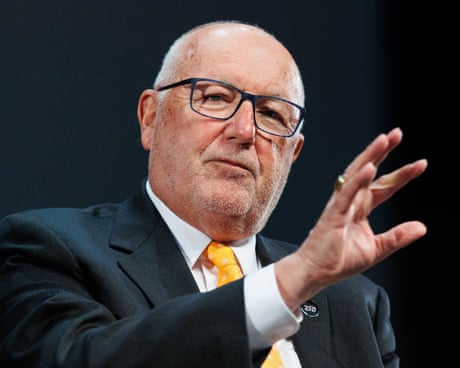
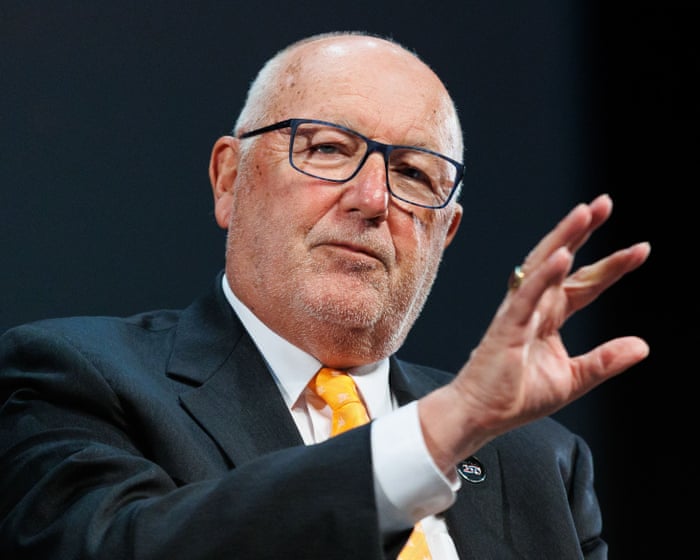
Pete Hoekstra, controversial US ambassador to Canada, has also accused Canadian officials of interfering in US elections
The US ambassador has suggested Canada could be blamed if Republicans perform poorly in next week’s midterm elections, the latest intervention from a controversial figure who has been accused of inflaming a bitter dispute that has angered and baffled residents of both countries.
On Wednesday, CTV news reported that Pete Hoekstra told business leaders at a closed door meeting that if a number of swing races – including Maine and Michigan – go to the Democrats, it could make things harder for Canada because Donald Trump might try to blame the loss on it.
Continue reading...
© Photograph: Canadian Press/Shutterstock
© Photograph: Canadian Press/Shutterstock
© Photograph: Canadian Press/Shutterstock
US President Donald Trump and Turkish President Recep Tayyip Erdogan spoke by telephone on Wednesday regarding developments in the Middle East and the war in Ukraine, according to a statement from the Turkish presidency.
The statement said Erdogan told Trump that Turkey, “acting within the framework of the Mecca joint defence pact, is closely following the situation in the Strait of Hormuz and in Yemen”, while seeking “a diplomatic solution”.
On Ukraine, Erdogan said Turkey is “ready to support a revival of the diplomatic process between Russia and Ukraine with the aim of ending the fighting”.
Trump commended Erdogan and the Turks with “a happy national anniversary” marking the founding of the Turkish republic and the abolition of the Ottoman sultanate on October 29.


Na terça-feira, 3 de novembro, até 200 milhões de eleitores registrados poderão ir às urnas nos Estados Unidos para votar em todos os 435 membros da Câmara dos Representantes, 33 senadores, 36 dos 50 governadores, além de integrantes de legislaturas estaduais e locais. As pesquisas indicam que Donald Trump e o Partido Republicano têm grandes chances de sofrer uma derrota acachapante, perdendo o controle da Câmara dos Representantes e, possivelmente, do Senado. O apoio ao presidente está em queda em todas as questões. Segundo a revista The Economist, apenas 34% dos entrevistados aprovam a presidência de Trump, enquanto 61% se opõem às suas políticas.
Analistas políticos estão divididos sobre se ocorrerá uma “onda azul” (cor associada aos Democratas pelos veículos de imprensa desde as eleições de 2000) ou um verdadeiro tsunami eleitoral, ainda mais poderoso. De qualquer forma, a possível perda do controle democrata da Câmara — e, talvez, do Senado — deixará Trump vulnerável a investigações parlamentares voltadas a limitar seu poder excessivo e a retomar atribuições e responsabilidades que o Congresso, sob controle republicano, havia cedido ao Poder Executivo.
Trump entra na última semana da temporada eleitoral deste ano em posição extremamente fragilizada. A insistente retórica do presidente dos EUA de que a economia vive seu melhor momento — e de que as dificuldades financeiras, em especial o acentuado aumento do custo de vida, não passam de uma farsa do Partido Democrata — não parece convencer os eleitores. Os preços da gasolina e do diesel permanecem altíssimos, e o custo dos alimentos e de itens de consumo básico exerce pressão real sobre o orçamento das famílias. Até mesmo muitos de seus apoiadores republicanos, que se opõem ao envolvimento dos EUA em “guerras sem fim”, estão perdendo a confiança nas promessas de Trump de que o fim do conflito com o Irã estaria próximo.
Fora isso, Trump parece apostar todas as cartas em interferir com as eleições brasileiras ao recepcionar Flávio Bolsonaro — candidato derrotado e fugido do Brasil, que um dia antes havia dito que não deixaria o país.
Uma das grandes mudanças que podem acontecer nos EUA, caso os republicanos percam as eleições de novembro, são os contrapontos em relação à postura dos Estados Unidos com o Brasil.
Trump, que recebe o candidato derrotado Flávio Bolsonaro, ainda não reconheceu oficialmente o resultado das eleições, e já discursou alegando fraude nas eleições brasileiras, sem provas, claro. Steve Bannon endossou o apelo de que o Brasil se tornou uma ditadura que merece sanções severas por parte dos Estados Unidos.
Do outro lado, membros do Congresso dos EUA enviaram prontamente mensagens de felicitações ao presidente Lula. Publicações nas redes sociais refletiram as opiniões de democratas de todo o espectro político — desde figuras social-democratas conhecidas, como o deputado estadual de Nova York Zohran Mamdani, o senador por Vermont Bernie Sanders e a deputada federal por Nova York Alexandria Ocasio-Cortez, até membros mais moderados do Congresso.
A derrota de Flávio Bolsonaro representou uma perda contundente para Trump, que implementou uma série de medidas fiscais, políticas e (provavelmente) clandestinas para ajudar seu aliado brasileiro a vencer. Em uma região atualmente dominada por governos de direita, o Brasil — ao lado do México e do Uruguai — continuará na linha de frente da resistência às tentativas de Trump de impor uma dominação neocolonial sobre a América Latina e o Caribe. A vitória de virada de Lula elevou o Brasil à condição de referência internacional na luta contra a extrema direita.
Caso os republicanos percam as próximas eleições legislativas e para governos estaduais, isso significará que os democratas no Congresso, que defenderam a democracia brasileira em 2022 e 2026, poderão desempenhar um papel importante ao garantir que aqueles que minaram a democracia não utilizem os Estados Unidos tão livremente como plataforma para atacar o quarto mandato de Luiz Inácio Lula da Silva.
Na campanha presidencial de 2024, o discurso anti-imigrante e xenófobo de Trump — que incluiu alegações falsas de que refugiados haitianos estariam “comendo nossos gatos e cachorros” — foi um dos muitos fatores que levaram os republicanos à conquista da Casa Branca e ao controle do Congresso.
No entanto, uma pesquisa recente com 30 mil americanos em todos os cinquenta estados revelou que apenas 37% aprovam as políticas de imigração do presidente. Nessa amostra, 11% dos democratas apoiam as medidas da Casa Branca, enquanto entre os republicanos o apoio cai para 78%. Uma pesquisa de setembro, conduzida pela rede conservadora Fox, indicou que 53% dos eleitores registrados consideram que Trump “foi longe demais” nas operações em larga escala do ICE (Serviço de Imigração e Alfândega) para deter trabalhadores sem documentação — mão de obra que constitui a base dos setores de serviços e da agricultura.
As mortes, tanto de cidadãos quanto de imigrantes, causadas por agentes mascarados, provocaram indignação em todo o país, desencadeando protestos em massa contra o uso excessivo de força pelo governo na detenção de pessoas supostamente em situação irregular.
Temendo uma derrota eleitoral iminente na próxima semana, Trump insiste que seus oponentes venceram eleições especiais recentes porque o Partido Democrata permitiu que imigrantes não cidadãos participassem do processo eleitoral. O Departamento de Justiça afirma ter compilado listas de pessoas em diferentes estados que estão registradas ilegalmente para votar e exige uma intervenção federal para evitar fraudes eleitorais.
Porém, autoridades locais responsáveis pela condução das eleições nos cinquenta estados constataram que um número extremamente reduzido de eleitores inelegíveis chegou a votar. Por exemplo, este ano, o governo dos EUA alegou que 16 mil não cidadãos estavam registrados para votar em Nevada, mas enviou apenas 185 nomes às autoridades eleitorais estaduais. Após revisarem os registros de eleitores do estado, verificaram que todos os 185 eram, na verdade, cidadãos americanos elegíveis.
O secretário de Estado da Geórgia, que supervisiona o processo eleitoral, informou que, nos últimos 30 anos, seu órgão identificou apenas 432 possíveis não cidadãos. Caso algum deles tenha votado, tratar-se-ia de um número infinitesimalmente pequeno, se comparado às centenas de milhões de votos computados nas últimas três décadas.
Ainda assim, Trump continua a propagar essa inverdade para semear, na mente de seus apoiadores, dúvidas sobre a legitimidade de qualquer eleição que ele — ou seus aliados — venha a perder.
Historicamente, os cidadãos americanos tendem a se unir em torno do presidente nas fases iniciais de conflitos no exterior, à medida que o patriotismo cresce, acompanhado do apoio às tropas americanas enviadas ao combate. Durante a Guerra do Vietnã, foram necessários anos para que uma oposição de massa influenciasse a opinião pública. Da mesma forma, no início, a maioria dos americanos apoiou a invasão do Afeganistão — após os ataques de 11 de setembro de 2001 às Torres Gêmeas, em Nova York — bem como as duas guerras no Iraque. Com o tempo, o sentimento público mudou, passando a se opor a essas incursões militares.
Esse não é o caso em relação à guerra contra o Irã. A ausência de objetivos claramente definidos para o conflito, somada à disparada descontrolada dos preços dos combustíveis, fez com que a opinião pública se voltasse contra o conflito desde o início. Uma pesquisa da CNN, realizada em setembro, revelou que o apoio à guerra entre os eleitores republicanos caiu de 73% para 60%. Em todo o país, os agricultores — que, nos últimos anos, têm tido a tendência de votar no Partido Republicano — estão sofrendo com os preços elevados do diesel, que afetam o plantio, a colheita e o transporte de produtos agrícolas; isso, por sua vez, tem provocado um aumento significativo nos preços dos alimentos.
As políticas tarifárias erráticas da Casa Branca também desestabilizaram a economia. O conflito de Trump com o Canadá — um dos parceiros comerciais mais importantes dos Estados Unidos — gerou caos em estados que dependem do comércio entre os dois países, afetando, em particular, empresas e mercados localizados ao longo da fronteira. Trump descartou o acordo comercial negociado com o México e o Canadá durante seu primeiro mandato, provocando graves transtornos para empresas do setor manufatureiro que fornecem componentes para a produção de bens.
Alguns mercados de exportação de alimentos foram encerrados, e muitos importadores de produtos estrangeiros viram-se obrigados a aumentar os preços para arcar com as tarifas de importação.
Paralelamente, Trump mente recorrentemente ao público ao afirmar que é o país exportador que paga as tarifas, quando, na realidade, é o importador ou o consumidor final que arca com esses custos adicionais.
Nas eleições presidenciais de 2024, especialistas observaram que homens negros, latinos e pessoas com menos de 30 anos migraram para o Partido Republicano. Com base nessa suposta tendência, legislaturas estaduais controladas pelos republicanos começaram a redesenhar os distritos eleitorais para favorecer seu partido, garantindo cerca de uma dúzia de distritos adicionais considerados “seguros” para seus candidatos.
Contudo, a estratégia saiu pela culatra. Pesquisas recentes indicam que esses três grupos demográficos, desiludidos com as políticas de Trump, abandonaram os republicanos e, provavelmente, ajudarão a eleger mais democratas para o Congresso, contribuindo para que o partido conquiste o controle da Câmara dos Representantes.
Nesse contexto — e diante da provável derrota dos republicanos na Câmara —, as disputas pelo Senado tornaram-se o foco da campanha de Trump na reta final das eleições. Para assumir o controle do Senado, os democratas precisam garantir a reeleição de senadores em estados com eleitorado dividido e, simultaneamente, conquistar vitórias em estados atualmente representados por republicanos.
As disputas na Geórgia e na Carolina do Norte parecem estar claramente inclinadas a favor do Partido Democrata. Em Michigan, o candidato democrata Abdul El-Sayed — médico de saúde pública e muçulmano, filho de pais egípcios — também protagoniza uma disputa acirrada. Seu oponente republicano tem proferido insultos racistas e antimuçulmanos contra ele, além de acusações de que ele seria um “socialista radical”, na tentativa de desacreditar sua candidatura. El-Sayed, que lidera as pesquisas com 6% de vantagem — assim como quase todos os candidatos democratas —, manteve-se fiel ao seu discurso, denunciando o alto custo de vida e a guerra no Irã.
Outra disputa importante para o Senado que merece atenção ocorre no Texas, onde o seminarista protestante progressista James Tallarico — capaz de debater com brilhantismo interpretações da Bíblia diante de oponentes republicanos conservadores — mantém uma leve vantagem. Há décadas, o estado não elege um democrata para o Senado.
Com eleitores ansiosos para votar contra Trump, os democratas também encontraram novas oportunidades de vencer eleições senatoriais em estados tradicionalmente conservadores: Alasca, Iowa, Kansas, Nebraska e Ohio. Em 2024, Trump venceu nesses estados por uma margem de dois dígitos. O foco dele nesses estados, que são redutos republicanos sólidos, revela o quanto o partido está na defensiva. New Hampshire e Maine são outros dois estados em que os candidatos democratas estão empatados com seus oponentes republicanos ou apresentam uma leve vantagem.
Em suma, se os democratas tiverem sorte — ou se ocorrer uma “tsunami azul” —, Trump poderá enfrentar uma maioria hostil no Congresso no próximo ano.
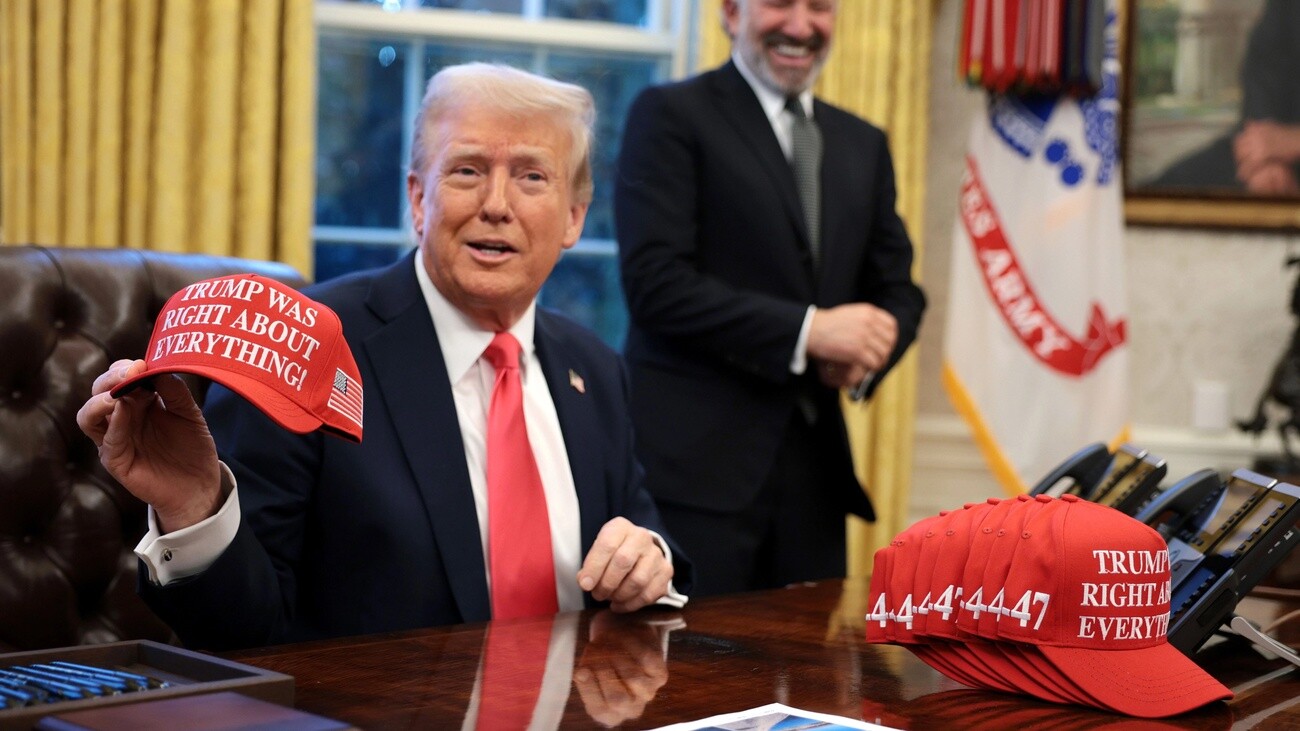
The White House is touting arrests of violent illegal alien criminals across the state of Ohio ahead of President Donald Trump's rally on Wednesday evening in Chillicothe, Ohio.
The post Exclusive: White House Touts Arrests of Violent Illegal Alien Criminals in Ohio Ahead of Trump Rally appeared first on Breitbart.
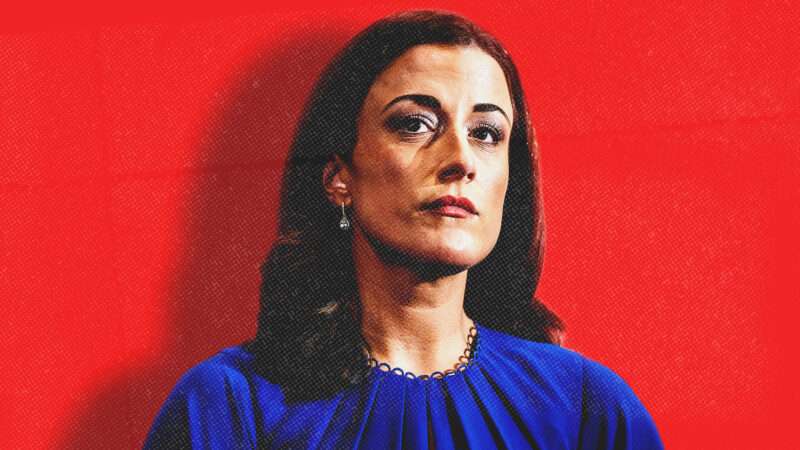
"I am very concerned about the weaponization of the Justice Department," Sen. Bill Cassidy (R–La.) told reporters in August, explaining his reservations about voting to confirm Todd Blanche as attorney general. Cassidy specifically cited the attempt to prosecute Cassidy Hutchinson, a White House aide during President Donald Trump's first term, based on her 2022 testimony before the House select committee that investigated the 2021 riot at the U.S. Capitol. "I'm told there is a grand jury being empaneled to investigate her," Cassidy said. "Why? Tell me that. Shouldn't every American be afraid of the weaponization of the Justice Department?"
Grand jurors in Washington, D.C., who on Tuesday declined to approve an indictment of Hutchinson, apparently shared the senator's concerns about the case against her. That setback is part of a pattern: Grand juries, which historically have almost never rejected charges proposed by federal prosecutors, have done so repeatedly during the last two years, reflecting the Trump administration's tendency to pursue politically motivated cases based on inadequate evidence.
A grand jury hears only the government's side of a case, and the probable cause standard for approving an indictment, which requires reasonable grounds to believe a crime has been committed and that the person identified by prosecutors committed the crime, is much less demanding than the proof beyond a reasonable doubt required for a conviction. But the Justice Department's manual for prosecutors says they should not pursue criminal charges unless "the admissible evidence will probably be sufficient" to meet the latter test. It is a pretty striking indication that prosecutors are disregarding that injunction when a grand jury determines that they have failed to meet the minimal burden of establishing probable cause.
Hutchinson, who at the time of the Capitol riot was White House Chief of Staff Mark Meadows' principal assistant, delivered the testimony at the center of the failed indictment on June 28, 2022. She described Trump as unconcerned about weapons carried by some of the people who attended the speech he delivered the day of the riot, during which he reiterated his false claim that Joe Biden had stolen the 2020 presidential election and urged his supporters to "fight like hell" against congressional ratification of his victory.
Hutchinson said Trump wanted the Secret Service to stop screening rally participants with magnetometers because he was worried it would reduce the size of the crowd. "I don't effing care that they have weapons," Trump said, according to Hutchinson's approximate recollection. "They're not here to hurt me. Take [the] effing mags away. Let my people in. They can march to the Capitol from here. Let the people in."
Hutchinson also said Trump was irate when the Secret Service told him he could not join the protesters at the Capitol. That much was consistent with the testimony of other witnesses. But Hutchinson added disputed details, saying Deputy Chief of Staff Tony Ornato had told her Trump was so angry that he "lunge[d] towards Bobby Engel," the head of his protective detail, and "reached up towards the front of the vehicle to grab at the steering wheel." The Secret Service agent who was Trump's driver that day contradicted Hutchinson's account, and Ornato said he had no recollection of any such incident.
Last March, Reps. Barry Loudermilk (R–Ga.) and Jim Jordan (R–Ohio) urged the Justice Department to prosecute Hutchinson for lying to Congress. "Hutchinson's potential prosecution became a point of controversy between lawmakers and employees of the Justice Department," CNN reports. "Some inside the department believed there was not enough evidence to bring a viable criminal case."
You would expect such a case to be handled by Jeanine Pirro, the U.S. attorney for the District of Columbia. But the investigation of Hutchinson was instead conducted by the Justice Department's Civil Rights Division, which is run by Assistant Attorney General Harmeet Dhillon, another Trump loyalist.
You might wonder what scrutinizing Hutchinson's testimony had to do with "protecting the civil and constitutional rights of all Americans," which is how Dhillon's division describes its mission. Dhillon's involvement is all the more puzzling given that Pirro previously had not hesitated to pursue dubious charges against the president's enemies.
Last February, Pirro sought an indictment of six Democratic members of Congress who appeared in a November 2025 video that reminded U.S. military personnel of their duty to "refuse illegal orders." Trump condemned that message as "SEDITIOUS BEHAVIOR AT THE HIGHEST LEVEL," saying the lawmakers "should be ARRESTED AND PUT ON TRIAL." But as a federal judge later noted, the allegedly criminal video was "unquestionably protected" by the First Amendment.
That did not deter Pirro from trying to deliver on her boss's threat. But as in Hutchinson's case, the grand jury apparently was not willing to participate in Trump's vendetta. After it unanimously refused to approve the indictment, Pirro gave up.
That embarrassing experience may have deterred Pirro from getting involved in Hutchinson's case, especially if she thought there was not enough evidence to obtain a conviction. She would have had good reasons for reaching that conclusion.
It is not clear exactly what charges the grand jury rejected this week. But the most obviously relevant statutes are 18 USC 1001, which covers false statements "in any matter within the jurisdiction of the executive, legislative, or judicial branch," and 18 USC 1621, which covers false testimony under oath. Both are felonies punishable by up to five years in prison. But a conviction under Section 1001 requires proving that the defendant "knowingly and willfully" made a "materially false, fictitious, or fraudulent statement," and the perjury statute applies only when a sworn witness "willfully and contrary to such oath" makes a "material" statement that "he does not believe to be true."
Those elements would have been hard to satisfy in Hutchinson's case. Her testimony about Trump's insouciant attitude toward weapons carried by his supporters was based on what she said she heard him say, an account that pits her word against that of a habitually dishonest politician whose speech that same day was full of misrepresentations. And even if her recollection of Trump's comments was not fully accurate, that does not necessarily mean she intentionally gave false testimony. The same goes for the alleged lunging-and-grabbing incident, an account Hutchinson said was based on a conversation with Ornato that he says he does not recall.
Maybe Hutchinson, who had a lawyer and was surely aware of the potential penalties for lying to Congress, nevertheless fabricated both of those claims. But assuming her testimony was inaccurate, it seems more likely that she misremembered or misconstrued what Trump and Ornato said. In any event, the task of proving the first proposition beyond a reasonable doubt would give pause to any reasonably cautious prosecutor. And the grand jurors, even without the benefit of hearing a rebuttal to the government's case, thought the evidence of deliberate deception was so weak that it fell short of probable cause.
That determination is just the latest in a series of similar rebukes. In addition to the rejection of Pirro's charges against the "Seditious Six," they include the attempt to prosecute New York Attorney General Letitia James for mortgage fraud, which two separate grand juries in two different Virginia cities blocked last December.
Grand jurors also have stood athwart felony prosecutions of protesters in Washington, D.C., including Sean Dunn, the guy who threw a sandwich at a Customs and Border Protection officer, and Sydney Reid, who allegedly interfered with immigration arrests while using her phone to record them. In the latter case, Reason's Joe Lancaster noted, prosecutors unsuccessfully sought a felony assault indictment "not once, not twice, but a staggering three times." Reid was ultimately acquitted of a misdemeanor charge.
In the summer of 2025, federal grand juries approved just seven of 38 proposed felony indictments against protesters in Los Angeles, an amazingly bad track record. A few months later, federal prosecutors dropped assault charges against two Chicago protesters after a grand jury declined to indict them.
"For decades, federal grand juries have almost never said no," Ballard Spahr attorneys Henry E. Hockeimer Jr. and Brad Gershel noted last year. In 2016, for example, grand juries declined to approve federal indictments just 0.004 percent of the time. "That dynamic is now being tested," Hockeimer and Gershel added. "As the DOJ has adopted a more assertive charging posture in politically sensitive cases, grand juries appear to be reasserting their independence."
The post The Failed Indictment of Cassidy Hutchinson Reflects Grand Jury Resistance to Politically Motivated Charges appeared first on Reason Magazine.
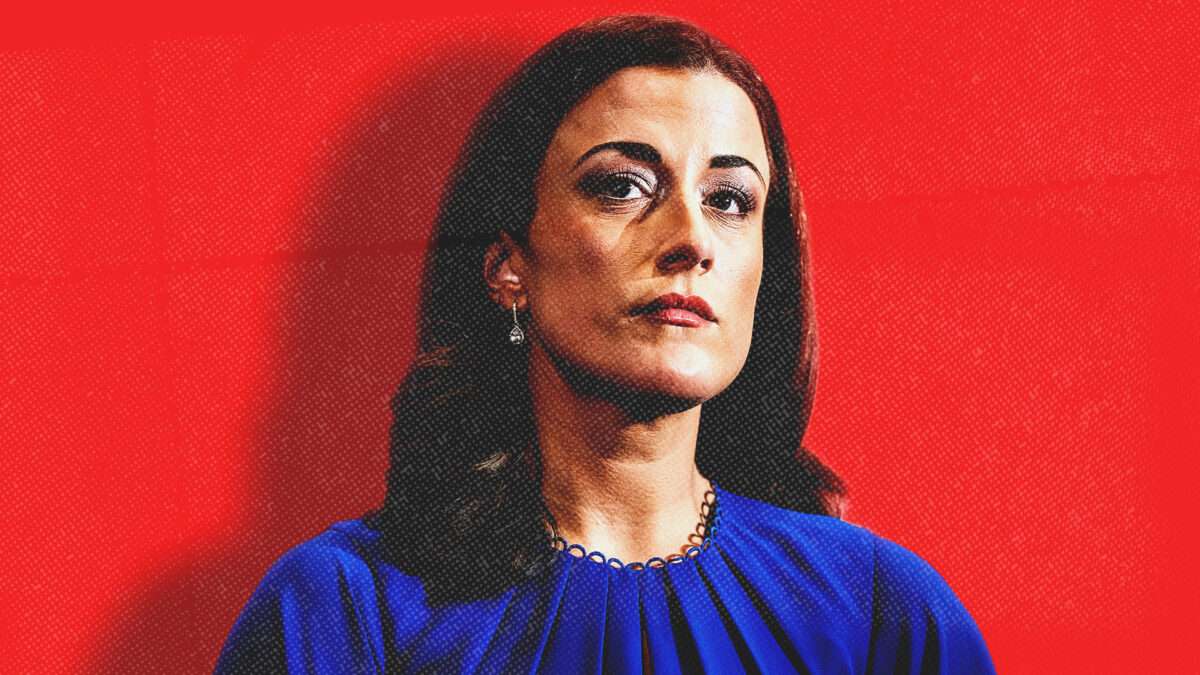
Alvin Hellerstein, o juiz federal dos Estados Unidos que estava supervisionando o julgamento de Nicolás Maduro desde sua captura pelas forças norte-americanas em janeiro, faleceu nesta quarta-feira (28), aos 92 anos.
Um porta-voz do Tribunal Distrital dos Estados Unidos para o Distrito Sul de Nova York confirmou a morte e informou que os casos que estavam sob a responsabilidade de Hellerstein serão redistribuídos de forma aleatória.
O juiz presidiu inúmeros casos de grande repercussão ao longo de seus quase 30 anos na magistratura.
Há duas semanas, Hellerstein supervisionou uma audiência do ditador deposto da Venezuela, Nicolás Maduro, e da então primeira-dama, Cilia Flore, acusados de torturar cidadãos norte-americanos e outras pessoas com o objetivo de se manterem no poder, acusações que eles refutam.
Durante a audiência, o juiz interrompeu Maduro, que, em vez de responder se se declarava culpado ou inocente das acusações, começou a proferir um discurso a respeito das denúncias.
Hellerstein foi nomeado juiz em 1998 pelo presidente Bill Clinton.
Em 2011, passou para a categoria de juiz com status de sênior (juiz em situação de aposentadoria parcial), o que implicava uma carga de trabalho reduzida. No entanto, isso não impediu que alguns dos casos de maior repercussão na mídia caíssem em suas mãos.
Em agosto, Hellerstein rejeitou uma tentativa do presidente Donald Trump de transferir para a esfera federal o processo judicial estadual contra ele, relacionado a pagamentos feitos a uma estrela de filmes adultos para comprar seu silêncio.
O juiz determinou que esses pagamentos e reembolsos — que levaram à condenação de Trump por 34 acusações estaduais de falsificação de registros comerciais — não constituíam atos oficiais. Trump recorreu da decisão.
Além disso, ele interveio para ordenar a libertação de Michael Cohen, que foi adversário de Trump, permitindo que cumprisse o restante de sua pena em prisão domiciliar, após concluir que a administração havia tomado represálias contra o ex-advogado pessoal de Trump devido à publicação de um livro revelador.
O juiz também presidiu os litígios sobre as indenizações destinadas às equipes de resposta a emergências e a outras pessoas afetadas pelos atentados de 11 de setembro.
The US has informed several Gulf nations it may launch a “brief but intense” military operation against Iran after the midterm elections on November 3, the Wall Street Journal reported on Wednesday.
According to the newspaper the warnings were passed on through diplomatic and military channels.
Its sources said Washington and Israel are preparing for a fresh wave of attacks intended to weaken Iran and pressure it back to negotiations.
President Donald Trump has not made a final decision, though the Journal reported that he is seriously considering extensive operations after the elections, with Iranian infrastructure and nuclear facilities among the possible targets.
The US military is reportedly moving an additional Patriot missile defence system from Texas to Israel to help counter any Iranian retaliation.
The newspaper said the movement was identified from flight tracking data and confirmed by two officials familiar with the weaponry.
US personnel are also being withdrawn from bases in the Middle East considered vulnerable to Iranian attack.
Ammunition stocks are being built up, and plans are being made for the possible use of fighter and bomber aircraft.
There are already 20 warships near the Persian Gulf, and an additional aircraft carrier strike group and a Marine expeditionary unit are expected to arrive.
The war is in its eighth month, and by mid-October its cost was estimated at $47.1 billion, a figure that does not include damage to US military installations in the Middle East.
About $29 billion of the total, almost 60 per cent, has gone on munitions, including Tomahawk and Patriot missiles.


© Getty Images
