Login

From Brussels to Belgrade: Europe’s Generation Z Protests Challenge Established Politics
Youth-led demonstrations across Europe are bringing together concerns about housing, education, employment and political accountability. Although the movements differ considerably between countries, their emergence reflects growing dissatisfaction among younger Europeans over economic prospects and their influence on political decisions.
A series of demonstrations involving young people across Europe has developed into a wider political phenomenon, as students and younger workers challenge governments over living costs, public services and their expectations for the future.
Protests have taken place in France, Belgium, Italy, Albania and several other countries, while a student-led movement in Serbia has achieved a particularly consequential political outcome.
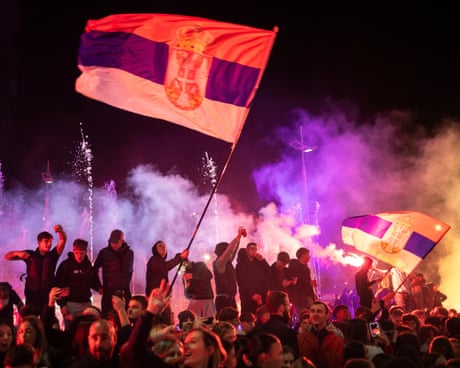
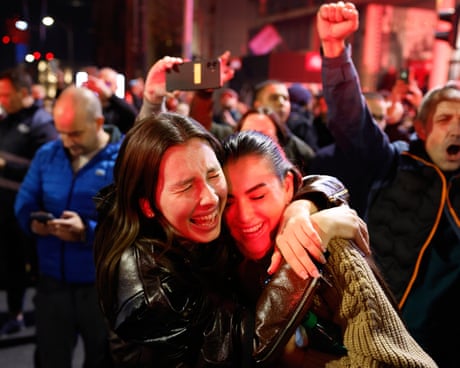
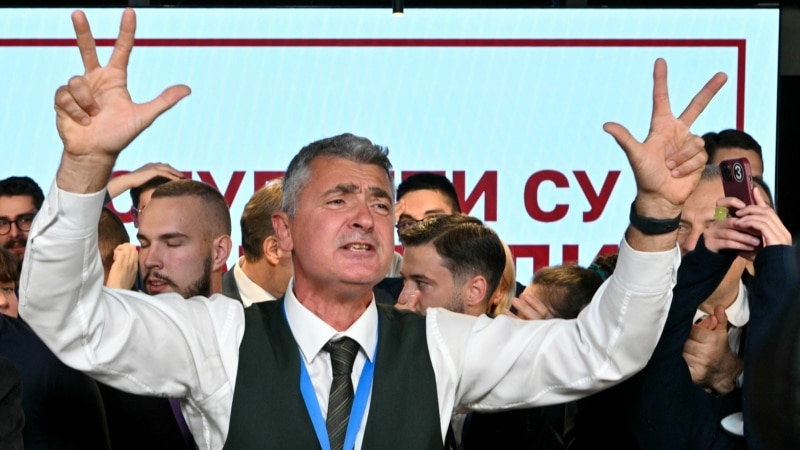
In Serbia, nearly two years of demonstrations culminated in a parliamentary election victory for a student-backed political movement, ending the electoral dominance of President Aleksandar Vučić’s Serbian Progressive Party.
The outcome, reported by Reuters on 29 October, has given the movement a prospective parliamentary majority, although final certification of the election results remains outstanding.
Elsewhere, protesters have secured fewer immediate political concessions.
Nevertheless, their campaigns share a recurring concern: that conventional channels of political representation have failed to address problems affecting younger generations.
Economic Pressures Behind the Demonstrations
The grievances vary between countries, but housing affordability, insecure employment, education funding and living costs feature prominently.
A European Parliament youth survey published in February 2025 found that 40 per cent of respondents aged 16 to 30 considered rising prices and the cost of living a priority for the EU.
Almost one-third identified economic conditions and job creation as a principal concern, while education also ranked prominently.
More recent figures illustrate the financial pressures confronting younger Europeans.
According to Eurostat data published in June 2026, 24.2 per cent of EU residents aged 15 to 29 were at risk of poverty or social exclusion in 2025.
That compares with 20.9 per cent for the population as a whole.
These figures do not establish that economic hardship is the cause of every protest. They do, however, provide context for the dissatisfaction expressed by participants.
Belgium’s Students Demand Better Education
In Brussels, demonstrations have focused partly on the condition of schools and the availability of educational resources.
Students have criticised deteriorating facilities, shortages of teachers and government decisions affecting education funding.
Nineteen-year-old student Maya Gourdel told Reuters that peaceful attempts to draw attention to these concerns had attracted little response from political leaders.
Her account reflects a wider frustration among demonstrators who believe that public attention has increased only after protests became more disruptive.
Belgium’s education system is organised primarily at community level, meaning decisions concerning funding, staffing and school infrastructure are divided among different authorities.
The demands of protesters consequently involve both national political debates and decisions taken by regional and community institutions.
France and Italy Face Wider Social Unrest
In France, demonstrations concerning the cost of living and public services have involved students alongside trade unions and other organisations.
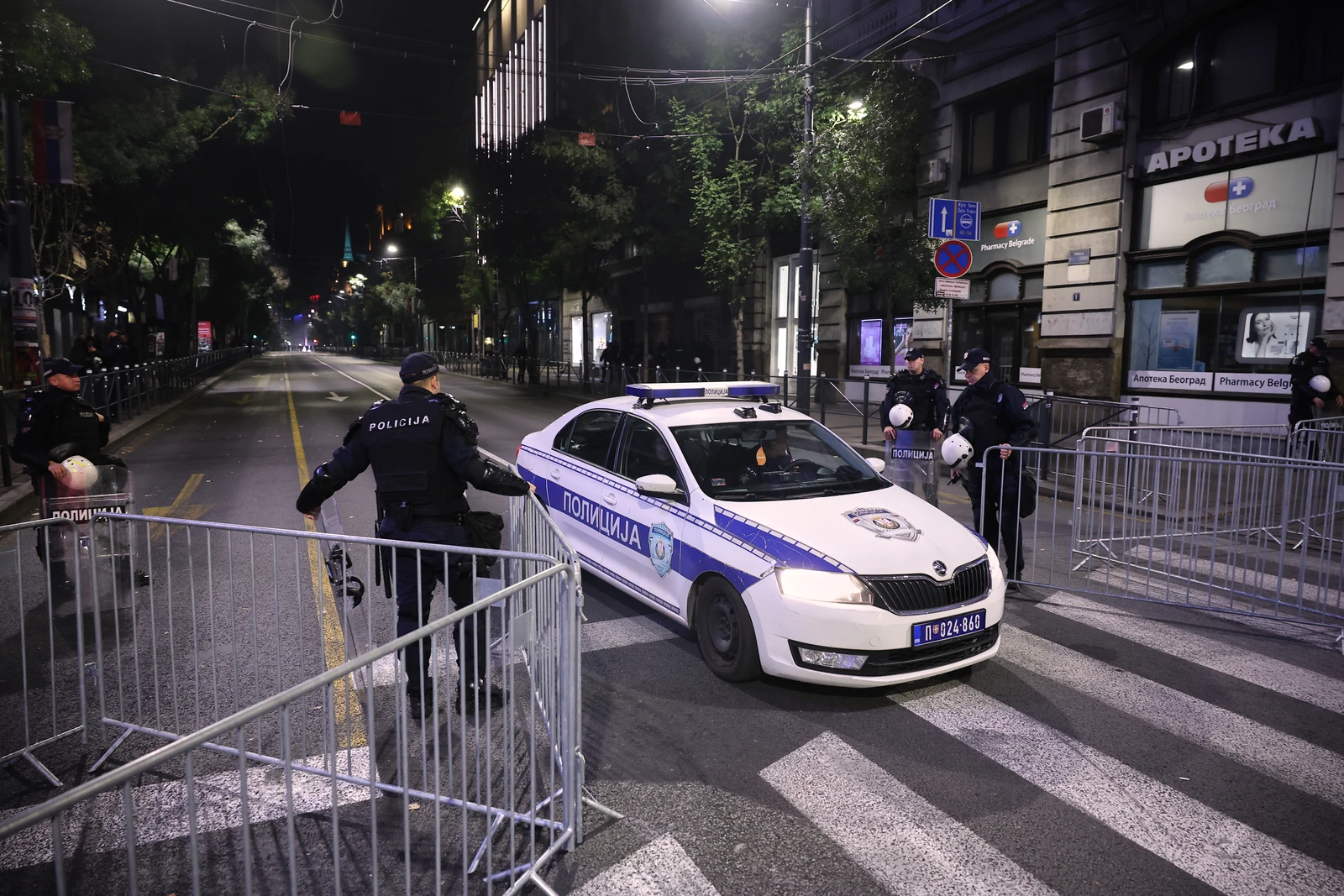
Recent protests have also been accompanied by violence, including attacks on commercial premises and confrontations with police.
The involvement of younger demonstrators does not mean that every participant supports violent tactics.
Rather, the events illustrate how movements with economic and political grievances can encompass groups with different objectives and methods.
Italy has experienced similar tensions, particularly in Milan, where demonstrations against rising living costs have followed earlier episodes of unrest.
The Italian government has faced pressure over household expenditure, wages and the affordability of essential services.
These disputes have developed against a background of high energy prices and concerns about the broader economic outlook.
Albania’s Frustration With Political Institutions
In Albania, student-led protests have challenged Prime Minister Edi Rama’s government over alleged corruption, limited employment opportunities and education standards.
Demonstrations that began in Tirana have spread to other cities.
On 29 October, opposition lawmakers disrupted proceedings in parliament following weeks of protests and confrontations between demonstrators and police.
The government has offered measures intended to address economic concerns while condemning violence associated with the demonstrations.
For many younger Albanians, employment prospects are closely connected to the possibility of emigrating.
The perception that professional opportunities depend on political connections or personal networks has become another source of dissatisfaction.
However, the Albanian movement cannot be treated as identical to protests in EU member states, given the country’s different economic conditions and political institutions.
Serbia Shows the Political Potential of Student Movements
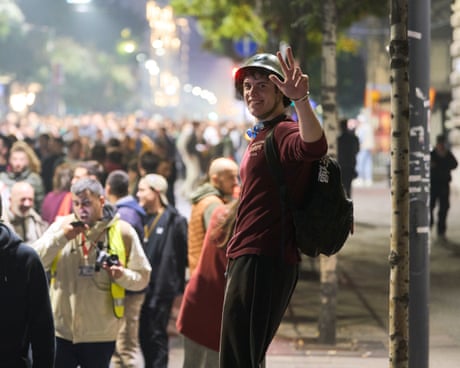
Serbia provides the most substantial example of youth-led protest translating into electoral change.
The movement emerged after the collapse of a railway station canopy in Novi Sad in November 2024, which killed 16 people and prompted allegations of corruption and negligence.
Students organised prolonged demonstrations demanding accountability and institutional reform.
Their campaign subsequently developed into an electoral challenge to the governing Serbian Progressive Party.
Preliminary results from the October 2026 parliamentary election indicate that the student-backed list has secured a majority of seats.
However, electoral certification and the formation of a new government remain incomplete.
The movement now faces a different challenge: converting protest demands into administrative decisions, legislation and economic policy.
Its success will be judged not only by the election result but also by its ability to govern.
A Generational Shift, But Not a Single Movement
It would be misleading to describe Europe’s demonstrations as a unified political campaign.
Participants have different objectives, national circumstances and ideological positions.
Some demand increased public expenditure, while others concentrate on corruption, political accountability or employment opportunities.
What connects them is a recurring concern about whether established institutions respond adequately to younger citizens.
The political consequences will depend on whether demonstrations produce lasting organisations, influence elections or secure changes in government policy.
Serbia suggests that student mobilisation can translate into substantial political change.
For governments elsewhere in Europe, the question is whether the grievances driving these movements can be addressed through existing political institutions before dissatisfaction generates further unrest.