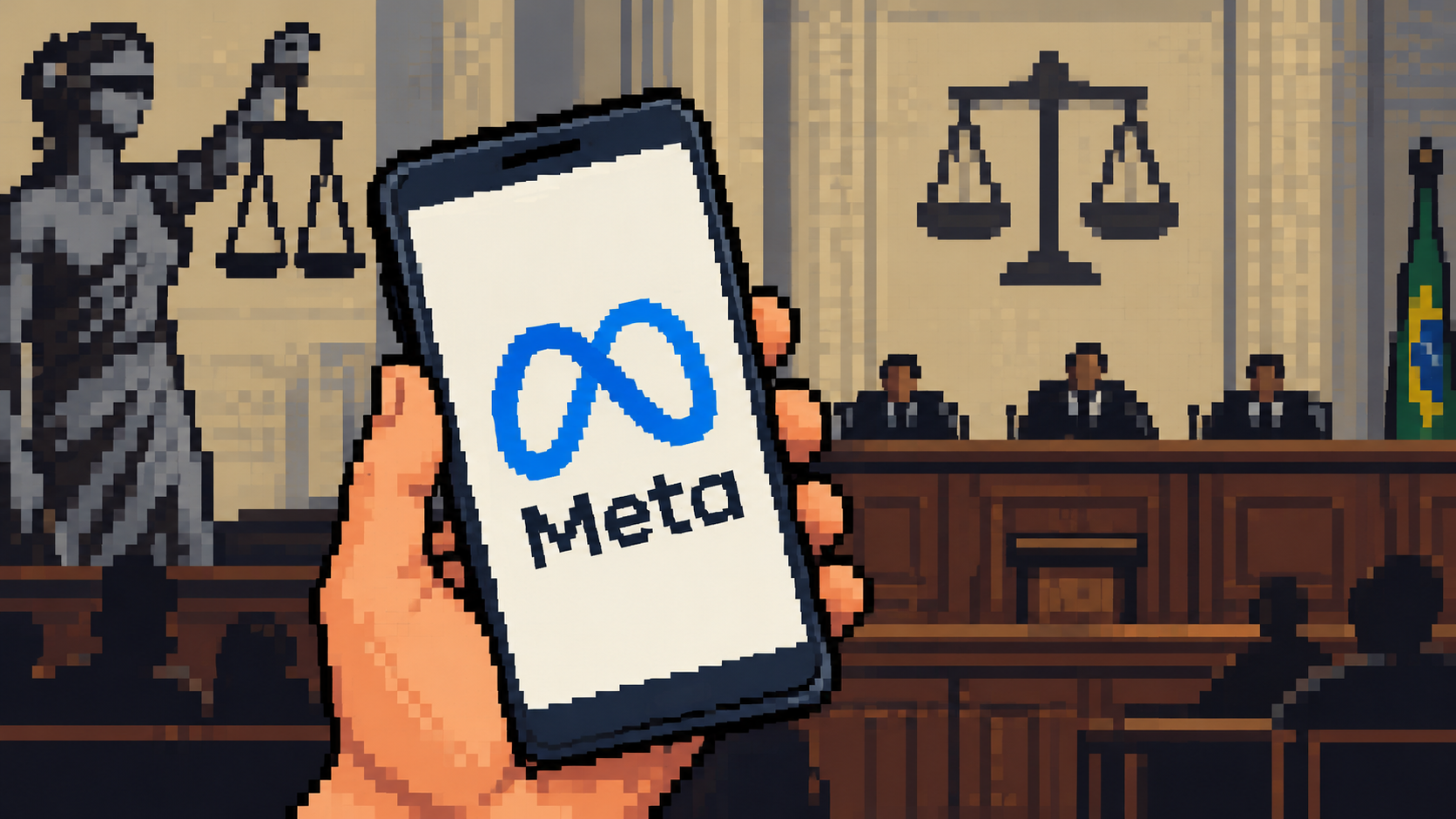
Meta Platforms shares fell 6% after third-quarter spending on artificial intelligence infrastructure pushed the company's free cash flow negative for the first time in years. Prices for Meta's five-year credit default swaps climbed to record highs as investors signaled growing concern over the company's debt risk.
Meta CEO Mark Zuckerberg said that more than 10 million people in the US and Canada have set up Muse accounts in a month and a half and growth remained strong.
Meta CEO Mark Zuckerberg said that more than 10 million people in the US and Canada have set up Muse accounts in a month and a half and growth remained strong.
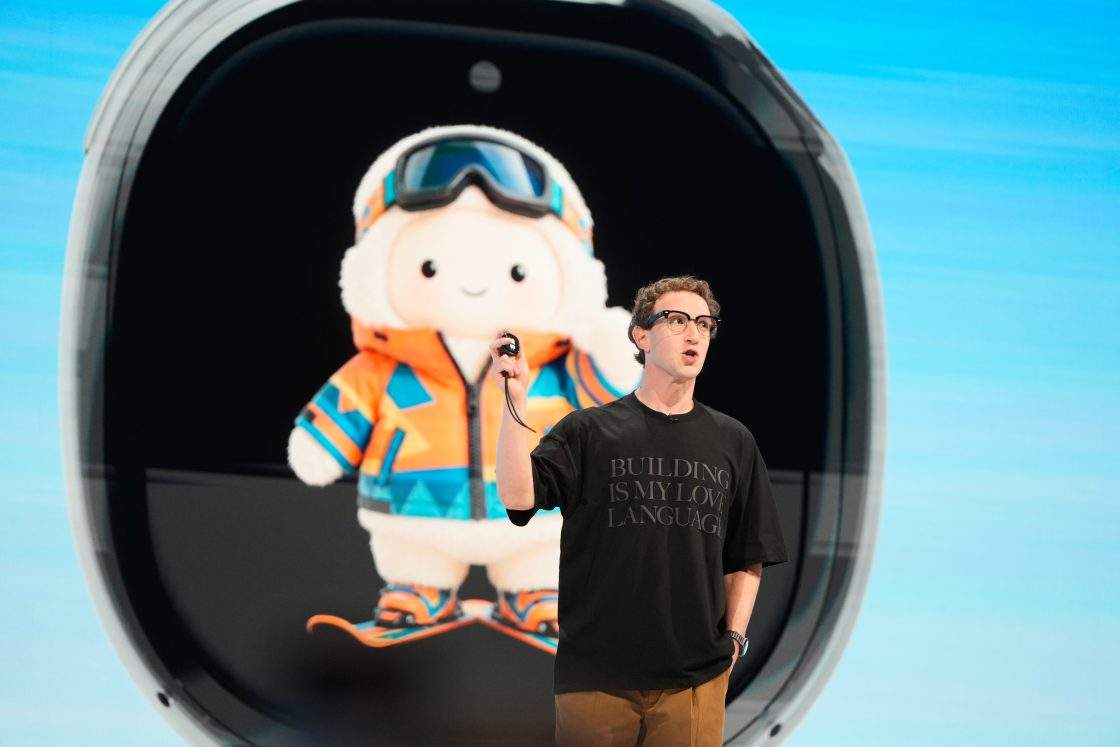
Meta Platforms plans to expand its Muse personal agent and charge businesses for transactions it handles, CEO Mark Zuckerberg (pictured) stated on the company’s Q3 earnings call.
He said more than 10 million people in the US and Canada have set up Muse in a month and a half, and about 25% use it on any given day
Zuckerberg stated Muse had a “clear product-market fit” and that Meta will focus on attracting more users, increasing revenue and optimising compute costs.
“We expect to grow Muse to serve billions of people,” he said, calling the goal as “both our mission and our strategy”.
The Muse line began in April with Muse Spark, the first model from Meta’s Superintelligence Labs. This month Meta followed with Muse Wonder and Muse Wonder Full.
Shopping is Muse’s most common use, with more than a quarter of users shopping through the agent.
Zuckerberg said Muse “should be free” for most people, with Meta taking a fee on transactions it facilitates for businesses. Subscriptions would cover access to the most advanced models or extra tokens, and business owners could also subscribe directly.
“We have been discussing our vision for personal superintelligence for more than a year now,” he said. “We want every person [to] have an extremely capable personal agent that understands your goals and can help you achieve them,” he said.
Meta Q3 metrics Meta’s quarterly revenue rose 26% year over year to $64.6 billion.
Costs climbed 68% to $51.6 billion, including a $9.89 billion charge from an August agreement with 52 attorneys general over teen mental health claims.
Operating income fell 37% to $13 billion and the operating margin halved to 20%. Net income rose to $9.9 billion from $2.7 billion a year earlier, when a one-time $15.9 billion tax charge reduced profit.
Capital spending totalled $34.9 billion, with Meta forecasting $135 billion to $145 billion for 2026.
Its apps reach 3.64 billion people a day, up 3% from a year ago but just below the 3.65 billion analysts expected, according to StreetAccount. Zuckerberg said Threads has overtaken X in monthly users.
Reality Labs, which makes the Quest headsets and the Ray-Ban and Oakley AI glasses, lost $4.1 billion on $443 million of revenue, compared to a $4.4 billion loss a year ago.
Meta CFO Susan Li said the company expects Reality Labs to lose $18 billion to $19 billion in 2026, down slightly from $19.2 billion in 2025.
Also yesterday, Reuters reported a New Mexico judge ordered Meta to pay the state $25 billion after a jury found it misled consumers in a case tied to the Cambridge Analytica scandal. The tech giant said it will appeal.
Poland has paused the delivery of a large military aid package to Ukraine after a Lviv regional council honored the Ukrainian Insurgent Army (UPA), a WWII nationalist force, a source in the Ukrainian government told European Pravda on 21 October. A Polish Defense Ministry spokesperson told Fakt the report was untrue, though he told WP he knew nothing about a possible delay in shipment.
If confirmed, the freeze would carry a history dispute into Poland’s military aid. The row flared in May, when Kyiv named a special forces unit after the UPA, and in June Poland’s president stripped Zelenskyy of Poland’s highest honor. Even so, Ukraine’s ambassador said in August that Polish military aid was still flowing.
A vote and a disputed freeze
The Lviv Oblast Council voted on 20 October to name 2027 the year of the UPA, its commander Roman Shukhevych, and nationalist activist Oleh Olzhych. The UPA fought Nazi Germany and the Soviet Union, but Poland holds it responsible for mass killings of Poles in Volhynia and Eastern Galicia in 1943–1944. The resolution disappeared from the council’s website late that evening, RMF24 reported.
The source blamed what it called the councilors’ irresponsible actions, saying the vote came as Poland prepared the shipment and that work through closed channels is underway. The ministry spokesperson, Janusz Sejmej, called the report untrue. Asked whether it could reflect a delay in shipment, he said he knew nothing about that.
Explore further
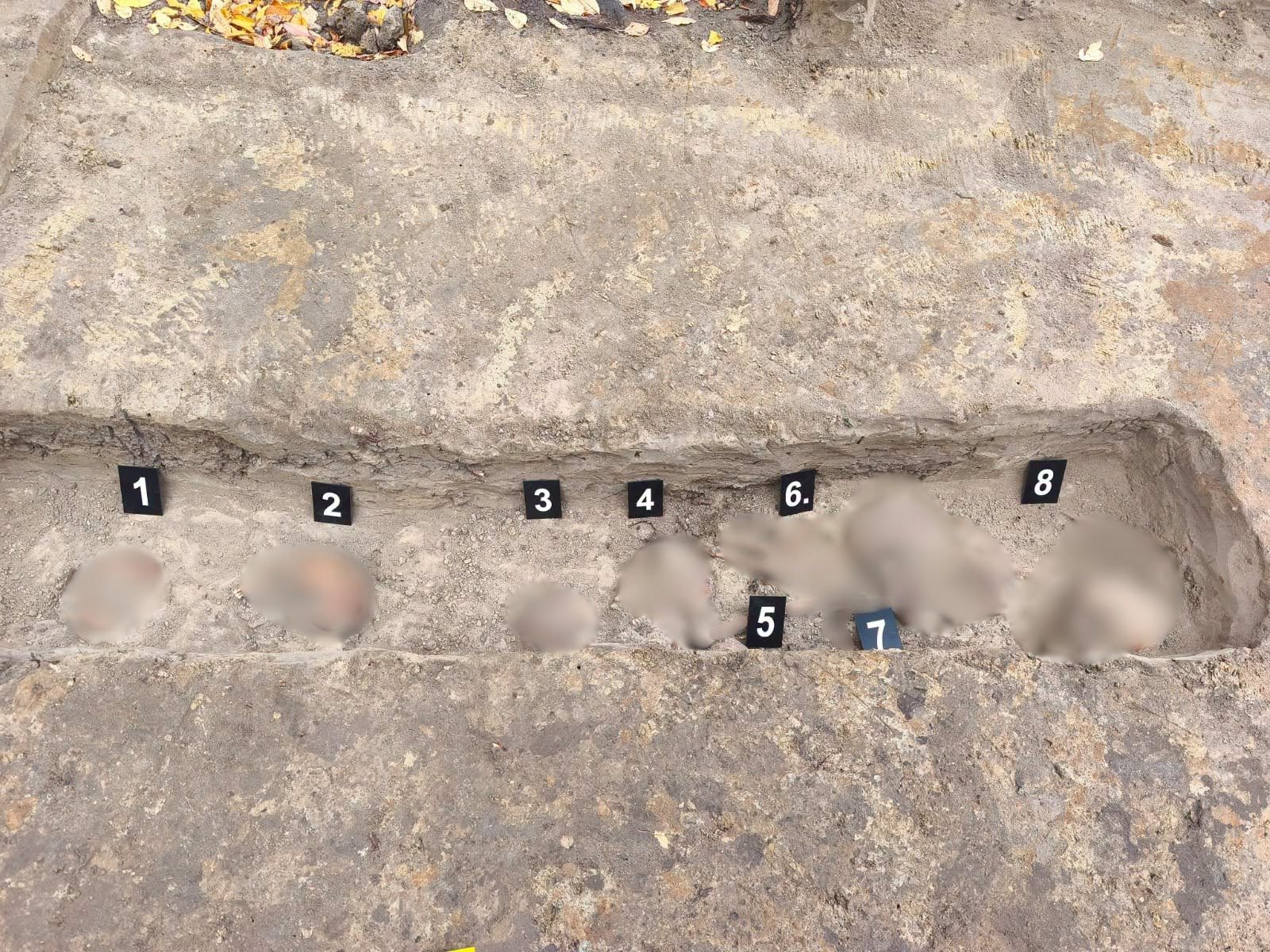
Progress on a sore point for Ukraine and Poland: remains of over 40 Ukrainians killed by Polish WWII units found in Łasków
Polish officials push back
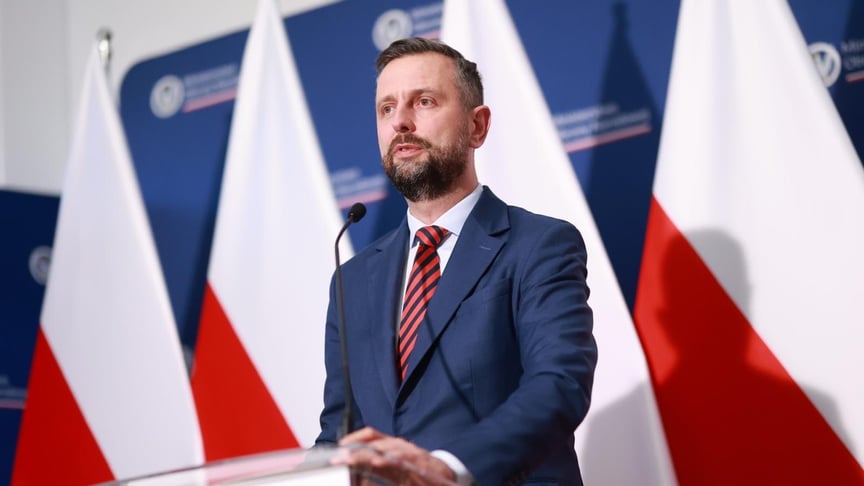
On 20 October, Defense Minister Władysław Kosiniak-Kamysz wrote that Ukraine’s authorities must distance themselves from the council’s position.
The next morning, Prime Minister Donald Tusk called the vote unwise and harmful above all to Ukraine. He said he had warned Zelenskyy earlier that such gestures hinder Ukraine’s friends, though the president was not responsible for this vote. At such moments, Tusk said, Russians always rub their hands.
Foreign Minister Radosław Sikorski then requested that councilor Sviatoslav Sheremeta, who proposed the resolution, be added to Poland’s list of unwanted persons. That afternoon, Interior Minister Marcin Kierwiński said the decision had been made. Sheremeta is barred from the Schengen zone until 2031, RMF24 reported. Poland had already barred him once, in 2017, the outlet said.
Kyiv asks for restraint
Earlier on 21 October, before the ban, Ukraine’s Foreign Ministry called the vote counterproductive in a reply to journalists and urged Warsaw to avoid abrupt steps. Zelenskyy’s closest aides had also promised the resolution would not take effect, Deputy Foreign Minister Marcin Bosacki told TVN24.
A U.S. court ordered Meta, the owner of Facebook, Instagram and WhatsApp, to pay $25 billion for deceiving the public about how it protects personal data, in a case tied to the Cambridge Analytica scandal.
Judge Francis Mathew set the fine on Wednesday after a jury determined that Facebook made misleading promises about who could access user data and how that information was protected, according to the ruling. The jury found 26 statements by Meta made between 2010 and 2021 to be misleading, including some by CEO Mark Zuckerberg and then-chief operating officer Sheryl Sandberg.
In his ruling, Mathew wrote that Facebook’s misconduct, developed over years and systematically disseminated to the public, went to the core of its business practices. According to the ruling, the company maintained those promises despite internal warnings that it could not fulfill them, and allowed certain business partners to retain access to data it had announced it would stop sharing in order to avoid losing revenue. The judge concluded that the messages sought to build trust and attract users, whose data are essential to the company’s personalized advertising business.
The case is deeply tied to Cambridge Analytica, a British consulting firm that worked for Donald Trump’s 2016 presidential campaign and obtained data from millions of Facebook users without consent to promote political advertising, according to a statement from the New Mexico Department of Justice. Revelations about the firm, made public in 2018, affected up to 87 million profiles and sparked an international scandal over the use of personal information by social networks and their role in electoral campaigns. The trial also examined what Facebook said publicly about its efforts to combat disinformation and hate speech.
Although the judge initially calculated a fine of more than $219 billion, he ultimately reduced the amount to $25 billion, which will accrue annual interest of 15% until effective payment. The money will go to New Mexico’s education system, although the attorney general warned that an appeal by Meta could delay the availability of the funds.
New Mexico Attorney General Raúl Torrez presented the decision as one of the largest financial penalties against a company in U.S. history.
Em dois movimentos distintos, um judicial e outro extrajudicial, o Ministério Público Federal (MPF) quer barrar bloqueios, suspensões de contas e restrições de alcance promovidos pela Meta no Instagram, Facebook, WhatsApp e Threads.
Na Justiça Federal do Rio Grande do Sul, o MPF ajuizou nesta quarta-feira, 21 de outubro, uma ação civil pública, com pedido de urgência. Em outra frente, a Procuradoria Federal dos Direitos do Cidadão (PFDC) enviou recomendação à Meta, cobrando providências imediatas.
A ação lida especificamente com as denúncias que fazem parte da representação feita pelas organizações Ctrl+Z, Artigo 19, Conectas e Sleeping Giants Brasil, que mostram que a Meta bloqueou conteúdos políticos pró-Lula e contra Flávio. A Agência Públicamostrou que além dos bloqueios, a plataforma derrubou perfis com acusação de terrorismo e nudez, mesmo não havendo conteúdos nesse sentido. A Procuradoria pede o restabelecimento imediato de contas, páginas e conteúdos afetados pelas restrições apontadas na representação.
A ação pede ainda que a Justiça Federal proíba o uso exclusivo de algoritmos para decisões de bloqueio de conteúdo e que as futuras reavaliações e análises de recursos sejam conduzidas obrigatoriamente por equipes humanas especializadas, com a fixação de multa diária de R$ 500 mil por conta afetada, em caso de descumprimento.
O MPF apurou que as restrições arbitrárias impostas pela companhia foram operadas por meio de algoritmos automatizados, sem notificação clara sobre as supostas violações ou oportunidade de contestação por canal efetivo com revisão humana. Essa prática provocou o enfraquecimento do engajamento de conteúdos cívicos e o cerceamento do debate democrático.
Ao público, no dia 16, a Meta reconheceu que “a conta de anúncios da campanha de Lula foi desativada por engano por pouco mais de 1 hora”, mas afirmou que não se tratou de “razões políticas”.
Após pedir para ‘Flávio abrir o sigilo’, dona de comunidade é bloqueada pela Meta
Uma das vítimas das restrições foi a arquiteta Carolina Martins, 43, de Brasília. Ela criou um grupo e uma comunidade visando angariar apoio para a candidatura de Lula no segundo turno. O grupo chegou a ser derrubado, acusado de “terrorismo” sem fundamentação pela empresa. Ela teve a conta de WhatsApp derrubada e ainda está sofrendo outras restrições da Meta.
Ao divulgar esta semana a proposta do presidente Lula para que ambos os candidatos abram seu sigilo bancário, feita após o debate da rede Bandeirantes, Martins postou uma imagem que dizia “Flavio Abra o Sigilo”. Na segunda-feira, dia 19, ela foi suspensa pela Meta de postar links em suas publicações no Instagram até 16 de novembro sob a acusação de “práticas comerciais proibidas”.
Recomendação quer resposta da Meta em 48 horas
Já a recomendação, que é uma medida extrajudicial para uma empresa ou ente público realizar medidas para corrigir uma ilegalidade, foi expedida pela Procuradoria Federal dos Direitos do Cidadão, em Brasília, e direcionada diretamente à Meta para que a companhia adote medidas urgentes de transparência e proteção à liberdade de expressão nas redes Facebook, Instagram, Threads e WhatsApp durante o período eleitoral.
À empresa foi dado prazo de 48 horas para responder se acatará as recomendações do MPF e para detalhar as providências que serão adotadas durante o segundo turno das eleições, além de 30 dias para apresentar um relatório conclusivo.
A medida da PFDC vem depois da instauração de investigação no último dia 13 na qual o MPF pediu à Meta uma série de informações. A companhia enviou uma resposta ao MPF no dia 19 de outubro, complementada ontem, 20.
Nas respostas, segundo a PFDC, a Meta teria alegado, em síntese, que a sua moderação se basearia nos Padrões da Comunidade e na legislação local, que não levaria em conta a orientação política ou ideológica dos usuários.
As respostas foram consideradas genéricas pelo MPF e não abordaram as moderações indevidas e não esclareceram caso a caso no que se baseou cada restrição, conforme demandado no ofício da semana passada.
A manifestação da Meta não mencionou as suspensões fundadas em enquadramentos graves (como terrorismo e abuso sexual), nem das remoções que teriam ocorrido após denúncias em massa. A recomendação à Meta é assinada pelo Procurador Federal dos Direitos do Cidadão, Paulo Thadeu Gomes da Silva, e mais cinco procuradores do MPF que atuam na área de direitos humanos.
Meta has been fined $25 billion over allegations that it lied to users about how it handled their personal data. BBC Business describes the penalty as the largest yet imposed on Facebook's parent company, surpassing an earlier $18 billion privacy settlement Meta reached with the state of California. Meta has not yet issued a public response.

 Login