❌

Reading view

UAE leads crackdown against AI fraud

A UAE-led international operation targeting AI-enabled fraud and cross-border networks identified more than $39 billion in funds and cryptocurrencies linked to scam activity.

Operation Confrontation Ghost, which ran from 1 July to 30 September, brought together law enforcement agencies from 30 countries including the UAE, UK, China and France. It also convened INTERPOL, the Global Anti-Scam Alliance (GASA) and 13 technology and financial sector companies including Huawei, Meta Platforms, TikTok and Mastercard.

Authorities exchanged more than 9,000 pieces of intelligence during the three month operation, which focused on AI-enabled fraud, digital financial crime and technology-facilitated sextortion which often targeted children and teenagers.

The initiative identified more than 15,500 victims and 3,500 suspects, resulting in more than 960 arrests and raids on 29 fraud centres. Investigators also shut down more than 570 social media accounts linked to fraudulent activity and identified 4,126 bank accounts associated with scams. Efforts to recover the identified assets remain ongoing.

Dana Marzouqi, DG of the International Affairs Bureau at the UAE Ministry of Interior, noted the Operation Confrontation Ghost “transformed international shared intelligence into coordinated operational impact”, adding it boosted “collective resilience for all participating nations”.

Concerns over the safety of increasingly autonomous AI systems have been mounting worldwide. AI chiefs including OpenAI CEO Sam Altman, Anthropic CEO Dario Amodei, Google Deepmind co-founder Demis Hassabis and Elon Musk have called to slowdown the pace of frontier AI development and establish regulatory guardrails, warning AI driven-cyberattacks could pose an existential risk to humanity.

The post UAE leads crackdown against AI fraud appeared first on Mobile World Live.

  •  

Drone strikes kill hundreds in just days in Sudan

Drone strikes in war-torn Sudan have killed hundreds in just three days. Most of the deaths were in West Kordofan state, including in an area contested with South Sudan, sparking fears of a spillover of the war.

The paramilitary Rapid Support Forces (RSF) reportedly killed 41 people by striking a gathering of Internally Displaced People (IDPs) near Sudan’s southeastern border with Ethiopia in the Blue Nile state last Friday, October 9.

Later on Sunday, October 18, air defenses of the Sudanese Armed Forces (SAF), which heads the government, intercepted multiple suicide drones launched by the RSF. The drones targeted Upper Atbara and Setit dam complex in Gedaref state, and the Khashm El-Girba dam in neighboring Kassala.

The following day, on October 19, the RSF launched a wave of drones toward the airport in the national capital, Khartoum. While the air defenses intercepted most of them, one drone struck near the airport, killing four people, including three children.

The RSF took over the capital soon after starting this war in April 2023 against the SAF, the national army with which it had ruled as part of a military junta. The SAF regained control of the capital in March 2025.

In the meantime, later in October 2025, the RSF consolidated control over most of Sudan’s vast western region of Darfur, overrunning the SAF’s last holdout, El Fasher, and depopulating the city in a campaign deemed genocidal by a UN investigation. 

Read more: A bloodbath visible from space: RSF’s massacres in Sudan’s El Fasher   

After thus taking over Darfur – except for some SAF small holdouts on the border with Chad – the RSF has since been pushing eastward toward Khartoum. The Kordofan region in between, comprising three states, has since become a main front of this war.

Here, on October 18, in West Kordofan’s RSF-controlled town of al-Dabba, SAF struck a transport hub that was crowded on a market day, killing 80 people on the spot. 30 others later died in hospital. Another SAF drone also struck a market in the Al-Mujlad town.

Then, on the morning of October 19, SAF drones struck yet another market it suspected to be a source of fuel supply for the RSF, killing 153 people in Abyei, an area disputed by Sudan and South Sudan, ever since the latter seceded from the former in 2011.​

This area in the Nile oil basin has over 4,000 UN peacekeepers and is jointly administered by Sudan and South Sudan. South Sudan’s government summoned Sudan’s ambassador to protest this strike.

A spillover of Sudan’s war into South Sudan could have dire consequences, especially since South Sudan, the world’s youngest country, is itself at a heightened risk of slipping back into its own disastrous civil war, which had claimed up to 400,000 lives between late 2013 and mid-2015.​

The death count of the war in Sudan has been lost after exceeding 150,000 as early as June 2024. By the time the war entered its fourth year in April 2026, drone strikes had become the main driver of civilian casualties in this war, causing 80% of all the civilian deaths in the first four months of this year, killing at least 880 people.  

“We are alarmed by the continued deadly drone strikes across the country that are killing civilians, including children, and that are disrupting essential services,” UN Spokesperson Stéphane Dujarric said on October 19.

​Read more: The war in Sudan is “between two wings of a comprador parasitic capitalist class”

  •  

Zain, Ooredoo close first phase of tower venture

Middle Eastern operators Zain Group and Ooredoo Group officially launched a joint venture tower platform after closing the first phase of the transaction by combining portfolios in their home markets.

The operators stated they have brought together the assets of Zain Kuwait and Ooredoo Qatar, comprising 4,000 towers in total.

They each own a 50% stake in the platform.

Announced in 2023, the tower company was pitched as the largest of its kind in the MENA region, with a combined value of $2.2 billion.

At the time, the companies and UAE-based TASC Towers stated the entity would comprise nearly 30,000 towers in Qatar, Kuwait, Jordan, Tunisia, Iraq and Algeria.

In the latest statement, the companies highlighted how the transaction is expected to create significant value through greater scale, capital efficiencies and a dedicated operating model focused on passive telecoms infrastructure.

Additional towers are expected “to be integrated progressively into the platform”, subject to closing conditions and regulatory approvals.

They further pointed to opportunities for operators to access infrastructure in a more capital-efficient manner while supporting the region’s digital infrastructure.

Zain CEO Bader Al-Kharafi said the first closing of the tower platform “reflects our shared strategy of creating focused, scalable and sustainable platforms”.

Ooredoo counterpart Aziz Aluthman Fakhroo added it is “now executing across every digital infrastructure segment identified in our strategy as we continue building a leading regional portfolio”.

The post Zain, Ooredoo close first phase of tower venture appeared first on Mobile World Live.

  •  

A 180-Foot-Long Stone Tomb With “Antennae” Found in Western Sahara Is Over 4,000 Years Old

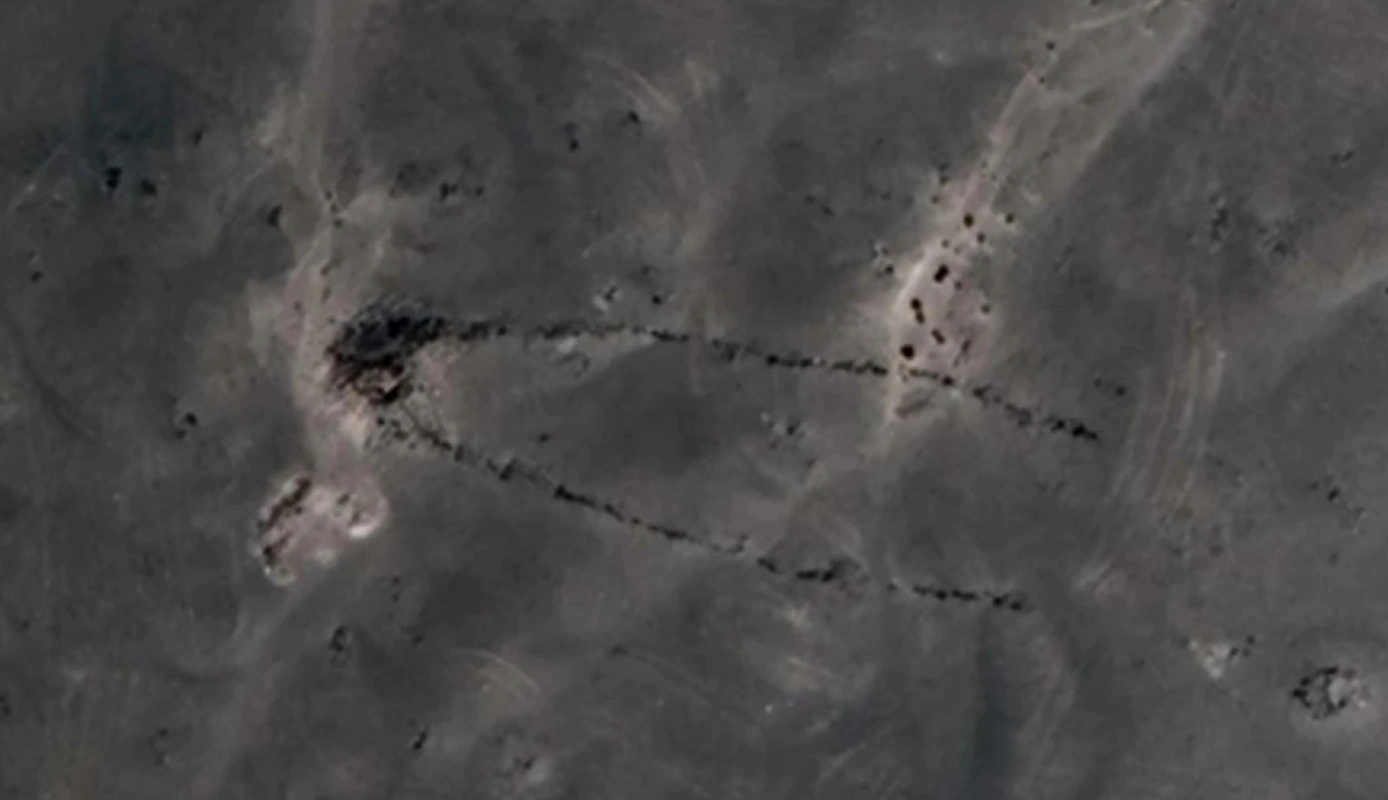
On a gravel plain in northern Western Sahara, with no shade for miles, there is a heap of stones 54.5 meters (179 feet) long. Two rows of stone slabs run out from it like the arms of a V that never quite closes. Archaeologists call these rows “antennae”, and the monuments antennae tumuli (a tumulus […]

  •  

Una tumba de 55 metros de longitud descubierta en el Sáhara Occidental tiene más de 4.000 años

En una llanura de grava del norte del Sáhara Occidental, sin una sombra donde resguardarse, hay un montón de piedras de casi 55 metros de largo del que salen dos hileras de losas. Los arqueólogos las llaman «antenas», y de ahí el nombre de estos monumentos, túmulos con antenas. Son frecuentes en el país y […]

  •  

Africa CDC Urges Global Help as Ebola Spreads

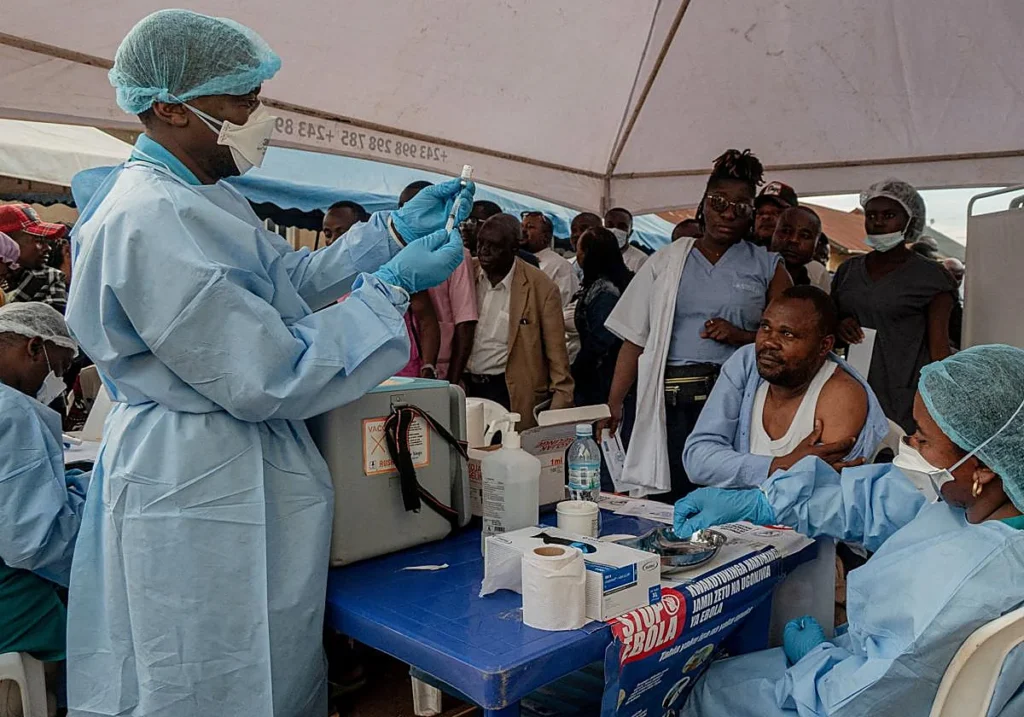
The Africa CDC made an urgent call to the international community to support the fight against the Ebola outbreak with funding, medical supplies, diagnostic tests and trained response personnel. Photo: ABC.

The Africa Centres for Disease Control and Prevention issued an urgent call for international solidarity Wednesday, warning that the Bundibugyo strain of Ebola is spreading faster and across a wider geographic area than any previous outbreak of its kind.


The alert followed confirmation by Nigeria’s government on Tuesday of the country’s first case, a woman who arrived in the capital Abuja on an international flight from Uganda, who remains isolated under medical care while authorities work to contain any possible transmission.

Nigeria has become the fourth nation on the continent to report confirmed infections, joining the Democratic Republic of the Congo, Uganda and Kenya.

RELATED: Nigeria Confirms First Ebola Case as Outbreak Spreads in Africa

Jean Kaseya, director general of Africa CDC, described the gravity of the moment in direct terms. “We cannot allow this outbreak to spread to more countries or continue for another year,” he said, stressing that the virus has now achieved the widest geographic reach in the history of the disease.

"This Ebola outbreak is no longer one country's fight."

Africa CDC Director General H.E. @Dr_JeanKaseya calls on every @_AfricanUnion Member State to detect early, trace every contact and protect health workers. On the 28th of October, he will be convening Africa's ministers of… https://t.co/7esmXLjk1N

— Africa CDC (@AfricaCDC) October 21, 2026

Four Countries Affected

The current episode stands as the second deadliest Ebola outbreak ever recorded worldwide, with more than 4,600 deaths across the region. In the Democratic Republic of the Congo alone, the toll has surpassed 4,205, a figure that underscores how deeply the epidemic has taken root there even as it extends into new territory.

Kaseya framed the response as inseparable from global security. “Every day of delay costs lives. Africa’s health security is global health security. Stopping Ebola in Africa today means protecting the world,” he said, adding that Nigeria has the agency’s total solidarity and that the outbreak must be defeated together.

Africa CDC had already anticipated the crisis. In May 2026 the specialized agency of the African Union declared a public health emergency of continental security, a warning that positioned the region’s institutions ahead of the current escalation. The agency has since begun mobilizing assistance toward Nigerian territory while reinforcing response operations in the Democratic Republic of the Congo, Kenya and Uganda.

Urgent Call for Funding

Kaseya directed his appeal beyond the continent, telling the international community what the response requires. “We need immediate and flexible funding, medical supplies, diagnostic tests, trained response personnel and stronger community surveillance,” he said.

The public health agency of the African Union has moved quickly to convert the appeal into action. On Wednesday it invited the region’s health ministers to a virtual meeting scheduled for October 28, where they will debate the spread of the virus and coordinate next steps. The gathering arrives less than a week after Nigeria’s first confirmed case, a timeline that reflects the urgency Kaseya has attached to the response.

Nigeria’s entry into the outbreak carries particular weight. The country is the most populous on the continent, and its capital’s connection to an international flight from Uganda raises questions about how far the virus may have traveled before detection. For now, the patient remains the single confirmed case in the country. But the presence of the disease in Abuja, rather than in a border community, changes the calculus for responders who must now trace contacts across a dense urban network. The woman’s isolation is one line of defense; the contact tracing around her is another, and both depend on the resources Africa CDC is struggling to assemble.

The outbreak’s trajectory since May has followed the pattern Kaseya warned about. Declared an emergency when still confined to a smaller footprint, it has now breached four national borders and shows no sign of slowing. The October 28 meeting of health ministers will test whether that warning has finally translated into the funding and supplies that African institutions have been requesting for months.

  •  

UN Warns El Niño Could Be Off the Scale, 3.8°C Above Average

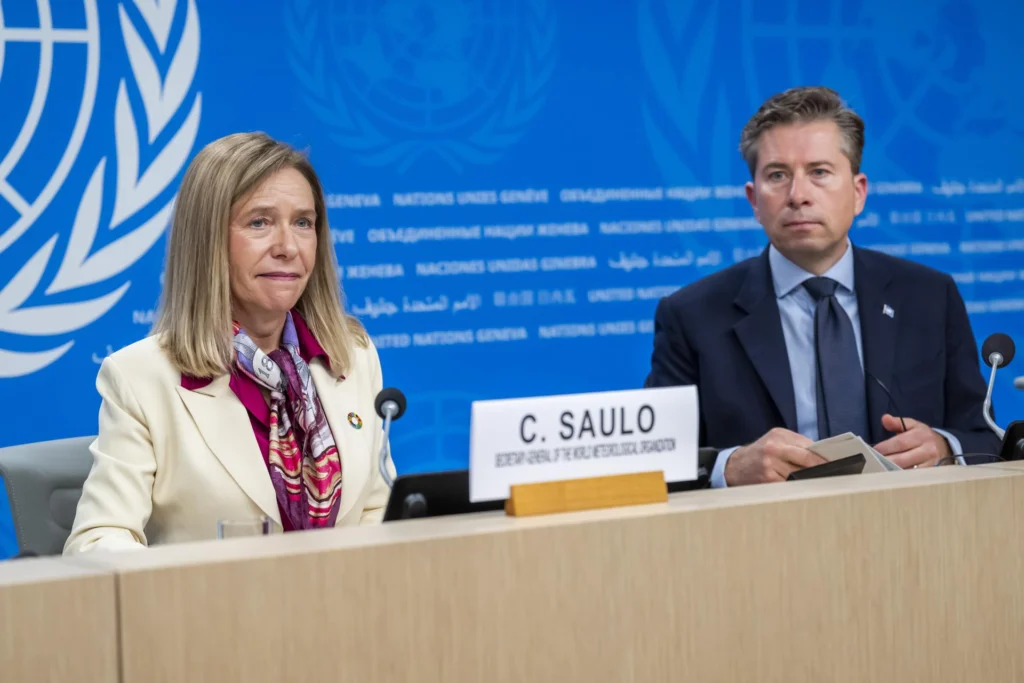
UN announced the allocation of $50 million from the UN emergency fund to assist 11 of the most vulnerable countries, including Chad, El Salvador, Ethiopia, Somalia and South Sudan, as a priority. Photo: EFE.

The UN World Meteorological Organization warned Wednesday that the current El Niño episode could push Pacific sea surface temperatures to 3.8 degrees Celsius above the average between November 2026 and January 2027, levels its top official called unprecedented in four decades of monitoring.


The alert came during a joint press conference in which the World Meteorological Organization (WMO) Secretary-General Celeste Saulo acknowledged that the phenomenon now sits “literally outside the scales of monitoring that we have used over the past four decades.”

Her assessment placed the coming months among the most severe climate events recorded since such tracking began.

RELATED: El Niño Extreme Weather: 34 Days of Record Rain Raise Global Alarm

Saulo and UN humanitarian coordinator Tom Fletcher issued an urgent call for the international community to prepare in advance for the consequences they expect.

Fletcher put the human cost in stark terms. The phenomenon “will shake Latin America, eastern and southern Africa, Asia and the Pacific with extreme heat, droughts and floods,” he warned, and could push food insecurity to affect as many as 50 million people worldwide.

The warning singled out regions already struggling with fragile agricultural systems and limited infrastructure, where a single failed harvest can tip entire communities into crisis.

El Niño is set to hit fragile communities hard.@UNOCHA and @WMO are sounding the alarm, appealing for immediate assistance to support communities already affected by what has been described as the strongest El Niño on record. https://t.co/LDrygGkPPw pic.twitter.com/H1XcVA3AR7

— UN News (@UN_News_Centre) October 21, 2026

Off-the-Scale Temperatures

The temperature projection of 3.8 degrees above the long-term average would place this El Niño beyond the upper bands of the monitoring framework built over forty years. Saulo noted that extreme weather events are already being recorded and will tend to multiply as the phenomenon gains intensity. She stressed, however, that the crisis “does not have to inevitably trigger a humanitarian disaster,” a message both officials repeated throughout their appearance.

To front-load the response, Fletcher announced the allocation of 50 million dollars from the UN emergency fund. The money will assist 11 of the most vulnerable countries as a priority, including Chad, El Salvador, Ethiopia, Somalia and South Sudan. The list reflects the broad geographic reach of the expected impacts, spanning the Horn of Africa, the Sahel and Central America.

Both representatives insisted that a window of opportunity remains open. Extreme conditions “do not have to translate into humanitarian emergencies or fatalities” if precautions are taken in time, they argued, framing preparedness as the difference between a difficult season and a catastrophic one.

A Narrow Action Window

Saulo and Fletcher directed their appeal beyond governments. WMO and the humanitarian office urged development banks and international financial institutions to release funds in a coordinated manner before the worst damage occurs. The underlying premise is simple, El Niño cannot be stopped, but its worst human impacts can be mitigated and prevented.

Latin America appears prominently in the forecast. Central America has already been placed on maximum alert over drought conditions linked to the so-called Super El Niño, and the new warning extends that concern across the region. Africa faces the mirror problem in several zones, with eastern and southern areas bracing for a combination of heat, drought and flood depending on local geography.

WMO’s warnings marks a departure from the cautious phrasing typical of international agencies. Describing the phenomenon as off the scale is not a rhetorical flourish but a technical judgment, one intended to shake loose the funding and coordination that slow-moving bureaucracies often withhold until emergencies are already visible. For Saulo and Fletcher, the next three months represent the period when that response must be assembled, not the period when it can still be debated.

  •  

Exiled critic of Rwanda's Kagame found beheaded in Uganda

Robert Kabera, a former Rwandan soldier who had become a vocal critic of President Paul Kagame, was found decapitated near Kampala this week. Ugandan police have opened a murder investigation, while rights groups say the killing fits a pattern of violence against Kagame's exiled opponents. Rwanda's government has not commented.

  •  
❌