❌

Reading view

Peter Pan Tariffs for Companies That Never Grow Up
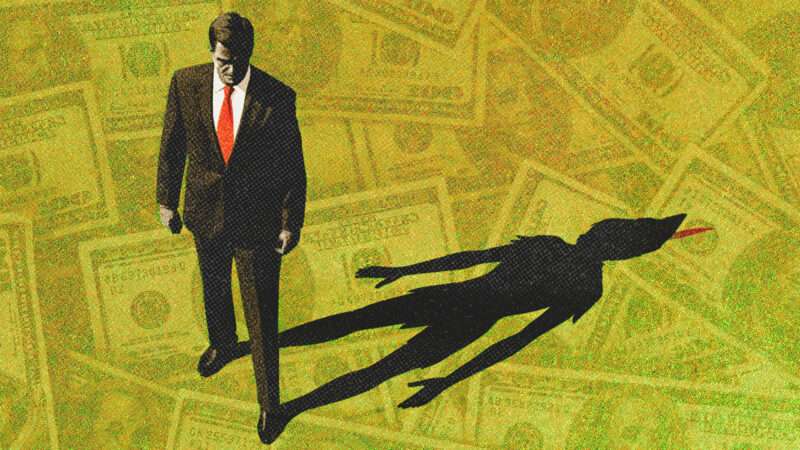
A green tinted background of U.S. paper money with a businessman standing on it who has a shadow that looks like Peter Pan | Illustration: Patrick Bryk/Dreamstime./Midjourney

Of all the arguments for protectionism, the infant industry argument probably has the strongest theoretical appeal. By protecting a new industry from its more developed foreign competition, the story goes, tariffs give domestic producers the time to grow, learn, and become efficient enough to stand on their own. Domestic consumers feel the short-term pains of higher prices, but they enjoy the long-term gains of job growth and lower prices as the new industry blossoms.

It's no secret that tariffs have driven significant price increases over the last year and a half. A study from the New York Federal Reserve finds that tariffs "contributed 2.9 percentage points to goods price inflation" and that without tariffs those prices would have slightly declined. Tariff defenders, looking for a new reason to claim these higher prices are only temporary, have reimagined the infant industry argument. Now it's being used to support trade barriers in industries that are over a century old, but the promise is exactly the same: Domestic firms need the protection so they can compete, innovate, and cut costs until prices come back down even further than they were before the tariffs.

Michael Brendan Dougherty recently made such an argument in National Review, arguing that "tariffs can, over time, bring prices below where they started." When economist Don Boudreaux called the argument "bizarre," Dougherty replied that critics had failed to acknowledge the dynamic process by which markets respond to tariffs "by adapting and cutting costs." Although he is light on specific details, he posits that the changed incentives of a "paradigm shift" in tariff policy will spur domestic competition, leading to the theorized price reduction. Of course, firms would still respond to the dynamic processes of domestic competition without a tariff wall, but the point stands.

From there, the reworked infant industry argument becomes the standard version advanced more than two centuries ago by Alexander Hamilton and his disciple Friedrich List. When Hamilton made this claim in 1791, his argument may have seemed suitable for a new nation seeking to firm up its economy and security against established European powers.

Others at the time pointed out that special interest groups—a manifestation of the "violence of faction" so thoroughly dissected in the Federalist Papers—had already begun to coalesce around the fledgling iron industry in Pennsylvania, clamoring for protective tariffs. Two years earlier, James Madison had warned about a "premature policy of stimulating manufactures" driving tariffs too high. In the end, Hamilton recommended and Congress enacted a far more moderate tariff schedule than his theoretical musings portended. American iron manufacturers received a consolation prize of a higher tariff on their competitors than the rate for most general imports. Hamiltonians have been touting the infant industry argument ever since.

Nearly 250 years later, those same infants apparently have yet to advance into adulthood. Steel, the direct successor to the founding-era iron manufacturers, remains a singular focus of President Donald Trump's protectionist tariff policies, just as it was under former President Joe Biden. And former President George W. Bush before him. Indeed, steel has been a recurring beneficiary of protectionism for most of America's existence.

This extended period of protectionist infancy suggests that the argument needs a new name. We propose the "Peter Pan industry argument" for companies that never grow up because tariffs make sure they never have to.

The question tariff advocates rarely ask is: Why do some American producers have higher costs than foreign rivals even in the face of lower-cost foreign competition? The answer comes down to specific rules and choices within particular firms and industries. Tariffs, and protectionism in general, address none of these. No industry illustrates this like steel, but it is far from the only one.

In 1947, United Steelworkers won a contract provision known as Section 2-B. Among other things, this barred mill managers from changing established work practices unless new technology required it. Steel companies tried to get rid of this in 1959, finding it difficult (given union incentives) to establish that technology required change. In response, 500,000 steelworkers went on strike for 116 days. This strike sent buyers abroad, causing 1959 to be the first year the U.S. imported more steel than it exported. One of the then-new technologies that was delayed was basic oxygen furnaces, which could produce steel far faster and cheaper than the open-hearth furnaces that were so common. In 1965, only about 17 percent of steel made in the U.S. was made using the basic oxygen furnace. Japan produced 55 percent of its steel with this faster, more efficient method.

Change finally came from a steel customer. Vulcraft, a maker of steel joists, grew tired of paying Big Steel's prices and waiting for Big Steel's deliveries. In 1969, free from steel unions and preconceived notions, the company looked for new steel-producing technologies and found the answer in the electric arc furnaces that had been adopted in much of the world throughout the 1950s and '60s. Vulcraft's parent company later renamed itself Nucor, and minimills like the ones it pioneered now make most of America's steel.

So the modern steel industry was built by a frustrated steel buyer who found a way around protected companies. In other words, the U.S. steel industry has lagged behind the technologies found around the world.

We could go on, but the broad point here is that the "relatively higher domestic production costs that made the tariff 'necessary' in the first place," as one critic put it, are often the result of preventing competition in the first place. It's odd to suggest that further preventing competition through tariffs will somehow alleviate the ills of already-prevented competition.

Tariff advocates fail to acknowledge that the ability to import steel also comes with the benefit of access to cheaper steel for steel-using industries, such as manufacturing. A 50 percent tariff on steel further closes the release valve that imported steel offers. Buyers of steel are then left to purchase more of the more expensive domestic steel. Because new steel mills take years to bring online, this causes delays and longer delivery times for manufacturers.

We don't have to wonder what happens when a country lowers its tariffs on materials used by manufacturers. India did this in the '90s, and researchers found that newly available inputs accounted for 31 percent of the new products that Indian manufacturers introduced. And what happens when the U.S. imposes tariffs on steel? Downstream U.S. firms become less competitive. This is why American businesses clamor for exemptions to tariffs, especially for tariffs on materials like steel.

Perhaps all this could be forgiven if tariffs advanced national security concerns, as tariff advocates assert. They point out that an adversarial nation could cut off supplies of critical materials during wartime and cripple America's ability to defend itself. Unfortunately, tariffs fail there too.

First, this conflates production with access. While domestic production does ensure domestic access, access can be secured without production. In the case of steel, the Commerce Department reports that in 2025, the U.S. imported steel from 79 countries, with Canada being our top foreign supplier. The top 10 sources of steel are responsible for 77.8 percent of America's steel imports. None of those countries were considered adversaries—at least not until the tariff crusades pushed these friends away. What's more, according to the American Iron and Steel Institute, only 23 percent of finished steel in the U.S. was imported in 2024. Far from being exposed to foreign states' whims, American access to steel is incredibly resilient.

Second, this view ignores the positive effects of trade and globalization on national security. The Center for Strategic & International Studies finds that increased trade between countries reduces the likelihood that they'll go to war against one another. Globalization helps ensure that domestic access continues unabated should war break out, thanks to the diversity of trading partners.

When Hamilton made the infant industry argument, he at least assured us that the industry would at some point advance to adulthood and stand on its own. Steel, like so many other Peter Pan industries, has proven Madison right. These industries have refused to grow up, and it's time to stop pretending that tariffs will fix that.

The post Peter Pan Tariffs for Companies That Never Grow Up appeared first on Reason Magazine.
  •  

RFK Jr. Wants To Cut Red Tape in Kidney Care. He Should Go Further.

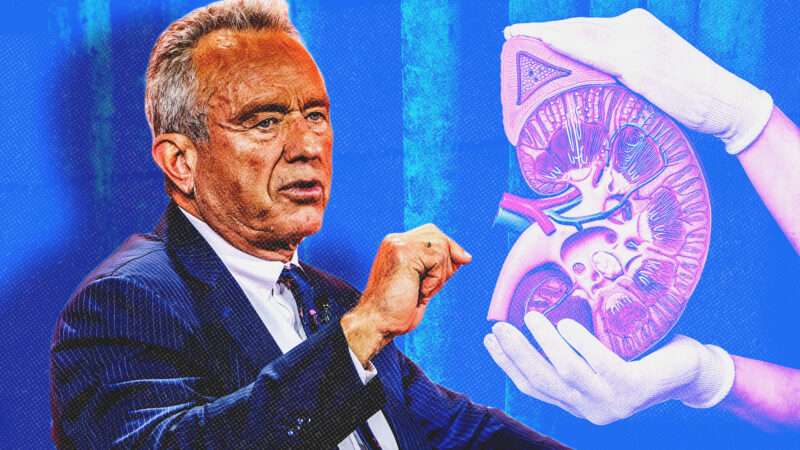
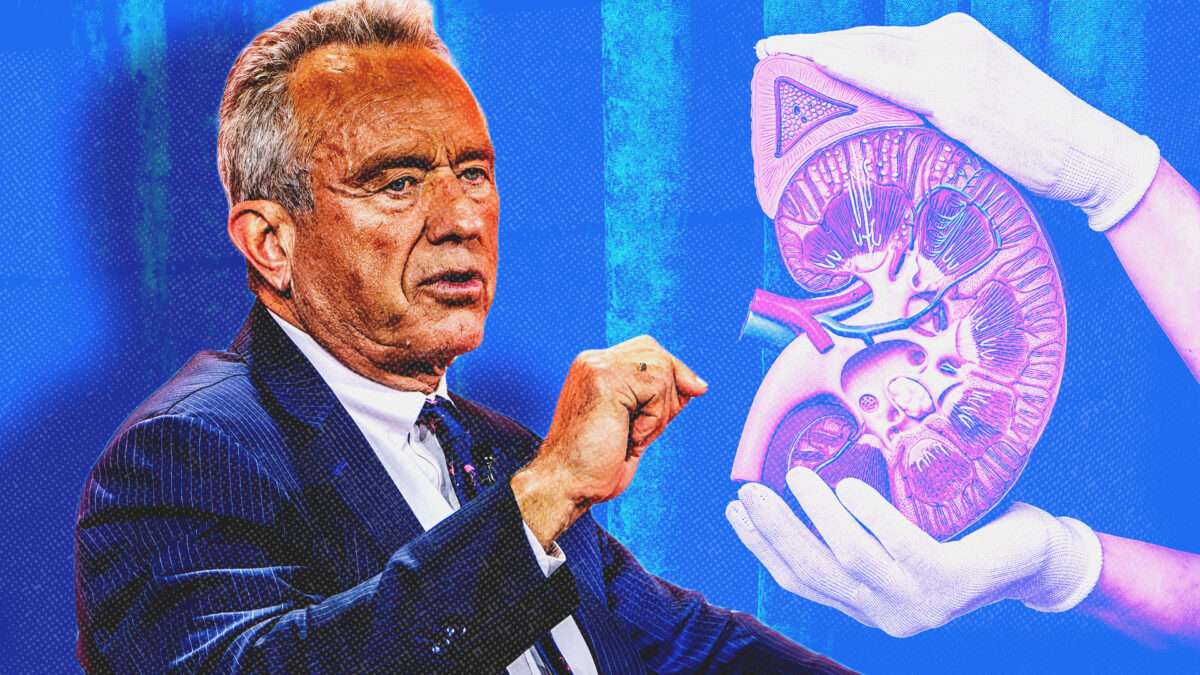
Health and Human Services Secretary Robert F. Kennedy Jr. and a graphic of a kidney | Illustration: BONNIE CASH/UPI/Newscom/Peakstock/Envato

Like most of American healthcare, kidney care has for decades been plagued by red tape. The Trump administration says it wants to change that. On Tuesday, Department of Health and Human Services (HHS) Secretary Robert F. Kennedy Jr. announced his department's Kidney Care National Plan, which promises to introduce more competition, reduce regulatory barriers, expand patient choice, and overhaul America's kidney transplant system.

Much of the plan focuses on barriers to entry in dialysis care, which treats nearly 558,000 Americans. While dialysis can be performed at home, most patients receive treatment at specialized facilities, which must comply with federal certification requirements governing equipment, staffing, water quality, and patient safety in order to participate in Medicare.

Kennedy argues that regulatory barriers have discouraged competition and innovation, leaving patients with fewer dialysis treatment options. "Dialysis technology is an extraordinary technology," said Kennedy at the press conference, but "because of monopolies in the system and the barriers to new entrants, we have not seen any real improvements in that technology."

Of course, the existence of large or even monopolistic companies is not in itself evidence of a problem, but government regulation can often entrench those companies' positions in the market. "I like the fact that they're recognizing that a lot of regulatory…barriers are contributing to the problem, and that's refreshing to hear," says Jeffrey Singer, a practicing general surgeon and senior fellow at Reason Foundation, the nonprofit that publishes Reason. Singer says that removing barriers that prevent new companies from competing with established providers could not only increase choice but also drive down prices.

HHS says that two companies, DaVita and Fresenius Medical Care, control approximately 74 percent of the American dialysis market. As of 2019, roughly a third of Americans lived in areas where the only available dialysis provider was one of those two companies, according to the agency. The administration argues that government regulation has helped entrench this dominance by making it difficult for new providers to enter the market.

To address this, the Kidney Care National Plan suggests a number of reforms, including simplifying certification requirements. HHS also plans to investigate whether dominant dialysis providers have used payment arrangements and legal strategies to secure higher reimbursements without delivering better care.

The 17-page report calls for a review of existing requirements, but it does not specify which regulations will be repealed, nor does it establish a timeline for doing so. It also does not propose any significant reduction in the government's role in financing the distorted market. Instead, the plan largely seeks to make existing government-financed systems such as Medicare more competitive and efficient.

Kennedy has also correctly identified the need for reform regarding kidney donations. Nearly 90,000 people are waiting for a kidney transplant at any given time in America, and 11 people die every day waiting for a kidney. The transplant process is currently managed by Organ Procurement Organizations (OPOs), which are federally certified nonprofits responsible for recovering organs from donors and coordinating their transfer. There are currently just 55 federally designated OPOs operating in the United States, and HHS argues that they behave as "regional monopolies." Since no new OPOs have been approved in the last year, the Kidney Care National Plan suggests fast-tracking certification.

The plan also seeks to make living kidney donation easier by reducing financial barriers. Following the passage of the Honor Our Living Donors Act in February, HHS revised federal reimbursement rules so that a donor's eligibility for financial assistance is no longer determined by the transplant recipient's income. Eligible donors can receive up to $6,000 to cover expenses, including travel, lost wages, and childcare.

However, the reforms proposed stop short of allowing kidney donors to receive direct compensation for the organs themselves, which remains prohibited under federal law. "I can sell my blood. Why can't I sell my kidney?" Singer asks.

Peter Jaworski, director of the Georgetown Blood and Plasma Research Group, feels similarly, arguing that financial incentives are available to nearly everyone involved in kidney transplantation except the donors themselves. "According to this plan, it's OK to use incentives to encourage them to be more productive, to actually do a better job," Jaworski tells Reason, referring to transplant surgeons, hospitals, and organ procurement organizations. "The only exception, once again, is the donor who is offering a kidney."

Better solutions exist, according to Jaworski, who points to the proposed End Kidney Deaths Act. The bill, which was introduced by Rep. Nicole Malliotakis (R–N.Y.) last year, would offer living kidney donors a $50,000 refundable tax credit, distributed over five years. "We have those systems in order to make sure that we can treat patients. That's the point of blood donation. That's the point of plasma donation. That's the point of kidney donation too."

America's plasma market is an excellent example of financial incentives encouraging donation. Unlike many other countries, the U.S. allows plasma donors to be compensated, and despite accounting for just over 4 percent of the world's population, it supplies approximately 68 percent of the plasma collected globally for manufacturing medicines.

"Why do you think America does it? Is it because in America there's way more altruism than in France or Italy or Belgium? No, it's because in the United States you can be paid to donate plasma," argues Jaworski.

The Trump administration appears to recognize that government overreach has stifled competition and restricted patient choice. It also recognizes that living adults donating kidneys will be part of the solution to the long, deadly waiting lists. But its plan leaves the government's outsize role in kidney care largely untouched. For patients facing years on dialysis or waiting for a lifesaving transplant, recognizing the problem is not enough.

The post RFK Jr. Wants To Cut Red Tape in Kidney Care. He Should Go Further. appeared first on Reason Magazine.

  •  

EU Carbon Market Deal Raises Reserve Limit as Industrial Pressure Mounts

European Union negotiators have reached a provisional agreement to revise the rules governing the bloc’s carbon market, increasing the number of emissions allowances that can remain in reserve before being permanently cancelled.

The agreement, reached by the Council and European Parliament on 20th October and announced the following day, raises the invalidation threshold of the EU Emissions Trading System’s market stability reserve from 400 million to 700 million allowances.

The compromise reached by EU negotiators follows months of pressure from energy-intensive industries concerned about carbon prices, electricity costs and competition from manufacturers operating under less restrictive environmental regimes.

The measure requires formal approval before entering into force and forms part of a wider review of the EU’s principal carbon-pricing mechanism.

A larger reserve for future market disruptions

Established in 2019, the market stability reserve was designed to address the accumulation of surplus emissions allowances that had weakened the effectiveness of Europe’s carbon market.

Under the Emissions Trading System, companies in covered sectors must surrender allowances corresponding to their greenhouse gas emissions. The total quantity available is progressively reduced, creating a financial incentive to cut emissions.

The reserve adjusts the supply of allowances entering the market, withdrawing them when there is a substantial surplus and releasing them under specified conditions when supply becomes scarce.

Existing rules also provide for the permanent cancellation of allowances held above a threshold of 400 million.

Under the new agreement, that threshold would increase to 700 million, allowing a larger stock to remain available for potential future release.

The change does not automatically introduce 300 million additional allowances into circulation. Releases would continue to depend on the reserve’s operating rules and market conditions.

According to the Council, more than three billion allowances have been invalidated since the mechanism began operating in 2023.

The Commission initially proposed ending automatic invalidation indefinitely, while the Council’s September negotiating position envisaged a temporary suspension followed by a higher threshold.

The compromise retains invalidation but increases the amount protected from cancellation.

Industry competitiveness enters climate negotiations

The agreement follows growing concern about the cumulative cost of European climate regulation, particularly for steelmaking, chemicals, cement and other energy-intensive sectors. Manufacturers have warned that carbon costs, combined with relatively expensive electricity and industrial gas, complicate investment decisions and weaken their ability to compete internationally.

Brussels must also consider the consequences of production shifting to jurisdictions with lower emissions-related costs, a phenomenon known as carbon leakage. Earlier this year, EU Today examined the Commission’s consideration of changes to industrial protections under the ETS, including the relationship between free allowances and the Carbon Border Adjustment Mechanism.

The latest reserve agreement does not directly change the allocation of free allowances, the emissions cap or the obligations imposed on individual industrial installations. Its principal effect would be to preserve a larger buffer that could become available if future market conditions trigger the release mechanism.

For manufacturers planning investments extending into the 2030s, the availability of allowances and the future trajectory of carbon prices influence production costs and the commercial case for decarbonisation technologies.

Carbon market figures reveal changing conditions

The European Commission reported in May that the total number of allowances in circulation during 2025 stood at approximately 1.023 billion.

Its annual market stability reserve calculation provided for approximately 190.5 million allowances to be withdrawn from auctions between September 2026 and August 2027.

These withdrawals reflect the existing mechanism for reducing market surpluses. The proposed higher invalidation threshold concerns how many allowances can subsequently remain in reserve rather than being cancelled.

The overall emissions cap will continue to decline under the legislation already governing the ETS.

Consequently, preserving a larger reserve does not remove the long-term constraint on emissions or guarantee lower carbon prices for European industry.

The agreement also concerns the established ETS covering power generation, industry and certain other sectors, rather than the separate ETS2 regime for emissions associated with road transport and buildings.

The latter has generated its own political controversy, as EU Today reported following the October European Council summit.

Broader ETS reform remains unresolved

The Council and Parliament have agreed that the question of gradually reducing the invalidation threshold should be considered during the broader ETS review.

That exercise will address the carbon market’s operation over a longer period, when the declining supply of allowances could create tighter conditions.

The present agreement therefore provides an adjustment to the reserve mechanism without reopening the entire emissions trading framework. Following legal and technical finalisation, the provisional deal must be endorsed by both institutions and formally adopted.

The new 700 million threshold would apply after the legislation takes effect, while the larger review of the ETS continues through the EU legislative process.

  •  

EU Agrees Banking Rule Changes to Unlock Lending and Revive Securitisation Market

The European Union has reached a provisional agreement on reforms to its securitisation framework, potentially allowing banks to release more capital for lending to businesses, households and infrastructure projects.

The agreement, announced on Wednesday, 21st October, follows negotiations between the Council and European Parliament over changes to prudential requirements and the regulation governing securitised financial products.

The reform package agreed by EU negotiators would reduce capital requirements for lower-risk transactions, introduce a new category of resilient securitisations and simplify administrative procedures for financial institutions and investors.

It forms part of the EU’s Savings and Investments Union initiative, which aims to channel more private capital into the European economy.

Banks offered greater flexibility

Securitisation allows banks and other lenders to combine financial assets, including mortgages, consumer credit and corporate loans, into securities that can be purchased by investors.

By transferring some of the financial risks associated with these assets, banks can reduce the amount of regulatory capital they are required to maintain against particular exposures.

This can increase their capacity to extend new loans, although it does not guarantee that additional lending will follow.

The provisional agreement would recalibrate capital requirements according to the risk of individual transactions.

Lower-risk securitisations would receive more favourable treatment, while higher capital requirements would continue to apply to riskier structures.

A new category of resilient securitisations would be introduced alongside the existing framework for simple, transparent and standardised transactions, commonly known as STS securitisations.

The agreement would also strengthen supervision of independent organisations responsible for verifying compliance with the STS criteria.

The Council said that third-party verifiers would become subject to EU-level supervision, with the aim of improving consistency across national markets.

European financial markets remain fragmented

The reforms address a long-standing concern that European banks face higher administrative and capital costs for securitisation than competitors operating under other regulatory systems.

Following the financial crisis of 2008, European authorities introduced tighter rules governing structured financial products, including restrictions intended to improve transparency and ensure that lenders retained appropriate exposure to credit risks.

The resulting framework, which began applying in 2019, strengthened investor protection but also increased compliance costs.

The European Commission proposed the latest review in June 2025, arguing that the existing arrangements had constrained the development of securitisation as a financing tool.

According to the Association for Financial Markets in Europe, approximately €252.3 billion in securitised products was issued across Europe in 2025, with €156.3 billion placed with investors.

Those figures cover the wider European market, including activity outside the EU.

Brussels regards the development of deeper financial markets as necessary to finance infrastructure, technological investment and industrial development.

As EU Today previously reported, the EU’s largest economies have also been examining proposals to strengthen supervision and reduce fragmentation across European capital markets.

Will banks lend more to businesses?

The potential benefits of securitisation are not automatic.

Research published by economists on the European Central Bank’s website in September 2026 found that banks using synthetic securitisation increased corporate lending only modestly, while also distributing more capital to shareholders.

Synthetic securitisation allows banks to transfer credit risk to investors without necessarily removing the underlying loans from their balance sheets.

The researchers found that a one per cent increase in synthetic securitisation issuance was associated with an increase of approximately 0.02 per cent in corporate loan growth.

Their findings also indicated that banks participating in the synthetic securitisation market made greater use of capital released through these transactions to increase dividend payments.

The study suggests that easing capital requirements alone may not generate the substantial expansion in business lending envisaged by European policymakers.

Credit demand, economic conditions and banks’ commercial decisions will also influence whether the reforms produce measurable increases in investment financing.

Broader investment rules to change

The provisional agreement includes additional measures intended to encourage participation by institutional investors.

Investment limits for certain regulated funds, known as UCITS, would be increased, while targeted changes would allow insurers and reinsurers greater participation in specified synthetic securitisation transactions.

The package also seeks to facilitate securitisation arrangements used to finance infrastructure projects before they become operational.

Together, these provisions could widen the investor base and make financing structures available to a broader range of businesses and projects.

However, transferring credit exposure between banks and investors does not eliminate the underlying risk.

If borrowers default or the financial institutions providing protection encounter difficulties, losses may still emerge within the wider financial system.

European regulators will therefore have to assess whether the new classification and supervisory arrangements adequately reflect the risks of different securitisation products.

The political agreement now requires legal finalisation and formal approval by the Council and European Parliament.

The new arrangements would then form part of the EU’s wider programme to strengthen financial markets and reduce barriers to investment across the single market.

  •  

Bet Blaze funcionou em endereço de empresas ligadas a Willer Tomaz, investigado pela PF

Um relatório de análise da nuvem associada ao celular do advogado Willer Tomaz de Souza, produzido pela Polícia Federal (PF), revela que a Foggo Entertainment Ltda, empresa responsável pelas operações da plataforma de apostas Blaze no Brasil, utilizou o mesmo endereço comercial que já havia sido registrado anteriormente por empresas ligadas a Willer Tomaz e a seus ex-sócios. Tomaz ganhou manchetes de todo o país em agosto devido a seu processo contra a própria Blaze, tentando reaver R$ 163 milhões que teria apostado na plataforma, o que chamou a atenção da PF e do Ministério da Fazenda por suspeita de lavagem de dinheiro.

O imóvel localizado na Alameda Prudente de Moraes, nº 86, no bairro Mercês em Curitiba, consta nos registros cadastrais da Foggo Entertainment — CNPJ que recebeu transferências milionárias enviadas por Willer — e já havia sido sede da RioPag S/A, processadora de pagamentos de apostas da Loterj, além de outras sociedades vinculadas a um ex-sócio de Willer.

A análise do iCloud do aparelho celular e Willer Tomaz foi possível a partir de quebra de sigilo autorizada pela Justiça após operação de busca e apreensão contra o advogado e empresário no âmbito da operação Sem Desconto, que investiga as fraudes no INSS. A apuração da PF aponta que o advogado realizou diversas transferências bancárias fracionadas e sistemáticas de R$ 100 mil para a conta da Foggo Entertainment. Ao rastrear a estrutura societária e operacional da empresa de apostas, os investigadores identificaram a sobreposição de endereços entre a operadora da Blaze e a Riopag S.A.

Para os investigadores, a coincidência de endereços “reduz a força de uma leitura puramente casual e justifica aprofundar a investigação sobre eventuais vínculos societários, comerciais ou operacionais entre o investigado, antigos parceiros e a estrutura responsável pela atividade de apostas”.

Uma das suspeitas da PF é que a plataforma de apostas não fosse utilizada apenas para apostas recreativas, mas como meio de circulação intensiva, pulverização do dinheiro e eventual retorno de capital. A análise dos extratos de Willer Tomaz revelou movimentações diárias na plataforma que chegaram a superar R$ 35 milhões em dias específicos, acumulando registros contábeis de perdas na ordem de R$ 40,83 milhões entre junho e outubro de 2025.

Com o cruzamento do endereço em Curitiba e a identificação de saques em cassinos no exterior, as autoridades buscam determinar se as perdas registradas na conta de apostas eram efetivas ou se retornavam ao patrimônio do grupo por meio de estruturas empresariais interpostas.

Dinheiro que circula em várias etapas/empresas

Até o momento, o “amigo advogado” de Flávio Bolsonaro (PL) tem negado ser sócio ou acionista de várias empresas, inclusive as ligadas à operação de bets que funcionavam legalmente no estado do Rio de Janeiro até a primeira semana de outubro. No entanto, um email extraído do iCloud do aparelho celular do empresário, enviado pelo próprio Willer Tomaz para a instituição Magnum Bank, indicam, segundo a PF, “o controle ou vínculo de fato” de Tomaz sobre uma longa lista de empreendimentos, incluindo a RioPag S/A, que opera o meio de pagamento de prêmios da Loterj desde 2023.

Na mensagem em questão, Willer “declara ser sócio ou acionista” de uma lista de companhias, incluindo Rio Pag S/A e Embrasis. “Inclusive daquelas em que seu nome não consta formalmente do quadro societário”, escreve a PF.

Materiais obtidos pela Agência Pública e o relatório da PF ajudam a desenhar a estrutura entre as companhias ligadas à RioPag até chegar a Tomaz, um arranjo que envolve empresas atualmente registradas no Distrito Federal e no Rio de Janeiro.

Certidões emitidas pelas Juntas Comerciais do Distrito Federal e do Rio de Janeiro mostram que a RioPag tem uma única acionista, uma empresa atualmente chamada Capital Pretium S/A (antes chamada de Pixs Holding SA). Por sua vez, a Capital Pretium também possui apenas uma sócia, a Empresa Brasileira de Sistemas de Computação (Embrasis S/A). Até 6 de outubro de 2026, quando houve alteração de diretoria e do estatuto social da empresa, os dois únicos acionistas da Embrasis S/A eram Willer Tomaz (82,5%) e sua irmã, Christine Tomaz de Souza (17,5%).

Oficialmente, o advogado amigo de Flávio Bolsonaro não exerceu papel de gestão ou direção em nenhuma delas. A PF conseguiu estimar o fluxo financeiro entre a teia de empresas até que o dinheiro chegasse a Willer Tomaz. Segundo a investigação, a RioPag repassava aproximadamente 15% de seus recursos à atual Capital Pretium. A Pretium passava à Embrasis cerca de 90%, enquanto a Embrasis, dos irmãos Christine e Willer Tomaz, fazia o repasse “quase integral”, segundo a PF, de seus volumes financeiros.

Segundo relatórios mensais apresentados pela RioPag ao governo do Rio de Janeiro obtidos pela Pública, entre março de 2024 (quando assumiu o controle da operação) e agosto de 2026, a RioPag registrou mais de R$ 185 milhões em receitas. O valor dizia respeito a serviços como o pagamento de prêmios de produtos lotéricos, de bilhetes de ‘raspadinha’ a apostas esportivas (bets). A PF identificou ainda que Willer teria recebido ao menos R$ 67,7 milhões da Embrasis ao longo de 2024, conforme declaração de Imposto de Renda Pessoa Física reproduzida no relatório da operação.

Para SPA, Blaze não cumpriu requisitos para o combate à lavagem de dinheiro

Willer Tomaz de Souza foi a pessoa com o “maior volume total de depósitos” em bets no país em 2025, segundo uma nota técnica assinada em 1º de outubro de 2026 pelo subsecretário de Monitoramento e Fiscalização da Secretaria de Prêmios e Apostas (SPA) do Ministério da Fazenda. Ainda assim, WTS, como é citado no documento, teria sido enquadrado pela Blaze como um cliente de risco “médio” ao invés de risco “crítico”. O exemplo é utilizado para ilustrar uma série de “indícios de infrações administrativas” por parte da bet – entre as quais constam “ausência de seleção e análise de operações suspeitas” de lavagem de dinheiro.

“Uma rápida pesquisa em fontes abertas na internet mostra que o cliente já esteve detido sob suspeita de corrupção”, aponta a pasta, que alega que Willer Tomaz deveria ter sido avaliado como um cliente de risco “crítico” para que fossem tomadas “medidas especiais importantes” como “comunicações ao Coaf” em relação às movimentações do advogado.

Segundo a nota técnica, o amigo de Flávio Bolsonaro “girou cerca de R$ 5 bilhões em apostas no período, e somou quase R$ 200 milhões acumulados em saques” na Blaze somente naquele ano. Para a SPA, tais valores “deveriam ao menos haver passado por seleção e análise, ainda que a análise concluísse pela ausência de indícios” de lavagem de dinheiro.

Para a Fazenda, “operações do mesmo cliente [Willer] também chamam a atenção” pelo volume de dinheiro movimentado, pela frequência da movimentação e também pela multiplicidade de operações simultâneas. De acordo com a nota técnica assinada pelo subsecretário Carlos Renato Xavier de Resende, as operações poderiam ser enquadradas em práticas proibidas pela legislação que regulamentou a atividade das bets no país – tais como “possível uso de ferramenta automatizada” e “depósitos ou saques em curto espaço de tempo, sugerindo fracionamento ou dissimulação”.

Houve diversas situações em que múltiplos depósitos ou saques ocorreram num curtíssimo espaço de tempo, como, por exemplo, um mesmo dia (30/10/2025) em que foram realizados cinco depósitos de R$ 500 mil em uma mesma hora da manhã, outros cinco do mesmo valor em uma mesma hora da tarde, e outros quatro do mesmo valor em uma mesma hora da noite, totalizando R$ 7 milhões em depósitos em um único dia”, segundo a SPA. A pasta aponta ainda que, no dia seguinte, houve “doze saques de R$ 500 mil realizados em um espaço de 18 minutos”
somando R$ 6 milhões.

A nota técnica destaca ainda que a Blaze “falhou em evidenciar uma devida avaliação do perfil econômico desse cliente [Willer Tomaz]” e que “a observação do extrato de operações dele (em especial os vários depósitos e saques em períodos curtíssimos descritos anteriormente) levantam a possibilidade – sujeita a análise, naturalmente – de operações estruturadas (aquelas em que as movimentações financeiras são divididas em várias partes menores, visando-se a não disparar gatilhos de alerta e/ou chamar a atenção dos responsáveis pelo monitoramento, fiscalização ou persecução criminal)”.

Para basear seus argumentos, a SPA afirma que a Blaze comunicou ao Coaf a existência de apenas sete operações suspeitas na plataforma em 2025 e outras nove em 2026, e nenhuma delas envolvia valores acima de R$ 15 mil.

“Chama a atenção o fato de uma empresa identificar, selecionar, analisar e comunicar ao Coaf atividade atípica em operações de valores comparativamente irrisórios, enquanto a atividade de um cliente que fez 629 apostas individuais de valor igual ou superior a R$ 500 mil (cada uma) ao longo de um ano (sendo quatro delas de R$ 1 milhão, e 394 delas de exatos R$ 500 mil) – o cliente sobre cuja atividade se discorreu anteriormente – sequer tenha sido objeto de análise pela mesma empresa”, segundo a nota técnica da Fazenda.

Procurado pela Pública, a assessoria de imprensa de Willer Tomaz informa que “todos os pontos levantados repetem informações já divulgadas e reiteradamente esclarecidas nas últimas semanas”: “Requentá-los às vésperas do segundo turno, a partir de dados sigilosos vazados, tem o evidente propósito de interferir no processo eleitoral. O advogado Willer Tomaz não cometeu nenhuma irregularidade. Nunca dividiu conta bancária com o senador Flávio Bolsonaro, tema que já motivou queixa-crime por difamação; as viagens foram convites entre famílias, sem contrapartida; e as questões de natureza pessoal estão sob análise dos tribunais.”

A Foggo Entertainment afirma que “esclarece que atua em estrita conformidade com a legislação e a regulação vigentes, adotando políticas rigorosas e contínuas de prevenção à lavagem de dinheiro (PLD), monitoramento de transações e comunicação de operações atípicas aos órgãos competentes”. Em nota à Pública, a companhia reitera de forma categórica que “Willer Tomaz atuou exclusivamente na condição de cliente da plataforma, não possuindo qualquer tipo de participação societária, direta ou indireta, vínculo de controle, ou ingerência na gestão da empresa. 

Em respeito às questões de sigilo, além da legislação de privacidade e proteção de dados, bem como aos ritos legais, a Blaze não comenta detalhes operacionais de clientes nem investigações em andamento, reafirmando que permanece à disposição das autoridades e órgãos reguladores para prestar todos os esclarecimentos necessários.”

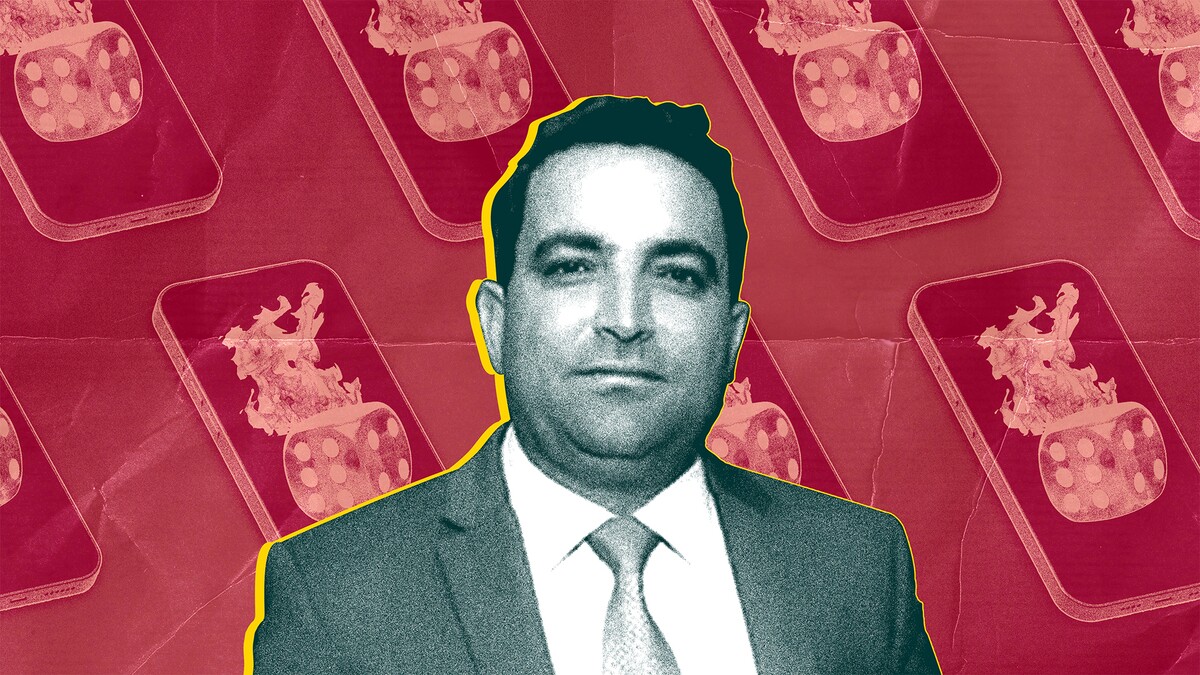
O advogado Willer Tomaz ao lado do senador Flávio Bolsonaro

Flávio Bolsonaro e a conta de holding

Ainda no âmbito da operação Sem Desconto, a PF mapeou uma rede de relações operacionais, financeiras e pessoais entre o presidenciável Flávio Bolsonaro (PL) e o advogado Willer Tomaz. Os apontamentos  apresentados no relatório mostram desde a inclusão do senador como usuário com plenos poderes em conta bancária empresarial até o custeio de viagens familiares em aeronaves privadas por uma offshore vinculada a negócios de apostas esportivas.

De acordo com o relatório, Flávio Bolsonaro esteve cadastrado com perfil de usuário master na conta bancária da Alcazar Holding mantida junto ao Banco Santander. A condição permitia o gerenciamento da conta até 22 de maio de 2025, quando uma secretária do escritório de Willer Tomaz encaminhou e-mail à instituição financeira solicitando expressamente a remoção do acesso do parlamentar e do próprio advogado.

A Alcazar Holding detinha, inclusive, 33,33% do capital social da Fraction 024 Administração de Bem Próprio S.A., sociedade proprietária de um jato executivo Legacy 650. A Fraction ganhou projeção pública por ter sido utilizada como pagadora em operações de cessão de ativos vinculadas a investigações sobre o Banco Master e o grupo Viking Participações, ambos de Daniel Vorcaro.

Os arquivos examinados pela PF expõem, ainda, um histórico de deslocamentos internacionais realizados em conjunto por integrantes das famílias de Willer Tomaz e de Flávio Bolsonaro. Os relatórios de voos em jatos executivos para destinos como Cascais (Portugal) e Nice (França), apontam que a aquisição de passagens e a logística de transporte foram intermediadas pela Cathedral Holding.

Segundo a PF, a Cathedral Holding não atuava apenas na esfera patrimonial ou no custeio de despesas pessoais do grupo. A empresa figura no organograma do grupo de Willer Tomaz como sócia da Rede Loto Ltda – primeira operadora a obter credenciamento junto à Loteria do Estado do Rio de Janeiro (Loterj) para explorar apostas esportivas no estado por meio do domínio BestBet.

Conversas secretas e limpeza na Googlesfera

O relatório da PF com base no iCloud do aparelho celular do advogado Willer Tomaz registra ainda que Flávio Bolsonaro era um dos contatos favoritados pelo advogado no aplicativo Confide. A plataforma é um aplicativo que oferece troca de mensagens privadas de vida curta, que desaparecem após pouco tempo, sem histórico aparente no aparelho.

Os peritos identificaram ainda planilhas e comprovantes de pagamentos efetuados por Willer Tomaz a prestadores de serviços encarregados de remover reportagens e desindexar links do buscador Google. A ideia era tentar controlar o que a plataforma apresentava entre os resultados ao público que buscasse os nomes de Willer Tomaz ou do amigo Flávio Bolsonaro, evitando conteúdos negativos ou indesejados pelo empresário.

Entre os conteúdos que deveriam ser excluídos estava uma reportagem que abordava a atuação política de Flávio Bolsonaro em relação ao projeto de lei dos jogos de azar e sua presença em reuniões com operadoras de cassinos em Las Vegas.

A Pública buscou a equipe de Flávio Bolsonaro, que não respondeu aos questionamentos até o momento. Em caso de resposta, este espaço será atualizado.

  •  
❌