Of all the arguments for protectionism, the infant industry argument probably has the strongest theoretical appeal. By protecting a new industry from its more developed foreign competition, the story goes, tariffs give domestic producers the time to grow, learn, and become efficient enough to stand on their own. Domestic consumers feel the short-term pains of higher prices, but they enjoy the long-term gains of job growth and lower prices as the new industry blossoms.
It's no secret that tariffs have driven significant price increases over the last year and a half. A study from the New York Federal Reserve finds that tariffs "contributed 2.9 percentage points to goods price inflation" and that without tariffs those prices would have slightly declined. Tariff defenders, looking for a new reason to claim these higher prices are only temporary, have reimagined the infant industry argument. Now it's being used to support trade barriers in industries that are over a century old, but the promise is exactly the same: Domestic firms need the protection so they can compete, innovate, and cut costs until prices come back down even further than they were before the tariffs.
Michael Brendan Dougherty recently made such an argument in National Review, arguing that "tariffs can, over time, bring prices below where they started." When economist Don Boudreaux called the argument "bizarre," Dougherty replied that critics had failed to acknowledge the dynamic process by which markets respond to tariffs "by adapting and cutting costs." Although he is light on specific details, he posits that the changed incentives of a "paradigm shift" in tariff policy will spur domestic competition, leading to the theorized price reduction. Of course, firms would still respond to the dynamic processes of domestic competition without a tariff wall, but the point stands.
From there, the reworked infant industry argument becomes the standard version advanced more than two centuries ago by Alexander Hamilton and his disciple Friedrich List. When Hamilton made this claim in 1791, his argument may have seemed suitable for a new nation seeking to firm up its economy and security against established European powers.
Others at the time pointed out that special interest groups—a manifestation of the "violence of faction" so thoroughly dissected in theFederalist Papers—had already begun to coalesce around the fledgling iron industry in Pennsylvania, clamoring for protective tariffs. Two years earlier, James Madison had warned about a "premature policy of stimulating manufactures" driving tariffs too high. In the end, Hamilton recommended and Congress enacted a far more moderate tariff schedule than his theoretical musings portended. American iron manufacturers received a consolation prize of a higher tariff on their competitors than the rate for most general imports. Hamiltonians have been touting the infant industry argument ever since.
Nearly 250 years later, those same infants apparently have yet to advance into adulthood. Steel, the direct successor to the founding-era iron manufacturers, remains a singular focus of President Donald Trump's protectionist tariff policies, just as it was under former President Joe Biden. And former President George W. Bush before him. Indeed, steel has been a recurring beneficiary of protectionism for most of America's existence.
This extended period of protectionist infancy suggests that the argument needs a new name. We propose the "Peter Pan industry argument" for companies that never grow up because tariffs make sure they never have to.
The question tariff advocates rarely ask is: Why do some American producers have higher costs than foreign rivals even in the face of lower-cost foreign competition? The answer comes down to specific rules and choices within particular firms and industries. Tariffs, and protectionism in general, address none of these. No industry illustrates this like steel, but it is far from the only one.
In 1947, United Steelworkers won a contract provision known as Section 2-B. Among other things, this barred mill managers from changing established work practices unless new technology required it. Steel companies tried to get rid of this in 1959, finding it difficult (given union incentives) to establish that technology required change. In response, 500,000 steelworkers went on strike for 116 days. This strike sent buyers abroad, causing 1959 to be the first year the U.S. imported more steel than it exported. One of the then-new technologies that was delayed was basic oxygen furnaces, which could produce steel far faster and cheaper than the open-hearth furnaces that were so common. In 1965, only about 17 percent of steel made in the U.S. was made using the basic oxygen furnace. Japan produced 55 percent of its steel with this faster, more efficient method.
Change finally came from a steel customer. Vulcraft, a maker of steel joists, grew tired of paying Big Steel's prices and waiting for Big Steel's deliveries. In 1969, free from steel unions and preconceived notions, the company looked for new steel-producing technologies and found the answer in the electric arc furnaces that had been adopted in much of the world throughout the 1950s and '60s. Vulcraft's parent company later renamed itself Nucor, and minimills like the ones it pioneered now make most of America's steel.
So the modern steel industry was built by a frustrated steel buyer who found a way around protected companies. In other words, the U.S. steel industry has lagged behind the technologies found around the world.
We could go on, but the broad point here is that the "relatively higher domestic production costs that made the tariff 'necessary' in the first place," as one critic put it, are often the result of preventing competition in the first place. It's odd to suggest that further preventing competition through tariffs will somehow alleviate the ills of already-prevented competition.
Tariff advocates fail to acknowledge that the ability to import steel also comes with the benefit of access to cheaper steel for steel-using industries, such as manufacturing. A 50 percent tariff on steel further closes the release valve that imported steel offers. Buyers of steel are then left to purchase more of the more expensive domestic steel. Because new steel mills take years to bring online, this causes delays and longer delivery times for manufacturers.
We don't have to wonder what happens when a country lowers its tariffs on materials used by manufacturers. India did this in the '90s, and researchers found that newly available inputs accounted for 31 percent of the new products that Indian manufacturers introduced. And what happens when the U.S. imposes tariffs on steel? Downstream U.S. firms become less competitive. This is why American businesses clamor for exemptions to tariffs, especially for tariffs on materials like steel.
Perhaps all this could be forgiven if tariffs advanced national security concerns, as tariff advocates assert. They point out that an adversarial nation could cut off supplies of critical materials during wartime and cripple America's ability to defend itself. Unfortunately, tariffs fail there too.
First, this conflates production with access. While domestic production does ensure domestic access, access can be secured without production. In the case of steel, the Commerce Department reports that in 2025, the U.S. imported steel from 79 countries, with Canada being our top foreign supplier. The top 10 sources of steel are responsible for 77.8 percent of America's steel imports. None of those countries were considered adversaries—at least not until the tariff crusades pushed these friends away. What's more, according to the American Iron and Steel Institute, only 23 percent of finished steel in the U.S. was imported in 2024. Far from being exposed to foreign states' whims, American access to steel is incredibly resilient.
Second, this view ignores the positive effects of trade and globalization on national security. The Center for Strategic & International Studies finds that increased trade between countries reduces the likelihood that they'll go to war against one another. Globalization helps ensure that domestic access continues unabated should war break out, thanks to the diversity of trading partners.
When Hamilton made the infant industry argument, he at least assured us that the industry would at some point advance to adulthood and stand on its own. Steel, like so many other Peter Pan industries, has proven Madison right. These industries have refused to grow up, and it's time to stop pretending that tariffs will fix that.
O Algarve é a segunda região mais cara do país para arrendar, com 20,8 euros por metro quadrado, apenas atrás da Área Metropolitana de Lisboa (22 euros/m2). Os preços subiram 15,2% em setembro, face ao mesmo mês de 2025, a maior subida regional em todo o país e Portimão mantém-se como o município algarvio mais caro, com um preço mediano de 20,3 euros/m2, seguido de Loulé (18,8 euros/m2), Silves (15,3 euros/m2), Faro (14,8 euros/m2) e Tavira (14,4 euros/m2).
Só entre julho e setembro deste ano, o aumento do preço no distrito foi de 24,5%. Se recuarmos uns anos até setembro de 2022, arrendar uma casa no Algarve custava 11 euros por metro quadrado, enquanto no mesmo mês de 2026 custa 20,8 euros.
No que toca à compra o cenário é semelhante: o preço era, em setembro de 2022, 2926 euros por metro quadrado, um valor que atingiu 4216 euros quatro anos depois e assinalou um novo máximo histórico segundo dados do Idealista. Os locais mais caros continuam a ser Loulé (5.194 euros/m2), Lagos (4.729 euros/m2) e Albufeira (4.194 euros/m2) e os mais baratos Alcoutim (1179 euros/m2), Monchique (3029 euros), Olhão (3383 euros) e Silves (3398 euros).
Já o site da Mareante Insights, que realiza estudos de mercado, publicou um «semáforo» de pressão no arrendamento. Entre os concelhos com 100 ou mais contratos por ano, arrendar uma casa de 70 m² pesaria, em São Brás de Alportel, cerca de 37% do rendimento mediano de um agregado. É o único município algarvio situado na cor intermédia, o amarelo. Com o vermelho de “esforço alto: acima de 40%” destaca-se Albufeira (77%), Lagos (76%), Loulé (72%) e Tavira (71%). Portimão (69%) e Silves (60%) apresentam uma percentagem acima de 60 e Vila Real de Santo António, Lagoa, Faro e Olhão acima de 50%. Também Vila do Bispo, Monchique, Castro Marim e Aljezur situam-se na zona vermelha, mas a plataforma sublinha uma “leitura frágil” devido ao número reduzido de contratos de arrendamento.
Mais de 200 pessoas manifestaram-se em Faro pelo direito à Habitação. Créditos: David José Marreiros
“Casas para morar, não para especular”
O paradigma atual da Habitação levou mais de 200 pessoas a uma manifestação, no dia 17 de outubro, junto ao Forum Algarve, em Faro, organizada por vários movimentos com o apoio do Movimento “Acampada Faro”. Cidadãos de todas as idades gritaram frases como “Algarve unido jamais será vendido”, “Queremos casa, chão, direito à Habitação” e “Casas para morar, não para especular”, enquanto as apitadelas dos carros mostravam apoio à causa e, de vez em quando, ouvia-se um crítico “vão trabalhar”.
Nos cartazes de protesto liam-se frases contra o Governo e a especulação, frases irónicas, piadas, sátira política e referências ao 25 de Abril. Todas convergiam numa mensagem final: “a Habitação é um direito”.
Ao Jornal do Algarve, Catarina Negrão, uma das manifestantes e membro do movimento “Algarve em Resistência”, defendeu que a Habitação é hoje “um ativo financeiro que perdeu a sua função social” e é necessário “reconquistar esse direito na rua” porque as mudanças “só se fizeram através do poder popular e de paralisações”, dando como exemplo “a luta pelas oito horas de trabalho e as férias pagas”.
A ativista considera que os sucessivos governos e as instituições estão “de mãos-dadas com interesses e com a especulação imobiliária” e que “as políticas atuais favorecem a lei do mercado e o interesse capital”.
“Virámo-nos demasiado para o Turismo e colocámos o residente de lado. Eu fui a primeira da minha família a tirar uma licenciatura, em Lisboa, e nunca me imaginei a voltar para o Algarve precisamente porque não quero trabalhar no Turismo”, conta, acrescentando que o que vê na maioria dos jovens é que “se não querem trabalhar para o Turismo, não há espaço para eles na região”. É por esses motivos que diz ser necessário “pensar o Algarve de forma mais criativa e diversificada”.
Como medidas essenciais – “porque existem casas, mas falta Habitação” – quer que acabem os contratos que terminam em maio, que o valor das rendas tenha tetos acessíveis, que se diminua a construção de hotéis e se combata a especulação imobiliária.
Viver na instabilidade e incerteza
Créditos: David José Marreiros
A manifestação em Faro teve também o propósito de dar voz a situações como a de Mariana. Com 26 anos, está no Algarve há cinco. Em 2024 vivia num quarto sem contrato de arrendamento, por 400 euros mensais, e foi avisada, com dois meses de antecedência, de que teria de sair porque o apartamento ia ser vendido. Durante esse tempo não conseguiu encontrar nada acessível em termos de custo, sendo que “um t1 por 1000 euros” fica fora das suas possibilidades, acrescentando o facto de ter um cão, algo que “dificulta a procura”. Além disso, garante, sentiu preconceito por ser imigrante e conta que várias vezes os senhorios deixaram de lhe responder assim que dizia ser brasileira, até porque “essa é uma das primeiras perguntas que fazem”.
Sem conseguir encontrar um quarto em Faro que a aceitasse, e ao seu cão, mudou-se para perto de Monte Gordo durante o inverno. Essa é outra “grande dificuldade” de viver no Algarve: o arrendamento de outubro a maio, visto que “a grande maioria dos senhorios prefere arrendar as casas a turistas durante o verão”, algo que leva Mariana a questionar onde fica a morar quem vive no Algarve durante todo o ano.
Depois desse inverno conseguiu regressar a Faro, onde está atualmente, num estúdio. No entanto, é novamente uma situação temporária e sem contrato, um contexto que domina o mercado do arrendamento algarvio. A partir de “maio ou junho” terá de sair e ainda não sabe para onde vai. Cenários destes criam “um ciclo de soluções temporárias que não trazem estabilidade”. “Para mim, a questão não é apenas ter um teto, mas poder viver sem a constante preocupação de não saber onde estarei daqui a alguns meses… Estou à procura da mesma coisa que qualquer pessoa: um lugar seguro onde possa viver em paz, com dignidade e sem estar sempre a viver com incertezas”, lamenta.
Apesar de tudo, ainda consegue ver um pouco de privilégio na sua situação, nomeadamente no facto de ter um trabalho remoto que lhe dá “liberdade” para poder encontrar diferentes casas em diferentes códigos postais. “Não tenho planos de sair de Faro, mas sinto que estou a ser empurrada para fora. É cada vez mais difícil.”
Manifesto do movimento “Acampada” de Faro, Lisboa e Porto
As reivindicações não se ficaram por aquele sábado, em Faro, nem por todas as outras acampadas pelo País. Nos dias 24 e 25 de outubro vai realizar-se uma concentração pacífica organizada pelo “Acampada Faro”, na Pontinha, na capital algarvia, a partir das 11h, que conta inclusive com uma Assembleia Popular logo a essa hora, bem como outras atividades ao longo do dia. O programa e mais informações podem ser obtidas na página de Instagram @acampada.faro.
Importante frisar que o “Acampada Faro” está de mãos dadas com as acampadas de Lisboa e Porto e, em união, escreveram um manifesto ao qual o Jornal do Algarve teve acesso.
No documento, o movimento sustenta que “estamos a presenciar o maior retrocesso social da democracia portuguesa. Pela primeira vez desde o 25 de Abril, uma geração sabe que viverá pior do que a geração que a antecedeu”, enumerando algumas preocupações como “o aumento do custo de vida, a degradação dos serviços públicos, a falta de professores nas escolas e de profissionais no SNS, o aumento das propinas e a falta de respostas para uma população cada vez mais pressionada pela inflação”, tudo isto enquanto “os salários ficam para trás e os preços da habitação atingem níveis históricos”.
No manifesto é frisado que estes problemas não afetam apenas os jovens, mas também as camadas mais vulnerabilizadas da população: “as pessoas com deficiência, as pessoas reformadas, quem vive nos bairros e nas periferias e as comunidades do interior do país”. Além disso, “as pessoas trabalhadoras são tratadas como meros instrumentos de produção e consumo ao serviço da acumulação cega do lucro e da valorização do capital”.
“Recusamo-nos a permanecer na passividade, mesmo no pouco conforto que algumas de nós ainda temos. Não nos deixamos enganar pelo dimorfismo de classe, a falsa identificação com os interesses do capital, que procura convencer as pessoas trabalhadoras de que os seus interesses são os do capital e não os da sua própria classe. Sabemos que a ofensiva do capital e do imperialismo internacional promete a degradação das condições de vida de todas aquelas que apenas possuem a sua força de trabalho para vencer”, pode ler-se na mesma nota.
Sebastião Florêncio, porta-voz da Acampada em Faro, adianta ao Jornal do Algarve que a ocupação do espaço público, diálogo e concentração de opinião e experiência do povo surge como “ferramenta de oposição à opressão sistémica e censura de informação que estrangula toda a mudança orgânica que poderia de outra forma fluir sem obstáculos”.
O “Acampada.Faro” nasce como “uma extensão imediata do movimento «Acampada pelo Direito da Habitação», que teve origem em Espanha, Madrid, com o caso Mari Carmen e que teve a sua repercussão em Portugal, no Porto”. Neste, é reforçado “o poder do diálogo, união e compreensão, restaurando a resposta do povo em utilidade ativa, com impacto direto na sociedade”.
Sebastião olha à sua volta e vê “uma atualidade em que a maior parte dos portugueses e imigrantes têm a estabilidade habitacional a escapar-lhes pelos dedos”. Nas suas palavras, existe “uma agenda clara do Estado e dos seus patrocinadores, difundindo informação falsa à população, numa tentativa falhada e descarada para esconder o real motivo que causa toda esta crise de habitação” e é “cada vez mais difícil fazer crer que a culpa disto tudo é da classe média ou classe baixa, de quem não tem dinheiro para investir em imóveis e muito menos para usufruir deste custo de vida altíssimo”.
“Será mais contribuitivo para a escassez de habitação cinco imigrantes que ocupam uma casa, sujeitando-se ao valor inflacionado da mesma, ou cinco investidores que compram cada um 10 imóveis como investimento e os removem do alcance do português comum com possibilidade de pagar uma renda acessível relativamente ao salário mínimo bruto (920 euros) e ao salário médio bruto (1,200 a 1,350 euros), que juntos correspondem a 73% da população portuguesa?”, questiona.
Nos dias 24 e 25 de outubro, o movimento Acampada.Faro vai às ruas da capital algarvia manifestar-se pelo direito à Habitação. Créditos: David José Marreiros
Sabendo que “os problemas sociais não podem ser resolvidos individualmente porque estão todos interligados”, é exigido no documento o cumprimento da Constituição da República Portuguesa, nomeadamente o Artigo 65.º, que consagra o direito de todas as pessoas a uma habitação de dimensão adequada, em condições de higiene e conforto, que preserve a intimidade pessoal e a privacidade familiar; e o Artigo 81.º, que estabelece como incumbências prioritárias do Estado: promover o aumento do bem-estar social e económico e da qualidade de vida das pessoas, em especial das mais desfavorecidas; e promover a justiça social, assegurar a igualdade de oportunidades e operar as necessárias correções das desigualdades na distribuição da riqueza e do rendimento.
Nesse sentido, o Manifesto propõe algumas medidas, entre as quais: o fim dos despejos; reversão imediata da nova Lei de Arrendamento Urbano e de todas as medidas que fragilizam os direitos das pessoas inquilinas; introdução efetiva do princípio da função social da propriedade no ordenamento jurídico português; expropriação de imóveis devolutos detidos por grandes proprietários para fins de habitação permanente e acessível; expropriação dos imóveis detidos por fundos imobiliários e de investimento que especulam com o direito à habitação; taxação de 100% da segunda habitação e de propriedades adicionais mantidas para fins especulativos; aumento substancial do parque habitacional público; mobilização imediata de edifícios públicos devolutos para habitação pública, social e estudantil; implementação de um programa público de reabilitação habitacional; criação de respostas habitacionais de emergência; e transparência e revisão dos critérios municipais de atribuição de habitação pública.
“Em matéria de território, não há democracia em Portugal”
Não foi só na rua que se ouviu protestos contra o estado da Habitação. Também Telmo Pinto, presidente da Câmara de Loulé, reforçou em comunicado que o Algarve vive hoje uma emergência habitacional que é, “sem eufemismos, uma emergência humana”.
O concelho passou de 70.266 residentes, em 2011, para 94.447 em 2025, um aumento de 24 mil pessoas; desde 2021 foram mais de 13 mil. A região ganhou mais de 70 mil residentes em apenas quatro anos, tendo sido a que mais cresceu no país. No mesmo período, o preço médio da habitação no concelho de Loulé subiu cerca de 75%. Mesmo com operações em curso que somam mais de uma centena de fogos e com uma aquisição constante de habitações para resposta pública, é “impossível responder a uma pressão desta escala quando os instrumentos de que dispomos foram desenhados para outra realidade”, diz o autarca.
É nesse sentido que Telmo Pinto fala no Plano Regional de Ordenamento do Território do Algarve (PROT), aprovado em 2007 “para um Algarve que já não existe”. Os instrumentos de gestão territorial continuam a responder a lógicas de contenção “pensadas há quase duas décadas”, enquanto a região mudou de “escala, população e necessidades”.
Outra crítica é que os Planos Diretores Municipais de cada concelho estão subordinados a pareceres de entidades regionais, “conduzidos por técnicos que ninguém elegeu, que não prestam contas aos cidadãos e que não conhecem o rosto de quem espera por uma casa”.
“Multiplicam-se as construções ilegais e as casas amovíveis instaladas à margem de qualquer enquadramento”, os trabalhadores da construção civil “vivem amontoados em contentores, em condições indignas”, os concursos públicos para construção de habitação “ficam desertos porque os valores de referência já não correspondem aos custos reais”. Tudo isto são problemas que levam Telmo Pinto a frisar que “em matéria de território, não há democracia em Portugal”.
Telmo Pinto afirma que os instrumentos de gestão territorial continuam a responder a lógicas de contenção “pensadas há quase duas décadas”, enquanto a região mudou de “escala, população e necessidades”. Créditos: CM de Loulé
“Hipotecar o seu próprio futuro”
O autarca critica ainda os sucessivos governos por não terem sabido “ler a realidade do Algarve”, uma região que apesar de “sustentar uma parte decisiva da economia do país, não consegue alojar quem nela trabalha”, estando por isso a “hipotecar o seu próprio futuro”.
Nesse sentido, a autarquia louletana exige a conclusão da revisão do PROT Algarve; um regime “excecional e temporário” que permita aos municípios libertar solo para habitação acessível; a fiscalização efetiva e a erradicação do alojamento em contentores; uma linha de financiamento específica para regiões sob pressão demográfica; e uma reforma da estrutura do Estado, que devolva aos eleitos locais o poder de decidir sobre o seu território, com “competências, meios e autonomia”.
O impacto do turismo e do Alojamento Local na Habitação
Ana Rita Cruz é socióloga e uma das autoras do estudo Rural touristification and short-term rentals reshaping tourism geographies: Algarve’s spatial transformations, publicado no primeiro trimestre do ano, que analisa as transformações causadas pelo turismo e pelo Alojamento Local nos territórios urbanos e rurais, no Algarve.
A também Professora na Faculdade de Economia da Universidade do Algarve esclarece que existem diferenças entre o Algarve, Lisboa e Porto, no sentido em que o primeiro já é um destino turístico consolidado há décadas, enquanto os outros dois tiveram uma “explosão” turística mais significativa a partir de 2008.
O Algarve, atualmente, concentra mais de 40% de todos os alojamentos locais do país. O dado traduz-se em 75 AL por 1000 habitantes, contrastando com, por exemplo, os 7,9 de Lisboa. Esse facto é relevante para a compreensão de que o problema da crise na habitação e a sua relação com o turismo é “muito mais antiga no Algarve do que no resto do país”.
“Já acontecia desde os anos 80 e 90 uma grande especulação imobiliária nos preços de aquisição de casas para habitar por causa do turismo e por causa da procura por segundas residências”, explica, sublinhando que embora este contexto seja importante, a crise da Habitação tem múltiplas causas e é necessária uma análise multifatorial.
O Algarve, atualmente, concentra mais de 40% de todos os alojamentos locais do país.
Ana levanta ainda outra questão: o desconhecimento da procura de alojamentos locais com menos de 10 camas (95% do total de AL na região), que ao contrário dos alojamentos turísticos tradicionais e dos AL com mais de 10 camas, não existe a obrigação de registar informações sobre o perfil do cliente. “Quem procura, quanto tempo fica, quanto paga. Não sabemos nada sobre o Alojamento Local no Algarve”, esclarece.
A análise da docente continua. O Alojamento Local tem “coisas boas e coisas más”, mas há que perceber se as primeiras superam as segundas e de que forma é possível diminuir os impactos negativos e tornar a atividade sustentável a longo prazo. A revitalização urbana é apontada como um exemplo de um efeito positivo, mas “não significa que sejam habitantes locais a usufruir dessa revitalização”.
O que acontece é que o parque habitacional deixa de estar disponível para residentes e fica refém da atividade turística. Em Portugal, 1,8% do parque habitacional é ocupado por AL. No Algarve, este número ultrapassa os 10%, sendo que Albufeira lidera com aproximadamente 21,4%, seguida por Faro com 19% e Lagos com 18,9%. Lagoa apresenta 16,9% e Vila do Bispo 16,1%. A percentagem mais baixa é a de Alcoutim, com 1%, segundo dados de 2025.
Os efeitos negativos indiretos podem ser, para Ana Cruz, “a perda da identidade e de traços característicos das cidades” porque os residentes – possuidores de memória coletiva – deixam de ter espaço dentro delas. Além disso, a questão comercial também tem de ser considerada, visto que a turistificação afeta o tecido económico e pode também fazer com que pequenos negócios locais deixem de ser sustentáveis e de conseguir suportar os valores das rendas.
Uma área menos falada, mas não menos importante, são os territórios rurais. Visitas de campo realizadas por Ana Rita Cruz, na zona de Querença e São Marcos da Serra, levaram a socióloga a conhecer de perto pessoas que receiam que o modelo intensivo de turismo costeiro se prolongue para as suas terras, podendo afetar a sua sustentabilidade a longo prazo, até em questões relacionadas com a fauna e flora. Embora reconheçam os benefícios económicos do turismo, consideram que há a necessidade de uma “gestão rigorosa da escala da atividade turística” com uma “clara delimitação” das zonas para nova construção. “Existe também uma reivindicação por parte de moradores e donos de negócios locais, que é a de serem ouvidos e envolvidos no processo de definição da oferta turística em zonas rurais, uma oportunidade que dizem ainda não ter tido”, afirma a socióloga.
“A turistificação, portanto, opera não apenas como um motor de reorganização espacial urbana, mas também como um mecanismo de revalorização periférica, por meio da qual a habitação, a paisagem e o estilo de vida se tornam ativos para consumo temporário e investimento especulativo”, pode ler-se no estudo da Professora.
Enquanto a turistificação urbana transforma bairros em locais orientados para “o consumo”, a rural e de baixa densidade transforma aldeias e povoados “em espaços de habitação temporária e autenticidade experiencial”. No caso do Algarve, a deslocação não é necessariamente física, da população, mas antes a continuidade: perde-se “os ritmos quotidianos, os laços intergeracionais, os valores identitários e as práticas sociomateriais”.
Alcançar “um equilíbrio entre oportunidade económica, gestão ambiental e continuidade cultural” é “cada vez mais difícil”, visto que as economias do turismo expandem-se mais rapidamente do que as comunidades rurais.
A economia da partilha e a regulamentação
Quando surgiu, o Alojamento Local fazia parte da chamada “sharing economy” ou “economia da partilha” em que “alguém tinha uma casa ou um quarto a mais e podia rentabilizá-lo numa lógica de partilha”. Ana Cruz afirma que tal já não existe e que, inclusive, “muitos proprietários de AL nem sequer residem em Portugal, nem pagam imposto em Portugal, e exploram centenas de estabelecimentos”. “Se as pessoas querem ter 300 alojamentos locais que oferecem 500 camas ou mais, têm de construir um hotel. Não deveriam poder estar a utilizar casas para isso”, defende.
Para contextualizar o “boom” de AL, Ana recua até ao governo de António Costa, quando já havia “alguma pressão em relação aos efeitos negativos que o aumento explosivo do alojamento local estava a ter”, nomeadamente na questão da valorização financeira das casas para a especulação imobiliária. Nessa altura, a gestão do Alojamento Local era feita a nível municipal e Lisboa e Porto criaram zonas de contenção em determinadas freguesias mais afetadas, mas no Algarve “ainda não houve nenhum concelho que criasse algum tipo de limitação”.
O Governo de António Costa criou, inclusive, o pacote Mais Habitação que incluía medidas específicas como a impossibilidade de registar mais AL no litoral, que já estava saturado. Havia uma obrigatoriedade de os condomínios autorizarem, por unanimidade, a criação de alojamentos locais dentro de prédios. Foi criado também um limite temporal às licenças que eram dadas, com um máximo de cinco anos, sendo que também não podia haver a transmissão dos registos de propriedade dos AL.
“O Governo de Montenegro revogou todas estas medidas. Voltámos uns passos atrás e desde então nada mais foi feito em termos de regulação”, lamenta.
Portugal tem um défice de habitação social que não chega a 2%, quando a média dos países da OCDE é 7%
Falando em medidas, Ana realça que os registos de AL por pessoas particulares têm de ser limitados para recuperar “o espírito da economia da partilha como foi conceptualizada no início”; tem de existir um limite máximo de licenças por cada titular; e não podem ser permitidos registos a pessoas que não residam em Portugal e não paguem impostos em Portugal.
Aquilo que tem sido feito a nível nacional é “muito brando” face aos efeitos negativos que têm sido registados. Existe também muito a aprender pela Europa fora e Ana menciona alguns exemplos. Em Barcelona, acabaram com os registos de AL, e noutras cidades existem limitações a x dias por ano.
“Dependência de trajetória”
A socióloga argumenta ainda que “a falta de casas não existe” e que os últimos censos do Instituto Nacional de Estatística (INE) indicaram 700 mil casas vagas em Portugal, 12% do parque habitacional. “Construir mais casas não vai resultar porque nós temos uma oferta que é local, mas os conjuntos de procura a que estamos sujeitos são globais, do mundo inteiro, de fundos de financiamento que não conhecemos e que concorrem com o cidadão comum que não tem capacidade para lhes fazer frente”, descreve, sugerindo que o Estado deve intervir – “e com urgência” – na habitação social.
Portugal tem um défice de habitação social “gravíssimo”, que não chega a 2%, quando a média dos países da OCDE é 7%. Nesse sentido, existe a necessidade de “definir quadros legislativos para enfrentar o problema com medidas de longo prazo, e algumas de curto prazo que são urgentes, como o controlo de rendas e a abolição de todas as medidas legislativas para incentivos fiscais a residentes estrangeiros”.
De acordo com a CCDR, sete municípios do Algarve já apresentaram 11 candidaturas ao Programa Regional ALGARVE 2030 para reforçar e qualificar a oferta de habitação social, num investimento global superior a 105 milhões de euros, sendo estes Lagos, Vila do Bispo, Portimão, Tavira, São Brás de Alportel, Castro Marim e Alcoutim.
O investimento apresentado na primeira fase do Aviso ALGARVE-2026-13 – Habitação Social na Região do Algarve, que terminou a 15 de agosto, conta com uma dotação indicativa de 28 milhões de euros do Fundo Europeu de Desenvolvimento Regional (FEDER). A segunda fase decorre até ao dia 30 de março de 2027. O aviso apoia a construção, reabilitação ou reconversão de edifícios destinados a habitação social, enquadrados nas respetivas Estratégias Locais de Habitação, com uma taxa de cofinanciamento entre 30% e 70%, sendo que as operações devem também cumprir os requisitos aplicáveis de sustentabilidade ambiental e eficiência energética.
Para além deste, estão previstos 32 milhões de euros adicionais em futuras oportunidades de financiamento no ALGARVE 2030 para habitação a custos acessíveis, alojamento para estudantes e casas de função. Vários municípios também já investiram em habitação a custos controlados através do PRR, como no caso de Vila Real de Santo António, que recentemente colocou 111 milhões em 314 novos fogos e na reabilitação de 372.
O Algarve sofre com o que os economistas chamam de “dependência de trajetória”. A sua economia vive muito do turismo e existe sempre medo de lhe “causar danos”. Para Ana Rita Cruz, o distrito de Faro, em relação ao resto do país, sente alguns impactos extra. “Temos o efeito direto, que é o cidadão comum que não consegue encontrar ou pagar casa, mas temos também uma dificuldade adicional que é atrair profissionais essenciais como professores ou médicos”.
Posto isto, no que toca à região, o objetivo global deve ser “garantir que a atividade turística se torne o mais sustentável possível”, até porque a sua economia depende do setor – “que tem de ser saudável -, e “abolir a desigualdade que está a ser criada no acesso à habitação”.
Sign up for Video Village, a new weekly newsletter in which David Sims unearths cinematic gems and brings readers into his movie obsession.
When James Gunn was named a co-head of DC Studios in 2022, along with his producing partner Peter Safran, he was essentially being tasked with building a plane in midair. His remit from Warner Bros. (which owns DC Comics and its entertainment rights) was to clear away the dregs of its most recent efforts to create a cinematic superhero universe, quickly reboot things with a slate of new comic-book movies, and direct the first big entry himself, which turned out to be 2025’s Superman. The studio had spent years trying to play catch-up with Disney’s hugely successful Marvel movies, pumping out films either directed by Zack Snyder or made to suit his darker tone, and although some had hit, the overall project never seemed to find cultural ubiquity.
So with Gunn (who made the hit Guardians of the Galaxy trilogy for Marvel) aboard, DC is trying again. But it’s happening as the state of genre cinema seems to be shifting away from the “cinematic universe” approach. Yes, Marvel’s still making movies, at a slightly more relaxed pace, but the many other imitators have wound down (think of Sony’s flimsy villain-focused attempts at a wider Spider-Man world, Fox’s now-collapsed X-Men universe, or failed efforts such as Universal’s “Dark Universe”). Audiences have grown savvy to the treadmill these series put them on, with each ending teasing future editions rather than providing satisfying conclusions, characters never getting happy endings, and fun cameos by past and future members of the universe substituting for actually interesting writing.
Gunn and Safran, to their credit, seem somewhat self-aware about the problems that can sprout from the cinematic universe. In addition to narrative stagnation, these movies have a sort of necessary homogeneity. Part of what makes the Marvel brand “work” is that super-producer and honcho Kevin Feige has overarching creative control, so there’s a consistent tone—but also a bit of sameness to the visuals, the action, even the humor. Every movie starts filming with reshoots built in and scripts sometimes unfinished, more like the creation of a television show. So Gunn said things at DC would work differently: Movies could be green-lighted only with finished scripts, directors could put their imprimatur on whatever project they were in charge of, and entries in a given series could vary wildly in terms of genre and content.
That’s why Clayface is such an interesting test case for the entire DC endeavor. The leadoff film in this universe, Gunn’s Superman, was a genuine delight, but it was very much a comic-book movie, aimed at the widest audience possible with a pretty sunny, bouncy PG-13 tone. The second effort was this summer’s Supergirl, inarguably a misfire from Craig Gillespie (I, Tonya)that aimed for darkly cynical but felt anonymous. Clayface is at least offering the hope of something fresh. It’s a gory, R-rated horror movie about a Batman villain who seems connected to the wider DC universe in only the slimmest of ways.
The film is about an up-and-coming actor named Matt Hagen (played by Tom Rhys Harries) whose face is disfigured after a brutal attack from a gangster. He seeks experimental nanotechnology treatment to rebuild it and soon finds himself with weird “powers”—sometimes he can shape-shift into another person entirely; other times his features look like they’re melting off his skull. Clayface is essentially a visual-effects-driven body-horror movie with some impressive, gory flourishes; its only real connection to the DC Universe is that it’s set in Gotham City. I enjoyed it, while finding it rather silly, but was a little baffled by its existence in the first place.
That’s because Clayface is, indeed, a member of Batman’s rogues’ gallery in comic books, a big gooey monster that the Caped Crusader occasionally does battle with. But Gunn’s new version of this world has yet to establish who will play Batman (the recent Robert Pattinson movie is not included in it), and there’s no immediate plan to do so. In a way, that’s wise (Hollywood is saturated with Batmen already), but Clayface is a minor-key work that struggles to justify itself.
What worries me the most about the ongoing DC plan is that, ultimately, there may be no way to create a cinematic universe that doesn’t require a level of Marvel-like rigor. Gunn is green-lighting interesting things, and he’s had some decent success on the TV side too: The relatively gripping Lanterns is getting good ratings on HBO Max; the hilarious-sounding mockumentary The People vs. Gorilla Grodd is coming in 2027. But he’s moving at a much slower pace, which makes an oddity such as Clayface feel inessential—yes, it’s a tiny piece of a bigger landscape, but when we see only one or two works a year, that landscape is filling in too slowly for us to get invested. Marvel’s approach of total saturation was overwhelming for many, but there may be no other way to make the grander project feel worthwhile.
An Essay I Enjoyed
Illustration by Marine Buffard
50 Unforgettable Love Stories
By The Atlantic Culture Desk
Centuries before bookstores had shelves labeled ROMANCE and fictional hockey players locked eyes across the ice, the love story, with all of its attendant joys and sorrows, was an organizing principle of life—and of literature. The sentiment that another person might “complete” us enchanted both Plato and Jerry Maguire, and the search for that someone, along with the desire to understand why it can hurt so bad, has animated fiction from the beginning. The list below is an effort to name those love stories: novels, of course, but also poetry, plays, and short stories—that we consider to be the most enduring. We asked a jury of scholars, librarians, critics, and authors across genres, as well as many colleagues, to name their favorite titles that were originally written in English. We thought of our own personal touchstones, deliberated over the choices, and emerged with a group of standouts: 50 titles you won’t soon forget.
Last week I wrote about the industry turmoil going on at Warner Bros. as it merged with Paramount under the Skydance umbrella, with the storied executives Michael De Luca and Pam Abdy suddenly finding themselves out of a job after a string of misses in 2026. Well, their next opportunity might be arriving very quickly, because Netflix is the next movie studio to see turnover up top. First, “chief content officer” Bela Bajaria was axed on October 15; then her subordinate Dan Lin (who ran its film division) was informed he was out a day later. Lin had been hired in 2024 to rein in spending; a somewhat confusing New York Times profileof him this year said the studio was “done coddling Hollywood,” an oddly aggressive bit of press for a company that’s already struggling to attract top talent because of its hostility to cinema releases.
Now Netflix is seemingly looking to pivot back to prestige, abandoning the belt-tightening that went on under Lin. De Luca and Abdy, who are reportedly in talks to take over, would provide an instant shot of it, given their existing relationships with big auteurs including Ryan Coogler and Paul Thomas Anderson, and they are reportedly discussing guaranteed theatrical releases, something Netflix has only just begun to tiptoe toward. It’s already happening with movies such as Greta Gerwig’s Narnia: The Magician’s Nephew, David Fincher’s The Further Mis-Adventures of Cliff Booth, and now the KPop Demon Hunters sequel. But could Netflix actually abandon one of its biggest tenets in search of Hollywood luster? To fill the gap being left by Warner Bros. and the merger, maybe.
What Else I’m Watching
The wide release most worth checking out in theaters this week is Wildwood, the epic stop-motion animated adventure directed by Travis Knight (the company’s CEO, who also directed Kubo and the Two Strings). Wildwood, based on the first entry in Colin Meloy’s Wildwood Chronicles novels, has been in development for 15 years and in production for five, and really feels like a true labor of love. That can be said about every movie from Laika, a stop-motion studio based out of Oregon that made its name with Coraline. The films are all huge undertakings made more for artistic enjoyment than for profit, but Wildwood is especially ambitious, featuring PG-13 action and a two-plus-hour running time. Take your older kids to see and enjoy—it’s a fun modern fantasy as well as an affectionate portrait of Portland, where Knight grew up.
There’s also Wicker, a sweet folk comedy that I heartily enjoyed, starring Olivia Colman as a reclusive fisherwoman who contracts a local weaver (Peter Dinklage) to make her a husband out of wicker. And indeed he does, creating a creature (Alexander Skarsgard) that looks like a handsome scarecrow and rustles romantically with every step. It has the potential to be a horror movie, but it’s actually a wry satire of patriarchal relations in medieval times (and how, in some ways, things have never changed). Colman is, as always, a true comic delight.
In Italia i reati calano del 10%, gli omicidi del 15%, le manifestazioni di piazza del 12%: lo dice il Viminale. Eppure in quattro anni il governo ha introdotto oltre 55 nuovi reati e più di 60 aggravanti, e in quarantotto ore dai fatti di Milano ha varato il sesto decreto sicurezza: un reato nuovo da 2 a 5 anni per chi si unisce «anche occasionalmente» a un gruppo di cinque, il fermo di 24 ore esteso ai minorenni, l’arresto su un fotogramma, 500 soldati in più in città. La guerra non può arrivare sul nostro territorio, ma arrivano i suoi strumenti: le piazze servono a militarizzare il Paese e ad archiviare la democrazia un decreto alla volta.
A Levante questa sera, giovedì 22 ottobre 2026, Margherita Furlan dialoga con Michele Putrino, scrittore e voce della Scuola Stoica, e con Mario Apicella, agronomo e agricoltore, direttore tecnico di AltragricolturaBio, reduce dalle riunioni del mondo agricolo in mobilitazione.
Mentre andiamo in onda il gasolio costa 2,26 euro al litro, 2,30 in autostrada, il Brent è sopra i 110 dollari e lo sconto sulle accise è scaduto il 5 ottobre. Il Consiglio dei ministri ha approvato in venti minuti un decreto da circa 175 milioni: 60 all’agricoltura, con un contributo fino a 45 centesimi al litro che però copre solo il gasolio comprato prima della scadenza dello sconto. Le grandi sigle revocano i blocchi; chi resta in strada, dice il governo, «intimidisce». Altragricoltura risponde a Fico: «Non servono mance».
Affrontiamo insieme: Due decreti in due giorni: le manette del 20 ottobre e i soldi del 22, con il Quirinale che ferma solo i poteri di polizia ai militari I numeri veri: 6.800 soldati già in strada con Strade Sicure, un reato nuovo ogni dodici giorni, oltre 400 anni di carcere in più mentre i delitti scendono La mappa dei blocchi: Campania, Gela, Calabria in tregua fino al 27, i pescherecci fermi, i caselli del Lazio, la Roma di sabato Chi compra il gasolio a 1,70 e vende l’olio a 4 euro: la Cia a Montecitorio, Coldiretti che smobilita, il Coapi che chiede lo stato di crisi dal 2024 Il contrappunto dei BRICS: Delhi, la rete di Indore su sementi e fertilizzanti, la borsa dei cereali, con l’onestà dell’inflazione russa al 7% Lo sguardo di Mosca sull’Italia: Peskov, Dmitriev e il video di Simonyan
LIBRI DEGLI OSPITI Michele Putrino, Manuale di resistenza al potere. Come non farsi manipolare e vivere sereni, Uno Editori. Michele Putrino, Liberi dalla paura. Gli insegnamenti di un’antica dottrina per liberarsi dal controllo del sistema, Uno Editori. Il canale di Michele Putrino: Scuola Stoica. Mario Apicella: AltragricolturaBio e Biodistretto del Monte Amiata.
CASA DEL SOLE TV | Informazione libera e indipendente
Casa del Sole TV non ha editori privati né finanziamenti pubblici: siamo sostenuti da voi, il nostro pubblico.
35.000 euro entro il 29/11/26 DONA ORA Dona tramite bonifico bancario: IBAN IT63P0326822300052392596590, intestato a LA CASA DEL SOLE EDIZIONI, causale Erogazione liberale Casa del Sole TV Dona tramite PayPal: paypal.me/casadelsoletv Sostegno ricorrente: casadelsole.tv/sostienici
Anche un piccolo contributo fa la differenza. Grazie di cuore!
I LIBRI DI MARGHERITA FURLAN BRICS Scacco Matto (disponibile in italiano, inglese, russo)
SEGUI CASA DEL SOLE TV YouTube: @CasadelSoleTVChannel Sito: casadelsole.tv
The SETI Institute has designed LaserSETI, technology to keep a constant watch on large parts of the sky, looking for very brief flashes of light. “LaserSETI was designed from the beginning as a global observatory rather than a single telescope,” said Eliot Gillum, Director of LaserSETI at the SETI Institute in Mountain View, California. The […]
More than one in four Ontario students report having been a victim of cyberbullying in the past year. This statistic places schools at the center of a debate that extends beyond the classroom and enters the campaign for the October 26 school board elections.
Jonathan Santos is running for trustee in Ward 9 of the Toronto Catholic District School Board (TCDSB). School board trustees represent families on the board and participate in decisions regarding budgets, priorities, and policies that affect thousands of students.
In an interview with Milénio Stadium, the candidate advocates for a two-pronged response. On one hand, he wants to understand what drives bullies to act. On the other, he wants to strengthen support for victims through more workshops for parents, students, and teachers, additional child and youth workers, and clear consequences, including suspensions. Regarding cellphones in classrooms, he describes himself as “old school”: he calls for a return to pen, paper, and handwriting, viewing technology as a supplement rather than a “crutch.”
He also draws attention to immigrant families who do not speak fluent English and consequently face greater difficulties in keeping up with their children—both in their academic progress and in their ventures through an online world that is as fascinating as it is dark and dangerous.
Jonathan Santos. (DR)
Milénio Stadium: More than one in four Ontario students report having been a victim of cyberbullying in the past year. What concrete measures do you advocate for to prevent and respond to these cases in schools?
Jonathan Santos: It’s a very terrible problem that we’re dealing with right now. As community advocates—because that’s what school board trustees are—what we need to be doing is organizing more workshops for parents, students, and teachers so we can see how we can work together to solve this problem from two standpoints.
First, regarding those who commit these acts: let’s try to understand why they are doing this. Why do they feel the need to harm others? Sometimes words are worse than physical violence; mental abuse can be more devastating than an actual physical assault. So we need to work on two fronts: understanding why people do this and how we can stop and prevent them from doing it; and on the other hand, supporting those affected. What kind of programs do we need?
Everybody knows there are so many cuts to education right now. There are even cuts planned for my position as a prospective trustee. But while my hands are tied in certain respects, what I would like to see happen first and foremost is ensuring this doesn’t happen at all and that proper repercussions are in place.
The other problem lies with the Ministry of Education. They don’t like to penalize children or talk about expulsions or suspensions. But I think that needs to happen, because if you don’t do that, how are students going to learn that this is unacceptable behavior? We definitely need to educate people on this and hold more community workshops, especially from an educational standpoint, to address the root of the problem. We need proper repercussions in place and to be truly there to support those who are suffering—the victims.
MS: Is the cellphone ban in classrooms working? Should it be expanded, maintained, or revised?
JS: I’ve been hearing mixed responses from the parents I speak to at different schools. Some say it’s working: some teachers set aside a phone-free time, students put them in a box, and they can’t use them. Other teachers simply don’t enforce it, and they see kids getting distracted.
My opinion is that we can’t avoid technology; it’s everywhere. However, it shouldn’t be used as the primary method of instruction—especially phones. There should be clear criteria: if we’re working on a topic for the next hour, no phones. If there’s an emergency, there are always other ways to get in touch, whether with a parent or through the school, which has all records up to date.
Additionally, we have to consider that while one student is trying to learn, another might be on their phone—and besides not paying attention, they are distracting their classmates. That’s not what we want. So I think during certain hours and in certain classes, phone use should be banned. If they have a 5- or 10-minute break, then sure, allow it.
Even though I’m young, I’m very “old school” in this regard. I see the benefits of technology, but I don’t think it should be the primary resource; it should be supplemental. I advocate for a return to basic reading, handwriting, and penmanship. You see some of these younger children who don’t know how to write properly. We need to go back to the basics and the fundamentals. Absolutely.
MS: What role should digital literacy and online safety play in the curriculum, and starting at what age?
JS: As I mentioned, regarding technology, online environments, and access, I believe there need to be limits for the child’s own safety. Today, everything is digital and you can find out everything about someone with just the click of a mouse. Because of this, we need much stronger reinforcement and discipline.
Technology shouldn’t be used as a “crutch,” which is how it’s currently being used in the education system. It shouldn’t be the only resource we use; it should be viewed as a supplement. We have to get back to the fundamentals of pen and paper.
On the other hand, I think parents should be a little more involved. Speaking with some parents, I know many don’t fully understand the system because they are recent immigrants and haven’t mastered the English language. When their child comes home and says, “This is what we’re doing, this is what the teacher said,” they accept it and don’t question it. I think we also need to do more to advocate for and empower these parents whose first language isn’t English so they can understand the process. That’s why I believe these workshops are so beneficial for families.
MS: Are school guidance counselors and mental health services sufficient to support students affected by cyberbullying? If elected, what will you do about this issue?
JS: I don’t think they’re doing enough, and that comes back to the budget cuts from the Ministry of Education. There isn’t enough support for students or parents. Workshops are one tool, but we need more child and youth workers, as well as more guidance counselors.
If we don’t solve this problem in childhood, it can drag on into adulthood. When you reach adulthood without overcoming this bullying, the consequences in your personal and professional life can be severe. Therefore, it is absolutely necessary to have more programs and more support for students.
If elected, that will be one of my priorities. Although my power as a trustee is limited, our role is to relentlessly advocate for these causes. Mental health is, unfortunately, a very prevalent issue today. If young people don’t get the support they need at an early age, it will haunt them for the rest of their lives. In today’s society, where social media and cyberbullying are just a click away, we 100% must support our youth. Absolutely.
Her son is 16 years old, plays soccer and basketball with his friends, and spends many hours on his phone and playing video games. He is a teenager like so many others. His mother confesses that she lives with constant anxiety, fueled above all by her son’s silence. “My fear is that, because he is very reserved, he might be suffering from some form of humiliation and not telling me. That he might be a victim of bullying or under some pressure, because I think there is a lot of competitiveness among teenagers.”
The fear does not come out of nowhere. The teenager was bullied in the past, and that experience left marks on how his mother views every sign of sadness. “I feel that, at times, he is very downcast. And I think: could something be happening on his phone? Is someone hurting him? And is he not telling me?”
For years, she had access to her son’s phone. Today, she no longer does. “He tells me that I have no business looking at his phone, that he is a grown boy now.” The mother tries to engage in dialogue, but the answers are scarce. “I push him, but he gives me the bare minimum. He gives me almost no information about what is going on with him. And I immediately start imagining the worst.”
She assures that she talks to her son about the dangers of the internet. His response, however, is always the same: “Don’t worry, I have everything under control. You don’t have to be afraid of anything because I’m big now.” It is precisely this confidence that worries her. “He always thinks he is not a target, that it only happens to others, that nothing will happen to him. That scares me.”
Even so, she refuses the temptation to protect him by locking him up at home. She even admits to feeling relieved when he goes out to play sports with his friends and leaves screens behind. “The world out there scares me, but I am aware that I cannot keep him trapped inside the house—though the truth is that I only rest easy when he walks through the door.”
The app that tallys intimacy
Recently, the moment that struck her most did not come from her son, but from a 15-year-old friend of his who talks to her frequently. It was this teenager who told her about an application where teenagers record episodes of their intimate lives. “For example: if my son kisses a girl, he goes to the app and says he kissed a girl that day. And it stays registered there that Boy X has already kissed six girls.”
The record, the teenager explained, does not stop at kisses: it also includes counting sexual relationships, with details that left this mother speechless—after all, this is an app whose content is entered by youth aged 13, 14, 15, 16… “I was looking at her and didn’t even know what to say. I just said: ‘I’m shocked.'” When she asked what the goal was, she simply heard that it served “so we know how many people we’ve kissed.” And, as a response to her reservations, the “accusation” arrived quickly: she was an “old school” mother, someone “from the 90s” who “doesn’t understand anything.”
That day, she remembers calling her own mother to vent. “In my time, I didn’t even want anyone to know if I had kissed someone. To me, this is a completely different world.” More than the exposure itself, the naïveté disturbs her. “They don’t even realize that people could join that app pretending to be young when they aren’t. They have no fears. They think they live in La La Land.”
When her sister, a mother of two young children, complains about being tired, her response comes with a bitter smile: “You are in the best phase; you have no idea what awaits you.” For this mother, the hardest part of adolescence is not the rebellion, nor the typical isolation of that age. “It is more the fear of the world, of the way things are.”
In the face of all this, she holds on to one certainty: keeping the door open is the solution. “For me, the important thing is to always keep some channel of dialogue open. He says I’m annoying, but I don’t care. He can say whatever he wants—one day he will thank me.”
Note: For reasons that seem obvious to us (safeguarding the privacy of the family and particularly the young people involved), we have kept all participants completely anonymous.
Grooming, financial sextortion, and organized predatory networks represent the primary digital threats facing youth today. The Toronto Police Service explains how offenders operate, what families should do within the first few hours, and where to seek help.
A single smartphone, a messaging app, or an online game is all it takes for danger to enter the home unannounced. This is the reality. In fact, in responses provided to our newspaper, the Toronto Police Service (TPS) paints a troubling picture of the crimes targeting children and adolescents in the digital realm.
Cindy Chung (DR)
Cindy Chung, media relations officer for the TPS, leaves no room for doubt regarding the primary threat. “The most prevalent digital threats facing children and teenagers currently involve Internet Child Sexual Exploitation (ICSE), which encompasses child luring, exploitation material, and financial sexual extortion,” she explains.
Added to these crimes is a more recent phenomenon that has prompted warnings from law enforcement. “Police have warned of emerging predatory networks, such as ‘The Com,’ that actively target youth online to coerce them into severe real-world harms,” the spokesperson notes.
The method used by offenders follows a repeated pattern. According to police, “offenders frequently operate across popular messaging apps and gaming networks.” These are precisely the digital spaces where young people spend much of their free time.
The first step is gaining the victim’s trust. “Predators often use fake profiles to pose as teenagers to build rapid trust,” describes Cindy Chung. From there, situation can escalate very quickly: the offender “coerces the minor into sending explicit images or videos and immediately pivots to blackmail.” This is the core mechanism of “sextortion.” The obtained images are weaponized to extort money or additional explicit content from the victim under the threat of exposure to family, friends, or schoolmates.
One of the most striking findings is the profile of the preferred targets for this type of crime. “Financial sextortion groups heavily target young males,” states the police representative. Explaining why, she notes that these groups “exploit the fear and reluctance these boys have to speak out about what is happening to them.” Shame and silence thus become the perpetrators’ greatest allies. A teenager who feels humiliated and fears parental reaction tends to hide the problem, giving blackmailers more time and leverage over the victim.
Nevertheless, police emphasize that the risk is not confined to boys. “It is important to note that both boys and girls can be victims,” Chung cautions.
What, then, should a parent do if they discover their child is being blackmailed or harassed online? The police response is clear and begins with severing communication: the first step is to “stop all communication with the offender immediately.”
Next, preserving evidence that could help identify the offender is essential. Police advise parents to “safely save all evidence by copying the text URL, account handles, and platform names.”
Finally, Cindy Chung stresses that emotional support from parents is just as crucial as practical measures. Parents should “reassure your child that they are the victim,” and “seek immediate support from the police or a trusted resource.” Youth often feel guilty and ashamed, and hearing from their parents that they did nothing wrong can make all the difference.
Chung also highlights critical mistakes to avoid at all costs. The first is giving in to threats, with clear guidance provided: “Do not reply to the threats and do not pay the extortionists,” the police insist. The reason is that “paying rarely stops the blackmail and often leads to higher demands.”
The second error, often made in the heat of the moment, is attempting to literally delete the problem. Cindy Chung issues a clear warning: “Police ask families to avoid deleting the account or the chat history, as doing so destroys vital digital evidence needed for a police investigation.”
How should parents proceed when they suspect something is wrong? Whether suspecting or confirming an issue with a child or adolescent, several official channels are available for reporting. In severe cases, the direction is unequivocal: “Always dial 9-1-1 immediately if a child is in imminent danger.”
In non-emergency situations, families can “call the Toronto Police non-emergency line at 416-808-2222, or submit a report through the TPS Online Reporting Tool” for eligible offenses.
For cases involving sexual exploitation, a specialized route is available. Police recommend “reporting child sexual exploitation directly to Canada’s national tip line at Cybertip.ca.”
What happens next? When a cyberbullying or exploitation case reaches authorities, police deploy specialized internal resources. “The TPS leverages specialized units like the Internet Child Exploitation (ICE) alongside School Liaison Officers who can intervene or offer guidance in extreme cases,” explains Cindy Chung.
However, the response extends beyond criminal investigation. Police also direct families to a network of partner resources outlined on their bullying prevention page. Among these are the Canadian Centre for Child Protection and Kids Help Phone, which offers “professional, confidential support” via 1-800-668-6868.
For parents, the TPS provides a social media safety tips portal offering “comprehensive guidance” to “help families establish healthy digital boundaries.”
Police also focus on proactive prevention, bringing the message directly to those who need it most. “The Toronto Police Service delivers proactive education directly to youth and parents through interactive community safety workshops and school presentations hosted by community constables,” notes the spokesperson.
These sessions address practical, everyday topics relevant to youth. According to police, “these initiatives focus on the risks of sharing personal details or photos, auditing privacy settings, and understanding the hidden dangers built into modern multiplayer gaming environments.”
Online gaming, often viewed by parents as a harmless pastime, emerges as one of the venues where predators seek victims. For families seeking continued guidance, police recommend reviewing the TPS Social Media Safety Guide.
From Cindy Chung’s responses, a central theme emerges: offenders feed on fear and isolation. The longer a young person keeps the problem to themselves, the greater the blackmailer’s power becomes.
Therefore, the message to families is both practical and reassuring: keep dialogue open, act quickly, preserve evidence, and above all, reassure children that if something happens, they are never to blame. In a world where danger is just a click away, trust between parents and children remains the strongest protection.
A lendária estrela do rock, agora com 82 anos, fala sobre como a fama, os concertos e o envelhecimento o mudaram. E levanta o véu sobre o futuro dos Rolling Stones
Ukraine's Operation Vivaldi may have begun as early as March
The counteroffensive seemingly inflicted more damage on a pair of Russian field armies than previously thought
But the gains could be fleeting if a new speed cap on Ukraine's military Starlink terminals stays in place
The Ukrainian 3rd Army Corps' Operation Vivaldi—its secretive counteroffensive east of Sloviansk in northern Donetsk Oblast—started earlier than first reported, and by the time it ended on 14 October it had cost the Russians more than 8,000 troops, by the 3rd Army Corps' count.
It was a major Ukrainian victory in one of the most important sectors of Russia's 56-month wider war on Ukraine. But it could prove to be a temporary win, one the Russians may be able to partially reverse, if the administration of US President Donald Trump continues to throttle Starshield, the military version of Starlink that Ukraine's drones and commanders rely on.
The Ukrainians' former command and control advantage, largely attributable to once-reliable Starlink and Starshield access, was pivotal as Operation Vivaldi played out in the Donbas region in stages starting in March. That advantage shrank practically overnight on 14 October, when a new speed cap began cutting off Ukraine's Starshield terminals whenever they moved faster than about 160 km/h (100 mph).
The 3rd Army Corps attacked east of Sloviansk and north of Lyman as early as March, analyst and mapper Clément Molin concluded after scrutinizing official videos and interviews the Ukrainian defense ministry recently released. "The operation began much earlier than initially thought," Molin wrote.
We are now 5 months after the start of Ukraine's Vivaldi operation and it has now officially ended
A month after the operation was revealed, we know have much more information on the biggest Ukrainian success of the year.
In early February, SpaceX, working from a Ukrainian defense ministry whitelist, switched off the thousands of stolen and smuggled Starlink terminals the Russians had been using.
That had the effect of grounding many Russian drones and blinding many Russian commanders. Taking advantage of the Russians' confusion, Ukrainian troops attacked in several key sectors: in Zaporizhzhia and Dnipropetrovsk Oblasts in the southeast, and east of Sloviansk in northern Donetsk.
The Donetsk attack expanded into a full-blown counteroffensive under conditions of strict secrecy as the 3rd Army Corps probed for weaknesses along the flanks of the Russian 20th and 25th Combined Arms Armies, then overextended along the axis between the Zherebets River in the east and the outskirts of the Sloviansk-Kramatorsk urban conglomeration in the west.
The Russians had been threatening to lay siege to Sloviansk and Kramatorsk, the last two big free cities in Donetsk Oblast, from two directions: the north and the south. Operation Vivaldi eliminated the northern threat—and at great cost to the Russian 20th and 25th CAAs.
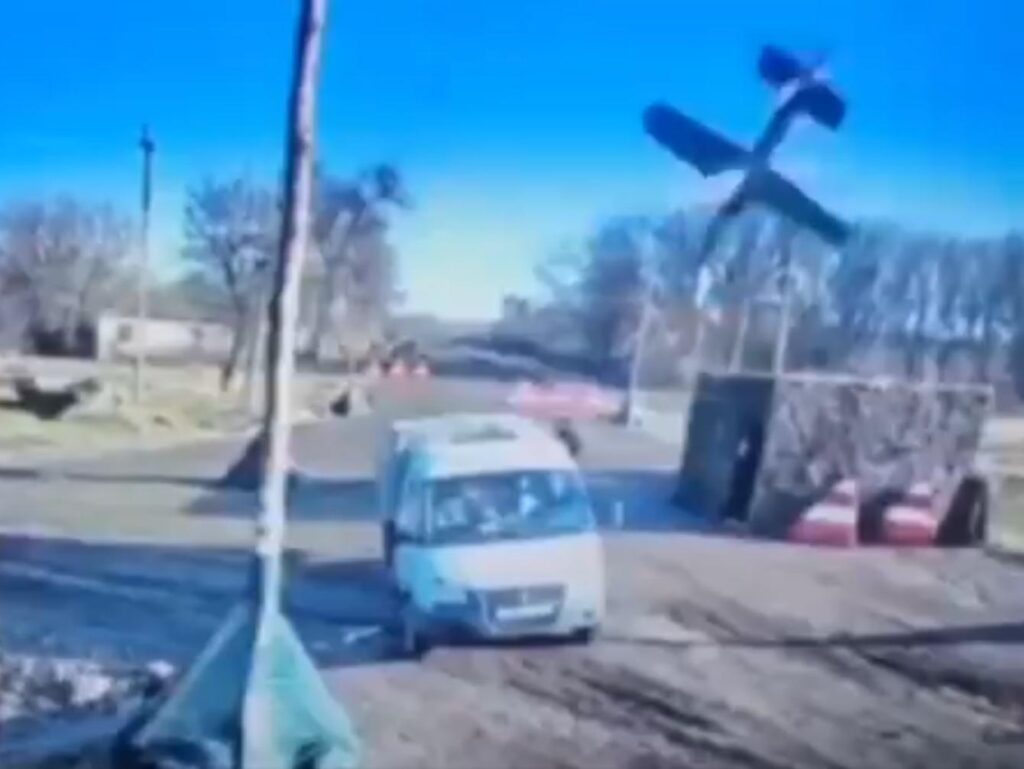
A Ukrainian Hornet drone about to hit a buhanka, the UAZ van Russian forces use to haul troops and supplies to the front. Drones like this one have been choking Russian military supply lines. Via WarTranslated.
Drones lead
Aerial drones and unmanned ground vehicles led the attack, taking the Russians by surprise. "For an offensive operation, the Ukrainians sustained relatively few casualties compared to previous engagements," Molin explained. "Conversely, the defending Russian forces suffered significantly higher losses, largely due to the rapid encirclement of at least three regiments, not all of which managed to escape the area."
It's unclear how many casualties the Russians suffered, but they might number in the thousands. The 20th and 25th CAAs were particularly fragile because the 3rd Army Corps and supporting drone units had been bombarding their supply line with so-called "middle strike" drones.
But many middle strike drones rely on civilian-style Starlink satellite terminals or the more rugged, better-performing Starshield. Now that the 3rd Army Corps has wrecked Russia's 144th Motor Rifle Division, which the Institute for the Study of War assessed on 20 October has effectively ceased to exist as an organized fighting force, and pushed the Russian survivors back to the far bank of the Zherebets River, the Ukrainians are probably "consolidating their gains and adopting a defensive posture," according to Molin.
Operation Vivaldi. Map: Euromaidan Press
But that defensive posture, protecting Sloviansk from a northern attack, depends on reliable communications and responsive drones. On 14 October, a new speed cap hit Ukraine's Starshield terminals, cutting the link on any drone flying faster than about 160 km/h. Who ordered it is disputed. Sources told Reuters the order came from inside the White House, and that Pentagon leaders were told the service needed to be slowed.
The Wall Street Journal reported that Musk himself ordered the slowdown, and that he and Trump discussed it soon after it became public. While Trump has denied ordering the speed limit, it's worth noting that the American president has become more overtly friendly toward Russia as his Republican Party looks likely to lose control of the US Congress in the November mid-term elections.
The speed limit renders many of the faster middle-strike drones unflyable. As a result, "Ukrainian drone strikes have diminished significantly following yesterday's crippling of Ukraine's Starlink/Starshield connections, Russian sources report," the military history account ChrisO_wiki wrote on X on 15 October, the day after the speed limit took Ukrainian operators by surprise.
Settlements Ukraine's 3rd Army Corps says it liberated during Operation Vivaldi north of Lyman, Donetsk Oblast, Ukraine, as of 28 September 2026. Map: ISW
Explore further
Russia is back at Dobropillia a year after it failed there. Now it’s the southern jaw of a pincer on Donbas’s last big free cities
A reduction in middle strikes on Russian supply lines could help Russian field armies recover from recent setbacks, including their retreat back across the Zherebets River. And if the communications confusion resulting from the partial loss of Starlink/Starshield connectivity persists, it could give the Russians the same kind of opportunity the Ukrainians had back in the spring.
An opportunity to go back on the attack—and an Azov communications engineer warned Euromaidan Press in February that the shoe might be on the other foot.
That's the worst-case scenario for the Ukrainians now that Operation Vivaldi has ended. The best case is that they get full Starlink and Starshield access back—or find command and control alternatives—and duplicate, in other sectors, the same success they enjoyed in northern Donetsk.
"Now that the northern flank of Donbas is secured, at least for some time, the focus will concentrate on the southern flank," Molin predicted.
Explore further
Starlink crackdown cripples Russians—but American engineer warns Ukraine is just as vulnerable
More than 16,900. That was the number of cases involving the sexual exploitation of children and youth online recorded by Canadian police services in 2024, according to Statistics Canada. The rate is more than four times higher than in 2014. In that same year, child luring offenses reached the highest number on record, with 2,903 reported incidents.
Data from the Canadian Centre for Child Protection (C3P) also highlight the rapid escalation of another phenomenon: sextortion. In 2020, the organization recorded 458 cases. In 2025, that figure rose to 2,827, more than a sixfold increase. In total, C3P received more than 14,000 cases over just six years. Many others are never reported.
Cybertip.ca was created precisely in response to this reality. Launched in 2002 as a pilot project in Manitoba, it serves today as Canada’s national tipline for reporting the online sexual exploitation of minors. It receives tips from across the country, analyzes them, and forwards relevant leads to law enforcement agencies and child welfare services.
To understand what has shifted in recent years, who predators are targeting, and how schools and families can take action, our newspaper spoke with Lindsay Lobb, C3P’s director of support services, and David Rabsch, director of Cybertip.ca. Their responses reveal that no app featuring private messaging is neutral ground. They also make clear that the earliest warning signs that something is wrong often surface in subtle daily changes: a frequent headache, restless nights, or a sudden loss of interest in a favorite hobby. Staying attentive to these small, yet significant, signs is vital so parents can step in time to protect their children from cowardly and deeply terrifying attacks.
Lindsay Lobb, diretora dos serviços de apoio do C3P. (DR)
Milénio Stadium: For those who may not know it, what is Cybertip.ca and what kind of work do you do?
Cybertip.ca is Canada’s national tipline for reporting the online sexual exploitation of children.
We receive and process tips from the public about potentially illegal material, as well as activities regarding the online sexual exploitation of children, and refer any relevant leads to the appropriate law enforcement agency and/or child welfare agency.
David Rabsch, diretor do Cybertip.ca. (DR)
MS: What types of crimes are children and teenagers most exposed to online today, and what trends have you noticed in recent years?
While reports of Child Sexual Abuse and Exploitation Material (CSAEM) continue to be the most common type of report received by Cybertip.ca, we have seen a dramatic and continued increase in Luring, specifically Sextortion reports since 2021. There are typically 2 types of Sextortion reported to the tipline: Financial Sextortion where the victim is pressured to send money or gift cards under the threat of having intimate images of the victim shared online, and non-financial where the demand is for additional sexual content, usually of escalating severity. Generally, boys are the primary target for financial sextortion while girls are the most common victims of non-financial sextortion. Snapchat and Instagram (and increasingly TikTok over the past 18 months) are the most common social media platforms involved in these incidents, but any platform that features direct messaging is of possible use by those targeting children for exploitation.
MS: What warning signs should concern a parent or teacher, and what should they do when a child admits that something has happened?
1.Monitor your teen’s behaviour to watch for changes that may trigger cause for concern. It’s important to pay attention to changes in your teen’s typical behaviour patterns, as well as changes in the intensity of their behaviour. Some signs that may indicate the need for increased involvement and communication with your teen include:
They seem more withdrawn, sad, anxious, defensive, angry, or secretive.
They have significantly increased or decreased the amount of time they spend online.
They do not respond to limits placed on how often and how long they spend online.
They have lost interest in activities that they’ve normally enjoyed.
They are complaining of stomach aches or headaches.
They develop problems with sleeping patterns, such as difficulty falling or staying asleep at night, or sleeping all the time and avoiding interaction.
2.Supporting a child who has been sexually victimized
Be supportive: love and support during this difficult time, will help your child heal and move forward
Build a sense of safety: reassure your child that they are not alone, and you will get through this together
Reach out of help where needed: Cybertip.ca and NeedHelpNow.ca are here to help
MS: What role should schools play in prevention, and what resources does Cybertip.ca offer to educators and families?
Schools play a critical role in prevention and in supporting students’ safety. The Canadian Centre for Child Protection’s Kids in the Know Program equips teachers with ready-to-use, age-appropriate lessons that help children build personal safety skills—both online and offline. We recently released our Youth Non-Consensual Distribution of Intimate Images (NCDII): A Guide for Schools which is designed to support school personnel in respond to incidents of youth NCDII in ways that prioritize safety, dignity, and well-being of youth. Parents can also visit protectkidsonline.ca for prevention and educational resources.
MS: If you could leave three pieces of advice for the parents, what would they be?
Encourage open conversations: Talk to your teen about what they see online. Creating an open line of communication may encourage them to go to you or another safe adult if they encounter content that makes them feel uncomfortable or unsafe.
Enable parental controls: Setting parental controls, content filters, and establishing clear boundaries on device use — such as screen time limits, or turning off the Wi-Fi at night — can help reduce the risk of your teen being potentially exposed to harmful content online.
Report the content: Flagging harmful content may help platforms and algorithms better identify material that shouldn’t be viewed by young users and could help remove, reduce, or restrict the likelihood that similar harmful content will continue to appear in their feeds.
Share resources: Let youth know help is available if they, or someone they know, gets targeted. They can always reach out to:

 Login







 In Italia i reati calano del 10%, gli omicidi del 15%, le manifestazioni di piazza del 12%: lo dice il Viminale. Eppure in quattro anni il governo ha introdotto oltre 55 nuovi reati e più di 60 aggravanti, e in quarantotto ore dai fatti di Milano ha varato il sesto decreto sicurezza: un reato nuovo da 2 a 5 anni per chi si unisce «anche occasionalmente» a un gruppo di cinque, il fermo di 24 ore esteso ai minorenni, l’arresto su un fotogramma, 500 soldati in più in città. La guerra non può arrivare sul nostro territorio, ma arrivano i suoi strumenti: le piazze servono a militarizzare il Paese e ad archiviare la democrazia un decreto alla volta.
 A Levante questa sera, giovedì 22 ottobre 2026, Margherita Furlan dialoga con Michele Putrino, scrittore e voce della Scuola Stoica, e con Mario Apicella, agronomo e agricoltore, direttore tecnico di AltragricolturaBio, reduce dalle riunioni del mondo agricolo in mobilitazione.
 Mentre andiamo in onda il gasolio costa 2,26 euro al litro, 2,30 in autostrada, il Brent è sopra i 110 dollari e lo sconto sulle accise è scaduto il 5 ottobre. Il Consiglio dei ministri ha approvato in venti minuti un decreto da circa 175 milioni: 60 all’agricoltura, con un contributo fino a 45 centesimi al litro che però copre solo il gasolio comprato prima della scadenza dello sconto. Le grandi sigle revocano i blocchi; chi resta in strada, dice il governo, «intimidisce». Altragricoltura risponde a Fico: «Non servono mance».
 Affrontiamo insieme:
 Due decreti in due giorni: le manette del 20 ottobre e i soldi del 22, con il Quirinale che ferma solo i poteri di polizia ai militari
 I numeri veri: 6.800 soldati già in strada con Strade Sicure, un reato nuovo ogni dodici giorni, oltre 400 anni di carcere in più mentre i delitti scendono
 La mappa dei blocchi: Campania, Gela, Calabria in tregua fino al 27, i pescherecci fermi, i caselli del Lazio, la Roma di sabato
 Chi compra il gasolio a 1,70 e vende l’olio a 4 euro: la Cia a Montecitorio, Coldiretti che smobilita, il Coapi che chiede lo stato di crisi dal 2024
 Il contrappunto dei BRICS: Delhi, la rete di Indore su sementi e fertilizzanti, la borsa dei cereali, con l’onestà dell’inflazione russa al 7%
 Lo sguardo di Mosca sull’Italia: Peskov, Dmitriev e il video di Simonyan
 LIBRI DEGLI OSPITI
 Michele Putrino, Manuale di resistenza al potere. Come non farsi manipolare e vivere sereni, Uno Editori.
 Il canale di Michele Putrino: Scuola Stoica.
 Mario Apicella: AltragricolturaBio e Biodistretto del Monte Amiata.
 CASA DEL SOLE TV | Informazione libera e indipendente
 Dona tramite bonifico bancario: IBAN IT63P0326822300052392596590, intestato a LA CASA DEL SOLE EDIZIONI, causale Erogazione liberale Casa del Sole TV
 Dona tramite PayPal: paypal.me/casadelsoletv
 Sostegno ricorrente: casadelsole.tv/sostienici

 I LIBRI DI MARGHERITA FURLAN
 BRICS Scacco Matto (disponibile in italiano, inglese, russo)
 SEGUI CASA DEL SOLE TV
 Sito: casadelsole.tv









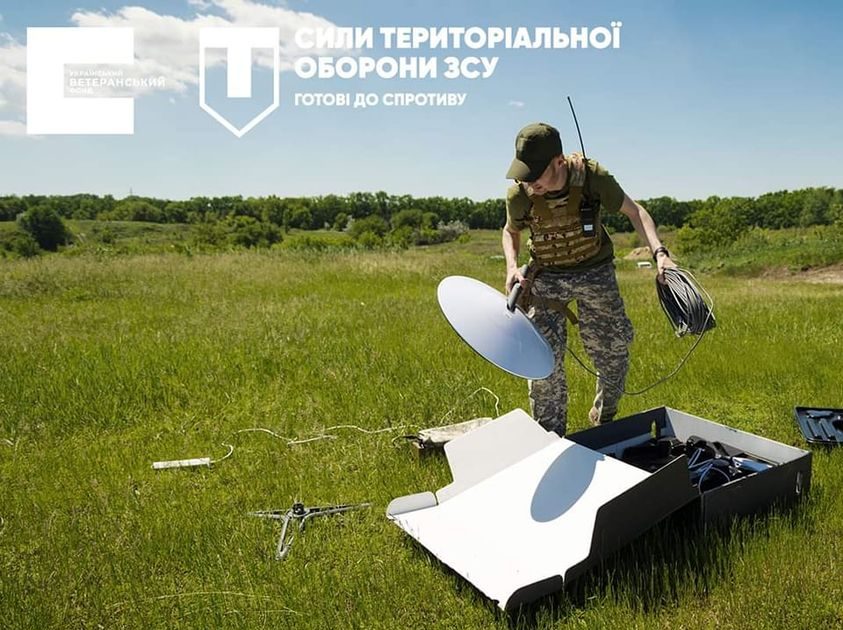
 Vivaldi operation and it has now officially ended
 THREAD