❌

Reading view

A modem from a Russian drone led reporters to its Chinese maker—which invoiced 500 for Russia’s drone plant
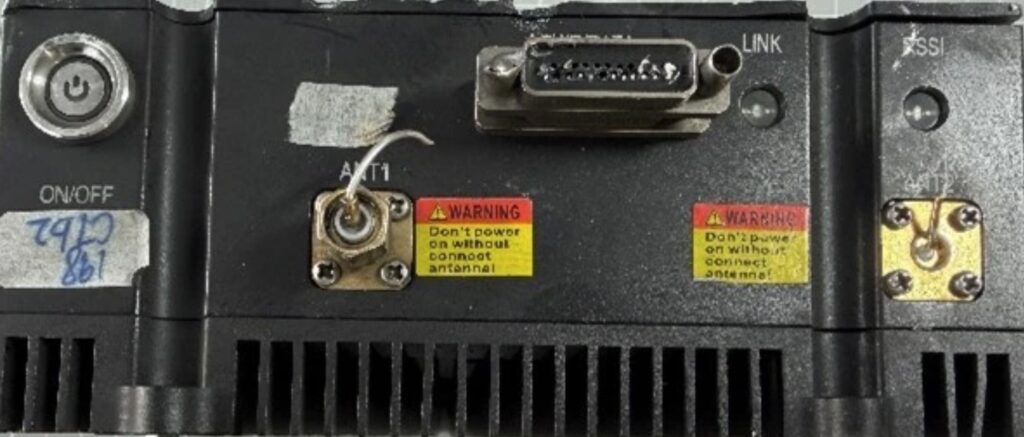
Mesh Network XK-F358 modem from the Geran-5 drone

Undercover reporters ordered 500 drone mesh modems from a Chinese firm, which billed them to Russia’s Alabuga drone plant, investigation by The Insider found. The outlet estimates the firm makes about half the high-power mesh modems that let Russia steer its drones deep into Ukraine. The firm’s director also named US company AMD as the source of a key chip, and AMD says it has not sold to the firm.

Geran drones and Banderol drone-missiles have become Russia’s main weapons against Ukraine’s energy grid. Russia began this winter’s strike campaign against that grid in late September, ISW assessed. Ukrainians’ survival this winter depends largely on how fast the West halts mesh modem sales to Russia, the outlet argued.

What a mesh modem does

A mesh modem links drones into one radio network. Each unit relays data for the others, so if one drone is shot down, traffic reroutes through the rest. Information keeps flowing even if nearly 80% of the drones are downed, Ukrainian defense adviser Serhii “Flash” Beskrestnov said in November 2025.

Range is the other half of the threat. One XK F-359 holds a line-of-sight link over 100–300 km, The Insider says. In theory, a couple of relay drones could keep a whole attack on Kyiv connected. Operators can then send new commands in flight and steer around air defenses. Russia’s Gerbera drones, first built as cheap decoys, increasingly carry these modems.
Explore further

Russia’s jam-resistant drones run on a Chinese modem no one has sanctioned

A modem from an upgraded Gerbera

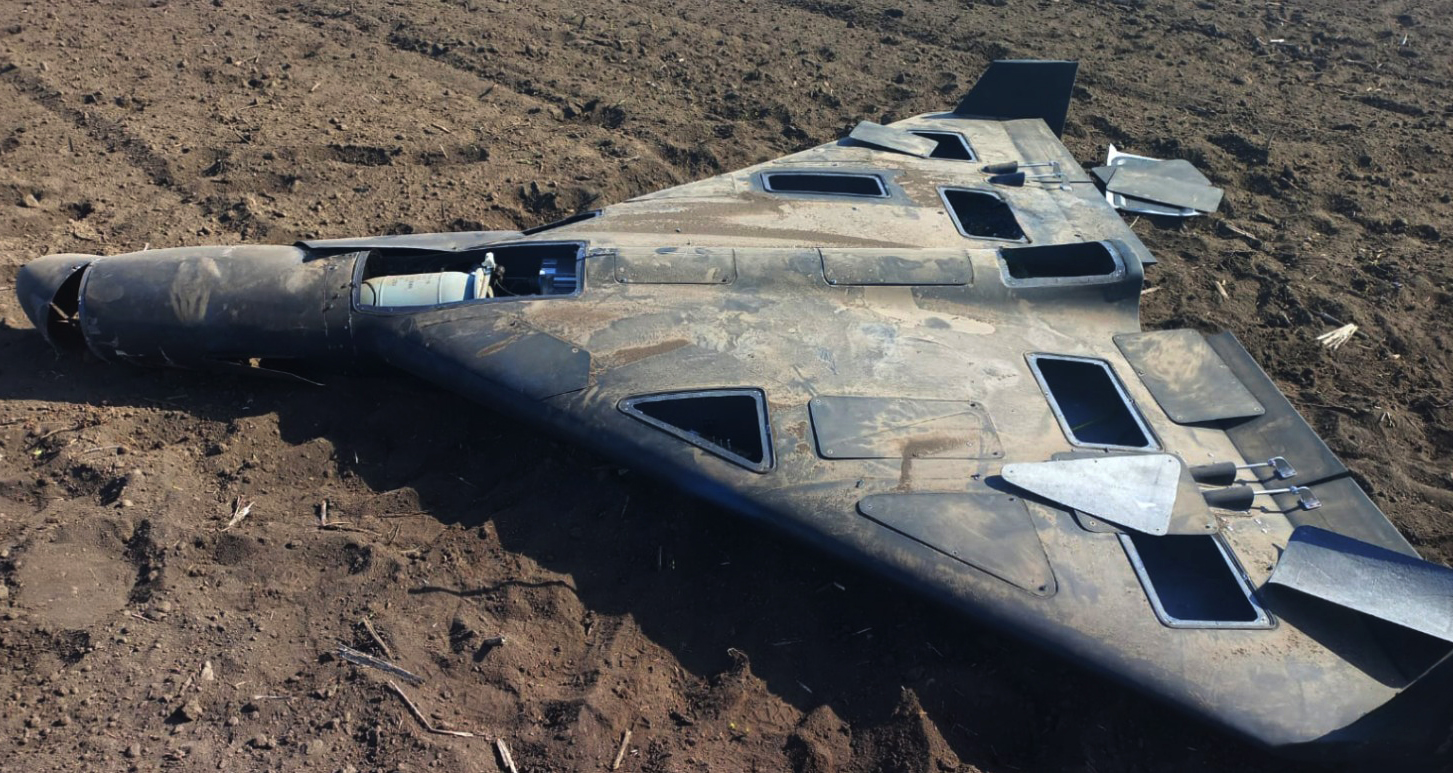
To trace the part, The Insider’s correspondent in Ukraine examined an unmarked mesh modem from an upgraded Gerbera with a vertical tail fin, a version that appeared this summer. The outlet identified it as Xingkai’s XK F-359, the part Ukrainian intelligence and earlier reporting, Euromaidan Press included, had logged as the XK-F358. The Insider calls that label a misidentification.

Next, The Insider and the Nordsint investigative project contacted Xingkai on WeChat, posing as a Russian military supplier based in Alabuga. A company employee who introduced himself as “Jack Jiang” confirmed the firm is the model’s sole maker. The Insider identified him as Jiang Qin, Xingkai’s director and owner.

500 modems, three banks

The reporters then ordered 500 units for delivery to Alabuga, home to the plant that makes most of Russia’s long-range drones. Jiang invoiced 19.5 million yuan, which The Insider put at about $2.87 million. He offered two ways to pay: dollars to Xingkai’s DBS Bank account in Hong Kong, or yuan to his personal Ping An Bank account.

A man walks past a mural by Norwegian street artist Toddel depicting a map of Ukraine and US President Donald Trump (L) with Russia's President Vladimir Putin in Krakow on March 6, 2026, amid the Russian invasion of Ukraine. (Photo by Sergei GAPON / AFP) / Eastnews)
Explore further

America has sided with Russia against Ukraine. Europe should stop pretending and build a coalition against Russia, China, and even the US

In the chat, the reporters said outright that the end user was a military production facility. Jiang raised no objection, The Insider reported.

Later, after the reporters asked to update the address, Xingkai sent a revised invoice with “Alabuga” spelled in Latin letters. This time, it routed payment to a China Merchants Bank account in the name of a former Xingkai manager. She left a management post at the company in 2025, according to Tesari corporate records cited by The Insider. None of the three banks answered The Insider’s requests for comment.

Jiang also claimed the modem’s programmable chip is made by AMD. Asked for an AMD license, he refused, saying Xingkai buys the chips through a middleman. AMD told The Insider that Xingkai “is not an AMD customer or authorized partner,” and said it had sold the company nothing. AMD added that it bars exports of its products to Russia that violate US export controls and sanctions.


  •  

Russian Geran drone crashes in Moldova near homes and energy facility: Chisinau expels Russian diplomat

A Russian Geran attack drone that crashed in Moldova on 23 October 2026. Photo: Moldovan Police

Moldova declared a Russian embassy staff member persona non grata on 23 October after a Russian Geran attack drone violated its airspace and crashed near homes and an energy facility, Moldovan President Maia Sandu said.

The incident highlights how Russia’s attacks on Ukraine are increasingly threatening neighboring Moldova, where Russian drones have repeatedly crossed the border or crashed during strikes. Moldova recorded 39 Russian drone incursions in the first eight months of 2026, compared with 17 in all of 2025, Sandu said in September.

Moldova’s Defense Ministry said its Air Operations Center detected an unauthorized drone flight at 13:59 on 23 October. The drone crossed from the direction of Ukraine’s Vinnytsia Oblast toward Frunzeuca in Moldova’s Camenca district, in the Russian-backed breakaway region of Transnistria.

The drone disappeared from monitoring screens near Pepeni in Sîngerei district at 14:10, briefly reappeared, and then disappeared again near Meșeni in Rezina district, the ministry said.

Sandu condemned the incursion, saying Russia’s war continues to put Moldovan lives at risk. She said the drone had fallen near family homes and an energy facility.

Moldovan police reported finding the crashed drone near the village of Chiștelnița in Telenești district, less than 100 meters from a home. No casualties were reported. Police cordoned off the area and sent explosives specialists to examine the wreckage.

Russia's war keeps putting Moldovan lives at risk. Today, a Russian Geran attack drone violated our airspace and fell near family homes and an energy facility.

We condemn this latest dangerous act. In response, we have declared a Russian embassy staff member persona non grata.

— Maia Sandu (@sandumaiamd) October 23, 2026

Moldova steps up diplomatic response

Sandu said Moldova had condemned the incident and declared a Russian embassy staff member persona non grata. She did not identify the staff member or specify when they must leave the country.

The move follows repeated Russian drone incursions. In September, a Russian drone crossing Moldova’s airspace disrupted seven flights, including one involving Ukrainian President Volodymyr Zelenskyy, prompting temporary airspace restrictions.

Earlier in October, three Russian missiles and two drones crossed into Moldovan airspace and exploded on Moldovan territory during Russian attacks on neighboring Ukraine, prompting Chisinau to condemn the violations. Debris fell across several districts, damaging windows at an agricultural facility and sparking fires in fields. Defense Minister Anatolie Nosatîi said the country was seeking stronger air defenses to counter the growing threat.

Moldovan soldiers. Photo: Moldovan Army via NewsMaker
Explore further

80% of Moldovans say country is unprepared for attack as Russian drones flow into its airspace, but few back NATO membership

Moldova has limited air defense capabilities and has been working with European partners to strengthen them. Sandu has said the country’s existing equipment can mainly protect individual sites, while the government seeks broader coverage and faster warning systems. The EU has provided €120 million for Moldova to purchase a medium-range air defense system.

Moldovan authorities urged residents not to approach or touch the crashed drone or any fragments, and to call emergency services if they find suspicious objects.

  •  

Denmark rushes 50,000 cannon rounds to Ukraine to help F-16s hunt Russia’s advanced jet drones

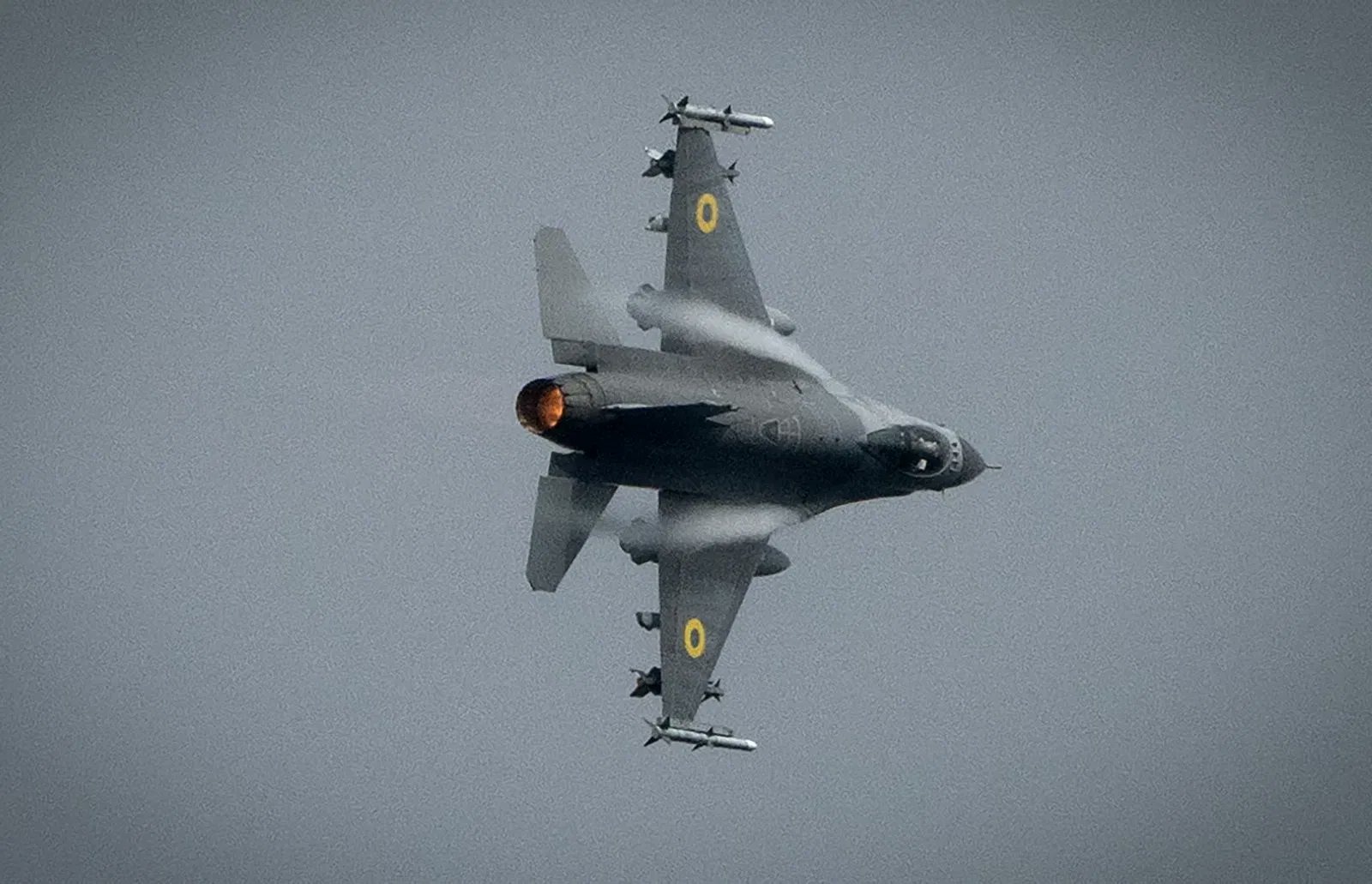
A Ukrainian air force F-16.

Ukraine has received more than 50,000 rounds of 20-mm ammunition from Denmark for the onboard cannons of its F-16 fighter jets, with Ukrainian pilots already using the rounds to intercept Russian jet-powered Geran attack drones, Ukraine’s Defense Ministry said.

The accelerated delivery addresses a key need in Ukraine’s air defense as Russia increasingly deploys faster jet-powered drones that challenge conventional interceptors. Ukraine has also relied on F-16 cannons when stocks of air-to-air missiles are limited, making ammunition supplies important to keeping the aircraft effective against incoming aerial threats.

Denmark responds to ammunition request

The Defense Ministry thanked Denmark for responding quickly to Ukraine’s request for additional ammunition, saying the delivery directly strengthens the country’s air defenses and helps protect civilians from Russian aerial attacks.

The delivery follows a broader effort by Ukraine’s European partners to replenish F-16 cannon ammunition. On October 2, it was reported that Spain, Belgium, and Poland were also sending 20-mm rounds for Ukrainian F-16s to counter Russia’s jet-powered drones.

Belgium is also expanding its support for Ukraine’s F-16 fleet. On 16 October, Belgian Prime Minister Bart De Wever pledged to deliver 10 F-16s by the end of 2026, up from three previously planned, and discussed supplying additional ammunition, including 20-mm rounds produced by Belgian defense company FN Herstal.

Jet-powered drones pose a growing challenge

Russia’s faster attack drones are harder to intercept than older, propeller-driven Shahed-type models. Their speed gives air defenders less time to respond and makes them more difficult for many interceptor drones and conventional short-range weapons to catch.

Ukraine’s air-to-air missile shortages have also increased the importance of F-16 cannon ammunition. Ukrainian pilots have sometimes relied on their aircraft’s built-in 20-mm cannon when air-to-air missiles are scarce.

A Ukrainian air force F-16.
Explore further

Ukraine’s F-16s are so short of Western missiles that pilots fall back on jet’s built-in M61A1 Vulcan cannon, which risks killing civilians below

The threat from jet-powered drones is growing. Ukrainian President Volodymyr Zelenskyy said in late September that Ukraine was intercepting about 55% of Russia’s jet-powered drones, compared with more than 90% of older models.

Denmark’s ammunition delivery gives Ukrainian F-16 pilots more rounds to engage these faster targets, as Ukraine works to strengthen its defenses against Russia’s expanding drone campaign.

  •  
❌