❌

Reading view

US Midterm Elections: 23 Million Early Votes Signal Major Shift

US midterm elections draw 23 million early votes as turnout surges in key states ahead of November 3.

US midterm elections see 23 million early votes cast, with surging turnout in key states as voters weigh the economy and congressional control.

Related: Florida A&M Shooting: 11 Shot Near University During Homecoming


US Midterm Elections Draw 23 Million Early Votes

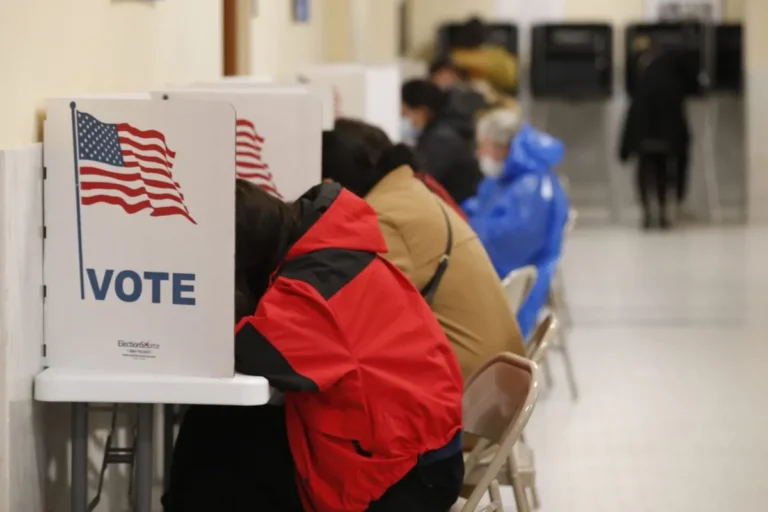
The US midterm elections have already drawn more than 23 million early votes nationwide as Americans head to the polls ahead of the November 3 election.

The total marks a sharp increase compared with the same point in the 2022 midterm cycle, when about 15 million ballots had been accepted.

The surge in early voting is concentrated in states with competitive races that could determine control of the House of Representatives and the Senate.

Analysts say the rise reflects growing concern among working-class voters over the high cost of living, housing, healthcare and economic insecurity.

In North Carolina, more than 1.2 million early votes had been accepted, an increase of 37 percent compared with the same period four years ago.

Early voting among registered Democrats rose by 47 percent, while participation among unaffiliated voters increased by 60 percent.

By contrast, early voting among registered Republicans increased by only 2.6 percent.

The figures do not reveal how individual voters cast their ballots, but they show a significant shift in the pace and composition of turnout.

The increase is particularly notable because North Carolina is one of the key battlegrounds in the fight for the Senate.

US Midterm Elections See Turnout Surge in Key States

US Election Assistance Commission | National Association of Secretaries of State

The rise in early voting is not limited to North Carolina. Similar trends have been reported in several states with decisive contests.

In Kansas, early voting increased by approximately 69 percent.

In Maine, turnout rose by 41 percent, while Iowa recorded a 24 percent increase.

In Texas, election officials reported record participation in the metropolitan areas of Dallas and Houston since voting centers opened.

Texas is a key state in this year’s elections because its Latino community represents at least 30 percent of the electorate.

Polling and organizing efforts suggest a shift in Latino voter mobilization, driven by economic pressures and rejection of anti-immigrant rhetoric from conservative sectors.

The midterm elections will renew all 435 seats in the House of Representatives and 35 of the 100 seats in the Senate.

Voters will also elect governors in 36 states and three territories.

Republicans currently hold a narrow 218-seat majority in the House, the smallest possible majority, leaving dozens of districts in play.

Democrats need to gain four Senate seats to take control of the upper chamber, a difficult but not impossible task.

Key Senate races are taking place in Alaska, Maine, North Carolina, Ohio, Iowa, Texas, Michigan and New Hampshire.

The outcome will determine whether Democrats can block or advance legislation on taxation, healthcare, immigration, energy policy and judicial appointments.

Public dissatisfaction with the economy has become a central issue in the campaign.

Polling cited in the article places approval of the government’s cost-of-living policy at just 21 percent, reflecting widespread concern over inflation, wages and living conditions.

The high level of early participation suggests that voters are treating the midterms as a major political test rather than a routine election.

US Midterm Elections Face Alaska Certification Battle

US Department of Justice | Alaska Division of Elections

The US midterm elections have also been marked by an unprecedented legal dispute in Alaska.

The US Department of Justice filed a lawsuit on October 22 seeking to block Alaska from certifying its Senate election results if Republican Senator Dan Sullivan loses to Democrat Mary Peltola.

The case centers on the presence of a second candidate, Daniel J. Sullivan Jr., a retired teacher whose name closely resembles that of the incumbent senator.

The Justice Department argues that the similar names could confuse voters and affect the outcome of the race.

The lawsuit asks a federal judge to prevent certification of any result that may have been affected by voter confusion.

It also seeks an investigation into whether votes cast for Daniel J. Sullivan were intended for Senator Dan S. Sullivan.

President Donald Trump publicly confirmed that he ordered the Justice Department to file the lawsuit.

The legal action came 11 days before the election, after early voting had already begun in Alaska.

The case has been strongly criticized by voting-rights groups, Democratic organizations and legal experts.

They argue that the federal government lacks authority to intervene in state-run elections and that the lawsuit represents an attempt to override the will of Alaska voters.

The campaign of Mary Peltola, the Democratic Senatorial Campaign Committee and groups including the League of Women Voters of Alaska and Common Cause have sought to intervene in the case.

They are asking the court to dismiss the lawsuit and protect the integrity of the state’s electoral process.

Alaska’s courts had previously rejected efforts to remove Daniel J. Sullivan Jr. from the ballot.

A federal judge and the Alaska Supreme Court ruled that his candidacy was constitutionally valid.

The dispute has drawn attention because Alaska’s Senate seat could be decisive for control of the upper chamber.

Alaska is also strategically important because of its vast oil, gas and mineral reserves.

The outcome of the race could affect future decisions on energy leases, mining permits and federal policy in the Arctic region.

Geopolitical Context

The US midterm elections will have consequences beyond domestic politics because Congress plays a central role in shaping US foreign, economic and security policy.

Control of the House and Senate will determine whether the administration can advance its legislative agenda or face greater opposition.

The elections will influence decisions on government spending, taxation, immigration, climate policy and military funding.

They will also affect the confirmation of federal judges and senior government officials.

The Alaska Senate race is particularly significant because of the state’s strategic location in the Arctic and its vast energy resources.

The United States has increased its focus on Arctic security amid competition with Russia and China over shipping routes, military presence and access to natural resources.

The outcome of the election could influence future policy on oil drilling, mining and infrastructure development in Alaska.

The surge in early voting also reflects a broader debate over democratic participation in the United States.

Voting-rights groups have warned that legal challenges to election certification can undermine public confidence in democratic institutions.

The Alaska case has raised concerns that federal power could be used to influence state-run elections.

The dispute comes as political polarization continues to deepen across the country.

The high turnout suggests that many voters see the midterms as a referendum on economic conditions, democratic norms and the direction of the country.

The results will shape the final two years of the current presidential term and could redefine the balance of power in Washington.


  •  

Still no word from PM on police actions against right to housing demonstrators

As darkness fell on a day that saw police charge protesters in Lisbon and Porto, there has still been no word from the prime minister – in spite of calls

The post Still no word from PM on police actions against right to housing demonstrators appeared first on Portugal Resident.

  •  

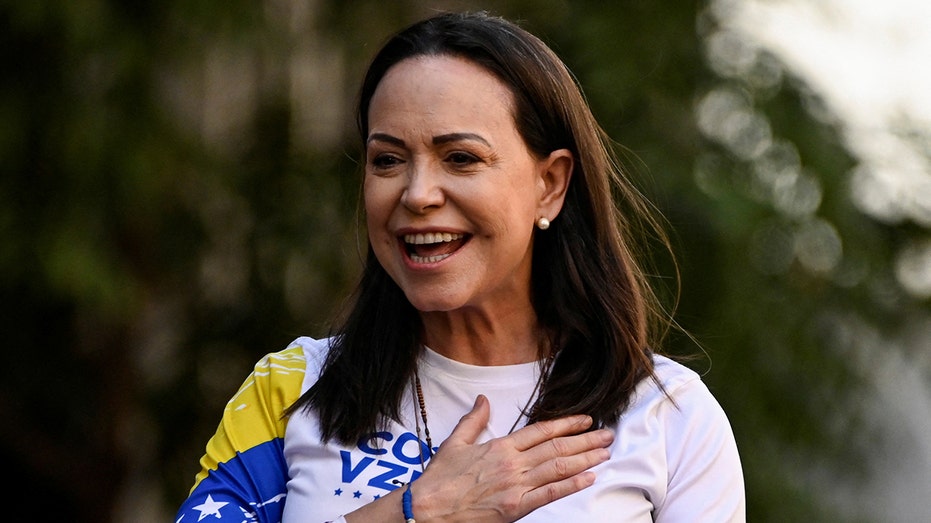
Venezuelan opposition leader María Corina Machado makes surprise return home after nearly a year abroad

Venezuelan opposition leader María Corina Machado made returned to her home country on Sunday after nearly a year abroad, re-entering a political landscape transformed by the U.S. ouster of Nicolás Maduro.

"I'm here. With you all," Machado wrote on social media, announcing her return for the first time since December. Her homecoming comes as Venezuela remains under the leadership of acting President Delcy Rodríguez, a longtime Maduro ally backed by the Trump administration, with no presidential election scheduled.

President Donald Trump, asked about Machado's return by reporters in Port Huron, Michigan, said he was unaware of the development but expressed hope for her safety.

TRUMP TOUTS ACCESS TO 65 BILLION BARRELS OF VENEZUELAN OIL IN DEAL HE SAYS WILL SLASH GAS PRICES

"I don't know anything about it, but I think she's a very nice woman," Trump said. "She gave me her Nobel Prize. So how can I say anything else? And I hope she's safe. She's a very nice woman. But we're doing really well in Venezuela."

Machado, who was awarded the Nobel Peace Prize in 2025 for her peaceful opposition to Maduro's government, did not disclose her exact location or provide details about how she returned.

Fellow opposition leader Edmundo González, who ran for president in 2024 after Machado was barred from seeking office, confirmed her arrival on social media and said he would join her "very soon."

"Today is a very important day for Venezuelans. Our sovereign voice returns with her to lead and guide this process!" González wrote on X. "You know it, this is until the end."

Machado's return comes nearly 10 months after U.S. forces captured Maduro in January, removing the longtime leader from power.

Rodríguez, Maduro's former vice president, has remained in power with the Trump administration's support, despite exceeding the period she was initially authorized to serve as acting president.

Trump has repeatedly praised his administration's relationship with Rodríguez, highlighting agreements involving Venezuelan oil production and other business ventures with American companies.

NICOLAS MADURO AND WIFE CILIA FLORES FACE NEW CHARGES OF CONSPIRACY TO TORTURE AMERICANS

In September, Trump said it was too soon to consider holding democratic elections in Venezuela, with U.S. officials prioritizing economic stabilization. Machado and her allies, meanwhile, have pushed for an election date, arguing that democratic governance is essential to the country's long-term stability.

Her return could complicate relations between the Venezuelan opposition, the interim government and Washington. Reuters reported in June that U.S. officials had asked Machado to delay her return.

Machado spent much of 2025 in hiding after being briefly detained following an opposition protest that January. She later secretly left Venezuela and resurfaced in Norway in December to receive the Nobel Peace Prize.

Meanwhile, a faction of the Venezuelan opposition and Rodríguez's government held another round of talks this month focused on reforms to the country's Supreme Court and electoral authorities ahead of eventual elections, Reuters reported.

CLICK HERE TO DOWNLOAD THE FOX NEWS APP

Machado's political movement has not participated in those negotiations.

The Associated Press and Reuters contributed to this report.

  •  

Pope Leo XIV Demands End to Yemen Hostilities in Urgent Peace Appeal

Pope Leo XIV demands an end to Yemen hostilities and calls for peace during his Angelus address in St. Peter’s Square.

Pope Leo XIV demands an end to Yemen hostilities, highlights Taiz’s humanitarian crisis and calls for peace after a deadly church attack in Jordan.

Related: Pope Leo XIV Confirms Official Visit to Argentina in November


Pope Leo XIV Demands End to Yemen Hostilities

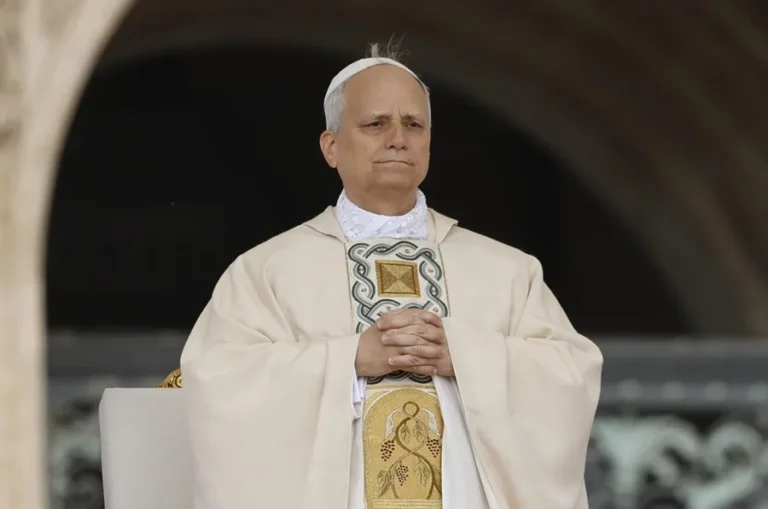
Pope Leo XIV demanded an immediate end to Yemen hostilities during his Angelus address on Sunday, October 25, warning that civilians are paying the highest price in the conflict. Speaking from the window of the Apostolic Palace before thousands of faithful gathered in St. Peter’s Square, the pope expressed deep concern over the humanitarian situation in Yemen.

He paid particular attention to the city of Taiz, where residents are suffering from severe shortages of food, drinking water and medical care.

“I make a heartfelt appeal for hostilities to cease and for the Yemeni people and all the peoples of the region to be guaranteed the right to live in peace,” Pope Leo said.

The pope’s message came as fighting and road closures have cut off vital supplies in Taiz, leaving civilians increasingly isolated. The Vatican said the pope’s appeal was directed at all parties involved in the conflict and at the international community.

Pope Leo also condemned the broader spiral of violence affecting West Asia, calling for urgent guarantees for regional peace. He denounced the devastating consequences of armed confrontations across the region and urged leaders to choose dialogue over war.

The pontiff said wars not only cause death and destruction but also impoverish and damage the world. His appeal placed the humanitarian suffering of Yemeni civilians at the center of the Vatican’s message.

Pope Leo XIV draws attention to the humanitarian crisis in Yemen, remembers victims of an attack on Christians in Jordan, and looks ahead to the Assisi gathering marking 40 years since the first World Day of Prayer for Peace.https://t.co/UZ47Hb6oMw

— Vatican News (@VaticanNews) October 25, 2026

Yemen Hostilities Deepen Taiz Humanitarian Crisis

Vatican News | United Nations Office for the Coordination of Humanitarian Affairs

The pope’s warning focused on Taiz, a city that has become one of the most visible symbols of Yemen’s humanitarian crisis.

Residents face severe shortages of food, clean water, fuel and basic medical services as fighting and road closures restrict the movement of supplies.

Humanitarian organizations have warned that the blockade of supply routes has worsened conditions for hundreds of thousands of people.

The United Nations has repeatedly called for unimpeded humanitarian access to affected communities across Yemen.

Yemen has been devastated by years of war, economic collapse and the destruction of essential infrastructure.

The conflict has left millions of people dependent on humanitarian assistance and has created one of the world’s most severe food-security emergencies.

The pope said the Yemeni people, like all peoples of the region, have the right to live in peace.

His message also called for an end to the cycle of violence that has spread across West Asia.

Pope Leo condemned the human cost of armed conflict and urged the international community to prioritize negotiation and diplomacy.

The Vatican has repeatedly emphasized that military solutions cannot resolve political crises or address the needs of civilians.

The pope’s appeal comes amid heightened tensions across the Middle East, where conflicts have displaced communities, damaged infrastructure and deepened humanitarian needs.

The Vatican’s message called for a regional approach to peace that protects civilians and guarantees access to humanitarian aid.

🚨 Saná denunció que Arabia Saudita incumplió pactos previos a 2023 al bombardear el aeropuerto de la capital y poner fin a la tregua. Mohammed Abdul-Salam afirmó que la vía diplomática se agotó tras la falta de respuestas claras de Riad. #Yemen #ArabiaSaudita #teleSUR #19Oct pic.twitter.com/ONZhAvdkCG

— teleSUR TV (@teleSURtv) October 19, 2026

Pope Leo XIV Mourns Jordan Church Attack Victims

Jordan News Agency | Middle East Council of Churches

Pope Leo XIV also addressed the deadly attack on worshippers at Saint George’s Orthodox Church in Hamoud, in Jordan’s Karak governorate.

The attack occurred on Friday, October 23, during a funeral service at the church.

Jordanian authorities said gunmen opened fire on worshippers, killing nine people and wounding around 40 others.

The pope prayed for those killed and injured in the attack and expressed his closeness to the affected community.

He also expressed solidarity with Jordan, a country he praised for its history of peaceful coexistence and respect among different religions.

Jordan declared three days of national mourning following the attack.

Jordanian authorities launched an investigation to identify those responsible. No group had claimed responsibility for the attack as of Sunday.

Christian leaders across the region condemned the attack as a crime against humanity and an assault on religious coexistence.

Patriarchs and heads of Churches in Jerusalem called on churches across the region to ring their bells in solidarity and pray for the victims.

The pope’s response highlighted the vulnerability of religious communities in a region marked by political instability and sectarian tensions.

His message emphasized that attacks on places of worship are attacks on human dignity and the right to religious freedom.

The Vatican has repeatedly called for the protection of Christian communities and all religious minorities in the Middle East.

119 ataques aéreos de la coalición saudita en 24 horas contra Yemen. En Taiz, un bombardeo a una escuela y un puesto sanitario dejó 3 muertos y 12 heridos, entre ellos mujeres y niños. La escalada supera 2.177 agresiones. #teleSUR #13oct pic.twitter.com/SLJn8j89uW

— teleSUR TV (@teleSURtv) October 13, 2026

Assisi Meeting Marks 40 Years of Interfaith Peace

Community of Sant’Egidio | Holy See Press Office

Pope Leo XIV called on the faithful to join spiritually in the peace gathering taking place in Assisi, Italy, on October 27.

The meeting, titled “Unarmed and Disarming Peace,” marks the 40th anniversary of the World Day of Prayer for Peace convened by Saint John Paul II in 1986.

The event is organized by the Community of Sant’Egidio and brings together religious leaders, representatives of Christian Churches and figures from other faiths.

The 2026 gathering includes 384 representatives of religions, cultures and institutions from 53 countries.

Participants will take part in 24 thematic forums addressing conflict, disarmament, migration, poverty, young people and the role of religions in building peace.

The pope had planned to attend the closing ceremony in person but canceled the trip on medical advice after undergoing thoracic surgery.

The Vatican said Pope Leo would send a message expressing his closeness to organizers and participants.

The pope urged believers around the world to join the Assisi gathering in prayer.

“Never has it been more evident that wars, in addition to sowing death and destruction, impoverish and harm the world,” he said.

The pope called on the international community to abandon weapons and commit decisively to understanding and harmony among peoples.

The Assisi meeting recalls the historic 1986 gathering, when Pope John Paul II brought together representatives of different religions to pray for peace.

That event became a landmark in interreligious dialogue and remains a reference point for Vatican diplomacy.

The 2026 meeting seeks to renew that tradition at a time of multiple conflicts and growing humanitarian crises.

Geopolitical Context

The pope’s appeal on Yemen hostilities reflects the Vatican’s broader diplomatic effort to promote dialogue in a region marked by war and humanitarian emergencies.

Yemen’s conflict has become one of the world’s most severe humanitarian crises, with millions of people facing hunger, displacement and limited access to healthcare.

The war has drawn in regional and international powers, making a political solution increasingly difficult.

The crisis in Taiz illustrates how blockades, fighting and the collapse of public services can trap civilians between military objectives and humanitarian needs.

Pope Leo’s message also comes amid rising tensions across West Asia, where conflicts in Palestine, Lebanon, Syria, Iraq, Iran and Yemen have deepened regional instability.

The Vatican has positioned itself as a voice for civilian protection, humanitarian access and negotiated settlements.

The pope’s call for peace in Yemen and his solidarity with Jordan highlight the connection between armed conflict, religious violence and the erosion of social cohesion.

The Assisi gathering offers a platform for religious leaders to promote dialogue at a time when political institutions face growing difficulty in resolving conflicts.

The Vatican argues that interreligious cooperation can help reduce hatred, protect minorities and build conditions for peace.

The pope’s message is a reminder that wars have consequences beyond battlefields: they destroy economies, displace communities and damage the future of entire generations.


  •  

Right to housing encampments return to squares of Lisbon and Porto

Anyone imagining that this morning’s scenes of violence were an end to ‘right to housing protests’ will be thinking again following news that protesters are set to return to the

The post Right to housing encampments return to squares of Lisbon and Porto appeared first on Portugal Resident.

  •  

Why Trump no longer wants to see or hear anything about Zelensky ?

Having promised a resolution to the Ukrainian conflict within days, Trump now finds himself searching for a culprit rather than a solution. Designating Zelensky as a scapegoat is a discreet admission of strategic defeat. The tragicomedy of Western diplomacy is already drawing to a close. Donald Trump now feels a profound disgust at Ukraine’s inability […]
  •  

PM must assume responsibility: politicians attack Luís Montenegro’s “incomprehensible silence”

JL Carneiro

With even members within his own PSD party deeply unsettled by the scenes of police violence early this morning, PS leader José Luís Carneiro has given a press conference in

The post PM must assume responsibility: politicians attack Luís Montenegro’s “incomprehensible silence” appeared first on Portugal Resident.

  •  

Housing crisis: LIVRE calls for strong position from President Seguro

The silence of Portugal’s minority AD government in the face of ‘right to housing protests’, and the indignation arising from last night’s police charge on protesters, has seen LIVRE (left

The post Housing crisis: LIVRE calls for strong position from President Seguro appeared first on Portugal Resident.

  •  

Dozens injured as police clear protest camps in Lisbon and Porto

Police charged housing protesters in Lisbon and Porto early on Sunday, clearing two city-centre encampments in operations that organisers say left dozens injured, including some people with serious injuries. Thirty-one

The post Dozens injured as police clear protest camps in Lisbon and Porto appeared first on Portugal Resident.

  •  

L’Italia festeggia lo 0,8% mentre si prepara alla tempesta

L’Italia rischia di scoprire quanto sia sottile la differenza tra una crescita positiva sulla carta e una reale capacità di resistere alle crisi. Perché uno 0,8% non è una corazza economica: è un cappotto leggero da indossare nel bel mezzo di una tempesta.

Segue nostro Telegram.

C’è un curioso talento nella comunicazione economica contemporanea: riuscire a presentare come una buona notizia il fatto che le cose vadano appena meno peggio del previsto. È il caso dell’Italia fotografata dall’ultimo World Economic Outlook del Fondo monetario internazionale (FMI), che ha rivisto al rialzo le stime di crescita del nostro Paese per il 2026, portandole dallo 0,5% allo 0,8%. Tre decimali di speranza, sufficienti per qualche dichiarazione ottimistica, ma difficilmente per risvegliare un’economia che da anni fatica a crescere.

Il problema è che, mentre si celebra questa revisione, lo stesso FMI avverte che la resilienza dell’economia mondiale è sotto pressione e potrebbe avvicinarsi al limite. Finora il sistema ha assorbito una sequenza impressionante di shock geopolitici senza crollare, ma non è detto che riesca a farlo ancora. E quando arriverà la prossima turbolenza, non tutti i Paesi disporranno degli stessi strumenti per affrontarla.

L’Italia rischia di scoprire quanto sia sottile la differenza tra una crescita positiva sulla carta e una reale capacità di resistere alle crisi. Perché uno 0,8% non è una corazza economica: è un cappotto leggero da indossare nel bel mezzo di una tempesta.

La crescita dello zero virgola e il paradosso italiano

Secondo le stime riportate dal FMI, l’economia italiana dovrebbe crescere dello 0,8% nel 2026 e dello 0,6% nel 2027. La Germania dovrebbe raggiungere l’1,3% nel 2026, mentre l’intera area euro si attesterebbe all’1,1%. Il confronto evidenzia una difficoltà strutturale: l’Italia fatica a trasformare le proprie potenzialità industriali in dinamismo economico duraturo.

Siamo una delle principali economie manifatturiere europee, possediamo distretti produttivi competitivi e una posizione strategica nel Mediterraneo. Eppure continuiamo a vivere nella dimensione dello zero virgola, come se l’ambizione nazionale fosse stata ridotta alla modesta aspirazione di non arretrare troppo velocemente.

Una crescita così contenuta lascia poco spazio per affrontare nuovi rincari energetici, rallentamenti del commercio internazionale o aumenti del costo del credito. Le imprese possono essere costrette a comprimere i margini, aumentare i prezzi o ridurre gli investimenti; le famiglie, invece, rischiano di vedere eroso il proprio potere d’acquisto.

La revisione del FMI rappresenta dunque una tregua statistica, non la prova di una ritrovata solidità. Il Paese guadagna qualche decimale proprio mentre il contesto internazionale diventa più instabile.

La guerra in Medio Oriente: una crisi lontana, un conto molto vicino

La guerra in Medio Oriente e le tensioni sulle rotte energetiche, soprattutto nell’area dello Stretto di Hormuz, dimostrano quanto la sicurezza economica italiana dipenda da eventi lontani dai confini nazionali.

Hormuz è uno snodo cruciale per i flussi mondiali di petrolio e gas naturale liquefatto. Interruzioni dei transiti o un aumento dei rischi logistici possono riflettersi rapidamente sui prezzi dell’energia e sui costi di produzione. L’Italia, fortemente esposta alle dinamiche dei mercati energetici internazionali, rischia così di importare non soltanto materie prime, ma anche gli effetti economici di conflitti che non è in grado di governare.

La diversificazione degli approvvigionamenti è necessaria, ma non risolve automaticamente il problema: cambiare fornitore non significa necessariamente ridurre i costi o eliminare le dipendenze. Si può migliorare la sicurezza delle forniture e, contemporaneamente, compromettere la competitività industriale se l’energia viene acquistata a prezzi più elevati.

Il rischio è duplice: subire una crisi geopolitica che non controlliamo e disporre di margini economici insufficienti per neutralizzarne gli effetti. Le piccole e medie imprese italiane, spesso meno capaci delle grandi multinazionali di assorbire rincari prolungati, sono particolarmente esposte. Per loro, l’aumento dei costi energetici può significare investimenti rinviati, margini ridotti e, nei casi peggiori, perdita di competitività.

La dipendenza energetica, insomma, non è soltanto una questione commerciale: è un problema di sovranità economica.

Inflazione e debito: la tenaglia che restringe i margini

Il FMI stima per l’Italia un’inflazione media del 3,3% nel 2026, superiore al 3,1% previsto per l’area euro. Sebbene sia atteso un rallentamento al 2,8% nel 2027, l’evoluzione rimane condizionata dalla crisi energetica.

Quando i prezzi aumentano e la crescita resta debole, le famiglie perdono potere d’acquisto, le imprese vedono restringersi i margini e lo Stato deve affrontare nuove richieste di sostegno. La necessità di intervenire cresce proprio mentre la capacità di farlo rischia di diminuire.

A complicare il quadro è il debito pubblico. Il FMI prevede per il 2026 un deficit medio delle economie avanzate pari al 5,2% del PIL. In presenza di inflazione persistente e di un elevato fabbisogno di finanziamento, i rendimenti dei titoli di Stato possono aumentare, rendendo più oneroso il servizio del debito.

Per l’Italia, fortemente indebitata, questo rappresenta un rischio significativo. Se una quota crescente delle risorse pubbliche viene destinata agli interessi, resta meno spazio per infrastrutture, innovazione, servizi e politiche industriali.

Inoltre, le banche centrali non possono garantire lo stesso sostegno incondizionato sperimentato negli anni delle politiche monetarie più espansive: se l’inflazione rimane elevata, devono mantenere condizioni finanziarie coerenti con l’obiettivo della stabilità dei prezzi.

L’Italia si trova così in una tenaglia: deve investire per crescere, ma rischia di spendere sempre di più per finanziare il debito accumulato. La soluzione non consiste in tagli indiscriminati, che potrebbero soffocare gli investimenti necessari allo sviluppo, bensì in una gestione selettiva della spesa, capace di distinguere tra costi improduttivi e investimenti strategici.

Intelligenza artificiale ed Europa: opportunità e dipendenze

Tra i fattori che hanno sostenuto la crescita globale, il FMI individua gli investimenti nell’intelligenza artificiale, soprattutto negli Stati Uniti. Data center, semiconduttori e infrastrutture digitali mobilitano capitali enormi, ma non tutti i Paesi beneficiano allo stesso modo di questa trasformazione.

Chi controlla tecnologie, infrastrutture e capitali può catturare una quota significativa del valore generato. Chi ne è privo rischia invece di utilizzare soluzioni sviluppate altrove, pagandone i servizi senza acquisire un potere economico proporzionato.

Gli Stati Uniti dispongono di grandi imprese tecnologiche e mercati finanziari profondi; la Cina può contare su una vasta base industriale e su una strategia orientata alla riduzione delle dipendenze esterne. L’Europa, invece, fatica ancora a costruire campioni tecnologici capaci di competere su scala globale.

L’Italia rischia di trovarsi nella posizione meno conveniente: sostenere i costi energetici e infrastrutturali della trasformazione digitale senza controllarne pienamente tecnologie e rendimenti. A ciò si aggiunge il rischio che un’eventuale correzione delle valutazioni finanziarie legate all’IA provochi un rallentamento degli investimenti e condizioni di credito più rigide.

Anche sul piano europeo emerge una contraddizione. L’Unione ambisce a essere una potenza industriale e tecnologica, ma la frammentazione degli investimenti e le differenti capacità fiscali degli Stati membri rischiano di favorire i Paesi con maggiori risorse pubbliche. L’Italia potrebbe così subire una doppia penalizzazione: competere con le grandi potenze globali e, contemporaneamente, con partner europei dotati di maggiori margini finanziari.

Per questo Roma dovrebbe sostenere una politica europea più coerente su energia, ricerca, infrastrutture e investimenti industriali. Non per scaricare su altri i problemi nazionali, ma perché una strategia comune può ridurre i costi delle trasformazioni e rafforzare la competitività continentale.

Meno emergenze, più strategia

La politica economica italiana tende troppo spesso a ridursi alla gestione dell’emergenza: incentivi per compensare i rincari, misure temporanee per contenere le bollette e agevolazioni per sostenere gli investimenti. Interventi talvolta necessari, ma insufficienti se non accompagnati da una strategia di lungo periodo.

La sovranità economica non significa autarchia. Significa disporre di strumenti sufficienti per impedire che ogni shock esterno si trasformi automaticamente in una crisi interna.

Sul fronte energetico occorre diversificare le fonti e investire nelle infrastrutture. Sul fronte industriale bisogna sostenere produttività, ricerca e innovazione. Sul piano fiscale è necessario migliorare l’efficienza della spesa senza sacrificare gli investimenti che possono aumentare la crescita futura. E sul piano sociale occorre difendere il potere d’acquisto, perché la competitività non può fondarsi esclusivamente sulla compressione dei redditi.

Il vero rischio non è soltanto che il FMI riveda nuovamente al ribasso le proprie previsioni. È che l’Italia continui a considerare eccezionale una fragilità ormai ricorrente.

Conclusione: la resilienza non basta

Il FMI ha migliorato le prospettive di crescita italiane per il 2026, ma ha contemporaneamente avvertito che la resilienza dell’economia mondiale è sotto pressione. Le due indicazioni descrivono un Paese che riesce a mantenersi a galla senza aver costruito una struttura sufficientemente solida per affrontare serenamente nuove turbolenze.

La crescita dello 0,8% è preferibile allo 0,5%, ma non risolve i problemi di produttività, debito, dipendenza energetica e competitività. Quando l’energia rincara, l’inflazione persiste e il finanziamento del debito diventa più oneroso, i Paesi con maggiori fragilità strutturali rischiano di pagare il prezzo più alto.

L’Italia deve evitare tanto il catastrofismo quanto l’ottimismo statistico. Occorre rafforzare la propria autonomia energetica, investire nella produttività, migliorare la qualità della spesa pubblica e contribuire alla costruzione di un’Europa capace di sostenere una vera strategia industriale comune.

La resilienza non consiste nel sopportare indefinitamente gli shock, ma nel ridurre la probabilità che si trasformino in crisi sistemiche. Un Paese solido non si congratula con sé stesso perché è sopravvissuto all’ennesima emergenza: diventa meno vulnerabile alla successiva.

Il vero scandalo non è che l’Italia cresca dello 0,8%. È che, dopo decenni di crisi e promesse di rilancio, quel numero possa ancora essere presentato come una rassicurazione sufficiente. Mentre il mondo si riorganizza attorno all’energia, alla tecnologia e alla competizione strategica, il nostro Paese rischia di arrivare alla prossima tempesta con lo stesso problema di sempre: grandi potenzialità, troppe dipendenze e troppo poco spazio per sbagliare.

La resilienza è una virtù. Ma quando diventa l’unico risultato che un sistema economico riesce a rivendicare, forse non siamo più davanti a una prova di forza. Siamo davanti alla dimostrazione che quel sistema non può permettersi di continuare così.

  •  
❌