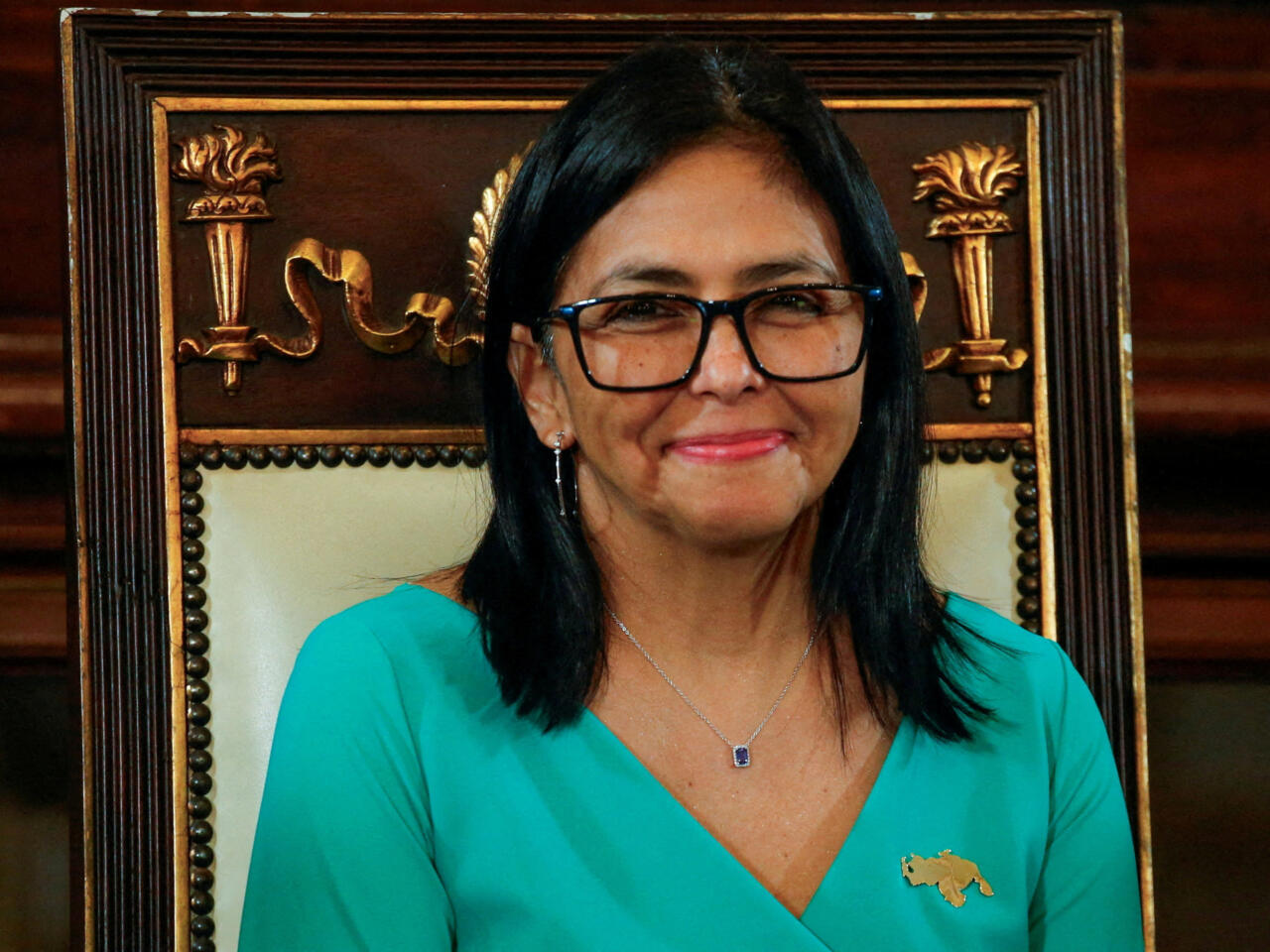
Caracas, 26 oct (Prensa Latina) La presidenta encargada de Venezuela, Delcy Rodríguez, declaró hoy que el proceso de diálogo que se adelanta en el país es algo muy serio.
La infraestructura dispone de siete consultorios, laboratorio de citopatología, salas de atención oncológica, mamografía, mastología, ginecología infanto-juvenil, telemedicina, endocrinología, psicología, medicina interna y nutrición.
El secretario general del Partido Socialista Unido de Venezuela (PSUV) expresó un reconocimiento al pueblo brasileño por su participación en la segunda vuelta electoral y en la reelección de Lula
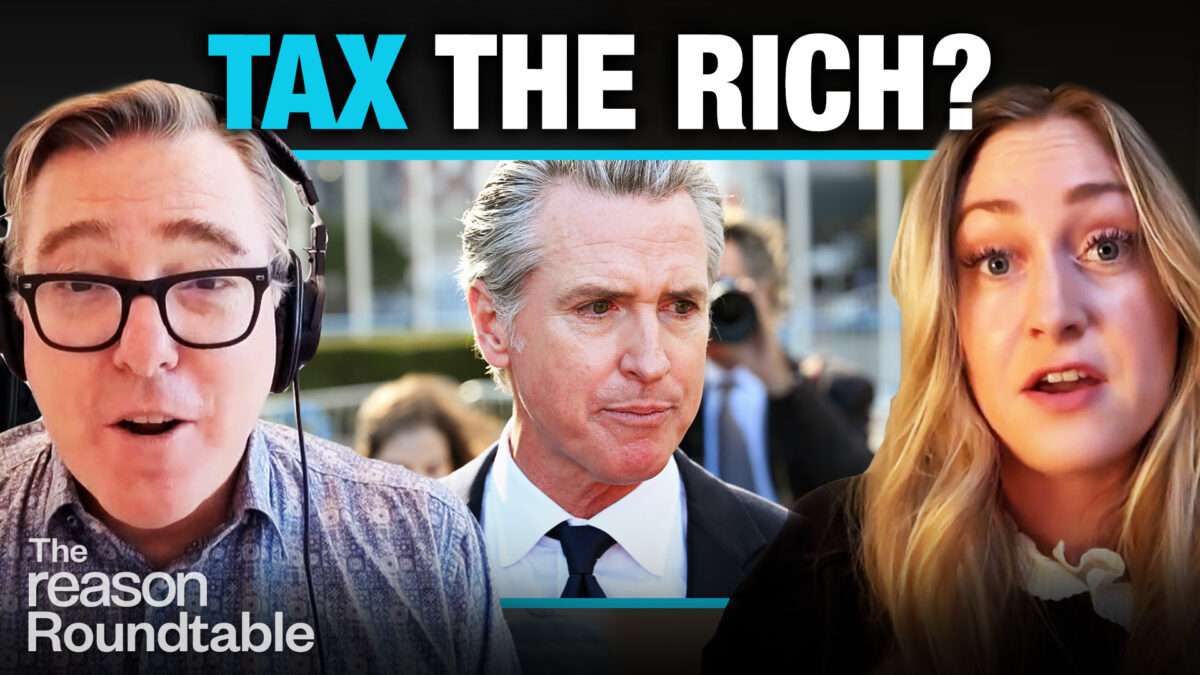
This week, editors Peter Suderman, Nick Gillespie, and Matt Welch are joined by Associate Editor Liz Wolfe to discuss California's proposed 5 percent wealth tax on billionaires, which a Hoover Institution study suggests could ultimately cost the state $39 billion in lost revenue. With wealthy residents already leaving California, the panel examines whether the measure will survive next week's vote, why Gov. Gavin Newsom opposes it, and how public sector unions have helped fuel the state's spending problems.
The panelists then look to France, where mounting unrest and economic stagnation raise questions about the long-term consequences of high taxes, expansive welfare programs, and pension obligations that increasingly burden younger generations. Next, they discuss Venezuelan opposition leader María Corina Machado returning home after 10 months in exile. Then, with the midterm elections next week, the editors examine whether Trump's tariffs, war with Iran, and mounting allegations of corruption will deliver Democrats control of Congress. Finally, a listener asks whether today's democratic socialist movement will ultimately be remembered like the libertarian and Tea Party movements of the early 2010s.
Matt Welch appears on the left. Liz Wolfe appears on the right. Behind them, an image of Governor Gavin Newsom appears looking concerned in the center. Bold text across the top of the screen reads "TAX THE RICH?"
María Corina Machado está dispuesta a reunirse con Delcy Rodríguez para impulsar una transición democrática en Venezuela, en medio de un regreso a escena que ha generado amplio respaldo popular y tensiones políticas.
La presidenta encargada informó que el diálogo con la Asamblea Nacional de 2015 suma tres jornadas, defendió las estructuras para los beneficiarios de la amnistía y aseguró que la justicia apunta a no criminalizar la pobreza.
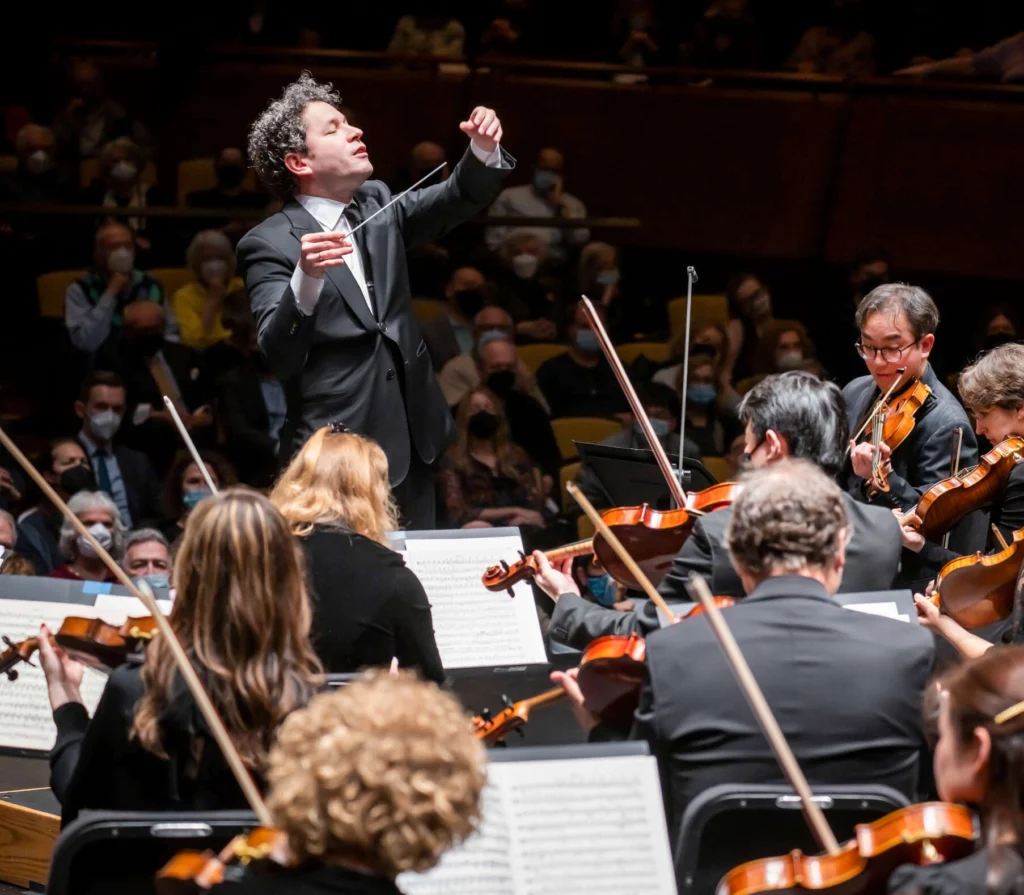
Conductor Gustavo Dudamel will return to the Auditori de Barcelona on November 3 with the National Youth Symphony Orchestra of Venezuela, as part of a tour marking the 50th anniversary of Venezuela’s National System of Youth and Children’s Orchestras and Choirs ( in spanish El Sistema).
The performance was rescheduled twice—first due to air travel restrictions in Venezuela, and subsequently because of earthquakes that affected the country.
The concert, organized by the Barcelona-based series BCN Clàssics, will be dedicated entirely to Dmitri Shostakovich’s Symphony No. 7, “Leningrad,” composed during the Second World War amidst the Nazi siege of that Russian city. The work is regarded as a symbol of resistance and hope in the face of the devastation caused by the conflict.
The concert is part of the 50th-anniversary celebrations of “El Sistema,” a social and cultural initiative of the Venezuelan state founded in 1975 by José Antonio Abreu. The National Youth Symphony Orchestra of Venezuela is described by the organizers as one of the flagship ensembles of this pedagogical model and a benchmark for artistic excellence.
Radetzky March, Op. 228 by the renowned composer Johann Strauss I.
This is a majestic and energetic march. A special feature of this work is the interaction between the conductor, orchestra, and audience: conductor Gustavo Dudamel simultaneously conducts the orchestra and turns… pic.twitter.com/pigpM3bMrU
Dudamel—who himself received his training through “El Sistema”—returns to the Catalan capital following his appearance three weeks ago to open the 2026–2027 season of BCN Clàssics, where he conducted the New York Philharmonic on its first international tour, alongside the Orfeó Català.
The performance is scheduled for Tuesday, November 3, 2026, at 8:00 p.m. in the Sala Pau Casals at the Auditori de Barcelona. The program will consist exclusively of Symphony No. 7 in C major, Op. 60—one of the most expansive and powerful works in the 20th-century symphonic repertoire.
Some of the remnant socialist governments appear to be sliding toward subservience
“Respect for sovereignty is the most significant norm in international politics, and its purpose is to minimize war and facilitate peaceful relations among states.”
—John Mearsheimer
American political scientist and international relations scholar and professor
The U.S. war against Vietnam was driven by the imperialist assumption that Vietnam was one of many inevitable dominoes that would fall to communism. But the communist dominos did not fall. Instead, today, we face a dramatic, devastating loss of progressive governments throughout Latin America, with the domino game won by the reactionary forces.
We must learn from history, or we are doomed to repeat it. But today, there is little public discussion and analysis of what led to these Latin American losses, if not outright condemnation of such questions.
Though all the winds of doctrine were let loose to play upon the earth, so Truth be in the field, we do injuriously, by licensing and prohibiting, to misdoubt her strength. Let her and Falsehood grapple; who ever knew Truth put to the worse, in a free and open encounter?
— John Milton English poet, polemicist, and civil servant
During the Cold War, the U.S. had a long pattern of supporting right-wing coups, dictatorships and death-squad operations, driven by the imperatives of big business which wanted to exploit Latin American resources.
One of the most notorious cases was Chile, where the CIA backed a coup against democratically elected leader Salvador Allende that brought in fascist Augusto Pinochet.
Today, as Peoples Dispatch reported: “The far right in Latin America is shaped by an anti-left agenda that it inherits from the Cold War, which means that its political formations typically endorse the era of U.S.-backed military dictatorships. The ideas of the left, whether from the Cuban Revolution (1959) or from the era of the Pink Tide (after 1998), are anathema to these political forces; these ideas include agrarian reform, state-led finance for industrialization, state sovereignty, and the importance of trade unions for all workers and peasants.”
Glenn Greenwald agrees: “Other than Uruguay, Brazil is the last country in South America still governed by a left-wing or center-left government, with one country after another electing leaders on the right: Argentina, Colombia, Peru, Ecuador, Chile, etc.”
Medea Benjamin also agrees: “Across the continent—from Colombia and Peru to Argentina, Chile, Ecuador, Honduras, Bolivia and Panama—there has been a stark reversal of the region’s progressives that brought hope for a more independent and socially just Latin America. The only two major powers in Latin America still governed by the left are Mexico and Brazil—and Brazil faces a fiercely contested presidential election in October.” Unfortunately, the recent election requires a runoff, as neither Bolsonaro nor Lula received over 50% of the vote. What is particularly concerning, is that Lula did not come in as strong as most predicted.
Alan MacLeod reports in Mint Press that “The United States is interfering in the Brazilian presidential elections, pressuring the Brazilian electorate into voting for right-wing candidate Flavio Bolsonaro, the son of disgraced former president, Jair Bolsonaro. If that does not work and President Lula da Silva secures a fourth term in office, the groundwork is already being laid for a potential military intervention.”
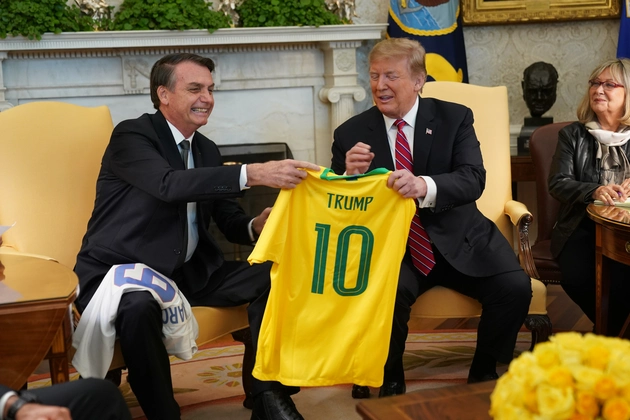
Former Brazilian President Jair Bolsonaro after he is presented with a soccer jersey by President Donald Trump. [Source: politico.com]
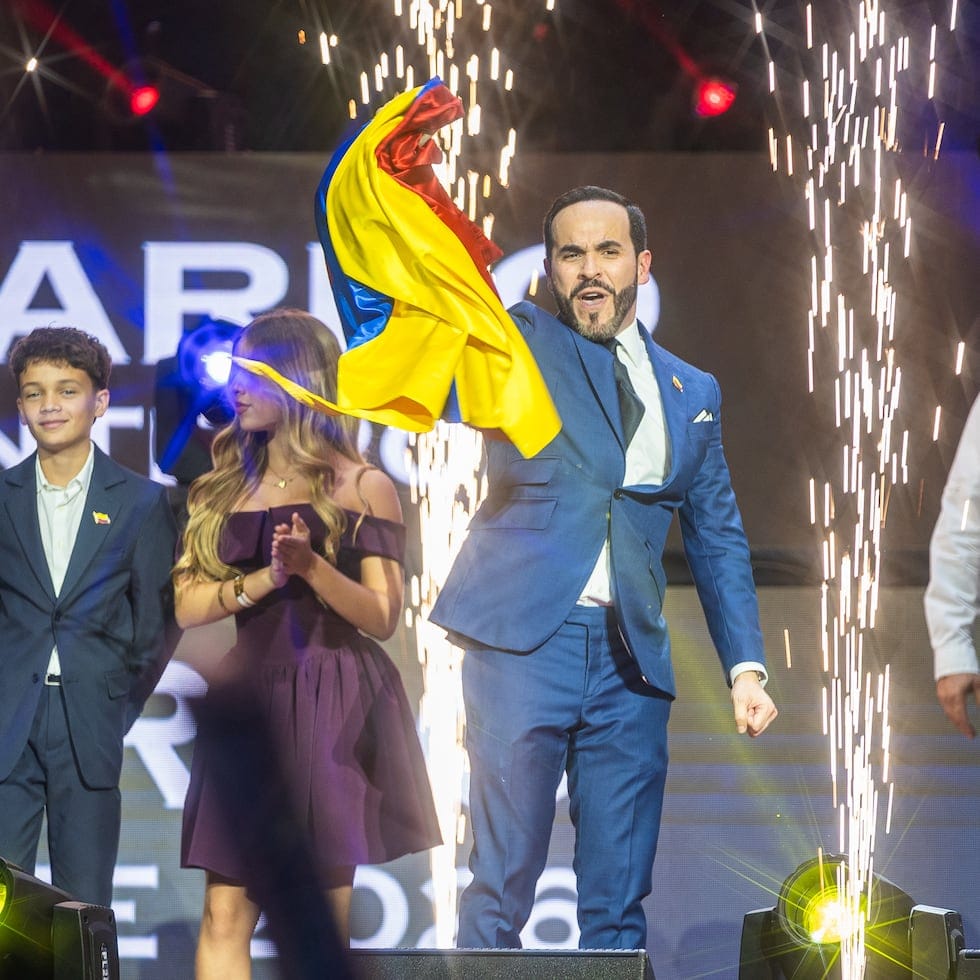
Colombia’s domino fell when its left-wing presidential candidate Ivan Cepeda conceded defeat on June 24 to hard-right populist Abelardo de la Espriella following a tight run-off race.
“There had been doubts among the Cepeda camp about the legitimacy of the vote process, with President Gustavo Petro—who was closely involved in the leftist candidate’s campaign—openly alleging fraud and foreign interference before and after the election.”
Colombia’s far right new President Abelardo de la Espriella celebrates his recent election victory. [Source: americasquarterly.org]
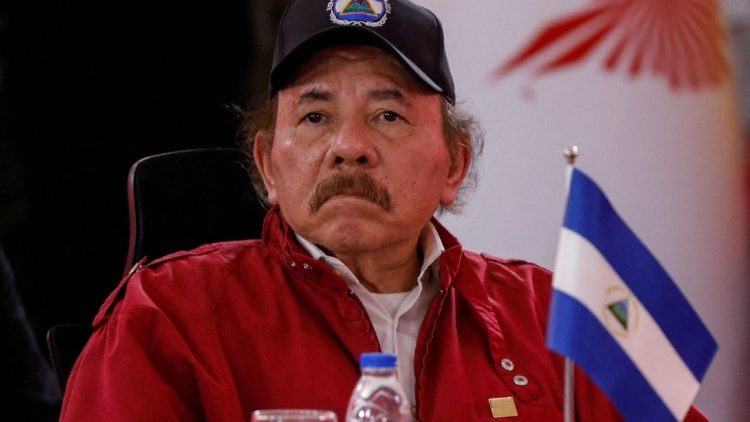
Nicaragua faces electoral interference as well. As reported in The Grayzone, “In his national address on July 19, Nicaraguan President Daniel Ortega stated that, when the country’s next elections take place in 2027, none who promoted a violent anti-government insurrection in 2018 will be allowed to stand for office.” He declared that Nicaragua has the “sovereign right to fight foreign interference in its electoral process…Washington’s plans for regime change in Nicaragua are hardly a secret…The National Endowment for Democracy’s president, Damon Wilson, bragged to a House committee in February that his organization is funding media in Nicaragua with an eye to undermining its Sandinista government.”
Lest we forget, government control of media is essential for fascism to take hold. Benjamin outlines how “The market concentration of Latin American media conglomerates is among the highest in the world, with four transnational companies controlling 89 percent of the broadcast media across six major countries…The market power of these huge media conglomerates is a real obstacle to any movement for democracy or socialism.” Even darker, she reports that Allen Weinstein, a founder of the National Endowment for Democracy, told The Washington Post in 1991, “A lot of what we do today was done covertly 25 years ago by the CIA.”
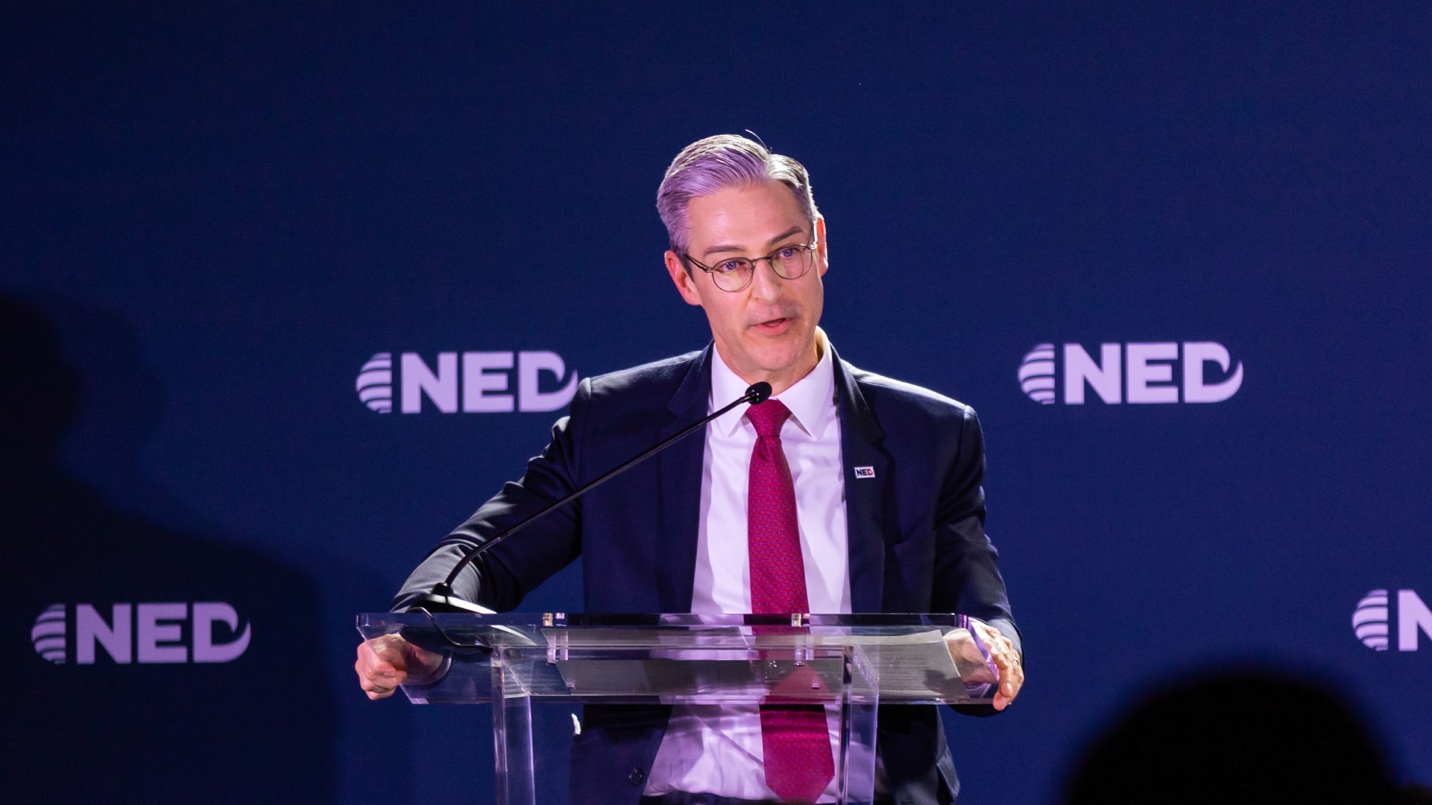
Damon Wilson, the director of the National Endowment for Democracy. [Source: ned.org]
After Venezuela was subject to a U.S. military invasion on January 3, which resulted in the kidnapping of sitting president Nicolás Maduro and his wife Celia Flores, then-Venezuelan Foreign Minister Yván Gil said “We found ourselves alone.”
It was certainly a devastating disappointment that Russia and China, or neighboring countries such as Colombia and Brazil, did not (though under the boot of the U.S.) more militantly advocate for Maduro and Flores’s return. The illegal murders on the open seas of the Caribbean—with impunity—was writing on the wall that Venezuela was the next domino to fall. Why did the efforts to prevent the fall fail?
Is Venezuela still a sovereign country? Former Venezuelan Foreign Minister Jorge Arreaza said, “Everything is now negotiated” with Washington, requiring a daily give-and-take with Caracas. When does it become regime change if everything must be negotiated with Washington?
Peoples Dispatch reports that, “Despite every attempt to overthrow the government of Venezuela, President Nicolás Maduro remains in charge and has mobilized large sections of the population to defend the Bolivarian Revolution against any threats.” But as is acknowledged, “…U.S. imperialism, by having a gun pointed to the government’s head, is in a position to exert substantial coercion leading to unpalatable decisions, such as Alex Saab’s deportation.”
Doesn’t “substantial coercion” trespass upon sovereignty? When domestic peace occurs due to a gun to your head, is it the measure of success? Saab’s deportation is more grievous than unpalatable.
Criticizing a government does not make one equivalent to a particular opposition figure. Asking questions is not counterrevolutionary, but essential. What insights have we gained during this period of U.S. imperialism?
CovertAction Magazine’s “Cuba Is Not Venezuela or Jamaica as It Refuses to Become a U.S. Neo-Colony” recounts how, when Jamaican Prime Minister Michael Manley refused Henry Kissinger’s demand to end support for the Angola liberation struggle, the U.S. made sure Manley would lose the next election. Jamaica has been a willing servant of the Empire ever since, recently ending an essential Cuban health care program that brought doctors to the country. A neo-colony is certainly not sovereign.
It is tragic that Venezuela is used as the current example of what other countries want to avoid. Maduro recently posted that “Venezuela will be reborn.” Venezuelan popular movements now call for ‘anti-imperialist resistance’ to the recent oil deal for its lack of transparency and implications for Venezuelan sovereignty. Organizer Orlando Vega argued that the Venezuelan government “stumbled” in its response to the January 3 U.S. attacks. He urged a demand for the release of Maduro and Flores and a review of legislation approved “under U.S. coercion.”
But a key political question is: “What remains of Bolivarian sovereignty if control over the country’s primary energy resources is gradually transferred to private actors linked to U.S. interests?…A process born in the name of sovereignty and independence risks resulting in the subordination of key strategic resources to the interests of a foreign power…Venezuela faces what appears to be the liquidation of sovereignty, self-determination, and the legacy of the Bolivarian Revolution.”
“History shows that, more often than not, loss of sovereignty leads to liberalization imposed in the interests of the powerful.”—Noam Chomsky
Veteran Intelligence Professionals for Sanity (VIPS) recently issued a memo which states that Cuba is not Venezuela. They predict that “The same people who keep ’57 Chevrolets on the road with a coat hanger will wreak havoc against a foreign-imposed regime.”
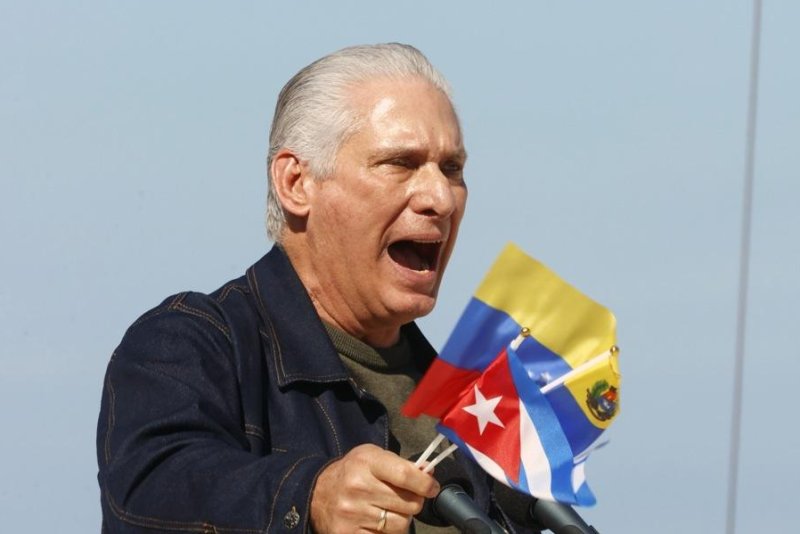
Cuba refuses to accept a dialogue based on subordination. It declares it will engage in dialogue with Washington, but will not negotiate under pressure or cede its sovereignty. “We have no alternative but to resist. We must resist,” said Cuban President Miguel Díaz-Canel, who explicitly linked the defense of socialism to the defense of national independence and sovereignty. Is Cuba’s refusal to kneel to Uncle Sam the reason the U.S. strategy for Cuba recently shifted from the military option to sanctions?
“Our position is that we do not accept conditions of any kind which may affect the independence and sovereignty of our country just with the view to solve economic problems existing between the United States and Cuba.”—Fidel Castro
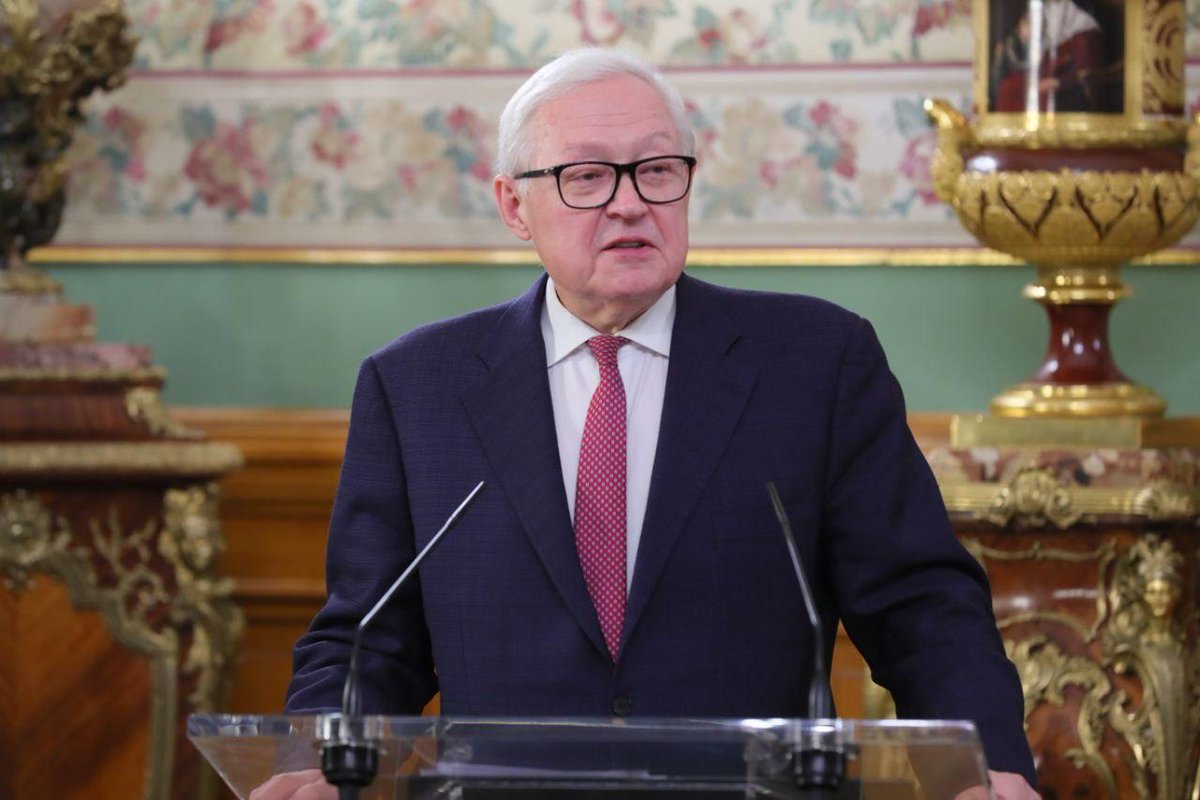
The Soviet Union helped Cuba survive its illegal sanctions, begun in 1960, but since the fall of the Soviet Union in 1991, Cuba suffered and struggled under increasing sanctions—mostly alone. In a promising new development, Russian Deputy Foreign Minister Sergei Ryabkov recently announced that Russia and Cuba will continue strengthening their strategic partnership despite attempts to undermine bilateral cooperation through intimidation and political pressure.
The Peace of Westphalia, which established the nation-states in 1648, enshrined the concept of state sovereignty into international law, which was formalized centuries later by the United Nations Charter. The founding principle was that every State, regardless of size and economic importance, has an equal right to sovereignty. This cornerstone of modern international law establishes the concept that a nation-state has supreme, independent authority over its own territory and domestic affairs.
In tragic irony, sovereignty is used to justify the right to kill in defiance of international law. Carl Schmitt, a German philosopher and jurist who joined the Nazi Party in 1933, defined sovereignty as the “power to decide the state of exception.” William Blum’s Rogue State outlines in brutal detail how the U.S. has long been a lawless state, blind to others’ sovereignty, and the devastating danger that state of exception reflects.
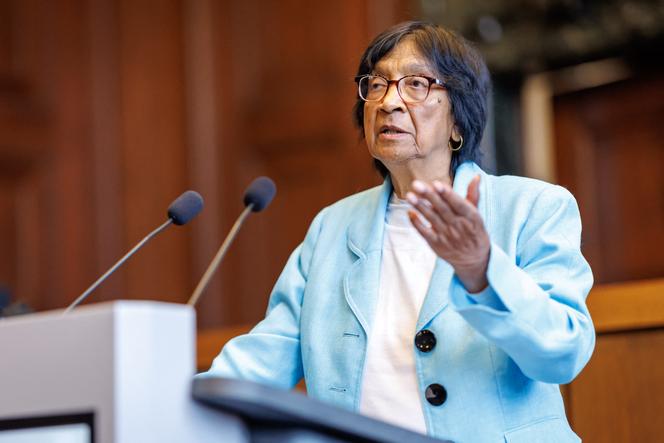
Recently, Marco Rubio had the audacity to claim that “The ICC [International Criminal Court] poses an intolerable threat to U.S. sovereignty.” Then on October 9, the U.S. imposed new sanctions on the ICC, apparently because the Nobel Peace Prize was awarded to Navi Pillay, a former ICC judge who once criticized Israel.
However, “The ICC is not claiming jurisdiction over conduct in the United States,” said Kenneth Roth, of Human Rights Watch. “Rubio is dressing up his quest for impunity for American war crimes under the label of national sovereignty, which ignores the sovereign right of other nations to invoke the ICC for crimes committed on their territory.” Sovereignty does not imply immunity, but accountability to the rule of law.
Vijay Prashad outlines the struggle for sovereignty in the Global South: “Can the nations of the Global South act together with sovereignty and dignity? Can they build institutions that serve their peoples rather than global capital?…A political consciousness that favours sovereignty and strategic autonomy is rising in the Global South.”
When a country gives up strategic autonomy, has it compromised its sovereignty? Prashad concludes: “The peoples of the Global South demand sovereignty, equality, and peace.” Sovereignty is becoming a mantra, though its clear meaning remains elusive.
“How does any country give up any sovereignty and expect to survive as a government?…That would be political suicide.”—Benigno Aquino III
Geopolitical analyst Pepe Escobar explored modern global sovereignty in “Eurasia, the Hegemon, and the Three Sovereigns,” asserting that true, uncompromised national sovereignty in contemporary geopolitics requires reconceptualizing the understanding of sovereignty. He addressed the need to “pierce far beyond sovereignty as interpreted in conventional political science and predominant international relations narratives.”
When does genocide of resident civilians cancel the right to sovereignty over them? Banning a native language is legally genocide. Ukraine banned the Russian language on the first day of the 2014 coup.
So did Russia violate Ukraine’s sovereignty when it began the SMO? The Donbas, after 12,000 civilian deaths in eight years, voted—overwhelmingly—to rejoin the Russian Federation. The Duma voted to accept their request for reunification.
When international law fails, with total UN abdication, and agreements like Minsk I and Minsk II are used as a ruse, how is Ukraine’s alleged sovereignty legitimate while it commits genocide against its own people?
Cuba remains a sovereign socialist country which says it will not surrender. Venezuela reminds us how quickly a revolution can be compromised when sovereignty becomes a negotiable variable. What is the “difference between sovereignty and subordination, between resistance and surrender?”
When Castro won the Cuban Revolution, he immediately distributed guns to the peasants, because he knew that he needed the people to maintain the victory. And he certainly agreed with Frederick Douglass that “It’s better to die free, than live as a slave.”
Sovereignty requires that the people of each country are free to make their own choices, without coercion or a gun to their head.
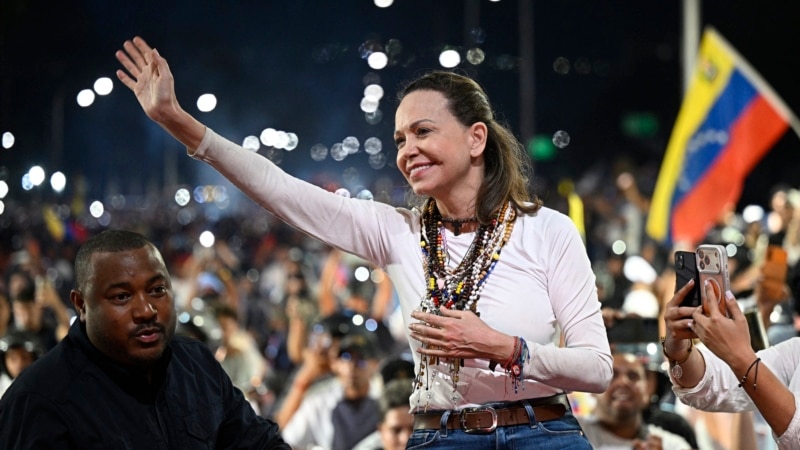
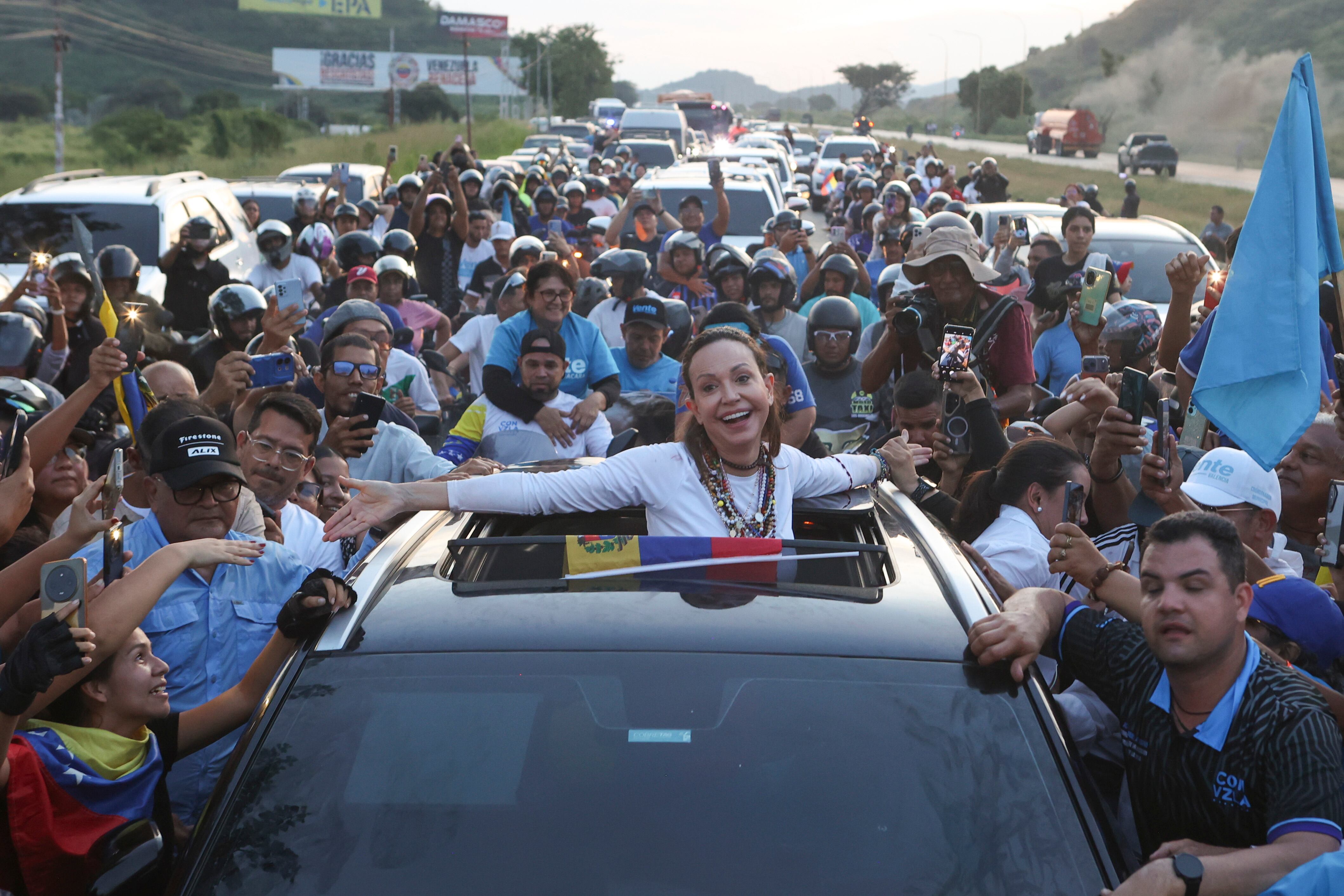
It was a long and emotional day for thousands of Venezuelans who could not believe it when they heard on Sunday morning that the opposition leader María Corina Machado had returned to Venezuela. When her message started circulating on cellphones — “I am here. With you.” — thousands of supporters of Machado and opponents of Chavismo began pouring into the streets to follow her slow march to the capital, Caracas, in an epic demonstration of Venezuelans shedding the fear of repression that had been holding them back for so long.
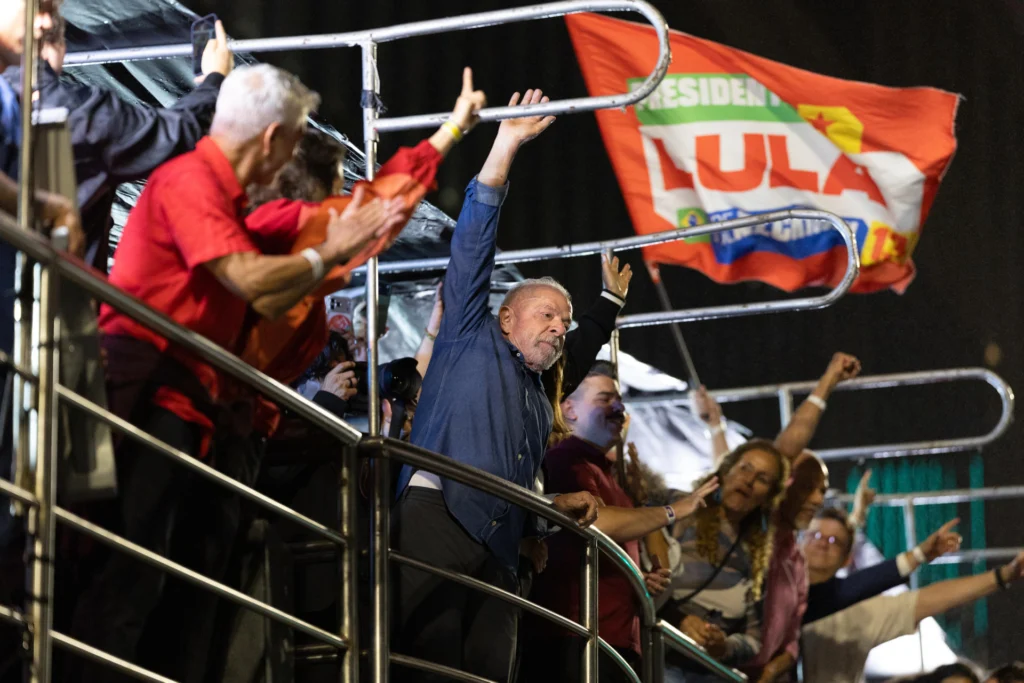
Venezuela and Cuba pledged continued cooperation with Brazil after Luiz Inácio Lula da Silva defeated Flávio Bolsonaro in the presidential runoff.
Venezuela and Cuba congratulated Brazilian President Luiz Inácio Lula da Silva on his election victory, reaffirming their commitment to regional cooperation after he defeated Liberal Party candidate Flávio Bolsonaro in the presidential runoff.
Venezuela’s government praised Brazilian voters for their participation in Sunday’s election, calling it a strong demonstration of civic engagement and democracy.
“The people of Brazil have given a resounding demonstration of civic and democratic participation,” Venezuelan Foreign Minister Félix Plasencia González said in a statement posted on social media.
Text Reads: The Bolivarian Republic of Venezuela congratulates the massive and civic participation of the pueblo of the Federative Republic of Brazil in the second electoral victory celebrated today that leads to the victory of President Luiz Inácio Lula da Silva.
Caracas also reaffirmed its commitment to maintaining longstanding ties with Brazil, citing peace, respect for national sovereignty, self-determination and solidarity among Latin American and Caribbean nations.
Lula secured more than 64 million votes, representing 51.77% of valid ballots, defeating Bolsonaro, a senator and candidate for the Liberal Party (PL).
Cuban President Miguel Díaz-Canel described the result as a historic victory that would help preserve the pursuit of social justice. He also pledged Cuba’s support for greater regional unity and integration.
“Brazil can count on Cuba as we build unity and integration across our great Latin American and Caribbean homeland,” Díaz-Canel said.
Estimado hermano @LulaOficial, te felicito en nombre del gobierno y pueblo cubanos por esta victoria histórica que garantiza la continuidad del camino de paz, soberanía y justicia social emprendido por el pueblo brasileño bajo tu liderazgo.
Text Reads: Dear brother @LulaOficial, on behalf of the Cuban government and people, I congratulate you for this historic victory that ensures the continuity of the path of peace, sovereignty, and social justice embarked upon by the Brazilian people under your leadership.
Former Argentine President Cristina Fernández de Kirchner also congratulated Lula, first praising Brazilian voters for their mobilization and then highlighting the president’s ability to rally support.
“Congratulations first to the Brazilian people, who today took part in an authentic electoral October 17, and then to you, comrade President Lula, who, in your seventh presidential election, knew how to awaken among your fellow citizens the feelings and sense of purpose needed to win this battle,” she wrote.
Former Bolivian President Evo Morales welcomed the outcome as a source of renewed hope for people across the continent fighting for social justice, dignity and sovereignty.
Addressing Lula as a close ally and fellow campaigner, Morales called the result a “beautiful and heroic victory.” The messages from Venezuela, Cuba, Argentina and Bolivia reflected the regional significance these leaders attached to Lula’s election win.
La leader dell’opposizione venezuelana María Corina Machado è rientrata a Caracas ieri sera, dopo quasi un anno di esilio. Il Venezuela sta dando “una lezione al mondo intero”, ha detto la premio Nobel per la pace appena rientrata nel Paese. Governo e opposizione sono impegnati in un negoziato dallo scorso agosto. Il leader del Partito Popolare (PP), Alberto Nunez Feijó, ha accolto con favore il ritorno in Venezuela della leader dell’opposizione e premio Nobel per la pace 2025, María Corina Machado. Feijó ha affermato che a questo evento dovrebbero seguire “elezioni libere” nel Paese, consentendo al popolo di esprimere la propria scelta alle urne.
Sul suo profilo X, Feijó ha descritto il rientro di Machado in Venezuela come un “momento emozionante”, che rappresenta, a suo avviso, “la forza di chi non si arrende e la conferma che la libertà trova sempre il modo di prevalere sulla tirannia”. “Ci auguriamo che la sua sicurezza sia pienamente garantita e che il popolo venezuelano possa esprimersi attraverso elezioni libere. La democrazia deve sempre trionfare”, ha detto il leader del PP.
Attivista carismatica, Maria Corina Machado è il perno dell’opposizione venezuelana, ma si trova ad affrontare una dura sfida al suo ritorno in un Paese ora governato da un leader che gode del favore del presidente statunitense Donald Trump. Machado, 59 anni, è in esilio da quando ha lasciato clandestinamente la sua patria sudamericana alla fine dello scorso anno per ricevere il Premio Nobel per la Pace.
Secondo il suo partito, Vente Venezuela, ha tentato più volte di tornare, ma è stata bloccata, prima di apparire domenica in una chiesa nella città di Barquisimeto, circondata da sostenitori festanti. Il mese successivo alla sua fuga dal Venezuela, le forze statunitensi hanno arrestato il leader autoritario del Paese, Nicolas Maduro, e lo hanno trasferito a New York per affrontare le accuse penali.
Machado ha elogiato Trump per aver lanciato la rischiosa operazione, arrivando persino a conferirgli la sua medaglia del Premio Nobel, nonostante Washington abbia permesso alla vice di Maduro, Delcy Rodríguez, di governare come presidente ad interim. A dimostrazione della sua posizione scomoda, Machado è stata esclusa dai colloqui promossi dagli Stati Uniti per una transizione democratica tra il governo ad interim e i rappresentanti dell’opposizione.

 Login