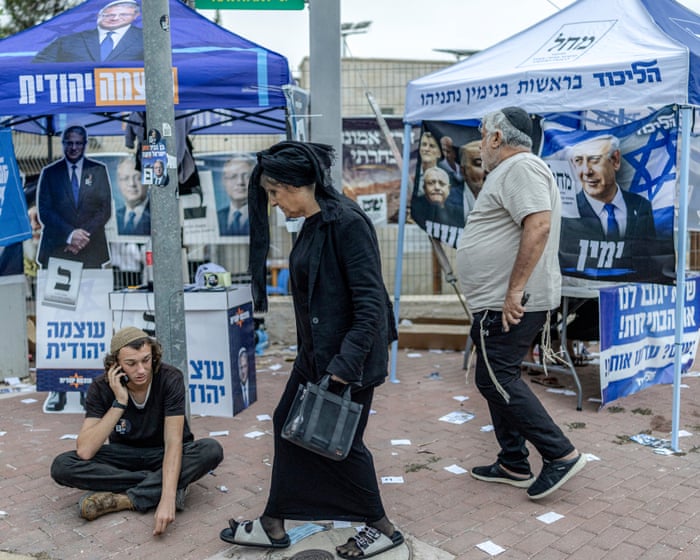
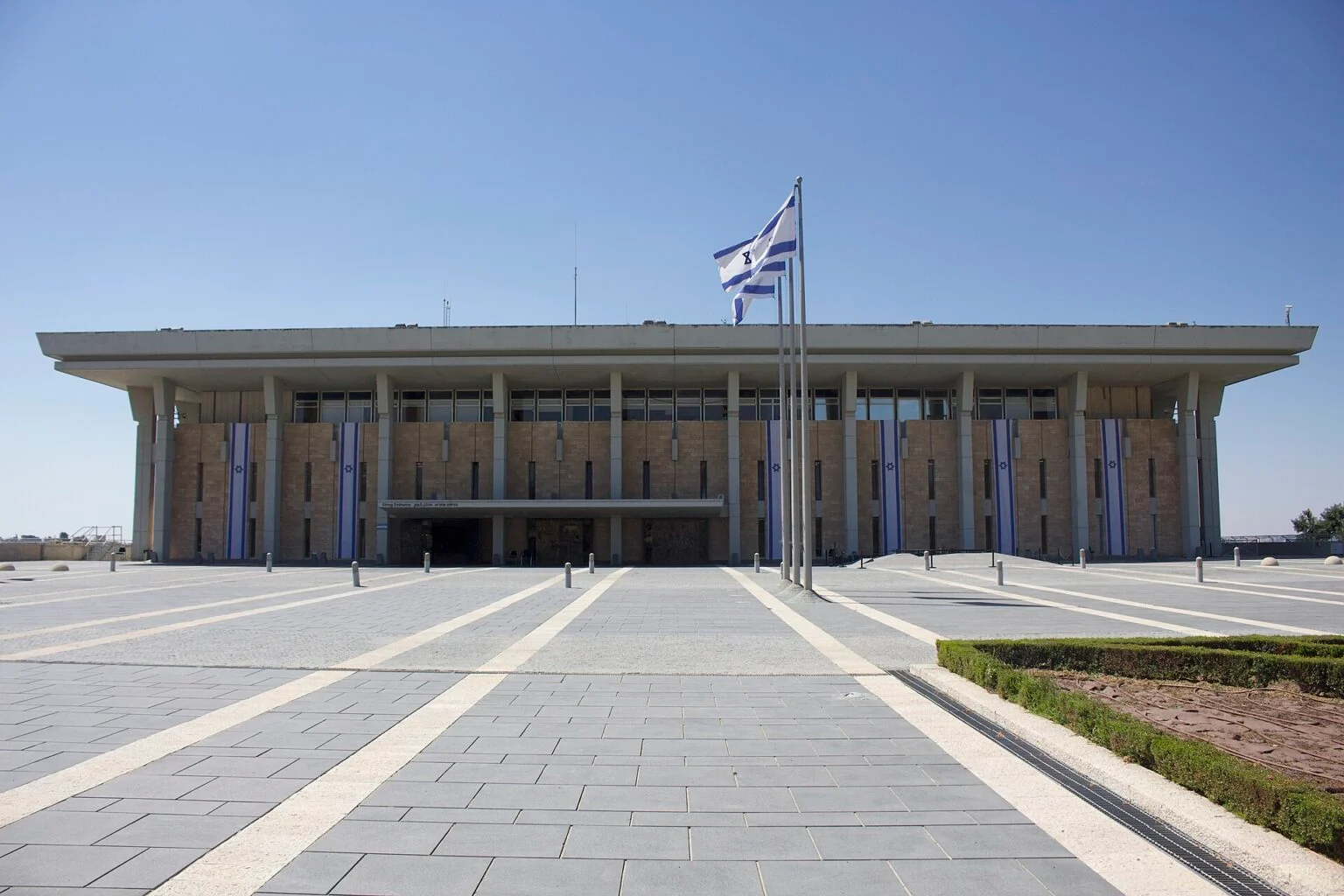
The vote for the 26th Knesset serves as a crucial referendum on the state’s institutions, economy, and military strategy.
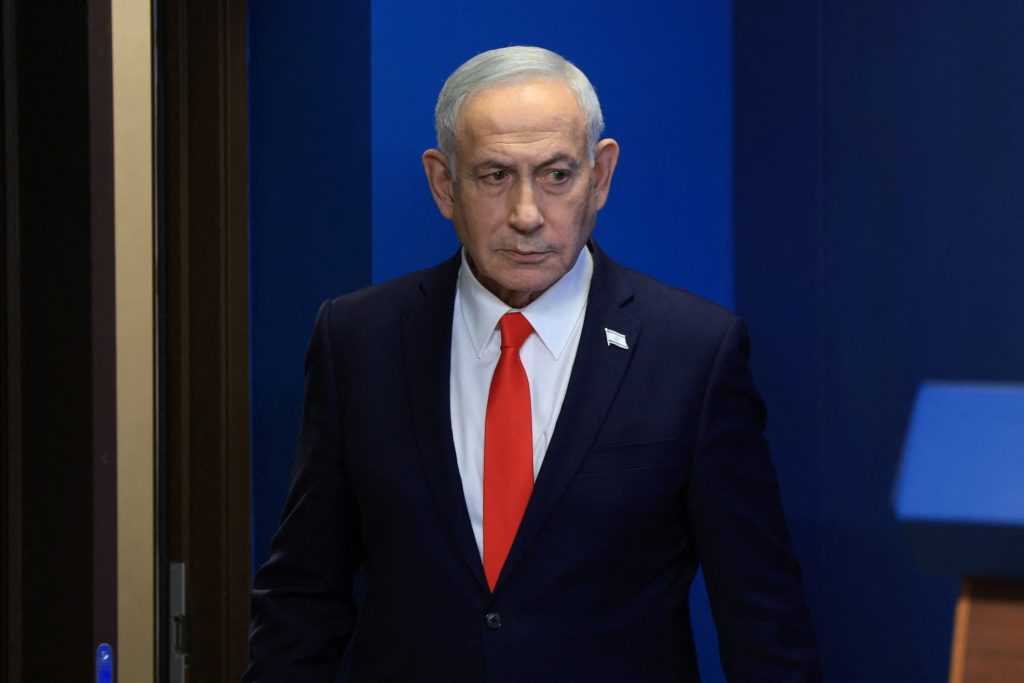
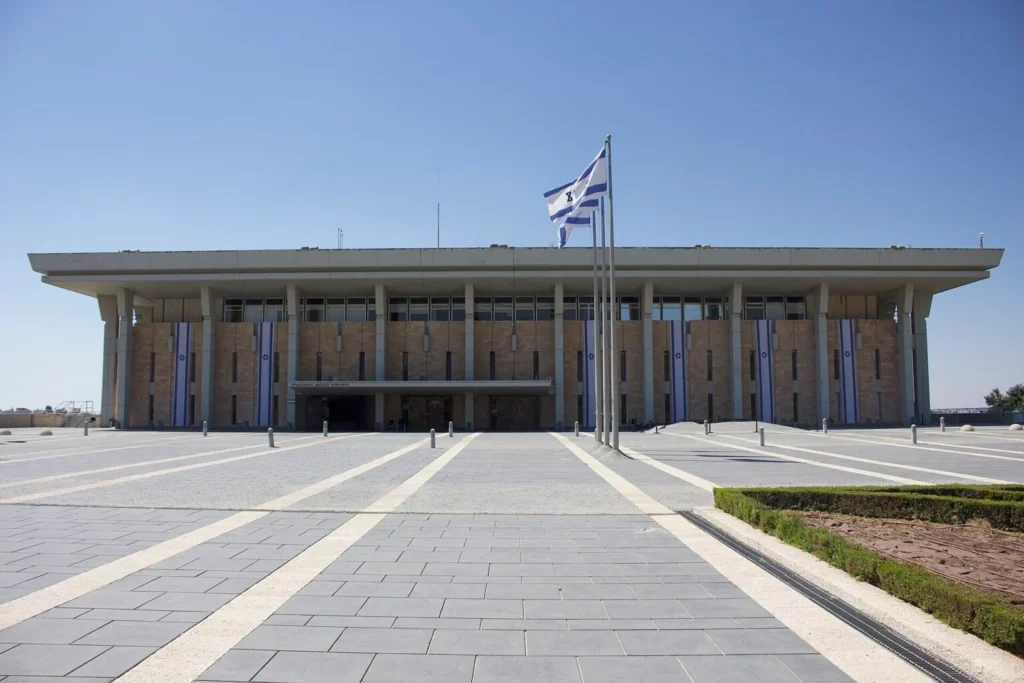
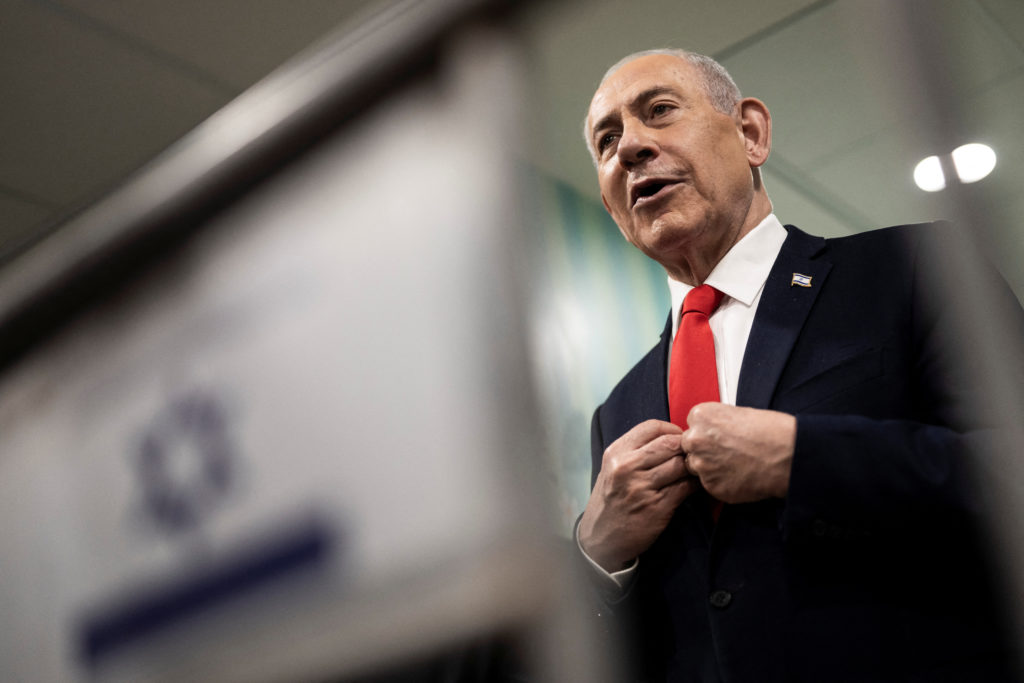
The legislative elections for the 26th Knesset, the legislative power, take place at a critical political crossroads for Israel. Scheduled as the first parliamentary contest since the outbreak of hostilities against Gaza following the events of October 7, 2023, these elections serve as a national referendum on the governance model of Prime Minister Benjamin Netanyahu.
The outgoing 25th Knesset became the first Israeli legislature since 1988 to complete its full four-year term without early dissolution, surviving despite severe domestic turmoil, mass protests over judicial reforms, and persistent coalition instability.
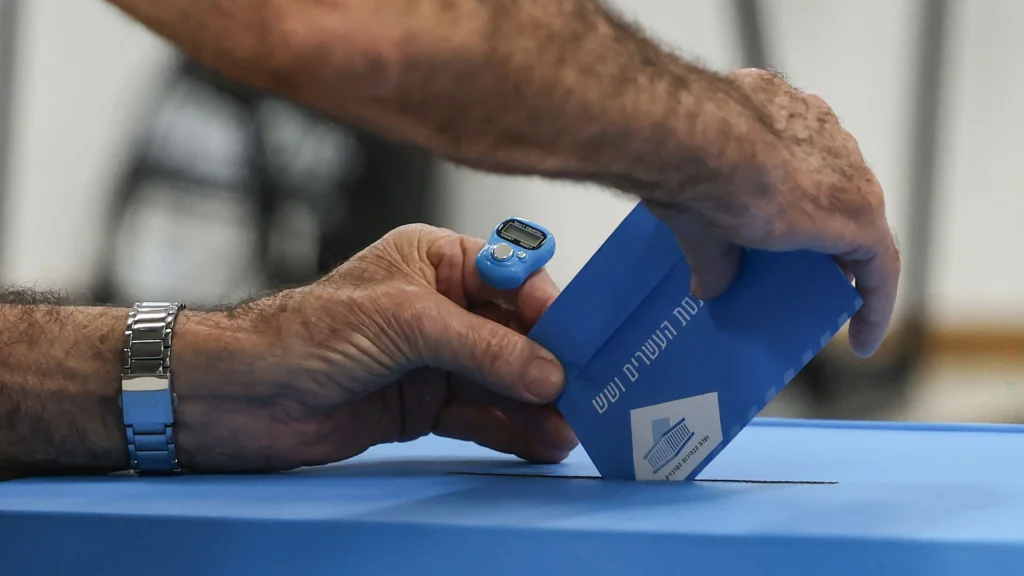
However, the upcoming vote occurs under international scrutiny and severe domestic polarization. Official data from the Israeli Central Elections Committee shows the number of ballots needed across the country to fill all 120 seats in parliament.
Political analysts note that the campaign reflects deep fractures within Israeli society regarding military strategy, economic priorities, and the future shape of the state’s institutional structure.
Social and Geopolitical Context of the 2026 Elections
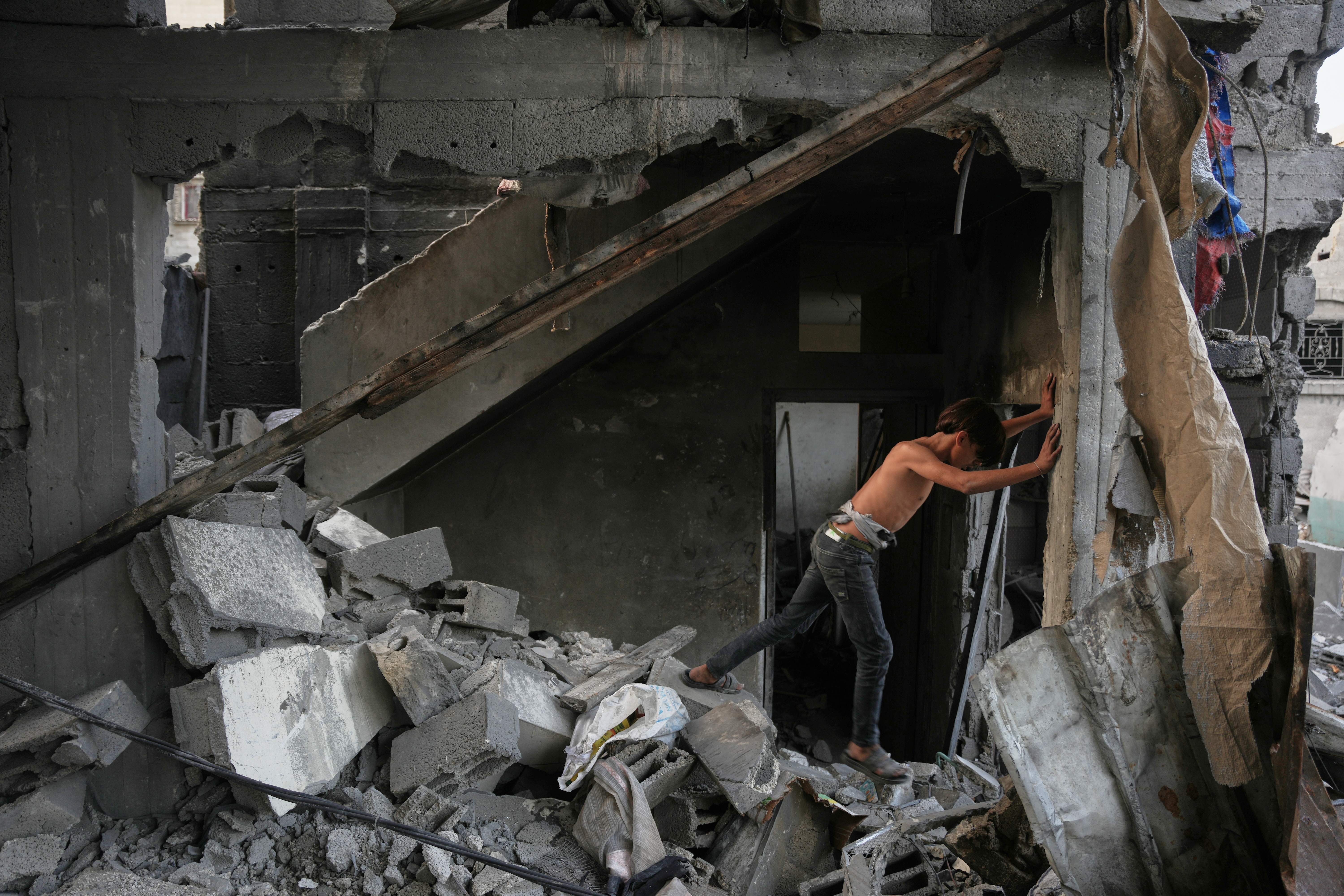
The socio-political environment surrounding the current electoral moment is marked by the prolonged attacks on Gaza and wider regional escalations involving Lebanon and Iran.
These conflicts have heavily strained the Israeli economy, accelerated militarization across public life, and deepened existing social divides.
Economic pressures, driven by soaring military expenditures and disruptions across key industrial sectors due to a labor crisis resulting from the movement of Palestinians, the trade blockade, and the brain drain, have intensified Israeli public debate concerning state budgets and resource allocation.
Simultaneously, domestic divisions have intensified around long-standing structural issues, most notably the military conscription exemptions granted to the ultra-Orthodox Haredi population, generating coalition crises and widespread friction between secular citizens and religious factions.
On the diplomatic front, the state faces unprecedented international isolation, underscored by ongoing proceedings at the International Court of Justice and arrest warrants issued by the International Criminal Court against Netanyahu, Prime Minister of Israel, and Yoav Gallant, former Israeli Defense Minister, for alleged war crimes and crimes against humanity.
Despite mounting global pressure and civil society accountability campaigns, the political establishment continues to rely heavily on strategic diplomatic and military backing from Western allies, maintaining an insular focus on security doctrines as voters head to the polls.
Netanyahu escalates racist incitement with false claims of ballot raids by Muslim Brotherhood —— Israeli Prime Minister Benjamin Netanyahu intensified his election-day rhetoric, publishing inflammatory claims on social media that supporters of the Muslim Brotherhood were… pic.twitter.com/Oq6hWpSDku
The Electoral System: Proportional Representation and Coalition Dynamics
Israel uses a closed-list nationwide proportional representation system to elect the 120 members of the Knesset. The entire country forms a single electoral district.
Voters select a political party slate rather than individual constituency representatives. To gain representation in parliament, a party list must clear an electoral threshold of 3.25 percent of the total valid votes.
Because no political party in Israeli history has ever won an absolute majority of 61 seats on its own, every administration requires a multi-party governing coalition.
Following the Central Elections Committee, official vote tallies determine seat allocations using the d’Hondt method, which allocates parliamentary seats among the various candidate lists based on the votes received.
Parties frequently enter formal surplus vote-sharing agreements before election day to capture remaining unallocated seats.
Once results are certified, the President of Israel holds consultations with elected party leaders before tasking a chosen candidate, typically the head of the largest faction or coalition bloc, with forming a government within a 28-day timeframe.
This framework gives smaller sectoral and single-issue parties significant leverage during post-election negotiations. Far-right, religious, and nationalist slates often demand key ministerial posts, policy concessions, or budget allocations in exchange for their critical coalition votes.
Political analysts note that institutional features of the system, combined with state policies, impact electoral participation among Palestinian citizens of Israel. Electoral threshold adjustments and legal challenges against Arab-led party slates continuously shape voter turnout in Palestinian municipalities.
While Palestinian citizens account for roughly 20 percent of the population, their representative parties face ongoing systemic exclusion from executive coalition agreements, restricting their influence within the parliamentary framework.
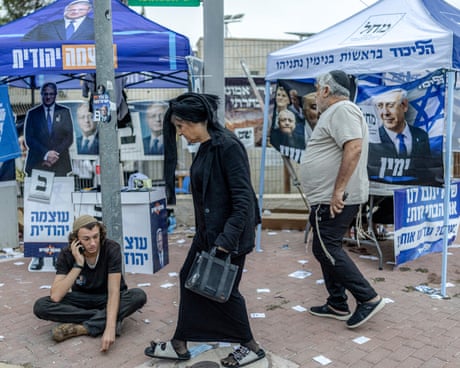
As Arab voter turnout rises, Israel’s far-right leaders are sounding the alarm. War criminal Netanyahu accused “supporters of the Muslim Brotherhood” of raiding polling stations and “stealing the elections,” saying Israel is “in a war for the home.”
The candidate field for the 26th Knesset reflects a fragmented political landscape divided into distinct ideological camps, which we will detail:
The Right-Wing and Religious Coalition
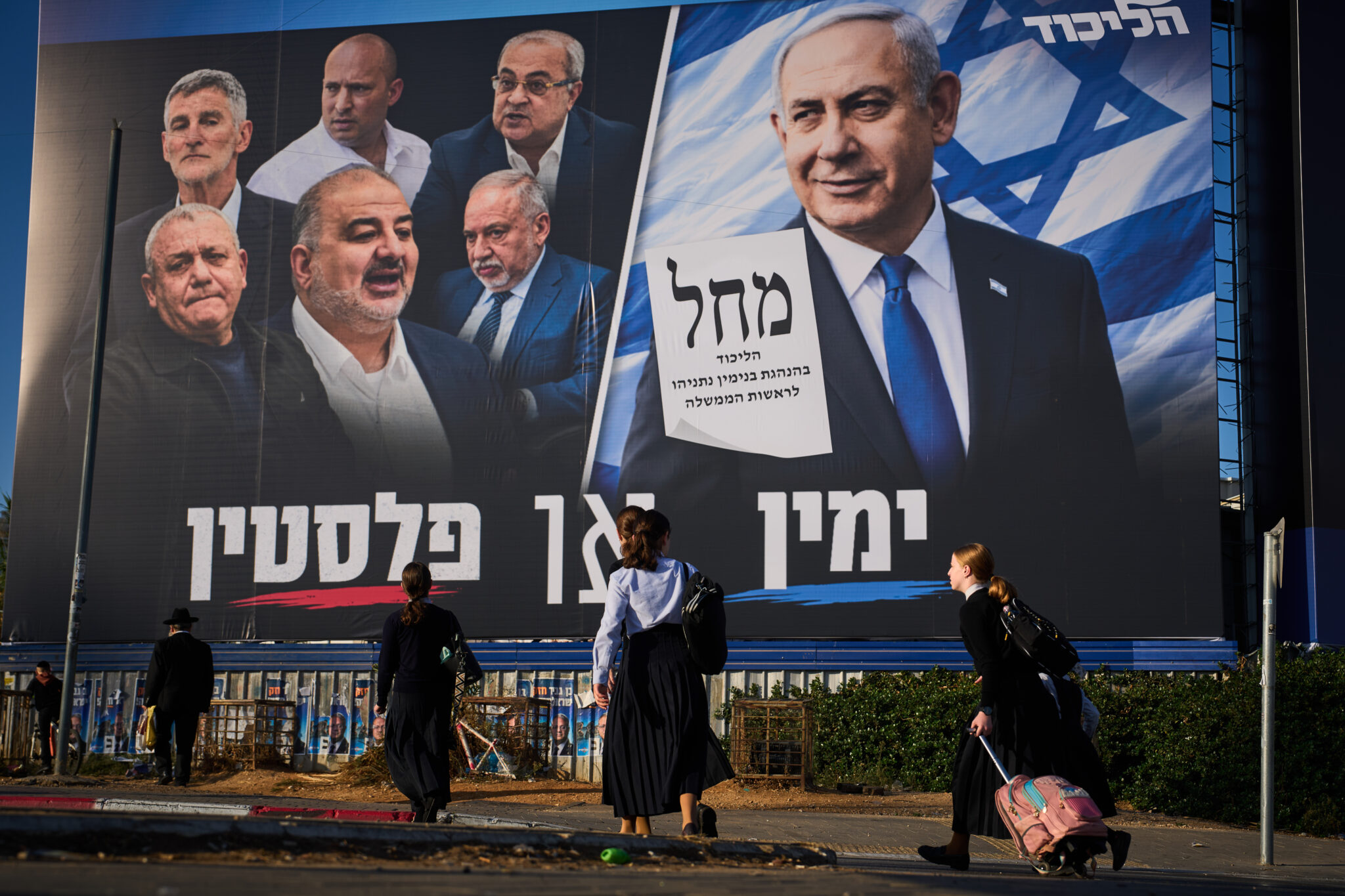
• Likud: Led by Prime Minister Benjamin Netanyahu, the ruling party centers its platform on national defense, state security, and maintaining its long-standing parliamentary dominance.
• Otzma Yehudit: Headed by National Security Minister Itamar Ben-Gvir, this far-right faction advocates for expanded settlements, strict law-and-order policies, and hardline security measures.
• Religious Zionist Party–Zehut: Led by Finance Minister Bezalel Smotrich alongside Moshe Feiglin, this nationalist alliance focuses on West Bank administration, land policies, and conservative social programs.
• Ultra-Orthodox Parties: Shas, led by Aryeh Deri, and United Torah Judaism (UTJ), led by Yitzhak Goldknopf, prioritize state funding for religious institutions and maintaining draft exemptions for Haredi seminary students.
The Opposition Alliances
• Together (Beyachad): A political alliance formed by former Prime Minister Naftali Bennett and Yesh Atid leader Yair Lapid. The joint platform focuses on institutional stability, economic reform, and governance changes.
• Yashar: A new political movement launched by former IDF Chief of Staff Gadi Eisenkot. The party presents a technocratic platform focused on national security, military management, and state administration.
• Yisrael Beiteinu: Headed by Avigdor Lieberman, this right-wing secular nationalist party focuses on mandatory military conscription for all demographic groups and civic policy reforms.
• The Democrats: Formed through the merger of the Labor and Meretz parties under the leadership of former IDF Deputy Chief of Staff Yair Golan, this unified center-left party emphasizes judicial independence and social-democratic domestic policies.
Arab-Majority Parties
• Joint List: Re-established by Hadash, Ta’al, and Balad under the leadership of Yousef Jabareen, the alliance campaigns on civil rights equality, an end to house demolitions, legal recognition for unrecognized Bedouin villages, and opposition to military occupations.
• United Arab List (Ra’am): Led by Mansour Abbas, this pragmatic Islamist faction focuses on securing municipal development funds, infrastructure investments, and crime-reduction programs for Arab communities.
Netanyahu: Governance Record, Systemic Corruption, and Legal Jeopardy
Benjamin Netanyahu, with more than 15 years, is the longest-serving Prime Minister in Israel. Netanyahu governance has consistently centered on maintaining military administration over occupied Palestinian territories, expanding West Bank settlements, and privatizing state assets.
Netanyahu administrations restructured national tax policies, deregulated key economic sectors, and prioritized defense spending over social welfare initiatives. Netanyahu’s political trajectory remains deeply entwined with ongoing legal proceedings across both domestic and international courts. In domestic tribunals, he faces active criminal charges across three separate indictments known as Cases 1000, 2000, and 4000.
– Case 1000 involves charges of fraud and breach of trust regarding allegations that he received expensive gifts from wealthy business figures in exchange for political favors.
– Case 2000 includes fraud and breach of trust charges related to negotiations with media publishers to secure favorable press coverage in return for legislation restricting competing news outlets.
– Case 4000 contains the most severe charges, bribery, fraud, and breach of trust, alleging that Netanyahu granted regulatory concessions to telecom giant Bezeq in exchange for positive coverage on the Walla news platform.
Netanyahu consistently denies all allegations, maintaining that the investigations represent a politically motivated campaign by law enforcement authorities. In early 2023, his government introduced a major judicial reform initiative designed to restructure judicial appointments and limit Supreme Court oversight over executive decisions.
Opposition figures and legal experts argued that these proposals aimed to undermine judicial independence and stall his ongoing trial, prompting widespread domestic protests and deep institutional instability.
On the international stage, the International Criminal Court issued arrest warrants for Netanyahu, determining that reasonable grounds exist to hold him criminally responsible for war crimes and crimes against humanity in Gaza.
The court cited specific charges, including the deliberate use of starvation as a method of warfare and intentional attacks directed against civilian populations.
Although the Israeli government rejects the jurisdiction of the tribunal, the warrants impose severe diplomatic constraints and travel limitations on Netanyahu across states parties to the Rome Statute.
Voter turnout in Israeli elections as of 16:00 GMT surpassed all votes cast in the 2022, as per data released by the Central Elections Committee.
The final distribution of seats in the 120-member Knesset will determine whether the incumbent coalition or opposition alliances secure the 61-seat majority required to govern.
If the right-wing and religious coalition retains power under Netanyahu’s leadership, the administration is expected to immediately revive paused judicial reform packages to restructure judicial selection processes and restrict legal oversight of executive actions.
Under this outcome, state policy would focus on expanding West Bank settlement infrastructure, maintaining long-term military control over Gaza, and preserving military conscription exemptions for the ultra-Orthodox population to maintain internal coalition stability.
Alternatively, if an opposition alliance formed by figures such as Gadi Eisenkot, Naftali Bennett, or Yair Lapid captures a parliamentary majority, executive authority would shift toward institutional stabilization. An opposition-led government would likely halt proposed judicial overhauls, reinstate traditional oversight mechanisms, and launch official state inquiries into military and intelligence failures.
Regarding military service, an opposition government would attempt to implement universal conscription policies that include Haredi citizens, a move likely to provoke significant resistance from religious sectors.
Striped of executive protections, Netanyahu’s domestic criminal trials would proceed without executive delays, while international legal pressures stemming from International Criminal Court warrants would remain active.
In the event that neither political bloc achieves a clear 61-seat threshold, the Knesset would enter a state of severe parliamentary deadlock. Under Israeli electoral law, Netanyahu would remain in power as caretaker Prime Minister while political factions negotiate prospective coalition agreements or initiate procedures for new legislative elections, extending the prevailing political uncertainty.
Sources: TeleSUR – Al Jazeera – Al Mayadeen – Press Tv – Anadolu Agency – TRT World – RT – The Times of Israel – Reporteros Sin Fronteras – BBC – DW – EFE – AP News – AFP
Bereaved families tell voters to remember the victims while others have flown thousands of miles to cast their ballots
Election day in Israel began with a protest by some of the voters with most at stake. Bereaved families of those killed in the 7 October attacks held a minute of silence at 6.29am, the moment when Hamas launched its onslaught just over three years ago.
They gathered in a Tel Aviv plaza that has become known as “hostages square” because it was the centre of demonstrations demanding the return of more than 200 captives from Gaza. Holding pictures of their loved ones, they stood in silence then called on voters to remember the losses and betrayals of that day when deciding on the next government.
Maria Isabel Tavares aponta que a elevada afluência nas eleições em Israel desfavorece Netanyahu. E prevê que um ataque norte-americano ao Irão surja após as intercalares, sem encerrar a crise.
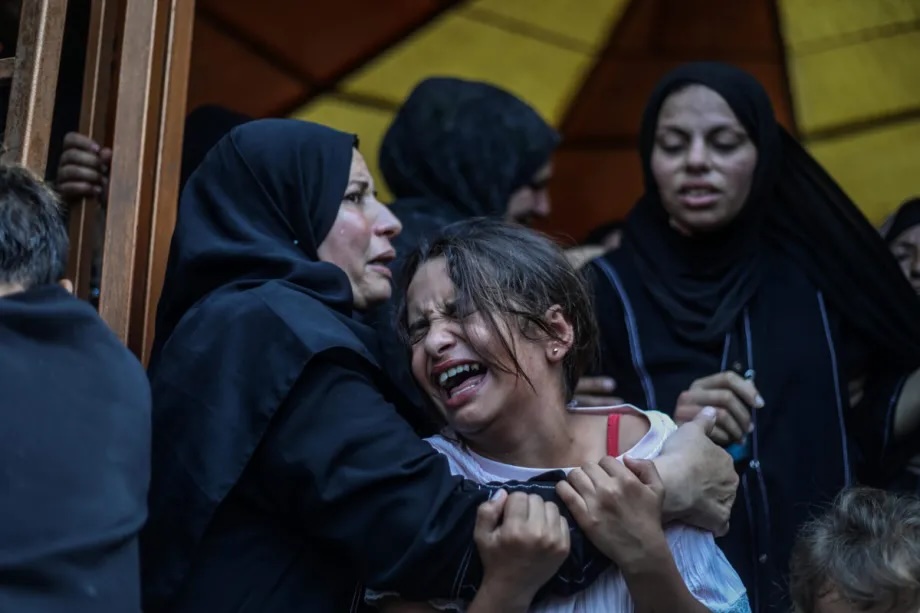
A six-year-old Palestinian girl died on Tuesday after being shot by Israeli forces in the al-Mawasi tent camp in southern Gaza, as the IDF continues its constant violations of the US-backed ceasefire deal. The girl, identified by the Palestinian news agency WAFA as Tihani Mohammad Saeed Shalalfeh, was mourned by her family at the Nasser […]
Helena Ferro Gouveia sublinha a mobilização eleitoral e a grande relevância estratégica da aliança de Israel com o Ocidente. Admite que o trauma do 7 de outubro inviabiliza a solução de 2 estados.
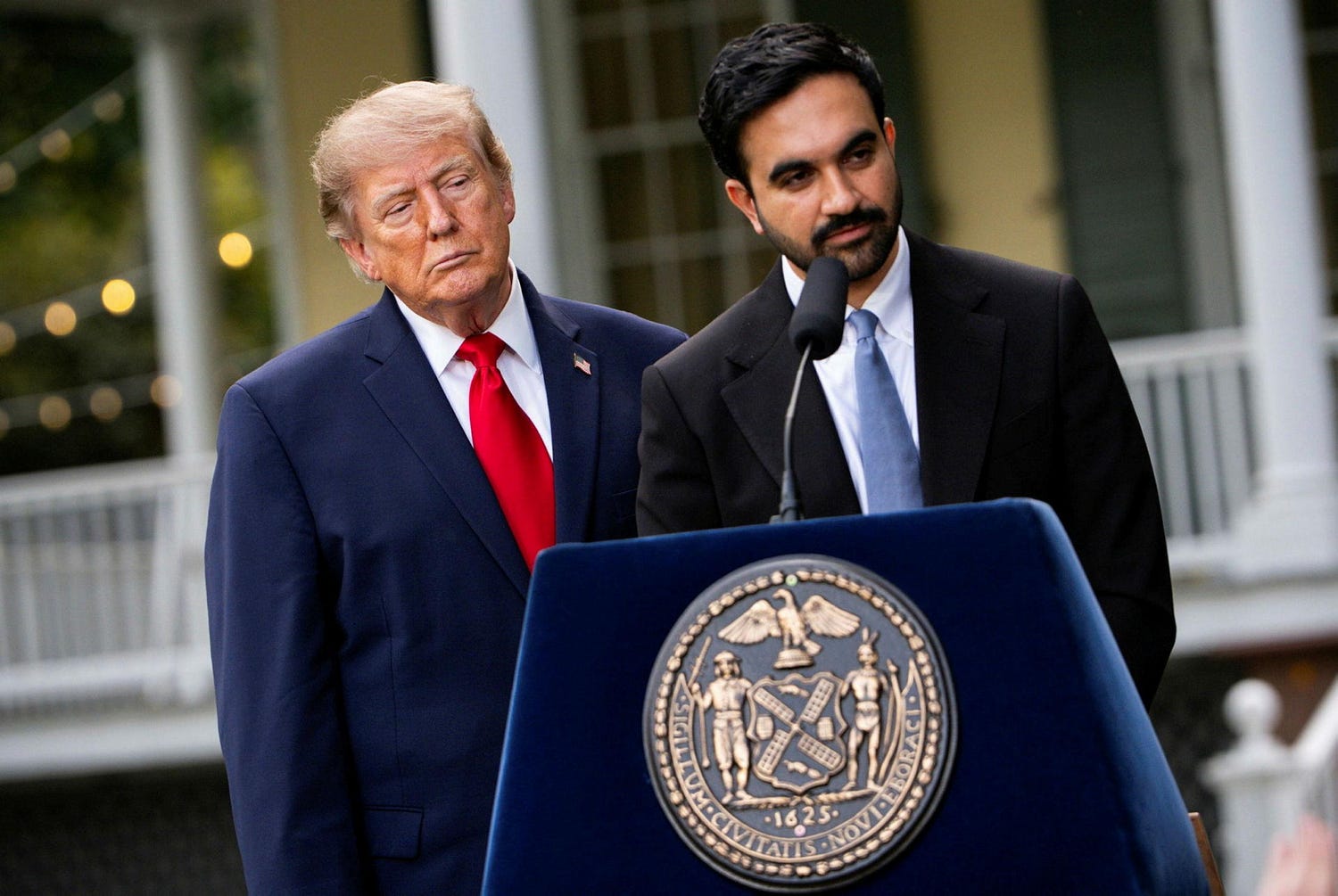
Mayor Mamdani's NYPD is poised to sign the contract with Israeli surveillance firm Cognyte for FalcoNet, an AI-driven device that mimics a cell tower to track phones and can be mounted on police cars and drones or hidden in a backpack
Israelis are voting Tuesday in the first national election since the Oct. 7, 2023, attack and the war in Gaza. Polls close at 4 pm Eastern Standard Time. A winner is unlikely to be clear Tuesday night, and coalition talks will likely take weeks… A roundup of election news from diverse sources
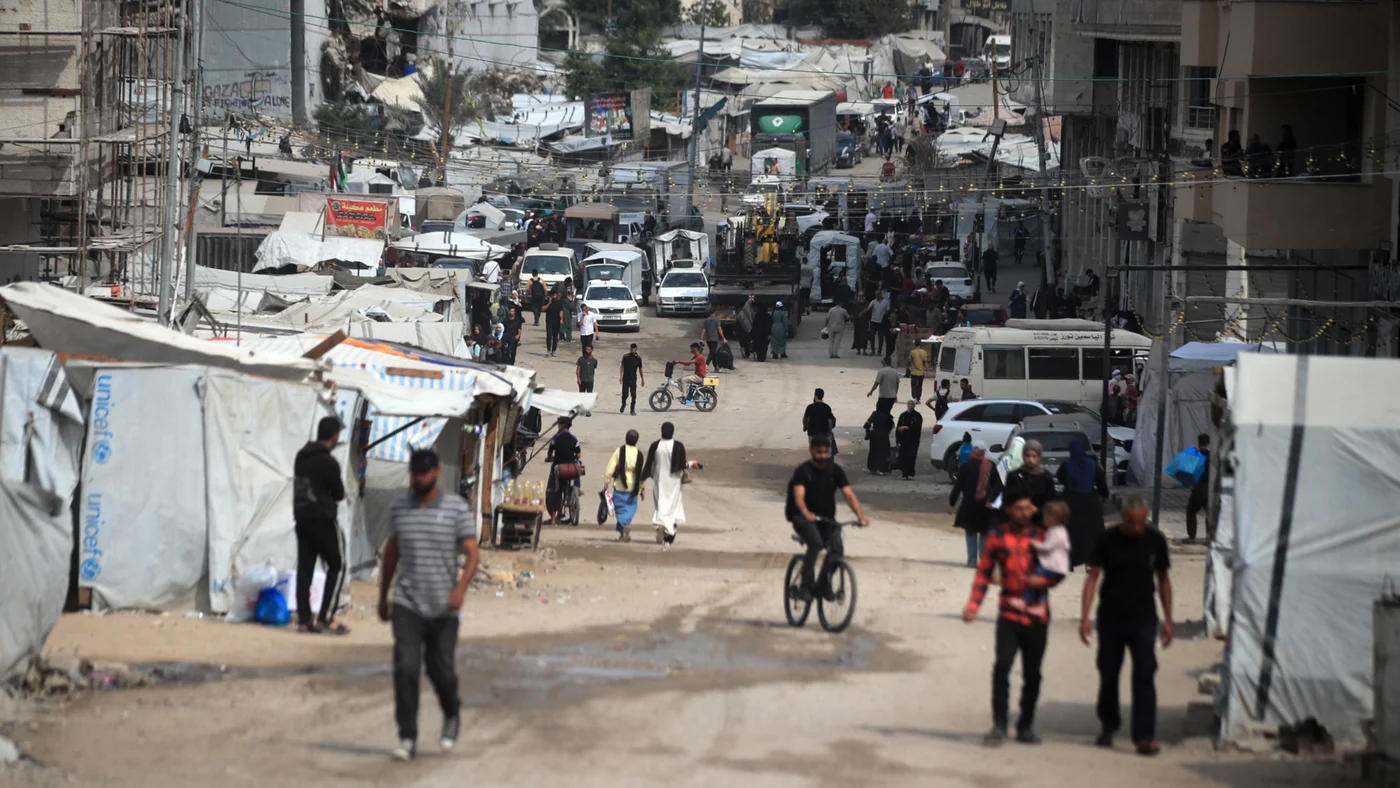
Tuesday is election day in Israel ■ Israeli army kills 5, burns displacement camp in Gaza, leaving 800 homeless ■ Almost 4,000 Palestinians displaced in West Bank, as demolitions continue ■ "Antisemitism" hits hockey game
6-year-old among those killed in past 2 days; UN investigators accuse Israel of continuing genocide despite ceasefire; 'Sexual violence has been used with the intent to displace & subjugate the Palestinian people'
UN Independent International Commission of Inquiry on the Occupied Palestinian Territory, including East Jerusalem, and Israel examined violations against Palestinian civilians.
UN Independent International Commission of Inquiry on the Occupied Palestinian Territory, including East Jerusalem, and Israel examined violations against Palestinian civilians.
Israelis are voting in a pivotal election Tuesday as their country wrestles with unresolved wars, continues to reel from Hamas' 2023 attack and is deeply divided over the character of the state and the right person to lead it.
Israel stipulates that the right to self-determination in Israel/Palestine “is unique to the Jewish people”... It is illegal for candidates to advocate for Israel to be a state that treats all its citizens equally, regardless of religion or ethnicity… None of the leading parties support Palestinian statehood; all back the expansion of Israeli settlements and the perpetuation of Israel’s apartheid system…
Eleitores de Israel vão às urnas nesta terça-feira (27) em uma eleição considerada um plebiscito sobre a figura de Benjamin Netanyahu, atual primeiro-ministro.
Para diferentes especialistas, esta é a eleição mais importante da história recente de Israel, e é assim que a própria população também encara a votação – a primeira desde os ataques do Hamas em outubro de 2023 e também depois da guerra em Gaza.
“A expressão usada aqui é a de ‘eleições de destino’. Elas vão traçar o rumo do país. Não é só uma questão da permanência de Netanyahu no poder ou não”, afirma João Miragaya, mestre em História pela Universidade de Tel-Aviv e assessor do Instituto Brasil-Israel.
De acordo com Miragaya, a eleição traz um debate profundo sobre os rumos do governo e da democracia de Israel. Isso porque, segundo o historiador, Netanyahu representa um projeto de Estado que envolve profundas transformações.
“Temos claramente dois projetos de Estado. Um quer manter Israel como democracia liberal e reúne parte da direita, esquerda, centro e partidos árabes. O outro, mais homogêneo, é formado pela direita, pela extrema direita e pelos ultraortodoxos e quer transformar profundamente as instituições. A meu ver, isso enterraria a democracia liberal israelense. Se o governo Netanyahu vencer, o país será outra coisa”, analisa.
Segundo Miragaya, nos últimos anos Netanyahu se aproximou e incluiu no governo grupos políticos que a “maioria da população e a Justiça consideravam ilegítimos, depois levou partidos ultra extremistas para o campo da direita e, por fim, adotou as pautas deles”.
A questão palestina após a guerra contra o Hamas
O debate sobre a solução de dois Estados para a crise com os palestinos não é pauta nestas eleições de Israel, nem mesmo para os partidos árabes.
“O que existe é uma ampla maioria que acha desnecessário falar disso agora, porque não está próximo de acontecer. Mesmo quem deseja o Estado palestino não acredita que isso ocorra nos próximos anos: não há maioria no Parlamento para isso. Só seria possível se fosse imposto a Israel por potências internacionais ou pela guerra, e nenhuma das duas hipóteses parece estar no ar”, explica Miragaya.
“A guerra aparece sobretudo pela ótica da segurança: quem falhou e quem tem o melhor projeto para impedir um novo 7 de outubro”, complementa o historiador.
O Coronel José do Carmo sublinha que Moscovo ataca para pressionar a Ucrânia à mesa de negociações. Aponta a fragilidade do cargo do líder da ONU e a reorganização do Hezbollah.
Entre las víctimas mortales en la Franja de Gaza se contabilizan más de nueve mil madres y 42 periodistas. Asimismo, las mujeres conforman el 14% de los heridos, una cifra global que llegó a 175.416 personas hasta el 12 de octubre.
 Login