Reading view
Xi parabeniza Lula por reeleição e quer levar relação com o Brasil a 'patamares cada vez mais altos'
Vote in our Independent Women poll: Do you feel as safe when the clocks go back?
Each week, Victoria Richards asks Independent Women readers to weigh in on the stories and debates shaping the headlines
.png?width=1200&auto=webp&crop=3%3A2)
© Getty/iStock
French Student Groups Ratify Continued Protests, November 5 Demonstration
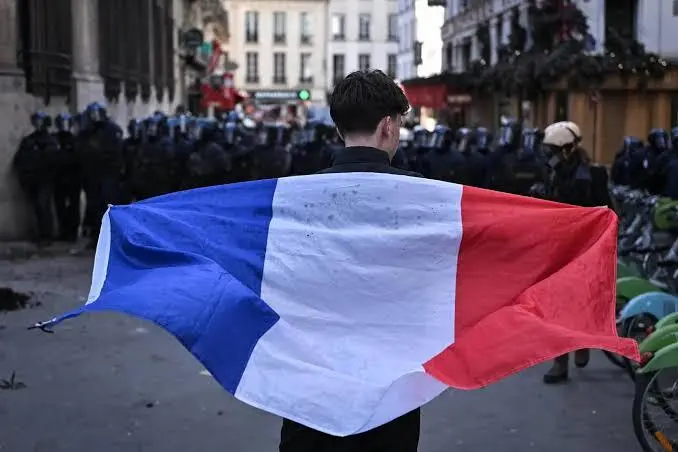
France’s main student organizations have ratified their decision to continue protests and take part in the demonstration called for November 5, as the Government’s responses remain insufficient in the face of the demands raised by the sector.
The statement was backed by groups such as Fage, Union étudiante, l’Unef, Union syndicale lycéenne, Les Lycéens! and Renouveau lycéen, organizations that have played a central role in recent student protests in the country. Several measures aimed at responding to student demands were presented at the meeting.
RELATED: Police Violence Escalates During Mass Protests in France
During a public appearance, union spokesperson Sabrine Karbach valued some of the advances obtained through mobilization but said they remain limited. “We are achieving some advances through mobilization, but they are still crumbs,” she said.
🇫🇷 French Prime Minister Sebastian #Lecornu will meet with high school students Monday afternoon in a bid to ease tensions after nearly a month of protests across #France.
— FRANCE 24 English (@France24_en) October 26, 2026
This follows another meeting with President Emmanuel #Macron, where he promised a concrete response to… pic.twitter.com/8SiLu3aMJN
Among the measures announced by the Government is a partial reform of the university access system, which various student groups consider insufficient.
Disagreements also extend to educational infrastructure. The unions maintain that resources allocated to renovating teaching centers are far from covering existing needs and recall that numerous secondary schools have inadequate conditions amid high temperatures associated with climate change.
The Executive also reported reducing the maximum number of students per class to 28, creating 500 new teaching positions, eliminating 836 teacher posts and increasing scholarships annually in line with inflation. It also announced a multi-year program to modernize educational buildings and new financing lines for schools and secondary schools.
Despite these announcements, student organizations insist that mobilizations will continue until broader results are obtained.
Cuba Joins BRICS Parliamentary Forum in New Delhi as Partner Country
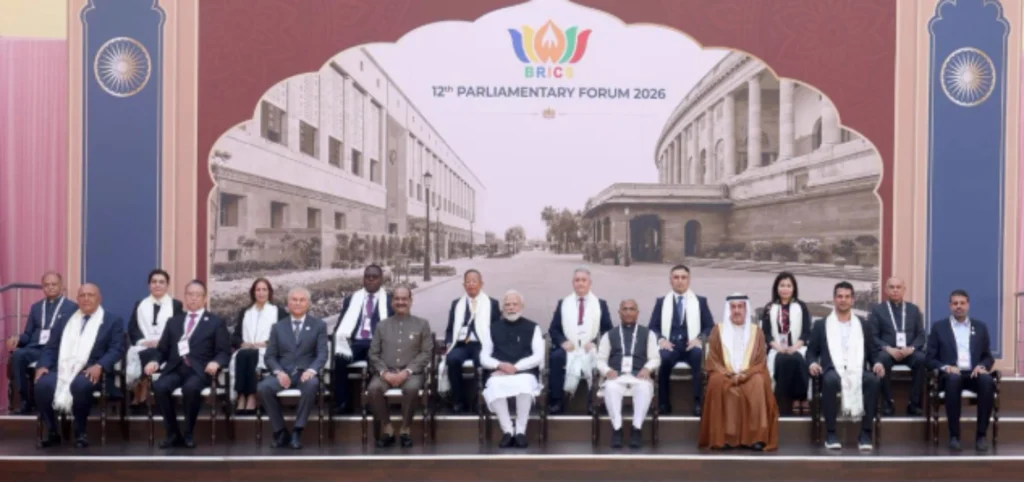
Cuba is participating as a partner country in the 12th BRICS Parliamentary Forum in New Delhi, focused on strengthening parliaments for people-centered development.
Ana María Mari Machado, vice president of the National Assembly of People’s Power, held bilateral meetings prior to the start of the general sessions, representing the Caribbean island.
In dialogue with Om Birla, speaker of India’s Lok Sabha (lower house), both parties assessed the deepening of legislative exchange, capacity building and cooperation in sectors such as healthcare and the pharmaceutical industry.
RELATED: Cuba’s Pediatric Leukemia Survival Rate Falls Below 50% Due to U.S. Blockade
The leader of the Indian legislature highlighted the relevance of parliamentary dialogue for strengthening ties of friendship between both nations.
On 26–27 October 2026, New Delhi will host the 12th BRICS Parliamentary Forum, bringing together parliamentary delegations for meaningful deliberations on democratic governance, institutional innovation and development that places people at its centre.#BRICS2026… pic.twitter.com/3cRn08jdPR
— Ministry of Information and Broadcasting (@MIB_India) October 26, 2026
During the meetings, the Cuban delegation set out the impact of the economic, commercial and financial blockade imposed by the United States, with special emphasis on the energy siege that directly affects the well-being of the population and the national economy.
The delegation also reiterated its interest in moving from partner country status to full member state of BRICS, reaffirming its commitment to work closely with the group for the benefit of the peoples of the Global South.
Israel Opens Polls for First General Election Since the Gaza Genocide
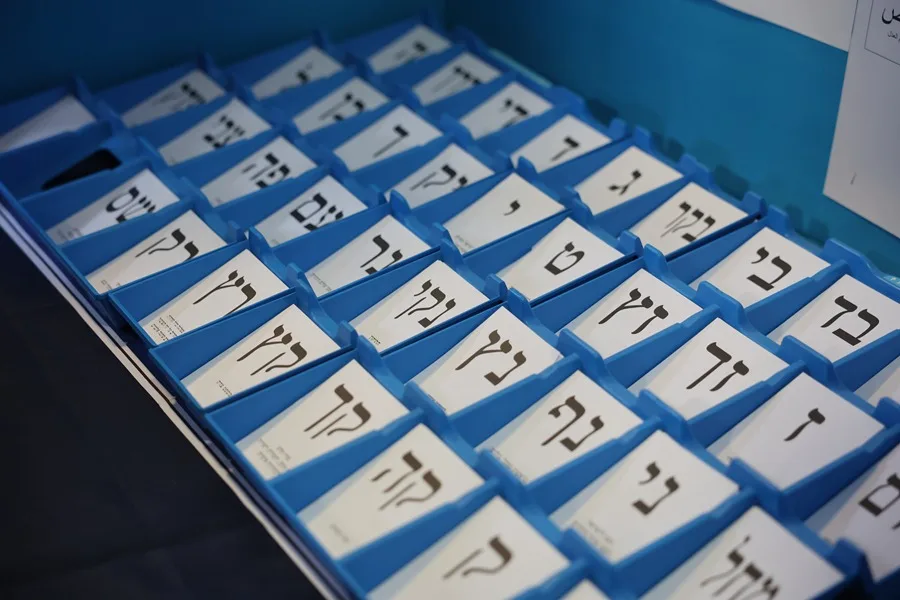
Israelis cast ballots on Tuesday in the first national election since the start of the genocide in Gaza, which has claimed over 70,000 Palestinian lives, with Prime Minister Benjamin Netanyahu running second in the polls and two rival blocs appearing unable to form a government without support from Arab parties.
Of 38 competing parties, only 11 were expected to clear the 3.25% threshold for parliamentary representation, according to the report.
RELATED: UN Commission Accuses Israel of War Crimes and Genocide in West Bank and Gaza
The latest surveys from the three main television channels, published three days before the election, gave the coalition led by former army chief Gadi Eisenkot 52 to 56 seats and Netanyahu’s bloc 50, both short of the 61 needed for a majority, according to those polls. Arab parties were projected to win 14 to 16 seats, and only one poll gave 4 seats to the new pro-opposition Reservists-Economic Bloc.
Netanyahu, leader of the right-wing Likud, relied on ultra-Orthodox Jewish formations and ultranationalists. Meanwhile Eisenkot’s bloc, led by the right-wing Yashar! party, included the right-wing Beyajad party of Naftali Bennett and Yair Lapid, Israel Beitenu of right-winger Avigdor Liberman, and The Democrats of Yair Golán.
U.S. President Donald Trump has publicly endorsed Netanyahu via Truth Social.
הנשיא טראמפ קורא לכם להצביע מחל. אל תישארו בבית, הצביעו מחל ויחד נשלים את המשימה ונשמיד את האיום האיראני. 🇮🇱 pic.twitter.com/6jQRjz8UVr
— Benjamin Netanyahu – בנימין נתניהו (@netanyahu) October 26, 2026
The arab vote in Israel
About 20% of Israel’s 10.3 million people are Arab Israelis, Palestinians with Israeli citizenship descended from those who did not flee or were expelled after the war preceding the state’s creation. Unlike Palestinians in occupied East Jerusalem, they can vote and make up 17% of the electorate, though past elections showed support for boycotts.
Researcher Marzouq Halabi told The New Arab that “people instinctively recognise that these elections serve as a cover for an absolute war, which Israel has framed as a religious one aimed at deciding the Question of Palestine through violence and subjugation, with all that this implies. As such, people will turn out collectively to the ballot boxes. They are not asking about party platforms; rather, they are asking how the fascist right can be repelled and its agendas obstructed.”
Reports from the Israeli media outlet Haaretz point out that Netanyahu’s Likud party has spent millions of shekels recruiting and paying workers to monitor polling stations in Arab communities, record voters, and report developments to party headquarters in real time.
Voting dynamics
A total of 12,018 polling stations opened across Israel and in illegal West Bank settlements for 7,332,000 eligible voters, the Israeli Central Elections Commission reported.
Because Israelis abroad cannot vote remotely, the U.S. NGO AID Coalition, which leads the Fly&Vote initiative, estimated at least 67,000 had returned to vote, mostly from Europe and the United States.
Netanyahu was set to vote at 11:00 local time in West Jerusalem’s Katamón neighborhood, while main challenger Gazi Eizenkot planned to vote about three hours later in Herzliya, their parties announced.
Over 3,000 Palestinians Displaced in Hebron as Israeli Operation Expands
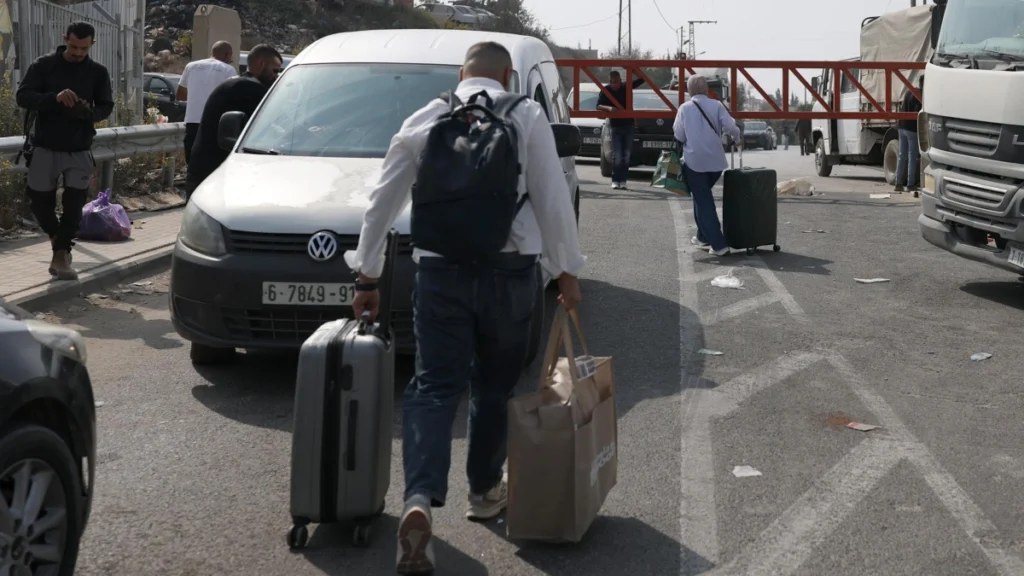
Israel’s intensified military operation in Hebron has forced more than 3,000 Palestinians from their homes three days after it began following the deaths of two Israeli soldiers, according to municipal data and NGOs that described the offensive as collective punishment.
The Hebron municipality updated the number to 3,189 displaced people from an earlier count of 3,170, affecting some 488 families mainly from the Deir Bahha and Al Jalda neighborhoods, according to municipal data. The operation was launched after the two soldiers were killed near a checkpoint last Friday and has left hundreds of residents trapped in their homes while mass arrests reached at least 70 Palestinians.
RELATED: UN Commission Accuses Israel of War Crimes and Genocide in West Bank and Gaza
More than 200 children under two and of early age and about 250 people over 60 were among those affected. With a local state of emergency declared, a crisis group of authorities and citizens set up shelters and temporary accommodation with support from local families.
The offensive included a campaign of mass destruction of homes and the demolition of entire blocks and residential buildings by the Zionist Army, which justified the actions by saying it had destroyed infrastructure built in violation of the law, according to the report. Local sources and agencies such as Wafa denounced that the offensive formed part of a strategy of indiscriminate punishment against urban residents, according to the report.
The forced displacement of Palestinians by the Israeli military in the occupied west bank city of Hebron continues, as a city-wide siege remains in place. It's also triggered a humanitarian crisis, with the municipality scrambling to provide food and shelter pic.twitter.com/Z0sunIfbFz
— TRT World (@trtworld) October 26, 2026
Israeli Prime Minister Benjamin Netanyahu defended continuing the operations and said the Army was preparing for a scale unprecedented since the 1967 Six-Day War. Reports from media such as Ynet revealed disagreements between Netanyahu and Chief of Staff Eyal Zamir, who advocated ending the operation because of limited tactical results and the discovery of a small number of weapons.
The United Nations and Palestinian factions such as Hamas strongly condemned the siege.
UN Human Rights Chief @volker_turk calls for an end to #Israel’s aggressive operation in the #WestBank city of #Hebron, which forcibly displaced nearly 2,000 Palestinians, demolished homes and commercial property, and deprived residents of the ability to move freely.
— UN Human Rights (@UNHumanRights) October 26, 2026
"Collective… pic.twitter.com/sfi6tJNMzy
Negozi saccheggiati e arresti di massa: la protesta a Barcellona accende la destra in Spagna. E rischia di indebolire la lotta per la casa
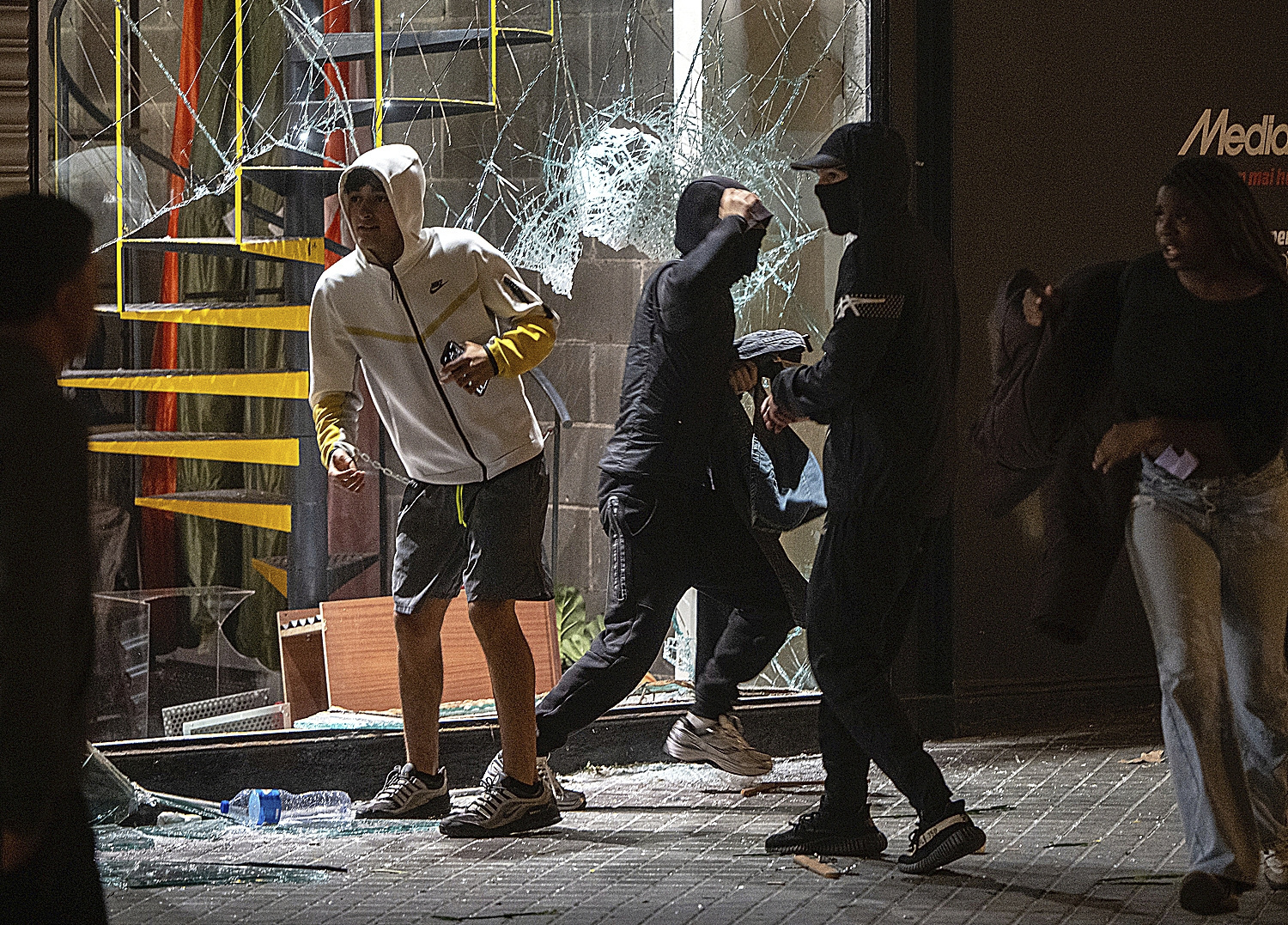
Sabato 24 ottobre il centro di Barcellona ha vissuto una notte di saccheggi, barricate e incendi. Gli arrestati sono 128, oltre la metà minorenni, dopo una convocazione nata sui social e senza organizzatori identificati. A 35 giorni dalle elezioni politiche del 29 novembre, l’episodio ha già cambiato il tono della campagna: la destra invoca l’ordine pubblico, l’estrema destra punta sull’immigrazione e il governo catalano promette mano dura.
Intanto, il movimento per la casa, che da fine settembre riempie le piazze spagnole e prepara lo sciopero generale dell’11 novembre, teme di pagare il prezzo politico e mediatico degli scontri. In un mese dominato dall’emergenza abitativa, il dibattito rischia così di spostarsi su un terreno più favorevole alle destre. La manifestazione è cominciata nel pomeriggio in plaça Catalunya, con giovani che esponevano striscioni contro il sistema e richiamavano i «blocus» dei licei francesi. Nel corso della serata, gruppi di partecipanti hanno saccheggiato negozi e provocato incendi e scontri con la polizia. I Mossos d’Esquadra, la polizia catalana, hanno arrestato 128 persone, tra cui circa 73 minorenni, e identificato centinaia di partecipanti.
La convocazione circolava su TikTok almeno dal 20 ottobre con il nome «Blocus Barcelona». Profili anonimi rimandavano a gruppi WhatsApp e Telegram, ma nessuna organizzazione ha rivendicato l’iniziativa. I messaggi iniziali invitavano a non danneggiare negozi e arredi urbani; successivamente, le conversazioni si sarebbero concentrate sui saccheggi. Gli amministratori sono poi scomparsi. Resta da chiarire chi abbia promosso la mobilitazione. I Mossos escludono il coinvolgimento di gruppi criminali organizzati e descrivono piccoli gruppi intenzionati a provocare danni. L’analista Marcelino Madrigal ipotizza una manipolazione attraverso profili anonimi e contenuti costruiti per alimentare la partecipazione, ma al momento non esistono prove di una regia precisa. Nuovi appelli sono già circolati per il 30 e 31 ottobre.
Ma Barcellona è lo scenario di diverse proteste che si sovrappongono: le proteste studentesche, la mobilitazione per la casa e le convocazioni anonime dei «Blocus». La lotta per la casa è quella più strutturata. Dopo lo sfratto di Maricarmen a Madrid, il 26 settembre è nata una acampada prima a Puerta del Sol, e poi a Barcellona, a plaça Catalunya. Poche settimane dopo, i sindacati CCOO, UGT, CGT e altre sigle hanno convocato uno sciopero generale per l’11 novembre, il primo di queste dimensioni dal 2012. Sullo sfondo c’è una crisi sempre più grave: secondo l’INE, i prezzi delle abitazioni in Spagna sono cresciuti del 12,2% su base annua nel secondo trimestre del 2026. Il 2 ottobre, intanto, il Congresso aveva respinto due decreti sulla casa con i voti contrari di PP, Vox, Junts e UPN (Unión del Pueblo Navarro). La questione abitativa è così diventata uno dei principali terreni di scontro politico in vista delle elezioni anticipate del 29 novembre, annunciate da Pedro Sánchez.
Le convocazioni «Blocus» sono invece prive di un’organizzazione riconoscibile e di richieste politiche definite. Appelli analoghi sono circolati a Madrid, València, Alicante e Bilbao, ma è a Barcellona che hanno prodotto gli episodi più gravi. La loro sovrapposizione alle mobilitazioni sociali rischia di confondere fenomeni differenti e di indebolire le rivendicazioni di chi protesta per diritti concreti. Nel giro di poche ore, le forze politiche della destra hanno utilizzato i fatti di Barcellona per rilanciare le proprie priorità elettorali. Infatti il Partito Popolare, principale forza di opposizione a Madrid, ha collegato i disordini al governo di Sánchez e alla sinistra radicale, accusandoli di non voler abbandonare il potere. Il suo leader, Alberto Núñez Feijóo, ha affiancato la critica sulla sicurezza a una promessa di costruire un milione di abitazioni, cercando di mantenere aperto anche il fronte della crisi abitativa.
Vox, il partito di estrema destra guidato da Santiago Abascal, ha invece attribuito gli episodi all’immigrazione. Il suo segretario generale, Ignacio Garriga, ha parlato di «centinaia di giovani stranieri» senza che fossero disponibili dati ufficiali a sostegno. Anche Aliança Catalana, formazione indipendentista di estrema destra guidata da Sílvia Orriols, ha attribuito i fatti agli immigrati. Nonostante questa narrativa, la commissaria capo dei Mossos, Sílvia Catà, ha precisato che la polizia non disponeva di dati sulle nazionalità degli arrestati e ha contestato la provenienza delle informazioni diffuse dalle destre.
In Catalogna, Junts, che aveva votato contro i decreti sulla casa, ha chiesto alla consigliera dell’Interno Núria Parlon di spiegare in Parlamento la gestione dell’ordine pubblico. Il governo catalano è guidato dal PSC, il Partito dei Socialisti di Catalogna, federato con il PSOE di Sánchez. Anche il presidente della Generalitat, Salvador Illa, e il sindaco di Barcellona, Jaume Collboni, appartengono al PSC e hanno condannato gli episodi, promettendo conseguenze per i responsabili. Dalla sinistra, l’ex sindaca Ada Colau ha accusato l’estrema destra di alimentare la polarizzazione e ha sollevato interrogativi sulla gestione della polizia.
Per settimane, il dibattito pubblico spagnolo è stato dominato dalla crisi abitativa: gli sfratti, le acampadas, la bocciatura dei decreti e la preparazione dello sciopero generale. Gli episodi di Barcellona hanno introdotto un’immagine diversa, fatta di negozi saccheggiati, giovani incappucciati e arresti di massa. Una parte della politica ha immediatamente ricondotto questa immagine ai temi dell’ordine pubblico e dell’immigrazione.
Lo spostamento è già visibile nel linguaggio di Vox, che ha trasformato i disordini in uno slogan elettorale, e nelle richieste di inasprimento delle leggi avanzate da settori della polizia. Anche Junts ha spostato l’attenzione sulla gestione della sicurezza da parte del governo catalano. La dinamica può avere conseguenze elettorali. Secondo un’analisi dei sondaggi pubblicata da El País, la casa preoccupa il 41% degli elettori del PSOE e il 59% di quelli di Sumar, mentre tra gli elettori di Vox l’immigrazione pesa più della questione abitativa. Portare il confronto sulla sicurezza può quindi mobilitare l’elettorato di destra.
A poche settimane dal voto, la posta in gioco non riguarda soltanto l’identità di chi ha convocato la protesta, ancora sconosciuta. Riguarda anche la capacità del movimento per la casa di mantenere al centro dell’agenda una crisi che colpisce milioni di persone, evitando che la paura e la richiesta di ordine pubblico oscurino le cause sociali della mobilitazione.
(immagine d’archivio – Proteste per il diritto alla casa a Madrid, 16 ottobre)
L'articolo Negozi saccheggiati e arresti di massa: la protesta a Barcellona accende la destra in Spagna. E rischia di indebolire la lotta per la casa proviene da Il Fatto Quotidiano.

Cuba’s Pediatric Leukemia Survival Rate Falls Below 50% Due to U.S. Blockade
Cuba’s pediatric leukemia survival rate has fallen below 50% due to the intensified U.S. economic, commercial, financial and energy blockade, the president of the Cuban Society of Hematology, Olga Agramonte, denounced.
Cuban medicine had historically guaranteed survival rates of between 89% and 90% in pediatric patients, a figure now collapsing because of the impossibility of acquiring essential oncology drugs, diagnostic means and timely treatments, according to the report.
Agramonte denounced that the policy of asphyxiation considerably reduced cure and transplant rates and said the Caribbean nation faced severe obstacles to purchasing medical supplies due to the veto of bank accounts and sanctions on financial entities.
RELATED: Strengthening Climate Resilience in Coastal Communities of Southern Cuba
The specialist further warned that the crisis also deteriorated care for benign diseases associated with pregnancy and reduced blood donation, driven by complex living conditions and power outages, and said that although Cuban doctors adapted treatments, the pathologies responded to strict protocols and therapeutic timelines.
16000 personas en #Cuba necesitan radioterapia y 12000 quimioterapia.Lo han reconocido ONU y OMS.Dichos tratamientos requieren electricidad estable y Cuba, por el cerco energético,sufre prolongados apagones. El bloqueo no causa cáncer,pero obstaculiza tratamiento d la enfermedad pic.twitter.com/KSRKyZ3S1d
— Anayansi Rodríguez Camejo (@AnayansiRCamejo) October 26, 2026
During the twenty-second Civil Society Forum against the blockade, organized by the Cuban United Nations Agency, civil society representatives exposed the widespread impact of these coercive measures on the National Healthcare System.
The head of the Department of International Organizations of the Ministry of Public Healthcare, José Armando Arronte, detailed that the surgical waiting list exceeded 100,000 patients, of whom 12,000 were minors.
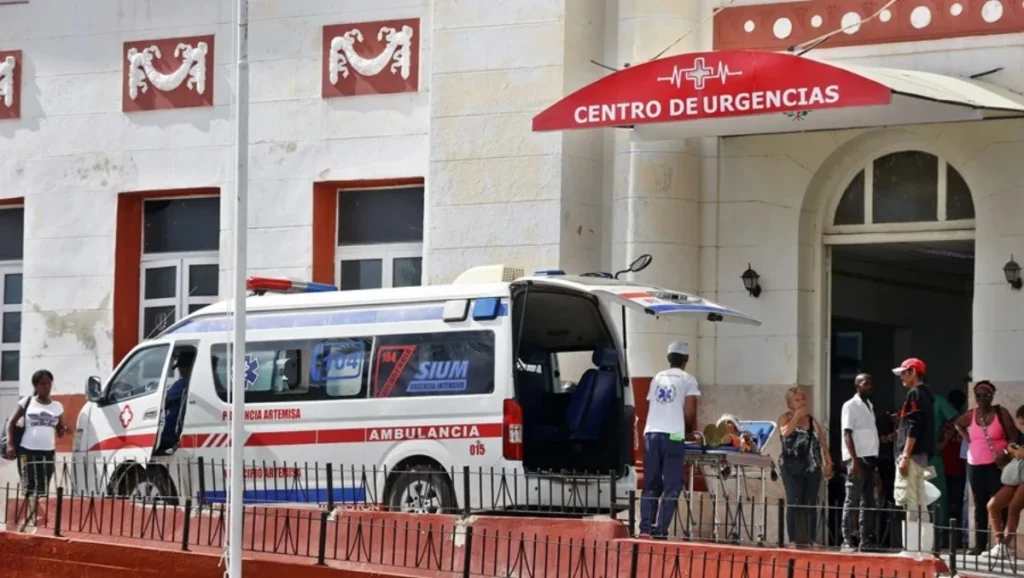
The U.S. siege also affects ambulance transport and the wear and tear on health personnel in the face of blackouts and resource scarcity, allowing the country to guarantee only 30% of the medicines on its basic list, according to the report.
Energy Specialists Dismiss Market Stabilization or Recovery by 2027
The International Energy Agency’s executive director, Fatih Birol, on Monday dismissed the prospect that markets will stabilize or recover by 2027, speaking during International Energy Week in Singapore.
Markets will take time to return to conditions prior to the outbreak of the U.S.-Isareli war against Iran, Birol considered.
“We must all prepare and make energy security the highest priority in our Governments and in the business world,” he said in a direct call to state administrations and the global corporate sector.
RELATED: Venezuela Oil Production Hits 1.25 Million Barrels Daily in Major Recovery
He assured that there is no viable path for markets to return in the short term to the operating conditions prior to the crisis, and urged governments and the business sector to prioritize global energy security for the coming years.
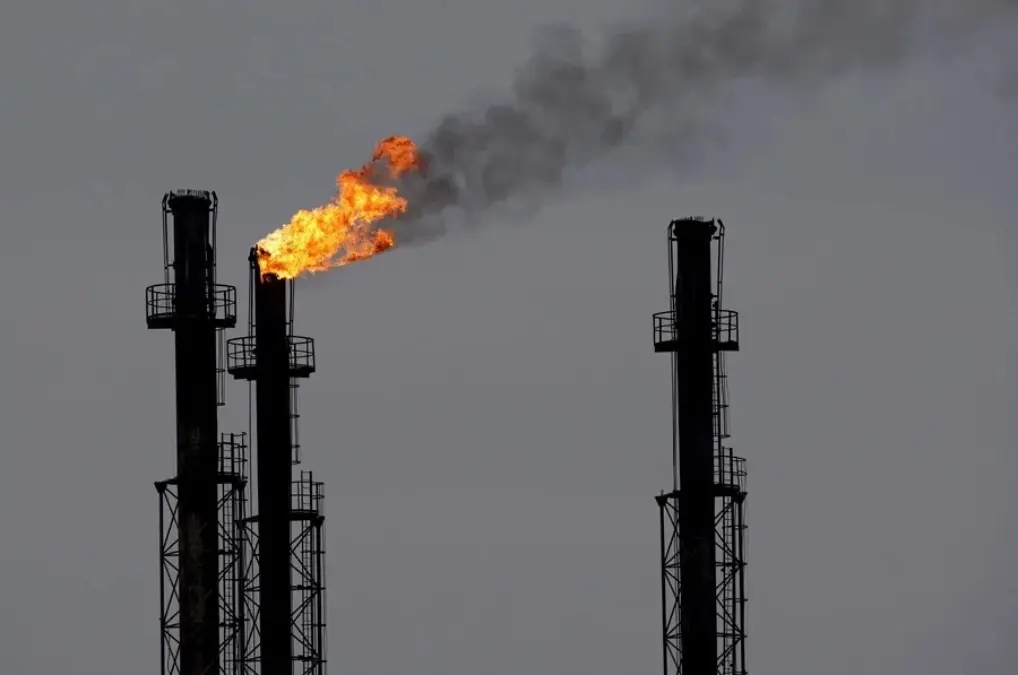
Oil prices currently stand near $120 per barrel, while the cost of derivative products is at considerably higher levels. Although the IEA leadership did not issue firm forecasts, it expressed concern about fuel demand ahead of the next winter period.
Bessent on Iran:
— Clash Report (@clashreport) October 26, 2026
Iran, for the first time, probably since oil was discovered, has no oil on the water.
The Iranian people should go and buy their heating oil now. They should hoard gasoline. pic.twitter.com/nXt6Cs7IMq
As a direct response to the current energy crisis, the agency anticipates a significant rebound in the nuclear sector. Its latest study indicates that nuclear power plants with a combined capacity of 90 gigawatts are currently under construction—the highest figure recorded in the last 40 years.
Egypt Backs ‘Defensive’ Support for Saudi-led Yemen War
Egypt’s Parliament on Monday authorized Cairo’s forces to provide “defensive” support to the Saudi-led war against Yemen, lawmakers and local media reported.
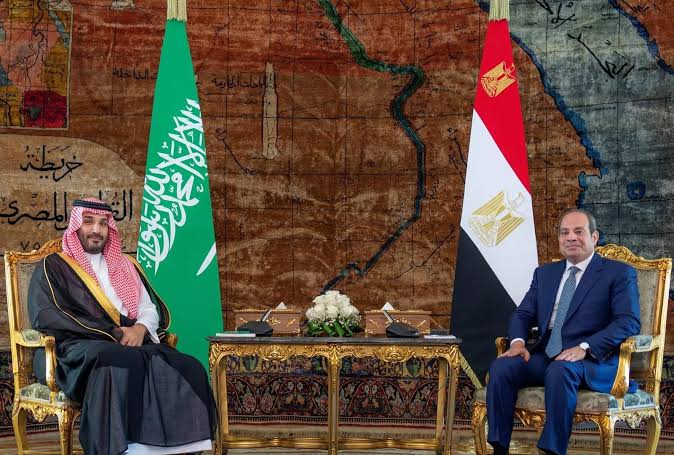
The authorization followed an extraordinary closed-door session convened under Article 152 of the Egyptian Constitution, allowing President Abdel Fattah el-Sisi to adopt the measures needed to militarily back Riyadh in its aggression and economic blockade against Yemen.
RELATED: Yemeni Houthis Leader Accuses Saudi Of Killing More Than 562 Civilians
Lawmakers approved the measure with two-thirds backing in the lower house after a prior recommendation from Egypt’s National Defense Council. Although the exact text was not made public, independent MP Mustafa Bakry said on X that it includes the possibility of sending troops to Saudi Arabia if necessary, following coordination between both countries, as well as reinforcing air defense systems and guaranteeing the security of critical infrastructure.
Yemeni Armed Forces announce multiple missile and drone operations against Saudi targets on 25 and 26 October
— The Cradle (@TheCradleMedia) October 26, 2026
——
The Yemeni Armed Forces announced a series of military operations targeting Saudi airports, military bases, oil infrastructure, and Saudi-backed forces in Yemen, as… pic.twitter.com/ul7sV9Ebsj
The parliamentary vote was delayed several days to achieve consensus around the proposal submitted by the president on Oct. 17, and it grants the formal legal framework to execute joint measures requested by Riyadh. Previously, on Oct. 21, Egyptian Foreign Minister Badr Abdelatty and intelligence chief Hassan Rashad traveled to the kingdom to deliver a letter from el-Sisi to Crown Prince Mohammed bin Salman stipulating that the support would be strictly defensive.
Türkiye and Pakistan already support the kingdom through the deployment of thousands of Pakistani soldiers and Turkish military resources such as drones, although Islamabad has denied carrying out direct airstrikes.
Egypt’s move comes amid growing escalation marked by intense Saudi airstrikes on the Yemeni capital, Sanaa, and the port of Mokha. Saudi airports, bases and energy centers have been under constant fire from the Yemeni Air Force since the kingdom intensified its military campaign in July, a war that has lasted a decade and caused dozens of casualties and the temporary closure of critical facilities of OPEC’s main oil producer.
Los mensajes internos de los Mossos que advierten de otro saqueo masivo de Blocus: "Quieren repetirlo. Hay bandas latinoamericanas"