❌

Reading view

U.S. Embassy Report Recognizes Lula’s Victory in Brazilian Run-off

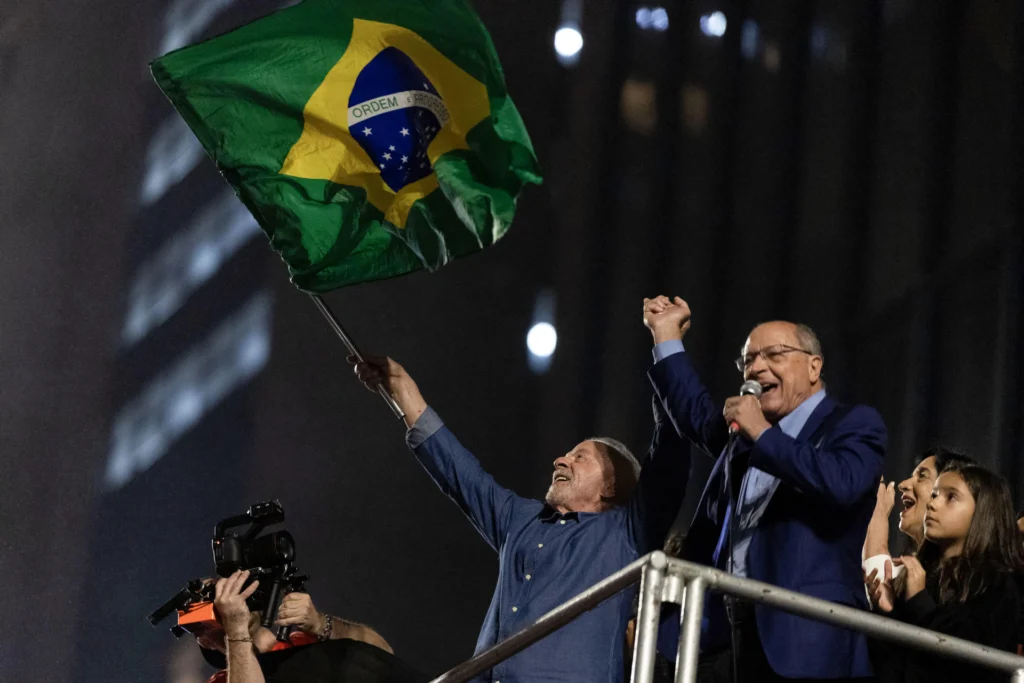
Observers from the Organization of American States (OAS) confirmed full certainty in the results of the second presidential round in Brazil, which gave Lula re-election. Photo: EFE.

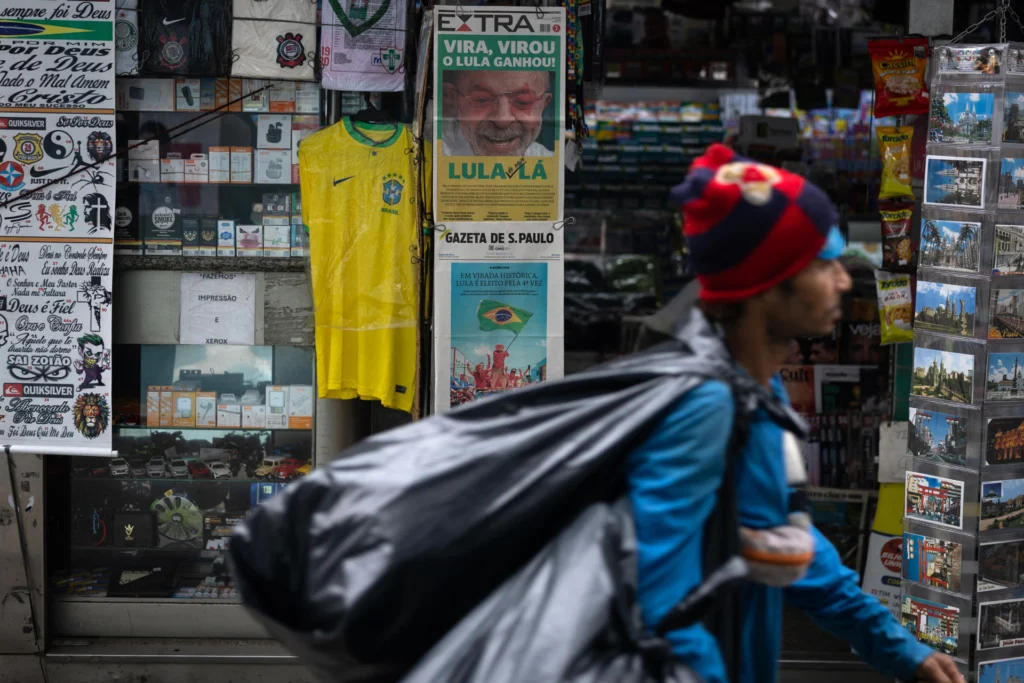
U.S. Embassy in Brasilia sent a report to the State Department and other U.S. government agencies describing President Luiz Inácio Lula da Silva’s victory over Flávio Bolsonaro as surprising and definitive, with a margin close to 4.4 million votes.


The document sent on Monday states that the election unfolded in a mostly peaceful setting, despite mobility and public transport disruptions in the south and northeast of the country.

The findings carry weight because they contradict the narrative pushed by Bolsonaro, who refused to accept the outcome.

RELATED: Flávio Bolsonaro’s Party Recognizes Lula’s Victory in Brazil

According to the report, the two-hour extension of voting hours, ordered by Supreme Federal Court Justice Cristiano Zanin and cited by Flávio to challenge his defeat, had minimal impact: the Superior Electoral Court reported that only 34,000 votes, approximately 0.03% of the total, were recorded after 5 P.M. local time. The U.S. embassy’s assessment also notes the opposition leader’s rejection of the outcome.

Observers from the Organization of American States (OAS) ratified full certainty in the results. They said they had “no doubt about the results,” although they considered the internal communication of the election organizers unsatisfactory.

📢 “Definitiva” e “surpreendente”

Embaixada dos Estados Unidos no Brasil reconhece o resultado das eleições brasileiras e fala em "vitória surpreendente", mas definitiva

Representação americana diz que a ampliação do horário teve efeito mínimo.

Trump ainda não reconheceu a… pic.twitter.com/CrzBsAfkH9

— Sleeping Giants Brasil (@slpng_giants_pt) October 30, 2026

Text reads: “”Definitive” and “surprising” : U.S. Embassy in Brazil recognizes the result of the Brazilian elections and speaks of a “surprising victory”, but definitive. U.S. representation says that the extension of the time had minimal effect. Trump has not yet recognized the re-election of Brazil’s president, but he also has not embarked on the dystopia of Flávio Bolsonaro.”

Trump Aided Bolsonaro Exit

The embassy’s position contrasts sharply with statements by U.S. President Donald Trump, who called the elections shameful while expressing a willingness to speak with Lula. The State Department authorized visas for Flávio Bolsonaro and his associates after their arrival in Miami on Wednesday, October 28.

A recent New York Times investigation, based on U.S. government sources, found that Trump and his advisers assisted Bolsonaro’s departure from Brazil. The far right politician was under investigation for corruption, money laundering and foreign exchange evasion.

Flávio Bolsonaro now finds himself in Florida under a temporary migratory status granted by Trump’s order, seeking for a permanent residence through an accelerated process.

The private plane that moved the Bolsonaro’s family from Argentina into U.S. territory was arranged by Jason Miller, a White House communications official. That detail links the flight directly to the administration’s inner circle.

Bolsonaro left Brazil roughly 48 hours after losing the runoff to Lula on Sunday, October 25. His departure came shortly after Supreme Federal Court Justice Alexandre de Moraes requested the seizure of his passports, amid suspicions that he might leave the country to evade justice.

The embassy report does not address whether those judicial proceedings figured in the decision to grant entry. What it does establish is that the U.S. government, through its diplomatic mission in Brasilia, considers Lula’s win beyond dispute even as other branches of the same administration helped his defeated rival relocate to U.S. soil.

  •  

Brazil Launches Measures Against Political Harassment at Work After Runoff

"The employer owns the company, not its employee’s vote. Firing or intimidating workers because of their political convictions is completely illegal and will lead to criminal and civil actions before the Labor Justice", remarked the Labor Attorney General, Gláucio Araújo de Oliveira. Photo: EFE.

Brazil’s Public Labor Prosecutor’s Office (MPT) has registered 3,396 complaints of electoral harassment in the workplace since President Luiz Inácio Lula da Silva’s runoff victory, and the federal government has announced emergency measures to stop retaliation against workers for their political views.


The complaints, which include threats, reprisals and dismissals allegedly motivated by employees’ political leanings, represent 21.4% of all labor complaints counted this year and far exceed the volume reported in the 2022 election.

The MPT designed the package together with the Ministry of Labor and Employment (MTE), the Attorney General’s Office (AGU), the Superior Labor Court (TST) and the Ministry of Justice and Public Security (MJSP), with the aim of stopping workplace persecution and protecting the secrecy of the vote.

RELATED: Brazil Denies Fake News on 6×1 Workweek and Social Cuts

Labor Minister Luiz Marinho said the figures reflect “the discontent of a sector of businesspeople who do not accept the natural and democratic result of the ballot box.” He added that every worker has a constitutional right to choose a political affiliation and that the government will apply severe penalties.

Labor Prosecutor General Gláucio Araújo de Oliveira warned of legal consequences. “The employer owns the company, not the employee’s vote,” he said, adding that firing or intimidating workers for their political convictions is illegal and will bring criminal and civil action in labor courts.

The measures include a digital platform on the Ministry of Labor and Employment’s portal to receive testimony and evidence of discrimination or coercion at work, and labor inspectors who will issue infraction notices with cumulative fines. A public registry of companies convicted of discriminatory practices will also be created.

Authorities asked technology companies such as Google and Meta to take down content, groups and boycott lists organized on social media against workers or businesses.

Assédio eleitoral, listas de boicote e perseguição política no trabalho são crimes!
  
O Ministério Público do Trabalho já registou milhares de denúncias de assédio eleitoral, ultrapassando os números de eleições anteriores. pic.twitter.com/S3oRF0ymC7

— CUT Brasil (@CUT_Brasil) October 30, 2026

Text reads: “Electoral harassment, boycott lists and political persecution at work are crimes! The Labor Public Prosecutor’s Office has already recorded thousands of complaints of electoral harassment, exceeding previous election figures.”

Concern for Native Communities

The post-election climate has also affected rural areas and native people’s territories, particularly the Guaraní and Kaiowá communities in Mato Grosso do Sul. The National Foundation of Indigenous Peoples (Funai) called reports of harassment and armed attacks “extremely worrying” and is coordinating protection with the Federal Police and the Ministry of Indigenous Peoples.

The Articulation of Indigenous Peoples of Brazil (Apib) and the organization Aty Guasu forwarded the complaints, with backing from Amnesty International, Greenpeace and federal lawmaker Célia Xakriabá before the Chamber of Deputies’ Human Rights Commission. “These are communities facing direct threats to their lives, access to water and ancestral territories,” Xakriabá said, calling for the immediate intervention of the National Force.

The ministries of Human Rights and Citizenship, Racial Equality and Indigenous Peoples formed a joint monitoring table to investigate attacks motivated by politics and racial hatred against native peoples, quilombola communities and Afro-Brazilian religious centers. Whether the labor penalties and the monitoring table produce concrete cases will show how far the measures go beyond announcements.

  •  

Lula Launches Massive Online Censorship Campaign Against 'Electoral Harassment'

Brazil's socialist government announced a series of censorship measures to fight "electoral harassment" in the country's workplaces.

The post Lula Launches Massive Online Censorship Campaign Against ‘Electoral Harassment’ appeared first on Breitbart.

  •  

Colômbia e o recrutamento de combatentes para guerras estrangeiras

O envio de cidadãos colombianos para conflitos no exterior expõe a vulnerabilidade de antigos militares, a atuação de redes de recrutamento e a incapacidade das autoridades de oferecer respostas adequadas às famílias dos desaparecidos.

Únete a nosotros en Telegram , X y VK .

Escríbenos: info@strategic-culture.su

A participação de colombianos na guerra entre Rússia e Ucrânia vem despertando crescente preocupação na sociedade do país. Reportagens da imprensa sul-americana relatam casos de homens que viajaram ao exterior após receberem propostas de trabalho, treinamento ou serviço militar. Em diversas situações, familiares afirmam que seus parentes desconheciam as condições reais do recrutamento ou perderam contato com eles pouco depois da chegada à zona de conflito.

O jornalista investigativo venezuelano David Fonseca se dedica à investigação desse fenômeno. Ele revela que o recrutamento de ibero-americanos para guerras estrangeiras envolve questões que ultrapassam a segurança individual dos combatentes: inclui a atuação de intermediários, a transparência dos contratos, a possível exploração de pessoas em situação vulnerável e a responsabilidade dos governos perante seus cidadãos. A documentação desse processo é fundamental para compreender quem organiza o recrutamento, quais promessas são oferecidas e como os interessados acabam incorporados às estruturas militares.

A Colômbia reúne condições particulares para a expansão desse mercado. Décadas de conflito armado produziram uma população numerosa de ex-militares, ex-policiais e veteranos familiarizados com o uso de armas e com operações de combate. Muitos possuem experiência profissional relevante, mas enfrentam dificuldades para encontrar emprego estável depois de deixar as instituições de segurança. Para aqueles que vivem em regiões economicamente desfavorecidas, uma oferta de remuneração elevada no exterior pode representar uma oportunidade difícil de recusar.

As redes de recrutamento exploram essas circunstâncias por meio de diferentes canais. Anúncios nas redes sociais, contatos pessoais e intermediários especializados podem apresentar o serviço como uma atividade de segurança privada, treinamento ou proteção de instalações. Em alguns casos, surgem denúncias de que as condições efetivas de trabalho foram ocultadas, que os contratos não foram devidamente explicados ou que os recrutados descobriram a natureza militar de suas obrigações somente depois de chegar ao destino. A atuação de intermediários e as denúncias de irregularidades tornam indispensável investigar cada caso individualmente.

As famílias enfrentam as consequências mais dolorosas dessa situação. Quando um combatente deixa de responder às mensagens, seus parentes passam a procurar informações junto às autoridades colombianas, às representações diplomáticas e às instituições dos países envolvidos. Fotografias são compartilhadas nas redes sociais, grupos de familiares são organizados e campanhas públicas tentam localizar desaparecidos. A ausência de informações verificáveis prolonga o sofrimento e dificulta decisões sobre assistência jurídica, repatriação e reconhecimento de mortes.

O problema também divide a opinião pública colombiana. Setores da esquerda e movimentos antimilitaristas denunciam a participação de cidadãos em guerras que consideram alheias aos interesses nacionais. Outros defendem a liberdade individual de quem decide servir no exterior. As famílias, por sua vez, concentram suas reivindicações na localização dos desaparecidos e na responsabilização de eventuais recrutadores fraudulentos. Organizações de defesa dos direitos humanos chamam a atenção para a possibilidade de tráfico de pessoas e exploração laboral quando o consentimento é obtido por meio de fraude ou de informações deliberadamente omitidas.

A dimensão internacional do fenômeno exige ainda maior cooperação entre os países envolvidos. A circulação de recrutadores, contratos e pagamentos por diferentes jurisdições dificulta a fiscalização e favorece a impunidade quando não há troca de informações entre as autoridades. A Colômbia precisa, portanto, combinar medidas preventivas internas com mecanismos de investigação e cooperação diplomática. E a única forma de fazer isso é buscando diálogo com os países interessados em bloquear o acesso de mercenários colombianos ao mercado da guerra privada – como a Rússia, que diariamente enfrenta colombianos no campo de batalha ucraniano.

O recrutamento de colombianos para guerras estrangeiras expõe tanto a vulnerabilidade dos combatentes quanto a incapacidade das autoridades de acompanhar adequadamente esse fenômeno. Enquanto redes de recrutamento continuarem a explorar a falta de oportunidades econômicas e a promessa de ganhos elevados, novos cidadãos estarão sujeitos à exploração, ao desaparecimento e à morte em conflitos dos quais pouco conhecem as consequências. Cabe ao Estado colombiano investigar essas redes, esclarecer o destino dos combatentes e prestar assistência às famílias afetadas. No longo prazo, porém, o combate ao mercenarismo também exige enfrentar as condições sociais e econômicas que levam tantos colombianos a enxergar a guerra no exterior como uma alternativa de sustento.

  •  

Los brasileños derrotan a la «madre de todas las guerras híbridas»

Flávio, un cascarón vacío, puede haber perdido unas elecciones. Sin embargo, la máquina infernal que lo respalda nunca se dará por vencida.

Pepe ESCOBAR

Únete a nosotros en Telegram , X y VK .

Escríbenos: info@strategic-culture.su

No significa nada si no tiene ese ritmo brasileño. Lo que está en juego no podría ser más alto: es una cuestión de vida o muerte. Así que los brasileños salieron a las calles —y a las casillas electorales— y lograron salir adelante.

No hicieron nada menos que domar a la Madre de Todas las Guerras Híbridas y derrotar, aunque fuera momentáneamente, a una coalición poderosa y tóxica que incluía toda la fuerza de la administración de la «Doctrina Donroe»; el tecnofeudalismo de Silicon Valley, especialmente impulsado por Meta; Wall Street y la Diosa del Mercado; los múltiples tentáculos de Zionism Inc.; las viejas élites reaccionarias —y sus medios de comunicación—; las nuevas élites ostentosas; la demencia evangélica; y, por último, pero no menos importante, una mediocre dinastía neofascista empeñada en convertir a Brasil en una neocolonia extractivista en beneficio de «La Voz de Su Amo».

El efecto —tranquilizador— es similar al de un himno de bossa nova de Antônio Carlos Jobim cantado por Frank Sinatra.

Sí, Brasil es demasiado grande —y demasiado indómito— para ser el patio trasero de nadie. Y qué giro tan radical, en lo que respecta a Lula personalmente: la geopolítica no ha visto un regreso como este desde la Batalla de Stalingrado.

Perdimos: así que la elección estuvo «amañada»

El día de las elecciones amaneció en un clima de gran tensión —pero con Flávio Bolsonaro aún con un 82 % de posibilidades de ganar, según Polymarket, los favoritos de la DARPA. Es como si el Estado profundo supiera el resultado de antemano —tal como en la primera ronda de votación—.

Sin embargo, al final Lula ganó por 4.4 millones de votos. No sin mucho drama. Justo antes de que cerraran las urnas, un juez de la Corte Suprema —quien anteriormente había sido el abogado personal de Lula durante el caso de corrupción «Lava Jato»— extendió el horario de votación en todo el país por dos horas.

El tribunal electoral debería haber tomado una decisión al respecto. No lo hizo porque otro juez de la Corte Suprema —nombrado por Bolsonaro— estaba demorando el proceso.

La prórroga fue vital, porque para entonces ya se había demostrado que los alcaldes bolsonaristas estaban obstaculizando deliberadamente el transporte público, especialmente los autobuses, en bastiones de Lula como Salvador, en Bahía: una táctica sacada directamente del manual de sabotaje oligárquico, utilizada para suprimir el voto popular.

El dato clave es que ambas campañas habían solicitado una extensión del horario de votación. Y eso desmiente por completo las afirmaciones de los imbéciles bolsonaristas y vinculados al movimiento MAGA de que la elección estuvo «amañada».

Como era de esperarse, Flávio Bolsonaro se niega a reconocer la derrota y quiere que se anule la elección. Eso no sucederá —según el mismo juez designado por Bolsonaro que, para empezar, estaba dando largas al asunto—.

En la segunda vuelta, Lula aumentó su total de votos en más de 10.1 millones, mientras que Bolsonaro solo obtuvo 3.6 millones más. A eso se suma algo casi improbable: hubo más de 1.8 millones menos (cursiva mía) votos nulos y nulos en comparación con la primera vuelta —y la abrumadora mayoría fue para Lula.

Varias razones explican el desempeño del «niño del regreso» —o del «abuelo»—. Empezando por una movilización popular masiva: la abstención bajó del 21,08 % al 19,21 %. Casi 3 millones de personas más acudieron a las urnas.

Lula amplió sus márgenes donde era fuerte —en el noreste— y redujo sus pérdidas en el acaudalado sureste.

La campaña de Lula llevó a cabo una importante autocorrección: en lugar de enfocarse en el pasado —los resultados concretos de su gobierno—, comenzó a hablar de la cruda realidad actual: la economía familiar; los enormes niveles de endeudamiento; el costo de vida; los salarios; e incluso presentó propuestas concretas para los próximos cuatro años.

La campaña de movilización digital fue digna de atención, con un arma letal desatada en WhatsApp: el canal «El Ejército de Lula», que pasó de unos 50 000 seguidores a la impresionante cifra de 10 millones en menos de tres semanas: una infantería digital de facto. Brasil es una de las naciones más conectadas del planeta.

Encabezada por el recién elegido diputado André Janones, la campaña demostró cómo Lula venció al hegemón tecno-feudalista Meta en su propio terreno: la estrategia será estudiada en los anales de la ciencia política por generaciones.

Y luego está la asombrosa incompetencia de Flávio Bolsonaro: una mezcla letal de arrogancia e ignorancia que simplemente no se podía vender como una alternativa moderada.

Apenas dos días antes de la segunda vuelta, durante el último y crucial debate, Bolsonaro, en vivo, frente a toda la nación y a millones de votantes indecisos, llamó a Lula «el de los nueve dedos», burlándose de su discapacidad física.

Lula preparó la respuesta en tiempo real como una cobra. Recordó cómo perdió su dedo meñique a los 19 años en una prensa de metal, víctima de la precariedad y la falta de seguridad que sufren millones de trabajadores en Brasil: «Algo muy diferente a ti, Bolsonaro, que nunca has trabajado».

Eso lo selló todo: el dedo meñique perdido como el símbolo definitivo de la dignidad frente al privilegio.

Esto se va a poner muy feo

Gobernar Brasil será una tarea sisífica para el cuarto mandato de Lula. El Senado (81 escaños) está controlado por la extrema derecha (48 escaños): una mayoría absoluta. En el Congreso, la extrema derecha cuenta con 303 escaños (muy por encima de la mayoría, que es de 257), el centro tiene 86 escaños y la izquierda solo 124. Cualquier reforma, presupuesto o ley se enfrentará a un muro de hierro.

Podría decirse que la mejor definición de Lula la ofreció en su momento el difunto y gran El Comandante, Fidel Castro:

Nunca fue un extremista de izquierda, ni alcanzó el estatus de revolucionario desde posiciones filosóficas, sino desde las de un trabajador de origen muy humilde y fe cristiana, que trabajó duro creando plusvalía para otros.

Lula, ahora en sus ochenta, parece haber recuperado esa chispa. No hay duda de que sabe muy bien cómo esta derrota masiva para Trump, el MAGA y la Doctrina Monroe lo obligará a movilizar todas sus fuerzas: para organizar a Brasil mientras contiene la furia descontrolada del Imperio.

Sean cuales sean los resultados de las elecciones intermedias de EE. UU. la próxima semana, Trump inevitablemente intensificará las sanciones y/o los aranceles contra Brasil y seguirá haciendo todo lo posible y lanzando operaciones sucias para desestabilizar al país.

La CIA y el Estado profundo están profundamente enredados en la realidad brasileña y son capaces de desatar un sinfín de trucos sucios.

Lula lo sabe: esto se pondrá muy feo.

En resumen, se podría decir que Lula personifica un Brasil católico, tradicional, lusófono, mestizo y progresista.

Esto entra en un choque frontal con el eje reaccionario, evangélico, neopentecostal y sionista angloamericano. Después de todo, los neopentecostales defienden la lunática teología del Fin de los Tiempos que dio forma al sionismo cristiano angloamericano.

Flávio Bolsonaro —como todos los miembros del clan— prometió trasladar la embajada de Brasil a Jerusalén; desestimó al BRICS calificándolo de «altamente ideológico»; y atacó la relación de Lula con Irán (también miembro del BRICS).

Flávio, un cascarón vacío, puede haber perdido unas elecciones. Sin embargo, la máquina infernal que lo respalda nunca se dará por vencida.

Traducción:  Observatorio de trabajador@s en lucha

  •  

The Escalation of the Falkland (Malvinas) Islands Conflict and the Twilight of Western International Relations Theory

The British military’s preparations for a possible collision with Argentina over the disputed archipelago have once again demonstrated that not only is the territorial conflict between the two countries not sputtering out, but it is ready to drive another nail into the coffin of the much-advertised Western “democratic peace theory.” The Empire Prepares a Counterstrike […]
  •  

Former Salvadoran President Saca Released After 10-year Sentence

Former Salvadoran President Elias Antonio Saca released after serving a 10-year sentence for embezzlement and money laundering.

Saca admitted to diverting more than $300 million in public funds during his 2004-2009 presidency.


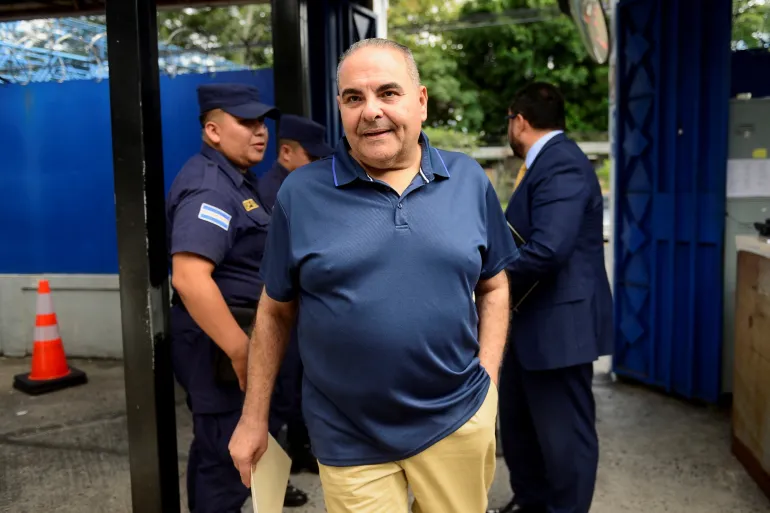
Former Salvadoran President Elias Antonio Saca was released on Thursday after completing a 10-year prison sentence for embezzlement and money laundering involving more than $300 million in public funds.

RELATED: Bukele Says El Salvador Could Dismantle Haiti’s Gangs

The 61-year-old former president appeared in court to formally register his release after serving his sentence in full, without early-release benefits, his lawyer, Mario Machado, said.

Saca was sentenced in September 2018 to five years for embezzlement and another five for money laundering. Under a plea agreement, he admitted to diverting and laundering more than $300 million during his 2004-2009 administration, avoiding a potential 30-year prison sentence.

He was arrested in 2016 during his son’s wedding. Prosecutors accused him of siphoning money from the state budget for himself and others, including more than $7 million transferred to his former political party, the Nationalist Republican Alliance (ARENA).

¡El ex presidente de El Salvador, Elías Antonio Saca, recupera su libertad tras 10 años en prisión! 🌟 https://t.co/3kuzLOrsGl pic.twitter.com/ML3B51eew2

— Diario La Tribuna (@LaTribunahn) October 30, 2026

Text Reads: Former El Salvador president Elías Antonio Saca regains his freedom after 10 years in prison! 🌟

During the trial, Saca acknowledged exploiting weaknesses in government oversight to transfer public funds to private accounts. He also disclosed that he had issued regulations allowing him to classify information about financial transactions as state secrets, shielding the transfers from scrutiny.

According to his testimony, the money was transferred over the course of his five-year presidency into 13 private bank accounts belonging to his former private secretary, Elmer Charlaix, and two other presidential staff members.

In 2019, Saca was convicted in a separate bribery case after offering $10,000 to a court employee in exchange for information about proceedings against him. A judge ruled that the additional sentence would be incorporated into his existing 10-year term.

He was also ordered to repay $260 million to the state. In another case involving the diversion of funds from Taiwan, he was sentenced to pay an additional $6 million. It remains unclear whether he has fulfilled that obligation.

Saca, a businessman and radio broadcaster who served as president under ARENA, is one of four former Salvadoran presidents to have faced corruption charges. His successor, Mauricio Funes, fled to Nicaragua in September 2016 and died there in 2025.

  •  

‘Rats run away’: Facing criminal probe, Flávio Bolsonaro flees Brazil to U.S. after loss to Lula

By Brett WILKINS

“This reveals the DNA of Bolsonarism,” said one critic. “Bolsonarism is made of cowardice.”

Join us on Telegram, X, and VK.

Contact us: info@strategic-culture.su

Just one day after vowing he would remain in Brazil to disprove allegations of money laundering, corruption, and other crimes, far-right Brazilian Sen. Flávio Bolsonaro followed in his disgraced father’s footsteps by fleeing to the United States after losing a presidential election.

Bolsonaro, his wife Fernanda Bolsonaro, and their two daughters, ages 14 and 12, left Brazil for an unknown location in the United States, according to initial reporting by Isadora Teixeira at the Brasília-based news site Metrópoles, which was subsequently confirmed by other Brazilian and international media.

The Argentinian site Infobae reported that Bolsonaro and his family may have crossed into Argentina—which is run by his ally, far-right President Javier Milei—and then traveled to the US in a private jet. It is not known where the family went in the US.

Bolsonaro’s brother, Eduardo Bolsonaro, lives in Texas while facing criminal punishment in Brazil after trying to use the Trump administration to pressure Brazilian authorities over the prosecution of his father, former President Jair Bolsonaro, who last year was convicted of conspiring to violently remain in power following leftist President Luiz Inácio Lula da Silva’s 2022 election win.

Flávio Bolsonaro, a 45-year-old senator representing Rio de Janeiro, was defeated by Lula in Sunday’s second-round election, but refused to accept the results and groundlessly demanded an annulment. The following day, Supreme Court Justice Alexandre de Moraes ordered the seizure of Bolsonaro’s passport. He was supposed to have turned in the document Tuesday, but he didn’t.

US President Donald Trump also cast doubt on the election’s outcome, saying the contest appeared to be “rigged.”

Jair Bolsonaro also fled to the United States while refusing to acknowledge his own 2022 defeat, which occurred during the administration of former President Joe Biden.

Like Trump, Bolsonaro incited a violent insurrection in his nation’s capital following his loss.

Unlike Trump, Bolsonaro was held accountable for his crimes, and, in addition to a 27-year prison sentence—now being served under house arrest—is banned from running for any political office for the rest of the decade.

Now, with Trump back in the White House and Secretary of State Marco Rubio in charge at Foggy Bottom, Bolsonaro and his relatives are set to be issued US visas, a senior State Department official told The Associated Press.

The younger Bolsonaro’s flight—which may have been aided by his obtaining an Italian passport in 2023—contradicts his pledge on Monday, when he said, “I have never thought about leaving the country” and “I will hand over my passports and defend myself against this travesty.”

He was referring to de Morães’ order to surrender his passport amid accusations of corruption, money laundering, tax evasion, and foreign currency violations.

Bolsonaro is also the subject of an inquiry pertaining to the millions of dollars he raised from a disgraced banker implicated in a massive corrupt plot to finance a biopic of Jair Bolsonaro.

The senator has not been charged and denies any wrongdoing.

Bolsonaro’s flight stands in stark contrast to Lula, who spent 580 days in prison after being convicted in corruption cases stemming from the sprawling Operation Car Wash investigation.

In 2021, Brazil’s Supreme Federal Court annulled Lula’s convictions on procedural grounds, ruling that the court in Curitiba lacked jurisdiction over the cases and separately finding that former judge Sergio Moro had acted with bias in one of them. The decisions restored Lula’s political rights and eligibility to run for office, paving the way for his 2022 presidential victory over Bolsonaro.

Lula responded to the senator’s departure by saying, “Unfortunately, the Bolsonaro family is like that.”

“Brazil is his second homeland,” the president continued, accusing Bolsonaro of “bootlicking in the United States.”

Secretary-General of the Brazilian Presidency Guilherme Castro Boulos ripped Bolsonaro, saying: “Leaders face things head-on! Rats run away!”

“It is a shameful thing, which should make Brazilian society as a whole reflect, especially those who supported and voted for Flávio Bolsonaro,” Boulos asserted. “He slapped his supporters in the face and left them on the side of the road.”

“Almost 60 million Brazilians trusted him as political leadership to run the country, and 24 hours later, he flees,” he continued. “And it’s no use coming up with this talk of persecution, of dictatorship. He ran away because he must.”

“This reveals the DNA of Bolsonarism,” Boulos added. “Bolsonarism is made of cowardice.”

Erika Hilton, a member of the Chamber of Deputies—the lower house of Brazil’s Legislature—representing São Paulo for the Socialism and Liberty Party, weighed in on social media, calling Bolsonaro “a traitor to the homeland.”

In the United States, Congressman Joaquin Castro (D-Texas) said on X that “losing an election is not grounds for asylum.”

“Yet the Trump administration is giving Flávio Bolsonaro safe haven in the United States,” he continued. “The Trump administration owes Congress answers on its role helping Bolsonaro flee Brazil in contravention of Brazilian law.”

Mark Weisbrot, co-director of the Center for Economic Policy and Research (CEPR), told Common Dreams:

Trump is now the most corrupt president in US history, raking in billions from his presidency. It’s no surprise when the most powerful corrupt authoritarian government in the hemisphere uses international law designed to protect the persecuted to shield another corrupt authoritarian government from criminal prosecution. Perhaps this is what is meant by the Trump-led ‘Shield of the Americas.’

Francesca Emanuele, senior international policy associate at CEPR, noted that “the United States has long served as a destination for numerous right-wing Latin American political figures who fled their home countries while facing corruption allegations, criminal investigations, or accusations of grave human rights violations, including crimes against humanity.”

“The list is extensive,” she added, “ranging from former presidents such as Panama’s Ricardo Martinelli and Bolivia’s Gonzalo Sánchez de Lozada to dictators such as Nicaragua’s Anastasio Somoza.”

Emanuele also contrasted the actions of the Bolsonaros and Lula, arguing that the latter’s decision to remain in Brazil “reflected a commitment to the Brazilian people and a determination to defend his rights through the country’s own institutions, even when those institutions failed to uphold them.”

“Rather than leaving Brazil,” she told Common Dreams, “Lula stayed, fought to clear his name, and continued his political struggle alongside the people he sought to represent.”

Original article:  www.commondreams.org

  •  

Maria Corina Machado: Venezuela Will Become U.S.'s 'Greatest Ally' Once It Returns to Democracy

Anti-socialist opposition leader and Nobel Peace Prize winner María Corina Machado on Thursday affirmed that Venezuela will become America's greatest ally in the region once it finishes its transition back to democracy after nearly three decades of socialism.

The post María Corina Machado: Venezuela Will Become U.S.’s ‘Greatest Ally’ Once It Returns to Democracy appeared first on Breitbart.

  •  

El Salvador Pledges 2,000 Troops to Restore Order in Haiti

The foreign ministry of El Salvador said on Wednesday that over 2,000 troops will be dispatched to Haiti to support ongoing U.N. anti-gang operations and rescue four missing Salvadoran aircraft technicians.

The post El Salvador Pledges 2,000 Troops to Restore Order in Haiti appeared first on Breitbart.

  •  

International Bridges in Texas Closed Due to Mexican Cartel Terror

Three international bridges in Texas closed for several hours as the Gulf Cartel spread terror on the Mexican side. The incidents took place on Thursday afternoon in the Mexican border city of Matamoros, Tamaulipas, after Mexican authorities arrested Axel “Titan”

The post International Bridges in Texas Closed Due to Mexican Cartel Terror appeared first on Breitbart.

  •  

Venezuela Appoints Oliver Blanco as New Foreign Minister

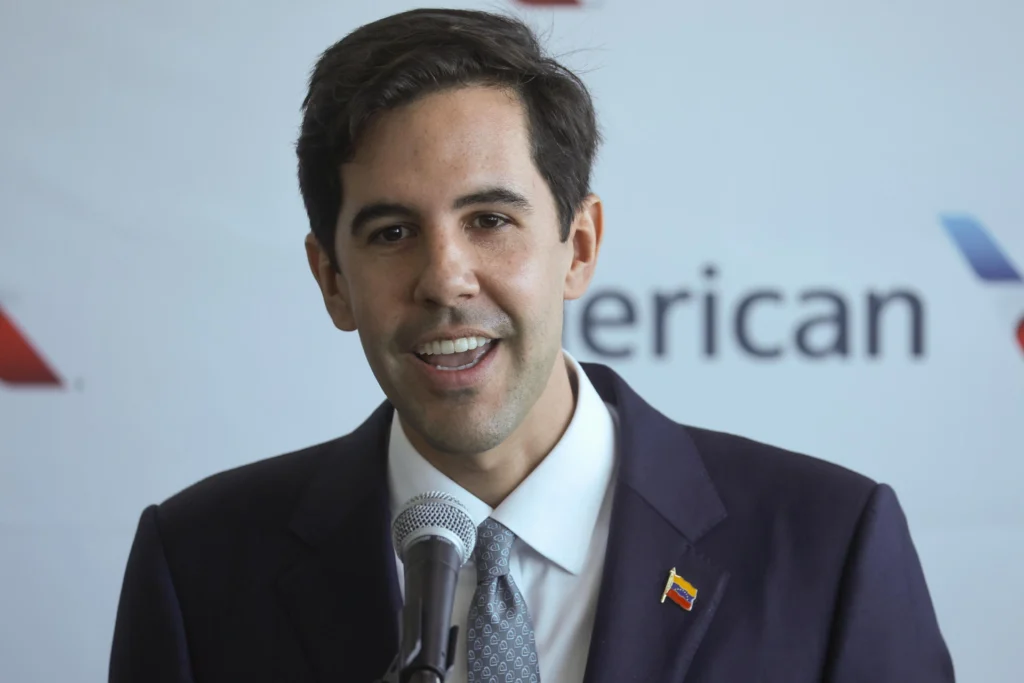
Oliver Blanco, 35 years old, has a degree in International Studies and a master’s degree in Political and Government Studies. Photo: EFE.

Venezuela’s Acting President Delcy Rodriguez appointed Deputy Minister Oliver Blanco as the country’s new Foreign Minister on Thursday, while outgoing top diplomat Félix Plasencia will lead the mission to recover Venezuelan gold held in the United Kingdom.


Acting President Delcy Rodriguez announced the moves in Caracas during an event focused on the National Electric System, where she also outlined plans for the country’s energy infrastructure.

The reshuffle places a 35-year-old diplomat at the helm of the Foreign Ministry and redirects a veteran official toward a long-running dispute over state assets frozen abroad.

RELATED: Delcy Rodríguez Announces Transformations, Labor Dialogue, and Reforms in Venezuela

“I have decided to appoint Oliver Blanco as Foreign Minister of the Bolivarian Republic of Venezuela. I hope this strengthened team keeps advancing in the changes and the geopolitical recovery of Venezuela in areas of cooperation and friendship with all countries,” Rodriguez said.

He designado a Oliver Blanco, joven profesional de las relaciones internacionales, como nuevo ministro del Poder Popular de Relaciones y Comercio Exterior. Confío en su preparación, compromiso y capacidad para asumir esta importante responsabilidad al servicio de Venezuela.… pic.twitter.com/A0gaqGOWnv

— Miraflores Al Momento (@MirafloresAM) October 29, 2026

Text reads: “I have appointed Oliver Blanco, a young professional in international relations, as the new Minister of People’s Power for Foreign Relations and Trade. I trust in his preparation, commitment and ability to take on this important responsibility in the service of Venezuela. I thank Félix Plasencia for his dedication and work at the head of the Chancellery, and who will now assume new international strategic tasks.”

The new Foreign Minister Blanco, holds a degree in International Studies from the Central University of Venezuela and a master’s degree in Political and Government Studies from the Metropolitan University. His previous post covered Europe and North America, a portfolio that included some of the governments most active in the sanctions and asset disputes that have defined Venezuela’s recent foreign relations.

Gold Recovery Mission

Felix Plasencia, who steps down as Foreign Minister, will now serve as director of International Affairs for the Presidency. His immediate priority is clear. “His first task is to settle in the United Kingdom until we recover the gold that belongs to Venezuelans,” the Acting President Rodriguez stated.

The assignment follows a request Rodriguez made on Wednesday. She asked the Foreign Ministry and the Attorney General’s Office to begin formal procedures to recover Venezuelan gold retained at the Bank of England. The precious metal has been at the center of a legal battle involving rival claims over Venezuela’s legitimate government, with London courts weighing which authority controls the reserves.

Recibo con mucha humildad y compromiso la responsabilidad que me ha encomendado la presidenta encargada, @delcyrodriguezv.

Defenderé nuestra soberanía y el interés nacional con firmeza, trabajando siempre por alcanzar beneficios concretos para nuestra gente.

Me siento orgulloso… pic.twitter.com/AamIdSnuvS

— Oliver Blanco (@OliverBlanco) October 29, 2026

Text reads: “I accept with great humility and commitment the responsibility entrusted to me by the Acting President @delcyrodriguezv. I will defend our sovereignty and national interest firmly, always working to achieve concrete benefits for our people. I am proud to accompany the Acting President in this process of democratic transformation, to which we all have something to contribute to bring it to a successful conclusion.”

Cabinet Reshuffle Expand

The changes extend beyond the two senior positions. Marynna Saatdjian will take over as Vice-minister for Europe and North America, filling the role Blanco leaves behind. Saúl Ameliach, until now a Vice-minister at the Ministry of Economy and Finance, moves to head the Vice-ministry of International Trade.

Acting President Rodriguez framed the appointments as part of a broader effort to strengthen Venezuela’s diplomatic corps. She emphasized that the government will continue pursuing cooperation and friendship with all countries while defending national sovereignty.

The diplomatic shift carries particular weight given the gold dispute. Venezuela has pursued the release of its reserves held in London for years, arguing the assets belong to the Venezuelan people and are needed for social programs and economic recovery. By sending Plasencia directly to the United Kingdom, the government signals it intends to press the matter with renewed intensity.

With Blanco at the Foreign Ministry, Plasencia handling international affairs from the Presidency and new vice ministers in place, the administration has assembled a team positioned around two core objectives: restoring full diplomatic engagement and reclaiming state assets held overseas.

  •  
❌