“People are really, really hanging on by a thread here,” said Rebecca Cooke, a Democratic congressional candidate in Wisconsin who has made health care costs a central issue of her campaign.
On Friday morning, with 99.5 percent of the votes tallied, the Israeli Central Elections Committee published a final version of the Knesset seat count. Israeli Prime Minister Benjamin Netanyahu's right-wing bloc secured the most seats in the country's parliament after Tuesday's election, though significantly fewer than in 2022. The bloc, according to The Times of Israel, will enter the Knesset with 53 seats, while the main opposition bloc led by Gadi Eisenkot will hold 48. With both groups failing to win the 61 seats needed for a majority, tricky negotiations between the nine Zionist parties and the two Arab-interest parties will be needed to form a governing coalition.
Regardless of who becomes Israel's prime minister, Americans can be confident about one thing: Israel's next leader will likely keep making war in the Middle East with American money and American bombs.
Under Netanyahu, who has served 19 nonconsecutive years as prime minister, Israel has been engaged in controversial and expansive wars across the Middle East. Throughout these wars, the U.S. has armed and funded Israel. Although Israel received aid throughout the Cold War, the U.S. increased its obligations starting in FY 1999 by regularly renewing 10-year funding commitments. Under the current agreement between the two countries, which went into effect in FY 2019, the United States pledged to provide $38 billion in military aid to Israel through FY 2028, subject to congressional appropriations.
A large component of this aid—$33 billion pledged under the current agreement, according to the Congressional Research Service (CRS)—has come through Foreign Military Financing (FMF) grants. These allow partner countries to purchase American weapons, with the costs "reimbursed" by American tax dollars. Data from the Defense Security Cooperation Agency, which manages U.S. arms transfers, show that from FY 2020 to FY 2024, almost $13 billion—90.5 percent—of U.S.-to-Israel arms transfers were paid for by American-issued FMFs. Last year, the CRS found that "annual FMF grants to Israel represent approximately 14% of the overall Israeli defense budget."
Earlier this month, Al Jazeera reported that since Hamas' October 7, 2023, attack on Israel, the United States has approved $33.16 billion in arms transfers to Israel, almost all of which were funded by FMF grants.
Netanyahu has said he plans to wean Israel off a donor-recipient aid system, preferring joint defense collaboration. The U.S. and Israel already jointly develop some weapons, such as the David's Sling and Iron Dome missile defense systems, but, as The Washington Post reports, the U.S. funds most of these projects. A CRS report from earlier this year explains how difficult it would be for Israel to transition away from U.S. assistance: "With a fleet of fighter aircraft that is almost entirely American-made and a missile defense architecture which relies on U.S. assistance," the CRS writes, "Israel may remain dependent for quite some time on U.S. supply chains and, in times of military operations, direct defensive U.S. military support."
Should an Eisenkot-led coalition come to power in the coming government negotiations, the prospect of America sending less money to Israel is slim as well. Eisenkot has been clear that his government would expect U.S. financial support, tellingBizPortal earlier this week that he would keep seeking the $3.8 billion in annual aid the U.S. currently provides. He's also praised "[U.S. President Donald] Trump's decision to strike Iran together with Israel," telling the New York Post it was "courageous."
Should he become the next prime minister, conflict between Israel and Iran, or with any of Israel's neighbors, is unlikely to be resolved, which, as the CRS report above indicates, comes at the cost of American taxpayers.
With over $32 trillion in debt held by the public, the United States clearly needs to cut spending. Military aid to highly developed foreign nations like Israel is an obvious place to start. However, given America's long history of signing checks for the country, combined with Trump's unwavering support, taxpayers hoping for such relief shouldn't hold their breath.
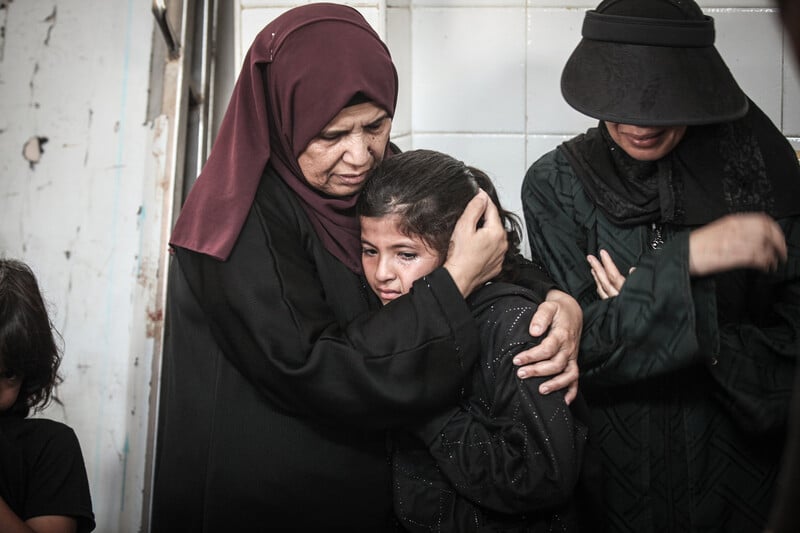
Israeli attacks continue as humanitarian conditions in Gaza worsen, including the killing of 8-year-old Fatima Bayouk, rising bacterial meningitis cases, food shortages, displacement, developments in the West Bank and Lebanon, and Palestinian olive harvesting.
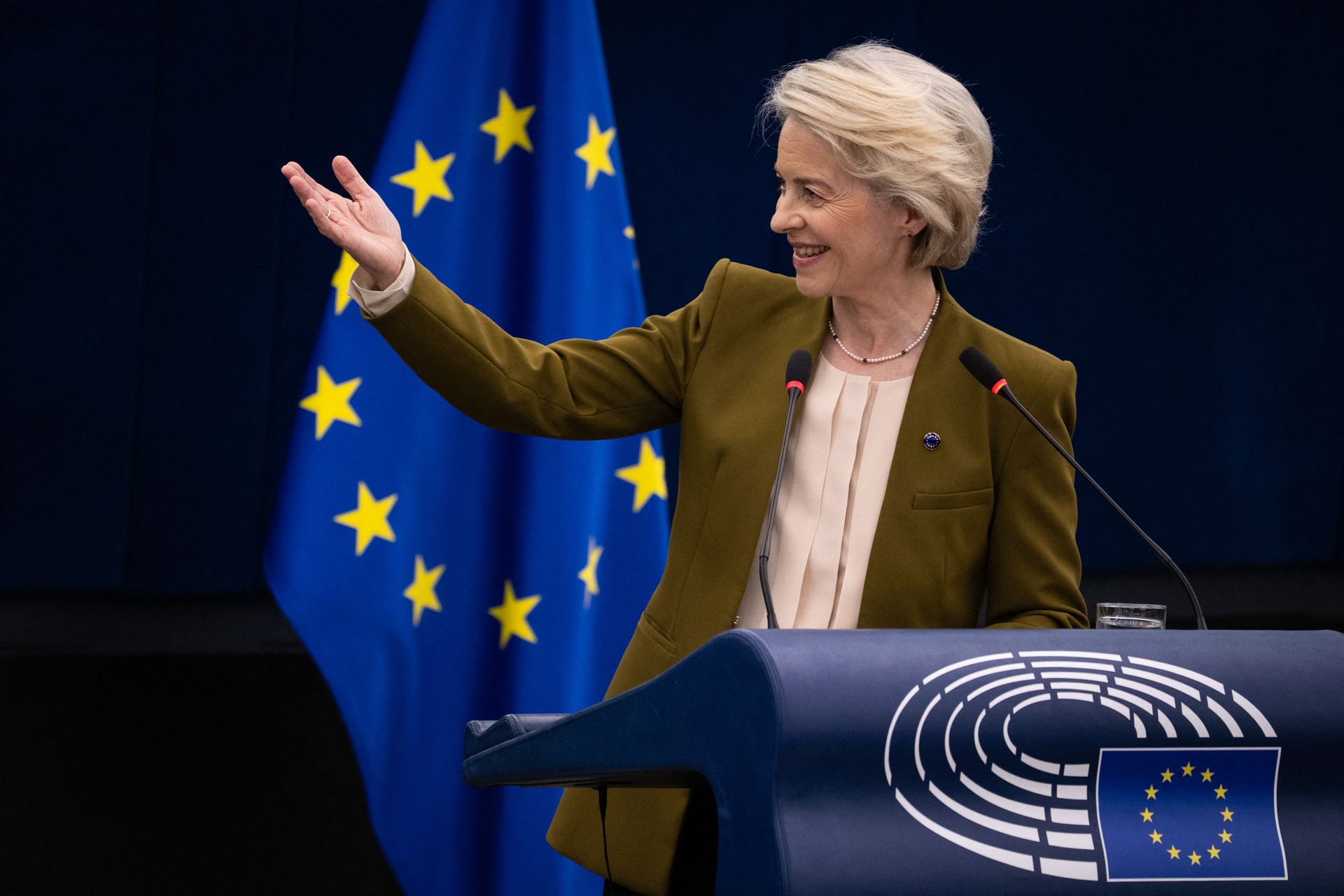
Roughly 31.7 billion euros ($35 billion) have been allocated to support Ukraine's defense industrial capacity, according to the European Commission's proposal.
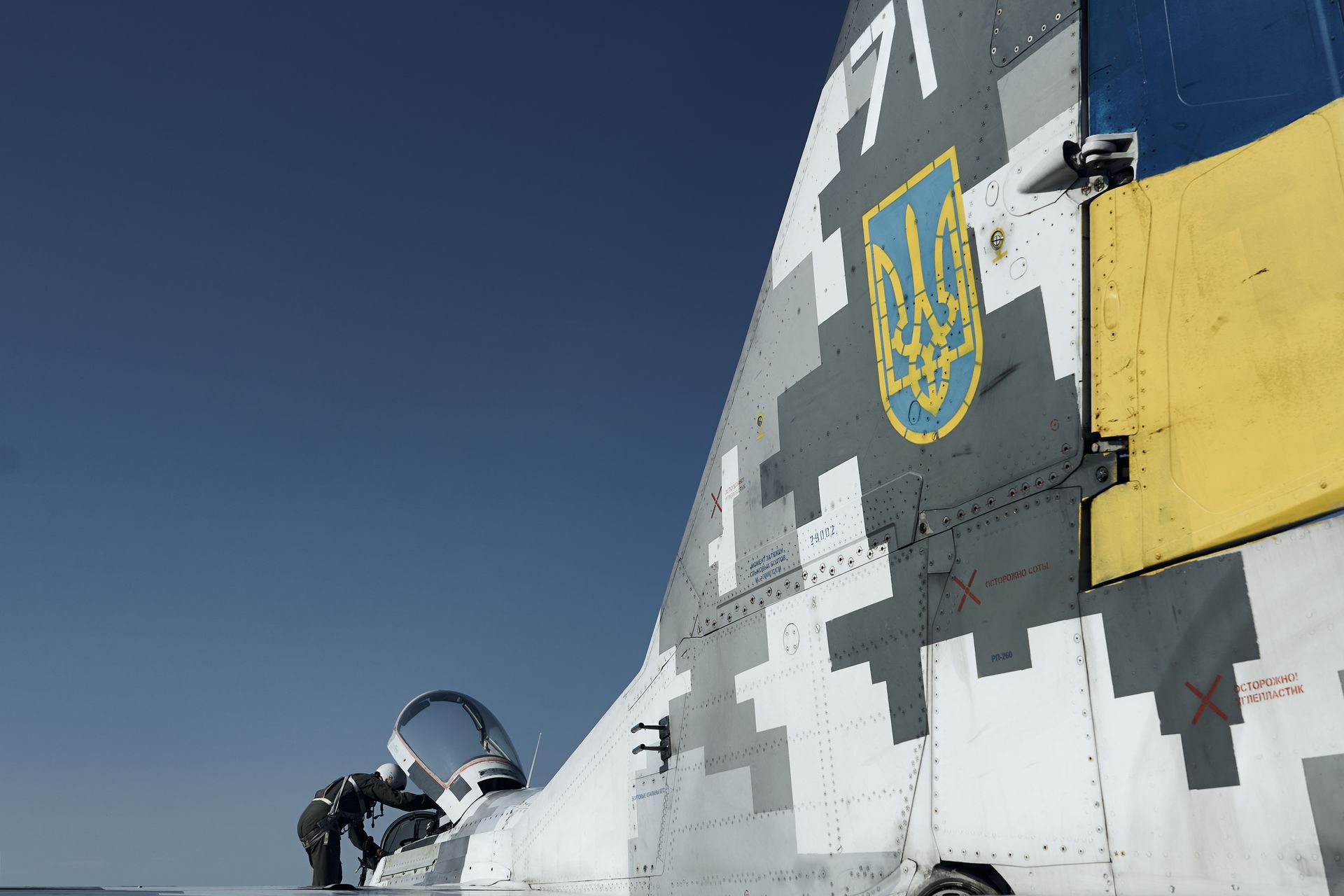
Slovakia's Prosecutor General Maros Zilinka said on Oct. 30 that he had reopened a criminal case against former Prime Minister Eduard Heger and former Defense Minister Jaroslav Nad over their decision to donate Slovakia's fleet of MiG-29 fighter jets and Soviet-era KUB air defense systems to Ukraine in spring 2023.
Dockworkers in more than 20 countries are withholding their labor at 113 ports across 22 countries to demand an end to Israel's assault on Gaza and protest the role of commercial ports in fueling militarism.
Ukraine’s human rights commissioner Dmytro Lubinets and his delegation safely reached Russian-occupied Oleshky in Kherson Oblast on 30 October, with the local truce at 80 hours and holding. He said he was talking with residents to learn what help they need most.
Russia has kept Oleshky, on the left bank of the Dnipro River, cut off for months, leaving residents starving. Now the test is where the buses take people. The White House promised residents who wish to leave transport to their “preferred destination.” Lubinets said on 27 October that everyone who wants to go to Ukraine will be able to. Under agreement pages published by Fox News, his own delegation and the residents who choose Ukraine travel together via Anapa in Russia. From there, a Russian military transport plane to Homiel in Belarus is expected on 31 October.
Explore further
Russia may use the Oleshky truce to rebuild its forces, ISW warns, as evacuees face a route through Russia and Belarus
Buses on standby, aid for those who stay
On the morning of 30 October, before reaching the town, Lubinets wrote from Armiansk in occupied Crimea that he was coordinating the mission with Yana Lantratova, Russia’s human rights commissioner. He said 25 buses with 750 seats had been prepared, plus ambulances for people with limited mobility. Anyone who wants to leave will get a safe way out, and those who stay will receive aid, he added. In delivering that aid, special attention goes to elderly residents and people with disabilities, he said.
We are in Oleshky! The Ukrainian delegation has safely reached the city.
The ceasefire has been in effect for 80 hours and remains in place. I am currently on the ground, speaking with local residents to hear about their needs and understand what kind of assistance they need… pic.twitter.com/AOhKIV0WLO
The evening before, he said people who want to leave could do so until 14:00, with aid distribution after 14:30, without naming a date. Speaking to journalists, he called it the first truce since 2022 to hold this long on such a large stretch of front.
How the truce came about
The White House announced the truce on 23 October, crediting First Lady Melania Trump. It took effect at 03:00 Kyiv time on 27 October. Its zone was later widened. By 29 October, the convoy was ready, Lubinets said. The truce is due to end at 22:59 Kyiv time on 1 November.
Euroclear is facing "multiple proceedings in Russian courts," including a case launched by the Russian Central Bank that seeks to challenge the immobilization of its assets.
Tuvo que despedirme la Administración Trump en 2025 para que comprendiera de verdad hasta qué punto se había vuelto frágil el tejido de nuestra sociedad en Estados Unidos. Valores que durante tanto tiempo habíamos considerado universales —como acabar con el hambre en el mundo, el VIH, la malaria y las enfermedades tropicales desatendidas— se convirtieron de pronto en moneda de cambio político. Nunca imaginé que llegaría el día en que mi país interrumpiría de forma precipitada y temeraria el suministro de material médico, alimentos de emergencia y kits de atención a víctimas de violación destinados a algunas de las personas más pobres del mundo, con un coste en vidas difícil de calcular.
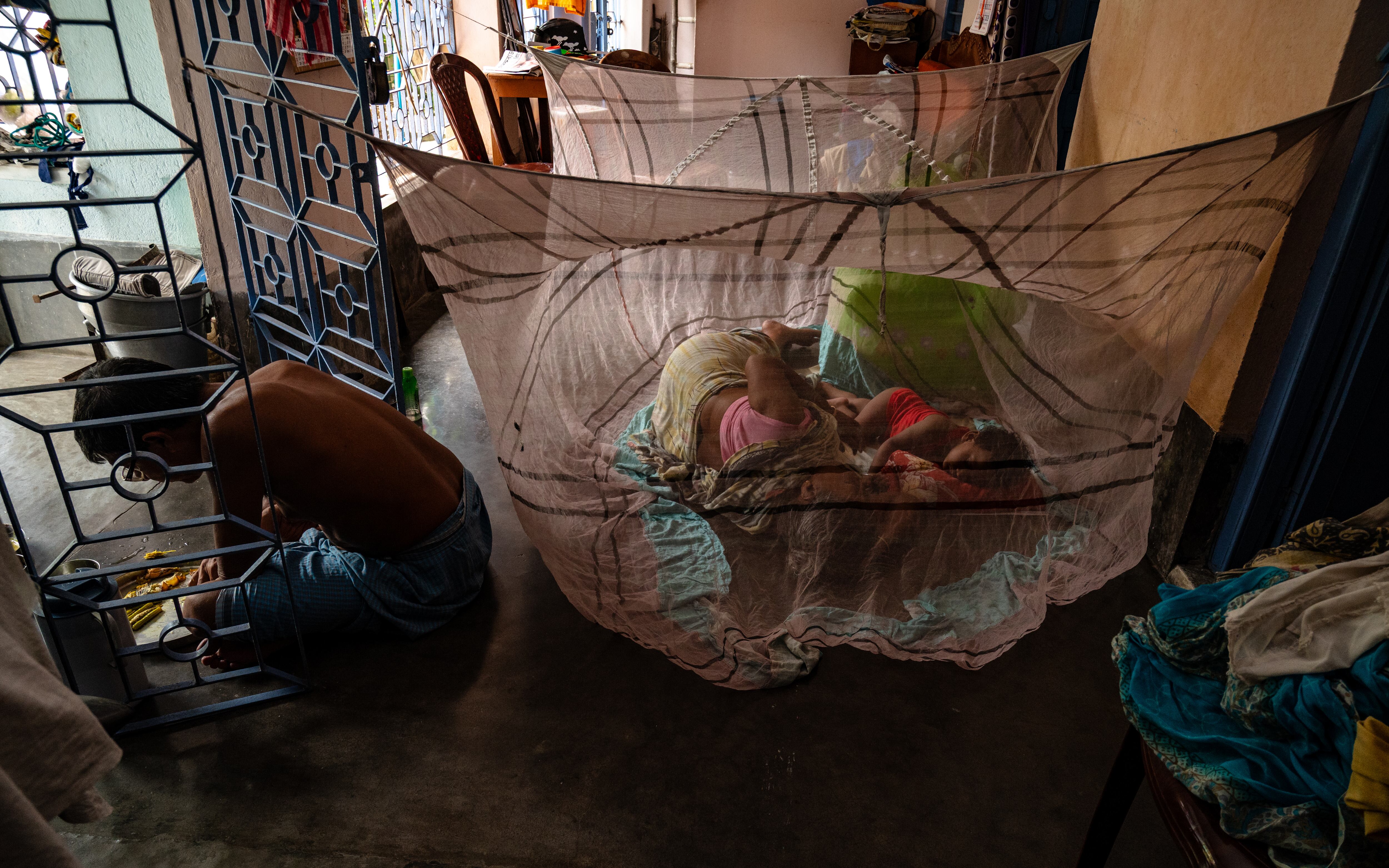
Una mujer y una niña se protegen de las picaduras de los mosquitos que transmiten la malaria en Tehatta, Bengala Occidental (India), el 20 de agosto de 2026.
Twenty-five states sued the Trump administration in June over the new Centers for Medicare and Medicaid Services guidance tied to the 2025 law known as the "One Big Beautiful Bill."

 Login