❌

Reading view

A gastronomic heaven in the hills

Discovering Kyparissos this month was really down to social media brainwashing. Obviously, my algorithm favours restaurants, but Kyparissos kept coming up, and I didn’t know the name at all.

After a little research, I realised it was a restaurant I had driven past so many times on my way into Kathikas, but for whatever reason I had never turned into the car park. Upon arrival, the algorithm hype melted into genuine delight. This restaurant revealed a level of cooking that made me grateful I had followed the digital breadcrumbs all the way to its door.

The restaurant is huge, with green taverna chairs matching the tablecloths. The interior on the night we visited was spotlessly clean, and it was definitely too cold and wet to sit in one of the outdoor areas dotted around the restaurant. At the back, as you park your car, you’re greeted by row upon row of vines leading to the restaurant and spectacular views. The menu is extensive, offering all of the Cypriot favourites. A particularly nice touch was the first page, with photos of the four generations involved in the restaurant since it started in 1960, and an explanation of how it all began with their grandfather announcing he would open a taverna after a family barbecue. Wow – how it has grown over the intervening years.

As part of the menu, there was a daily special of spinach pie, so we bypassed the selection of hot and cold small dishes and started with that to share. Complimentary toasted bread splashed with olive oil and herbs was served with gorgeous olives and a very tasty tahini on the side. The spinach pie’s arrival at the table was a lesson in excellent food presentation, and it applied to everything on the menu.

I have never seen a pie look so enticing. They split it into four parts on a chopping board and scattered cherry tomato halves and cheese crumbs over it. Beneath the whisper-thin sheets of filo pastry was a wonderful filling of spinach, soft herbs, and cheese, creating a decadent, savoury, velvety centre. The four of us quickly demolished it.

Choosing our main courses wasn’t easy and took much deliberation.

The first main was Spicy Lamb Meatballs, served over a Greek pitta with the freshest finely cut salad, tzatziki, and fries in a little basket. The meatballs were a winner and captured Kyparissos’ ethos: high-quality, fresh ingredients expertly cooked in the kitchen. The meatballs had real aromatic depth, were bold and indulgent, and were seared to a smoky crust. With the other ingredients on the plate, it offered perfection in textures and flavours.

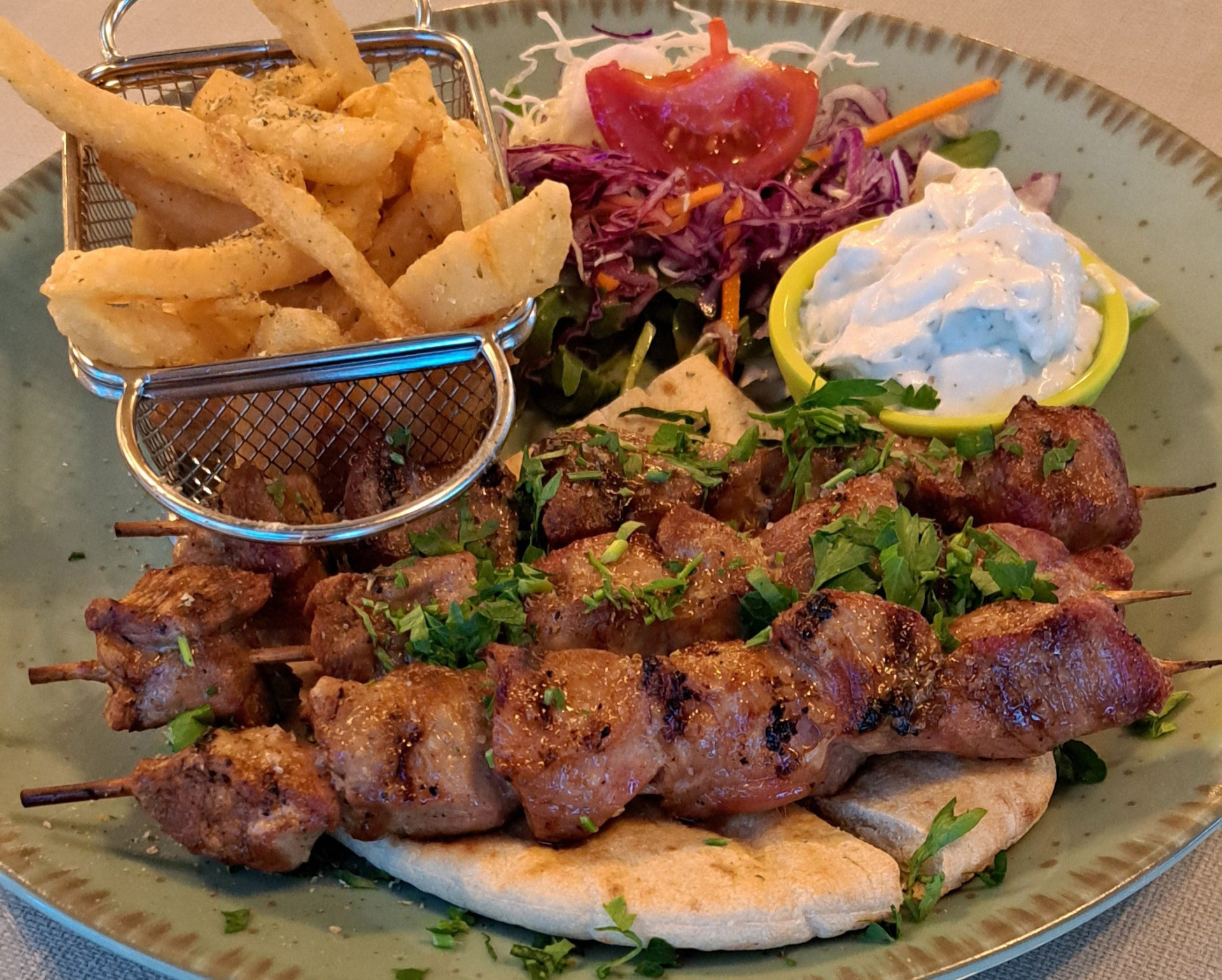
Two of us decided to try the Souvlaki in both pork and chicken versions, as others had praised it online. The best Souvlaki is all about the purity of fire and the patience to produce it. You want your meat to be kissed by the charcoal, not smothered by it. The Souvlaki at Kyparissos was juicy, tender and a generous portion. Both dishes came with salad, traditional pitta, and homemade fries with tzatziki on the side. Both were the finest examples of this traditional dish.

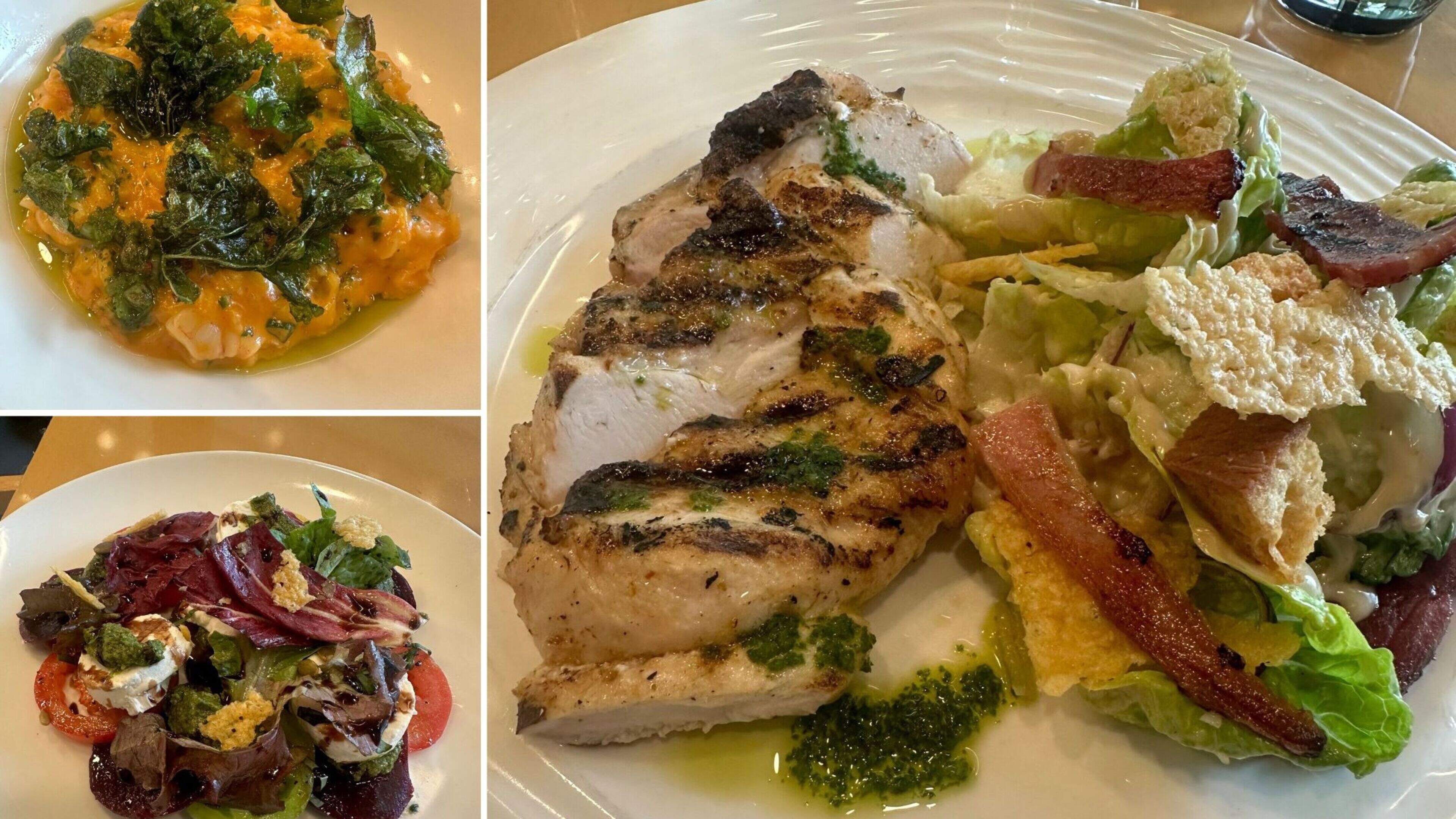
Our final main course was the Marinated Chicken, which was three pieces of chicken breast. It was crispy where it needed to be and succulent inside. Chicken is always highly attractive when the flavours sink deep into the meat and is richly seasoned. The Kyparissos version had a slow infusion of lemon, garlic, and fragrant herbs, resulting in tender, aromatic chicken with a whisper of smokiness. Everybody at the table was delighted with their choice and individual dish.

Rather embarrassingly, before we could order our pre-selected homemade desserts to share, a plate with four pieces of delectable orange cake was placed in front of us on the house. As we ordered two more desserts to write about, you could see the waiter’s face betraying his thoughts of greedy people! Still, we were glad to share an Anari Surprise and the Kyparissos Chocolate Cake – a word of warning that desserts here are definitely designed to be shared. The Anari dessert was very different to versions we have enjoyed in the past: like little mince pies with a filling of Anari cheese lifted by the strong flavour of Cinnamon. The chocolate cake was light and fluffy, with a velvety, decadent chocolate topping, served with ice cream and cream.

Combined with excellent service throughout the meal and a bottle of the house red from the family vineyard, the whole experience at Kyparissos was superb. A family-run taverna like this deserves every bit of praise. It is the kind of place where the cooking is heartfelt, the flavours are excellent, and every plate feels like it’s been carried from someone’s home kitchen.

I look forward to returning, either to try their full meze, which you just know would be pretty special, or their set menu Sunday lunch, which includes a variety of dishes for €25. Kyparissos is certainly a little piece of gastronomic heaven in the hills.

VITAL STATISTICS

SPECIALTY Cypriot

PRICES Cold Starters from €4.00, Hot Starters from €9.50, Salads from €10.00, Main Dishes from €15.50, Sunday Set Menu €25.00.

WHERE Leoforos Aki Kleanthous. Kathikas, Paphos. Main road up from Peyia.

WHEN Open every day except Wednesday. 1 – 11 pm. Reservations recommended.

CONTACT 99 557 545

  •  

After F-22, F-35 and B-21 Raider Losses, Boeing Rebounds With Record Backlog. CEO Says “Dark Days Are Over”

After missing out on the F-22 and F-35 fighter programs, the B-21 Raider next-generation bomber deal, and absorbing billions in losses on the fixed-price KC-46 Pegasus tanker development, Boeing’s Defense, Space, and Security division has rebounded strongly with a series of major contracts.

Amid this turnaround, Boeing reported its third-quarter results on October 27, with CEO Kelly Ortberg assuring investors that the dark days for the company’s defense unit are over.

In the first three quarters of 2026, Boeing’s defense sector brought in US$23 billion in revenue and US$710 million in earnings, up from US$379 million a year earlier, a healthy 87.3 percent increase.

Meanwhile, the company reported a record backlog of US$745 billion, more than five times its market capitalization of about US$132.36 billion. This also includes a backlog of over 6,300 commercial airplanes.

The backlog at Defense, Space & Security grew to a record US$101 billion, with 23 percent representing orders from customers outside the US.

Rising defense sales also helped Boeing narrow its third-quarter losses.

In fact, Boeing believes its Defense unit will continue to deliver healthy growth after massive multi-year contract wins over the last two years and its decision to shun risky contracts, such as the fixed-price contract for the KC-46 Pegasus tanker development, in which it has already lost billions of dollars.

“We are going to see higher growth out of our defense portfolio than maybe what we thought a year ago. I think we were thinking more in terms of low-single-digit revenue growth. Clearly, that’s going to be more towards the high – middle-single- digit or higher going forward,” Ortberg said.

Boeing’s Massive Contract Wins

CEO Ortberg highlighted the recent 737 certification and Boeing’s win in the competition to build the Navy’s sixth-generation F/A-XX fighter as the company’s two most important third-quarter highlights.

“Recent milestones, including certification of the 737-7 and 737-10 and selection to design and build the Navy’s sixth-generation fighter aircraft, are important steps as we continue building on our progress.”

In September, the U.S. Department of War (DoW) selected Boeing to develop the Navy’s next-generation F/A-XX fighter jets. The contract is valued at over US$20 billion for the full-scale development phase.

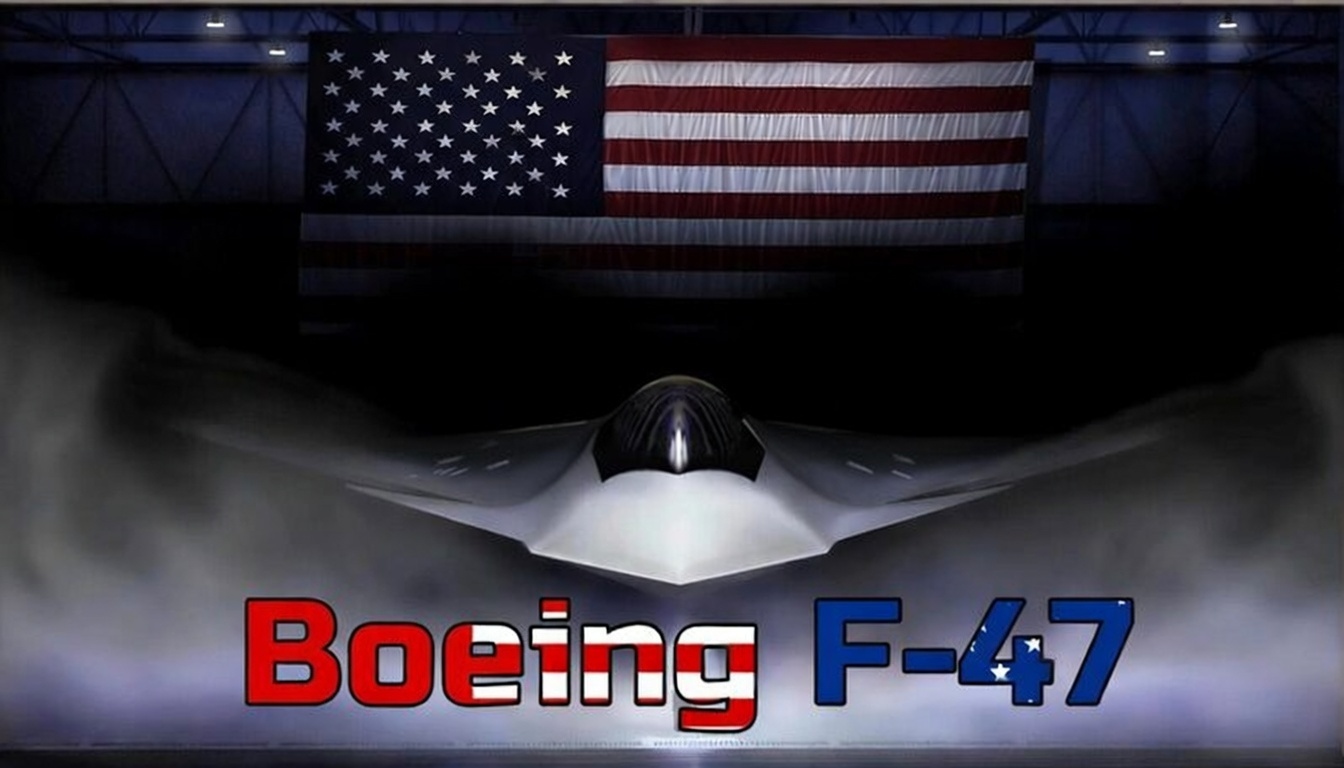
This was the second time in as many years that Boeing was selected to develop a sixth-generation aircraft. Earlier, in March 2025, the US awarded Boeing the NGAD contract, now called the F-47.

F-47: Image for Representation

Boeing is therefore building the sixth-generation fighter for both the US Air Force (USAF) and the US Navy.

This is a remarkable turnaround, as Boeing has no genuine experience in building a stealth aircraft.

In 2015, Boeing lost the contract to build the USAF’s next-generation bomber, the B-21 Raider, to Northrop Grumman.

Earlier, Boeing lost the contract to build both fifth-generation fighters to Lockheed Martin.

In 1991, the Pentagon selected Lockheed Martin as the prime contractor for the F-22 Raptor. Boeing, however, participated in the project and built the aircraft’s wings and tail sections.

In 2001, Boeing’s X-32 lost the Joint Strike Fighter (JSF) competition to Lockheed Martin’s X-35, which became the F-35. That was a winner-take-all program.

Boeing then went roughly 24 years without winning a new fighter design competition.

During those years, the 1997 merger with McDonnell Douglas kept Boeing’s defense and aerospace business alive.

The merger with McDonnell Douglas brought the F-15 Eagle and F/A-18 Hornet/Super Hornet lines. Boeing continued production, maintenance, and upgrades of these aircraft, originally designed and built by McDonnell Douglas.

Its lack of experience in stealth technology and its failure to design and build a new (clean-sheet) fighter in over three decades were major impediments to Boeing’s bid to design and develop sixth-generation fighters.

In fact, the USAF’s NGAD program was widely described as existential for Boeing’s future as a fighter designer and builder.

Boeing, however, came from behind and not only won the NGAD contract, but also cemented its lead by winning the Navy’s next-generation fighter, the F/A XX.

“We scored a generational win with the US Navy when they selected Boeing to design, build, and deliver its sixth-generation fighter jet, making Boeing the exclusive sixth-generation fighter company for both the US Air Force and the US Navy,” Ortberg said.

Boeing also won substantial F-15EX orders.

In September, the Air Force awarded Boeing a US$2.38 billion contract for 22 additional F-15EX Eagle II fighters. This brings the total F-15EXs under contract to 120.

“In the quarter, we also received a contract to manufacture 22 more F-15EX aircraft for the US Air Force. And this award brings the total number of aircraft under contract to 120, with the potential for additional upside as the F-15EX continues to demonstrate the value of its unmatched payload and range capability,” Ortberg said.

Notably, the Air Force has significantly raised its overall planned buy of F-15EX fighters, from earlier targets of around 129 to roughly 267 aircraft.

According to the US force structure plan 2035, submitted to Congress earlier this month, nearly 20 percent of the USAF’s combat-coded fleet could be F-15EXs by 2035.

F-15EX teamed with MQ-28 during Exercise Valiant Shield.

These new F-15EX orders would provide Boeing with stable cash flow for at least another decade.

Another major victory was new multi-year agreements for Patriot PAC-3 seeker production.

“Boeing received a seven-year contract to accelerate and eventually triple the PAC-3 Seeker production, supported by our early investments in facilities, workforce, and supply chain,” Ortberg said.

Besides, Boeing also saw growth in the MQ-25 Stingray aerial refueling drone and in the T-7A Red Hawk trainer program. Both programs have achieved Milestone C approval and moved into low-rate initial production.

Ortberg also stressed that all these programs are “being underwritten with the right contract type,” and the company has decided to avoid risky contracts, such as fixed-price contracts.

Boeing has lost more than US$7 billion on the KC-46A Pegasus fixed-price program.

The original firm-fixed-price development contract was valued at roughly US$4.9 billion. Boeing, however, has absorbed far more than that in overruns because, under the fixed-price terms, the company covers all costs above the agreed ceiling.

CEO Ortberg has repeatedly called it a “bad contract for the last decade.”

“The important part is all these programs are also being underwritten with the right contract type. So not only are
we booking more orders, we’re booking more orders that won’t result in some of the challenges we’ve had,” Ortberg said.

The F-47 contract is a cost-plus deal, Ortberg said. He declined to identify what type of contract Boeing signed for F/A-XX, but said it is “an appropriate contract type.”

Boeing has already decided to shun fixed-price contracts by 2022, when its newly appointed chief of the defense unit, Ted Colbert, announced the company would no longer bid on such contracts with the Pentagon.

The company also made major leadership changes as it worked its way back to recovery.

In July 2024, Boeing named Robert “Kelly” Ortberg to succeed Dave Calhoun as the company’s CEO.

Then, in September 2024, the company fired defense unit chief Colbert and replaced him with Stephen “Steve” Parker.

Two major labor strikes in 2024 and 2025 also impacted the company’s recovery.

However, strong defense sales and FAA certifications for the 737-7 and 737-10 aircraft have helped the company narrow its losses, build its backlog, and reassure investors of future growth potential.

“So the outlook is strong, our products are in strong demand, and the budget supports additional growth,” Ortberg said.

  • Sumit Ahlawat has over a decade of experience in news media. He has worked with Press Trust of India, Times Now, Zee News, Economic Times, and Microsoft News. He holds a Master’s Degree in International Media and Modern  History from the University of Sheffield, UK. 
  • He can be reached at ahlawat.sumit85 (at) gmail.com

The post After F-22, F-35 and B-21 Raider Losses, Boeing Rebounds With Record Backlog. CEO Says “Dark Days Are Over” appeared first on EURASIAN TIMES.

  •  

Review: House of the Dragon and the Pursuit of Political Power

MINISHOUSEOFDragon | <em>House of the Dragon</em>/HBO

At its best, HBO's House of the Dragon echoes questions about politics that drove the early seasons of Game of Thrones. How does one obtain or lose power? Why are those who desire it so often unfit? The right bloodline and a loyal army—or a big dragon—can take you only so far.

The dragons and armies play a bigger role in the spinoff series, but the show's recently completed third season occasionally embodied the spirit of its predecessor.

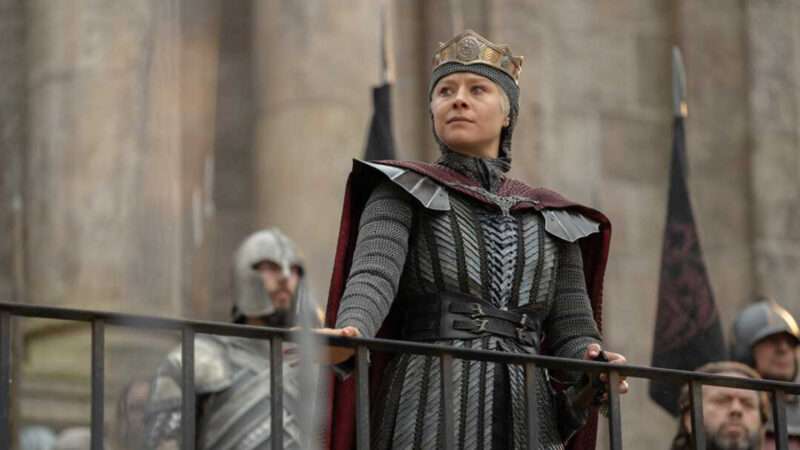
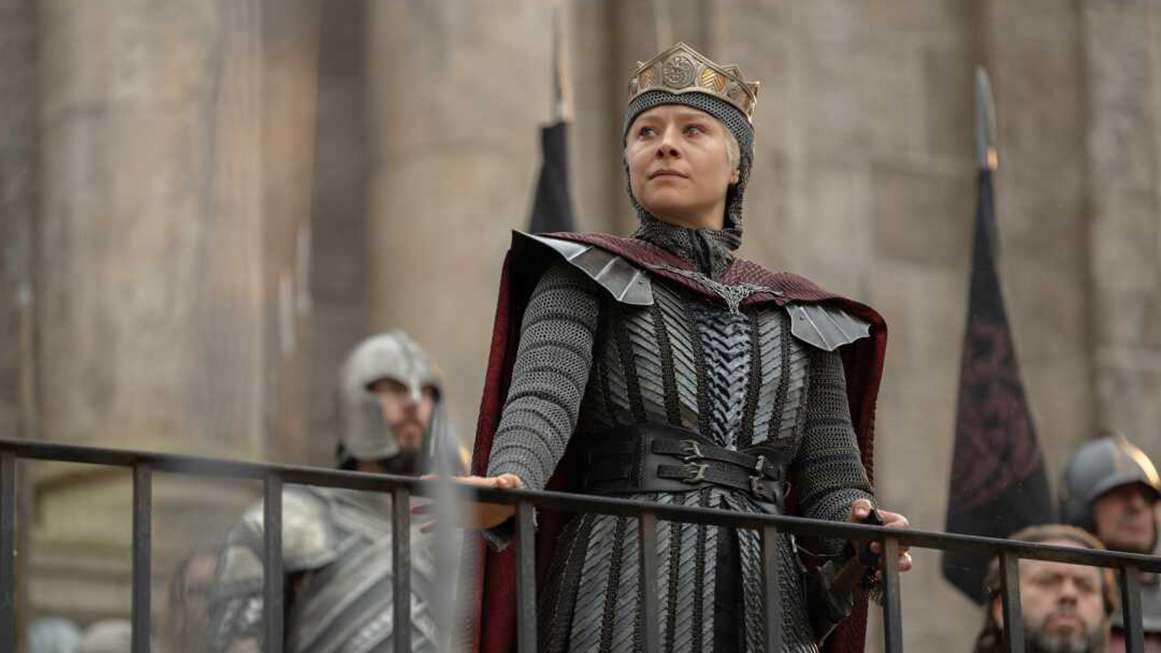
The third episode finds Queen Rhaenyra Targaryen, having seized the throne with a daring raid on Westeros' capital, planning a hasty coronation and banquet. She's thwarted by a deluge of other problems, large and small. The treasury is empty. Key allies seek favors. And who gets which bedroom in the palace?

With an entire episode dedicated to Rhaenyra's first day in her new job, House of the Dragon shows how successful leaders aren't defined by battlefield glory—mostly, it's about managing endless meetings and demands.

The post Review: <i>House of the Dragon</i> and the Pursuit of Political Power appeared first on Reason Magazine.

  •  
❌