❌

Reading view

Breach of Denmark's National ID System Demonstrates the Risks of a 'Papers, Please' Society

Dokk1, a government building in Denmark that contains the Central Register of Persons (CPR). | imageBROKER/Stig Alens/Newscom

Like most of the rest of the world, the United States has been stumbling its way towards a "papers, please" society in which we must show identification to go about our lives. The latest excuse for imposing a national ID requirement is voting, with the stalled SAVE America Act intended to preempt state procedures by requiring people to show REAL ID-compliant documents before casting ballots. Whatever the excuse, we're told identification requirements will make us more secure, but a recent breach of Denmark's national ID system suggests that such an apparatus is just easy hacker bait.


Hackers 'Harvest Records on Approximately 8.8 Million People'

"Denmark is reviewing security controls around its national citizen registry after unauthorized parties exploited a company's access credentials to harvest records on approximately 8.8 million people over a 10-day period," Shweta Sharma of CSO, an enterprise-level security publication, reported earlier this month. "The breach covers people living in Denmark as well as individuals who have died or moved abroad, while people with protected names and addresses were not affected."

The hacker who broke into Denmark's Central Register of Persons (CPR) claims to have entered through a company with access that used "123456" as a password. Danish authorities are scrambling to reassess their security procedures, the implications of the lost data on what seems to constitute almost the entire population, and "whether there may be similar vulnerabilities in other key public IT systems."

It's tempting to marvel at the risks inherent in compiling a database of the identifying details of a country's people and then protecting it with the crappiest conceivable password. But Americans are in a poor position to savor the Danish government's discomfort (though we should sympathize with the concerns of the Danish people) given our own government's comparable screwups.


The U.S. Government's History of Data Breaches

In 2015, the federal Office of Personnel Management (OPM) suffered a massive data breach at the hands of Chinese government hackers. The OPM initially put the loss from the penetration of its background investigation databases on 4 million individuals. Later, though, after a second incident, the OPM raised its estimate to 21.5 million people whose "residency and educational history; employment history; information about immediate family and other personal and business acquaintances; health, criminal and financial history; and other details" had been surrendered to hackers.

That breach cast a long shadow. Government-provided credit monitoring and identity theft protection insurance for the affected individuals just began expiring earlier this year.

Frankly, compared to the scale of the OPM data loss, the slightly earlier incident at the Internal Revenue Service (IRS) involving the theft of Social Security numbers, birthdates, and home addresses of approximately 100,000 people almost doesn't register.


The Inherent Vulnerability of Centralized Databases

A year before those hackers engaged in one-stop information shopping courtesy of federal databases, the Cato Institute's Chris Edwards had warned me that the federal government's vast collection of sensitive data was bound to be abused and misused. He told me the main "threat is that the vast databases held by the IRS, HHS, security agencies, etc, will be leaked on purpose, leaked because of bureaucrat sloppiness, or be hacked. The more they collect, the more that will eventually leak."

In fact, two years ago, the Associated Press reported that "a former contractor for the Internal Revenue Service who pleaded guilty to leaking tax information to news outlets about former President Donald Trump and thousands of the country's wealthiest people was sentenced to five years in prison Monday."

That leak turned out to involve "the private data of more than 400,000 taxpayers," according to the House Judiciary Committee. When he was sentenced, the guilty party, Charles E. Littlejohn, insisted he "acted out of a sincere, if misguided, belief I was serving the public interest" by exposing the tax records. But his motivation hardly matters to the affected individuals who had no choice but to give sensitive information to the federal government, only to see it badly mishandled—as Edwards predicted.

In the case of Littlejohn, data was stolen out of a smug sense of outrage over the relative burdens imposed by the tax system. In the OPM incidents, information on federal employees was pilfered by a hostile foreign government. In the other IRS breaches, it was apparently taken by criminals seeking to profit.

The Danes may have been lucky, since the people who hacked their national database insist "they had no intention of selling or leaking the data" and may have just sought a challenge. Those affected will just have to hope so.

As the compromise of Denmark's national ID system demonstrates, centralized databases are tempting targets for bad actors who see in them tempting treasure troves of information if they can only find holes in security—like ridiculous password protection. The data storage company RackTop maintains a running list of government data breaches in the U.S., updated monthly.

"Several of 2026's largest government incidents ran through systems built to share documents, according to public reporting: a Defense Manpower Data Center file-sharing system, a third-party discovery-transfer tool at the Los Angeles City Attorney's Office, and a SharePoint system connected to DHS's Homeland Security Information Network," the company notes.


ID Requirements Address Some Security Worries While Creating Others

In the U.S., the latest calls for identification documents involve concerns that non-citizens may be casting ballots. In the days before the midterm elections, there may well be reason to ask people to prove their bona fides before participating in the political process. But whether for voting or for any other purpose, reliance on the federal government's national ID by another name—the SAVE Act specifies "a form of identification issued consistent with the requirements of the REAL ID Act of 2005 that indicates the applicant is a citizen of the United States"—builds dependency on a hacker-bait system that should itself be recognized as a security vulnerability.

CSO's Sharma added that the national ID breach is "forcing Denmark to reconsider how CPR numbers are used for identity verification. Officials are advising organizations not to rely on a CPR number alone and to use stronger mechanisms such as MitID, two-factor authentication, or one-time codes." (MitID is a state-run digital identification system in Denmark that also has security flaws.)

Denmark's national ID is no longer considered a reliable means of proving identity. Before Americans go further down the "papers, please" road, we should consider whether it poses more risks than benefits.

The post Breach of Denmark's National ID System Demonstrates the Risks of a 'Papers, Please' Society appeared first on Reason Magazine.

  •  

Binance Grapples With ‘Security Incident’ That May Cause $6.3 Billion in Losses

The world’s largest crypto exchange suspended deposits and withdrawals after an apparent hack.

© Antonio Masiello/Getty Images

Changpeng Zhao, Binance’s founder, said the incident “does look like a hack.”
  •  

How One Country Became the Unlikely Crossroads of the Global A.I. Boom

In Malaysia, U.S. and Chinese tech giants are pouring billions into vast data centers, straining local resources and testing the limits of Washington’s restrictions on advanced chips.

© Ulet Ifansasti for The New York Times

  •  

Una filtración masiva expone los datos de 41.000 trabajadores del Departamento de Seguridad Nacional de EE UU, incluidos agentes encubiertos del ICE

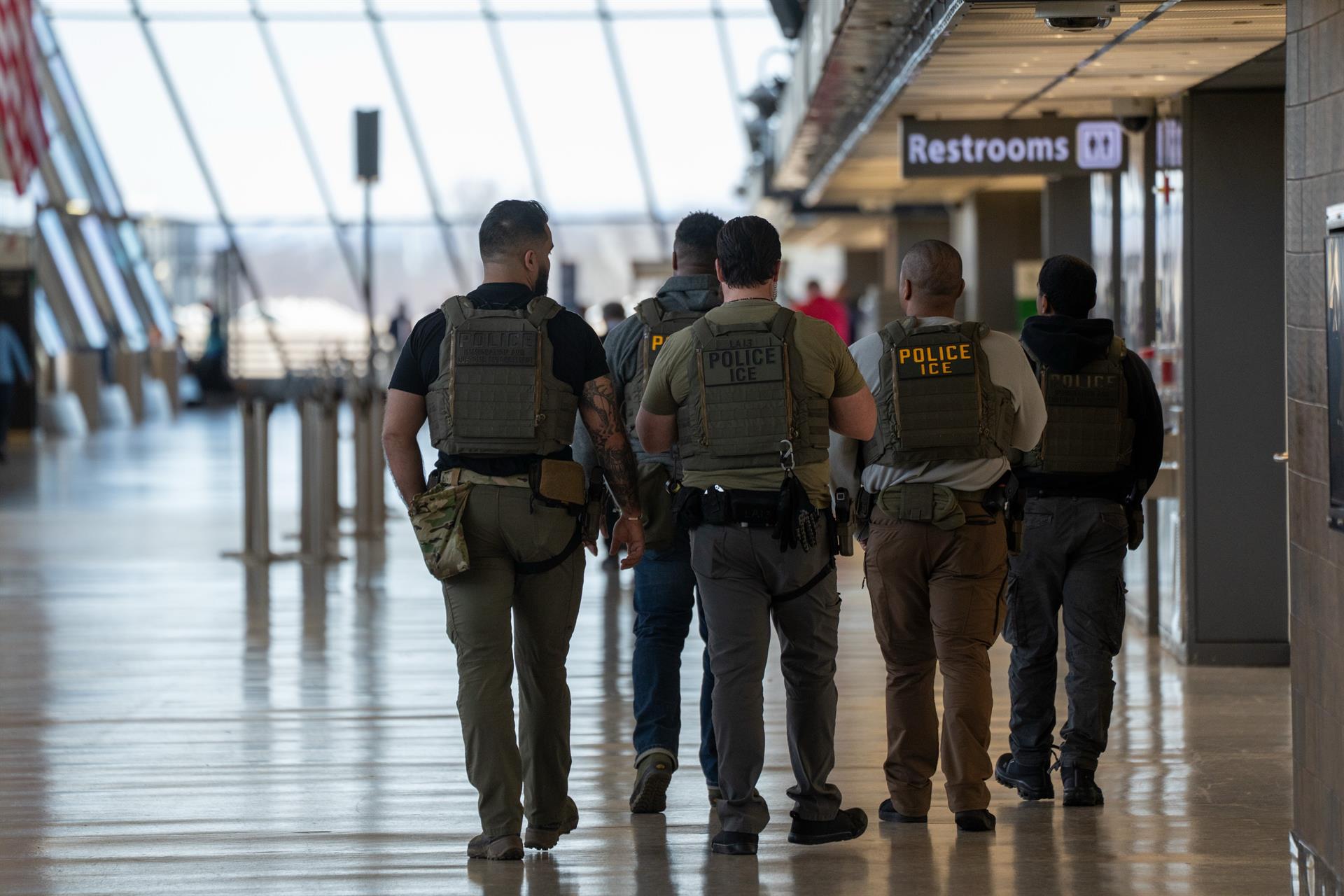
Los datos de más de 41.000 trabajadores del Departamento de Seguridad Nacional de Estados Unidos (DHS) han quedado expuestos en una filtración que afecta, entre otros, a agentes encubiertos del Servicio de Inmigración y Control de Aduanas (ICE). Los archivos incluyen nombres, correos electrónicos, teléfonos y datos sobre operaciones de vigilancia, así como información sobre el funcionamiento interno de algunas de las principales agencias federales estadounidenses.

La información nos llega desde Wired, que ha analizado los archivos publicados por Distributed Denial of Secrets (DDoSecrets), una organización dedicada a difundir documentos filtrados. El conjunto de datos ha recibido el nombre de Icepick y sus responsables, un grupo llamado Department of Peace, aseguran haberlo obtenido del DHS. La filtración afecta aproximadamente a una séptima parte de la plantilla del departamento, cuyos últimos registros están fechados el 19 de agosto de 2026.

Los archivos revelan información sobre operaciones encubiertas del ICE

EEUU destaca cifras récord de deportaciones diarias a manos del ICE EEUU destaca cifras récord de deportaciones diarias a manos del ICE

Para empezar, hay que tener en cuenta que el DHS agrupa a distintas agencias de seguridad estadounidenses, entre ellas el ICE y la Oficina de Aduanas y Protección Fronteriza (CBP). Esta última concentra más de la mitad de los registros filtrados, mientras que unos 10.000 pertenecen al ICE y otros 6.200 al Servicio de Ciudadanía e Inmigración. También aparecen aproximadamente 1.000 trabajadores de la Agencia de Ciberseguridad.

Sin embargo, los nombres y los datos de contacto no son lo único que aparece en los documentos. Los investigadores han encontrado más de 55.000 grupos de permisos de acceso, utilizados para organizar qué empleados pueden entrar en determinados sistemas informáticos. Esto permite conocer las relaciones entre distintas unidades y los programas con los que trabajan, aunque no necesariamente qué uso hace cada empleado de ellos.

Entre esos grupos aparecen 39 trabajadores de Homeland Security Investigations (HSI) vinculados a operaciones encubiertas certificadas. HSI es la división del ICE encargada de investigaciones criminales, y sus empleados figuran en grupos identificados con las siglas CUC. Están repartidos entre más de una docena de oficinas, aunque los registros no permiten establecer si todos ellos han participado personalmente en operaciones de infiltración.

Uno de los grupos encontrados pertenece a una oficina de Minnesota y hace referencia a Keyhole, una operación que permitió financiar la vigilancia encubierta de manifestantes en Minneapolis a principios de este año. Según documentos judiciales federales, más de un centenar de agentes de HSI participaron en una investigación que incluyó la infiltración de conversaciones privadas y que terminó con 15 residentes acusados de amenazas y acoso.

El ICE también tiene expuestas sus herramientas de vigilancia y datos de altos cargos

Alex Karp, CEO de Palantir, durante un acto para el New York Times Alex Karp, CEO de Palantir, durante un acto para el New York Times
Los archivos también contienen referencias a programas de intervención de comunicaciones y a herramientas como Palantir Falcon y PenLink, utilizadas para analizar información durante investigaciones policiales. A esto se suman más de 700 cuentas relacionadas con Signal, la aplicación de mensajería cifrada, casi todas pertenecientes a la CBP. Eso sí, los documentos no permiten conocer las conversaciones mantenidas a través de la aplicación.

Por otro lado, hay más de 200 cuentas asociadas a Mobile Fortify, una aplicación de reconocimiento facial que utilizan los agentes fronterizos estadounidenses. Entre los empleados relacionados con esta herramienta aparecen supervisores, agentes de unidades tácticas y personal de inteligencia, muchos de ellos destinados en Texas, California y Arizona. La pertenencia a estos grupos, no obstante, tampoco acredita que todos hayan utilizado personalmente el programa.

Los documentos contienen información sobre altos cargos del Departamento de Seguridad Nacional, entre ellos la exsecretaria Kristi Noem y Philip Hegseth, hermano del secretario de Defensa estadounidense. Sus nombres aparecen en dos grupos de permisos compartidos por 13 personas, mientras que otro grupo relacionado con Grok incluye cuentas de ocho responsables tecnológicos del departamento.

También se pueden encontrar indicios del crecimiento reciente del ICE. Los investigadores han identificado unas 1.300 cuentas de agentes creadas desde julio de 2025, cuando Donald Trump firmó una ley que financiaba la contratación de 10.000 nuevos efectivos. Además, aparecen miembros de la Guardia Nacional y personal militar destinado a labores de apoyo en instalaciones de inmigración, aunque no todos figuran necesariamente como agentes del ICE.

Los datos filtrados podrían utilizarse para atacar a los propios agentes

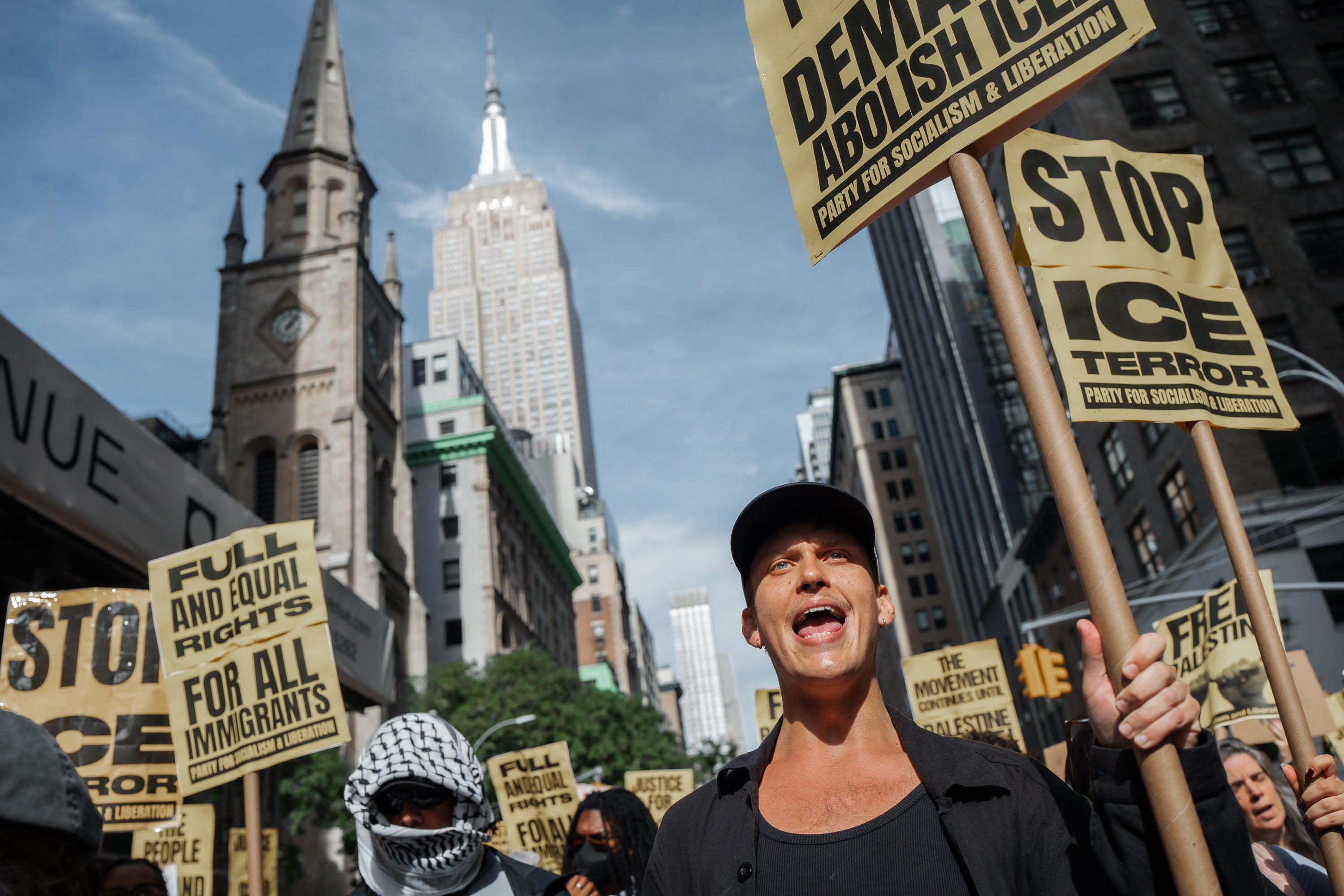
Protestas contra el ICE en Nueva York Protestas contra el ICE en Nueva York

Por ahora no se sabe cómo consiguieron los responsables de Icepick acceder a los archivos. Los datos están relacionados con la gestión de identidades del DHS, que utiliza tecnología de Okta para controlar el acceso de los trabajadores a sus sistemas. La compañía, por su parte, niega que se haya producido una intrusión en sus propios servidores y asegura que no tiene pruebas de que su infraestructura haya resultado comprometida.

Y aunque no consta que se hayan publicado contraseñas, la información podría utilizarse para preparar nuevos ataques contra los empleados afectados. Alexander Leslie, experto en seguridad nacional de Recorded Future, advierte de que combinar estos registros con otras bases de datos filtradas permitiría identificar trabajadores vulnerables, preparar suplantaciones de identidad convincentes o incluso poner en peligro investigaciones que todavía estén en marcha.

Tiene sentido si pensamos en la cantidad de información que puede recopilarse sobre una persona a partir de su nombre, correo electrónico y puesto de trabajo. Ya hemos visto con la filtración de datos personales de OpenAI cómo datos aparentemente inofensivos pueden utilizarse para preparar ataques de suplantación, incluso cuando los delincuentes no tienen acceso a contraseñas ni información bancaria.

Tampoco es la primera exposición de datos de grandes dimensiones que conocemos recientemente. A principios de año supimos que unos investigadores habían conseguido recopilar datos de 3.500 millones de usuarios de WhatsApp, aunque en aquel caso aprovecharon un mecanismo de consulta de contactos. La diferencia aquí es que los archivos también revelan relaciones internas y posibles vinculaciones con operaciones policiales, no sólo información personal.

Trump persigue la divulgación de datos de agentes mientras el DHS investiga la filtración

Donald Trump, actual Presidente de EE.UU. Donald Trump, actual Presidente de EE.UU.
La filtración llega cuando la administración Trump ha endurecido su respuesta contra quienes publican información sobre agentes federales, especialmente los relacionados con sus políticas migratorias. Los responsables de Icepick, sin embargo, consideran que su actuación está justificada como una forma de exigir responsabilidades al Gobierno. «Ellos tienen nuestra información, así que es justo que nosotros tengamos la suya», aseguran en una nota adjunta a los archivos.

El problema es que publicar información profesional de un funcionario y revelar datos relacionados con operaciones encubiertas no tiene necesariamente las mismas consecuencias. Adam Steinbaugh, abogado de la organización de libertades civiles FIRE, recuerda que la publicación de datos propios de una tarjeta de visita no puede criminalizarse sin más. La cuestión es hasta dónde puede llegar esa publicación cuando también afecta a la seguridad de los trabajadores.

Por su parte, el DHS ha reconocido que conoce la posible brecha de seguridad y que está investigando lo ocurrido. En una declaración, el departamento asegura que trabaja para proteger a los empleados y agentes afectados y que informará públicamente cuando disponga de nuevos datos. De momento no ha explicado el origen de la filtración ni si los responsables consiguieron acceder a información adicional.


© Difoosion

ice-usa
  •  

DECRYPTAGE. Mais pourquoi le démarchage téléphonique exaspère-t-il toujours les Français malgré son interdiction ? "Des numéros composés à l'infini jusqu'à tomber sur une ligne active"

Depuis le 11 août 2026, le démarchage téléphonique sans consentement explicite est interdit en France. Pourtant, la DGCCRF a recensé 43 000 signalements de sollicitations non désirées entre août et septembre. Malgré...

  •  

Intenção de retirar proteção e casa a Rui Pinto mantém-se

A CPES avaliou o risco em julho, antes das novas ameaças ao hacker do Football Leaks. A defesa só pôde pronunciar-se a 23 de outubro, mas a primeira decisão deverá manter-se.

© AFP via Getty Images

Desde 2020 que o denunciante do Football Leaks goza de proteção providenciada pelo Estado português
  •  

Manosphere and online misogyny should be treated as public health issues, say UK experts

Report calls for an effort to tackle harms in similar way to obesity and smoking, and stresses need to ‘offer boys something better’

The manosphere and online misogyny should be treated by the government as a public health issue, in the same way as obesity or smoking, experts have said.

Writing in the Lancet, the authors of a new report argue that a coordinated response is needed, involving governments, schools, health services and community organisations, similar to the public-health response to tobacco use and ultra-processed food.

Continue reading...

© Photograph: miniseries/Getty Images

© Photograph: miniseries/Getty Images

© Photograph: miniseries/Getty Images

  •  
❌