Top Trump administration officials are set to announce new anti-fraud measures Friday in Minnesota as the White House steps up its crackdown on fraud involving federal assistance and healthcare programs. Treasury Secretary Scott Bessent, FBI Director Kash Patel, Centers for Medicare and Medicaid Services Administrator Mehmet Oz and Federal Trade Commission Chair Andrew Ferguson will…
Top Trump administration officials are set to announce new anti-fraud measures Friday in Minnesota as the White House steps up its crackdown on fraud involving federal assistance and healthcare programs. Treasury Secretary Scott Bessent, FBI Director Kash Patel, Centers for Medicare and Medicaid Services Administrator Mehmet Oz and Federal Trade Commission Chair Andrew Ferguson will…
On their first day of training, all aspiring officers in US Navy Officer Candidate School must endure a punishing gauntlet known as "First Tuesday," an intense event that tests them mentally and physically in the span of just under two hours.
Business Insider's chief video correspondent Graham Flanagan went inside "First Tuesday" at Navy OCS in Newport, Rhode Island as 126 candidates began their journey toward earning their commissions as Naval officers.
Led by a US Marine Corps drill instructor, the event sets the tone for the 13-week training course, potentially weeding out anyone having second thoughts.
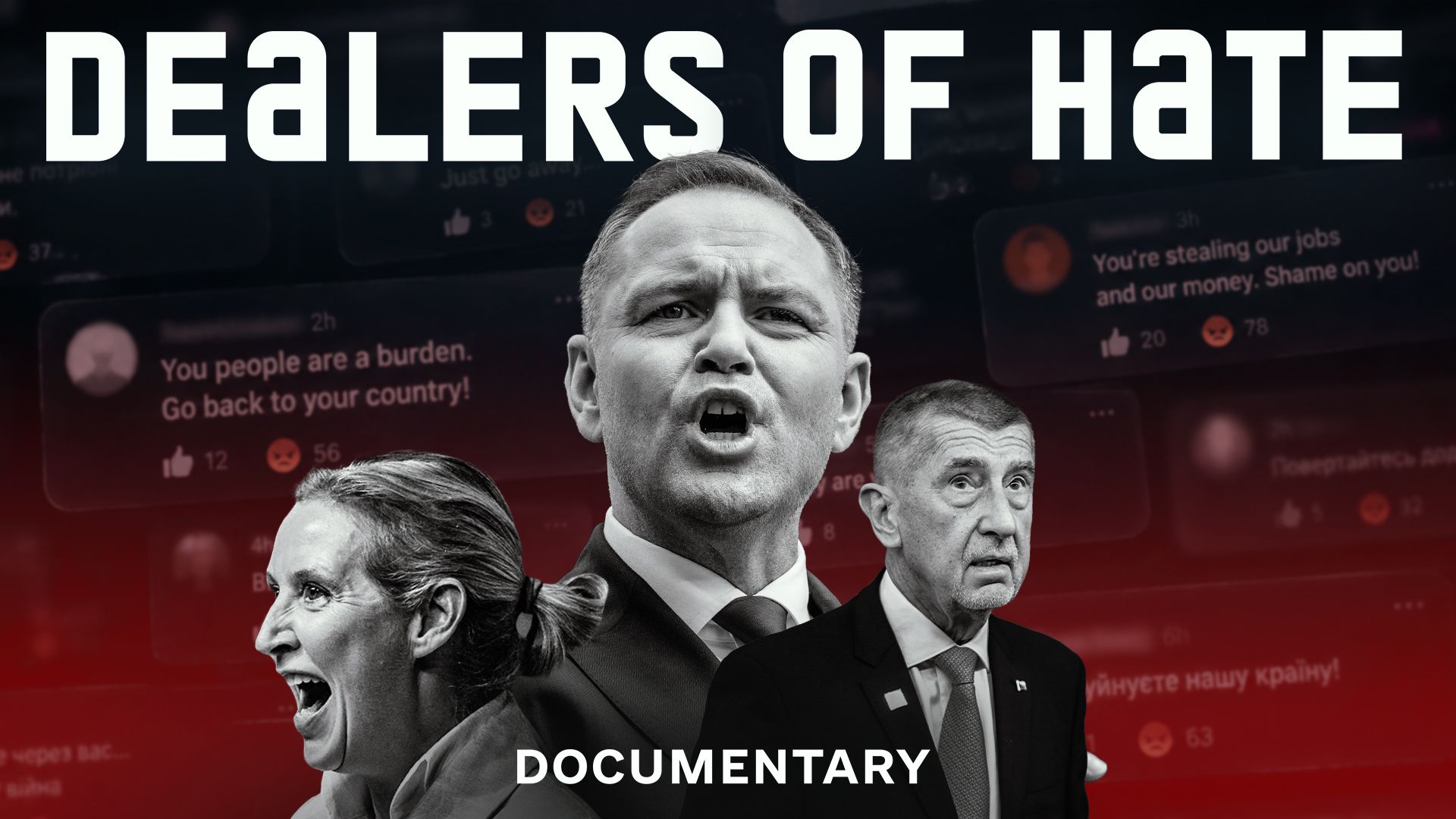
The Kyiv Independent’s new documentary investigates anti-Ukrainian aggression in Germany, the Czech Republic and Poland, the countries that have taken in the largest numbers of Ukrainian refugees since Feb. 24, 2022.
Peter Rhee is a Navy trauma surgeon who served 24 years in the US military. He operated in several active war zones, including Iraq and Afghanistan.
Peter Rhee speaks to Business Insider about treating bullet wounds, battlefield trauma surgery conditions, AI-powered medical technology, and military medical training
He also discusses his role treating Rep. Gabby Giffords after she was shot in an attempted assassination in 2011 in Arizona.
The 28-year-old has managed to combine his love of sports and acting with his breakout role, portraying legendary boxer Muhammad Ali in Prime Video's new series.
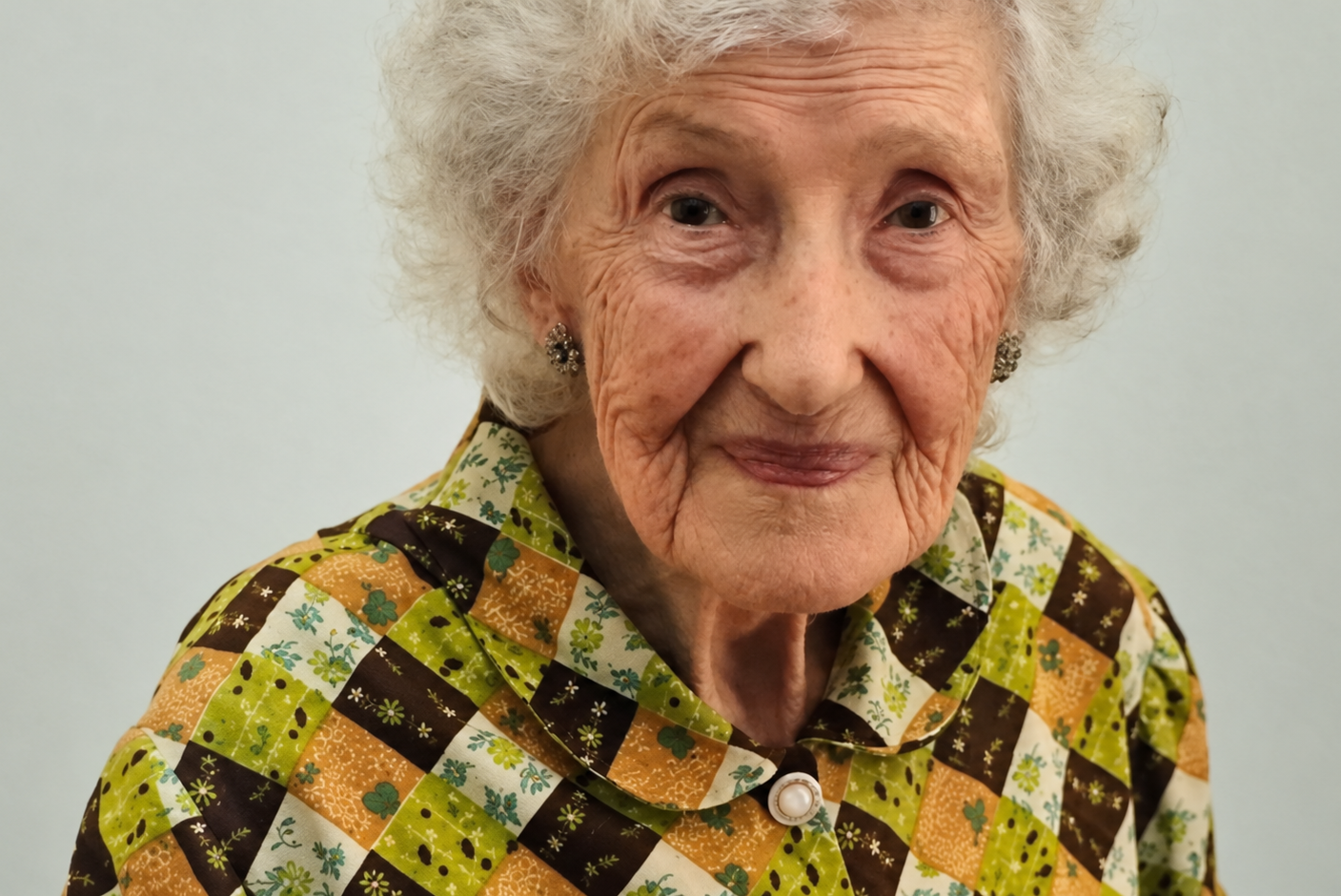
A segunda pessoa mais velha de Portugal celebrou 110 anos com uma filarmónica a tocar-lhe os parabéns e moradores reunidos junto à sua casa. A homenagem a Idalina Moniz aconteceu esta quarta-feira, 28 de outubro, na freguesia da Ribeirinha, no concelho da Ribeira Grande, em São Miguel.
“Tivemos o enorme privilégio e a alegria de viver um momento verdadeiramente inesquecível”, escreveu a banda na mensagem que acompanhou a divulgação.
Várias pessoas associaram-se à celebração. Idalina acompanhou a homenagem à janela, de onde agradeceu o gesto dos músicos e da comunidade.
Parabéns, Dona Idalina! 110 Anos de Vida e Muita Música! Tivemos o enorme privilégio e a alegria de viver um momento verdadeiramente inesquecível: a nossa Filarmónica deslocou-se para junto da Senhora Idalina para lhe cantar os parabéns e brindar com a nossa música a sua impressionante celebração de 110 anos de vida!
A iniciativa tinha sido anunciada pela Junta de Freguesia da Ribeirinha, que convidou a população a participar e destacou o significado do aniversário para a história local.
Na mensagem de homenagem, a autarquia apresentou Idalina como um “verdadeiro património vivo da Ribeirinha”. Recordou também os laços construídos ao longo da vida com familiares, vizinhos e amigos.
Nascida a 28 de outubro de 1916, durante a Primeira Guerra Mundial, Idalina nunca casou nem teve filhos. A junta salientou, porém, a rede de afeto e proximidade que a acompanhou durante mais de um século.
A pessoa mais idosa dos Açores
Na tarde do aniversário, Idalina falou com a RTP Antena 1 Açores, que a descreveu como lúcida e bem-disposta.
A estação pública apresenta-a como a segunda pessoa mais velha do país, depois de Joaquim Varela, que completou 111 anos em maio. Idalina é também identificada como a pessoa mais idosa dos Açores.
… I had a direct, revealing encounter with NPR’s embedded bias in May of 2021, when Geoff Brumfiel, one of their senior correspondents, reached out to feature me in a piece titled: “For Some Anti-Vaccine Advocates, Misinformation Is Part Of A Business.” The article was a thinly veiled attempt at character assassination—an example of media functioning not as a seeker of truth, but as a weapon of narrative warfare.
Rather than ignore or stonewall, I made an unusual decision: I invited Brumfiel into a cross-interview, recorded and published in full transparency above. This format allowed both of us to pose questions to each other, and for the public to witness the full, unedited context. The result was deeply revealing—not just of NPR’s approach, but of the larger media machinery it represents.
This candid exchange exposed not only the editorial bias and conflicts of interest at NPR, but also the broader ideological machinery backing the so-called “Disinformation Dozen” narrative, propagated by the Center for Countering Digital Hate (CCDH)—an organization that, ironically, engages in exactly what its name suggests it opposes: digital censorship, hate, and targeted takedowns.
The False Framing of “Anti-Vax” and “Misinformation”
The terms “anti-vaccine” and “misinformation” are wielded like verbal bludgeons—designed to shut down debate and demonize dissent. But the reality is far more nuanced. At GreenMedInfo.com, we curate and publish peer-reviewed research, offering the public access to scientific literature often ignored by mainstream outlets. This is not “misinformation”—it is scientific transparency.
Yet NPR painted me as a profiteer, part of an “anti-vax industry.” They ignored the fact that GreenMedInfo is ad-free and freely accessible, and that Stand for Health Freedom, which I co-founded, is a nonprofit platform defending bodily sovereignty and informed consent.
I challenged NPR and Brumfiel to investigate their own funding relationships—particularly with PhRMA and the Gates Foundation, both of which have donated millions to support pro-vaccine messaging through NPR. When media entities are underwritten by the very industries they’re reporting on, how can the public trust what they hear?
Corporate Sponsorship & Narrative Control
In fact, NPR’s own sponsorships—such as their integration of PhRMA’s “Brand Soundscapes” into NPR’s app—demonstrate just how blurred the line between journalism and marketing has become. And while Brumfiel insisted editorial decisions are independent, the systemic nature of these relationships is hard to ignore. As I pointed out during our dialogue, when NPR receives tens of millions in funding from groups that directly benefit from mass vaccination campaigns, their reporting on those topics cannot be assumed neutral.
The larger story here isn’t about me. It’s about how public media institutions, originally designed to be accountable to the people, have become extensions of corporate and governmental power.

 Login


 Parabéns, Dona Idalina! 110 Anos de Vida e Muita Música!
 Tivemos o enorme privilégio e a alegria de viver um momento verdadeiramente inesquecível: a nossa Filarmónica deslocou-se para junto da Senhora Idalina para lhe cantar os parabéns e brindar com a nossa música a sua impressionante celebração de 110 anos de vida!